标牌和 LED 灯带工厂,始于 2011 年

标牌和 LED 灯带工厂,始于 2011 年

提高 PCB LED 可靠性:SMT 和焊点接头

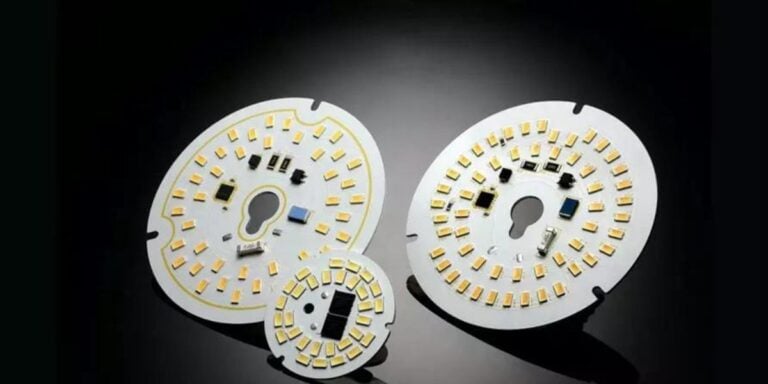
LED lighting industry has transformed modern lighting across residential, commercial, industrial, and automotive applications. LEDs are favored for high energy efficiency, long operational life, and compact size. However, their performance depends heavily on PCB design, SMT assembly quality, and solder joint reliability. Even minor assembly defects can lead to flickering, color inconsistency, hotspot formation, or premature failure.

This guide explores

  • Strategies for improving PCB LED reliability
  • Focusing on SMT best practices, solder joint optimization, and thermal management.
  • Help manufacturers to achieve high-quality and durable LED systems.

Common Reliability Challenges in PCB LEDs

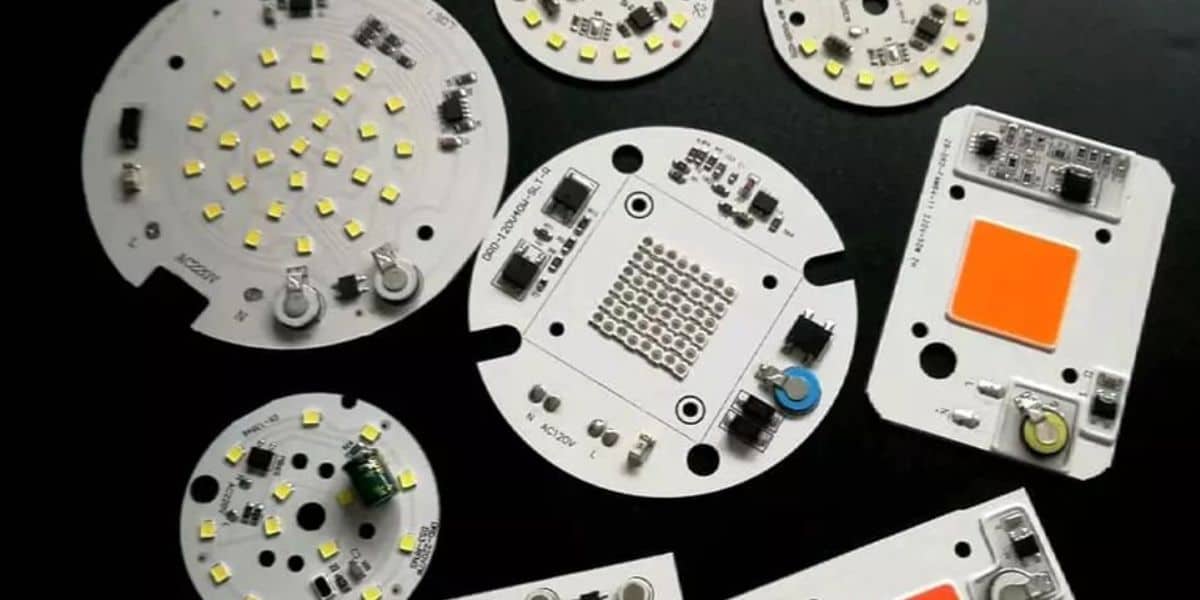
PCB LED

LEDs are highly sensitive to thermal, electrical, and mechanical stresses. Poor design or assembly can compromise performance and lifespan. Typical challenges include:

  • Cracked or open solder joints leading to intermittent connections.
  • Thermal stress causing PCB warping and component degradation.
  • Electromigration damaging copper traces under high current density.
  • Mechanical stress from handling, transport, or thermal cycling.
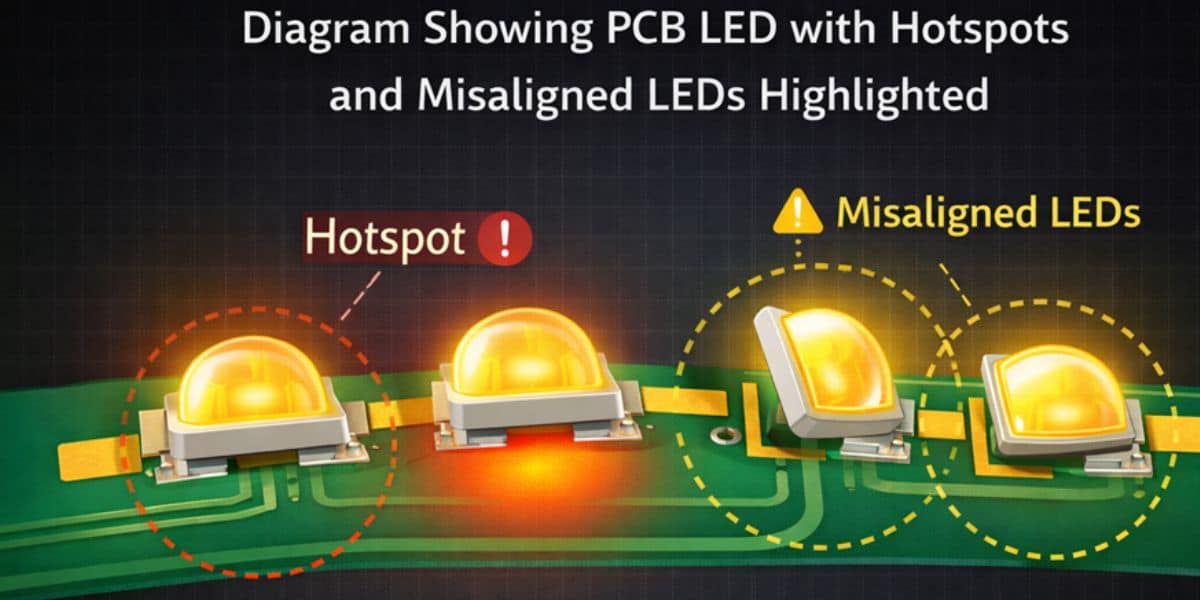
  • Misaligned LEDs resulting in uneven light output or visible hotspots.

Table 1: Impact of PCB and SMT Issues on LED Reliability

PCB LED

Effect on LED System
Cracked solder jointsThermal cycling, mechanical stressFlickering, open circuits
Misaligned LEDsPick-and-place errorsUneven light distribution
Thermal hotspots散热不良Lumen depreciation, early failure
ElectromigrationHigh current density, thin tracesTrace damage, failure over time
Solder voidsImproper paste depositionReduced thermal/electrical conductivity

Surface-Mount Technology (SMT) Considerations

SMT allows precise LED placement, smaller form factors, and improved electrical performance. However, poor SMT practices reduce reliability.

1: PCB Design for SMT

PCB LED

A well-engineered PCB layout supports reliability:

设计元素Best Practise
Pad size and shapeEnsure proper solder wetting and avoid bridging
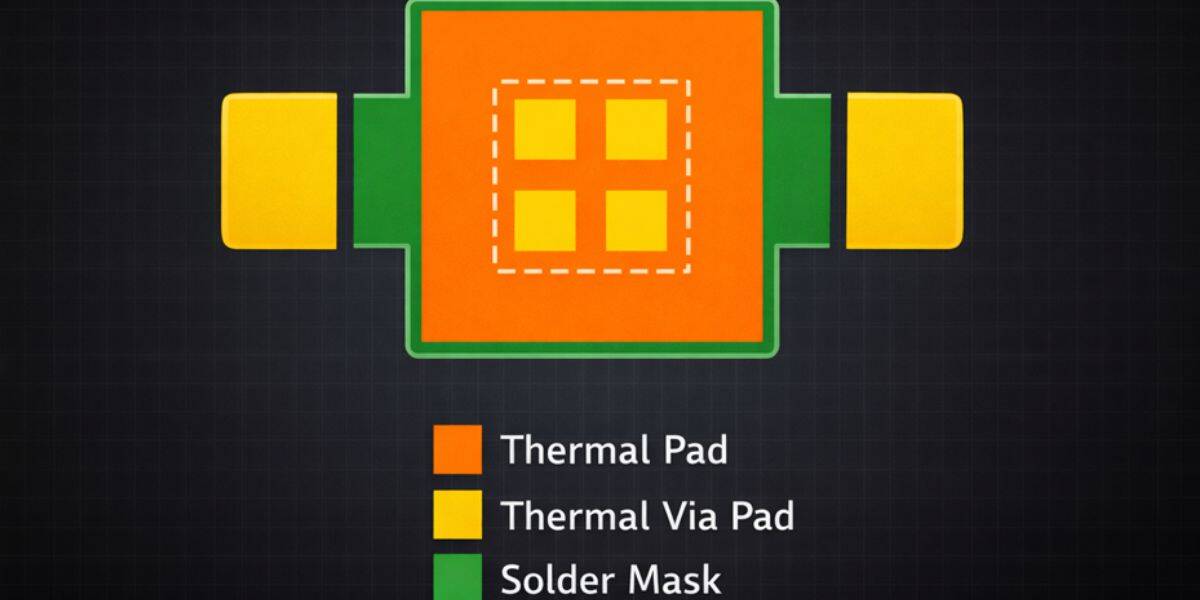
Thermal padsImprove heat dissipation for high-power LEDs
Solder mask designPrevent solder spillage and maintain placement accuracy
Trace width & copperMaintain low resistance and handle current efficiently

2: Pick-and-Place Accuracy

Proper placement is critical for uniform lighting:

  • Nozzle selection, placement speed, and pressure must be optimized.
  • Misalignment can create optical inconsistencies and mechanical stress.
  • Regular calibration reduces placement errors and rework.

3: Solder Paste Application

Solder paste quality and application are vital:

  • Low-void, high-quality paste ensures consistent wetting.
  • Precision stencils prevent insufficient or excessive solder.
  • Flux content must be suitable to prevent oxidation.

Solder Joint Reliability

Solder joints form the mechanical and electrical connection between LEDs and PCBs. Poor soldering is a primary failure cause.

1: Solder Alloy Selection

  • SAC305 (SnAgCu) is the lead-free standard.
  • Low-melting alloys reduce thermal stress during reflow.
  • Alloy must be compatible with PCB finishes (ENIG, HASL, OSP).

2: Reflow Profile Optimization

Reflow temperature must be controlled:

  • Preheat, soak, and peak temperatures must match manufacturer recommendations.
  • Avoid overheating LEDs or pads to prevent thermal shock.
  • Controlled cooling reduces cracking risks.

3: Solder Joint Geometry

Proper joint shape improves strength and conductivity:

  • Fillet height should cover the pad without excess solder.
  • Smooth, concave fillets reduce void formation.
  • Coplanarity ensures stable electrical contact.

4: Inspection and Quality Control

  • Automated Optical Inspection (AOI) detects visible defects.
  • X-ray inspection identifies hidden voids in thermal pads.
  • Regular process audits maintain consistent quality.
LED 类型Fillet Height (mm)Joint Angle札记
0.2–0.5 W LEDs0.2–0.345–60°Standard surface mount LED
1–3 W LEDs0.3–0.545–70°High-power LEDs require thermal support
>5 W LEDs0.4–0.660–75°Use thermal vias and metal-core PCB

Thermal Management for SMT LEDs

PCB LED

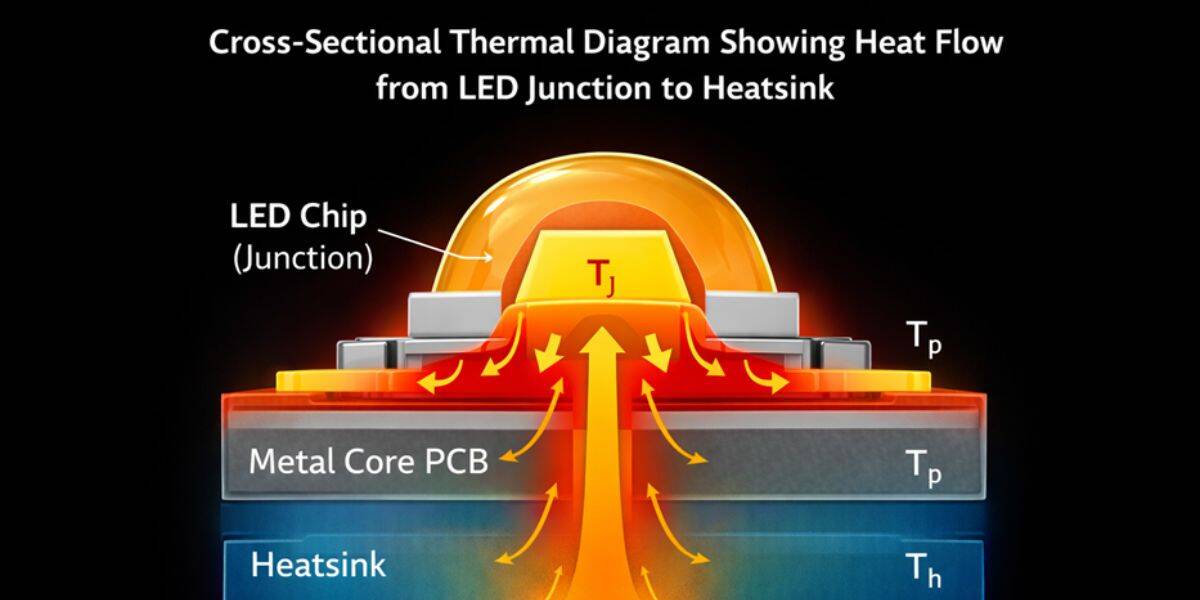
Heat is the most critical factor for LED reliability. High temperatures accelerate lumen depreciation and reduce lifespan.

Key Strategies:

  • Aluminum-core PCBs improve heat dissipation.
  • Thermal vias under LEDs transfer heat to larger copper planes.
  • Heatsinks and TIMs are essential for high-power applications.
  • Correct LED spacing prevents hotspots and ensures uniform temperature distribution.

Common SMT and Soldering Issues

解决方案
TombstoningUneven surface tension during reflowAdjust solder paste volume and profile
Solder bridgingExcess solder, misaligned padsReduce paste deposition, improve stencil
Cold solder jointsPoor wetting, low temperatureOptimize reflow profile and solder type
VoidingTrapped air or fluxUse low-void paste, proper reflow

Best Practices for Reliable PCB LED Assembly

Design for Manufacturability (DFM): Align pads, traces, and thermal paths with SMT capabilities.

  • Use high-quality solder paste: Low-void, consistent alloy with proper flux.
  • Controlled reflow profile: Prevent overheating and rapid cooling.
  • Inspection: AOI, X-ray, and manual checks.
  • Handling: Minimize mechanical stress during transport and assembly.
  • Thermal design: Metal-core PCBs, thermal vias, and heatsinks.
  • Standardized processes: Documentation ensures repeatability.

Case Study: High-Power LED Module

A high-bay industrial LED module experienced frequent solder joint failures due to thermal cycling.

Improvements implemented:

  • Switched to aluminum-core PCBs.
  • Optimized solder paste deposition.
  • Controlled reflow profiles.
  • Added thermal vias under LEDs.

Results:

  • 30% reduction in solder joint defects.
  • Improved lumen maintenance after 5,000 operating hours.
  • Low-temperature soldering alloys reduce thermal stress.
  • Lead-free soldering ensures regulatory compliance without reducing reliability.
  • AI-assisted inspection detects defects faster than traditional methods.
  • Advanced PCB materials with high thermal conductivity improve heat dissipation.
  • 3D thermal simulations predict hotspots before production.

Additional Tips for Manufacturers

  • Use stencil design software for precise solder paste deposition.
  • Conduct thermal simulations to prevent hotspots before production.
  • Calibrate pick-and-place machines regularly.
  • Maintain controlled humidity and temperature in assembly areas.
  • Use protective coatings for high-humidity environments.

结论

PCB LED reliability depends on SMT assembly quality, solder joint integrity, and thermal management. Proper design, soldering, and process control prevent failures, enhance performance, and extend LED lifespan. Manufacturers who implement optimized layouts, high-quality soldering, and advanced thermal strategies achieve reliable, long-lasting LED systems with consistent light output.

For high-performance, durable LED solutions, trust SignliteLED for expertly engineered PCB LED assemblies. We focus on SMT optimization, precise soldering, and advanced thermal management to deliver reliable illumination.

Contact SignliteLED today to enhance your product quality, reduce failures, and ensure superior LED performance.

常见问题

PCB LEDPCB LED
优化PCB LED布局,均匀分布
在现代照明设计中,实现均匀的光分布不再是视觉上的偏好。 优化的 PCB LED 布局可确保一致的亮度、减少的眩光和提高的视觉舒适度。 超越美学,布局优化直接影响热性能、电效率和产品寿命。 不正确的 LED 放置常常会导致热点、不均匀的照明、颜色...

PCB LEDPCB LED
2026 LED PCB供应链趋势和交货时间风险
2026年的LED PCB供应链是由结构性转变而不是短期中断所定义的。 对照明、显示器和集成 LED 系统的需求继续上升,但供应受到区域多样化、更严格的组件依赖以及数据驱动的规划而不是过剩容量的影响。 结果,铅...

PCB LEDPCB LED
用于智能路灯应用的PCB LED
智能路灯中的PCB LED是一种室外照明解决方案,将发光二极管直接安装在专门设计的印刷电路板上,以确保稳定的电气运行、可控的散热和长时间的光输出。 这些解决方案广泛应用于智能路灯系统...
LED 胶带灯LED 胶带灯
高输出LED带灯更耐用吗?
高输出LED 带灯,如果设计得当,在等效的散热和设计条件下,可以与标准LED灯条的耐用性相匹配。 其热管理和坚固的结构支持可靠的运行,但它们本质上并没有超过标准变体的使用寿命。 耐久性是现代LED的关键因素。
The-Difference-Between-2700K-and-3000KThe-Difference-Between-2700K-and-3000K
LED 照明色温比较:2700K 与 3000K
照明是家庭住宅或商业环境的一个重要方面。它与实用性无关,而是对空间美学和氛围的影响。在为您的空间选择合适的照明时,即使是最微小的差别也会产生重大影响....。
与 SMD 灯条相比,COB LED 灯条更亮与 SMD 灯条相比,COB LED 灯条更亮
与 SMD 灯条相比,COB LED 灯条更亮吗?
LED 灯条主要采用两种技术:COB 和 SMD(表面贴装二极管)。除其他外,亮度水平也是这两种照明光源的明显优缺点。我们将在本文中探讨 COB 和 SMD 灯条之间的区别,并为您提供所有相关信息。

分享:

Facebook
叽叽喳喳
Pinterest
LinkedIn
订阅评论
提醒
来宾
0 评论
最老的
最新 最多投票
内联反馈
查看所有评论

搜索 SignliteLED 博客

类别

返回顶部

立即获取报价