English
  简体中文
简体中文  Deutsch
  Español
  Français
  Italiano
  日本語
日本語  한국어
한국어  Polski
  Português
  Русский
  Türkçe
  Nederlands
  Tiếng Việt
  ไทย
ไทย 
The LED PCB supply chain in 2026 is defined by structural shifts rather than short-term disruption. Demand for lighting, displays, and integrated LED systems continues to rise, but supply is shaped by regional diversification, tighter component dependencies, and planning driven by data rather than excess capacity. As a result, lead times for pcb led products are less predictable, forcing manufacturers, engineers, and buyers to plan around uncertainty instead of fixed schedules.
What Is Changing in the LED PCB Supply Chain in 2026
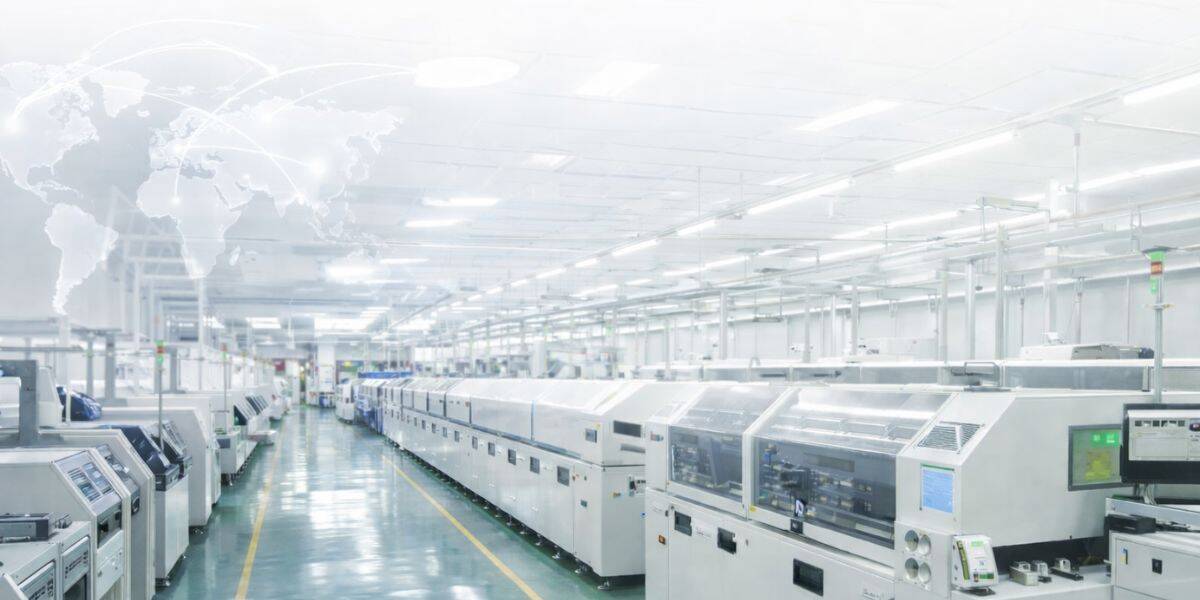
The supply chain environment entering 2026 is not a return to pre-disruption norms. Several underlying changes are now permanent, and LED PCBs are affected in specific ways compared to general PCBs.
Key changes shaping 2026 include:
- Sustained global demand pressure
LED applications continue expanding across architectural, industrial, automotive, and smart infrastructure projects. This demand is steady rather than cyclical, which limits idle capacity across the supply chain. - Structural realignment of sourcing and production
Manufacturers are no longer optimizing only for cost. Regional balance, supply continuity, and risk exposure now influence sourcing decisions at every level. - LED-specific dependencies
Unlike standard boards, a pcb led integrates optical, thermal, and electronic components that must align precisely. This makes LED PCBs more sensitive to component availability and scheduling mismatches.
These changes mean that supply constraints are often indirect. A board may be manufacturable, but delayed by a single upstream dependency.
Key LED PCB Supply Chain Trends Defining 2026
The trends shaping the LED PCB supply chain in 2026 are long-term in nature. They influence availability, scheduling, and planning assumptions rather than day-to-day operations.
Automation and AI-Driven Planning
Manufacturers increasingly rely on automated planning systems to manage capacity, materials, and scheduling. These systems improve internal efficiency, but they also tighten production windows.
- Capacity is allocated earlier and locked in faster
- Late design changes have greater scheduling impact
- Short-notice orders are harder to absorb, even if volume is small
For pcb led projects, this means lead times are more sensitive to planning accuracy than in the past.
Regional Diversification and Nearshoring
The “China+1” approach is now standard rather than experimental. Production is spread across multiple regions to reduce exposure to single-country risk.
Effects on the LED PCB supply chain include:
- Longer qualification cycles for new suppliers
- Variation in material availability between regions
- Differences in lead time reliability rather than absolute speed
Nearshoring improves resilience but does not eliminate delays. It shifts where and how they appear.
Technology Complexity and Availability Pressure
LED PCB designs are becoming more application-specific. Thermal layouts, current control integration, and form-factor constraints increase complexity.
As complexity rises:
- Fewer facilities can handle certain custom pcb board requirements
- Engineering validation takes longer before production can start
- Component alignment becomes more critical to scheduling
Complex designs reduce flexibility when supply conditions change.
Sustainability and Material Sourcing Impact
Environmental regulations and sustainability targets are influencing material choices and supplier qualification.
This trend affects:
- Base material availability
- Surface finishes and compliant processes
- Supplier approval timelines
While sustainability improves long-term stability, it can introduce short-term lead time variability during transitions.
Why Lead Times Are Becoming Less Predictable for LED PCBs
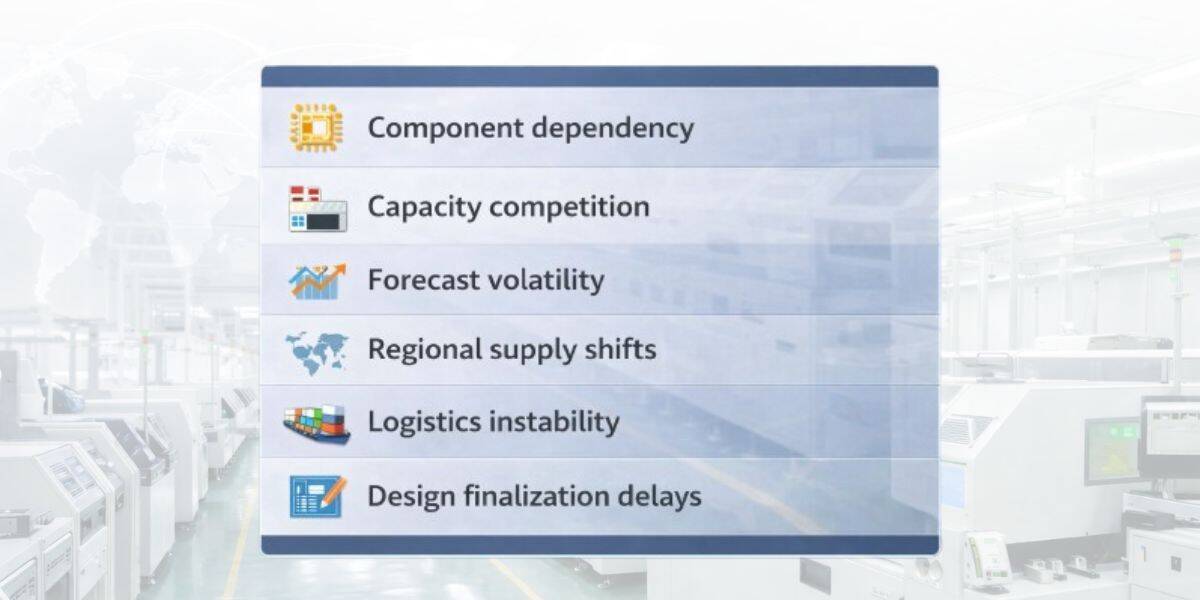
Lead time instability in 2026 is driven by multiple overlapping factors rather than a single bottleneck. For LED PCBs, these factors compound.
Component Dependency
LED PCBs depend on specific LEDs, drivers, and supporting components that are not always interchangeable.
- LED binning and performance consistency limit substitution
- Driver availability can gate final assembly
- Minor component shortages can delay completed boards
Even when PCB fabrication capacity exists, missing components can extend timelines.
Capacity Competition
High-mix, low-volume production is competing with large-volume contracts for the same manufacturing resources.
This results in:
- Priority given to long-term or forecast-backed orders
- Reduced flexibility for unplanned production
- Scheduling volatility for smaller custom runs
Custom pcb manufacturing timelines are increasingly influenced by how early demand is communicated.
Logistics Instability
Transportation reliability remains uneven across regions.
Factors include:
- Port congestion variability
- Changing trade compliance requirements
- Regional transportation capacity limits
Logistics delays often appear late in the process, making them difficult to mitigate once production is complete.
Common Lead Time Risks Buyers Face in 2026
Lead time risks in 2026 are best understood as categories rather than isolated events. Buyers often encounter multiple risks simultaneously.
- Material delays
Base materials or finishes may have extended allocation periods, especially for specialized boards. - Component bottlenecks
LEDs, drivers, or control components can become the critical path, even when PCB fabrication is ready. - Geopolitical disruption
Policy changes, trade restrictions, or regional instability can affect sourcing routes with little notice. - Manufacturing capacity imbalance
Certain facilities may be overbooked while others lack qualification for specific LED PCB requirements.
These risks do not always cause long delays individually, but together they reduce schedule certainty.
How Manufacturers and Buyers Can Reduce Lead Time Risk
Reducing lead time risk in 2026 is about managing uncertainty rather than eliminating it. Effective approaches focus on preparation and alignment.
Design Readiness
Stable designs reduce rework and rescheduling.
- Finalized layouts limit last-minute engineering changes
- Clear thermal and electrical requirements reduce clarification cycles
- Component selections aligned with availability improve continuity
Design maturity directly influences scheduling reliability.
Forecast Sharing
Early and realistic demand visibility allows better capacity planning.
- Non-binding forecasts still help allocate resources
- Rolling forecasts reduce sudden demand spikes
- Transparency improves priority alignment
Forecast accuracy matters more than precision.
Supplier Diversification
Relying on a single source increases exposure to localized disruption.
- Multiple qualified suppliers improve resilience
- Regional balance reduces logistics risk
- Backup options shorten recovery time when issues arise
Diversification increases planning options even if it does not shorten base lead times.
Role of an Experienced Custom PCB Manufacturer
An experienced custom pcb manufacturer does not eliminate supply chain risk, but it can reduce uncertainty by:
- Anticipating common bottlenecks
- Aligning design and sourcing decisions early
- Communicating realistic timelines based on current capacity
Experience improves predictability, not speed guarantees.
How LED PCB Supply Chain Trends Affect Long-Term Planning
The cumulative effect of 2026 supply chain trends is a shift in how organizations plan.
Product Launch Planning
Launch timelines increasingly include buffer periods.
- Fixed launch dates are harder to support without early commitment
- Pilot builds require earlier scheduling
- Contingency planning becomes standard
Speed alone is no longer the primary objective.
Inventory Strategy
Just-in-time models are being reassessed.
- Strategic inventory reduces disruption impact
- Holding critical components improves continuity
- Inventory decisions balance cost against risk exposure
Inventory is now viewed as a resilience tool rather than inefficiency.
Risk vs Cost Tradeoffs
Lowest-cost sourcing is not always lowest-risk.
- More stable suppliers may have longer nominal lead times
- Regional sourcing can increase cost but reduce volatility
- Planning decisions weigh continuity over short-term savings
Resilience has become a measurable planning objective.
Supply Chain Trends and Planning Impact
| Trend | Practical Impact | Planning Implication |
| Regional diversification | Variable lead times by location | Multi-region planning required |
| Increased automation | Tighter scheduling windows | Earlier design and forecast commitment |
| Component dependency | Single-part delays affect builds | Early component alignment |
| Sustainability requirements | Longer material qualification | Advance material planning |
Conclusion
In 2026, LED PCB supply chains are shaped by structural change rather than temporary disruption. Demand growth, regional diversification, rising design complexity, and component dependency have made lead times less predictable. For manufacturers and buyers, the central challenge is not speed but reliability. Effective planning now focuses on design readiness, early visibility, and resilience. Understanding these trends allows organizations to manage lead time risk with clarity rather than reaction.
FAQs
Related Posts