Deutsch
  English
  简体中文
简体中文  Español
  Français
  Italiano
  日本語
日本語  한국어
한국어  Polski
  Português
  Русский
  Türkçe
  Nederlands
  Tiếng Việt
  ไทย
ไทย 
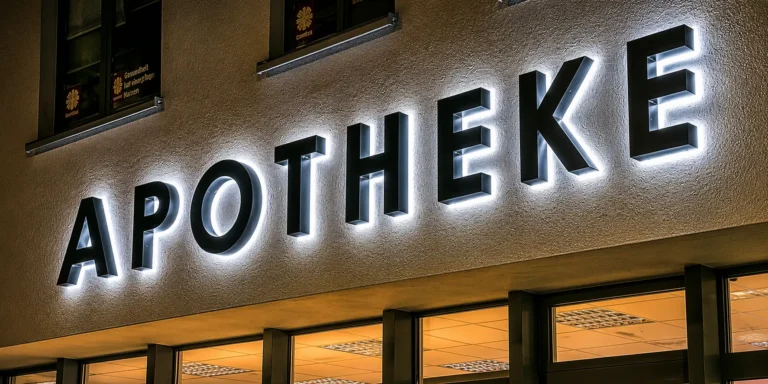
An Austrian business customer needed 11 custom outdoor LED sign letters and a three-part logo for rooftop installation. The completed design used approximately 400 mm-high, 100 mm-deep letters with frosted acrylic faces, black stainless steel returns, 24V internal lighting and 4000K white output.
The project began with a logo concept and several basic dimensions. Before production could start, the buyer and SignliteLED still needed to define the materials, logo colors, mounting points, drainage, power supply and final letter construction.
This case study follows that process from the initial enquiry to production completion. It also shows what buyers should include when requesting a quotation for custom LED channel letters.
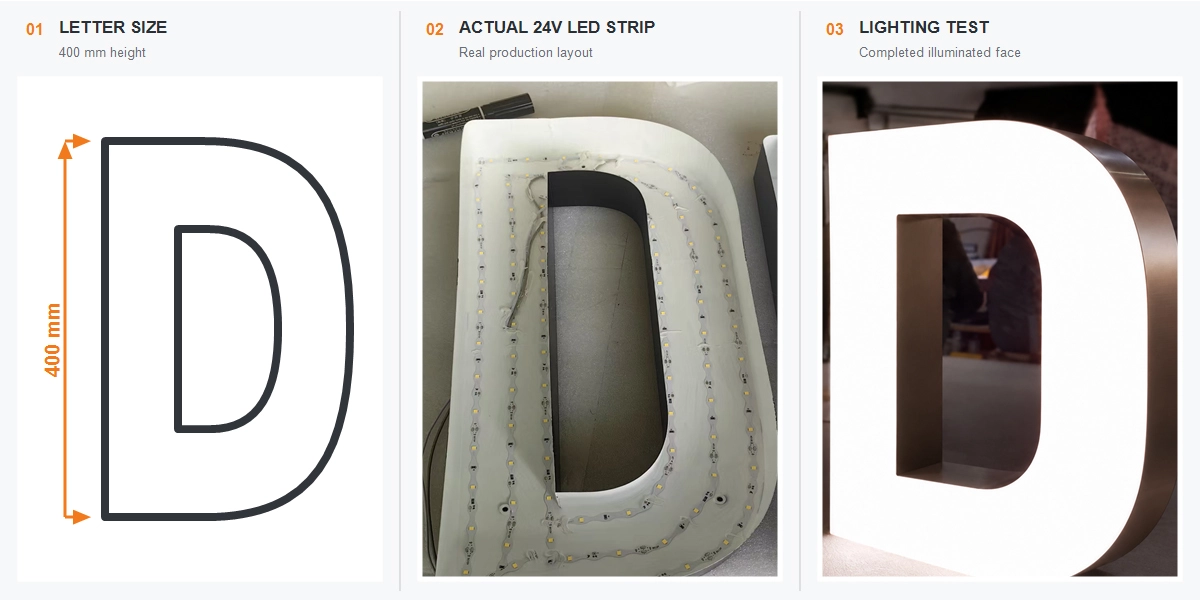
Projekt auf einen Blick
| Project item | Confirmed specification |
| Anmeldung | Outdoor rooftop signage |
| Product configuration | 11 individual LED letters plus a three-part logo |
| Letter dimensions | Approx. 400 mm high × 100 mm deep |
| gegenübertreten | 5 mm frosted acrylic |
| Letter body | Matte-black stainless steel returns and stainless steel backs |
| Beleuchtung | 24V LED strip, 4000K white |
| Einrichtung | M6 mounting hardware with lower drain holes |
| Logo finish | UV print matched to specified color values |
| Stromversorgung | Waterproof Mean Well driver with EU plug |
The Enquiry Started with Three Basic Requirements
The customer’s first message focused on the overall appearance rather than manufacturing details:
“We would like the company name made as individual 3D letters, with capital letters approximately 40 cm high and 10 cm deep.”
The initial design used a bold Arial-style typeface. The drawing below shows how the original logo concept was translated into individual 3D letters with the required height and depth.
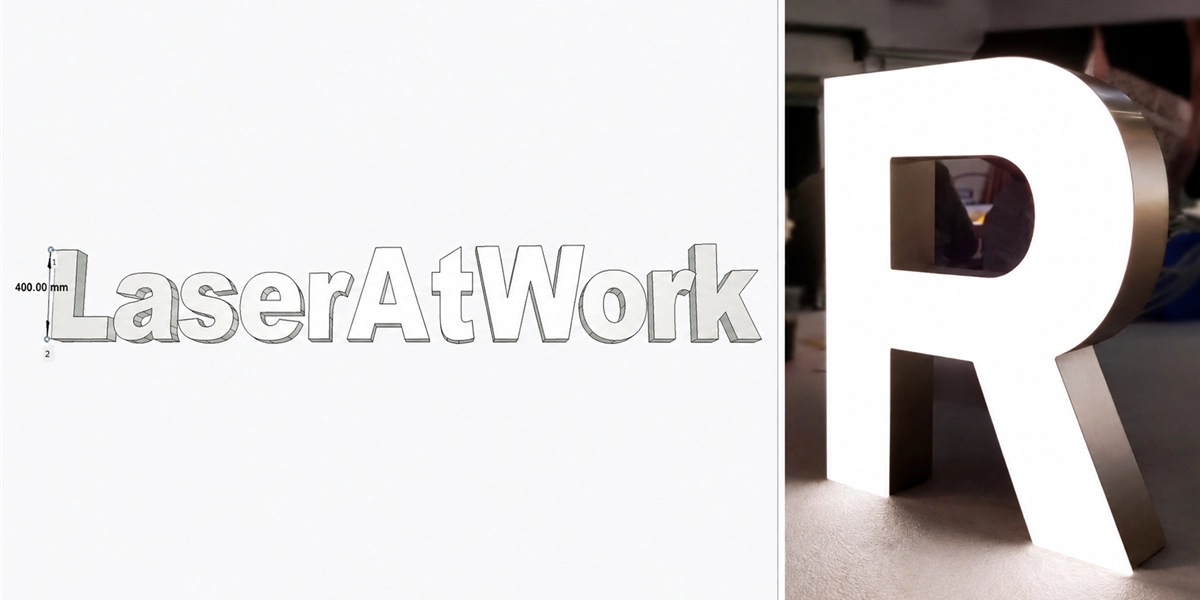
At that point, three requirements were clear. The company name had to be made as separate fabricated letters, each letter needed internal LED illumination, and the finished sign had to reproduce the customer’s own branding.
These requirements indicated that the project needed custom front-lit channel letters rather than standard off-the-shelf signage.
Buyers who have not yet selected an illumination style can compare the construction and applications of front-lit, back-lit and halo-lit LED letter signs before finalizing their design.
The customer initially requested a budgetary quotation. This provided an early indication of cost, but it was not yet a production-ready specification. The artwork, materials, lighting system and rooftop mounting method still required clarification.
This distinction is important when sourcing custom sign letters. A preliminary quote can be prepared from approximate dimensions, but a final quotation should be based on the latest drawing and confirmed construction.
From a Logo File to a Production Specification
After receiving the initial estimate, the buyer asked whether the LED light source was included, whether the letters could operate at 24V DC, which metals would be used and what acrylic colors were available.
These questions gradually converted the visual concept into a manufacturable outdoor sign.
A 24V, 4000K Lighting System
The internal LED light source was included in the proposed construction, and the letters could be manufactured for 24V DC operation.
A 24V LED strip system was subsequently selected, together with a waterproof Mean Well driver and an EU plug. The driver converts the local AC supply into the low-voltage DC output required by the letters.
The white light color was confirmed later. SignliteLED asked whether the customer preferred 6000K or 4000K, and the customer selected 4000K.
This produced a neutral-white appearance—less yellow than 3000K warm white and softer than a typical 6000K cool white. Confirming the color temperature before production helps ensure that the illuminated logo coordinates with the building façade and surrounding lighting.
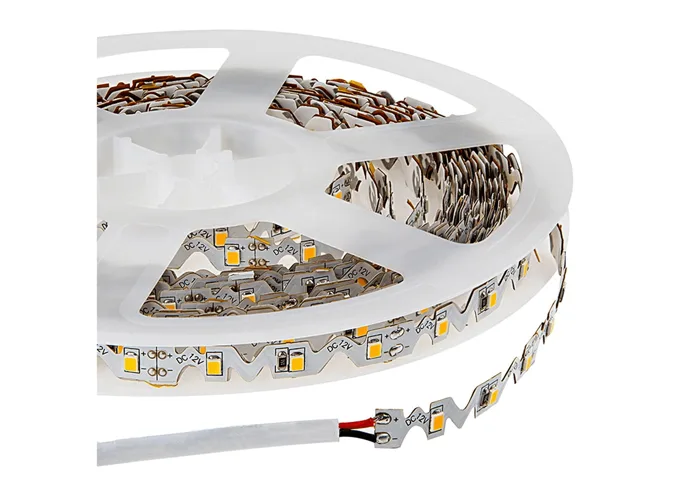
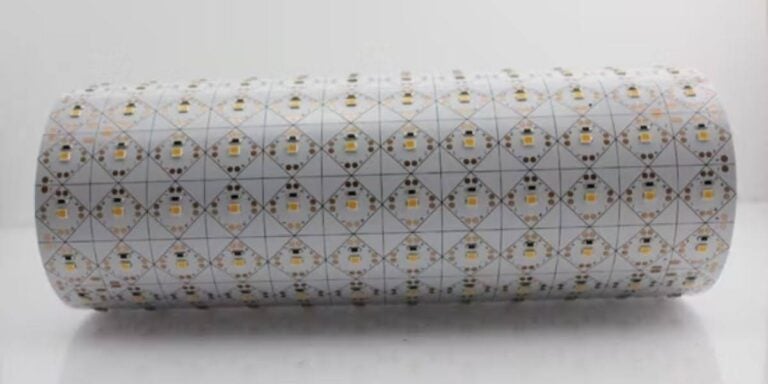
SMD2835 6mm S-shaped White LED Strip Light
- Produkt: SMD2835-60LED-6MM-S
- Eingangsspannung: DC12V/24V
- Watt: 6W/ 7,2W pro Meter
- LED QTY: 60pcs/ 72pcs/ 120pcs
- Farbe: 3000K/4000K/6500K/R/G/Y/B
- CRI: RA 70/80/ 90 @3000K/4000K/6500K
- Lichtstrom: 110-115lm/W @ra70
- IP-Klasse: IP33
- Abstrahlwinkel: 120°
Frosted Acrylic with Black Stainless Steel Returns
The front of each letter was specified in 5 mm frosted acrylic. Approximately 3 mm of the acrylic was recessed into the fabricated body, leaving around 2 mm exposed.
Frosted acrylic distributes the light from the internal LEDs across the face of the letter. However, uniform illumination depends on more than the face material. Letter depth, stroke width, LED spacing and the internal reflective surfaces also influence the result.
The side returns were fabricated from 0.6 mm stainless steel and finished in matte black. A 1.5 mm stainless steel back plate provided structural support.
This combination delivered the black-sided appearance requested by the customer while maintaining the rigidity needed for outdoor illuminated letters.
The 100 mm letter depth also provided space for the internal LEDs, wiring and structural connections. Compared with a shallow decorative letter, it required more return material and affected fabrication, reinforcement and packaging.
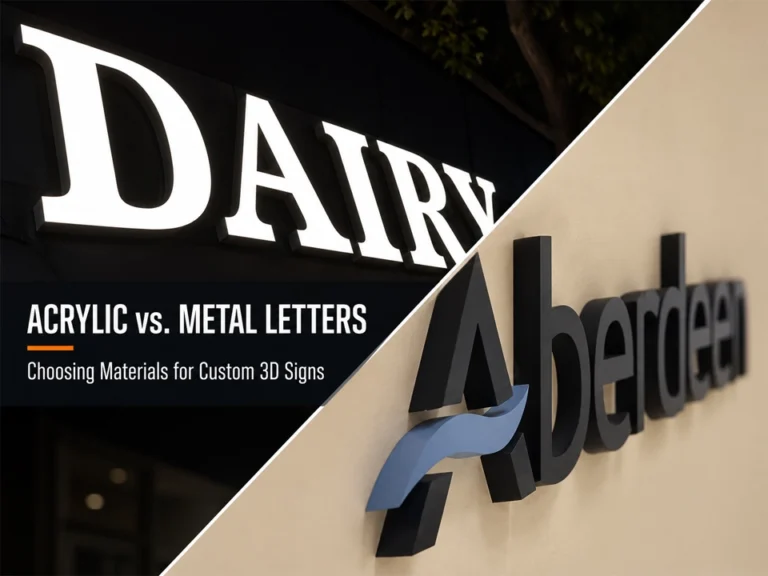
Acrylic and stainless steel perform different roles in this construction: the acrylic forms the illuminated face, while the fabricated metal provides depth and structural support. Our guide to choosing acrylic or metal for custom 3D sign letters explains these material differences in more detail.
Matching the Color of the Separate Logo Element
The final design included more than the company name. The customer added a small graphic element made up of three separate components.
The intended color was initially described as tan, beige or light brown. Those descriptions were suitable for the early discussion but were not precise enough for production. The same word can appear noticeably different across monitors, printing processes and acrylic samples.
The solution was to UV-print the graphic on acrylic using the customer’s defined color reference:
- CMYK: 26, 52, 76, 0
- RGB: 198, 140, 82
These values gave production a clearer target than a general color name.
For custom logo signs, buyers should provide a Pantone, CMYK, RGB or approved physical sample when brand-color accuracy matters. The manufacturing process and substrate can still affect the result, so a physical sample may be advisable for projects requiring particularly close matching.
What the Customer Provided Before Production
A logo image is helpful for an initial discussion, but it is usually not enough to manufacture custom fabricated letters. SignliteLED requested vector artwork and clearly marked dimensions.
| Required information | Why it was needed |
| Vector logo | Preserve the correct letter and graphic shapes |
| Outlined text | Prevent missing-font or font-substitution problems |
| Letter dimensions | Confirm the actual manufacturing size |
| Spacing and layout | Maintain the intended overall appearance |
| Letter depth | Define the side-return construction |
| Mounting positions | Prepare the back plates correctly |
| Brand color values | Reproduce the separate graphic element |
The accepted artwork formats included AI, vector PDF and DXF. The buyer provided a vector PDF of the logo and a separate dimensional drawing.
Converting the lettering to outlines ensured that the manufacturer received the intended shapes without needing the customer’s original font file.
The vector artwork and production drawing served different purposes. The vector file defined what the logo should look like. The production drawing explained how it would be built, illuminated and installed.
A production drawing may include face dimensions, letter depth, material thicknesses, cable exits, installation holes, mounting bolts and separate logo elements. It should therefore be reviewed even when the original vector artwork is accurate.
The Rooftop Installation Changed the Product Design
The original enquiry described the size and appearance of the sign, but the installation method was not yet fully defined.
The customer later asked whether M6 threaded holes could be incorporated into the rear of each letter. This would allow the letters to connect to the planned supporting structure rather than relying on a generic wall-mounting arrangement.
SignliteLED confirmed that the mounting points could be added and that their positions could be shown in the production drawing.
The application was then confirmed as outdoor rooftop installation. This information affected more than the mounting holes. The completed design incorporated reinforcing screws, M6 × 50 mounting bolts, lower drain holes and a waterproof LED driver.
Drain holes are a small but practical feature in outdoor channel letters. Condensation or limited moisture may enter through joints, cable exits or changing environmental conditions. Openings at the lower points allow that moisture to escape instead of collecting inside the letter body.
Installation note: The sign manufacturer can prepare the agreed letter structure and mounting points. The supporting frame, wind-load assessment, electrical connection, access for maintenance and compliance with local building regulations should be confirmed by qualified local professionals.
This division of responsibility is especially important for rooftop signs. The manufacturer controls the fabricated letters, but the building structure and local environmental loads must be evaluated at the installation site.
Mounting requirements vary between direct-mounted letters, raceway systems, wireways and custom supporting frames. For a broader overview, see our guide to channel letter types, mounting methods and specifications.
A Quotation Detail Was Caught Before Production
One of the most useful parts of this project was not a product feature. It was a discrepancy identified during the engineering review.
The initial budget calculation had been based on a standard letter depth of 50 mm. The customer’s drawing, however, specified a depth of 100 mm.
A 100 mm-deep channel letter requires more stainless steel for the returns and may require additional fabrication, reinforcement, labor and packaging. The difference therefore affected the manufacturing cost.
The buyer pointed out that the earlier quotation already referred to the requested 100 mm depth. SignliteLED acknowledged the oversight, and both parties discussed the commercial difference before payment and production.
A revised amount was agreed, while the required 100 mm construction remained unchanged.
The project did not enter production until the price, drawing and technical specification described the same product.
This checkpoint matters to buyers because custom signage cannot normally be returned to stock or resold if it is made to the wrong dimensions. It also matters to suppliers because a small misunderstanding in letter depth can be repeated across every character in the order.
The practical lesson is straightforward:
The quotation, purchase order and approved production drawing should describe the same product before manufacturing begins.
The Approved Construction
After the quotation was resolved, the remaining questions concerned the installation environment and white light color. The buyer confirmed outdoor rooftop use and selected 4000K illumination.
The approved letters had a total depth of 100 mm, 5 mm frosted acrylic faces, matte-black stainless steel returns, stainless steel back plates and internal 24V LED strips. The face construction placed approximately 3 mm of acrylic within the letter body and left around 2 mm exposed.
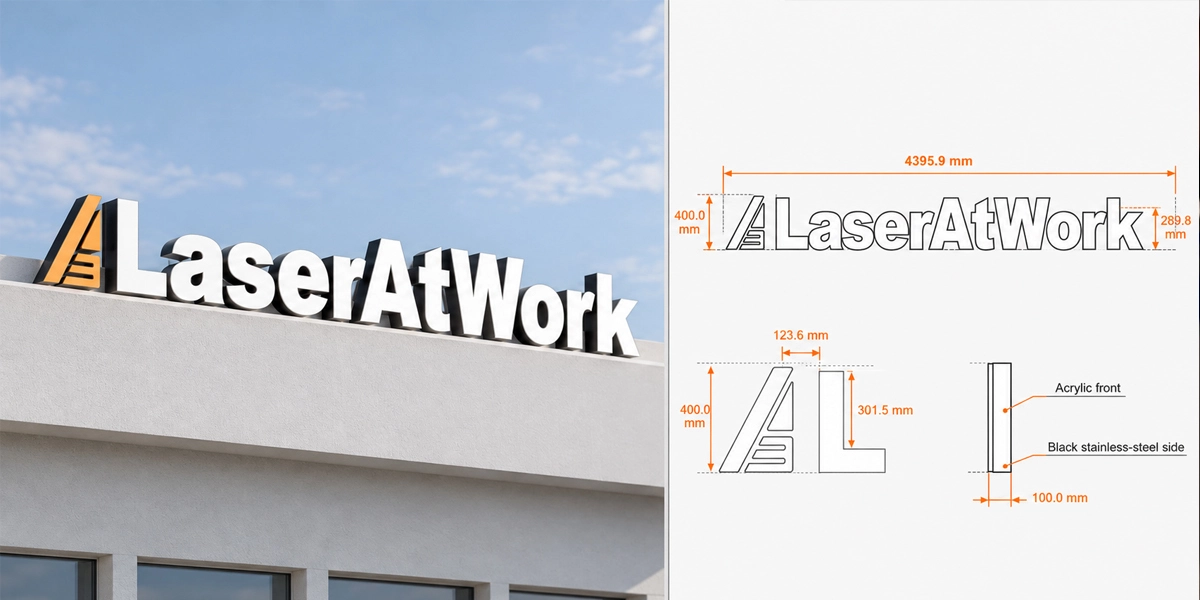
Approved rooftop visualization and production drawing showing the confirmed dimensions and acrylic-and-stainless-steel letter construction.
The installation package included reinforcing screws, M6 × 50 mounting bolts and lower drain holes. A waterproof Mean Well driver with an EU plug was specified for the electrical system. The separate graphic element was UV-printed according to the approved CMYK and RGB references.
The customer reviewed the consolidated specifications and confirmed that the proposed construction was correct. Production was released only after that approval.
For a custom sign project, the approved production drawing should become the main manufacturing reference. Email messages and example photographs provide useful context, but the final drawing brings the dimensions, materials, lighting and mounting details together in one place.
Full-Sign Lighting Test Before Packing
After production, the completed letters were arranged in their correct sequence and powered together to confirm how the full sign would appear after installation. We checked the orange graphic element, the 4000K white illumination, brightness consistency and overall visual balance before each component was labeled and packed.
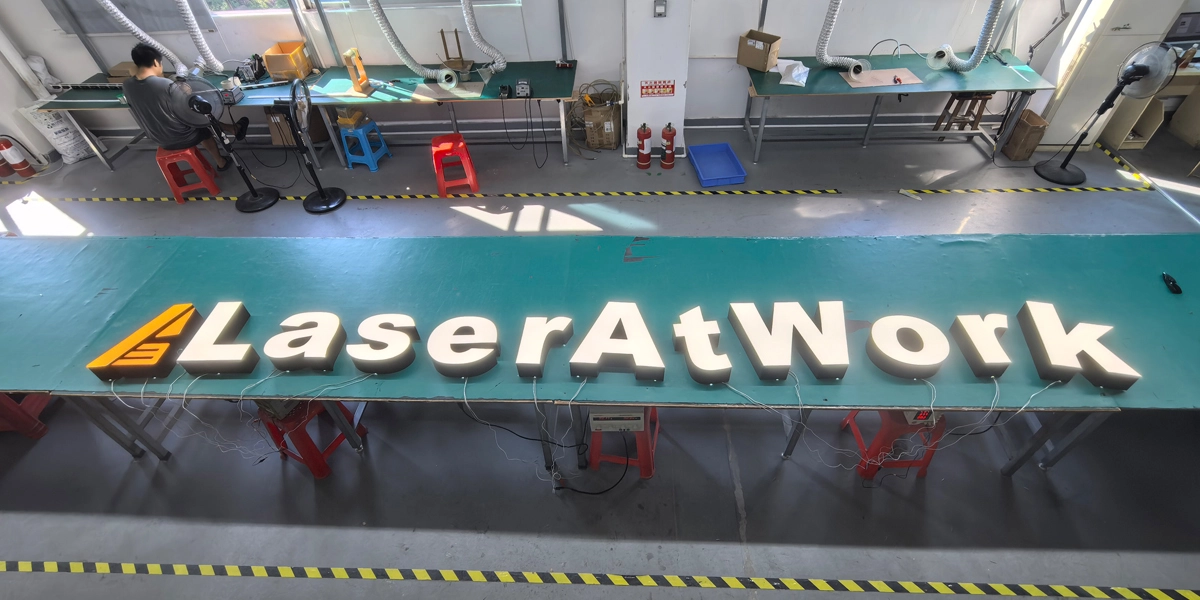
The complete sign was illuminated on the production floor to verify its color, brightness and overall appearance before packing.
Projektzeitleiste
| Bühne | Ausgang |
| Initial enquiry | Approximate letter height, depth and style received |
| Budget quotation | Preliminary cost prepared for 11 letters |
| Logo update | A three-part graphic element was added |
| Artwork review | Vector logo and dimensional information supplied |
| Official quotation | Product scope prepared for purchase approval |
| Engineering review | Difference in letter depth identified and resolved |
| Application confirmation | Outdoor rooftop use and 4000K white confirmed |
| Drawing approval | Materials, lighting and mounting details approved |
| Production | Manufacturing released after payment and approval |
| Completion | Letters and logo completed in approximately 10–12 days |
| Collection | Buyer arranged pickup through its courier account |
The customer chose to use its own FedEx account for international shipment. SignliteLED therefore provided the final package information so that collection could be scheduled.
When buyers use their own courier accounts, the parties should confirm who will book the collection, prepare the commercial documents, manage export information and handle import clearance.
A Practical RFQ Checklist for Buyers
A clear request for quotation helps the supplier evaluate a project accurately and reduces repeated questions.
For custom outdoor LED sign letters, the RFQ should include:
- vector logo with all text converted to outlines;
- number of letters and separate logo elements;
- target letter height and overall depth;
- spacing or total installed width;
- indoor or outdoor environment;
- wall, roof, frame or freestanding installation;
- preferred face, return and back materials;
- paint color or metal finish;
- working voltage;
- LED color or white color temperature;
- power-supply and plug requirements;
- mounting-hole and cable-exit positions;
- destination country;
- required completion date;
- packaging or shipping restrictions.
Not every buyer will know all these details at the enquiry stage. If a specification is undecided, identify which requirements are fixed and which are open to the manufacturer’s recommendation.
For example, a buyer may already have an approved logo and maximum installation width but still need advice about the letter depth, acrylic construction or internal LED arrangement.
Buyers who need a more detailed pre-production checklist can also read our guide to ordering custom front-lit LED letters, which covers artwork, dimensions, materials, lighting, mounting and quotation details.
Who Is Responsible for What?
Custom signage projects often involve the buyer, sign manufacturer, local installer and sometimes a structural engineer. Clear responsibility prevents important site conditions from being overlooked.
| Buyer or local project team | Sign supplier |
| Approves the logo and brand colors | Checks whether the artwork can be manufactured |
| Defines the target dimensions and layout | Proposes a practical letter construction |
| Provides the installation location | Specifies suitable product materials |
| Confirms the supporting surface or frame | Prepares the agreed mounting points |
| Confirms local voltage requirements | Selects the internal LED and driver configuration |
| Evaluates wind load and site structure | Supplies the production drawing |
| Manages local permits and installation | Prepares the completed product for shipment |
The buyer or local engineering team remains responsible for determining whether the building, roof or supporting frame can safely carry the sign.
The sign supplier is responsible for manufacturing the letters according to the approved production drawing and confirmed product specifications.
Häufig gestellte Fragen
Abschluss
This project began with three basic requirements: individual 3D letters, an approximate height of 400 mm and a depth of 100 mm. It developed into a complete outdoor rooftop signage specification covering acrylic faces, stainless steel construction, 24V lighting, 4000K output, mounting hardware, drainage and a color-matched logo element.
For buyers, the main lesson is that ordering custom LED channel letters involves more than sending a logo. The quotation, artwork, installation conditions and production drawing must all describe the same product before manufacturing begins.
If you are planning custom outdoor illuminated letters, send SignliteLED your vector logo, target dimensions, installation environment, required light color and mounting information. Explore our custom LED illuminated letter signs or contact the team for a project-specific construction and quotation.

Watch this project’s completed outdoor LED sign letters during production-line testing.
Auther: Julie Zhu
Produktmanager
E-Mail: julie@signlite.com.cn
Mobil: +86 189 2601 9419

Verwandte Artikel