Español
  English
  简体中文
简体中文  Deutsch
  Français
  Italiano
  日本語
日本語  한국어
한국어  Polski
  Português
  Русский
  Türkçe
  Nederlands
  Tiếng Việt
  ไทย
ไทย 
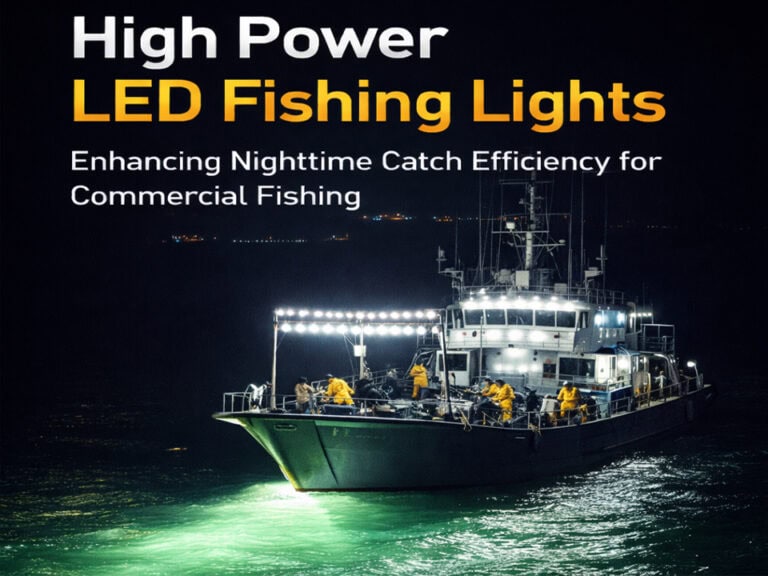
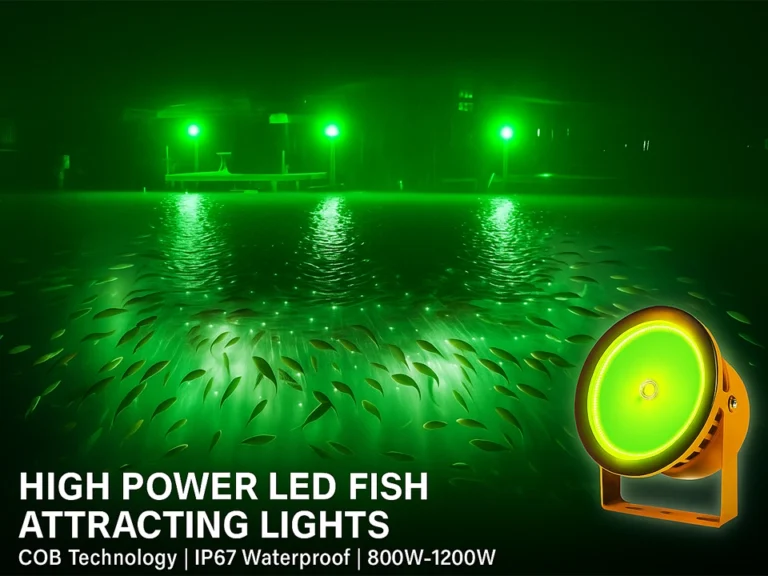
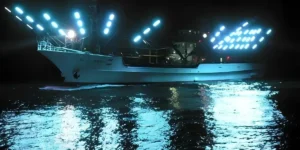
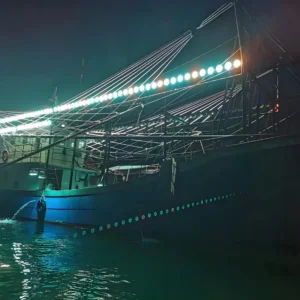
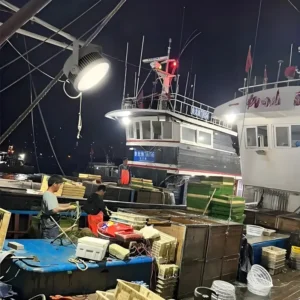
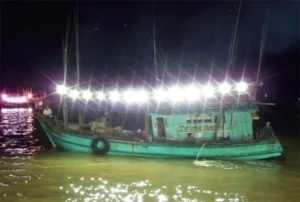
Las luces de pesca juegan un papel crucial en la pesca nocturna, ayudando a los pescadores a atraer peces y mejorar la visibilidad. El número y la colocación de las luces de pesca son clave para optimizar su captura.
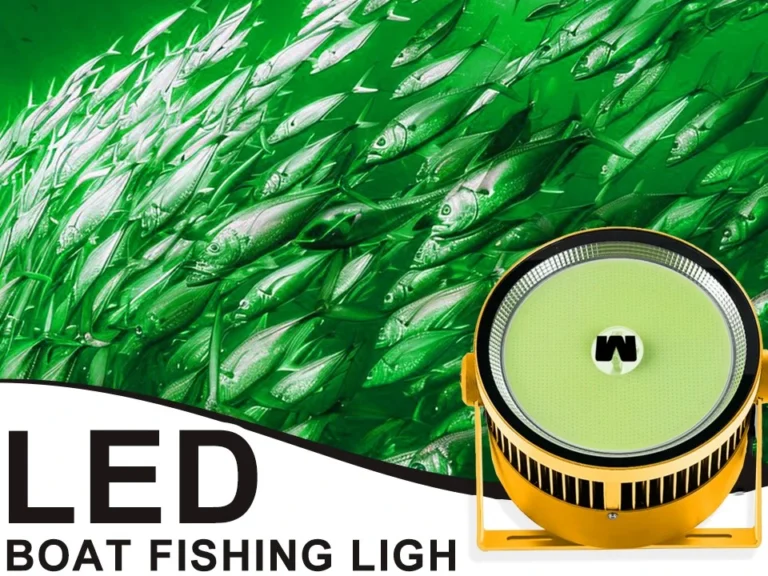
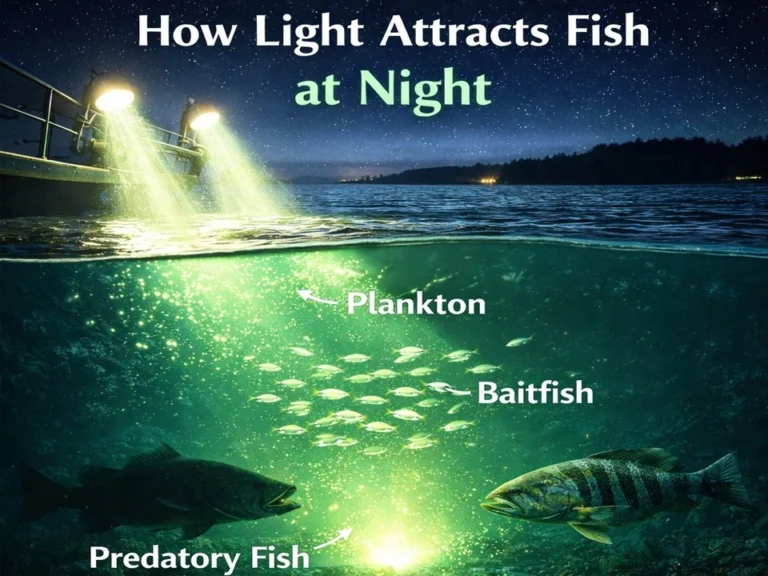
Los peces se sienten naturalmente atraídos por la luz, y la configuración de iluminación correcta puede aumentar significativamente su éxito. luces verdes, en particular, son muy eficaces ya que penetran más profundamente en el agua y son visibles para los peces por la noche. Sin embargo, es esencial encontrar un equilibrio: demasiadas luces pueden causar contaminación lumínica, mientras que muy pocas pueden limitar su captura.
La cantidad de luces que necesita depende del tamaño de su embarcación y de los requisitos de pesca. En esta guía, le mostraremos cómo calcular el número de luces en función del tamaño de su embarcación, así como las mejores estrategias de color y de instalación de luz para maximizar su experiencia de pesca.
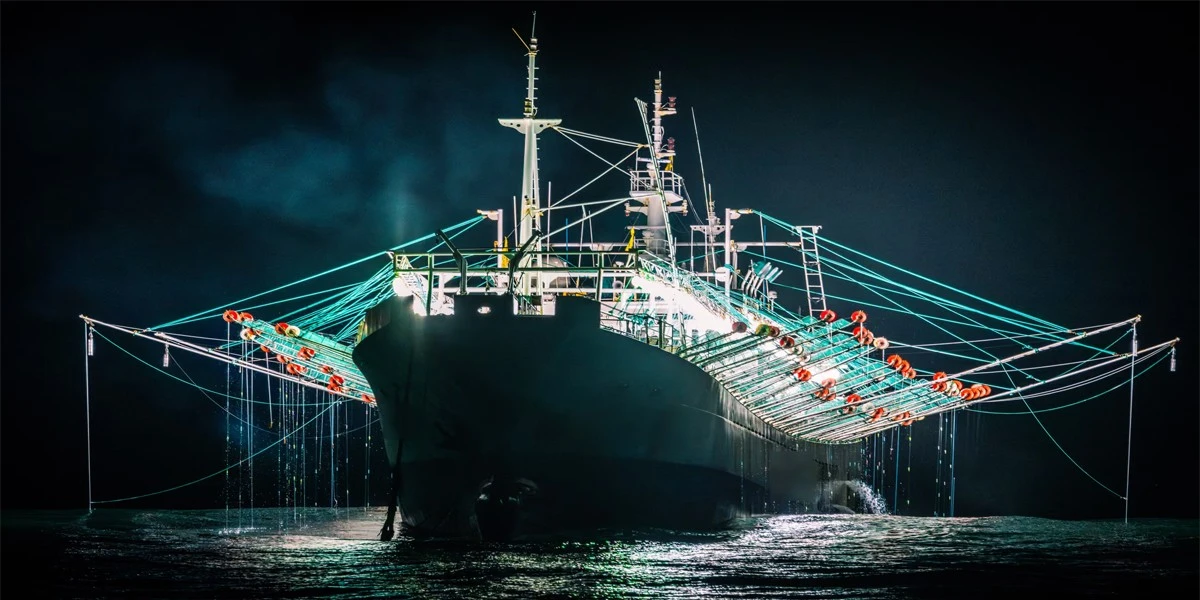
Seleccionar el número correcto de luces según el tamaño del barco
La cantidad de luces de pesca que necesita depende del tamaño de su barco. Aquí hay una guía rápida para determinar cuántas luces son ideales para diferentes tamaños de embarcaciones.
Barcos pequeños (menos de 20 pies)
Para botes más pequeños, normalmente son suficientes 1-2 luces. Estos barcos tienen una superficie limitada, por lo que las luces LED con un ángulo de haz amplio (120°) funcionan mejor. Las luces verdes son una gran opción para atraer peces sin sobrepasar el área con demasiada luz.
- Área de cobertura: hasta 10 pies en cada lado.
- Luces recomendadas: 1-2 luces.
- Mejor tipo de luz: luces LED verdes o blancas.
Barcos medianos (20-40 pies)
Para botes medianos, se necesitan 2-4 luces para cubrir el área más grande. Las luces LED verdes o azules son ideales, ya que atraen una variedad de especies de peces. Coloque las luces en los puntos clave alrededor del bote, como la popa, los lados y la proa.
- Área de cobertura: hasta 20 pies o más.
- Luces recomendadas: 2-4 luces.
- Las mejores luces LED verdes o azules de tipo de luz.
Barcos grandes (40 pies y más)
Los barcos más grandes requieren 4-6+ luces para cubrir toda el área. Estos barcos a menudo operan en aguas más profundas, por lo que una combinación de luces verdes y blancas es ideal para atraer peces a varias profundidades.
- Área de cobertura de más de 30 pies, incluidos ambos lados y alrededor de la popa.
- Luces recomendadas: 4-6+ luces.
- Mejor tipo de luz: luces LED verdes, luces blancas para aguas más profundas.
| BOa medida | Número recomendado de luces | área de cobertura | Mejor tipo de luz |
| Barcos pequeños (menos de 20 pies) | 1-2 luces | Hasta 10 pies en cada lado | LED verde o blanco |
| Barcos medianos (20-40 pies) | 2-4 luces | hasta 20 pies o más | LED verde o azul |
| Barcos grandes (40 pies y más) | 4-6+ luces | Más de 30 pies | LED verde, LED blanco para aguas más profundas |
Cobertura frente a ángulo de haz frente a altura de instalación
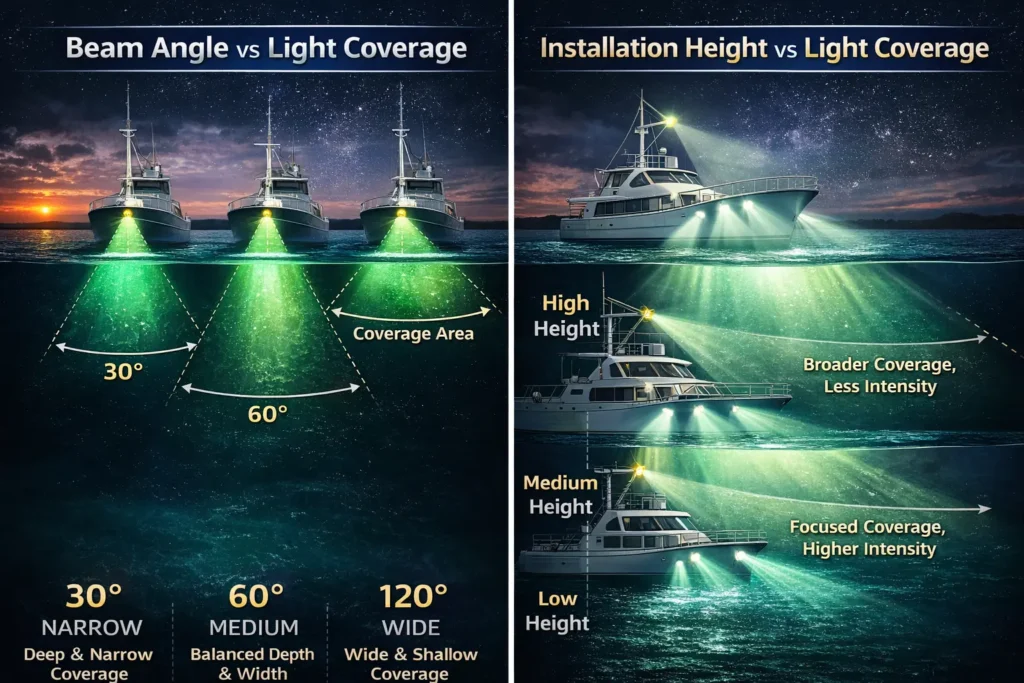
Al instalar luces de pesca, es crucial comprender cómo el ángulo del haz y la altura de instalación afectan el área de cobertura de la luz. La combinación correcta garantiza que sus luces sean efectivas para atraer peces y, al mismo tiempo, proporciona una iluminación óptima sin desperdicio innecesario de energía. A continuación, discutiremos cómo estos factores afectan la configuración general de iluminación.
1. Ángulo del haz
El ángulo de la viga es uno de los factores más importantes para determinar cuánta área cubrirán sus luces de pesca. El ángulo del haz se refiere a la extensión de la luz, con ángulos más estrechos que concentran la luz en un área más pequeña y ángulos más amplios que distribuyen la luz sobre un área más grande. La elección del ángulo de la viga depende del tamaño de su bote y del tipo de pesca que esté haciendo.
- Ángulo de haz estrecho: un ángulo de haz estrecho (por ejemplo, 30°) concentra la luz en un punto enfocado, ideal para atraer peces en áreas de pesca específicas o en pequeñas embarcaciones. Estas luces funcionan mejor en aguas poco profundas o cuando se dirigen a un pequeño lugar de pesca concentrado.
- Ángulo de haz ancho Un ángulo de haz más amplio (por ejemplo, 120°) dispersa la luz en un área más grande, lo que la hace perfecta para embarcaciones más grandes o cuando se pesca en aguas más profundas. Este tipo de luz es más eficaz para atraer peces en un amplio radio.
Comprobación de llave
- Viga estrecha: ideal para botes pequeños, aguas poco profundas y lugares de pesca específicos.
- Viga ancha: lo mejor para embarcaciones grandes, aguas más profundas y atraer una gama más amplia de especies de peces.
2. Altura de instalación
La altura a la que instala sus luces de pesca afecta significativamente su cobertura. Las luces instaladas más arriba del agua proporcionan una distribución más amplia de luz, que puede cubrir un área más grande. Sin embargo, las luces que se colocan demasiado altas pueden no proporcionar suficiente iluminación directamente debajo del bote, que es a menudo donde se reúnen los peces. Por otro lado, instalar luces más cerca de la superficie del agua enfoca la luz con mayor precisión, aumentando su intensidad directamente debajo del barco pero reduciendo su propagación.
- Alta instalación: proporciona una cobertura más amplia pero puede tener menos intensidad en la superficie del agua. Adecuado para barcos más grandes o para apuntar a una amplia zona de pesca.
- Baja instalación: aumenta la intensidad y concentración de la luz directamente debajo del barco. Lo mejor para atraer peces cerca del bote o cuando se pesca en áreas poco profundas.
Comprobación de llave
- Alta instalación: proporciona una cobertura más amplia, pero la intensidad de la luz puede disminuir en la superficie del agua.
- La instalación baja aumenta la intensidad directamente debajo del bote, pero la cobertura puede ser limitada.
3. Cobertura frente al tamaño del barco
La combinación de ángulo de haz y altura de instalación influye directamente en el área de cobertura de sus luces de pesca, pero debe equilibrarse con el tamaño de su embarcación. Los barcos más pequeños a menudo requieren menos luces, que pueden enfocarse en áreas específicas, mientras que los barcos más grandes necesitan varias luces colocadas en lugares estratégicos para garantizar una cobertura completa.
Para embarcaciones pequeñas, los ángulos de haz estrechos con una altura de instalación baja son suficientes para atraer a los peces dentro de un área pequeña. Para barcos más grandes, los ángulos de viga más amplios con una altura de instalación más alta funcionan mejor para cubrir un área más grande y atraer peces desde diferentes direcciones.
Estrategias de iluminación para diferentes entornos de pesca
Las condiciones de pesca varían según el entorno, y cada situación requiere una estrategia de iluminación a medida. Ya sea que esté pescando en aguas poco profundas o profundas, apuntando a especies específicas o pescando por la noche, es esencial optimizar su configuración de iluminación para obtener los mejores resultados.
Pesca en aguas poco profundas
En aguas poco profundas, se deben colocar luces de pesca cerca de la superficie para atraer a los peces cerca de la capa superior. Los ángulos de haz estrechos (30°) funcionan mejor para crear zonas de luz concentradas.
- Configuración de iluminación recomendada:
- Ángulo de haz: 30°
- Colocación de la luz: cerca de la superficie del agua, idealmente en la popa o los lados del barco.
- Color: las luces verdes o azules son ideales para aguas poco profundas, ya que atraen a varias especies de peces.
- Punta de iluminación: Coloque las luces en ángulo para maximizar la propagación de la luz sin causar deslumbramiento.
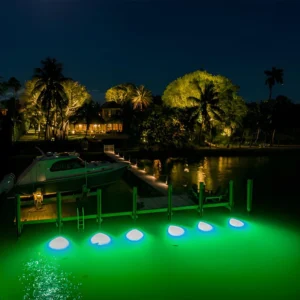
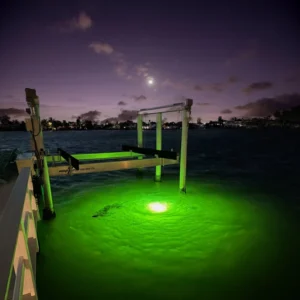
Para obtener más ejemplos de cómo se utilizan luces LED que atraen peces en diferentes entornos acuáticos, incluidos muelles, estanques y proyectos en alta mar, Consulte nuestra guía de aplicación.
Pesca en aguas profundas
La pesca en aguas profundas requiere luces con ángulos de haz más amplios (120°) y colocaciones más altas para cubrir un área más grande y llegar a aguas más profundas.
- Configuración de iluminación recomendada:
- Ángulo del haz: 120
- Colocación de la luz: Coloque las luces más altas en el bote para extender la luz sobre un área más amplia.
- Color: las luces blancas o azules son efectivas para aguas profundas, atrayendo peces desde una mayor distancia.
- Punta de iluminación: Use varias luces alrededor del bote para crear un área iluminada más grande.
pesca nocturna
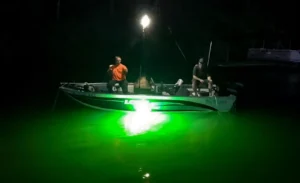
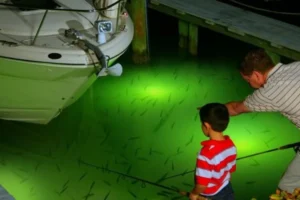
La pesca nocturna requiere una iluminación fuerte para atraer a los peces naturalmente atraídos a la luz. Las luces verdes y blancas son muy efectivas, ya que atraen a una amplia gama de especies de peces en condiciones de baja visibilidad.
- Configuración de iluminación recomendada:
- Ángulo de haz: 120° para una cobertura amplia, 90° si se enfoca en puntos específicos.
- Colocación de luces: coloque luces tanto en la proa como en la popa para una cobertura de 360°.
- Color: las luces verdes o blancas atraen a una amplia variedad de especies de peces.
- Punta de iluminación: Combina luces verdes y blancas para obtener el máximo efecto, ya que el verde atrae a los peces cebo, que a su vez atraen a los peces depredadores.
Elegir el color de luz adecuado es esencial en diferentes entornos. Para obtener una guía sistemática sobre la selección de colores de luz de pesca, puede consultar Nuestra guía detallada de selección de colores.
Agua salada vs. agua dulce
El tipo de agua, agua salada o dulce, afecta la elección de la iluminación. El agua salada puede causar corrosión, por lo que es importante usar luces resistentes a la corrosión. Las luces de pesca de agua dulce tienen más flexibilidad, con menos preocupación por la corrosión.
- Agua salada: use luces LED resistentes a la corrosión con revestimientos especiales para evitar daños por agua salada.
- Agua dulce: las luces de pesca de agua dulce son más versátiles, con menos preocupación por la corrosión. Las luces verdes y blancas funcionan de manera efectiva en ambos entornos.

Solución de problemas de iluminación comunes
Las luces de pesca pueden experimentar problemas comunes, como un rendimiento deficiente, un mal funcionamiento o una cobertura insuficiente. A continuación, te mostramos cómo solucionar problemas y solucionarlos:
las luces no funcionan
Si las luces dejan de funcionar, podría deberse a problemas de energía, cableado dañado o bombillas defectuosas. A continuación, te mostramos cómo solucionar problemas:
- Compruebe la fuente de alimentación: asegúrese de que la fuente de alimentación esté funcionando. Verifique los niveles de carga de la batería o los sistemas eléctricos de la embarcación. Para las luces solares, asegúrese de que el panel esté limpio y que reciba la luz solar.
- Inspeccione el cableado: busque cables sueltos o dañados. Apriete las conexiones sueltas y reemplace cualquier cableado dañado.
- Reemplace la bombilla o el LED: si la luz aún no funciona, es posible que la bombilla o el LED estén defectuosos. Reemplácelo para restaurar la funcionalidad.
Cobertura insuficiente
Si sus luces de pesca no cubren suficiente área, considere las siguientes soluciones:
- Ajustar la ubicación de la luz: Coloque las luces correctamente alrededor del bote para una cobertura uniforme. Para barcos más grandes, es posible que necesite más luces.
- Verifique el ángulo del haz: use ángulos de haz ajustables para enfocar la luz donde sea necesario. Las vigas estrechas se enfocan en áreas específicas, mientras que las vigas más anchas cubren espacios más grandes.
- Agregue más luces: para barcos más grandes o aguas más profundas, considere agregar luces adicionales o ajustar su altura para una mejor cobertura.
Daños por agua y corrosión
Las luces de pesca están expuestas a ambientes marinos agresivos, que pueden causar daños por agua o corrosión. A continuación, te explicamos cómo prevenirlo:
- Elija luces resistentes a la corrosión: use luces diseñadas para uso marino con recubrimientos o sellos resistentes a la corrosión.
- Mantenimiento regular: Limpie las luces después de cada uso para eliminar la acumulación de sal y evitar la corrosión.
- Almacenamiento adecuado: Guarde las luces en un lugar seco y protegido cuando no esté en uso.
Parpadeo ligero o atenuación
Las luces parpadeantes o atenuantes pueden indicar problemas eléctricos. A continuación, te mostramos cómo solucionarlos:
- Compruebe la fuente de alimentación: asegúrese de una fuente de alimentación estable. Para luces que funcionan con baterías, reemplace o recargue las baterías según sea necesario.
- Inspeccione el cableado: apriete las conexiones sueltas y reemplace los cables dañados para garantizar un flujo de potencia constante.
Soluciones de iluminación eficientes y rentables
Las luces de pesca pueden consumir una cantidad significativa de energía, especialmente cuando se usan durante períodos prolongados en botes más grandes. Sin embargo, al elegir productos de bajo consumo como LED de alta potencia, puede reducir el consumo de energía y mantener un alto brillo y rendimiento. En esta sección, exploraremos formas de mejorar la eficiencia energética y reducir los costos mientras usas tus luces de pesca.
Elija luces LED de alta eficiencia
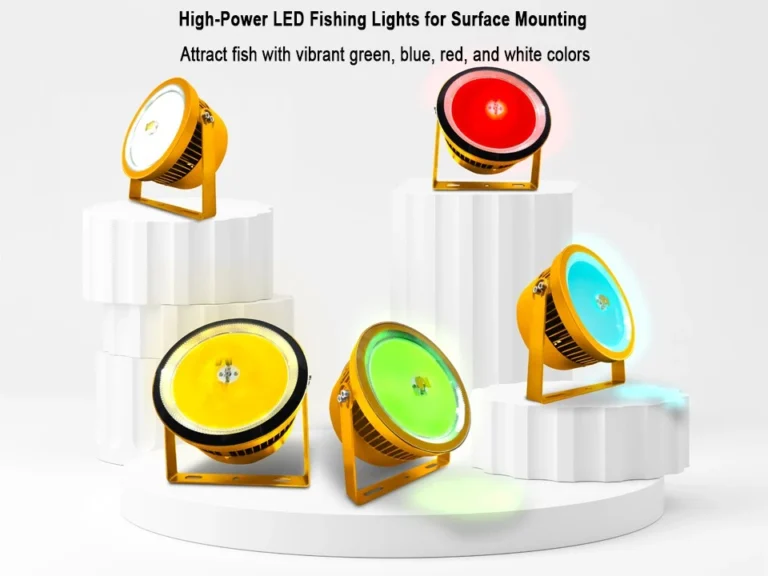
Las luces LED de alta potencia para peces están diseñadas para proporcionar el máximo brillo con un consumo de energía mínimo. La tecnología LED utilizada en estas luces garantiza un bajo uso de energía al tiempo que ofrece una intensidad de luz excepcional, perfecta para atraer peces en grandes áreas.
Beneficios de las luces LED de alta potencia de peces que atraen:
- Eficiente energía: estas luces consumen significativamente menos energía que las bombillas halógenos o incandescentes tradicionales, reduciendo los costos de energía con el tiempo.
- Brillante y duradero: los LED de alta potencia mantienen un brillo constante y duran mucho más, proporcionando hasta 50 000 horas de uso, lo que reduce los costos de reemplazo.
- Diseño específico marino: construido para soportar duras condiciones marinas, estas luces son resistentes a la corrosión y pueden manejar la humedad y la exposición al agua salada típicas en los ambientes de pesca.
Consejo de iluminación: al seleccionar luces de pesca LED, asegúrese de que estén calificadas para uso marino, como las luces LED de alta potencia para peces, para garantizar una durabilidad y eficiencia energética.
Para comprender mejor cómo la tecnología LED, la eficiencia óptica y el diseño del sistema afectan el consumo de energía y el rendimiento general, puede consultar nuestra guía detallada sobre Peces LED que atraen tecnología y selección de luz.
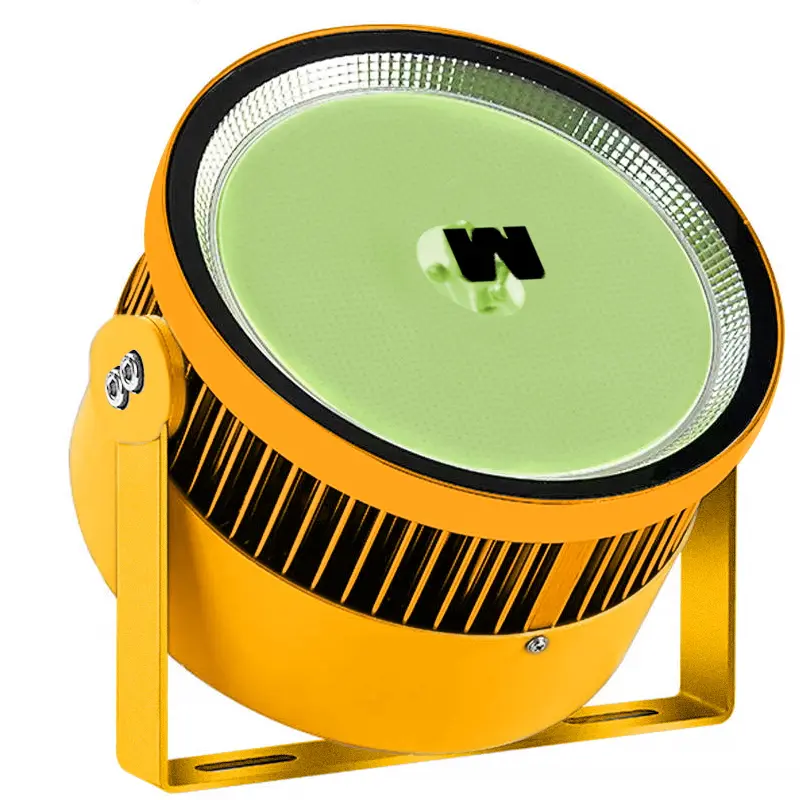
ILUMINACIÓN DE PECES COB DE ALTA POTENCIA
Modelo.: Tipo redondo
Tensión de entrada: AC100-320V
Sobretensión: 10000V
Vatios/unidad: 800W/1000W/1200W
Tipo LED: COB
Tamaño (mm): Φ230 × 140
Color: 3000K / 4000K / 5000K / 6000K/ Rojo / Verde / Azul / Violeta
CRI: >80@3000K / 4000K / 5000K / 6000K/
Lumen: >120lm/w@3000K / 4000K / 5000K / 6000K/
Grado IP: IP67
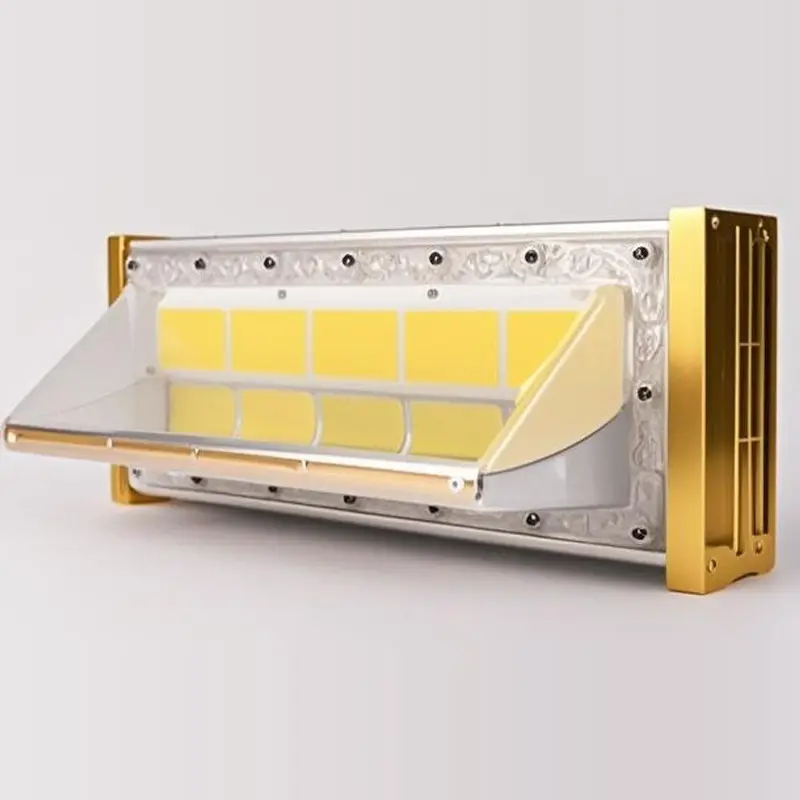
ILUMINACIÓN DE PECES COB DE ALTA POTENCIA
Modelo.: Tipo cuadrado
Tensión de entrada: AC86-277V
Sobretensión: 10000V
Vatios/unidad: 800W/1000W/1200W
Tipo LED: COB
Tamaño (mm): 390* 140*210mm/ 400* 150*200mm
Color: 3000K / 4000K / 5000K / 6000K
CRI: >80
Lumen: >120lm/w
Grado IP: IP67
Mantenimiento regular para la máxima eficiencia
Para mantener sus luces funcionando de manera eficiente, el mantenimiento regular es esencial. Para las luces LED de alta potencia que atraen peces, es importante mantener las lentes limpias e inspeccionar los sellos y el cableado con regularidad para evitar problemas de rendimiento causados por la exposición al agua salada.
Consejos de mantenimiento:
- Limpia las luces: después de cada uso, limpia las lentes ligeras para eliminar la acumulación de sal y suciedad. Esto asegura que las luces se mantengan brillantes y efectivas.
- Verifique el desgaste: Inspeccione el cableado y las conexiones en busca de corrosión o daños causados por las condiciones marinas. Reemplace los componentes dañados de inmediato.
Consejo de iluminación: mantenga sus luces LED de alta potencia para atraer las luces de alta potencia después de cada uso y realizando controles periódicos para asegurarse de que estén funcionando con la máxima eficiencia.
Sistemas de iluminación inteligente
Considere la integración de sistemas de iluminación inteligente para un control avanzado sobre sus luces de pesca. Con los sistemas inteligentes, puede ajustar el brillo de la luz, encender/apagar las luces de forma remota e incluso automatizar los horarios de iluminación, optimizando el consumo de energía en función de las condiciones de pesca y la hora del día.
Beneficios de los sistemas de iluminación inteligente:
- Control y conveniencia: controla tus luces desde tu teléfono o tablet, optimizando su uso para diferentes condiciones de pesca.
- Optimización de energía: programa luces para encender solo cuando sea necesario, maximizando la eficiencia energética.
- Características avanzadas: algunos sistemas inteligentes pueden integrarse con otros sistemas en el barco, proporcionando una automatización mejorada tanto para iluminación como para otros equipos.
Consejo de iluminación: si está utilizando luces LED de alta potencia para peces, considere emparejarlas con un sistema inteligente para automatizar su uso y optimizar la eficiencia energética.
Conclusión
Elegir el número correcto de luces de pesca y usarlas de manera eficiente es crucial para una experiencia de pesca exitosa. Al considerar el tamaño del barco, los ángulos de las vigas y la ubicación, puede crear la mejor configuración para atraer peces y maximizar la visibilidad. en compañía de Luces de atracción de peces LED de alta potencia de Signliteleted, usted garantiza un rendimiento óptimo y eficiencia energética, ahorrando en costos a largo plazo.
En SignLiteled, nuestras luces están construidas para durar y son ideales para cualquier entorno de pesca. Visite nuestro sitio web para descubrir nuestra gama completa de productos y encontrar la solución de iluminación perfecta para su barco.
Publicaciones relacionadas