Français
  English
  简体中文
简体中文  Deutsch
  Español
  Italiano
  日本語
日本語  한국어
한국어  Polski
  Português
  Русский
  Türkçe
  Nederlands
  Tiếng Việt
  ไทย
ไทย 
Choosing a commercial and architectural LED lighting manufacturer is not only a purchasing decision but a technical and long-term performance decision. In large-scale lighting projects such as office buildings, retail environments, hospitality spaces, and building facades, the quality of the lighting system directly affects visual consistency, energy efficiency, and operational reliability.
A reliable LED manufacturer ensures stable color output, consistent production standards, and compliance with international safety certifications. In contrast, selecting an unsuitable supplier can result in visible color differences, installation challenges, increased maintenance costs, and reduced system lifespan.
Commercial and architectural lighting systems rely on measurable technical parameters such as Color Rendering Index (CRI), Standard Deviation of Color Matching (SDCM), luminous efficiency, and thermal management performance. These parameters determine whether the lighting installation will perform consistently over time, especially in projects where multiple fixtures must match in color and brightness.
In this article, we will explain:• what commercial and architectural LED lighting manufacturers are
• the main types of LED manufacturers and their differences
• key technical parameters such as CRI and SDCM
• how to evaluate production capability and reliability
• a structured checklist for selecting the right supplier
What is a commercial LED lighting manufacturer?
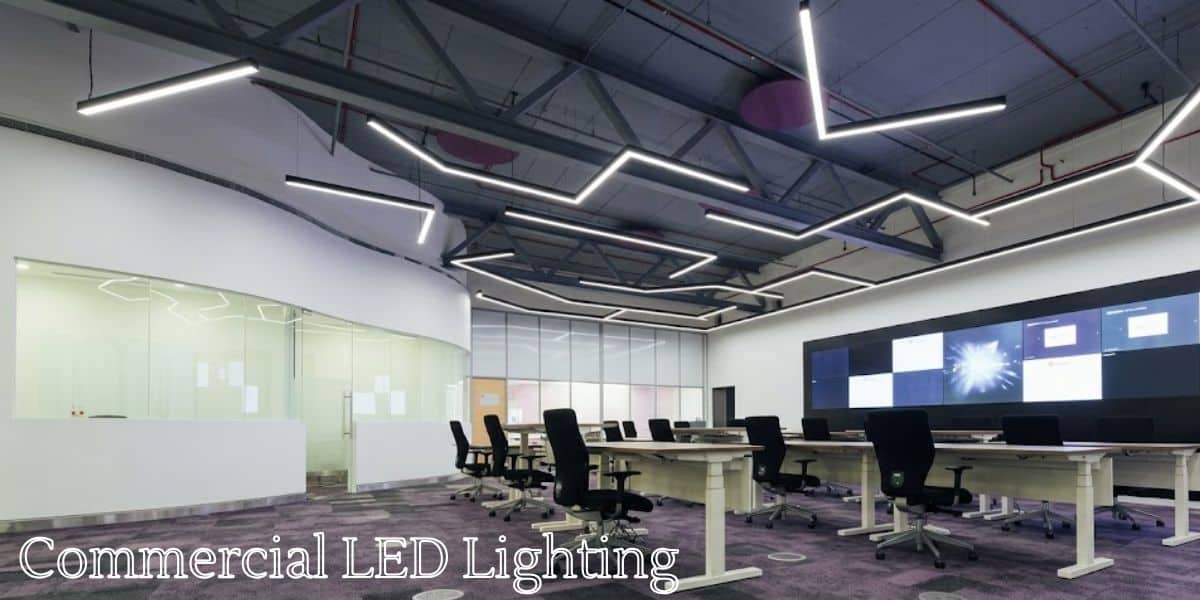
A commercial LED lighting manufacturer refers to a company that designs and produces lighting systems for functional and architectural use in environments such as offices, retail spaces, public buildings, and outdoor projects. These manufacturers typically supply LED strip lighting, Éclairage linéaire à LED systems, drivers, and customized solutions designed for large-scale installations.
How to choose an LED lighting manufacturer?
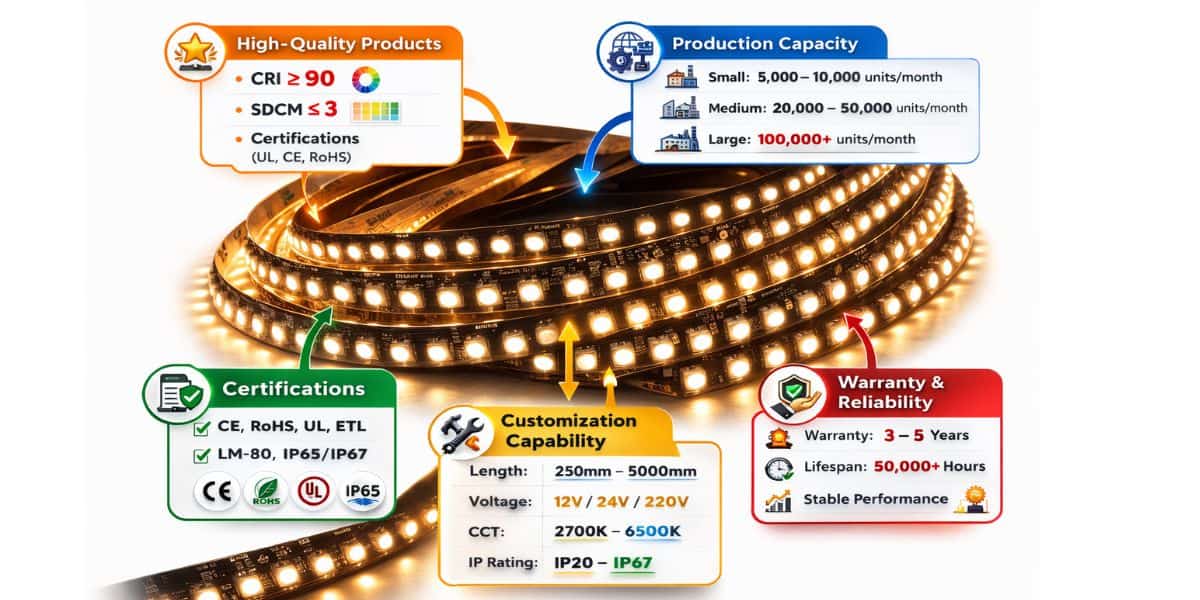
To choose a reliable LED lighting manufacturer, it is essential to evaluate measurable performance and production capabilities. Key factors include product quality defined by CRI ≥90 and SDCM ≤3, compliance with certifications such as UL, CE, and RoHS, the ability to provide OEM/ODM customization, stable production capacity with predictable lead times, and a warranty period typically ranging from 3 to 5 years.
These factors directly influence lighting consistency, installation reliability, and long-term performance.
What Is Architectural LED Lighting
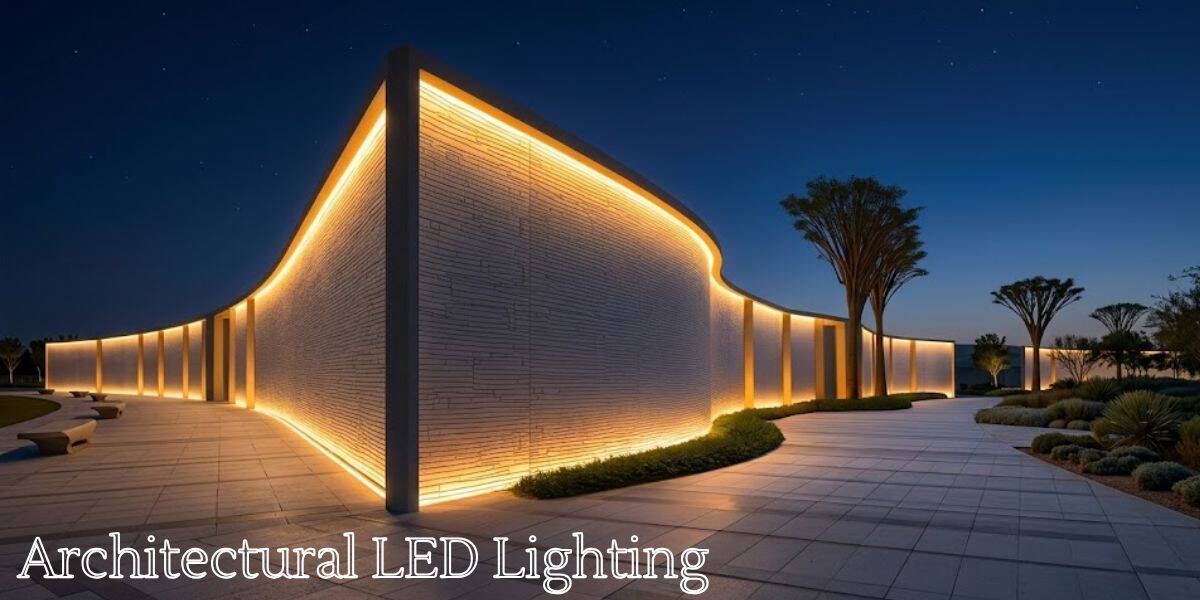
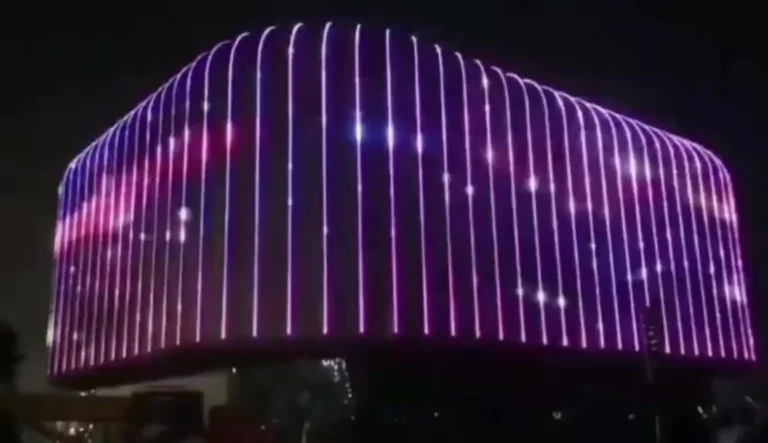
Architectural LED lighting refers to lighting systems that are specifically designed to enhance the visual appearance of buildings and interior spaces through controlled illumination. Unlike purely functional lighting, architectural lighting is used to emphasize form, texture, and spatial design, making it a critical element in modern construction and interior design.
These systems are commonly applied in building facades, hospitality environments, retail spaces, and landscape lighting. In such applications, lighting is not only required to illuminate but also to create visual contrast, highlight structural elements, and support the overall design concept.
From a technical perspective, architectural lighting requires higher color accuracy and consistency compared to standard commercial lighting. This is typically achieved through CRI values of 90 or higher, ensuring that colors appear natural and accurate, and SDCM values of 3 or below, which minimize visible color differences between fixtures.
In addition, architectural lighting often involves flexible installation formats such as LED strips, linear profiles, and custom-designed luminaires, allowing designers to integrate lighting seamlessly into architectural elements.
| Fonctionnalité | Éclairage commercial | Éclairage architectural |
| CRI | ≥80 | ≥90 |
| DDCM | ≤5 | ≤3 |
| Efficacité lumineuse | 110–150 lm/W | 80–120 lm/W |
| Main Purpose | Functional illumination | Visual enhancement |
| Applications typiques | Offices, warehouses | Facades, hospitality |
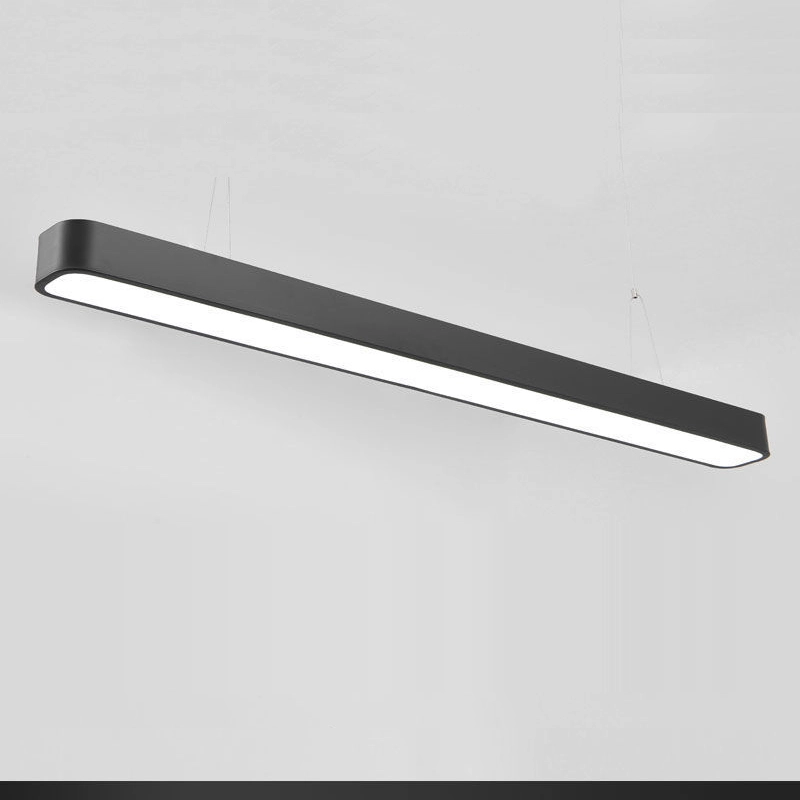
W60xH80mm Profil rond LED Lumière linéaire
- Tension d'entrée : AC100-277V/AC220-240V, 50/60Hz
- Taille du profil : W60*H80mm
- Longueur : 600mm/1200mm/1500mm/1800mm/2400mm
- Flux lumineux : 100-110lm/W
- Watt : 20W/40W/60W/80W
- Température de couleur : 3000K/4000K/6000K
- Angle du faisceau : 120°
- Puce LED : SMD2835
- Matériau : 6063 Profil en aluminium + diffuseur opale
- Option de couleur de finition : Noir/Blanc/Argent
- Option de fonction : Non-gradation/Dimming 0-10V/Dali Variation DALI
- Option d'installation : Support de suspension/plafond
- PF : >0.95
- IRC : >82
- Classe IP : IP20
LED Manufacturer Types Explained
What are the main types of LED manufacturers?
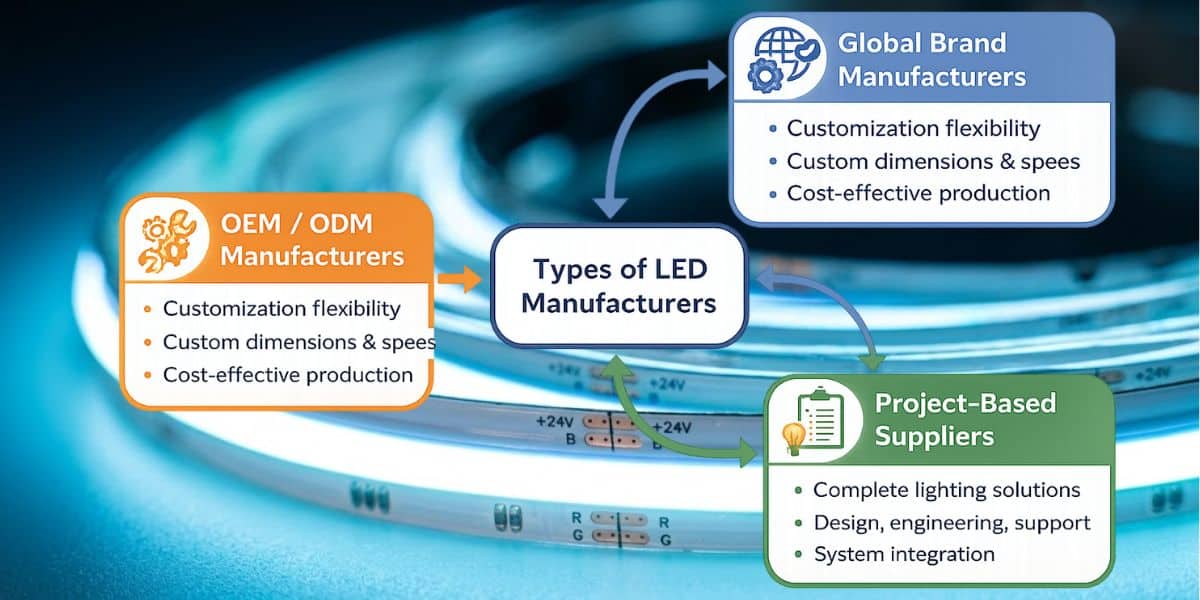
LED lighting manufacturers can be categorized into three main types based on their production model, product range, and project involvement.
OEM / ODM manufacturers focus on customized production. These companies manufacture lighting products according to specific project requirements, including custom dimensions, color temperatures, and electrical configurations. This type of manufacturer is widely used in commercial projects because it offers flexibility and cost efficiency.
For example, when selecting between different lighting formats, understanding the differences between linear modules and LED strip lights is essential, as each solution offers different performance characteristics for commercial applications. You can explore this in detail in our guide on Modules linéaires LED VS Lampes à bande LED : quel est le meilleur pour l'éclairage commercial ?
Global brand manufacturers provide standardized lighting products with established quality control systems and global certifications. Their products are typically consistent and reliable, but they offer limited customization and are generally priced higher.
Project-based suppliers provide complete lighting solutions, including design, engineering, and system integration. They are commonly involved in large-scale construction projects where lighting must be coordinated with architectural and electrical systems.
Among these categories, OEM manufacturers are often the most practical choice for commercial and architectural projects due to their ability to balance customization, cost, and production scalability.
Key Factors When Choosing an LED Manufacturer
What defines a high-quality LED product?
A high-quality LED product is defined by measurable optical and color performance parameters. The Indice de rendu des couleurs (CRI) indicates how accurately a light source reproduces colors, and for commercial and architectural applications, a CRI of 90 or higher is generally recommended. This ensures that materials, surfaces, and products appear visually accurate.
Another critical parameter is DDCM, which measures color consistency. An SDCM value of 3 or below indicates that color differences between fixtures are minimal and typically not noticeable to the human eye. This is particularly important in applications such as retail lighting and facade illumination, where multiple fixtures are used together.
What certifications should LED lighting have?
Certification is essential to ensure that LED lighting products meet safety, performance, and environmental standards. Products intended for the U.S. market should have UL certification, which verifies electrical safety. For the European market, CE certification is required to confirm compliance with relevant directives. Additionally, RoHS compliance ensures that the product does not contain hazardous substances.
These certifications are not only regulatory requirements but also indicators of manufacturing quality and reliability.
Why is OEM capability important?
OEM and ODM capabilities allow manufacturers to produce lighting systems tailored to specific project requirements. This includes customization of product dimensions, electrical specifications such as 12V or 24V systems, and color temperature options such as 3000K, 4000K, and 6500K.
Customization is particularly important in architectural lighting, where standard products may not fit the design or installation constraints. By working with manufacturers that offer OEM services, project developers can ensure better integration and reduced installation complexity.
How important is production capacity?
Production capacity determines whether a manufacturer can deliver consistent product quality within required timelines. Reliable manufacturers maintain stable production output, ensuring that large orders are completed without variation in performance or appearance.
Typical lead times for LED manufacturing range from 2 to 5 weeks, depending on order volume and customization requirements. Delays or inconsistencies in production can lead to project delays and increased costs.
What warranty should you expect?
Warranty is a direct indicator of product reliability and manufacturing confidence. For commercial LED lighting, a minimum warranty of 3 ans is generally acceptable, while high-quality products often offer warranties of 3 to 5 years.
A longer warranty period usually reflects better thermal design, higher-quality components, and more stable driver performance.
Key Technical Parameters for LED Lighting Selection
| Paramètres | Valeur recommandée | Industry Standard Range | Pourquoi c'est important |
| IRC (Indice de rendu des couleurs) | ≥90 | 80–98 | Accurate color appearance |
| DDCM | ≤3 | 2–5 | Color consistency across fixtures |
| Efficacité lumineuse | 100–140 lm/W | 90–160 lm/W | Energy performance |
| Durée de vie des LED | 50 000 heures | 30,000–70,000 hours | Long-term durability |
| Driver Efficiency | ≥90% | 85–93% | Stable electrical performance |
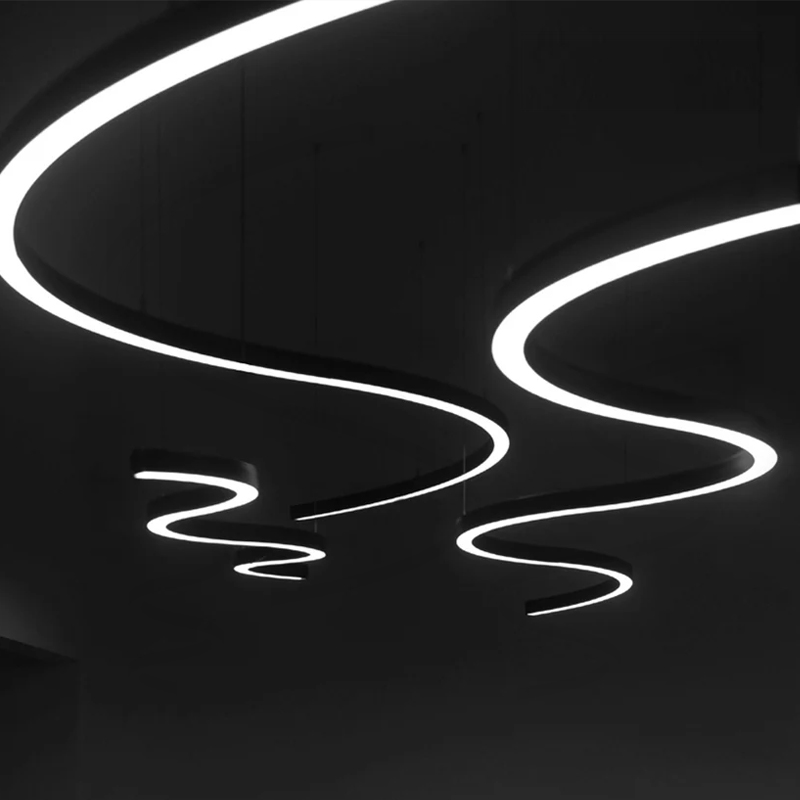
S Forme S Forme Profile Lumière Linéaire LED
- Tension d'entrée : AC100-277V/AC220-240V, 50-60Hz
- Matériau : 6063 Profilé en aluminium extrudé + PMMA
- Taille du profil : W60H80mm/W60H60mm
- Taille du produit : L890W235mm/L1230W306mm/L1455W355mm/L1655W395mm/L2160W500mm/L2590W590mm/L2870*W645mm/Customized Available
- Puissance : 10W/15W/20W/25W/30W/40W/50W/60W/personnalisé disponible
- Puce LED : SMD2835
- Efficacité lumineuse : 110lm/W
- Émettant de la couleur : 3000K/4000K/6000K
- Couleur de finition : Noir/Blanc/Argent/Or
- Flicker sans scintillement : Oui
- IRC : >80
- PF : >0.95
- Fonction : Marche/Arrêt, gradation 0-10V, gradation du triac, gradation DALI
- Classe IP : IP20
LED Manufacturer Selection Checklist
Before selecting a manufacturer, it is important to verify key technical and operational criteria:
• CRI ≥90 for accurate color rendering
• SDCM ≤3 for consistent color output
• UL or CE certification for safety compliance
• OEM/ODM capability for customization
• warranty period of at least 3 years
• experience in similar commercial projects
This checklist provides a structured approach for evaluating suppliers in real-world projects.
OEM vs Brand vs Project Supplier
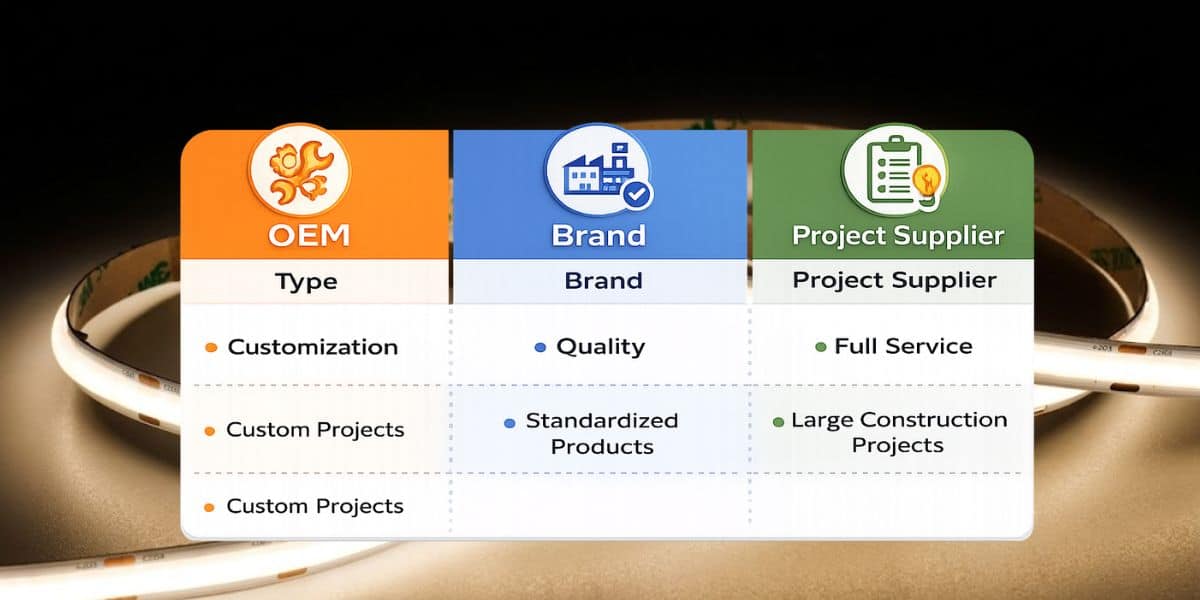
| Type | Cost Range (USD) | Personnalisation | Délai d'exécution | Meilleur cas d'utilisation |
| fabricant d'OEM | $20–$80/unit | Haut | 2–5 weeks | Large-scale projects |
| Global Brand | $50–$150/unit | Faible | 4–8 weeks | Premium applications |
| Project Supplier | $40–$120/unit | Moyen | 3–6 weeks | Turnkey solutions |
OEM manufacturers are generally preferred in commercial projects because they provide flexibility and cost-effective solutions.
Common Mistakes When Choosing LED Manufacturers
Many project failures in lighting systems are caused by incorrect supplier selection rather than product defects. One of the most common mistakes is selecting a manufacturer based solely on price, without considering technical parameters such as CRI and SDCM.
Another frequent issue is ignoring color consistency. When products from different batches or suppliers are mixed, visible color differences can occur, which negatively impacts the overall appearance of the installation.
Failure to verify certifications can lead to compliance issues, especially in regulated markets. Additionally, overlooking after-sales support and warranty conditions can result in long-term maintenance challenges.
These mistakes often lead to increased project costs, inconsistent lighting performance, and reduced system lifespan.
Learn More About LED Lighting
To evaluate manufacturers effectively, it is important to understand key LED concepts:
LED Basics → /basic-knowledge-about-leds/
SMD LED → /smd3528-vs-smd2835-vs-smd5050/
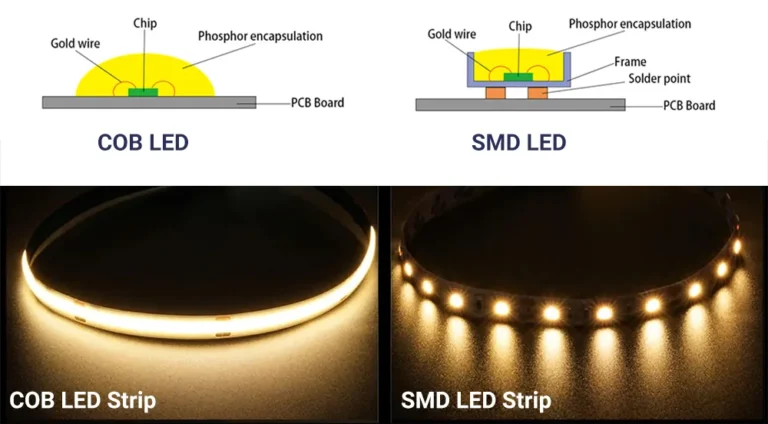
SMD vs COB → /difference-between-smd-led-and-cob-led/
SDCM → /all-about-sdcm-for-led-strip-lights/
Color Temperature → /3000k-vs-4000k-vs-5000k/
CRI → /how-important-is-the-color-rendering-index/
UGR → /ugr-requirements-for-led-linear-lights/
Lumen vs Lux → /lumens-vs-lux/
UV Safety → /do-led-lights-produce-uv-rays/
Conclusion
Selecting a commercial and architectural LED lighting manufacturer requires a structured evaluation process based on measurable technical parameters and production capabilities. Unlike simple product purchasing, this decision directly affects lighting consistency, installation efficiency, and long-term performance.
Manufacturers that provide high CRI values, low SDCM levels, certified products, and stable production processes are more likely to deliver reliable results. In addition, OEM capability allows customization, which is essential for architectural and project-based lighting applications.
For most commercial lighting projects, choosing a manufacturer that combines technical performance, certification compliance, customization capability, and reliable warranty support is the most practical approach. By following a systematic evaluation process, project managers and buyers can ensure consistent lighting quality and avoid costly mistakes.
FAQ
Articles Similaires