English
  简体中文
简体中文  Deutsch
  Español
  Français
  Italiano
  日本語
日本語  한국어
한국어  Polski
  Português
  Русский
  Türkçe
  Nederlands
  Tiếng Việt
  ไทย
ไทย 
At SignliteLED, we help professional buyers, project engineers, and OEMs source high-quality LED solutions. These solutions combine reliability, efficiency, and design flexibility.
In 2026, office lighting is no longer just about saving energy. PCB LED innovations are changing office lighting. Office lighting should boost productivity, comfort, and eye health. It must give even light, stable color, and work with modern building automation. They improve thermal management, maintain color consistency, support smart systems, and extend LED lifespan. With advances in PCB LED technology, lighting manufacturers and buyers now have access to solutions that meet these requirements while optimizing operational efficiency.
In this blog, we will explore:
- How PCB LED innovations are transforming office lighting?
- Cover the latest developments in thermal management, material technology, optical performance, smart integration, and design flexibility.
- Guidance for buyers to select the right PCB LEDs for their office projects.
Understanding PCB LED Innovations

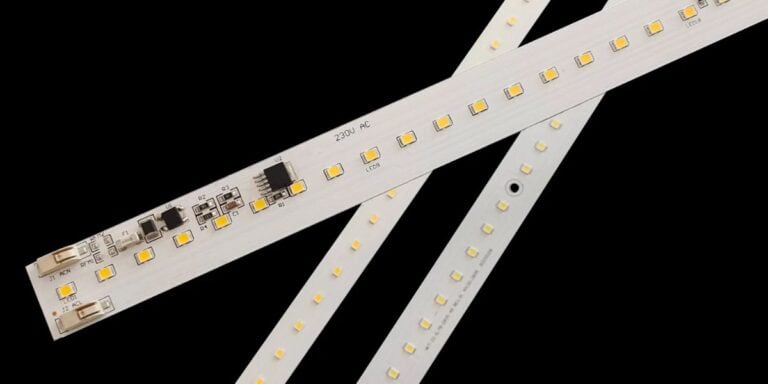
A PCB LED is more than a mounting surface for LED chips. It is a key component for performance, heat control, and durability. A high-quality LED PCB board and precise LED PCB board design improve reliability in office lighting systems. Advanced PCB design for LED light ensures stable operation and long lifespan.
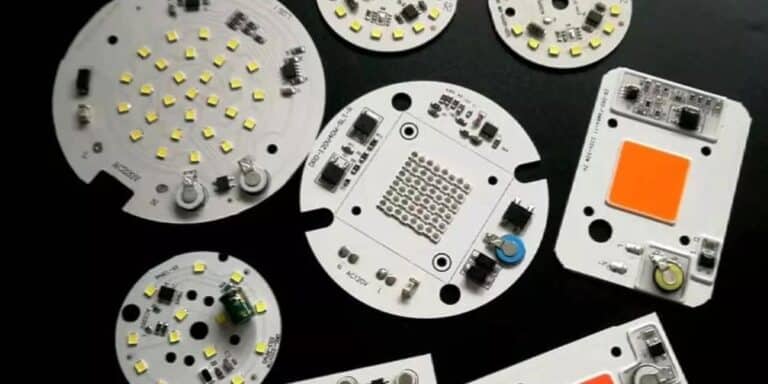
- Thermal stability: Continuous operation creates heat. Poor heat management reduces LED life. Round aluminum PCB LED, SMD LED PCB board, and 2835SMD LED PCB panel designs efficiently dissipate heat. They keep performance stable and protect components.
- Color consistency: Uneven current causes color shifts. LED light PCB board and SMD PCB LED designs maintain uniform color temperature. They provide consistent, glare-free light throughout offices.
- Electrical efficiency: Proper circuitry reduces flicker and energy loss. PCB LED design, PCB with LEDs, and 220V LED panel PCB solutions ensure steady voltage and current. Energy efficiency improves while reducing maintenance.
- Integration capabilities: Offices need smart features. Custom LED PCB and LED strip PCB board support dimming, sensors, and IoT control. Modern PCBs make integration simple and reliable.
With these innovations, LED PCB manufacturers and LED PCB board suppliers deliver efficient, safe, and high-quality office lighting. Employees enjoy better visual comfort. Operational costs and maintenance are lower.
Key PCB LED Innovations Shaping Modern Office Lighting
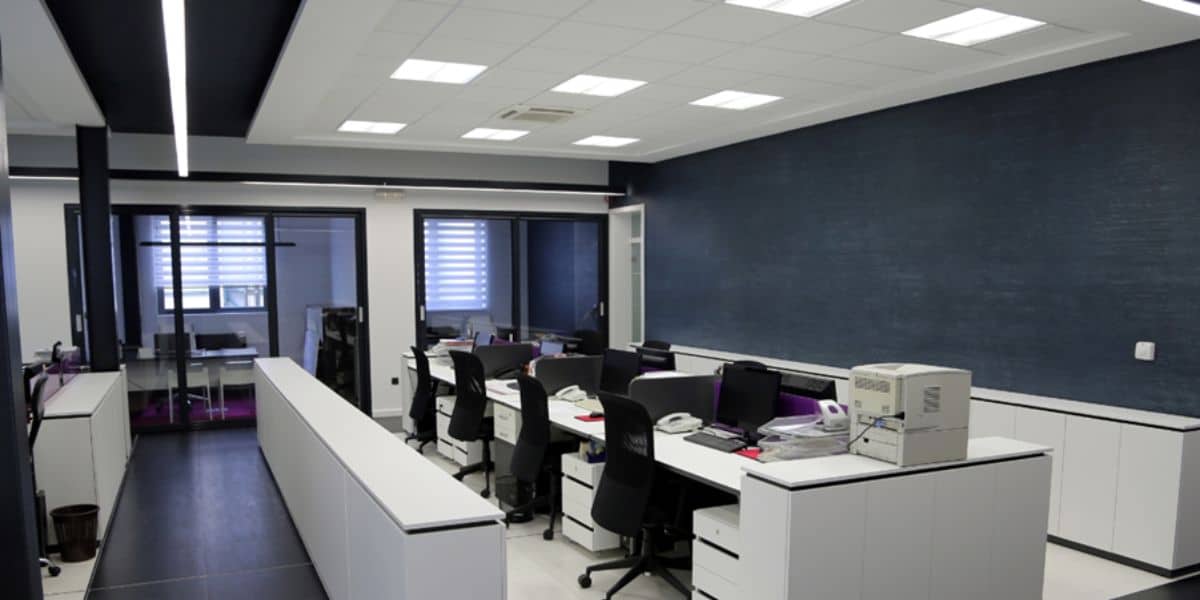
Advanced Thermal Management
Thermal control is one of the most critical aspects of office LED performance. Heat not only affects efficiency but also reduces the lifespan of LEDs. Modern PCB designs incorporate several innovations:
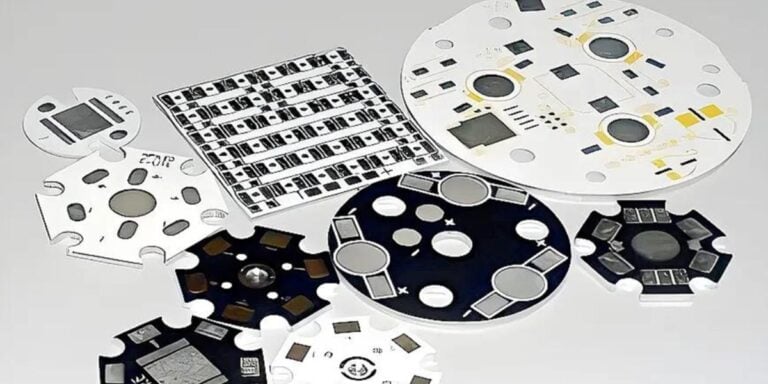
- Metal-core PCBs: Aluminum or copper cores provide high thermal conductivity, efficiently transferring heat away from LED chips.
- Thermal vias and thick copper layers: These distribute heat evenly across the board, minimizing hotspots and preventing local overheating.
- Multi-layer structures: Advanced PCBs use multi-layer designs that combine insulation and thermal paths, ensuring that electrical safety is maintained while heat is efficiently managed.
- Optimized solder joints: Solder connections are designed to withstand repeated thermal cycles without failure, enhancing the overall lifespan of the fixture.
Enhanced Color Stability and Lighting Quality
Office lighting must support comfort, focus, and visual clarity. PCB LED innovations improve light quality by preventing heat-induced color shifts and maintaining stable CCT. This ensures uniform illumination across all office spaces.
Proper PCB layouts also support high CRI LEDs, which render colors accurately. Optimized LED spacing and board design reduce glare and dark spots. Together, these features lower eye strain and fatigue, enhancing employee comfort and productivity.
Smart Integration and IoT Compatibility
The modern office is intelligent and connected. PCB LED innovations support this evolution:
- Embedded sensors: Occupancy, motion, and daylight sensors can be integrated directly onto the PCB.
- Dimming and tunable white options: Advanced PCB designs allow seamless control of brightness and color temperature, adapting to different tasks and times of day.
- IoT connectivity: PCB LEDs can connect to building management systems, enabling automated control, energy optimization, and data-driven maintenance planning.
Smart office lighting not only enhances comfort but also contributes to significant energy savings, often reducing electricity costs by 30–50% compared to conventional systems.
Material and Structural Innovations
Material choice plays a crucial role in thermal performance, electrical efficiency, and long-term reliability:
| PCB Material | Key Feature | Office Applications |
| Aluminum | High thermal conductivity, cost-effective | LED panels, downlights, recessed fixtures |
| Copper | Superior heat transfer, durability | High-power task lighting, concentrated LED clusters |
| FR-4 | Affordable, moderate heat handling | Indicator lights, low-power office LEDs |
| Ceramic | Excellent thermal resistance, premium | Precision luminaires, high-end office areas |
Optical and Layout Innovations
PCB layout directly impacts optical performance. Advanced designs focus on:
- LED spacing optimization: Improves airflow and heat dissipation while providing uniform light coverage.
- Angle and alignment control: Ensures consistent light distribution and reduces glare in open office spaces.
- Compact designs: Slim PCB boards allow for low-profile panels that enhance modern office aesthetics.
- Reflector and diffuser compatibility: PCB LEDs can be designed to work with optical components for smoother, even illumination.
Benefits of PCB LED Innovations for Offices
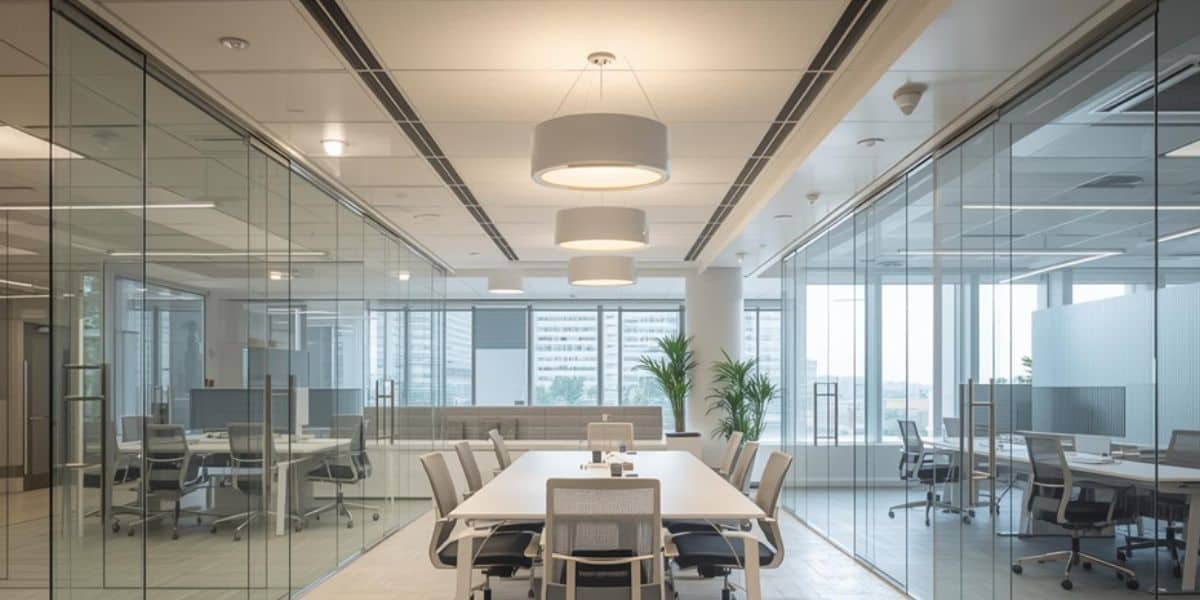
PCB LED innovations bring multiple advantages to modern office environments. They improve comfort, efficiency, reliability, and aesthetics, making lighting more effective for both employees and facility managers.
Employee Comfort and Productivity
PCB LEDs provide even, glare-free lighting with high CRI and stable color temperature. This reduces eye strain and helps employees stay focused and productive throughout the day.
Energy Efficiency
Advanced thermal management and smart lighting controls lower energy use. Offices save on electricity while maintaining consistent brightness and performance.
Long-Term Reliability
High-quality materials and optimized thermal designs extend LED lifespan. This ensures office lighting remains stable and reliable for years.
Scalability
Modular and flexible PCB designs let offices expand or reconfigure lighting systems easily. Lighting can adapt to new workspaces or changing layouts.
Reduced Maintenance Costs
Durable PCBs withstand thermal cycles and resist early failures. This reduces replacements and lowers maintenance costs.
Enhanced Aesthetics
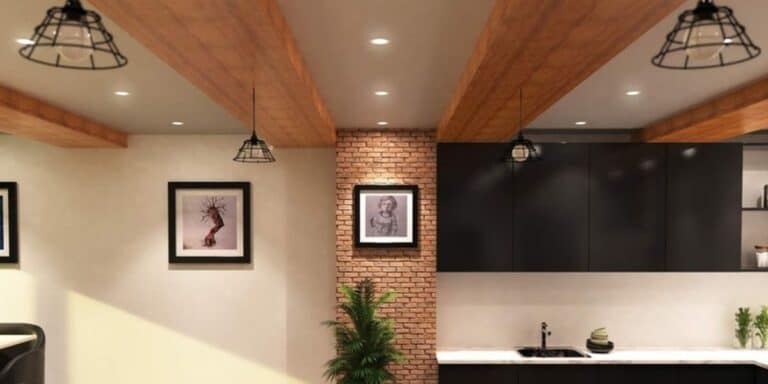
Uniform, sleek LED panels create a clean, modern office look. Consistent lighting enhances the ambiance and strengthens the corporate image.
Step-by-Step Buying Guide for Selecting PCB LEDs in Office Projects
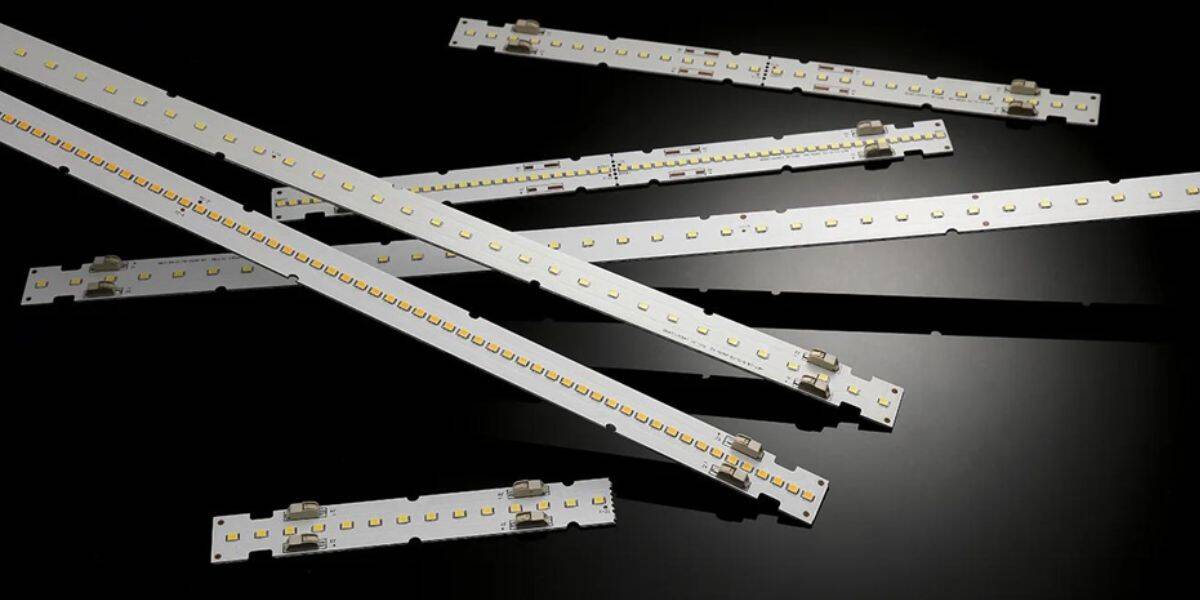
Choosing the right PCB LEDs affects lighting quality, efficiency, and reliability. This guide helps buyers focus on power, thermal management, materials, layout, and smart features to ensure modern offices get safe, efficient, and adaptable lighting systems.
Step 1: Assess Power and Usage Requirements
Determine total power and current for your office LEDs. Low-power desk or decorative lights use FR-4 PCBs. Medium-to-high-power panels need aluminum or copper PCBs. Correct assessment prevents dimming, overheating, and early failures.
Step 2: Prioritize Thermal Management
Heat limits LED performance. Check for metal cores, thermal vias, thick copper, or multi-layer designs. Good thermal paths prevent hotspots, stabilize brightness, and reduce color shifts, especially in offices operating long hours daily.
Step 3: Evaluate Color Quality
Stable color improves comfort and productivity. Ensure PCB maintains consistent CCT and supports high CRI LEDs. Uniform illumination reduces glare, prevents eye strain, and creates visually comfortable spaces for reading, meetings, and computer work.
Step 4: Consider Smart Features
Modern offices need intelligent lighting. Choose PCBs with sensors, dimming, tunable white, or IoT connectivity. Smart features adjust light to occupancy, daylight, or tasks, improving energy efficiency and creating adaptive, dynamic office environments.
Step 5: Select Appropriate PCB Material
Material affects heat transfer, electrical safety, and durability. Aluminum suits standard high-power panels. Copper works for dense layouts. FR-4 is for low-power decorative LEDs. Ceramic supports premium applications. Proper selection ensures longevity and stable performance.
Step 6: Optimize Layout and Placement
PCB layout affects heat and light distribution. Ensure LEDs are spaced properly and current flows evenly. Correct layout improves airflow, prevents hotspots, reduces glare, and works with diffusers or reflectors for smooth, uniform illumination.
Step 7: Validate Performance with Testing
Prototype and test PCBs before deployment. Check thermal efficiency, voltage stability, and light uniformity. Testing ensures LEDs maintain brightness, color, and efficiency under continuous use, preventing failures, flickering, or early replacements.
Step 8: Plan for Future Upgrades
Choose flexible or modular PCBs for future office changes. Multi-layer boards, plug-and-play modules, or tunable white features allow easy upgrades. This ensures the lighting system adapts to new layouts, IoT integration, or energy-saving programs.
PCB LED Applications Across Office Spaces

Effective office lighting goes beyond energy savings. It improves comfort, focus, and productivity. PCB LED innovations enable smart, uniform, and efficient lighting solutions tailored to different office areas. Here are the main applications.
1: Open-Plan Offices
Uniform LED panels with high CRI provide consistent illumination across large workspaces. Smart dimming adjusts light based on daylight or occupancy, reducing glare and eye strain for all employees.
2: Conference Rooms
Tunable white LEDs allow flexible lighting for meetings and presentations. Bright light supports focus, while softer tones create a comfortable atmosphere for discussions.
3: Task Lighting
High-power aluminum or copper PCB LEDs deliver stable, concentrated light for desks and workstations. Proper spacing and thermal management prevent hotspots, supporting detailed work and computer tasks.
4: Reception and Lobbies
Premium LED panels offer consistent color and low maintenance. Sleek, uniform lighting enhances aesthetics, highlights architecture, and creates a welcoming impression for visitors.
5: Collaborative Spaces
Adaptive lighting with sensors and IoT integration automatically adjusts brightness and color. This ensures energy efficiency and a dynamic environment for teamwork and brainstorming sessions.
6: Specialized Areas
Ceramic or flexible PCBs provide precision lighting for labs, design studios, or aesthetic installations. These boards handle extreme thermal conditions and maintain color accuracy for specialized applications.
Conclusion
PCB LED innovations are transforming office lighting by combining efficiency, comfort, and smart features. An advanced thermal management, smart materials, and layout improvements ensure efficient, long-lasting, and comfortable lighting. They support adaptive systems and improve visual health. Choosing the right PCB LEDs boosts productivity, cuts costs, and creates appealing, sustainable offices.
FAQs
Related Posts