English
  简体中文
简体中文  Deutsch
  Español
  Français
  Italiano
  日本語
日本語  한국어
한국어  Polski
  Português
  Русский
  Türkçe
  Nederlands
  Tiếng Việt
  ไทย
ไทย 
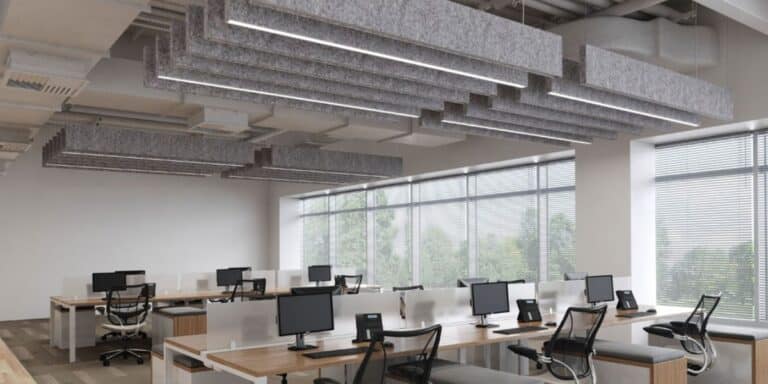
Yes, acoustic lighting can be worth the investment in commercial spaces when both lighting performance and acoustic control are required within the same ceiling system. By combining illumination and sound absorption into a single engineered fixture, organizations can reduce reverberation, improve speech clarity, and minimize the need for separate acoustic panels. In offices and collaborative environments, measurable reductions in reverberation time can improve concentration and meeting efficiency. From a lifecycle perspective, integrating lighting and acoustic treatment can also lower installation complexity and long-term coordination costs.
This article evaluates cost, ROI, long-term value, and when acoustic lighting makes financial sense for commercial buyers. The focus is strictly on investment logic, performance impact, and operational value for architects, designers, facility managers, and procurement teams.
What Commercial Buyers Are Actually Paying For
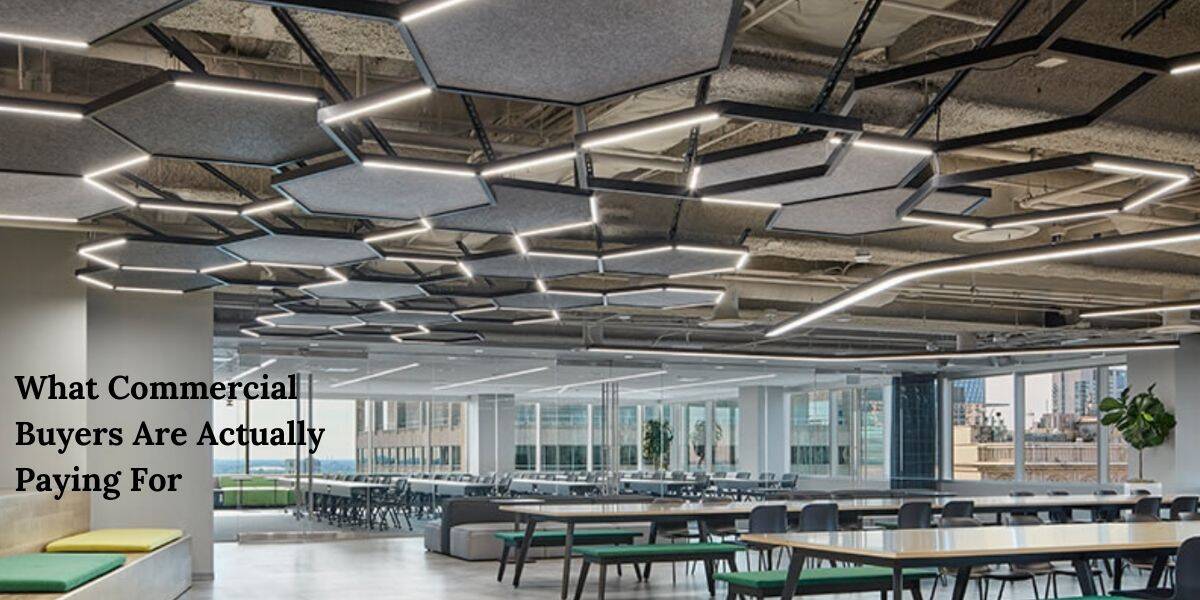
When procurement teams evaluate acoustic lighting, the investment goes far beyond a light fixture with a felt cover. Commercial-grade systems are engineered assemblies designed to meet lighting standards, acoustic absorption targets, and safety codes simultaneously.
The cost structure typically includes:
- Engineered acoustic material
Most systems use high-density PET felt or equivalent absorptive material. Density, thickness, NRC (Noise Reduction Coefficient) performance, and fire rating all influence cost. Commercial specifications often require Class A fire ratings and verified acoustic performance data. - Integrated LED system
Unlike decorative pendants, true acoustic fixtures include commercial-grade LED modules, drivers, thermal management, lumen output verification, and consistent color rendering. Lifespan ratings commonly fall between 30,000 and 50,000 hours. - Dual-function structural design
The fixture is designed to absorb sound while maintaining optical distribution. This requires internal baffles, acoustic cavities, or felt geometries that increase surface area. - Suspension and mounting hardware
Proper suspension systems ensure optimal height for both acoustic absorption and lighting distribution. Installation planning is slightly more involved than surface-mounted troffers. - Acoustic testing intent
Commercial systems are typically developed with acoustic modeling in mind. The goal is measurable reverberation reduction, not just aesthetic sound dampening.
Decorative Felt Lamps vs Engineered Acoustic Lighting Systems
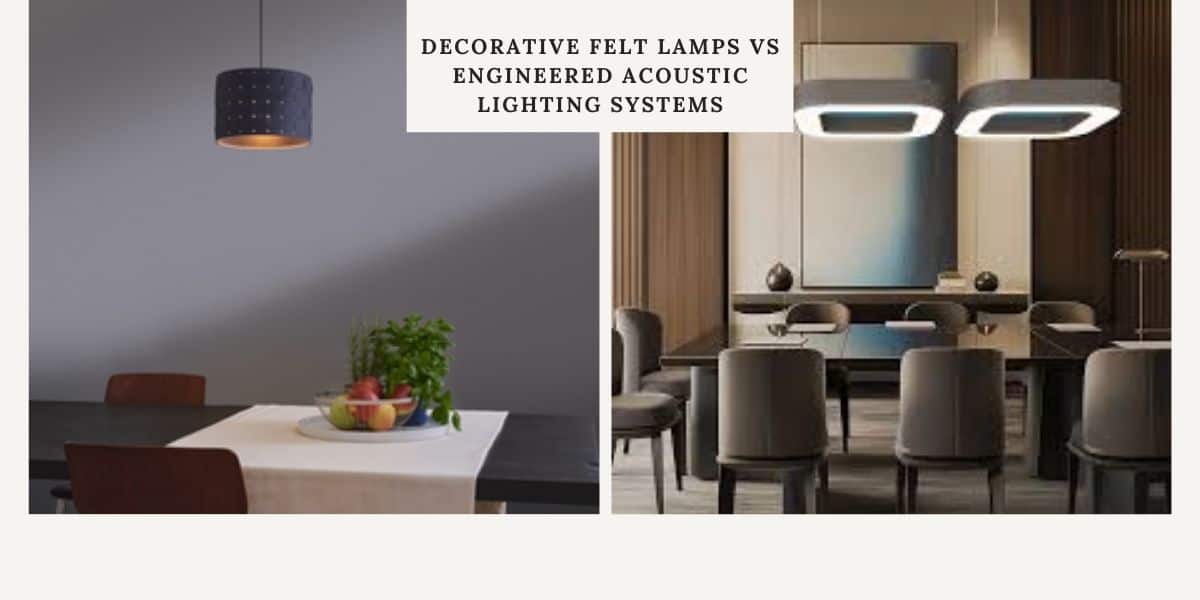
A key procurement risk is confusing decorative felt lighting with true acoustic lighting systems.
Decorative felt lamps:
- Primarily aesthetic
- Limited acoustic testing
- Minimal surface area for absorption
- Not engineered for measurable NRC contribution
True acoustic lighting systems:
- Designed to function as acoustic fixtures
- Provide quantifiable absorption values
- Support lighting performance standards
- Contribute to ceiling-wide acoustic strategy
For example, purpose-built systems offered by professional manufacturers illustrate how lighting and sound control are engineered together rather than treated as an afterthought. These systems are designed with verified acoustic intent, proper light distribution, and integrated structural support instead of simply wrapping a decorative fixture in felt.
From a commercial perspective, this distinction directly affects ROI.
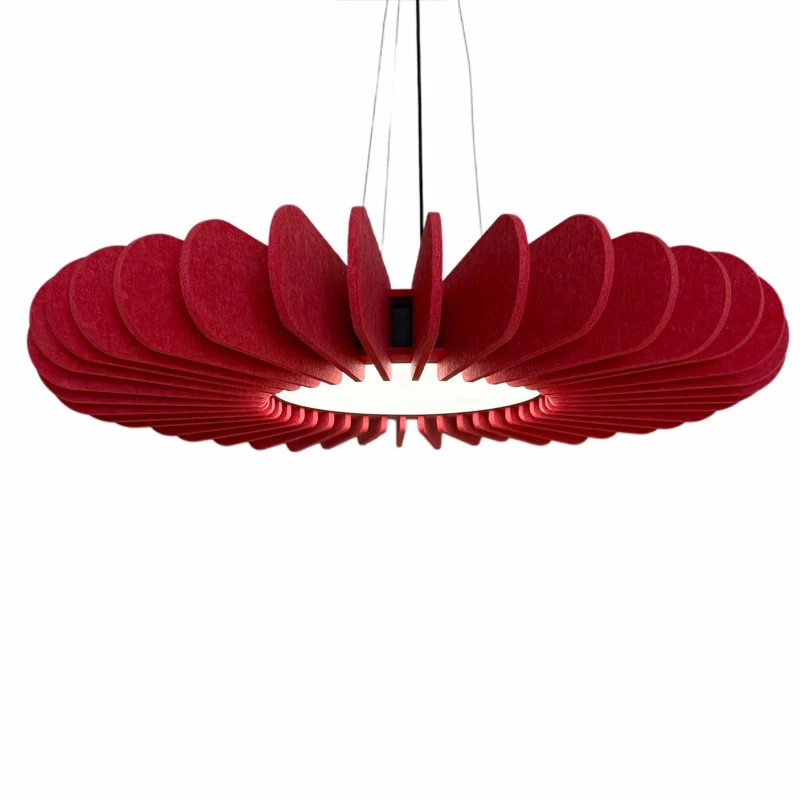
Ultrathin Slim Round Acoustic LED Pendant Light
- Input Voltage: AC100-277V / AC220-240V,50-60HZ
- Housing Size: 120 mm
- Emitting Direction: Downward
- Size DH: 500*80mm
- CCT: 3000K / 4000K / 6000K
- Power: 15W
- Luminous Flux: 100-110Lm/W
- CRI: >90Ra
- PF: >0.90
- Fllicker Free: Yes
- Beam Angle: 120°
- IP Grade: IP20
- Warranty: 5 years
- Acoustic Panel Color Option: Red / Green / Blue / Grey more than 48 colors option
Clear Cost Breakdown
Acoustic lighting costs more upfront than standard commercial LED fixtures. However, fixture price alone does not represent total project cost.
Below is a realistic cost comparison for commercial-grade systems:
| Cost Category | Acoustic Lighting | Standard Commercial LED Lighting |
| Unit Cost | $400–$1,200+ per fixture | $120–$450 per fixture |
| Installation | Slightly higher (suspension + positioning) | Standard |
| Additional Acoustic Panels Needed | Often reduced or eliminated | Usually required |
| Lifecycle (LED) | 30,000–50,000 hours | 30,000–50,000 hours |
Why Acoustic Lighting Costs More Upfront
The price premium is driven by:
- Acoustic-grade PET felt material
- Increased material volume
- Integrated structural support
- Acoustic engineering
- Custom geometries
- Higher shipping and handling costs
In many projects, acoustic lighting fixtures cost approximately 1.5 to 3 times more per unit than standard LED fixtures.
However, this comparison becomes incomplete when acoustic panels are required in parallel.
Typical commercial acoustic ceiling panels or suspended baffles can cost:
- $25–$60 per square foot installed
- $300–$900 per ceiling-mounted acoustic element, depending on size
If a project requires both lighting and acoustic treatment, separating the systems can significantly increase total installed cost.
When lighting and absorption are combined, the project may reduce:
- Ceiling clutter
- Installation labor coordination
- Total number of suspended elements
- Redundant suspension systems
For procurement teams, the real evaluation must occur at the project level rather than the fixture level.
ROI and Business Impact
The return on investment for acoustic lighting is tied to workplace performance and operational efficiency rather than energy savings alone.
In commercial offices, excessive reverberation reduces speech clarity and increases distraction. Studies consistently show that poor acoustic environments reduce productivity and increase cognitive fatigue. In open-plan offices, uncontrolled reverberation times can exceed recommended thresholds, particularly in spaces with exposed concrete or hard ceilings.
Acoustic lighting contributes to:
- Lower reverberation time
- Improved speech intelligibility
- Reduced distraction
- More efficient collaboration zones
Below is a structured summary of value impact:
| Value Area | Impact |
| Noise Reduction | Lower reverberation and echo |
| Speech Clarity | Improved collaboration efficiency |
| Space Efficiency | Fewer separate acoustic panels required |
| Long-Term Maintenance | Dual-purpose system reduces complexity |
Financial Logic Behind ROI
- Reduced Retrofit Costs
If acoustic performance is addressed during initial construction using integrated systems, expensive retrofits can be avoided. Retrofitting ceiling panels after occupancy often involves operational disruption. - Meeting Efficiency Gains
Improved speech clarity can shorten meeting times and reduce miscommunication. While difficult to quantify precisely, this contributes to measurable productivity improvement. - Simplified Ceiling Coordination
Integrated systems reduce coordination between electrical and acoustic trades. - Employee Comfort and Retention
Comfortable acoustic environments improve perceived workplace quality, which indirectly supports talent retention.
The payback period depends heavily on space type. In high-density open offices, ROI may be realized through avoided acoustic panel installations within the initial construction budget rather than through operational savings.
When Acoustic Lighting Is Worth the Investment
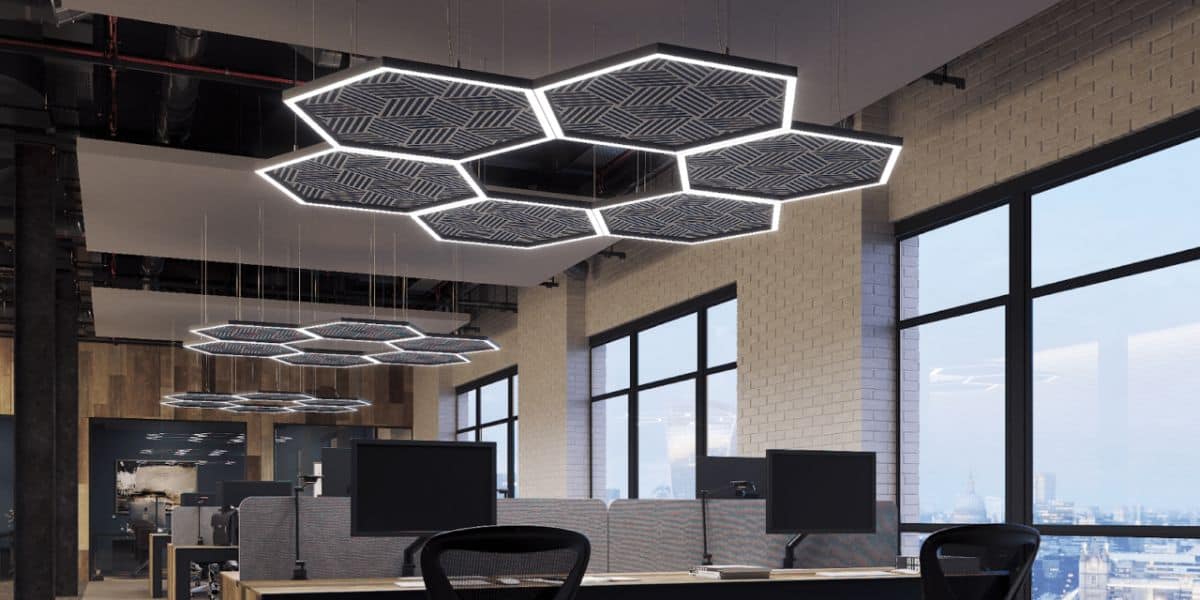
Acoustic lighting is worth the investment when:
- Open-plan offices with high speech activity
- Hard reflective ceilings (concrete, exposed deck)
- Hybrid collaboration spaces
- Training rooms and conference areas
- Projects already budgeting for acoustic treatment
In these environments, combining lighting and acoustic fixtures supports measurable performance goals.
It may not be financially justified in:
- Small enclosed offices with low occupancy
- Carpeted rooms with extensive soft furnishings
- Spaces already treated with full acoustic ceiling tiles
- Strictly decorative lighting applications
The decision should align with acoustic performance targets, not aesthetic trends.
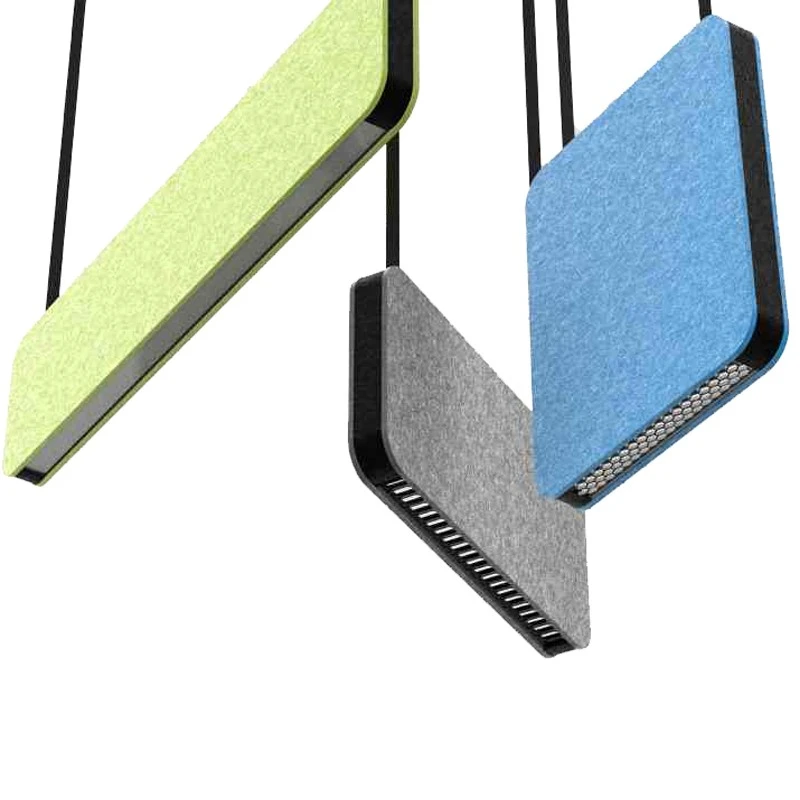
Super Slim Acoustic LED Linear Light
- Input Voltage: AC100-277V / AC220-240V,50-60HZ
- Emitting Direction: Downward
- Size: 121836400mm
- CCT: 3000K / 4000K / 6000K
- Power: 30W
- Luminous Flux: 100-110Lm/W
- CRI: >80Ra
- PF: >0.90
- Fllicker Free: Yes
- Beam Angle: 120°
- IP Grade: IP20
- Warranty: 5 Years
- Felt Acoustic Board Color: Red / Green / Blue / Grey more than 48 colors option
Long-Term Maintenance and Lifecycle Cost
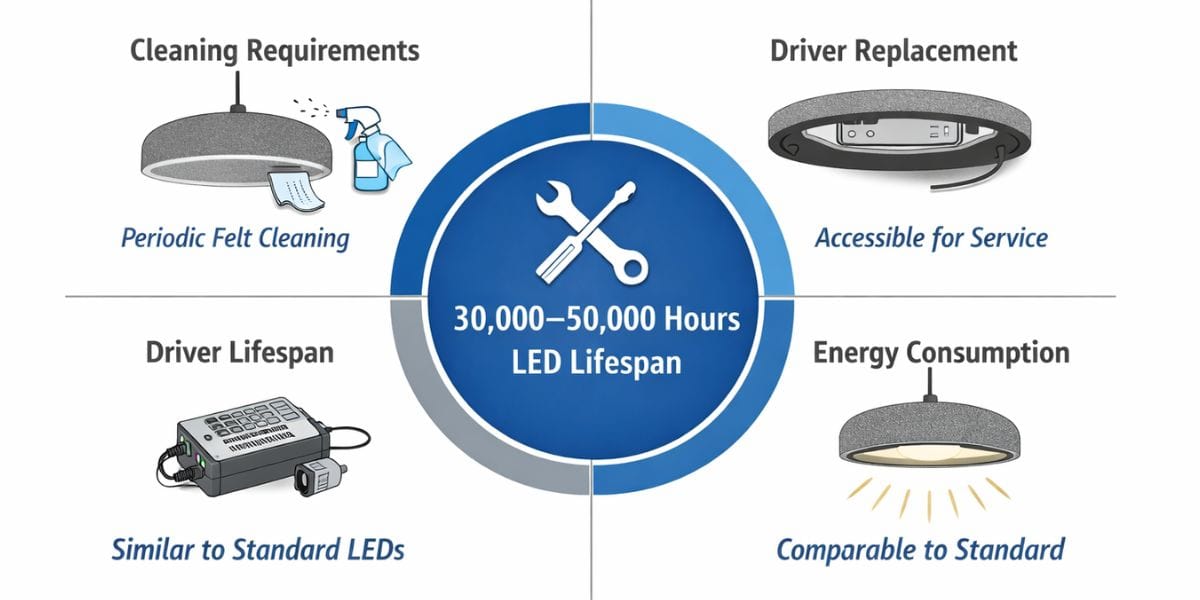
From an operational standpoint, acoustic lighting performs similarly to standard LED systems in terms of energy consumption.
LED Lifespan
Commercial LED modules typically last between 30,000 and 50,000 hours. Driver lifespan may vary but is generally comparable to standard luminaires.
Cleaning Requirements
PET felt materials attract less dust than fabric upholstery but require occasional surface cleaning. In high-ceiling applications, maintenance frequency is minimal.
Driver Replacement
Access to LED drivers must be considered during specification. High-quality systems provide accessible driver compartments to reduce maintenance labor.
Operational Cost Impact
Energy usage remains comparable to standard LED fixtures with equivalent lumen output. The difference lies in acoustic performance, not energy savings.
Over time, integrated systems may reduce maintenance complexity because fewer separate ceiling elements require servicing.
Risk Assessment for Commercial Buyers
Commercial buyers must evaluate acoustic lighting carefully to avoid underperformance.
Key risks include:
- Selecting decorative felt fixtures without verified acoustic testing.
- Installing fixtures without proper acoustic coverage calculations.
- Poor suspension height, reducing absorption efficiency.
- Ignoring fire rating compliance.
- Underestimating required coverage area.
Acoustic lighting should be incorporated into an overall acoustic strategy rather than installed randomly.
Failure to evaluate coverage requirements can result in insufficient reverberation reduction, reducing the perceived value of the investment.
Strategic Investment Summary
Acoustic lighting is not a decorative upgrade. It is a functional ceiling system decision that integrates two building performance elements.
The investment must be evaluated at the project level, considering:
- Total lighting cost
- Total acoustic treatment cost
- Installation coordination
- Long-term operational efficiency
In projects that require both lighting and acoustic control, dual-function systems can reduce overall complexity and potentially lower total installed cost compared to separate solutions.
The core financial logic is simple: combining two performance systems into one fixture may reduce redundancy, coordination costs, and ceiling congestion.
Conclusion
Acoustic lighting is worth the investment in commercial spaces where both lighting and acoustic control are required. It can reduce the need for separate acoustic fixtures, simplify ceiling systems, and support long-term operational efficiency.
The higher upfront cost is justified when evaluated at the project level rather than per fixture. In environments with high speech activity and reflective surfaces, integrated acoustic lighting provides measurable performance improvements and strategic value.
For commercial buyers, the decision should be based on acoustic targets, total installed cost, and long-term building performance rather than fixture price alone.
FAQs
Related Posts