Italiano
 English
 简体中文
 Deutsch
 Español
 Français
 日本語
 한국어
 Polski
 Português
 Русский
 Türkçe
 Nederlands
 Tiếng Việt
 ไทย

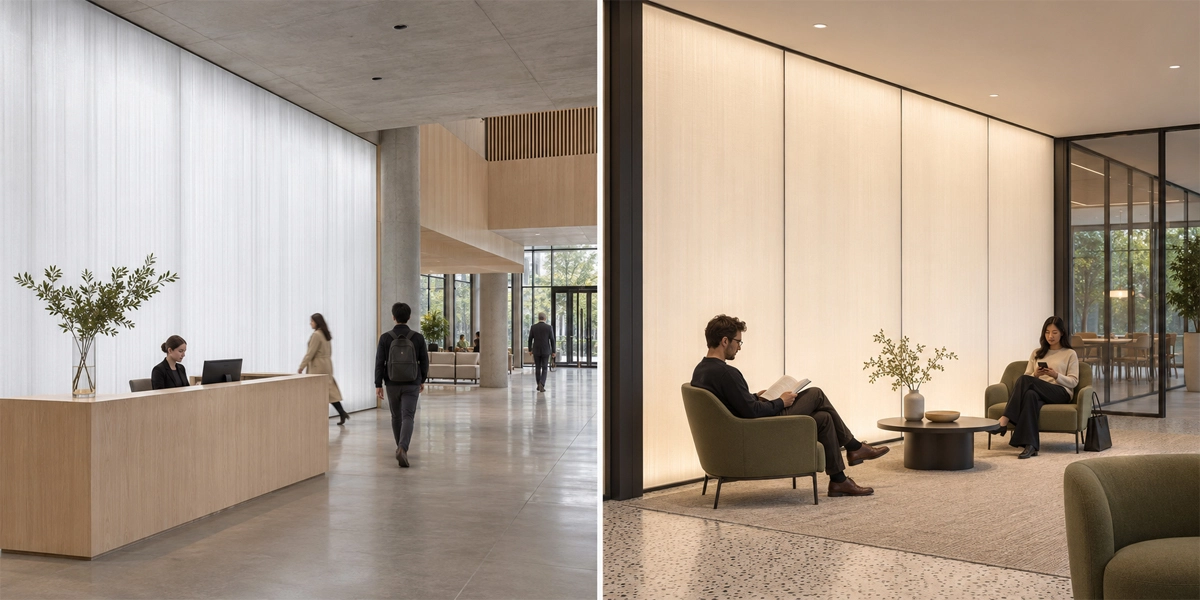
A luminous wall behind a reception desk gives visitors a clear point of reference as they enter. From the door, it reads as a single illuminated surface. At the desk, people stand close enough to see individual LED points, a shadow behind a seam or a brighter strip along the edge. A wall that looks even in a wide-angle project photo deserves a second look from where visitors actually stand.
The facing material and the LED layout determine what they see. A white fabric wall, a row of translucent panels and a backlit stone feature each handle light differently. Start with the finish and the viewing distance, then choose the backlighting behind it.
Start With the View From the Reception Desk
Decide what the wall needs to do from the entrance and at the counter. A softly lit surface may be enough to mark the reception area. If the wall also carries a logo, check how clearly the lettering reads against the illuminated background. If staff work in front of the wall all day, review the brightness from their seats as well as from the visitor side.
Take a look from the side of the desk, where visitors queue or walk past. An edge that disappears in a straight-on view often becomes visible at an angle. On a glossy panel, that same view may reveal reflections from the entrance glazing or nearby downlights.
Where the wall has a daytime and evening setting, agree on both before the sample is approved. Review the wall with the lobby lighting on. The surrounding light changes how bright the wall appears, particularly near a glazed entrance.
How Fabric, Translucent Panels and Stone Handle Light
Translucent fabric. A broad fabric face works well for a reception backdrop where the design calls for an uninterrupted area of light. Review the edge where the fabric meets the frame, and check any joint or support that sits behind the illuminated surface. For a printed graphic, use a sample from the actual print. A white fabric swatch gives little indication of how the darker parts of the image will look when backlit.
Acrylic and resin panels. Panel joints are part of the elevation, so include one in the lighting sample. Look at the joint from the front and from an angle. If it reads as a dark line, check whether the support behind it is casting a shadow or whether the LEDs stop too far from the panel edges. For colored or textured panels, check how the material looks under the proposed white-light setting.
Translucent stone. With stone, changes in the pattern are often part of the effect. Review a representative piece that includes both dense and more translucent areas. Pay particular attention to where two pieces meet and to whether the LED layout brings out the veining as intended. A completed project shows how this works in practice. LED sheet backlighting for translucent stone
Choose the LED Layout Around the Wall Construction
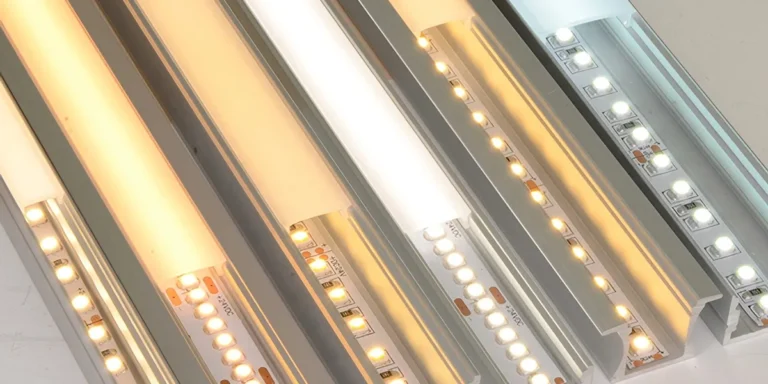
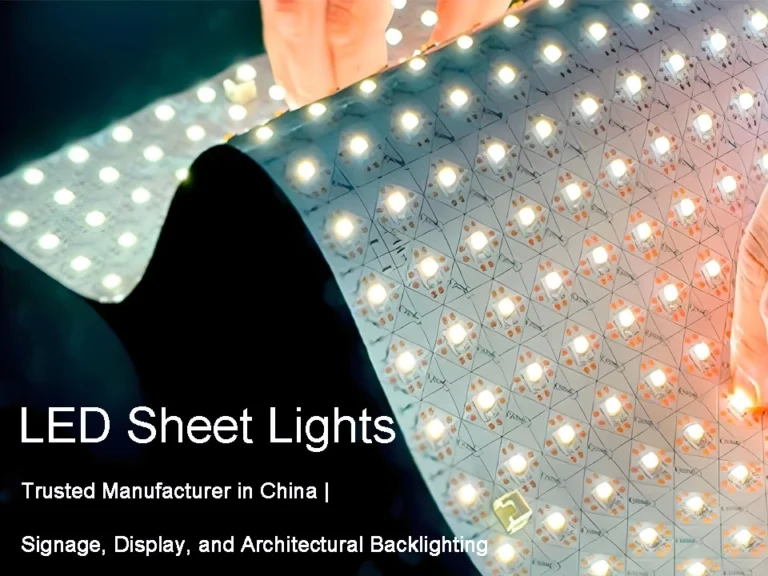
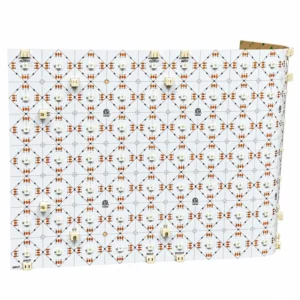
On a broad, shallow wall with a flat backboard, start by evaluating Fogli di luce a LED flessibili. Their closely spaced LEDs give you a dense light source across the face. Check where sheet edges meet and how cut sections will receive power. Connector locations and mounting rails can interrupt the layout just where the facing material needs even coverage.
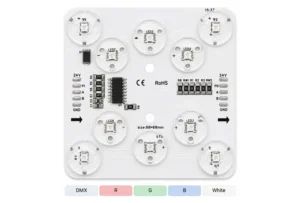
If the backboard is split by framing, signage fixings or access openings, Luci del modulo a LED give you more freedom to position individual sources. Check the spacing around each obstruction and the distance from the last row of modules to the frame. A regular grid in the centre tells you very little about how the perimeter will look.
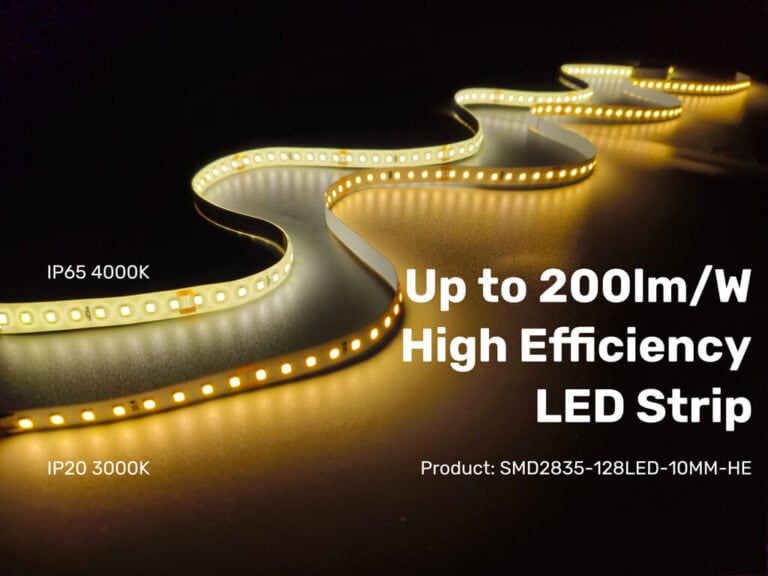
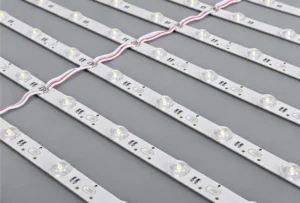
For narrow illuminated bays, flexible LED backlight strips with wide-angle lenses are another option. Lay out the rows at the planned depth and check for dark bands between them. If the wall is divided into several bays, light two adjacent bays together before settling on a row spacing.
Test a Joint, an Edge and a Service Point
Build a lit sample at the depth shown on the wall section. Use the specified facing material and include a frame edge, a representative joint and any support that could cast a shadow. For a wall with adjustable white light, check both the warm and cool settings through the sample. For a dimmed lobby scene, check that neighbouring sections still look consistent at the intended level.
Look at the sample from three places:
- The entrance. Check whether the wall reads as one surface and whether the logo is easy to see.
- The reception counter. Look for individual points, dark joints and bright edges at normal standing distance.
- The side of the wall. Check for reflections and shadows that only appear at an angle.
Before closing the wall, confirm how a technician will reach the drivers and how the fabric or panel section comes off. Record which driver feeds each zone on the layout drawing. On a wall with several identical sections, that detail saves time when one section needs attention.
If you already have a lobby elevation, send it with the available cavity depth, facing material and intended lighting effect. A marked-up photo also helps show where the logo, joints and access panels sit.
Post correlati