Fabbrica di segnaletica e illuminazione a strisce LED dal 2011

Fabbrica di segnaletica e illuminazione a strisce LED dal 2011

Addressable LED (SPI) Knowledge Hub

Learn how SPI addressable LED systems work, how to choose the right IC, and how to design reliable pixel lighting solutions for architectural, commercial, and entertainment projects.

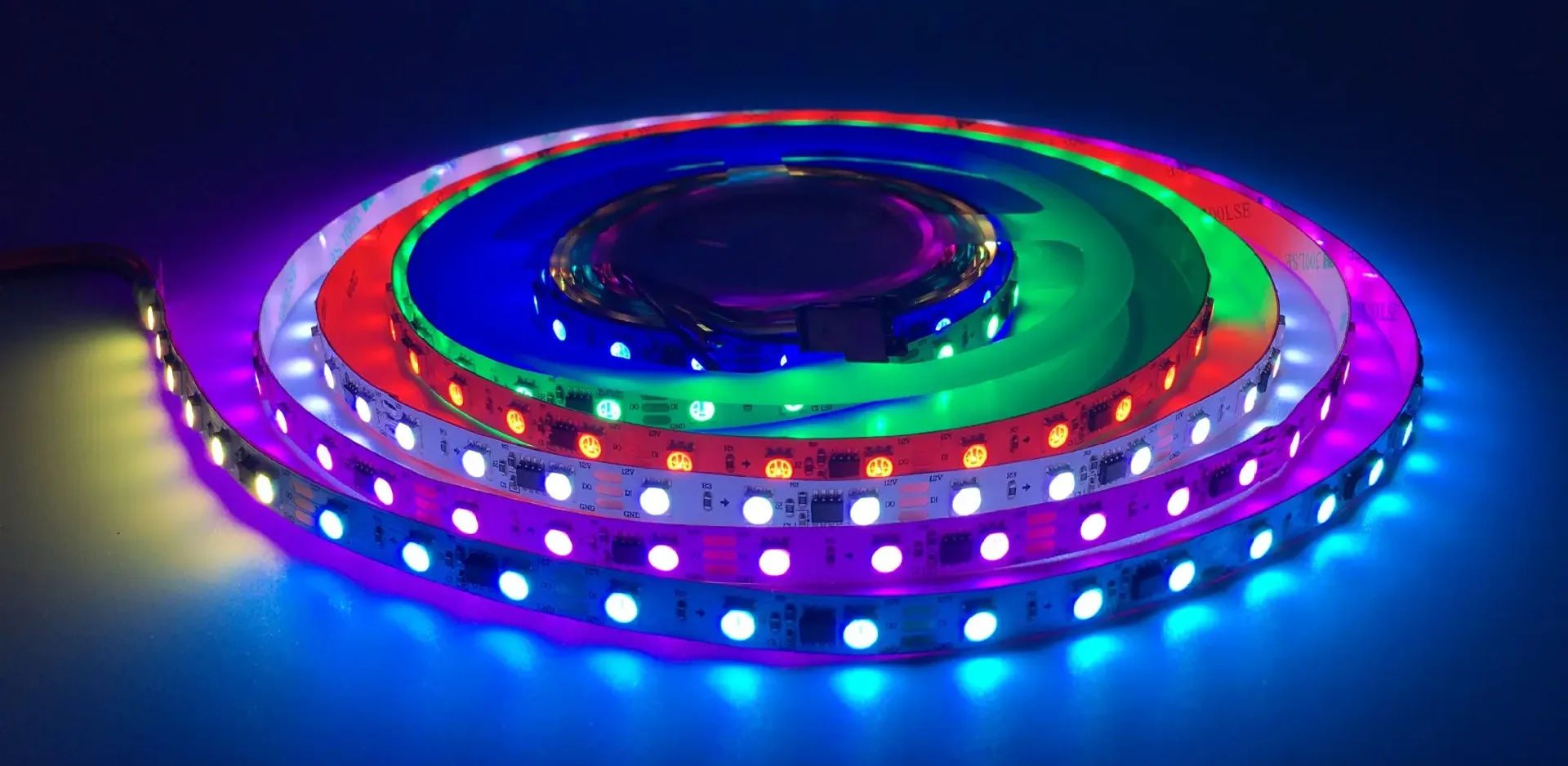
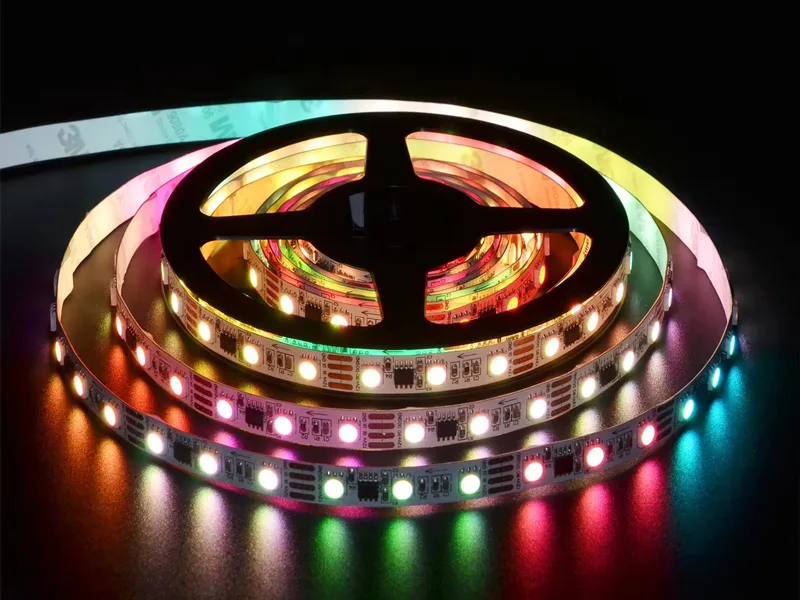
Addressable LED (SPI) technology enables pixel-level control of lighting systems, allowing dynamic effects such as animation, color chasing, gradients, and video-like lighting displays.

This knowledge hub helps you understand SPI LED technology from basics to advanced system design—including IC selection, wiring methods, controllers, and real-world applications.

SPI LED System Structure

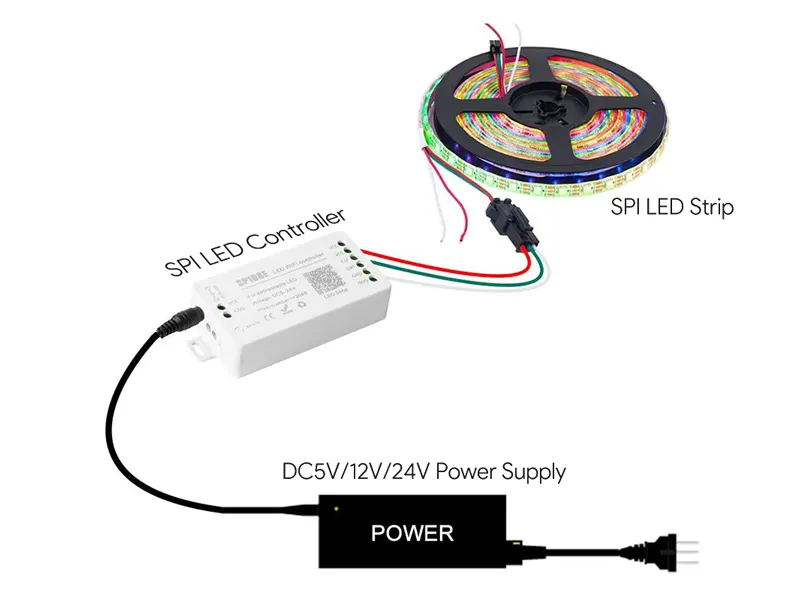
SPI LED systems are built as integrated lighting systems rather than standalone products. A complete setup typically includes addressable LED strips, a control unit, a power supply, and a structured data signal chain that connects all components.

Each part plays a critical role: the LED IC determines how pixels behave, the controller defines lighting effects, the power system ensures stability, and the signal flow enables precise communication between LEDs. Because these elements are interdependent, the overall performance of an SPI system depends on how well they are designed and integrated together.

Understanding this system structure is essential for avoiding common issues such as flickering, voltage drop, or signal loss—and for building reliable, scalable lighting solutions for real-world applications.

What is an SPI LED System?

SPI LED systems are not just LED strips—they are complete pixel-controlled lighting networks.

A full SPI system consists of:

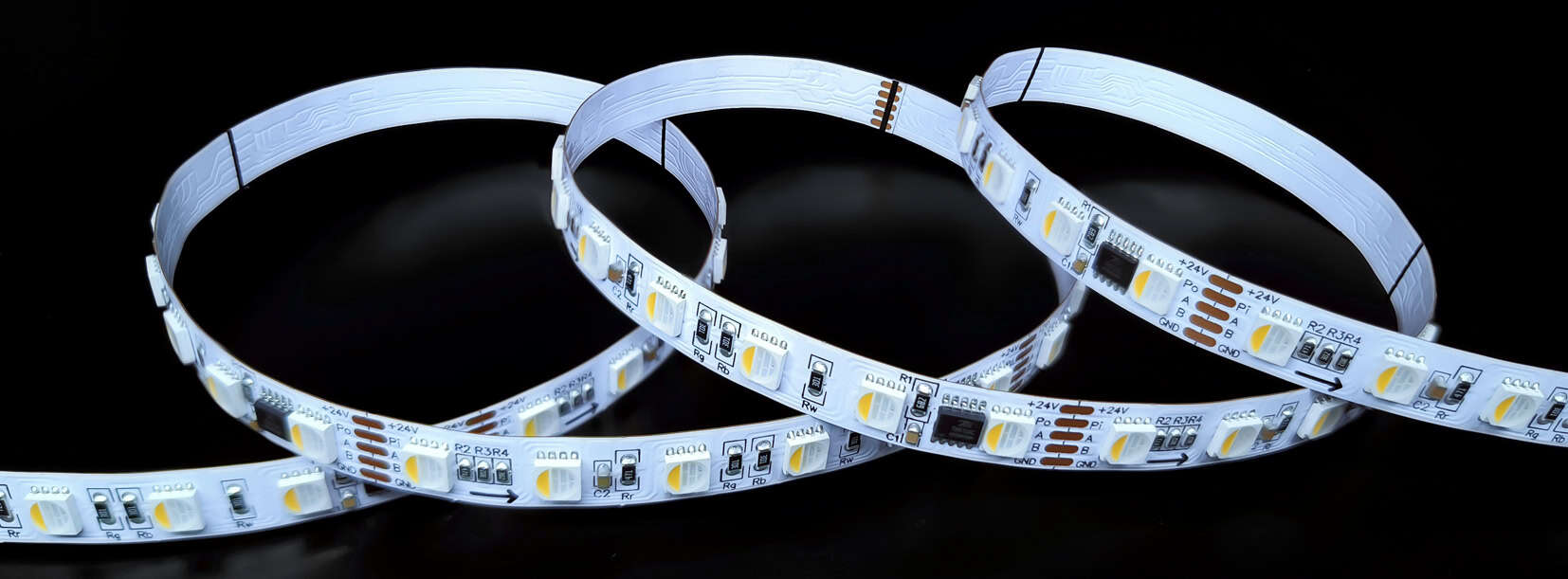
  • LED strip (with IC chips like WS2812 / SK6812)
  • Controller (signal generator)
  • Power supply system
  • Data transmission chain

Unlike traditional LED systems, each LED acts as an independent pixel controlled through digital data signals.

What is an SPI LED System
How SPI Signal Flow Works

How SPI Signal Flow Works

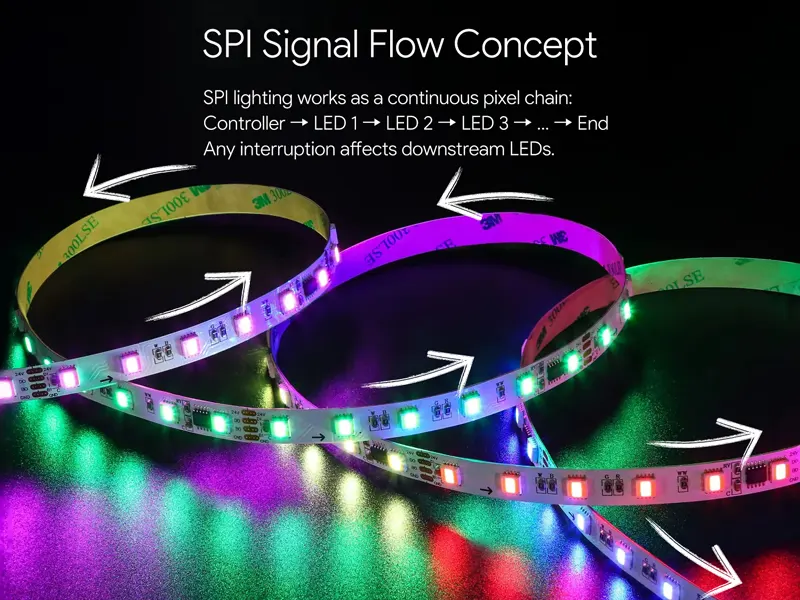
SPI LED strips operate in a sequential data chain:

  1. Controller sends digital signal
  2. First LED receives data
  3. Each LED extracts its own pixel data
  4. Remaining data is passed to next LED

This creates a continuous pixel pipeline.

What Are the Limitations of SPI LED Systems?

While SPI addressable LED systems offer powerful pixel-level control and dynamic lighting effects, they also come with several technical limitations that must be considered during system design:

  1. Signal transmission distance
  2. Caduta di tensione in lunghe corse
  3. Cascade dependency (Signal chain risk)
  4. Scalabilità limitata
  5. Sensitivity to electrical noise

For large-scale or long-distance projects, consider comparing SPI with DMX control systems.

What Are the Limitations of SPI LED Systems

Featured SPI LED Articles

Guida completa ai tipi di circuiti integrati per strisce LED indirizzabili

Guida completa ai tipi di circuiti integrati per strisce LED indirizzabili

Explore key differences between major addressable ICs in performance and color, and how they impact system design and control. Helps you select the right chip based on real project needs.

WS2812B LED Strip VS SK6812 LED Strip(2)

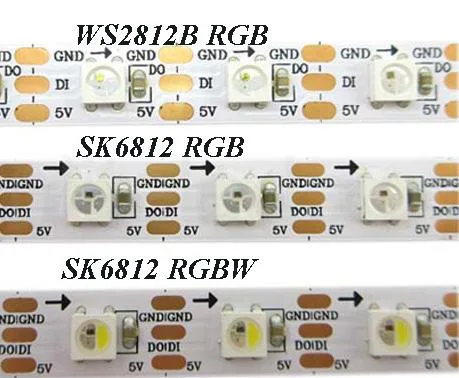
Striscia LED WS2812B VS Striscia LED SK6812: Qual è la migliore?

A detailed comparison of two of the most widely used addressable LED chips. Helps you select the right balance of cost, performance, and color quality.

Confronto di strisce LED DMX512 indirizzabile Pixel vs.

Strisce LED indirizzabili con pixel a confronto: DMX512 vs SPI

Compare two major lighting control technologies used in architectural and entertainment projects. Helps determine system architecture early in design stage.

Start Here: Learn SPI LED Step by Step

New to addressable LED systems or not sure where to begin?

This structured learning path is designed to guide you through SPI LED technology step by step—from understanding the basic concepts, to selecting the right LED IC, designing stable systems, and applying them in real-world projects.

Unlike traditional LED lighting, SPI systems involve multiple components working together, including LED chips, controllers, power supply, and signal transmission. Without a clear understanding of how these elements interact, it’s easy to encounter issues such as flickering, voltage drop, or unstable performance.

Whether you are a beginner, engineer, lighting designer, or project buyer, this guide will help you move from basic knowledge to confident system-level decision making.

Understand SPI Basic

Before choosing LED chips or designing a system, it’s important to understand how SPI addressable LED technology actually works.

SPI LED systems are fundamentally different from traditional LED strips. Instead of controlling the entire strip as one unit, SPI allows each LED to act as an independent pixel, controlled through digital signals.

addressable-LED-strip-240822
Guida completa ai tipi di circuiti integrati per strisce LED indirizzabili
In today’s lighting technology landscape, LED strips have gradually become the mainstream choice due to their efficiency, energy-saving features, and long lifespan. Among these, addressable LED strips stand out for their unique personalization and programmability, offering unprecedented flexibility and creative potential in lighting design. Each...
AC 110 220V Luce di Strip
Tutto quello che devi sapere sulle luci a strisce LED RGB indirizzabili da 110 V / 220 V CA
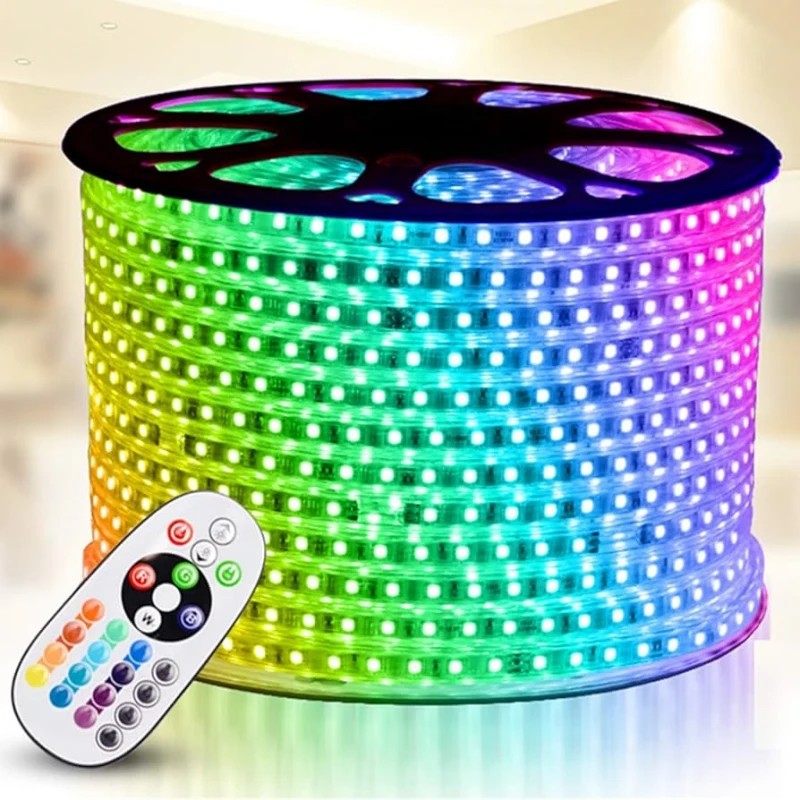
When it comes to dynamic RGB lighting, most people think of low-voltage DC addressable strips. But in recent years, a quiet shift has been taking place—more contractors and lighting professionals are choosing AC addressable LED strip lights for large-scale outdoor and architectural projects. Why? Because AC RGB strips can run up to 50 meters without...
Striscia luminosa a LED dinamica e programmabile
Guida definitiva alle strisce LED programmabili
Programmable LED strips are great when you are looking for a dynamic lighting solution for your project. They come in different colors, can be installed almost anywhere, and are low maintenance. You’ll be hard pressed to find another lighting solution that offers so much value and style. Programmable LED strips take the standard to a whole new...

Compare LED ICs & Control Systems

After understanding the fundamentals of SPI LED systems, the next step is selecting the right technology for your specific application.

Addressable LED chips and control systems can vary significantly in terms of performance, control capability, and system structure. These differences directly affect lighting quality, system stability, and overall project complexity.

Beyond choosing the right IC, it’s equally important to compare SPI with other control methods to ensure you’re using the most suitable solution for your project requirements.

Confronto tra le opzioni di controllo DMX e SPI per i LED RGB Neon Flex
Una buona illuminazione architettonica può mettere in evidenza l'estetica architettonica, creare un'atmosfera confortevole, migliorare la gerarchia spaziale, migliorare l'esperienza visiva di notte, trasmettere connotazioni culturali e tenere conto del risparmio energetico e della protezione ambientale, conferendo alla città un fascino e vitalità unici. Di solito, i designer personalizzano il design...
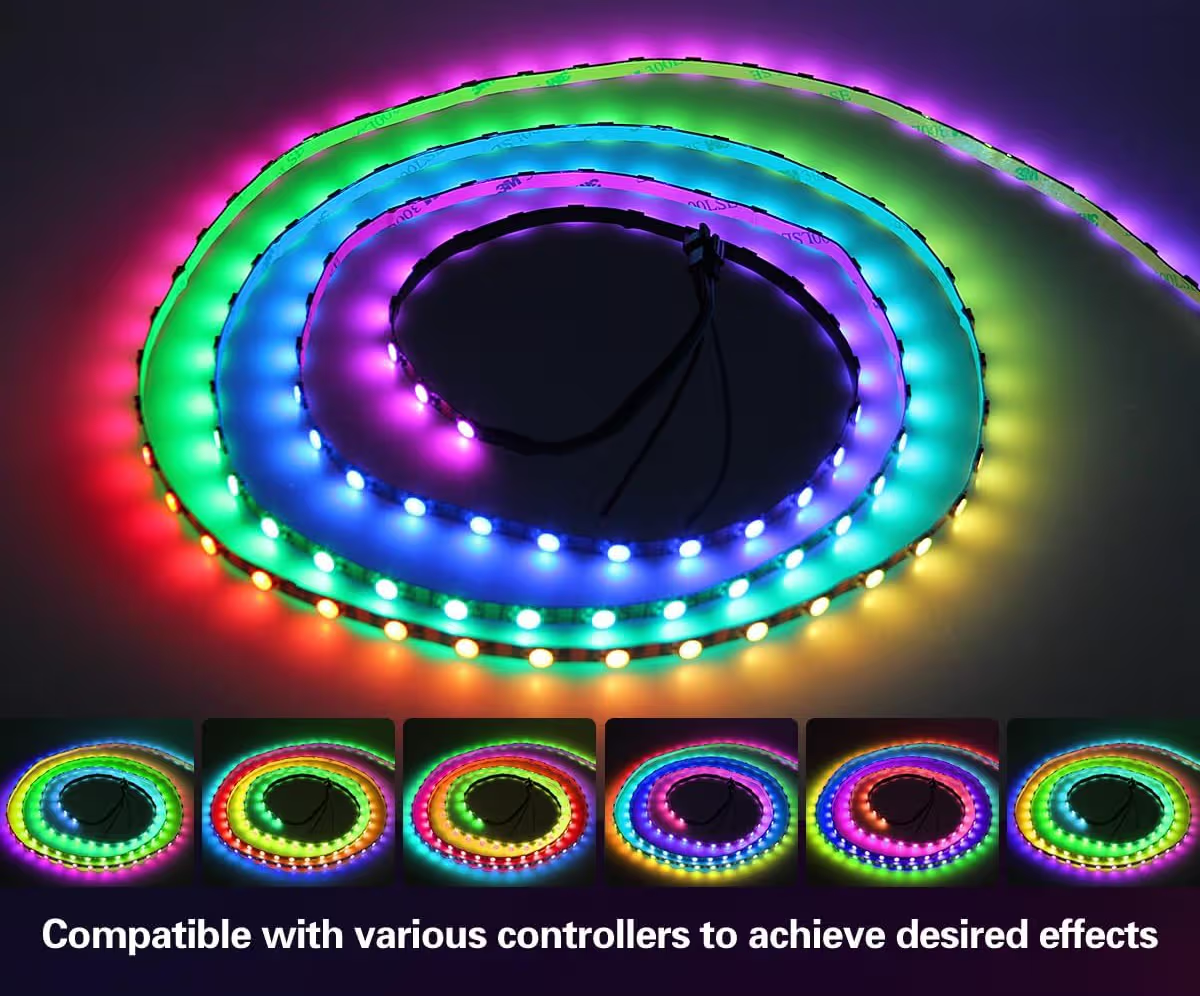
Compatibile con diversi controller per ottenere gli effetti desiderati
Come scegliere la striscia led SPI e la striscia led digitale DMX512
Esistono molti stili di segnale di strisce luminose a LED colorate, ma in generale possono essere divisi in strisce luminose colorate spi e DMX512 colorate. All'inizio, tutti i prodotti colorati erano prodotti DMX512, che erano brevettati e avevano uno speciale sistema software DMX per controllare le luci. L'attrezzatura era costosa e...
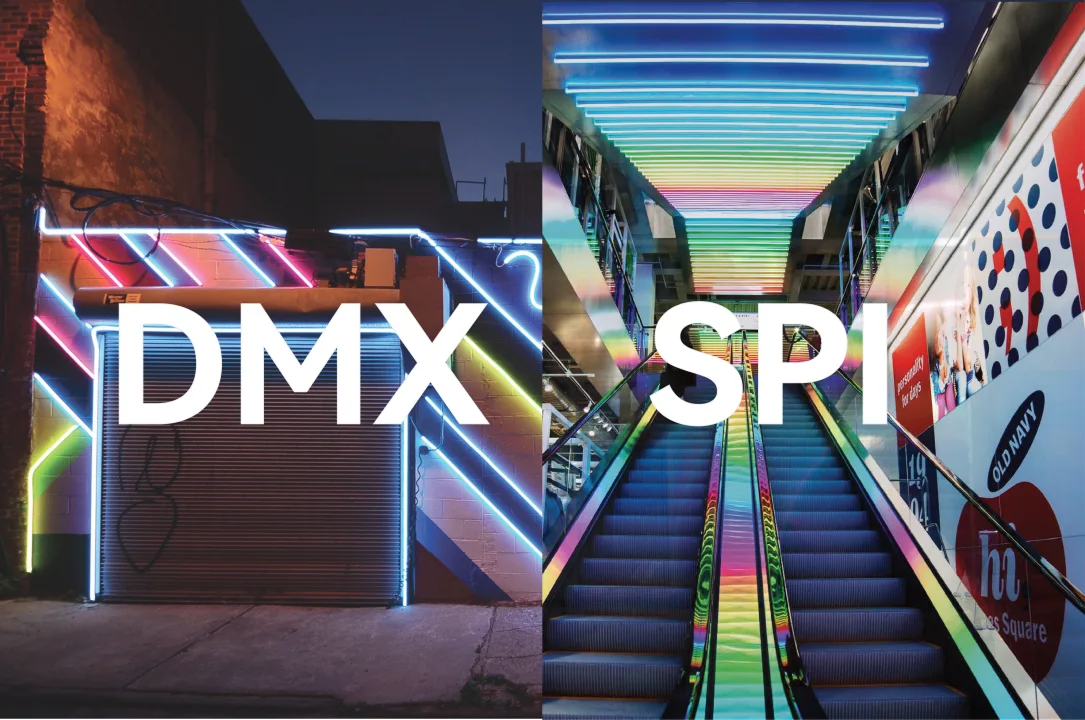
Confronto di strisce LED DMX512 indirizzabile Pixel vs.
Strisce LED indirizzabili con pixel a confronto: DMX512 vs SPI
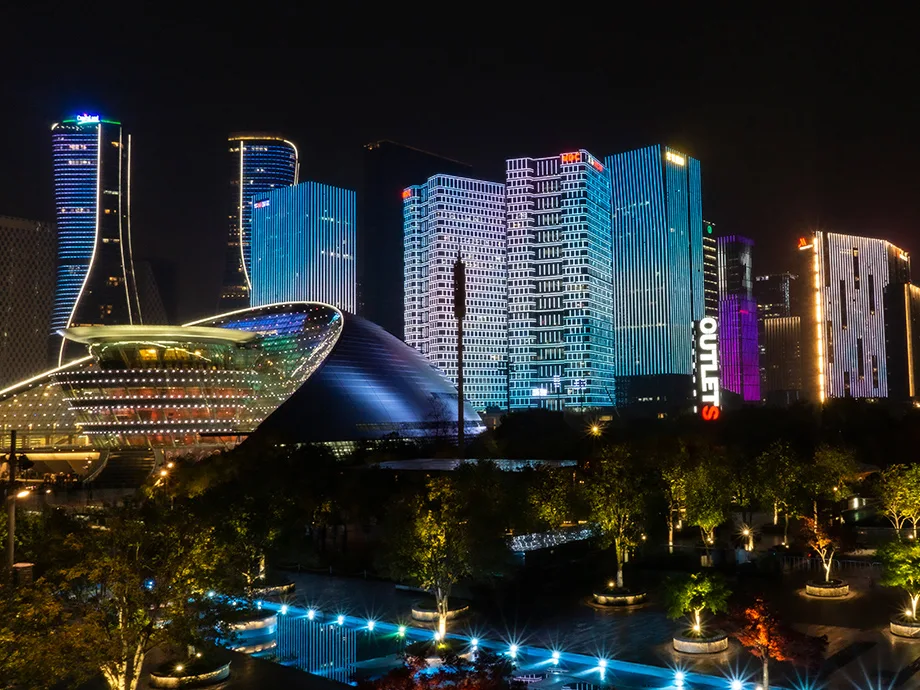
Quando cammini nella città moderna di notte, vedrai le pareti esterne di molti edifici sono illuminati e colorati. Alcune luci cambiano, come le luci di marcia, l'acqua corrente o la caccia. Docce di meteoriti, flash, ecc., creano una scena meravigliosa di varie luci e il cambio di luci è mozzafiato. In effetti, la luce per raggiungere questi...
DMX-512-LED-STRIP
Qual è la differenza tra le strisce LED DMX 512 e le strisce LED SPI?
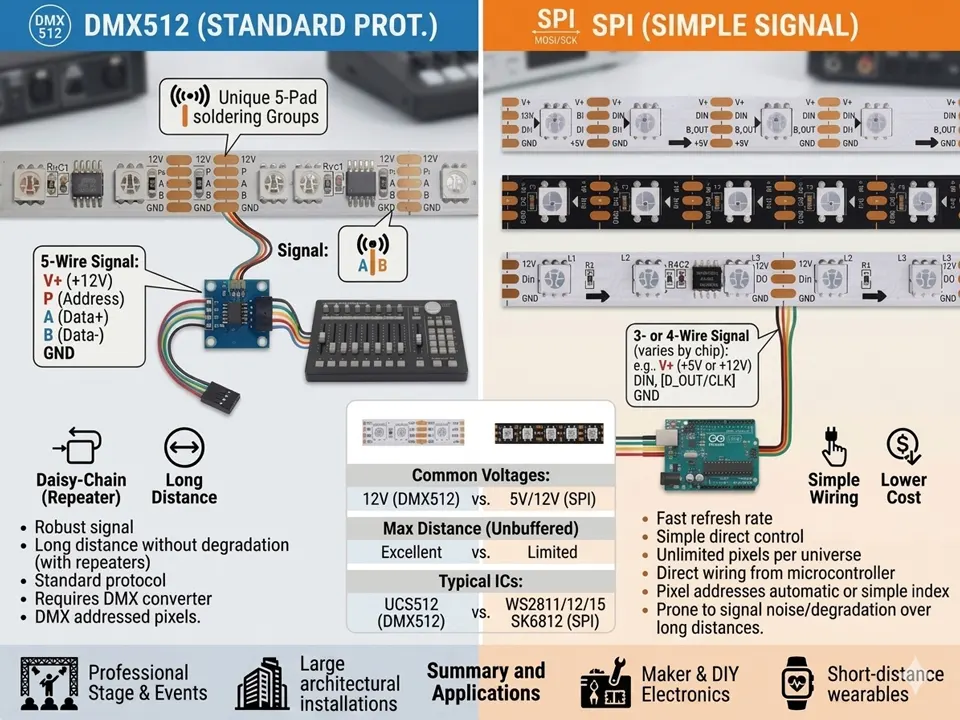
DMX512 e SPI (Serial Peripheral Interface) sono due diversi protocolli di comunicazione utilizzati per controllare le strisce LED, ciascuna con le proprie caratteristiche e applicazioni: 1. DMX512 LED Strip:  Protocollo: DMX512 (Digital Multiplexing 512) è un protocollo standard per il controllo dell'illuminazione. Permette la trasmissione di fino a 512 canali di dati di controllo su un unico...
Striscia LED WS2812 VS WS2813
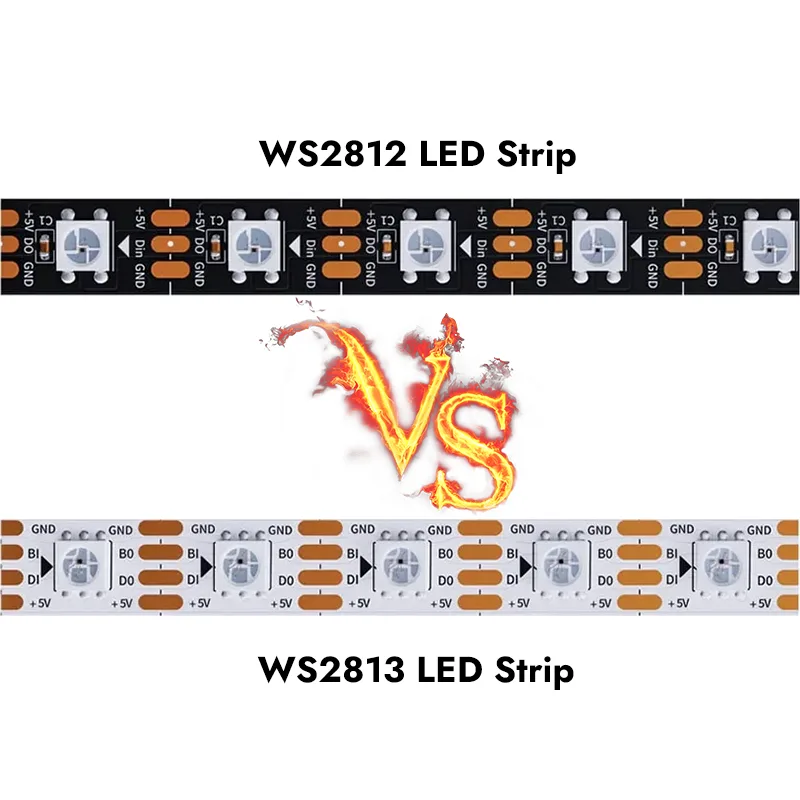
Striscia luminosa a LED WS2812 VS WS2813
What is WS2812 LED Light Strip? WS2812 LED strip is a 3-channel addressable strip with built-in IC, controlled by dedicated LED controllers. One LED as one individually addressable pixel, IC is integrated into the LED, not visible on strips. Less components on strips, easier for installation and ben. These LEDs are very popular among the maker...
Striscia LED WS2812B VS Striscia LED SK6812
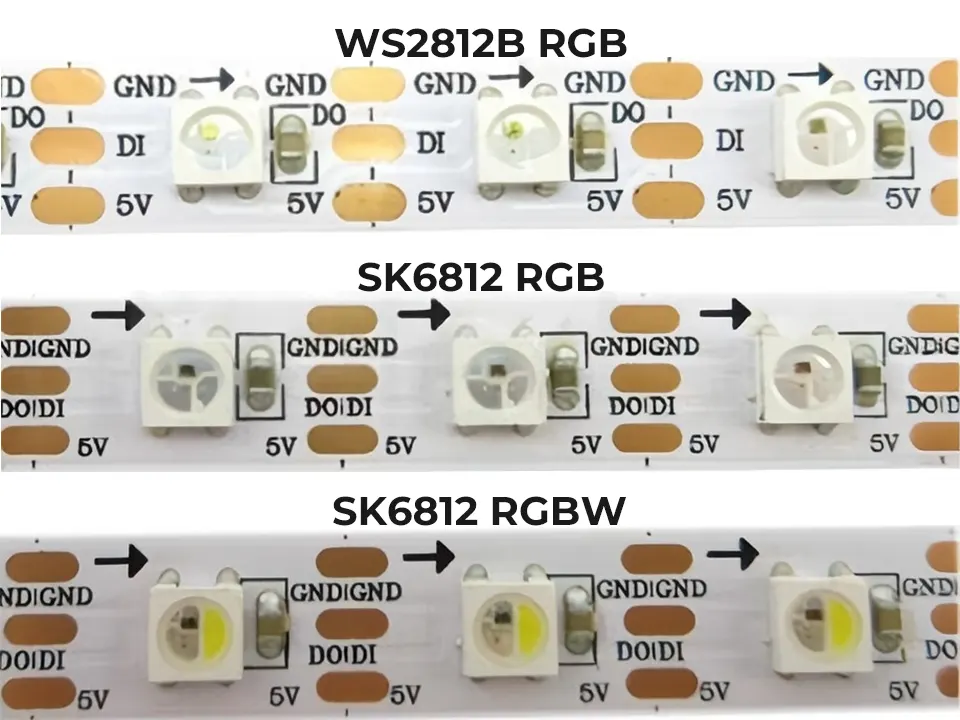
Striscia LED WS2812B VS Striscia LED SK6812: Qual è la migliore?
What is WS2812B LED Strip Light? WS2812 LED strip is a 3-channel addressable strip with built-in IC, controlled by dedicated LED controllers. One LED as one individually addressable pixel, IC is integrated into the LED, not visible on strips. Less components on strips, easier for installation, and Ben. These LEDs are very popular among the maker community,...

System Control & Integration

SPI LED strips require a control system to generate signals, manage lighting effects, and connect with other devices. This typically involves choosing the right SPI controller to handle color, brightness, and animation—ranging from simple standalone units to advanced pixel control systems.

In real-world projects, SPI systems are often integrated with other platforms, such as DMX systems, lighting software, or centralized control systems, enabling larger and more flexible lighting setups.

Control methods can also vary depending on project needs, from pre-programmed effects to real-time or software-based control, allowing you to balance simplicity, flexibility, and performance.

Sistema di dimmerazione Casambi - Controllo intelligente per luci a strisce a LED
Sistema di dimmerazione Casambi: controllo intelligente per luci a strisce a LED
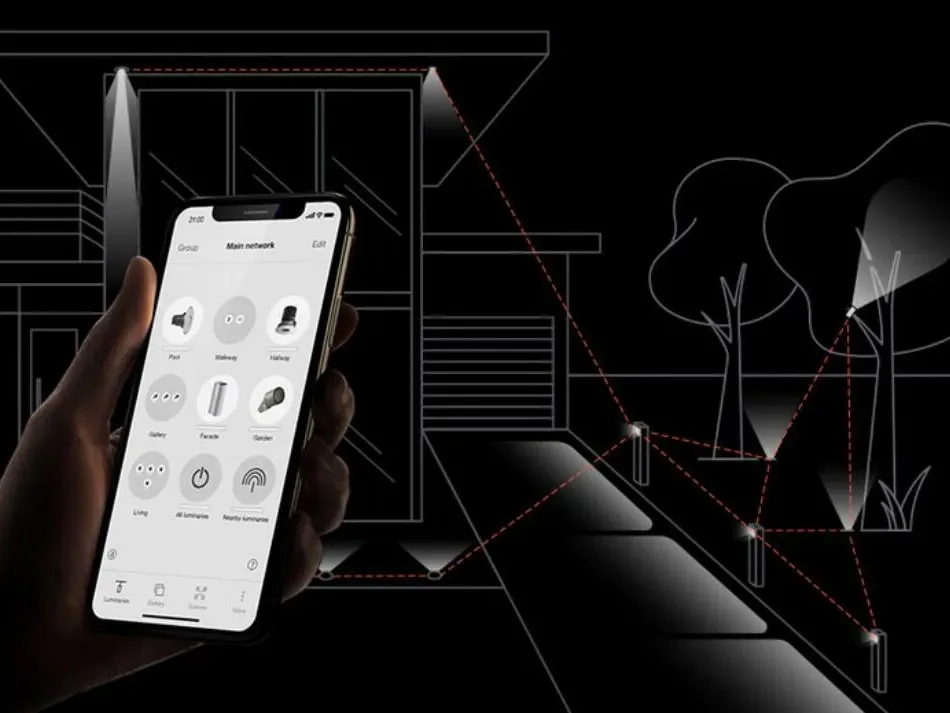
LED lighting has revolutionized the lighting industry, creating entirely new market conditions. Bluetooth Low Energy (BLE) is a protocol optimized for smart lighting. The casambi dimming system is a Bluetooth-based smart lighting control system that provides a convenient and reliable lighting control solution. By uniquely combining low-power communication...
Come controllare le strisce LED flessibili tramite smartphone
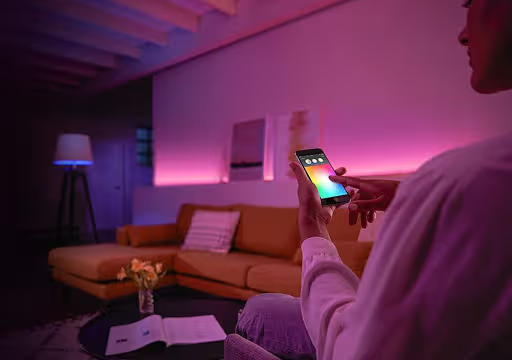
With the development of technology, mobile phones are becoming more and more important, in addition to daily calls, they can also be used for online shopping, payment, entertainment, smart control of home appliances including LED lamps,etc. Lots of customer bought our strips with normal controller, as the time goes, some of them lost remote control,...
Qual è la differenza tra DMX e SPI?
Come controllare la striscia LED SPI con il sistema di controllo DMX
È noto che le strisce LED indirizzabili digitalmente sono classificate in strisce LED DMX e strisce LED SPI, che hanno i propri controller o sistemi di controllo. Si pensa spesso che i sistemi di controllo DMX non abbiano nulla a che fare con l'illuminazione a strisce LED SPI; tuttavia, la verità è che esiste una connessione profonda tra il controllo DMX e il controllo della striscia LED SPI, ...

Explore Real Applications

SPI LED technology is widely used across a range of applications where dynamic lighting and pixel-level control are required:

  • Illuminazione per facciata dell: Create large-scale dynamic lighting effects that enhance architectural design and visual impact.
  • Gaming Room Lighting: Build immersive environments with synchronized and customizable lighting effects.
  • Stage & Entertainment Lighting: Deliver high-speed, visually impactful lighting for concerts, events, and venues.
  • Commercial & Retail Displays: Attract attention and enhance brand environments with animated lighting solutions.

Each application requires different system design, controller setup, and LED selection. Explore the guides above to find the right solution for your project.

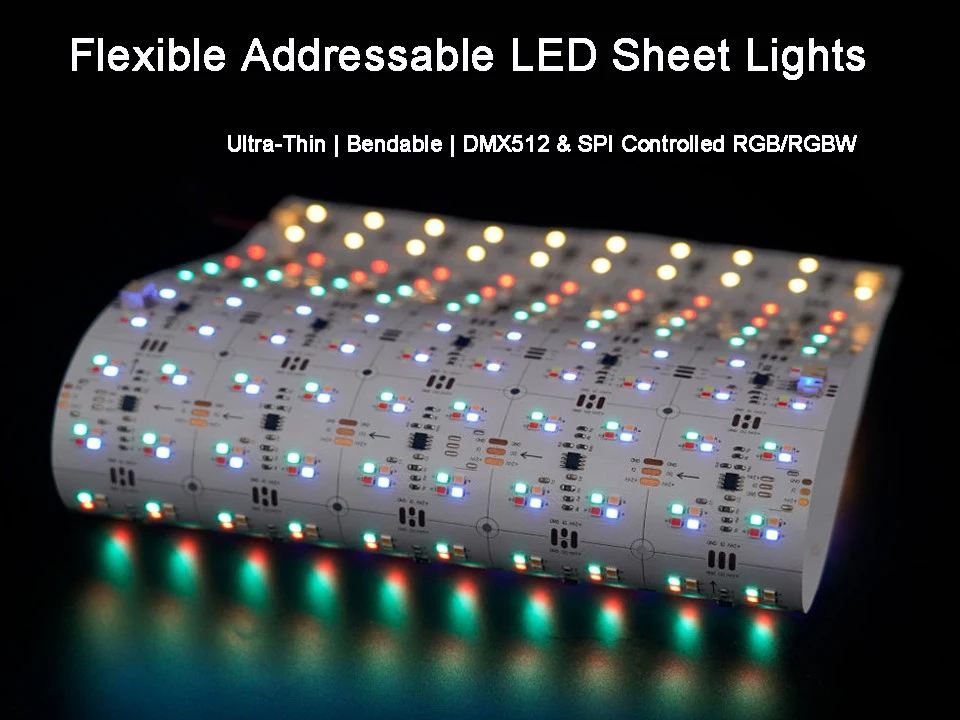
Luci a foglio LED indirizzabili flessibili
Il foglio flessibile a LED si illumina Pixel indirizzabile con DMX512 e SPI RGB/RGBW per l'illuminazione architettonica
Immagina di entrare in una galleria moderna, in un elegante lobby per ufficio o in uno spazio espositivo all'avanguardia dove le pareti stesse sembrano vive di colore. Per architetti, lighting designer, planner espositivi e proprietari di spazi commerciali, questa è esattamente la sfida che devono affrontare: i tradizionali pannelli di illuminazione rigidi spesso non possono fornire effetti dinamici, sono difficili...
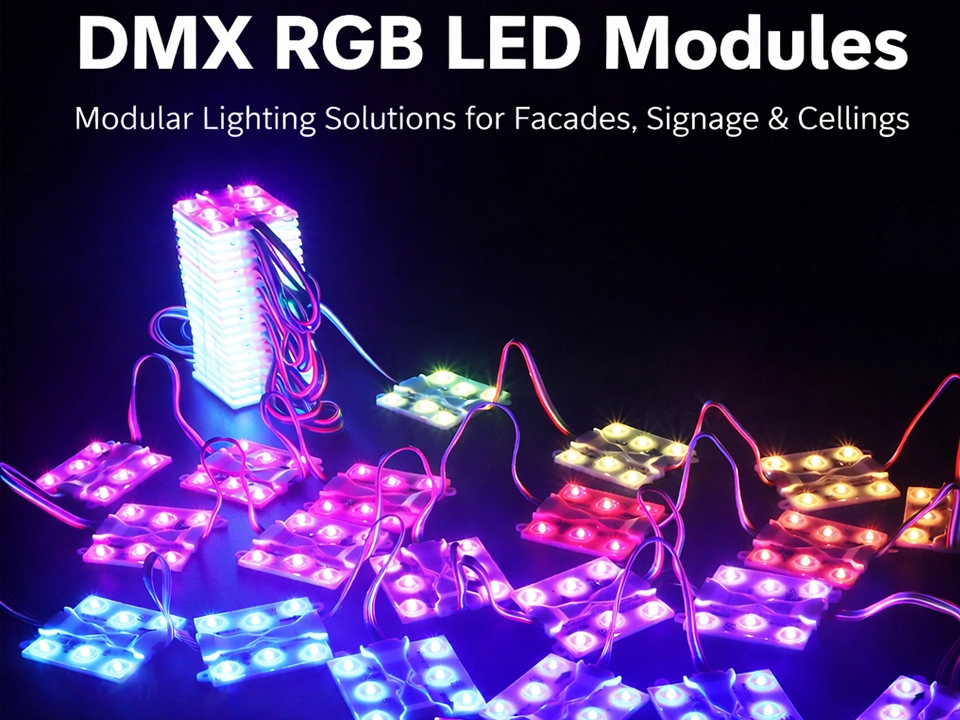
DMX-RGB-LED-Moduli-Facade-Segnaletica-Spedaggio
Moduli LED RGB per facciate, segnaletica e soffitti con opzioni di controllo SPI / DMX / DALI
Immagina una facciata di un edificio che prende vita sotto il cielo notturno, con i colori della segnaletica che cambiano con le stagioni e le plafoniere che creano motivi di luce coinvolgenti e fluenti. Al centro di questa trasformazione ci sono i moduli LED RGB DMX, una soluzione di illuminazione all'avanguardia che combina controllo dinamico a livello di pixel e funzionalità di cambio colore RGB/RGBW per offrire...
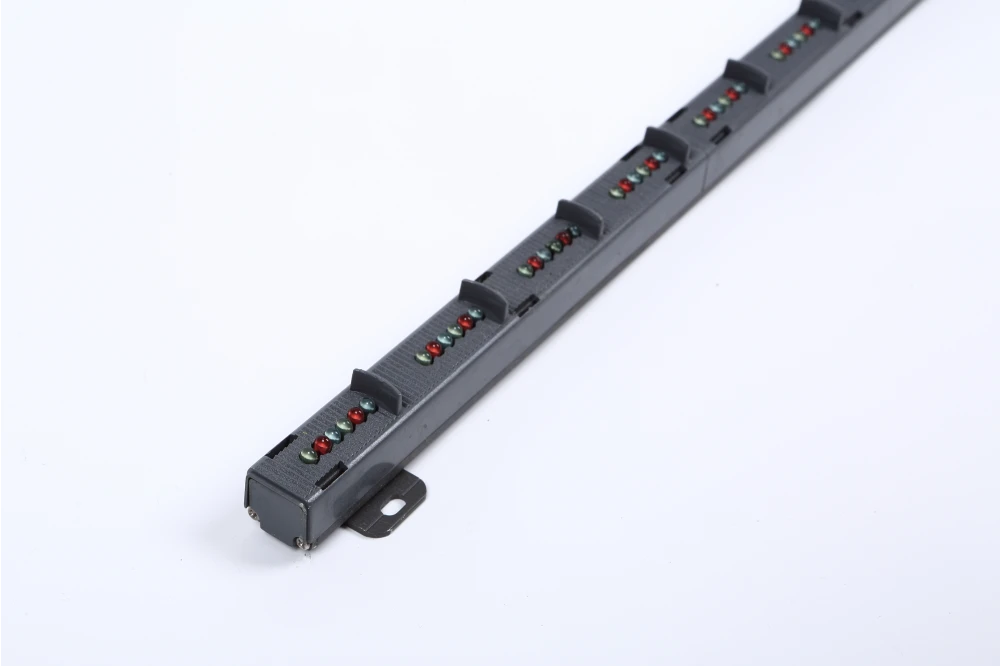
Luce a strisce per pixel LED video
At night, modern cities come alive with dazzling building facades that seem to play videos like giant screens. The dynamic visuals on skyscrapers, bridges, and landmarks are not always created by traditional LED displays, but often by LED video strip lights. These rigid linear fixtures, installed across architectural surfaces, transform static structures...

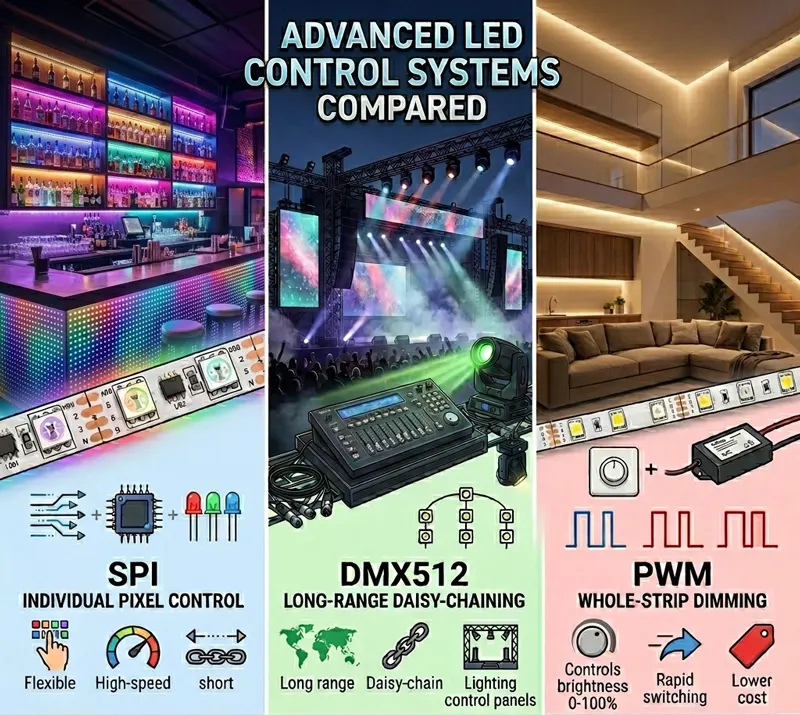
SPI vs DMX vs PWM LED Control Systems

Choosing the right LED control system is one of the most important decisions in any lighting project. SPI, DMX, and PWM each have different architectures, control methods, and application scenarios.

Selecting the right control system depends on your project scale, required effects, and installation environment. Instead of focusing only on specifications, the best approach is to choose based on real application scenarios.

Understanding their differences will help you select the right system for performance, scalability, and installation requirements. For projects that require large-scale control and long-distance signal stability, learning more about DMX LED systems knowledge hub can provide deeper insights into system architecture and integration.

Sistema
Tipo di controllo
Strength
limitazione
SPI
Pixel-level control
Dynamic effects, flexibility
Limited distance, system complexity
DMX
Channel-based control
Stability, scalability
Less pixel-level precision
PWM
Group dimming
Semplice, a basso costo
No individual LED control
SPI vs DMX vs PWM LED Control Systems

How to Choose the Right System

  • Choose SPI if you need dynamic, pixel-level lighting effects
  • Choose DMX if you need large-scale, stable professional lighting
  • Choose PWM if you only need simple brightness control

In many advanced projects, SPI and DMX are even used together to combine flexibility and system scale. Below is a practical guide to help you quickly determine whether SPI, DMX, or PWM is the right solution for your project.

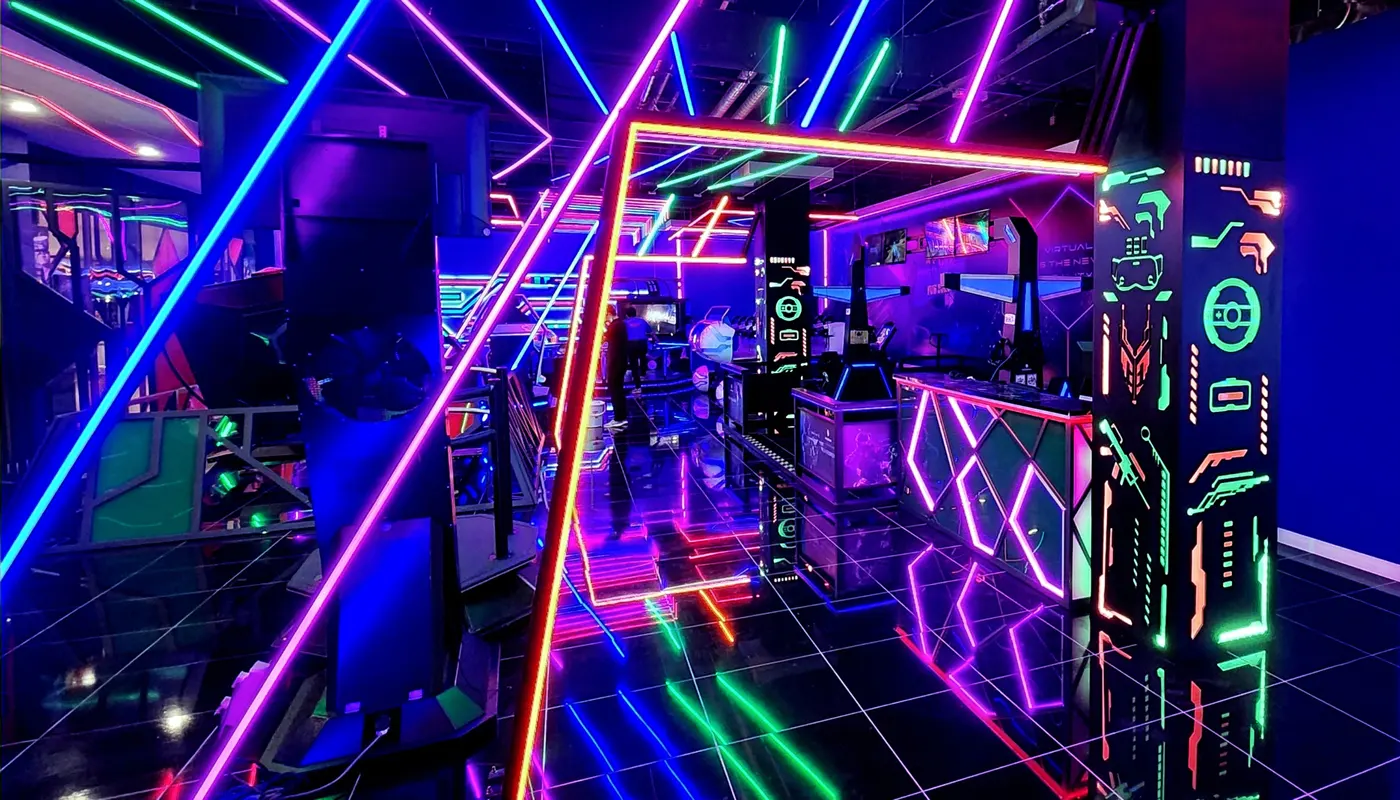
SPI LED Control System for Gaming, Entertainment & Immersive Lighting

For dynamic effects, color animation, and pixel-level visual design, flexibility is more important than distance.

Recommended: SPI

  • Individual pixel control for dynamic effects
  • Supports animations, gradients, and motion lighting
  • Ideal for creative and interactive environments
  • Easy to customize and program

Best choice for visual experience-focused projects.

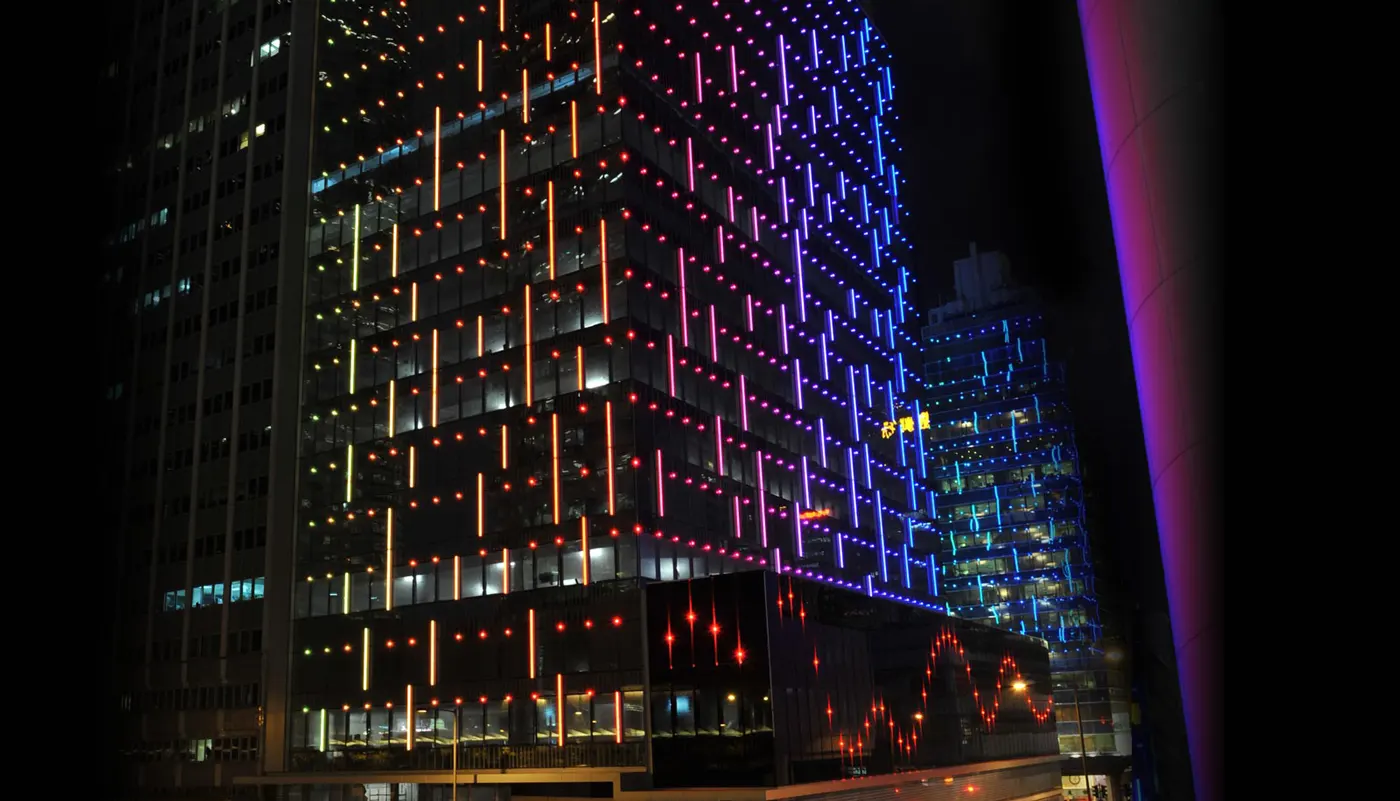
DMX LED Control System for Architectural & Building Facade Lighting

For large-scale building lighting, stability and long-distance control are the top priorities.

Recommended: DMX

  • Supports long-distance signal transmission
  • Stable performance in large installations
  • Ideal for centralized lighting control
  • Widely used in architectural lighting projects

SPI is generally not recommended for large facades unless used in segmented or hybrid systems.

PWM LED Control System for Retail & Commercial Ambient Lighting

For simple, consistent lighting without complex effects, cost and simplicity are key factors.

Recommended: PWM

  • Simple brightness control
  • Soluzione economicamente vantaggiosa
  • Easy system integration
  • Suitable for static lighting environments

Best for non-dynamic ambient lighting applications.

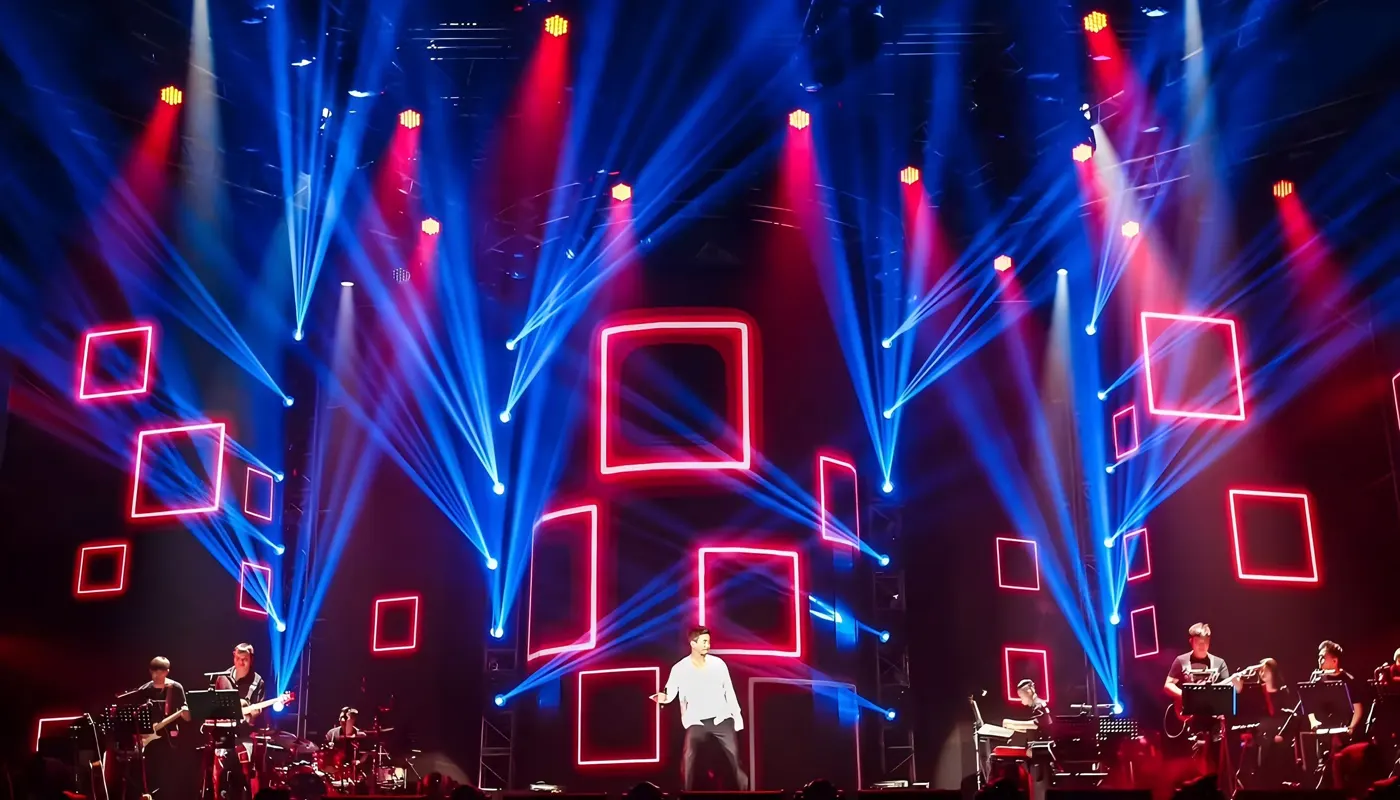
DMX + SPI Hybrid LED Control System for Stage, Events & Professional Lighting Systems

For professional lighting environments that require both scale and performance, hybrid systems are often used.

Recommended: DMX + SPI Hybrid

  • DMX for system-level control and stability
  • SPI for pixel-level visual effects
  • Suitable for complex lighting designs
  • Widely used in concerts and exhibitions

Common SPI LED System Configurations

SPI LED systems can be designed in different ways depending on project scale, control requirements, and installation complexity. A typical system is built around three core components: the Digital Pixel LED Strip Light, a compatible Smart LED Controller, and a stable Alimentatore a LED.

Depending on your application, system design may vary significantly—from simple standalone setups to complex multi-zone architectures. Factors such as installation distance, pixel density, control method, and power distribution all play a critical role in determining the final system structure.

Below are typical SPI system configurations used in real-world projects, helping you better understand how to select and combine the right components for your specific application.

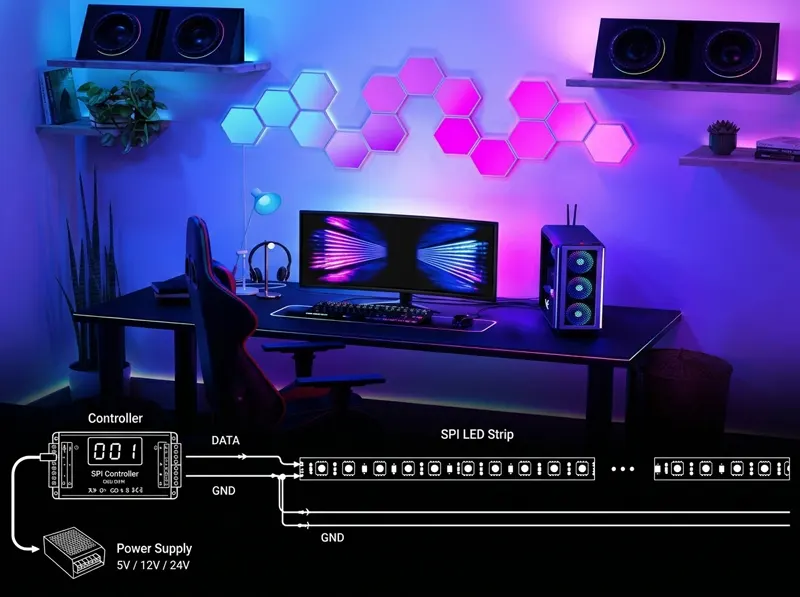
Small-Scale Setup (Standalone SPI System)

Designed for small projects with simple control requirements and short installation distances.

Typical Configuration:

  • SPI LED strip (WS2812 / SK6812)
  • Standalone SPI controller
  • Standard power supply

Caratteristiche principali:

  • Easy to install and configure
  • Soluzione economicamente vantaggiosa
  • No complex system integration required

Ideale per: gaming rooms, decorative lighting, small installations

SPI LED System for Small-Scale Setup
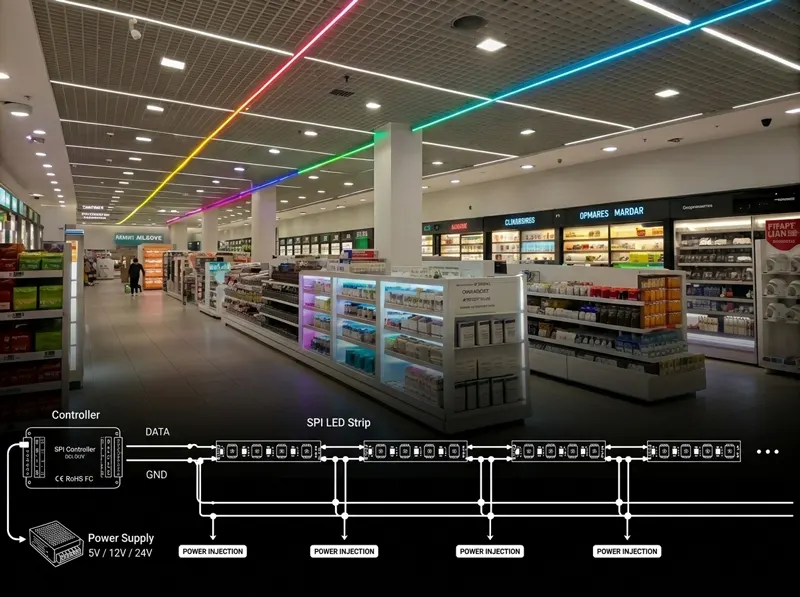
SPI LED System for Medium-Scale Installation

Medium-Scale Installation (Enhanced SPI System)

Suitable for larger installations where power management and signal stability become more important.

Typical Configuration:

  • SPI LED strips with multiple power injection points
  • Advanced SPI controller
  • Amplifiers or signal boosters (if needed)

Caratteristiche principali:

  • Improved system stability
  • Supports longer runs and higher LED density
  • More flexible control options

Ideale per: commercial spaces, retail lighting, medium architectural projects

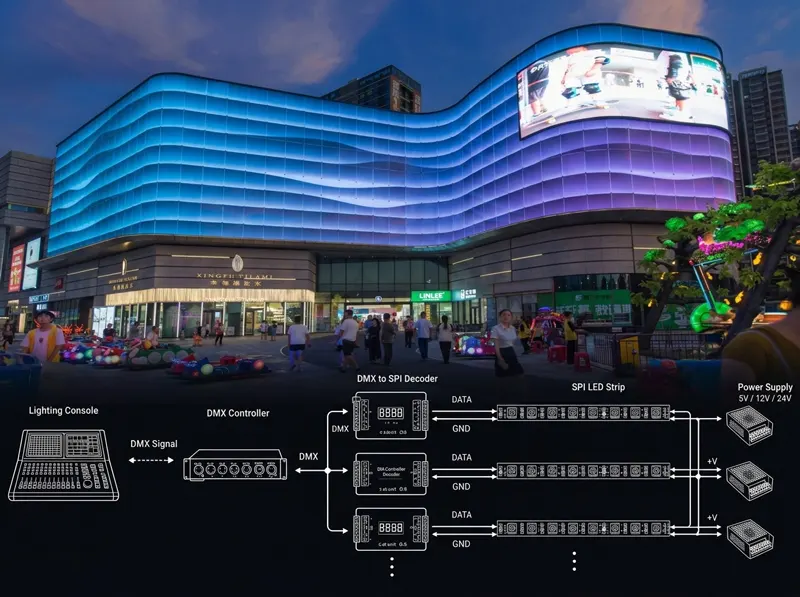
Large-Scale System (SPI + DMX Hybrid)

Used in complex projects where both scalability and dynamic effects are required.

Typical Configuration:

  • SPI LED strips (segmented layout)
  • DMX controller + DMX-to-SPI decoders
  • Centralized control system
  • Distributed power supply design

Caratteristiche principali:

  • Combines SPI flexibility with DMX stability
  • Suitable for long-distance and large-scale control
  • Enables synchronization across multiple zones

Ideale per: building facades, stage lighting, large architectural installations

SPI LED System for Large-Scale System

SPI Addressable LED FAQ

What is an SPI addressable LED?

SPI addressable LED is a digital lighting system where each LED (pixel) can be individually controlled using data signals, enabling dynamic effects such as animations, color chasing, and gradients.

How does an SPI LED strip work?

An SPI LED strip works by sending digital data from a controller to each LED in sequence. Each LED reads its own data and passes the remaining signal to the next LED.

What is the difference between SPI and DMX LED control?

SPI provides pixel-level control for dynamic effects, while DMX is designed for stable, long-distance control in large-scale lighting systems.

What is the difference between SPI and PWM LED control?

SPI allows individual LED control, while PWM controls brightness of entire LED groups. PWM is simpler but cannot create dynamic pixel effects.

Which is better: WS2812 or SK6812?

WS2812 is more cost-effective, while SK6812 offers better color accuracy and supports RGBW. The best choice depends on your application requirements.

What is the difference between WS2812 and APA102?

WS2812 uses a single data line, while APA102 uses separate data and clock signals, providing faster refresh rates and more stable performance.

Why do SPI LED strips flicker?

Flickering is usually caused by unstable power supply, voltage drop, poor grounding, or signal interference.

How far can SPI LED signals travel?

Typically, SPI signals can travel a few meters without amplification. For longer distances, signal boosters or differential transmission are required.

What causes voltage drop in LED strips?

Voltage drop occurs when power is distributed over long distances, leading to reduced brightness and color changes along the strip.

How do you fix voltage drop in SPI LED strips?

Add power injection at multiple points, use thicker cables, and ensure proper power distribution across the system.

Can SPI LED strips be cut?

Yes, most SPI LED strips can be cut at designated cutting points without affecting the rest of the strip.

What happens if one LED fails in an SPI strip?

In most cases, if one LED fails, all LEDs after it may stop working due to the serial data chain.

Can SPI LED strips be used outdoors?

Yes, if they have proper waterproof ratings (such as IP65 or IP67) and are installed correctly.

What controller is needed for SPI LED strips?

SPI LED strips require a compatible controller that can generate digital signals, such as standalone controllers, DMX-to-SPI decoders, or software-based systems.

How do you power SPI LED strips?

SPI LED strips are powered by external power supplies, typically 5V or 12V, depending on the LED type.

What is power injection in LED strips?

Power injection is the process of supplying power at multiple points along the strip to prevent voltage drop and maintain consistent brightness.

Can SPI LED strips be controlled by software?

Yes, many SPI systems can be controlled using software platforms such as WLED, Madrix, or custom programming solutions.

Are SPI LED systems difficult to install?

They are more complex than standard LED strips because they require proper wiring, power planning, and signal management.

When should you use SPI instead of DMX?

Use SPI when you need dynamic, pixel-level effects. Use DMX for large-scale, stable, long-distance lighting systems.

Can SPI and DMX be used together?

Yes, many projects use DMX for system control and SPI for pixel-level effects through DMX-to-SPI decoders.

In cima

Richiedi un preventivo adesso