Fabriek voor bewegwijzering en ledstripverlichting sinds 2011

Fabriek voor bewegwijzering en ledstripverlichting sinds 2011

Addressable LED (SPI) Knowledge Hub

Learn how SPI addressable LED systems work, how to choose the right IC, and how to design reliable pixel lighting solutions for architectural, commercial, and entertainment projects.

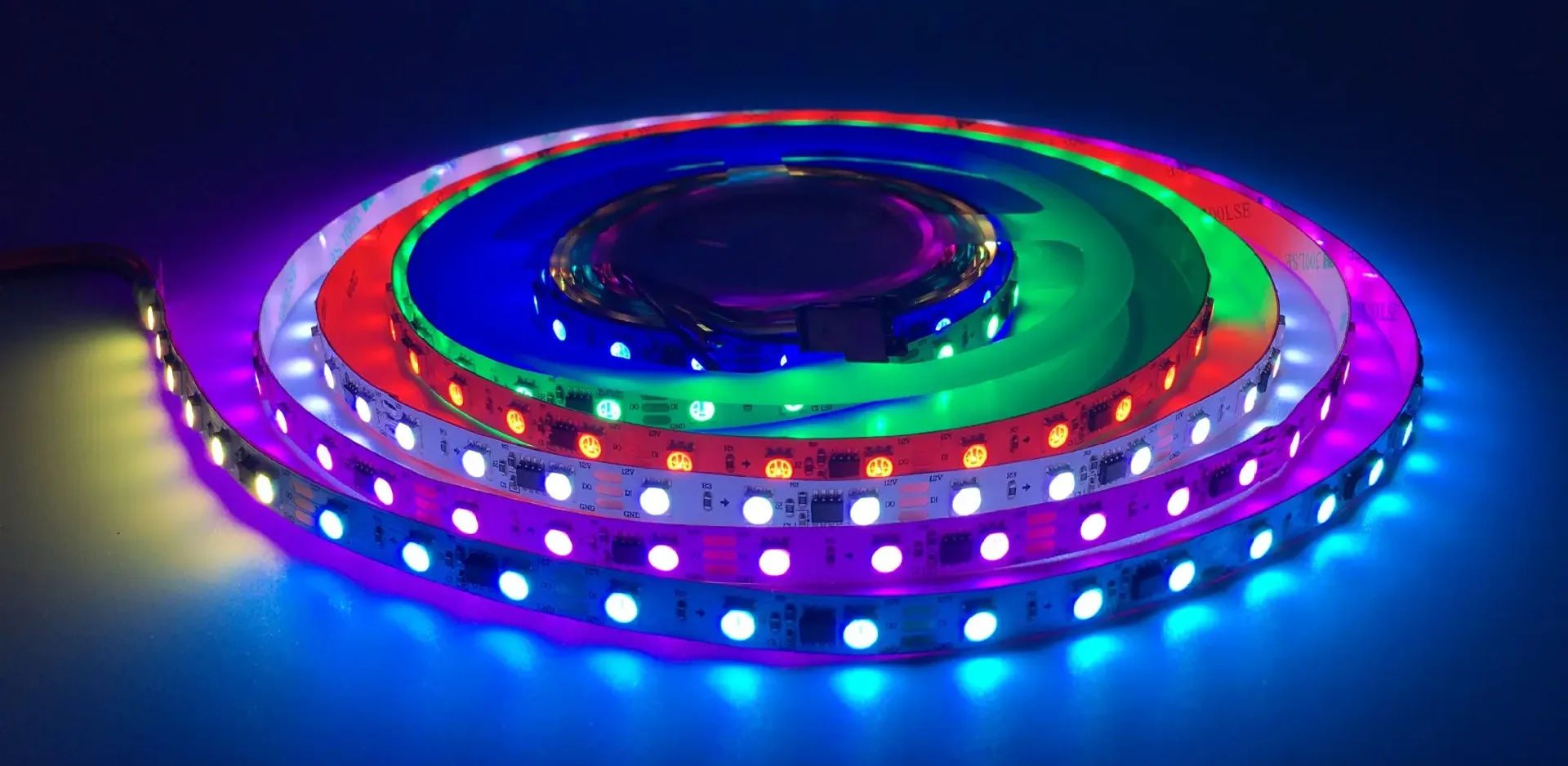
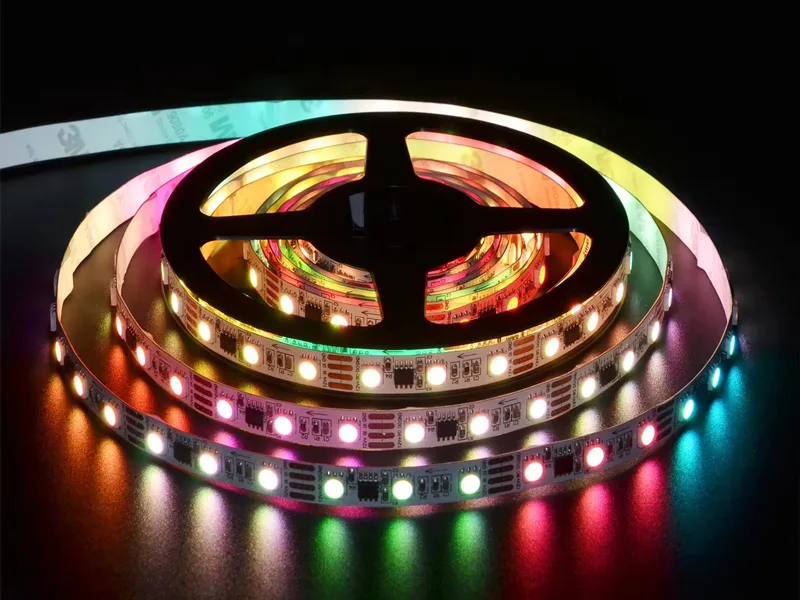
Addressable LED (SPI) technology enables pixel-level control of lighting systems, allowing dynamic effects such as animation, color chasing, gradients, and video-like lighting displays.

This knowledge hub helps you understand SPI LED technology from basics to advanced system design—including IC selection, wiring methods, controllers, and real-world applications.

>
>
SPI Adresseerbare LED

SPI LED System Structure

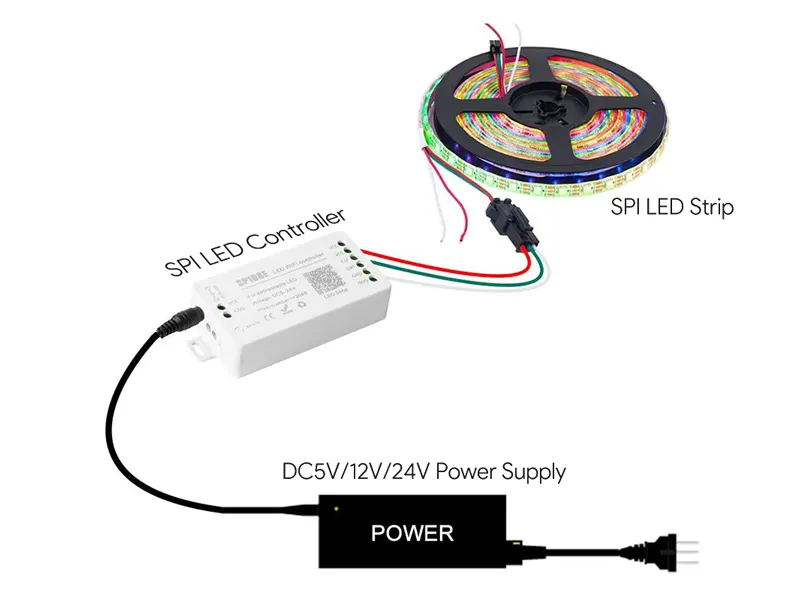
SPI LED systems are built as integrated lighting systems rather than standalone products. A complete setup typically includes addressable LED strips, a control unit, a power supply, and a structured data signal chain that connects all components.

Each part plays a critical role: the LED IC determines how pixels behave, the controller defines lighting effects, the power system ensures stability, and the signal flow enables precise communication between LEDs. Because these elements are interdependent, the overall performance of an SPI system depends on how well they are designed and integrated together.

Understanding this system structure is essential for avoiding common issues such as flickering, voltage drop, or signal loss—and for building reliable, scalable lighting solutions for real-world applications.

What is an SPI LED System?

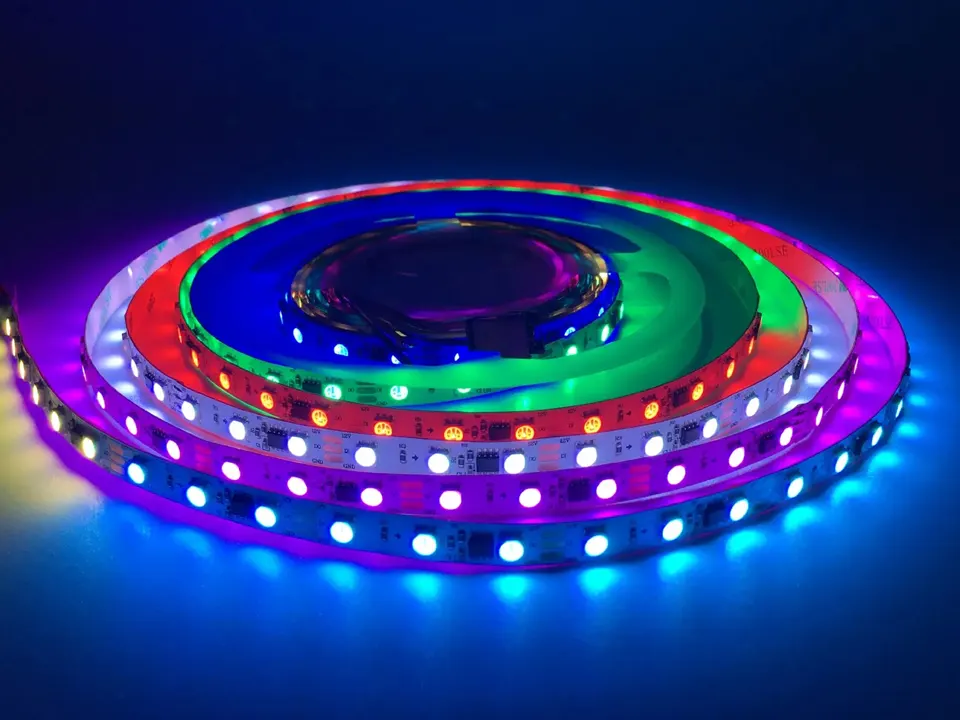
SPI LED systems are not just LED strips—they are complete pixel-controlled lighting networks.

A full SPI system consists of:

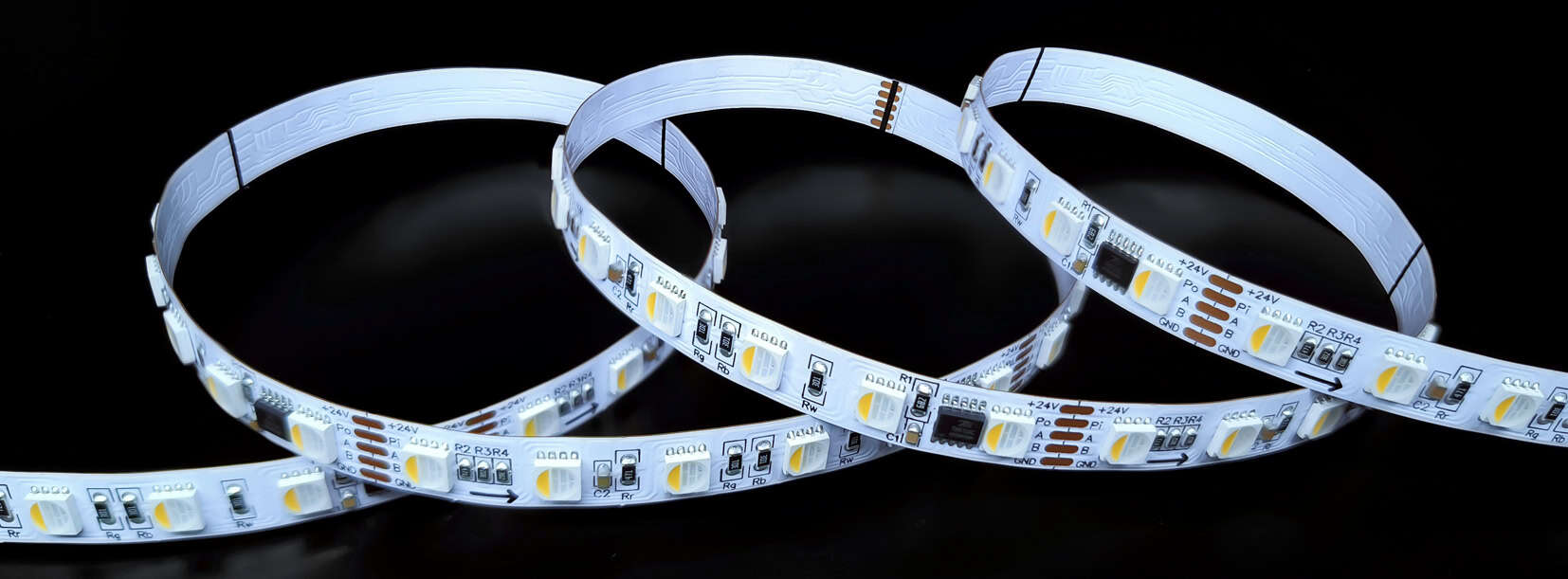
  • LED strip (with IC chips like WS2812 / SK6812)
  • Controller (signal generator)
  • Power supply system
  • Data transmission chain

Unlike traditional LED systems, each LED acts as an independent pixel controlled through digital data signals.

What is an SPI LED System
How SPI Signal Flow Works

How SPI Signal Flow Works

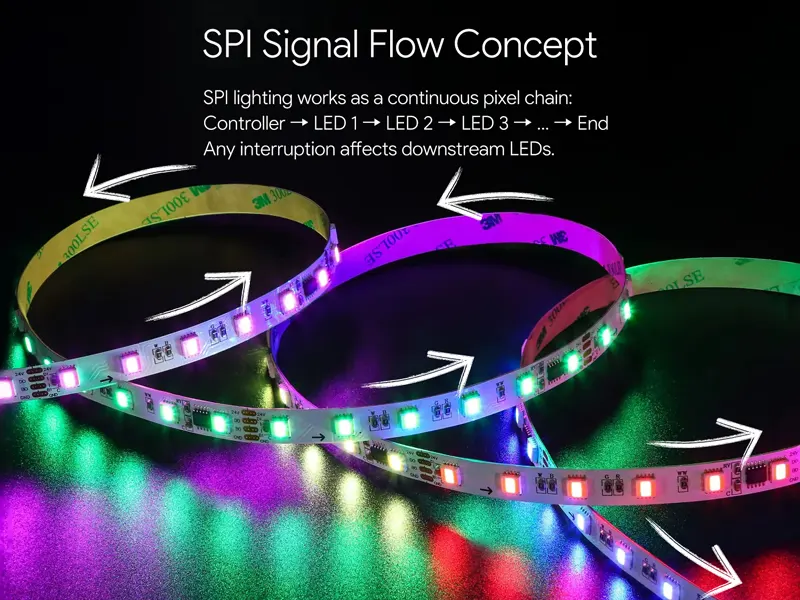
SPI LED strips operate in a sequential data chain:

  1. Controller sends digital signal
  2. First LED receives data
  3. Each LED extracts its own pixel data
  4. Remaining data is passed to next LED

This creates a continuous pixel pipeline.

What Are the Limitations of SPI LED Systems?

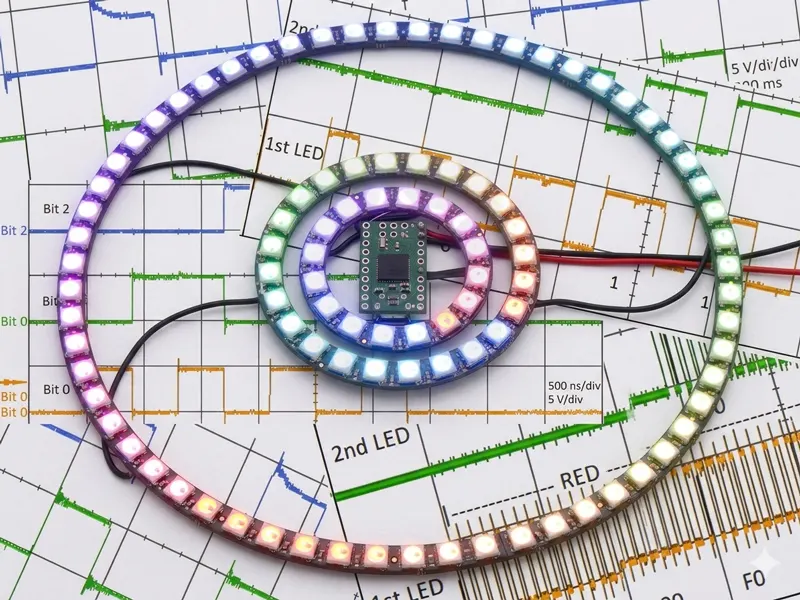
While SPI addressable LED systems offer powerful pixel-level control and dynamic lighting effects, they also come with several technical limitations that must be considered during system design:

  1. Signal transmission distance
  2. Spanningsdaling in lange runs
  3. Cascade dependency (Signal chain risk)
  4. Beperkte schaalbaarheid
  5. Sensitivity to electrical noise

For large-scale or long-distance projects, consider comparing SPI with DMX control systems.

What Are the Limitations of SPI LED Systems

Featured SPI LED Articles

Complete gids voor adresseerbare LED Strip IC-typen

Complete gids voor adresseerbare LED Strip IC-typen

Explore key differences between major addressable ICs in performance and color, and how they impact system design and control. Helps you select the right chip based on real project needs.

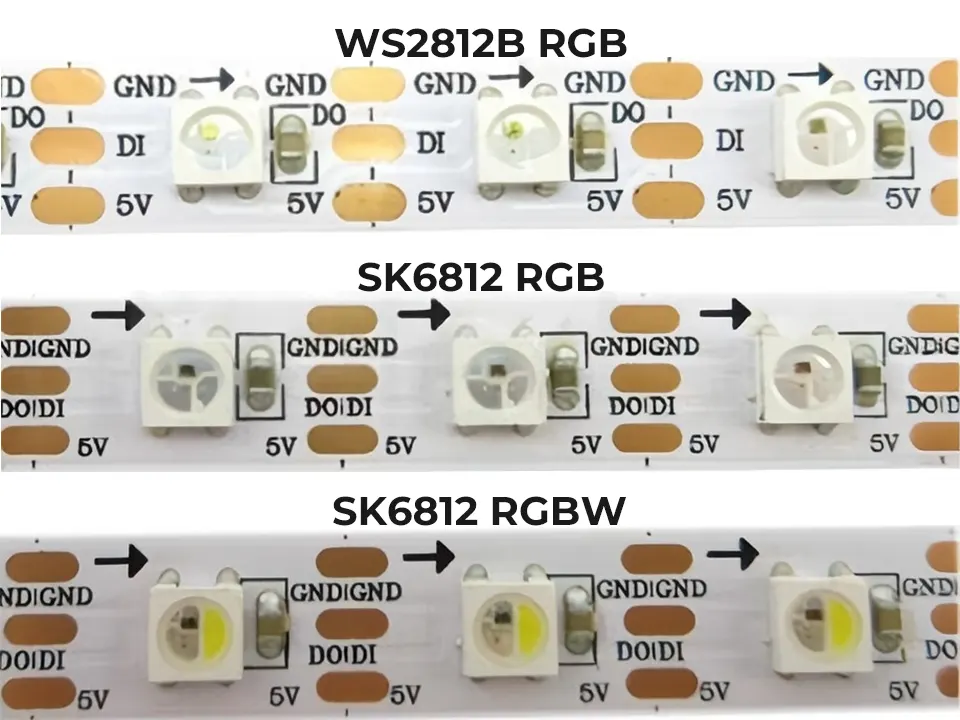
WS2812B LED Strip VS SK6812 LED Strip(2)

WS2812B LED Strip VS SK6812 LED Strip: Welke is beter?

A detailed comparison of two of the most widely used addressable LED chips. Helps you select the right balance of cost, performance, and color quality.

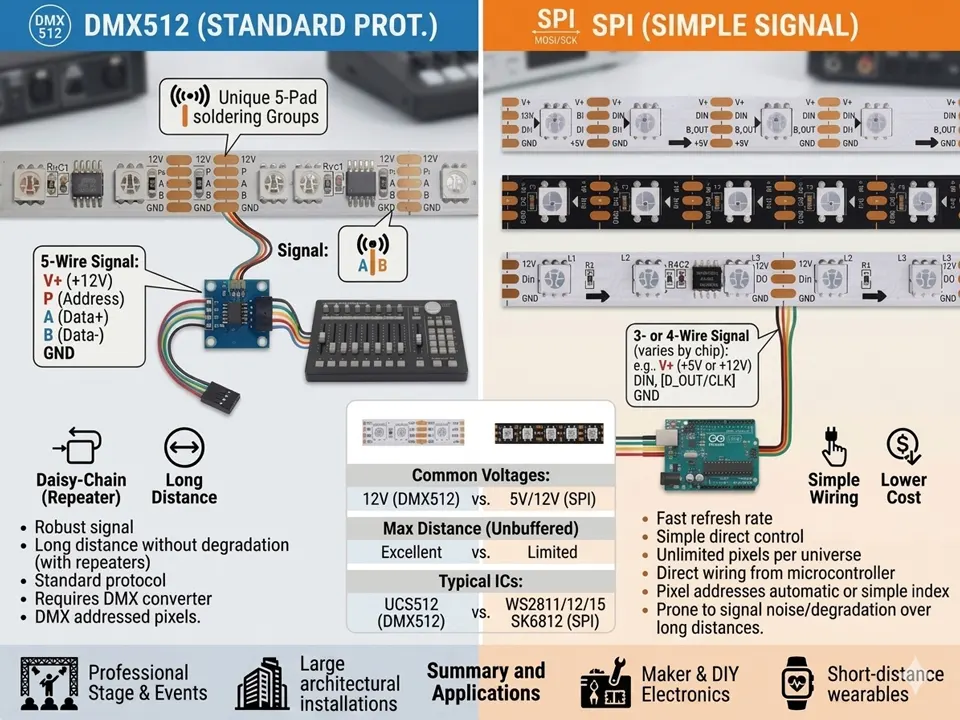
Pixel adresseerbare DMX512 vs. SPI LED Strip vergelijking

Pixel Adresseerbare LED Strip Vergelijking: DMX512 vs. SPI

Compare two major lighting control technologies used in architectural and entertainment projects. Helps determine system architecture early in design stage.

Start Here: Learn SPI LED Step by Step

New to addressable LED systems or not sure where to begin?

This structured learning path is designed to guide you through SPI LED technology step by step—from understanding the basic concepts, to selecting the right LED IC, designing stable systems, and applying them in real-world projects.

Unlike traditional LED lighting, SPI systems involve multiple components working together, including LED chips, controllers, power supply, and signal transmission. Without a clear understanding of how these elements interact, it’s easy to encounter issues such as flickering, voltage drop, or unstable performance.

Whether you are a beginner, engineer, lighting designer, or project buyer, this guide will help you move from basic knowledge to confident system-level decision making.

Understand SPI Basic

Before choosing LED chips or designing a system, it’s important to understand how SPI addressable LED technology actually works.

SPI LED systems are fundamentally different from traditional LED strips. Instead of controlling the entire strip as one unit, SPI allows each LED to act as an independent pixel, controlled through digital signals.

addressable-LED-strip-240822
Complete gids voor adresseerbare LED Strip IC-typen
In today’s lighting technology landscape, LED strips have gradually become the mainstream choice due to their efficiency, energy-saving features, and long lifespan. Among these, addressable LED strips stand out for their unique personalization and programmability, offering unprecedented flexibility and creative potential in lighting design. Each...
AC 110 220V Adresseerbare striplicht
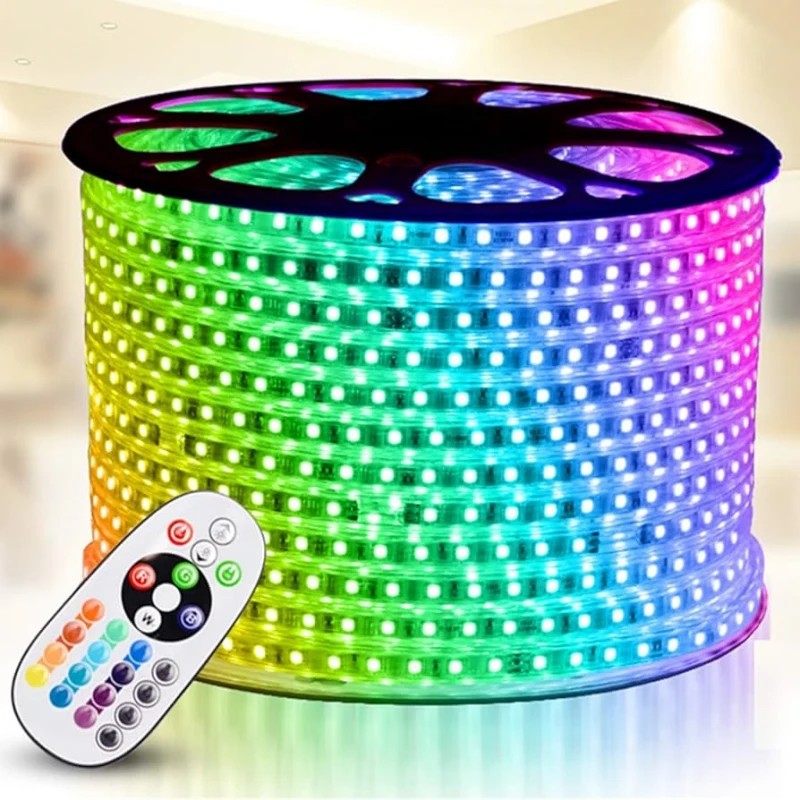
Alles wat u moet weten over 110V/220V AC Adresseerbare RGB LED Strip Lights
When it comes to dynamic RGB lighting, most people think of low-voltage DC addressable strips. But in recent years, a quiet shift has been taking place—more contractors and lighting professionals are choosing AC addressable LED strip lights for large-scale outdoor and architectural projects. Why? Because AC RGB strips can run up to 50 meters without...
Dynamisch-Programmeerbaar-LED-Strip-Licht
Ultieme gids voor programmeerbare LED-strips
Programmable LED strips are great when you are looking for a dynamic lighting solution for your project. They come in different colors, can be installed almost anywhere, and are low maintenance. You’ll be hard pressed to find another lighting solution that offers so much value and style. Programmable LED strips take the standard to a whole new...

Compare LED ICs & Control Systems

After understanding the fundamentals of SPI LED systems, the next step is selecting the right technology for your specific application.

Addressable LED chips and control systems can vary significantly in terms of performance, control capability, and system structure. These differences directly affect lighting quality, system stability, and overall project complexity.

Beyond choosing the right IC, it’s equally important to compare SPI with other control methods to ensure you’re using the most suitable solution for your project requirements.

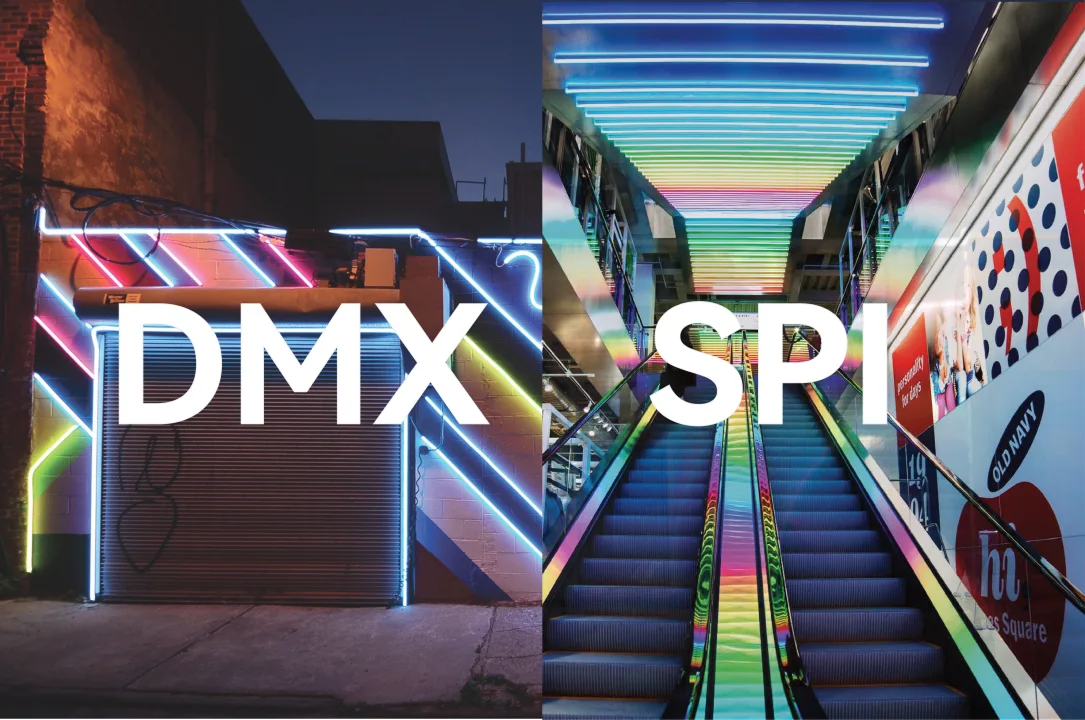
DMX- en SPI-besturingsopties vergelijken voor RGB LED Neon Flex
Goede architecturale verlichting kan architectonische esthetiek benadrukken, een comfortabele sfeer creëren, de ruimtelijke hiërarchie verbeteren, de visuele ervaring 's nachts verbeteren, culturele connotaties overbrengen en rekening houden met energiebesparing en bescherming van het milieu, waardoor de stad een unieke charme en vitaliteit krijgt. Meestal personaliseren ontwerpers het ontwerp...
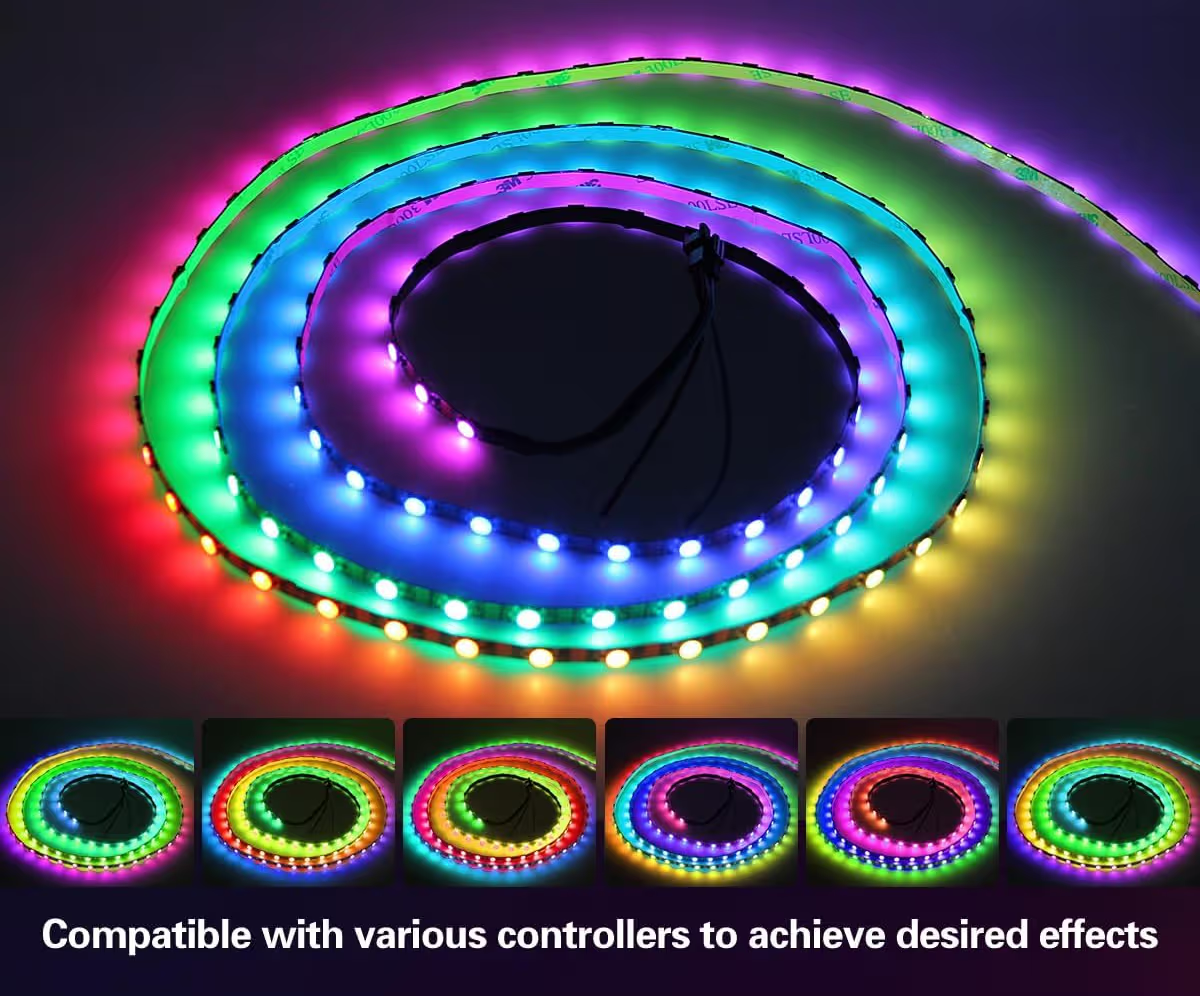
Compatibel met verschillende controllers om de gewenste effecten te bereiken
Hoe te kiezen voor SPI led strip en DMX512 digitale led strip
Er zijn veel signaalstijlen van kleurrijke LED-lichtstrips, maar over het algemeen kunnen ze worden onderverdeeld in SPI-kleurrijke LED-lichtstrips en DMX512 kleurrijke lichtstrips. In het begin waren alle kleurrijke producten DMX512-producten, die gepatenteerd waren en een speciaal DMX-softwaresysteem hadden om de lichten te besturen. De apparatuur was duur en...
Pixel adresseerbare DMX512 vs. SPI LED Strip vergelijking
Pixel Adresseerbare LED Strip Vergelijking: DMX512 vs. SPI
Wanneer je 's nachts door de moderne stad loopt, zie je de buitenmuren van veel gebouwen helder verlicht en kleurrijk zijn. Sommige lichten veranderen, zoals looplichten, stromend water of achtervolging. Meteorenregen, flitsen, enz., creëren een prachtig tafereel van verschillende lichten en de verandering van licht is adembenemend. Sterker nog, het licht om deze te bereiken...
DMX-512-LED-STRIP
Wat is het verschil tussen DMX 512 LED-strips en SPI LED-strips?
DMX512 en SPI (serial perifere interface) zijn twee verschillende communicatieprotocollen die worden gebruikt om LED-strips te besturen, elk met hun eigen kenmerken en toepassingen: 1. DMX512 LED-strip:  Protocol: DMX512 (Digital Multiplexing 512) is een standaardprotocol voor verlichtingsregeling. Het maakt de verzending van maximaal 512 kanalen van controlegegevens mogelijk via een...
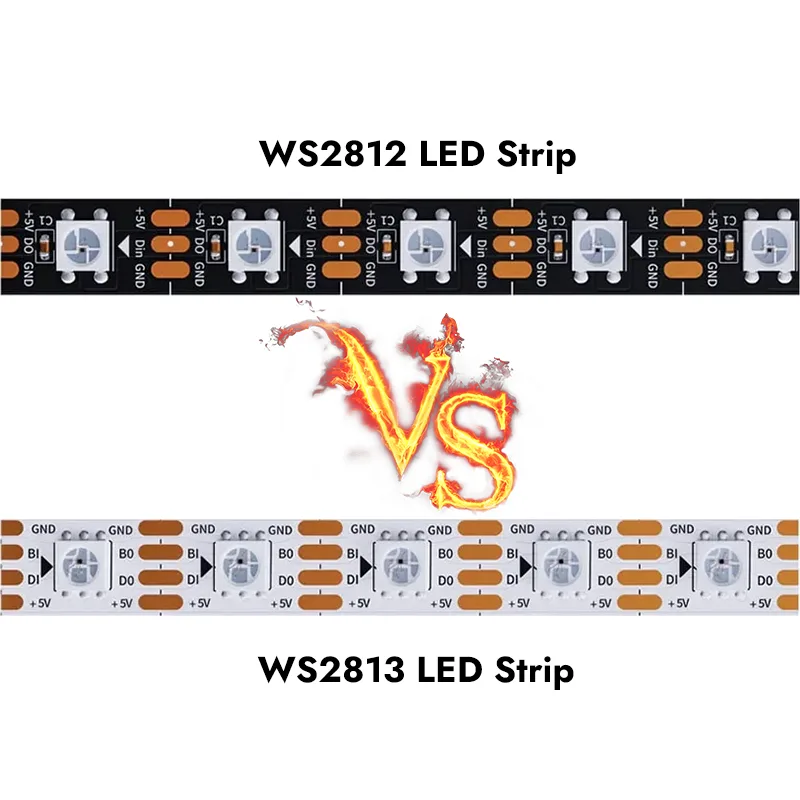
WS2812 VS WS2813 LED stripverlichting
WS2812 VS WS2813 LED Strip Light
What is WS2812 LED Light Strip? WS2812 LED strip is a 3-channel addressable strip with built-in IC, controlled by dedicated LED controllers. One LED as one individually addressable pixel, IC is integrated into the LED, not visible on strips. Less components on strips, easier for installation and ben. These LEDs are very popular among the maker...
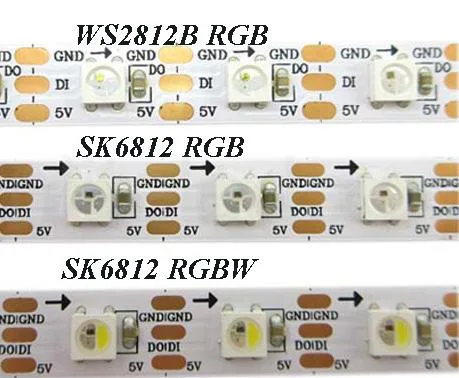
WS2812B LED Strip VS SK6812 LED Strip
WS2812B LED Strip VS SK6812 LED Strip: Welke is beter?
What is WS2812B LED Strip Light? WS2812 LED strip is a 3-channel addressable strip with built-in IC, controlled by dedicated LED controllers. One LED as one individually addressable pixel, IC is integrated into the LED, not visible on strips. Less components on strips, easier for installation, and Ben. These LEDs are very popular among the maker community,...

System Control & Integration

SPI LED strips require a control system to generate signals, manage lighting effects, and connect with other devices. This typically involves choosing the right SPI controller to handle color, brightness, and animation—ranging from simple standalone units to advanced pixel control systems.

In real-world projects, SPI systems are often integrated with other platforms, such as DMX systems, lighting software, or centralized control systems, enabling larger and more flexible lighting setups.

Control methods can also vary depending on project needs, from pre-programmed effects to real-time or software-based control, allowing you to balance simplicity, flexibility, and performance.

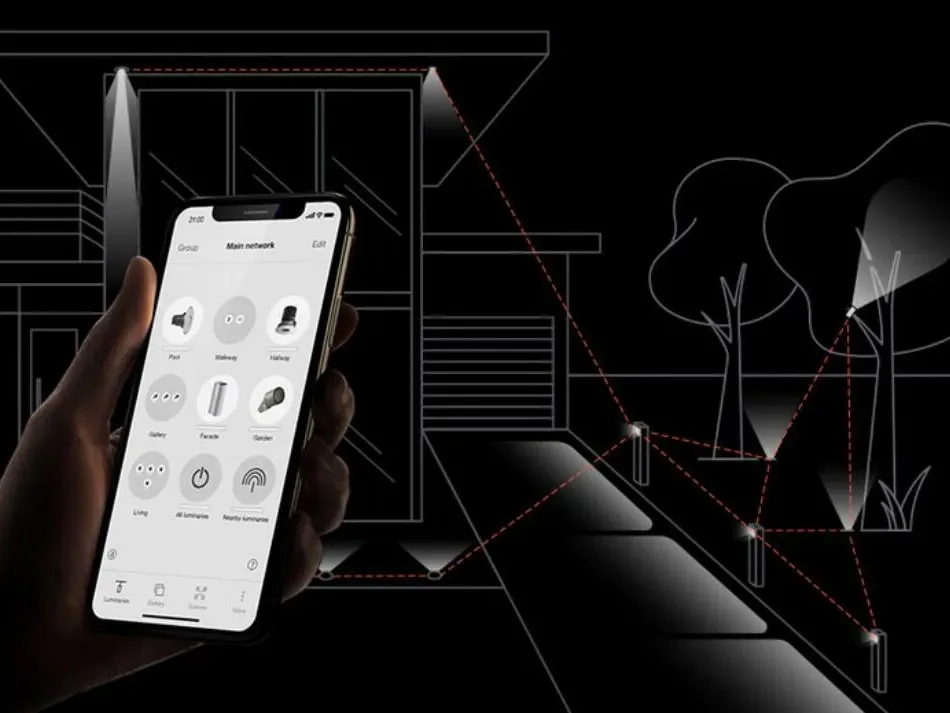
Casambi dimsysteem - Smart Control voor LED-stripverlichting
Casambi dimsysteem: slimme bediening voor ledstripverlichting
LED lighting has revolutionized the lighting industry, creating entirely new market conditions. Bluetooth Low Energy (BLE) is a protocol optimized for smart lighting. The casambi dimming system is a Bluetooth-based smart lighting control system that provides a convenient and reliable lighting control solution. By uniquely combining low-power communication...
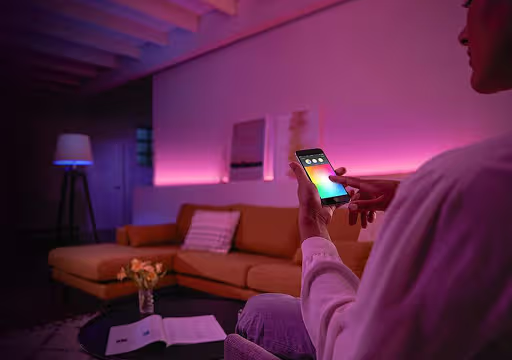
Hoe flexibele LED-strip bedienen via smartphone
With the development of technology, mobile phones are becoming more and more important, in addition to daily calls, they can also be used for online shopping, payment, entertainment, smart control of home appliances including LED lamps,etc. Lots of customer bought our strips with normal controller, as the time goes, some of them lost remote control,...
Wat-is-het-verschil-tussen-DMX-en-SPI
Hoe SPI LED Strip besturen met DMX-besturingssysteem
Het is bekend dat digitaal adresseerbare LED-strips zijn onderverdeeld in DMX LED-strips en SPI LED-strips, die hun eigen controllers of besturingssystemen hebben. Er wordt vaak gedacht dat DMX-besturingssystemen niets te maken hebben met SPI LED-stripverlichting; de waarheid is echter dat er een diepe verbinding is tussen DMX-besturing en SPI LED-stripbediening,...

Explore Real Applications

SPI LED technology is widely used across a range of applications where dynamic lighting and pixel-level control are required:

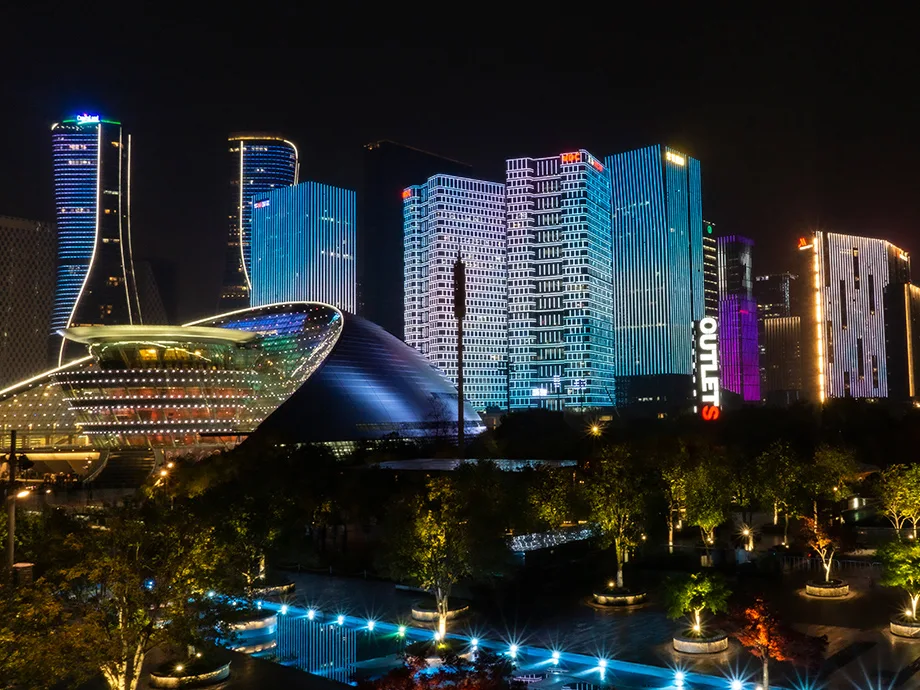
  • Gevelverlichting bouwen: Create large-scale dynamic lighting effects that enhance architectural design and visual impact.
  • Gaming Room Lighting: Build immersive environments with synchronized and customizable lighting effects.
  • Stage & Entertainment Lighting: Deliver high-speed, visually impactful lighting for concerts, events, and venues.
  • Commercial & Retail Displays: Attract attention and enhance brand environments with animated lighting solutions.

Each application requires different system design, controller setup, and LED selection. Explore the guides above to find the right solution for your project.

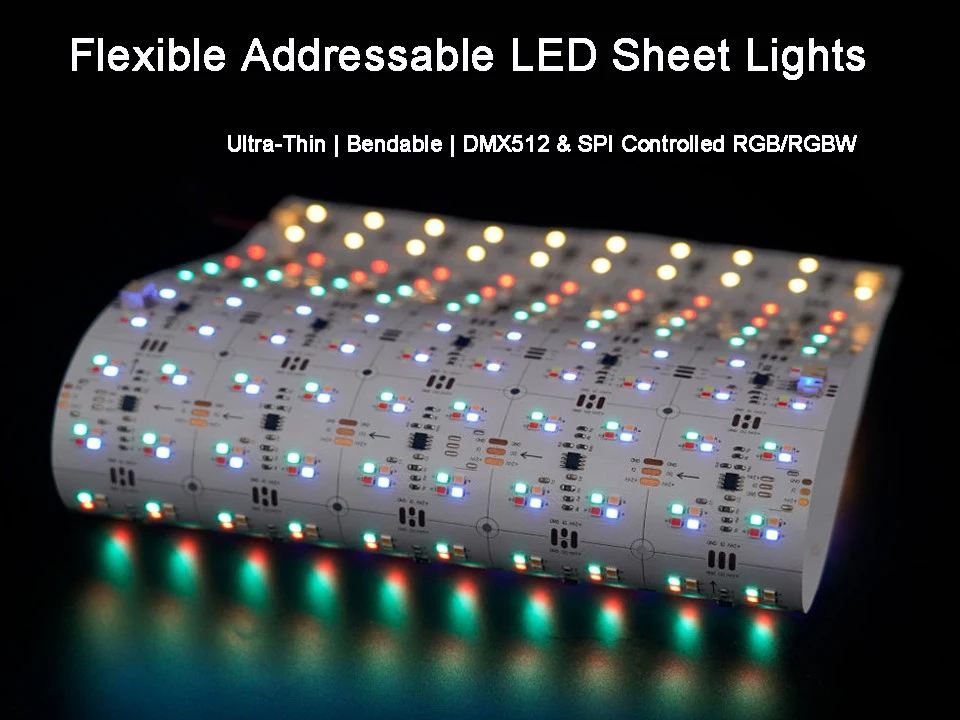
Flexibele adresseerbare LED-bladverlichting
Flexibele LED-bladverlichting Adresseerbare pixel met DMX512 en SPI RGB/RGBW voor architecturale verlichting
Stel je voor dat je een moderne galerij binnenloopt, een strakke kantoorlobby of een geavanceerde tentoonstellingsruimte waar de muren zelf lijken van kleur. Voor architecten, lichtontwerpers, tentoonstellingsplanners en eigenaren van commerciële ruimtes is dit precies de uitdaging waarmee ze worden geconfronteerd: traditionele stijve verlichtingspanelen kunnen vaak geen dynamische effecten opleveren, zijn moeilijk...
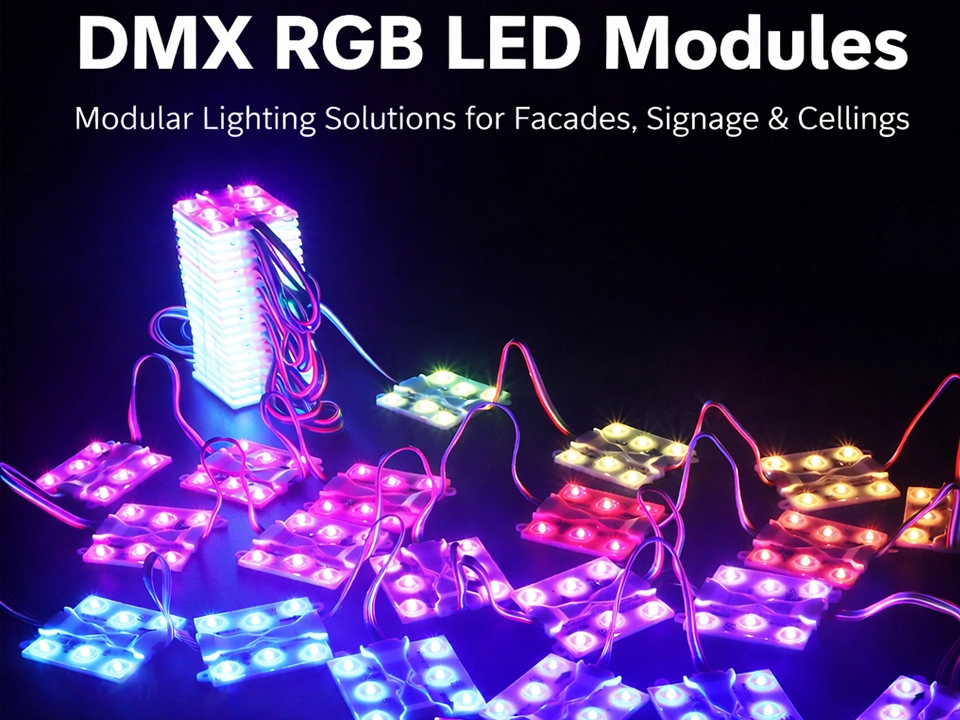
DMX-RGB-LED-modules-gevelbetonnen-plafond
RGB LED-modules voor gevels, bewegwijzering & plafonds met SPI / DMX / DALI-besturingsopties
Stel je een gevel voor die tot leven komt onder de nachtelijke hemel, met bewegwijzeringkleuren die verschuiven met de seizoenen en plafondlampen die meeslepende, vloeiende lichtpatronen creëren. De kern van deze transformatie zijn DMX RGB LED-modules - een geavanceerde verlichtingsoplossing die dynamische besturing op pixelniveau en RGB / RGBW-kleuren veranderende mogelijkheden combineert om...
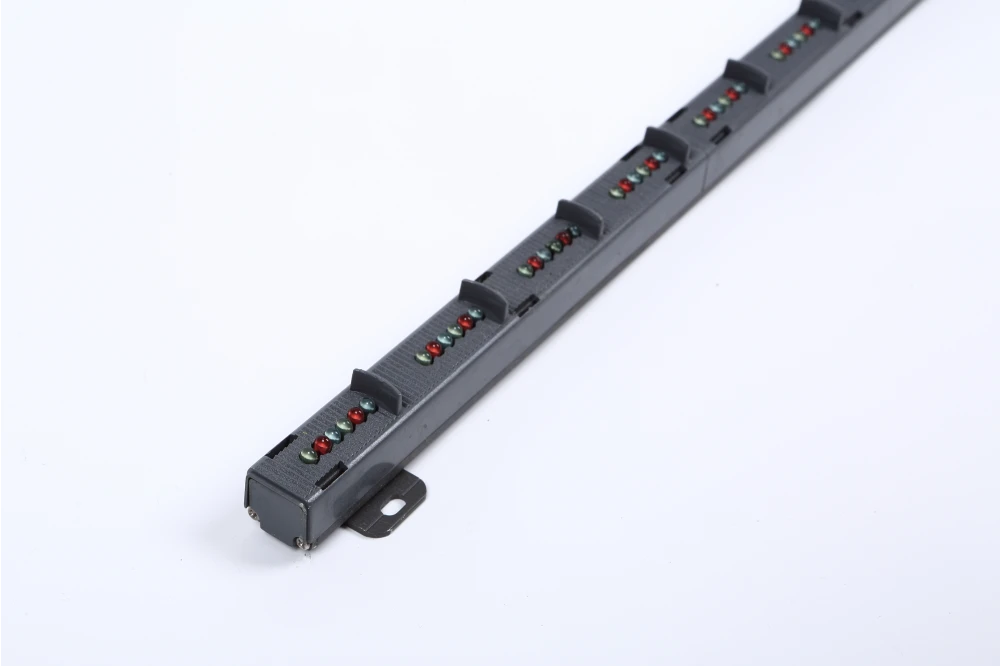
Video LED-pixelstriplicht
At night, modern cities come alive with dazzling building facades that seem to play videos like giant screens. The dynamic visuals on skyscrapers, bridges, and landmarks are not always created by traditional LED displays, but often by LED video strip lights. These rigid linear fixtures, installed across architectural surfaces, transform static structures...

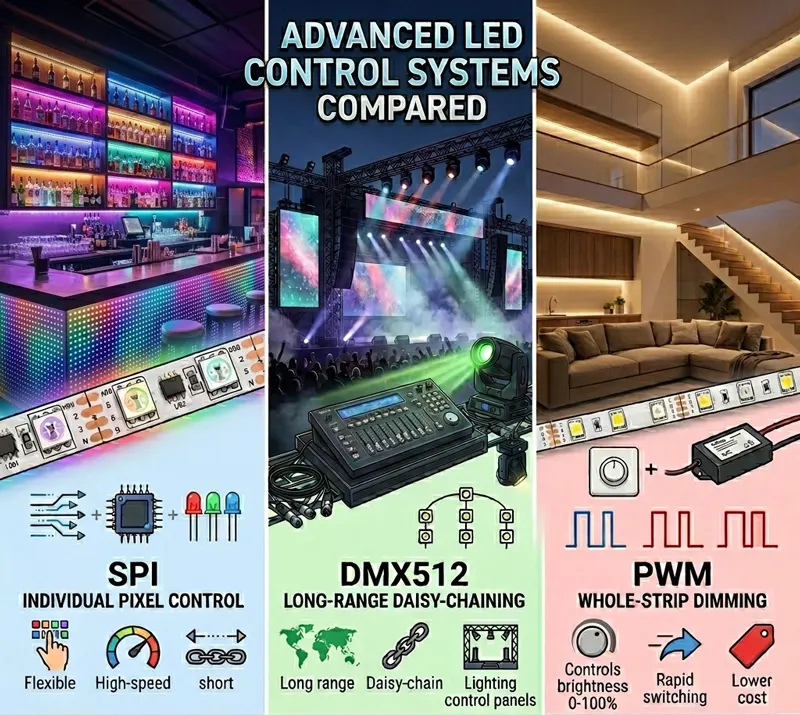
SPI vs DMX versus PWM LED-besturingssystemen

Choosing the right LED control system is one of the most important decisions in any lighting project. SPI, DMX, and PWM each have different architectures, control methods, and application scenarios.

Selecting the right control system depends on your project scale, required effects, and installation environment. Instead of focusing only on specifications, the best approach is to choose based on real application scenarios.

Understanding their differences will help you select the right system for performance, scalability, and installation requirements. For projects that require large-scale control and long-distance signal stability, learning more about DMX LED systems knowledge hub can provide deeper insights into system architecture and integration.

Systeem
Besturingstype
Strength
begrenzing
SPI
Pixel-level control
Dynamic effects, flexibility
Limited distance, system complexity
DMX
Channel-based control
Stability, scalability
Less pixel-level precision
Pwm
Group dimming
Eenvoudig, goedkoop
No individual LED control
SPI vs DMX versus PWM LED-besturingssystemen

How to Choose the Right System

  • Choose SPI if you need dynamic, pixel-level lighting effects
  • Choose DMX if you need large-scale, stable professional lighting
  • Choose PWM if you only need simple brightness control

In many advanced projects, SPI and DMX are even used together to combine flexibility and system scale. Below is a practical guide to help you quickly determine whether SPI, DMX, or PWM is the right solution for your project.

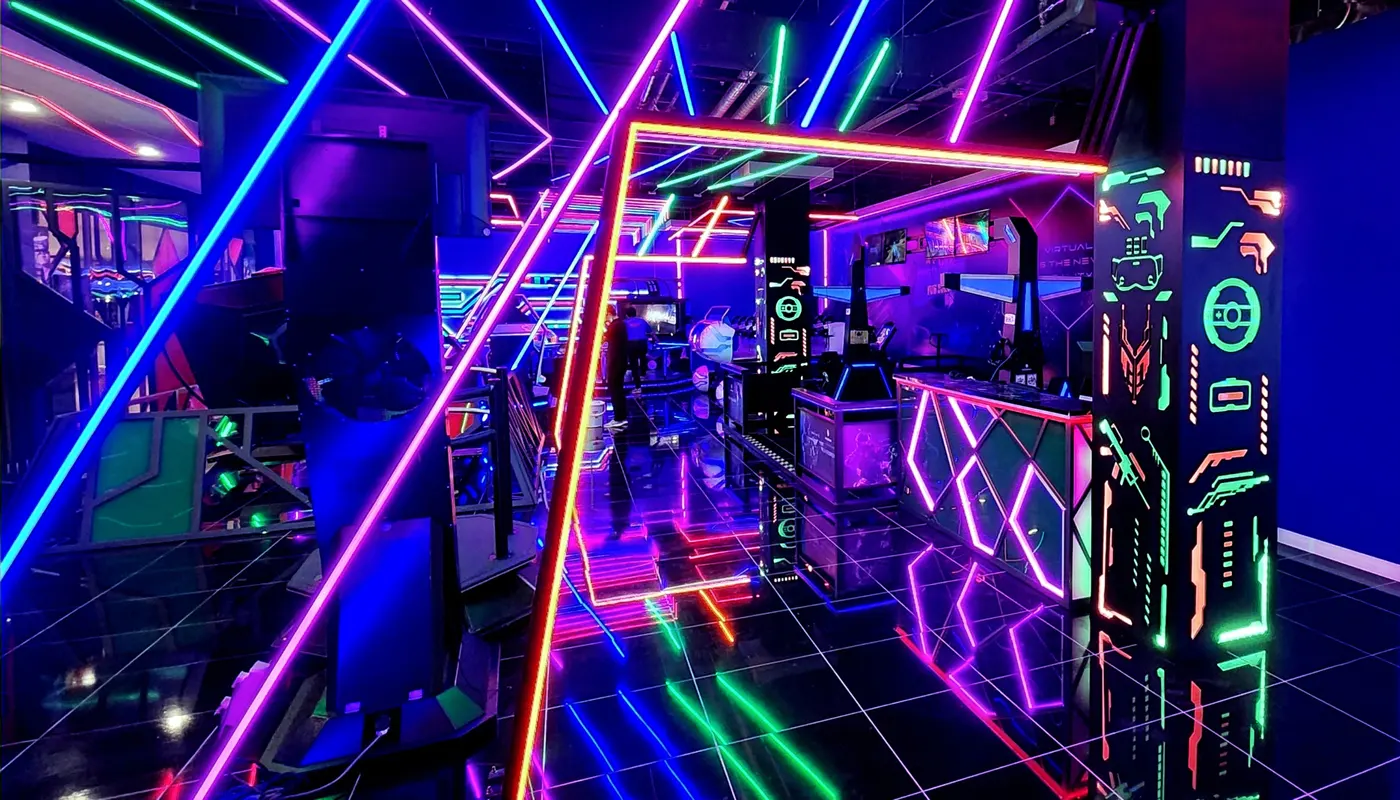
SPI LED Control System for Gaming, Entertainment & Immersive Lighting

For dynamic effects, color animation, and pixel-level visual design, flexibility is more important than distance.

Recommended: SPI

  • Individual pixel control for dynamic effects
  • Supports animations, gradients, and motion lighting
  • Ideal for creative and interactive environments
  • Easy to customize and program

Best choice for visual experience-focused projects.

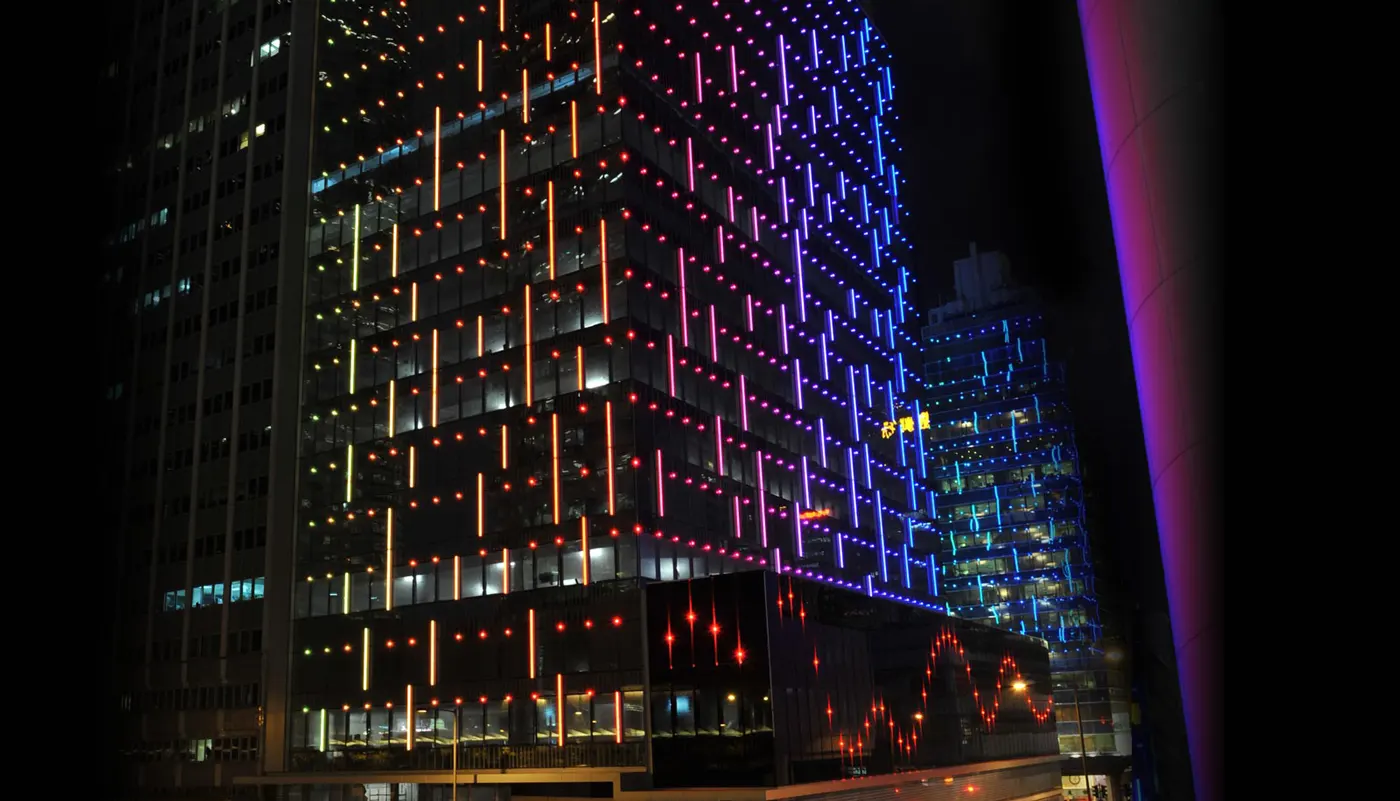
DMX LED Control System for Architectural & Building Facade Lighting

For large-scale building lighting, stability and long-distance control are the top priorities.

Recommended: DMX

  • Supports long-distance signal transmission
  • Stable performance in large installations
  • Ideal for centralized lighting control
  • Widely used in architectural lighting projects

SPI is generally not recommended for large facades unless used in segmented or hybrid systems.

PWM LED Control System for Retail & Commercial Ambient Lighting

For simple, consistent lighting without complex effects, cost and simplicity are key factors.

Recommended: PWM

  • Simple brightness control
  • Kosteneffectieve oplossing
  • Easy system integration
  • Suitable for static lighting environments

Best for non-dynamic ambient lighting applications.

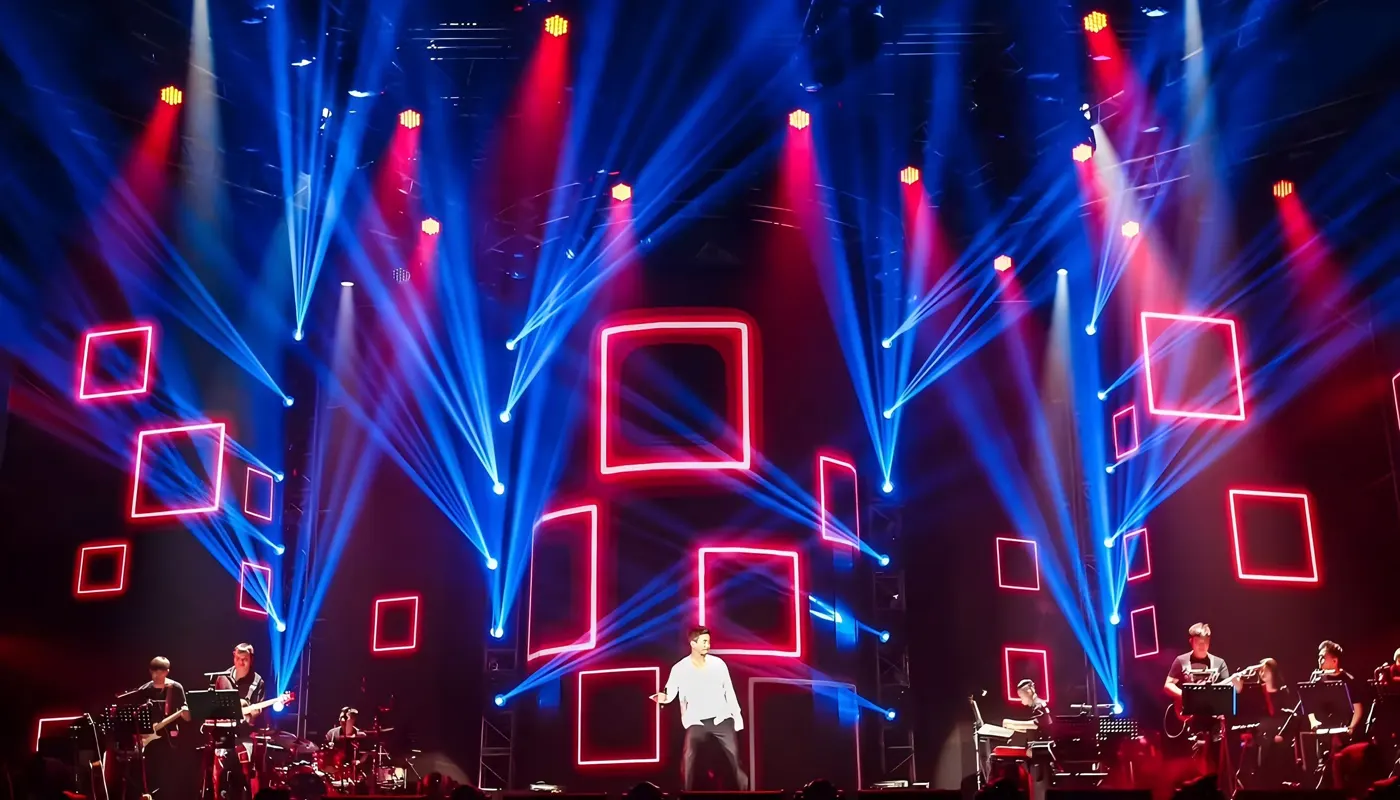
DMX + SPI Hybrid LED Control System for Stage, Events & Professional Lighting Systems

For professional lighting environments that require both scale and performance, hybrid systems are often used.

Recommended: DMX + SPI Hybrid

  • DMX for system-level control and stability
  • SPI for pixel-level visual effects
  • Suitable for complex lighting designs
  • Widely used in concerts and exhibitions

Common SPI LED System Configurations

SPI LED systems can be designed in different ways depending on project scale, control requirements, and installation complexity. A typical system is built around three core components: the Digital Pixel LED Strip Light, a compatible Smart LED Controller, and a stable LED-voeding.

Depending on your application, system design may vary significantly—from simple standalone setups to complex multi-zone architectures. Factors such as installation distance, pixel density, control method, and power distribution all play a critical role in determining the final system structure.

Below are typical SPI system configurations used in real-world projects, helping you better understand how to select and combine the right components for your specific application.

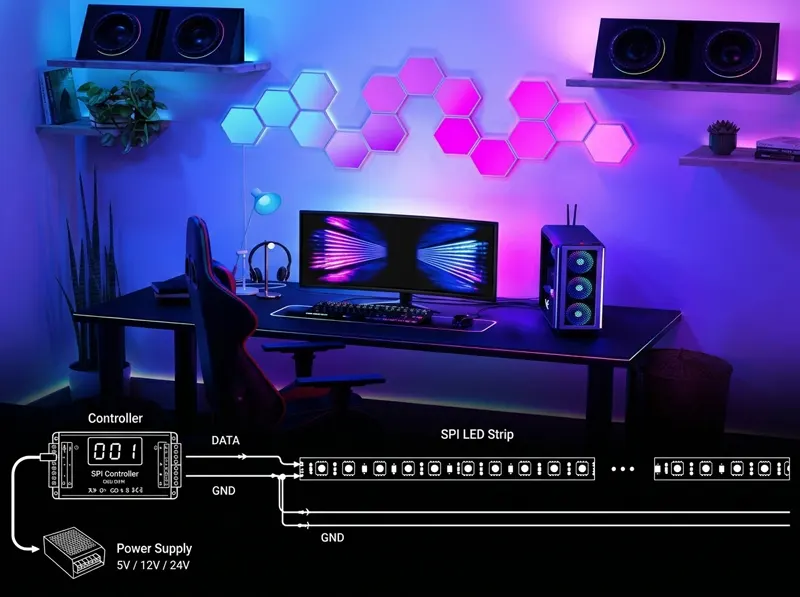
Small-Scale Setup (Standalone SPI System)

Designed for small projects with simple control requirements and short installation distances.

Typical Configuration:

  • SPI LED strip (WS2812 / SK6812)
  • Standalone SPI controller
  • Standard power supply

Belangrijkste kenmerken:

  • Easy to install and configure
  • Kosteneffectieve oplossing
  • No complex system integration required

Het beste voor: gaming rooms, decorative lighting, small installations

SPI LED System for Small-Scale Setup
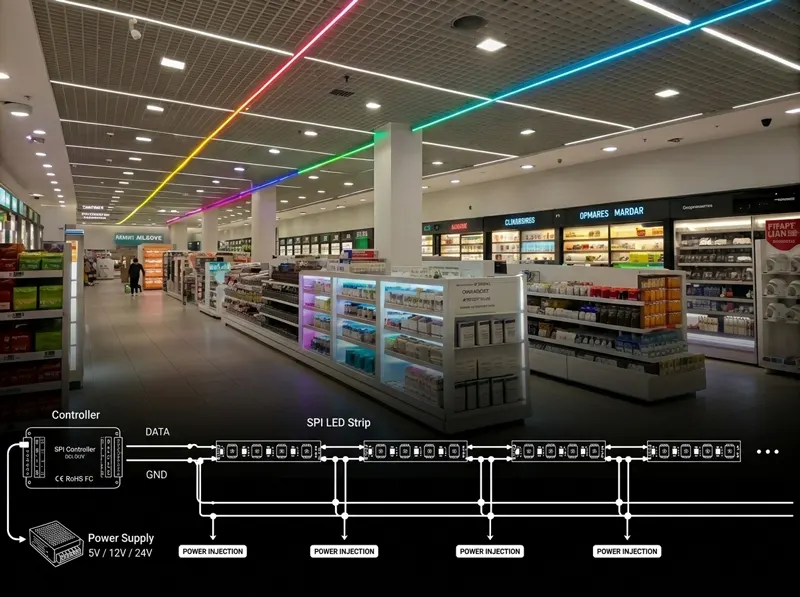
SPI LED System for Medium-Scale Installation

Medium-Scale Installation (Enhanced SPI System)

Suitable for larger installations where power management and signal stability become more important.

Typical Configuration:

  • SPI LED strips with multiple power injection points
  • Advanced SPI controller
  • Amplifiers or signal boosters (if needed)

Belangrijkste kenmerken:

  • Improved system stability
  • Supports longer runs and higher LED density
  • More flexible control options

Het beste voor: commercial spaces, retail lighting, medium architectural projects

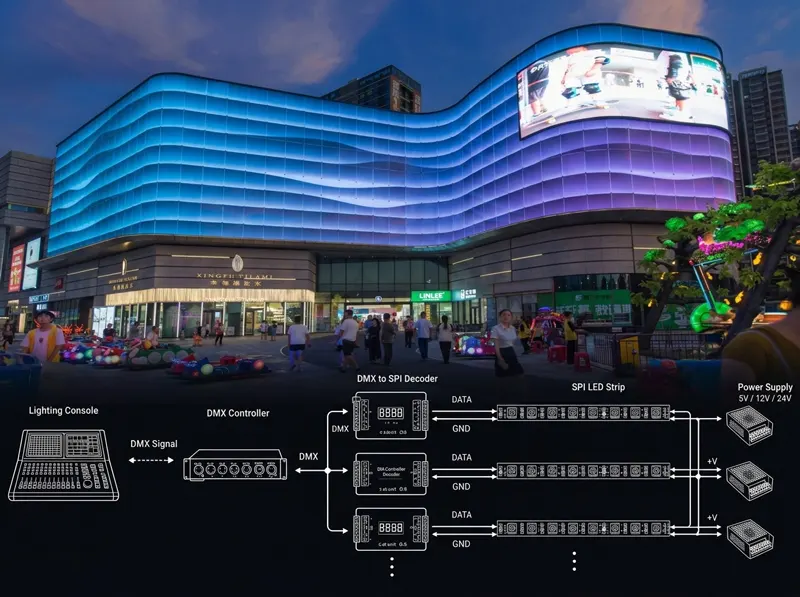
Large-Scale System (SPI + DMX Hybrid)

Used in complex projects where both scalability and dynamic effects are required.

Typical Configuration:

  • SPI LED strips (segmented layout)
  • DMX controller + DMX-to-SPI decoders
  • Centralized control system
  • Distributed power supply design

Belangrijkste kenmerken:

  • Combines SPI flexibility with DMX stability
  • Suitable for long-distance and large-scale control
  • Enables synchronization across multiple zones

Het beste voor: building facades, stage lighting, large architectural installations

SPI LED System for Large-Scale System

SPI Addressable LED FAQ

Wat is een SPI-adresseerbare LED?

SPI Addressable LED is een digitaal verlichtingssysteem waarbij elke LED (pixel) individueel kan worden bediend met behulp van datasignalen, waardoor dynamische effecten zoals animaties, kleuropvolging en gradiënten mogelijk worden.

Hoe werkt een SPI LED-strip?

Een SPI LED-strip werkt door het verzenden van digitale gegevens van een controller naar elke LED in volgorde. Elke LED leest zijn eigen gegevens en geeft het resterende signaal door aan de volgende LED.

Wat is het verschil tussen SPI en DMX LED-bediening?

SPI biedt pixelniveauregeling voor dynamische effecten, terwijl DMX is ontworpen voor stabiele langeafstandsregeling in grootschalige verlichtingssystemen.

Wat is het verschil tussen SPI en PWM LED-bediening?

SPI maakt individuele LED-besturing mogelijk, terwijl PWM de helderheid van hele LED-groepen regelt. PWM is eenvoudiger maar kan geen dynamische pixeleffecten creëren.

Wat is beter: WS2812 of SK6812?

WS2812 is kosteneffectiever, terwijl SK6812 een betere kleurnauwkeurigheid biedt en RGBW ondersteunt. De beste keuze hangt af van uw toepassingsvereisten.

Wat is het verschil tussen WS2812 en APA102?

WS2812 gebruikt een enkele datalijn, terwijl APA102 afzonderlijke gegevens- en kloksignalen gebruikt, waardoor snellere vernieuwingssnelheden en stabielere prestaties worden geleverd.

Waarom flikkeren SPI LED-strips?

Flikkering wordt meestal veroorzaakt door onstabiele stroomvoorziening, spanningsval, slechte aarding of signaalinterferentie.

Hoe ver kunnen SPI LED-signalen reizen?

Doorgaans kunnen SPI-signalen een paar meter afleggen zonder versterking. Voor langere afstanden zijn signaalverhogers of differentiële transmissie vereist.

Wat veroorzaakt spanningsdaling in LED-strips?

Spanningsval treedt op wanneer stroom wordt verdeeld over lange afstanden, wat leidt tot verminderde helderheid en kleurveranderingen langs de strip.

Hoe repareer je spanningsval in SPI LED-strips?

Voeg stroominjectie op meerdere punten toe, gebruik dikkere kabels en zorg voor een goede stroomverdeling over het systeem.

Kunnen SPI LED-strips worden gesneden?

Ja, de meeste SPI LED-strips kunnen op aangewezen snijpunten worden gesneden zonder de rest van de strip te beïnvloeden.

What happens if one LED fails in an SPI strip?

In most cases, if one LED fails, all LEDs after it may stop working due to the serial data chain.

Can SPI LED strips be used outdoors?

Yes, if they have proper waterproof ratings (such as IP65 or IP67) and are installed correctly.

What controller is needed for SPI LED strips?

SPI LED strips require a compatible controller that can generate digital signals, such as standalone controllers, DMX-to-SPI decoders, or software-based systems.

How do you power SPI LED strips?

SPI LED strips are powered by external power supplies, typically 5V or 12V, depending on the LED type.

What is power injection in LED strips?

Power injection is the process of supplying power at multiple points along the strip to prevent voltage drop and maintain consistent brightness.

Can SPI LED strips be controlled by software?

Yes, many SPI systems can be controlled using software platforms such as WLED, Madrix, or custom programming solutions.

Are SPI LED systems difficult to install?

They are more complex than standard LED strips because they require proper wiring, power planning, and signal management.

When should you use SPI instead of DMX?

Use SPI when you need dynamic, pixel-level effects. Use DMX for large-scale, stable, long-distance lighting systems.

Can SPI and DMX be used together?

Yes, many projects use DMX for system control and SPI for pixel-level effects through DMX-to-SPI decoders.

Naar boven

Vraag nu een offerte aan