2011년부터 간판 및 LED 스트립 조명 공장

2011년부터 간판 및 LED 스트립 조명 공장

2026 LED PCB 공급망 동향 및 리드 타임 위험

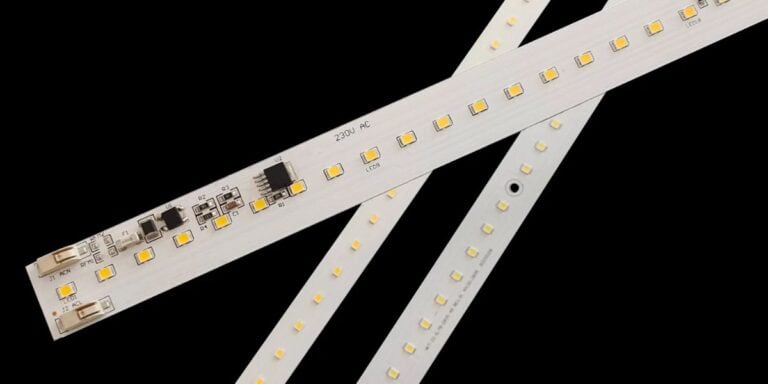
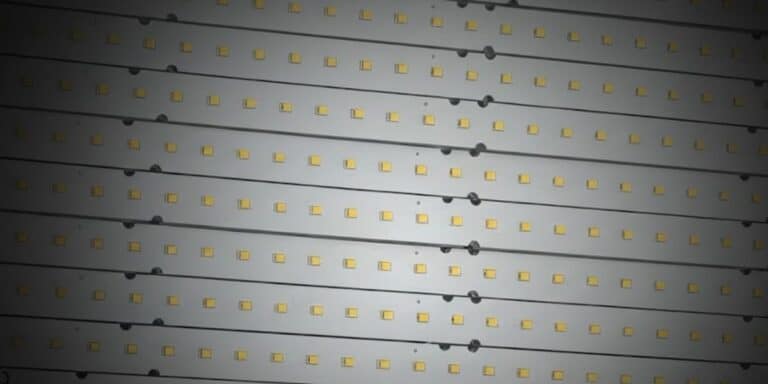
The LED PCB supply chain in 2026 is defined by structural shifts rather than short-term disruption. Demand for lighting, displays, and integrated LED systems continues to rise, but supply is shaped by regional diversification, tighter component dependencies, and planning driven by data rather than excess capacity. As a result, lead times for pcb led products are less predictable, forcing manufacturers, engineers, and buyers to plan around uncertainty instead of fixed schedules.

What Is Changing in the LED PCB Supply Chain in 2026

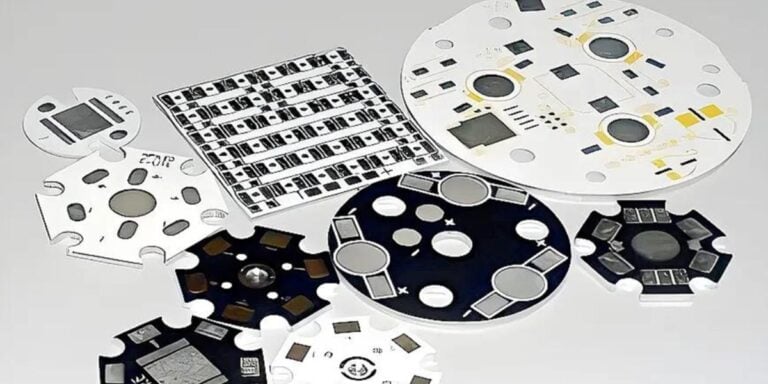
PCB LED

The supply chain environment entering 2026 is not a return to pre-disruption norms. Several underlying changes are now permanent, and LED PCBs are affected in specific ways compared to general PCBs.

Key changes shaping 2026 include:

  • Sustained global demand pressure
    LED applications continue expanding across architectural, industrial, automotive, and smart infrastructure projects. This demand is steady rather than cyclical, which limits idle capacity across the supply chain.
  • Structural realignment of sourcing and production
    Manufacturers are no longer optimizing only for cost. Regional balance, supply continuity, and risk exposure now influence sourcing decisions at every level.
  • LED-specific dependencies
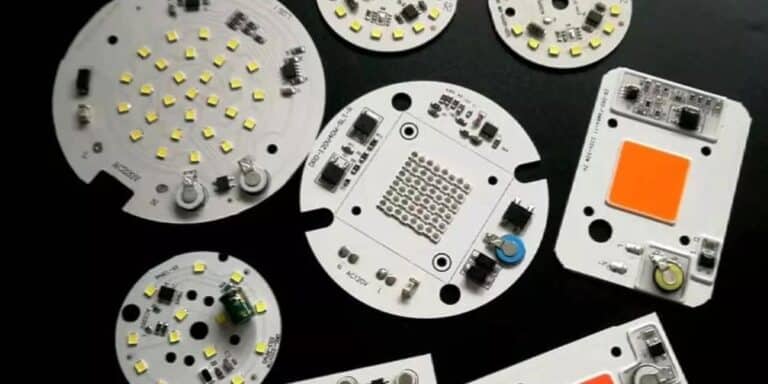
    Unlike standard boards, a pcb led integrates optical, thermal, and electronic components that must align precisely. This makes LED PCBs more sensitive to component availability and scheduling mismatches.

These changes mean that supply constraints are often indirect. A board may be manufacturable, but delayed by a single upstream dependency.

The trends shaping the LED PCB supply chain in 2026 are long-term in nature. They influence availability, scheduling, and planning assumptions rather than day-to-day operations.

Automation and AI-Driven Planning

Manufacturers increasingly rely on automated planning systems to manage capacity, materials, and scheduling. These systems improve internal efficiency, but they also tighten production windows.

  • Capacity is allocated earlier and locked in faster
  • Late design changes have greater scheduling impact
  • Short-notice orders are harder to absorb, even if volume is small

For PCB LED projects, this means lead times are more sensitive to planning accuracy than in the past.

Regional Diversification and Nearshoring

The “China+1” approach is now standard rather than experimental. Production is spread across multiple regions to reduce exposure to single-country risk.

Effects on the LED PCB supply chain include:

  • Longer qualification cycles for new suppliers
  • Variation in material availability between regions
  • Differences in lead time reliability rather than absolute speed

Nearshoring improves resilience but does not eliminate delays. It shifts where and how they appear.

Technology Complexity and Availability Pressure

LED PCB designs are becoming more application-specific. Thermal layouts, current control integration, and form-factor constraints increase complexity.

As complexity rises:

  • Fewer facilities can handle certain custom pcb board requirements
  • Engineering validation takes longer before production can start
  • Component alignment becomes more critical to scheduling

Complex designs reduce flexibility when supply conditions change.

Sustainability and Material Sourcing Impact

Environmental regulations and sustainability targets are influencing material choices and supplier qualification.

This trend affects:

  • Base material availability
  • Surface finishes and compliant processes
  • Supplier approval timelines

While sustainability improves long-term stability, it can introduce short-term lead time variability during transitions.

Why Lead Times Are Becoming Less Predictable for LED PCBs

PCB LED

Lead time instability in 2026 is driven by multiple overlapping factors rather than a single bottleneck. For LED PCBs, these factors compound.

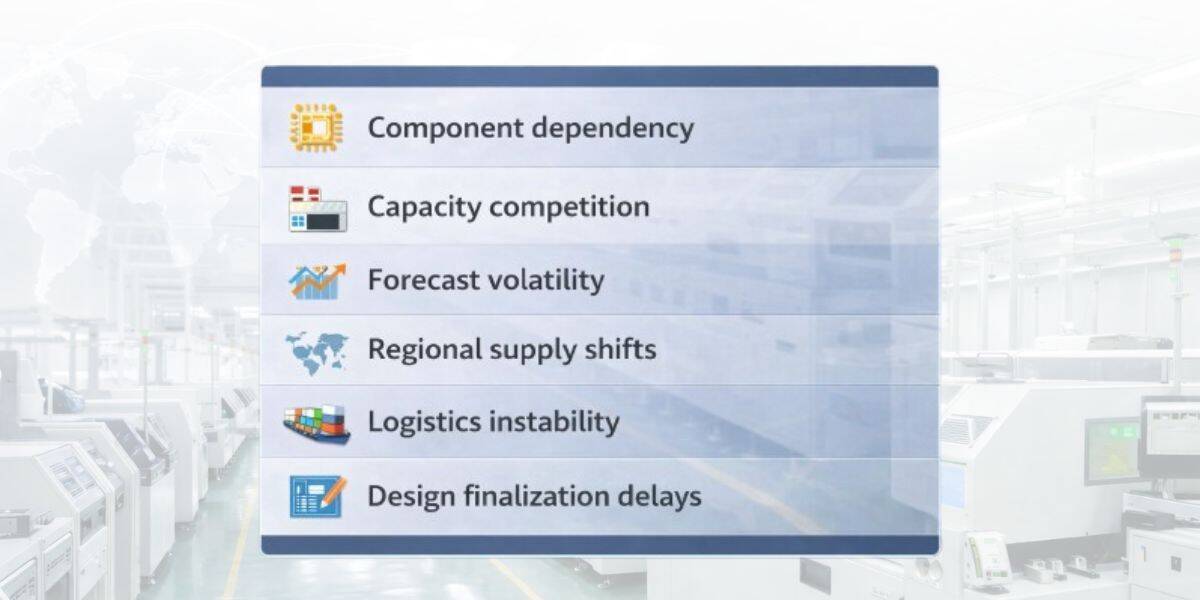
Component Dependency

LED PCBs depend on specific LEDs, drivers, and supporting components that are not always interchangeable.

  • LED binning and performance consistency limit substitution
  • Driver availability can gate final assembly
  • Minor component shortages can delay completed boards

Even when PCB fabrication capacity exists, missing components can extend timelines.

Capacity Competition

High-mix, low-volume production is competing with large-volume contracts for the same manufacturing resources.

This results in:

  • Priority given to long-term or forecast-backed orders
  • Reduced flexibility for unplanned production
  • Scheduling volatility for smaller custom runs

Custom pcb manufacturing timelines are increasingly influenced by how early demand is communicated.

Logistics Instability

Transportation reliability remains uneven across regions.

Factors include:

  • Port congestion variability
  • Changing trade compliance requirements
  • Regional transportation capacity limits

Logistics delays often appear late in the process, making them difficult to mitigate once production is complete.

Common Lead Time Risks Buyers Face in 2026

Lead time risks in 2026 are best understood as categories rather than isolated events. Buyers often encounter multiple risks simultaneously.

  • Material delays
    Base materials or finishes may have extended allocation periods, especially for specialized boards.
  • Component bottlenecks
    LEDs, drivers, or control components can become the critical path, even when PCB fabrication is ready.
  • Geopolitical disruption
    Policy changes, trade restrictions, or regional instability can affect sourcing routes with little notice.
  • Manufacturing capacity imbalance
    Certain facilities may be overbooked while others lack qualification for specific LED PCB requirements.

These risks do not always cause long delays individually, but together they reduce schedule certainty.

How Manufacturers and Buyers Can Reduce Lead Time Risk

PCB LED

Reducing lead time risk in 2026 is about managing uncertainty rather than eliminating it. Effective approaches focus on preparation and alignment.

Design Readiness

Stable designs reduce rework and rescheduling.

  • Finalized layouts limit last-minute engineering changes
  • Clear thermal and electrical requirements reduce clarification cycles
  • Component selections aligned with availability improve continuity

Design maturity directly influences scheduling reliability.

Forecast Sharing

Early and realistic demand visibility allows better capacity planning.

  • Non-binding forecasts still help allocate resources
  • Rolling forecasts reduce sudden demand spikes
  • Transparency improves priority alignment

Forecast accuracy matters more than precision.

Supplier Diversification

Relying on a single source increases exposure to localized disruption.

  • Multiple qualified suppliers improve resilience
  • Regional balance reduces logistics risk
  • Backup options shorten recovery time when issues arise

Diversification increases planning options even if it does not shorten base lead times.

Role of an Experienced Custom PCB Manufacturer

An experienced custom pcb manufacturer does not eliminate supply chain risk, but it can reduce uncertainty by:

  • Anticipating common bottlenecks
  • Aligning design and sourcing decisions early
  • Communicating realistic timelines based on current capacity

Experience improves predictability, not speed guarantees.

PCB LED

The cumulative effect of 2026 supply chain trends is a shift in how organizations plan.

Product Launch Planning

Launch timelines increasingly include buffer periods.

  • Fixed launch dates are harder to support without early commitment
  • Pilot builds require earlier scheduling
  • Contingency planning becomes standard

Speed alone is no longer the primary objective.

Inventory Strategy

Just-in-time models are being reassessed.

  • Strategic inventory reduces disruption impact
  • Holding critical components improves continuity
  • Inventory decisions balance cost against risk exposure

Inventory is now viewed as a resilience tool rather than inefficiency.

Risk vs Cost Tradeoffs

Lowest-cost sourcing is not always lowest-risk.

  • More stable suppliers may have longer nominal lead times
  • Regional sourcing can increase cost but reduce volatility
  • Planning decisions weigh continuity over short-term savings

Resilience has become a measurable planning objective.

Trend실제적인 영향Planning Implication
Regional diversificationVariable lead times by locationMulti-region planning required
Increased automationTighter scheduling windowsEarlier design and forecast commitment
Component dependencySingle-part delays affect buildsEarly component alignment
Sustainability requirementsLonger material qualificationAdvance material planning

결론

In 2026, LED PCB supply chains are shaped by structural change rather than temporary disruption. Demand growth, regional diversification, rising design complexity, and component dependency have made lead times less predictable. For manufacturers and buyers, the central challenge is not speed but reliability. Effective planning now focuses on design readiness, early visibility, and resilience. Understanding these trends allows organizations to manage lead time risk with clarity rather than reaction.

자주 묻는 질문

PCB LEDPCB LED
2026 PCB LED 구매 가이드: 전력, CCT 및 재료
SignLiteled는 안정적인 애플리케이션 기반 LED 솔루션을 제공함으로써 전문 구매자를 지원합니다. 2026년 세계 조명 산업이 발전함에 따라 LED 성능은 더 이상 LED 칩만으로 결정되지 않습니다. 오늘날 PCB LED 설계는 열 안정성, 색상 일관성, 전기 안전성 및 전체 시스템 수명에 결정적인 역할을 합니다. ...에…
PCB LEDPCB LED
균일한 배광을 위한 PCB LED 레이아웃 최적화
현대적인 조명 디자인에서 균일한 배광을 달성하는 것은 더 이상 시각적인 선호가 아닙니다. 최적화된 PCB LED 레이아웃은 일관된 밝기, 감소된 눈부심 및 향상된 시각적 편안함을 보장합니다. 미학을 넘어 레이아웃 최적화는 열 성능, 전기 효율성 및 제품 수명에 직접적인 영향을 미칩니다. 잘못된 LED 배치는 종종 핫스팟, 고르지 않은 조명, 색상을 유발합니다.
PCB LEDPCB LED
PCB LED 신뢰성 향상: SMT 및 솔더 조인트 팁
LED 조명 산업은 주거, 상업, 산업 및 자동차 응용 분야에서 현대적인 조명을 변화시켰습니다. LED는 높은 에너지 효율, 긴 작동 수명 및 컴팩트한 크기에 선호됩니다. 그러나 성능은 PCB 설계, SMT 어셈블리 품질 및 솔더 조인트 신뢰성에 크게 의존합니다. 작은 조립 결함이라도 깜박임이 발생할 수 있습니다.
PCB LEDPCB LED
스마트 거리 조명 응용 프로그램을 위한 PCB LED
스마트 가로등의 PCB LED는 발광 다이오드를 목적으로 설계된 인쇄 회로 기판에 직접 장착하여 안정적인 전기 작동, 제어된 방열 및 장기간의 서비스를 통해 일관된 광 출력을 보장하는 실외 조명 솔루션입니다. 이러한 솔루션은 스마트 거리 조명 시스템에 널리 적용됩니다.
UV LED 스트립 조명 가이드UV LED 스트립 조명 가이드
UV LED 스트립 조명 가이드
기존의 수은 램프 및 형광등과 비교하여 UV LED 스트립 조명은 소형 크기, 낮은 에너지 소비 및 긴 수명으로 인해 차세대 UV 응용 분야에서 선호되는 솔루션이 되고 있습니다. 유연한 UV LED 스트립 조명은 다양한 파장, 전력 및 광밀도 옵션을 제공합니다. 특히 UVA 밴드에서...
차량용 LED 스트립의 성능에서 고려해야 할 사항차량용 LED 스트립의 성능에서 고려해야 할 사항
차량용 LED 스트립의 성능에서 고려해야 할 문제는 무엇입니까?
자동차 LED 스트립은 자동차의 LED 기술로 만든 스트립 또는 램프를 말합니다. 주로 고휘도 LED 조명을 사용하며 미래 자동차의 주요 기능이 될 것입니다. 이는 기존 백열등 조명 솔루션에 비해 LED의 많은 장점 때문입니다. 기본 이점. 성능은...

공유하다:

페이스북
지저귀다
핀터레스트
링크드인
구독하다
알림
guest
0 댓글
가장 오래된
최신 가장 많이 투표된
인라인 피드백
모든 댓글 보기

SignliteLED 블로그 검색

카테고리

위로

지금 견적을 받으세요