2011년부터 간판 및 LED 스트립 조명 공장

2011년부터 간판 및 LED 스트립 조명 공장

2026 PCB LED 구매 가이드: 전력, CCT 및 재료

At SignliteLED, we support professional buyers by providing reliable, application-driven LED solutions.

As the global lighting industry advances into 2026, LED performance is no longer determined by the LED chip alone. Today, PCB LED design plays a decisive role in thermal stability, color consistency, electrical safety, and overall system lifespan. For lighting manufacturers, OEM buyers, and project engineers, selecting the right PCB LED configuration has become a critical commercial and technical decision.

In this blog, we will explain how power ratings affect thermal performance in PCB LEDs. It shows how correlated color temperature depends on heat control and design. We will also explains how PCB materials influence efficiency, lifespan, and lighting reliability.

What is An LED PCB?

PCB LED

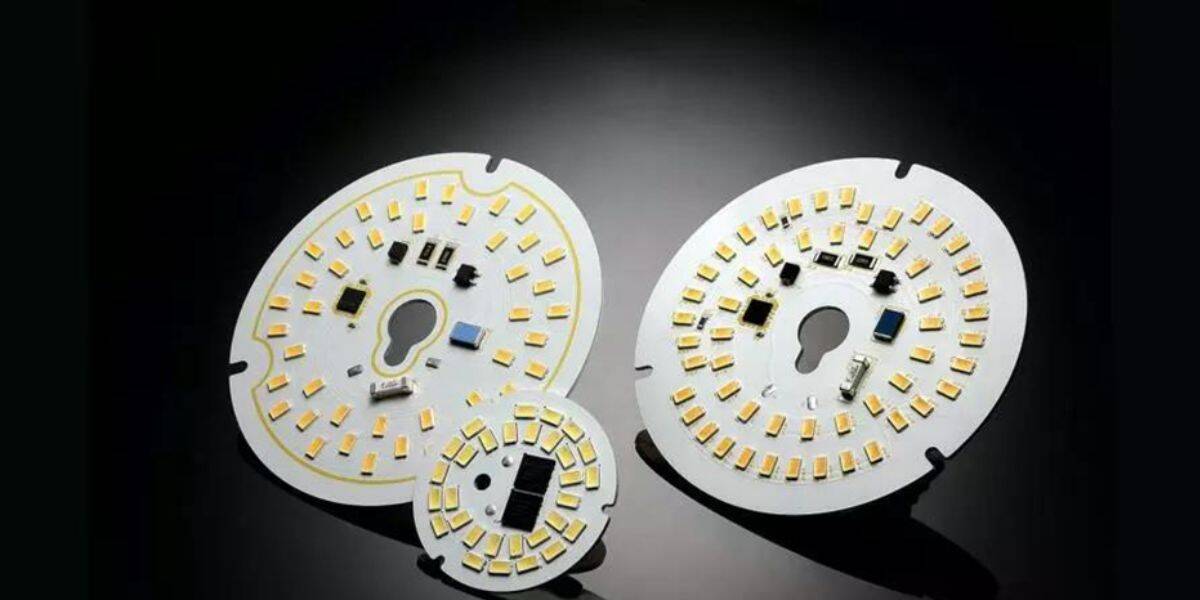
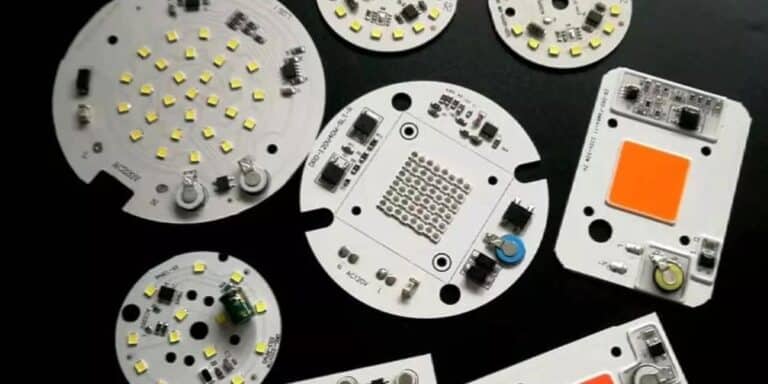
An LED PCB is a printed circuit board specifically designed to support light-emitting diodes. It provides electrical connections and mechanical support while managing heat generated during operation. Proper LED PCB design ensures stable performance, consistent brightness, and longer lifespan in lighting applications.

Unlike standard PCBs, LED PCBs focus heavily on thermal management and material selection. They often use metal or high-conductivity substrates to dissipate heat efficiently. This helps prevent overheating, color shift, and early failure in modern LED lighting systems.

Basic Structure of an LED PCB

PCB LED

LED PCBs are carefully engineered multi-layer boards where each layer plays a unique role in power delivery, heat management, and durability. Their structure is designed not only to support LED chips mechanically but also to maintain optimal performance under high-power, continuous operation conditions.

Base Material (Substrate)

The substrate forms the foundation of the LED PCB. Aluminum is the most common choice due to its excellent thermal conductivity, but high-end designs may use copper or ceramic for even greater heat transfer. This layer ensures the board remains rigid while efficiently channeling heat away from LEDs.

Conductive Copper Layer

The copper layer carries electricity from the power source to the LED chips. Its pattern and thickness are critical, as they influence current distribution, voltage stability, and the uniformity of light output. Additionally, a well-designed copper network helps reduce thermal buildup and prevent hotspots.

Dielectric Insulation Layer

Situated between the copper layer and the metal base, the dielectric layer acts as both an electrical insulator and a thermal bridge. It allows heat to flow downward while keeping electrical circuits isolated, ensuring safe operation without sacrificing thermal efficiency.

Protective Solder Mask and Surface Finish

A protective solder mask covers exposed copper traces, shielding them from corrosion and accidental short circuits. Meanwhile, the surface finish strengthens solder joints and enhances long-term reliability, particularly under repeated heating and cooling cycles.

Thermal Path Optimization

Efficient LED PCBs provide a direct thermal path from the LED chip to the heat sink or fixture. Heat moves sequentially through the solder joint, copper circuitry, dielectric layer, and substrate. A short, low-resistance path minimizes temperature rise, prolongs LED lifespan, and stabilizes light output over time.

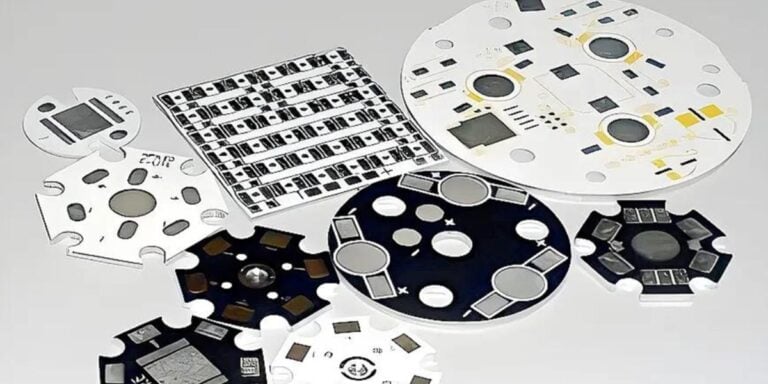
Different Types of LED PCB by Material

LED PCBs are made from various materials, each affecting heat dissipation, electrical performance, and durability. Choosing the right material ensures long-lasting, reliable lighting, especially for high-power and industrial applications.

PCB Material Type주요 기능Thermal Benefit일반적인 애플리케이션
FR-4저렴한 비용Moderate heatDecorative LEDs
알루미늄Durable designHigh heat dissipationStreet & commercial
CopperHigh conductivityExcellent heat transferIndustrial LEDs
CeramicPremium materialSuperior thermal resistanceAutomotive & aerospace

1: FR-4 LED PCBs

FR-4 PCBs are composed of standard fiberglass material with a copper layer for electrical circuits. They are affordable and suitable for low-power LED applications with minimal heat generation.

These boards are ideal for decorative or indicator LEDs. However, their limited thermal conductivity restricts use in high-power or industrial lighting, where heat management is critical for performance and longevity.

2: Aluminum LED PCBs

Aluminum PCBs use a metal core to effectively transfer heat from LED chips. This allows high-power LEDs to operate efficiently without overheating.

They are widely used in street lighting, commercial luminaires, and industrial applications. Aluminum PCBs offer mechanical strength, thermal stability, and cost-effective performance for continuous operation.

3: Copper LED PCBs

Copper-based PCBs provide the highest thermal conductivity, allowing extremely efficient heat dissipation. They are suitable for compact high-power LED designs where heat is concentrated in small areas.

These PCBs are commonly found in industrial LED systems, high-density boards, and specialized equipment. The higher cost is offset by improved reliability, longer lifespan, and stable light output under continuous operation.

4: Ceramic LED PCBs

Ceramic PCBs combine electrical insulation with exceptional thermal resistance. They maintain stable performance under extreme heat and demanding operating conditions, making them ideal for precision applications.

They are often used in automotive lighting, aerospace, and other high-end or specialized applications. Ceramic PCBs support high-power LEDs while ensuring color stability, efficiency, and long-term durability.

How to Choose the Right Design of LED PCB?

PCB LED

A well-designed LED PCB balances thermal management, electrical stability, and light quality. These elements work together to ensure LEDs remain bright, efficient, and reliable throughout their lifespan.

  • 열 관리: Heat is the primary factor that limits LED performance. A good PCB design channels heat away from the LED efficiently, reducing hotspots and preventing early failure, especially in high-power applications.
  • Heat Sinks, Thermal Vias, and Copper Thickness: Heat sinks release heat into the surrounding environment, while thermal vias and thicker copper layers spread heat evenly across the board. This ensures lower junction temperatures and longer LED life.
  • Circuit Layout and Current Balance: An optimized circuit layout distributes current evenly to every LED. Balanced current flow prevents dimming, hotspots, or flickering, ensuring consistent brightness across the entire board.
  • LED Spacing and Placement: Proper spacing between LEDs improves airflow and reduces localized heat buildup. Strategic placement also creates more uniform light output, eliminating dark spots and glare.
  • Electrical Safety and Isolation: The PCB must safely separate the power circuitry from the metal core. Good insulation prevents short circuits, reduces electrical risks, and enhances the overall reliability of the system.
  • Optical Design: PCB layout affects not just performance but also light distribution. Correct LED placement, angle, and alignment help achieve smooth, even illumination and maintain color consistency.

How to Make LED PCB?

PCB LED

In this section, we will explain how LED PCBs are designed and manufactured. From selecting the right material to mounting LED chips, each step ensures optimal heat management, electrical performance, and long-lasting reliability.

Step 1: Choose the Substrate

Select a suitable base material based on thermal and electrical needs. Options include FR-4 for low-power, aluminum for high-power, copper for maximum conductivity, and ceramic for specialized applications. The substrate determines heat dissipation and mechanical strength.

Step 2: Apply and Etch Copper Layer

Copper is applied onto the substrate and precisely etched to form electrical circuits. The layout controls current flow, ensures voltage stability, and helps distribute heat evenly across the board.

Step 3: Add Dielectric Insulation

The dielectric layer separates the copper circuit from the metal base. It insulates electrically while allowing heat to pass efficiently, maintaining safe operation and supporting thermal management.

Step 4: Apply Solder Mask and Surface Finish

A protective solder mask shields copper traces from oxidation and shorts. Surface finishes strengthen solder joints, ensuring reliability during heat cycles and extended LED operation.

Step 5: Mount LED Chips and Test

LED chips are placed and soldered onto the board. The PCB is then tested for thermal efficiency, electrical performance, and light consistency, ensuring it meets design and application requirements.

Key Benefits of LED PCB

PCB LED

A PCB LED is essential for high-performance lighting. It combines heat management, electrical stability, and mechanical support. A well-designed LED PCB board ensures LEDs operate efficiently and reliably. Using a high-quality LED light PCB board prevents voltage drops and short circuits. Proper LED PCB design guarantees stable current flow. Advanced PCB LED design enhances durability and long-term performance.

효율적인 열 방출

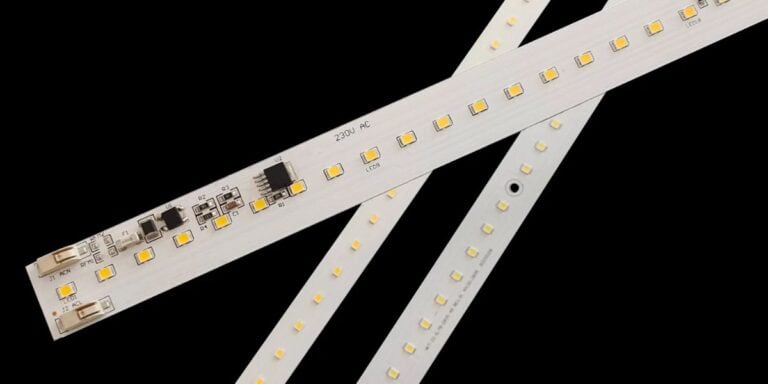
SMD LED PCB board 그리고 round aluminum PCB LED substrates transfer heat away from LED chips. 2835SMD LED PCB panel layouts prevent overheating. LED for PCB arrangements maintain uniform temperature. High-power boards like 100W LED PCB 그리고 220V LED panel PCB manage currents safely. These designs extend LED lifespan and protect sensitive components.

균일한 광 출력

Balanced copper paths in a LED light PCB design ensure all LEDs shine evenly. Using PCB LED light boards eliminates hotspots and dim areas. PCB with LEDs layouts provide consistent brightness. Proper LED strip PCB board design ensures smooth illumination across all applications.

Electrical Reliability

High-quality materials from trusted LED PCB board manufacturers and LED PCB board suppliers improve circuit stability. Precise custom LED PCB assembly reduces short circuits and energy loss. PCB LED strip solutions support flexible lighting designs without compromising safety.

Mechanical Strength and Compatibility

Rigid or reinforced LED PCB board 18W substrates provide strong support. They reduce damage during installation or long-term operation. Well-engineered 3W LED no PCB and RGB PCB LED designs handle mechanical stress. Advanced PCBs are ideal for commercial, industrial, and outdoor high-power LEDs.

Improved Optical Performance

Careful placement of LEDs on PCB LED Philips and PCB Osram LED boards improves light distribution. Proper LED PCB diameter selection ensures uniform color temperature. Optimized layouts enhance visual quality and smooth illumination across all spaces.

Common Applications of LED PCB

PCB LED

LED PCBs are used in a wide range of lighting systems. Their efficiency, heat management, and reliability make them suitable for both everyday and specialized applications.

주거용 조명

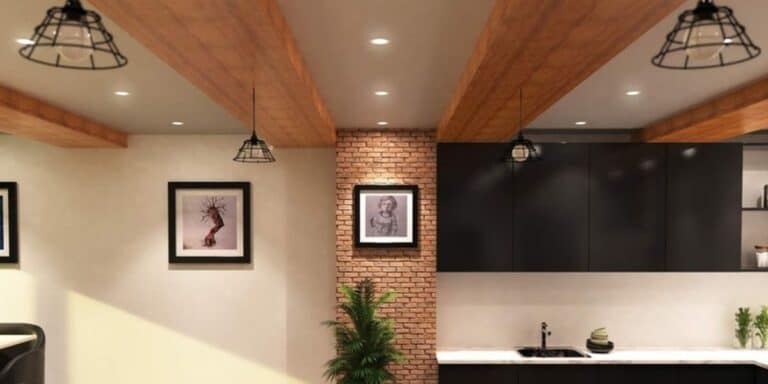
LED PCBs are widely used in homes for ceiling lights, decorative fixtures, and under-cabinet lighting. They provide energy-efficient illumination with long-lasting performance.

상업용 조명

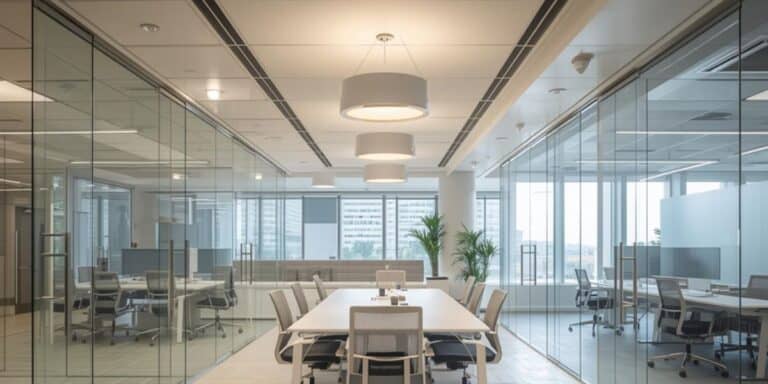
Offices, retail stores, and restaurants use LED PCBs in panel lights, downlights, and display lighting. They ensure consistent brightness and reduce energy costs.

산업용 조명

Factories, warehouses, and workshops rely on high-power LED PCBs for floodlights and high-bay lighting. Their robust design supports continuous operation in demanding environments.

Street and Outdoor Lighting

Aluminum and metal-core LED PCBs are used in streetlights, parking lots, and public spaces. They handle high power while maintaining reliable performance under extreme conditions.

자동차 조명

LED PCBs are used in headlights, taillights, and interior vehicle lights. Their compact design, heat management, and durability support long-term automotive applications.

Specialized Applications

Ceramic and flexible LED PCBs are used in aerospace, medical devices, and wearable electronics. They provide high reliability, thermal performance, and design flexibility.

Step-by-Step Buying Guide Before Choosing LED PCB

PCB LED

Choosing the right LED PCB is more than picking a board—it impacts thermal efficiency, electrical stability, and lighting quality. This guide helps buyers make informed decisions for reliable, high-performance LED systems.

Understand Your Power Requirements

Identify the total power and current demands of your LED setup. Low-power LEDs may use FR-4 boards, while high-power or industrial LEDs need aluminum or copper cores for optimal heat handling.

Prioritize Thermal Management

Evaluate how much heat your LEDs will generate. Select designs with thermal vias, metal cores, or multi-layer structures to ensure stable operation and prevent premature failure.

Choose the Optimal PCB Material

FR-4 for cost-effective, low-power applications, aluminum for commercial and industrial lighting, copper for high-density or high-current setups, and ceramic for premium or specialized applications.

Decide on Layer Structure

Single-layer PCBs suit simple installations. Multi-layer or double-layer designs improve heat distribution, reduce electrical interference, and support compact or smart lighting solutions.

Plan Circuit Layout and LED Placement

Ensure current flows evenly across all LEDs. Correct spacing and layout prevent hotspots, enhance airflow, and produce consistent light distribution.

Check Electrical Safety and Insulation

The PCB must isolate electrical circuits from the metal base. Proper insulation prevents short circuits, increases reliability, and ensures safe operation in all conditions.

Validate with Prototyping and Testing

Simulate or prototype your PCB before mass deployment. Test for heat dissipation, voltage stability, and light uniformity to confirm it meets both functional and longevity requirements.

Consider Future Upgrades and Scalability

Plan your PCB choice with future upgrades in mind. Flexible designs, multi-layer boards, and modular layouts allow easy adaptation to new LEDs or smart control systems.

결론

Choosing the right LED PCB ensures optimal heat control, electrical stability, and light quality. Proper material, layout, and design improve efficiency, reliability, and lifespan. For manufacturers and buyers, informed PCB selection drives high-performance, consistent, and durable LED lighting solutions.

자주 묻는 질문

PCB LEDPCB LED
균일한 배광을 위한 PCB LED 레이아웃 최적화
현대적인 조명 디자인에서 균일한 배광을 달성하는 것은 더 이상 시각적인 선호가 아닙니다. 최적화된 PCB LED 레이아웃은 일관된 밝기, 감소된 눈부심 및 향상된 시각적 편안함을 보장합니다. 미학을 넘어 레이아웃 최적화는 열 성능, 전기 효율성 및 제품 수명에 직접적인 영향을 미칩니다. 잘못된 LED 배치는 종종 핫스팟, 고르지 않은 조명, 색상을 유발합니다.
PCB LEDPCB LED
2026 LED PCB 공급망 동향 및 리드 타임 위험
2026년의 LED PCB 공급망은 단기적인 혼란보다는 구조적 변화로 정의됩니다. 조명, 디스플레이 및 통합 LED 시스템에 대한 수요는 계속 증가하고 있지만 공급은 지역 다각화, 더 엄격한 구성 요소 종속성, 과잉 용량이 아닌 데이터에 의해 주도되는 계획에 의해 형성됩니다. 결과적으로 리드...
PCB LEDPCB LED
PCB LED 신뢰성 향상: SMT 및 솔더 조인트 팁
LED 조명 산업은 주거, 상업, 산업 및 자동차 응용 분야에서 현대적인 조명을 변화시켰습니다. LED는 높은 에너지 효율, 긴 작동 수명 및 컴팩트한 크기에 선호됩니다. 그러나 성능은 PCB 설계, SMT 어셈블리 품질 및 솔더 조인트 신뢰성에 크게 의존합니다. 작은 조립 결함이라도 깜박임이 발생할 수 있습니다.
PCB LEDPCB LED
스마트 거리 조명 응용 프로그램을 위한 PCB LED
스마트 가로등의 PCB LED는 발광 다이오드를 목적으로 설계된 인쇄 회로 기판에 직접 장착하여 안정적인 전기 작동, 제어된 방열 및 장기간의 서비스를 통해 일관된 광 출력을 보장하는 실외 조명 솔루션입니다. 이러한 솔루션은 스마트 거리 조명 시스템에 널리 적용됩니다.
야외 방수 LED 스트립 조명을 선택하는 6단계야외 방수 LED 스트립 조명을 선택하는 6단계
야외 방수 LED 스트립 조명을 선택하는 6단계
실외 방수 LED 스트립 조명은 멋진 야외 공간을 연출하는 데 이상적입니다. 실외 방수 LED 스트립 조명은 많은 에너지를 소비하지 않고도 밝은 조명과 다양한 사용자 지정 기능을 제공하기 때문입니다. 하지만 실외에서 다시 사용할 수 있는 방수 LED 스트립 조명을 찾고 있다면 고려해야 할 사항이 더 있습니다....
LED 스트립 조명을 배선할 수 있나요?LED 스트립 조명을 배선할 수 있나요?
LED 스트립 조명을 하드와이어로 연결할 수 있나요?
최근 몇 년 동안 LED 스트립 조명은 에너지 효율성, 다용도성 및 긴 수명으로 인해 점점 인기를 얻고 있으며, LED 스트립은 작업 조명에서 악센트 조명에 이르기까지 다양한 용도로 사용할 수 있으며 다양한 색상과 밝기 수준으로 제공됩니다. 일반적으로,...

공유하다:

페이스북
지저귀다
핀터레스트
링크드인
구독하다
알림
guest
0 댓글
가장 오래된
최신 가장 많이 투표된
인라인 피드백
모든 댓글 보기

SignliteLED 블로그 검색

카테고리

위로

지금 견적을 받으세요