2011년부터 간판 및 LED 스트립 조명 공장

2011년부터 간판 및 LED 스트립 조명 공장

How to Evaluate LED Light Sheet Suppliers: From Samples to Mass Production

Evaluating suppliers of LED sheet lights requires a structured verification process that begins with technical sample testing and continues through supplier auditing, pilot production, and full-scale manufacturing validation. A supplier cannot be approved based on sample quality alone. The evaluation must confirm that performance, process control, and manufacturing discipline remain consistent from the first prototype to mass production.

Many buyers experience a predictable problem: initial samples perform well, but once orders scale, brightness consistency drops, thermal behavior changes, cutting tolerances drift, or adhesive performance weakens. This “quality fade” happens when the supplier’s process control cannot support volume production, even if their engineering team can produce strong early samples.

This guide outlines a step-by-step evaluation system. It does not recommend specific suppliers. Instead, it defines how procurement managers, OEM/ODM buyers, project engineers, and brand owners should verify suppliers of LED sheet lights from bench testing through full production readiness.

Stage 1: Sample Evaluation

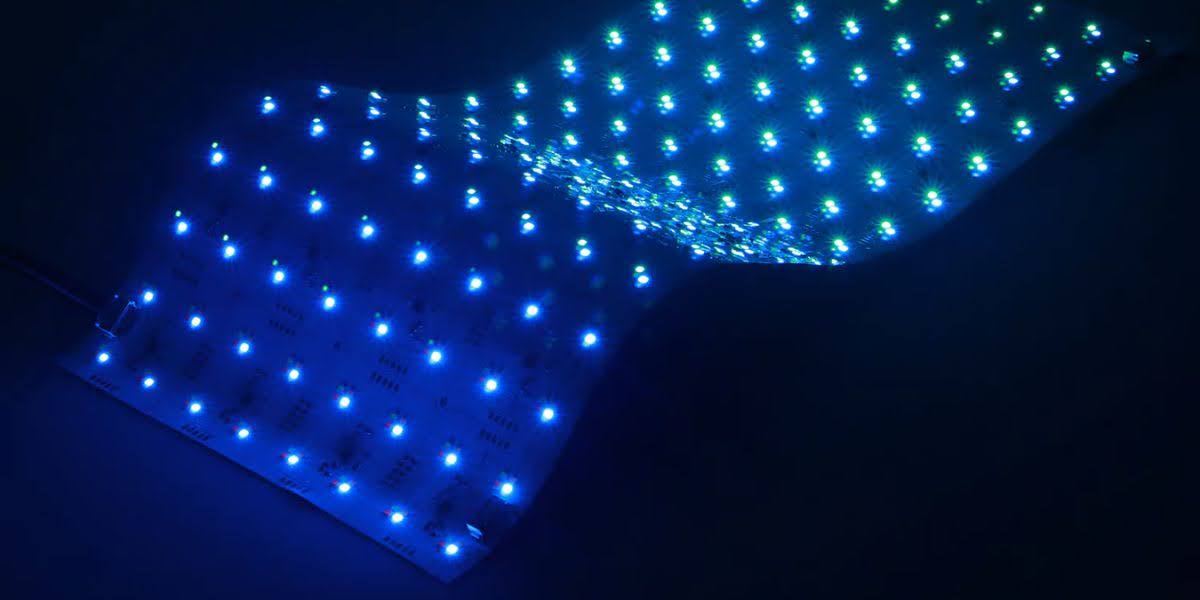
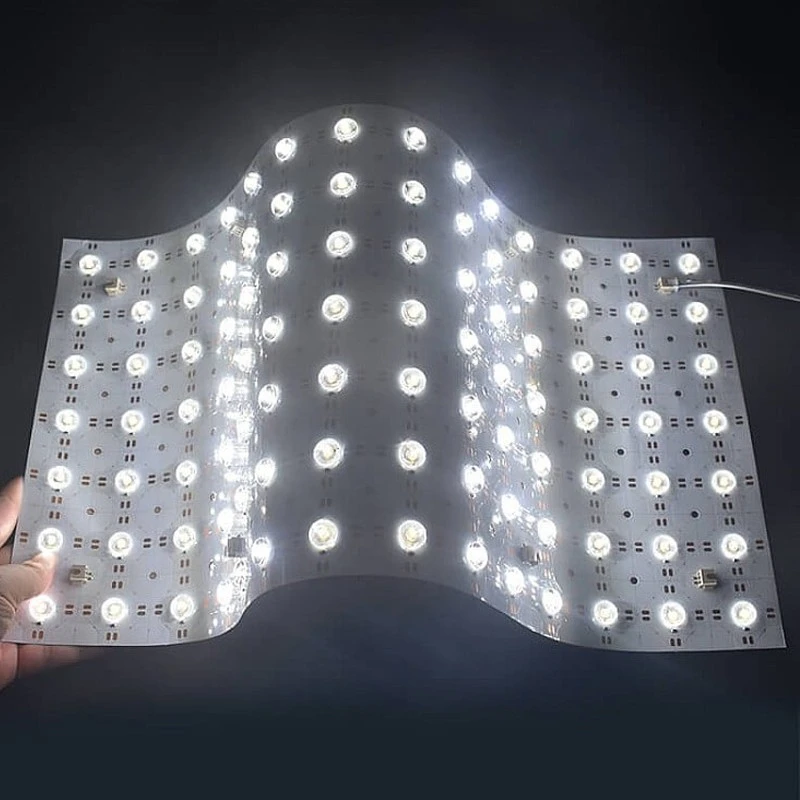
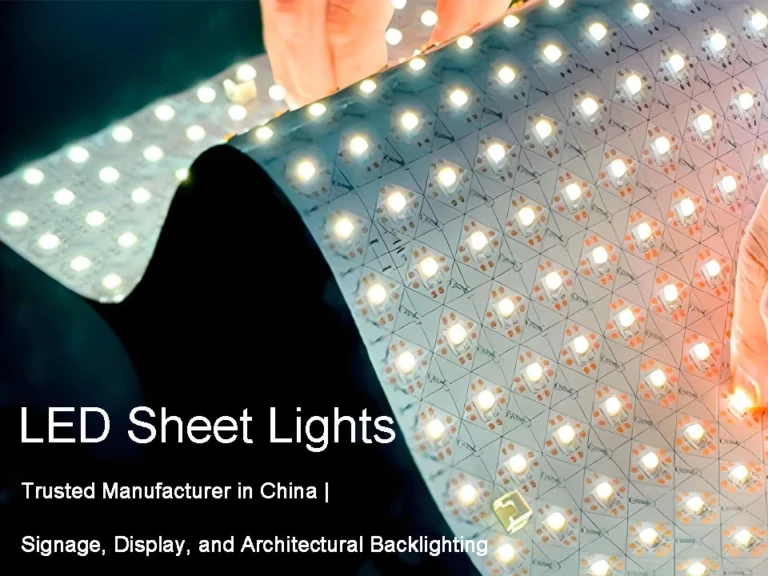
led sheet lights

Sample testing is not about first impressions. It is about repeatability under controlled conditions. Every LED sheet light sample must be evaluated using measurable criteria that can later be applied to production batches.

Buyers should test samples using the following verification framework:

  • Optical uniformity across the LED sheet light panel
    Measure brightness at multiple grid points. Variations in luminous intensity across the sheet of LED lights should stay within a defined tolerance range. Uneven diffusion or inconsistent diode spacing indicates potential scaling issues.
  • Brightness stability under extended runtime
    For high brightness LED light sheet samples, conduct continuous operation tests for 8–24 hours. Track lumen drop, color shift, and current fluctuation. Stability under thermal load is more important than initial peak output.
  • Thermal performance mapping
    Use thermal imaging to record hotspot distribution. Compare center vs edge temperature rise. Excessive heat concentration often predicts long-term degradation when scaling production.
  • Mechanical integrity of flexible and rigid formats
    For flexible LED light sheet formats, perform bending cycle tests. For rigid formats, apply mild torsion stress to confirm solder joint durability. Mechanical stability must be repeatable across multiple samples.
  • Cutting tolerance and electrical continuity
    If the LED sheet light allows field cutting, test multiple cut points. Confirm that electrical continuity remains stable and no edge dimming occurs. Inconsistent copper trace routing becomes visible here.
  • Adhesive performance and substrate bonding
    Evaluate peel strength and adhesion stability under heat exposure. Weak adhesive systems often degrade during large-scale production because of material substitutions.

The key principle is replication. Buyers should test multiple samples from different production dates if possible. If performance varies between units, the supplier likely lacks process consistency.

Stage 2: Supplier Background & Capability Audit

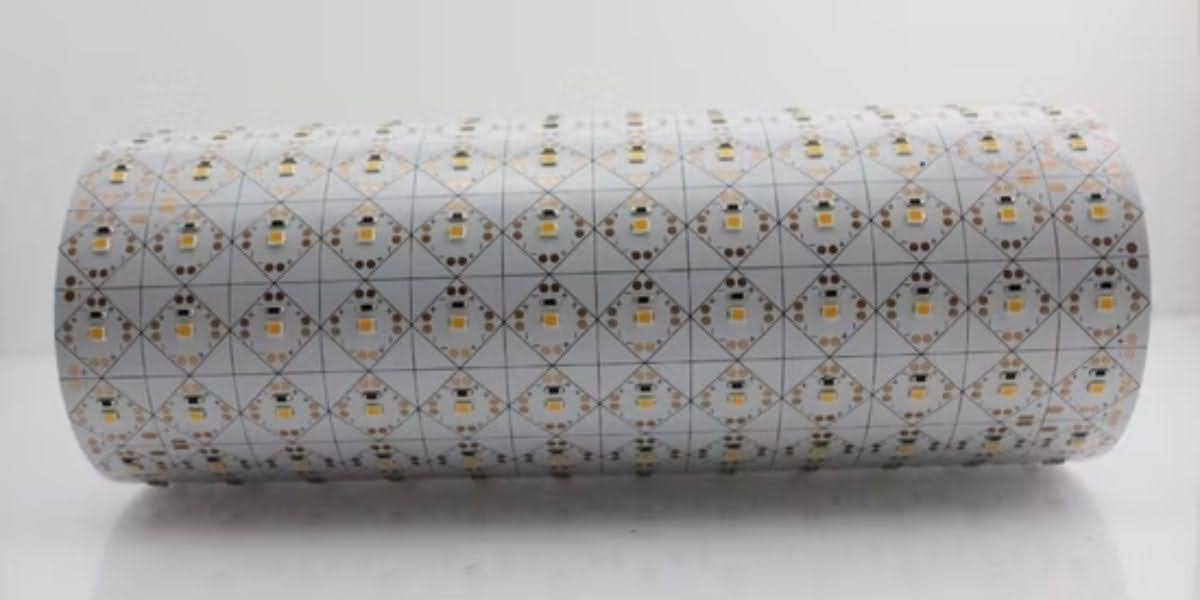
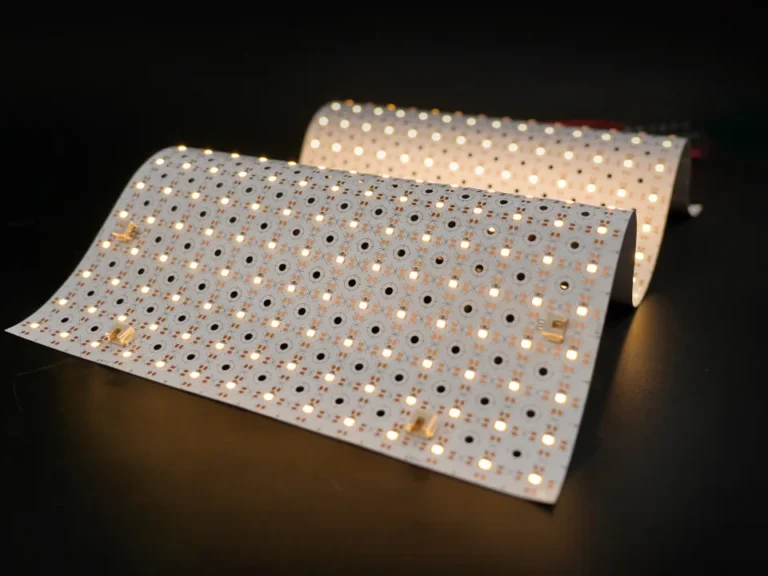
led sheet lights

Strong samples do not guarantee a capable manufacturer. Many suppliers outsource partial production or rely on small engineering batches for evaluation units. A background audit determines whether the supplier can consistently produce LED 시트 조명 at volume.

Start by examining specialization. A factory that primarily produces generic LED strips may not have deep experience in high brightness LED light sheet panel manufacturing. Production lines, SMT configuration, and optical diffusion control differ significantly between formats.

Next, assess engineering depth. Custom LED sheet lighting projects require layout optimization, current balancing, and thermal modeling. Suppliers should demonstrate the ability to modify PCB architecture, not simply adjust brightness levels. Review prior project documentation and engineering change workflows.

Production history also matters. A supplier with limited production cycles may lack structured yield monitoring. Consistent large-batch history reduces scaling risk.

Finally, evaluate quality system maturity. The focus should not be on certificate displays. Instead, verify whether:

  • There are defined in-process inspection checkpoints.
  • Process parameters are documented and locked.
  • Engineering changes require structured approval.
  • Root cause analysis is recorded and traceable.

A capable supplier shows operational discipline, not marketing documentation.

Stage 3: Compliance & Process Verification

Compliance validation is not about listing standards. It is about confirming that the supplier can prove test traceability and regulatory conformity with documented evidence.

First, verify whether safety testing corresponds to the actual LED sheet light configuration being purchased. Documentation must match wattage, substrate type, and driver compatibility. Generic certificates that do not reference specific build configurations present risk.

Second, confirm internal quality checkpoints. Ask how solder paste inspection is verified. Review how LED bin selection is recorded. Examine how current calibration is performed for high brightness LED light sheet variants.

Third, review batch traceability. Each sheet of LED lights should be traceable to LED bin codes, PCB lot numbers, and assembly shift records. Without traceability, field failure investigations become impossible.

Unverifiable documentation signals potential instability. If a supplier cannot explain how a test result was generated or which batch it represents, production reliability cannot be guaranteed.

led sheet lights

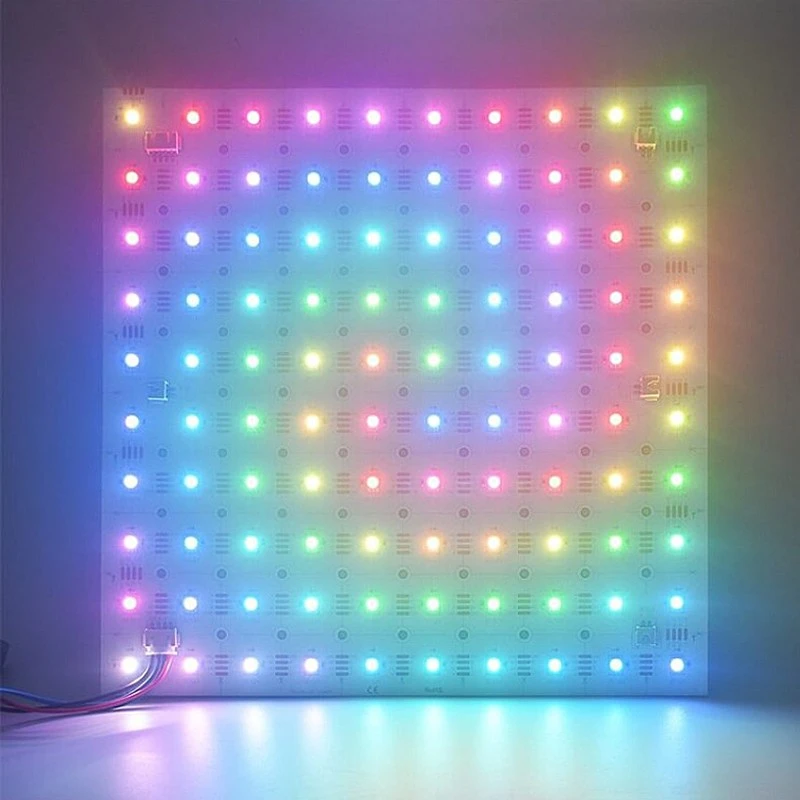
주소 지정 가능한 LED 시트

  • 크기(L x W ): 250mmx250mm
  • LED 유형: 5050 SMD
  • LED 수량: 100개
  • IC 유형: 내장 WS2812
  • IC 수량: 100개
  • 색상: RGBIC
  • 작동 전압: DC 12V
  • 현재: 1.08a
  • Power: 13w
  • 광속: 20LM/LED
  • 빔 각도: 120°
  • 방수 레벨: IP20 비방수, IP54 방수
  • 수명: >35,000시간
  • 보증: 3년


Stage 4: Pilot Run & Pre-Production Validation

Sample approval should always be followed by a controlled pilot run. This is the stage where real manufacturing stress is introduced.

Buyers should evaluate pilot production using these criteria:

  • Small-batch replication of production settings
    The pilot should use actual mass-production tooling and materials, not prototype components.
  • Consistency across multiple LED light sheet panels
    Measure brightness, color temperature, and power draw across at least 20–50 units. Variability reveals process stability.
  • Thermal stability under grouped installation conditions
    Test multiple panels installed together to simulate real application heat accumulation.
  • Yield and defect rate tracking
    Request data on production yield percentage. Early yield instability indicates future scale problems.
  • Packaging and handling durability
    Shipping vibration tests reveal weak solder joints or adhesive flaws.

Pilot runs expose issues that single samples cannot reveal. Minor variations in solder reflow temperature or LED bin mixing often appear only when batch size increases.

Stage 5: Transition to Mass Production

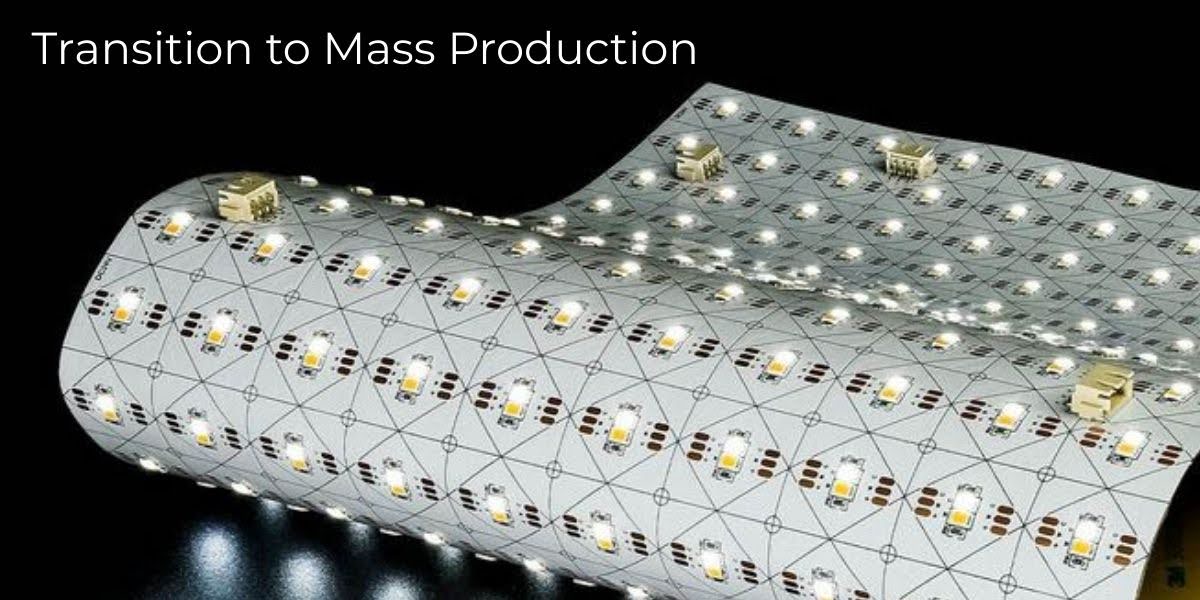
 led light sheet panel

The transition from pilot to mass production is where quality fade most commonly occurs. Even well-performing flexible LED light sheet products can degrade when volume pressures increase.

Several factors contribute to this risk:

Material substitution is common at scale. Suppliers may switch adhesive brands, PCB copper thickness, or LED batches to meet cost targets. Each substitution affects optical and thermal stability.

Tooling drift can occur when stencil wear changes solder volume deposition. Over time, this affects brightness uniformity across the LED sheet light panel.

Thermal load behavior also shifts at scale. In high brightness LED light sheet production, minor current imbalance becomes amplified across large quantities. Heat dissipation variance may lead to premature lumen depreciation.

Process locking is critical. Once pilot approval is complete, suppliers should freeze component specifications, SMT parameters, and inspection thresholds. Any change must trigger a documented engineering review.

Buyers should request confirmation of:

  • Component locking procedures
  • Approved vendor lists for raw materials
  • Change notification protocols
  • Ongoing performance monitoring methods

Mass production readiness is defined by control, not capacity.

Stage 6: Ongoing Quality Control During Mass Production

Quality assurance does not end at purchase order issuance. Continuous verification is required to maintain performance stability in LED 시트 조명.

Incoming material inspection ensures LED bins match approved specifications. PCB substrates must meet defined copper thickness and insulation resistance criteria.

In-process inspection should monitor solder paste deposition, LED placement accuracy, and current calibration. Automated optical inspection can detect alignment drift before defects multiply.

Final inspection logic should verify:

  • Electrical continuity across cut points
  • Uniform brightness distribution
  • Power consumption within tolerance
  • Adhesive bonding integrity

Factories with disciplined process control outperform larger but loosely managed operations. Consistency is determined by process discipline, not production volume.

led sheet lights

광학 렌즈 LED 시트

  • 크기(L x W x H): 500mmx250mmx8mm
  • LED 유형: 2835 SMD
  • LED 수량: 98 개
  • 작동 전압: DC 24V
  • Power: 20W
  • CCT: 2700K/3000K/4000K/6000K/6500K
  • 광속: 1800LM
  • CRI: > 90ra
  • 빔 각도: 180°
  • 컷 크기: LED 1개
  • IP 등급: IP20 비방수
  • 수명: >35,000시간
  • 보증: 3년


Supplier Evaluation Comparison Table

Evaluation StageWhat Buyer Should VerifyWhy It Matters at ScaleRisk If Skipped
Sample TestingOptical uniformity, thermal stability, repeatabilityDetects early design weaknessesHidden defects appear in production
Supplier AuditEngineering depth, process discipline, production historyConfirms ability to scale reliablyStrong samples from weak factories
Compliance CheckTraceable documentation, batch recordsEnables defect trackingUncontrolled regulatory risk
Pilot RunBatch consistency metrics, yield rateSimulates production stressQuality fade after order confirmation
Mass Production LockMaterial control, tooling stabilityPrevents drift over timePerformance decline across batches

Common Buyer Mistakes

Many procurement teams approve suppliers based only on initial sample performance. This ignores process capability and scaling discipline.

Skipping pilot runs is another common mistake. Without batch replication, hidden yield issues remain undetected.

Buyers often assume that flexible LED light sheet products behave identically at volume as they do in small test batches. In reality, soldering tolerance, copper trace stress, and heat distribution change with production scale.

Another mistake is overlooking internal traceability. When failure occurs in field installations, lack of batch documentation prevents root cause analysis.

Supplier evaluation must move beyond price comparisons and aesthetic inspection. It requires structured verification from first sample through ongoing production monitoring.

결론

Evaluating suppliers of LED sheet lights is a process-driven exercise that moves step by step from sample validation to mass production discipline. Strong samples are necessary but insufficient. True supplier capability is proven through repeatability, traceability, pilot replication, and process locking.

Quality fade between sample and scale is preventable when buyers apply structured verification at each stage. Procurement decisions should be based on process control strength, not initial pricing or first impressions.

From bench testing to volume stability, supplier evaluation is a system. When applied rigorously, it protects performance, reliability, and long-term product integrity.

자주 묻는 질문

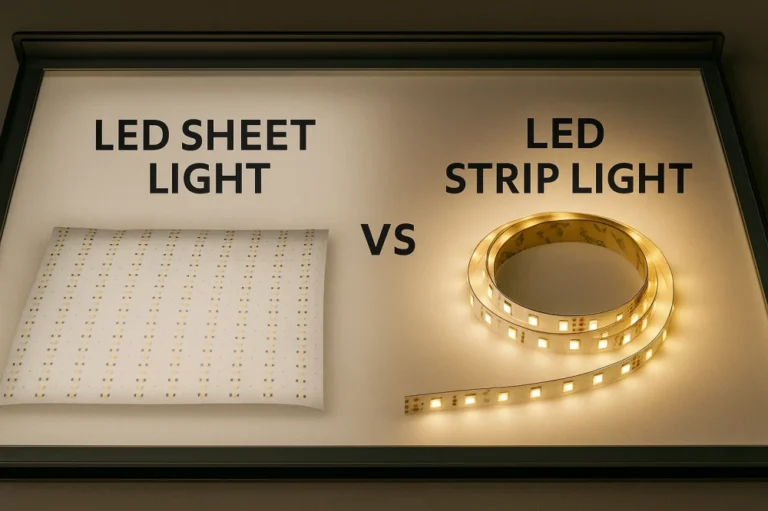
LED 시트 라이트 대 LED 스트립 라이트: 차이점은 무엇입니까?
LED 조명은 상업용 및 장식용 프로젝트 모두에서 다용도로 사용되는 선택이 되었으며, 백라이트 표면에서부터 유연한 액센트 조명까지 다양한 솔루션을 제공합니다. 많은 옵션 중에서 LED 시트 조명과 LED 스트립 조명은 유사한 구성 요소를 공유하지만 매우 다른 용도로 사용하기 때문에 종종 비교됩니다. 이해...
LED 시트 조명 - 프로젝트 및 구매자를 위한 완전한 가이드LED 시트 조명 - 프로젝트 및 구매자를 위한 완전한 가이드
LED 시트 조명 - 프로젝트 및 구매자를 위한 완전한 가이드
지난 10년 동안 LED 조명 기술은 빠르게 발전했으며 시장 수요는 더 얇고 밝으며 에너지 효율적인 광원에 대한 수요가 지속적으로 증가했습니다. 수많은 혁신적인 솔루션 중에서 LED 시트 조명이 인기 있는 선택으로 부상하여 상업 및 광고 응용 분야를 위한 미학적으로 만족스러운 백라이트 솔루션으로 널리 채택되었습니다. LED 시트...
LED 시트 조명LED 시트 조명
LED 시트 조명으로 건축 백라이트 프로젝트
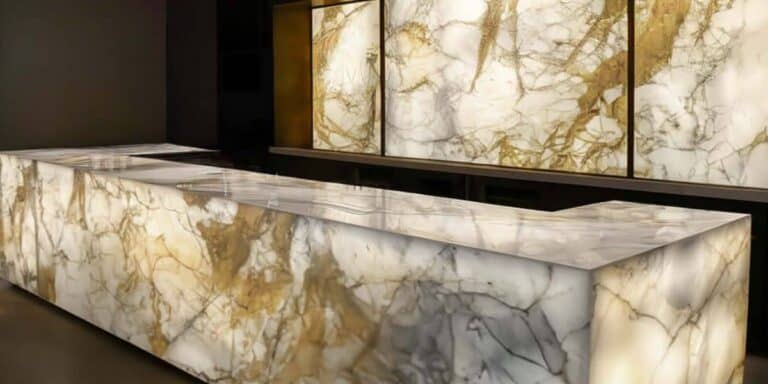
건축 백라이트는 호텔 로비와 기업 사무실에서 박물관 갤러리 및 소매 쇼케이스에 이르기까지 공간을 풍부하게 하는 현대적인 디자인의 특징이 되었습니다. 조명 옵션 중에서 LED 조명 시트, LED 시트 모듈, LED 조명 시트 패널 또는 LED 조명 보드라고도 하는 LED 시트 조명이 우아한 ...
KNX-스마트 제어 시스템 가이드KNX-스마트 제어 시스템 가이드
KNX 스마트 제어 시스템 가이드
단독 주택이든 사무실 건물이든, 에어컨, 조명, 출입 통제 시스템과 같은 관리의 편안함과 다양성에 대한 요구가 증가하고 있습니다. 효율적인 에너지 사용도 점점 더 중요해지고 있지만 지능형 제어와 장비의 능동적 모니터링 없이는 ...
Led-Strip1Led-Strip1
LED 조명 스트립 접착 테이프의 품질을 판단하고 선택하는 방법은 무엇입니까?
10 년 이상 LED 스트립 제품을 생산 및 판매하면서 대부분의 고객이 LED 라이트 벨트 자체의 광전 매개 변수에 더 많은 관심을 기울이고 후면 접착제를 무시하고 실제로 라이트 벨트 후면 접착제도 동일한 정도를 받아야한다는 것을 발견했습니다....
기존 조명과 LED 네온 플렉스 중 어느 것이 더 낫습니까?기존 조명과 LED 네온 플렉스 중 어느 것이 더 낫습니까?
기존 조명과 LED 네온 플렉스 중 어느 것이 더 낫나요?
현재 가장 적응력이 뛰어난 상업용 LED 조명 솔루션 중 하나인 LED 네온 플렉스로 전환하세요. 기존 조명과 구식 유리 네온에 비해 소니의 LED 네온 조명 시스템이 제공하는 다양한 이점을 알아보세요. LED 네온 조명과 기존 조명의 비교 LED 조명의 에너지 소비량을 비교해 보겠습니다...

공유하다:

페이스북
지저귀다
핀터레스트
링크드인
구독하다
알림
guest
0 댓글
가장 오래된
최신 가장 많이 투표된
인라인 피드백
모든 댓글 보기

SignliteLED 블로그 검색

카테고리

위로

지금 견적을 받으세요