2011년부터 간판 및 LED 스트립 조명 공장

2011년부터 간판 및 LED 스트립 조명 공장

태양광 패널 설치에 가장 적합한 SPD는 무엇입니까?

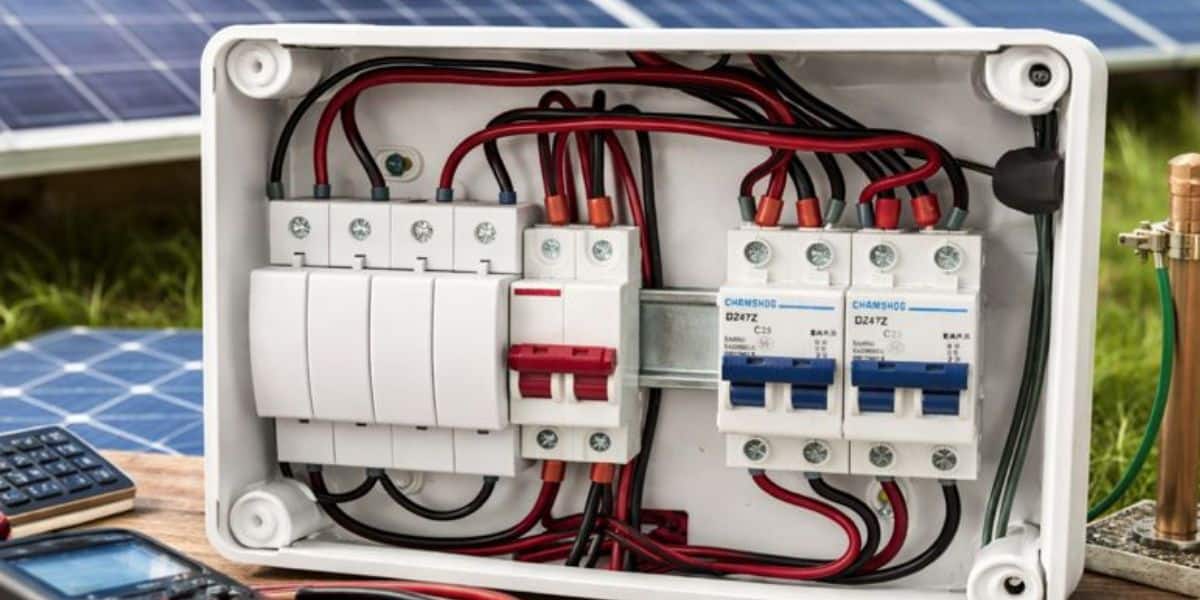
For most solar panel installations, the best approach is coordinated surge protection: a DC SPD at the PV array or inverter DC input, an AC SPD at the inverter output or distribution panel, and Type 2 SPDs as the primary protection layer. Type 3 devices are used only near sensitive endpoints.

This means there is no single “best” surge protective device for every solar system. The best result comes from using the right type of SPD, in the right place, with correct installation and grounding, so that surges are reduced step by step before they can damage the inverter or other electronics.

What “Best SPD” Means in Solar PV Systems

태양계 용 SPD

In solar PV systems, “best” does not mean the biggest device, the highest current rating, or the most expensive product. It means the protection concept fits the system and the way surges actually enter it.

In practice, “best” means:

Correct location
A solar system has two different electrical worlds: the DC side from the panels and the AC side connected to the grid or loads. Both sides can receive surges, and both sides usually need their own protection.

Correct SPD type
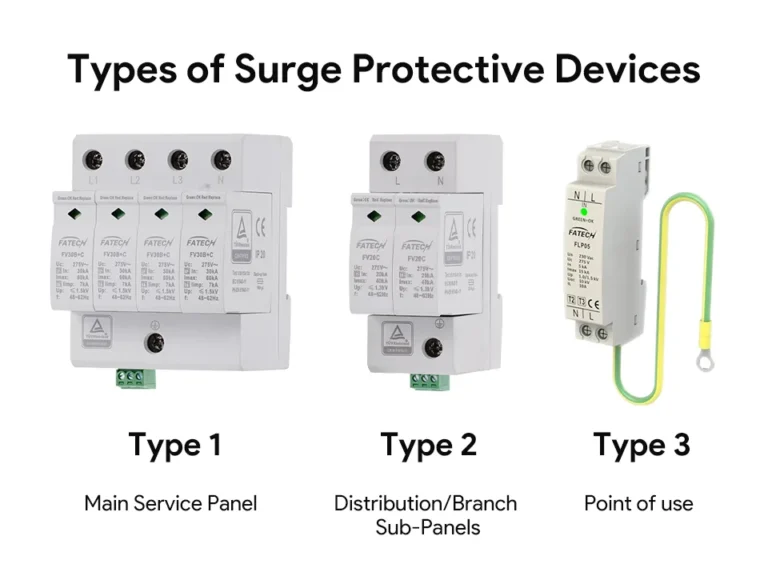
Type 2 devices are normally the main protection layer in PV systems. Type 3 devices are only for local, fine protection near sensitive equipment.

Wiring distance and grounding quality
Even a very good surge protection device performs poorly if it is installed with long wires, loops, or poor bonding to earth.

Repetitive surge endurance
Solar installations are exposed for many years. The SPD must tolerate many smaller surges over time, not just a single large event.

So, the “best” SPD for a solar system is the one that is correctly selected for the DC or AC side, properly coordinated with other protection stages, and installed with short, well-bonded connections.

Why Solar Panel Installations Are Surge-Sensitive

태양계 용 SPD

Solar PV systems are more exposed to surge problems than many other electrical installations. This is not because the equipment is weak, but because of how and where the system is installed.

Long DC cables
PV strings often run tens or even hundreds of meters across roofs or fields. Long cables act like antennas and can pick up induced voltages from nearby lightning activity, even if there is no direct strike.

Outdoor exposure
Panels, combiner boxes, and parts of the cabling are installed outdoors. This increases the chance of direct or indirect lightning effects and fast transient overvoltages.

Sensitive inverter electronics
Modern inverters contain high-density power electronics, control boards, and communication interfaces. These components can be damaged by relatively small overvoltage impulses.

Two main surge entry paths
Surges can come from the array side (through the DC cables from the PV field) and from the grid side (through the AC network). If only one side is protected, the other side can still destroy the inverter.

Because of these factors, coordinated surge protection is not optional in most PV systems. It is part of basic reliability and uptime design.

DC SPD vs AC SPD in Solar Panel Installations

태양계 용 SPD

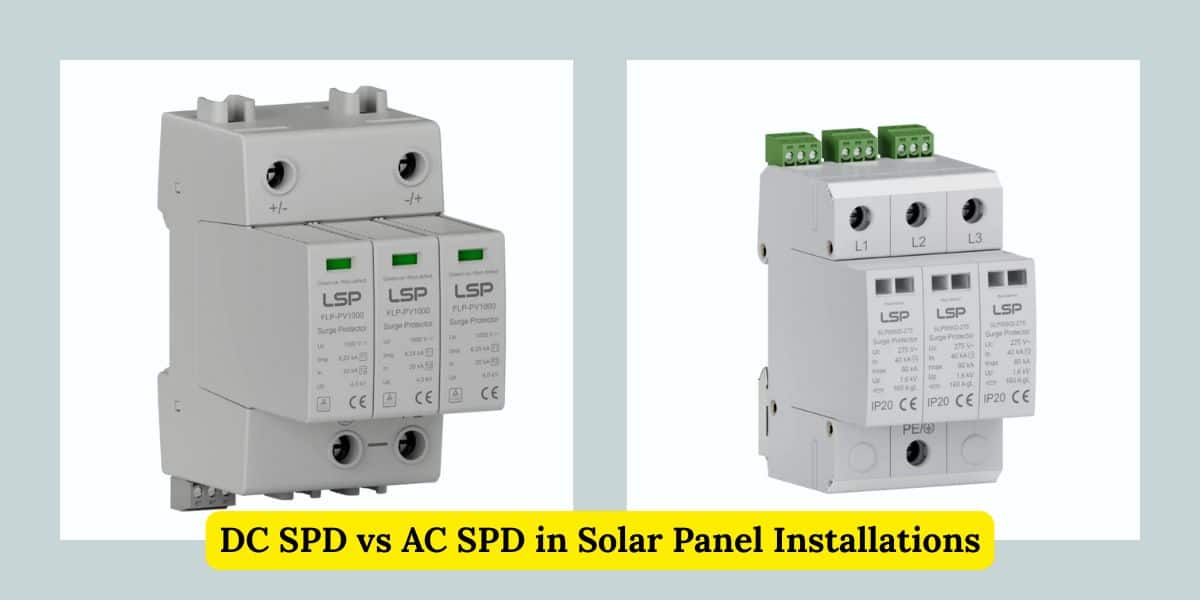
DC SPDs and AC SPDs have different jobs in a solar installation. They are not interchangeable, even if they look similar.

A DC SPD is designed to work on the PV side, where there is continuous DC voltage, often at high levels (600 V, 1000 V, 1500 V, or more). It must handle DC-specific arc behavior and be matched to the PV string voltage.

An AC SPD is designed to work on the grid side, where voltage alternates and zero crossings help extinguish arcs. It protects against surges coming from the utility network or from switching events inside the installation.

To make this clearer, consider the following comparison.

DC-Side vs AC-Side Surge Protection in Solar PV Systems

측면DC-Side ProtectionAC-Side Protection
설치 위치Near PV strings, combiner box, or inverter DC inputAt inverter output, main distribution board, or sub-panel
SPD type commonly usedDC SPD (usually Type 2)AC SPD (usually Type 2, sometimes coordinated with Type 3)
주요 서지 소스Induced lightning surges from long PV cables, nearby strikesGrid switching surges, lightning entering from utility side
Protection objectiveProtect inverter DC input and string electronicsProtect inverter AC side and downstream loads
Why it mattersPV side is long and exposed, high DC voltage is sensitiveGrid side can inject strong transients into inverter and loads

This table shows that DC and AC SPDs protect against different surge paths and are installed at different points. They work together as a system. Protecting only one side leaves the other side as an open door for surges.

Type 2 vs Type 3 SPDs in Solar Systems

태양계 용 SPD

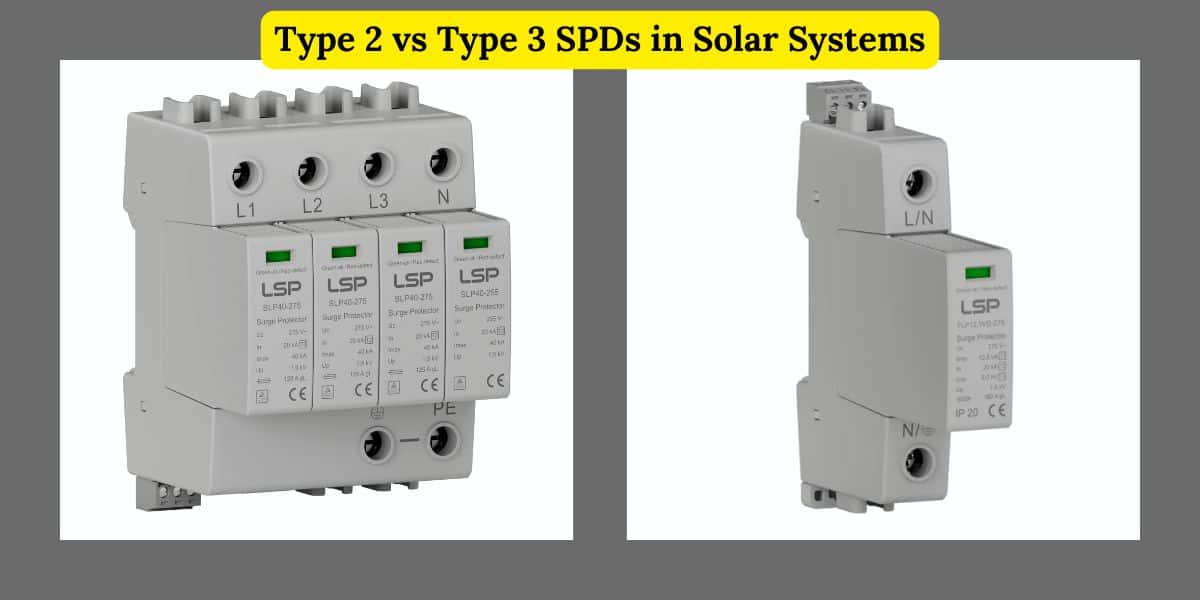
In most solar installations, the main decision is not between many exotic SPD types, but between using 유형 2 그리고 유형 3 devices correctly.

  • Why Type 2 is the default for PV panels
    유형 2 SPD
    are designed to handle the majority of induced and switching surges that occur in normal installations. They have enough discharge capacity and energy handling to survive repeated events over many years. For this reason, Type 2 is the standard choice for both DC and AC sides in most PV systems.
  • Why Type 3 is supplementary
    Type 3 SPDs are for fine protection very close to sensitive equipment. They have lower discharge capacity and are not meant to be the first or only protection stage. In PV systems, they are sometimes used near monitoring equipment, communication ports, or very sensitive control electronics.
  • Why Type 3 cannot replace panel protection
    A Type 3 device alone cannot safely handle the energy of surges coming from long outdoor cables or from the grid. If it is used without a proper upstream Type 2 device, it can fail quickly or provide little real protection.

In short, Type 2 is the workhorse of surge protection in solar installations. Type 3 is only an additional, local layer.

Key Selection Criteria for SPD for Solar System

태양계 용 SPD
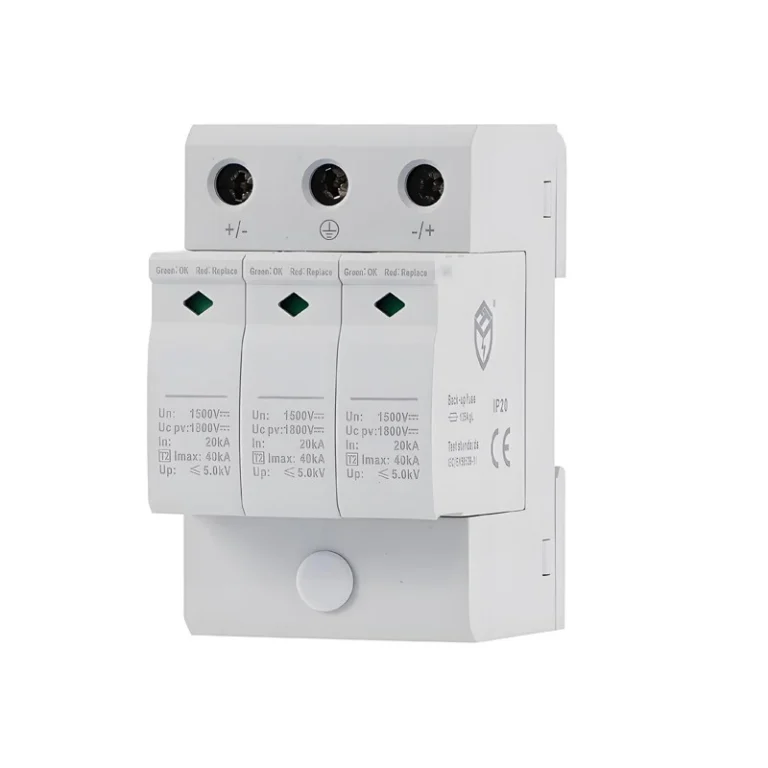
  • SPD20C/3-1500 PV S 클래스 II
  • 명칭: type2
  • 분류: 클래스 II
  • Protection mode: (+/-)–>PE , (-/+)–>PE , (+/-)–>(-/+)
  • 공칭 전압 UN: 1500 VDC
  • 최대 연속 작동 전압 UC(L-N): 180 Vdc
  • 단락 전류 정격 IsCPV: 100A
  • 연속 작동 전류 ICPV: <20 µA
  • 정격 부하 전류: 80A
  • 최대 방전 전류(8/20μs) IMAX:40 kA
  • 공칭 방전 전류(8/20μs) in:20 kA
  • 전압 보호 수준 업: ≤5.0kV
  • 절연 저항: >1000MΩ
  • 하우징 재질: UL94V-0
  • 보호 등급: IP20

Choosing an SPD for  solar systems is not about brand or marketing claims. It is about matching the device to the electrical and physical conditions of the installation. The following checklist covers the most important points.

Selection Checklist

  • PV string voltage (Voc + temperature effects)
    The maximum open-circuit voltage of the PV string increases at low temperatures. The DC SPD must have a continuous operating voltage rating (Uc) higher than this worst-case value, not just the nominal system voltage.
  • DC vs AC placement
    Make sure the device is specifically designed and certified for DC or AC use, depending on where it will be installed. Do not mix them.
  • Cable length and exposure
    Long outdoor cables increase surge risk and often justify placing SPDs both at the array side and at the inverter side, not only in one location.
  • Grounding and bonding system
    The SPD can only divert surge energy to earth if there is a low-impedance, well-bonded grounding system. The grounding concept and the SPD selection must be considered together.
  • Coordination between stages
    If more than one SPD is used (for example, one at the main board and one near the inverter), their voltage protection levels and energy handling should be coordinated so that they share the stress correctly instead of fighting each other.

When these points are respected, the selected 태양광 패널용 서지 보호 장치 installations will perform its job for many years instead of only on paper.

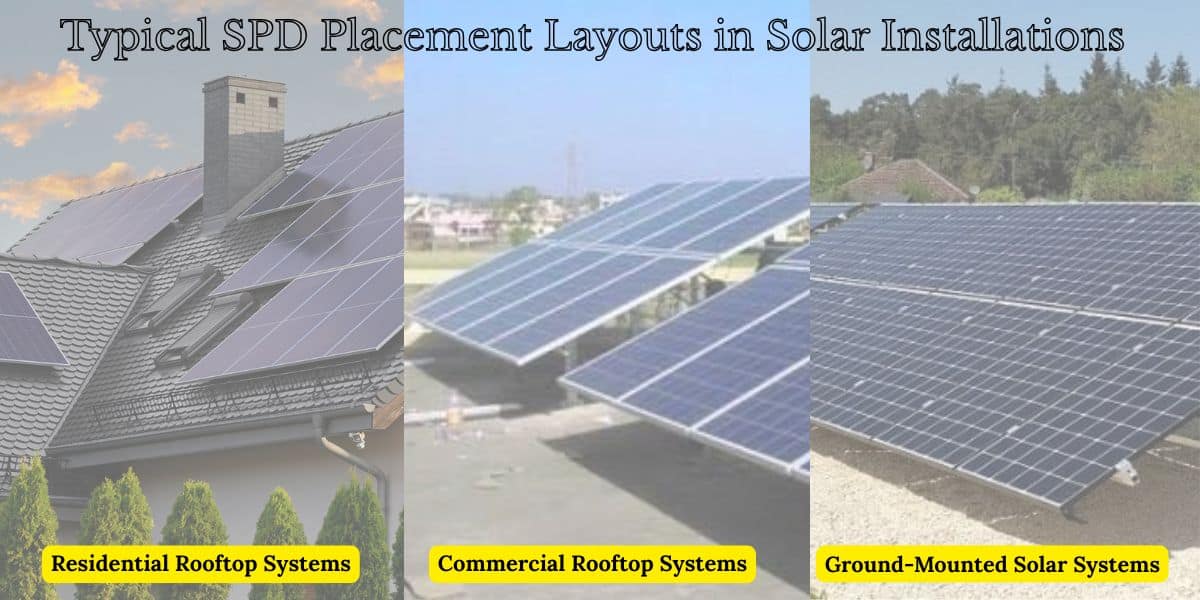
Typical SPD Placement Layouts in Solar Installations

태양계 용 SPD

The exact layout depends on system size and structure, but the logic is similar in most cases: stop surges as close as possible to where they enter, and protect the inverter from both sides.

Residential Rooftop Systems

In a typical residential system, PV strings run from the roof directly to a single inverter.

  • On the DC side, a Type 2 DC SPD is often installed either in the rooftop combiner box (if present) or at the inverter’s DC input.
  • On the AC side, a Type 2 AC SPD is installed in the main distribution board or near the inverter output.

The goal is to keep the inverter between two protection points, one for each surge path.

Commercial Rooftop Systems

Commercial systems usually have longer cable runs, multiple strings, and sometimes several inverters.

  • DC side SPDs are often placed in combiner boxes and sometimes again near the inverter inputs if distances are large.
  • AC side SPDs are placed at the inverter outputs and at the main low-voltage distribution board.

Here, coordination between several SPDs becomes more important because surges can enter at many points.

Ground-Mounted Solar Systems

Ground-mounted systems can have very long DC cable runs across open areas.

  • DC side protection is often installed both at the array field (in field combiner boxes) and at the inverter or power station.
  • AC side protection is installed at the inverter output and at the grid connection point.

The logic is always the same: reduce the surge step by step, instead of letting it travel the full cable length into the electronics.

Installation Practices That Decide Performance

Even the best surge protective device can perform poorly if it is installed incorrectly. In many real failures, the problem is not the device itself, but the way it is connected.

  • Short connection leads
    The wires from the SPD to the phase, DC conductors, and earth should be as short as possible. Every extra centimeter adds inductance and increases the voltage that appears at the equipment during a surge.
  • No loops in wiring
    Looped or coiled wires act like inductors and make the SPD much less effective during fast transients.
  • Close mounting to the protected equipment or entry point
    The SPD should be installed close to where the cables enter the inverter or the building, not far away in another cabinet unless there is a good reason.
  • High-quality bonding to earth
    The earth connection must be low impedance and well bonded to the rest of the grounding system. A poor earth makes any surge protection device almost useless.

These installation details often have more impact on real protection performance than small differences in SPD datasheet values.

Common Mistakes in Solar SPD Design

Many solar systems have some form of surge protection, but still suffer damage because of basic design mistakes.

Only AC or only DC protection
Protecting only the grid side or only the PV side leaves the inverter exposed from the other direction.

Wrong placement
An SPD installed far away from the cable entry point or with long connection leads cannot clamp the voltage where it matters.

Overusing Type 3 devices
Type 3 devices are sometimes used as the only protection stage because they are small and cheap. This is not what they are designed for in PV systems.

Poor grounding assumptions
Assuming that “there is an earth connection somewhere” is not enough. Without a well-designed and low-impedance grounding and bonding system, surge protection devices cannot work as intended.

Avoiding these mistakes is often more important than choosing between two similar products.

In addition to power lines, inverter communication ports such as RS485 or Ethernet can also carry surge energy. In some installations, data-line surge protection devices are used to reduce the risk of damage through monitoring and communication cables.

결론

The best surge protection for solar panel installations is not a single device but a coordinated protection system that covers both the DC and AC sides of the installation. Because surges can enter from the PV array or from the grid, both paths must be protected if the inverter and other electronics are to remain reliable over the long term. In most solar systems, Type 2 surge protection devices provide the main protection layer, while Type 3 devices are used only for local and supplementary protection near sensitive equipment. More than the raw ratings of any individual device, correct selection for DC or AC use, proper coordination between protection stages, good grounding and bonding, and careful installation practices are what determine whether surge protection will actually work in real operating conditions.

자주 묻는 질문

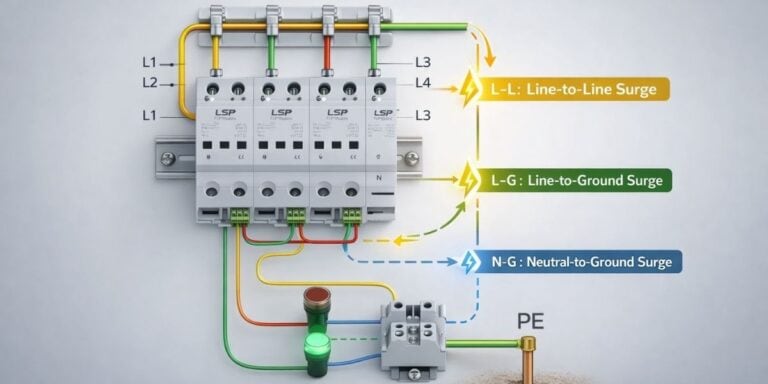
3상 서지 보호 장치3상 서지 보호 장치
3상 산업용 패널에 가장 적합한 서지 보호 장치는 무엇입니까?
대부분의 3상 산업 패널의 경우, 가장 좋은 선택은 일반적으로 패널에 설치된 Type 2 서지 보호 장치(분산 수준)이며, 업스트림 보호 및 우수한 접지와 조정됩니다. 유형 1 장치는 들어오는 서지 노출이 높을 때 서비스 입구에서 더 나은 선택이되고 유형 3은 ...
3상 서지 보호 장치3상 서지 보호 장치
3상 시스템용 서지 보호 장치와 서지 보호기의 차이점은 무엇입니까?
주요 차이점은 범위와 설치입니다. SPD는 패널 수준(L–L 및 L–G와 같은 주요 3상 서지 모드 포함)에서 전기 시스템을 보호하는 반면 서지 보호기는 끝점에서 하나의 장치를 보호합니다. 3상 시스템에서 서지 보호 장치(SPD)는 일반적으로 서비스에 설치된 유선 패널 장착 장치입니다.
서지 보호 장치서지 보호 장치
상용 전기 설비에 사용되는 최고 서지 보호 장치를 추천할 수 있습니까?
상업 시설에는 반복 가능하고 유지 관리가 가능하며 여러 패널과 민감한 부하에서 조정되는 서지 보호 장치 전략이 필요합니다. "상단" 선택은 설치 구역에 맞는 올바른 유형 1 대 유형 2 대 유형 3 장치를 선택하고 UL 1449 등급 및 시스템 적합성을 사용하여 성능을 확인하는 데 달려 있습니다.
서지 보호 장치서지 보호 장치
서지 보호 장치가 여전히 작동합니까? 교체할 때
예, 서지 보호 장치가 마모됩니다. 눈에 보이는 손상이 없고 장치에 전원이 공급된 것처럼 보이는 경우에도 보호 구성 요소는 서지 이벤트가 발생할 때마다 저하됩니다. 따라서 교체 시기는 달력 연령만을 기준으로 하지 않습니다. 누적 전기적 스트레스, 노출 조건 및 시스템 중요도에 따라 다릅니다. 가정 ...
서지 보호 장치서지 보호 장치
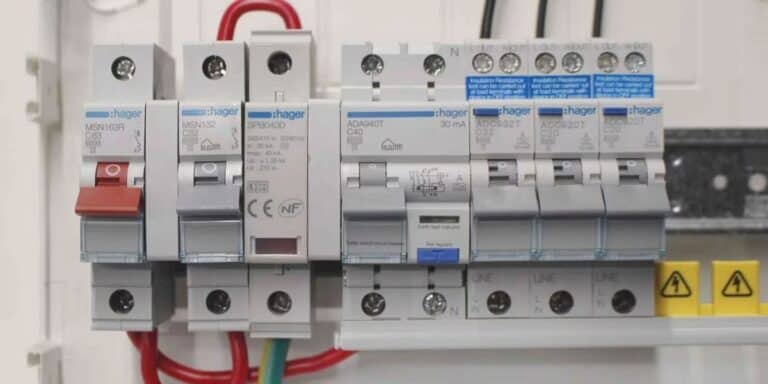
서지 보호 장치 구매 가이드: 줄, 볼트 및 UL 1449
서지 보호 장치를 선택할 때 실제 성능을 결정하는 세 가지 매개변수(Joule Rating, Voltage Protection Rating), UL 1449 준수의 세 가지 매개변수가 있습니다. 줄은 시간이 지남에 따라 장치가 흡수할 수 있는 서지 에너지의 양을 설명합니다. 클램핑 전압 서지 시 전압이 상승하는 정도를 정의합니다. 울...
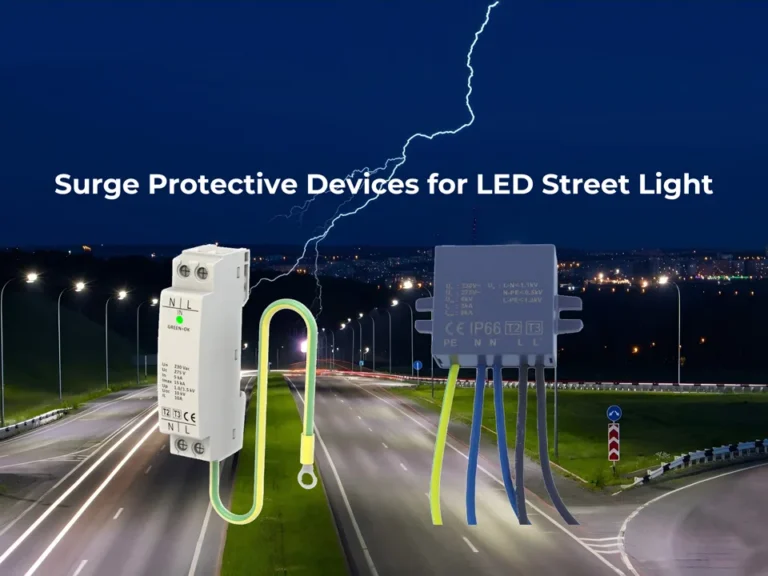
LED-Surge-Protective-Device-For-LightingLED-Surge-Protective-Device-For-Lighting
LED 조명용 서지 보호 장치(SPD): 실내 및 실외 애플리케이션을 위한 완벽한 가이드
LED 조명이 30,000 또는 50,000시간 동안 지속되도록 레이블이 지정되어 있는데도 예상보다 훨씬 일찍 고장나는 이유를 생각해 본 적이 있습니까? 또는 뇌우 후 가로등이나 외관 조명 시스템이 갑자기 어두워지는 이유는 무엇입니까? 사실 LED 기술은 매우 효율적이지만 ...

공유하다:

페이스북
지저귀다
핀터레스트
링크드인
구독하다
알림
guest
0 댓글
가장 오래된
최신 가장 많이 투표된
인라인 피드백
모든 댓글 보기

SignliteLED 블로그 검색

카테고리

위로

지금 견적을 받으세요