Polski
  English
  简体中文
简体中文  Deutsch
  Español
  Français
  Italiano
  日本語
日本語  한국어
한국어  Português
  Русский
  Türkçe
  Nederlands
  Tiếng Việt
  ไทย
ไทย 
Zielone lampy wędkarskie są szeroko stosowane w nocnym łowieniu, od małych łodzi rekreacyjnych po duże statki handlowe. Wielu rybaków uważa, że zielone światła przyciągają więcej ryb niż inne kolory, ale czy to zawsze prawda?
W tym artykule skupimy się konkretnie na zielonych światłach wędkarskich i zbadamy, czy są one bardziej skuteczne w przyciąganiu ryb w nocy. Zamiast powtarzać podstawowe teorie, przyglądamy się, jak zielone światło zachowuje się w wodzie, dlaczego jest powszechnie wybierane w prawdziwych scenariuszach połowowych i w jakich sytuacjach działa lepiej – lub nie – w porównaniu z innymi kolorami światła.
Jeśli wybierasz światła wędkarskie W przypadku łodzi, doków lub aplikacji natynkowych zrozumienie roli zielonego światła może pomóc w podjęciu bardziej praktycznej i opłacalnej decyzji.
Dlaczego kolor światła ma znaczenie podczas nocnego wędkowania?
W łowieniu nocnym kolor światła odgrywa praktyczną rolę poza widocznością.
Różne kolory światła mają różne długości fal, a długość fali określa, jak światło przemieszcza się w wodzie. Niektóre kolory są szybko wchłaniane, podczas gdy inne rozchodzą się dalej i utrzymują wyraźniejszą, oświetloną strefę. Wpływa to bezpośrednio na to, jak dobrze światło wędkarskie może stworzyć stabilny obszar karmienia w nocy.
Ponieważ światła przyciągające ryby działają poprzez tworzenie widocznej strefy aktywności, a nie tylko zwiększanie jasności, dobór koloru staje się ważnym czynnikiem. W wielu przypadkach wybór odpowiedniego koloru światła ma większy wpływ na wyniki połowów niż sam wzrost mocy wyjściowej.
Zrozumienie, dlaczego kolor światła ma znaczenie, pomaga wyjaśnić, dlaczego niektóre kolory są częściej używane podczas nocnego łowienia ryb – i stanowi podstawę do porównywania zielonych świateł z innymi opcjami.
Jak ryby reagują na zielone światło w nocy?
Ryby nie reagują na kolor, ale na lekkie zachowanie
Ryb nie przyciąga światło w taki sam sposób, jak ludzie.
Nie „widzą” zielonego jako wyboru koloru, ale reagują na to, jak światło zachowuje się pod wodą.
W nocy Vision bardziej opiera się na kontraście i jasności niż na precyzyjnym rozpoznawaniu kolorów. Dlatego fizyczne działanie światła w wodzie ma większe znaczenie niż jego wygląd.
Dlaczego zielone światło jest łatwiejsze do wykrycia ryb w nocy
Zielone światło działa w zakresie długości fal, który wiele gatunków ryb może skuteczniej wykrywać w warunkach słabego oświetlenia.
W porównaniu z czerwonym lub żółtym światłem zielone światło pozostaje widoczne na dłuższych dystansach pod wodą i tworzy bardziej stabilną strefę oświetlenia. Ułatwia to rybom wyczuwanie zmian w otoczeniu bez nagłej stymulacji.
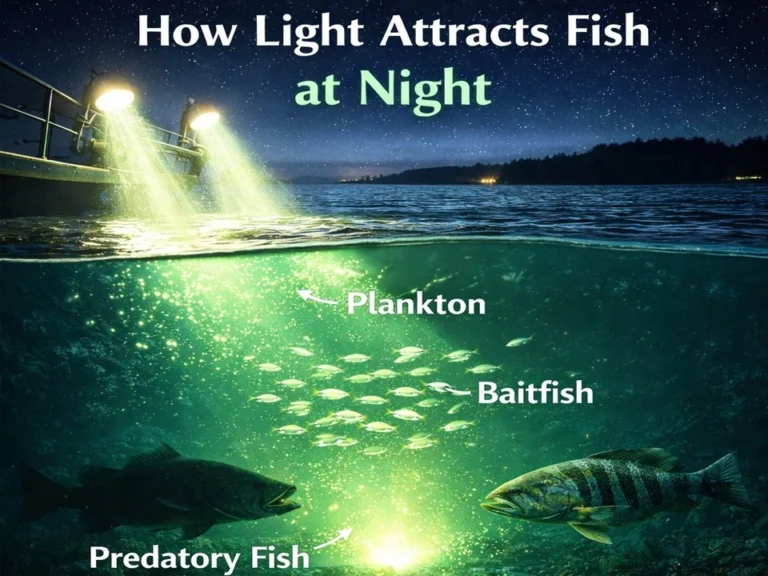
Reakcja łańcuchowa: od planktonu do drapieżnej ryby
Światła wędkarskie nie przyciągają bezpośrednio dużych ryb.
Proces zwykle następuje po ułożeniu warstwowym:
- Światło najpierw przyciąga plankton i mikroskopijne organizmy
- Małe przynęty zbierają się, aby nakarmić
- Większe ryby drapieżne podążają za przynętą
Dlaczego zielone światło działa dobrze w praktycznym wędkarstwie nocnym
Z praktycznego punktu widzenia zielone światło zapewnia równowagę między jasnością a zakłóceniami.
Jest wystarczająco silny, aby aktywować aktywność podwodną, ale nie jest zbyt surowy lub stresujący dla ryb. W wielu sytuacjach wędkarskich nocą zielone światła wędkarskie są łatwiejsze do kontrolowania i bardziej spójne w osiąganiu.
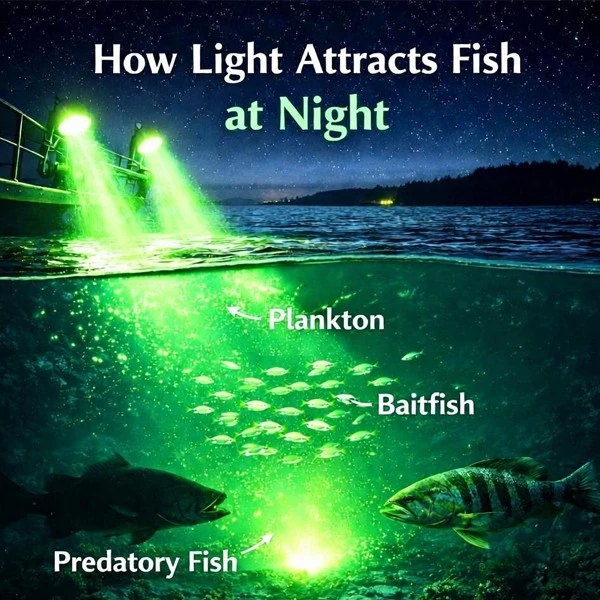
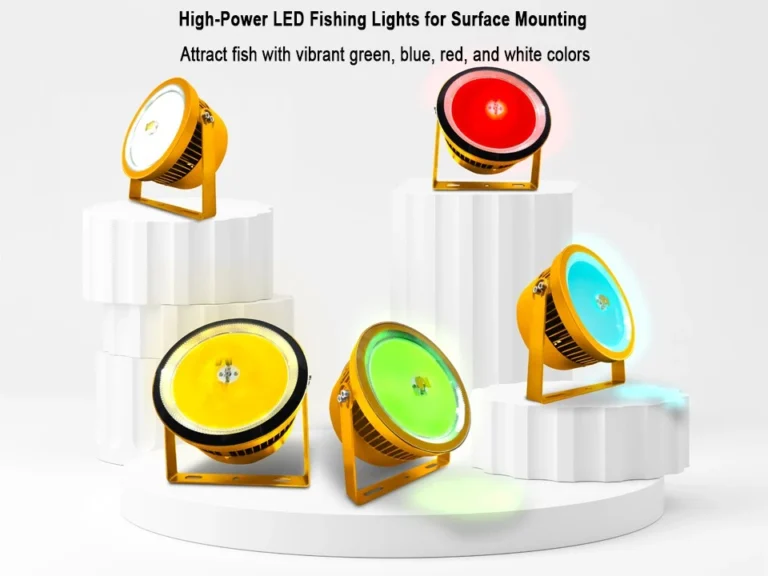
Zielony vs niebieski vs czerwony vs cyjan vs białe światła wędkarskie — jaka jest różnica?
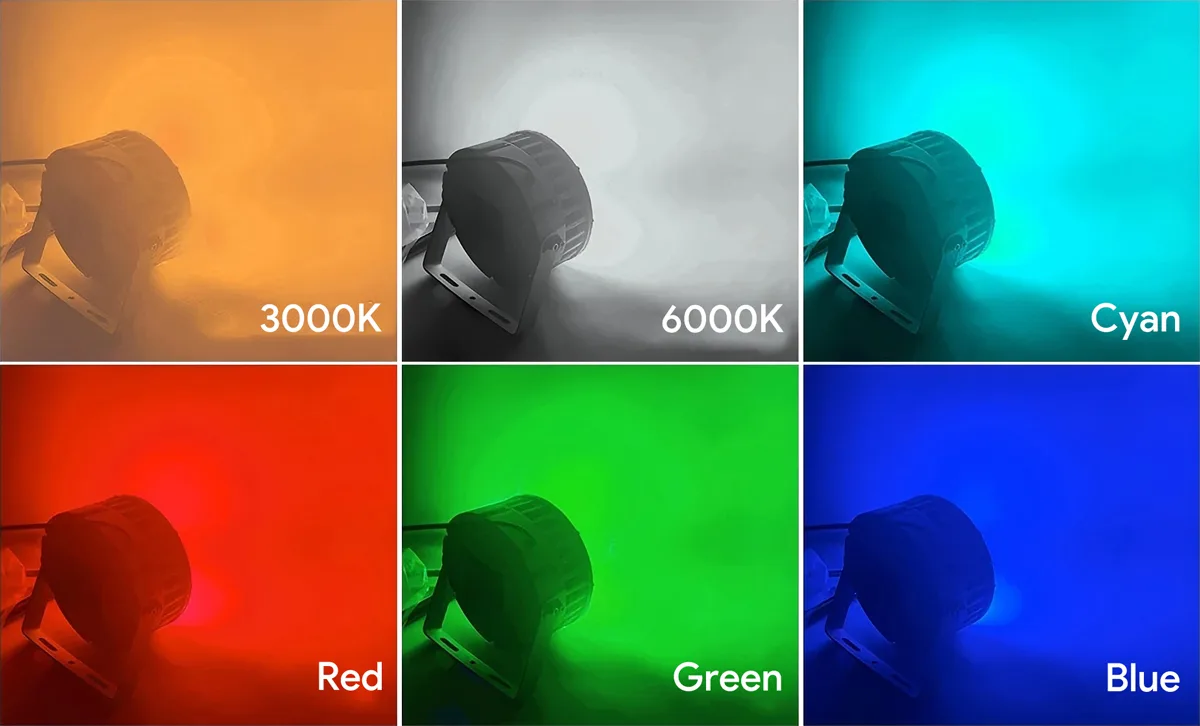
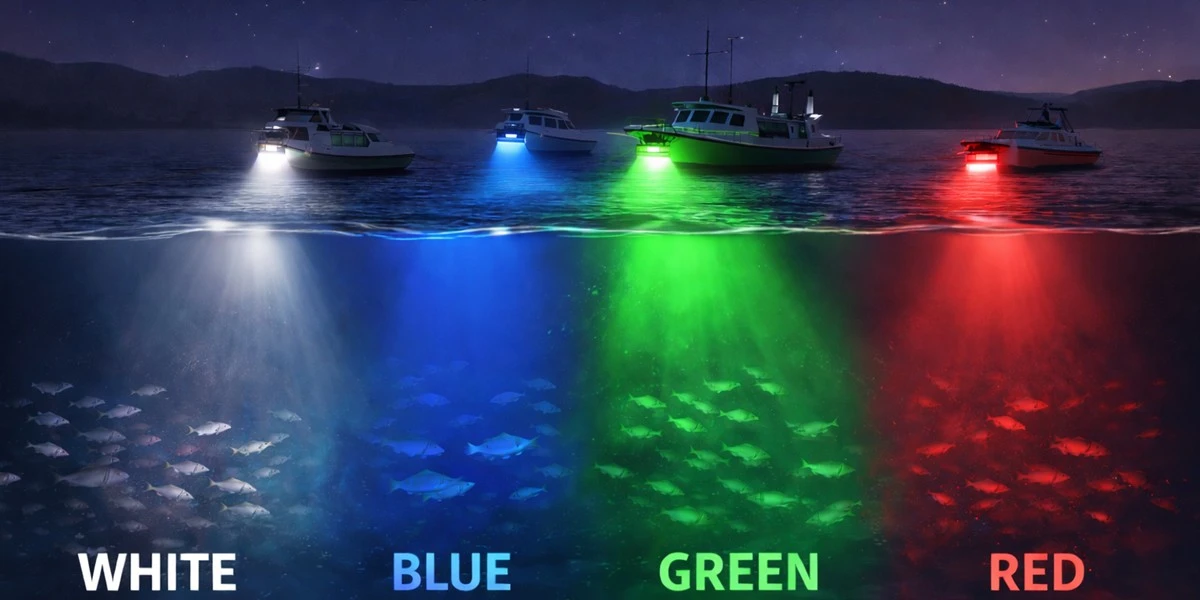
Wybór odpowiedniego koloru światła wędkarskiego na 2026 rok zależy od konkretnego celu i warunków wodnych. Każdy kolor ma inną długość fali, która wpływa na to, jak głęboko wnika i jakie specyficzne życie morskie przyciąga.
Tabela szybkich porównań
| Kolor | Najlepsze dla | efektowność |
| Zielony | Uniwersalny / najlepszy ogólnie | Najskuteczniejsze przyciąga plankton; działa w wodzie słodkiej i słonej. |
| Niebieski | Głęboka słona | Najgłębszy w penetracji w czystej słonej wodzie; przyciąga przynętę ze słoną wodą i kraby. |
| Biały | Płytka woda / krewetka | Wysoka intensywność, ale płytka; przyciąga większe (ale mniej) przynęty. |
| cyjan | Stawki połowów komercyjnych | Udowodniono, że przewyższa białe/zielone gatunki, takie jak kałamarnica (Coleoidea). |
| Czerwony | Ukrycie / noktowizor | Nie przyciąga „robaków” ani nie przeraża nieśmiałych ryb; zachowuje widzenie w nocy. |
Zielony: Zwycięzca uniwersalny
Zielony (ok. 520nm) jest uważany za złoty standard przyciągania życia morskiego, ponieważ skutecznie stymuluje plankton, fundament podwodnego łańcucha pokarmowego.
- Słodkowodna: To najlepszy wybór dla jezior i rzek, zwłaszcza do atakowania gatunków, takich jak crappie i bas.
- Mroczne zielone światło zapewnia wysoki kontrast, dzięki czemu woda wydaje się jaśniejsza, co pomaga przynęcie znaleźć źródło światła.
Niebieski: wyspecjalizowany głębinowy
Niebieskie światło (ok. 470 nm) jest wysoce wyspecjalizowane w środowiskach słonych i ma wyjątkowe zalety.
- Wydajność na morzu: wnika głębiej w czystą wodę morską niż inne kolory, dzięki czemu idealnie nadaje się do łowienia na morzu.
- Ostrzeżenie o słodkiej wodzie: Niebieskie światło ma tendencję do upadku przyciągnięcia ryb w słodkiej wodzie, a nawet może je zaskoczyć.
- Gatunki docelowe: Szczególnie skuteczne w przyciąganiu niebieskich krabów pływających i określonych morskich gatunków pelagicznych.
Biały: intensywny i płytki
Światło białe jest powszechnie używane ze względu na jego wysoką intensywność, ale ma ograniczenia pod względem penetracji głębokości.
- Duża przynęta: podczas gdy zielony przyciąga więcej małych przynęt, białe światło przyciąga większą pojedynczą przynętę.
- Ograniczenia: Białe światło szybko rozprasza się w wodzie i nie przenika skutecznie do głębokich wód. Idealnie nadaje się do płytkich obszarów w pobliżu łodzi lub doku.
Cyjan: wybór „komercyjny”
Cyan Light (430–600nm) zyskuje na popularności w 2026 roku ze względu na swoje wyjątkowe zalety, wypełniając lukę między niebieskim a zielonym.
- Lepsze plony: wykazano, że cyjan przyciąga gatunki takie jak kałamarnica (Coleoidea), krewetki (Penaeus merguiensis) i sardynki bardziej skutecznie niż światło białe.
- Głębszy skok: ma niższy współczynnik tłumienia niż światło białe w wodzie morskiej, co pozwala mu podróżować dalej i osiągać większe głębokości.
Czerwony: opcja ukrycia
Czerwone światło nie jest zwykle używane do przyciągania ryb, ale służy kilku celom funkcjonalnym, które przynoszą korzyści rybakom.
- Ślepota nocna: Czerwone światło pozwala rybakom zobaczyć swój sprzęt bez niszczenia ich naturalnego widzenia w nocy.
- Nieśmiałe gatunki: Idealne do przyciągania ostrożnych gatunków ryb, takich jak sumy lub snook, które mogą być wystraszone przez jaśniejsze światła.

Jak wybrać odpowiednie zielone światło wędkarskie
Wybór zielonego światła wędkarskiego nie polega po prostu na wyborze konkretnego koloru. Aby osiągnąć spójne przyciąganie ryb w nocy, należy rozważyć kilka praktycznych czynników. Zrozumienie tych podstaw pomaga uniknąć przesadnych ustawień, zapewniając jednocześnie skuteczne pokrycie w prawdziwych warunkach łowienia.
Najpierw rozważ przejrzystość wody. W stosunkowo czystej wodzie zielone światło przemieszcza się wydajnie i utrzymuje silną widoczność na dużym obszarze, dzięki czemu idealnie nadaje się do Światła wędkarskie natynkowe na łodziach lub dokach. W bardziej mętnej lub bogatej w plankton woda nadal działa dobrze, ale równomierny rozkład wiązki staje się ważniejszy niż surowa jasność.
Po drugie, strumień świetlny powinien odpowiadać środowisku połowów. Wyższa moc nie oznacza automatycznie lepszych wyników. W wielu scenariuszach nocnych wędkarstwa stabilne i równomiernie rozłożone oświetlenie przyciąga więcej przynęt niż wąska, zbyt intensywna wiązka. Dlatego wielu operatorów preferuje zielone światła połowowe dla pokrycia obszaru, podczas gdy zielone reflektory wędkarskie lepiej nadają się do kierowania światła w kierunku określonej strefy.
Po trzecie, zwróć uwagę na kontrolę wiązki i stabilność światła. Kontrolowany kąt wiązki pomaga skoncentrować światło tam, gdzie oczekuje się aktywności ryb, podczas gdy stabilność elektryczna zapewnia spójną wydajność podczas długich operacji nocnych. Migotanie lub niestabilne światło zmniejsza skuteczność, niezależnie od koloru.
Na koniec rozważ wysokość montażu i cel oświetlenia jako część procesu selekcji. Światła zamontowane nad linią wód powinny zapewniać wystarczającą rozrzutność, aby oświetlić powierzchnię i górne warstwy wody bez nadmiernego olśnienia. Celem nie jest zalanie wody światłem, ale stworzenie stabilnej, atrakcyjnej strefy karmienia, do której ryby powracają wielokrotnie.
Koncentrując się na warunkach wodnych, rodzaju wiązki i stabilności na wyjściu, a nie tylko w kolorze – możesz wybrać zielone światło wędkarskie, które zapewnia niezawodne działanie w różnych sytuacjach wędkarskich w nocy.
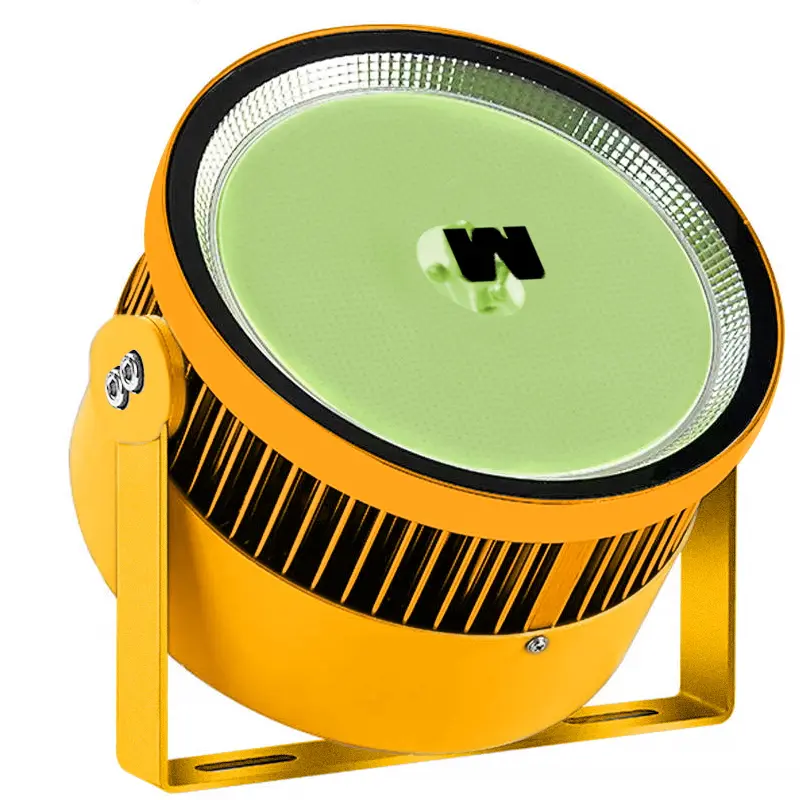
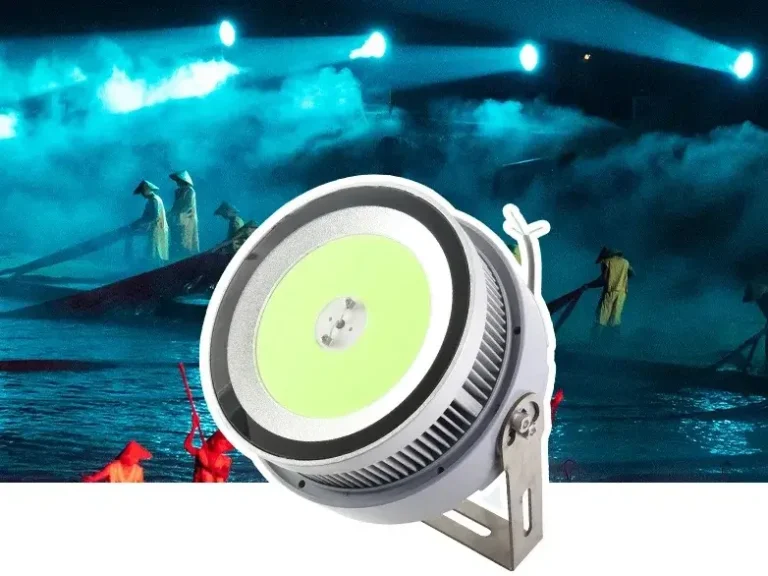
Lighing ryba w kolbie o dużej mocy
Nr modelu.: Rodzaj okrągły
Napięcie wejściowe: AC100–320V
Surge: 10000V
Wat/szt: 800W/1000W/1200W
Typ LED: kolba
Rozmiar (mm): Φ230 × 140
Kolor: 3000K / 4000K / 5000K / 6000K / Czerwony / Zielony / Niebieski / Fioletowy
Wskaźnik oddawania barw: >80@3000k/4000k/5000k/6000k/
Lumen: >120lm/w@3000k/4000k/5000k/6000k/
Stopień ochrony IP: IP67
Gdzie powszechnie używane są zielone światła wędkarskie
Zielone lampy wędkarskie są powszechnie stosowane w różnych scenariuszach nocnych wędkarstwa, ponieważ oferują zrównoważoną kombinację penetracji, pokrycia i komfortu wizualnego. Zamiast ograniczać się do jednorazowego użytku, zielone światła wspierają spójne przyciąganie ryb w wielu środowiskach.
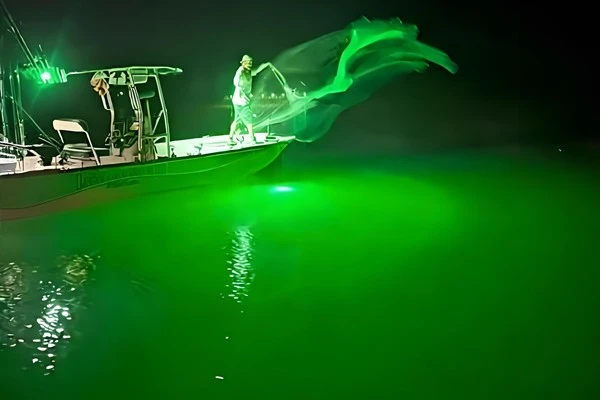
1. Nocne wędkarstwo na łodzi
statki rybackie. Światła te oświetlają powierzchniowe i górne warstwy wody, tworząc stabilną strefę żerowania, która przyciąga przynęty i większe gatunki drapieżne. Ta konfiguracja jest szeroko stosowana zarówno w komercyjnych łodziach rybackich, jak i wędkarstwie rekreacyjnym.
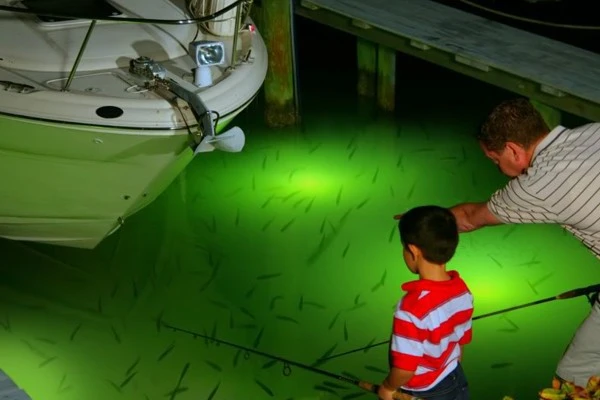
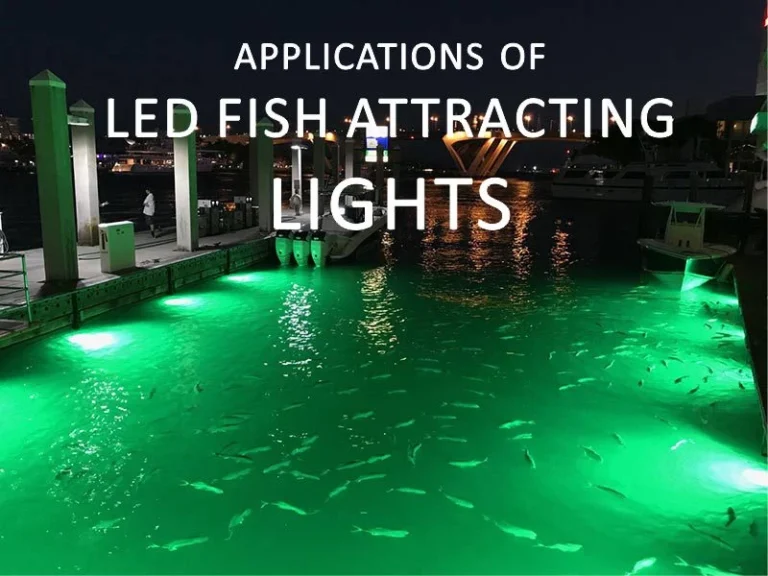
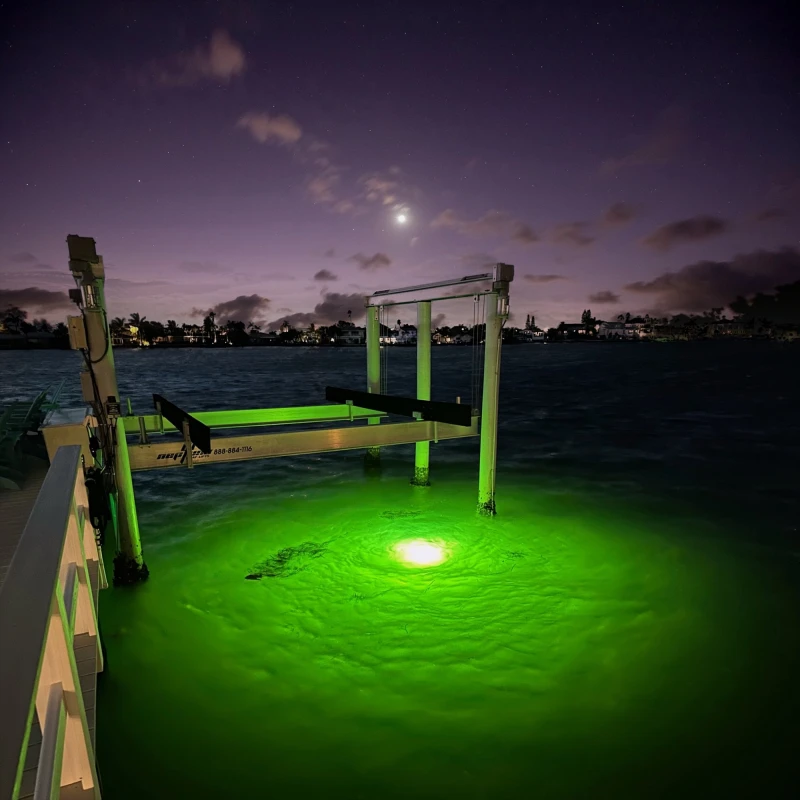
2. Miejsca dokowania i połowów węz
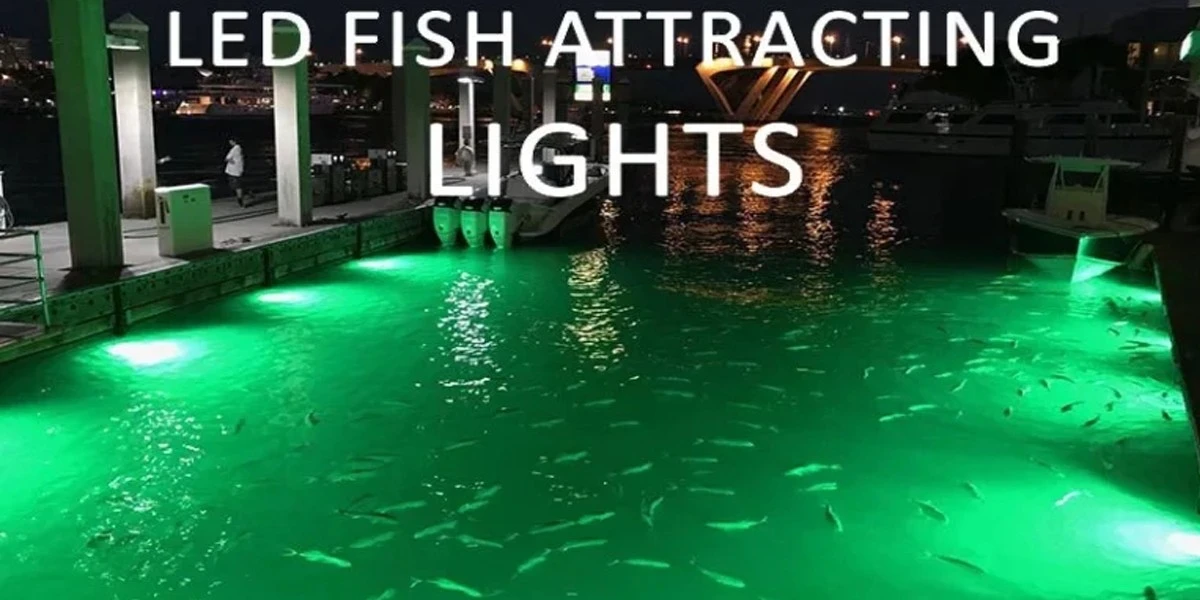
Zielone lampy wędkarskie są również szeroko stosowane do oświetlenia dokowania i pomostu. Po zamontowaniu wzdłuż doków lub pomostów, rozciągają się na otaczającą wodę, zachęcając plankton i przynętę do zebrania się w pobliżu konstrukcji. Z biegiem czasu tworzy to niezawodne miejsce do łowienia bez nadmiernego olśnienia lub zakłóceń.
3. Wędkarstwo w pobliżu brzegu i przybrzeżnego nocnego
W środowiskach przybrzeżnych i przybrzeżnych zielone światła wędkarskie zwiększają widoczność w nocy i aktywność ryb w płytkich wodach. Ich kontrolowany rozrzut wiązki sprawia, że nadają się do połowów na linii brzegowej, małych portów i nocnych operacji przybrzeżnych, gdzie preferowane jest precyzyjne oświetlenie.
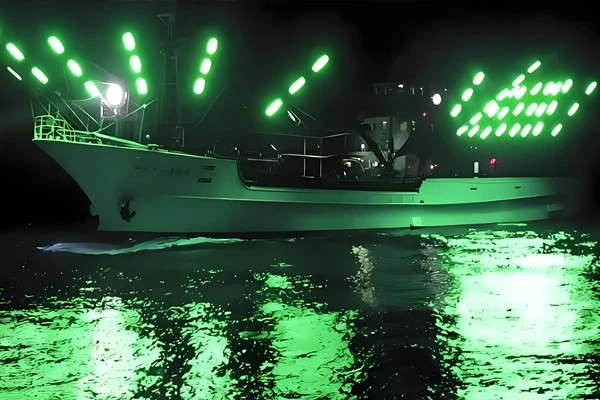
4. operacje połowowe na morzu i komercyjne
W przypadku wędkarstwa morskiego i komercyjnego zielone światła wędkarskie są często częścią większych systemów oświetleniowych. Stała moc światła i zrównoważone rozmieszczenie w naczyniu są ważniejsze niż indywidualne natężenie lampy, pomagając utrzymać koncentrację ryb podczas długich nocnych sesji wędkarskich.
Te aplikacje wyjaśniają, dlaczego zielone światła wędkarskie pozostają standardowym wyborem na łodziach, dokach i przybrzeżnych środowiskach połowowych na całym świecie. Aby uzyskać więcej informacji na temat tego, jak te światła działają w różnych ustawieniach, sprawdź Najlepsze zastosowania led przyciągających ryby światła na łodziach, dokach, stawach i projektach offshore.
Wniosek
Zielone lampy wędkarskie są szeroko stosowane w nocnym łowieniu, ponieważ zapewniają niezawodną równowagę między penetracją wody, pokryciem wiązki i stabilnością wizualną. W większości nocnych warunków zielone światło tworzy wyraźną, skuteczną strefę karmienia bez przytłaczania otaczającego środowiska.
Jednak sam kolor nie determinuje przyciągania ryb. Moc świetlna, kontrola wiązki i właściwe rozmieszczenie często odgrywają większą rolę niż sama jasność lub wybór koloru. Zrozumienie tych czynników pomaga osiągnąć spójne wyniki, jednocześnie unikając niepotrzebnego zużycia energii.
Jeśli planujesz nocną konfigurację wędkarską dla łodzi lub doków, wybór odpowiedniego zielonego światła wędkarskiego to tylko pierwszy krok. Odkrywanie typów wiązek, opcje montażu i ogólny projekt systemu pomogą Ci zbudować bardziej wydajną i stabilną konfigurację światła wędkarskiego.
Często zadawane pytania (FAQ)
Powiązane posty