Português
  English
  简体中文
简体中文  Deutsch
  Español
  Français
  Italiano
  日本語
日本語  한국어
한국어  Polski
  Русский
  Türkçe
  Nederlands
  Tiếng Việt
  ไทย
ไทย 
A avaliação de fornecedores de luzes de folha de LED requer um processo de verificação estruturado que começa com o teste de amostra técnica e continua por meio de auditoria de fornecedores, produção piloto e validação de fabricação em grande escala. Um fornecedor não pode ser aprovado apenas com base na qualidade da amostra. A avaliação deve confirmar que o desempenho, o controle de processos e a disciplina de fabricação permanecem consistentes desde o primeiro protótipo até a produção em massa.
Muitos compradores experimentam um problema previsível: as amostras iniciais funcionam bem, mas uma vez que a escala de pedidos, a consistência do brilho cai, mudanças de comportamento térmico, desvio de tolerâncias de corte ou desempenho adesiva enfraquece. Esse “desvaimento de qualidade” acontece quando o controle do fornecedor não pode suportar a produção de volume, mesmo que sua equipe de engenharia possa produzir amostras iniciais fortes.
Este guia descreve um sistema de avaliação passo a passo. Não recomenda fornecedores específicos. Em vez disso, ele define como os gerentes de compras, compradores de OEM/ODM, engenheiros de projeto e proprietários de marcas devem verificar os fornecedores de luzes de LED desde os testes de bancada até a prontidão total da produção.
Estágio 1: avaliação da amostra
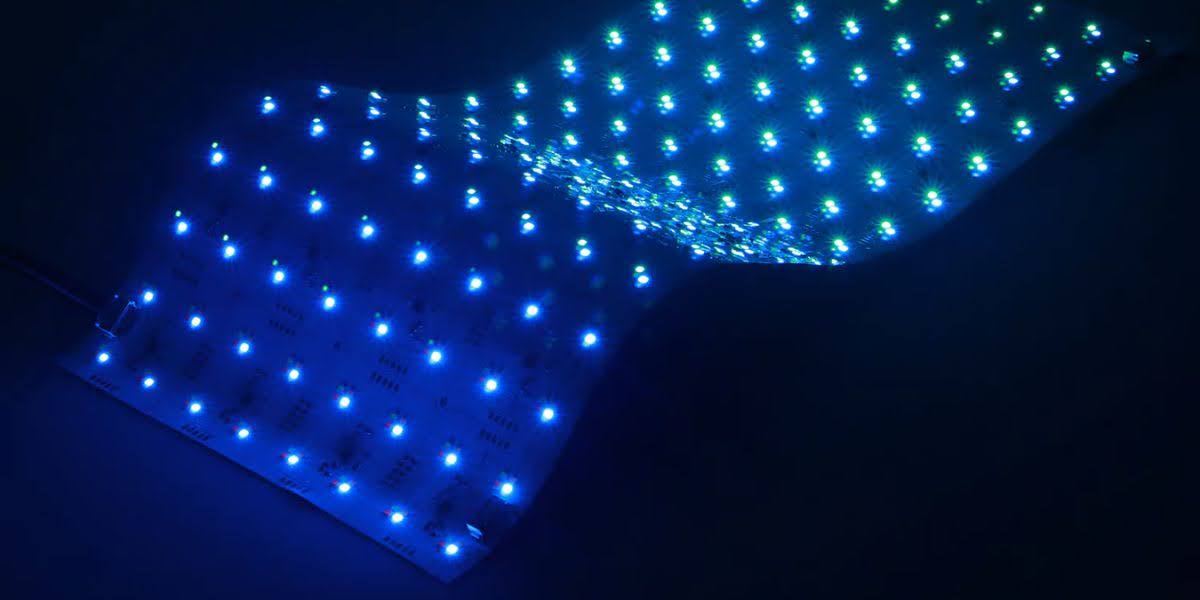
O teste de amostra não é sobre primeiras impressões. Trata-se de repetibilidade em condições controladas. Cada amostra de luz de folha de LED deve ser avaliada usando critérios mensuráveis que posteriormente podem ser aplicados aos lotes de produção.
Os compradores devem testar as amostras usando a seguinte estrutura de verificação:
- Uniformidade óptica em todo o painel de luz de folha de LED
Meça o brilho em vários pontos da grade. Variações na intensidade luminosa na folha de luzes LED devem ficar dentro de uma faixa de tolerância definida. A difusão irregular ou o espaçamento inconsistente de diodos indicam possíveis problemas de escala. - Estabilidade de brilho sob um tempo de execução prolongado
Para amostras de folha de luz LED de alto brilho, realize testes de operação contínua por 8 a 24 horas. Track Lumen Drop, Color Shift e Flutuation da Corrente. A estabilidade sob carga térmica é mais importante que a saída inicial do pico. - Mapeamento de desempenho tér
Use imagens térmicas para registrar a distribuição de hotspots. Compare o aumento da temperatura do centro vs da borda. A concentração excessiva de calor geralmente prevê a degradação a longo prazo ao escalar a produção. - Integridade mecânica de formatos flexíveis e rígidos
Para formatos de folha de luz LED flexíveis, execute testes de ciclo de flexão. Para formatos rígidos, aplique leves torções para confirmar a durabilidade da solda. A estabilidade mecânica deve ser repetível em várias amostras. - Tolerância de corte e continuidade elétrica
Se a luz da folha LED permitir o corte de campo, teste vários pontos de corte. Confirme se a continuidade elétrica permanece estável e não ocorre escurecimento da borda. O roteamento de traços de cobre inconsistente torna-se visível aqui. - Desempenho adesivo e ligação ao substrato
Avaliar a resistência à casca e a estabilidade da adesão sob exposição ao calor. Os sistemas adesivos fracos geralmente se degradam durante a produção em larga escala devido às substituições de materiais.
O princípio chave é a replicação. Os compradores devem testar várias amostras de diferentes datas de produção, se possível. Se o desempenho varia entre as unidades, o fornecedor provavelmente não possui consistência do processo.
Etapa 2: antecedentes de fornecedor e auditoria de capacidade
Amostras fortes não garantem um fabricante capaz. Muitos fornecedores terceirizam a produção parcial ou dependem de pequenos lotes de engenharia para unidades de avaliação. Uma auditoria de fundo determina se o fornecedor pode produzir de forma consistente luzes de folha de led no volume.
Comece examinando a especialização. Uma fábrica que produz principalmente tiras de LED genéricas pode não ter uma experiência profunda na fabricação de painéis de luz LED de alto brilho. As linhas de produção, a configuração SMT e o controle de difusão óptica diferem significativamente entre os formatos.
Em seguida, avalie a profundidade da engenharia. folha led personalizada projetos de iluminação Exigir otimização de layout, balanceamento de corrente e modelagem térmica. Os fornecedores devem demonstrar a capacidade de modificar a arquitetura do PCB, não simplesmente ajustar os níveis de brilho. Revise a documentação anterior do projeto e a engenharia de fluxos de trabalho de mudança.
O histórico de produção também é importante. Um fornecedor com ciclos de produção limitados pode não ter monitoramento de rendimento estruturado. O histórico consistente de lotes grandes reduz o risco de escala.
Finalmente, avalie a maturidade do sistema de qualidade. O foco não deve ser em displays de certificados. Em vez disso, verifique se:
- Existem pontos de verificação de inspeção em processo definidos.
- Os parâmetros do processo são documentados e bloqueados.
- As alterações de engenharia exigem aprovação estruturada.
- A análise da causa raiz é registrada e rastreável.
Um fornecedor capaz mostra disciplina operacional, não documentação de marketing.
Etapa 3: conformidade e verificação de processos
A validação de conformidade não é sobre os padrões de listagem. Trata-se de confirmar que o fornecedor pode provar a rastreabilidade do teste e a conformidade regulatória com as evidências documentadas.
Primeiro, verifique se o teste de segurança corresponde à configuração real da luz da folha de LED que está sendo comprada. A documentação deve corresponder à potência, tipo de substrato e compatibilidade do driver. Certificados genéricos que não fazem referência a configurações de compilação específicas apresentam risco.
Em segundo lugar, confirme os pontos de verificação internos da qualidade. Pergunte como a inspeção da pasta de solda é verificada. Revise como a seleção do compartimento de LED é registrada. Examine como a calibração de corrente é executada para variantes de folha de luz LED de alto brilho.
Terceiro, revise a rastreabilidade do lote. Cada folha de luzes LED deve ser rastreada em códigos de LED, números de lote de PCB e registros de turno de montagem. Sem rastreabilidade, as investigações de falhas de campo se tornam impossíveis.
Documentação não verificável sinaliza uma potencial instabilidade. Se um fornecedor não puder explicar como foi gerado o resultado do teste ou qual lote ele representa, a confiabilidade da produção não pode ser garantida.
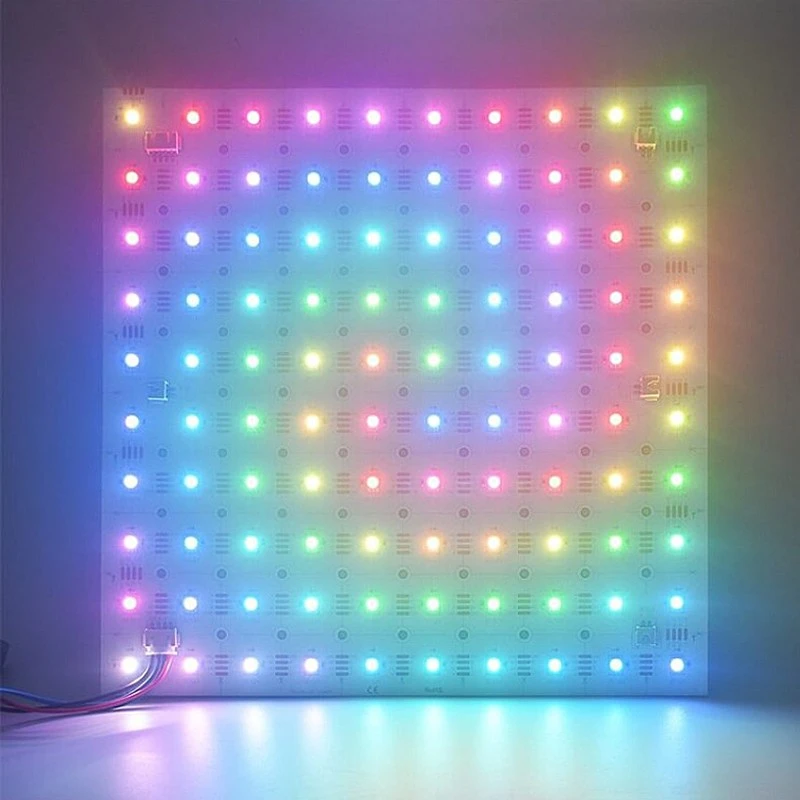
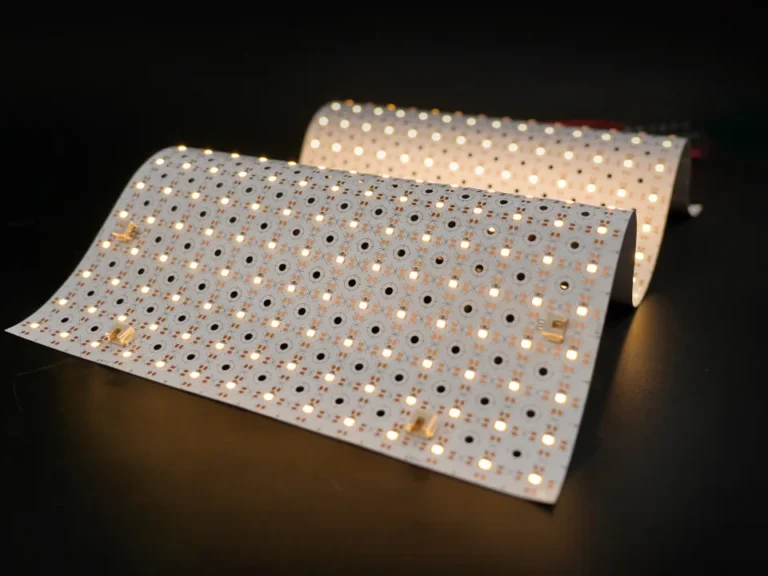
Folhas de LED endereçáveis
- Tamanho ( l x w ): 250mmx250mm
- Tipo de LED: 5050 SMD
- Quantidade do LED: 100 unidades
- Tipo de IC: WS2812
- Quantidade de IC: 100 unidades
- Cor: RGBIC
- Tensão de funcionamento: DC 12V
- Atual: 1.08a
- Potência: 13w
- Fluxo luminoso: 20lm/led
- Ângulo do feixe: 120°
- Nível impermeável: IP20 não à prova d'água, IP54 à prova d'água
- Tempo de vida: >35.000 horas
- Garantia: 3 anos
Estágio 4: corrida piloto e validação de pré-produção
A aprovação da amostra deve sempre ser seguida por uma corrida de piloto controlada. Este é o estágio em que o estresse real de fabricação é introduzido.
Os compradores devem avaliar a produção piloto usando os seguintes critérios:
- Replicação de pequenos lotes das configurações de produção
O piloto deve usar ferramentas e materiais de produção em massa reais, não componentes de protótipo. - Consistência em vários painéis de folha de luz LED
Meça o brilho, a temperatura da cor e a potência em pelo menos 20 a 50 unidades. A variabilidade revela a estabilidade do processo. - Estabilidade térmica em condições de instalação agrupadas
Teste vários painéis instalados juntos para simular o acúmulo de calor de aplicativos reais. - Rastreamento de taxa de rendimento e defeito
Solicite dados sobre a porcentagem de rendimento da produção. A instabilidade inicial do rendimento indica problemas futuros de escala. - Embalagem e durabilidade de manuseio
Os testes de vibração de transporte revelam juntas de solda fracas ou falhas adesivas.
As execuções de pilotos expõem problemas que amostras únicas não podem revelar. Variações menores na temperatura de refluxo de solda ou na mistura de bins de LED geralmente aparecem apenas quando o tamanho do lote aumenta.
Estágio 5: transição para a produção em massa
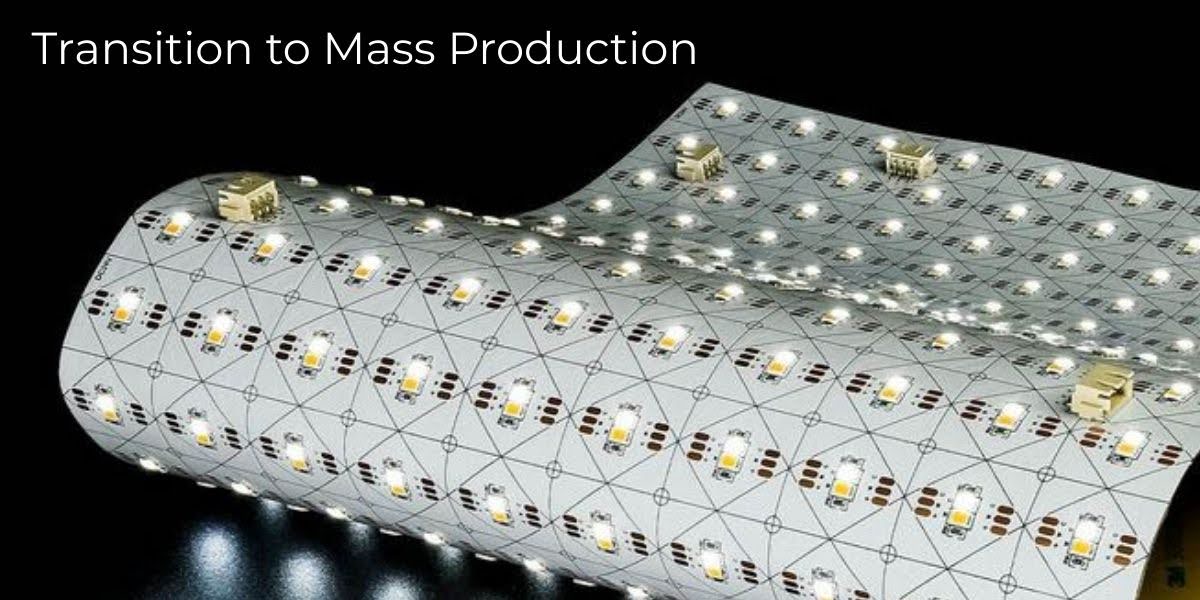
A transição do piloto para a produção em massa é onde ocorre o desvanecimento da qualidade mais comumente. Até mesmo os produtos de folha de luz LED flexíveis de bom desempenho podem se degradar quando as pressões de volume aumentam.
Vários fatores contribuem para esse risco:
A substituição de material é comum em escala. Os fornecedores podem trocar marcas de adesivos, espessura de cobre PCB ou lotes de LED para atender às metas de custos. Cada substituição afeta a estabilidade óptica e térmica.
A deriva da ferramenta pode ocorrer quando o desgaste do estêncil muda a deposição do volume da solda. Com o tempo, isso afeta a uniformidade do brilho no painel de luz da folha de LED.
O comportamento da carga térmica também muda em escala. Na produção de folhas de LED de alto brilho, o desequilíbrio de corrente menor se amplifica em grandes quantidades. A variância da dissipação de calor pode levar à depreciação prematura do lúmen.
O bloqueio do processo é fundamental. Após a conclusão do piloto, os fornecedores devem congelar as especificações dos componentes, os parâmetros SMT e os limites de inspeção. Qualquer alteração deve acionar uma revisão de engenharia documentada.
Os compradores devem solicitar a confirmação de:
- Procedimentos de bloqueio de componentes
- Listas de fornecedores aprovados para matérias-primas
- Alterar protocolos de notificação
- Métodos contínuos de monitoramento de desempenho
A prontidão da produção em massa é definida pelo controle, não pela capacidade.
Etapa 6: controle contínuo da qualidade durante a produção em massa
A garantia de qualidade não termina na emissão do pedido de compra. A verificação contínua é necessária para manter a estabilidade de desempenho em luzes de folha de led.
A inspeção de material de entrada garante que os compartimentos de LED correspondam às especificações aprovadas. Os substratos de PCB devem atender aos critérios definidos de resistência ao cobre e espessura do isolamento.
A inspeção em processo deve monitorar a deposição de pasta de solda, precisão de posicionamento do LED e calibração de corrente. A inspeção óptica automatizada pode detectar a deriva do alinhamento antes que os defeitos se multipliquem.
A lógica de inspeção final deve verificar:
- Continuidade elétrica em pontos de corte
- Distribuição uniforme do brilho
- Consumo de energia dentro da tolerância
- Integridade de ligação adesiva
As fábricas com controle de processo disciplinado superam as operações maiores, mas vagamente gerenciadas. A consistência é determinada pela disciplina do processo, não pelo volume de produção.
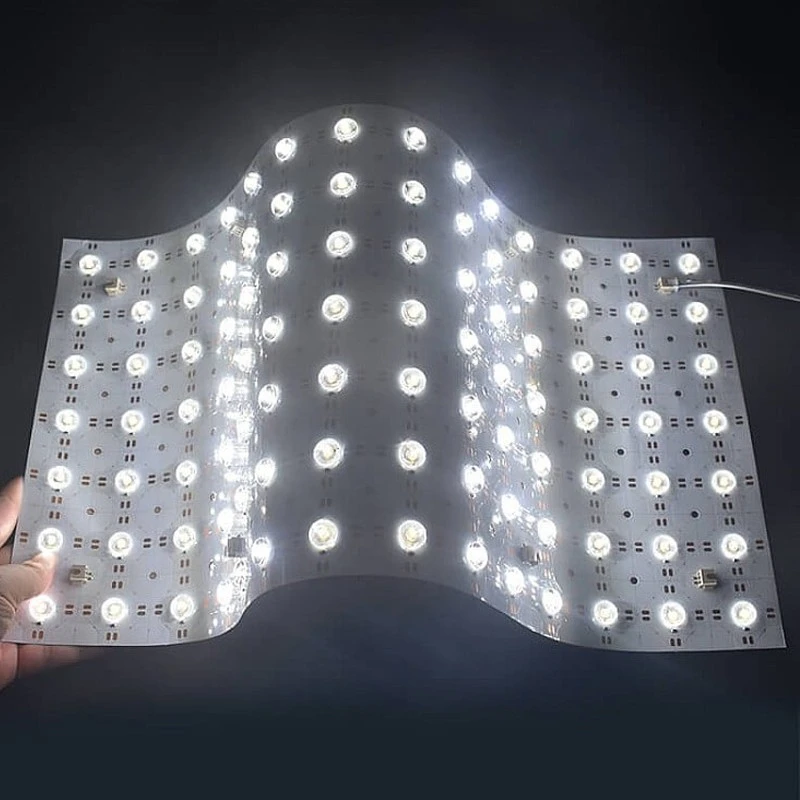
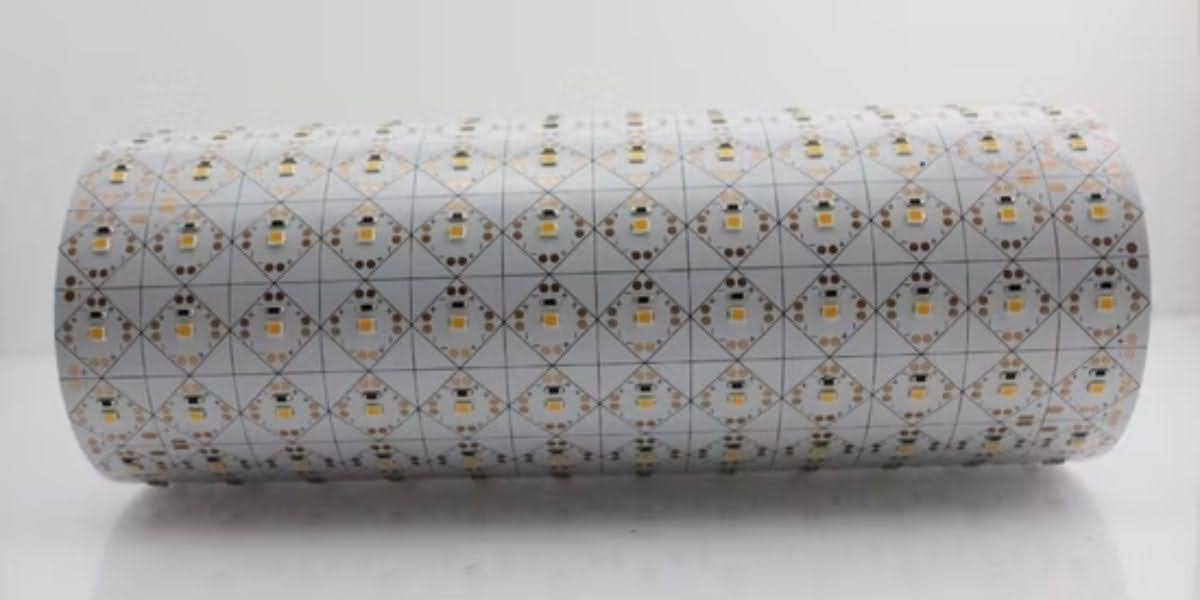
Folhas de LED para lentes ópticas
- Tamanho ( l x w x h ): 500mmx250mmx8mm
- Tipo de LED: 2835 SMD
- Quantidade do LED: 98 peças
- Tensão de funcionamento: DC 24V
- Potência: 20W
- CCT: 2700K/3000K/4000K/6000K/6500K
- Fluxo luminoso: 1800lm
- CRI: > 90ra
- Ângulo do feixe: 180°
- Tamanho do corte: 1 LED
- grau IP: IP20 não impermeável
- Tempo de vida: >35.000 horas
- Garantia: 3 anos
Tabela de comparação de avaliação de fornecedores
| fase de avaliação | O que o comprador deve verificar | Por que importa em grande escala | Risco se ignorado |
| Teste de amostra | Uniformidade óptica, estabilidade térmica, repetibilidade | Detecta fraquezas do projeto inicial | Defeitos ocultos aparecem na produção |
| Auditoria do fornecedor | Profundidade de engenharia, disciplina de processo, história da produção | Confirma a capacidade de escalar de forma confiável | Amostras fortes de fábricas fracas |
| Verificação de conformidade | Documentação rastreável, registros em lote | Ativa o rastreamento de defeitos | Risco regulatório descontrolado |
| corrida piloto | Métricas de consistência do lote, taxa de rendimento | Simula o estresse da produção | Desvanece-se da qualidade após a confirmação |
| Bloqueio de produção em massa | Controle de materiais, estabilidade de ferramentas | Previne a deriva ao longo do tempo | Redução de desempenho em lotes |
Erros comuns do comprador
Muitas equipes de compras aprovam os fornecedores com base apenas no desempenho inicial da amostra. Isso ignora a capacidade do processo e a disciplina de dimensionamento.
Pular corridas de pilotos é outro erro comum. Sem a replicação em lote, os problemas de rendimento ocultos permanecem indetectados.
Os compradores geralmente assumem que os produtos flexíveis de folha de luz LED se comportam de forma idêntica em volume, como em pequenos lotes de teste. Na realidade, a tolerância à solda, a tensão do traço de cobre e a distribuição de calor mudam com a escala de produção.
Outro erro é ignorar a rastreabilidade interna. Quando ocorre uma falha nas instalações de campo, a falta de documentação em lote impede a análise de causa raiz.
A avaliação do fornecedor deve ir além das comparações de preços e da inspeção estética. Requer verificação estruturada desde a primeira amostra até o monitoramento contínuo da produção.
Conclusão
Avaliar os fornecedores de luzes de folha de LED é um exercício orientado por processos que passa a passo da validação da amostra para a disciplina de produção em massa. Amostras fortes são necessárias, mas insuficientes. A verdadeira capacidade do fornecedor é comprovada por meio de repetibilidade, rastreabilidade, replicação do piloto e bloqueio de processos.
A desvantagem da qualidade entre a amostra e a escala é evitável quando os compradores aplicam a verificação estruturada em cada estágio. As decisões de aquisição devem ser baseadas na força do controle do processo, não nos preços iniciais ou nas primeiras impressões.
Do teste de bancada à estabilidade do volume, a avaliação do fornecedor é um sistema. Quando aplicado com rigor, protege o desempenho, a confiabilidade e a integridade do produto a longo prazo.
FAQs
Postagens relacionadas