ไทย
ไทย  English
  简体中文
简体中文  Deutsch
  Español
  Français
  Italiano
  日本語
日本語  한국어
한국어  Polski
  Português
  Русский
  Türkçe
  Nederlands
  Tiếng Việt
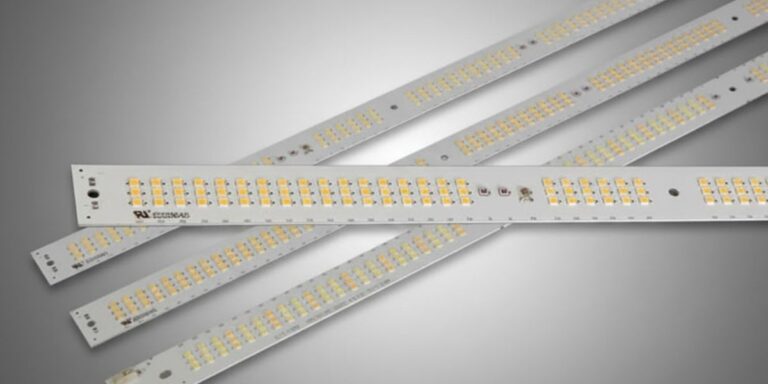
โมดูล LED สูงเป็นระบบไฟส่องสว่างที่ออกแบบมาเพื่อสร้างสีได้อย่างแม่นยำภายใต้แสงประดิษฐ์ CRI หรือดัชนีการเรนเดอร์สี จะวัดว่าแหล่งกำเนิดแสงเผยให้เห็นสีได้อย่างใกล้ชิดเพียงใดเมื่อเปรียบเทียบกับการอ้างอิงตามธรรมชาติ ไฟ LED ที่มีค่า CRI สูงมักใช้ในแสงสถาปัตยกรรม จอแสดงผลขายปลีก สภาพแวดล้อมทางการแพทย์ สตูดิโอ และการใช้งานใดๆ ที่ความแม่นยำของสีมีความสำคัญมากกว่าความสว่างดิบ
ในโมดูลเหล่านี้ แพ็คเกจ LED เป็นเพียงส่วนหนึ่งของระบบเท่านั้น แผงวงจรพิมพ์มีบทบาทสำคัญในการทำงานของ LED อย่างสม่ำเสมอเมื่อเวลาผ่านไป เมื่อเทียบกับชุด LED มาตรฐาน การออกแบบ CRI สูงมีความไวต่อความร้อน ความไม่เสถียรทางไฟฟ้า และการตัดสินใจของเลย์เอาต์มากกว่ามาก การเปลี่ยนแปลงเล็กน้อยของอุณหภูมิทางแยกหรือกระแสของไดรฟ์สามารถเปลี่ยนสเปกตรัมที่ปล่อยออกมาได้ ซึ่งช่วยลดความเที่ยงตรงของสีได้ แม้ว่าไฟ LED จะได้รับการจัดอันดับสำหรับ CRI สูงก็ตาม
นี่คือเหตุผลที่การออกแบบ PCB LED สำหรับการใช้งาน CRI สูงมุ่งเน้นไปที่การเพิ่มเอาต์พุตสูงสุดและรักษาเสถียรภาพมากขึ้น พฤติกรรมทางความร้อน การควบคุมกระแส และความสม่ำเสมอของแสงต้องทำงานร่วมกัน บอร์ด PCB LED ที่ออกแบบมาอย่างดีช่วยรักษาคุณภาพสีตลอดอายุการใช้งานของผลิตภัณฑ์ ในขณะที่ตัวเลือกการออกแบบที่ไม่ดีสามารถบ่อนทำลายแม้กระทั่งแพ็คเกจ LED ที่ดีที่สุด
สิ่งที่ทำให้การออกแบบ PCB LED สูง CRI แตกต่าง
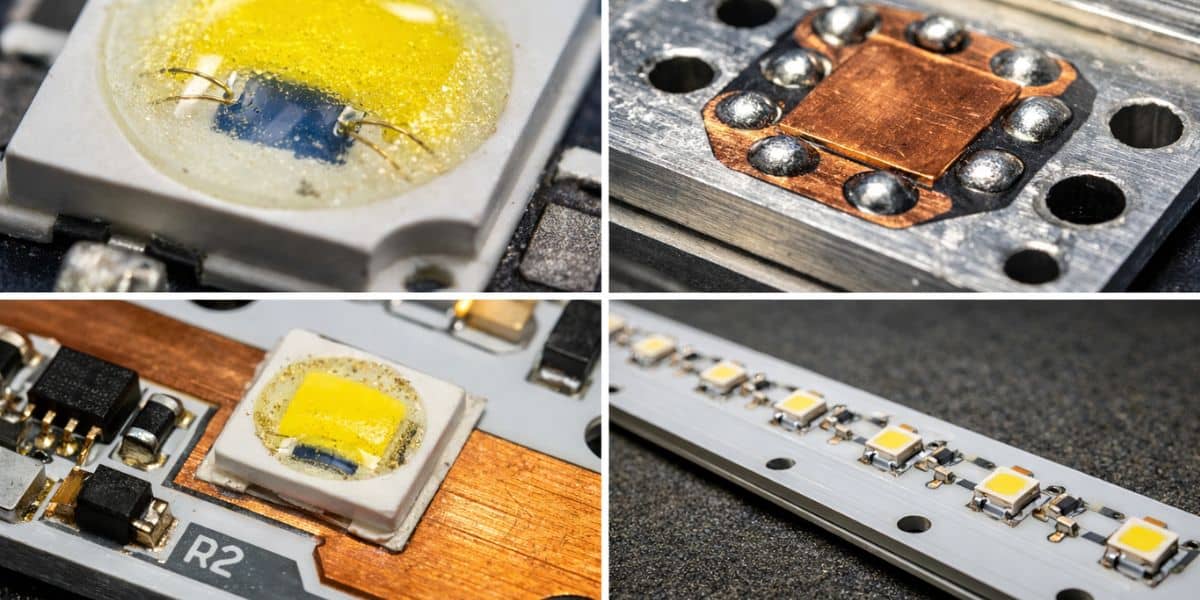
ไฟ LED CRI สูงใช้ระบบสารเรืองแสงที่ปรับอย่างระมัดระวังเพื่อกำหนดสเปกตรัมเอาต์พุต สารเรืองแสงเหล่านี้ไวต่อสภาวะการทำงานมากกว่าที่ใช้ในไฟ LED CRI มาตรฐานกลาง
ความไวแสงฟอสเฟอร์และอุณหภูมิ
ชั้นสารเรืองแสงจะแปลงส่วนหนึ่งของการปล่อย LED สีน้ำเงินเป็นความยาวคลื่นที่ยาวขึ้น เมื่ออุณหภูมิสูงขึ้น ประสิทธิภาพของสารเรืองแสงและความสมดุลของสเปกตรัมสามารถเปลี่ยนแปลงได้ แม้แต่อุณหภูมิทางแยกที่เพิ่มขึ้นเล็กน้อยก็อาจนำไปสู่การเปลี่ยนอุณหภูมิสีและ CRI ที่วัดได้ สิ่งนี้ทำให้ความสม่ำเสมอของความร้อนเป็นปัญหาการออกแบบลำดับแรก
ผลกระทบความร้อนต่อความเสถียรของสี
การแพร่กระจายความร้อนที่ไม่สอดคล้องกันทั่ว PCB อาจทำให้ LED ที่แตกต่างกันบนบอร์ดเดียวกันทำงานที่อุณหภูมิต่างกัน ผลลัพธ์ที่ได้คือรูปแบบสีที่มองเห็นได้ทั่วทั้งโมดูล การเปลี่ยนสีเหล่านี้สามารถปรากฏขึ้นได้ตั้งแต่อายุผลิตภัณฑ์ซึ่งแตกต่างจากค่าเสื่อมราคาของลูเมน หากการออกแบบ PCB ไม่จัดการความร้อนอย่างสม่ำเสมอ
ทำไมการออกแบบ PCB มีผลโดยตรงต่อคุณภาพแสงในระยะยาว
PCB กำหนดว่าความร้อนออกจาก LED อย่างไรกระแสไหลผ่านและวิธีการที่เสถียรภาพทางกล ชุมนุม ยังคงอยู่เมื่อเวลาผ่านไป ในการออกแบบ PCB LED สูง CRI บอร์ดไม่ได้เป็นเพียงผู้ให้บริการไฟฟ้าเท่านั้น เป็นโครงสร้างการควบคุมความร้อนและแสงที่ส่งผลโดยตรงต่อความเสถียรของสี
การจัดการความร้อน
การจัดการความร้อนเป็นส่วนที่สำคัญที่สุดของการออกแบบไฟ LED PCB สำหรับการใช้งาน CRI สูง เป้าหมายไม่ได้เป็นเพียงการรักษาอุณหภูมิให้ต่ำเท่านั้น แต่เพื่อให้อุณหภูมิต่ำและคาดเดาได้
MCPC เทียบกับ FR-4
สำหรับไฟ LED CRI ที่มีกำลังสูงหรืออัดแน่น มักใช้ PCB แบบแกนโลหะ
- บอร์ด FR-4 ใช้ระนาบทองแดงและจุดไวยากายเพื่อย้ายความร้อนไปยังฮีทซิงค์ภายนอก เหมาะสำหรับ LED ที่ใช้พลังงานต่ำหรือมีระยะห่างกันมาก แต่ค่าการนำความร้อนมีจำกัด
- คอมพ์บีเอสพีบีเอส ใช้ฐานโลหะ ซึ่งโดยทั่วไปคืออะลูมิเนียมหรือทองแดง โดยมีชั้นอิเล็กทริกระหว่างวงจรทองแดงกับแกนโลหะ โครงสร้างนี้ให้เส้นทางความร้อนโดยตรงห่างจาก LED
สำหรับโมดูล CRI สูงที่ความสม่ำเสมอของสีเป็นสิ่งสำคัญ MCPCb มักนิยมใช้เนื่องจากลดการไล่ระดับอุณหภูมิทั่วทั้งกระดาน
อลูมิเนียม VS ฐานทองแดง
บอร์ดอลูมิเนียมแกนใช้กันอย่างแพร่หลายเนื่องจากความสมดุลของต้นทุน น้ำหนัก และประสิทธิภาพการระบายความร้อน บอร์ดแกนทองแดงให้ค่าการนำความร้อนที่สูงขึ้น แต่เพิ่มต้นทุนและน้ำหนัก และมักจะสงวนไว้สำหรับการใช้งานที่มีความหนาแน่นของพลังงานสูงมากหรือการไหลของอากาศที่จำกัด
ทางเลือกควรขึ้นอยู่กับความต้องการด้านความร้อน ข้อจำกัดทางกล และการระบายความร้อนระดับระบบ ไม่ใช่บนสมมติฐานที่ว่าวัสดุชิ้นเดียวให้ประสิทธิภาพสีที่ดีกว่าเสมอ
ช่องระบายความร้อนและความหนาของทองแดง
ในการออกแบบ FR-4 ช่องระบายความร้อนใต้แผ่นความร้อน LED ช่วยย้ายความร้อนไปยังระนาบทองแดงด้านในหรือฮีทซิงค์ จำนวน เส้นผ่านศูนย์กลาง และตำแหน่งของจุดแวะเหล่านี้มีความสำคัญมากกว่าการใช้มากเกินไป ทางที่วางไม่ดีสามารถสร้างการไหลของความร้อนที่ไม่สม่ำเสมอได้
ความหนาของทองแดงยังส่งผลต่อการแพร่กระจายความร้อน ระนาบทองแดงที่หนาขึ้นจะกระจายความร้อนด้านข้าง ลดจุดร้อน และช่วยรักษาอุณหภูมิทางแยก LED ที่สม่ำเสมอทั่วทั้งกระดาน
ตรรกะการแพร่กระจายความร้อน
การออกแบบความร้อนที่มีประสิทธิภาพจะกระจายความร้อนก่อนที่จะขจัดความร้อน พื้นที่ทองแดงขนาดใหญ่ เลย์เอาต์สมมาตร และชั้นชั้นที่สม่ำเสมอช่วยให้อุณหภูมิเท่ากัน วิธีการนี้มีความสำคัญอย่างยิ่งในโมดูล LED เชิงเส้น ซึ่งการไล่ระดับอุณหภูมิสามารถพัฒนาจากปลายด้านหนึ่งของบอร์ดไปยังอีกด้านหนึ่งได้
ความสมบูรณ์ของพลังงานและการควบคุมปัจจุบัน
เสถียรภาพทางไฟฟ้าเชื่อมโยงกับความเสถียรของสีในระบบ LED สูง
ความสำคัญของการขับขี่แบบคงที่
ไฟ LED CRI สูงจะต้องขับเคลื่อนด้วยกระแสคงที่คงที่ ความแปรผันของกระแสส่งผลกระทบโดยตรงต่ออุณหภูมิทางแยกและสเปกตรัมการแผ่รังสี การออกแบบ PCB รองรับสิ่งนี้โดยลดแรงดันตก สัญญาณรบกวน และความต้านทานปรสิต
แรงกระเพื่อมในปัจจุบันและผลกระทบจากการสั่นไหว
กระแสน้ำที่มากเกินไปสามารถทำให้เกิดการสั่นไหวและการปั่นจักรยานด้วยความร้อนที่ทางแยก LED แม้ว่าการสั่นไหวมักถูกกล่าวถึงในแง่ของการรับรู้ของมนุษย์ แต่ก็มีส่วนทำให้เกิดความเครียดในระยะยาวบนวัสดุเรืองแสง การแยกส่วนที่เหมาะสมและการกำหนดเส้นทางพลังงานที่สะอาดบน PCB ช่วยลดผลกระทบเหล่านี้
ความกว้างของร่องรอยการต่อสายดินและการแยกส่วน
ร่องรอยกว้างช่วยลดการสูญเสียความต้านทานและการสร้างความร้อน กลยุทธ์การต่อสายดินที่ชัดเจนช่วยลดการคัปปลิ้งเสียงรบกวนในเส้นทางกระแสไฟ LED ตัวเก็บประจุแบบแยกส่วนที่วางใกล้กับส่วนต่อประสานของไดรเวอร์ช่วยให้แรงดันไฟฟ้าและการส่งกระแสไฟคงที่
ใน การออกแบบ LED PCBแนวทางปฏิบัติเหล่านี้ไม่ได้เกี่ยวกับการผลักดันขีดจำกัดประสิทธิภาพ แต่เป็นการหลีกเลี่ยงความเครียดทางไฟฟ้าที่ไม่จำเป็นซึ่งอาจทำให้คุณภาพสีลดลงเมื่อเวลาผ่านไป
เค้าโครง PCB และสมมาตรทางแสง
การตัดสินใจของเลย์เอาต์มีอิทธิพลต่อพฤติกรรมทางความร้อนและทางแสง
ความสมมาตรของตำแหน่ง LED
การจัดวางแบบสมมาตรช่วยให้มั่นใจได้ว่า LED แต่ละเครื่องจะเห็นสภาวะความร้อนและไฟฟ้าที่คล้ายคลึงกัน ความไม่สมดุลสามารถนำไปสู่จุดร้อนที่แปลเป็นภาษาท้องถิ่น ซึ่งแปลเป็นสีที่แปรผันบนพื้นผิวที่สว่างไสว
ระยะห่างและครอสทอล์คแบบระบายความร้อน
ไฟ LED ที่วางชิดกันมากเกินไปสามารถให้ความร้อนแก่กันได้ แม้ว่าแต่ละอุปกรณ์จะอยู่ในขีดจำกัดที่กำหนดก็ตาม ระยะห่างที่เพียงพอช่วยให้ความร้อนกระจายและกระจายอย่างสม่ำเสมอมากขึ้น ระยะห่างที่เหมาะสมที่สุดขึ้นอยู่กับระดับพลังงาน วัสดุบอร์ด และวิธีการระบายความร้อน
ติดตามเส้นทางออกจากเส้นทางแสง
ร่องรอยกระแสสูงควรถูกส่งออกจากพื้นที่สะท้อนแสงหรือแสง ซึ่งจะช่วยลดการดูดกลืนแสง การแรเงา หรือความร้อนที่ไม่ต้องการเฉพาะที่ใกล้กับพื้นผิวที่เปล่งแสง
หน้ากากประสานการสะท้อนแสงและความมั่นคง
มาสก์บัดกรีแบบไม่มีสีเหลืองอ่อนมักใช้ในการออกแบบบอร์ด PCB LED แบบไฮไฟ แม้ว่าหน้ากากประสานจะไม่เปลี่ยน CRI โดยตรง แต่การเปลี่ยนสีเมื่อเวลาผ่านไปอาจส่งผลต่อการรับรู้สีที่สม่ำเสมอและลักษณะที่สว่าง
การเลือกวัสดุและพื้นผิวสำเร็จรูป

การเลือกวัสดุมีอิทธิพลต่อความน่าเชื่อถือมากกว่าประสิทธิภาพในทันที
วัสดุฐาน PCB
นอกเหนือจากตัวเลือก FR-4 และ MCPCB แล้ว วัสดุอิเล็กทริกที่มีการนำความร้อนคงที่และลักษณะการเสื่อมสภาพต่ำมีความสำคัญ ประสิทธิภาพอิเล็กทริกที่ไม่สอดคล้องกันสามารถเปลี่ยนแปลงความต้านทานความร้อนได้เมื่อเวลาผ่านไป
enig และ enepig เสร็จสิ้น
พื้นผิว Enig และ Enepig ให้ความสามารถในการบัดกรีและทนต่อการกัดกร่อนได้ดี จากมุมมองของสี ค่าของพวกมันอยู่ที่ความเสถียรทางไฟฟ้าและทางกลในระยะยาวมากกว่าเอฟเฟกต์แสง
พื้นผิวที่เชื่อถือได้ช่วยลดความเสี่ยงของการเสื่อมสภาพของหน้าสัมผัส ซึ่งอาจนำไปสู่การกระจายกระแสไฟที่ไม่สม่ำเสมอใน LED
ข้อควรพิจารณาด้านความน่าเชื่อถือในระยะยาว
การใช้งาน CRI สูงมักคาดหวังอายุการใช้งานนานและเปลี่ยนสีน้อยที่สุด วัสดุที่ต้านทานการเกิดออกซิเดชัน การแยกชั้น และความล้าจากความร้อนสนับสนุนเป้าหมายนี้โดยการรักษาเส้นทางไฟฟ้าและความร้อนให้คงที่
ความน่าเชื่อถือและการป้องกันสำหรับโมดูล CRI สูง
ความเสี่ยงจากความร้อน
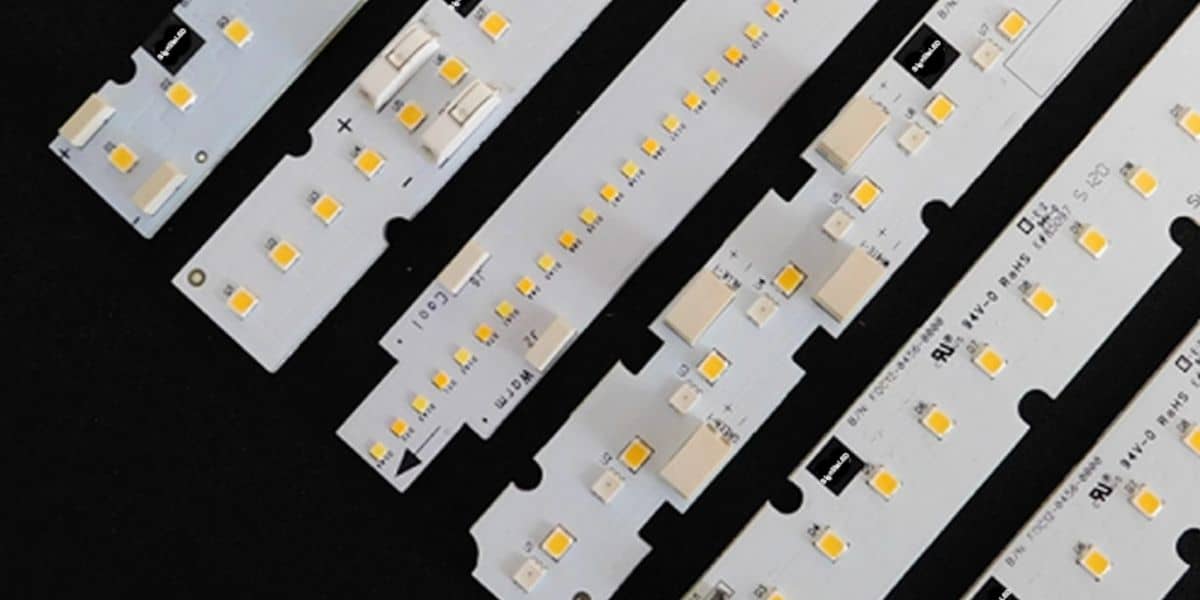
การสัมผัสกับอุณหภูมิที่สูงขึ้นซ้ำๆ จะช่วยเร่งอายุสารเรืองแสงและสามารถเปลี่ยนเอาต์พุตสีได้ การออกแบบ PCB ที่จำกัดอุณหภูมิสูงสุดและลดการหมุนเวียนความร้อนช่วยให้กระบวนการนี้ช้าลง
การเคลือบผิวแบบคอนฟอร์ม
ในสภาพแวดล้อมที่รุนแรง การเคลือบแบบเป็นไปตามรูปแบบสามารถปกป้อง PCB จากความชื้นและสารปนเปื้อนได้ การเคลือบจะต้องมีความเสถียรทางแสงและเข้ากันได้กับการทำงานของ LED เนื่องจากวัสดุบางชนิดสามารถเปลี่ยนสีได้ภายใต้ความร้อนและแสง
เทอร์มิสเตอร์ NTC และการตอบสนองความร้อน
การผสานรวมเทอร์มิสเตอร์ NTC บน PCB ช่วยให้ระบบตรวจสอบอุณหภูมิของบอร์ดและลดกระแสไฟได้หากจำเป็น การป้องกันความร้อนรูปแบบนี้รองรับความเสถียรของสีโดยป้องกันการทำงานเป็นเวลานานที่อุณหภูมิที่สร้างความเสียหาย
ข้อผิดพลาดในการออกแบบ PCB ทั่วไปในโมดูล LED สูง CRI
ข้อผิดพลาดบ่อยครั้งอย่างหนึ่งคือการรักษา LED CRI สูงเช่นเดียวกับ LED มาตรฐาน การออกแบบที่ใช้งานได้จริงสำหรับแสงทั่วไปอาจไม่รักษาคุณภาพของสีในการใช้งาน CRI สูง
การเพิกเฉยต่อความสมมาตรทางความร้อนสามารถนำไปสู่ความแปรผันของสีที่มองเห็นได้ทั่วทั้งโมดูล ไฟ LED โอเวอร์ไดรฟ์เพื่อให้ได้ความสว่างที่สูงขึ้นจะเพิ่มความเครียดจากความร้อนและเร่งการเปลี่ยนสี การตัดสินใจเกี่ยวกับเลย์เอาต์ที่ไม่ดี เช่น ร่องรอยแคบหรือการกระจายทองแดงที่ไม่สม่ำเสมอ ทำให้เกิดความไม่สมดุลทางไฟฟ้าและความร้อนที่บ่อนทำลายเสถียรภาพในระยะยาว
การออกแบบ PCB ที่เหมาะสมช่วยรักษา CRI ไว้ได้อย่างไรเมื่อเวลาผ่านไป
การออกแบบ LED PCB ที่ดีไม่ได้เพิ่ม CRI เกินกว่าที่แพ็คเกจ LED มอบให้ แต่จะรักษาประสิทธิภาพของสีที่ได้รับการจัดอันดับไว้ตลอดอายุการใช้งานของผลิตภัณฑ์
สิ่งนี้ต้องใช้การคิดระดับระบบ ต้องพิจารณา PCB, ไดรเวอร์, ตัวเรือนเชิงกลและวิธีการระบายความร้อนร่วมกัน เมื่อเส้นทางความร้อนมีความสม่ำเสมอ การส่งกระแสไฟจะคงที่ และรักษาความสมมาตรของเลย์เอาต์ ไฟ LED แบบ CRI สูงมีแนวโน้มที่จะให้เอาต์พุตสีที่สม่ำเสมอทุกปี
ตัวเลือกการออกแบบและผลกระทบ
| ด้านการออกแบบ | ทางเลือกการออกแบบ PCB | ผลกระทบต่อความเสถียรของ CRI |
| เส้นทางความร้อน | MCPCB กับทองแดงสม่ำเสมอ | ลดการไล่ระดับอุณหภูมิ |
| เค้าโครง | ตำแหน่ง LED แบบสมมาตร | เพิ่มความสม่ำเสมอของสี |
| เส้นทางพลังงาน | ร่องรอยกว้างและสมดุล | รักษากระแสคงที่ |
| วัตถุที่ยึด | หน้ากากประสานที่มั่นคงและเสร็จสิ้น | รองรับความสม่ำเสมอในระยะยาว |
บทสรุป
โมดูล LED สูง CRI ต้องการการออกแบบ PCB มากกว่าผลิตภัณฑ์ไฟมาตรฐาน การจัดการความร้อน ความเสถียรทางไฟฟ้า และความสมมาตรของเลย์เอาต์ล้วนมีบทบาทโดยตรงในการรักษาความแม่นยำของสี การออกแบบ PCB LED ที่ดำเนินการอย่างดีไม่ได้ให้ตัวเลข CRI ที่สูงขึ้น แต่ช่วยปกป้องคุณภาพสีที่ LED ได้รับการออกแบบมาให้ส่งมอบ
วิศวกรสามารถมั่นใจได้ว่าโมดูล LED ที่มี CRI สูงจะรักษาประสิทธิภาพการมองเห็นที่ตั้งใจไว้ตลอดอายุการใช้งานโดยเน้นที่การกระจายความร้อนที่สม่ำเสมอ เส้นทางกระแสที่สะอาด และวัสดุที่เชื่อถือได้
คำถามที่พบบ่อย
กระทู้ที่เกี่ยวข้อง