ไทย
ไทย  English
  简体中文
简体中文  Deutsch
  Español
  Français
  Italiano
  日本語
日本語  한국어
한국어  Polski
  Português
  Русский
  Türkçe
  Nederlands
  Tiếng Việt
แสงอะคูสติกช่วยปรับปรุงบรรยากาศของสตูดิโอบันทึกเสียงโดยระบุข้อกำหนดที่สำคัญสองประการในเวลาเดียวกัน: พฤติกรรมเสียงที่ควบคุมและการส่องสว่างที่ใช้งานได้สบาย ด้วยการรวมวัสดุดูดซับเสียงเข้ากับระบบแสงที่ออกแบบมาอย่างพิถีพิถัน แสงเสียงช่วยช่วยลดเสียงก้องที่ไม่ต้องการ ปรับปรุงความชัดเจนของเสียงพูดและดนตรี และสร้างสภาพแวดล้อมที่สงบนิ่งซึ่งรองรับการบันทึกเสียงที่ยาวนาน ผลลัพธ์ที่ได้ไม่ใช่แค่คุณภาพเสียงที่ดีขึ้นเท่านั้น แต่ยังมีบรรยากาศในสตูดิโอที่ให้ความรู้สึกสมดุล เน้น และสร้างขึ้นตามวัตถุประสงค์มากกว่าที่จะด้นสด
แสงอะคูสติกคืออะไร?
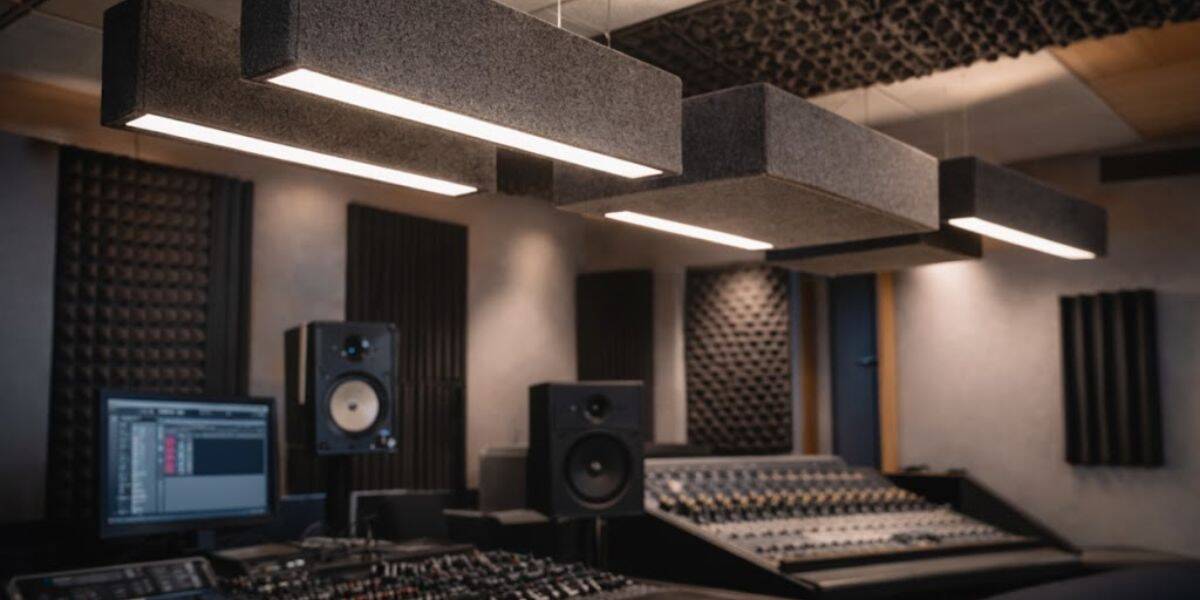
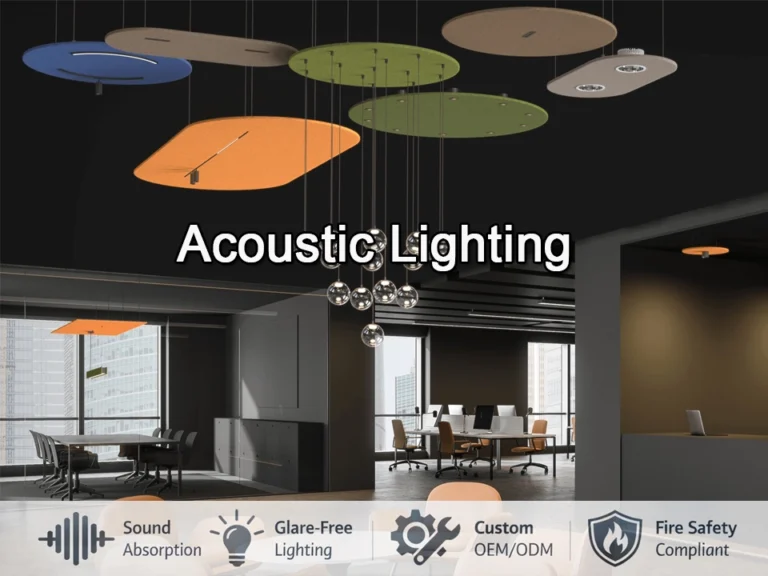
แสงอะคูสติกเป็นหมวดหมู่ของอุปกรณ์ติดตั้งที่รวมองค์ประกอบดูดซับเสียงเข้ากับส่วนประกอบแสงในระบบเดียว แทนที่จะปฏิบัติต่อเสียงและแสงเป็นชั้นที่แยกจากกันในขั้นตอนต่างๆ ของการสร้างสตูดิโอ โซลูชันแสงอะคูสติกจะรวมฟังก์ชันเหล่านี้เป็นองค์ประกอบที่ประสานกัน ซึ่งส่วนใหญ่ติดตั้งบนเพดานหรือแขวนอยู่เหนือศีรษะ
จากมุมมองของเสียง ระบบเหล่านี้อาศัยวัสดุที่มีรูพรุนซึ่งดูดซับพลังงานเสียงระดับกลางถึงสูง ซึ่งช่วยลดแสงสะท้อนที่อาจสะท้อนไปมาระหว่างพื้นผิวแข็ง จากมุมมองของแสง พวกมันให้การส่องสว่างแบบกระจาย ควบคุมแสงสะท้อนที่เหมาะสมสำหรับงานต่างๆ เช่น การมิกซ์ การติดตาม และการฟังที่เน้นเป็นเวลานาน
ในสภาพแวดล้อมแบบมืออาชีพ เช่น สตูดิโอบันทึกเสียง ซึ่งทั้งความแม่นยำของเสียงและความสบายทางสายตาส่งผลโดยตรงต่อประสิทธิภาพ แสงอะคูสติกจะมีบทบาทในการใช้งานมากกว่าการตกแต่ง
ทำไมสตูดิโอบันทึกเสียงจึงมีความท้าทายด้านเสียงและแสงที่ไม่เหมือนใคร
สตูดิโอบันทึกเสียงทำงานภายใต้ข้อจำกัดที่เข้มงวดกว่าพื้นที่เชิงพาณิชย์หรือที่อยู่อาศัยส่วนใหญ่ เป้าหมายไม่ได้เป็นเพียงการทำให้ห้องเงียบหรือสว่างขึ้นเท่านั้น แต่เพื่อสร้างสภาวะที่คาดเดาได้และควบคุมได้ ซึ่งสามารถจับภาพและประเมินเสียงได้อย่างแม่นยำ
ความท้าทายด้านเสียงเฉพาะสำหรับสตูดิโอ
พื้นที่บันทึกต้องจัดการการสะท้อน เสียงสะท้อน และเวลาที่ก้องกังวานไม่สม่ำเสมอ พื้นผิวแข็ง เช่น เพดาน ผนัง และชั้นวางอุปกรณ์อาจทำให้คลื่นเสียงสะท้อนกลับเข้าไปในไมโครโฟน ระบายสี และลดความคมชัด สตูดิโอขนาดเล็กและขนาดกลางมีความเสี่ยงเป็นพิเศษต่อการสะท้อนบนเพดาน เนื่องจากระยะห่างระหว่างแหล่งกำเนิดเสียงและพื้นผิวสะท้อนแสงเป็นระยะทางสั้น ๆ
ความท้าทายด้านแสงเฉพาะสำหรับสตูดิโอ
สตูดิโอยังต้องการแสงที่หลีกเลี่ยงแสงจ้า ความเมื่อยล้าของดวงตา และความว้าวุ่นใจของภาพ แสงจากแหล่งกำเนิดที่รุนแรงหรือความสว่างที่ไม่สม่ำเสมออาจทำให้รู้สึกไม่สบายใจในช่วงที่ยาวนาน และอาจรบกวนการมองเห็นหน้าจอในห้องควบคุม ในขณะเดียวกัน แสงจะต้องมีความน่าเชื่อถือ เสียงรบกวนต่ำ และเข้ากันได้กับรูปแบบเพดานที่เต็มไปด้วยการรักษาด้วยเสียง การเดินสาย และการระบายอากาศ
แสงไฟจะกล่าวถึงการทับซ้อนกันระหว่างพื้นที่ปัญหาทั้งสองนี้โดยตรง
การดูดซับเสียง VS กันเสียง: ความแตกต่างที่สำคัญ
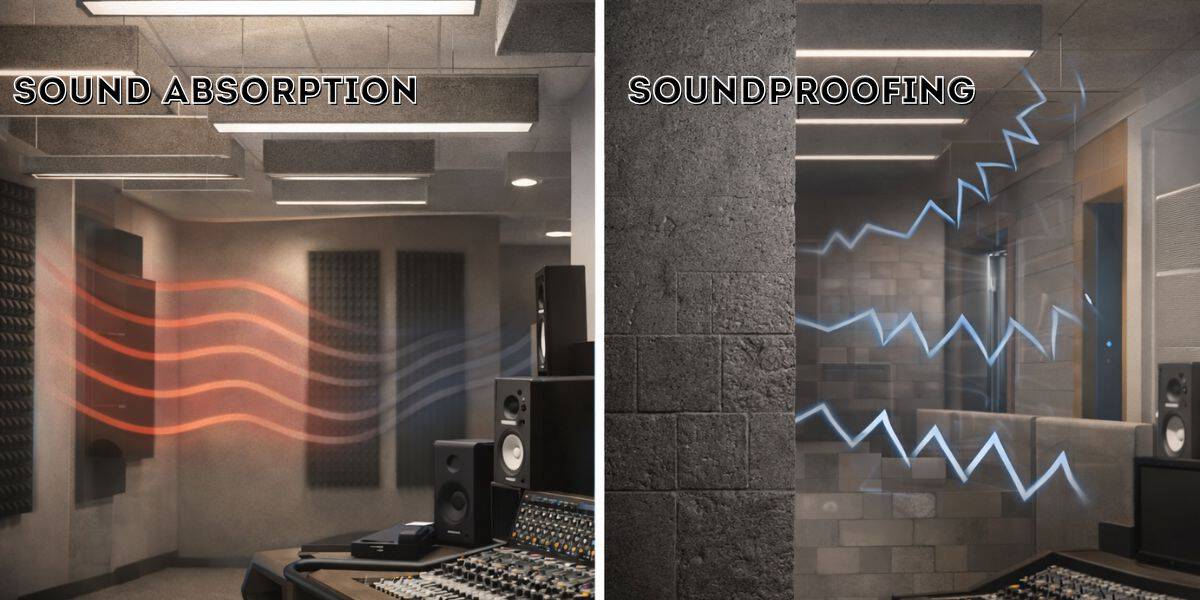
การดูดซับเสียงและกันเสียงมักจะสับสน แต่แก้ปัญหาที่แตกต่างกันมาก การทำความเข้าใจความแตกต่างนี้เป็นสิ่งสำคัญในการประเมินแสงอะคูสติก
การดูดซึมเสียง
การดูดซับเสียงช่วยลดการสะท้อนภายในห้อง วัสดุดูดซับจะแปลงพลังงานเสียงบางส่วนเป็นความร้อน ลดเวลาการก้องและปรับปรุงความชัดเจน ตัวชี้วัดเช่น NRC (ค่าสัมประสิทธิ์การลดสัญญาณรบกวน) มักใช้เพื่ออธิบายว่าวัสดุดูดซับเสียงในช่วงความถี่ต่างๆ ได้อย่างมีประสิทธิภาพเพียงใด ในสตูดิโอ การดูดซึมจะใช้เพื่อสร้างสนามเสียงภายใน ไม่ปิดกั้นเสียงรบกวนเข้าหรือออก
ที่กันเสียง
กันเสียงเน้นที่การแยกตัว มีจุดมุ่งหมายเพื่อป้องกันไม่ให้เสียงผ่านผนัง พื้น หรือเพดาน โดยการเพิ่มมวล ความชื้น และโครงสร้างสุญญากาศ นี่เป็นข้อกังวลเชิงโครงสร้างที่กล่าวถึงผ่านการออกแบบห้องภายในห้อง ฉากกั้นหนัก และวิธีการก่อสร้างเฉพาะทาง
แสงอะคูสติก มีส่วนช่วยในการดูดซับเสียง ไม่ติดเสียง คุณค่าของมันอยู่ที่การปรับปรุงสภาพแวดล้อมเสียงภายใน โดยเฉพาะอย่างยิ่งในการควบคุมการสะท้อนจากเพดาน
บทบาทของเพดานในสตูดิโอควบคุมเสียง
เพดานเป็นหนึ่งในพื้นผิวที่ทรงอิทธิพลที่สุดในสตูดิโอบันทึกเสียง แต่มักใช้น้อยเกินไป เนื่องจากมันอยู่เหนือแหล่งกำเนิดเสียงและตำแหน่งการฟังโดยตรง การสะท้อนบนเพดานจึงสามารถไปถึงไมโครโฟนและหูได้อย่างรวดเร็ว ทำให้เกิดการกรองหวีและสูญเสียคำจำกัดความ
การรักษาเพดานแบบดั้งเดิม ได้แก่ เมฆอะคูสติก แผง และตัวกระจายแสงที่แขวนอยู่เหนือพื้นที่ฟัง แม้ว่าจะมีประสิทธิภาพ องค์ประกอบเหล่านี้ต้องแข่งขันกันเพื่อพื้นที่ด้วยโคมไฟ ส่วนประกอบ HVAC และข้อจำกัดของโครงสร้าง
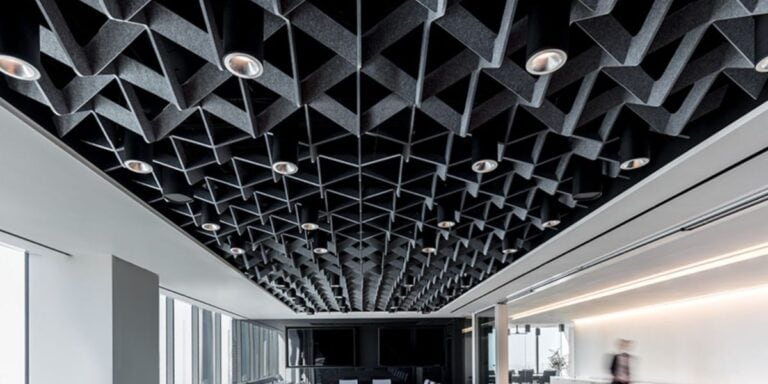
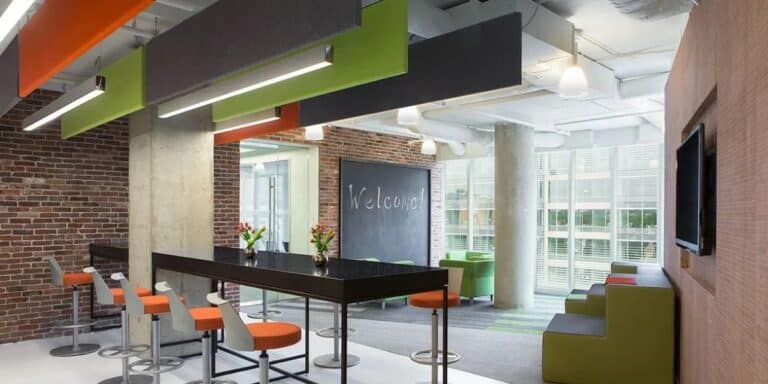
ไฟเพดานอะคูสติกช่วยรวมฟังก์ชันเหล่านี้ในการออกแบบสตูดิโอมากมาย ด้วยการรวมการดูดซึมและการส่องสว่างในระบบเดียว ทำให้นักออกแบบสามารถปฏิบัติต่อเพดานเป็นระนาบเสียงแบบบูรณาการ แทนที่จะเป็นการปะติดปะต่อขององค์ประกอบที่แยกจากกัน
เหตุใดแสงเพดานอะคูสติกแบบบูรณาการจึงมีความสำคัญ
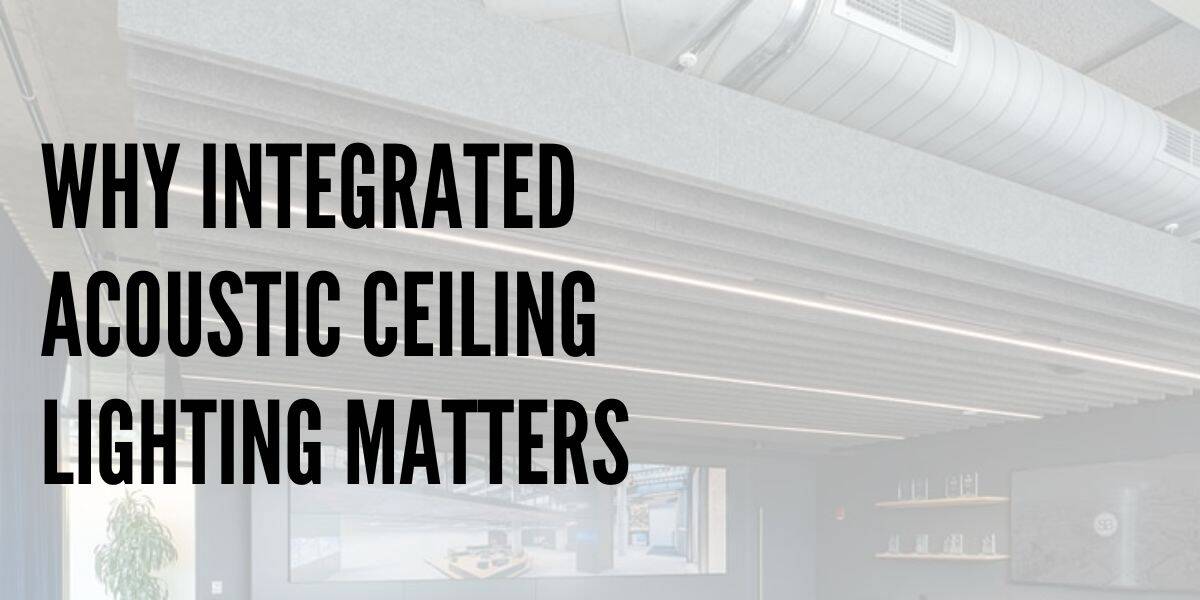
แสงเพดานแบบอะคูสติกแบบบูรณาการมีความสำคัญเนื่องจากช่วยลดความซับซ้อนในขณะที่เพิ่มความสม่ำเสมอ เมื่ออุปกรณ์ให้แสงสว่างและทรีทเมนต์อะคูสติกได้รับการออกแบบแยกกัน การประนีประนอมเป็นเรื่องปกติ แผงอาจปิดกั้นการกระจายแสง หรืออุปกรณ์ติดตั้งอาจทำให้เกิดพื้นผิวสะท้อนแสงที่บ่อนทำลายประสิทธิภาพเสียง
ด้วยระบบในตัว ส่วนประกอบเสียงและแสงได้รับการออกแบบมาเพื่อให้อยู่ร่วมกัน แสงที่ออกมามีรูปร่างเพื่อหลีกเลี่ยงแสงสะท้อนและแสงสะท้อน ในขณะที่วัสดุอะคูสติกอยู่ในตำแหน่งที่มีประสิทธิภาพมากที่สุด การจัดตำแหน่งนี้รองรับประสิทธิภาพของสตูดิโอที่คาดเดาได้ และทำให้การประสานงานระหว่างการออกแบบและการติดตั้งง่ายขึ้น
ในทางปฏิบัติ นี่หมายถึงความขัดแย้งระหว่างสาขาวิชาและสภาพแวดล้อมในสตูดิโอที่เหนียวแน่นน้อยลง
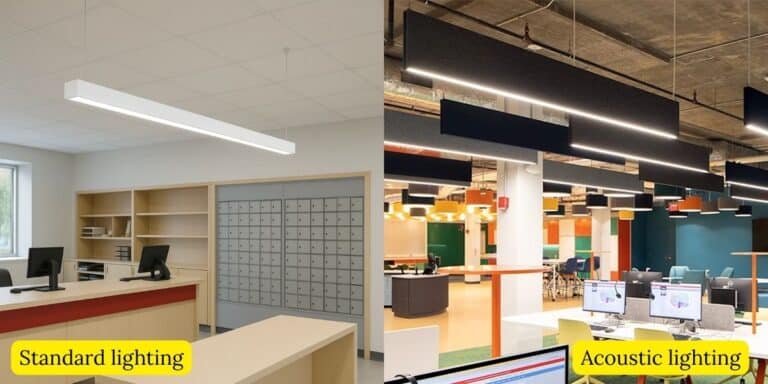
แผงแสงแบบดั้งเดิมพร้อมแผงโซลูชั่นแสงอะคูสติกแบบบูรณาการ
เพื่อให้เข้าใจถึงผลกระทบในทางปฏิบัติ จะช่วยเปรียบเทียบวิธีการแบบเดิมกับโซลูชันแสงอะคูสติกแบบบูรณาการ
| จริตจะ | แสงแบบดั้งเดิม + แผงอะคูสติก | แสงอะคูสติกในตัว |
| ประสานงานด้านการออกแบบ | แยกระบบที่ออกแบบมาอย่างอิสระ | ระบบพิกัดเดียว |
| ระเกะระกะเพดาน | องค์ประกอบที่ถูกระงับหลายรายการ | ความซับซ้อนของภาพลดลง |
| ความสม่ำเสมอของเสียง | ขึ้นอยู่กับตำแหน่งรอบ ๆ การแข่งขัน | การดูดกลืนแสงและการจัดแสง |
| คุณภาพแสง | อาจถูกบุกรุกโดยการจัดวางแผง | ออกแบบมาเพื่อการแพร่กระจายและความสะดวกสบาย |
| ขั้นตอนการติดตั้ง | หลายขั้นตอนการซื้อขายและติดตั้ง | การติดตั้งที่คล่องตัว |
| บรรยากาศ | ใช้งานได้จริงแต่กระจัดกระจาย | ลักษณะเพดานที่สะอาดขึ้นและสงบ |
การเปรียบเทียบนี้เน้นว่าเหตุใดนักออกแบบสตูดิโอหลายคนจึงพิจารณาแสงอะคูสติกแบบบูรณาการระหว่างการวางแผนล่วงหน้า แทนที่จะเป็นโซลูชันการติดตั้งเพิ่มเติม
แสงอะคูสติกมีอิทธิพลต่อบรรยากาศในสตูดิโออย่างไร
บรรยากาศในสตูดิโอบันทึกเสียงไม่ได้เกี่ยวกับการตกแต่ง มันเกี่ยวกับความรู้สึกและพฤติกรรมระหว่างการใช้งาน แสงเสียงมีอิทธิพลต่อบรรยากาศผ่านปัจจัยที่เชื่อมโยงกันหลายประการ
ลดความเครียดทางหู
ด้วยการลดเสียงก้องและการสะท้อนแสงที่มากเกินไป แสงอะคูสติกจะทำให้เกิดเสียงที่สงบลง วิศวกรและนักแสดงอาจรู้สึกเหนื่อยล้าในการฟังที่ลดลง โดยเฉพาะอย่างยิ่งในช่วงที่ยาวนาน
ความสบายตาและโฟกัส
แสงแบบกระจายและควบคุมได้ดีช่วยลดแสงสะท้อนและคอนทราสต์ที่รุนแรง สิ่งนี้สนับสนุนสมาธิ ปรับปรุงการมองเห็นหน้าจอ และทำให้พื้นที่รู้สึกตั้งใจมากกว่าที่จะด้นสด
การรับรู้ความเป็นมืออาชีพ
สตูดิโอที่ผสมผสานเสียงและแสงเข้าด้วยกันมักจะรู้สึกประณีตมากขึ้น การรับรู้นี้มีความสำคัญต่อความมั่นใจของลูกค้า แม้ว่าการปรับปรุงจะละเอียดอ่อนก็ตาม
ข้อควรพิจารณาด้านวัสดุและการออกแบบในแสงอะคูสติก
ระบบไฟอะคูสติกมักใช้วัสดุดูดซับเสียง เช่น แผ่นสักหลาดแบบวิศวกรรมหรือแผงแบบไฟเบอร์ที่จับคู่กับส่วนประกอบไฟ LED วัสดุ พื้นผิว และการกำหนดค่าที่แน่นอนแตกต่างกันไปตามผู้ผลิตและการใช้งาน
ตามข้อมูลผลิตภัณฑ์ที่เผยแพร่โดย Signlited ระบบไฟ LED แบบ LED ได้รับการออกแบบให้เป็นโซลูชันแบบบูรณาการที่รวมแสงเข้ากับการรักษาด้วยเสียงสำหรับสภาพแวดล้อมเชิงพาณิชย์และในเชิงอาชีพ ค่าประสิทธิภาพเฉพาะ เช่น การให้คะแนนเสียงหรือเมตริกอายุขัยไม่ได้เผยแพร่ในระดับสากล ดังนั้นควรประเมินตามโครงการต่อโครงการมากกว่าที่จะสันนิษฐาน
สำหรับนักออกแบบ การพิจารณาที่สำคัญไม่ใช่ข้อกำหนดเดียว แต่อย่างไรระบบก็เข้ากับกลยุทธ์อะคูสติกโดยรวมของสตูดิโอ
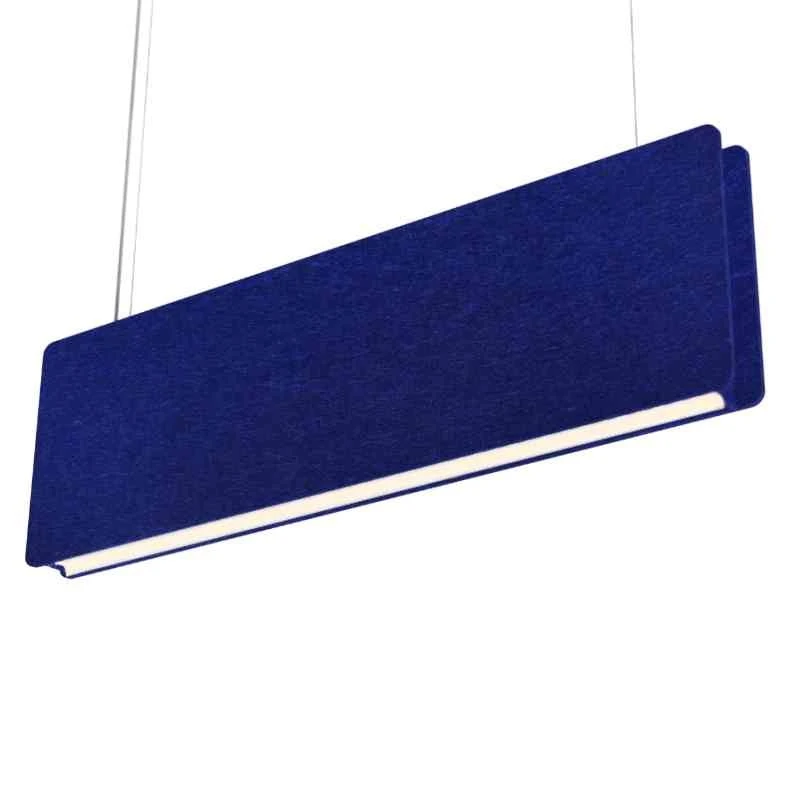
ไฟ LED เชิงเส้น ความกว้าง 58 มม.
- แรงดันไฟฟ้าขาเข้า: AC110–120V / AC220–240V, 50–60Hz
- ทิศทางการเปล่ง: ลง
- ตัวเลือกความกว้าง: 58 มม. / 80 มม.
- ขนาด: 1288 × 58 × 400 มม. / 1288 × 80 × 400 มม.
- ชิป LED: ส.ม.ด.2835
- ยูโกร: <19
- ตัวประกอบกำลัง (PF): > 0.90
- ศูนย์วิจัยกฤษณ์เคมี: > 90 รา
- ประสิทธิภาพการส่องสว่าง: 100 lm/w
- อุณหภูมิสีที่สัมพันธ์กัน (CCT): 3000K / 4000K / 6000K
- อำนาจ: 30 W
- มุมลำแสง: 120 °
- คะแนน IP: IP20
- กะพริบฟรี: ครับผม
- การรับประกัน: 5 ปี
- ตัวเลือกสีแผงอะคูสติก: สีแดง / สีเขียว / น้ำเงิน / เทา (มากกว่า 48 สี)
กลยุทธ์การจัดวางในสตูดิโอบันทึกเสียง
ในกรณีที่แสงอะคูสติกถูกวางมีความสำคัญมากเท่ากับประเภทที่ใช้ ในสตูดิโอบันทึกเสียง กลยุทธ์การจัดตำแหน่งทั่วไป ได้แก่ :
เหนือตำแหน่งผสมในห้องควบคุม ซึ่งการสะท้อนแสงจากเพดานในระยะแรกอาจส่งผลต่อการถ่ายภาพสเตอริโอ
เหนือพื้นที่แสดงสดของห้อง ซึ่งควบคุมการสะท้อนของเพดานช่วยรักษาความชัดเจนโดยไม่ทำให้พื้นที่หยุดทำงาน
ในบูธเสียงที่รวมแสงและการดูดซับช่วยจัดการพื้นที่แคบได้อย่างมีประสิทธิภาพ
เป้าหมายคือการสนับสนุนการตอบสนองทางเสียงที่ตั้งใจไว้ของห้องเสมอ แทนที่จะใช้การดูดซึมอย่างสม่ำเสมอโดยไม่มีการวิเคราะห์
บูรณาการกับแผนการรักษาเสียงที่กว้างขึ้น
ควรมองว่าแสงไฟเป็นองค์ประกอบหนึ่งของแผนการรักษาเสียงที่ใหญ่ขึ้น สตูดิโอยังคงต้องการการรักษาผนัง การควบคุมเสียงเบส และรูปทรงของห้องที่เหมาะสม แสงอะคูสติกไม่ได้แทนที่องค์ประกอบเหล่านี้ แต่ช่วยเสริมด้วยการจัดการกับเพดาน ซึ่งเป็นพื้นผิวที่ยากต่อการรักษาโดยไม่ประนีประนอมสายตา
เมื่อรวมเข้ากับกระบวนการออกแบบตั้งแต่ช่วงต้นของการออกแบบ แสงอะคูสติกสามารถลดจำนวนเมฆบนเพดานหรือแผงที่แยกจากกัน นำไปสู่รูปแบบที่สะอาดขึ้นและผลลัพธ์ที่คาดเดาได้มากขึ้น
ข้อควรพิจารณาสำหรับการปรับปรุงใหม่เทียบกับการสร้างสตูดิโอใหม่
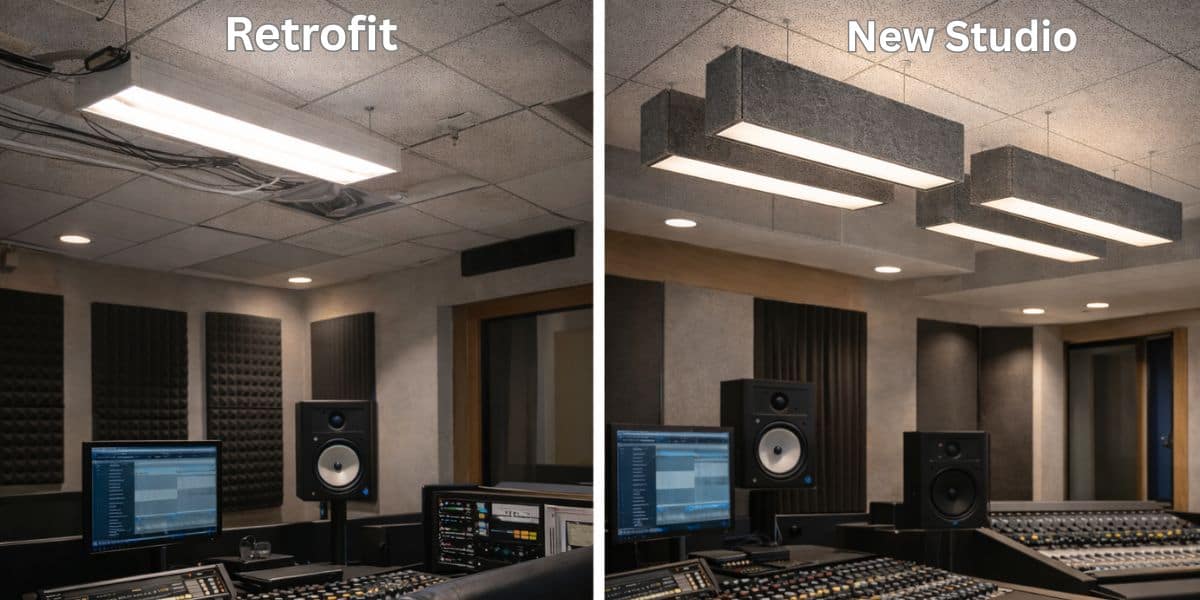
ในสตูดิโอสร้างใหม่ สามารถระบุแสงอะคูสติกได้ตั้งแต่เริ่มแรก ทำให้สามารถพิจารณาโครงสร้าง ไฟฟ้า และเสียงได้ ซึ่งมักจะส่งผลให้ผลลัพธ์ที่ราบรื่นที่สุด
ในโครงการติดตั้งเพิ่มเติม แสงอะคูสติกยังคงมีประสิทธิภาพ โดยเฉพาะอย่างยิ่งในบริเวณที่มีอุปกรณ์ติดตั้งบนเพดานและเมฆเสียงอยู่แล้ว การเปลี่ยนหรือรวมองค์ประกอบเหล่านี้สามารถปรับปรุงทั้งประสิทธิภาพและรูปลักษณ์ แม้ว่าการประเมินเงื่อนไขที่มีอยู่อย่างรอบคอบเป็นสิ่งสำคัญ
ความเกี่ยวข้องกับเวิร์กโฟลว์ที่ทันสมัยของสตูดิโอ
สตูดิโอบันทึกเสียงที่ทันสมัยเป็นพื้นที่ไฮบริดมากขึ้น ใช้สำหรับการผลิตเพลง พอดคาสต์ หลังการผลิต และการสตรีม เวิร์กโฟลว์เหล่านี้ต้องการความยืดหยุ่นและการใช้งานที่ยาวนาน
แสงอะคูสติกรองรับการเปลี่ยนแปลงนี้โดยให้สภาพเสียงที่มั่นคงและแสงที่สะดวกสบายโดยไม่เพิ่มความซับซ้อน สำหรับพื้นที่ที่ให้บริการหลายฟังก์ชัน ความสอดคล้องนี้จะกลายเป็นส่วนหนึ่งของการใช้งานโดยรวมของสตูดิโอ
บทสรุป
แสงไฟช่วยปรับปรุงบรรยากาศของสตูดิโอบันทึกเสียงโดยจัดตำแหน่งการควบคุมเสียงและความสบายในการมองเห็นให้เป็นโซลูชันแบบบูรณาการเดียว ด้วยการจัดการกับการสะท้อนบนเพดานในขณะที่ให้การส่องสว่างแบบกระจาย การทำงาน รองรับเสียงที่คมชัดขึ้น ลดความล้าในการฟัง และสภาพแวดล้อมการทำงานที่เน้นมากขึ้น
สำหรับนักออกแบบสตูดิโอ วิศวกรเสียง และสถาปนิก แสงอะคูสติกแบบบูรณาการแสดงถึงทางเลือกในการออกแบบเชิงกลยุทธ์มากกว่าการอัพเกรดตกแต่ง มันทำให้การประสานงานง่ายขึ้น ลดความยุ่งเหยิงบนเพดาน และมีส่วนทำให้เกิดพฤติกรรมเสียงที่คาดเดาได้โดยไม่ต้องแนะนำการอ้างสิทธิ์ที่ไม่ได้รับการสนับสนุนหรือความซับซ้อนที่ไม่จำเป็น
เมื่อนำไปใช้อย่างรอบคอบและประสานกับกลยุทธ์การรักษาเสียงที่กว้างขึ้น แสงอะคูสติกจะกลายเป็นเครื่องมือที่ใช้งานได้จริงสำหรับการกำหนดสภาพแวดล้อมในสตูดิโอที่ให้เสียงที่แม่นยำ รู้สึกสบาย และทำงานได้อย่างน่าเชื่อถือเมื่อเวลาผ่านไป
คำถามที่พบบ่อย
กระทู้ที่เกี่ยวข้อง