ไทย
ไทย  English
  简体中文
简体中文  Deutsch
  Español
  Français
  Italiano
  日本語
日本語  한국어
한국어  Polski
  Português
  Русский
  Türkçe
  Nederlands
  Tiếng Việt
เมื่อพูดถึงการเลือกสีแสงตกปลา คำถามแรกที่นักตกปลาหลายคนถามคือ “สีไหนดีที่สุด” — แต่คำถามนี้อาจทำให้เข้าใจผิดได้ ในความเป็นจริง ประสิทธิภาพของแสงตกปลาไม่ได้ขึ้นอยู่กับ "สีที่ดีที่สุด" เพียงสีเดียว เป็นการตัดสินใจของระบบ: สีอ่อนต้องตรงกับสภาพน้ำ สายพันธุ์เป้าหมาย วิธีการตกปลา และการตั้งค่าการติดตั้ง
คู่มือนี้จะแนะนำกรอบการตัดสินใจสี่ขั้นตอนที่ชัดเจนเพื่อช่วยให้คุณเลือกสิ่งที่เหมาะสมที่สุด ไฟ LED ตกปลาสี และการตั้งค่าสำหรับสถานการณ์น้ำเค็ม น้ำจืด และประมงเชิงพาณิชย์ ด้วยการทำความเข้าใจความสัมพันธ์ระหว่างน้ำ แสง และพฤติกรรมของปลา คุณสามารถดึงดูดสายพันธุ์เป้าหมายของคุณได้อย่างสม่ำเสมอและมีประสิทธิภาพมากขึ้น ลดการลองผิดลองถูก และปรับปรุงความสำเร็จในการตกปลาตอนกลางคืนของคุณ
สภาพน้ำส่งผลต่อประสิทธิภาพของสีแสงตกปลาอย่างไร
พฤติกรรมแสงในน้ำ
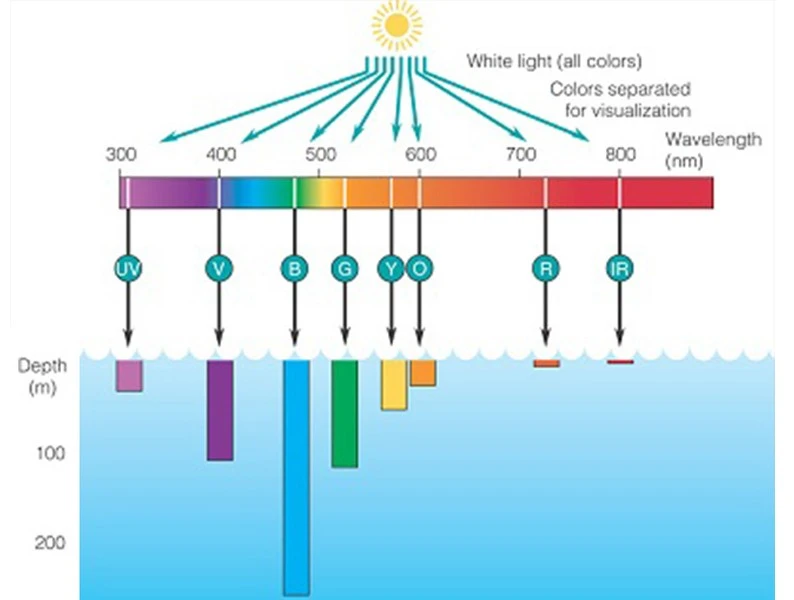
ประสิทธิภาพของแสงสีตกปลาขึ้นอยู่กับว่าแสงเดินทางผ่านน้ำอย่างไร ต่างจากในอากาศ แสงใต้น้ำได้รับผลกระทบอย่างรวดเร็วจากการดูดซึมและการกระเจิง ความยาวคลื่นต่างๆ จะจางหายไปในอัตราที่ต่างกัน ซึ่งหมายความว่าสีบางสียังคงมองเห็นได้ไกลกว่าสีอื่นๆ
ความยาวคลื่นที่สั้นกว่า เช่น สีน้ำเงินและสีเขียวมักเดินทางไกลกว่าใต้น้ำ ในขณะที่ความยาวคลื่นที่ยาวกว่าจะลดลงเร็วกว่า ความแตกต่างนี้เป็นเหตุผลสำคัญว่าทำไมการเลือกสีแสงตกปลาไม่ควรสุ่ม
ความใสและความชัดเจนของน้ำ
ความใสของน้ำมีบทบาทสำคัญในการกำหนดสีอ่อนที่ทำงานได้ดีที่สุด ในน้ำใส แสงสามารถเดินทางได้ไกลกว่าก่อนที่จะกระเจิง ทำให้สีบางสีส่องสว่างในบริเวณที่กว้างขึ้น ในทางตรงกันข้าม น้ำที่ขุ่นมัวหรือที่อุดมด้วยแพลงก์ตอนจะดูดซับแสงได้เร็วกว่าและลดการมองเห็น
แสงสีเขียวมักเป็นที่ชื่นชอบเพราะจะรักษาสมดุลระหว่างการซึมผ่านและคอนทราสต์ โดยยังคงมองเห็นได้ทั้งในสภาพที่ชัดเจนและขุ่นปานกลาง
ความลึกของน้ำและแสงโดยรอบในเวลากลางคืน
ความลึกมีอิทธิพลต่อการทำงานของสีแสงตกปลา เมื่อความลึกของน้ำเพิ่มขึ้น สีบางสีจะถูกดูดซับเร็วกว่าสีอื่นๆ สีที่ทำงานได้ดีในน้ำจืดตื้นอาจสูญเสียประสิทธิภาพในสภาพแวดล้อมของน้ำเค็มที่ลึกกว่า
ในเวลากลางคืน ระดับแสงโดยรอบลดลงอย่างมาก แม้แต่ไฟตกปลาที่เอาท์พุตปานกลางก็สามารถสร้างคอนทราสต์ที่รุนแรงกับความมืดโดยรอบ ทำให้การเลือกสีมีความสำคัญมากกว่าความสว่างที่โปร่งแสง
เหตุใดจึงไม่มีสีแสงตกปลาแบบ "ดีที่สุด" แบบสากล
เนื่องจากความใส ความลึก และสภาพแสงโดยรอบของน้ำแตกต่างกันอย่างมาก จึงไม่มีสีแสงตกปลาสีเดียวที่ทำงานได้ดีที่สุดในทุกสถานการณ์ การเลือกสีที่มีประสิทธิภาพขึ้นอยู่กับการจับคู่แสงกับสภาพแวดล้อมการตกปลาเฉพาะเสมอ
นี่คือเหตุผลที่การเลือกสีแสงตกปลามักถูกกล่าวถึงโดยสถานการณ์มากกว่าที่จะเป็นโซลูชันขนาดเดียวที่เหมาะกับทุกคน
| เหตุ | ผลกระทบต่อประสิทธิภาพของสีอ่อน |
| ความใสของน้ำ | น้ำใสช่วยให้มองเห็นได้นานขึ้น น้ำขุ่นช่วยลดช่วง |
| ความลึกของน้ำ | ความลึกที่มากขึ้นช่วยเพิ่มการดูดซึมสี |
| ความยาวคลื่น | ความยาวคลื่นที่สั้นกว่าจะเดินทางไกลใต้น้ำ |
| สภาพกลางคืน | แสงรอบข้างต่ำช่วยขยายความคมชัดของสี |
สีแสงตกปลาที่ดีที่สุดสำหรับการตกปลาน้ำเค็ม
สภาพแวดล้อมของน้ำเค็มนำเสนอความท้าทายที่ไม่เหมือนใครเนื่องจากความลึกและความใสของน้ำที่แตกต่างกัน สีอ่อนตกปลาที่ดีที่สุดสำหรับการตกปลาน้ำเค็มขึ้นอยู่กับปัจจัยหลายประการ รวมถึงความลึกของน้ำ ความใสของน้ำ และประเภทของปลาที่คุณกำหนดเป้าหมาย ในสภาวะเหล่านี้ สีอ่อนบางสี เช่น สีเขียว สีน้ำเงิน และสีฟ้า ให้ข้อได้เปรียบเหนือสีอื่นๆ
สภาพแวดล้อมของน้ำเค็มนำเสนอความท้าทายที่ไม่เหมือนใครเนื่องจากความลึก ความใสของน้ำ และสภาวะที่แปรผัน การเลือกสีแสงตกปลาที่มีประสิทธิภาพมากที่สุดนั้นไม่เพียงขึ้นอยู่กับสายพันธุ์เป้าหมายเท่านั้น แต่ยังขึ้นอยู่กับลักษณะของน้ำและความลึกของการตกปลาด้วย ในสภาพแวดล้อมเหล่านี้ แสงสีเขียว สีฟ้า สีฟ้า สีแดง และแม้แต่แสงสีขาวสามารถให้ข้อดีในการดึงดูดปลาและเหยื่อได้
ภาพรวมสีอ่อน
ไฟเขียว: ตัวเลือกที่ใช้กันอย่างแพร่หลายมากที่สุด
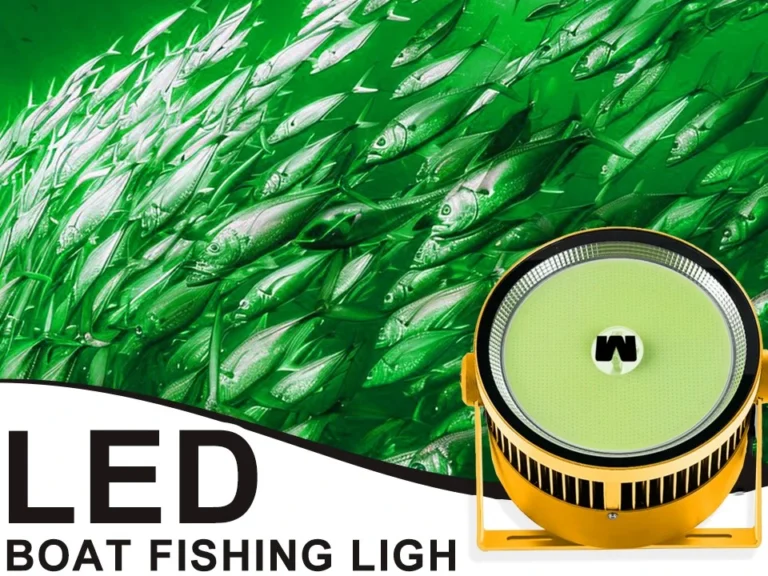
ไฟตกปลาสีเขียวใช้กันอย่างแพร่หลายในการตกปลาน้ำเค็มเพราะจะสร้างสมดุลการเจาะและการมองเห็น แสงสีเขียวแทรกซึมน้ำได้อย่างมีประสิทธิภาพ ยังคงมองเห็นได้ในระดับความลึกปานกลาง และดึงดูดแพลงก์ตอนอย่างมาก ซึ่งจะดึงเหยื่อปลาและนักล่าที่ใหญ่กว่า
แสงสีฟ้า: มีประสิทธิภาพในน้ำใสและน้ำลึก
แสงสีน้ำเงินแทรกซึมลึกกว่าสีอื่นๆ ทำให้เหมาะสำหรับการตกปลานอกชายฝั่งหรือน้ำลึก มีประสิทธิภาพมากที่สุดในน้ำใส แต่น้อยกว่าในสภาพที่มืดมิด
แสงสีฟ้า: การเจาะที่สมดุลและคอนทราสต์
แสงสีฟ้า (สีน้ำเงิน-เขียว) ผสมผสานการแทรกซึมของสีน้ำเงินเข้ากับการมองเห็นสีเขียว โดยทำงานได้ดีในน่านน้ำที่ลึกกว่าหรืออุดมด้วยแพลงก์ตอน มันสร้างคอนทราสต์ที่ดีสำหรับปลาที่จะเห็นและตอบสนองต่อแสง
ไฟแดง: แรงดึงดูดลอบเร้น
ปลาส่วนใหญ่จะมองเห็นแสงสีแดงได้น้อยลง ทำให้มีประโยชน์ในบริเวณที่มีแรงกดดันหรือน้ำตื้นที่ปลามีความไวต่อแสง อย่างไรก็ตาม การดึงดูดแพลงก์ตอนจะมีประสิทธิภาพน้อยกว่า
แสงสีขาว: แสงกว้าง
แสงสีขาวให้แสงสว่างที่กว้างและสม่ำเสมอ และมีประโยชน์สำหรับการนำทางหรือการมองเห็นทั่วไป โดยทั่วไปจะมีประสิทธิภาพน้อยกว่าสีเขียว สีน้ำเงิน หรือสีฟ้าในการดึงดูดแพลงก์ตอนและปลาที่กินสัตว์อื่น
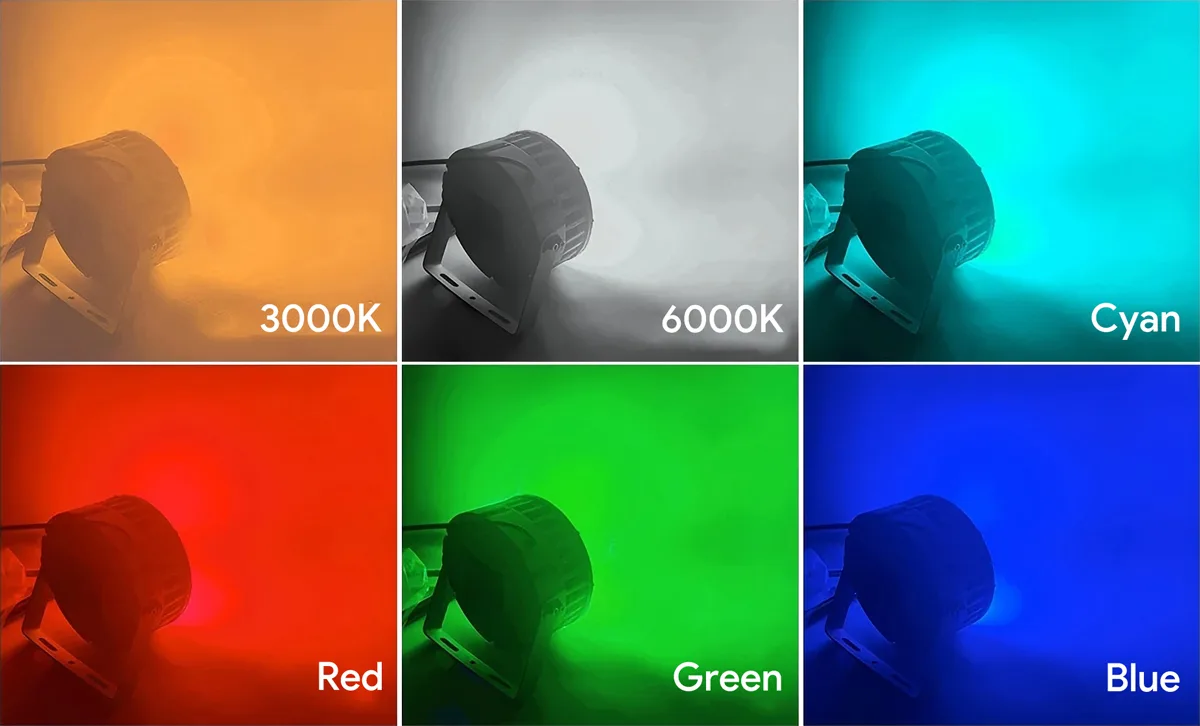
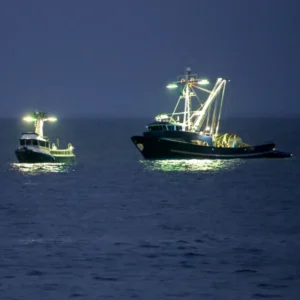
ด้านล่างนี้คือภาพตัวอย่างที่แสดงให้เห็นว่าสีแสงต่างๆ (สีขาว สีเขียว สีน้ำเงิน สีแดง) ทำงานอย่างไรในสภาพแวดล้อมของน้ำเค็ม ด้วยเรือและแพลงก์ตอนลอย ภาพนี้แสดงให้เห็นถึงการเจาะทะลุ การมองเห็นสี และโซนดึงดูดเหยื่อสำหรับเหยื่อล่อและสายพันธุ์เป้าหมาย
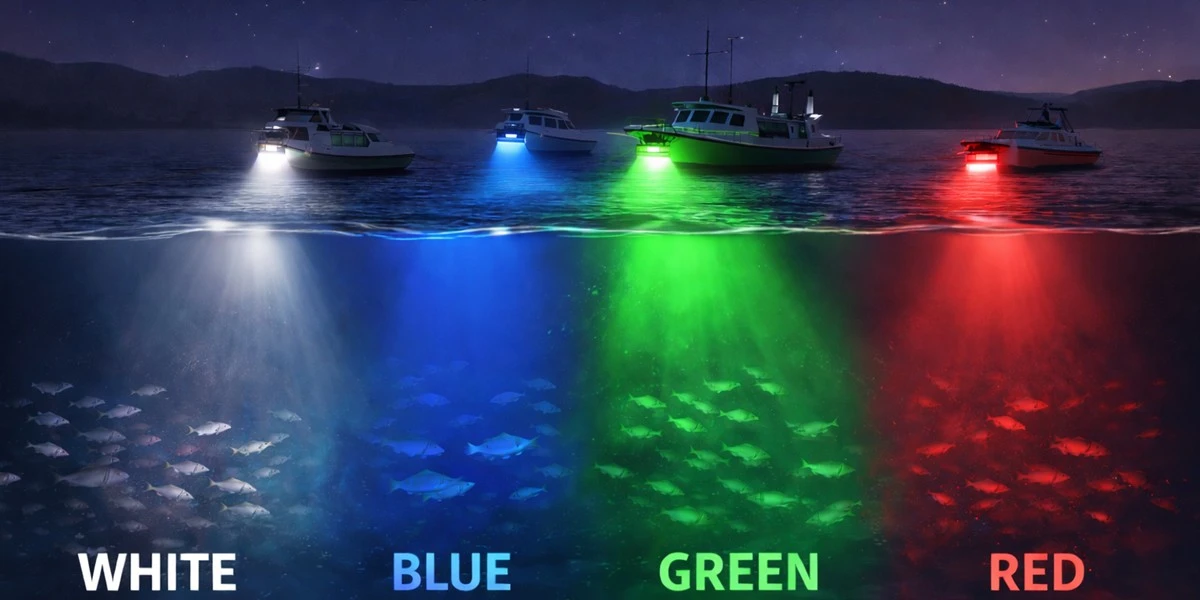
การเปรียบเทียบอย่างรวดเร็ว: สีอ่อนตกปลาน้ำเค็ม
| สีอ่อน | กรณีการใช้น้ำเค็มที่ดีที่สุด | ข้อได้เปรียบ | การจำกัด |
| เขียวชอ | ใกล้ชายฝั่งและนอกชายฝั่ง | การเจาะและสถานที่ท่องเที่ยวที่สมดุล | — |
| สีน้ำเงิน | น้ำทะเลลึกใสลึก | ทัศนวิสัยระยะยาว | ความคมชัดที่ต่ำกว่าในน้ำขุ่น |
| ดาว | น้ำลึก แพลงก์ตอนอุดม | เจาะสูง คอนทราสต์ดี | มีประสิทธิภาพในน้ำขุ่นน้อยกว่า |
| แดง | น้ำตื้นและปลากด | ปลาน้อย ไม่รบกวน | มีประสิทธิภาพน้อยกว่าสำหรับแพลงก์ตอน |
| หงอก | ใกล้ชายฝั่ง, ไฟส่องสว่างทั่วไป | แสงกว้าง ทัศนวิสัยดี | มีประสิทธิภาพน้อยกว่าในการดึงดูดแพลงก์ตอนและปลานักล่า |
สีแสงตกปลาที่ดีที่สุดสำหรับการตกปลาน้ำจืด
อะไรดีที่สุดในสภาพน้ำจืดทั่วไป
ในสภาพแวดล้อมน้ำจืดส่วนใหญ่ เช่น ทะเลสาบ อ่างเก็บน้ำ และแม่น้ำที่ไหลช้า เป้าหมายไม่ได้เจาะลึกมาก แต่เป็นการรวมตัวของปลาที่มั่นคง
เมื่อเทียบกับการตกปลานอกชายฝั่ง ปลาน้ำจืดจะตอบสนองได้ดีกว่าถึงระดับปานกลาง มีการกระจายแสงอย่างสม่ำเสมอ มากกว่าลำแสงที่เข้มข้นหรือแหลมคม
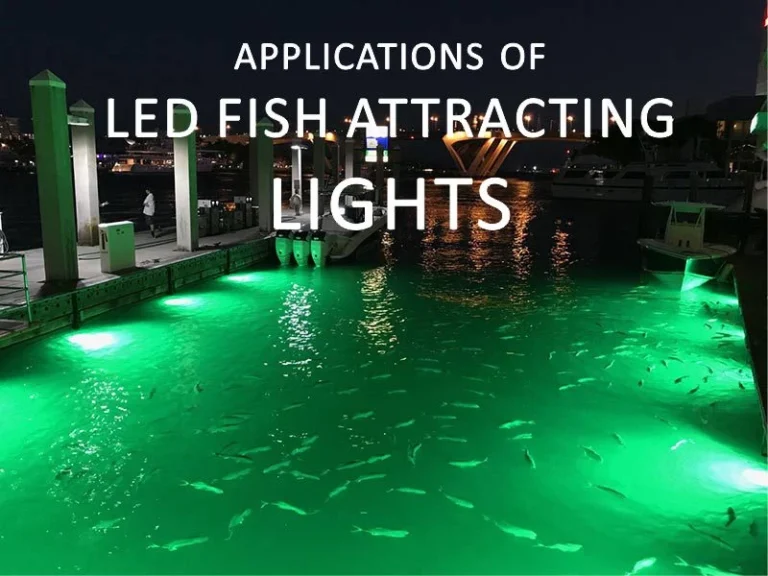
ในทางปฏิบัติ แสงสีเขียวและสีฟ้าใช้กันอย่างแพร่หลายในการตกปลาน้ำจืด เนื่องจากพวกมันสร้างโซนดึงดูดที่มองเห็นได้โดยไม่ต้องกระตุ้นปลามากเกินไป
แสงสีน้ำเงินสามารถมีประสิทธิภาพในทะเลสาบที่ใสกว่า ในขณะที่แสงสีแดงมักจะจำกัดการใช้งานที่ตื้นหรือสั้นมาก เนื่องจากมีการลดทอนอย่างรวดเร็วในน้ำ
เพื่อให้การเลือกสีง่ายขึ้น ตารางด้านล่างจะสรุปว่าสีแสงต่างๆ ทำงานอย่างไรในสภาพแวดล้อมน้ำจืดทั่วไป
การเปรียบเทียบสีอ่อนของปลาน้ำจืด
| สีอ่อน | ประสิทธิภาพน้ำจืดทั่วไป | สถานการณ์การใช้งานที่ดีที่สุด | ตัวโน้ต |
| เขียวชอ | การรวมตัวของปลาที่แข็งแรงและมั่นคง | ทะเลสาบ อ่างเก็บน้ำ แม่น้ำช้า | แรงดึงดูดที่สมดุลใช้กันอย่างแพร่หลายสำหรับการตกปลาตอนกลางคืน |
| ดาว | คล้ายกับสีเขียวที่มีเอฟเฟกต์ภาพที่นุ่มนวลกว่า | น้ำจืดใสตกปลาสันทนาการ | ก้าวร้าวน้อยกว่าสีเขียว เหมาะสำหรับการฝึกซ้อมที่ยาวนาน |
| สีน้ำเงิน | แรงดึงดูดปานกลางในน้ำใส | ทะเลสาบน้ำใส น้ำจืดตื้น | มีประสิทธิภาพน้อยกว่าในน้ำขุ่น |
| หงอก | ทัศนวิสัยสูง ส่องสว่างกว้าง | แสงทั่วไป การใช้งานระยะสั้น | สามารถดึงดูดแมลง เลือกได้น้อย |
| แดง | เจาะใต้น้ำอย่างจำกัด | น้ำตื้นมาก แสงพื้นผิว | เป็นหลักในการมองเห็นไม่ใช่แหล่งดึงดูดปลาเป็นหลัก |
เคล็ดลับการปฏิบัติสำหรับการใช้ไฟตกปลาในทะเลสาบและแม่น้ำ
สำหรับการตกปลาน้ำจืด การจัดวางแสงและการควบคุมเอาต์พุตมักจะมีความสำคัญมากกว่าสีเพียงอย่างเดียว
การติดตั้งแสงเหนือน้ำและนำมันลงมาทำให้ลำแสงกระจายตามธรรมชาติ ช่วยให้เหยื่อตกปลาและผู้ล่าค่อยๆ รวมตัวกัน
การใช้ไฟที่น้อยลงพร้อมเอาต์พุตที่สม่ำเสมอมักจะให้ผลลัพธ์ที่ดีกว่าการติดตั้งหลอดไฟกำลังสูงหลายตัว
ในเรือน้ำจืดขนาดเล็กถึงขนาดกลางส่วนใหญ่ ไฟตกปลาหนึ่งถึงสองตำแหน่งที่เหมาะสมเพียงพอสำหรับการทำงานตอนกลางคืน
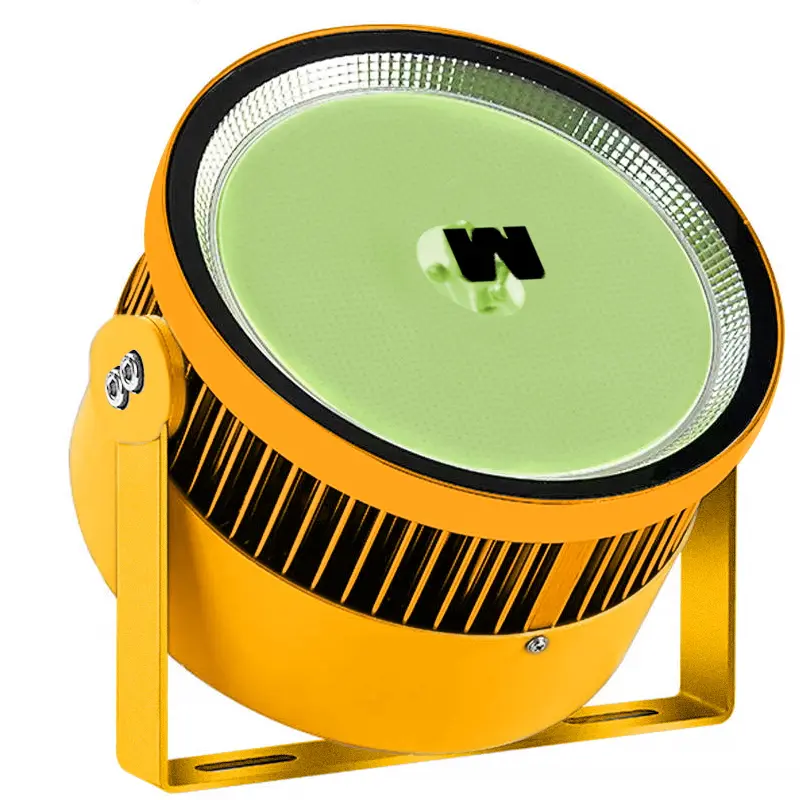
ปลาซังกำลังสูง
รุ่นไม่มี.: ประเภทกลม
แรงดันไฟเข้า: AC100–320V
พรั่ง: 10000V
วัตต์/ชิ้น: 800W/1000W/1200W
ประเภท LED: ซัง
ขนาด (มม.): Φ230 × 140
ผิว: 3000K / 4000K / 5000K / 6000K / สีแดง / สีเขียว / สีฟ้า / สีม่วง
ศูนย์วิจัยกฤษณ์เคมี: >80@3000K/4000K/5000K/6000K/
ลูเมน: >120LM/W@3000K / 4000K / 5000K / 6000K /
เกรดไอพี: ip67
วิธีสร้างการตั้งค่าแสงตกปลาที่มีประสิทธิภาพ
ในส่วนก่อนหน้านี้ เราวิเคราะห์ว่าสีอ่อนมีพฤติกรรมอย่างไรในสภาพแวดล้อมทางน้ำที่แตกต่างกัน การตอบสนองของปลาต่อความยาวคลื่นต่างๆ และประสิทธิภาพในทางปฏิบัติของสีต่างๆ ในน้ำเค็มและน้ำจืด เมื่อคำนึงถึงหลักการเหล่านี้แล้ว ขั้นตอนต่อไปที่สำคัญคือการแปลเป็นระบบไฟตกปลาในโลกแห่งความเป็นจริง
การเลือกสีแสงตกปลาเป็นเพียงส่วนหนึ่งของระบบเท่านั้น เพื่อให้เกิดแรงดึงดูดของปลาที่มั่นคงและมีประสิทธิภาพในสภาพน้ำต่างๆ ปัจจัยต่างๆ เช่น ความใสของน้ำ ความลึก สายพันธุ์เป้าหมาย และวิธีการตกปลาจะต้องพิจารณาร่วมกัน การเน้นที่ "สีไหนดีที่สุด" เพียงอย่างเดียวมักจะนำไปสู่ผลลัพธ์ที่ไม่สอดคล้องกัน
เพื่อให้กระบวนการนี้ง่ายขึ้น เราสามารถแบ่งมันออกเป็นกรอบการตัดสินใจที่เรียบง่าย ซึ่งจะแนะนำคุณทีละขั้นตอนจากการทำความเข้าใจสภาพแวดล้อมการตกปลาของคุณ ไปจนถึงการกำหนดสีที่เหมาะสม จำนวนแสง และเลย์เอาต์
กระแสการตัดสินใจของแสงตกปลา
- ระบุสภาพแวดล้อม (น้ำจืด / น้ำเค็ม / ความขุ่น)
- กำหนดเป้าหมายหลัก (ดึงดูดเหยื่อปลา / ผู้ล่าเป้าหมาย)
- เลือกสีตามความลึกและความต้องการเจาะ (สีเขียว/สีน้ำเงิน/สีฟ้า)
- กำหนดจำนวนแสงและผังตามขนาดเรือ
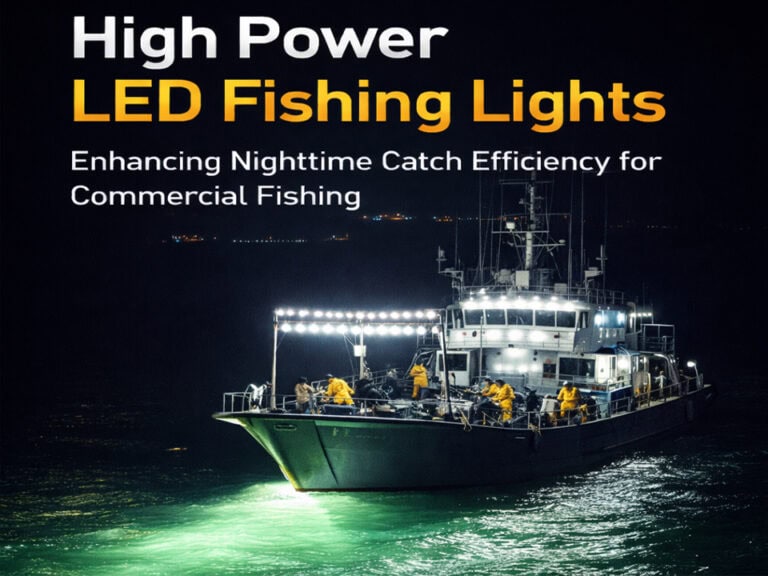
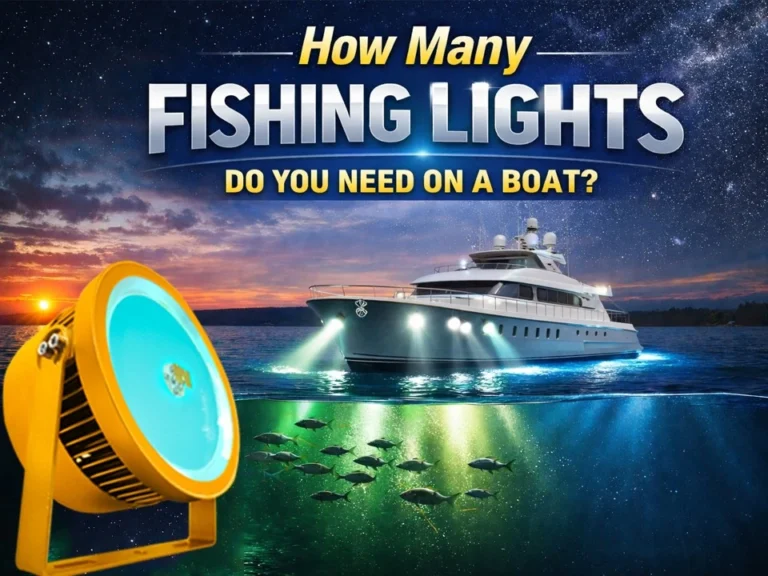
แนะนำไฟตกปลาตามประเภทเรือ
| ประเภทเรือ/สถานการณ์การประมง | ความยาวเรือทั่วไป | ปริมาณแสงที่แนะนำ | แนะนำช่วงกำลังทั้งหมด | ตัวโน้ต |
| เรือพักผ่อนขนาดเล็ก | <6 M | 1–2 หน่วย | 200–400 วัตต์ | เหมาะสำหรับการตกปลาน้ำจืดหรือใกล้ชายฝั่ง ไฟติดพื้นผิวที่ต้องการ |
| เรือประมงพาณิชย์ขนาดเล็ก | 6–10 m | 2-4 หน่วย | 400–800 วัตต์ | การกระจายรอบเรือช่วยเพิ่มเสถียรภาพการดึงดูด |
| เรือประมงนอกชายฝั่งขนาดกลาง | 10–20 m | 4–8 หน่วย | 800–1500 วัตต์ | การกระจายแสงที่กว้างขึ้น สำคัญกว่าไฟแรงสูงเพียงดวงเดียว |
| เรือประมงพาณิชย์ขนาดใหญ่ | > 20 เมตร | 8+ หน่วย | 1500 W ขึ้นไป | ควรเว้นระยะห่างเท่าๆ กันสำหรับโซนดึงดูดที่สม่ำเสมอ |
| แท่นวาง/แท่นตกปลาแบบตายตัว | ติดตั้งคงที่ | 2-6 หน่วย | 300–1000 วัตต์ | เน้นความลึกของน้ำและมุมลำแสงมากกว่าตัวเลข การติดตั้งพื้นผิวที่ต้องการ |
การตั้งค่าแสงตกปลาแบบติดตั้งบนพื้นผิวที่เหมาะสมที่สุด
- ความปลอดภัยในการปฏิบัติงานที่เพิ่มขึ้น
การติดตั้งเหนือน้ำช่วยลดความเสี่ยงของการซึมผ่านของน้ำ อันตรายจากไฟฟ้า และความเสียหายจากกระแสน้ำหรือเศษซากเมื่อเปรียบเทียบกับการตั้งค่าไฟที่จมอยู่ใต้น้ำ - ความครอบคลุมแสงกว้าง
ไฟพื้นผิวที่จัดตำแหน่งอย่างเหมาะสมจะสะท้อนและหักเหลงน้ำ สร้างโซนดึงดูดกว้างที่รวบรวมแพลงก์ตอน เหยื่อปลา และเหยื่อผู้ล่าอย่างมีประสิทธิภาพ - ดูแลรักษาง่ายและตรวจสอบ
การติดตั้งพื้นผิวน้ำช่วยให้เข้าถึงการทำความสะอาด ปรับ และบำรุงรักษาตามปกติได้ง่าย โดยไม่จำเป็นต้องถอดไฟออกจากน้ำ - ตัวเลือกการติดตั้งที่ยืดหยุ่น
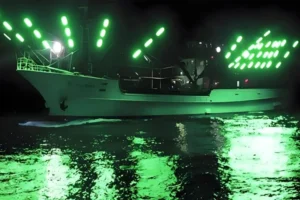
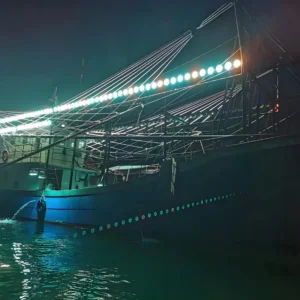
ไฟพื้นผิวสามารถติดตั้งบนราง เสา หรือวงเล็บรอบเรือหรือแท่น ช่วยให้สามารถควบคุมมุมลำแสง การทับซ้อนกัน และการกระจายแสงได้อย่างแม่นยำ
เอาต์พุตและเค้าโครงที่ตรงกัน
ผู้ปฏิบัติงานที่มีประสบการณ์มุ่งเน้นไปที่การทำงานร่วมกันของระบบมากกว่าแค่สี
- จับคู่กำลังไฟและการกระจายแสงทั้งหมดกับสถานการณ์:
เรือนอกชายฝั่ง / เรือขนาดใหญ่ / กระแสสูง → ผลผลิตรวมที่สูงขึ้น + ความครอบคลุมที่กว้างขึ้น น้ำจืด / ใกล้ชายฝั่ง → กำลังปานกลาง + ไฟส่องสว่างที่เน้น - การกระจายแสงและการทับซ้อนกันมีความสำคัญมากกว่าไฟแรงสูงเพียงดวงเดียว
- ผู้ปฏิบัติงานที่มีประสบการณ์มุ่งเน้นไปที่การทำงานร่วมกันของระบบมากกว่าแค่สี
บทสรุป
แม้ว่าสีของแสงตกปลาจะมีบทบาทสำคัญในการดึงดูดปลา แต่ประสิทธิภาพที่แท้จริงของระบบไฟตกปลานั้นขึ้นอยู่กับว่าสี เอาต์พุตของแสง ความครอบคลุม และการติดตั้งทำงานร่วมกันได้ดีเพียงใด สภาพแวดล้อมการตกปลาที่แตกต่างกัน—น้ำจืด น้ำเค็ม ใกล้ชายฝั่ง หรือนอกชายฝั่ง—ต้องใช้กลยุทธ์การจัดแสงที่แตกต่างกันมากกว่าวิธีแก้ปัญหาแบบหนึ่งขนาดที่เหมาะกับทุกคน
ไฟตกปลาสีเขียวมีการใช้กันอย่างแพร่หลายเนื่องจากมีการผสมผสานที่สมดุลระหว่างความลึกของการเจาะ การมองเห็น และประสิทธิภาพการใช้พลังงาน อย่างไรก็ตาม การเลือกจำนวนแสงที่เหมาะสม มุมลำแสงที่เหมาะสม และความสูงในการติดตั้งที่เหมาะสมมักจะมีความสำคัญมากกว่าสีเพียงอย่างเดียวเมื่อมุ่งเป้าไปที่ผลการตกปลาที่เสถียรและทำซ้ำได้
หากคุณกำลังวางแผนติดตั้งไฟตกปลาใหม่หรืออัพเกรดไฟที่มีอยู่ ทำความเข้าใจว่าแสงทำงานอย่างไรในสภาพการตกปลาจริงs สามารถช่วยลดการลองผิดลองถูกและปรับปรุงประสิทธิภาพตั้งแต่เริ่มต้น สำหรับคำแนะนำโดยละเอียดเพิ่มเติมเกี่ยวกับประเภทแสง วิธีการติดตั้ง และคำแนะนำเฉพาะแอปพลิเคชัน คุณสามารถสำรวจคำแนะนำที่เกี่ยวข้องของเราเกี่ยวกับการทำความเข้าใจแสงตกปลา โซลูชันแสงสว่างแบบติดตั้งบนเรือ และ การใช้งานจริงในสถานการณ์การตกปลาที่แตกต่างกัน.
กระทู้ที่เกี่ยวข้อง