ไทย
ไทย  English
  简体中文
简体中文  Deutsch
  Español
  Français
  Italiano
  日本語
日本語  한국어
한국어  Polski
  Português
  Русский
  Türkçe
  Nederlands
  Tiếng Việt
ในปี 2569 การปฏิบัติตาม RoHS ได้กลายเป็นข้อกำหนดด้านการผลิตหลักสำหรับ PCB LED แทนที่จะเป็นรายการตรวจสอบหลังการผลิต การบังคับใช้กฎระเบียบเข้มงวดขึ้น ความคาดหวังด้านเอกสารสูงขึ้น และความรับผิดชอบของห่วงโซ่อุปทานกำลังขยายข้ามพรมแดน ไฟ LED PCBs ต้องเผชิญกับการตรวจสอบอย่างละเอียดถี่ถ้วนมากกว่ากระดานมาตรฐานเนื่องจากความซับซ้อนของวัสดุ ความต้องการด้านความร้อน และอายุการใช้งานที่ยาวนาน ทำให้การปฏิบัติตามข้อกำหนดโดยตรงกับความน่าเชื่อถือ การเข้าถึงตลาด และความเสี่ยงในการผลิต
การปฏิบัติตาม RoHS หมายถึงอะไรสำหรับการผลิต PCB LED ในปี 2569
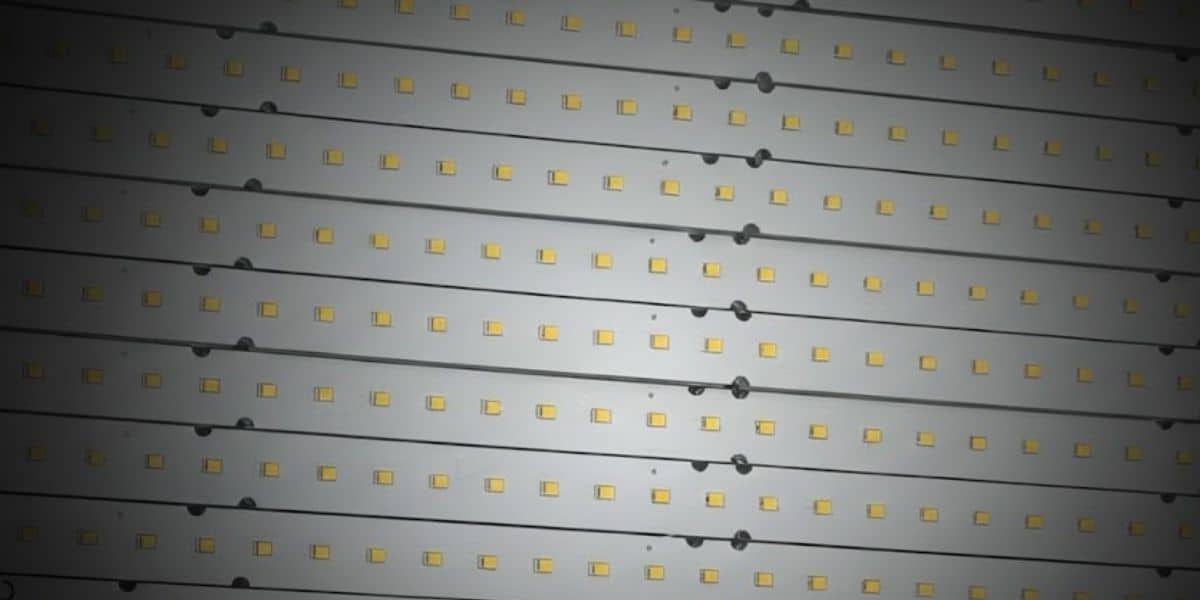
การปฏิบัติตาม RoHS ในปี 2569 ไม่ได้จำกัดอยู่เพียงการยืนยันว่าสารจำกัดไม่มีอยู่ในผลิตภัณฑ์สำเร็จรูปอีกต่อไป สำหรับผู้ผลิตที่เกี่ยวข้องกับการผลิต PCB แบบกำหนดเอง ตอนนี้จะมีผลกับขั้นตอนการผลิตทั้งหมด ตั้งแต่การจัดหาวัตถุดิบไปจนถึงบันทึกการประกอบขั้นสุดท้าย
ในระดับที่ใช้งานได้จริง RoHS จะควบคุมวิธีการเลือกวัสดุ วิธีควบคุมกระบวนการ และวิธีรักษาหลักฐานการปฏิบัติตามข้อกำหนด สำหรับ PCB LED ขอบเขตนี้จะกว้างกว่าเพราะ LED รวมฟังก์ชันทางไฟฟ้า ความร้อน และแสงบนบอร์ดเดียว
เหตุใด PCB LED จึงได้รับผลกระทบมากกว่าบอร์ดมาตรฐาน
ไฟ LED PCB ทำงานภายใต้ความเครียดจากความร้อนที่สูงขึ้นและรอบการทำงานที่ยาวนานกว่าอุปกรณ์อิเล็กทรอนิกส์ทั่วไปจำนวนมาก สิ่งนี้เพิ่มความไวต่อการเปลี่ยนแปลงของวัสดุที่กำหนดโดยข้อจำกัดของ RoHS ความเบี่ยงเบนเล็กน้อยในโลหะผสมบัดกรี พื้นผิว หรือวัสดุอิเล็กทริกอาจส่งผลต่อการกระจายความร้อนและอายุการใช้งาน LED
สาเหตุหลัก PCBs LED เผชิญกับผลกระทบที่สูงขึ้น ได้แก่ :
- อุณหภูมิทางแยกที่สูงขึ้นซึ่งขยายจุดอ่อนของวัสดุ
- เค้าโครงส่วนประกอบหนาแน่นที่เน้นข้อต่อประสาน
- ความคาดหวังอายุการใช้งานที่ยาวนานซึ่งข้อบกพร่องเล็กน้อยสะสมอยู่ตลอดเวลา
ด้วยเหตุนี้ ความล้มเหลวในการปฏิบัติตามข้อกำหนดของ RoHS ในแอปพลิเคชัน LED จึงมีแนวโน้มที่จะกลายเป็นปัญหาด้านความน่าเชื่อถือมากกว่าความล้มเหลวในการทำงานในทันที
สารจำกัดและความไวของ LED
RoHS จำกัดสารต่างๆ เช่น ตะกั่ว ปรอท แคดเมียม โครเมียมเฮกซะวาเลนท์ และสารหน่วงไฟโบรมีนบางชนิด แม้ว่าในอดีตสารเหล่านี้จะใช้เพื่อปรับปรุงความสามารถในการบัดกรี ความทนทาน หรือความต้านทานเปลวไฟ แต่การกำจัดของสารเหล่านี้จะเปลี่ยนพฤติกรรมการผลิต
แอสเซมบลี LED มีความไวเป็นพิเศษเนื่องจาก:
- บัดกรีไร้สารตะกั่วมีจุดหลอมเหลวสูงกว่า เพิ่มการสัมผัสความร้อน
- สารหน่วงไฟทางเลือกสามารถเปลี่ยนการนำความร้อน
- การแทนที่วัสดุอาจส่งผลต่อความเสถียรทางแสงหรือความสม่ำเสมอของสี
การปฏิบัติตามส่วนประกอบและกระบวนการปฏิบัติตามกระบวนการ
ความเข้าใจผิดทั่วไปในการผลิตแบบกำหนดเองของบอร์ด PCB คือสมมติว่าส่วนประกอบที่เป็นไปตามข้อกำหนดจะส่งผลให้ผลิตภัณฑ์เป็นไปตามข้อกำหนดโดยอัตโนมัติ ในปี 2569 สมมติฐานนี้สร้างความเสี่ยง
- ส่วนประกอบ หมายถึงแต่ละส่วนเป็นไปตามข้อจำกัดด้านสาร
- การปฏิบัติตามกระบวนการ หมายถึงขั้นตอนการผลิตไม่แนะนำสารที่ถูกจำกัดใหม่หรือประนีประนอมความสมบูรณ์ของวัสดุ
ทั้งสองเป็นสิ่งจำเป็น แพ็คเกจ LED ที่สอดคล้องกับข้อกำหนดยังคงล้มเหลวตามความคาดหวังของ RoHS หากไม่ได้ควบคุมวัสดุบัดกรี ฟลักซ์ตกค้าง หรือกระบวนการทำงานซ้ำ
การปรับปรุงกฎระเบียบที่สำคัญที่มีผลต่อการผลิต PCB LED ในปี 2569
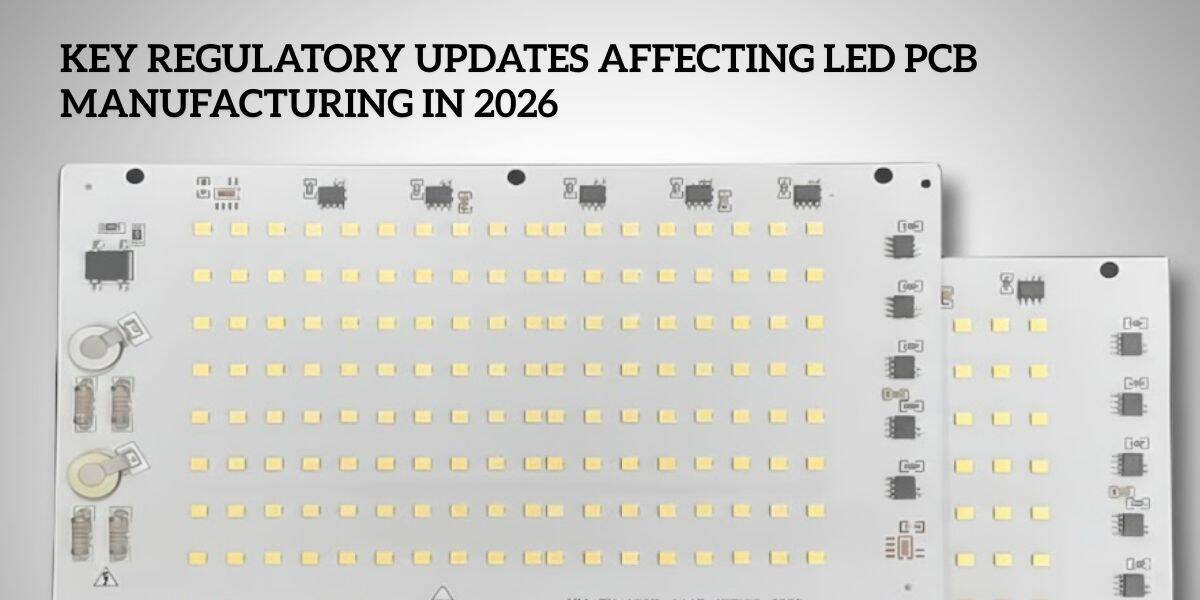
การบังคับใช้กฎระเบียบในปี 2569 เน้นการตรวจสอบมากกว่าการประกาศ เจ้าหน้าที่คาดหวังให้ผู้ผลิตแสดงให้เห็นว่ามีการปฏิบัติตามและรักษาการปฏิบัติตามข้อกำหนดมากขึ้นอย่างไร
อียู โรห์ส บังคับใช้
การเฝ้าระวังตลาดของสหภาพยุโรปได้เปลี่ยนไปสู่การตรวจสอบเอกสารทางเทคนิคที่ลึกซึ้งยิ่งขึ้น ผู้ผลิตที่ส่งออกผลิตภัณฑ์ LED จะต้องเตรียมเพื่อแสดง:
- การตรวจสอบย้อนกลับของวัสดุที่ชัดเจน
- การประกาศซัพพลายเออร์ที่เชื่อมโยงกับแบทช์เฉพาะ
- การควบคุมกระบวนการที่ป้องกันการปนเปื้อน
การสุ่มตัวอย่างและการตรวจสอบหลังตลาดกลายเป็นเรื่องธรรมดามากขึ้น โดยเฉพาะอย่างยิ่งสำหรับผลิตภัณฑ์แสงสว่างที่ใช้ในโครงสร้างพื้นฐานสาธารณะและสภาพแวดล้อมเชิงพาณิชย์
ความรับผิดชอบของห่วงโซ่อุปทาน
ความรับผิดชอบในการปฏิบัติตามข้อกำหนดจะไม่หยุดที่การจัดหาส่วนประกอบอีกต่อไป ผู้ผลิตที่เกี่ยวข้องกับการผลิต PCB แบบกำหนดเองคาดว่าจะเข้าใจที่มาของวัสดุต้นน้ำและความเสี่ยงในการประกอบดาวน์สตรีม
ซึ่งรวมถึง:
- ตรวจสอบผู้จำหน่ายลามิเนต หน้ากากประสาน และพื้นผิวสำเร็จรูป
- การติดตามการเปลี่ยนแปลงในสูตรส่วนประกอบ
- การจัดการการปฏิบัติตามข้อกำหนดในกระบวนการรับเหมาช่วง
จุดอ่อนที่ใดก็ได้ในห่วงโซ่อุปทานสามารถประนีประนอมการเข้าถึงตลาด
เอกสารและความคาดหวังในการตรวจสอบย้อนกลับ
ในปี 2569 เอกสารการปฏิบัติตามข้อกำหนดคาดว่าจะมีโครงสร้าง ค้นหาได้ และเป็นปัจจุบัน การประกาศแบบคงที่ที่อัปเดตไม่บ่อยนักจะถือว่าไม่เพียงพอ
ความคาดหวังในการตรวจสอบย้อนกลับ ได้แก่ :
- บันทึก BOM ระดับล็อต
- เปลี่ยนบันทึกสำหรับวัสดุและซัพพลายเออร์
- การจัดตำแหน่งระหว่างระเบียนการผลิตและไฟล์การปฏิบัติตามข้อกำหนด
ความเสี่ยงในการเข้าถึงตลาดสำหรับผู้ผลิตที่ไม่ปฏิบัติตามข้อกำหนด
การไม่ปฏิบัติตามความคาดหวังเหล่านี้อาจส่งผลให้มีการระงับการจัดส่ง การเรียกคืนแบบบังคับ หรือการยกเว้นจากตลาดที่มีการควบคุม สำหรับ PCB LED ความเสี่ยงนี้จะถูกขยายเนื่องจากผลิตภัณฑ์แสงสว่างมักจะอยู่ภายใต้การตรวจสอบความปลอดภัยและสิ่งแวดล้อมเพิ่มเติม
ข้อกำหนดการผลิตสำหรับ PCB LED ที่สอดคล้องกับ RoHS
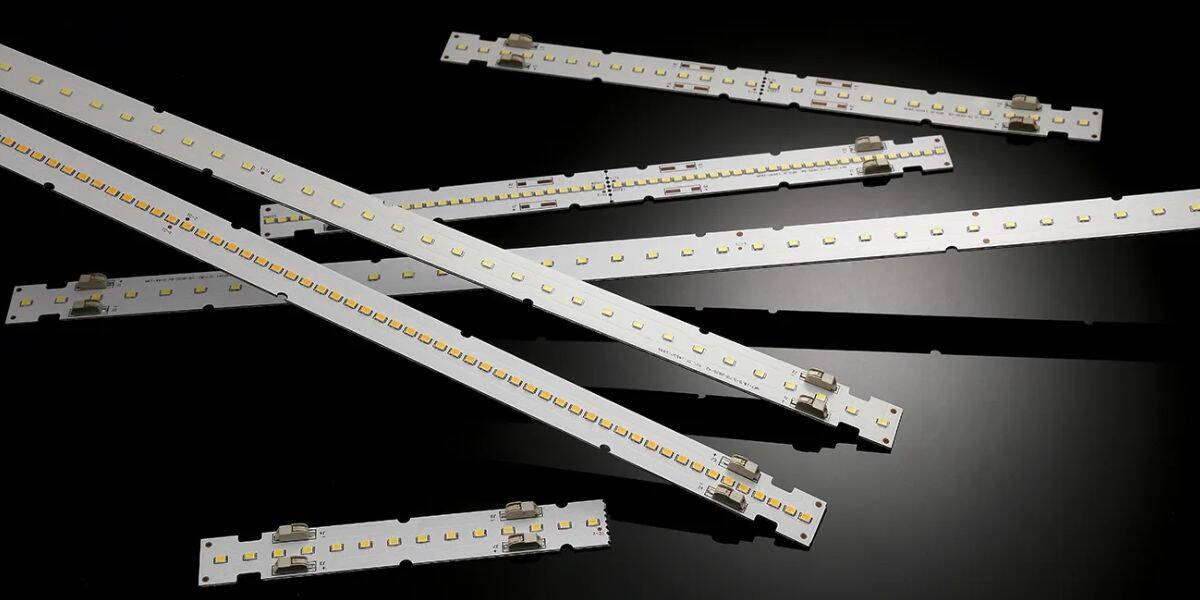
ตอบสนองความต้องการ RoHS ในการผลิต PCB แบบ LED จำเป็นต้องมีการเปลี่ยนแปลงในระดับการผลิต ไม่ใช่แค่ในเอกสารประกอบเท่านั้น
ข้อจำกัดในการเลือกวัสดุ
ขีดจำกัดของ RoHS ช่วยลดการเลือกวัสดุสำหรับลามิเนต หน้ากากประสาน และวัสดุเชื่อมต่อทางความร้อน ผู้ผลิตต้องปรับสมดุลตามประสิทธิภาพ โดยเฉพาะอย่างยิ่งในการออกแบบ LED กำลังสูง
ข้อพิจารณาทั่วไป ได้แก่ :
- การเลือกลามิเนตด้วยสารหน่วงไฟที่สอดคล้อง
- มั่นใจได้ว่าหน้ากากประสานจะทนต่ออุณหภูมิการไหลย้อนที่ปราศจากสารตะกั่วที่สูงขึ้น
- การตรวจสอบแผ่นความร้อนและกาวเป็นไปตามข้อจำกัดของสาร
การแทนที่วัสดุมักต้องการการปรับคุณสมบัติของกระบวนการ
แรงกระแทกและพื้นผิวพื้นผิว
การบัดกรีแบบไร้สารตะกั่วส่งผลต่อความน่าเชื่อถือในการประกอบและการสัมผัสความร้อน อุณหภูมิการไหลย้อนที่สูงขึ้นสามารถทำให้ไฟ LED ความเครียดและวัสดุ PCB เกิดความเครียดได้
ตัวเลือกพื้นผิวสำเร็จรูป เช่น ENIG, IMMersion Silver หรือ OSP จะต้องได้รับการประเมินสำหรับ:
- ความเข้ากันได้กับแพ็คเกจ LED
- เสถียรภาพระยะยาวภายใต้การปั่นจักรยานด้วยความร้อน
- ปฏิสัมพันธ์กับโลหะผสมประสานที่สอดคล้อง
การตัดสินใจเหล่านี้ส่งผลโดยตรงต่อผลตอบแทนและความน่าเชื่อถือของสนาม
ความคาดหวังในการควบคุมกระบวนการ
ความแปรปรวนของกระบวนการเพิ่มความเสี่ยงในการปฏิบัติตามข้อกำหนด ในปี 2569 ผู้ผลิตคาดว่าจะมีการควบคุมอย่างสม่ำเสมอ:
- โปรไฟล์ REFLOW
- กระบวนการทำความสะอาด
- วิธีการทำใหม่และซ่อมแซม
การทำงานซ้ำที่ไม่สามารถควบคุมได้เป็นสาเหตุของการปนเปื้อนและการไม่ปฏิบัติตามข้อกำหนดบ่อยครั้ง
ความสำคัญคุณสมบัติของซัพพลายเออร์
คุณสมบัติซัพพลายเออร์ตอนนี้ขยายเกินราคาและความจุ ผู้ผลิตต้องยืนยันว่าซัพพลายเออร์รักษาสูตรที่เสถียรและเป็นไปตามข้อกำหนดและแจ้งการเปลี่ยนแปลง
นี่เป็นสิ่งสำคัญอย่างยิ่งสำหรับโครงการบอร์ด PCB แบบกำหนดเองที่วัสดุอาจได้รับการปรับแต่งให้เหมาะกับความต้องการด้านความร้อนหรือทางกลที่เฉพาะเจาะจง
ความท้าทายด้านวัสดุและกระบวนการผลิตเฉพาะสำหรับ PCB แบบ LED
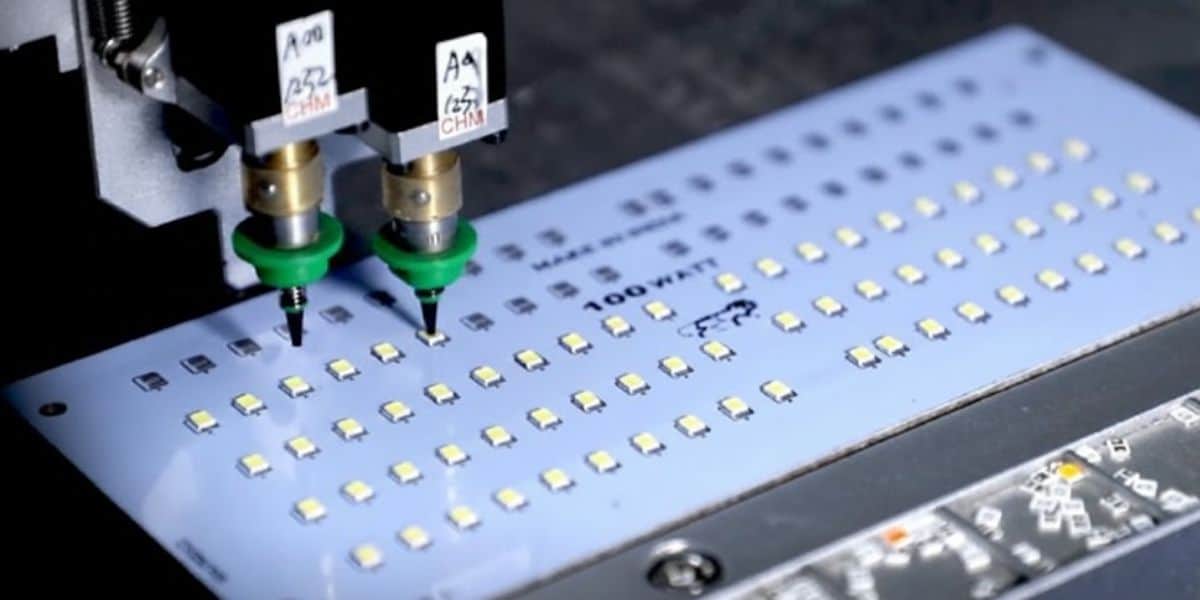
PCB LED ผสมผสานความท้าทายที่มักไม่ปรากฏในอุปกรณ์อิเล็กทรอนิกส์มาตรฐาน ทำให้การปฏิบัติตาม RoHS ซับซ้อนยิ่งขึ้น
วัสดุความร้อนเทียบกับข้อ จำกัด ROHS
ไฟ LED กำลังสูงอาศัยการถ่ายเทความร้อนที่มีประสิทธิภาพ วัสดุความร้อนที่มีประสิทธิภาพในอดีตบางชนิดมีสารจำกัด ทางเลือกที่สอดคล้องกับอาจมีลักษณะทางกลหรืออายุต่างกัน
ผู้ผลิตต้องตรวจสอบ:
- เสถียรภาพทางความร้อนในระยะยาว
- การยึดเกาะภายใต้การปั่นจักรยานด้วยความร้อน
- ปฏิสัมพันธ์กับข้อต่อประสาน
พื้นผิวเสร็จสิ้นและสมดุลการปฏิบัติตามข้อกำหนด
พื้นผิวบางชนิดทำงานได้ดีด้วยไฟฟ้า แต่อาจทำให้เกิดความเสี่ยงต่อการกัดกร่อนหรือการย้ายถิ่น หากไม่ได้ควบคุมอย่างเหมาะสม ในการใช้งาน LED ความเสี่ยงเหล่านี้สามารถปรากฏเป็นค่าเสื่อมราคาลูเมนทีละน้อยหรือเปลี่ยนสี
การปฏิบัติตามข้อกำหนดและประสิทธิภาพที่สมดุลนั้นจำเป็นต้องมีการปรับแต่งกระบวนการอย่างระมัดระวังมากกว่าการเลือกวัสดุเริ่มต้น
ความเสี่ยงด้านความน่าเชื่อถือของ LED หากมีการปฏิบัติตามข้อกำหนดอย่างไม่ถูกต้อง
การจัดการการปฏิบัติตามข้อกำหนดที่ไม่เหมาะสมอาจนำไปสู่:
- ความเมื่อยล้าของข้อต่อประสานในช่วงต้น
- เดลามิเนตเนื่องจากความเครียดจากความร้อน
- การเสื่อมสภาพทางแสงจากการโต้ตอบของวัสดุ
ความล้มเหลวเหล่านี้มักจะปรากฏขึ้นหลายเดือนหรือหลายปีหลังจากการปรับใช้ เพิ่มการรับประกันและความเสี่ยงด้านชื่อเสียง
ทำไมทางลัดทำให้เกิดความล้มเหลวในระยะยาว
ทางลัด เช่น การแทนที่วัสดุที่ไม่มีเอกสารหรือการทำความสะอาดที่ไม่สมบูรณ์ อาจไม่ทำให้เกิดข้อบกพร่องในทันที อย่างไรก็ตาม ภายใต้ภาระความร้อนอย่างต่อเนื่อง ความไม่สอดคล้องกันเล็กน้อยจะสะสม
ในระบบ LED ที่คาดว่าจะทำงานหลายหมื่นชั่วโมง ทางลัดเหล่านี้แปลเป็นอายุการใช้งานที่ลดลงโดยตรง
เอกสารการตรวจสอบการตรวจสอบความถูกต้องและการปฏิบัติตามข้อกำหนด
ในปี 2569 เอกสารจะถือเป็นส่วนหนึ่งของกระบวนการผลิตเอง
ทำไมเอกสารถึงสำคัญในปี 2569
เอกสารเป็นหลักฐานหลักที่แสดงว่าการปฏิบัติตามเป็นระบบมากกว่าโดยไม่ได้ตั้งใจ สำหรับผู้ผลิต จะให้การควบคุมภายในมากเท่ากับการพิสูจน์ภายนอก
เอกสารที่ดีช่วย:
- ระบุสาเหตุของความล้มเหลว
- จัดการการเปลี่ยนแปลงซัพพลายเออร์
- ตอบสนองต่อการตรวจสอบอย่างรวดเร็ว
การตรวจสอบย้อนกลับของ BOM
รายการ BOM แต่ละรายการควรสามารถติดตามได้ไปยังการประกาศซัพพลายเออร์ที่เป็นไปตามข้อกำหนด ซึ่งรวมถึงส่วนประกอบแบบพาสซีฟ ตัวเชื่อมต่อ และวัสดุที่อาจดูเหมือนไม่มีนัยสำคัญ แต่ยังอยู่ภายใต้ขอบเขตของ RoHS
ประกาศผู้จัดจำหน่าย
การประกาศจะต้องเป็นปัจจุบันและเฉพาะเจาะจง ข้อความทั่วไปที่ไม่มีตัวระบุวัสดุจะถูกตั้งคำถามมากขึ้นในระหว่างการตรวจสอบ
ความพร้อมด้านการตรวจสอบ
ความพร้อมในการตรวจสอบหมายถึงความสามารถในการแสดงการปฏิบัติตามโดยไม่กระทบต่อการผลิต สิ่งนี้ต้องอาศัยความสอดคล้องระหว่างบันทึกทางวิศวกรรม การจัดซื้อ และการผลิต
ความเสี่ยงด้านการปฏิบัติตามข้อกำหนดของ RoHS ทั่วไปในการผลิต PCB แบบ LED
การทำความเข้าใจความเสี่ยงทั่วไปช่วยป้องกันการแก้ไขที่มีค่าใช้จ่ายสูง
ความเข้าใจผิดเกี่ยวกับการปฏิบัติบางส่วน
สมมติว่าการปฏิบัติตามขั้นตอนเดียวครอบคลุมกระบวนการทั้งหมดนำไปสู่ช่องว่าง การปฏิบัติตามข้อกำหนดต้องต่อเนื่องตั้งแต่การรับวัสดุไปจนถึงการจัดส่งขั้นสุดท้าย
ความเสี่ยงในการทดแทนองค์ประกอบ
การแทนที่ในนาทีสุดท้าย แม้แต่ชิ้นส่วนที่เทียบเท่า สามารถแนะนำวัสดุที่ไม่เป็นไปตามข้อกำหนดหรือการโต้ตอบที่ยังไม่ทดลอง
เอกสารไม่ครบถ้วน
บันทึกที่หายไปหรือล้าสมัยทำให้การอ้างสิทธิ์การปฏิบัติตามข้อกำหนดลดลง แม้ว่าผลิตภัณฑ์ที่จับต้องได้จะเป็นไปตามข้อกำหนดก็ตาม
ช่องว่างของกระบวนการผลิต
สารทำความสะอาดที่ไม่สามารถควบคุมได้ บัดกรีแบบรีเวิร์ค หรืออุปกรณ์ที่ใช้ร่วมกันสามารถแนะนำสารที่จำกัดใหม่ได้
การปฏิบัติตามข้อกำหนดส่งผลต่อเวลานำ ต้นทุน และการวางแผนอย่างไร
การปฏิบัติตาม RoHS ส่งผลโดยตรงต่อเศรษฐศาสตร์การผลิต
เหตุใดการปฏิบัติตามข้อกำหนดจึงส่งผลต่อไทม์ไลน์
การตรวจสอบความถูกต้องเพิ่มเติม การตรวจสอบซัพพลายเออร์ และเอกสารขยายขั้นตอนการเตรียมการ เป็นเวลา การผลิต PCB แบบกำหนดเอง โครงการนี้จะต้องคิดก่อน
ต้นทุนเทียบกับการแลกเปลี่ยนความเสี่ยง
วัสดุที่เป็นไปตามข้อกำหนดและกระบวนการควบคุมอาจเพิ่มต้นทุนต่อหน่วย แต่ช่วยลดความเสี่ยงของการทำงานซ้ำ การเรียกคืน และปัญหาการเข้าถึงตลาด
การเปลี่ยนแปลงการวางแผนสำหรับการผลิตปี 2569
ผู้ผลิตกำลังปรับรูปแบบการวางแผนเพื่อรวมเวลานำการปฏิบัติตามข้อกำหนดเป็นตัวแปรมาตรฐานมากกว่าข้อยกเว้น
การเตรียมการผลิต PCB LED สำหรับมาตรฐานการปฏิบัติตาม 2026
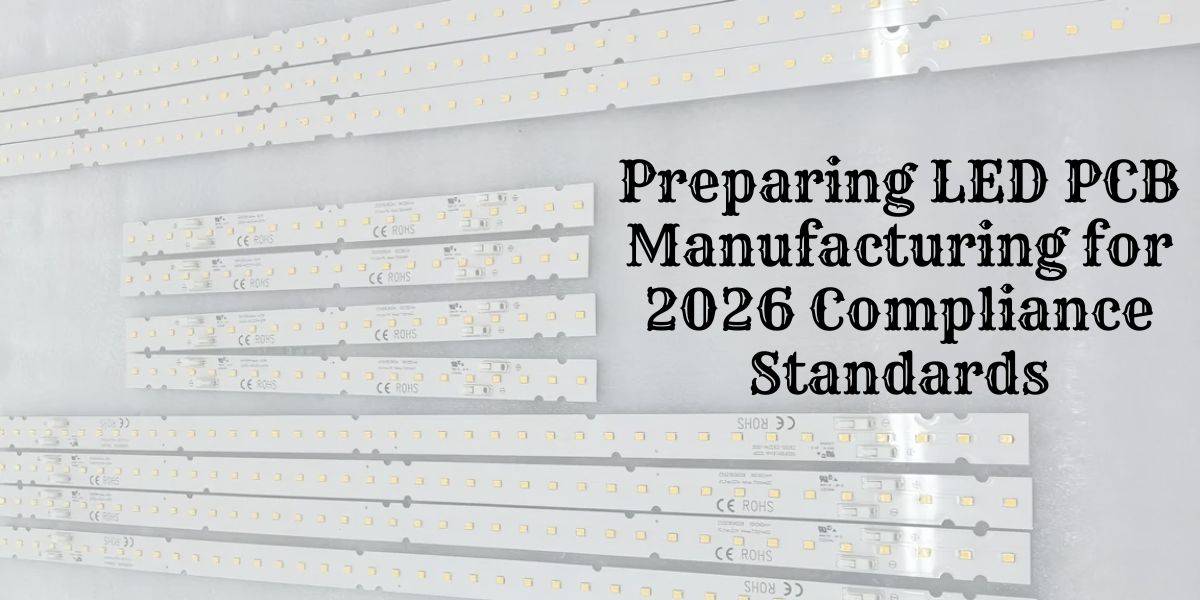
การเตรียมการเป็นเรื่องเกี่ยวกับการสร้างความยืดหยุ่น ไม่ตอบสนองต่อการตรวจสอบ
ความพร้อมของกระบวนการ
กระบวนการควรได้รับการออกแบบเพื่อป้องกันการไม่ปฏิบัติตามมากกว่าที่จะตรวจจับหลังจากข้อเท็จจริง
ออกแบบเพื่อการปฏิบัติตาม
วิศวกรกำลังพิจารณาข้อจำกัดด้านการปฏิบัติตามข้อกำหนดมากขึ้นในระหว่างการออกแบบ ซึ่งลดการปรับดาวน์สตรีม
การประสานงานของผู้จัดจำหน่าย
การประสานงานอย่างใกล้ชิดช่วยให้มั่นใจได้ว่าการเปลี่ยนแปลงจะได้รับการสื่อสารตั้งแต่เนิ่นๆ และตรวจสอบอย่างถูกต้อง
เสถียรภาพการผลิตในระยะยาว
กระบวนการที่เสถียรและเป็นไปตามข้อกำหนดสนับสนุนคุณภาพที่สม่ำเสมอและการส่งมอบที่คาดการณ์ได้ ซึ่งมีความสำคัญในการใช้งาน LED ที่มีความคาดหวังด้านการบริการที่ยาวนาน
ผลกระทบต่อการปฏิบัติตาม RoHS ต่อการผลิต PCB LED
| พื้นที่การปฏิบัติตาม | ผลกระทบการผลิต | ความเสี่ยงหากละเลย |
| การเลือกใช้วัสดุ | ตัวเลือกการจำกัดการเคลือบผิว บัดกรี และเสร็จสิ้น | ความล้มเหลวทางความร้อน การปฏิเสธการตรวจสอบ |
| กระบวนการบัดกรี | อุณหภูมิการไหลสูงขึ้นและการควบคุมที่เข้มงวดยิ่งขึ้น | ความเมื่อยล้าของข้อต่อ, ความเสียหายของ |
| การควบคุมซัพพลายเออร์ | ต้องใช้การประกาศที่ได้รับการยืนยันและการติดตามการเปลี่ยนแปลง | ซ่อนการไม่ปฏิบัติตาม |
| เอกสาร | การบำรุงรักษาบันทึกอย่างต่อเนื่อง | ข้อจำกัดในการเข้าถึงตลาด |
| การตรวจสอบย้อนกลับของกระบวนการ | การติดตามและการตรวจสอบระดับล็อต | การเรียกคืนและการรับผิด |
บทสรุป
การปฏิบัติตาม RoHS ในการผลิต PCB แบบ LED เป็นแนวทางการผลิตที่มีระเบียบวินัย ไม่ใช่แบบฝึกหัดด้านเอกสาร ในปี 2569 การปฏิบัติตามข้อกำหนดจะส่งผลต่อการเลือกวัสดุ การควบคุมกระบวนการ เอกสารประกอบ และความน่าเชื่อถือในระยะยาว ผู้ผลิตที่ปฏิบัติต่อความสอดคล้องเป็นฟังก์ชันการผลิตแบบบูรณาการอยู่ในตำแหน่งที่ดีกว่าในการจัดการความเสี่ยง รักษาการเข้าถึงตลาด และส่งมอบประสิทธิภาพ LED ที่เสถียรตลอดวงจรชีวิตที่ขยายออกไป
คำถามที่พบบ่อย
กระทู้ที่เกี่ยวข้อง