ไทย
ไทย  English
  简体中文
简体中文  Deutsch
  Español
  Français
  Italiano
  日本語
日本語  한국어
한국어  Polski
  Português
  Русский
  Türkçe
  Nederlands
  Tiếng Việt
แสงไฟอะคูสติกทำงานได้ดีที่สุดเมื่อติดตั้งเหนือโซนกิจกรรมเสียงหลักโดยตรง เช่น เวิร์กสเตชัน โต๊ะประชุม พื้นที่ทำงานร่วมกัน และที่นั่งแบบเปิดโล่ง ตำแหน่งเพดานเป็นสิ่งสำคัญเนื่องจากเพดานทำหน้าที่เป็นพื้นผิวสะท้อนที่สำคัญสำหรับการพูด การเว้นวรรค ความสูง และการกระจายที่เหมาะสมเป็นตัวกำหนดว่าอุปกรณ์ติดตั้งจะลดเสียงก้องและปรับปรุงความชัดเจนของคำพูดได้อย่างไร
บทความนี้จะอธิบายโซนตำแหน่งที่เหมาะสมที่สุด การพิจารณาความสูง ตรรกะการควบคุมการสะท้อน กลยุทธ์ประเภทห้อง และข้อผิดพลาดในการติดตั้งทั่วไป มุ่งเน้นที่ประสิทธิภาพการจัดวางอย่างเคร่งครัด เพื่อให้สถาปนิก นักออกแบบ ที่ปรึกษาด้านเสียง และผู้จัดการสถานที่สามารถตัดสินใจติดตั้งได้อย่างมีข้อมูล
ทำไมตำแหน่งเพดานจึงสำคัญกว่าการวางผนัง
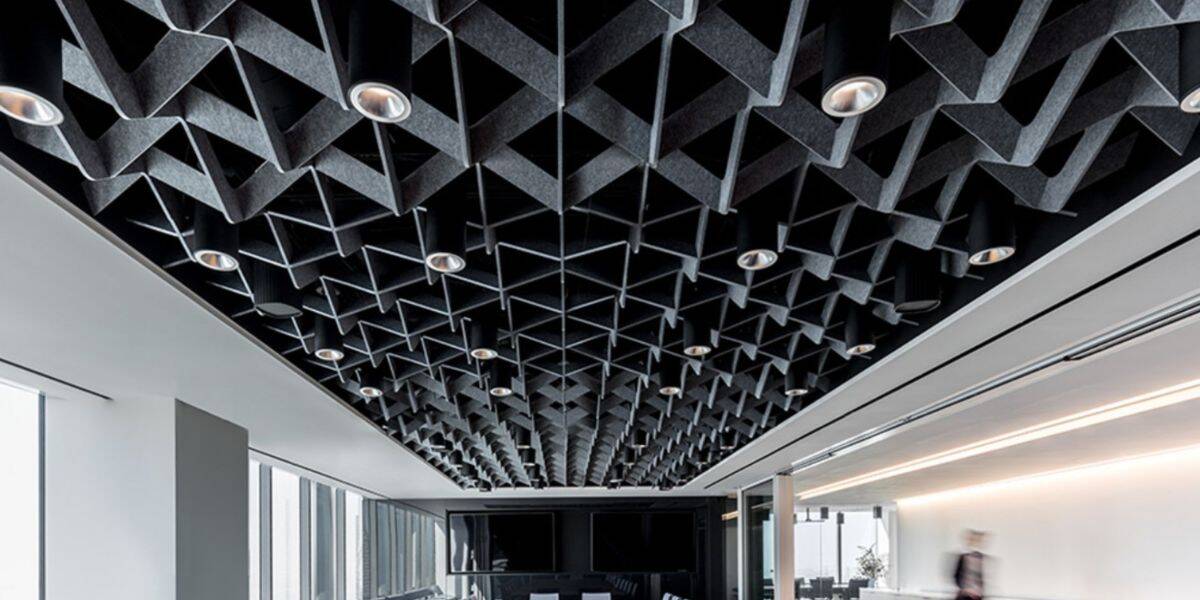
ในการตกแต่งภายในเชิงพาณิชย์ส่วนใหญ่ พลังงานคำพูดจะเคลื่อนขึ้นด้านบนทันทีหลังจากออกจากปากของผู้พูด การสะท้อนที่สำคัญครั้งแรกมักจะเกิดขึ้นที่ระนาบเพดานก่อนที่จะกลับลงไปในโซนที่ถูกยึดครอง สิ่งนี้สร้างสิ่งที่นักอคูสติกเรียกว่าเส้นทางสะท้อนแรก:
แหล่งคำพูด → เพดาน → พลังงานสะท้อน → ผู้ฟัง
เมื่อเพดานแข็ง พื้นผิวสะท้อนแสง เช่น แผ่นยิปซั่ม คอนกรีตเปลือย หรือพื้นโลหะ พลังงานคำพูดสะท้อนกลับเข้ามาในห้องอย่างรวดเร็ว เพิ่มเวลาก้องกังวาน และลดความชัดเจน
การดูดซึมแบบติดผนังช่วยได้ แต่ส่วนใหญ่จะกล่าวถึงการสะท้อนด้านข้าง การสะท้อนเหนือศีรษะมักจะโดดเด่นกว่าในสภาพแวดล้อมแบบเปิดโล่งและการประชุมเนื่องจาก:
- เพดานครอบคลุมพื้นที่ที่ถูกยึดครองทั้งหมด
- มันสะท้อนพลังงานกลับเข้าไปในสนามพูด
- ช่วยเสริมเสียงรบกวนในพื้นที่แนวนอนขนาดใหญ่
แสงอะคูสติก ขัดจังหวะการสะท้อนแสงแนวตั้งนี้โดยตรงที่ระนาบสะท้อนแสง โดยการวางอุปกรณ์อะคูสติกภายในเส้นทางสะท้อนเพดาน พลังงานเสียงพูดความถี่กลาง (โดยทั่วไปคือ 500–2000 Hz) จะถูกดูดซึมก่อนที่จะกลับคืนสู่ผู้อยู่อาศัย
ตำแหน่งผนังปริมณฑลไม่ได้สกัดกั้นการเด้งในแนวตั้งในช่วงต้นนี้ โคมไฟสักหลาดแบบใช้เพดานช่วยลดความเข้มของการสะท้อนแสงแรกได้อย่างมีประสิทธิภาพมากขึ้น เนื่องจากพวกมันนั่งอยู่ในเส้นทางเสียงโดยตรง
โดยเฉพาะอย่างยิ่งในสภาพแวดล้อมแบบเปิด การดูดซึมเหนือศีรษะจะส่งผลกระทบทางเสียงต่อตารางเมตรสูงกว่าการรักษาเฉพาะปริมณฑล
โซนตำแหน่งแกนกลาง
ตอบ: ด้านบนเวิร์กสเตชันและคลัสเตอร์โต๊ะทำงาน
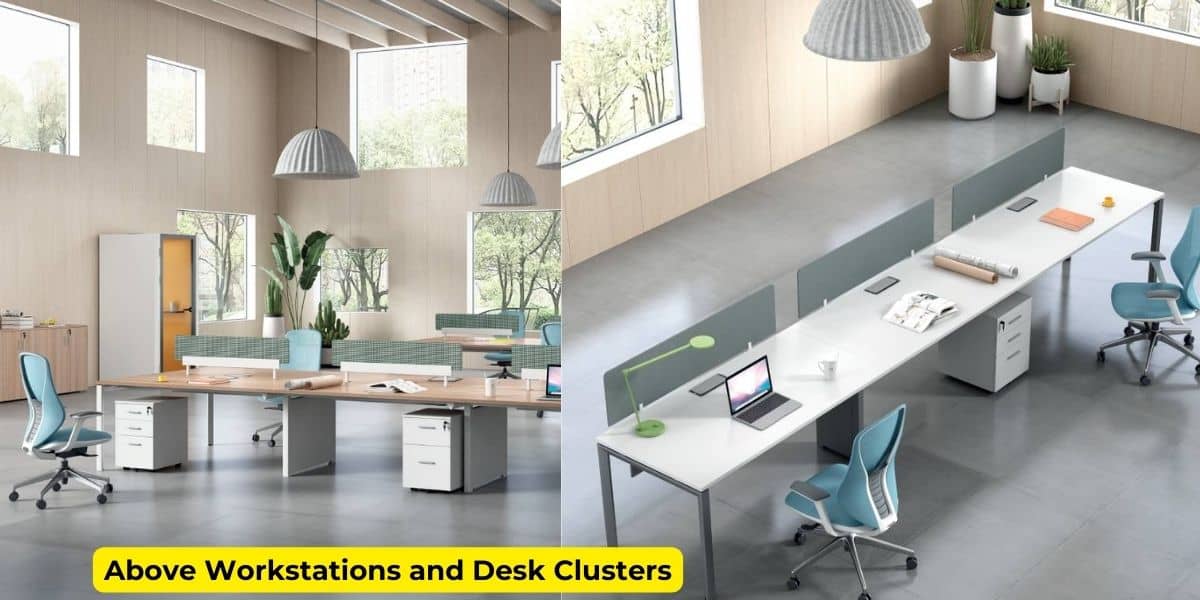
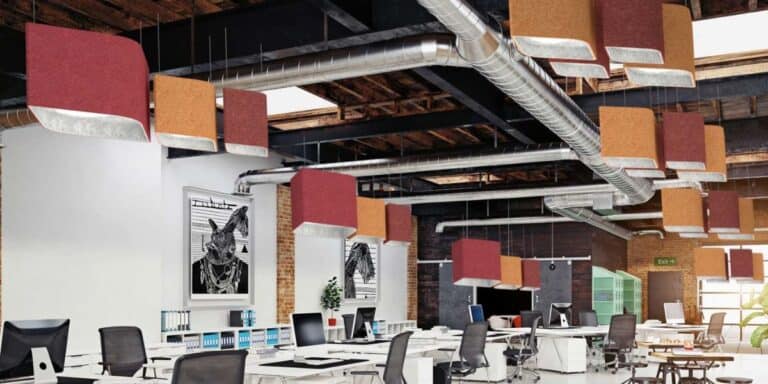
สำนักงานแบบเปิดโล่งเน้นการพูดภายในการจัดกลุ่มเวิร์กสเตชัน การสนทนา การสนทนาทางวิดีโอ และการแลกเปลี่ยนการทำงานร่วมกันทำให้เกิดพลังงานเสียงความถี่กลางที่ยั่งยืน
การติดตั้งแสงอะคูสติกเหนือคลัสเตอร์โต๊ะทำงานโดยตรง:
- ซึมซับคำพูดก่อนที่มันจะแพร่กระจายไปทางด้านข้าง
- ลดการสะสมของเสียงก้องข้ามแถว
- จำกัดการพูดคุยข้ามระหว่างทีม
โคมไฟสักหลาด มีประสิทธิภาพโดยเฉพาะอย่างยิ่งเนื่องจากความรู้สึกโพลีเอสเตอร์หนาแน่นดูดซับคำพูดความถี่กลางซึ่งพลังงานที่เข้าใจได้มากที่สุด
ตรรกะการกระจายมีความสำคัญ แทนที่จะวางอุปกรณ์ติดตั้งตามทางเดินหรือใกล้ผนัง ตัวยึดควรอยู่ตรงกลางเหนือโต๊ะทำงานและขยายออกไปเล็กน้อยเกินรอยเท้าที่นั่ง ตามแนวทาง:
- เป้าหมาย 20–35% เพดานครอบคลุมเหนือโซนโต๊ะกิจกรรมสูง
- รักษาระยะห่างที่สม่ำเสมอเพื่อหลีกเลี่ยงช่องว่างสะท้อนแสงที่ไม่ได้รับการรักษา
- หลีกเลี่ยงเลย์เอาต์เฉพาะรอบ ซึ่งช่วยให้โซนคำพูดตรงกลางยังคงสะท้อนแสงได้
เลย์เอาต์ที่มีประสิทธิภาพต่ำกว่าปกติจะวางแสงตกแต่งตามเส้นทางการไหลเวียนมากกว่าแหล่งกำเนิดเสียง
B: เหนือโต๊ะประชุม
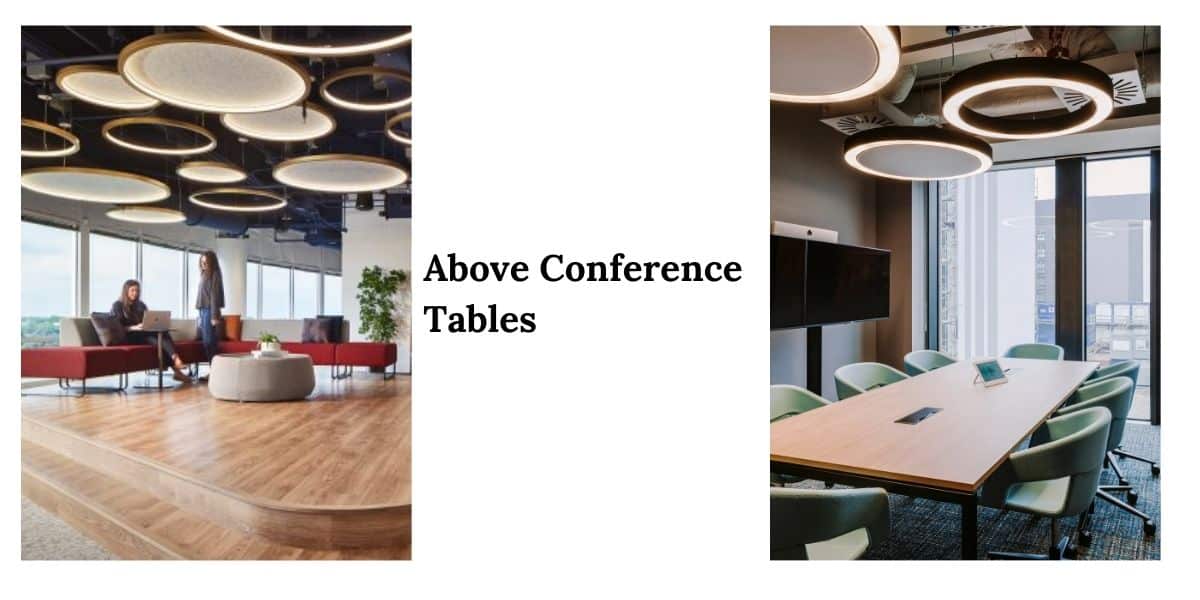
ห้องประชุมเน้นการพูดโดยตรงในพื้นที่คงที่ ผู้เข้าร่วมหลายคนพูดไปที่กึ่งกลางของโต๊ะ และเสียงสะท้อนจากเพดานในแนวตั้ง
การกำหนดค่าที่เหมาะสมที่สุด:
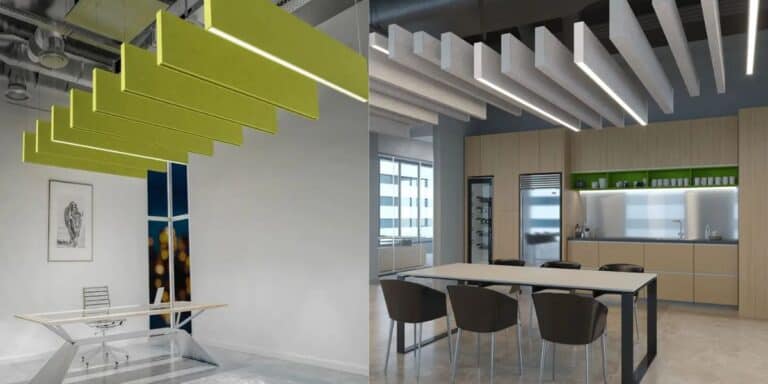
- ติดตั้งไฟอะคูสติกตรงกลางเหนือโต๊ะ
- ขยายความครอบคลุม 300–600 มม. เหนือรอยเท้าบนโต๊ะ
- จัดตำแหน่งฟิกซ์เจอร์ให้เข้ากับแกนตารางเพื่อการดูดซึมที่สม่ำเสมอ
หากห้องถูกยืดออก การจัดเรียงเชิงเส้นที่สะท้อนรูปร่างของโต๊ะจะทำงานได้ดีกว่าคลัสเตอร์ขนาดกะทัดรัดเพียงกลุ่มเดียว
ส่วนสูงก็สำคัญ ในเพดาน 2.7–3 ม. ทั่วไป การแขวนที่แขวนอยู่ใต้แผ่นพื้น 400–800 มม. ช่วยเพิ่มประสิทธิภาพการดูดซึมโดยวางวัสดุให้ใกล้กับโซนสะท้อนแสงมากขึ้น
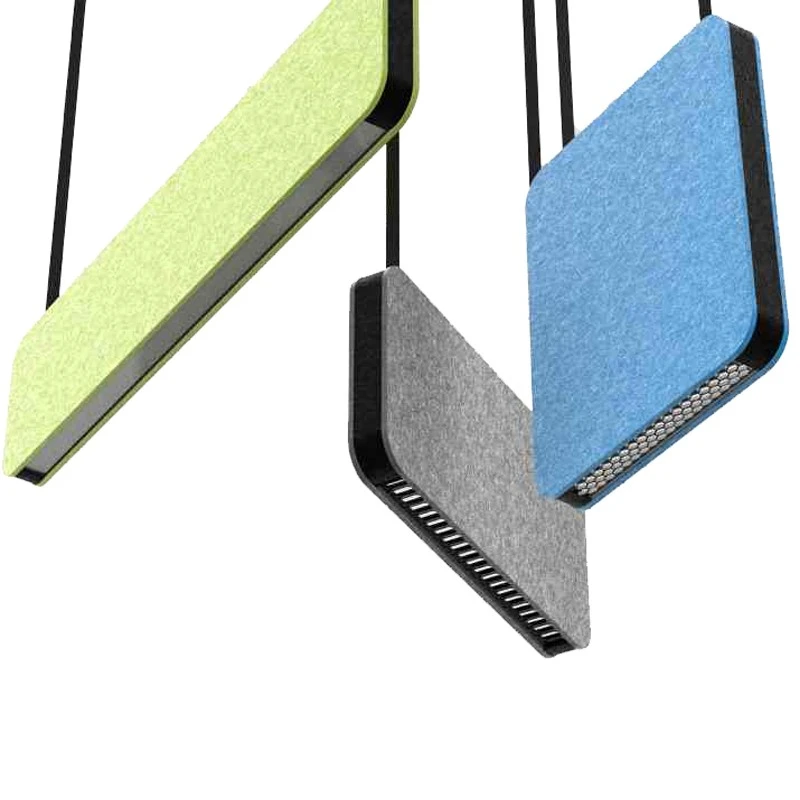
แสงไฟ LED แบบอะคูสติกแบบพิเศษ
- แรงดันไฟฟ้าขาเข้า: AC100-277V / AC220-240V,50-60HZ
- ทิศทางการเปล่ง: ลง
- ขนาด: 121836400 มม.
- CCT: 3000K / 4000K / 6000K
- กำลัง: 30W
- ฟลักซ์ส่องสว่าง: 100-110lm / w
- CRI: >80ra
- PF: >0.90
- ฟลิคเกอร์ฟรี: ใช่
- มุมลำแสง: 120 °
- เกรด IP: IP20
- รับประกัน: 5 ปี
- แผ่นอะคูสติกสักหลาดสี: สีแดง / สีเขียว / น้ำเงิน / สีเทามากกว่า 48 สี
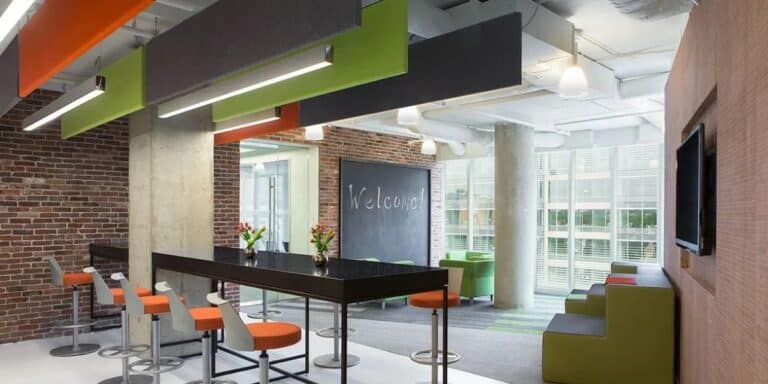
C: โซนการทำงานร่วมกันและพื้นที่เลานจ์
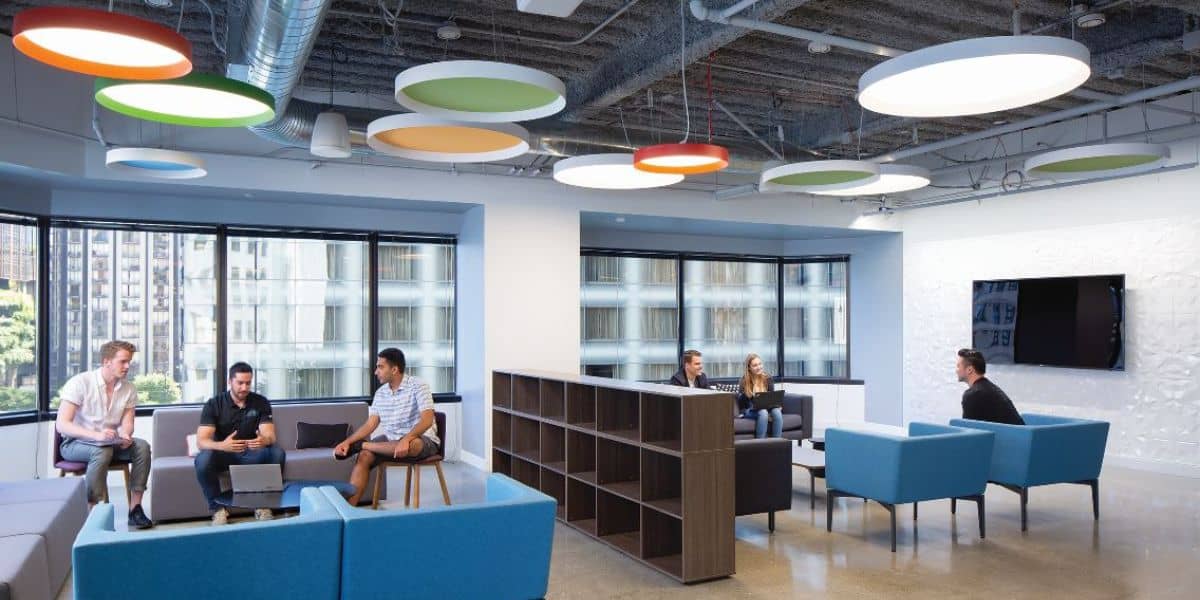
โซนที่ไม่เป็นทางการจะสร้างกลุ่มคำพูดที่คาดเดาไม่ได้แต่เข้มข้น หากไม่มีดูดซับเหนือศีรษะ เสียงจะไหลเข้าสู่โซนเงียบที่อยู่ติดกัน
การติดตั้งแสงเสียงด้านบน:
- กลุ่มที่นั่งนุ่ม
- ช่องว่าง
- ฝักประชุมที่ไม่เป็นทางการ
สร้างโซนการดูดซึมเฉพาะที่ ประกอบด้วยเสียงใกล้แหล่งกำเนิดและป้องกันการสะสมของเสียงสะท้อนบนแผ่นพื้น
กลยุทธ์การจัดวางควรจัดลำดับความสำคัญของการควบคุมเสียง ไม่ใช่ความสมมาตรของภาพ
แนวทางความสูงและช่วงล่างของการติดตั้ง
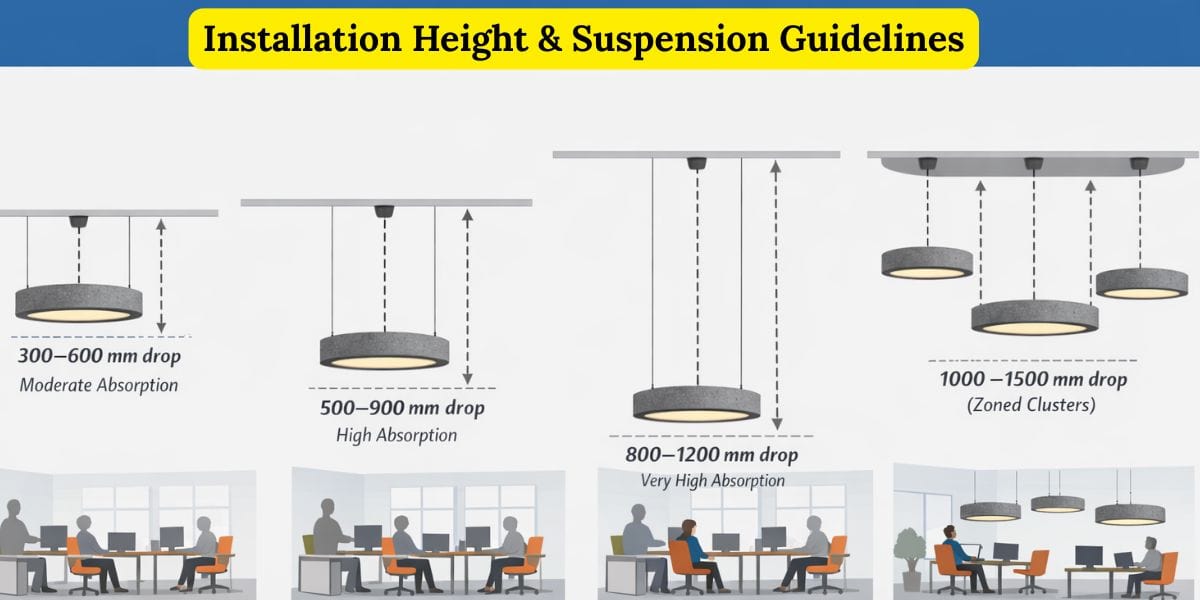
ความลึกของช่วงล่างมีผลอย่างมากต่อประสิทธิภาพ การลดแสงเสียงจะเพิ่มปฏิสัมพันธ์กับคลื่นเสียงโดยการวางตำแหน่งวัสดุภายในเส้นทางการสะท้อนที่ใช้งานอยู่
สำหรับเพดานที่เปิดโล่งหรือแผ่นพื้นสูง ระบบกันสะเทือนที่ลึกกว่าจะช่วยเพิ่มประสิทธิภาพการจับภาพเสียง
ตารางที่ 1 - แนวทางการระงับที่แนะนำ
| ความสูงของเพดาน | ความลึกของช่วงล่างที่แนะนำ | ผลกระทบทางเสียง | ตัวโน้ต |
| 2.6–2.8 ม. | 300–600 มม. | ปานกลางถึงสูง | เหมาะสำหรับห้องประชุมและสำนักงาน |
| 2.8–3.2 ม. | 500–900 มม. | อุจ | ปรับปรุงการควบคุมคำพูดในแผนเปิด |
| 3.2–4.0 ม. | 800–1200 มม. | สูง (โซนภาษาท้องถิ่น) | จำเป็นสำหรับเพดานที่เปิดโล่ง |
| >4.0 m | 1000–1500 มม. (กลุ่มโซน) | เป้าหมาย | รวมกับอุปกรณ์อะคูสติกเพิ่มเติม |
ช่วงล่างที่ต่ำกว่าช่วยเพิ่มการดูดซับที่มีประสิทธิภาพเนื่องจากเสียงจะพบกับวัสดุก่อนที่จะกระจายตัวเต็มที่
ในเพดานสูงที่สูงกว่า 3 ม. การติดตั้งอุปกรณ์ติดตั้งให้แน่นกับแผ่นพื้นช่วยลดประสิทธิภาพลงอย่างมาก การนำแสงเสียงลงมาช่วยปรับปรุงการโต้ตอบกับความถี่การพูด
กลยุทธ์การครอบคลุมและการกระจายสินค้า
เปอร์เซ็นต์ความครอบคลุมและรูปแบบการกระจายเป็นตัวกำหนดประสิทธิภาพโดยรวม
ตามกฎทั่วไป:
- ความครอบคลุม 20–25% ในสำนักงานเสียงปานกลาง
- ความครอบคลุม 30–40% ในเขตความร่วมมือสูง
- ความหนาแน่นที่แปลเป็นภาษาท้องถิ่นสูงกว่าพื้นที่การประชุม
แม้แต่การกระจายในโซนที่ใช้งานอยู่นั้นมีประสิทธิภาพเหนือกว่าการจัดกลุ่มอุปกรณ์ติดตั้งทั้งหมดในพื้นที่เดียว
จี้ขนาดเล็กที่เว้นระยะห่างเท่าๆ กันสามารถทำงานได้เช่นเดียวกับแผงขนาดใหญ่หากกระจายอย่างถูกต้อง แผงไฟอะคูสติกขนาดใหญ่สร้างสนามการดูดกลืนที่กว้างขึ้น แต่ต้องมีการจัดตำแหน่งอย่างระมัดระวังกับโซนกิจกรรม
ตารางที่ 2 - กลยุทธ์การกระจายตามประเภทพื้นที่
| ประเภทพื้นที่ | เขตจัดตำแหน่งปฐมภูมิ | รูปแบบการกระจาย | การรักษาเพิ่มเติมที่จำเป็น? |
| สำนักงานเปิด | กระจุกโต๊ะเหนือ | แม้แต่กริดเหนือพื้นที่ทำงาน | บางครั้งอุปกรณ์อะคูสติกติดผนังหากสะท้อนแสงได้สูง |
| ห้องประชุม | อยู่ตรงกลางโต๊ะ | กระจุกเชิงเส้นหรือสี่เหลี่ยม | ไม่ค่อยมีถ้าครอบคลุมเพียงพอ |
| โคเวิร์คกิ้งสเปซ | พื้นที่การทำงานร่วมกันแบบผสม | กลุ่มโซน | มักจะใช่สำหรับผนังกระจก |
| แผนกต้อนรับ | โซนที่นั่งรอ | เข้มข้นเหนือที่นั่ง | อาจเป็นเพดานสูง |
| เอเทรียมเพดานสูง | กระเป๋ากิจกรรม | กระจุกที่ถูกระงับ | ใช่สำหรับการควบคุมระดับเสียง |
หลีกเลี่ยงการวางแสงอะคูสติกทั้งหมดตามขอบปริมณฑล การจัดวางแบบกระจายที่สอดคล้องกับความเข้มข้นของคำพูดให้ประสิทธิภาพที่ดีกว่าการจัดกลุ่มตกแต่ง
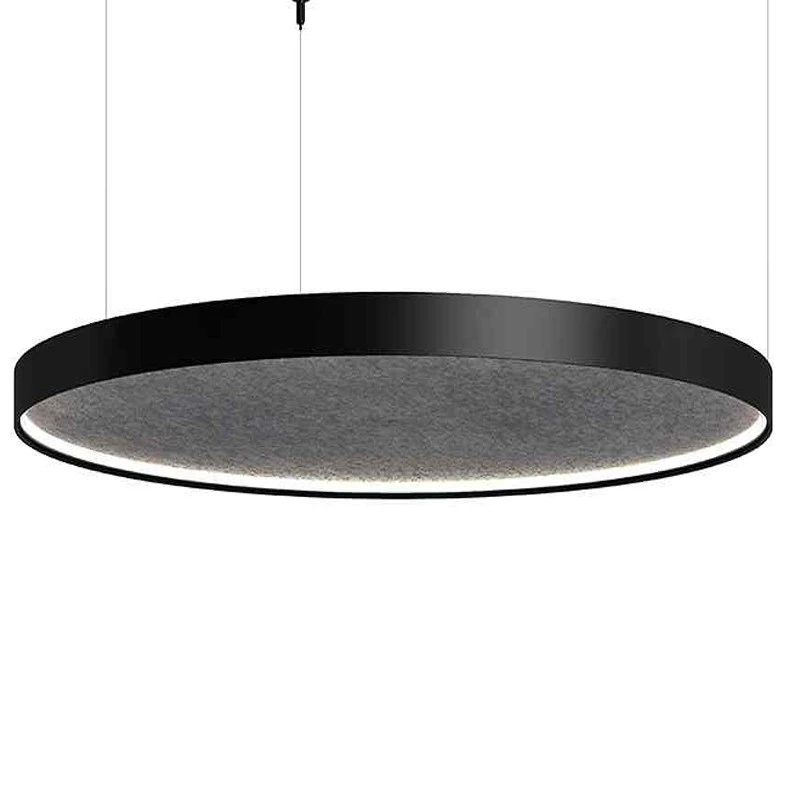
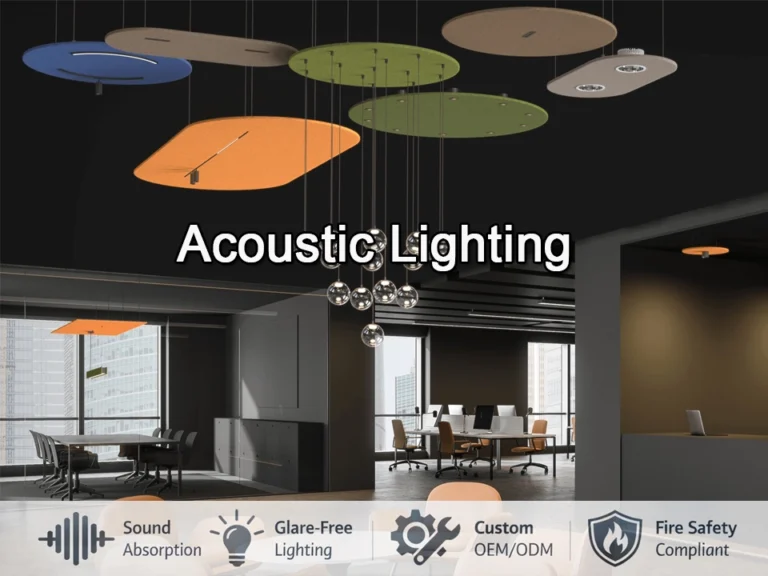
โคมไฟระย้า LED แบบวงกลมโดยตรง
- แรงดันไฟฟ้าขาเข้า: AC100-277V / AC220-240V,50-60HZ
- ขนาดความสูง: H65mm
- ขนาด D: 600 มม. / 800 มม. / 1000 มม. / 1200 มม
- CCT: 3000K / 4000K / 6000K
- กำลัง: 40W / 60W / 80W / 96W
- ฟลักซ์ส่องสว่าง: 100-110lm / w
- การต่อต้าน - แสงจ้า: ใช่
- CRI: >80ra
- PF: >0.90
- ฟลิคเกอร์ฟรี: ใช่
- มุมลำแสง: 120 °
- เกรด IP: IP20
- รับประกัน: 5 ปี
- แผ่นอะคูสติกสักหลาดสี: สีแดง / สีเขียว / น้ำเงิน / สีเทามากกว่า 48 สี
คำแนะนำในการติดตั้งเฉพาะห้อง
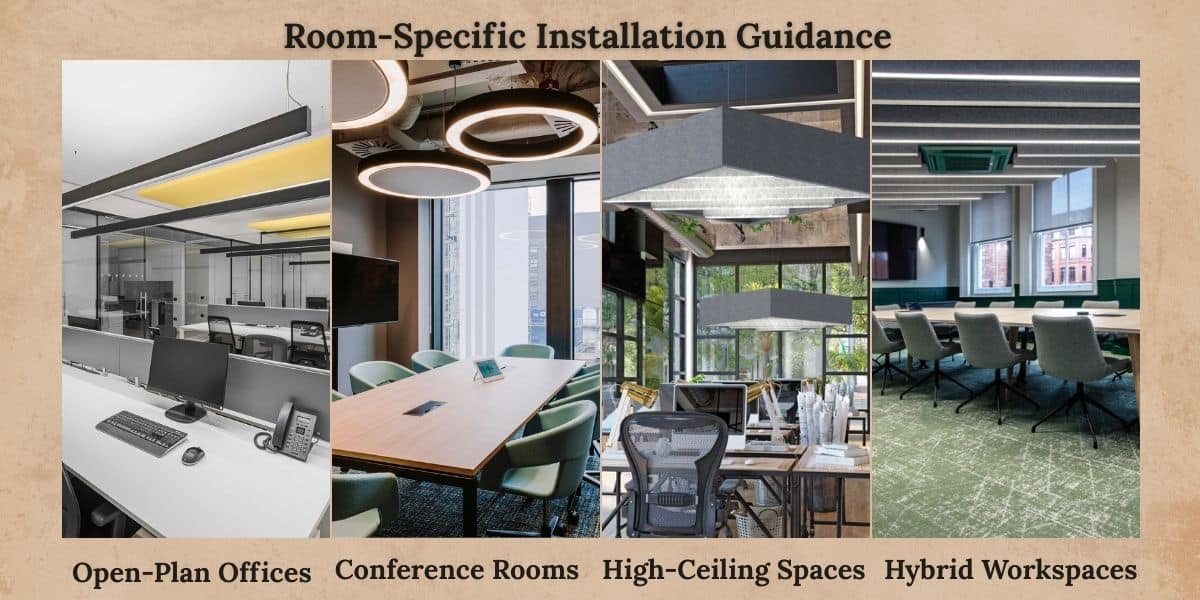
สำนักงานเปิด-แผน
ใช้กริดแบบกระจายเหนือโต๊ะทำงาน ไม่ใช่ทางเดิน เลย์เอาต์แบบรวมศูนย์ทางเดินเท่านั้นล้มเหลวในการพูดคำพูดที่แหล่งที่มา
ถ้าเพดานเกิน 3 เมตร:
- เพิ่มความลึกของช่วงล่าง
- คลัสเตอร์อะคูสติกติดตั้งเหนือโต๊ะทำงานโดยตรง
- เสริมด้วยฟิกซ์เจอร์อะคูสติกเพิ่มเติมหากเสียงก้องยังคงสูง
ห้องประชุม
ติดตั้งไฟอะคูสติกส่วนกลางเหนือโต๊ะ สำหรับห้องยาว:
- ใช้อาร์เรย์เชิงเส้นที่ตามรูปทรงของตาราง
- เพิ่มอุปกรณ์รองใกล้สิ้นสุดตารางหากจำเป็น
หลีกเลี่ยงการวางอุปกรณ์ยึดไว้ใกล้ผนังเว้นแต่การสะท้อนด้านข้างจะรุนแรง
ช่องว่างสูง
เพดานสูงช่วยเพิ่มเสียงก้องเนื่องจากปริมาณที่มากขึ้น ในพื้นที่เหล่านี้:
- ระงับการแข่งขันลงสู่โซนที่ถูกยึดครอง
- คลัสเตอร์เหนือที่นั่งหรือพื้นที่การทำงานร่วมกัน
- รวมกับอุปกรณ์อะคูสติกที่ผนังหากพื้นผิวกระจกครอบงำ
ตำแหน่งต้องกำหนดเป้าหมายพื้นที่กิจกรรม ไม่ใช่ช่องว่างที่เปิดเป็นโมฆะ
พื้นที่ทำงานแบบไฮบริด
สำนักงานไฮบริดมักกำหนดรูปแบบโต๊ะทำงานใหม่ ระบบไฟอะคูสติกแบบแยกส่วนให้ความยืดหยุ่น
กลยุทธ์การจัดตำแหน่ง:
- ระบุกลุ่มคำพูดที่น่าจะเป็นไปได้
- ใช้ระบบกันสะเทือนแบบปรับค่าใหม่ได้
- หลีกเลี่ยงการตกแต่งแบบตายตัวที่ไม่ปรับให้เข้ากับการเปลี่ยนแปลงรูปแบบ
ตรรกะทางเสียงต้องอยู่ในแนวเดียวกับรูปแบบการครอบครองที่กำลังพัฒนา
เมื่อแสงอะคูสติกเพียงอย่างเดียวไม่เพียงพอ
เงื่อนไขบางอย่างจำกัดประสิทธิภาพแบบสแตนด์อโลน:
- เวลาเสียงก้องสูงมาก
- กระจกหน้าบานขนาดใหญ่
- ผนังคอนกรีต.
- ปริมาณสูงสองเท่า
ในกรณีเหล่านี้ แสงอะคูสติกควรทำหน้าที่เป็นการดูดซึมเหนือศีรษะ เสริมด้วยแนวตั้ง โปรแกรมอะคูสติก.
การรักษาเพดานจะดักจับการสะท้อนในแนวตั้ง ในขณะที่การรักษาผนังควบคุมการสะท้อนด้านข้าง การรวมกันทำให้เกิดประสิทธิภาพที่สมดุล
การเพิกเฉยต่อการสะท้อนแสงของผนังในพื้นที่ที่มีกระจกสูงสามารถบ่อนทำลายโซลูชันเฉพาะเพดานเท่านั้น
ข้อผิดพลาดในการติดตั้งทั่วไป
- ติดตั้งเฉพาะที่ปริมณฑลมากกว่าโซนคำพูด
- การรักษาแสงอะคูสติกเป็นของตกแต่งอย่างหมดจด
- ไม่สนใจความสูงของช่วงล่างในเพดานสูง
- การติดตั้งการเว้นวรรคมากเกินไป สร้างช่องว่างสะท้อนแสงที่ไม่ได้รับการรักษา
- การติดตั้งเส้นทางการไหลเวียนข้างต้นเท่านั้น
- ล้มเหลวในการจัดตำแหน่งให้สอดคล้องกับรูปแบบการพูดจริง
ปัญหาด้านประสิทธิภาพส่วนใหญ่เกิดจากการจัดวางที่ไม่ตรงแนว ไม่ใช่จำนวนการต่อที่ไม่เพียงพอ
รายการตรวจสอบการตัดสินใจตำแหน่ง
ตารางที่ 3 – รายการตรวจสอบการตัดสินใจติดตั้ง
| ปัจจัยการประเมินผล | สิ่งที่ต้องประเมิน | ทำไมมันถึงส่งผลต่อประสิทธิภาพการทำงาน |
| ความเข้มข้นของกิจกรรมการพูด | ความหนาแน่นของโต๊ะทำงานโซนการประชุม | กำหนดที่การดูดซึมต้องสูงที่สุด |
| ความสูงของเพดาน | มิติพื้นต่อพื้น | อิทธิพลของความลึกของช่วงล่าง |
| สะท้อนแสงพื้นผิว | กระจก, คอนกรีต, โลหะ | การสะท้อนแสงที่สูงขึ้นช่วยเพิ่มความต้องการความคุ้มครอง |
| ปริมาณห้อง | ลูกบาศก์เมตร | ปริมาณที่มากขึ้นจะเพิ่มเสียงก้อง |
| ไฮบริดกับเค้าโครงคงที่ | ความถี่ในการกำหนดค่าใหม่ | ผลกระทบที่จำเป็นสำหรับการจัดวางแบบแยกส่วน |
| ต้องการอุปกรณ์อะคูสติกเพิ่มเติม | ความรุนแรงของภาพสะท้อนของผนัง | ช่วยให้การควบคุมเสียงที่สมดุล |
รายการตรวจสอบนี้สนับสนุนการตัดสินใจที่มีโครงสร้างมากกว่าการติดตั้งที่ขับเคลื่อนด้วยสุนทรียศาสตร์
เวิร์กโฟลว์การจัดวางของการปฏิบัติ
กระบวนการจัดตำแหน่งแบบมืออาชีพมักเป็นไปตามขั้นตอนเหล่านี้:
ขั้นตอนที่ 1: ระบุโซนคำพูดที่มีเสียงพูด
แผนที่คลัสเตอร์เวิร์กสเตชัน โต๊ะประชุม และพื้นที่นั่งที่ไม่เป็นทางการ
ขั้นตอนที่ 2: แผนที่พื้นผิวสะท้อน
ประเมินการสะท้อนแสงของเพดานและความสูงของห้อง
ขั้นตอนที่ 3: กำหนดช่วงการระงับ
เลือกความลึกของช่วงล่างตามความสูงของเพดานและประสิทธิภาพการดูดซับที่ต้องการ
ขั้นตอนที่ 4: รูปแบบการกระจายแผน
เลือกเค้าโครงแบบกริด เชิงเส้น หรือแบบคลัสเตอร์ที่จัดแนวกับโซนกิจกรรม
ขั้นตอนที่ 5: ประเมินการรักษาเพิ่มเติม
ประเมินว่าจำเป็นต้องมีอุปกรณ์ติดตั้งอะคูสติกที่ผนังเพื่อการควบคุมที่สมดุลหรือไม่
เวิร์กโฟลว์นี้จัดลำดับความสำคัญของการจัดตำแหน่งประสิทธิภาพมากกว่าความสม่ำเสมอของภาพ
2026 แนวโน้มตำแหน่ง
แนวโน้มที่เกิดขึ้นใหม่เน้นการรวมประสิทธิภาพ:
- ระบบเพดานแบบบูรณาการที่ผสมผสานแสงและการดูดซับ
- แสงไฟแบบแยกส่วนสำหรับสภาพแวดล้อมการทำงานแบบไฮบริด
- ระบบกันสะเทือนที่ยืดหยุ่นเพื่อประสิทธิภาพที่ปรับได้
- โซนการควบคุมเสียงแทนที่กริดแผงเพดานเต็มรูปแบบ
แสงอะคูสติกเข้ามาแทนที่แผงเพดานที่แยกจากกันมากขึ้นเรื่อยๆ โดยผสมผสานการส่องสว่างและการดูดซับเป้าหมายภายในโซนสะท้อนแสง
บทสรุป
ควรติดตั้งแสงอะคูสติกเหนือโซนเสียงหลักโดยตรง กระจายอย่างมีกลยุทธ์ทั่วบริเวณเพดาน และแขวนไว้ที่ระดับความสูงซึ่งเพิ่มประสิทธิภาพการดูดซึมสูงสุด ตรรกะของตำแหน่งมีความสำคัญมากกว่าจำนวนการติดตั้ง เมื่อจัดตำแหน่งตามรูปแบบการพูดและรูปทรงเพดาน แสงอะคูสติกจะช่วยเพิ่มความสบายและความชัดเจนได้อย่างมาก
คำถามที่พบบ่อย
กระทู้ที่เกี่ยวข้อง