Türkçe
  English
  简体中文
简体中文  Deutsch
  Español
  Français
  Italiano
  日本語
日本語  한국어
한국어  Polski
  Português
  Русский
  Nederlands
  Tiếng Việt
  ไทย
ไทย 
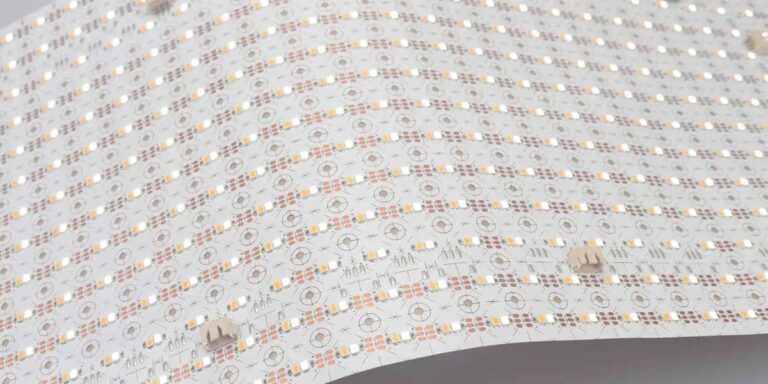
LED levha aydınlatma, düzgün aydınlatma sağladığı, minimum derinlik gerektirdiği, esnek yerleşimlere uyum sağladığı ve hassas parlaklık kontrolüne izin verdiği için vitrinler ve vitrinler için pratik bir çözüm haline geldi. Görsel sunumun müşteri algısını doğrudan etkilediği perakende ortamlarda, düzensiz aydınlatma, görünür sıcak noktalar veya hacimli armatürler ürün etkisini baltalayabilir. Düzgün tasarlanmış bir LED ışık levha sistemi, sığ dolaplara ve dar pencere düzeneklerine uyan ince bir profili korurken, ışığı yüzeylere eşit olarak dağıtarak bu sorunları ele alır.
Bu makalede, LED levha aydınlatmanın özellikle vitrinlerde ve vitrinlerde görsel satış performansını nasıl artırdığını açıklar. Tek tip arka aydınlatmanın ölçülebilir faydalarını, derinlikteki kısıtlı dolaplarda yerleşim planlama stratejileri, difüzör seçim mantığı, parlaklık yoğunluğu hesaplaması, sokağa bakan pencereler için parlama kontrolü, kurulum planlaması ve performans optimizasyonu içerir. Odak, her tasarım kararının arkasındaki teknik mantıkla, kesinlikle dolap ve pencere uygulamalarına odaklanır.
Perakende ekranlar için LED levha aydınlatmanın temel faydaları
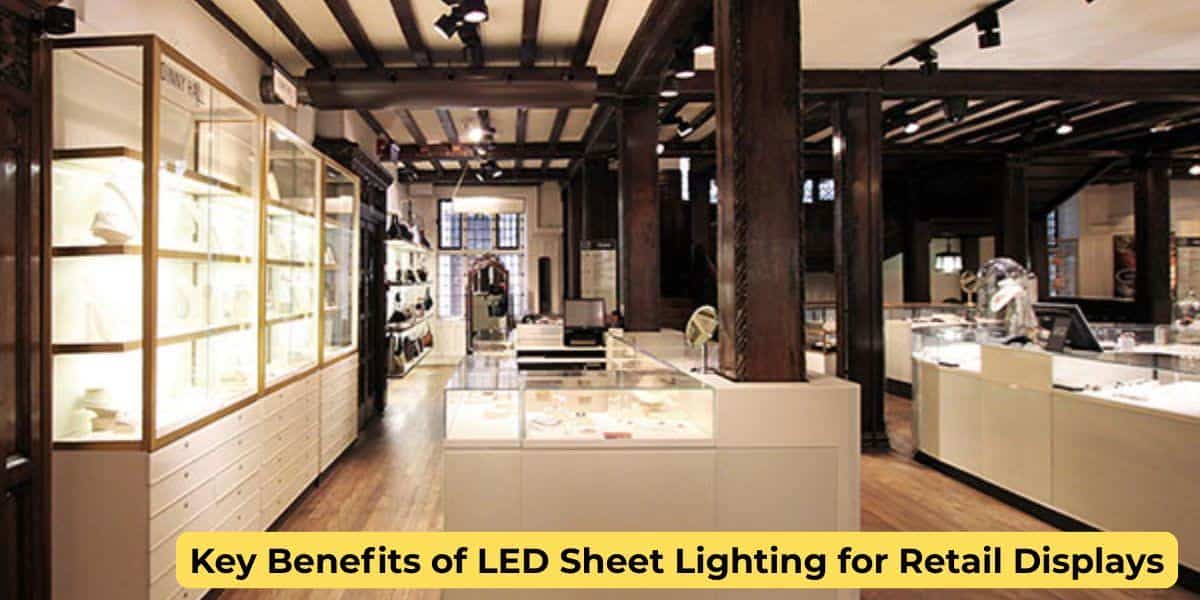
- Hotspots olmadan tek tip arka aydınlatma
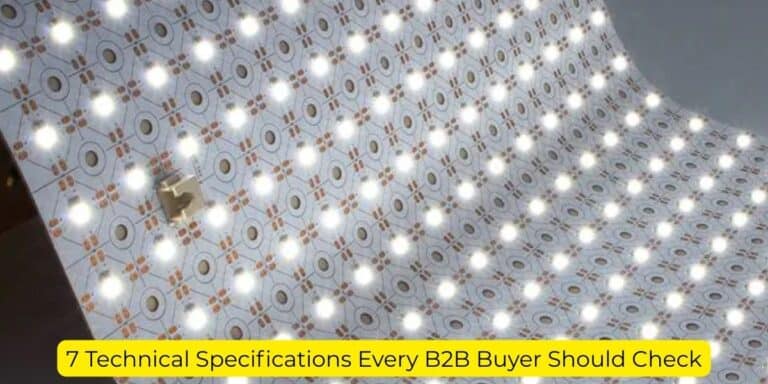
LED levha aydınlatması, diyotları tek bir doğrusal yol yerine düz bir yüzeye dağıtır. Uygun bir LED ışık difüzör tabakasıyla eşleştirildiğinde, bu düzen, dolap duvarları ve pencere grafikleri arasında eşit parlaklık sağlar. Sonuç, azaltılmış gölge gradyanları, parlak düğümlerin ortadan kaldırılması ve tutarlı görsel sunumdur. - Ultra ince entegrasyon
A LED ışık levha tipik olarak sadece birkaç milimetre kalınlığındadır ve yapısal derinliği değiştirmeden sığ ekran dolaplarının içine kurulum sağlar. Bu, cam, raf donanımı ve destek çerçevesi için alanın sınırlı olduğu sıkı dolaplar için uygun hale getirir. - Uzun süreli perakende saatleri için enerji verimliliği
LED aydınlatma levha panelleri bir yüzeyi eşit şekilde aydınlattığından, şerit tabanlı yerleşimlere kıyasla genellikle daha az örtüşen ışık kaynağı gerektirir. Bu, alan kapsama verimliliğini artırır ve uzun perakende çalışma saatleri boyunca toplam watt tüketimini azaltır. - Geliştirilmiş ürün görünürlüğü
Arka plan aydınlatması bile ürün kenarlarını, renkleri ve dokuları geliştirir. Gölge birikimini ve eşit olmayan parlaklık yamalarını azaltarak, ürünler hem dolaplarda hem de vitrinlerde daha net bir şekilde tanımlanır. - Daha düşük ısı çıkışı
Dağıtılmış diyot konfigürasyonu, lokalize ısı konsantrasyonunu azaltır. Floresan arka aydınlatma veya yüksek yoğunluklu spot ışıklarla karşılaştırıldığında, Levha Işıklı LED sistemleri, kapalı dolaplar ve sıcaklığa duyarlı ürünler için faydalı olan daha düşük radyan ısı üretir. - Esnek yerleşim uyarlaması
Birçok LED ışık levha sistemi, düzensiz dolap şekillerine veya pencere ekran formatlarına uymasına izin veren kesilebilir. Bu esneklik, tekdüzelikten ödün vermeden kavisli yüzeylere ve sıkı kurulum alanlarına entegrasyonu destekler.
Ekran dolaplarında uygulamalar
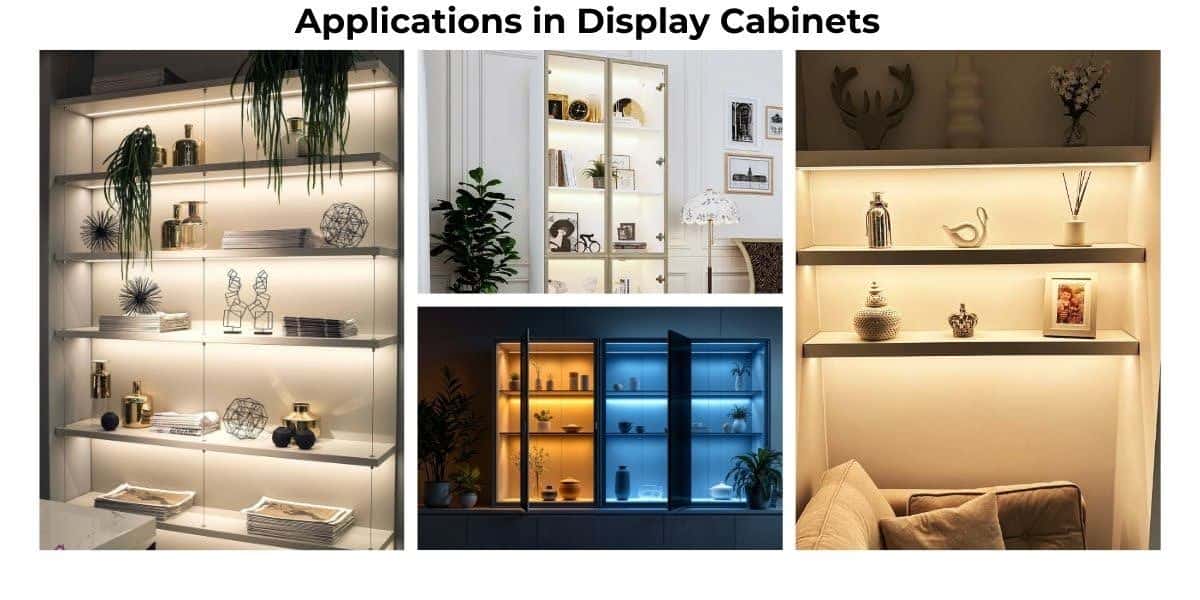
Ekran dolapları, sığ derinlik, yansıtıcı cam yüzeyler ve ürün çeşitliliği nedeniyle benzersiz aydınlatma zorlukları sunar. LED levha aydınlatma, stratejik olarak uygulandığında bu kısıtlamaları giderir.
raf arka aydınlatma
Raf arkadan aydınlatması, ışıklı bir arka plan oluşturmak için dikey bir arka panelin arkasına bir LED ışık tabakası yerleştirmeyi içerir. Bu teknik, ürün silüetlerini geliştirir ve gölge birikmesini önler. Derinliği 80 mm'nin altında olan dolaplar için, kısa bir difüzör mesafesi içinde eşit parlaklık sağlamak için diyot yoğunluğu yeterli olmalıdır.
LED aydınlatma için akrilik levha, sığ tertibatlarda güçlü optik netlik ve iyi ışık yayılımı sunduğundan, genellikle bu tür konfigürasyonlarda seçilir. Akrilik difüzörler, LED ışık tabakası ile difüzör yüzeyi arasındaki mesafe 10–20 mm ile sınırlı olduğunda uygundur.
Saf Altında Parlama
Raf altı aydınlatması, ürün katmanını geliştirir ve üst raflardan gölgelenmeyi önler. Bu durumda, LED ışık panel levhasının daha küçük bölümleri her rafın altına yatay olarak monte edilebilir. LED aydınlatma için ince bir difüzör tabakası, doğrudan emisyonu yumuşatır ve müşteriler ürünleri göz hizasında görüntülediğinde parlamayı önler.
Parlaklık yoğunluğu planlaması burada önemlidir. Diyotlar çok geniş aralıklıysa, tek tek noktalar görünür hale gelebilir. Çok yoğunsa, enerji kullanımı gereksiz yere artar. Sığ raf altı konfigürasyonlarında, daha yakın diyot aralığı, ışığın eşit yayılmasını sağlar.
Tam dolap duvar aydınlatması
Bazı perakende konseptleri, bir kabinin tüm arka duvarının eşit şekilde parlamasını gerektirir. Bu yaklaşım kozmetik, mücevher ve üst düzey elektronik ekranlarda yaygındır. Özellikle yüksek trafikli perakende ortamlarında daha yüksek darbe direnci gerektiren ortamlarda akrilik yerine bir polikarbonat LED ışık difüzör levhası seçilebilir.
Polikarbonat difüzörler dayanıklılık ve biraz farklı ışık iletim özellikleri sağlar. LED yüzeyin arkasına yerleştirilmiş bir LED ışık reflektör levhası ile eşleştirildiğinde, ön ışık verimliliği artar ve kabin boşluğunun içindeki israf edilen ışığı azaltır.
Premium ürün bölgelerini vurgulamak
Seçici parlaklık bölgeleme, değiştirilen levha segmentasyonu veya bağımsız karartma kanalları kullanılarak elde edilebilir. Örneğin, merkezi bir premium ürün bölgesi, çevre alanlara kıyasla yüzde 20-30 daha yüksek parlaklıkta çalışabilir. Bu yöntem, sert kontrastlar yaratan spot ışıkları kullanmadan müşterinin dikkatini çeker.
Derinlik kısıtlamaları ve yerleşim planlaması
Derinlik, difüzör seçimini ve diyot yoğunluğunu doğrudan etkiler. 50 mm'den az boşluk derinliğine sahip dolaplarda, LED aydınlatma için yüksek difüzyonlu akrilik levha ile birleştirilmiş yüksek yoğunluklu LED levha aydınlatma, nokta görünürlüğünü önler. 80 mm'yi aşan daha derin dolaplarda, ışığın yayılması için daha fazla alana sahip olduğu için daha düşük yoğunluklu tabakalar yine de tekdüzelik sağlayabilir.
Büyük bir dolap duvarı boyunca aralıklı sayfalar eşit olmayan parlaklık bantları oluşturur. Bunun yerine, parlaklık tutarlılığını korumak için sürekli LED aydınlatma levha panelleri minimum boşluklarla kurulmalıdır.
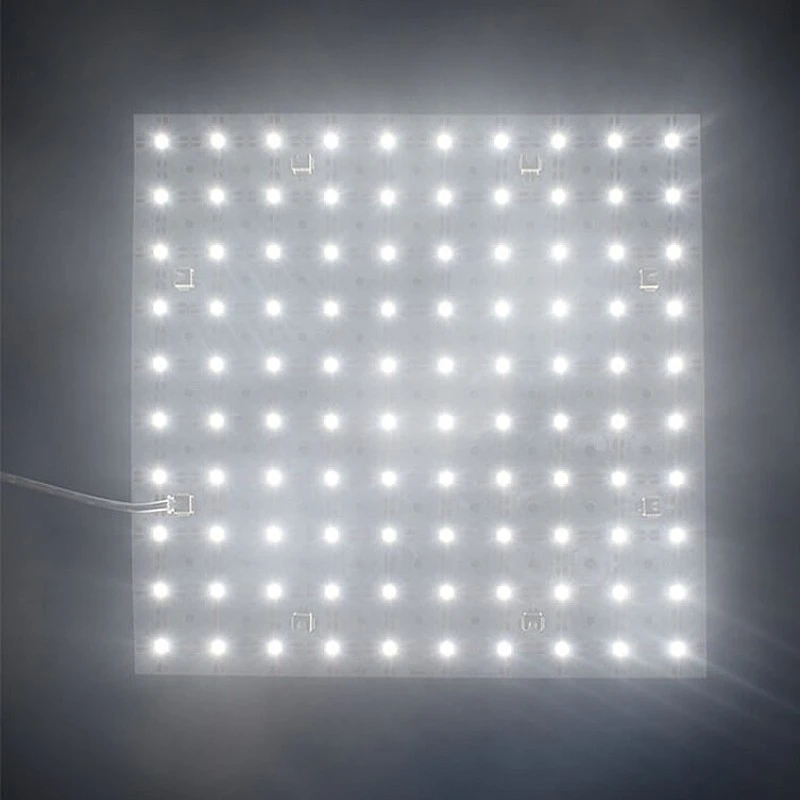
tek renkli LED levhalar
- Boyut ( L x W ): 250mmx250mm/490mmx245mm
- LED tipi: 2835 SMD
- LED Miktar: 100 adet/242 adet
- Çalışma voltajı: DC24V
- Güç: 12W/28W
- CCT: 2700K/3000K/4000K/6000K/6500K
- Işık akısı: 1200LM/2800LM
- CRI: >80ra
- Minimum kesme uzunluğu: 25mmx25mm/22.3mmx22.3mm
- Kısılabilir: olumlu cevap
- Işın açısı: 120°
- Su geçirmez seviye: IP20 su geçirmez, IP54 su geçirmez
- Garanti: 3 yıl
Vitrinlerdeki uygulamalar
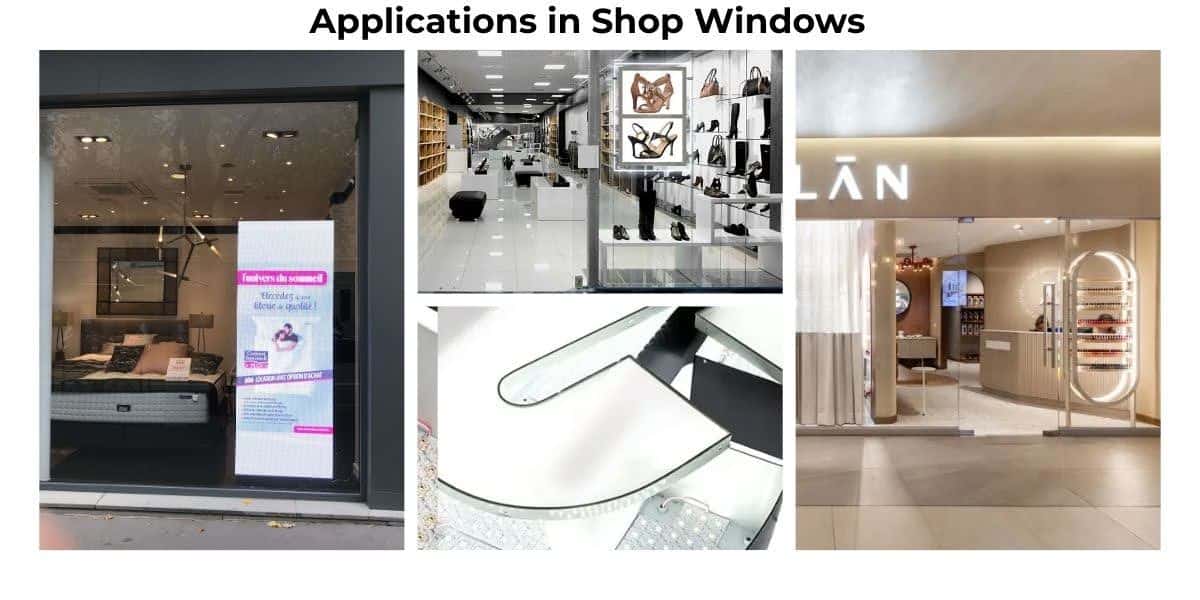
Vitrinler, ortam gün ışığı ve sokak yansımalarıyla rekabet ettikleri için vitrinlerden farklıdır. Aydınlatma yoğunluğu ve parlama yönetimi kritik hale gelir.
Geniş formatlı pencere ekranı aydınlatması
Büyük pencere grafikleri, eşit şekilde aydınlatılmış bir ekran yüzeyi oluşturmak için genellikle yazdırılmış bir yarı saydam panelin arkasına monte edilmiş bir LED ışık sayfası kullanır. Diyotlar panel alanına dağıtıldığından, ışık çıkışı tüm grafik boyunca tutarlı kalır ve düzensiz yamaları ve parlaklık değişimini azaltır.
Sokağa bakan kurulumlarda, gün ışığıyla rekabet edebilmek için genellikle daha yüksek parlaklıkta LED levha aydınlatması gerekir. Doğrudan güneş ışığına maruz kalan vitrinler, grafiğin solmasını veya solmasını önlemek için yeterli parlaklıkta tasarlanmalıdır.
Parlaklık planlaması, beklenen ortam gün ışığı seviyelerine dayanmalıdır. Vitrin güçlü doğal ışık alırsa, görsel netliği ve renk tanımını korumak için ekran parlaklığı çevredeki ortam parlaklığını aşmalıdır. Aydınlatma katmanının arkasına yerleştirilmiş bir LED ışık reflektör levhası ile birleştirilmiş uygun lümen yoğunluğu seçimi, toplam güç tüketimini gereksiz yere artırmadan ileri ışık verimliliğini artırabilir.
Marka logosu aydınlatması
Pencere ekranlarına gömülü logolar, kesilmiş akrilik formların arkasına yerleştirilmiş daha küçük LED ışık paneli levhaları kullanılarak aydınlatılabilir. LED aydınlatma için bir difüzör sayfası, görünür diyot desenleri olmadan eşit logo parlamasını sağlar.
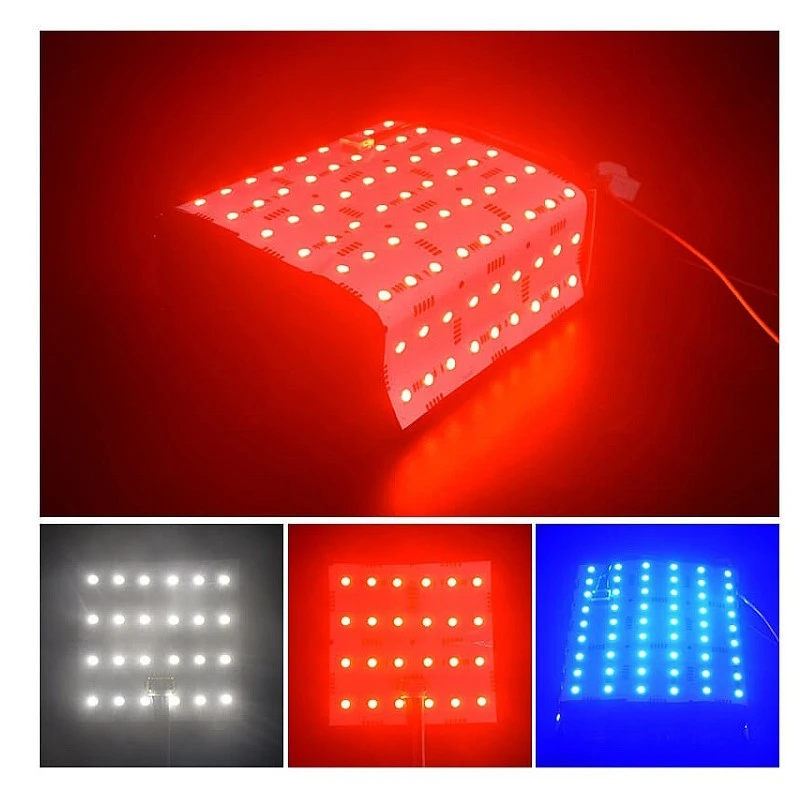
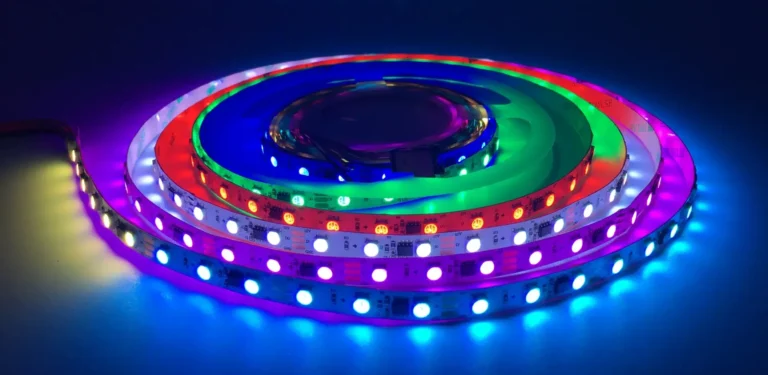
RGBW LED Sayfalar
- Boyut( L x W ): 250mmx250mm/490mmx250mm
- LED tipi: 5050 RGBW 4 1 SMD
- LED Miktar: 150 adet/288 adet
- Çalışma voltajı: DC 24V
- Güç: 24W/48W
- renk yayan: RGB + 3000K, RGB + 4000K, RGB + 6500K
- Işık Verimliliği: 90LM/W
- Minimum kesme uzunluğu: 50mmx50mm/20.4mmx122.5mm
- Işın açısı: 120°
- Kısılabilir: olumlu cevap
- Su geçirmez seviye: IP20 su geçirmez, IP54 su geçirmez
- Garanti: 3 yıl
Mevsimlik promosyon panelleri
Perakende pencereleri sıklıkla promosyon içeriğini değiştirir. Modüler LED aydınlatma levhası panelleri, tutarlı aydınlatma geometrisini korurken hızlı grafik değiştirmeye olanak tanır. Grafik katmanları değiştirilirken güç bağlantıları sabit kalmalıdır.
Gün Işığı Yarışması Stratejileri
Güneş ışığı parlama ve yansıma sağlar. LED yüzeyinin arkasına bir LED ışık reflektör sayfası konumlandırmak, ileri çıkışı artırır ve geriye dönük ışık kaybını azaltır. Bu, güç tüketimini aşırı derecede artırmadan etkili parlaklığı artırır.
Yansıma ve parlama yönetimi
Cam yansımalar algılanan parlaklığı bozabilir. Difüzör kalınlığı ve yüzey kalitesi dikkatli seçilmelidir. Mat yüzeyli polikarbonat LED ışık difüzör levhaları, yüksek parlaklıktaki yüzeylere kıyasla parlama yansımasını azaltabilir.
Müşteriler farklı açılardan yaklaştıklarında, tek tip parlaklık göz yorgunluğunu azaltır ve grafik netliğini artırır.
Yayılma ve Optik Katman Stratejisi
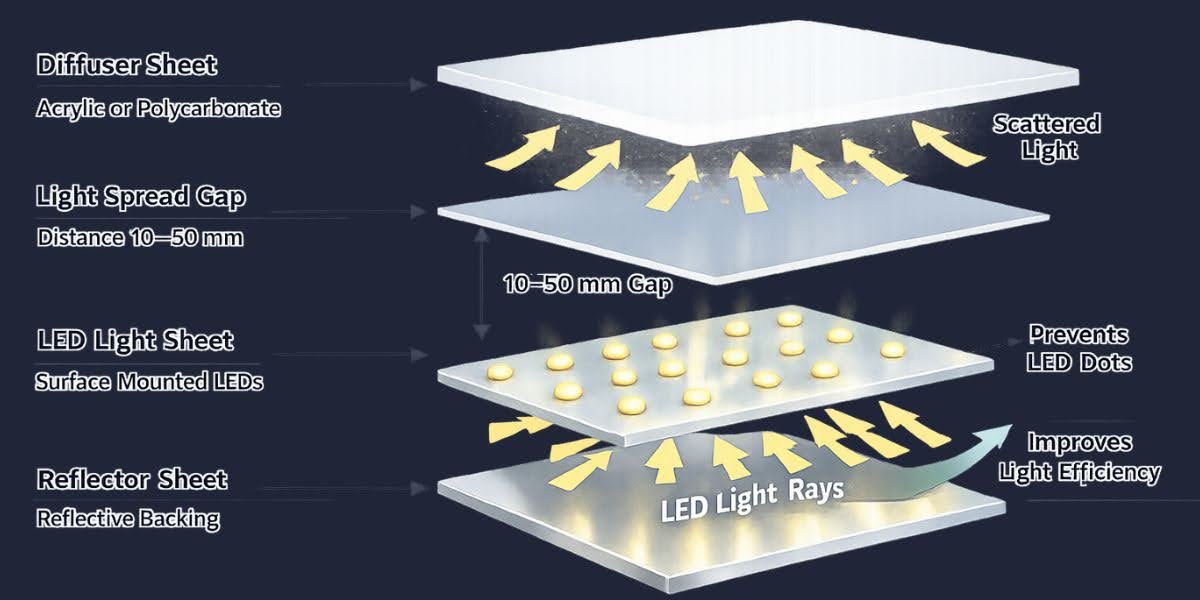
LED ışık difüzör tabakası, tek tip aydınlatmanın sağlanmasında merkezi bir rol oynar. Uygun difüzyon olmadan, özellikle kısa mesafelerde bireysel diyot noktaları görünür hale gelir.
difüzörlerin rolü
Difüzörler, sürekli bir ışıklı yüzey oluşturmak için yayılan ışığı saçar. Saçılma miktarı malzeme bileşimi ve kalınlığına bağlıdır. LED aydınlatma için bir difüzör levha, iletim verimliliğini ve opaklığını dengelemelidir.
Akrilik ve polikarbonat
LED aydınlatma için akrilik levha, tipik olarak daha yüksek ışık iletimi ve iyi bir optik netlik sunar. Darbe direncinin büyük bir endişe olmadığı kontrollü iç mekan dolaplarında iyi çalışır.
Bir polikarbonat LED ışık difüzör levhası, daha fazla mekanik mukavemet ve daha yüksek sıcaklık dayanımı sunar. Genellikle dayanıklılık ve kamusal maruz kalmanın faktörler olduğu vitrinler için seçilir.
Işık Yayılma Mesafesi
LED ışık tabakası ile difüzör arasındaki boşluk tekdüzeliği etkiler. Daha küçük bir boşluk, sıcak noktaları önlemek için daha yüksek diyot yoğunluğu gerektirir. Daha büyük boşluklar, ışığın doğal olarak yayılmasını sağlar, ancak daha derin bir dolap alanı gerektirir.
LED nokta görünürlüğünün önlenmesi
Diyot aralığı difüzyon kapasitesini aştığında nokta görünürlüğü oluşur. Difüzör kalınlığının arttırılması veya LED'ler arasındaki boşluğun azaltılması bu sorunu çözer. Tekdüzelik, tipik izleme mesafelerinde görsel olarak test edilmelidir.
Reflektör levhaların rolü
LED yüzeyin arkasına monte edilen bir LED ışık reflektör levhası, geriye doğru yayılan ışığı yansıtarak ileri verimliliği artırır. Bu, watt'ı artırmadan algılanan parlaklığı artırır. Reflektör malzemeleri yüksek yansıma ve minimum absorpsiyona sahip olmalıdır.
Dolaplar ve pencereler için kurulum stratejisi
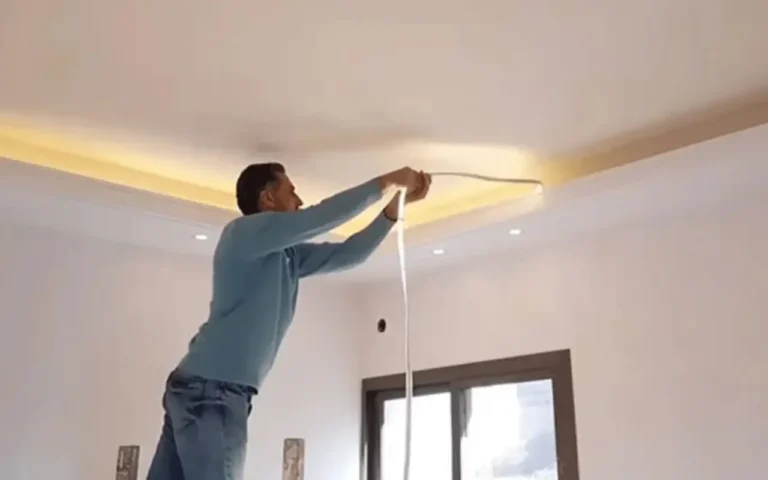
- Düzensiz yapışma ve ışık bozulmasını önlemek için montaj yüzeylerinin temiz, düz ve tozsuz olmasını sağlayın.
- LED ışık tabakası ile ışık arasındaki uygun boşluğu koruyun. LED ışık difüzör levha Diyot yoğunluğuna ve kabin derinliğine dayalıdır.
- İç ısı birikimini azaltmak için mümkün olduğunda güç kaynaklarını kapalı kabin boşluklarının dışına yerleştirin.
- Gölge çizgilerini veya cam panellerden görünür kabloları önlemek için kabloları dolapların gizli kenarları boyunca yönlendirin.
- Özellikle yüksek parlaklıkta pencere uygulamalarında ısı birikmesini önlemek için kapalı dolaplarda minimal ama etkili havalandırma sağlayın.
- Titreşim veya düzensiz parlaklık geçişlerini önlemek için belirli sürücü tipiyle dimmer uyumluluğunu onaylayın.
Görsel mağazacılık için tasarım optimizasyonu

- Arka planı birleştirerek katmanlı aydınlatma kullanın LED Levha Aydınlatma Görsel hiyerarşi oluşturmak için odaklanmış vurgu aydınlatması ile.
- Ekran alanını çerçevelemek için ince kenar vurguları eklerken, markalama grafiklerinin arkasına bir LED ışık paneli sayfası entegre edin.
- Kontrast oranlarını kontrol edin, bu şekilde vurgulanan ürünler, parlamaya neden olmadan çevreleyen öğelerden daha parlak görünür.
- Parlaklığı gündüzden akşam koşullarına uyarlamak için vitrinlerde dinamik karartma uygulayın.
- Yansıtıcı ürünler için daha yumuşak aydınlatma ve opak ürünler için daha yüksek parlaklık kullanarak parlaklık seviyelerini ürün tipiyle eşleştirin.
Performans karşılaştırma tablosu
| Faktör | LED Levha Aydınlatma | Geleneksel LED şeritler | Floresan Arka Aydınlatma |
| sıklık | Çok ince, tipik olarak birkaç mm | Orta, kanal gerektirir | Hacimli fikstür derinliği |
| Tekdüzelik | Difüzör ile yüksek | Genellikle düzensiz, sıcak nokta riski | Orta, tüp gölgeleme |
| Enerji Verimliliği | Yüksek alan verimliliği | Orta düzeyde | LED'e göre daha düşük |
| Isı Çıkışı | Düşük dağıtılmış ısı | Yerelleştirilmiş ısı noktaları | Daha yüksek ısı üretimi |
| kaliteli | pürüzsüz ışık yüzeyi | Görünür şerit çizgileri mümkün | Titreşim ve düzensiz yaşlanma |
| Entegrasyon Esne | Kesilebilir, şekil uyarlanabilir | Sadece Doğrusal | Sabit tüp uzunluğu |
Perakende LED Levha Kurulumlarında Yaygın Hatalar
Sık görülen bir hata, yetersiz lümen yoğunluğu planlamasıdır. Düşük yoğunluklu bir LED levha aydınlatma sistemini sığ bir kabine kurmak, genellikle görünür diyot desenleriyle sonuçlanır. Parlaklık, difüzör aralığı ve görüntüleme mesafesi ile aynı hizada olmalıdır.
Kötü difüzör seçimi de performansı etkiler. Kısa derinlikte bir kabinde ince bir difüzör kullanmak, ışığı yeterince dağıtmayabilir, aşırı opak malzemeler ise parlaklığı aşırı derecede azaltabilir.
Vitrinlerde gün ışığının göz ardı edilmesi, güçsüz ekranlara yol açar. Sokaklara bakan kurulumlar, ortam lüks seviyelerine dayalı parlaklık hesaplamaları gerektirir.
Büyük paneller arasında üst aralıklı sayfalar parlaklık gradyanları oluşturur. Sürekli kapsama alanı eşit parlaklık sağlar.
Son olarak, karartma entegrasyonunun ihmal edilmesi, uyarlanabilir parlaklık kontrolünü önler. Perakende ortamları, parlaklığı günün saatine ve mevsimsel değişikliklere göre ayarlamaktan yararlanır.
Çözüm
LED levha aydınlatma, tek tip aydınlatma sağlayarak, yapısal derinliği en aza indirerek ve esnek yerleşim entegrasyonu sağlayarak vitrinlerde ve vitrinlerde sunum kalitesini önemli ölçüde artırır. Dağıtılmış diyot konfigürasyonu, kontrollü parlaklık ve reflektör entegrasyonu verimliliği artırırken, sıcak noktalar olmadan sorunsuz arka aydınlatmayı destekler.
Başarılı uygulama, uygun difüzör malzemesinin seçilmesine, kabin derinliği ve gün ışığına maruz kalmaya dayalı parlaklık yoğunluğunun hesaplanmasına ve uygun kurulum mantığı uygulanmasına bağlıdır. Bu teknik faktörler dikkatle ele alındığında, LED levha aydınlatma, perakende ortamlarında görsel netliği, ürün odağını ve enerji verimliliğini artırır.
SSS
İlgili Yazılar