Türkçe
  English
  简体中文
简体中文  Deutsch
  Español
  Français
  Italiano
  日本語
日本語  한국어
한국어  Polski
  Português
  Русский
  Nederlands
  Tiếng Việt
  ไทย
ไทย 
Elektronik imalat endüstrisinde neredeyse her gün “PCB” ve “PCBA”dan bahsedilmektedir. Bununla birlikte, bu iki kavram, elektronik geçmişi olmayan donanım girişimleri veya tedarik ekipleri arasında bile genellikle kafa karışıklığına neden olur.
Bazıları bunların yalnızca eş anlamlı olduğuna inanıyor, diğerleri yanlışlıkla PCBA'nın basitçe "PCB'nin yükseltilmiş bir versiyonu" olduğunu varsayıyor ve bazı tedarik personeli, teklif talep ederken gerçekten hangi hizmete ihtiyaç duydukları konusunda net değil.
Gerçekte, PCB ve PCBA arasındaki ayrım, ürün maliyetlerini, teslimat döngülerini, kalite risklerini ve tedarik zinciri karmaşıklığını doğrudan etkileyen tanımların ötesine uzanır. Özellikle elektroniklerin son derece akıllı olduğu ve yapay zeka teknolojisinin üretim süreçlerine derinden entegre olduğu 2026 bağlamında, PCB ve PCBA arasındaki ayrımın doğru anlaşılması, işletmelerin riskleri azaltması ve verimliliği artırması için kritik hale geldi.
Bu makale, mühendislerin ve tedarik personelinin projelerin ilk aşamalarında daha bilinçli seçimler yapmasına yardımcı olmak için PCB ve PCBA arasındaki temel farkları birden çok boyuttan (teknik tanımlar, üretim süreçleri, maliyet yapıları, endüstri eğilimleri ve tedarik kararları) sistematik olarak analiz edecektir.
PCB nedir? (basılı devre kartı)
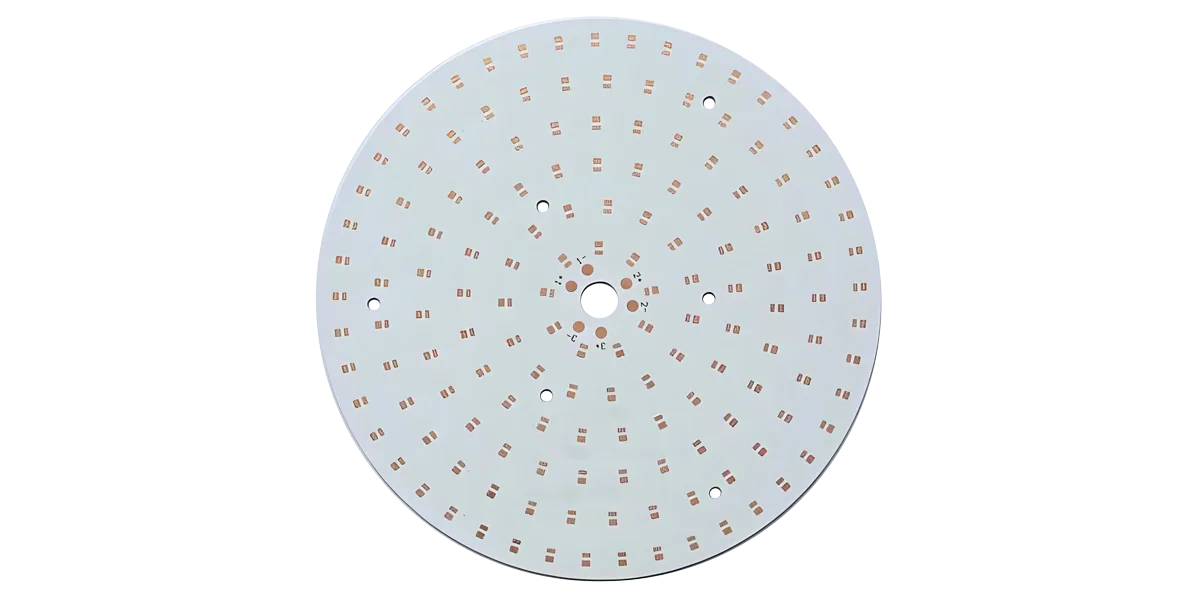
Bir PCB (baskılı devre kartı), elektronik bileşenler için temel taşıyıcı olarak hizmet eder ve bakır folyo izleri, pedler ve yollar yoluyla elektrik bağlantılarını sağlar. Bir PCB, üzerine herhangi bir elektronik bileşen monte edilmeden yalnızca "çıplak tahta" anlamına gelir. Bununla birlikte, devre için alt tabakayı sağlayan ve elektrik bağlantılarını kolaylaştıran elektronik ürünlerin fiziksel temelini oluşturur.
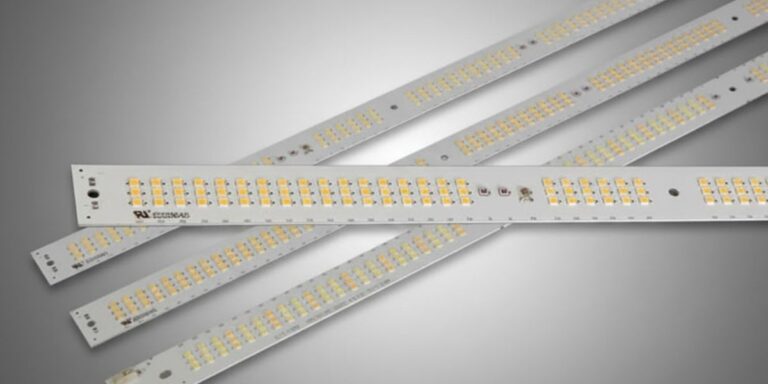
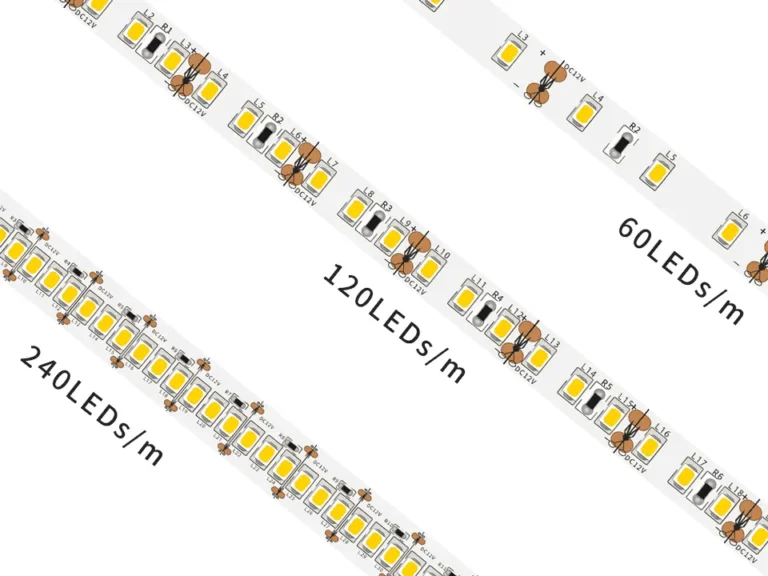
PCB'ler, esnek LED şeritler veya yüksek güçlü LED modülleri olsun, tüm LED aydınlatma sistemleri için başlangıç noktası olarak hizmet eder.
LED PCB'lerin Yapısal Bileşenleri
Tipik bir LED PCB genellikle şunları içerir:
1. taban malzemesi
- FR-4: Düşük-orta güç LED'leri için uygundur
- Metal Çekirdek PCB (MCPCB): Üstün termal performans için yüksek güçlü LED şerit ve modüllerde yaygın olarak kullanılan alüminyum veya bakır bazlı
- Yüksek frekanslı malzemeler: Akıllı aydınlatma ve IoT LED sistemlerinde kullanılır
2 Bakır tabaka
Bakır kalınlığı (1 oz-6 oz) doğrudan etkiler:
- Mevcut taşıma kapasitesi
- Gerilim Düşüşü Kontrolü
- LED şeritlerin termal yönetim performansı
3. lehim maskesi
Kısa devreleri ve oksidasyonu önler. LED endüstrisinde, üstün yansıtıcı özellikleri için beyaz lehim maskesi yaygın olarak benimsenmiştir.
4. serigrafi
İşaretler, seri üretim ve bakımı kolaylaştıran LED polaritesini, yönünü ve parça numaralarını gösterir.
LED endüstrisinde yaygın PCB türleri
LED endüstrisindeki PCB türleri ve uygulamaları öncelikle aşağıdaki gibidir:
| Tip | Malzeme | Uygulama Senaryosu |
| LED Esnek Şerit PCB | Esnek baskılı devre (FPC) | Işık yuvaları, dolaplar, düzensiz kurulum ortamları |
| LED modüllü PCB | FR-4 Fiberglas Kurulu / Alüminyum Taban Kurulu | Lineer ışıklar, tavan lambaları (düşük güç için FR-4, yüksek güç için alüminyum) |
| LED Sert Şerit PCB | Alüminyum Taban PCB / Kalın Bakır FR-4 Kurulu | Doğrusal aydınlatma, endüstriyel aydınlatma |
| LED Özel PCB Kartı | LED Özel PCB Kurulu | Üst düzey / profesyonel aydınlatma |
PCBA nedir? (baskılı devre kartı düzeneği)
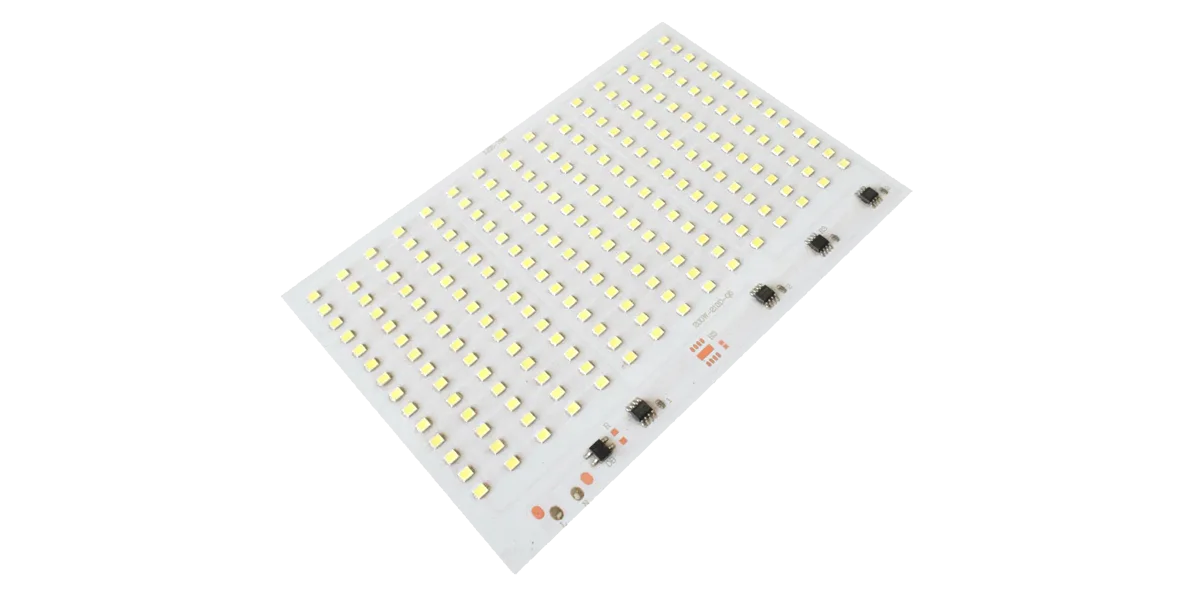
PCBA (baskılı devre kartı montajı) SMT veya THT işlemlerini kullanarak bir PCB'ye dirençler, kapasitörler, IC'ler, LED'ler ve konektörler gibi elektronik bileşenlerin lehimlenmesiyle üretilen bitmiş devre kartını ifade eder. Tam elektrik ve fonksiyonel özelliklere sahiptir. Elektronik bileşenler lehimlendi, birleştirildi ve PCB üzerinde test edildikten sonra bitmiş devre sistemidir.
PCBA, bir PCB'yi "gerçekten işlevsel" hale getiren kritik adımdır.
1. LED ürünleri neden PCBA'dan geçmeli?
PCBA olmadan:
- LED'ler yanamaz.
- Sabit akım sürücüleri kararlı bir şekilde çalışamaz.
- Akıllı kontrol ve karartma fonksiyonları uygulanamaz.
PCBA lehimli LED çipler, dirençler, kapasitörler, sürücü IC'leri, konektörler ve diğer bileşenleri PCB'ye ve işlevsel bir aydınlatma sistemine dönüştürür.
2 LED PCBA montaj süreçleri
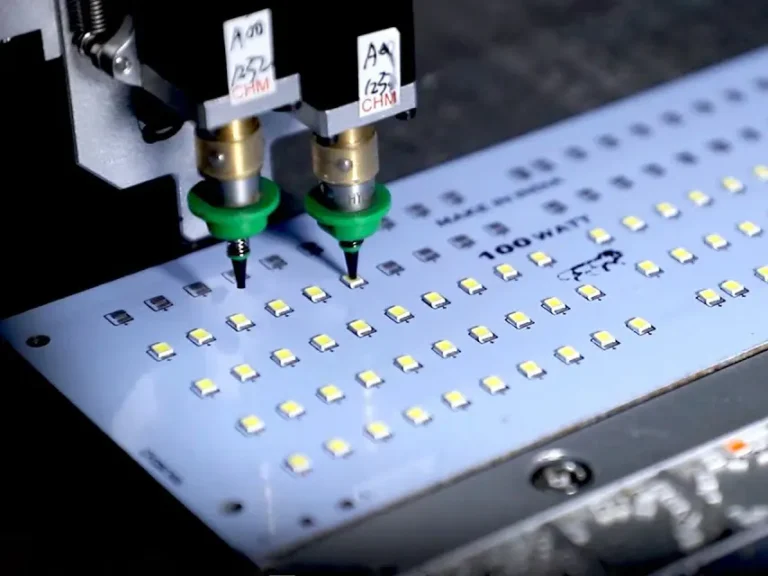
- SMT (Yüzey Montaj Teknolojisi)
- LED şeritler ve modüller için ana akım süreç
- Yüksek otomasyon, verimlilik ve tutarlılık
- Yüksek yoğunluklu LED düzenlemeleri için uygundur
- THT (Tahta-Tornek Teknolojisi)
- Güç arayüzleri ve yüksek akım terminalleri için kullanılır
- Yüksek mekanik dayanım ve kararlılık
– Hibrit montaj (SMT + THT)
- Ticari ve endüstriyel LED armatürlerde yaygın, performans ve güvenilirliği dengeler.
PCB ve PCBA üretim süreçlerinin karşılaştırılması (adım adım)
Üretim süreçlerini anlamak, farklılıklarını kavramanın anahtarıdır.
PCB üretim süreci öncelikle maruz kalma, aşındırma, delme, kaplama vb. içerir. Belirli iş akışı için aşağıdaki şemaya bakın:
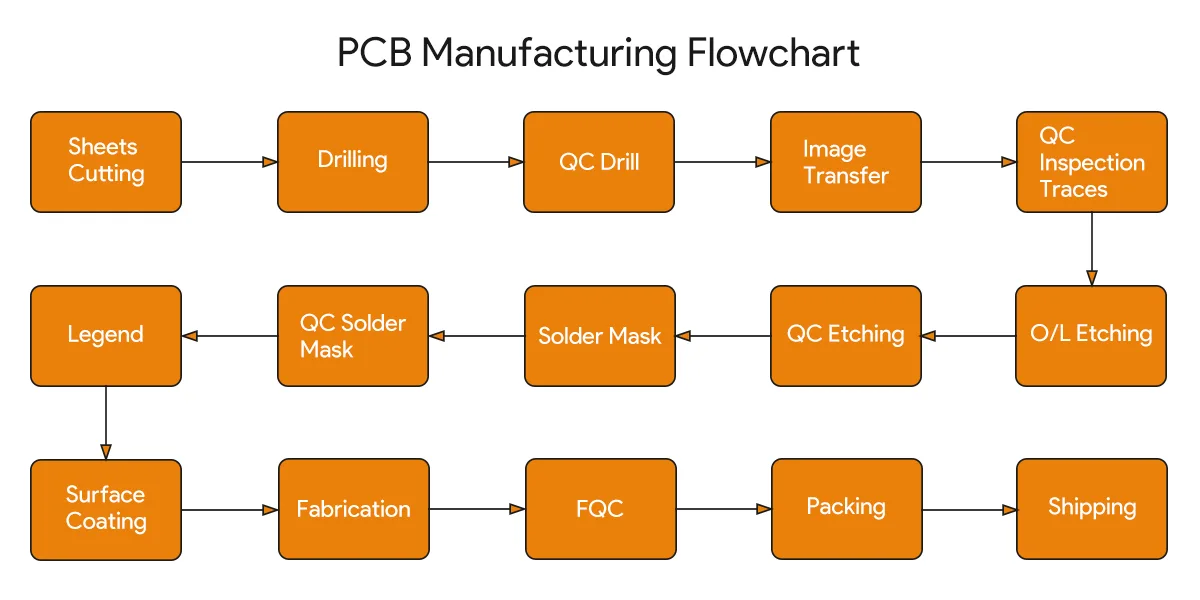
Bu aşamada, tamamlanmış PCB, herhangi bir aydınlatma veya kontrol işlevi olmadan çıplak bir tahta olarak kalır.
PCBA üretim süreci öncelikle SMT yerleştirme, montaj ve test içerir. Özel iş akışı aşağıdaki grafikte gösterilmiştir:
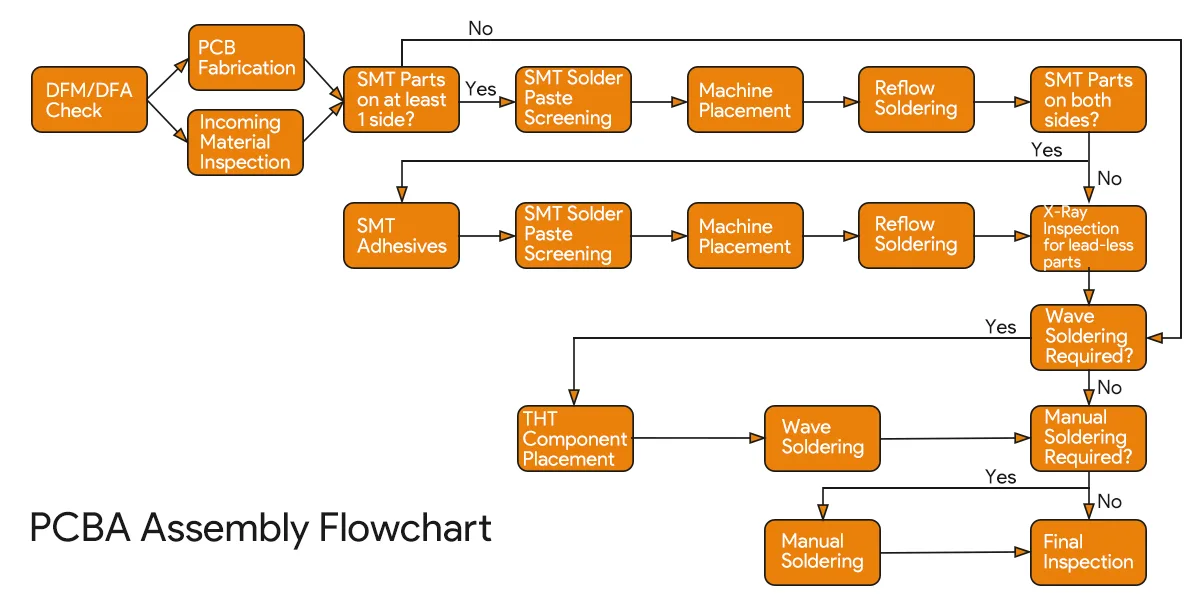
Gösterildiği gibi, PCBA süreci PCB üretiminden önemli ölçüde daha uzundur ve daha çok uzmanlık, ekipman ve yönetim yeteneklerine dayanır.
PCB ve PCBA: Bir bakışta temel farklılıklar
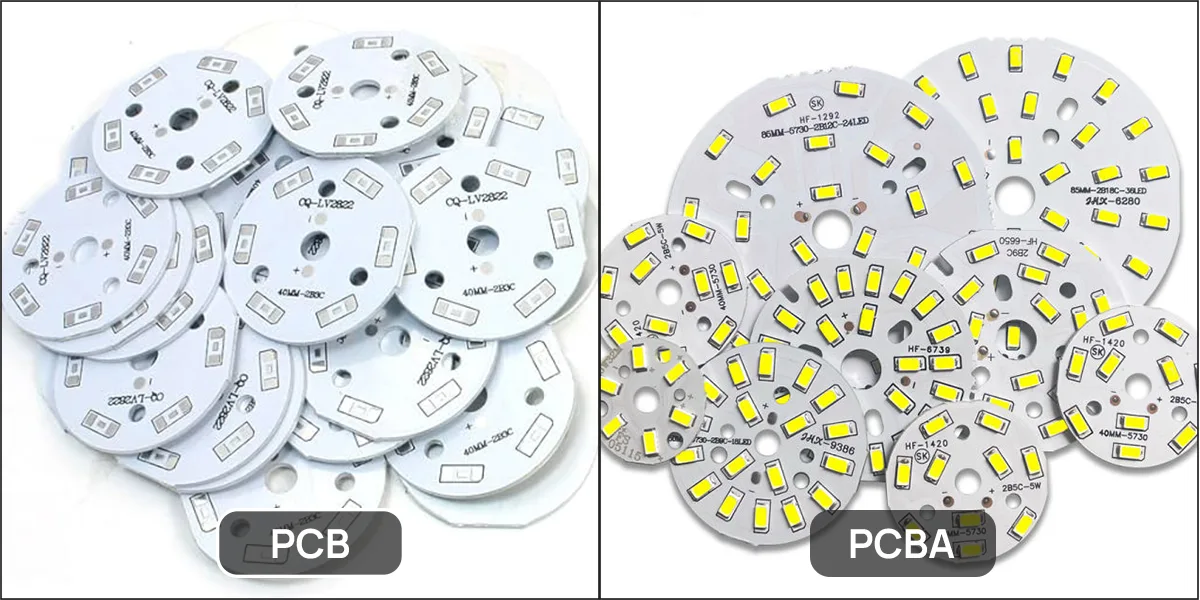
PCB ve PCBA arasındaki fark tam olarak nedir? Basit bir analoji: PCB = bir binanın çerçevesine ve borularına benzer temel yapı; PCBA = işlevsel bitmiş ürün, tam güç ve operasyonel bir bina.
LED aydınlatma ürünlerinde, tek başına çıplak bir PCB ışık yayamaz. Sadece PCBA'yı tamamladıktan sonra LED şeritler veya modüller düzgün çalışabilir.
| Catasözü | PCB (baskılı devre kartı) | PCBA (baskılı devre kartı düzeneği) |
| Tanım | Elektronik bileşenler olmadan, yalıtımlı substrat ve iletken bakır izlerinden yapılmış çıplak bir levha | Elektronik bileşenlerin (dirençler, kapasitörler, IC'ler vb.) bir PCB üzerine birleştirilmesiyle oluşturulan işlevsel bir modül |
| birincil işlev | Bileşenler için elektrik bağlantı yolları ve mekanik destek sağlar | Sinyal işleme, güç yönetimi ve kontrol mantığı gibi gerçek elektronik işlevleri gerçekleştirir |
| fiziksel durum | Tüketilmemiş “çıplak tahta” | Tamamen monte edilmiş ve lehimlenmiş “bitmiş modül” |
| Görünüş | Görünür bakır izleri ve pedleri olan yeşil (veya diğer renk) lehim maskesi | Bileşenler, lehim bağlantıları ve uçlarla kaplı; fonksiyonel düzen açıkça görülebilir |
| üretim kapsamı | Sadece tahta imalatı | Bileşen kaynağı + montaj + test |
| Üretim Süreci | Malzeme Kesimi → Bakır Laminasyon → Devre Aşındırma → Delme → Yüzey Kaplaması | Gelen muayene → SMT yerleşimi → Yeniden akış / dalga lehimleme → Muayene ve fonksiyonel test |
| Temel teknik odak | İzleme doğruluğu, empedans kontrolü, mikron seviyesi aşındırma hassasiyeti | Lehimleme kalitesi, yerleştirme doğruluğu, verim kontrolü (tipik olarak ≥99.9%) |
| maliyet yapısı | Hammaddeler + PCB üretim süreçleri | Elektronik Bileşenler (BOM) + Montaj + Test |
| Tipik maliyet seviyesi | Nispeten düşük (özel PCB: yakl. $0.1–$5 kart başına) | Daha yüksek (PCBA prototipleri, BOM'a bağlı olarak tipik olarak $30'dan başlar) |
| teslimat çıktısı | İşlevsiz elektrik taşıyıcı | Tanımlı fonksiyonlara sahip kullanıma hazır elektronik devre |
1. İşlevsel Farklılık
- PCB: Yalnızca devre yolları sağlar
- PCBA: Güçlendirmeye hazır tam işletim sistemi LED sistemi
2. üretim kapsamı
- PCB: Devre Kartı İmalatı
- PCBA: Bileşen Tedarik + Montaj + Test
3. Gerekli belgeler (sıklıkla sorulan tedarik soruları)
PCB üretimi şunları gerektirir:
- gerber dosyaları
- NC matkap dosyaları
PCBA şunları gerektirir:
- BOM (Malzemeler)
- Pick-and-Place (koordinat dosyaları)
- şablon törpüleri
4. Test ve kalite kontrolü
PCB:
- Elektriksel süreklilik testi
- gözle inceleme
- Bakır kalınlığı ölçümü
- Empedans testi
PCBA:
- SPI Lehim Pastası Denetimi
- AOI otomatik optik muayene
- X-ray (BGA, sürücü IC lehim eklemi denetimi)
- ICT/Fonksiyonel Test (parlaklık, akım, kararlılık)
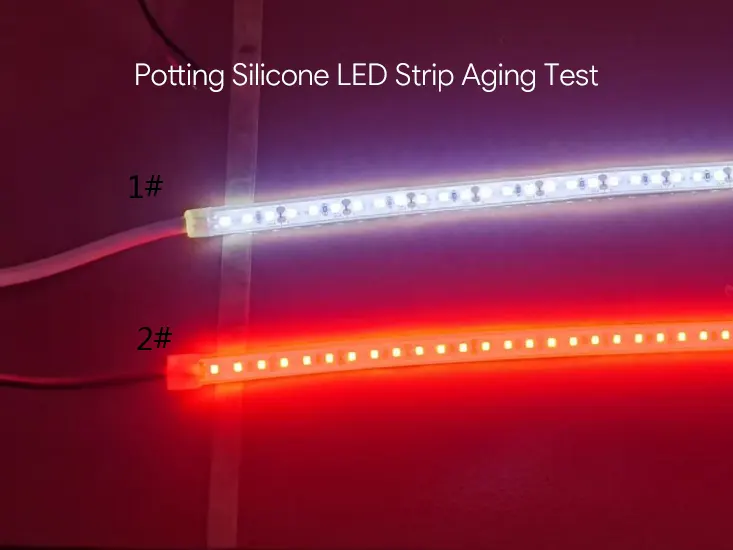
- Yaşlanma ve güvenilirlik testi
- Aydınlık akı ve elektriksel performans testi
5. Paketleme ve Lojistik
- PCB: Vakumlu neme dayanıklı ambalaj
- PCBA: Anti-statik ambalaj (ESD), özel tepsiler
PCBA neden PCB'den önemli ölçüde daha pahalıdır?
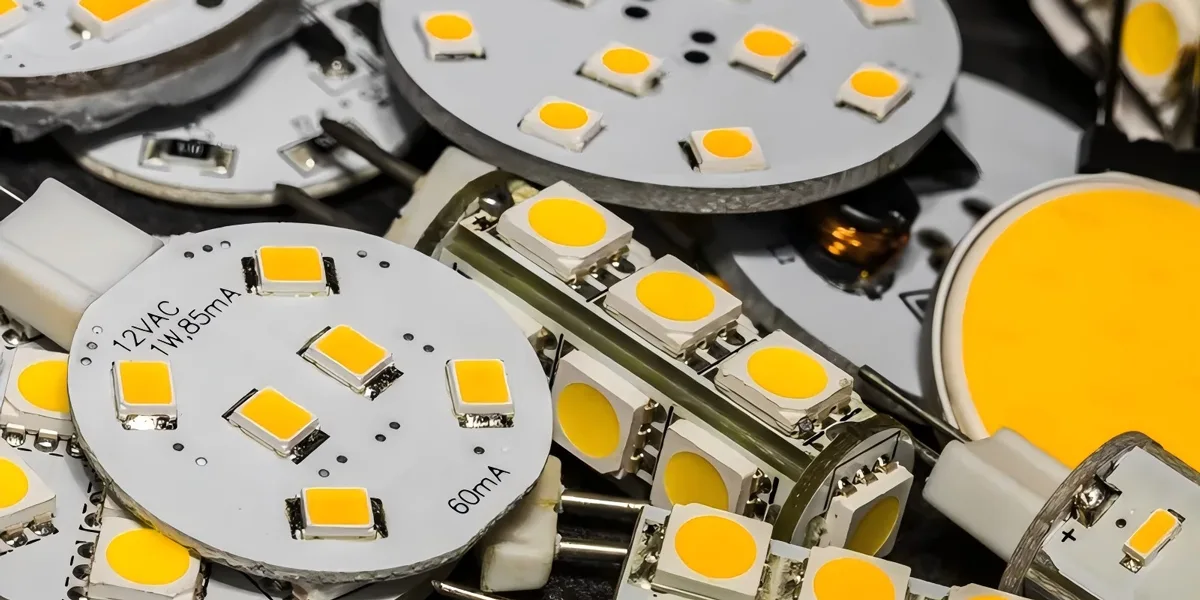
Bu, satın alma personeli tarafından en sık sorulan sorulardan biridir. PCBA'nın daha yüksek maliyeti, yalnızca "artan işlem ücretleri"nden değil, birden çok faktörün sonucudur:
- Bileşen Maliyetleri: Çipler, dirençler, kapasitörler, LED'ler, sürücü IC'leri ve diğer bileşenler genellikle PCBA maliyetlerinin en büyük bölümünü oluşturur.
- emek ve ekipman yatırımı: Yüksek hızlı pick-and-place makineleri, yeniden akış fırınları, AOI sistemleri ve test ekipmanları, hepsi yüksek değerli varlıklardır.
- Getiri ve risk maliyetleri: Lehimleme kusurları, malzeme kusurları ve tasarım sorunları, yeniden işleme veya hurda riskleri taşır.
- Tedarik zinciri yönetimi maliyetleri: Malzeme eksiklikleri, bileşen ikameleri ve teslimat programı dalgalanmaları ek koordinasyon gerektirir.
İş açısından bakıldığında, PCBA temelde yalnızca üretim işleme değil, bir “sistem mühendisliği hizmetidir”.
2026 Sektör Trendleri: AI PCB/PCBA'yı Nasıl Dönüştürür?
2026 yılına kadar yapay zeka, PCB ve PCBA üretimine derinden entegre olmak için kavramsal aşamaların ötesine geçerek endüstrinin yüksek düzeyde entegre ve akıllı üretime doğru kaymasını hızlandırdı.
Temel trendler şunları içerir:
- AI destekli DFM analizi: Üretimden önce olası üretim sorunlarını tahmin ederek deneme çalışmalarını azaltır.
- AI destekli AOI hata algılama: Soğuk lehim eklemleri ve derin öğrenme yoluyla yanlış hizalama gibi karmaşık kusurları tanımlayarak yanlış değerlendirme oranlarını düşürür.
- Akıllı zamanlama ve malzeme tahmini: Teslimat belirsizliğini azaltırken kapasite kullanımını optimize eder.
- Kapalı döngü kalitesi verileri: Veri analizi yoluyla verim ve tutarlılığı sürekli olarak geliştirir.
Gelecekte, AI özellikli PCBA fabrikaları, teslimat zaman çizelgeleri, kalite kontrol ve maliyet yönetiminde önemli avantajlar elde edecek.
Çıplak bir PCB mi yoksa tek duraklı bir PCBA mı tercih etmelisiniz?
Herkese uyan tek bir cevap yok - bu tamamen proje tipinize bağlı.
Deneyimli bir elektronik ekibiniz ve güvenilir SMT kaynaklarınız varsa ve yalnızca çıplak panolara ihtiyacınız varsa, PCB'ler daha fazla esneklik sunar ve daha uygun maliyetli olabilir.
Koordinasyon maliyetlerini azaltmayı, kalite risklerini en aza indirmeyi ve pazara sunma süresini hızlandırmayı hedefliyorsanız, tek duraklı PCBA tipik olarak üstün seçimdir.
LED ışık panoları gibi ürünler için, LED Modüllerive akıllı aydınlatma, PCBA, tutarlılığı ve teslimat güvenilirliğini önemli ölçüde artırır.
Ortak PCB/PCBA Tedarik Tüketimleri
Gerçek projelerde aşağıdaki hatalara sıkça rastlanır:
- Eksik veya doğrulanmamış tasarım dosyaları sağlama
- Gerçek tasarıma sahip BOM tutarsızlıkları
- Yalnızca birim fiyata odaklanırken test gereksinimlerini ihmal etmek
- PCB tedarikçilerine karmaşık PCBA projeleri atamak
Bu sorunlar genellikle alıntı sırasında fark edilmeden kalır, ancak seri üretim sırasındaki riskleri artırır.
Satın Alma Karar Kılavuzu: Nasıl Seçmelisiniz?
Seçiminizi tamamlamadan önce, aşağıdaki faktörleri değerlendirmeye öncelik verin:
- Proje karmaşıklığı ve parti boyutu
- İç mühendislik ve tedarik zinciri yetenekleri
- Teslim süresi ve tutarlılık için gereksinimler
- Uzun vadeli, istikrarlı bir ortak ihtiyacı
Optimal seçim, mutlaka en düşük teklif değil, en düşük genel riske sahip çözümdür.
Çözüm
Özetle, PCB'ler ve PCBA'lar elektronik üretiminde farklı ancak tamamlayıcı roller sunar. PCB'ler temel yapı ve elektrik bağlantılarını sağlarken, PCBA ürüne tam işlevsellik ve ticari değer sunar.
LED aydınlatma üreticileri için, PCB ve PCBA arasındaki ayrımı anlamak, teknik hususları aşar - bu stratejik bir karardır. Uygun üretim ve montaj çözümünü seçmek, küresel pazarlarda maliyetlerin azaltılmasına, kalitenin artırılmasına ve ürün lansmanlarının hızlandırılmasına yardımcı olur. Ürün entegrasyonu ilerlemeye devam ettikçe, mühendislik yetenekleri ve kalite kontrol avantajları ile PCBA çözümleri, küresel elektronik ve LED aydınlatma pazarlarında giderek daha hayati bir rol oynayacaktır.
SSS
İlgili Yazılar