Tiếng Việt
  English
  简体中文
简体中文  Deutsch
  Español
  Français
  Italiano
  日本語
日本語  한국어
한국어  Polski
  Português
  Русский
  Türkçe
  Nederlands
  ไทย
ไทย 
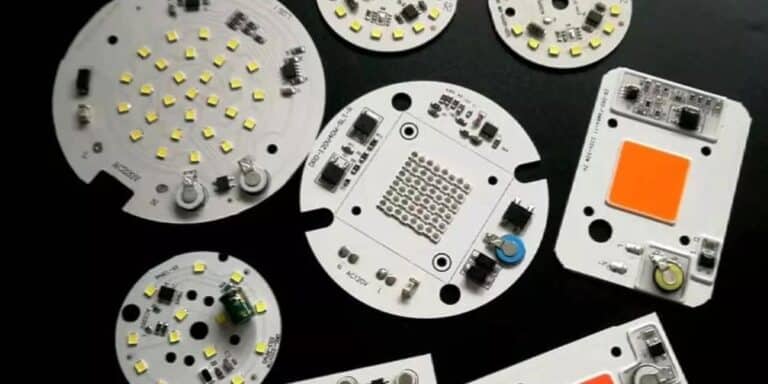
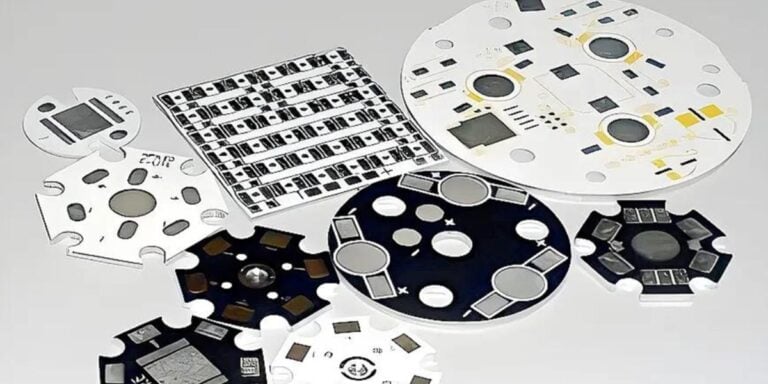
Cụm LED PCB cho ánh sáng kết nối thông minh là quá trình tích hợp đèn LED, thiết bị điện tử điều khiển và kết nối không dây vào một nền tảng PCB duy nhất, đáng tin cậy. Không giống như bảng LED tiêu chuẩn, các cụm lắp ráp này kết hợp các thành phần chiếu sáng công suất cao với vi điều khiển, cảm biến và mô-đun RF. Điều này làm cho việc lắp ráp chuyên biệt vì điều khiển nhiệt, tính toàn vẹn tín hiệu và điều chỉnh công suất phải cùng nhau hoạt động ổn định, lâu dài.
Cụm đèn LED PCB cho chiếu sáng kết nối thông minh là gì?
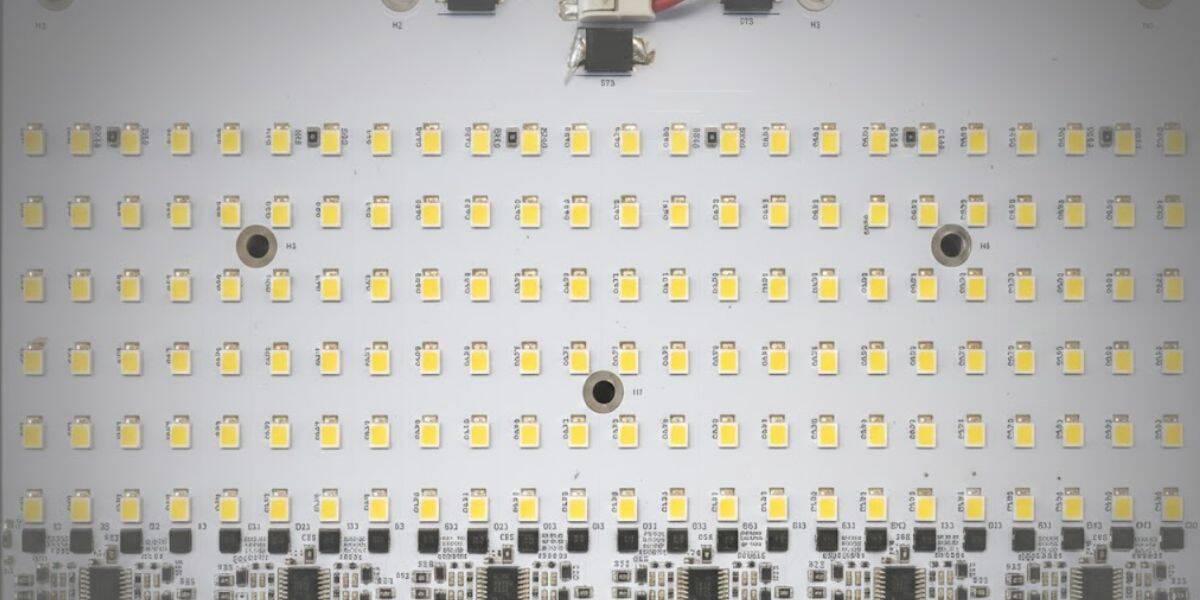
Cụm đèn LED tiêu chuẩn tập trung chủ yếu vào việc đặt và cấp nguồn cho các thành phần phát sáng. Đèn kết nối thông minh đi xa hơn. PCB không còn chỉ là bề mặt lắp đặt cho đèn LED. Nó trở thành hệ thống cốt lõi nơi chiếu sáng, điều khiển và giao tiếp cùng tồn tại.
Trong ánh sáng thông minh, cụm đèn LED PCB hỗ trợ đèn LED, logic điều khiển và kết nối cùng một lúc. Điều này thay đổi cách bố trí, lắp ráp và kiểm tra. Điều khiển điện tử quản lý việc làm mờ, lên lịch và tự động hóa, trong khi kết nối cho phép truy cập từ xa và điều phối hệ thống. Bởi vì tất cả những điều này xảy ra trên một bảng PCB LED, chất lượng lắp ráp ảnh hưởng trực tiếp đến cách toàn bộ hệ thống chiếu sáng hoạt động trong môi trường thực.
Các thành phần chính được tích hợp trong cụm PCB thông minh
Linh kiện LED công suất cao
Đèn LED công suất cao tạo ra nhiệt đáng kể và nhạy cảm với độ chính xác của vị trí. trong khi Lắp ráp LED PCB, ngay cả các lỗi căn chỉnh nhỏ cũng có thể ảnh hưởng đến độ tin cậy của mối hàn và truyền nhiệt. Việc lắp ráp kém làm tăng ứng suất nhiệt, làm giảm tuổi thọ của đèn LED và gây suy giảm đầu ra ánh sáng theo thời gian.
Mô-đun kết nối (Wi-Fi, Zigbee, Bluetooth, Matter)
Các mô-đun không dây nhạy cảm với tiếng ồn, nối đất và vị trí vật lý. Trong ánh sáng thông minh, kết nối phải ổn định ngay cả khi đèn LED bật và tắt ở các mức công suất khác nhau. Các quyết định lắp ráp như khe hở ăng-ten, chất lượng tham chiếu mặt đất và tính nhất quán của hàn ảnh hưởng trực tiếp đến sự ổn định của tín hiệu.
Vi điều khiển và IC điều khiển
Vi điều khiển hoạt động như bộ não của hệ thống. Chúng xử lý các đường cong mờ, các quy tắc tự động hóa và giao tiếp với các thiết bị khác. Trong cụm PCB tùy chỉnh cho chiếu sáng thông minh, các thành phần này phải được lắp ráp cẩn thận để tránh dao động công suất và các vấn đề về thời gian có thể làm gián đoạn hành vi chiếu sáng.
Cảm biến được sử dụng trong ánh sáng thông minh
Ánh sáng thông minh thường bao gồm các cảm biến chuyển động, ánh sáng xung quanh hoặc môi trường. Các thành phần này phải được lắp ráp để giữ cách điện từ nguồn nhiệt LED và tiếng ồn. Việc lắp ráp kém có thể dẫn đến việc đọc sai hoặc hành vi không ổn định, ngay cả khi bản thân cảm biến được thiết kế tốt.
Cân nhắc lắp ráp quan trọng cho ánh sáng kết nối thông minh
Cụm đèn thông minh giới thiệu những thách thức không có trong bảng LED cơ bản. Vật liệu giao diện nhiệt phải tạo ra một đường dẫn nhiệt đáng tin cậy mà không ảnh hưởng đến các thiết bị điện tử nhạy cảm. Điều chỉnh công suất phải xử lý cả dòng LED cao và trạng thái công suất chờ cực thấp.
Tính toàn vẹn của tín hiệu là một mối quan tâm khác. Các mô-đun không dây hoạt động cùng với dấu vết LED dòng điện cao, làm tăng nguy cơ bị nhiễu. Các lỗi lắp ráp như lỗ hổng hàn, sự tái tạo không đồng đều, hoặc ô nhiễm rất khó sửa chữa sau này vì chúng ảnh hưởng đến cả ánh sáng và kết nối ở cấp độ hệ thống.
Ở giai đoạn lắp ráp, độ tin cậy phụ thuộc vào việc cân bằng:
- Đường dẫn nhiệt LED và tản nhiệt
- Ổn định điện trên các trạng thái làm mờ và chờ
- Tính toàn vẹn tín hiệu cho giao tiếp không dây
Quản lý nhiệt trong lắp ráp PCB thông minh
Quản lý nhiệt là một yếu tố quyết định độ tin cậy của ánh sáng thông minh. Nhiều hệ thống đèn LED thông minh sử dụng MPCCB hoặc chất nền nhôm vì chúng cung cấp khả năng truyền nhiệt hiệu quả cho đèn LED. Tuy nhiên, các lựa chọn lắp ráp xác định liệu tiềm năng nhiệt đó có thực sự được nhận ra hay không.
Chiếu sáng thông minh thường chạy chu kỳ nhiệm vụ dài hơn so với ánh sáng thông thường. Làm mờ, cảm biến và kết nối giữ cho hệ thống hoạt động ngay cả khi ánh sáng giảm. Nếu nhiệt không được quản lý chính xác trong quá trình lắp ráp, hoạt động lâu dài dẫn đến sự lão hóa của thành phần nhanh chóng và hiệu suất không ổn định.
Quy trình sản xuất và lắp ráp cho PCB thông minh

Dòng sản xuất cho các cụm đèn LED thông minh bắt đầu với sự sẵn sàng thiết kế, nơi vị trí linh kiện hỗ trợ cả tản nhiệt và tính toàn vẹn của tín hiệu. Các vấn đề trình tự lắp ráp. Đèn LED, IC điều khiển và mô-đun RF có thể yêu cầu các cấu hình xử lý và tái tạo khác nhau.
Các cụm hỗn hợp phải cân bằng các yêu cầu hàn LED với giới hạn nhiệt của các thành phần kết nối. Kiểm tra không chỉ tập trung vào chất lượng hàn mà còn tập trung vào sự liên kết, sạch sẽ và tính nhất quán trên các bảng. Quy trình làm việc này phản ánh tích hợp hệ thống thay vì đính kèm thành phần đơn giản.
Kiểm tra và độ tin cậy trong các cụm chiếu sáng kết nối thông minh
Chỉ kiểm tra trực quan không thể xác nhận các cụm chiếu sáng thông minh. Kiểm tra chức năng phải xác nhận rằng các mô-đun kết nối giao tiếp đáng tin cậy và logic điều khiển đó sẽ phản hồi chính xác khi tải. Nhiều lỗi ban đầu trong hệ thống chiếu sáng thông minh bắt nguồn từ các vấn đề lắp ráp như mối hàn biên hoặc giao diện nhiệt kém, không phải từ các lỗi thiết kế.
Kiểm tra hiệu quả thường tập trung vào:
- Giao tiếp ổn định dưới sự thay đổi tải LED
- Ổn định điện khi giao tiếp
- Điều khiển phản hồi trong chu kỳ làm mờ và tự động hóa
Kiểm tra giúp tiết lộ các tương tác giữa ánh sáng, điều khiển công suất và giao tiếp không thể nhìn thấy trong quá trình kiểm tra cơ bản.
Những sai lầm thường gặp trong các dự án chiếu sáng thông minh

Một sai lầm phổ biến là xử lý bảng LED thông minh như cụm đèn LED tiêu chuẩn. Bỏ qua hành vi RF trong quá trình lắp ráp dẫn đến kết nối không ổn định. Một vấn đề khác là đánh giá thấp căng thẳng nhiệt lâu dài. Hệ thống chiếu sáng thông minh hoạt động liên tục, và các điểm yếu lắp ráp nhỏ phát triển thành các vấn đề về độ tin cậy theo thời gian.
Nhìn ra sự tương tác giữa phân phối điện và mạch giao tiếp là một lỗi thường xuyên khác. Những sai lầm này làm giảm sự ổn định của hệ thống và tăng sự cố trường.
Cách lắp ráp PCB LED thông minh hỗ trợ hệ thống chiếu sáng hiện đại
Chiếu sáng thông minh dựa vào lắp ráp đáng tin cậy để mang lại hiệu suất nhất quán. Lắp ráp PCB LED phù hợp cho phép điều khiển từ xa, tự động hóa và quản lý năng lượng mà không ảnh hưởng đến tuổi thọ của đèn LED. Khi lắp ráp căn chỉnh đèn LED, điều khiển điện tử và kết nối như một hệ thống duy nhất, mạng lưới chiếu sáng vẫn ổn định, có thể dự đoán và mở rộng.
Sự khác biệt chính giữa lắp ráp PCB LED được kết nối thông minh và tiêu chuẩn
Bảng dưới đây nêu bật sự khác biệt thực tế giữa cụm PCB LED tiêu chuẩn và cụm PCB LED kết nối thông minh ở cấp hệ thống.
| tình trạng | Lắp ráp PCB LED tiêu chuẩn | Lắp ráp PCB LED kết nối thông minh |
| Độ phức tạp lắp ráp | Thấp đến trung bình | cao do các thành phần hỗn hợp |
| Tích hợp thành phần | Đèn LED và trình điều khiển cơ bản | Đèn LED, IC điều khiển, Cảm biến, Mô-đun RF |
| Nhu cầu kiểm tra | thị giác và điện | Chức năng, kết nối và kiểm tra tải |
| độ tin cậy rủi ro | Chủ yếu là nhiệt | Tương tác nhiệt, công suất và tín hiệu |
Phần kết luận
Lắp ráp PCB LED cho chiếu sáng kết nối thông minh là một quy trình cấp hệ thống, không chỉ là nhiệm vụ sản xuất. Chiếu sáng thông minh đáng tin cậy phụ thuộc vào việc lắp ráp kỷ luật cân bằng hiệu suất LED, quản lý nhiệt, kiểm soát công suất và kết nối. Khi chất lượng lắp ráp được coi là yếu tố kỹ thuật cốt lõi, hệ thống chiếu sáng thông minh mang lại hoạt động ổn định và độ tin cậy lâu dài.
hỏi Ẩn
Bài viết liên quan