English
  简体中文
简体中文  Deutsch
  Español
  Français
  Italiano
  日本語
日本語  한국어
한국어  Polski
  Português
  Русский
  Türkçe
  Nederlands
  Tiếng Việt
  ไทย
ไทย 
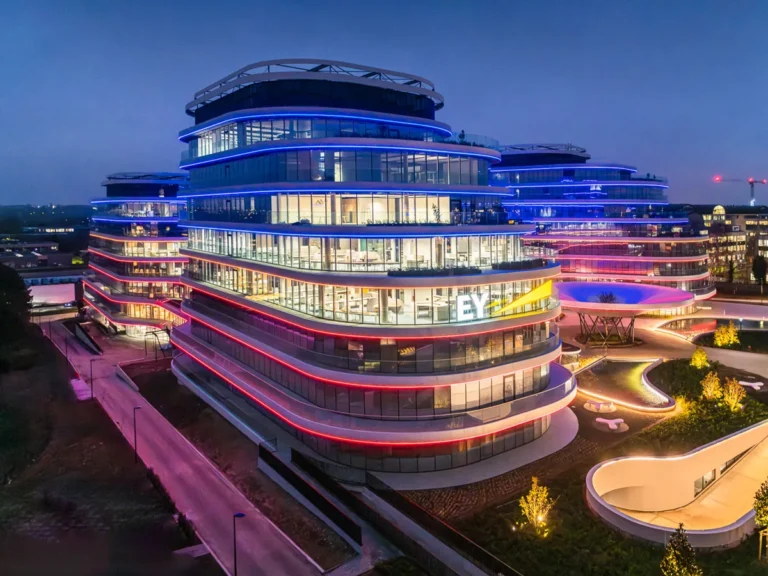
The answer is yes. Hidden lighting is a powerful design tool that enhances architectural forms, lines, and spatial depth while keeping the light source out of sight. By integrating lighting into architectural elements, designers can highlight structures without visual clutter.
In modern architecture, concealed lighting is widely used in commercial spaces, hotels, office buildings, and high-end residential projects to create clean, refined, and glare-free environments. This article focuses specifically on LED strip–based hidden lighting solutions, explores how they can be used to effectively highlight architectural features.
What Is Hidden Lighting in Architectural Design?
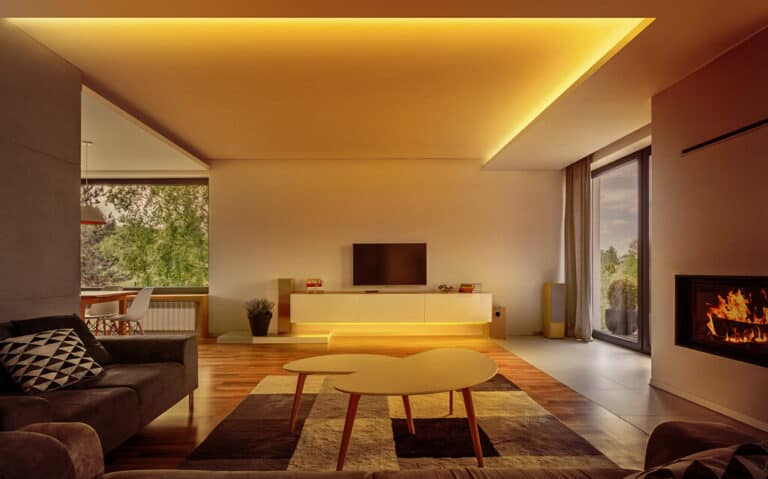
Hidden lighting, also known as concealed lighting, refers to lighting systems that are integrated into architectural elements so that the light source itself is not directly visible. Instead of drawing attention to the fixture, hidden lighting allows light to reveal architectural forms, materials, and spatial depth. In architectural design, hidden lighting is commonly installed within ceilings, coves, wall recesses, profiles, or behind structural features, creating a clean and sophisticated visual effect.
Common Types of Hidden LED Strip Lighting
Several LED strip–based lighting solutions are widely used for concealed architectural applications:
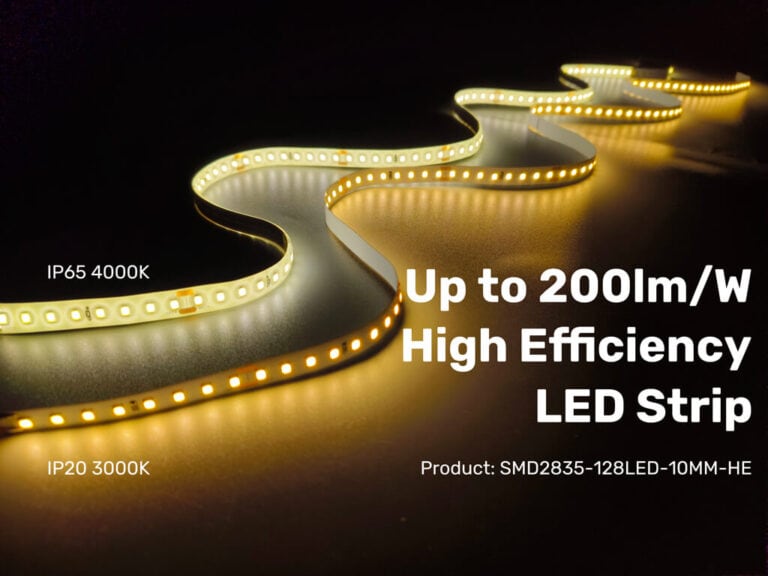
Flexible LED Strip Lights
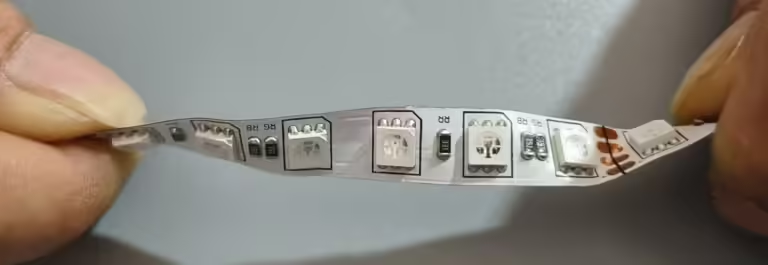
These are the most commonly used hidden lighting products. They are thin, flexible, and easy to integrate into linear details such as coves, grooves, and profiles. Flexible LED strips are ideal for highlighting architectural lines and edges with soft, uniform illumination.
LED Neon Flex
LED neon flex features a diffused silicone or PVC housing that delivers dot-free, continuous light. While the light source remains concealed, the luminous surface creates smooth and visually striking outlines, making it suitable for curved structures and design-focused architectural features.
Flexible LED Wall Washer Strips
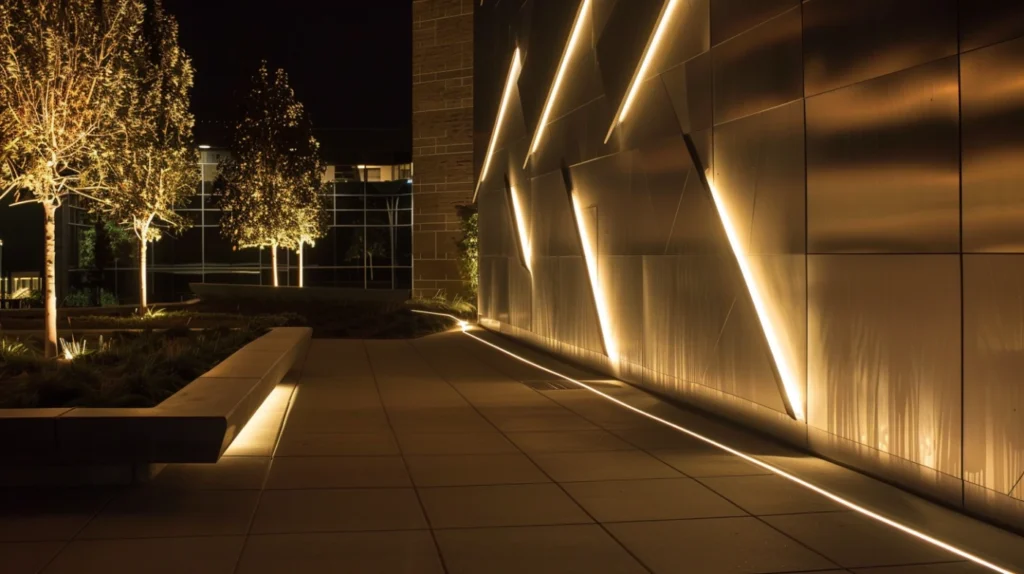
Designed with specific beam angles, flexible wall washer strips provide controlled and directional light for washing walls and vertical surfaces. They are often hidden at the base or top of walls to emphasize textures, materials, and large architectural planes.
Hidden Lighting vs. Direct Lighting
Compared with direct lighting, hidden lighting focuses on atmosphere and architectural enhancement rather than illumination alone.
Direct lighting exposes the fixture and delivers light straight into the space, which can cause glare and visual clutter if not carefully designed. Hidden lighting, by contrast, conceals the light source and creates indirect illumination, resulting in a more refined and comfortable visual experience.
| Aspect | Hidden LED Strip Lighting | Direct Lighting |
| Light source visibility | Concealed | Visible |
| Visual comfort | Glare-free, soft | Higher glare risk |
| Design focus | Architecture & form | Fixture & brightness |
| Typical applications | Modern, premium projects | General illumination |
How Hidden LED Strip Lighting Highlights Architectural Features
Hidden LED strip lighting is not simply about placing light out of sight. When applied correctly, it becomes a powerful design tool that enhances architectural expression through controlled illumination. By integrating light into the structure itself, designers can shape how spaces are perceived without visual distraction.
Emphasizing Architectural Lines and Geometry
One of the most effective uses of hidden LED strip lighting is to emphasize linear architectural elements. When concealed within coves, ceiling recesses, or aluminum profiles, LED strips highlight edges, corners, and transitions. This approach reinforces the geometry of a space and brings clarity to architectural lines, especially in modern and minimalist designs where clean structure is essential.
Creating Depth and Spatial Layers
Hidden lighting adds visual depth by separating architectural layers. Indirect light reflected from ceilings or walls creates subtle gradients that make spaces feel larger and more three-dimensional. In commercial interiors and hotels, this layered lighting approach helps distinguish primary areas from secondary zones without relying on visible fixtures.
Guiding Visual Flow and Movement
Strategically placed hidden LED strips can guide the viewer’s eye through a space. Linear concealed lighting along corridors, staircases, or feature walls naturally leads movement and improves spatial orientation. This is particularly effective in office buildings, retail environments, and public areas where visual guidance enhances both aesthetics and functionality.
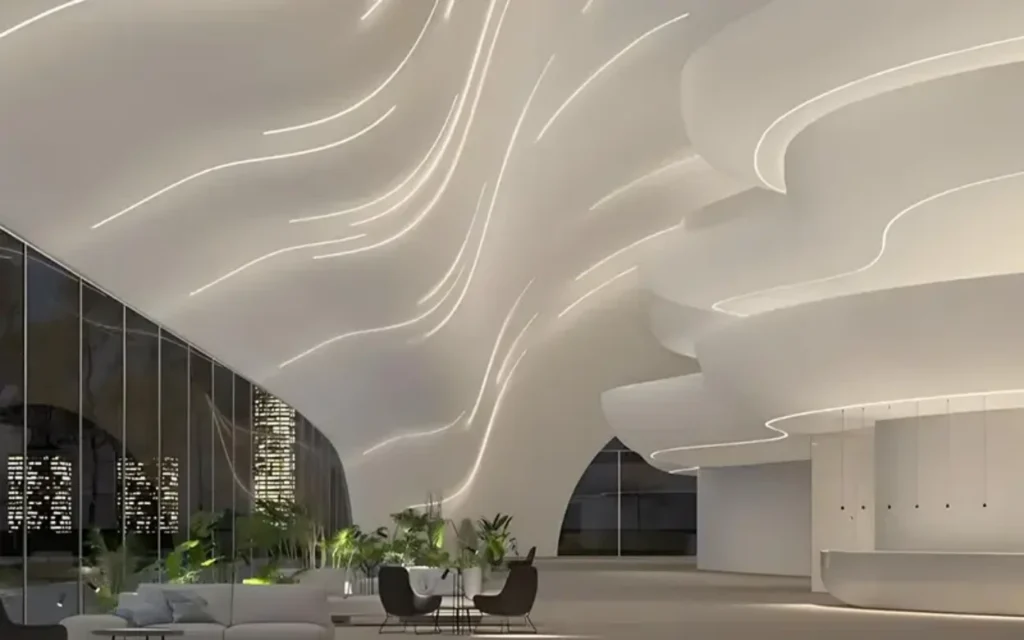
Enhancing Materials and Surface Textures
When used as concealed wall washing, flexible LED wall washer strips bring out the texture and materiality of architectural surfaces. Stone, wood, concrete, and decorative panels appear richer and more dimensional under indirect illumination. Because the light source is hidden, attention remains on the material itself rather than the fixture, achieving a refined and professional architectural lighting effect.
Practical Applications of Hidden LED Strip Lighting in Architecture
Ceiling Coves and Recessed Details
For ceiling coves and recessed architectural details, Ra90 tunable white COB strip lights are an ideal hidden lighting solution. With high color rendering and a continuous, dot-free light output, COB strips provide smooth indirect illumination that enhances ceiling depth without visual distractions. The tunable white function allows designers to adjust color temperature from warm to neutral white, supporting different moods throughout the day. When concealed within aluminum profiles, these COB strip lights create a refined and glare-free ceiling appearance commonly used in hotels, office buildings, and high-end residential interiors.
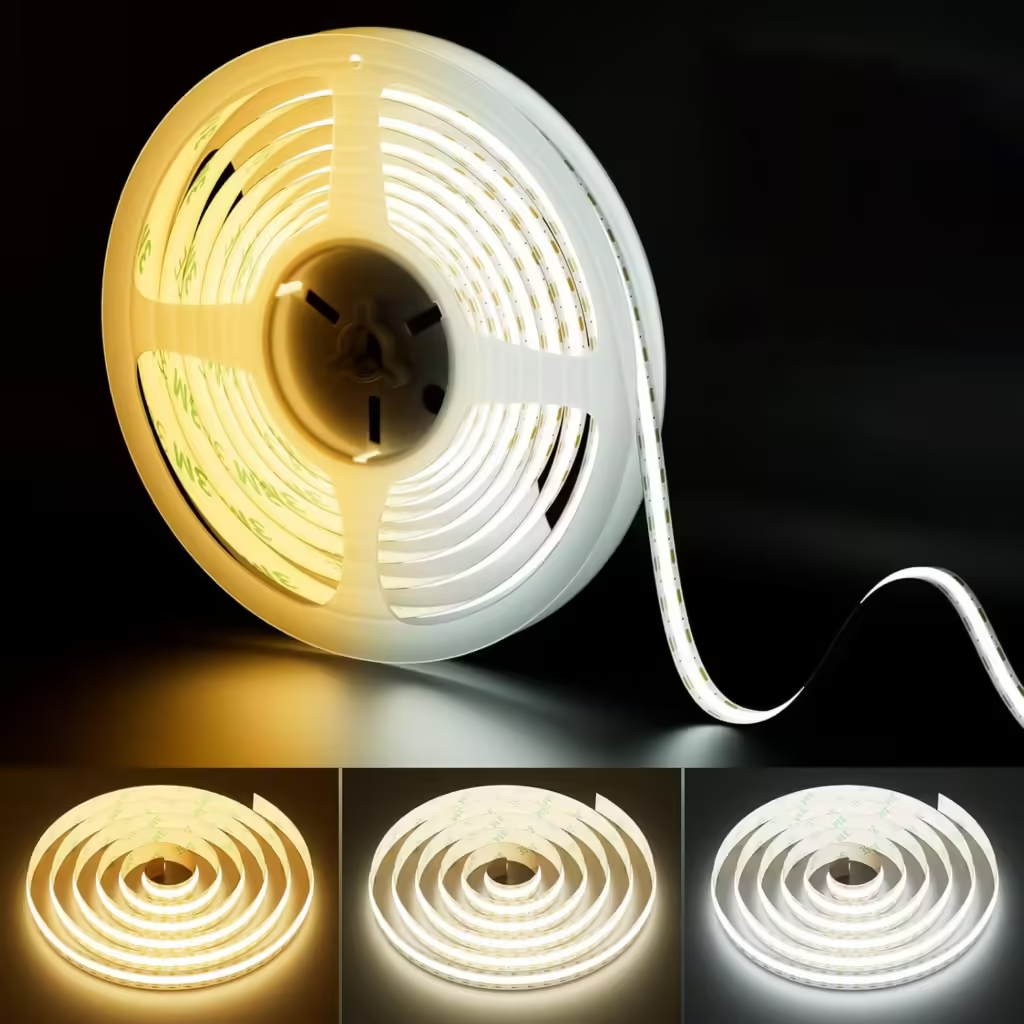
Ra90 Tunable White COB Strip Light
Model No.: FYT10T608X
Input Voltage: DC12V/24V
Power: 7W/m + 7W/m
LED QTY: 608LEDs/m
CCT: 2700K-6500K, tunable white
CRI: >90
Efficiency: 110lm/W
Beam Angle: 180°
Cut Section: 26.31mm
IP Rating: IP20/IP65/IP67/IP68
Warranty: 3years
Walls and Feature Surfaces
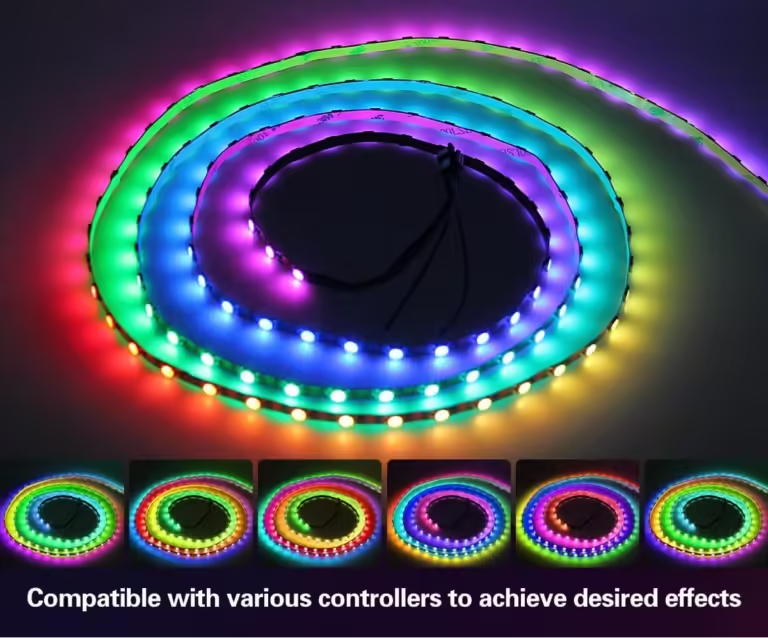
To highlight walls and architectural feature surfaces, flexible RGB LED wall washer strips offer controlled and uniform illumination while remaining completely hidden from view. Installed at the top or bottom of walls, these wall washer strips evenly distribute colored or white light across large vertical planes, enhancing textures such as stone, concrete, or decorative panels. Their flexibility allows seamless integration into curved or irregular wall structures, making them suitable for commercial spaces, retail environments, and branded interiors.
Architectural Lines and Curved Structures
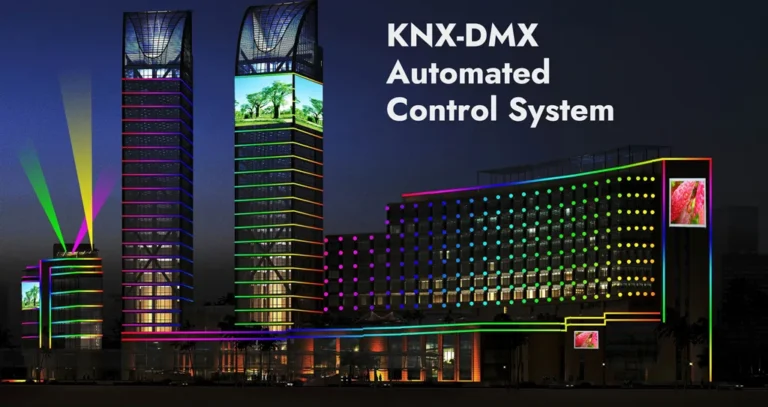
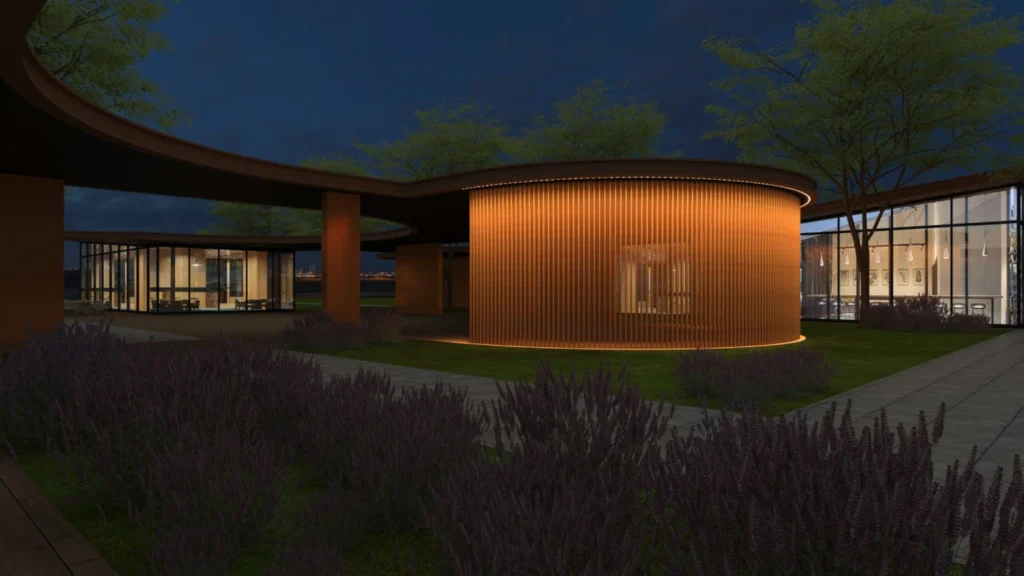
For architectural lines, curves, and custom-shaped elements, DMX512 RGBW LED neon flex provides both design freedom and precise control. Its front-emitting, uniform luminous surface ensures smooth, continuous light without visible LED dots. Through DMX512 control, designers can create dynamic color scenes and lighting effects while keeping the neon flex concealed within grooves or structural details. This makes it especially effective for modern architectural facades and interior feature outlines.
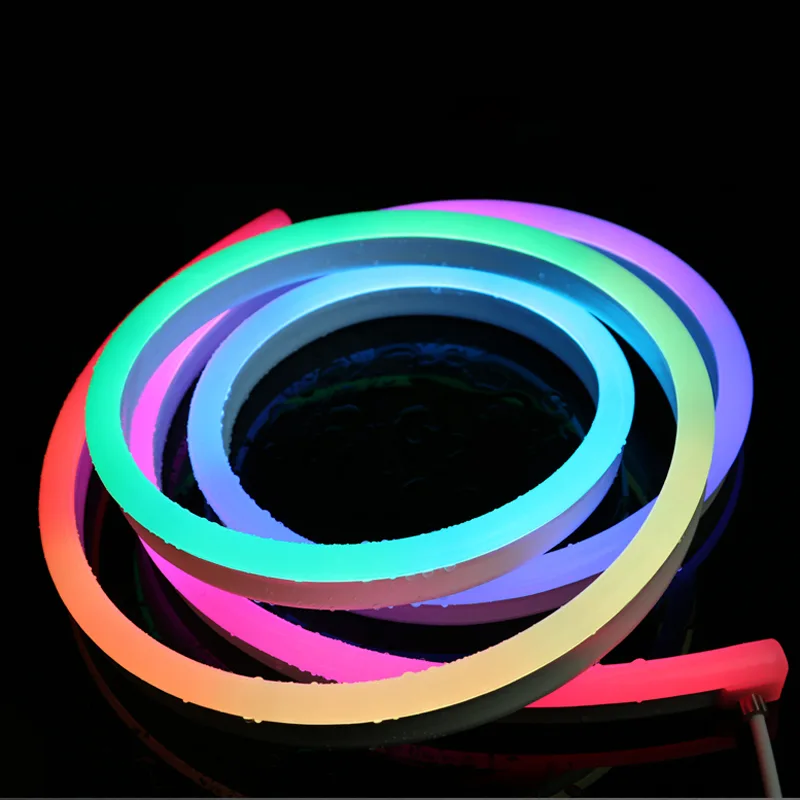
Addressable RGBW Neon Flex for Facade Lighting
Model No.: NAA2020TC
Input Voltage: DC24V
Watts: 13W/m@RGB, 17W/m@RGBW
LED QTY: SMD5050 60LEDs/m
Color Temperature: RGB/RGBW(2700K-6500K)
Signal Type: SPI/DMX512
IP Grade: IP65/IP67
Cable Entry: Front
Min Bending Diameter: 100mm
Cuttable Length: 100mm
Length: 5meters/roll
Staircases and Circulation Areas
In staircases and circulation areas, flexible SMD LED strip lights integrated with staircase aluminum profiles deliver subtle yet functional hidden lighting. Concealed beneath handrails or along step edges, these strips improve safety and visual guidance while maintaining a clean architectural look. The aluminum profile ensures proper heat dissipation and precise light direction, making this solution ideal for hotels, offices, and public buildings.
Design Tips for Using Hidden Lighting Effectively
Control Brightness to Avoid Overlighting
Hidden lighting should enhance architectural features, not overpower them. Carefully control lumen output and dimming levels to prevent excessive brightness, especially in ceiling coves and wall washing applications. Proper brightness ensures visual comfort and preserves architectural balance.
Select the Right Color Temperature
Color temperature plays a critical role in architectural perception. Warm white creates a welcoming atmosphere for hospitality and residential spaces, while neutral white suits offices and commercial environments. Tunable white LED strip lights offer flexibility for multi-purpose spaces.
Minimize Glare and Light Spotting
To achieve a refined concealed lighting effect, avoid visible LED dots and glare. Using COB strip lights, LED neon flex, or diffused aluminum profiles helps maintain smooth and uniform illumination, even at close viewing distances.
Integrate Lighting with Architectural Details
Hidden lighting should be planned together with architectural elements such as coves, grooves, and profiles. Early coordination ensures proper concealment, consistent light output, and seamless integration into the overall design.
Choose Reliable Products and Thermal Management
High-quality LED strip lights combined with appropriate aluminum profiles improve heat dissipation and long-term performance. Reliable products ensure stable color consistency, longer lifespan, and reduced maintenance in architectural projects.
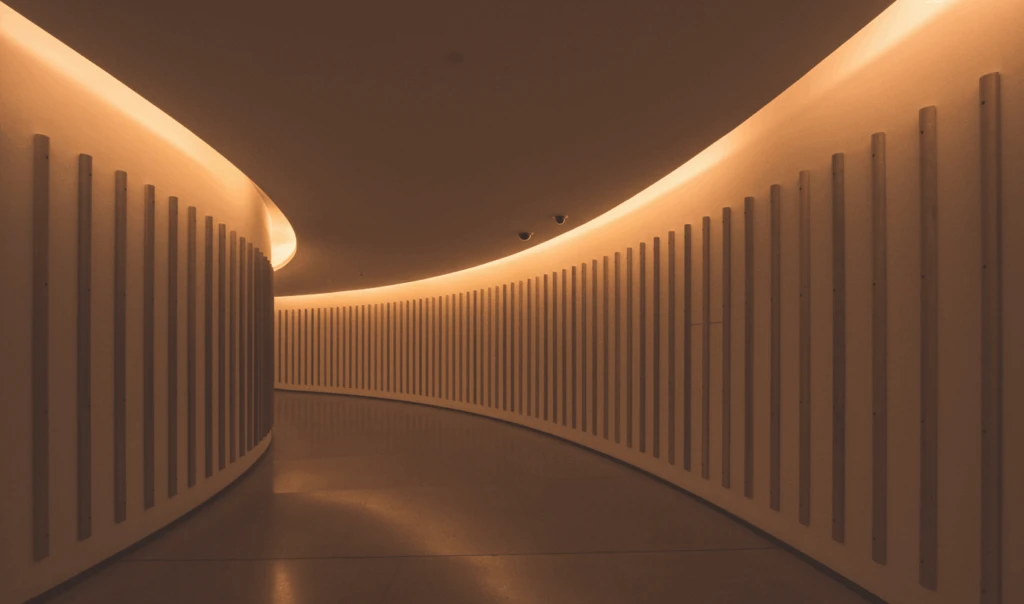
Conclusion: Why Hidden LED Strip Lighting Matters in Architecture
Hidden LED strip lighting has become an essential element in modern architectural design. By concealing the light source, designers can highlight structural lines, surfaces, and materials while maintaining a clean and refined visual appearance. Compared with direct lighting, hidden lighting offers greater flexibility in shaping space, improving visual comfort, and enhancing architectural depth.
With a wide range of solutions such as tunable white COB strip lights, flexible RGB wall washer strips, DMX512 RGBW LED neon flex, and SMD LED strips integrated with aluminum profiles, hidden lighting can be adapted to diverse architectural applications. When thoughtfully designed and properly specified, LED strip–based hidden lighting not only improves aesthetics but also adds long-term value to commercial, hospitality, office, and high-end residential projects.
Choosing the right hidden lighting solution is essential for achieving both design intent and long-term performance. As an experienced manufacturer of LED strip–based lighting products, SignliteLED offers a wide range of solutions, including LED strip lights, flexible wall washer, LED neon flex, and customized LED strip systems for architectural projects. With stable quality, consistent color performance, and flexible customization options, we support architects, lighting designers, and contractors in delivering reliable and visually refined hidden lighting solutions. Feel free to contact us to discuss your next architectural lighting project.
Frequently Asked Questions (FAQ)
1. Can hidden LED strip lighting really highlight architectural features?
Yes. Hidden LED strip lighting enhances architectural lines, surfaces, and materials by concealing the light source and allowing light to reveal the structure itself, creating depth and visual hierarchy without glare.
2. What types of LED strip lighting are commonly used for hidden architectural lighting?
Common options include tunable white COB strip lights for ceiling coves, flexible RGB LED wall washer strips for vertical surfaces, DMX512 RGBW LED neon flex for curves and outlines, and SMD LED strips combined with aluminum profiles for stairs and circulation areas.
3. What is the advantage of using COB strip lights in concealed applications?
COB strip lights provide continuous, dot-free illumination with high color rendering, making them ideal for hidden ceiling and cove lighting where smooth indirect light is required.
4. When should LED neon flex be used instead of standard LED strip lights?
LED neon flex is preferred for curved or visible architectural outlines where uniform light and smooth appearance are critical, especially in design-focused or dynamic lighting applications.
5. How does hidden lighting differ from direct architectural lighting?
Hidden lighting conceals the fixture and delivers indirect illumination, resulting in improved visual comfort and a cleaner architectural appearance compared with direct lighting, which exposes the light source.
6. Is RGB or RGBW lighting suitable for architectural hidden lighting?
Yes. RGB or RGBW LED strip systems are widely used in feature walls, façades, and commercial spaces where color-changing effects or branding elements are required, while still keeping fixtures concealed.
7. What role do aluminum profiles play in hidden LED strip lighting?
Aluminum profiles help conceal LED strips, improve heat dissipation, reduce glare, and ensure consistent light output, especially in staircases, coves, and linear architectural details.
8. What should be considered when selecting hidden LED strip lighting for a project?
Key factors include brightness level, color temperature or control method, beam distribution, installation method, thermal management, and long-term reliability of the LED strip products.
Related Posts