English
  简体中文
简体中文  Deutsch
  Español
  Français
  Italiano
  日本語
日本語  한국어
한국어  Polski
  Português
  Русский
  Türkçe
  Nederlands
  Tiếng Việt
  ไทย
ไทย 
High power LED fish attracting lights have become essential equipment for commercial fishing operations, offshore boats, and serious night fishing enthusiasts. These lights provide higher luminous output, deeper water penetration, and wider coverage than standard fishing lights, making them ideal for larger vessels and challenging fishing conditions.
Unlike conventional lights, high power units combine marine-grade construction, high luminous efficacy, and stable electrical performance, allowing them to operate reliably in harsh marine environments. This guide explains what makes high power LED fish lights different, how key specifications affect performance, and how to select the right light for your fishing application.
High Power vs Standard Fishing Lights – What’s the Difference?
When choosing fishing lights, it’s important to understand the differences between high power LED units and standard fishing lights. High power lights are specifically engineered for demanding conditions, offering brighter illumination, wider coverage, and longer-lasting performance. Standard lights may be sufficient for small boats or casual night fishing, but they often fall short in larger vessels, deep water, or commercial operations.
| Feature | Standard Fishing Lights | High Power LED Fishing Lights |
| Power | Typically 10–50W | 100–300W or higher |
| Luminous Output | Moderate | Very high, penetrates deeper water |
| Beam Angle | Narrow or fixed | Wide or adjustable, optimized for fish attraction |
| Durability | Basic marine resistance | Marine-grade, saltwater resistant, robust housing |
| Electrical Stability | May fluctuate, short lifespan | Stable, long lifespan, reliable in harsh conditions |
| Applications | Small boats, casual fishing | Offshore, commercial vessels, large-scale night fishing |
High power LED lights also offer better control over color and beam pattern, which can significantly increase the efficiency of attracting specific fish species. In short, for serious fishing operations, investing in high power LED lights delivers measurable advantages in catch rates and operational safety.
Key Parameters Explained: Power, Beam, Color & Drivers
When selecting high power LED fishing lights, there are a few key parameters to consider: power, beam angle, color, and the drivers. Each of these plays a crucial role in determining how effectively the light will attract fish and how it performs in different fishing environments.
Power
Power refers to the wattage of the light, and it directly impacts both the brightness and the ability of the light to penetrate water. The higher the power, the greater the luminous output, which means the light can attract fish from a greater distance and work more effectively in deeper waters.
Note: Higher wattage lights are ideal for offshore and commercial fishing, while lower wattage may suffice for smaller boats or shallow waters.
Beam Angle
Beam angle refers to how wide or narrow the light spreads. A wider beam angle is usually preferred because it covers a larger area, helping to attract fish more efficiently. In contrast, a narrow beam angle is better for targeting fish in specific locations.
For commercial and offshore fishing, a wider beam (typically 120°) provides better coverage and attracts a greater number of fish. This is essential for larger vessels or deep-water fishing.
Color
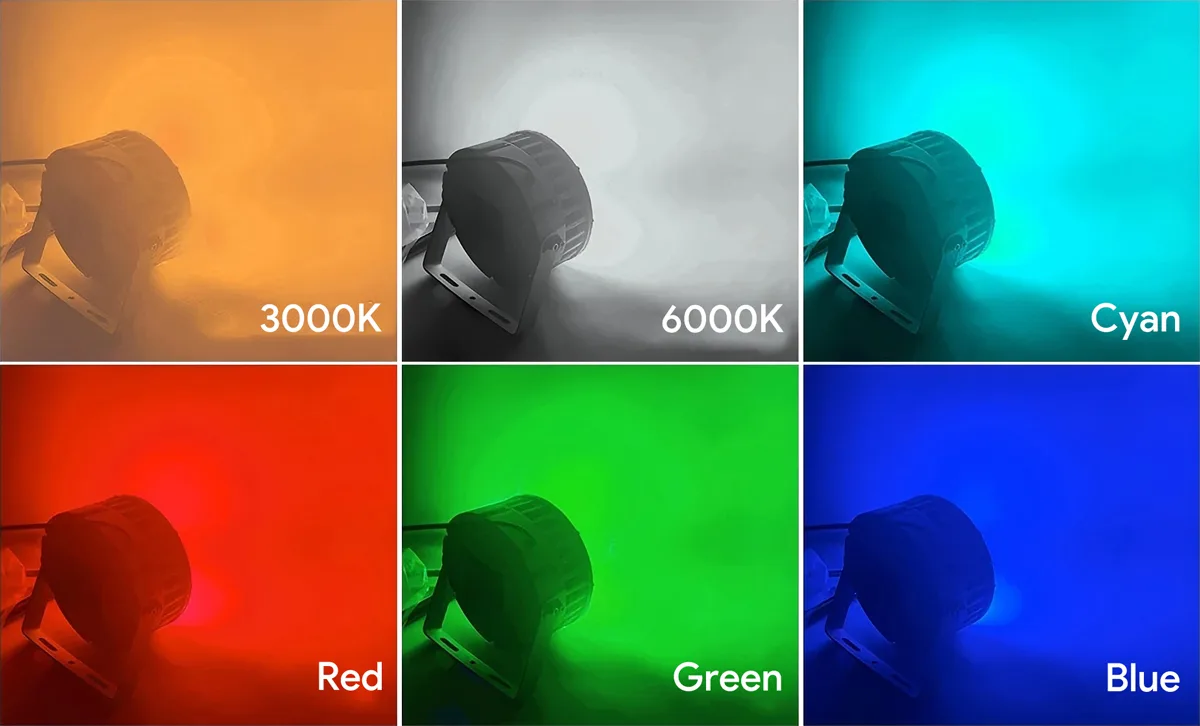
One of the most important factors in fish attraction is color. Research shows that certain colors are more effective than others in attracting fish.
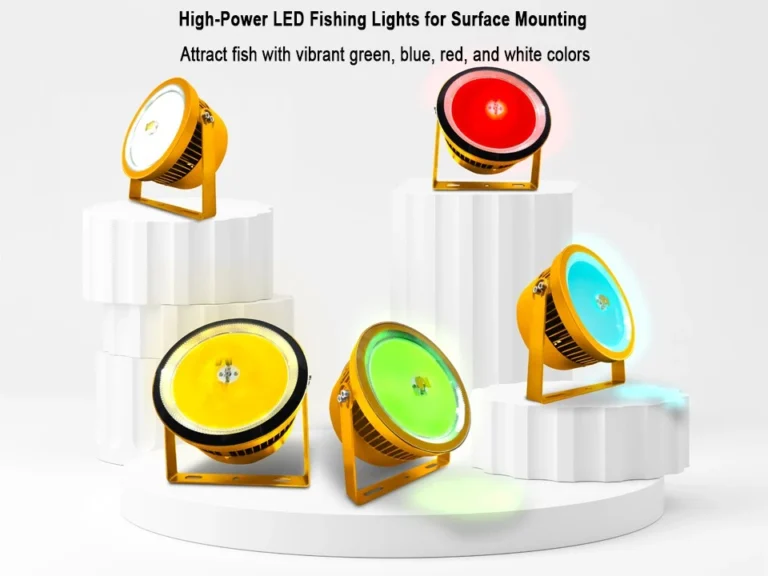
- Green light is particularly effective, as it penetrates water better than other colors, making it ideal for deep-water fishing.
- Blue light also works well, especially for attracting certain species like squid and some types of fish.
- White light can be used for general purposes, but it may not attract as many fish as green or blue lights in specific environments.
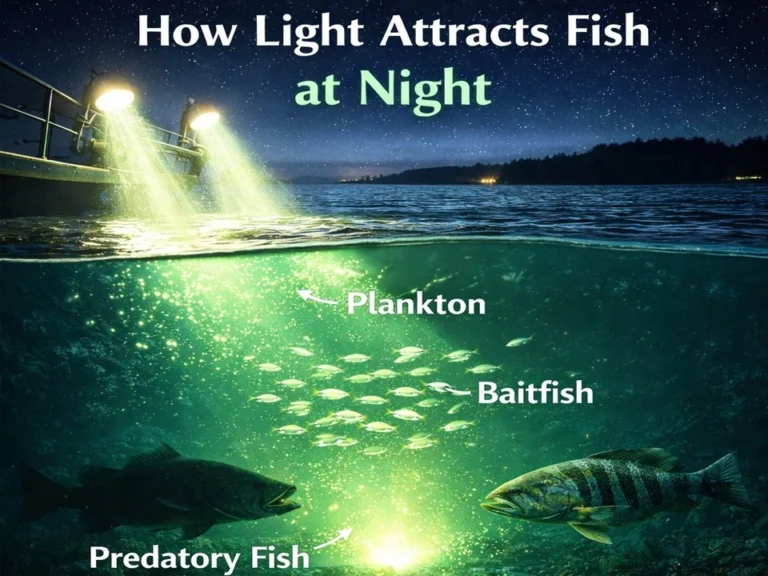
Many anglers ask, do green lights attract fish? The answer is yes — why are fish attracted to green light? Green light mimics the natural light found in aquatic environments, which fish are naturally drawn to.
Drivers
The driver is the power supply that controls the light’s functionality. High-quality drivers ensure that the LED lights remain stable over long periods and operate efficiently without flickering or overheating. They also allow for dimming and color adjustments, which can be important for controlling the attraction and intensity of the light in different fishing conditions.
How High Power Lights Improve Fish Attraction in Real Scenarios
High power LED fishing lights are designed to work in a variety of real-world fishing scenarios, providing improved attraction efficiency and reliability compared to standard lights. Below, we’ll explore how these lights perform in different environments and why they are a game-changer for serious anglers and commercial fishermen.
1. Small Boats
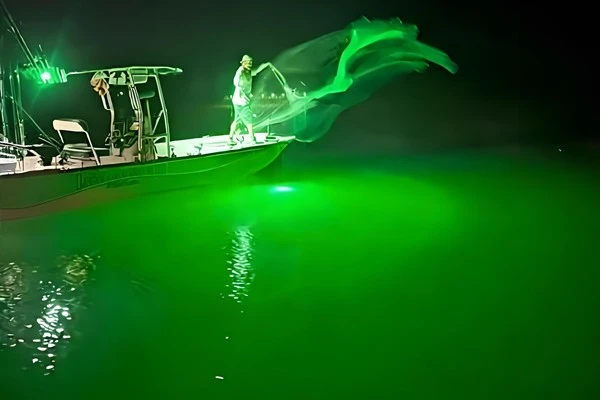
For smaller boats or recreational fishing, the right lighting setup can make all the difference. While standard lights may suffice for shallow waters or smaller fish species, high power LED lights excel in attracting fish from greater distances. The wider beam angle and deeper water penetration of these lights make them ideal for larger fishing areas, ensuring a consistent and effective attraction of fish.
2. Offshore Fishing
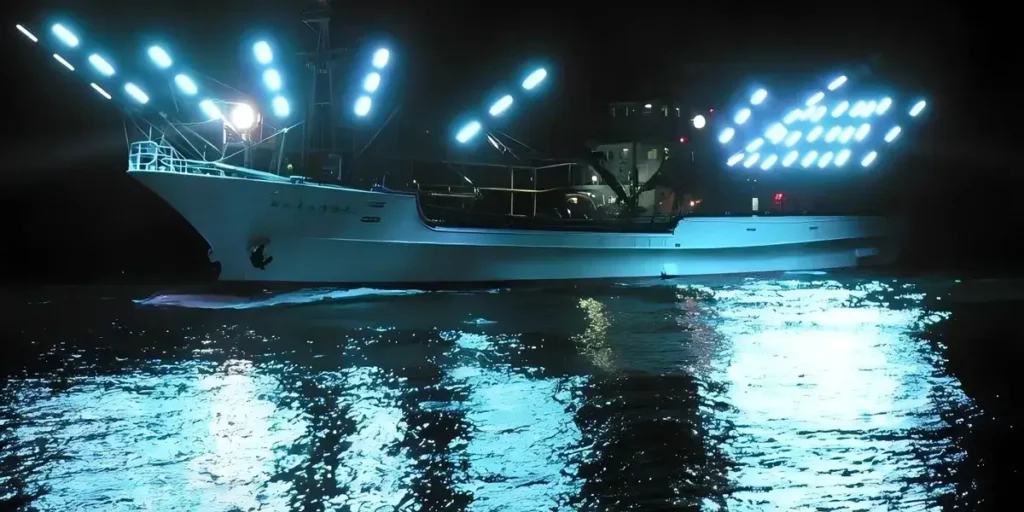
For offshore and deep-water fishing, high power LED lights are invaluable. In deep waters, the natural light that fish rely on becomes scarce, so using high power lights ensures better visibility and more efficient fish attraction. Green and blue lights, in particular, are highly effective in these conditions, as they penetrate deeper into the water and mimic the light fish are accustomed to.
In these scenarios, high power LEDs not only provide sufficient illumination but also attract larger schools of fish that would otherwise be out of reach for standard lighting solutions.
3. Commercial Fishing
For commercial fishing operations, high power LED lights are essential for maximizing catch rates and operational efficiency. These lights not only attract fish from a distance but also improve the safety of night-time operations by providing consistent, bright illumination. High power LEDs can cover a large area, making them perfect for large vessels and offshore commercial fishing.
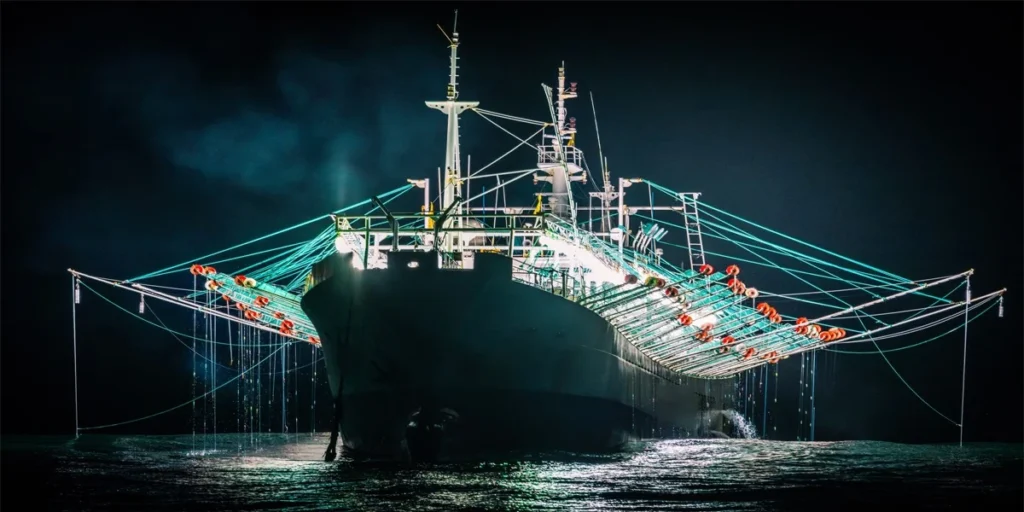
Moreover, high power lights are durable enough to withstand the harsh conditions of commercial fishing, including saltwater exposure, heavy rainfall, and high humidity, ensuring a long lifespan and reliable performance.
Installation & Layout Tips for High Power Lights
Proper installation and layout are crucial for maximizing the effectiveness of high power LED fishing lights. The right placement ensures optimal fish attraction, improves visibility, and guarantees safety during night-time operations. Below, we’ll discuss the best practices for installing high power LED lights on small boats, offshore vessels, and commercial fishing setups.
General Installation Tips
- Height and Angle
The height at which the light is mounted and the angle at which it is directed play a significant role in determining its coverage and effectiveness. For high power LED fishing lights, a mounting height between 1.5 to 3 meters is ideal, with an angle of 30° to 45° to ensure the light spreads evenly across the water surface. - Light Spacing
To maximize the coverage, lights should be spaced evenly along the perimeter of the boat or vessel. For small boats, 2–3 meters between lights is recommended. On larger vessels, consider 4–6 meters to cover a broader area. - Avoid Overcrowding
While it may seem like more lights will attract more fish, overcrowding the lights can lead to inefficient results. Proper spacing allows the light to spread out evenly, increasing its efficiency in attracting fish.
Special Considerations for Offshore and Commercial Fishing
For offshore fishing and commercial setups, the installation becomes more complex due to the size of the vessel and the environment.
- Multiple Light Sources
Larger vessels may require more than one light source to cover the entire area effectively. In these cases, consider installing lights at different levels (e.g., one near the waterline, another higher up) to ensure that fish are attracted from all depths. - Waterproofing and Durability
Offshore and commercial fishing environments expose lights to extreme conditions, including saltwater, heavy rain, and high humidity. It’s crucial to choose high power LED lights with a high IP rating (IP68 or above) to ensure long-lasting durability and reliable performance. - Power Supply
Offshore vessels and large commercial setups will need a robust power system to ensure consistent performance of multiple high power lights. Make sure that the power supply is stable, with backup options available in case of power failure.
Final Tips
- Use Dimmer Switches
If your fishing lights are dimmable, make use of dimmer switches to control the light intensity. This allows you to adjust the brightness based on the fishing conditions and the fish species you are targeting. - Check for Light Pollution
While bright lights are great for attracting fish, excessive lighting can cause light pollution and affect your ability to see other important signals or markers at sea. Use just the right amount of light to ensure both fish attraction and operational safety.
OEM/ODM Options: Custom Configurations & What to Ask
When purchasing high power LED fishing lights, many buyers, especially those involved in commercial or offshore fishing, often seek custom configurations to meet their specific needs. Whether you are looking for a unique light color, a specific beam angle, or a tailored power output, OEM (Original Equipment Manufacturer) and ODM (Original Design Manufacturer) options provide flexibility and versatility in meeting these requirements. Here’s what you need to know when considering these options.
Why Choose OEM/ODM?
OEM/ODM options allow you to customize the fishing lights according to your exact specifications. This can be crucial in ensuring the lights fit perfectly into your existing systems or meet the specific requirements of different fishing environments. Whether you need a specific beam angle for different depths or want a custom color that works best for your target species, OEM/ODM gives you the freedom to design the ideal lighting solution.
What to Ask Your Manufacturer
- What are the available power options?
It’s essential to understand the range of power options available for your custom fishing lights. Ensure that the power output meets your specific fishing needs, whether it’s for small boat fishing or large-scale commercial fishing. - Can you provide a custom beam angle?
Different fishing environments require different beam angles. Ask the manufacturer if they can customize the beam angle to suit your fishing conditions, whether you need a wide 120° beam for large coverage or a narrow 30° beam for focused attraction. - What color options can you offer?
The color of the light plays a key role in fish attraction. Inquire about the available color options, especially for green and blue, as these colors are proven to be most effective for attracting fish in different depths and environments. - What are the IP ratings of your lights?
For offshore and commercial fishing, the durability of your lights is critical. Ensure the lights you choose have a high IP rating (at least IP68), indicating they are waterproof, dustproof, and resistant to harsh marine conditions. - Can the lights be dimmed or adjusted?
Dimming capabilities are useful for controlling light intensity based on fishing conditions. Ask if the lights can be dimmed or if they offer adjustable brightness to accommodate different fishing needs.
Benefits of Custom Configurations
- Perfect Fit for Your Needs
Custom configurations ensure that the fishing lights are tailored to the specific requirements of your fishing setup. Whether it’s for a particular fishing environment or a specialized vessel, customization allows for a perfect fit. - Improved Fish Attraction
Custom beam angles, power settings, and colors all contribute to better fish attraction, leading to higher catch rates and more efficient fishing. - Increased Durability
Custom options can also include the selection of durable materials and waterproof features that extend the lifespan of the lights, even in harsh commercial or offshore environments.

Cost, Value & ROI of High Power LED Fishing Lights
Cost vs Performance Overview
For buyers evaluating high power LED fish attracting lights, cost should not be viewed only as the initial purchase price. A more accurate comparison looks at total cost of ownership over time, combined with catch efficiency improvements.
The following table compares standard fishing lights and high power LED fishing lights over a 5-year usage period, focusing on cost, durability, and return on investment.
5-Year Cost & Catch ROI Comparison
| Item | Standard Lights | High Power LED | Notes |
| Initial Cost | $100 × 2 units = $200 | $400 × 2 units = $800 | High power LEDs have higher upfront cost but deliver stronger output and wider coverage. |
| Replacement Cost (5 years) | $100 × 3 replacements = $300 | $0 – $50 | LEDs last significantly longer and rarely need replacement. |
| Energy Cost (5 years) | ≈ $115 | ≈ $69 | High power LEDs provide higher brightness with lower energy consumption. |
| Maintenance Cost (5 years) | $100 | $30 | Marine-grade LED lights require minimal maintenance. |
| Total 5-Year Cost | $715 | $949 | Higher upfront cost, but better long-term value. |
| Average Catch Efficiency | Baseline (100%) | 30% | Stronger and deeper light penetration attracts more fish. |
| Estimated Added Revenue (5 years) | N/A | ≈ $3,600 | Based on improved catch efficiency over 120 fishing days per year. |
| ROI | N/A | ~280% | Long-term gains significantly exceed the investment. |
How Buyers Should Read This Table
Although high power LED fishing lights cost more initially, their extended lifespan, lower operating costs, and improved fish attraction allow buyers to recover the investment quickly—often within 1–2 fishing seasons. Over a 5-year period, the additional catch revenue far exceeds the total cost difference.
Key Takeaways for Buyers
- High power LED fishing lights are not a cost item, but a performance investment.
- Better light penetration directly improves fishing efficiency.
- Ideal for offshore boats, commercial fishing, and high-frequency night
Conclusion
Choosing the right high power LED fish attracting light is not about selecting the highest wattage available, but about matching performance to real fishing conditions. Factors such as light color, beam angle, power efficiency, durability, and installation layout all play a critical role in determining how effectively fish are attracted and how reliably the system performs over time.
For commercial vessels, offshore platforms, and large-scale night fishing operations, high power LED fishing lights offer clear long-term advantages—stronger penetration, wider coverage, lower maintenance, and better cost efficiency across the product lifecycle. When consistent performance and customization are required, working directly with an experienced manufacturer such as SignliteLED can help ensure the lighting solution is properly matched to your application.
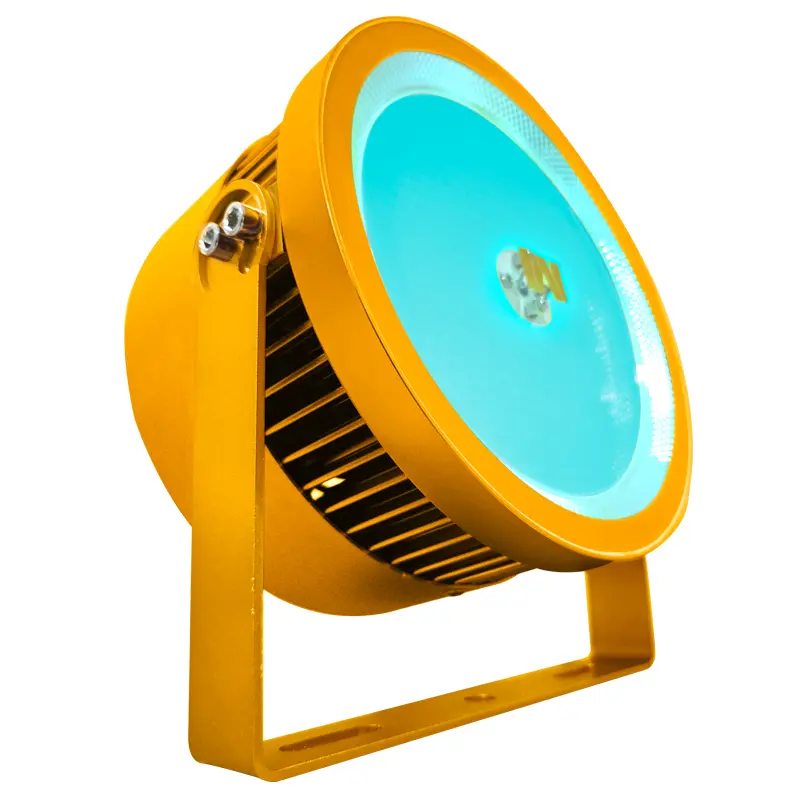
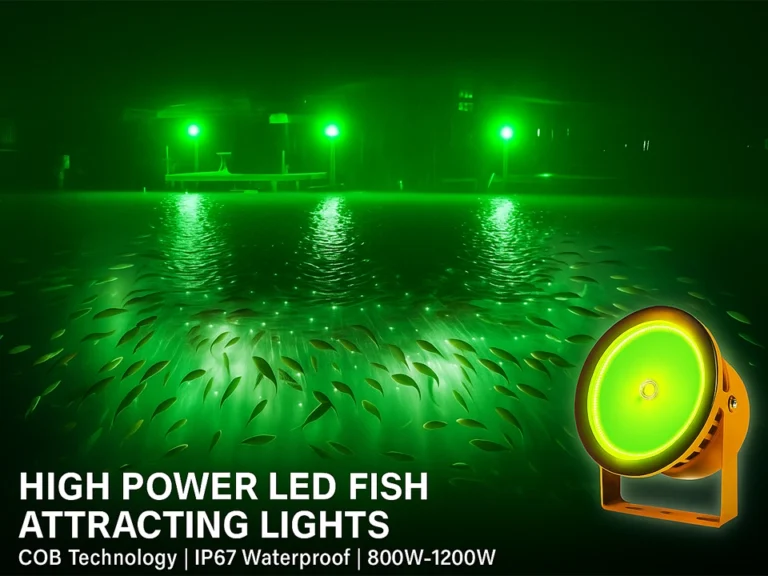
HIGH POWER COB FISH LIGHING
Model No.: Round Type
Input Voltage: AC100–320V
Surge: 10000V
Watt/pcs: 800W/1000W/1200W
LED Type: COB
Size (mm): Φ230 × 140
Color: 3000K / 4000K / 5000K / 6000K/ Red / Green / Blue / Purple
CRI: >80@3000K / 4000K / 5000K / 6000K/
Lumen: >120lm/w@3000K / 4000K / 5000K / 6000K/
IP Grade: IP67
HIGH POWER COB FISH LIGHING
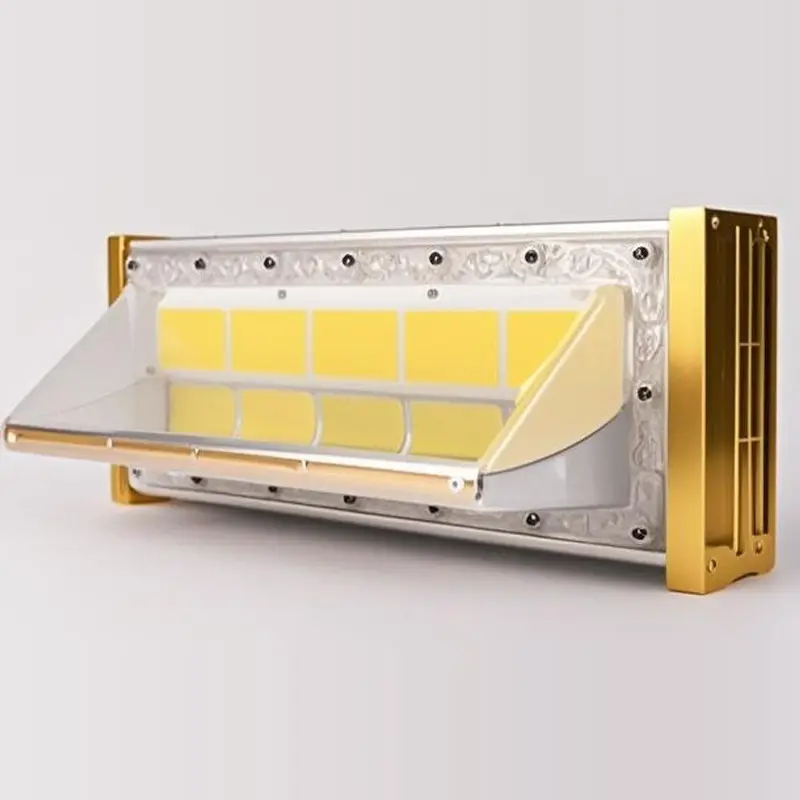
Model No.: Square Type
Input Voltage: AC86-277V
Surge: 10000V
Watt/pcs: 800W/1000W/1200W
LED Type: COB
Size (mm): 390* 140*210mm/ 400* 150*200mm
Color: 3000K / 4000K / 5000K / 6000K
CRI: >80
Lumen: >120lm/w
IP Grade: IP67
Related Posts