English
  简体中文
简体中文  Deutsch
  Español
  Français
  Italiano
  日本語
日本語  한국어
한국어  Polski
  Português
  Русский
  Türkçe
  Nederlands
  Tiếng Việt
  ไทย
ไทย 
Choosing the best 2835 LED strip lights for your home is a decision about light quality, visual comfort, and suitability for residential spaces, not about chasing technical specifications. The right choice depends on how the light will be used, where it will be installed, and how consistently it performs in everyday home environments.
This guide is written as a practical selection reference. It explains how to choose 2835 LED strip lights by walking through the exact evaluation factors homeowners should consider before buying. The focus is clarity, not specifications, and the content stays strictly within residential use cases.
Confirm That 2835 LED Strip Lights Are the Right Category for Your Home
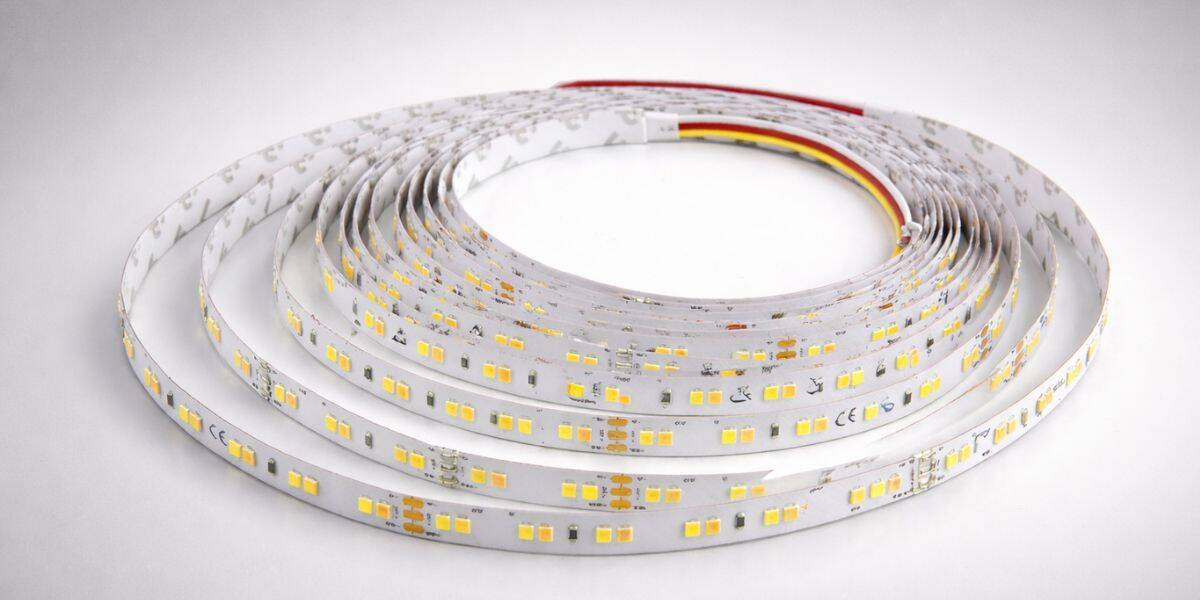
Before comparing products, the first decision is whether 2835 LED light strips are appropriate for residential lighting at all.
In home environments, these strips are commonly selected because they are designed for:
- White light applications
- Stable, continuous illumination
- Integration into architectural details rather than visual decoration
They are not intended for animated effects, color changes, or visual novelty. If your goal is calm, consistent lighting that blends into ceilings, cabinets, or furniture, this category is suitable. If your goal is visual impact or color variation, it is not.
Only after confirming this fit does it make sense to compare options within the 2835 format.
Choose Based on Brightness Needs and LED Density
One of the most important selection factors is how bright the light needs to be for the specific space.
Brightness in homes is not about maximum output. It is about matching light intensity to usage:
- Low to moderate brightness works best for ambient or indirect lighting
- Higher brightness is needed for task areas such as kitchen counters or work surfaces
LED density plays a role here. Strips with more closely spaced LEDs tend to produce:
- A smoother visual line
- Fewer visible light points
- More even illumination across surfaces
When choosing, consider where the strip will be installed and how directly the light will be seen. Areas where the strip is visible or reflected benefit most from even light distribution.
Select the Appropriate Color Appearance for Each Room
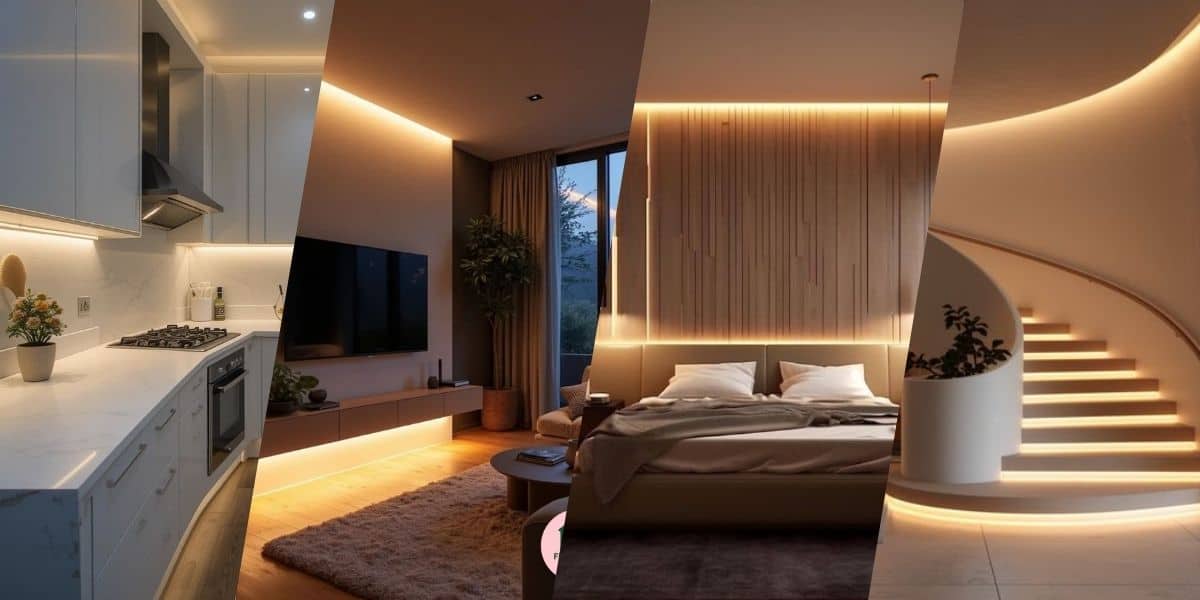
Another key decision is color appearance, especially color temperature.
Most 2835 LED strip lights used in homes are white-light products, but white light is not a single look. Different spaces feel comfortable under different tones:
- Warmer white tones support living rooms and bedrooms
- Neutral or cooler whites are often preferred in kitchens or utility areas
When choosing, think in terms of how the room is used, not personal preference alone. A color temperature that feels pleasant in a bedroom may feel dull in a workspace.
The important point is consistency. Once a tone is chosen, it should remain stable across the installation to avoid visual imbalance.
Evaluate Visual Uniformity and Finished Appearance
For residential lighting, how the light looks after installation matters more than internal design details.
A good choice should support:
- A continuous line of light
- Minimal spotting or glare
- Clean integration into architectural features
Uniformity becomes especially important in:
- Ceiling coves
- Under-cabinet lighting
- Shelving or wall recesses
When comparing options, prioritize strips that are intended to produce an even visual result when used in typical home mounting scenarios. The strip should help the installation look finished, not improvised.
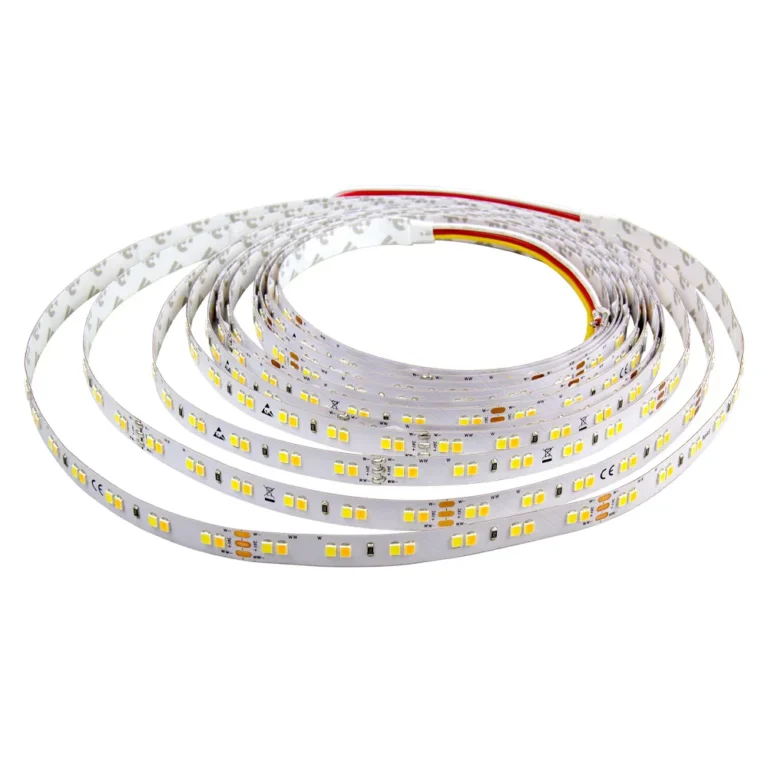
SMD2835 Tunable White LED Strip lights
- Main Model: FQT10T240C
- LED QTY per Meter: 120/216/240
- PCB Width: 8mm/10mm
- Color Temperature: 2700K and 6500K
- Input Voltage: DC12V/DC24V
- Power per Meter: 9.6W/19.2W/24W
- IP Grade: IP20/IP54/IP65/IP67/IP68
- Warranty: 5 years
- Above the function supports customization.
Consider Installation Method and Long-Term Stability
Another selection factor is how the strip will be installed and supported over time.
Home installations are usually semi-permanent. This means the strip should:
- Sit flat against mounting surfaces
- Tolerate gentle curves without stress
- Remain aligned without sagging
Many residential setups benefit from channels or profiles that improve alignment and protect the strip. When choosing, consider whether the strip format supports clean mounting rather than focusing only on the strip itself.
Ease of installation and stability directly affect long-term satisfaction.
Ensure Compatibility With Residential Control and Dimming Systems
Control compatibility is often overlooked but plays a major role in daily use.
When choosing a 2835 LED strip light, consider:
- Whether brightness adjustment is required
- How often the light will be switched or dimmed
- Whether the control system fits normal household use
Not every strip behaves well under every dimming method. The goal is smooth, predictable adjustment without flicker or inconsistency. Thinking about control early prevents issues later.
Check Suitability for the Indoor Environment
Homes contain very different environments, even within the same building.
Before choosing, consider:
- Heat and moisture exposure in kitchens
- Low disturbance environments like bedrooms
- High traffic areas such as stairs or hallways
The strip should be suitable for indoor residential use in the specific location, not just indoors in general. Environmental fit helps ensure reliability and safety over time.
Use Comparison Carefully — 2835 vs Other Common LED Strip Types
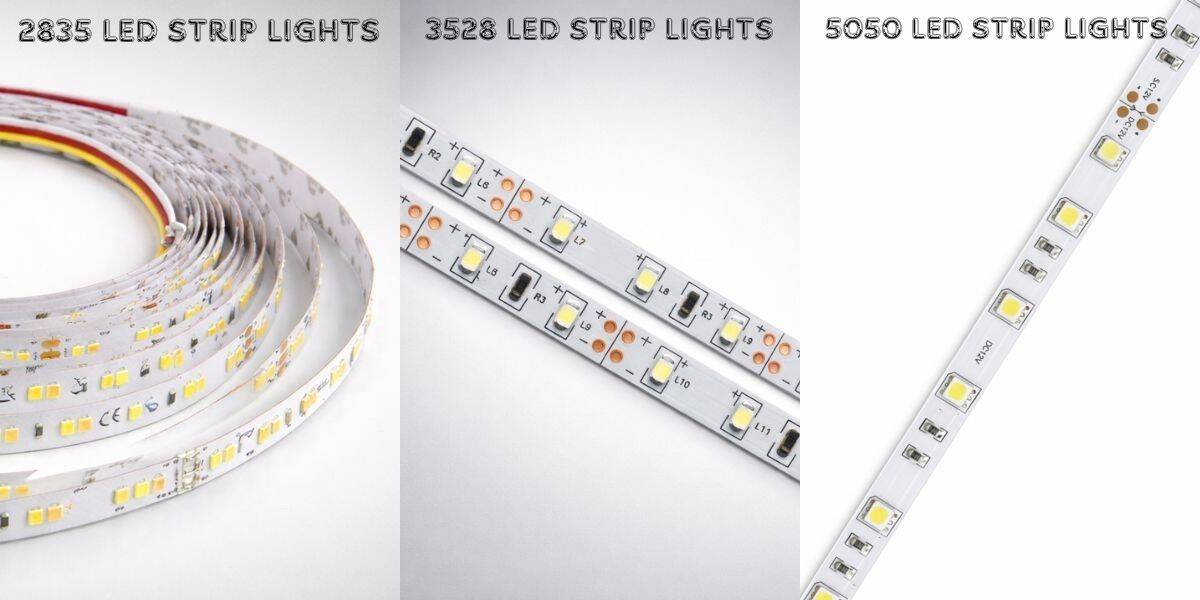
Comparison is useful only when it helps decision-making.
Practical Comparison for Home Use
| Aspect | 2835 LED Strip Lights | 3528 LED Strip Lights | 5050 LED Strip Lights |
| LED package size | 2.8 × 3.5 mm | 3.5 × 2.8 mm | Larger package |
| Package height | Lower profile (~2 mm) | Taller (~4 mm) | Taller |
| Visual result | Smoother, more uniform line | Light points can be more noticeable | Brighter but less subtle |
| Residential preference | Widely used in modern homes | Older format in many homes | Used where higher output is needed |
| Typical use | Ambient and architectural lighting | Basic accent lighting | Decorative or higher-intensity use |
This comparison reflects how homeowners typically experience these strips, not technical performance metrics. It is included only to help readers understand why 2835 LED light strips are commonly chosen for visually sensitive residential areas.
Avoid Common Selection Mistakes
Many poor outcomes come from incorrect assumptions rather than product defects.
Common mistakes include:
- Choosing based on label alone without planning placement
- Expecting decorative or dynamic effects
- Ignoring how the strip will be mounted and viewed
- Treating the strip as a standalone solution instead of part of a lighting system
A correct choice always starts with usage context, not product naming.
What 2835 LED Strip Lights Are Best Suited For — and What They Are Not
These strips are well suited for:
- Indirect residential lighting
- Clean architectural integration
- Everyday ambient or task support lighting
They are not intended to:
- Replace all primary lighting without design planning
- Provide color-changing or animated effects
- Compensate for poor placement or installation
Understanding these boundaries is part of choosing correctly.
Conclusion
To choose the best 2835 LED strip lights for your home, focus on how the light will behave in real living spaces. Evaluate brightness needs, color appearance, visual uniformity, installation method, control compatibility, and environmental suitability. Use comparisons only as a supporting tool, not as the main decision driver.
When selected with these criteria in mind, a 2835 LED strip light integrates naturally into residential interiors and delivers consistent, unobtrusive illumination that supports everyday living without unnecessary complexity.
FAQs
Related Posts