English
  简体中文
简体中文  Deutsch
  Español
  Français
  Italiano
  日本語
日本語  한국어
한국어  Polski
  Português
  Русский
  Türkçe
  Nederlands
  Tiếng Việt
  ไทย
ไทย 
Architectural lighting plays a critical role in shaping the visual identity of modern hotels. In exterior lighting projects, designers often require dynamic color control, stable signal transmission, and reliable waterproof performance to ensure long-term operation.
This case study explains how a Middle East hotel exterior lighting project successfully implemented a DMX512 RGBW LED lighting system under a tight delivery timeline. It covers the project requirements, the technical reasoning behind the solution, installation considerations, and best practices for similar architectural lighting projects.
Project Overview (Hotel Exterior DMX512 RGBW Lighting)
A project contractor from the Middle East contacted our team while preparing an exterior lighting system for a hotel building. The goal of the project was to create dynamic RGBW lighting effects that would highlight the architectural structure of the hotel while maintaining stable operation in an outdoor environment.
The installation required long continuous lighting lines along the building exterior. Because the lighting would be permanently installed outdoors, waterproof reliability, signal stability, and installation efficiency were critical considerations.
Project Requirements
The client defined several key technical requirements:RGBW addressable lighting effects
High waterproof protection for outdoor installation
Stable control system for long signal runs
6-meter continuous strips to simplify installation
Technical guidance for wiring and control software
Lighting effect design support
Delivery within 10 days
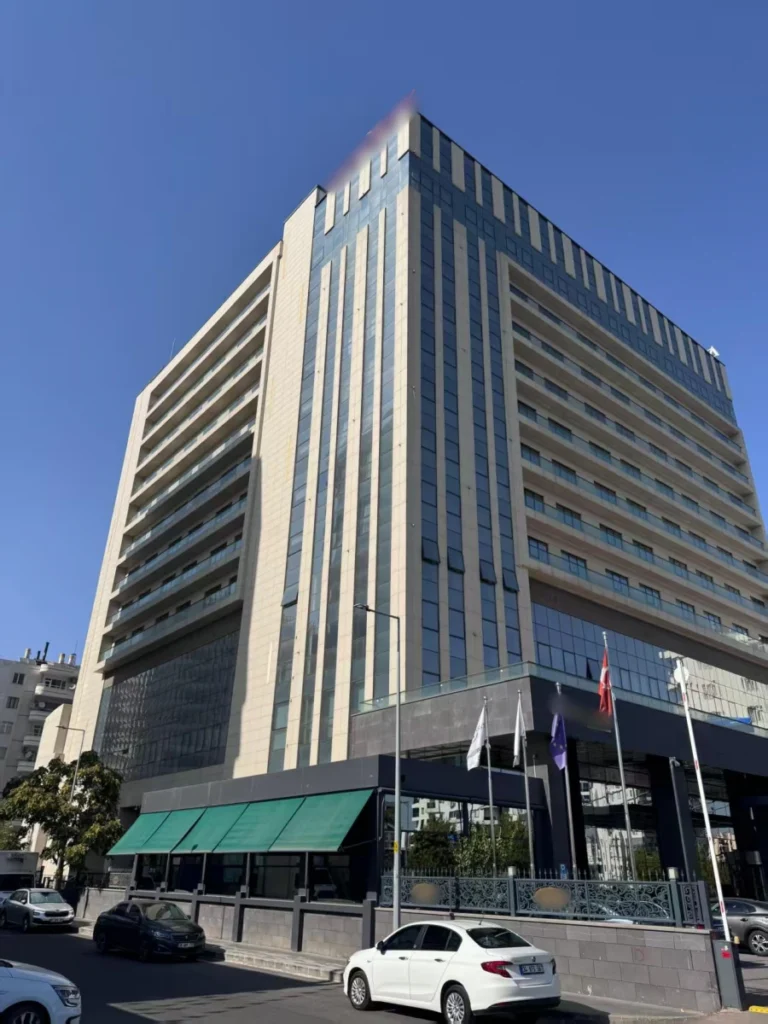
Meeting the delivery timeline during the peak production season in November presented a significant logistical challenge.
What Is DMX512 and Why It Matters
DMX512 is a digital communication protocol widely used in architectural lighting, stage lighting, and large-scale LED control systems. It allows multiple lighting fixtures to be controlled from a central controller with high signal reliability.
In projects involving long cable distances or multiple lighting zones, DMX512 offers advantages compared to simpler protocols.
Key characteristics of DMX512 include:
Digital signal transmission
High noise resistance
Stable communication over long distances
Support for multi-zone lighting control
Compatibility with professional lighting controllers
For architectural lighting projects such as hotel exteriors, signal stability is particularly important because lighting fixtures may be distributed across large building surfaces.
Why RGBW Is Preferred for Architectural Lighting
Traditional RGB lighting systems combine red, green, and blue LEDs to create color effects. However, RGB-only systems often struggle to produce clean white light.
RGBW lighting systems include an additional dedicated white LED channel. This provides several advantages for architectural lighting:
More accurate white illumination
Higher brightness efficiency for white scenes
Improved color rendering
Greater flexibility for dynamic lighting programs
For hotel exterior lighting, this allows designers to create both color-changing effects and clean architectural white lighting depending on the desired atmosphere.
Key Design Parameters for Exterior Lighting
When designing a DMX512 RGBW architectural lighting system, several technical parameters must be considered.
These parameters influence both the visual performance and the long-term reliability of the installation.
Typical parameters include:
| Parameter | Description |
| Input Voltage | DC24V |
| Power | 18W/m |
| Color Temperature (CCT) | RGBW, 6500K, RA90 |
| Signal Stability | Strong |
| Waterproof Rating | IP68 |
| Control Protocol | DMX512 |
DMX512 vs SPI Control Protocol
In addressable LED lighting systems, two common control protocols are DMX512 and SPI. Each has different characteristics depending on the application.
| Feature | DMX512 | SPI |
| Protocol Type | Digital communication protocol | Data signal protocol |
| Number of Channels | Up to 512 channels per universe | Depends on IC type |
| Signal Stability | High stability over long distances | Sensitive to signal interference |
| Zoning Support | Strong support for large lighting systems | More suitable for small installations |
| Typical Applications | Architectural lighting, stage lighting | Decorative lighting |
For this hotel exterior project, DMX512 was selected because it provides better signal stability for large-scale installations.
Installation & Implementation Steps
After reviewing the project requirements, two technical solutions were proposed to the client:
Addressable neon lighting system
Addressable LED strip lighting system
After evaluating the installation conditions and budget considerations, the client selected an IP68 DMX512 RGBW LED strip lighting solution.
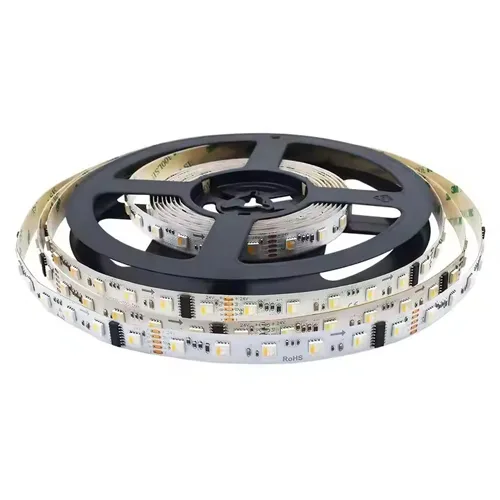
DMX512 Addressable RGBW Facade LED Strip Light
Model No.: EAA12T060C
Input Voltage: DC24V
Watt: 18W/m
LED QTY: SMD5050 60LEDs/m
Color : RGBW (6000K)
CRI: Ra90
IC: DMX512, TM512AC
Pixels: 10pixels/m
Cuttable Length: 100mm
IP Grade: IP68
Length: 5m/reel
Warranty: 3years
To support outdoor installation reliability, the system included:
IP68 silicone extruded LED strip lights
IP65 waterproof connectors
Compatible DMX512 controller system
During production, our team also provided technical support including:
Wiring diagrams
Controller specifications
Software configuration guidance
Lighting effect design support
Remote technical assistance was provided during the installation process to help the client configure the lighting control system.






Results & Customer Feedback
Despite the language barrier — the client primarily communicated using Google Translate — the project progressed smoothly from production to installation.
The lighting system was successfully installed and commissioned on schedule. The RGBW lighting effects highlighted the architectural structure of the hotel while maintaining stable performance in the outdoor environment.
After completion, the client shared the following feedback:
“Your LED strips are really great. I truly appreciate how proactive you were in pushing this project forward. For the next project, I will continue to purchase from you — the order will be around 1,800 meters of LED strips.”
The success of this project also led to continued cooperation on future lighting installations.
Best Practices for Similar Architectural Lighting Projects
Based on this project experience, several best practices can improve the success rate of exterior architectural lighting installations.
Select a stable control protocol such as DMX512 for large installations
Use RGBW lighting systems when both color effects and white lighting are required
Ensure sufficient waterproof protection for outdoor applications
Provide clear wiring diagrams before installation begins
Maintain close technical communication during installation and commissioning
These practices can significantly reduce project risks and ensure consistent lighting performance.
FAQ
What is DMX512 and how does it work?
DMX512 is a digital communication protocol used to control lighting fixtures. A central controller sends data signals to multiple lighting devices, allowing precise control of brightness, color, and lighting effects.
Why choose RGBW for architectural lighting?
RGBW lighting systems include a dedicated white LED channel. This allows the system to produce both dynamic color effects and high-quality white illumination, which is important for architectural lighting.
What are the key parameters for a hotel exterior lighting project?
Important parameters include brightness level, waterproof rating, signal stability, control protocol compatibility, and installation design.
How can signal stability be ensured in a DMX512 lighting system?
Signal stability can be improved by using proper wiring methods, reliable connectors, quality controllers, and ensuring that the lighting system is designed within recommended cable length limits.
Related Posts