English
  简体中文
简体中文  Deutsch
  Español
  Français
  Italiano
  日本語
日本語  한국어
한국어  Polski
  Português
  Русский
  Türkçe
  Nederlands
  Tiếng Việt
  ไทย
ไทย 
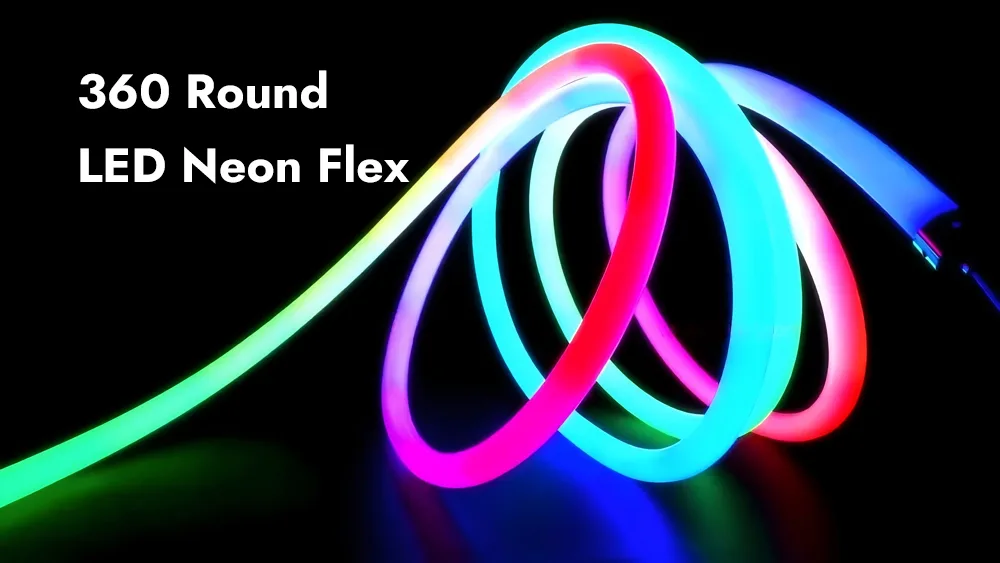
LED neon flex lights are one of the most popular and versatile lighting options on the market today. They are perfect for a variety of uses, from creating a cozy atmosphere in your home to illuminating a commercial space. The main lines of LED neon flex strips are the Top View, Side View, Mini, and 360 Degree Circular neon series. 360 degree LED Flexible...
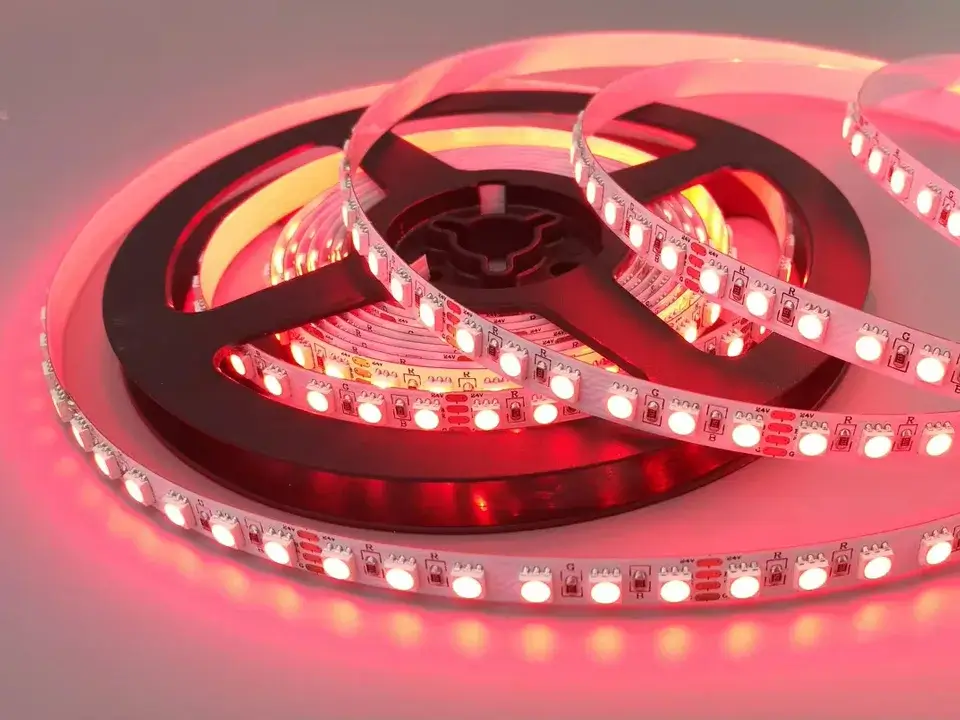
Whether you are manufacturing or purchasing LED light strips, understanding the fundamentals of LEDs is crucial. As the core light-emitting component, the characteristics of LEDs directly determine the performance of the light strips. For manufacturers, this knowledge guides LED chip selection, circuit design, and process control. For buyers, it is...
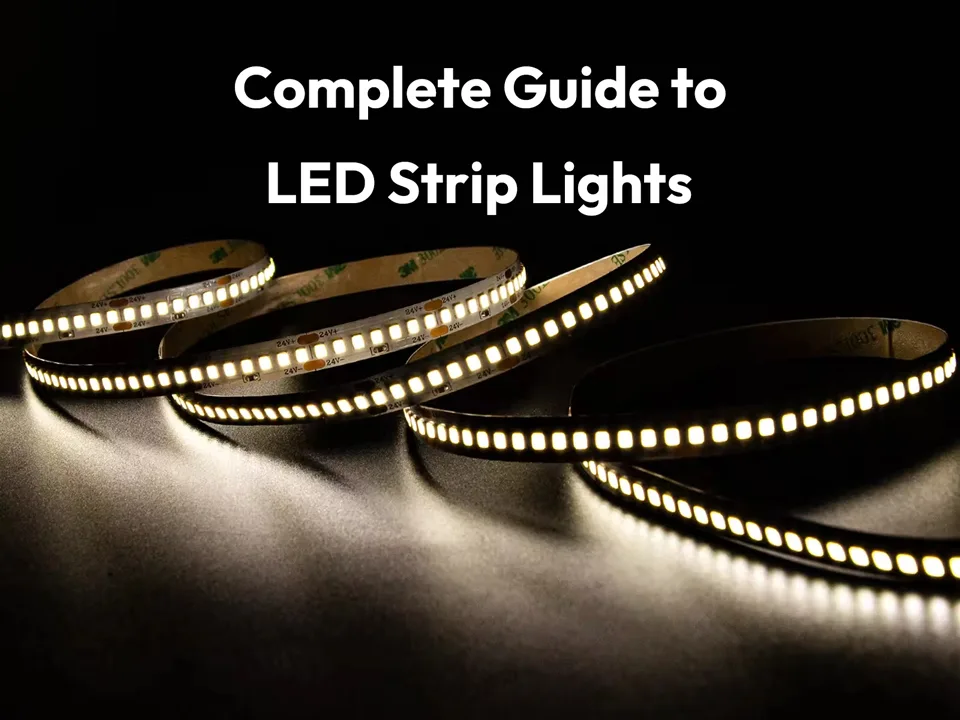
In the vast field of LED lighting solutions, LED strip lights are a very popular lighting solution. Linear LED strip lighting has been an affordable option for commercial and residential lighting applications. LED strips, essentially a string of LEDs mounted on a flexible or rigid strip via surface mount technology, are popular for their ability to...
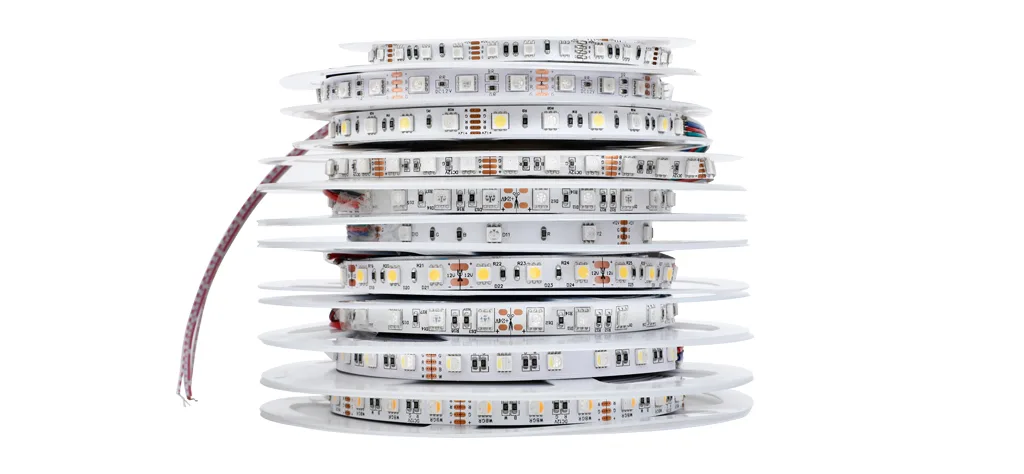
SMD LED strips are revolutionizing the way we approach lighting with their flexibility, energy efficiency, and diverse applications. From creating ambient lighting in residential spaces to providing bright, colorful effects for commercial signage and outdoor environments, these strips are versatile and highly customizable. In this article, we’ll explore...
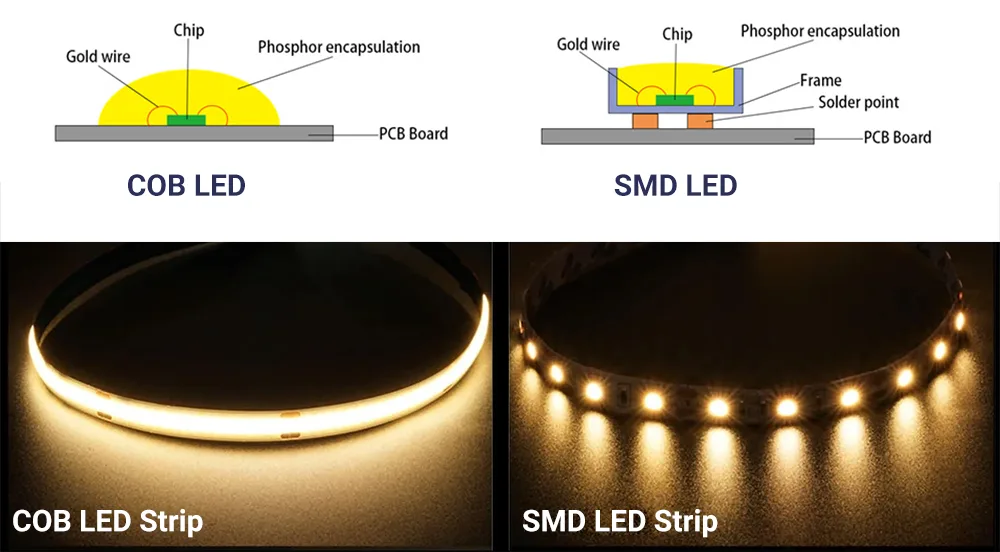
LED lamps are constantly being upgraded to improve their usability, adaptability, and energy efficiency. LED lamps are very popular because they last up to 25 times longer and consume less power than standard incandescent lamps.The two main types of LED lamps available today are COB and SMD LED lamps. Both components produce high-quality illumination,...
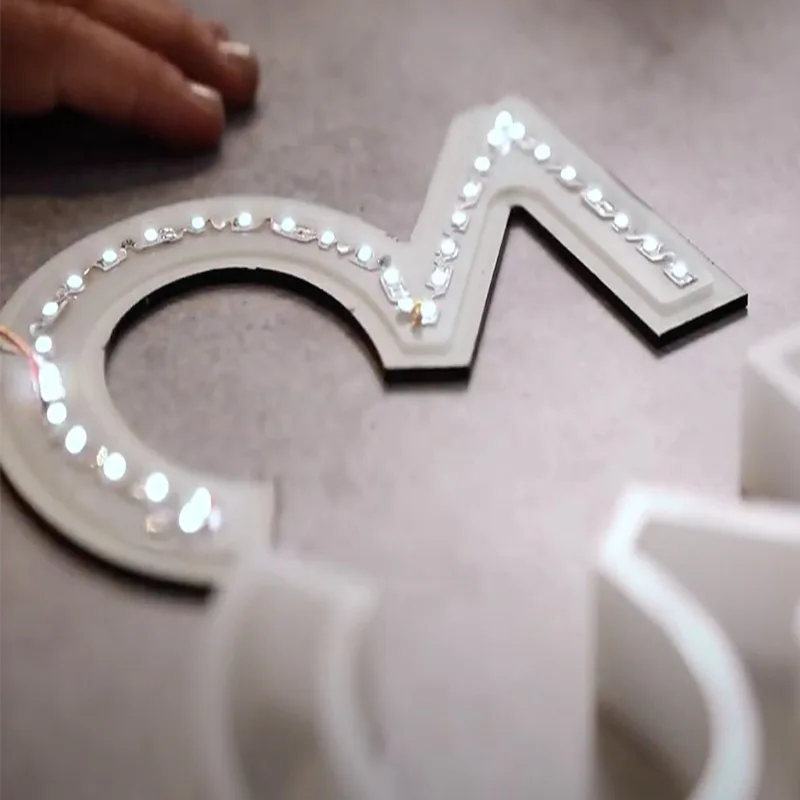
In the world of lighting, S Type LED strip lights stand out due to their unique zigzag design and unparalleled flexibility. This innovative structure allows for creative installations, making them an ideal choice for a variety of applications, particularly in signage lighting. Their ability to conform to different shapes and surfaces ensures that signs...
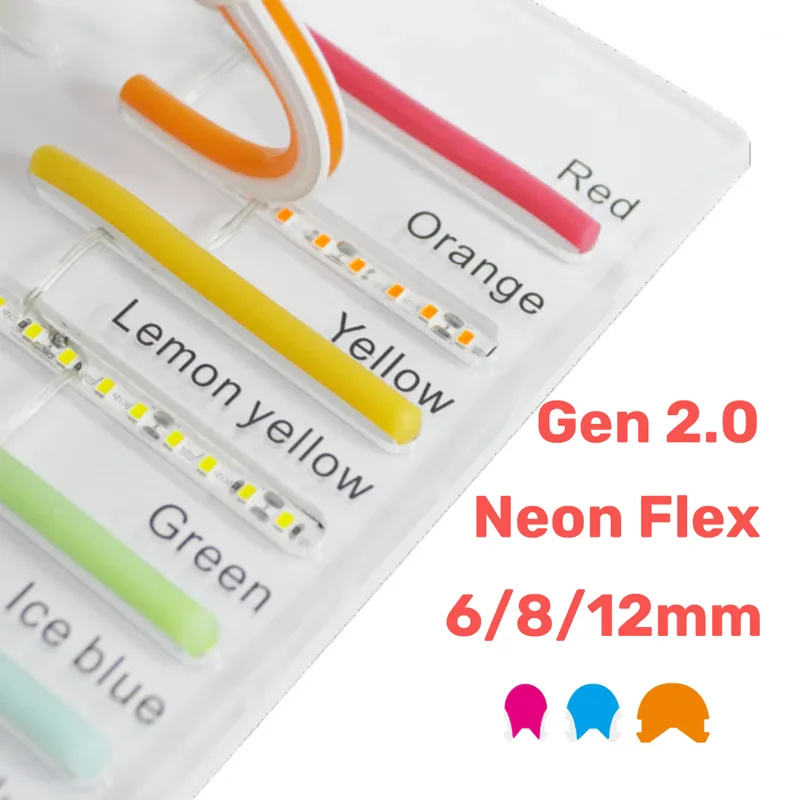
In the world of design and advertising, illuminated signs play a vital role in highlighting businesses and attracting the attention of passersby. For decades, neon has been the preferred choice for creating illuminated signs, but with advances in technology, second generation LED neon has revolutionized the industry. Second generation LED neon has revolutionized...
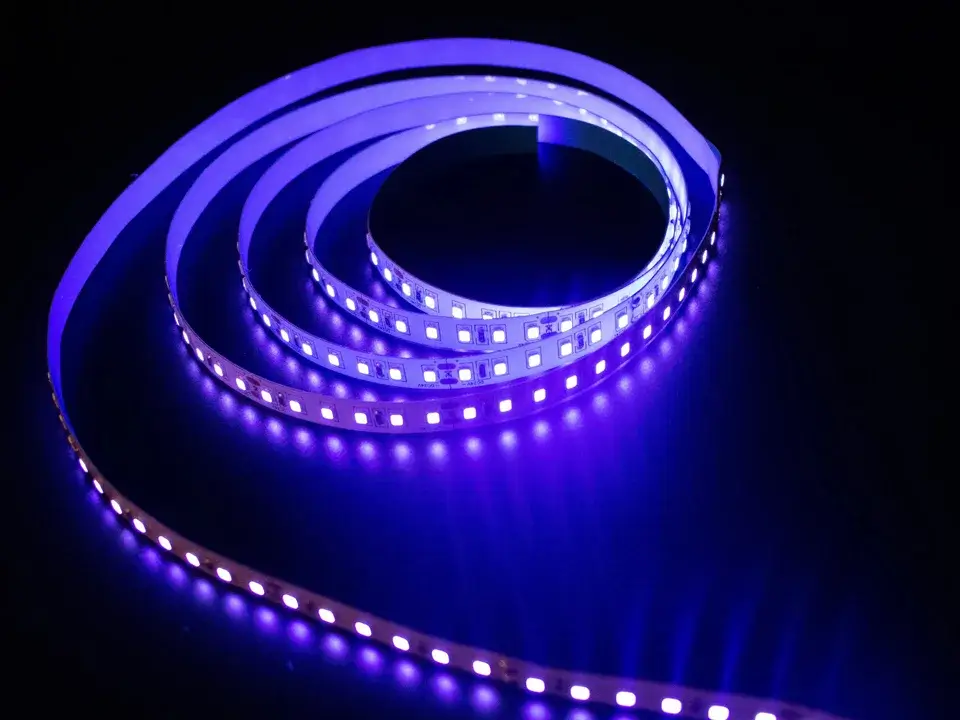
Compared to traditional mercury lamps and fluorescent tubes, UV LED strip lights are increasingly becoming the preferred solution for next-generation UV applications due to their compact size, low energy consumption, and long lifespan. Flexible UV LED strip lights offer various wavelength, power, and light density options. Especially in the UV-A band...
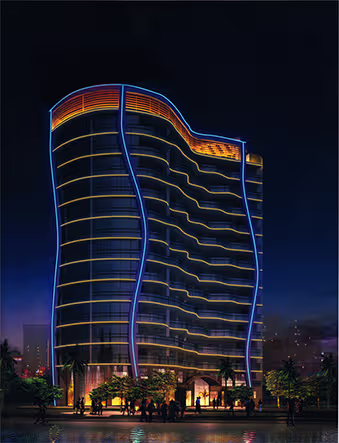
RGB LED strip: Compared to RGBW, RGB has one fewer pad and just four pads, which stand for the three primary colors—red, green, and blue—plus a positive pole.Red, blue, and green light may all be produced by an RGB LED, which when combined, can create millions of distinct colors.Additionally, RGB LED strips have one or more integrated controllers that...
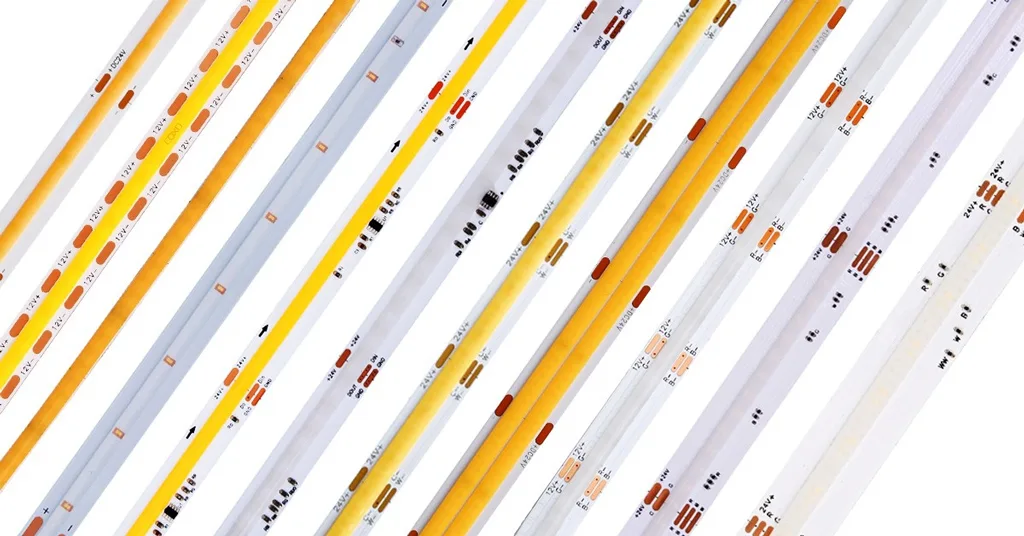
The presence of COB LED light strips adds layers of indoor and outdoor environments, making the spatial environment softer and more moody. In the form of minimalist space, COB LED strip light can also give it a breathtaking beauty. Nowadays, COB LED Strip is gradually becoming the perfect choice for seamless and efficient lighting, gaining more and...
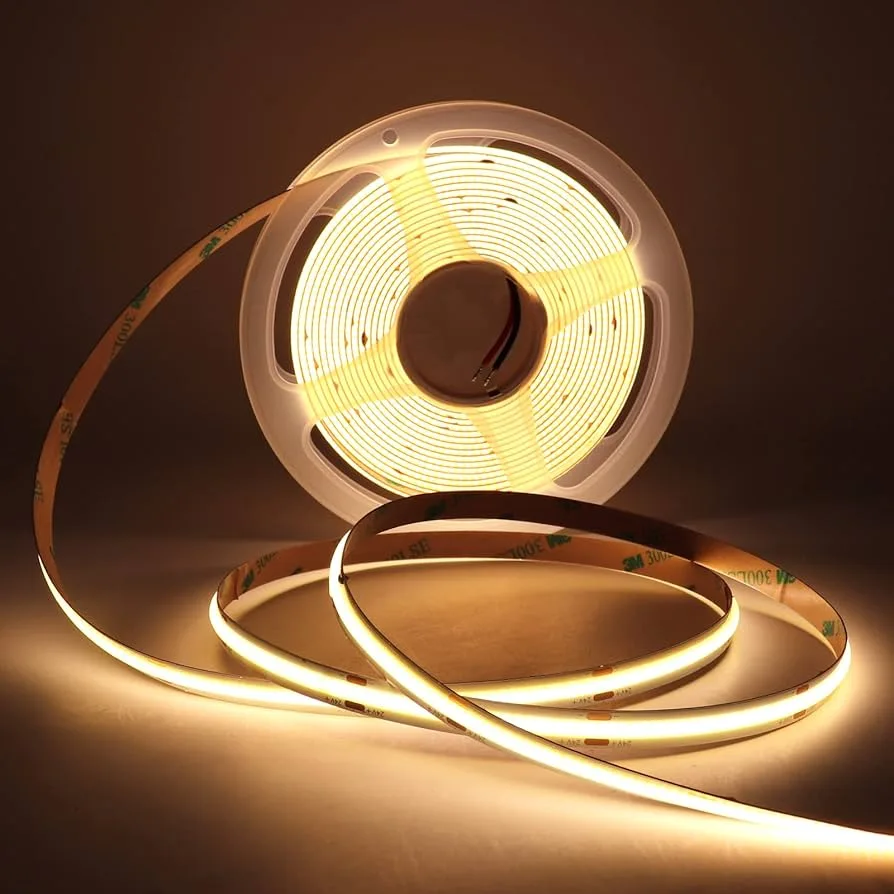
If you’re searching for an efficient lighting solution for your upcoming project, COB LED strip lights deserve your attention. Thanks to their high-density LED chips, COB strips produce a consistent and flawless beam of light, ensuring that your installation achieves a top-notch, polished appearance. The cutting-edge technology behind COB strips...
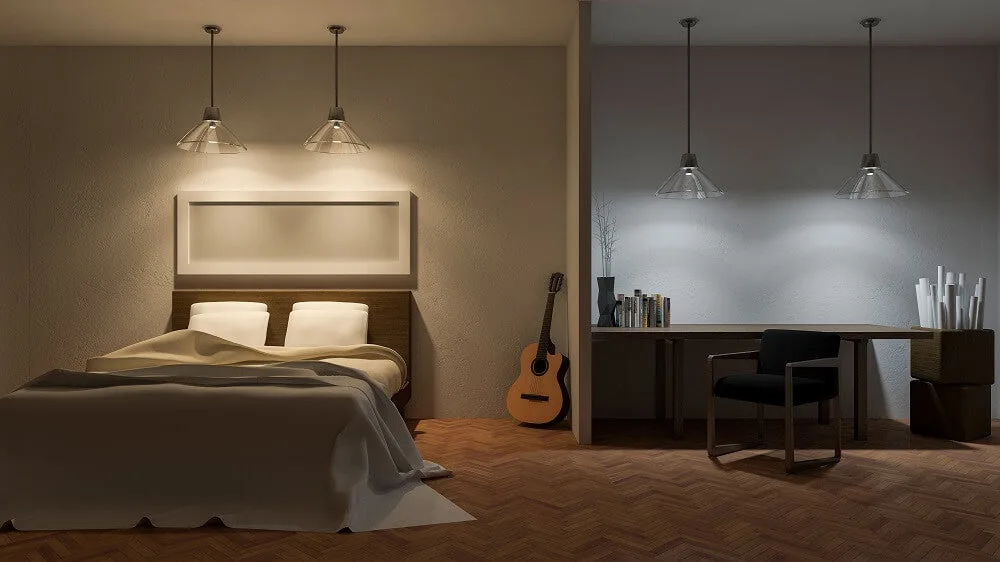
Tunable white LED strips, adjustable color temperature LED strips or CCT LED strips are new lighting terms we are hearing more and more. All of these terms refer to an LED strip that can adjust its color temperature, usually in the range of 2700K to 6500K color temperature. It is the function of adjusting white shade and changing color temperature through...
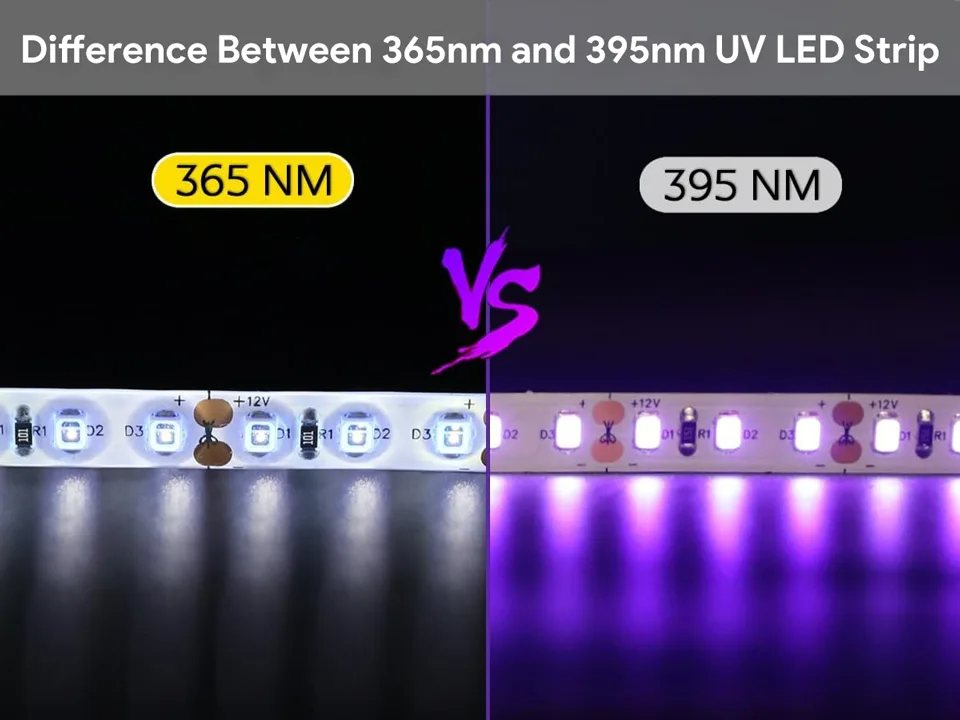
UV LED strip lights are increasingly becoming a key light source in industrial and commercial projects. They are widely used in curing systems, fluorescence detection, anti-counterfeiting identification, stage lighting, aquarium lighting, sterilization, and purification applications. Among all UV wavelengths, 365nm and 395nm are the two most frequently...
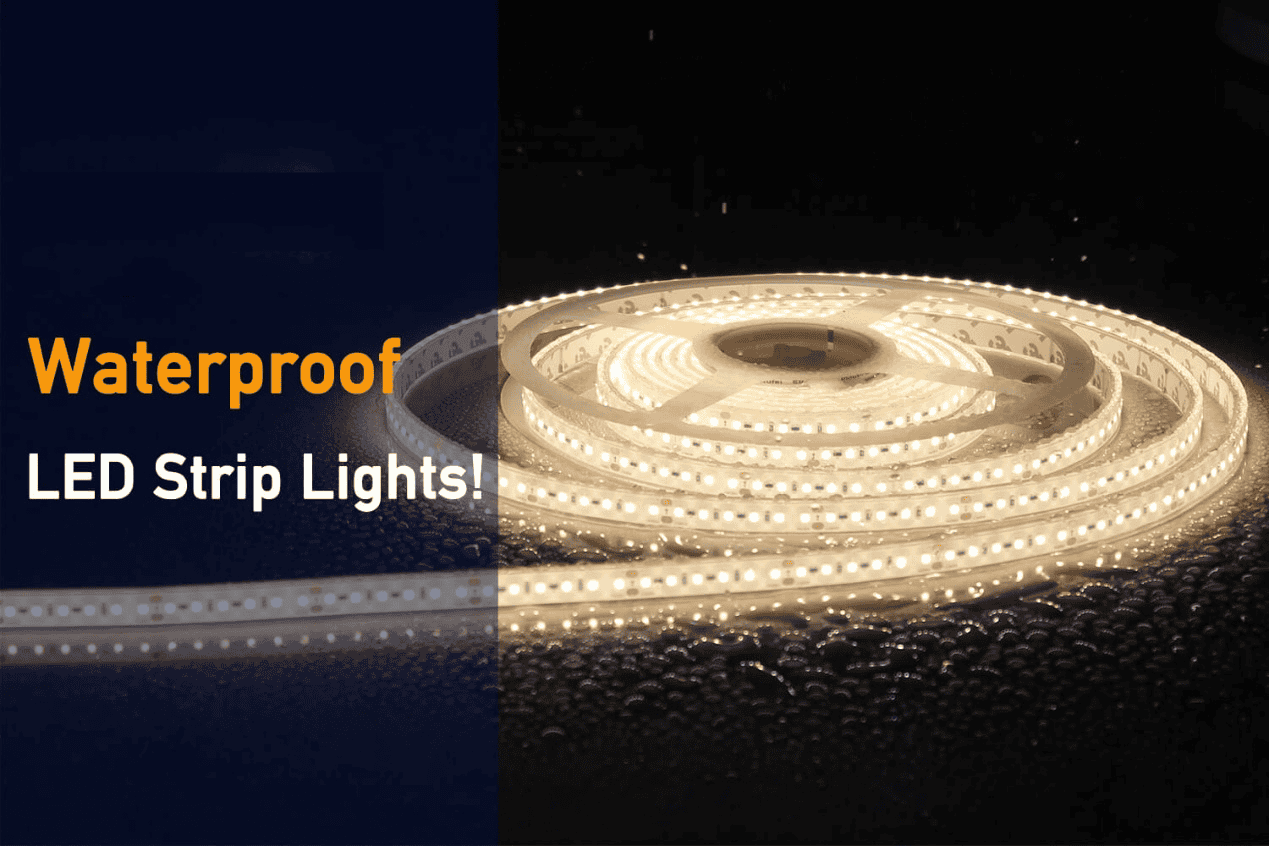
Many types of waterproof LED light strips exist in now market. Difficult for beginners to know which one to choose. Usually we recommend these 5 models: IP20, IP64, IP65, IP67,IP68. The IP rate depends on where you will use the LED light strip. What is the IP rate of led strip? The IEC created the IP protection system. It categorizes electrical devices...
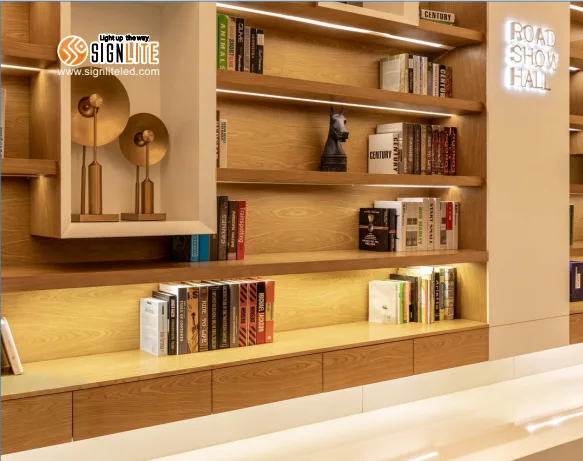
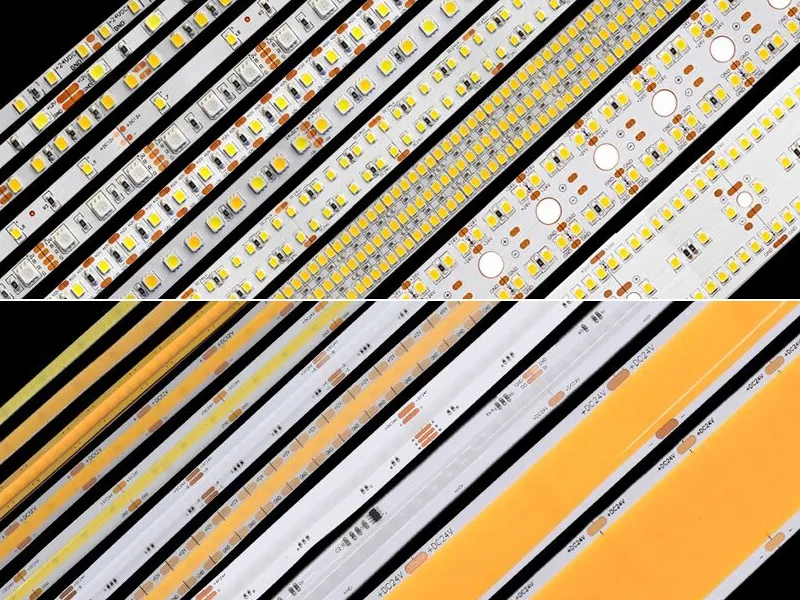
There are various types of LED strip lights on the market, mainly classified according to the type of light source, use, installation scenario, control mode, and so on. LED lights can be divided into different models according to the type of light source, such as 5050, 2835, etc., and different packaging methods, such as COB and SMD. In addition, according...
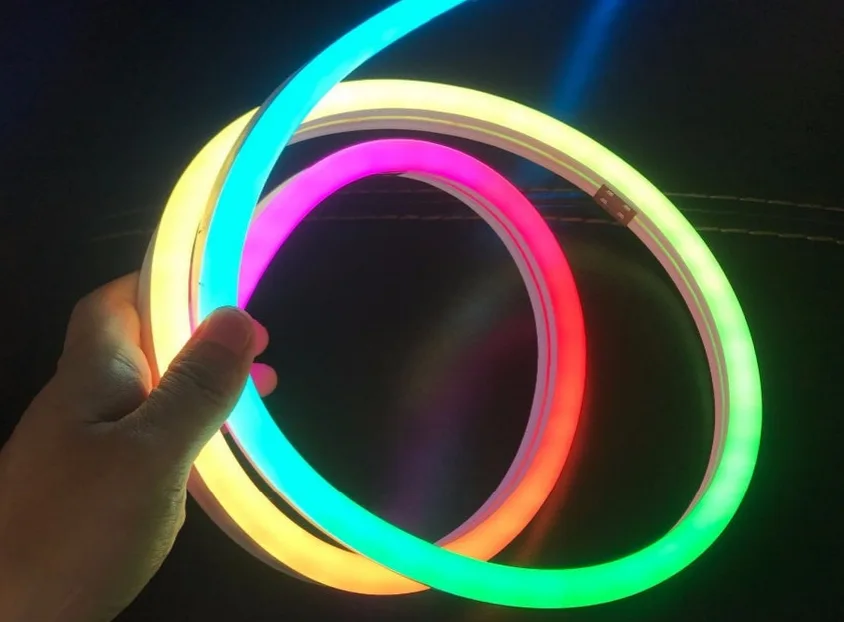
What is LED Neon Flex Lights? LED Neon Flex is a versatile, silicone-based strip that features embedded LEDs, crafted to replicate the appearance of traditional glass neon lights. This innovative product is suitable for both indoor and outdoor use, allowing for a wide range of visual effects, including static illumination, single-color displays, vibrant...
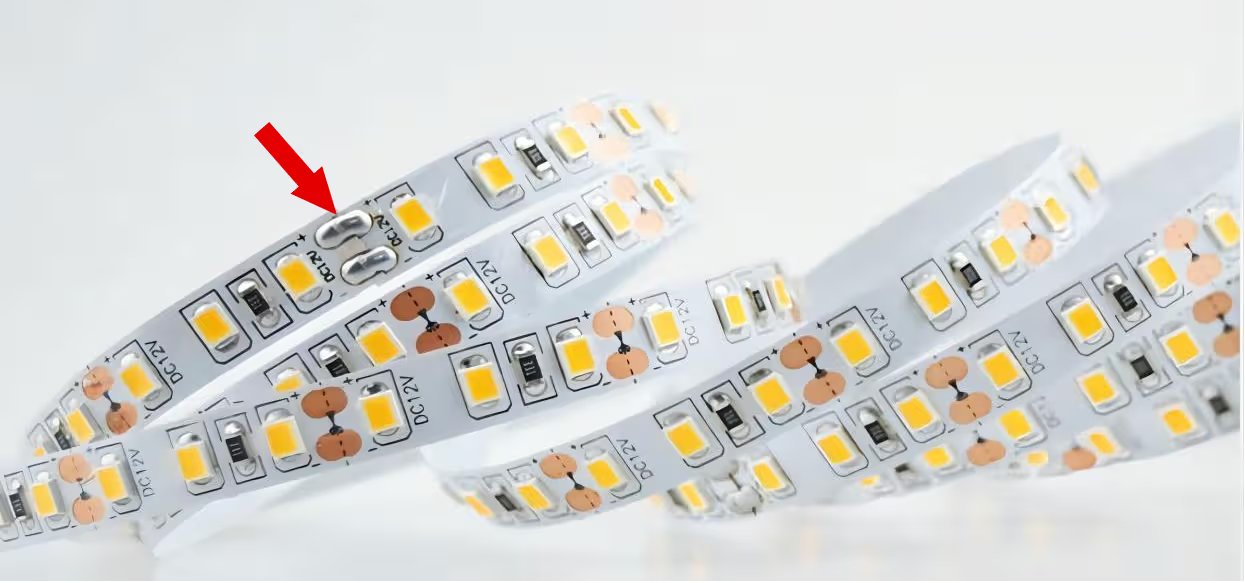
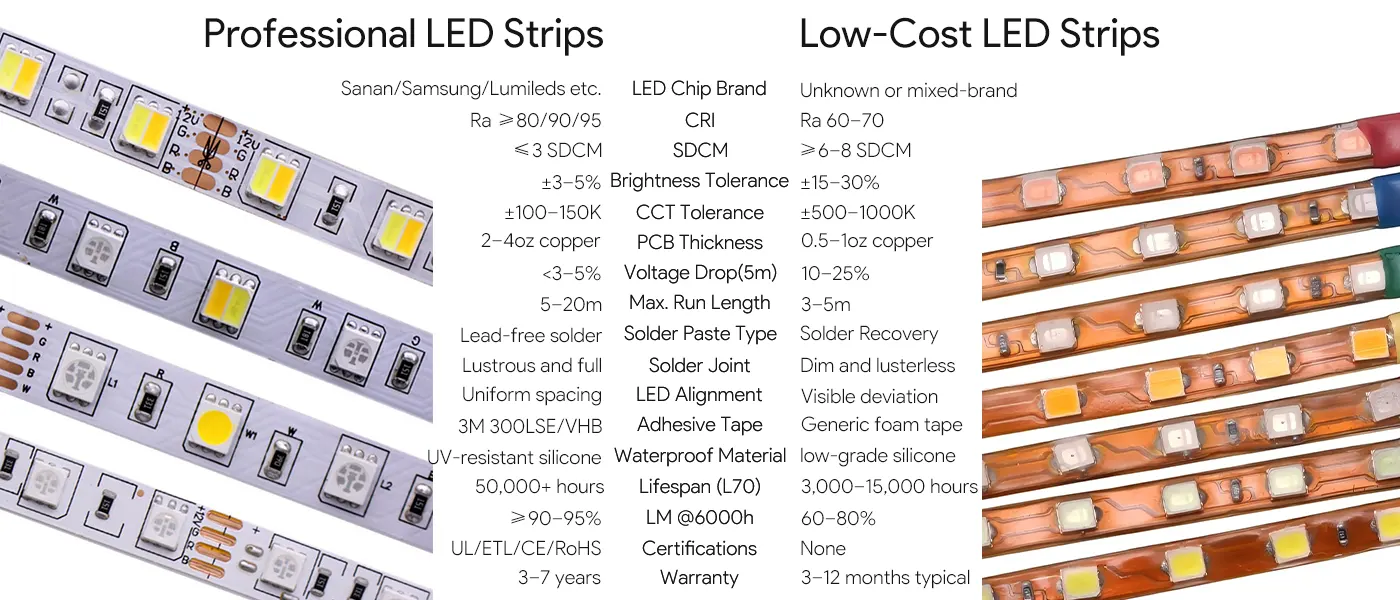
You can consider the following aspects to judge the quality of LED light strips: Ⅰ、Appearance and craftsmanship 1.Solder point quality: Our standard products use SMT patch technology, resulting in smooth solder points with a moderate amount of solder. The solder points form an arc shape from the FPC pad to the LED electrode. Low-quality products often...
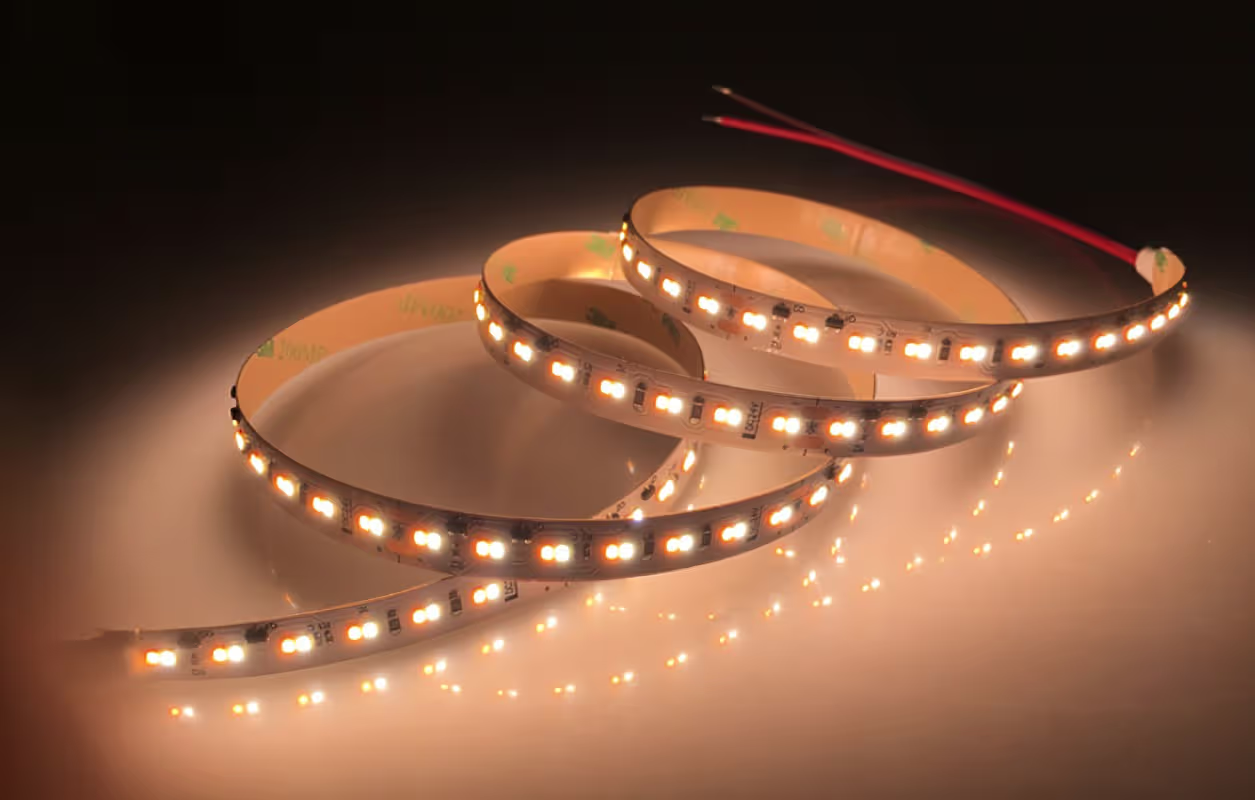
The dim to warm led strip is a special LED light strip that, allows users to adjust the color temperature of the light, according to actual needs to produce a warmer light effect. Specifically, this kind of light strip usually contains multiple LED diodes, and can adjust the color temperature, allowing users to choose the different warm white tone,...
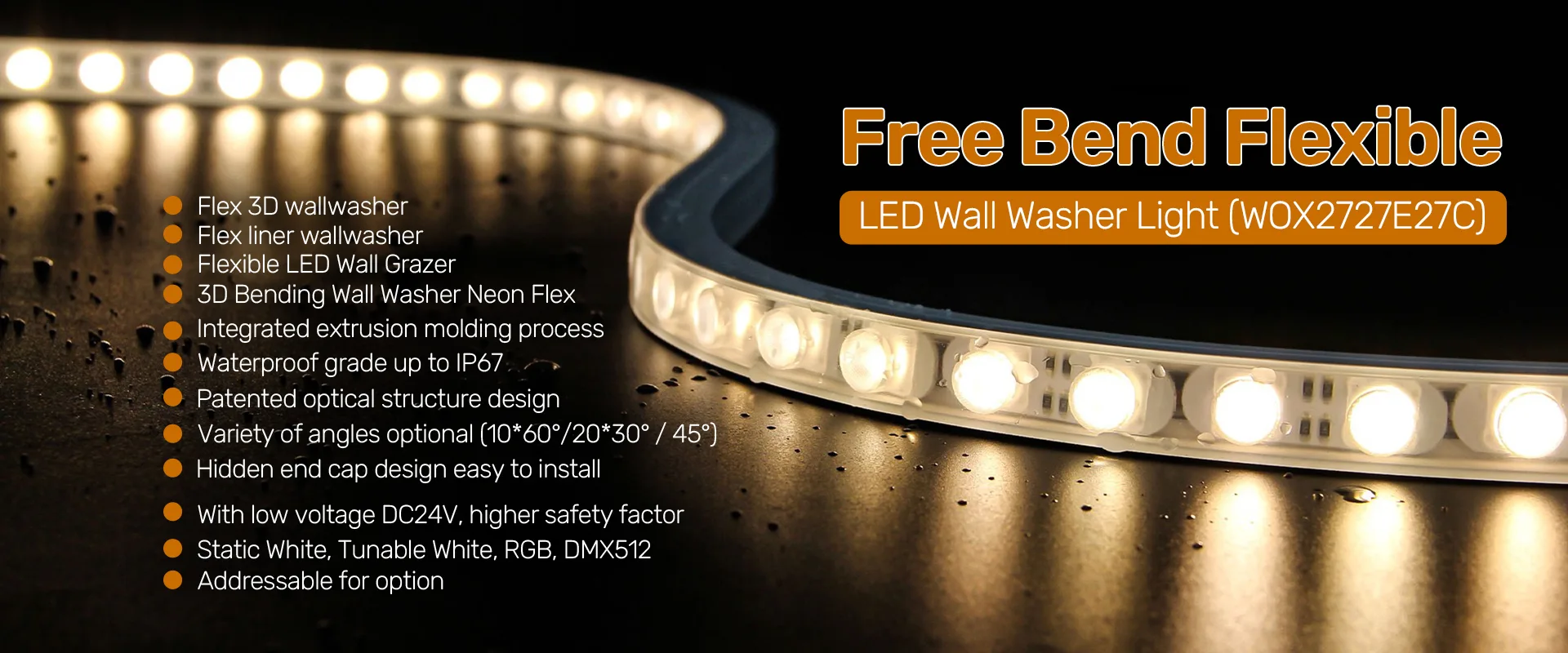
In recent years, LED lighting technology has revolutionized the way we illuminate our spaces. One innovative product that has gained significant popularity is the Flex LED Wall Washer. This versatile and adaptable lighting solution offers numerous benefits over traditional wall washers. In this article, we will explore the key features, applications,...
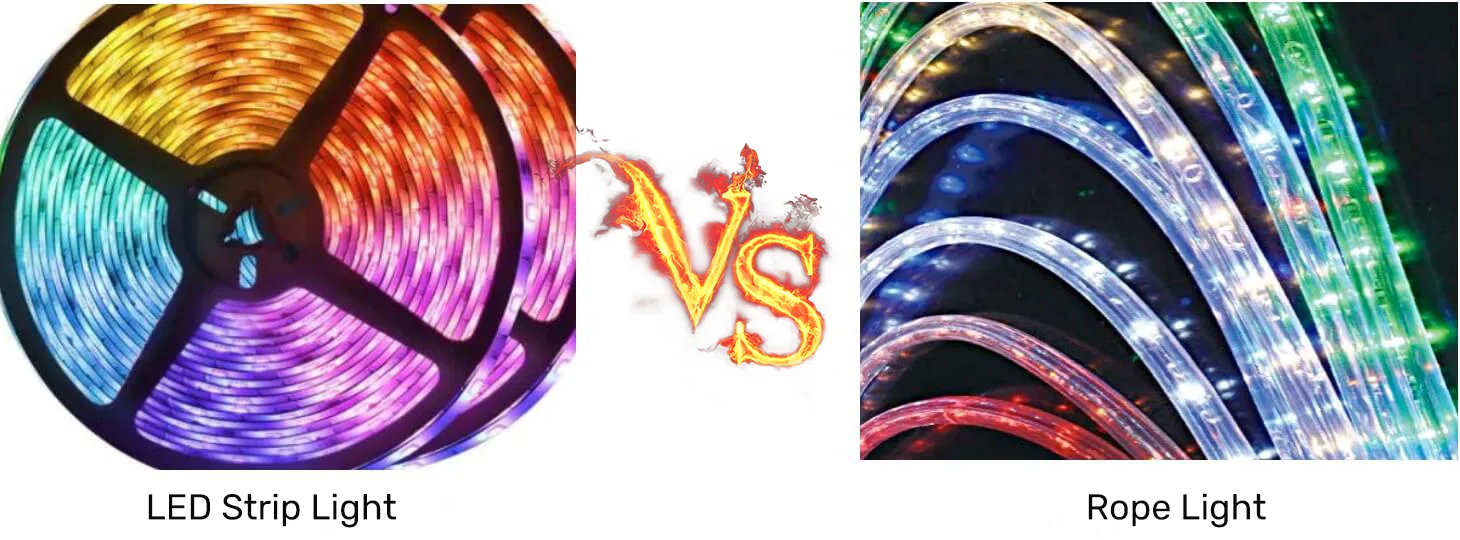
LED lighting is one of the best ways to illuminate a space. LED lighting solutions use very little power and are extremely bright. LED strip lights and LED rope lights are both flexible solutions for creative lighting needs. While they may have a lot in common, they are not the same. LED strips are flat and bright. Rope lights, by contrast, are tubular...
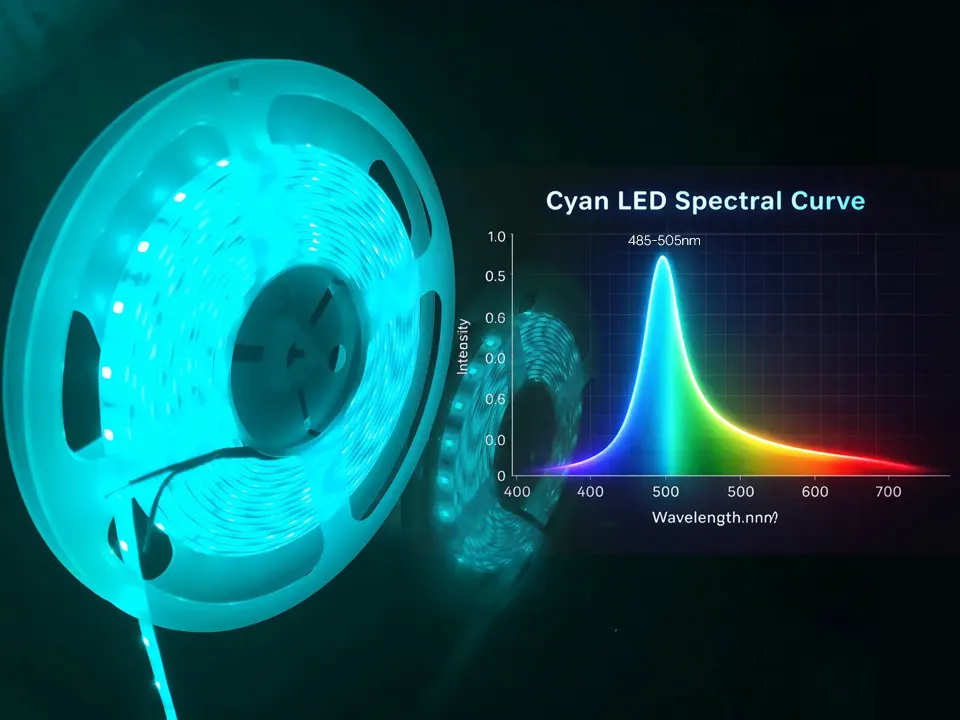
Cyan LED strip lights typically operate within the 485–505nm (nanometer) wavelength range. In recent years, cyan LED lighting has gained increasing attention across aquarium lighting, architectural lighting, medical illumination, scientific research, and specialty commercial lighting applications. Compared with traditional blue or green LEDs, cyan LEDs...
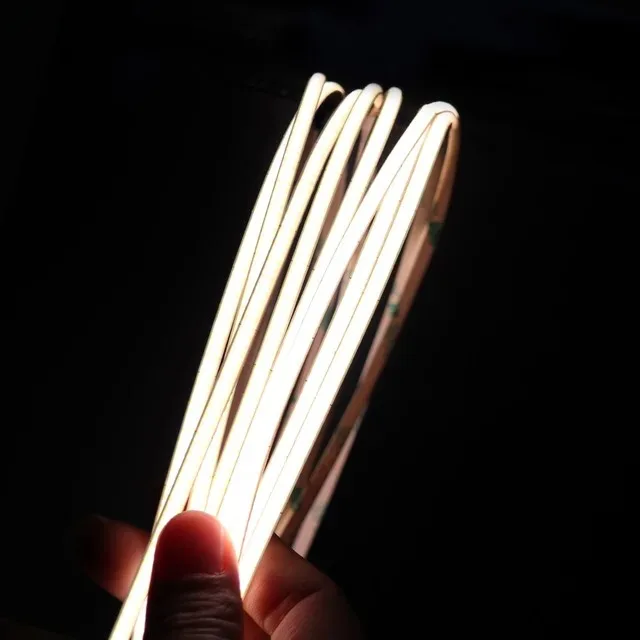
As its name applies, Ultra-narrow refers to the physical width of the strip light. Due to its compact size, smooth and dot-free features, it’s an ideal lighting solution for tight space and minimalist designs. What is COB Strip Light To understand ultra-narrow COB LED strip, we have to know what COB LED strip is. Chip-on-board known as COB, it’s a technology...
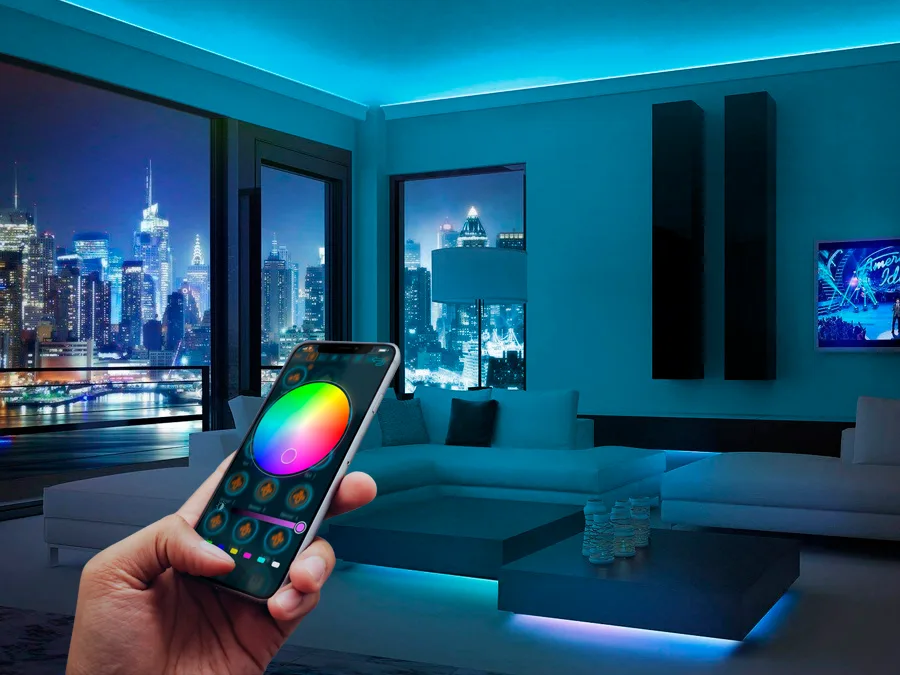
A led strip light is great for smart lighting. These lights operate utilizing Wi-Fi and 12V DC drivers. RGBW color makes rooms fun. With Zigbee, they stay quick. Bluetooth 5.0 allows connectivity to phones, and motion sensors help turn them on. Flexible strips stick securely to walls, and they deliver 144 LEDs per meter, which makes them very bright....
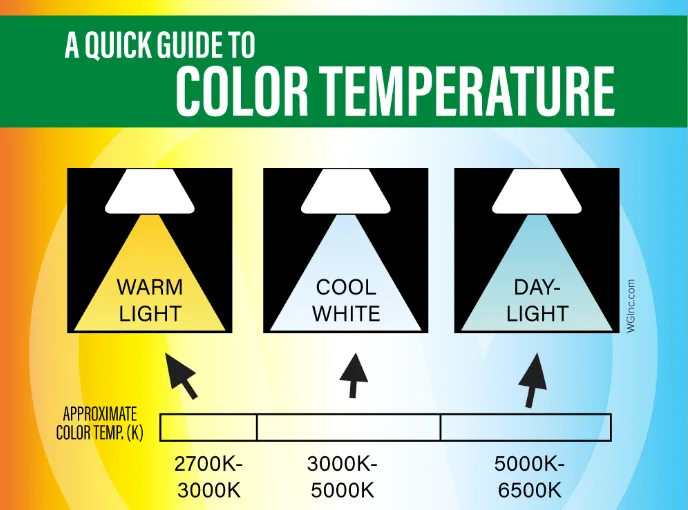
For most people, color temperature is a relatively unknown term, but it exists in all aspects of our lives. Like lighting. Pictures. The significance of color temperature is not only to provide information from the light source, but also to affect people’s emotions. Behavior and quality of life.The color temperature of the light source has an...
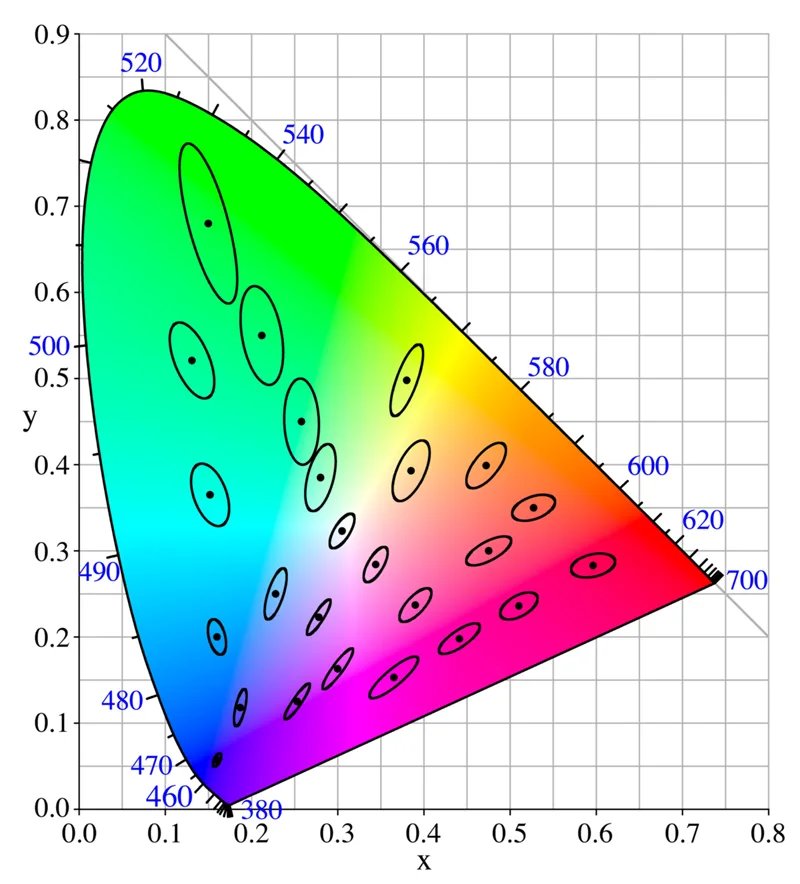
In the dynamic and ever-innovative world of LED lighting, meeting customer demands for color consistency has become an essential aspect. Standard Deviation of Color Matching (SDCM) is a key metric that plays a critical role in ensuring color temperature uniformity in LED lighting solutions. Imagine placing two LED lights of different hues side by side—would...
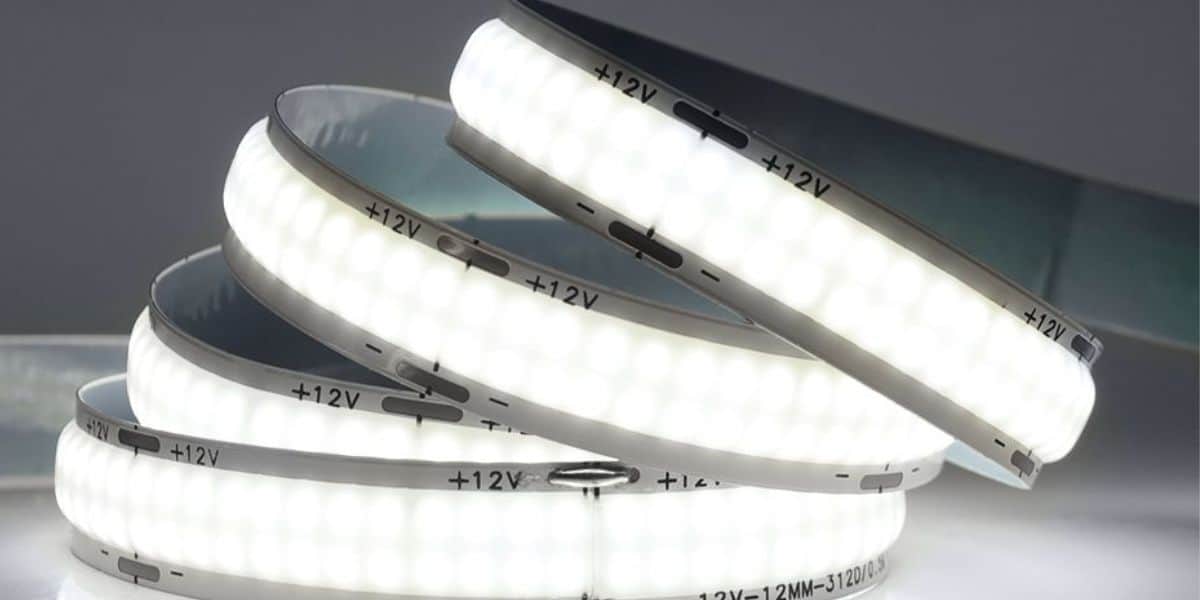
High-output LED tape lights, when properly engineered and under equivalent heat dissipation and design conditions, can match the durability of standard LED strips. Their thermal management and robust construction support reliable operation, but they do not inherently exceed the lifespan of standard variants. Durability is a critical factor in modern...
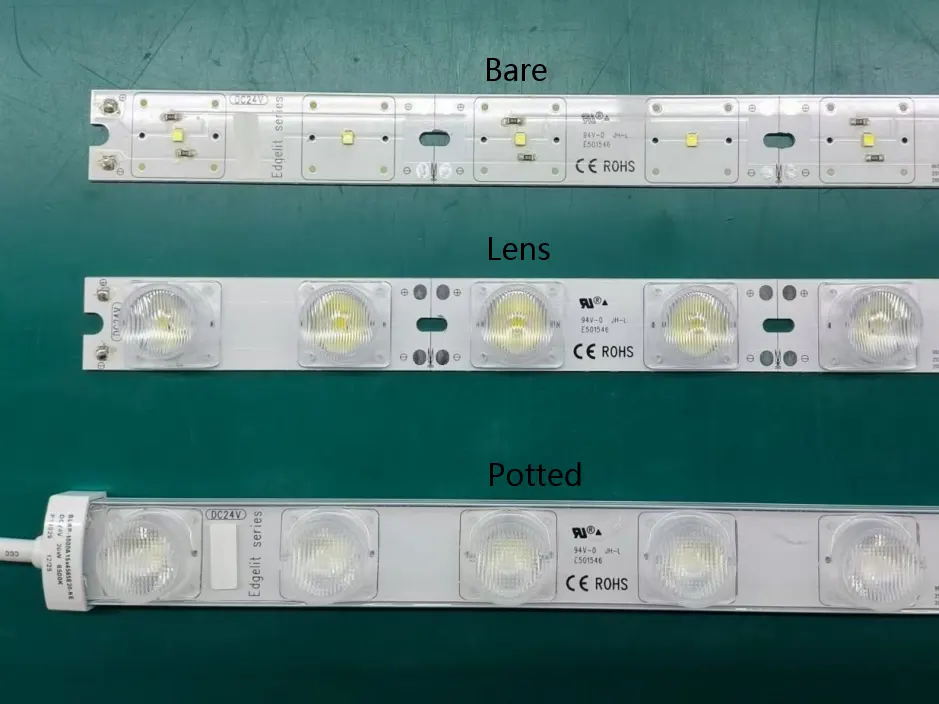
Test Objectives 1) Document changes in luminous efficiency, color temperature, and CRI data across three distinct production stages of edge-lit LED strips: bare LED board → LED with lens → lens with potting compound. Provide data support for product development. 2) Evaluate the impact of varying power levels and strip lengths on brightness, color temperature,...
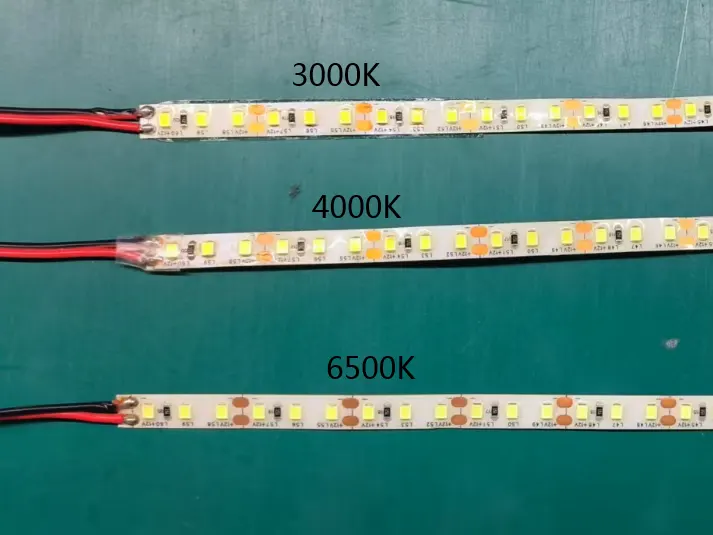
Test Purpose This test report, completed by the Engineering Department, compares LED strip performance before and after glue spraying. It evaluates changes in luminous efficacy and color temperature stability following glue application to provide a technical basis for optimizing process parameters. Simulating real-world application scenarios ensures...
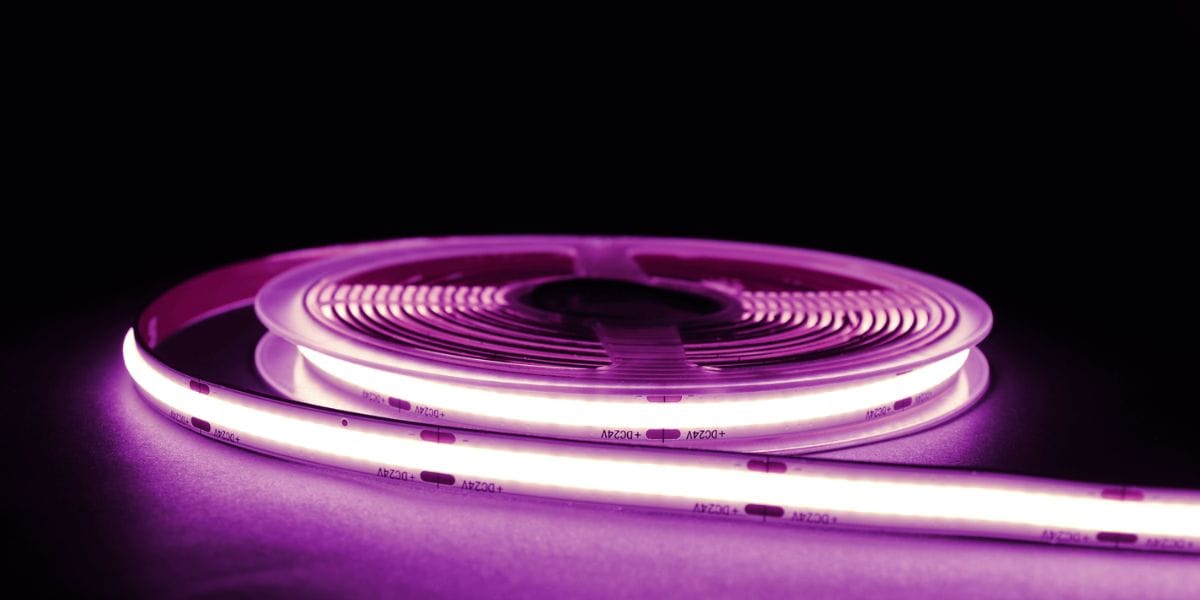
Dotless RGB LED strips improve lighting quality by eliminating visible LED points and uneven color separation, producing a perfectly smooth, continuous line of light that delivers professional-grade color blending, visual comfort, and a refined architectural appearance that standard RGB LED strips cannot achieve. Lighting quality today is judged not...
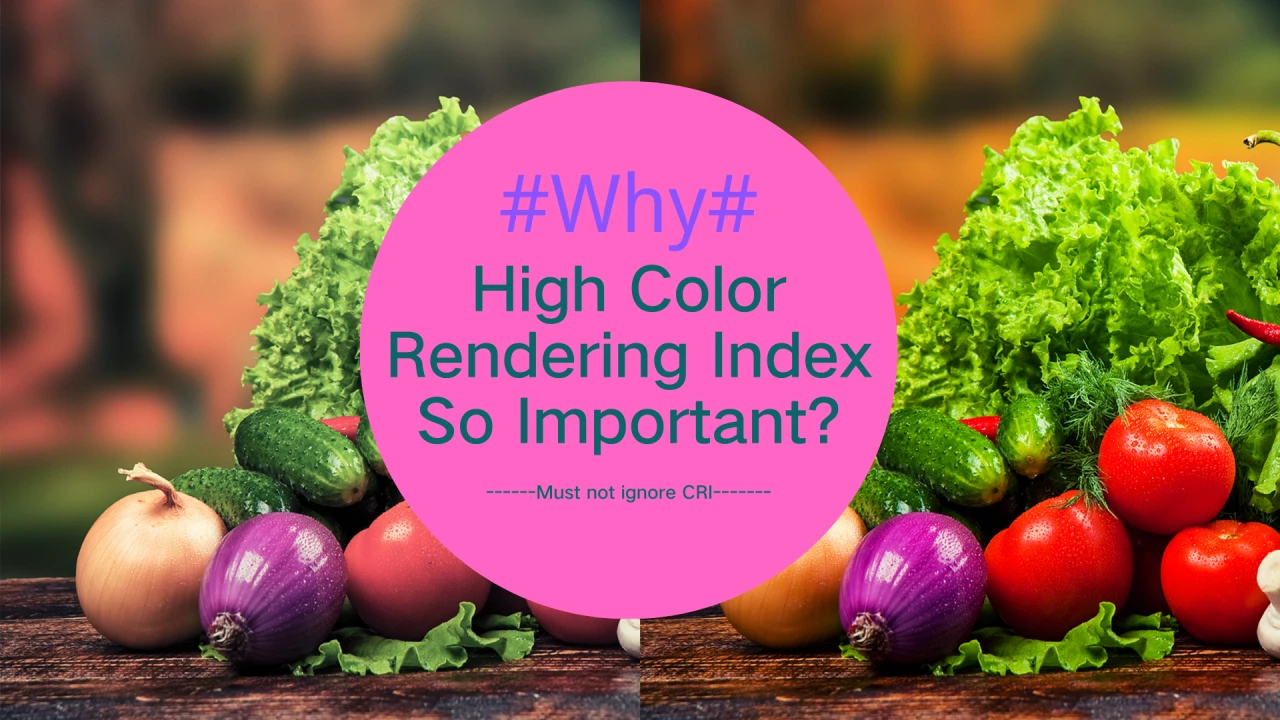
In the field of lighting, LED strip lights have been widely used in various scenarios such as home, commercial, and industrial settings due to their advantages of energy conservation, flexibility, and long lifespan. The Color Rendering Index (CRI), a key indicator for measuring the ability of a light source to reproduce the colors of objects, plays...
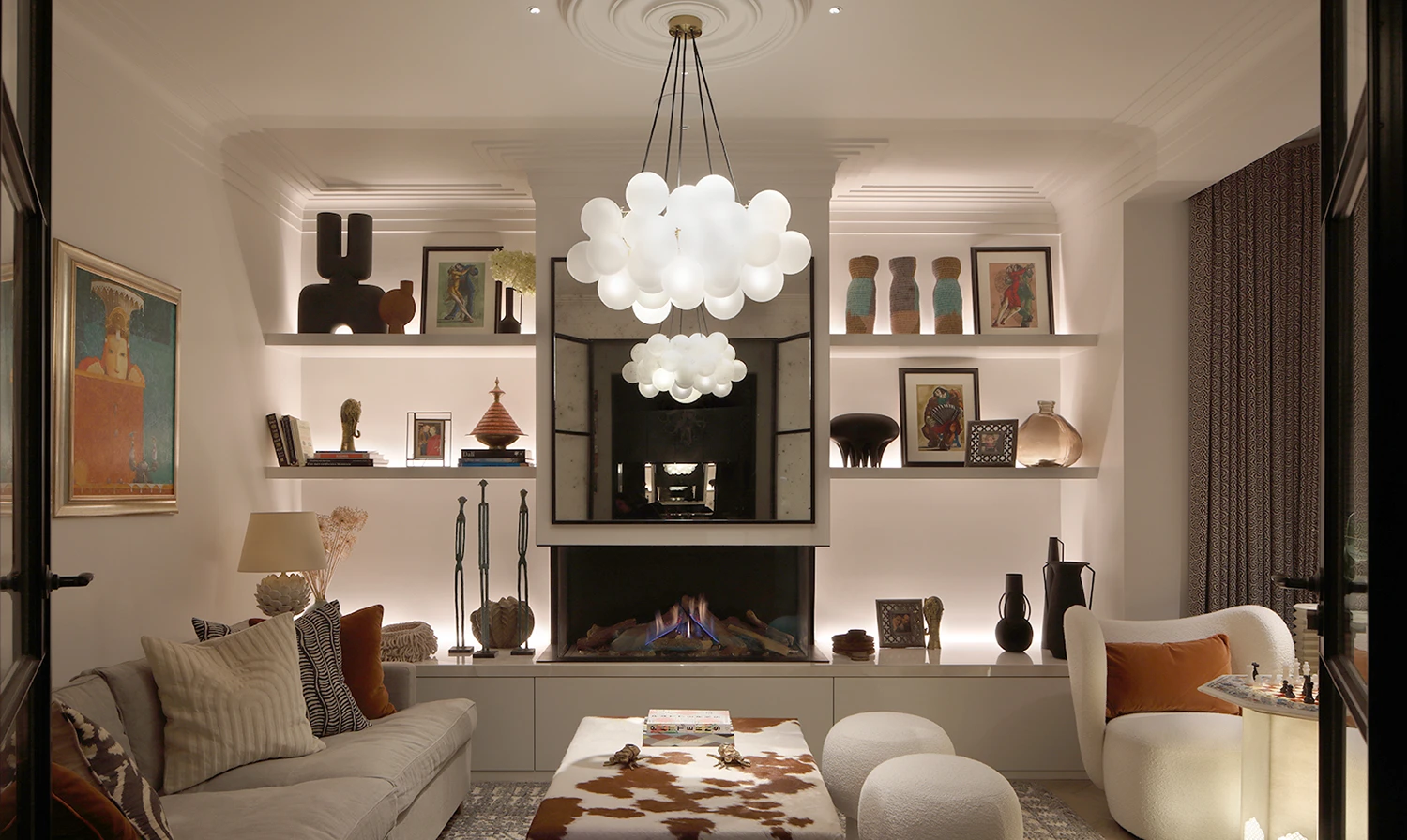
When designing and arranging lighting, understanding key units like lumens, lux, footcandles, and watts is essential. These measurements determine how bright a space will feel, affecting both functionality and ambiance. Lumens indicate the total light output, while lux and footcandles measure how that light is distributed over an area. Meanwhile, watts...
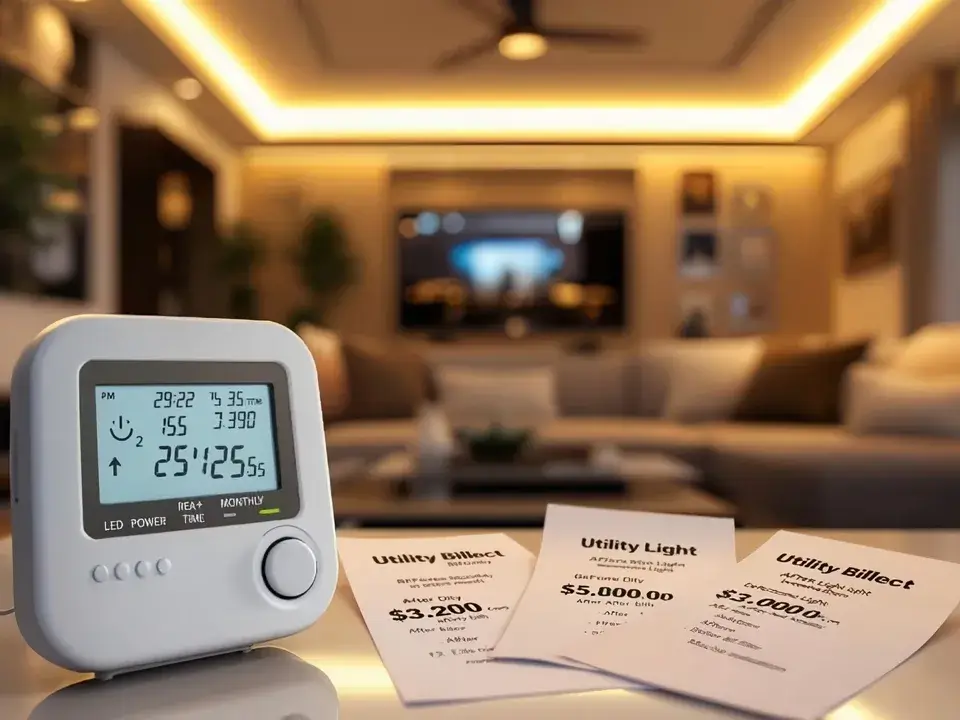
When planning an LED lighting project, whether for storefronts, building facades, office lighting, or signage, understanding the power consumption of LED strip lights is a critical step. It not only helps you select the appropriate power supply to avoid circuit overload but also impacts the project’s overall energy budget and long-term operational...
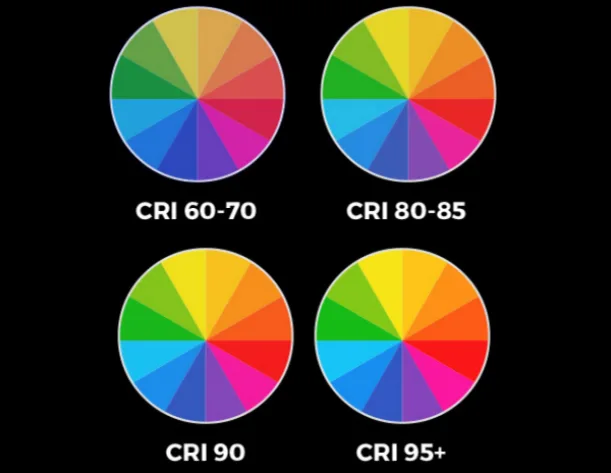
CRI 95+ LED strips represent professional-grade lighting, providing color rendering nearly identical to natural sunlight. For environments where color accuracy is critical—such as retail displays, art galleries, luxury interiors, and photography—CRI 95+ ensures products, artwork, and materials appear as intended, enhancing perception and overall experience....
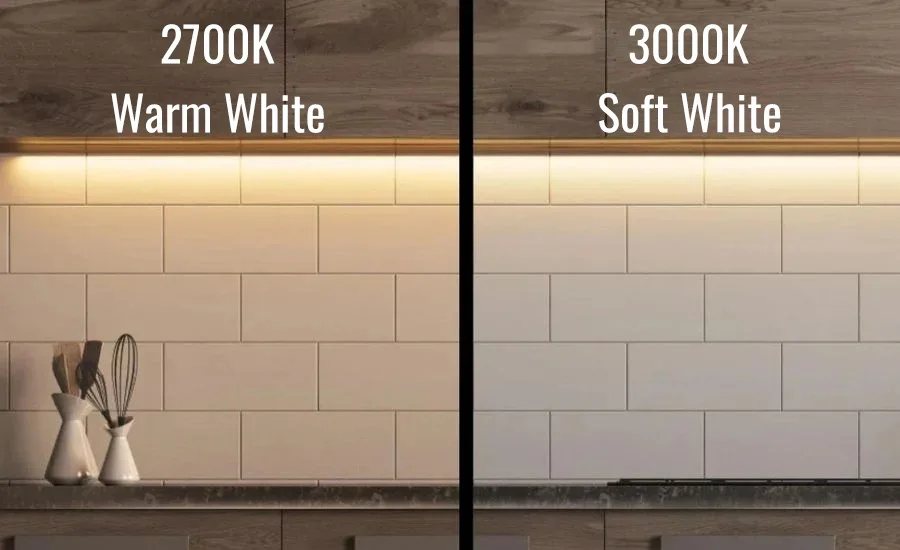
Lighting is an important aspect of a family home or commercial environment. It’s not about practicality, but rather the impact it has on the aesthetics and ambiance of a space. When it comes to choosing the right lighting for your space, even the slightest difference can have a significant impact. One such consideration is the color temperature...
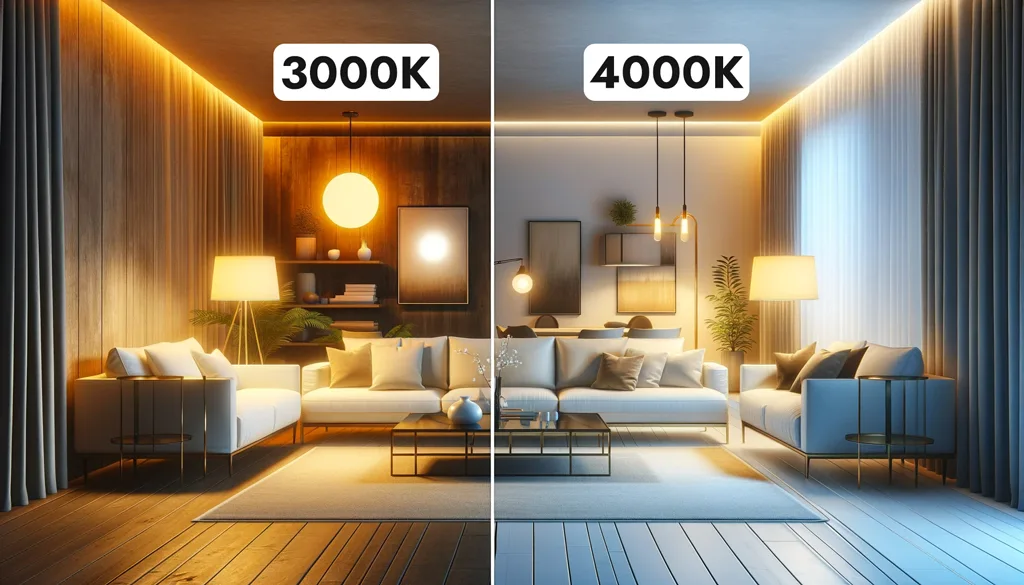
Choosing the right color temperature for your home’s lighting is a critical choice that will affect the ambiance, mood, and usability of your living area. Various color temperature options can produce different effects, from a warm and cozy ambiance to a cool and invigorating one. As with everything else, there is a wide range of LED products...
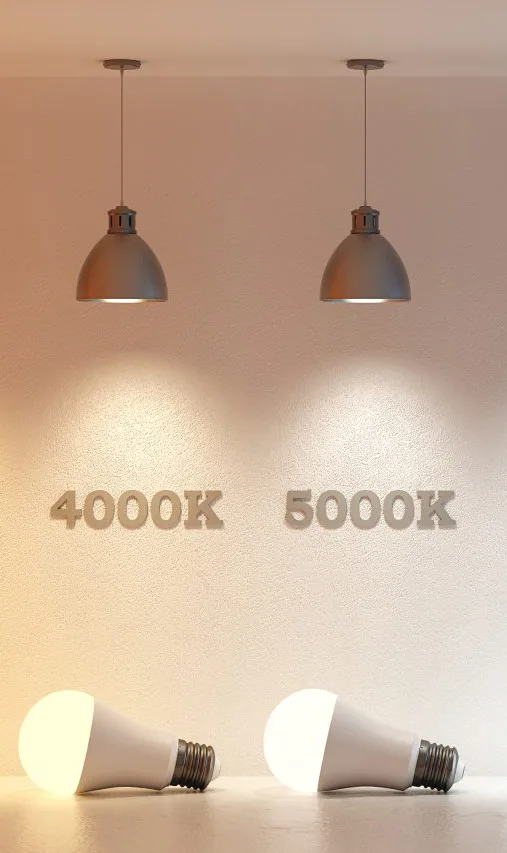
LED fixtures are the most efficient solution for commercial and residential lighting. There are several types of LEDs in LED fixtures, which are determined by various factors, including color temperature. Color temperature is one of the key factors you should keep in mind when choosing an LED luminaire. While it can be described simply as the appearance...
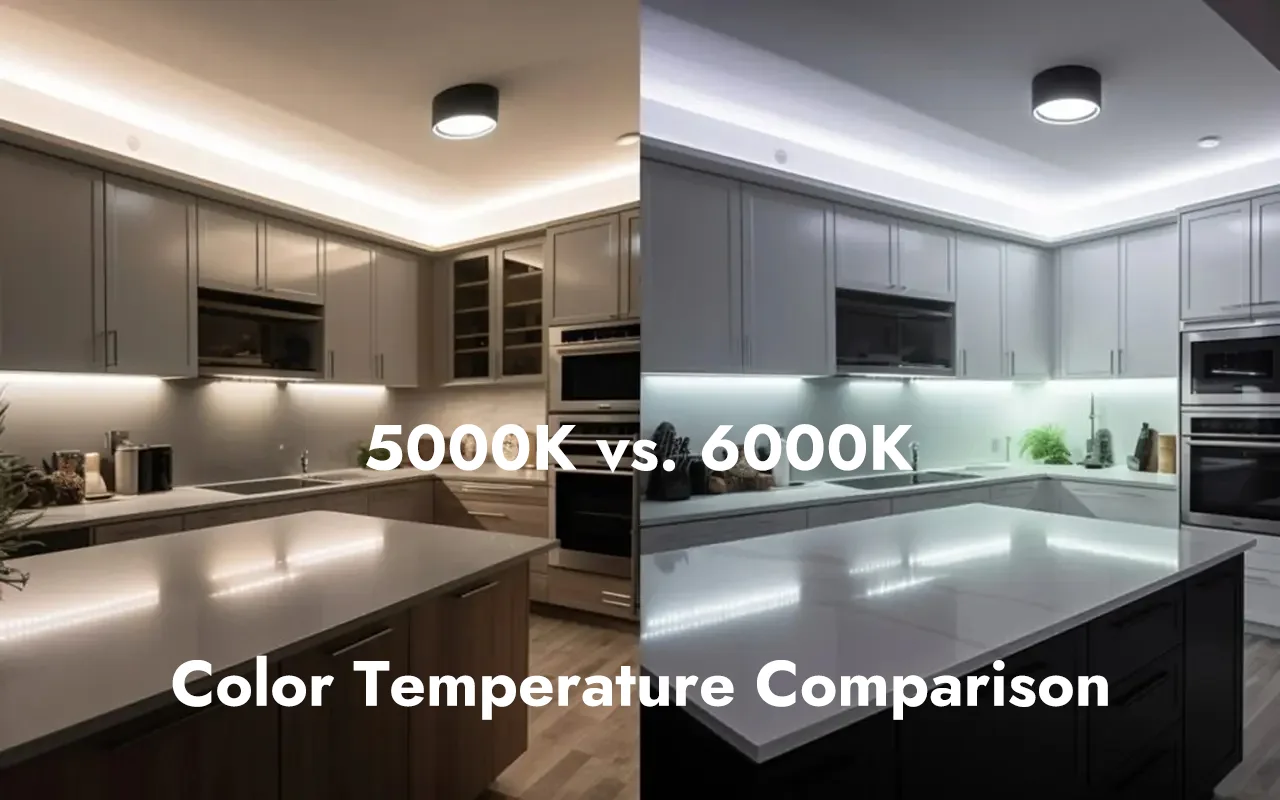
Color temperature is a parameter that describes the color of a visible light source and is measured in Kelvin (K). The specific value we are talking about, such as 5000K or 6000K, is actually the Correlated Color Temperature (CCT). Correlated Color Temperature (CCT) is used to describe the color of a light source whose spectral distribution is not identical...
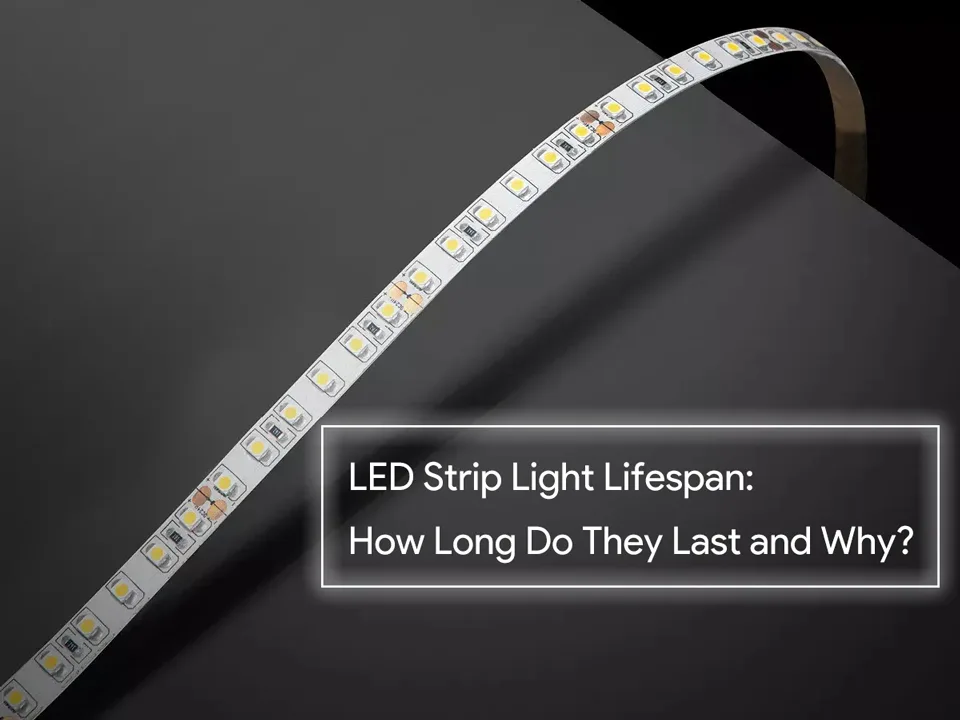
LED strip lights are becoming increasingly popular for both decorative and functional lighting. For commercial projects, architectural landscape lighting, or long-term fixed installations, the lifespan of LED strip lights is not only a technical specification but also directly impacts post-installation maintenance expenses, energy efficiency performance,...
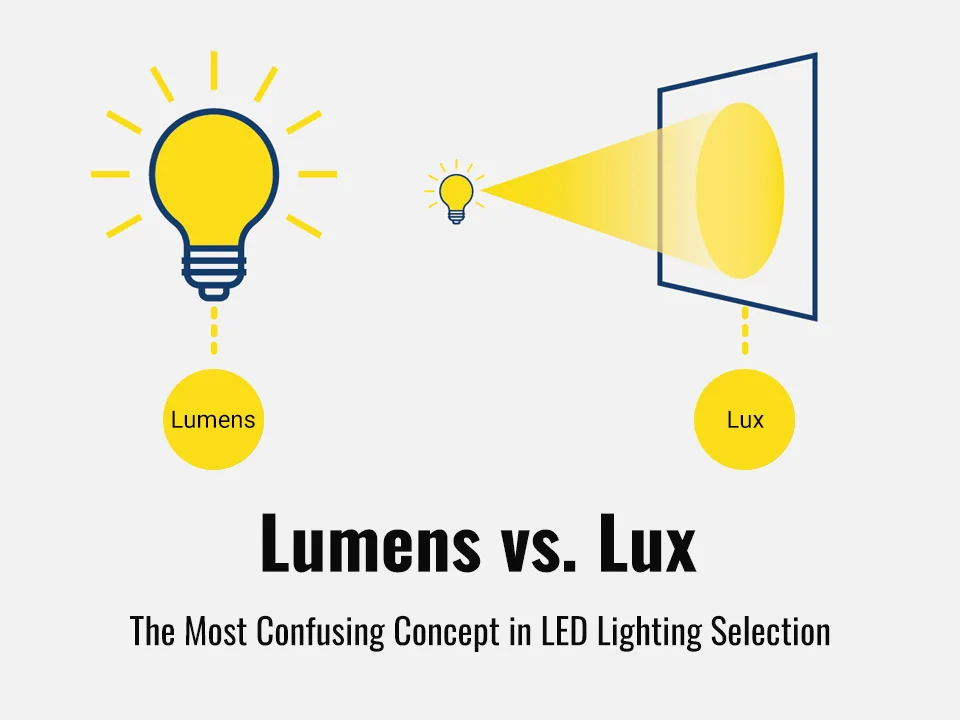
When selecting LED lighting fixtures or designing LED lighting solutions, many people often encounter a confusing issue: what is the difference between “lumens” listed on the packaging and “lux” in design specifications? In fact, while both lumens and lux are related to “brightness,” they focus on entirely different aspects: lumens measure how much...
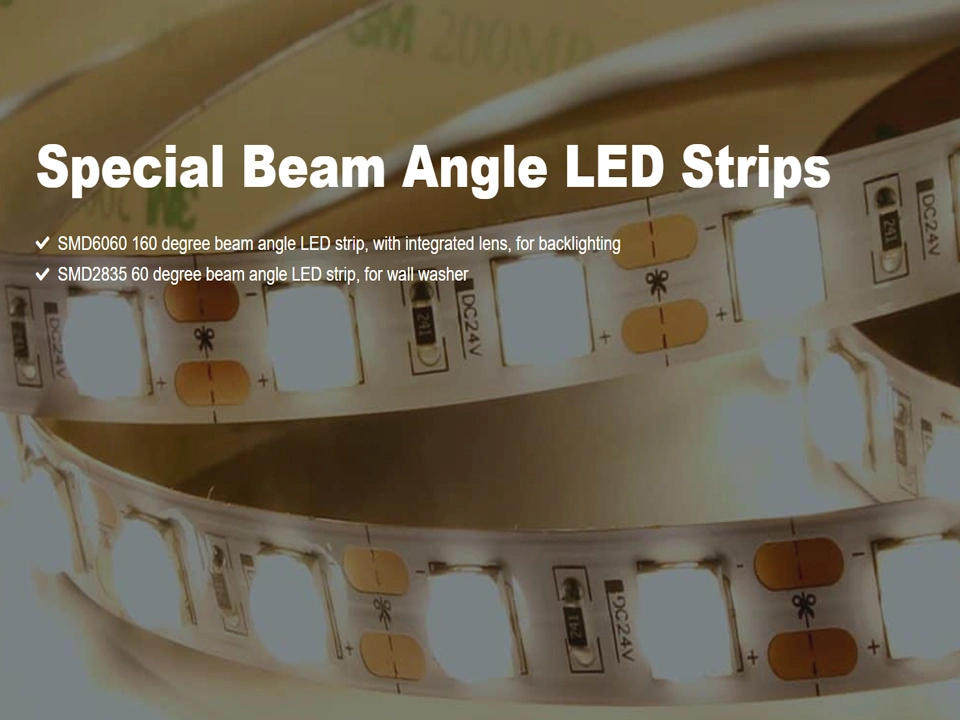
SMD2835 30 & 60 degree beam angle LED strip, for wall washer SMD6060 160 degree beam angle LED strip, with integrated lens, for backlighting Why Beam Angle Matters in Architectural & Display LED Strip Lighting A light beam angle refers to the spread of light emitted from an LED source, measured in degrees. It determines whether the light is...
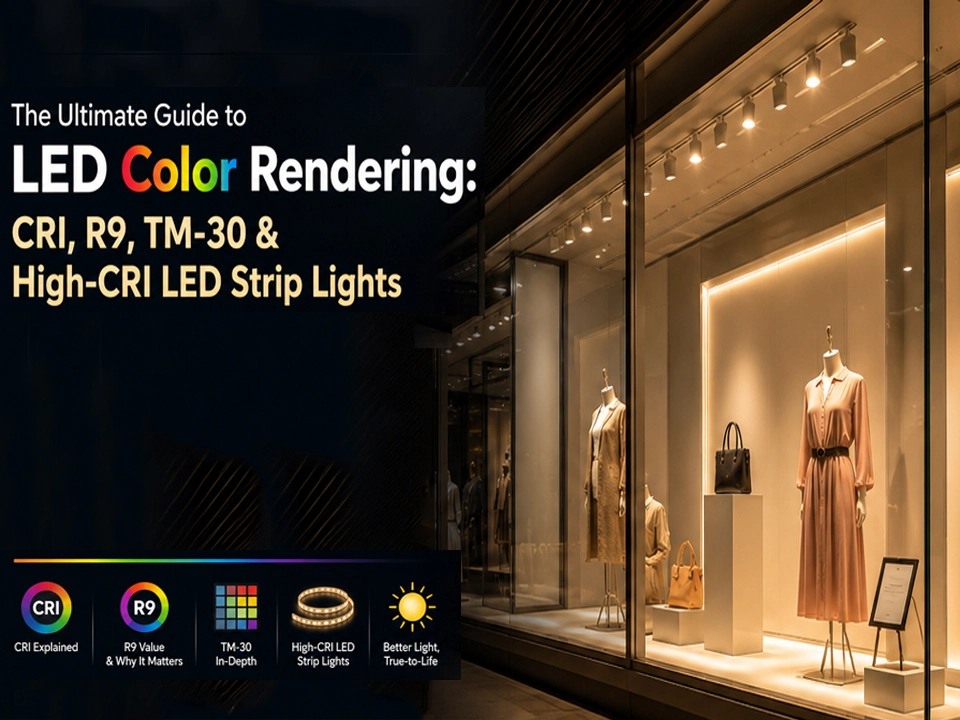
Have you ever noticed that some LED lights make fresh meat look brown, human skin appear pale, or wood furniture lose its natural warmth? The problem is often not brightness — it is poor color rendering. In modern LED lighting, color quality has become just as important as lumen output and energy efficiency. Whether in retail stores, supermarkets, museums,...
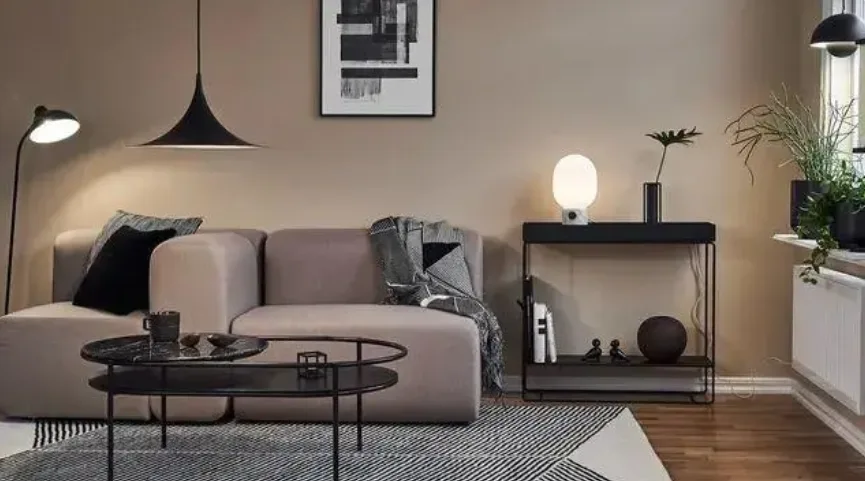
If the lighting layout of the home is not done well in the early stage of the decoration, it is really troublesome to change the later stage, because the main light source is on the roof, all of which involve digging lines and grooving or suspended ceilings. The early layout is not in place, the lighting can not meet the needs of the family, and even...
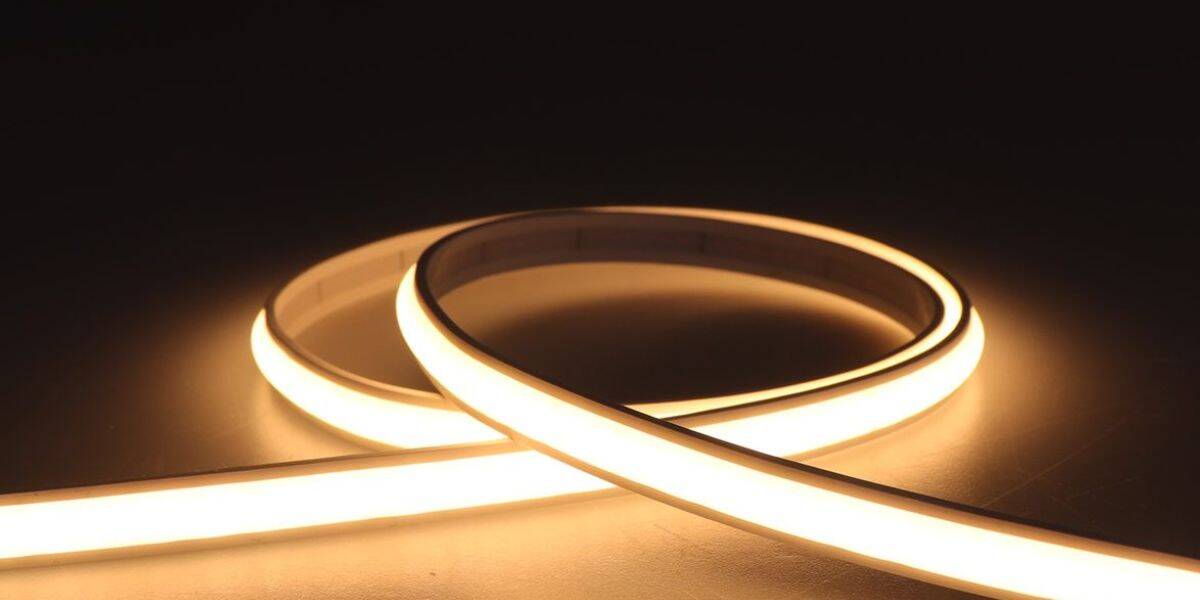
The main differences between high density LED strips and standard LED strips are found in LED quantity per meter, light uniformity, visual quality, heat management requirements, and suitable applications, all of which directly affect how professional and reliable a lighting installation looks and performs. Understanding these differences is critical...
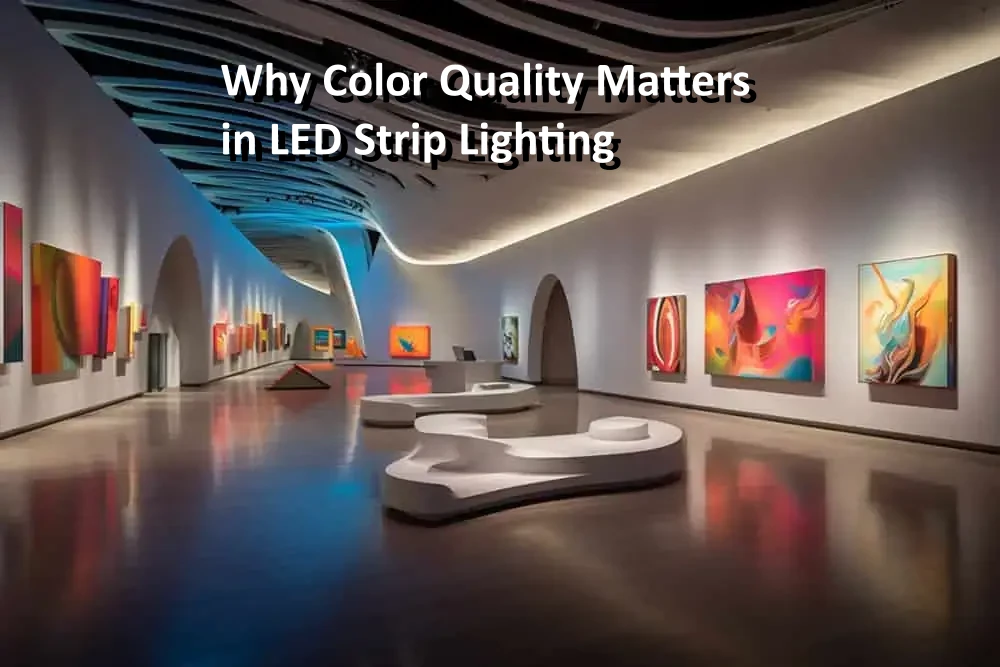
In commercial and residential lighting projects, color quality and visual comfort are becoming just as important as energy efficiency. As LED technology continues to evolve, lighting designers and engineers are paying closer attention to advanced optical performance indicators such as CRI, R9, blue light emissions, and full-spectrum output. These factors...
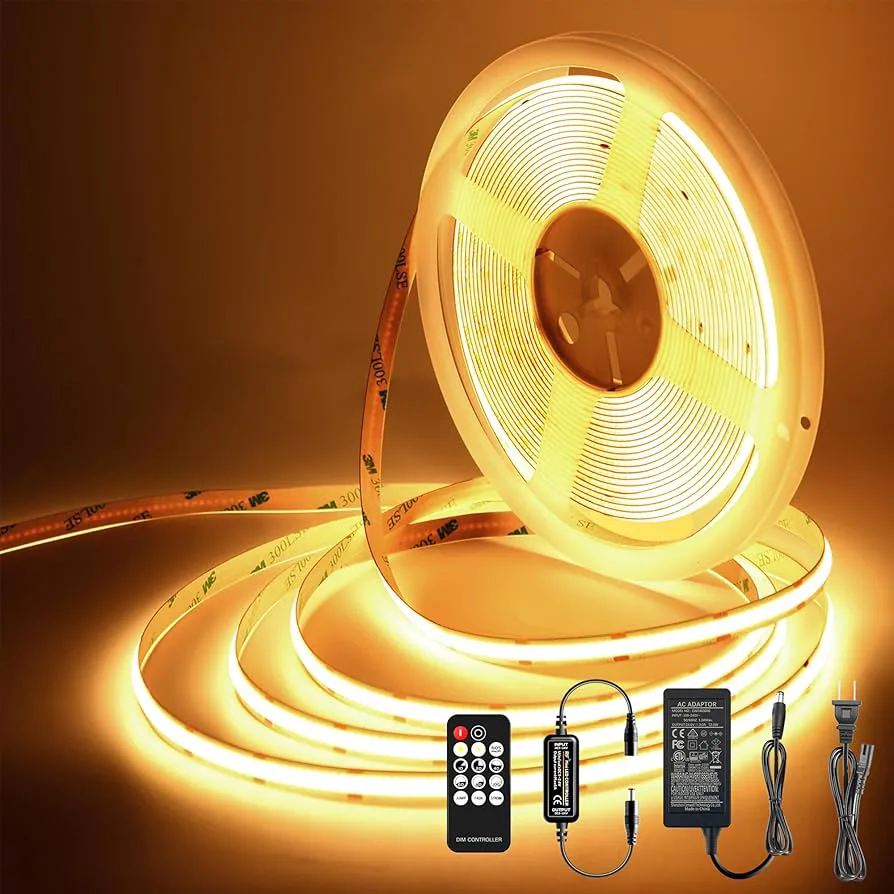
In modern lighting technology, LED strips are favored for their flexibility, energy efficiency, and variety of applications. Dimmable LED strip lights have revolutionized modern lighting solutions. Whether you’re looking to improve the ambiance of your home or design a professional workspace, understanding how dimmable LED strips work is essential...
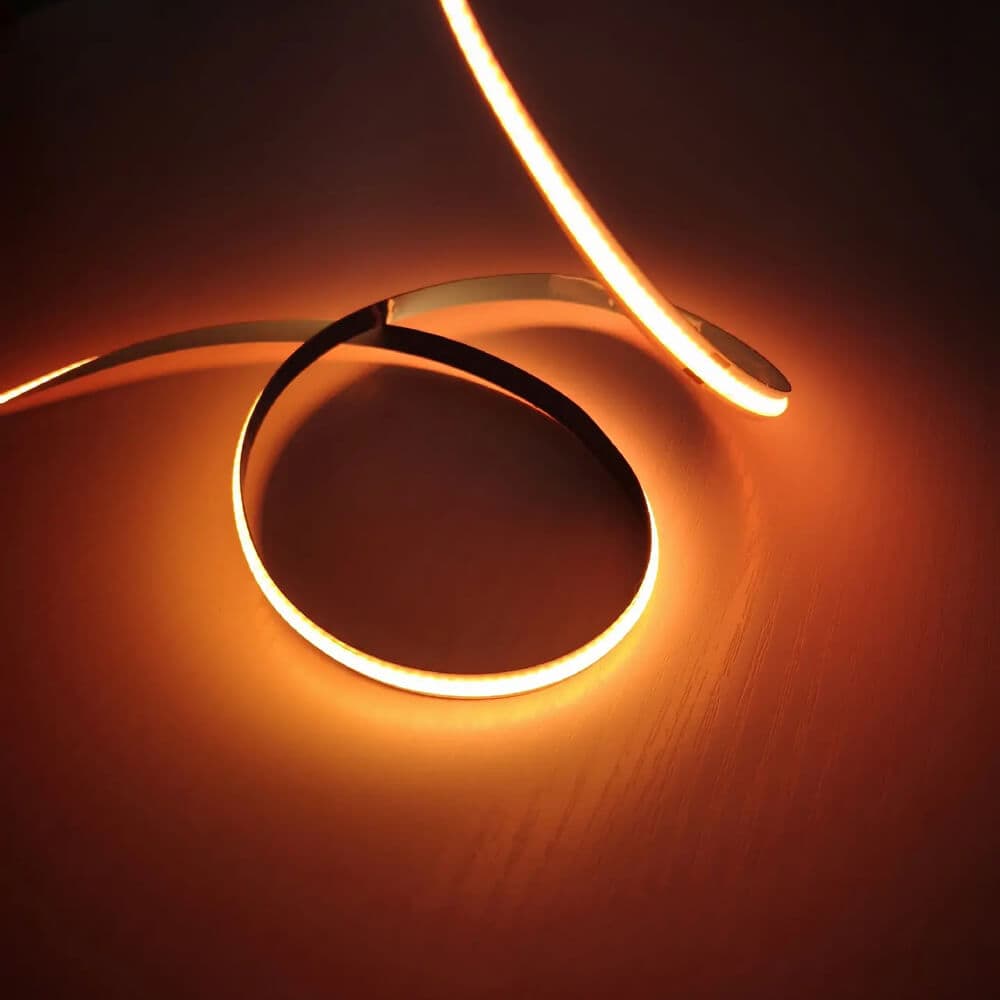
A common lighting option for industrial, commercial, and residential environments alike is COB LED strip lighting. They provide a number of advantages, including as energy efficiency, longevity, and great brightness. However, whether COB LED strips can be dimmed is a common query. This post will thoroughly examine this query. Let’s clarify what...
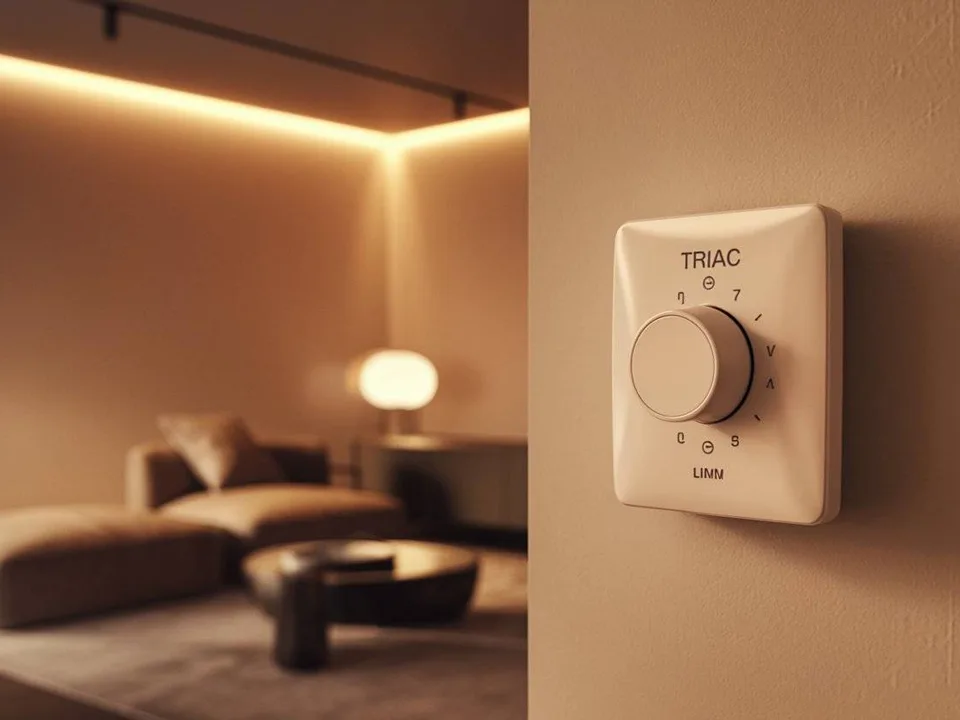
In modern lighting projects, dimming has become a critical element for enhancing spatial ambiance and energy efficiency. While an increasing number of digital dimming protocols (such as DALI, 0-10V, and smart wireless controls) are now being adopted, TRIAC dimming remains the most common and widely used method globally. Originally designed for dimming...
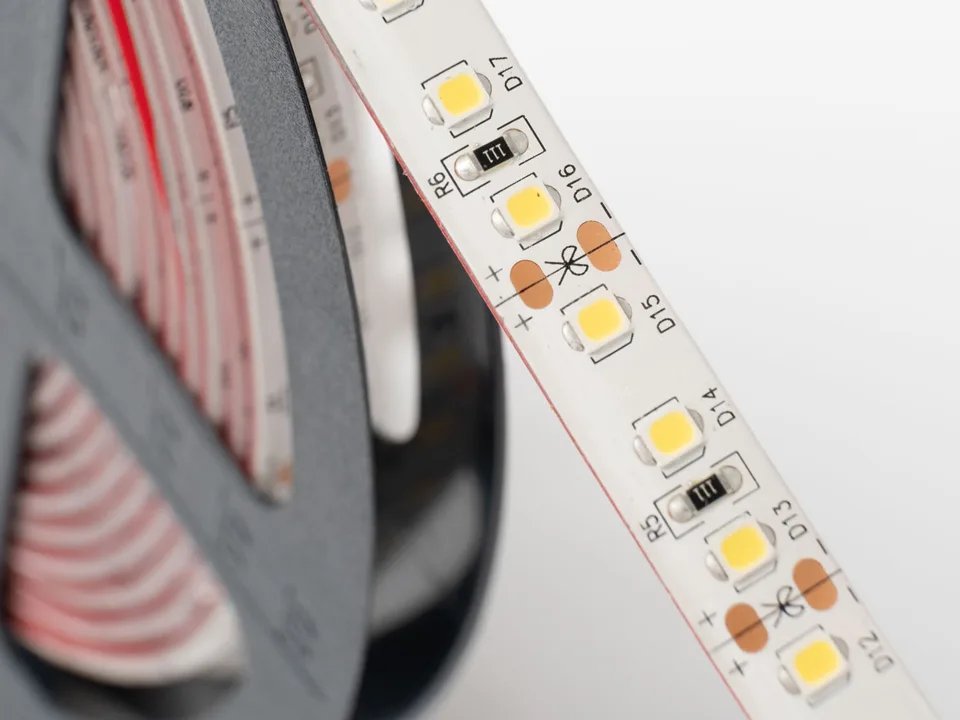
SignliteLED is a manufacturer specializing in the production of LED strip lights, and our extensive experience in the industry has helped us understand the importance of LED selection and quality manufacturing. The LED is the core component of the LED strip, and the choice of a good LED is the key to ensuring the performance and service life of the...
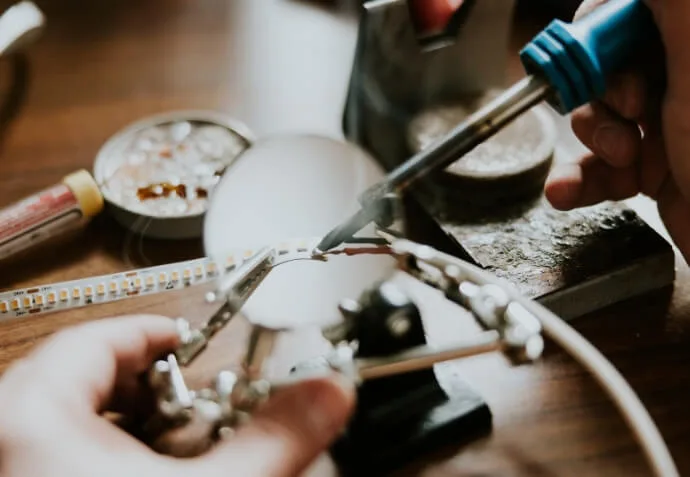
Available in a wide range of sizes, densities, and colors, LED strip lights have become a popular choice for homeowners and businesses looking to create ambiance or enhance their décor due to their ease of installation. However, like many lighting fixtures, LED strip lights can encounter issues that affect their performance. As a result, troubleshooting...
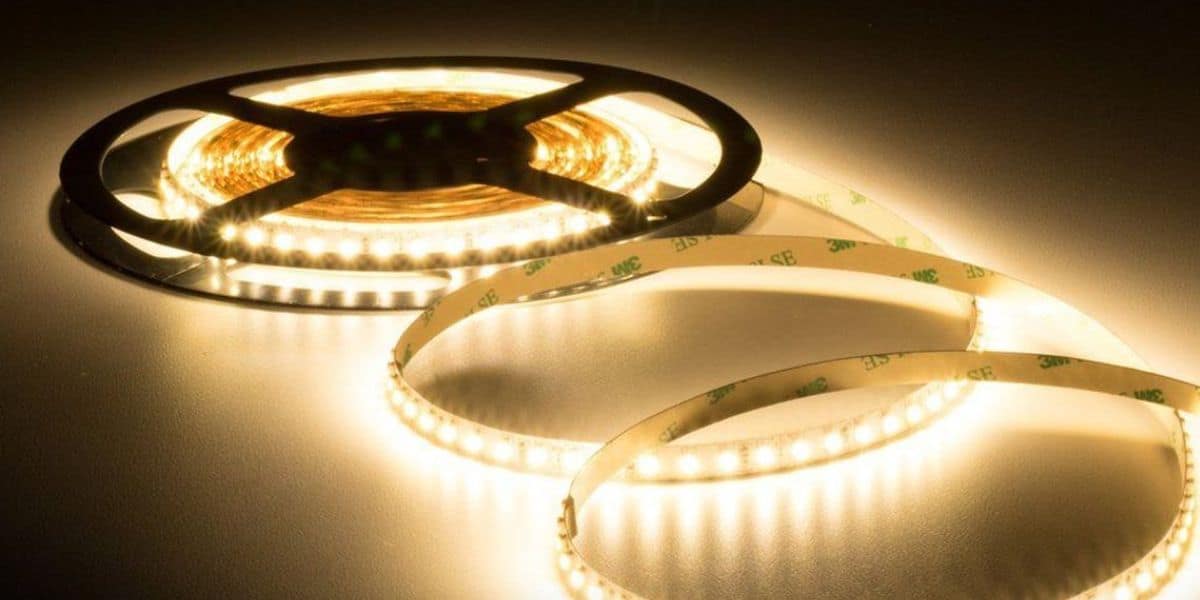
LED strip light durability and maximum achievable length are fundamentally interconnected through voltage drop physics, thermal management efficiency, and component quality. With modern high-voltage DC48V systems, professionally engineered LED strip lights can now achieve single continuous runs of up to 50 meters while maintaining stable current delivery...
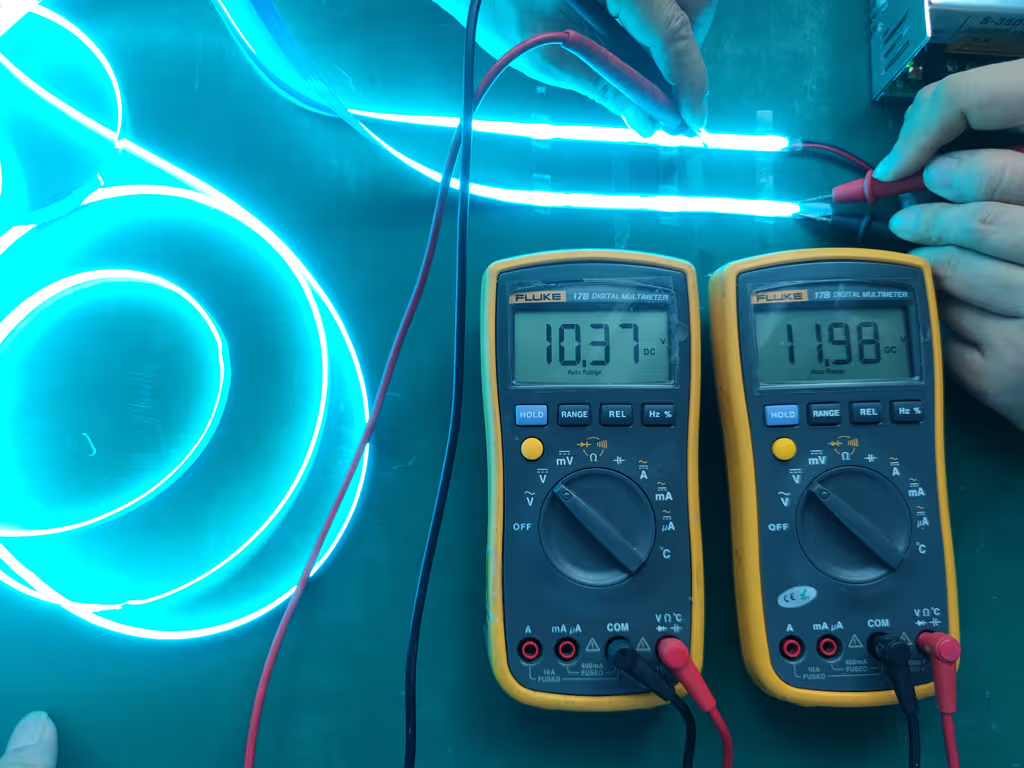
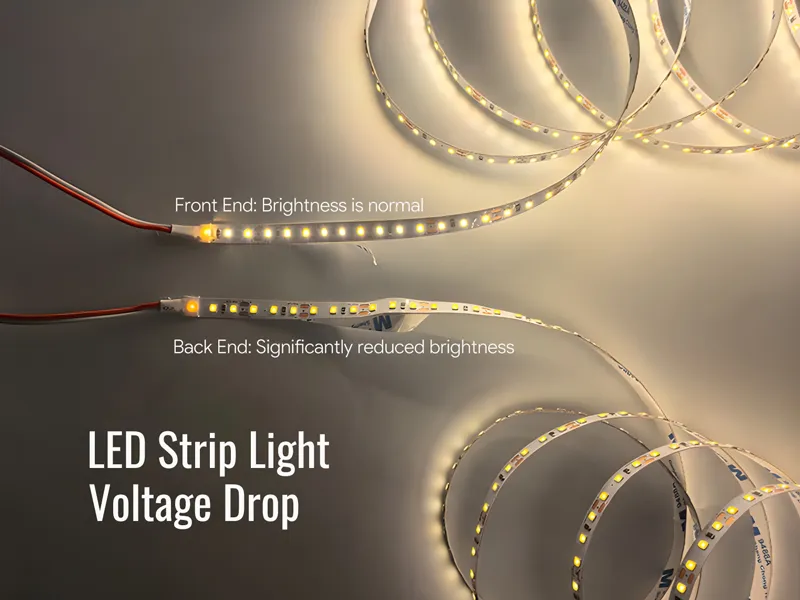
Voltage drop is a common phenomenon in LED lighting systems that can affect the performance and longevity of LED strips. It refers to the decrease in voltage along the length of a strip due to the resistance of the conductors and components in the circuit. What is Voltage Drop? Voltage drop is the reduction in electrical potential that occurs when current...
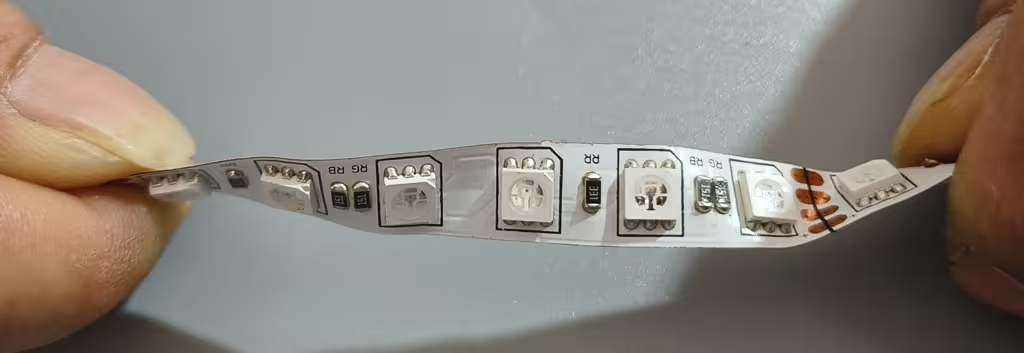
Although we have previously introduced a large number of LED light strips, we examined a number of potential causes when we discovered that some LED lamp beads were not lighting up. A thorough explanation of these elements and their accompanying fixes is provided below: 1. Inadvertent connection to high-voltage power supply: Due to carelessness during...
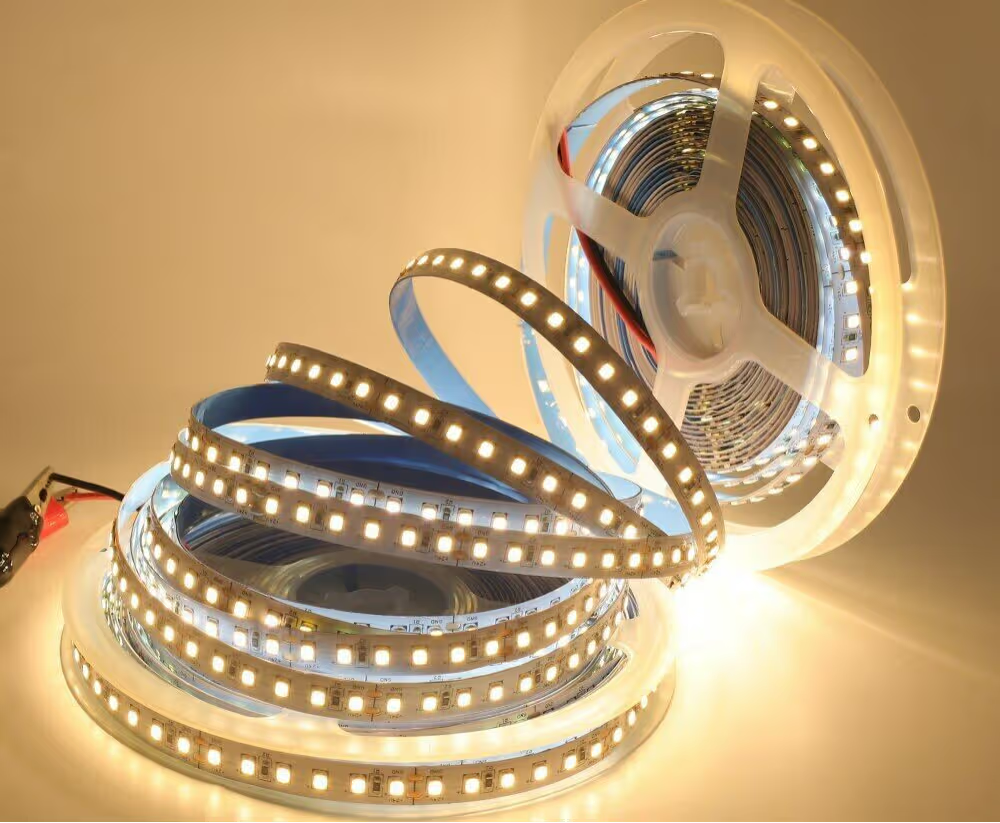
LED strip lights are very popular because they are versatile. One of their great features is the ability to cut them to any length, making them easy to customize. But what if you need to extend them over a larger distance, like tens or even hundreds of feet? This can be a bit tricky and requires careful planning and setup. When planning longer runs...
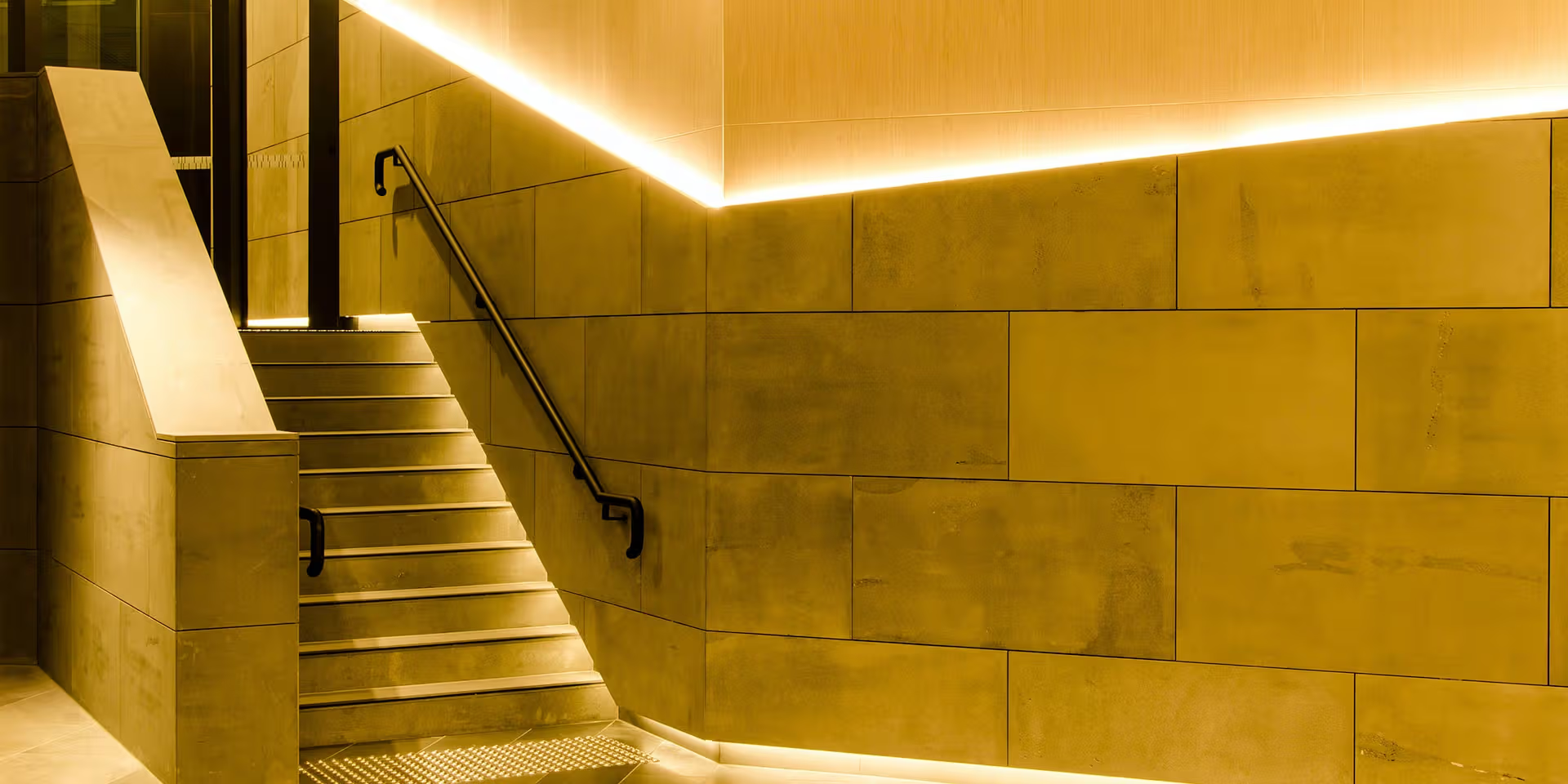
It’s quite common that LED strips stops working after being cut, especially for those people who dose not have much experience on DIY. On the condition that the strips do work before cutting, here are the potential causes and solutions. Parts of LED strip is not working 1. Incorrect cutting point Cause: Flexible LED strips is cuttable, usually the cutting...
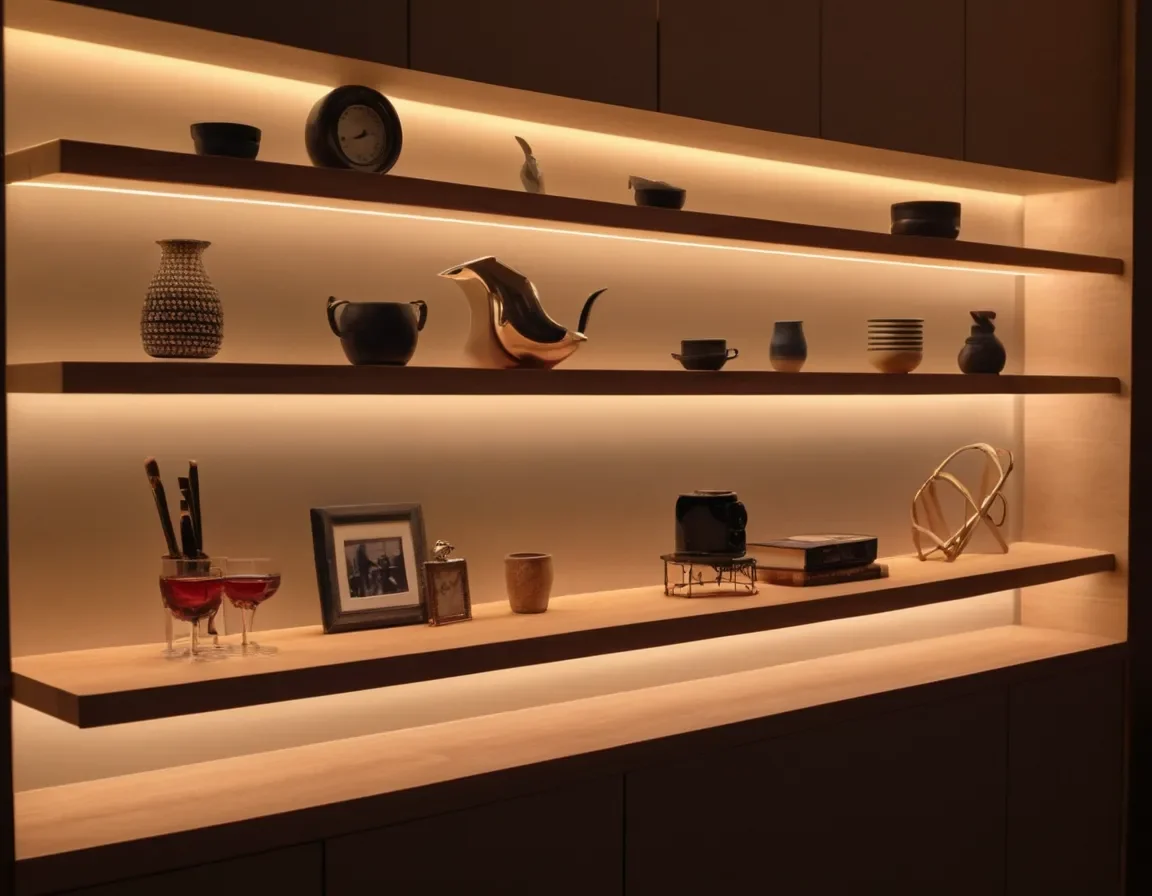
Are you exploring LED aluminum profiles for your next lighting project? These specially designed casings protect and enhance LED strip lights, offering both functional and aesthetic benefits. But why choose aluminum over other materials, and what advantages does it offer? In this guide, we’ll answer these questions and more, diving into the role of...

In the world of decorating and lighting, LED strips are a popular choice for modern homes and commercial locations due to their flexibility and versatility. However, choosing the right adhesive tape is vital to ensure that these strips can be securely installed and remain stable for long periods of time. With so many adhesive tapes to choose from, the...
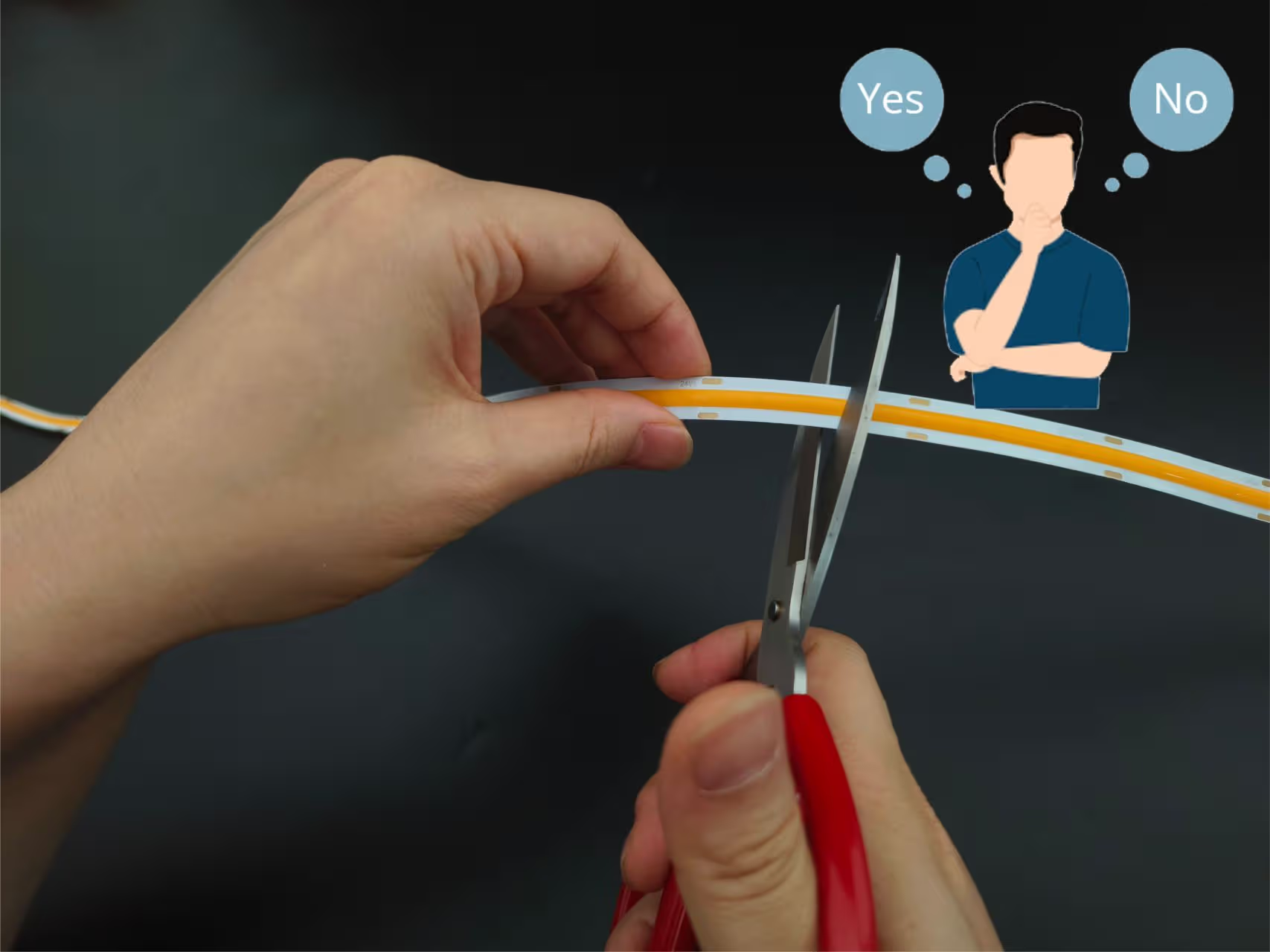
The answer is YES for sure, just like SMD LED strip, COB LED strip is flexible,bendable and cuttable as well. Why is COB flex cuttable *FPCB (Flexible Printed Circuit Board): COB flex takes FPCB as its carrier for LED chips, this board is soft and thin which enable strip to be cuttable and bendable without damaging the electrical connections *Circuit...
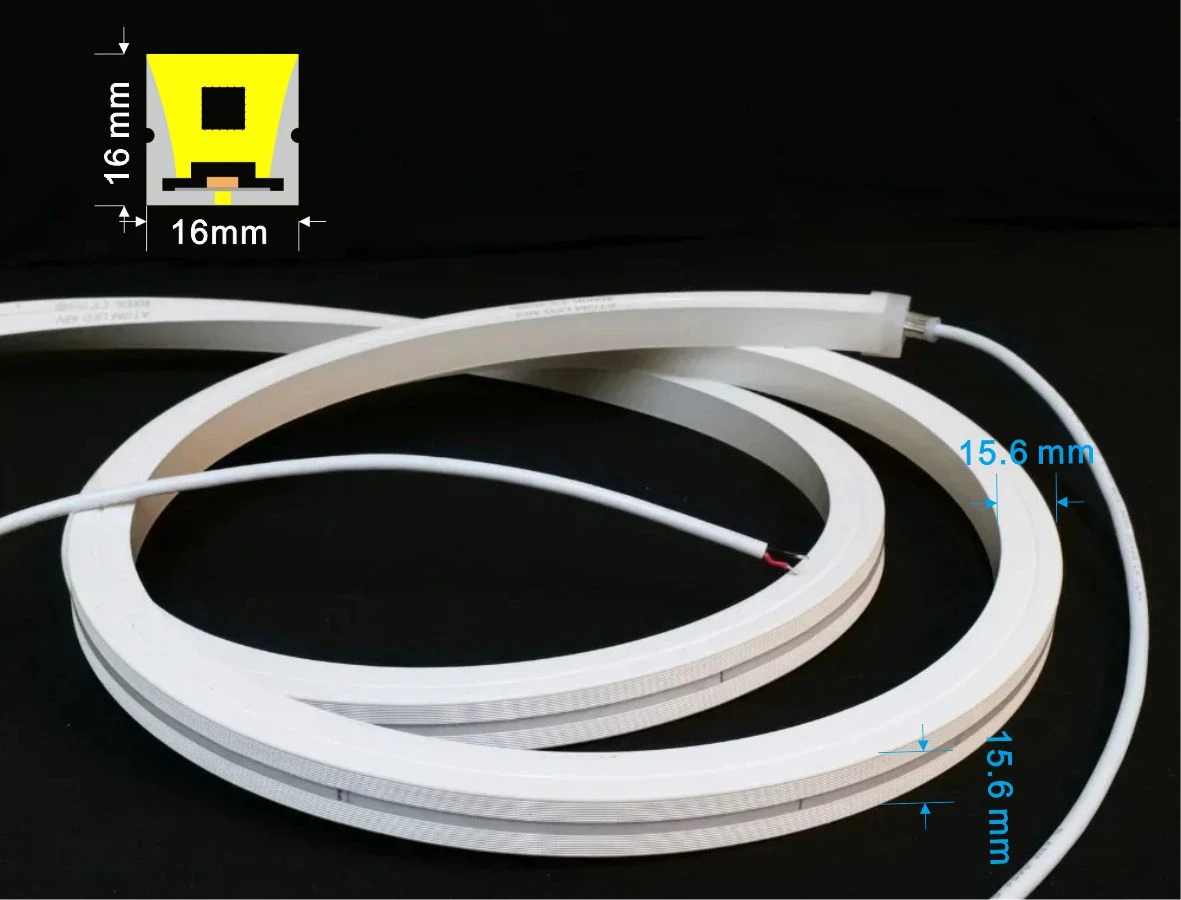
LED neon lights are widely used in architectural lighting, commercial decoration, and signage projects due to their flexibility and vibrant visual impact. However, when the actual dimensions of the neon differ significantly from the nominal specifications, it can create serious installation challenges. This issue becomes even more critical in projects...
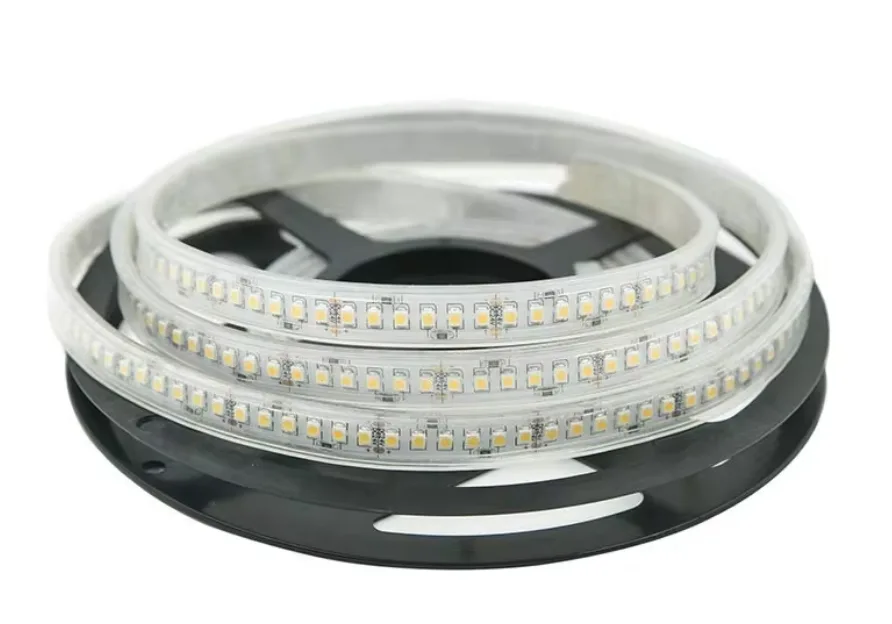
LED strip are widely used, in households and offices. But on many occasions, we need to use waterproof strips. Such as in the bathroom, kitchen, outdoor, swimming pool, sauna, and so on. There are different waterproofing levels for the led strip.Do you know what kind of glue is used for waterproof light strips? How are they constructed and produced?...
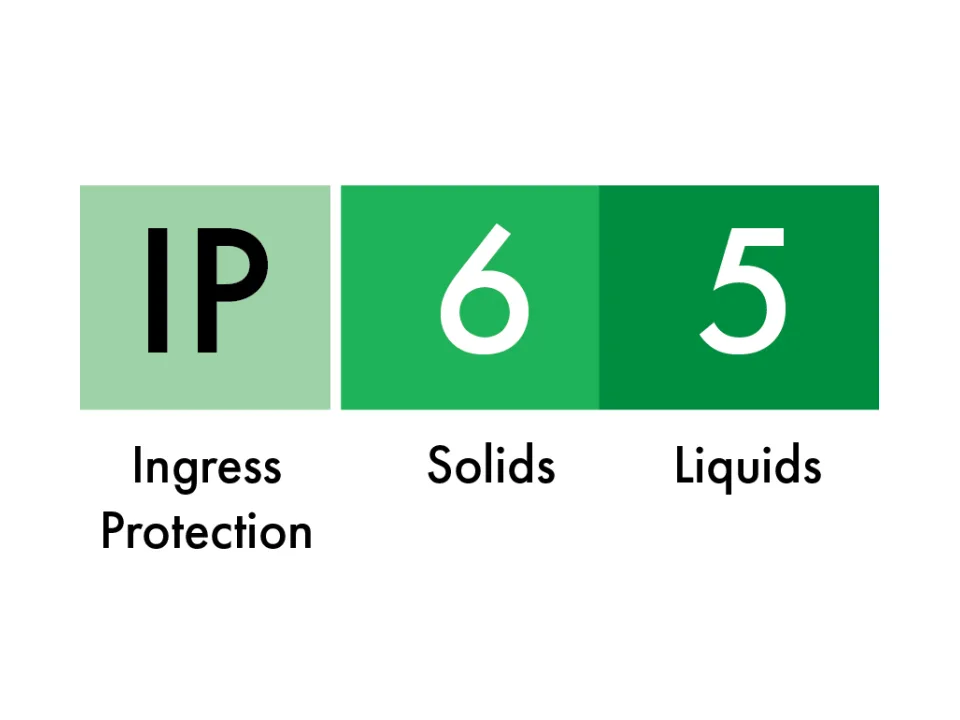
Understanding waterproof IP ratings is critical when choosing LED strip lights for your lighting project. These ratings determine how well a product protects against solids and liquids and affect its suitability for use in different environments. One thing to consider when purchasing LED strips is whether or not they are waterproof. There are many types...
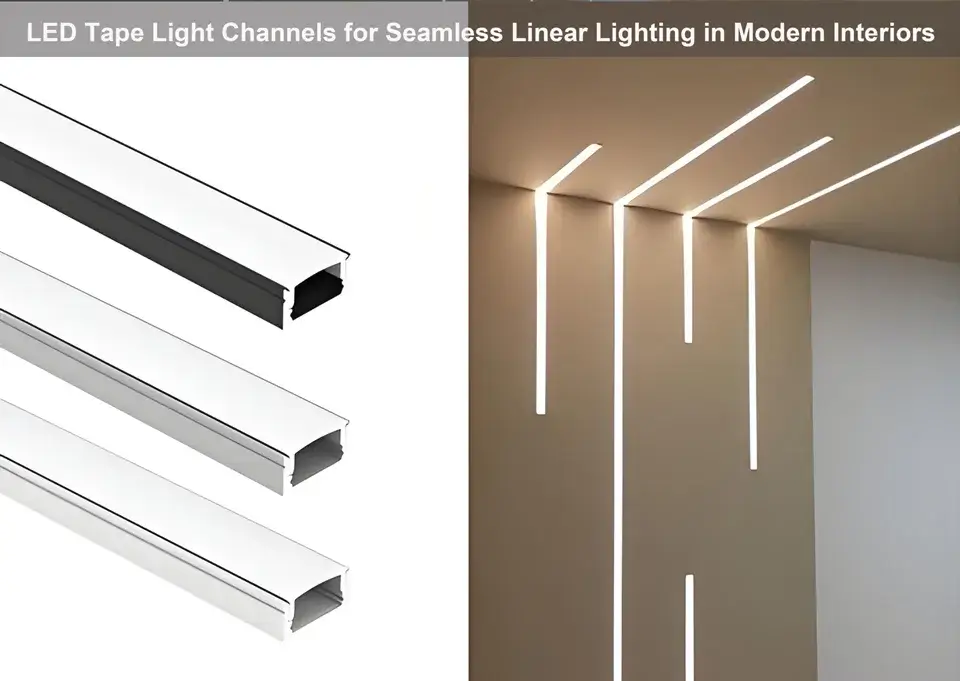
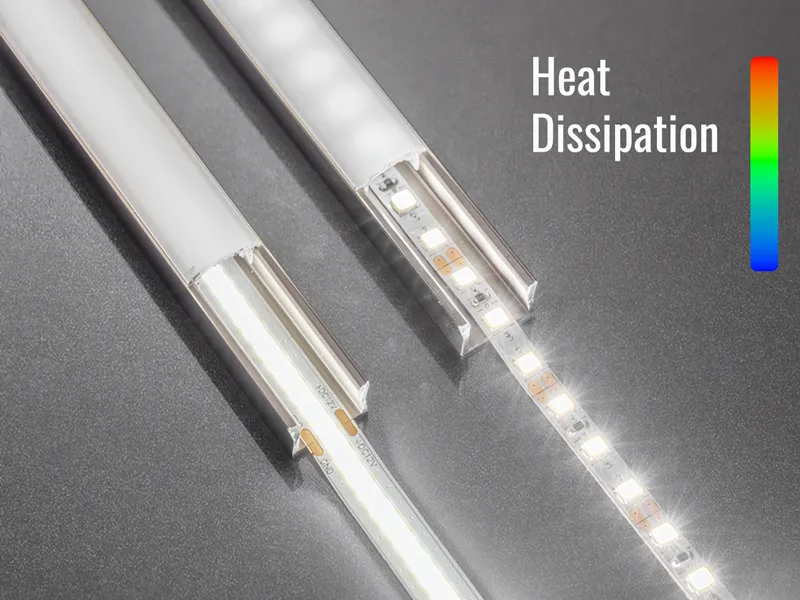
As LED tape lights become a staple in modern lighting across commercial, architectural, and retail projects, the role of LED tape light channels—also known as LED aluminum profiles or LED mounting channels—has become indispensable. These slim yet functional housings offer structural support, thermal management, light diffusion, and aesthetic enhancement....

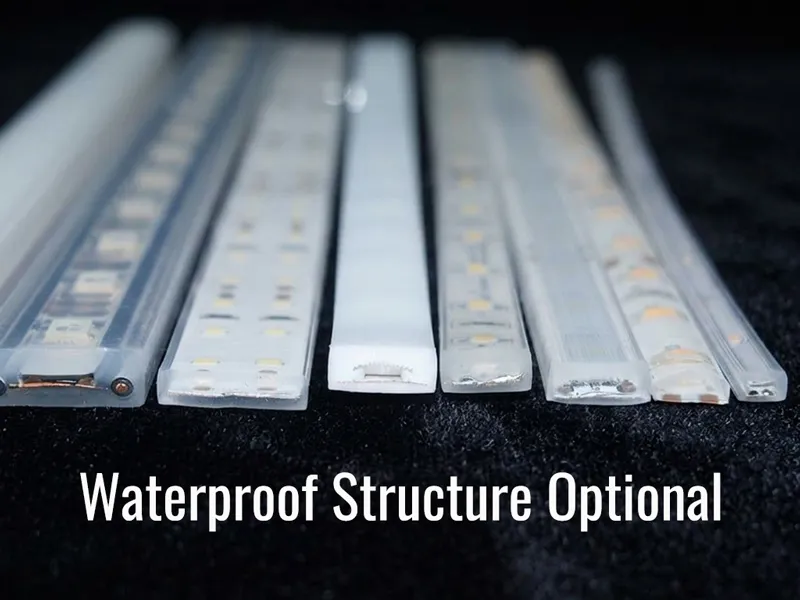
How much do you know about LED waterproof strip light technology? There are simple processes like spray adhesive and drip adhesive, as well as more complex ones like tubing, potting, extrusion, and coating. Each of these processes has its own specific applications. If you only need basic waterproofing, you can choose spray adhesive, drip adhesive, or...
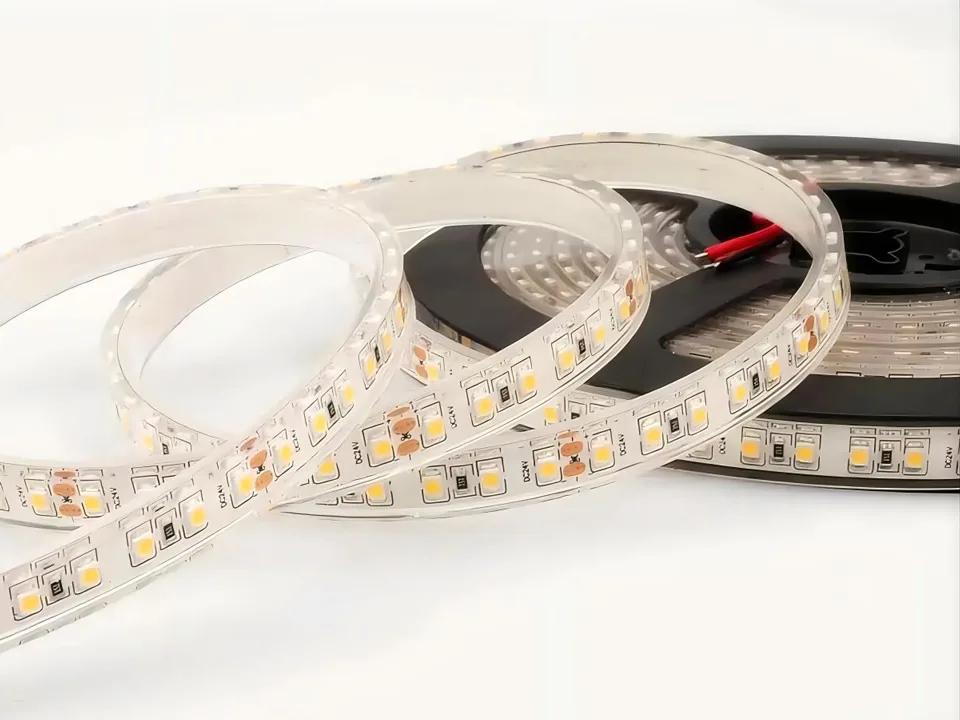
With the increasing popularity of LED lighting technology, selecting the right protective solution for LED strips has become a critical factor affecting product reliability and application scope. This article focuses on three mainstream technical solutions—silicone hollow extrusion, silicone sleeves, and plastic sleeves—systematically analyzing core...
In architectural lighting, commercial lighting, and residential lighting projects, reliability and durability are often just as important as brightness and aesthetics. One of the most common causes of failure for LED strips in real-world applications is inadequate waterproofing, dustproofing, or weatherproofing. A strip that looks perfect in a showroom...
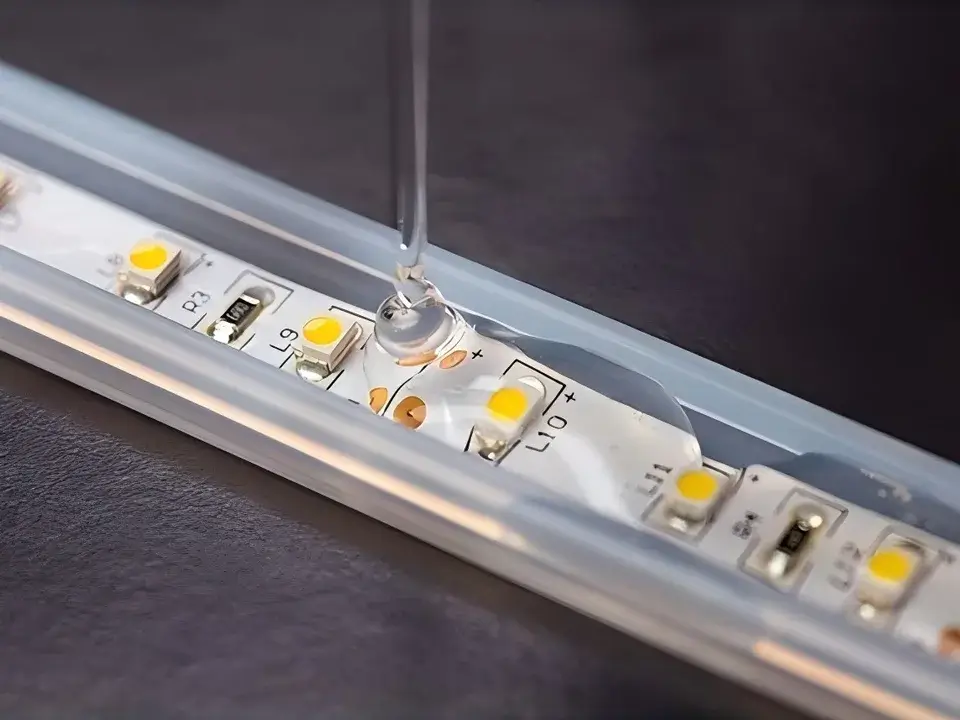
In outdoor landscape lighting, LED strip lights are highly favored for their flexibility and decorative appeal. However, traditional LED strip lights are often susceptible to water damage in outdoor environments, leading to diminished lighting performance or even damage. Waterproof LED strip lights effectively address this issue. Waterproof LED light...
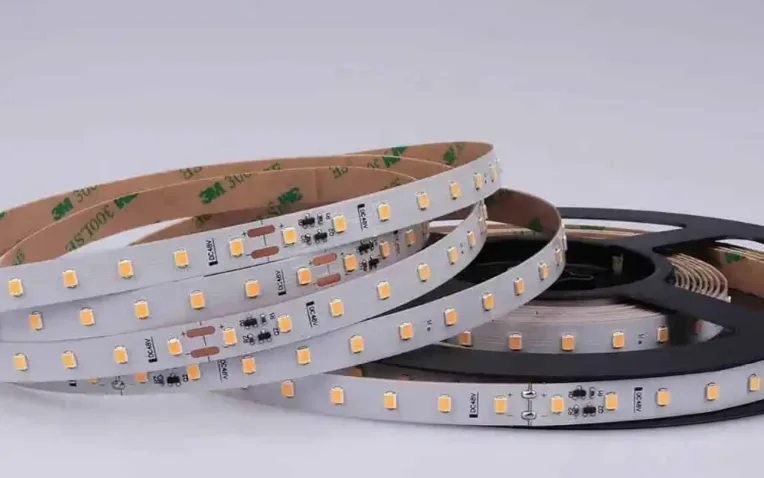
Why use double-sided tape to secure LED strips? LED strip light is a common decorative fixture that has soft light and a variety of color options to add to the ambiance of a room. When installing the lamp belt, it is very important to choose the right adhesive fixation, so as to ensure that the lamp belt is firmly stuck to the target surface and avoid...
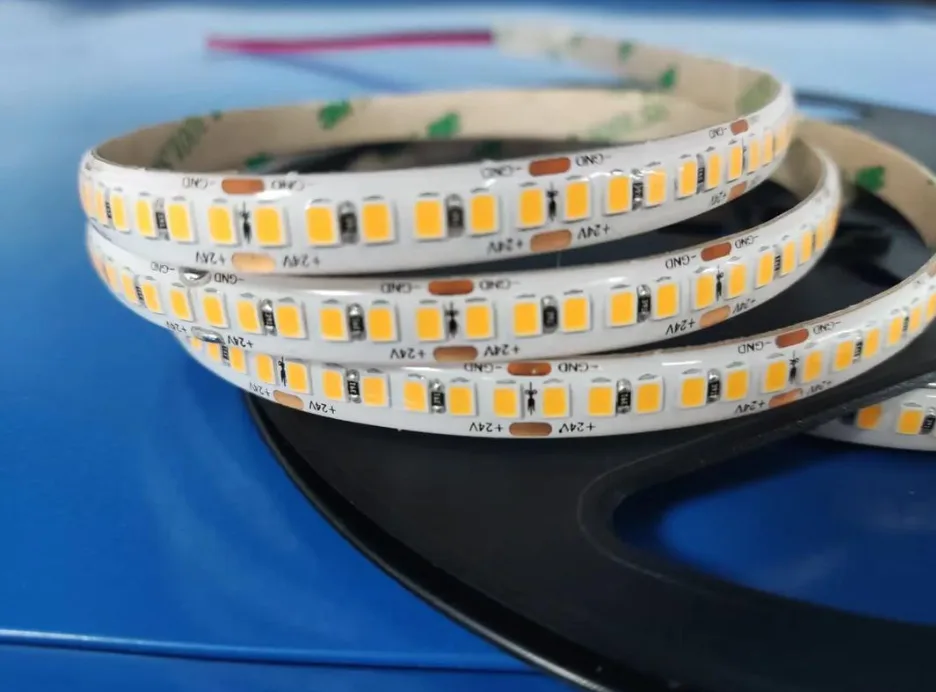
3M Company, formerly known as the Minnesota Mining and Manufacturing Company, was founded in 1902 with its global headquarters located in St. Paul, Minnesota, USA. It is a world-renowned, diversified scientific and technological innovation enterprise. 3M tape is well known around the world and is one of the leading brands in the tape industry. 3M’s...
With the rapid development of LED technology, lighting products are becoming brighter, more efficient, and more widely used in commercial and residential projects. However, high-intensity light sources may also pose potential risks to human eyes and skin. To ensure safety, international standards such as IEC 62471 are used to evaluate the photobiological...
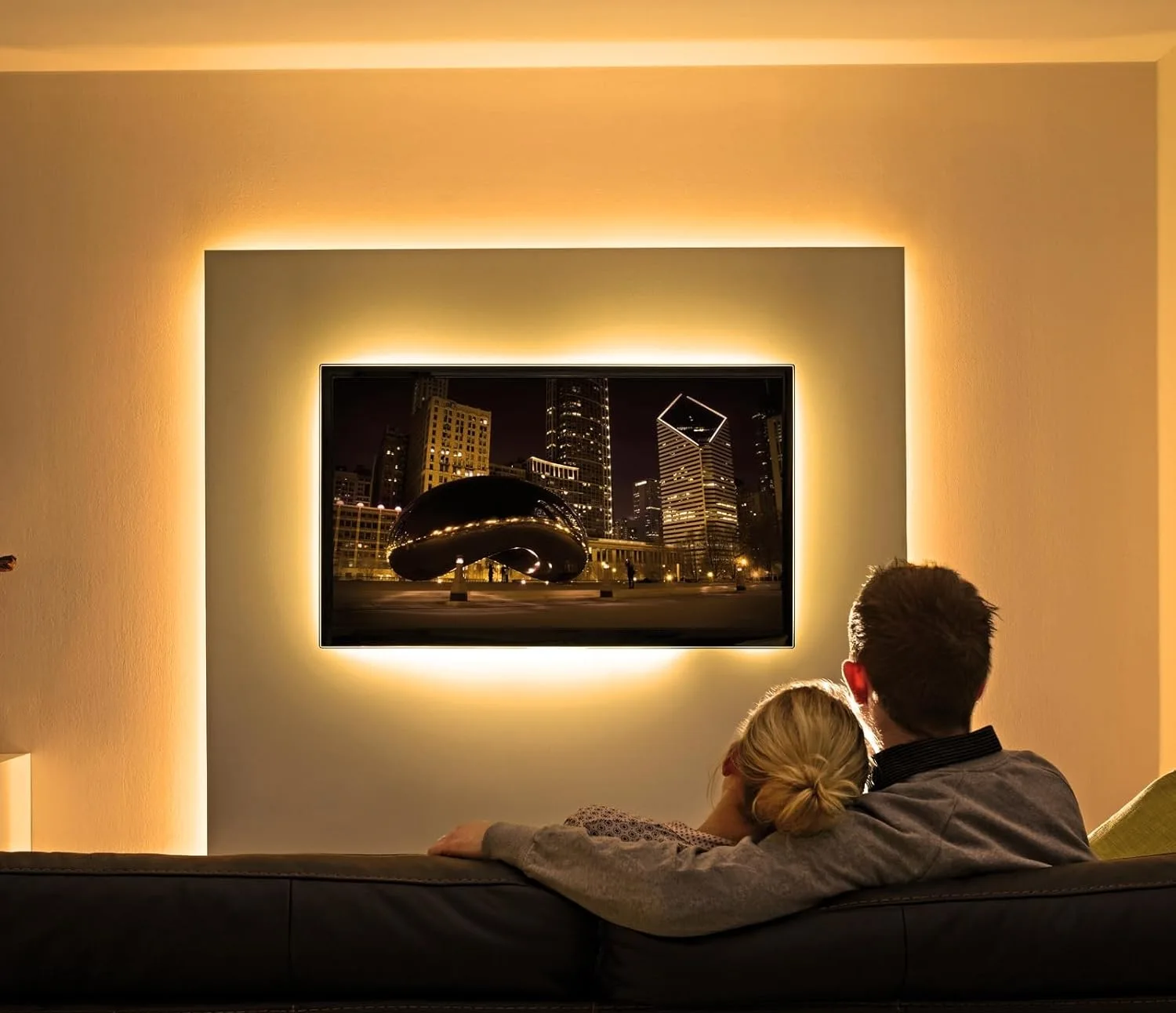
LED strips have become increasingly popular for home and commercial lighting due to their versatility and flexibility. However, like any electrical product, you may also doubt if it’s safe to use, and if it’s harmful to your body. This article will help you eliminate the concerns and provide essential guidelines for using LED strips safely. Are LED...
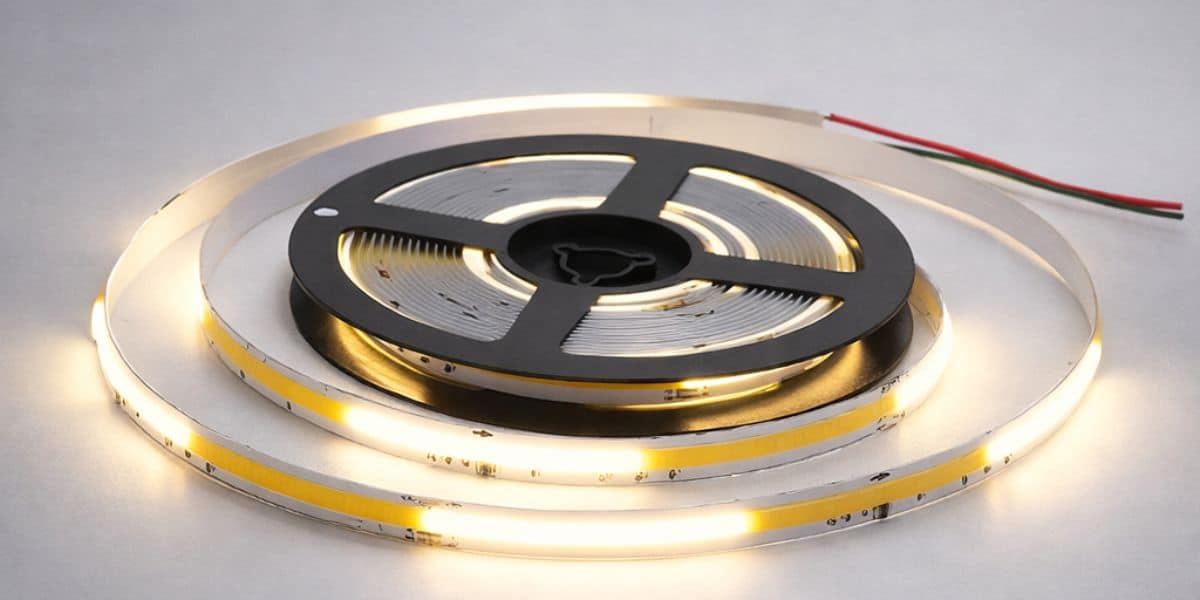
Flowing LED lights can be used safely if basic installation, electrical, and usage precautions are followed. Like any electrical lighting system, safety depends less on the visual effect and more on how the product is selected, installed, powered, and operated over time. Problems usually arise not because flowing LED lights are inherently unsafe, but...
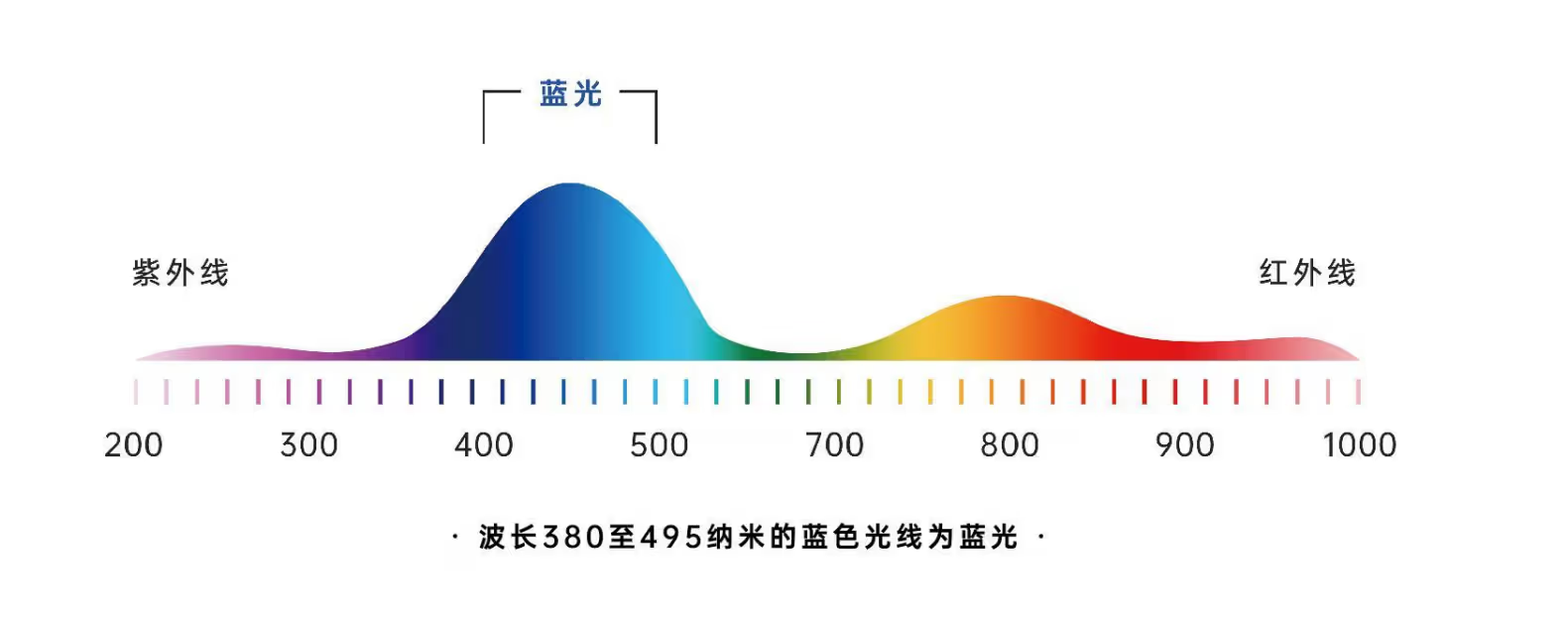
The dangers of blue Light: 1.Decreased vision: Blue light has a high penetration ability, it can penetrate the lens of our eyes, reach the retina, making the retinal pigment epithelial cells of our eyes atrophy or even death, which will directly lead to our vision loss or even blindness 2.Macular disease, cataracts: In the process of blue light exposure,...
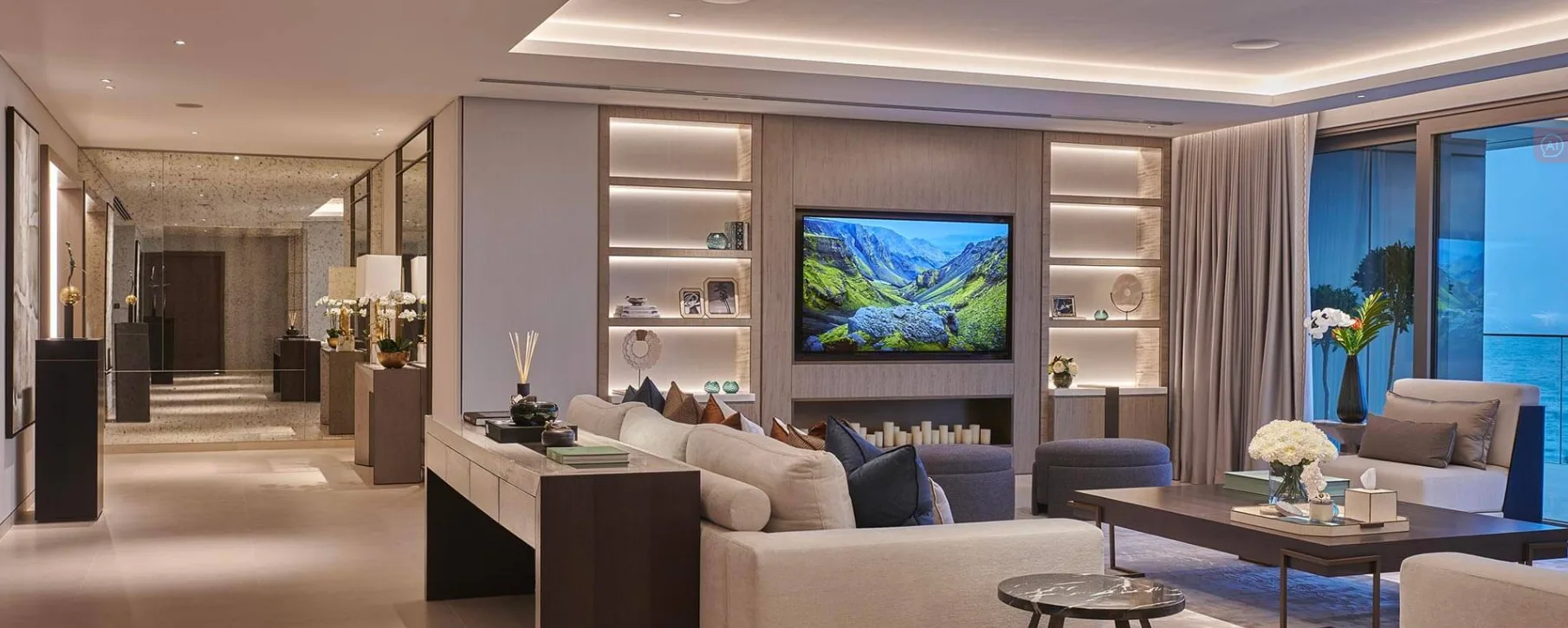
Do LED lights have ultraviolet light? Are the LED lights we often use harmful to the human body? This is a matter of common concern. A light-emitting diode (LED) is a semiconductor device that emits light radiation when an electric current passes through it. Most leds emit a very narrow wavelength range, from infrared (wavelength about 1000 nm) to ultraviolet...
Blue light is a natural part of the visible spectrum, but modern LED lighting contains a proportionally higher amount of blue wavelengths—typically in the 400–500 nm range—due to the way white LEDs are manufactured. Most white LEDs use a blue LED chip paired with phosphor coating to generate full-spectrum white light. While this technology provides...
With the widespread adoption of LED technology in commercial lighting, architectural lighting, and linear lighting applications, lighting products are no longer solely judged by “whether they are bright enough.” The quality of light, its safety, and the long-term impact on human eye health are increasingly becoming key criteria for clients in project...

When you are interested in needing to buy some LED strip lights for use, have you ever worried about what the quality situation of these strips is like? How long can they last after installation? How do you come to judge the quality of these LED light strips? I believe that many people will have these questions because there are too many manufacturers...