English
  简体中文
简体中文  Deutsch
  Español
  Français
  Italiano
  日本語
日本語  한국어
한국어  Polski
  Português
  Русский
  Türkçe
  Nederlands
  Tiếng Việt
  ไทย
ไทย 
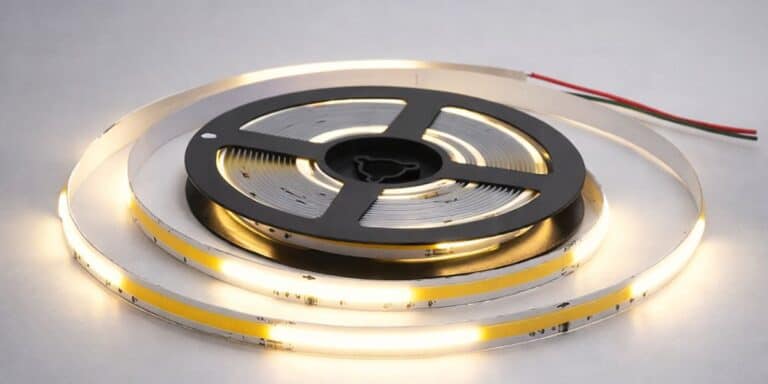
LED strips have become increasingly popular for home and commercial lighting due to their versatility and flexibility. However, like any electrical product, you may also doubt if it’s safe to use, and if it’s harmful to your body. This article will help you eliminate the concerns and provide essential guidelines for using LED strips safely.
Are LED Strip Lights Safe to Your Health
* Do LED Strip Lights Release Toxic Substances and Are They Harmful to Your Body
LED strip lights do not release toxic substances and are generally safe for the body. They are mercury-free and contain no harmful chemicals typically found in other lighting options like fluorescent bulbs. Most of LED strips are compliant with ROHS standard, they are Pb-free, Hg-free, Cd-free, no PBBS and no PBDE. So ensure your LED strips are ROHS certificated to avoid potential harm to your body.
* Are LED Strips Harmful to Your Eyes
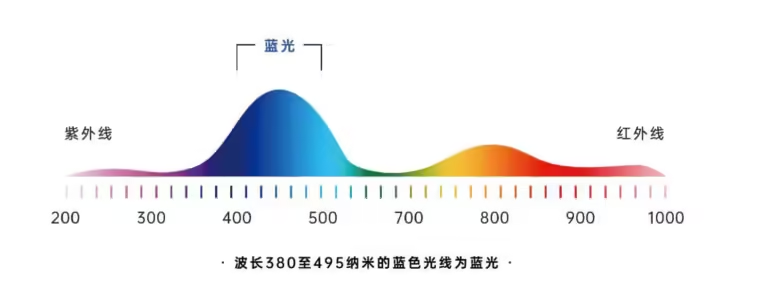
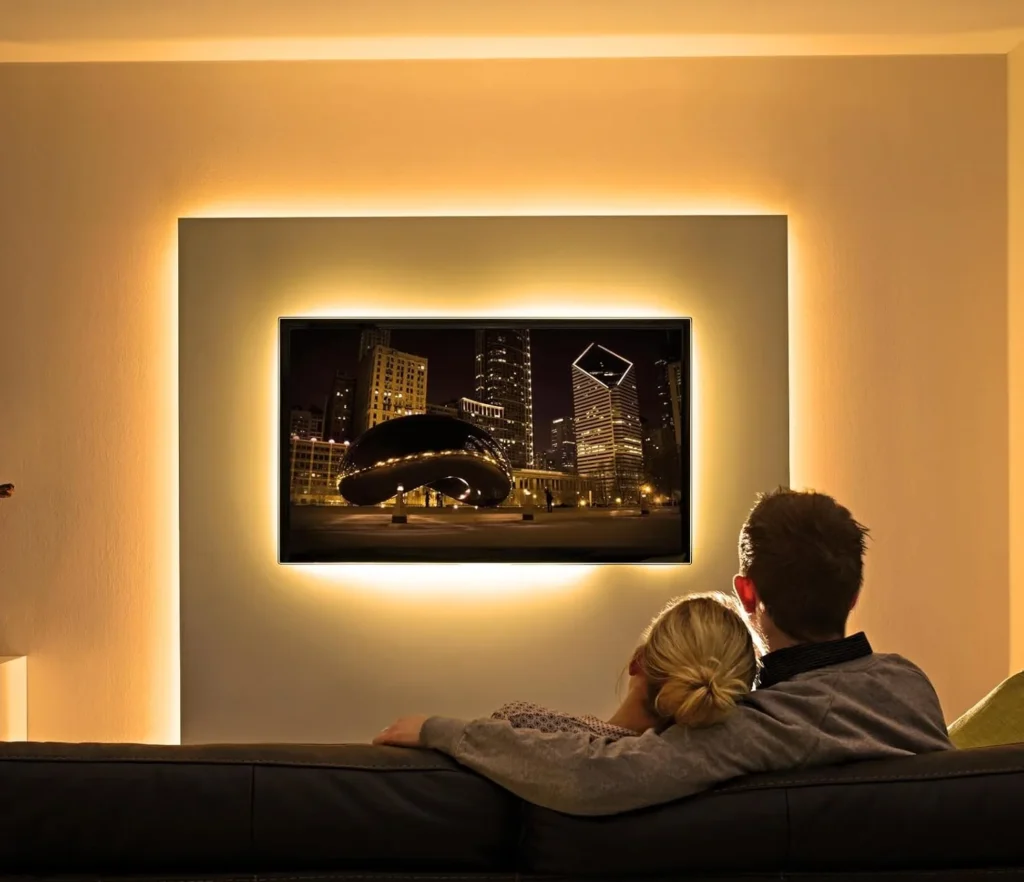
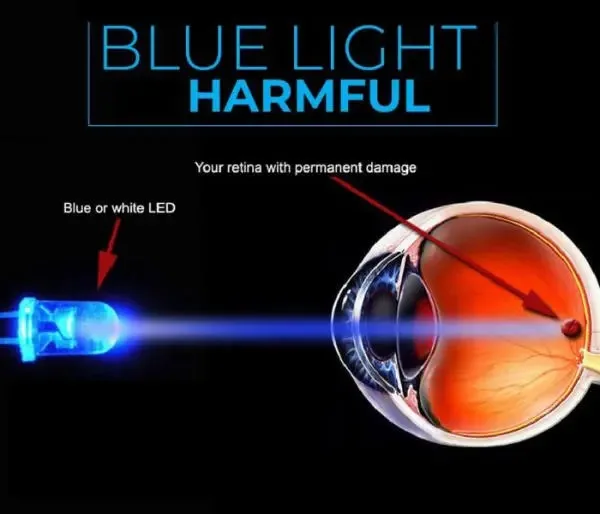
Just like the sunlight consists of different of electromagnetic waves, including blue light, LED light also emit blue light. As we know, blue light is the light which causes eye strain, especially with prolonged exposure. So, technically, it’s harmful to your eyes, but it’s not the main cause that hurts your eyes. A lot of electronic devices emit blue light, like your phone, computer and TV screen, you work with them much more than LED strips. However, we shall pay attention to the risk, try not work under the LED strip lights for too long, or CHOOSE WARM WHITE LED STRIP which consists less blue light than cool white.
On the other hand, excessively bright LED strips, especially when positioned in direct line of sight, can cause glare and eye strain. Prolonged exposure to high brightness without adequate eye protection may lead to temporary vision fatigue or discomfort. So you’d better to get a dimmer to turn it down for your strip lights, or you can add a diffuser on it, the best way would be install it as a indirect lighting.
* Are LED Strips Harmful to Your Skin
One of the primary concerns with light exposure and skin health is ultraviolet (UV) radiation. UV radiation, emitted by the sun and certain artificial light sources, can cause sunburn, premature aging, and skin cancer. However, most of LED strip lights do not emit UV radiation. This is a significant advantage compared to traditional incandescent and fluorescent bulbs. There is UV LED strips specially designed for disinfecting and sterilizing, they emit UV light, from 200nm to 275nm, which can kill bacteria and viruses. This kind of UV LED strips could cause burn your skin, you cannot exposed in this light for a long time, it’s harmful.
As mentioned earlier, LED strip lights emit blue light. While the effects of blue light on skin health are still being studied, some research suggests that it may contribute to premature aging and oxidative stress. However, the level of blue light emitted by LED strip lights is generally lower than that from other sources like smartphones and computers.
Are LED Strip Lights Safe to Install
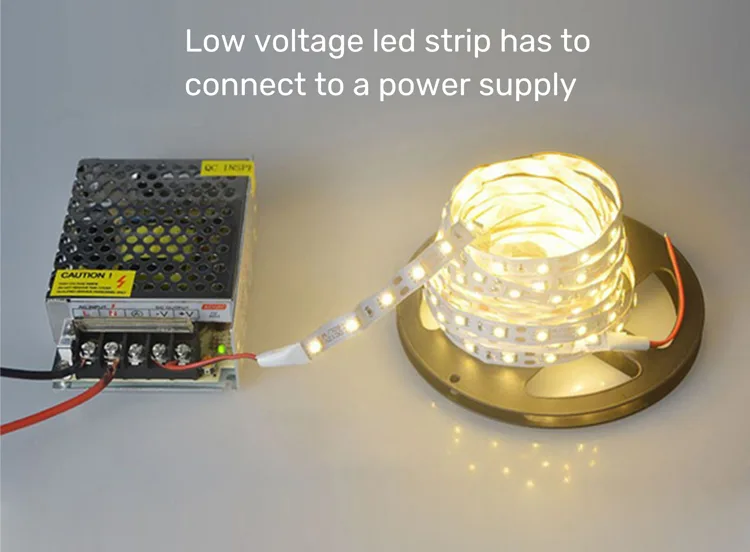
Low Voltage LED Strip Lights: Yes, They are generally safe to install due to their low voltage, reducing the risk of electrical shock. This low voltage makes them ideal for residential and DIY projects. However, to ensure safety, always use a proper power supply with the correct voltage rating and secure all connections to avoid short circuits. Additionally, consider heat management by providing adequate ventilation to prevent overheating or using aluminum profile as heat sink to dissipate heat. For installations in wet or outdoor areas, waterproof versions LED strips should be used to ensure safety in damp environments. Typically, low voltage strips operate on DC5V, DC12V and DC24V.
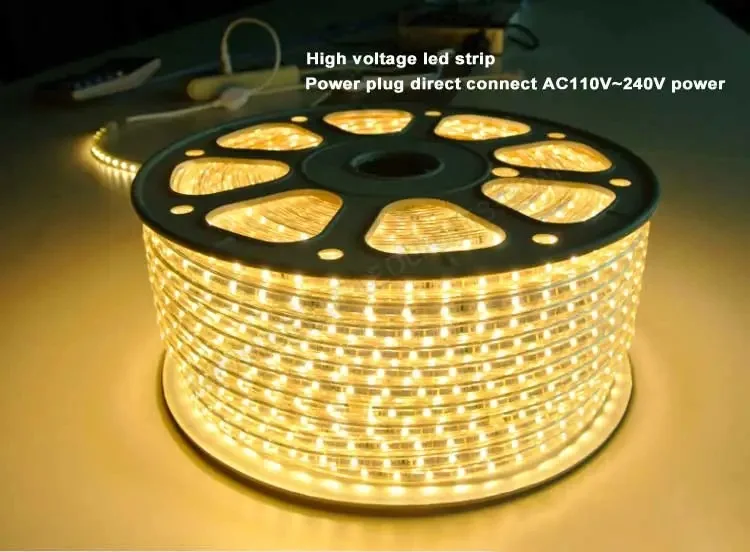
High Voltage LED Strip Lights: Generally it’s safe to install them when handled correctly. However, it’s crucial to exercise caution due to the higher voltage. Ensure that the wiring and connections are adequately insulated to prevent electrical shocks. Use grounded outlets to provide a safe path for electrical current. If you’re unsure about electrical installations or lack experience, it’s highly recommended to ask a qualified electrician for help. Be mindful of fire hazards, especially when installing LED strip lights in areas with flammable materials. Always follow the manufacturer’s instructions for safe installation and use. By adhering to these guidelines, you can safely install high voltage LED strip lights and enjoy their benefits. High voltage LED strip lights operate on AC110V or AC220V.
Are LED Strip Lights Safe to Use
Electrical Shock
The risk of electrical shock is minimal while using LED strip (after installing), especially with low-voltage strips. However, there is some risk if installation is done improperly. Exposed wires, faulty connections, or using incompatible power supplies can create electrical hazards. To minimize this risk, don’t touch LED strips, ensure that all connections are insulated, use proper connectors, match the power supply to the LED strip’s voltage requirements, and choose waterproof LED strips for damp locations. For high-voltage LED strips, take extra precautions, as improper handling can pose a greater shock risk. Ensure it’s connected well to main power, cut off power first if you need to maintain the LED strip, always follow safety guidelines to ensure a safe setup.
Fire Hazard
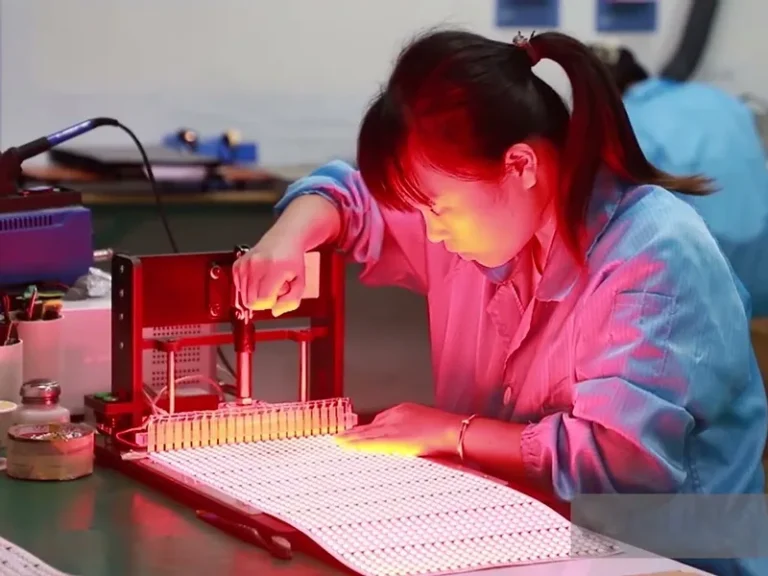
The risk of fire hazards when using LED strip lights is extremely low, as long as they are installed and used correctly. LED strips are energy-efficient and produce minimal heat compared to traditional lighting. The primary risks come from improper installation, such as overloading the power supply, using low-quality products, or failing to allow proper heat dissipation. By choosing certified LED strips like SignliteLED strip light, using the correct power supply, and ensuring good ventilation, keep it away from flammable materials, you can greatly reduce any potential fire hazard, making LED strips a safe lighting option.
Is It Okay to Leave LED Strip Lights on All Night?
Yes, it’s generally okay to leave LED strip lights on all night, no matter it’s SMD strip light or COB strip light. They are designed for continuous use and are relatively energy-efficient compared to traditional bulbs. However, there are a few factors to consider:
Light sensitivity: If you’re sensitive to light, having them on all night could disrupt your sleep. You might want to consider using a dimmer switch or a nightlight instead.
Safety: Ensure that the LED strip lights are installed securely and are not a fire hazard. Follow the manufacturer’s instructions for safe installation and use.

How to Safely Use LED Strip Lights
LED strip lights are a popular choice for lighting due to their versatility and energy efficiency. However, like any electrical device, it’s essential to use them safely. Here are some guidelines:
Installation and Setup
Follow manufacturer’s instructions: Do not cut at wrong points, do not twist it, do not touch LED chips, etc. This is crucial for proper installation and safe operation
Use appropriate power supply: Ensure the power supply matches the voltage and amperage requirements of the LED strip.
Avoid overloading: Don’t connect too many strips to a single power supply, as this can cause overheating.
Safety Precautions
Check for damage: Inspect the strip and its components for any signs of wear or damage before use.
Avoid getting wet: Keep the strip away from water or humid environments, use waterproof LED strips for damp locations.
Mind the heat: While LED strip lights produce less heat than traditional bulbs, excessive heat can still be a concern, especially in enclosed spaces.
Fire safety: Try not install LED strips near flammable materials, take appropriate precautions if needed.
In conclusion, LED strip lights are generally very safe to use when installed and maintained properly. It does not contain any toxic substances which is harmful to our body. They pose minimal risks of electrical shock or fire hazards as long as you use high quality products, match the power supply, follow the instructions of factory. Afterall, it has been verified by the market for so many years, no one would choose a products with safety risk.
Related Posts