English
  简体中文
简体中文  Deutsch
  Español
  Français
  Italiano
  日本語
日本語  한국어
한국어  Polski
  Português
  Русский
  Türkçe
  Nederlands
  Tiếng Việt
  ไทย
ไทย 
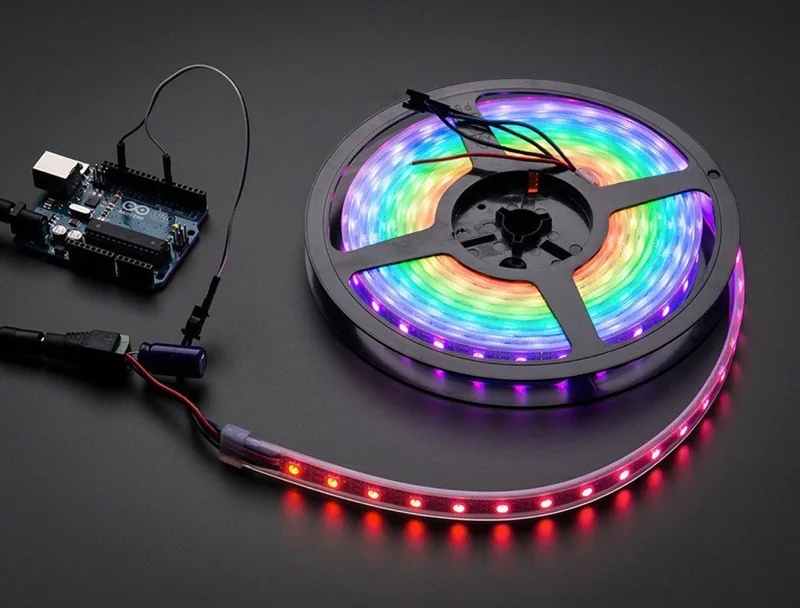
LED strip lights have become a popular choice for decoration and lighting due to their energy efficiency, flexibility and malleability, and diverse application scenarios. However, many people may ask, “Can LED strip lights work properly without a plug?” In fact, with the right installation method and power solution, it is completely possible to install...
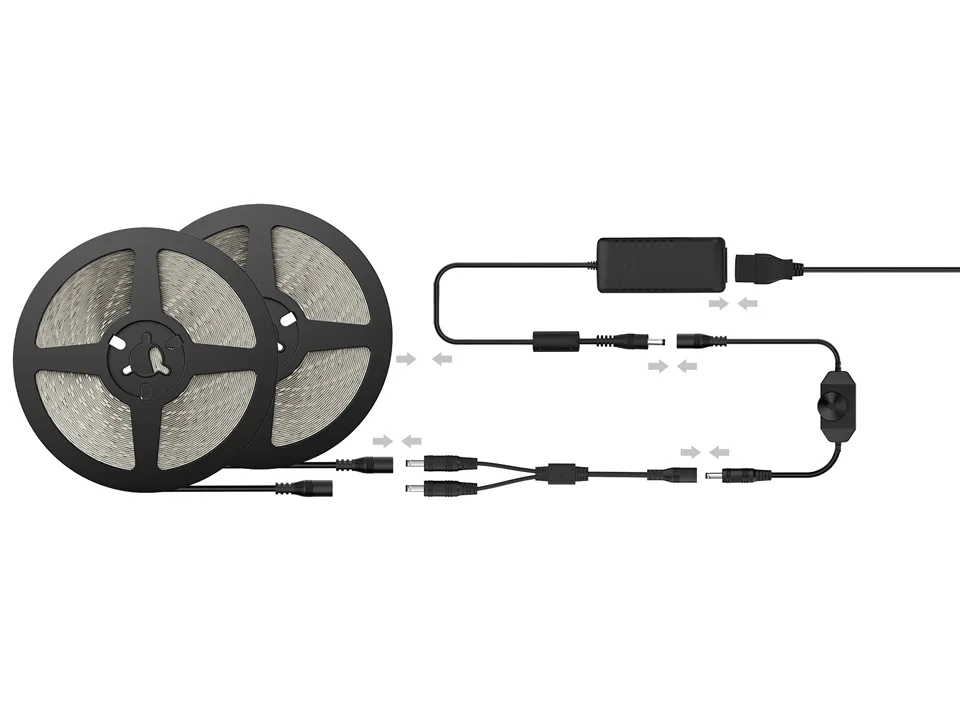
12V LED strip lights are a simple and affordable way to add accent lighting to your space. These flexible strips, also known as LED ribbon lights, are easy to install on many surfaces. They give off soft, smooth light and are safe to use in small areas. The low 12V DC power makes them energy-saving and helps keep the lights cool. Many people use them...
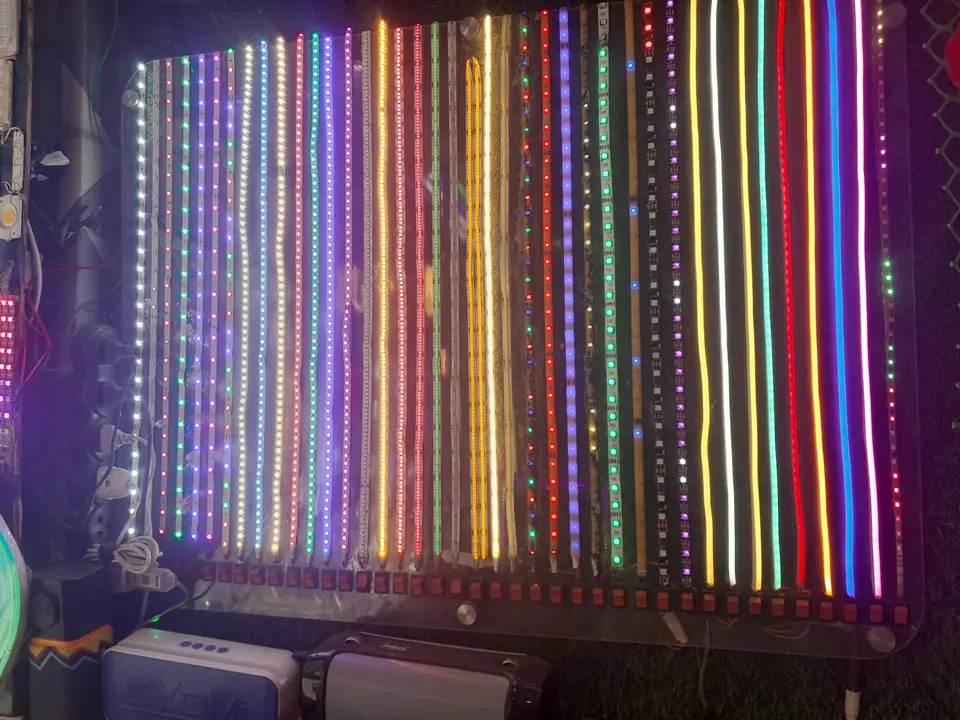
Purpose of Aging Test and Experimental Environment Description Test Purpose: With increasing LED strip manufacturers and intensifying price competition, most 2835 chips in current market LED strips are 0.2W. Some customers for color LED strips may opt for 0.1W chips to reduce costs when lower brightness is acceptable. This test compares 0.1W and 0.2W...
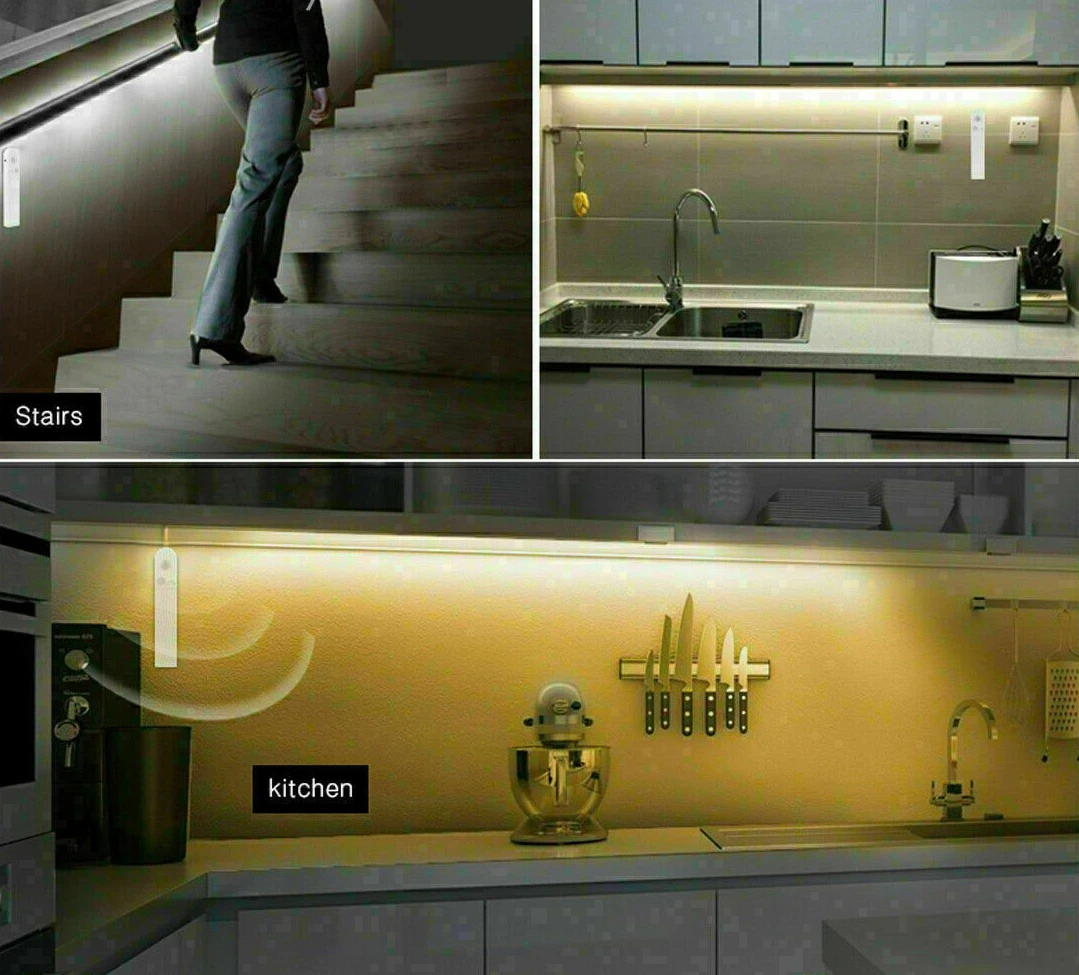
Lighting design has evolved beyond traditional plug-in solutions, embracing innovation that meets modern lifestyles. Battery-powered LED strip lights offer a unique blend of flexibility and independence, enabling creative lighting solutions without the need for fixed wiring. This shift opens new opportunities for enhancing both indoor ambiance and outdoor...
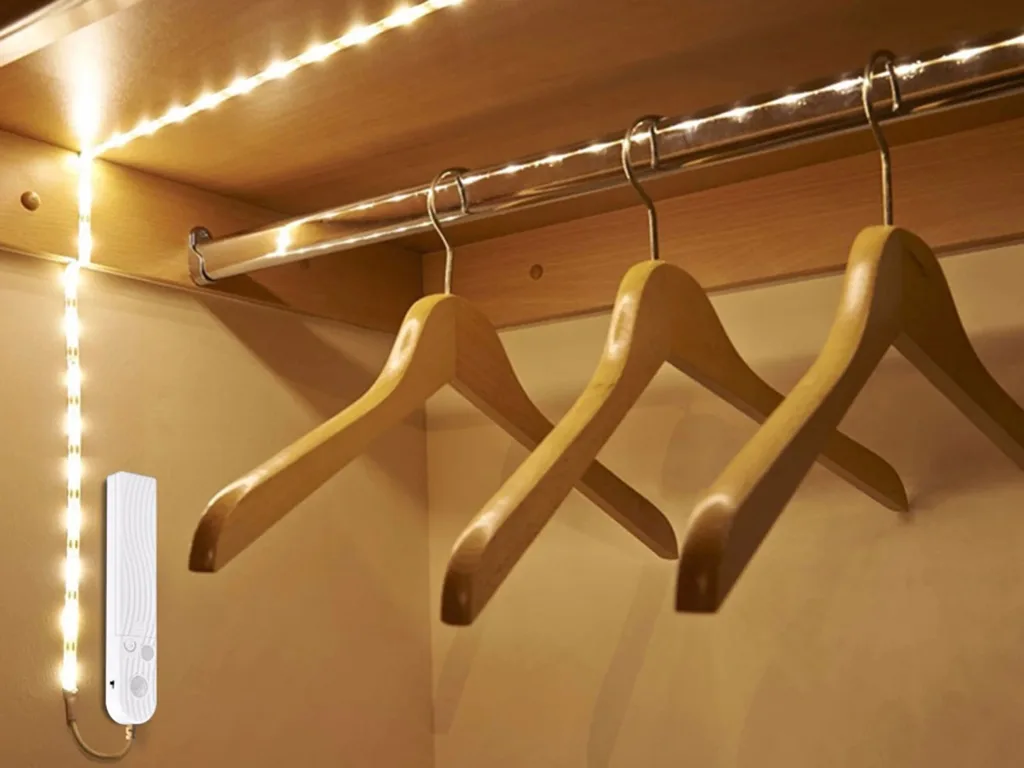
LED strip lights are a flexible and versatile lighting product available in a variety of sizes, shapes, colors, and styles. Many LED light strips do not plug directly into 220V power and require electricity to convert and light. So, do you need to illuminate a space that doesn’t have an outlet? Whether it’s a cozy corner, an outdoor setting,...
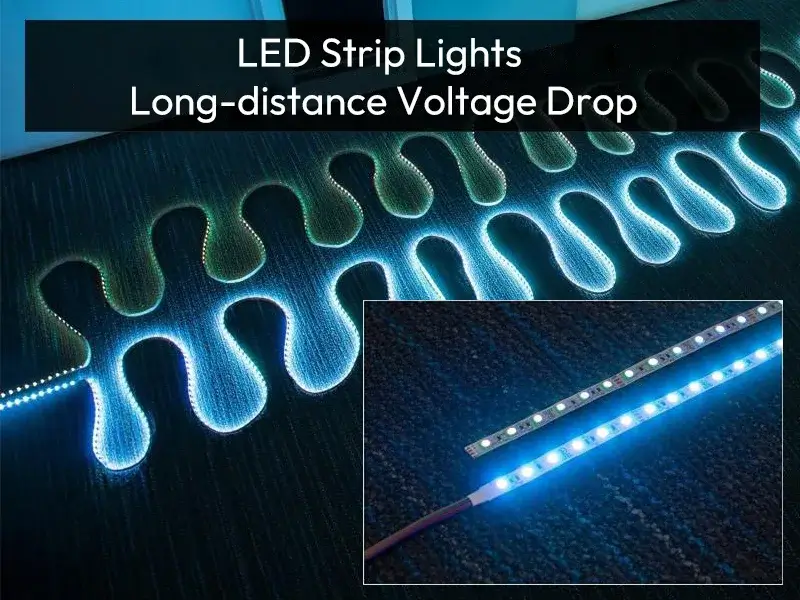
In long-distance LED strip light installations, voltage drop is the core issue causing uneven brightness and shortened lifespan. As current in low-voltage LED strips (12V/24V) diminishes with increasing distance, voltage loss due to wire resistance significantly impacts lighting performance at the far end. Without intervention, voltage drop may cause...
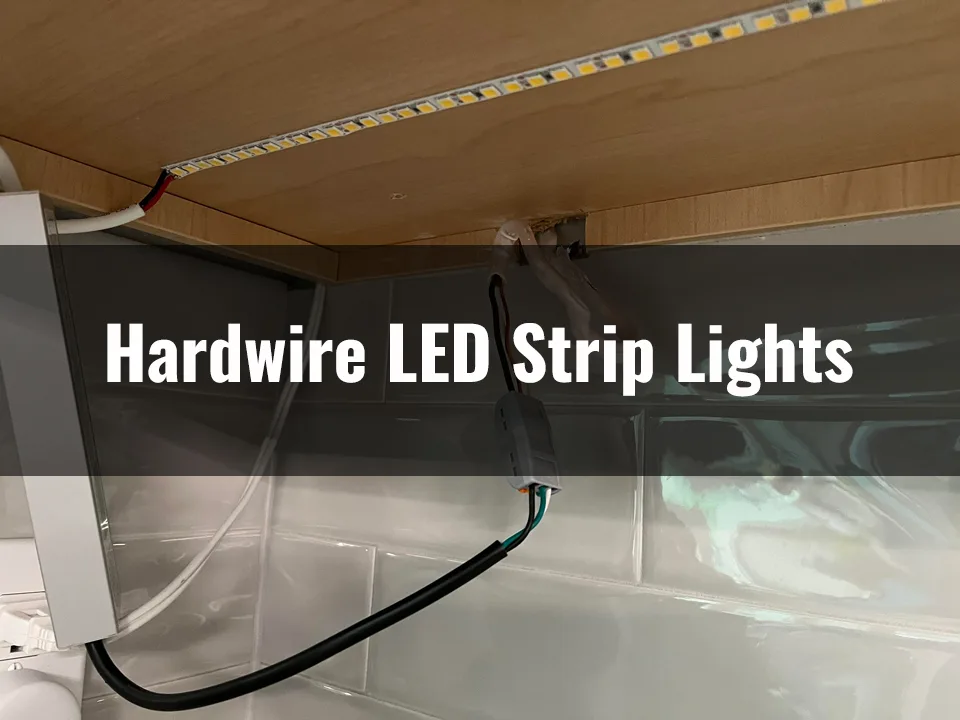
In recent years, LED strip lighting has become increasingly popular due to its energy efficiency, versatility, and long life span.LED strips can be used in a variety of applications ranging from task lighting to accent lighting and are available in a wide range of different colors and brightness levels. In general, LED strip lights have many applications...
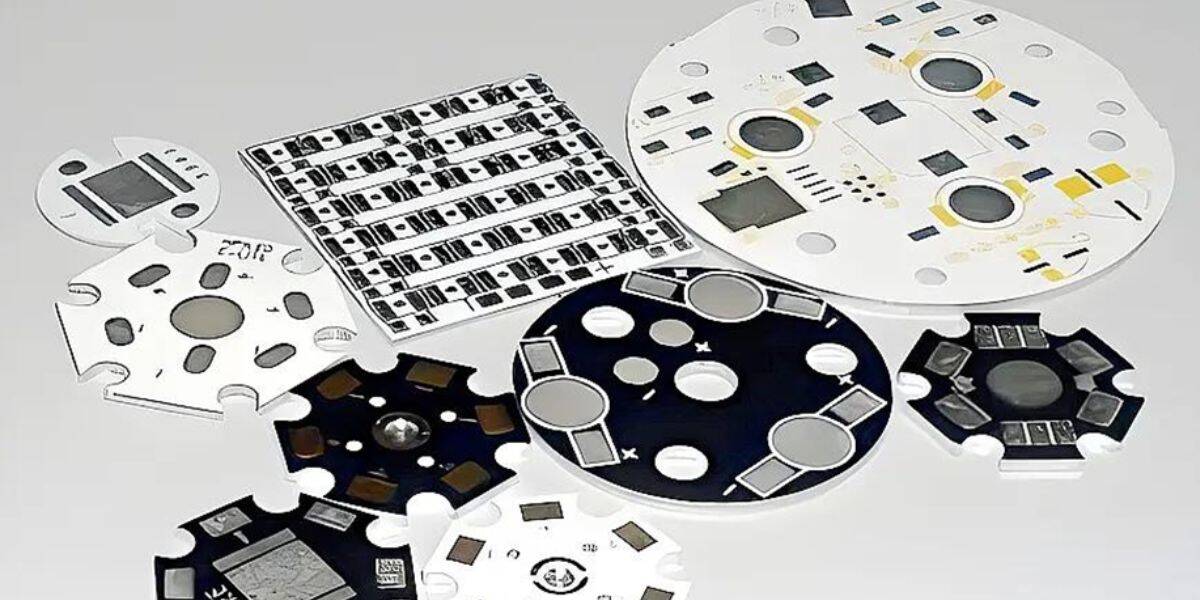
As LED technology continues to advance, high-power PCB LEDs are now widely used in several applications. It is used in industrial lighting, automotive headlights, street lamps, stadium lighting, and high-bay commercial fixtures. These LEDs deliver superior brightness, energy efficiency, and longevity compared to traditional light sources. They also...
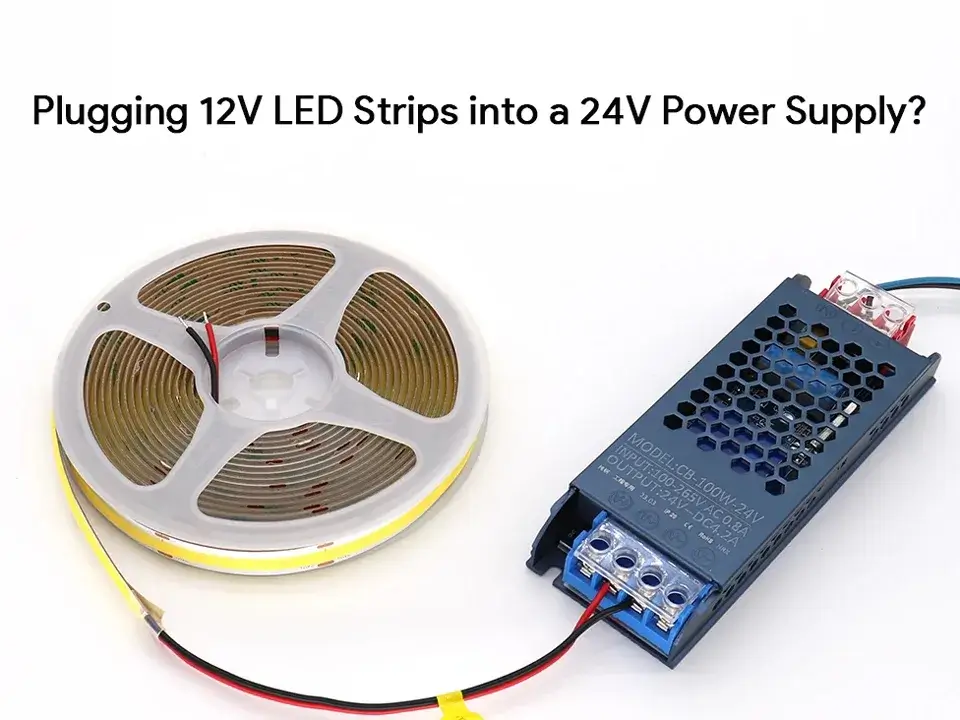
In actual lighting projects, model room construction, or on-site installations, it is not uncommon for 12V LED strips to be connected to a 24V power supply due to inconsistent power configurations. While this may seem like a simple “voltage mismatch,” it can lead to serious issues such as burned-out LEDs, overheating and smoking, product failure, and...
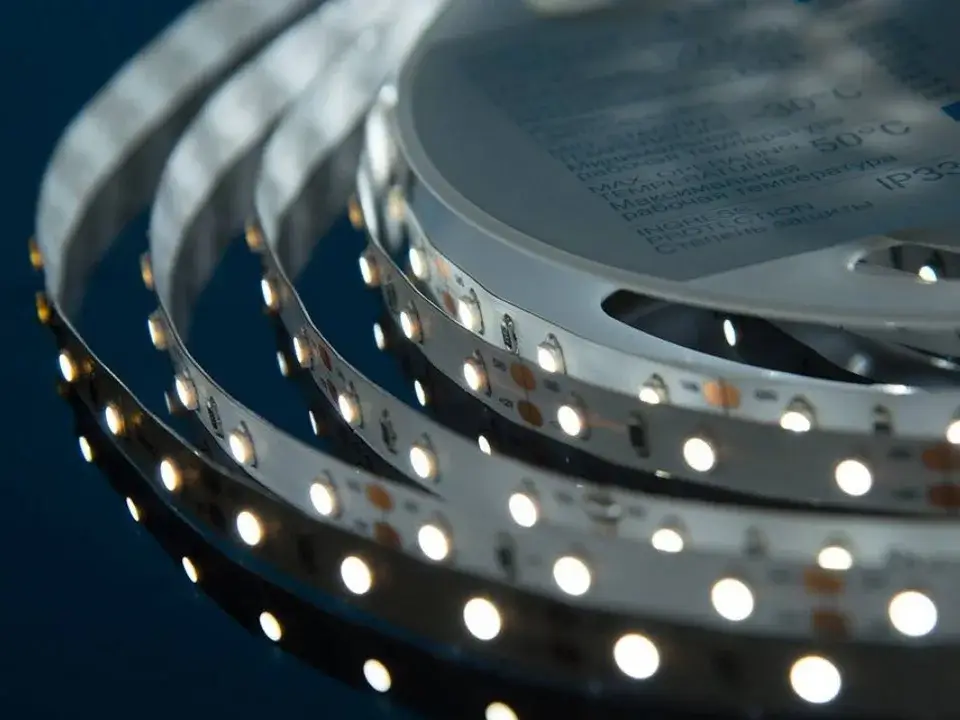
Due to their versatility and high efficiency, LED strip lights have gained widespread popularity in residential, commercial, and industrial lighting scenarios. From ambient lighting to high color rendering index (CRI) functional lighting, they have become a popular choice among designers and engineers. However, in practical use, despite the numerous...
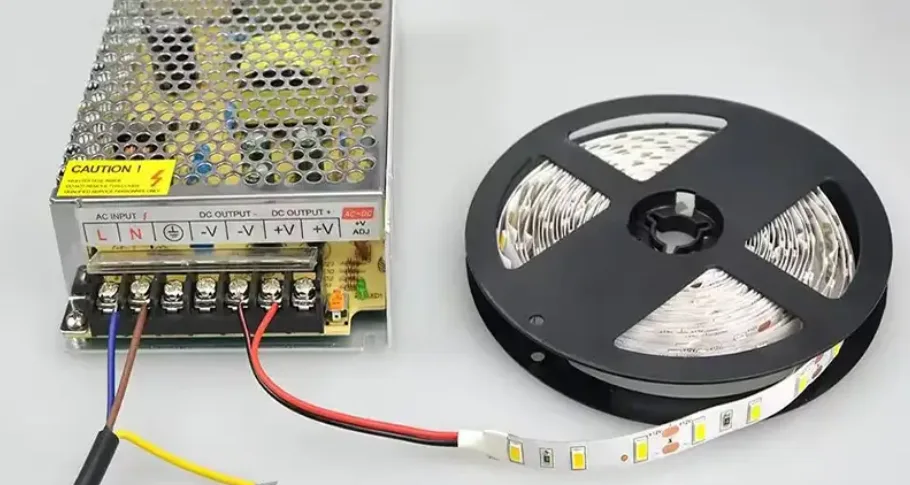
LED strip lights have become increasingly popular for both decorative and functional lighting due to their flexibility, energy efficiency, and ease of installation. However, to get them up and running, it’s essential to know how to properly connect them to a power supply. Whether you’re a DIY enthusiast or new to LED lighting, understanding...
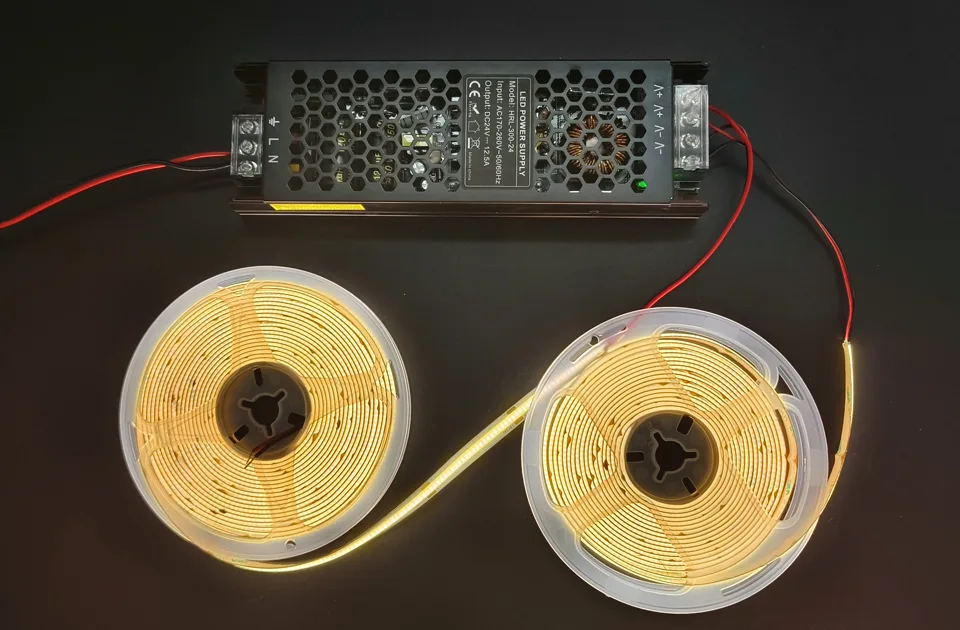
When first encountering LED strip lights and expecting them to function properly, a key step is to identify how to provide the appropriate power input for the LED strip to illuminate properly. Because LED strip lights and LED power supplies are purchased from different sources, there are differences in how they are set up. This article will detail the...
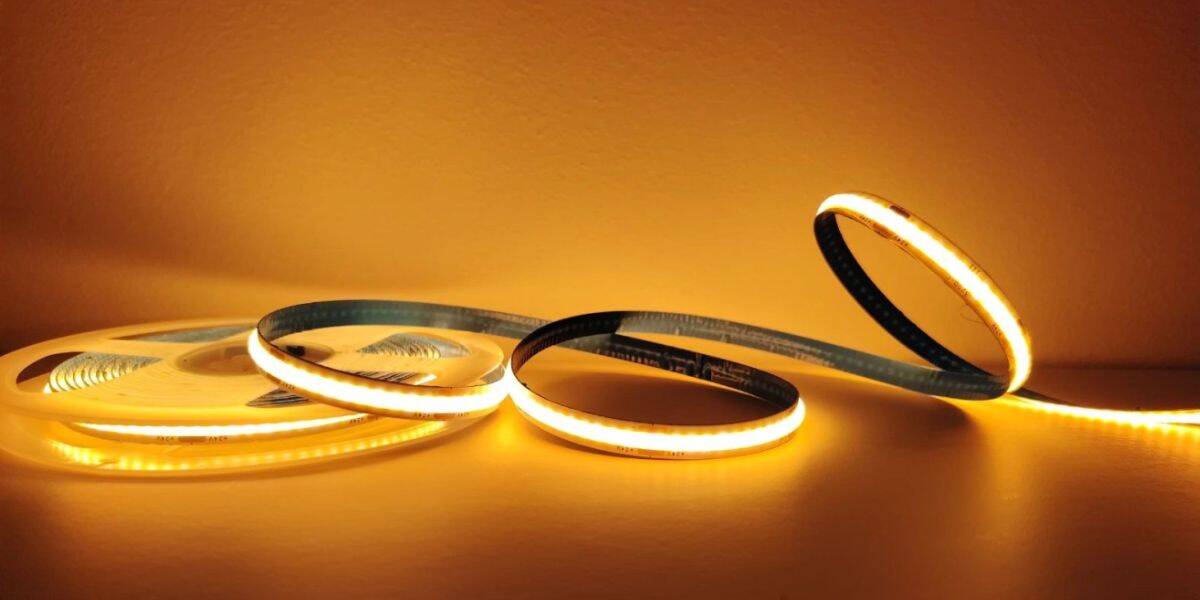
24V LED strip lights are constant-voltage LED strip systems designed to operate at a nominal 24 volts DC, typically powered by external LED drivers that regulate voltage rather than current. Compared with lower-voltage constant-voltage systems such as 12V or 5V LED strips, 24V systems deliver the same optical output with significantly lower electrical...
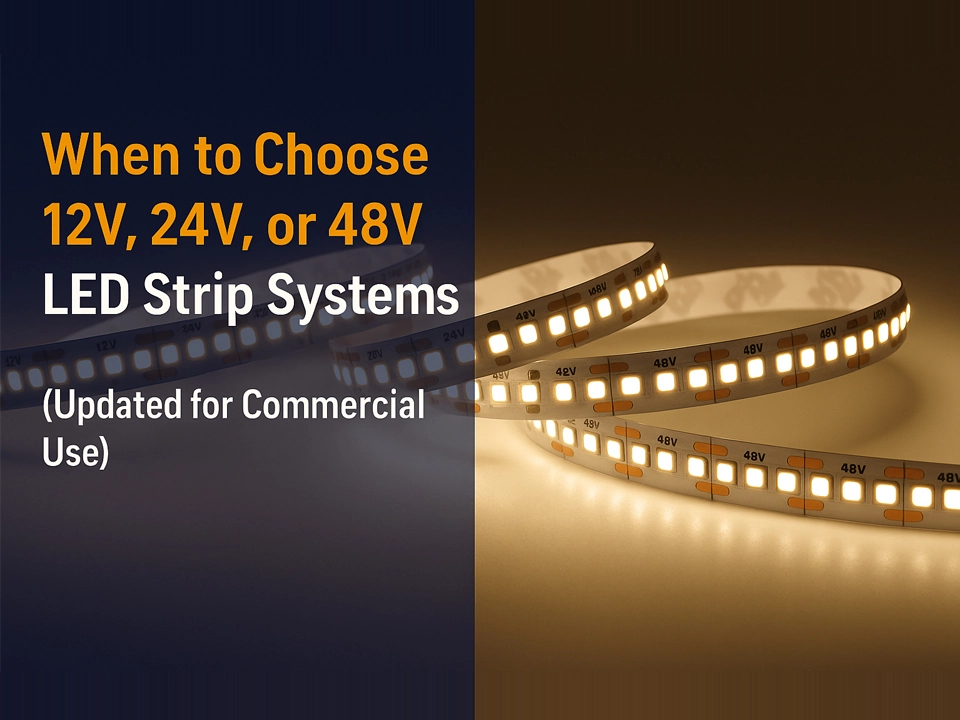
Introduction In LED strip lighting installations, voltage selection is often underestimated, yet it directly impacts brightness consistency, energy efficiency, and long-term maintenance costs. Many installers have experienced frustrating situations—LED strips dimming halfway through a run, or frequent power feeds needed after installation. In most cases,...
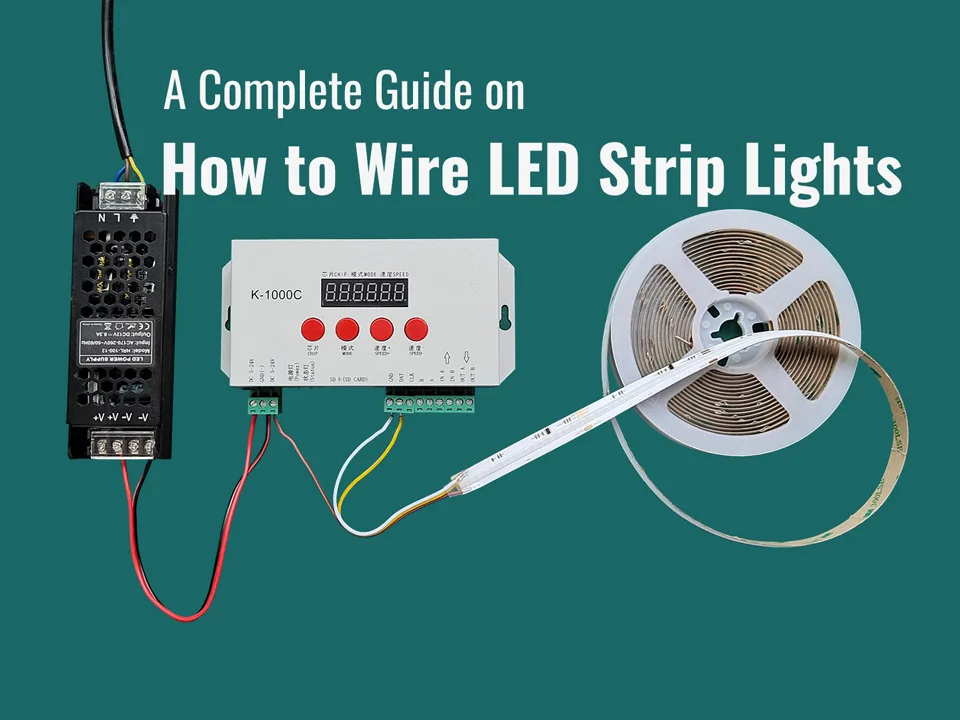
LED strip lights are suitable for a wide range of application scenarios, which can be used for auxiliary lighting, decorative lighting, task lighting, plant growth lighting, special wavelength LED lighting, etc. LED Strip Lights’ inherent safety, softness, and cuttability bring us great convenience in using and enjoying the LED Strip Lights better....
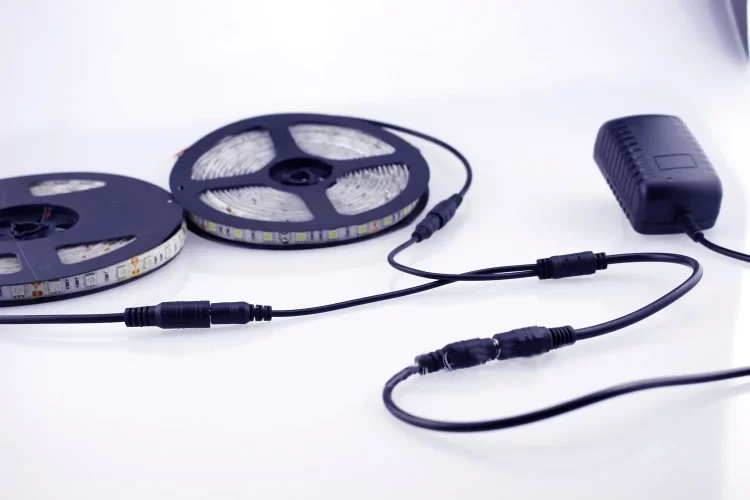
LED strip lights are one of the best inventions in lighting. You can use them to decorate your artwork and home, illuminate kitchen countertops, and use them as stair lighting or holiday roof lighting. Since they come in long strips, you can cut them to the desired length or join them together for additional length. Especially when dealing with larger...
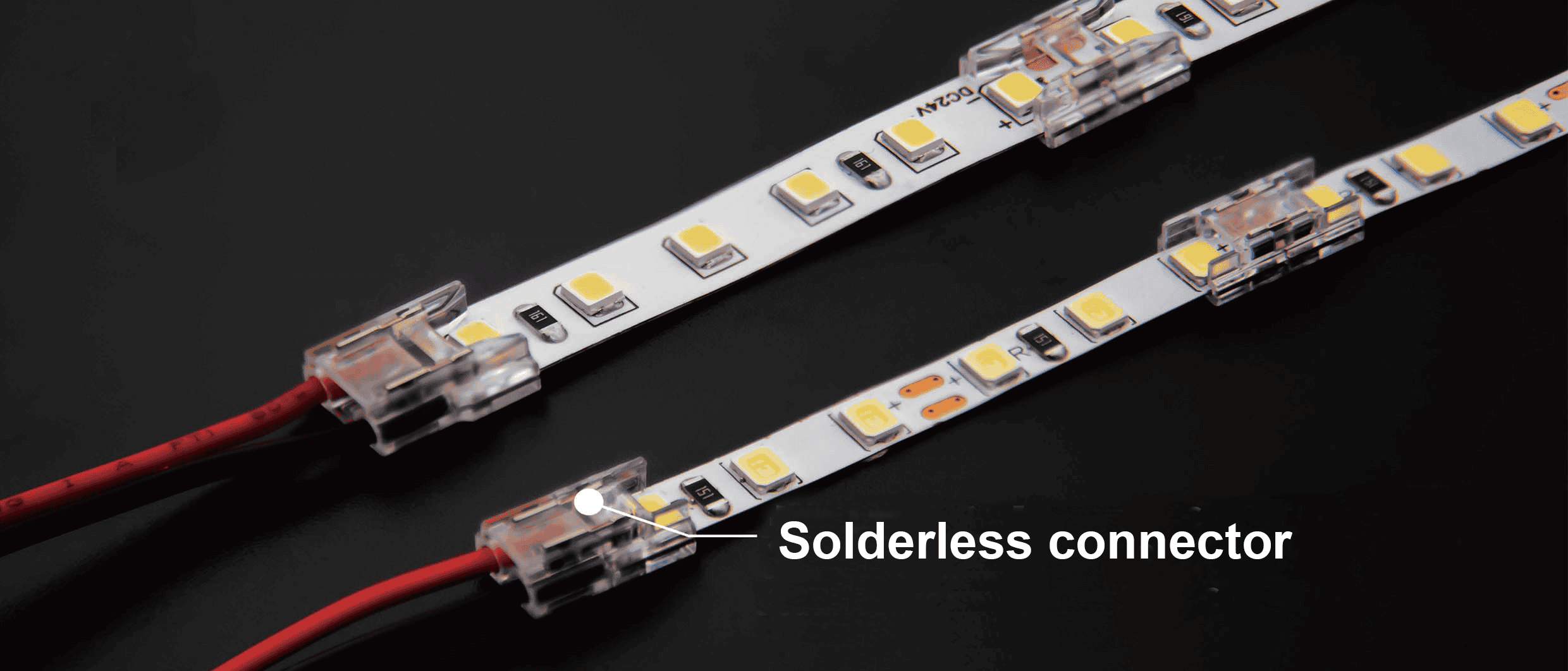
As we know, LED strip is flexible, cuttable, expandable and dimmable. With so many features, it’s widely used in different applications, such as under cabinet lighting , signage lighting, linear lighting, DIY for home decoration, etc. Usually it has to be cut or expended to match your needs, as it’s 5 meters per reel, even up to 100 meters. If you are...
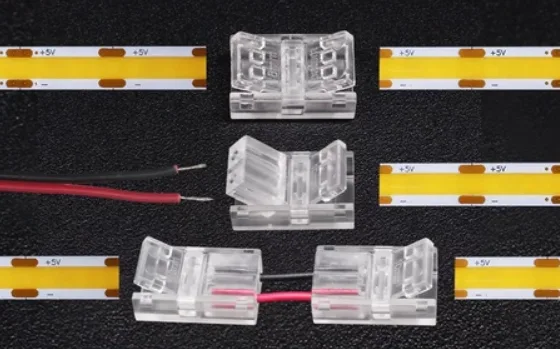
LED light strips are a common decorative lighting fixture, often used for indoor and outdoor decoration. The lighting and the atmosphere. Indoors, it can be used for ceilings. Decoration of walls, columns, furniture, etc.; Outside, it can be used for architecture. Bridges, billboards and other decoration. Some led strips can also be adjusted by remote...
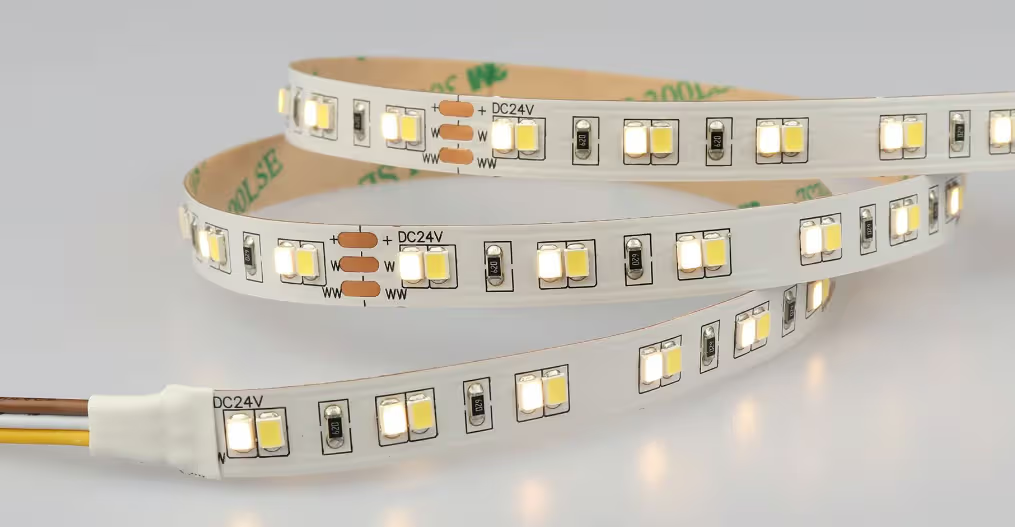
Because of the variable color of LED Strip, dimmable, can control the color change, it is often used in the decorative role of home improvement.At resent, the types of LED light strips on the market are generally: monochromatic led strips, two-color temperature led strips, RGB led strips…Let’s talk about how these lights are wired and operated....
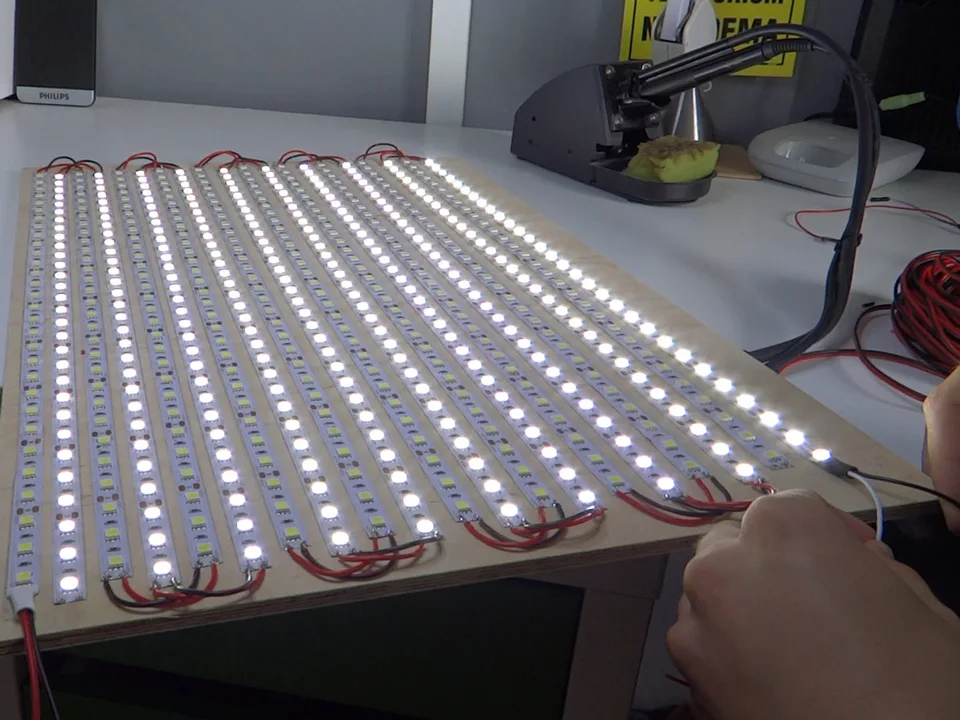
LED strip lights have revolutionized the way we think about LED lighting, and these versatile and energy-efficient LED linear lighting solutions are suitable for a variety of applications. However, one of the most common questions when it comes to installation is how to figure out the right wiring. Should you choose to wire LED strip lights in series...
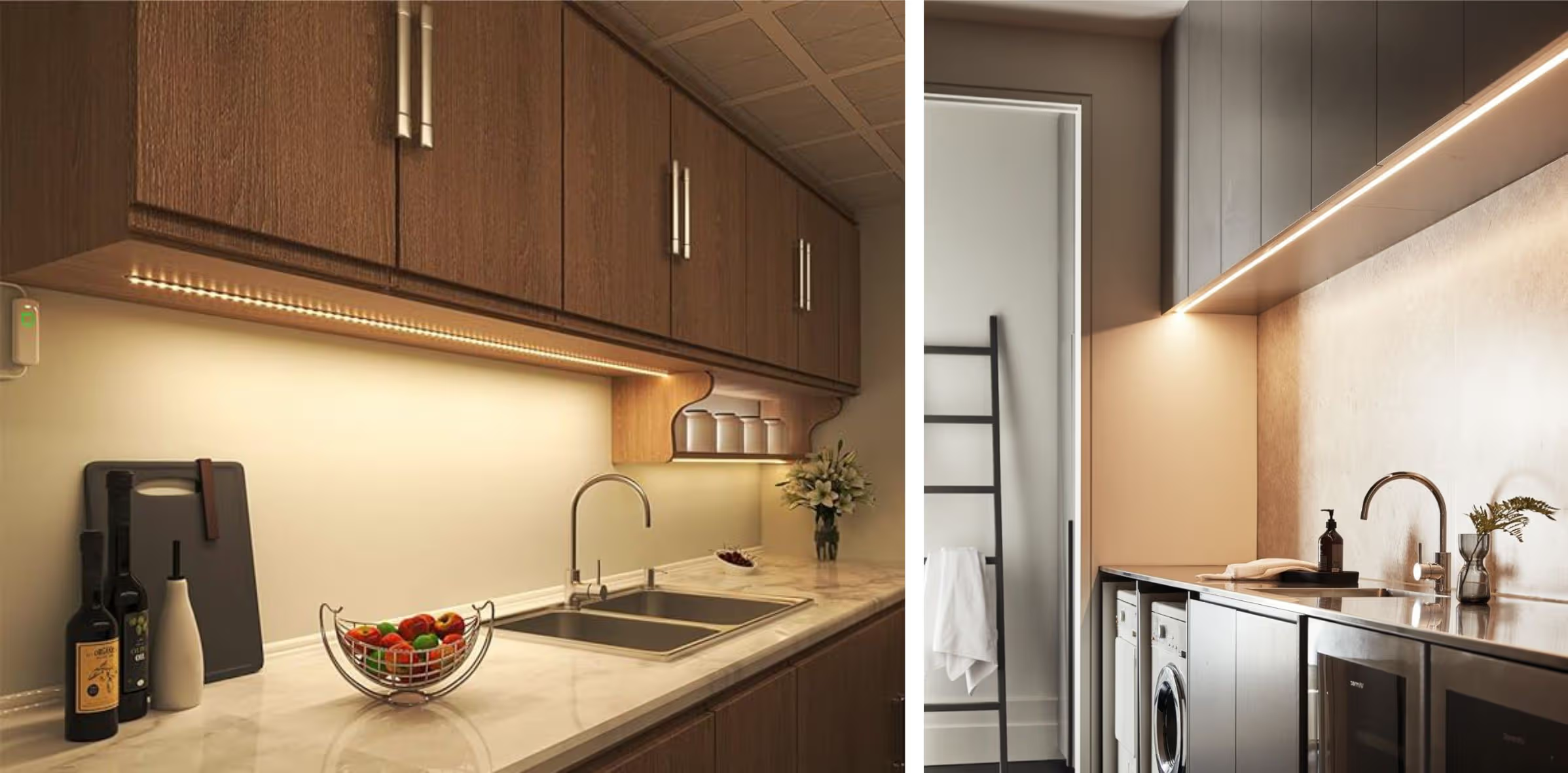
LED strip light is the most popular light source, lots of individual buyers install it at home, but their limited experience may cause the installation imperfect. Here are 7 common fails and solutions for you to avoid them. 7 Common LED Strip FAILS and How To Avoid Them Fail 1: Exposed LEDs LED strips gives off harsh light, especially for low chip density...
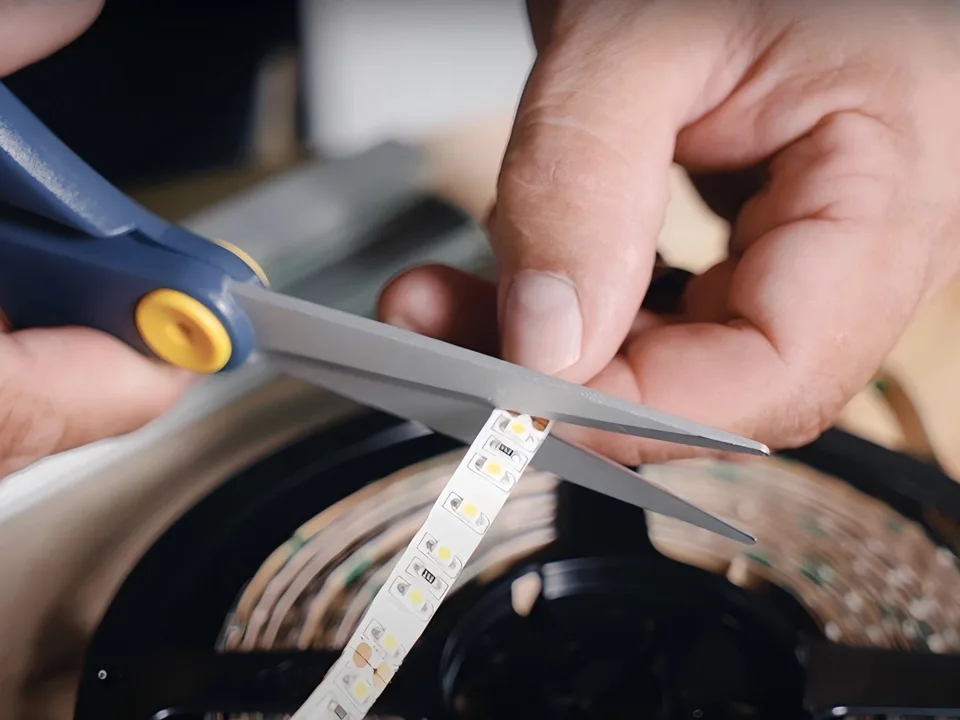
Many customers will also ask: Can I cut LED strip lights? Yes, most LED strip lights can be safely cut to a custom length. LED strips are designed with marked cut points—usually indicated by a scissor icon and copper pads on the PCB. Cutting at these marks will not damage the circuit. To cut LED strip lights safely: Turn off the power supply. Locate...

Installing flow lighting using a water flow LED strip is a practical, step-by-step process when expectations are set correctly from the start. The installation itself is straightforward: you plan the visual flow path, prepare the surface, mount the strip securely, connect it to a compatible controller and power source, then test and adjust the brightness...
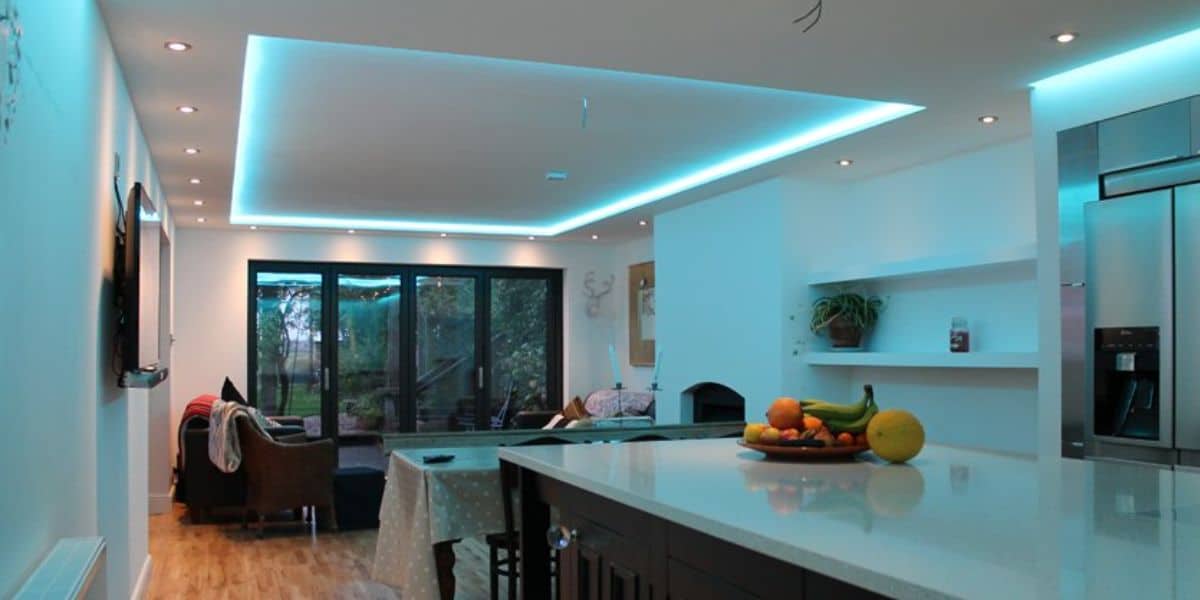
You can install hidden LED strip lights in your home by following a systematic 5-step process: planning the lighting effect, selecting the right components, preparing and mounting the LED strip channels, installing and connecting the LED strips, and finally, adding diffusers and finishing touches for a seamless, professional-grade hidden glow. Hidden...
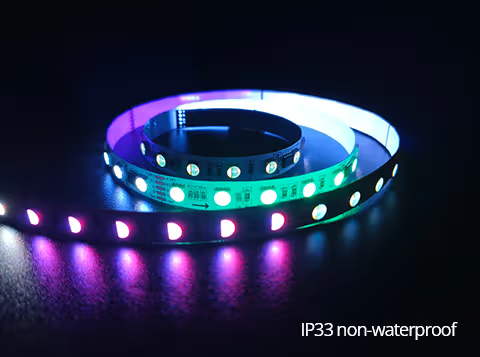
What causes the installed light strip to come loose? 1.Inadequate strip fixing: When installing LED strip lights, if the 3M adhesive is left in place for an extended period of time due to wind and rain, the viscosity of the glue will decrease, turning off the LED strip lights. 2.Paste position and material issues: LED strip lights will also come off...
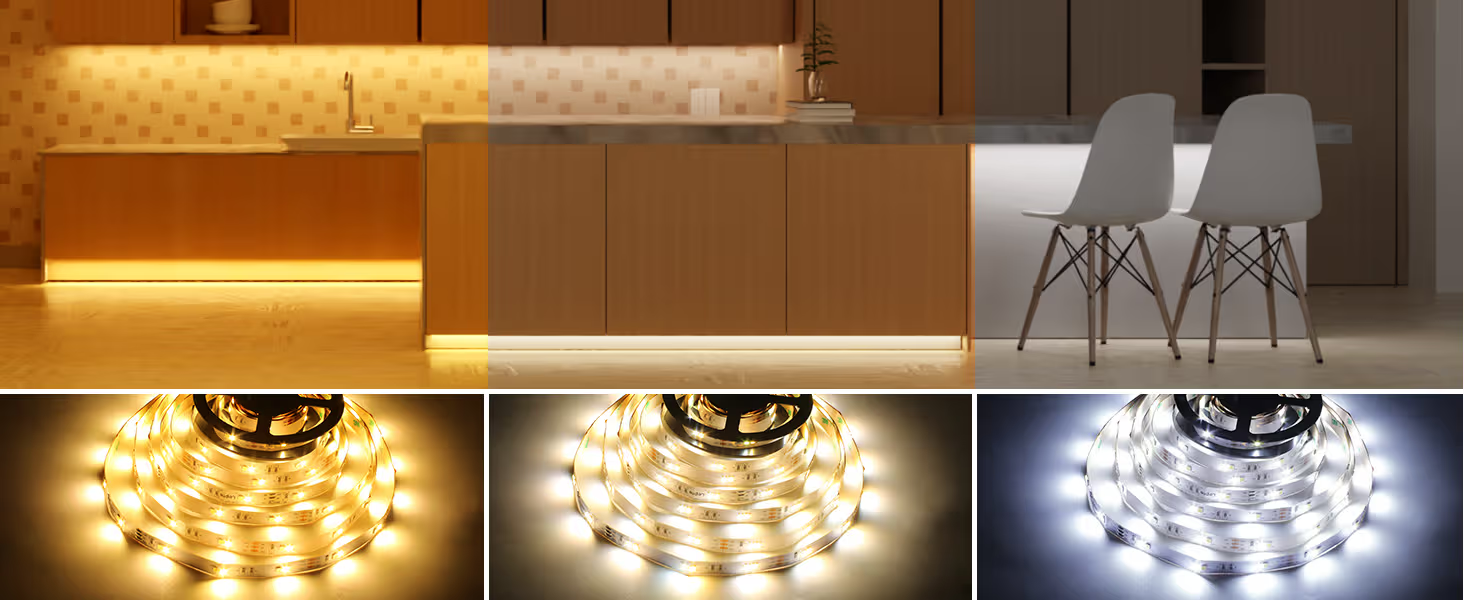
Recently, several of our customers have come to us to report problems with incorrect cutting and lights that don’t turn on throughout the installation process. I’ve written a special page to help you install the LED light strips and solve your issues. Why is it crucial to install LED strip lights correctly? When a fixture is put correctly,...
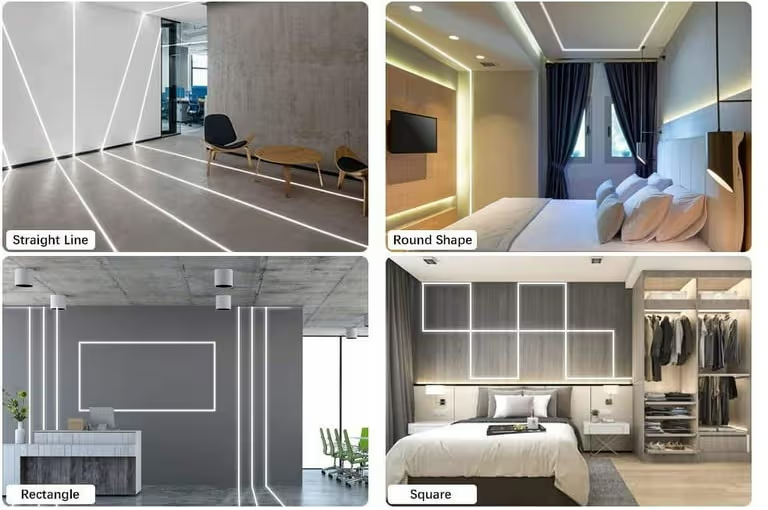
LED aluminum profiles are a fantastic way to enhance both the style and functionality of your lighting setup. They not only protect and diffuse LED strips but also give your installation a polished look. If you’re new to this, installing them might seem a bit tricky, but don’t worry! Here’s a simple step-by-step guide to get you through it. Step...
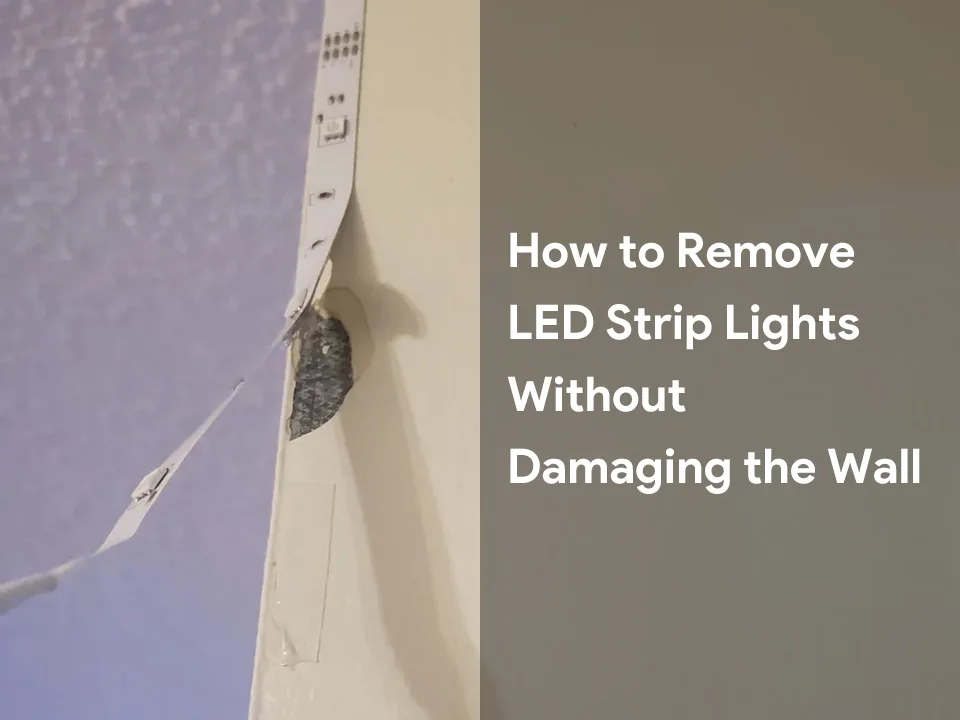
LED strip lights are widely used in home decoration, commercial spaces, hotel projects, and display cabinet lighting due to their easy installation, strong ambiance, and high flexibility. However, when you need to replace wiring, change the lighting layout, or relocate, how to safely remove LED strip lights without damaging the wall or paint becomes...
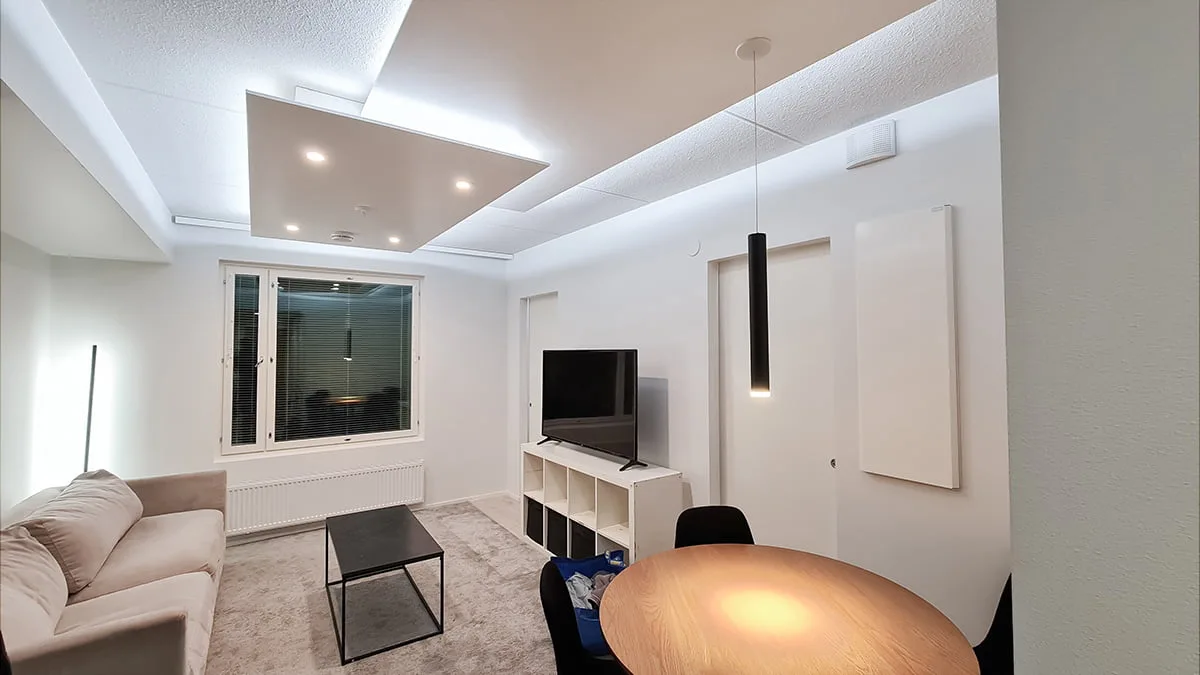
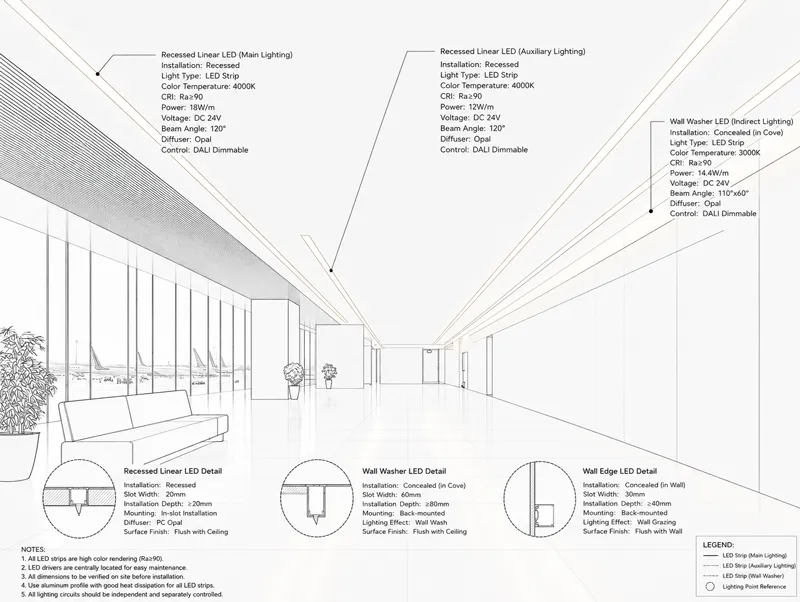
Indirect Lighting are perfect for architectural, and interior design projects. These fixtures aim to illuminate a space, without showing the light source itself. Not shining directly into the space, the light reflects off walls and ceilings, resulting in a gentle and diffused glow that, enhances the room’s atmosphere. It improves the atmosphere,...
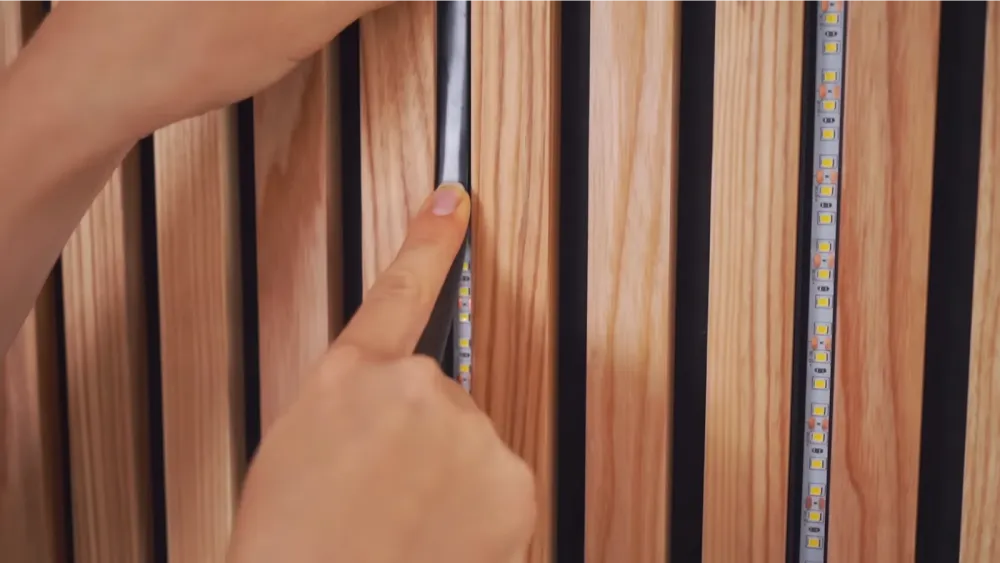
Installing LED lights on a wood slat wall is a fantastic way to enhance your space’s ambiance, adding a modern and stylish touch. Whether you prefer a cozy warm glow or vibrant, colorful lights, this DIY-friendly project can be tailored to suit your needs. Here’s a simple, step-by-step guide to get you started! What You’ll Need If you’re new to home...
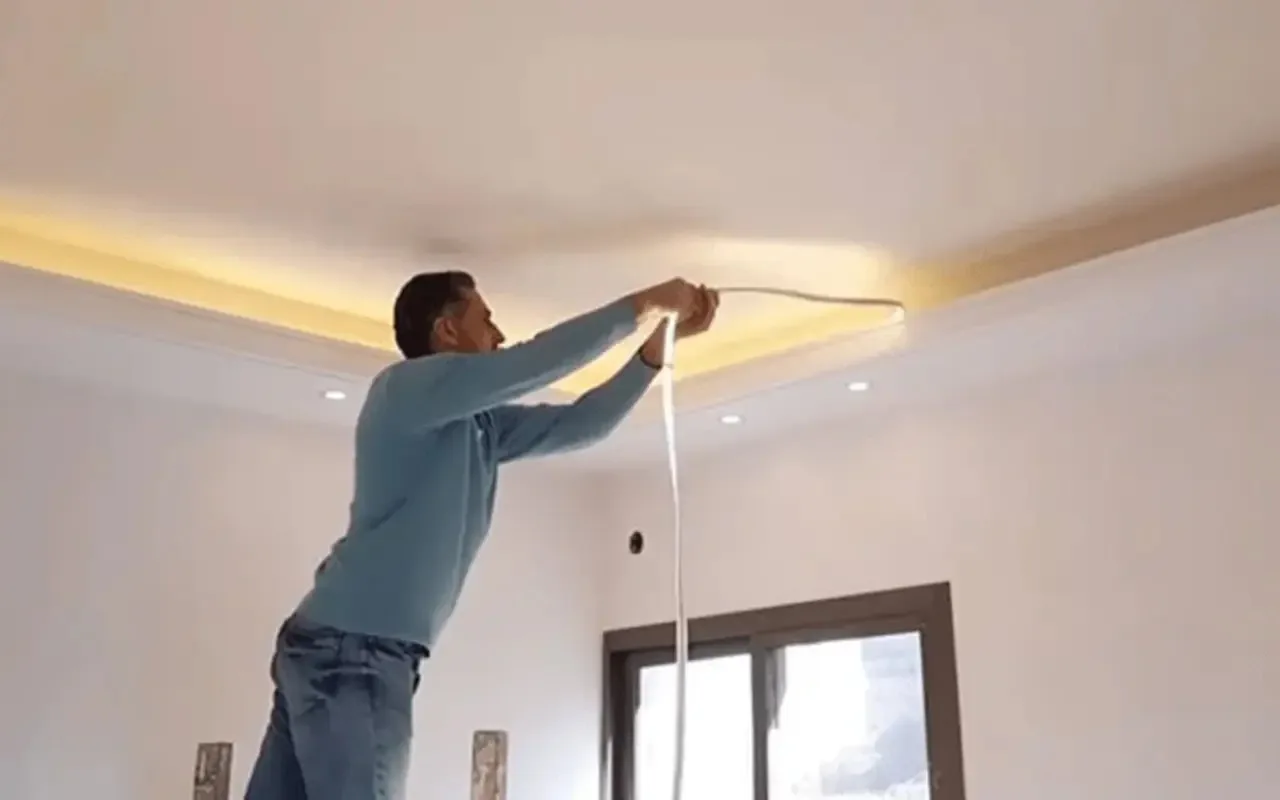
Installing LED strip lights on the ceiling can transform a room by enhancing its atmosphere, providing both functional and decorative lighting. This guide will cover various methods for installing LED strips on ceilings, helping you achieve a professional look. We’ll discuss suitable LED strip types, factors to consider such as brightness and...
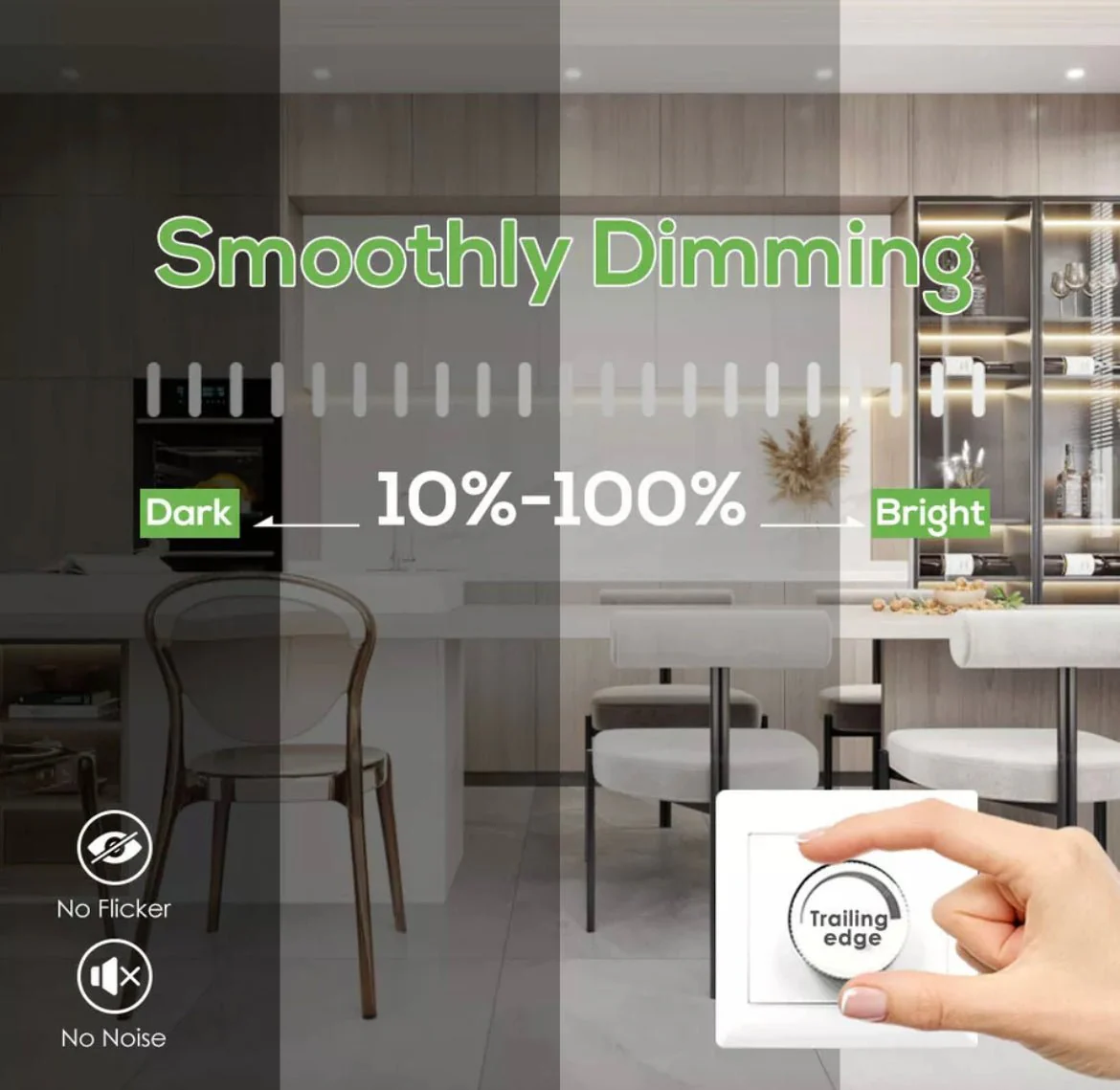
Modern smart lighting systems do more than simply turn lights on and off — they create adaptable environments that enhance comfort, efficiency, and style. Behind every smooth brightness change lies a dimming protocol, quietly shaping the user experience. Among the most widely used in commercial projects are DALI and PWM, each offering unique ways to...
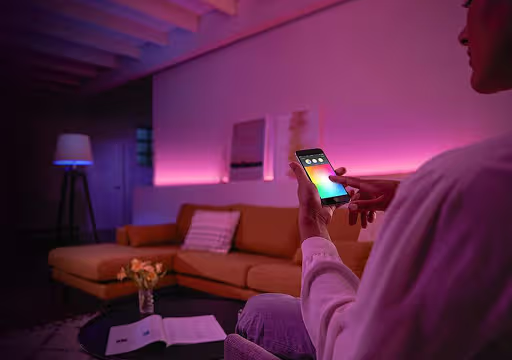
With the development of technology, mobile phones are becoming more and more important, in addition to daily calls, they can also be used for online shopping, payment, entertainment, smart control of home appliances including LED lamps,etc. Lots of customer bought our strips with normal controller, as the time goes, some of them lost remote control,...
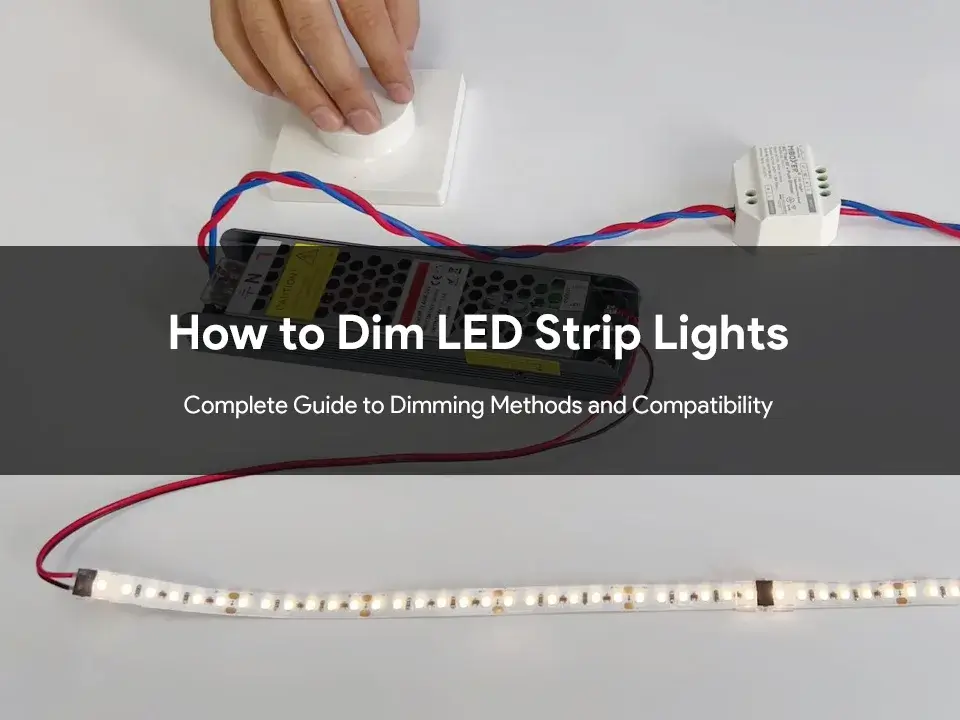
LED strip lights are widely used in modern lighting systems such as commercial spaces, smart homes, retail displays, and architectural lighting projects. However, simply “turning on” LED strip lights is no longer sufficient. Achieving precise and smooth dimming functionality is the key to meeting the diverse lighting control requirements of various...
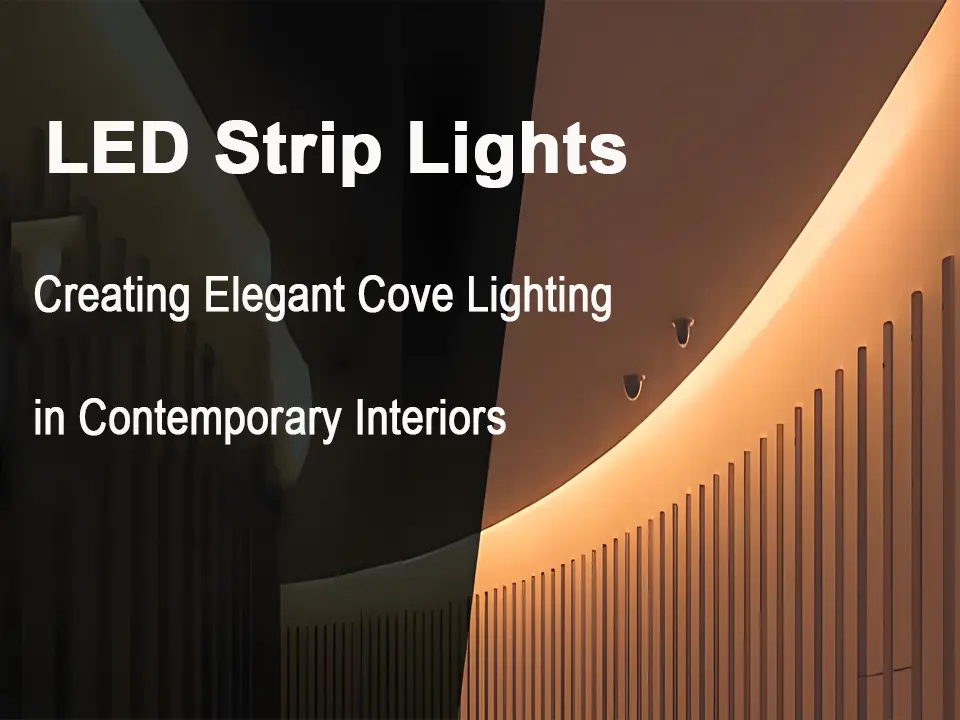
Cove lighting has become one of the most popular design elements in modern interiors and architectural projects. By hiding the light source within a recessed channel, designers can create a soft, indirect glow that highlights ceiling contours, enhances spatial depth, and delivers a welcoming atmosphere. Among all lighting options, LED strip lights stand...
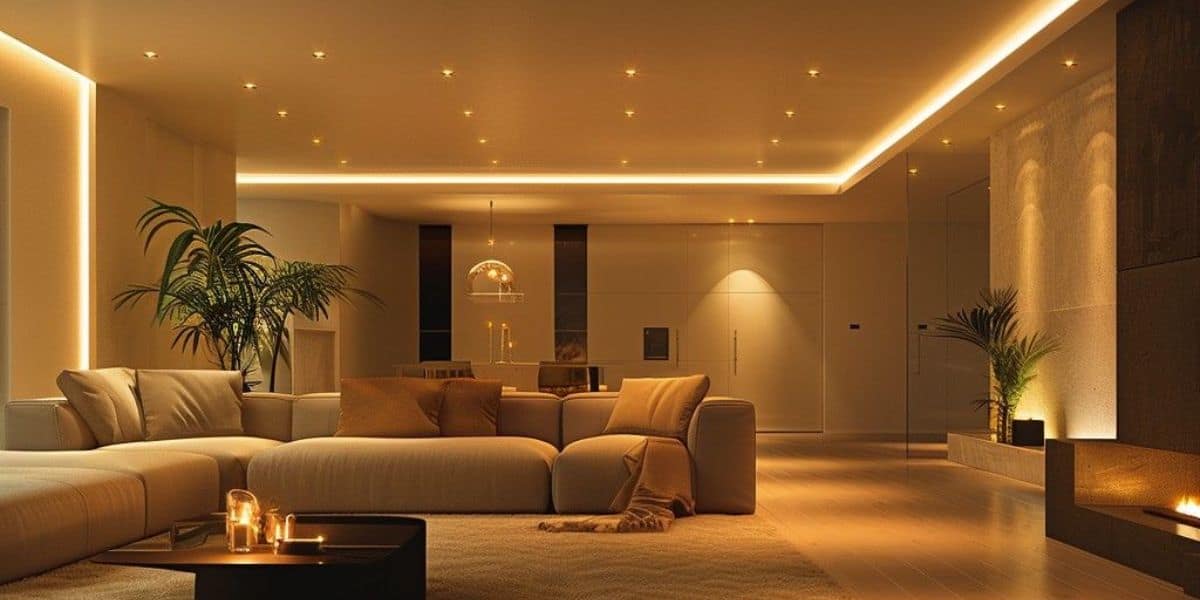
Choosing the right cove lighting fixtures for your ceiling involves a systematic evaluation of three core components: the LED strip for light quality, the aluminum profile for structure and diffusion, and the integration of both for a flawless final effect, ensuring your cove provides seamless, professional-grade illumination. Cove lighting looks simple...
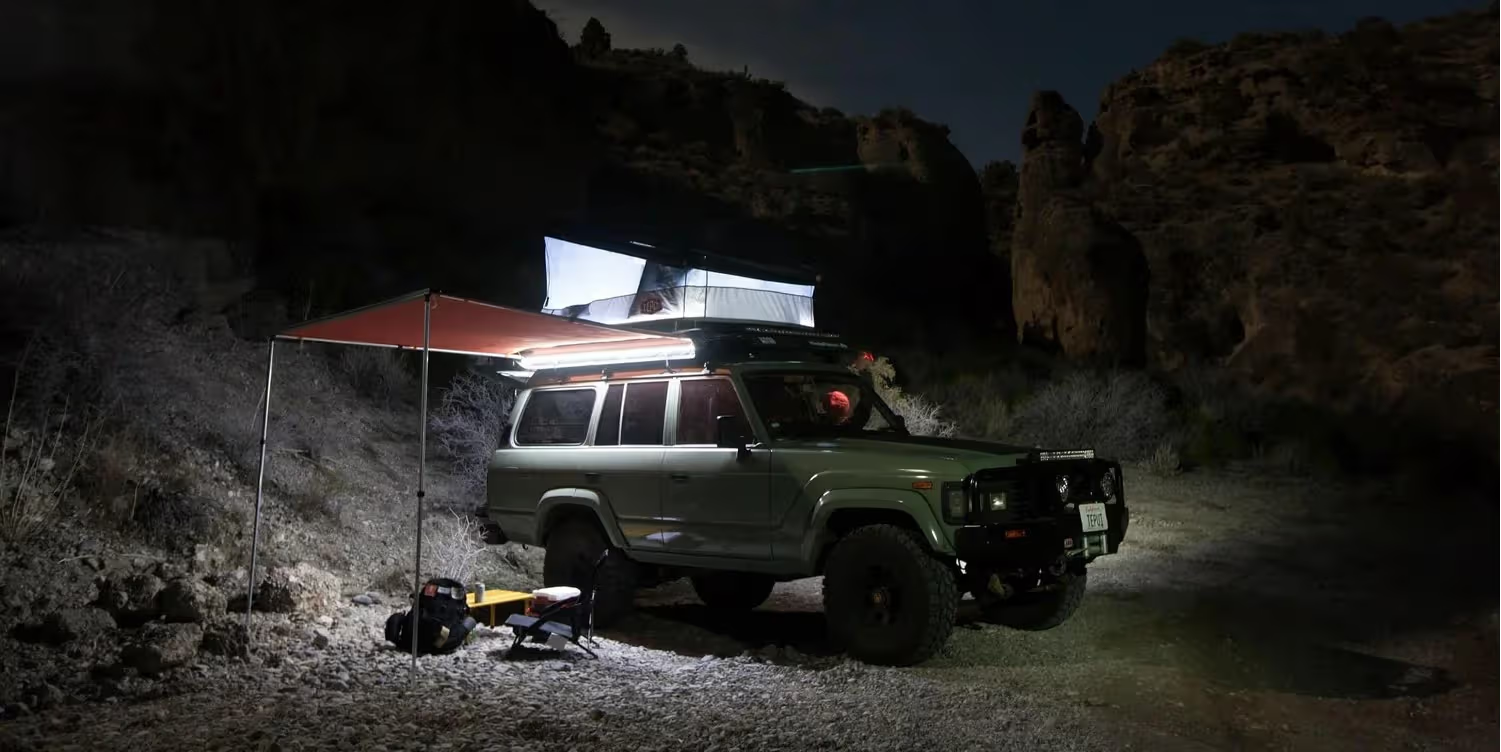
Living in a crowded city makes people feel depressed, going camping on the weekend is a great way to get close to the nature and released depression. It’s often seen that people gets LED strip as camping light, it’s bright and flexible to light up the area you want. On the other hand, you can change batteries easily when it’s exhausted. how to DIY your...
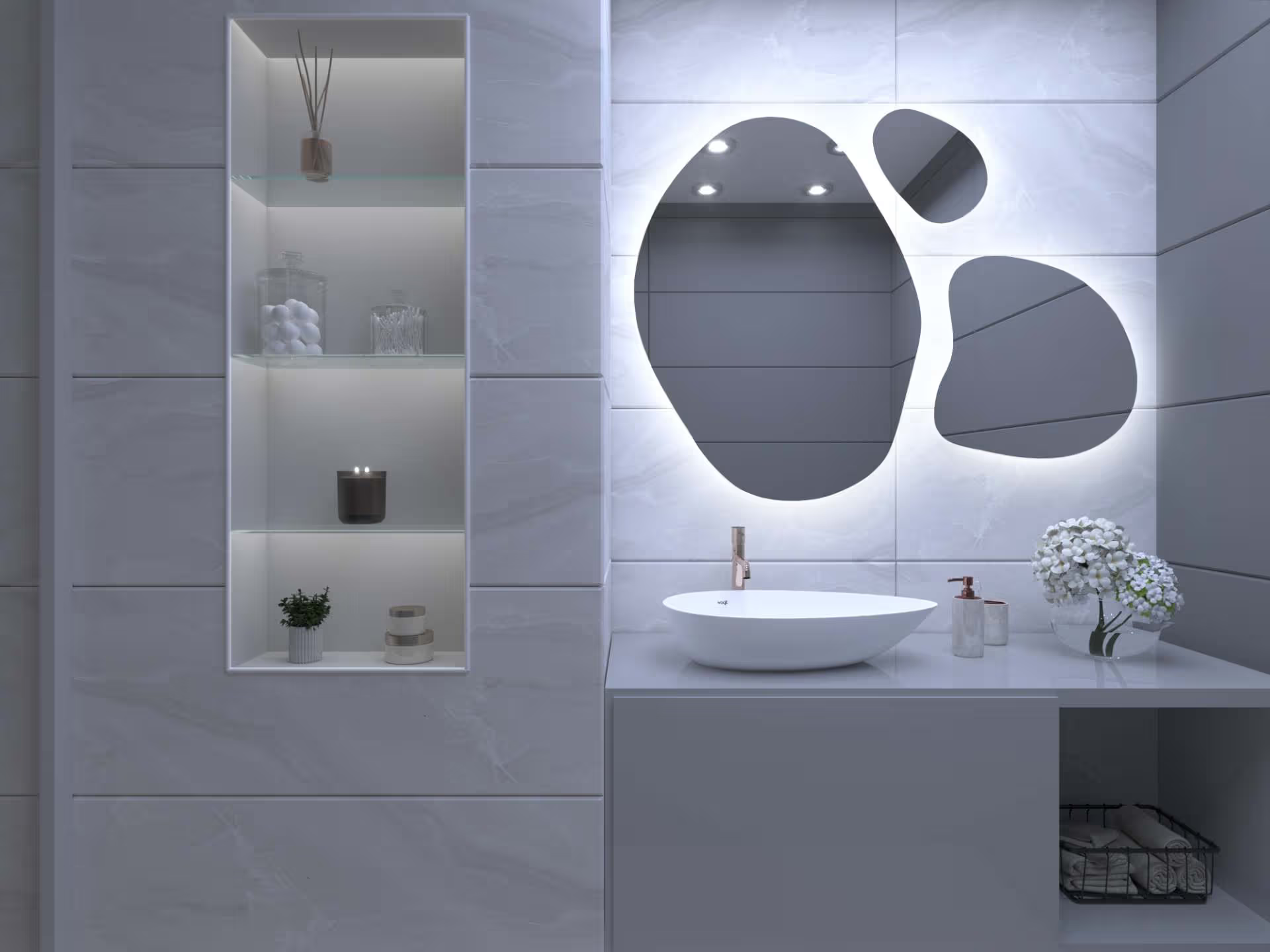
If you are going to buy bathroom mirror or makeup mirror, you will find most of stylish mirrors are set with built-in led strips. This strips provides uniform, soft and sufficient lights, reduces shadows and reflections which is better for grooming and makeup. How to add LED strip to an existing mirror, follow the steps below. DIY MAKE YOU OWN LED Light...
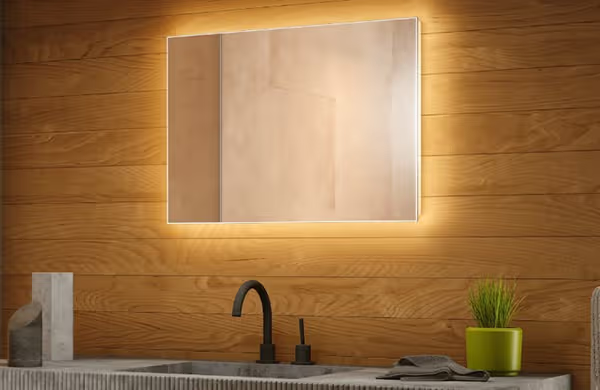
Elevate your mirror’s look with LED strip lights! Whether for functional lighting or decorative flair, adding LED strips to your mirror is a simple and cost-effective way to brighten up your space. In this guide, we’ll walk you through the step-by-step process of creating your own DIY mirror with LED strip lights. From choosing the right materials...
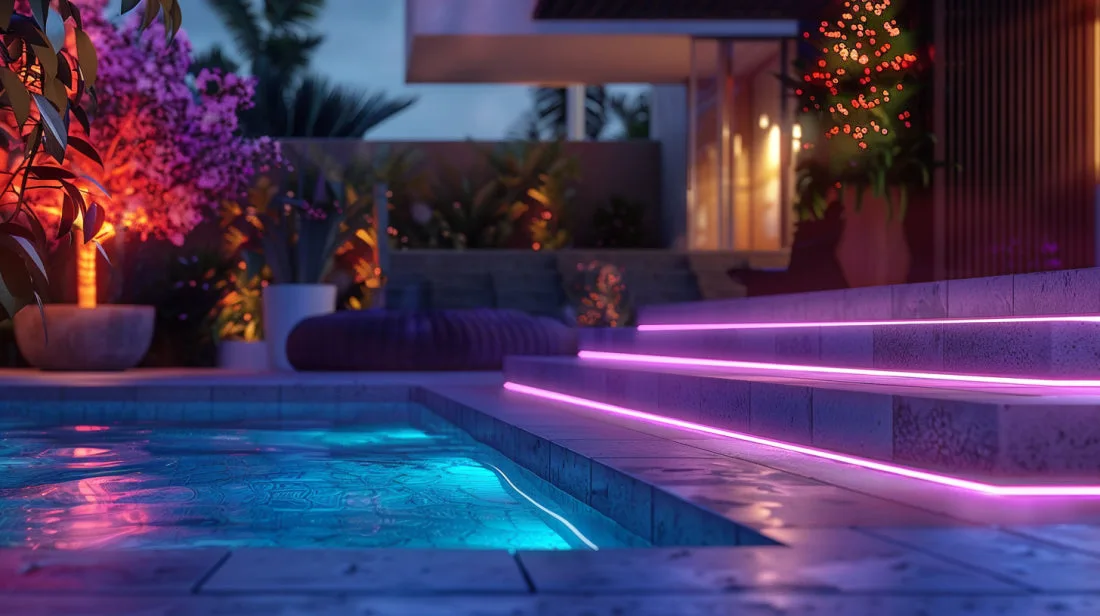
LED Neon Flex lighting has quickly become a go-to solution for outdoor signage, architectural accents, and creative installations. With its flexibility, durability, and bright, uniform glow, it’s ideal for both commercial and decorative use. But one crucial detail often gets overlooked: selecting the right mounting accessories. Choosing proper mounting...

A Surge Protective Device (SPD) does not “stop lightning.” It cannot block a strike or eliminate lightning energy. What it can do is limit transient overvoltage and divert surge current into a controlled path, reducing stress on insulation and electronics. Real-world performance depends on a coordinated protection system: bonding/earthing quality, correct...
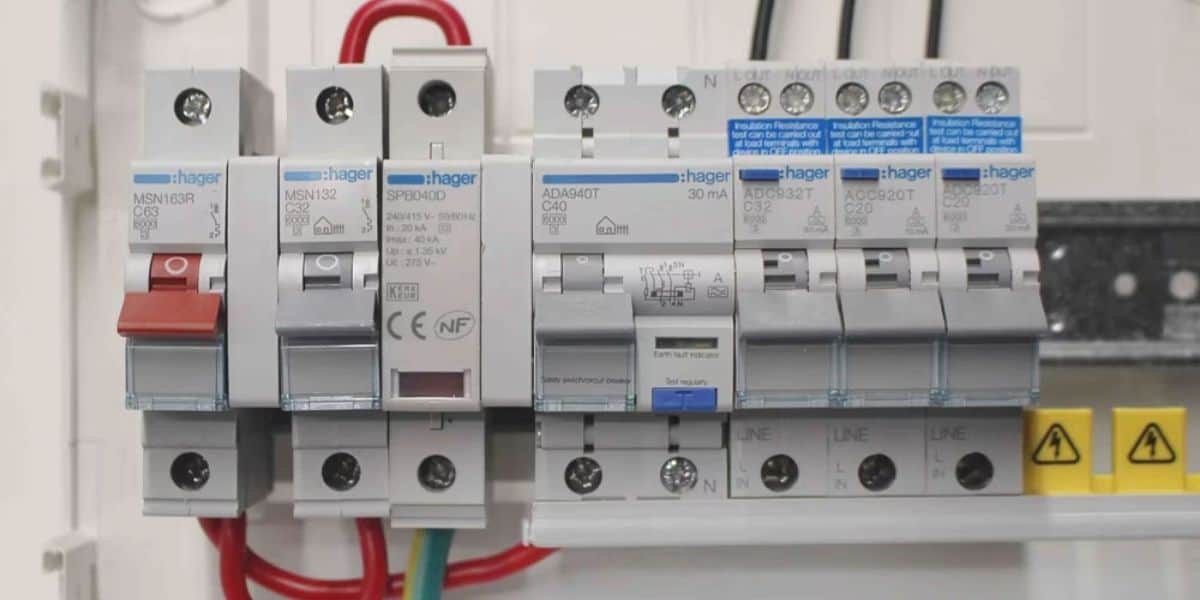
Commercial facilities need a surge protective device strategy that is repeatable, maintainable, and coordinated across multiple panels and sensitive loads. “Top” selection depends on choosing the correct Type 1 vs Type 2 vs Type 3 device for the installation zone, and verifying performance using UL 1449 ratings and system fit (voltage, SCCR, grounding)....

Driven by global energy conservation, emissions reduction, and smart city development, LED street lights have become the mainstream choice for urban roadways, industrial parks, highways, and public infrastructure lighting. Compared to traditional high-pressure sodium lamps and metal halide lamps, LED street lights offer significant advantages...

Yes, surge protective devices do wear out. Even when there is no visible damage and the device still appears powered, its protective components degrade with every surge event. Replacement timing is therefore not based on calendar age alone. It depends on cumulative electrical stress, exposure conditions, and system criticality. Assuming protection remains...
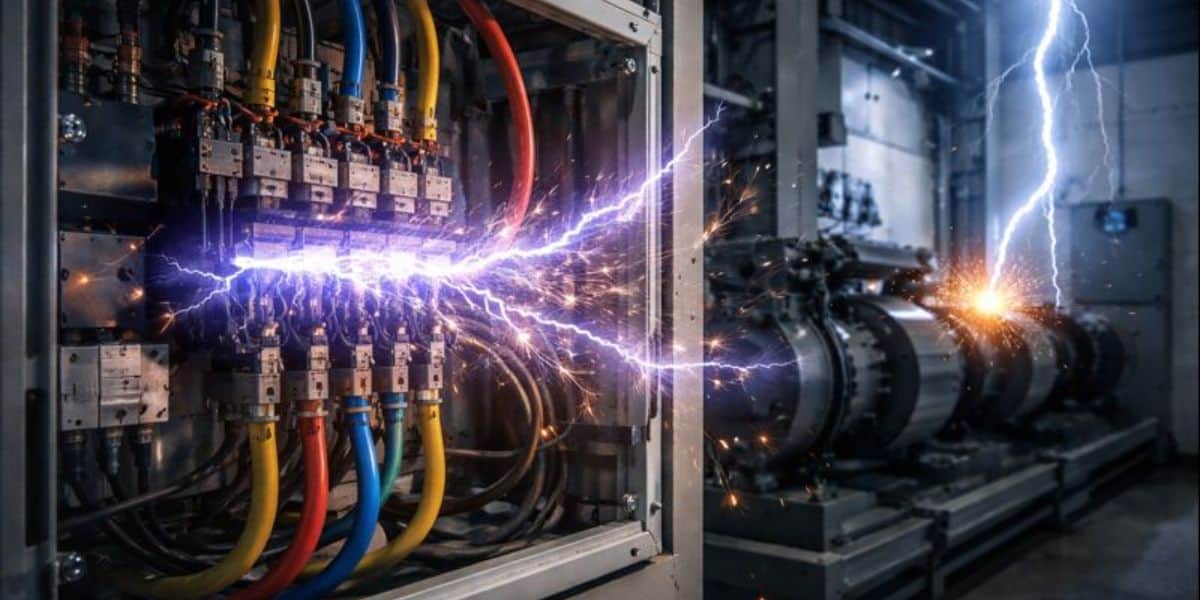
In a 3-phase system, surge protection works by sensing abnormal overvoltage, switching internally from a high-impedance state to a low-impedance state, diverting the surge current into the grounding or bonding path, and limiting the voltage that reaches connected equipment. It does not “block” a surge. It reduces the peak voltage by giving the surge...
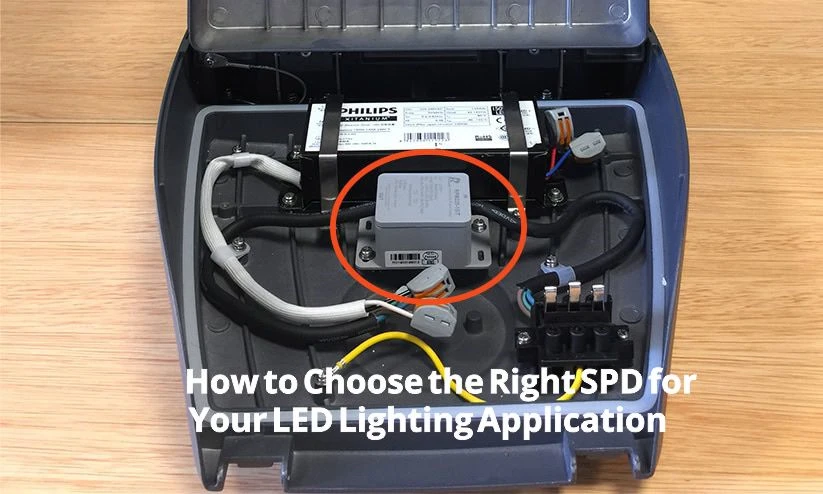
LED lighting has become the backbone of modern illumination — from smart streetlights to high-bay fixtures in factories. Yet, behind their efficiency and long lifespan lies a hidden vulnerability: electrical surges. These unpredictable spikes, often caused by lightning strikes or power grid fluctuations, can silently damage sensitive LED drivers and...
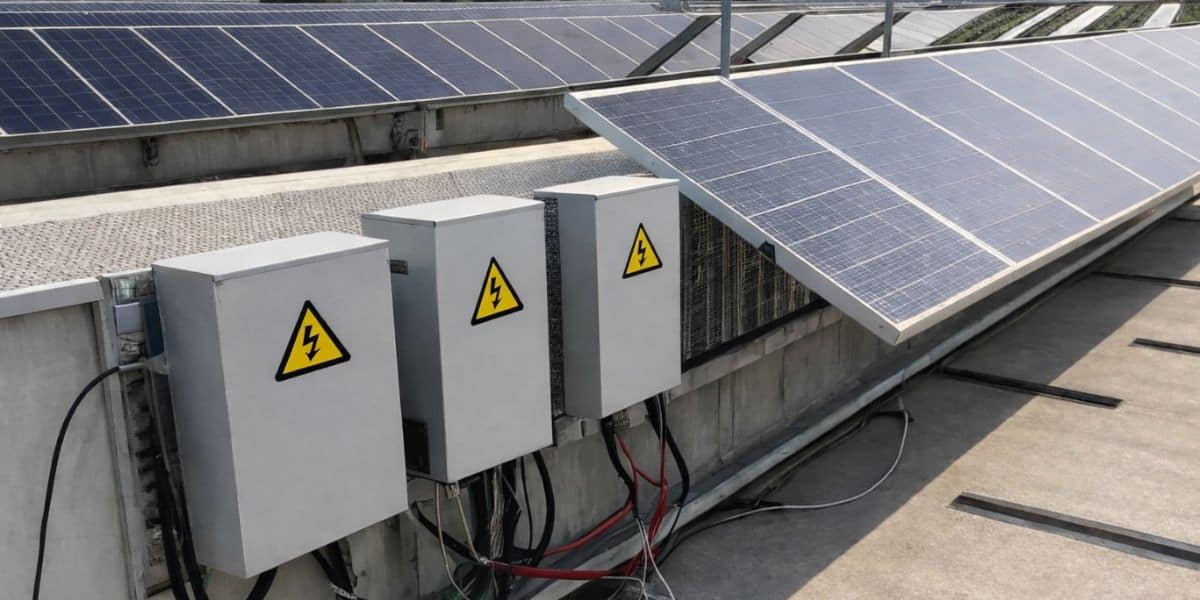
Electric vehicle charging systems and solar PV installations face a different surge risk profile than conventional electrical loads. Bidirectional power flow, frequent DC–AC conversion, and dense power electronics make these systems sensitive to both external grid disturbances and internally generated transients. Effective protection depends on coordinated,...
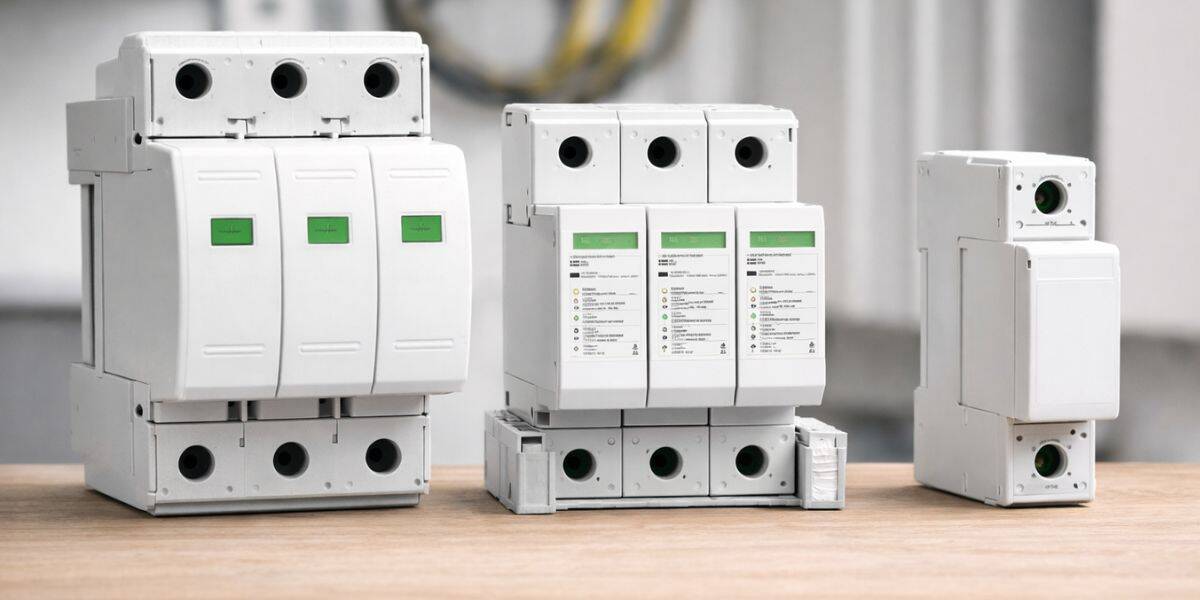
Surge Protective Devices (SPDs) are classified as Type 1, Type 2, and Type 3 to reflect where they operate within an electrical system and how they manage surge energy at that location. These types are not interchangeable. Each is engineered for a specific surge environment and protection function, and they only perform correctly when applied as part...
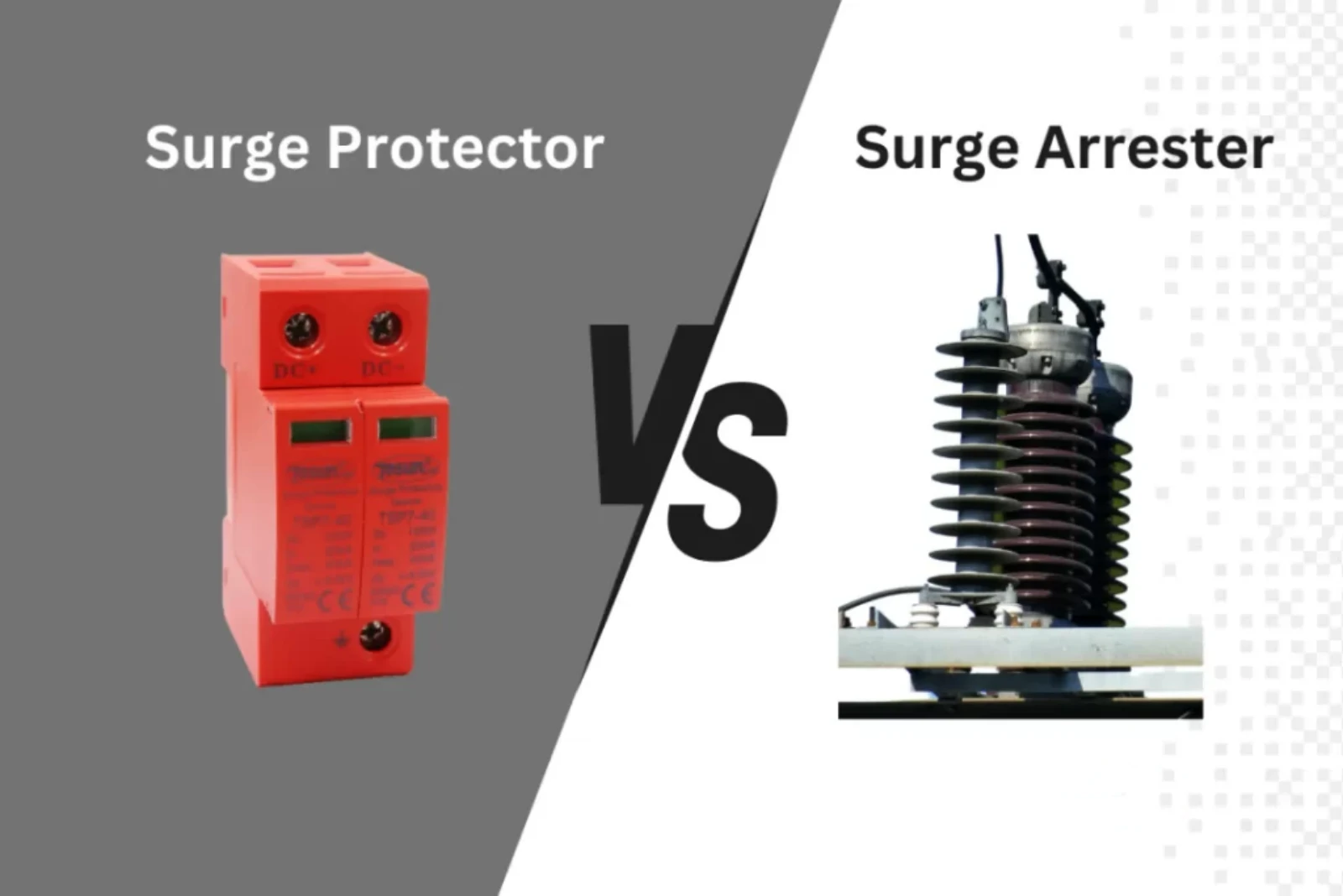
In today’s world, electrical systems are becoming increasingly sophisticated and sensitive. Even a small power surge can cause serious damage, resulting in costly downtime and equipment failure. That’s why surge protection is essential for any modern installation. However, many engineers and buyers often confuse SPDs (Surge Protective Devices) with...
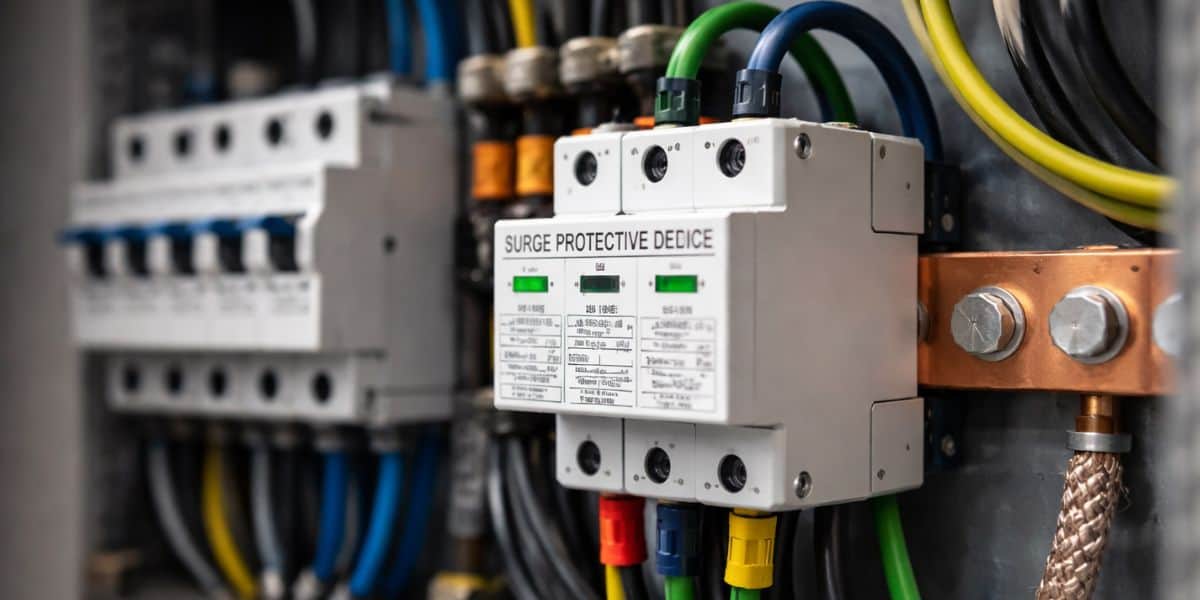
When selecting a surge protective device, three parameters determine real performance: joule rating, voltage protection rating (clamping voltage), and compliance with UL 1449. Joules describe how much surge energy a device can absorb over time. Clamping voltage defines how high the voltage is allowed to rise during a surge. UL 1449 validates how these...
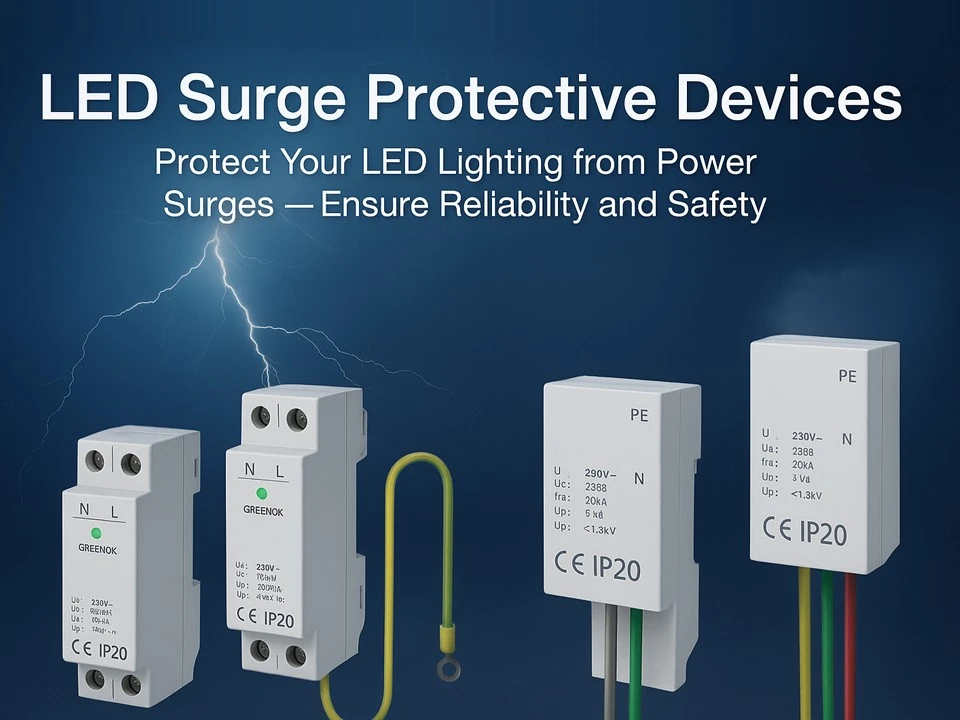
Have you ever wondered why your LED lights sometimes fail much earlier than expected, even though they are labeled to last for 30,000 or even 50,000 hours? Or why street lights or facade lighting systems can suddenly go dark after a thunderstorm? The truth is, LED technology is highly efficient but also very sensitive to power surges. Even a short electrical...
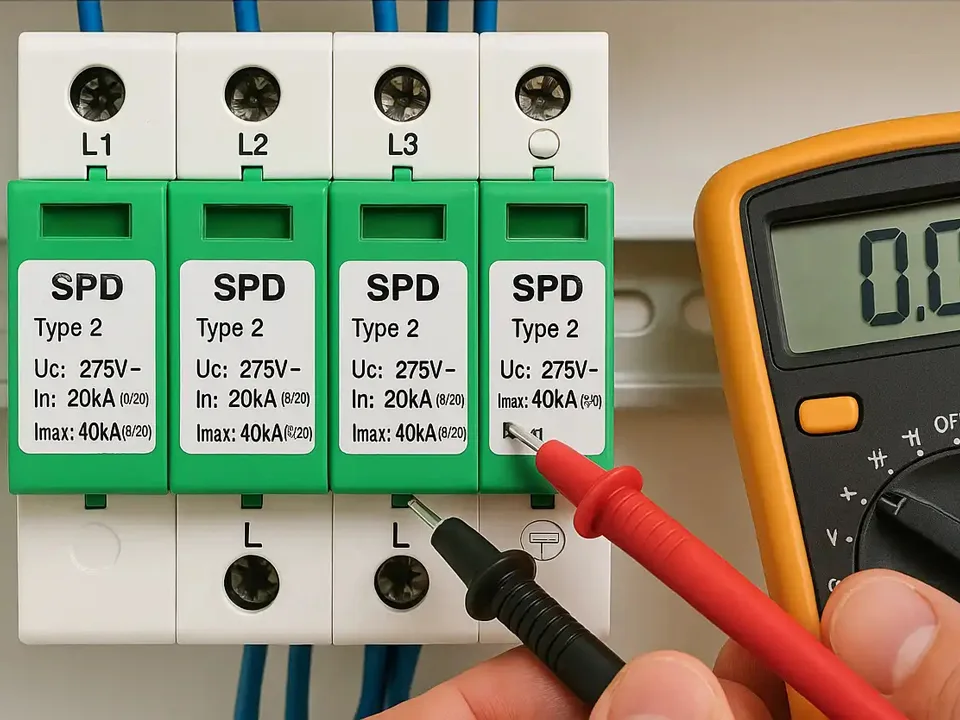
During operation, instantaneous high voltages (surges) in LED switching power supplies act like invisible “current assassins,” potentially arising suddenly from lightning strikes, grid switching, motor starts/stops, and similar operations. Though these surges last only a fraction of a second (typically milliseconds to microseconds), their peak voltages...
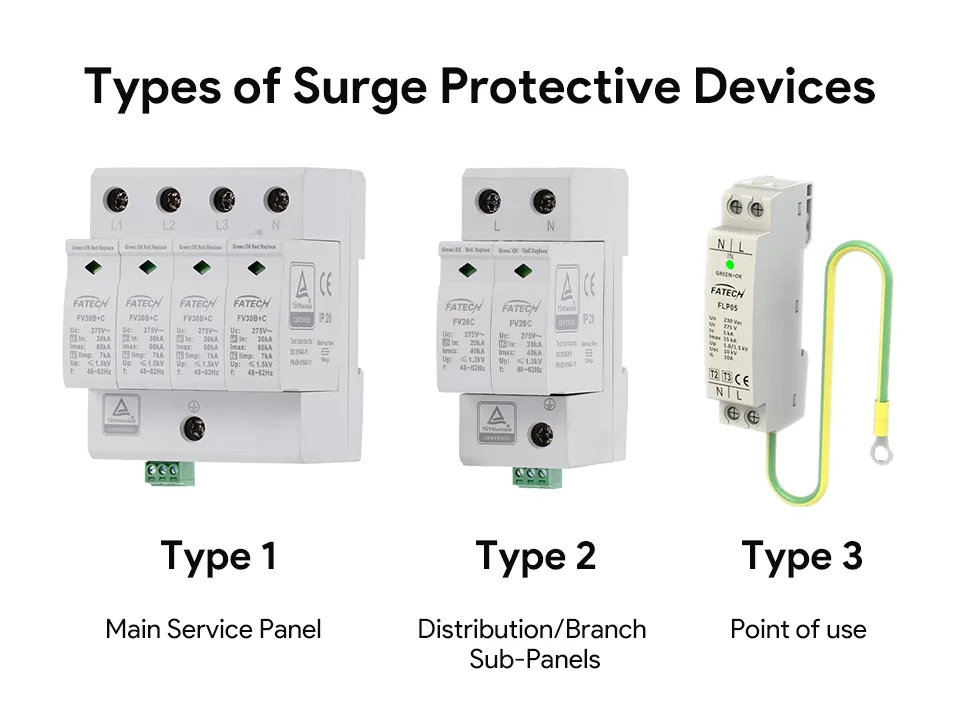
In today’s highly electrified and digitized world, our society relies on fragile electronic devices—from smart TVs and computers in homes to precision control units in industrial settings. Yet an invisible threat lurks within the power grid: electrical surges. These can inflict massive damage within millionths of a second. Surge Protective Devices (SPDs)...
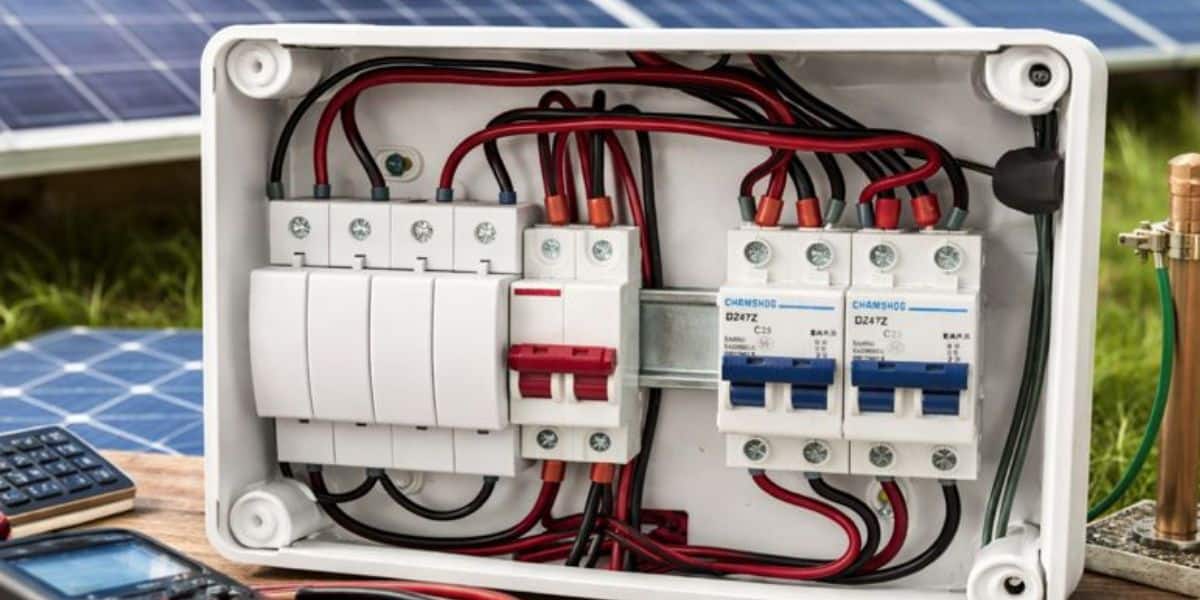
For most solar panel installations, the best approach is coordinated surge protection: a DC SPD at the PV array or inverter DC input, an AC SPD at the inverter output or distribution panel, and Type 2 SPDs as the primary protection layer. Type 3 devices are used only near sensitive endpoints. This means there is no single “best” surge protective device...
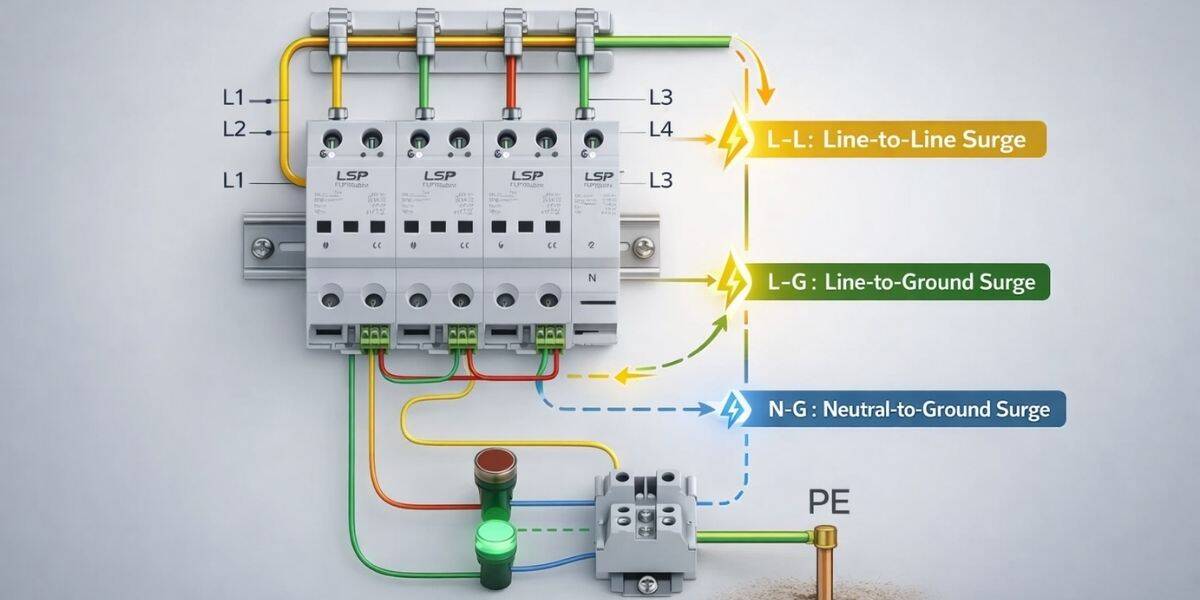
The main difference is scope and installation: SPDs protect the electrical system at panel level (including key 3-phase surge modes like L–L and L–G), while surge protectors protect one device at the endpoint. In 3-phase systems, a surge protective device (SPD) is typically a hardwired, panel-mounted device installed at the service entrance or distribution...

For most three-phase industrial panels, the best choice is usually a Type 2 surge protection device installed at the panel (distribution level), coordinated with upstream protection and good grounding. A Type 1 unit becomes the better choice at the service entrance when incoming surge exposure is high, while Type 3 devices are mainly for sensitive endpoints...