Nederlands
  English
  简体中文
简体中文  Deutsch
  Español
  Français
  Italiano
  日本語
日本語  한국어
한국어  Polski
  Português
  Русский
  Türkçe
  Tiếng Việt
  ไทย
ไทย 
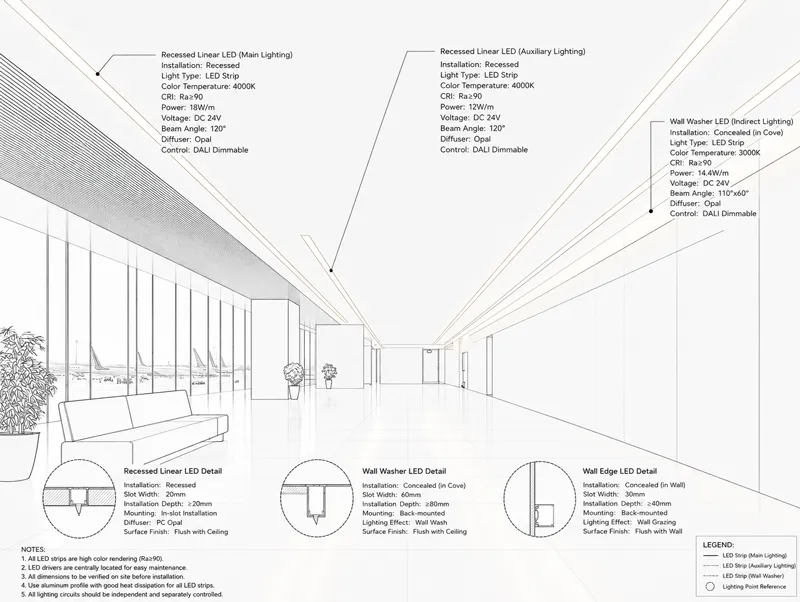
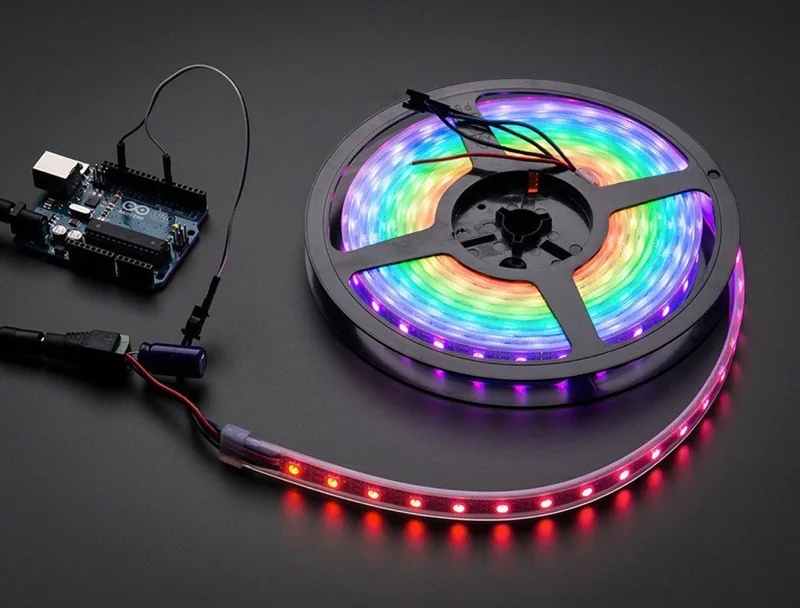
LED-striplampen zijn een populaire keuze geworden voor decoratie en verlichting vanwege hun energie-efficiëntie, flexibiliteit en kneedbaarheid en diverse toepassingsscenario's. Veel mensen kunnen zich echter afvragen: "Kunnen LED-striplampen goed werken zonder een stekker?" Met de juiste installatiemethode en stroomoplossing is het zelfs volledig mogelijk om...
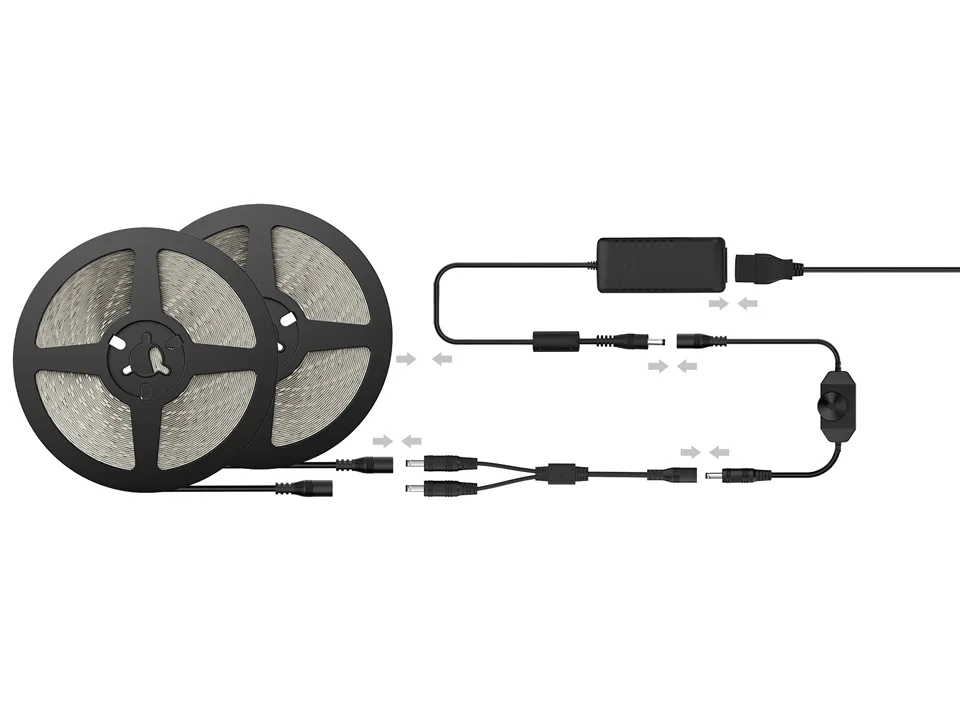
12V LED-striplampen zijn een eenvoudige en betaalbare manier om accentverlichting aan uw ruimte toe te voegen. Deze flexibele strips, ook wel LED-lintlampen genoemd, zijn eenvoudig te installeren op veel oppervlakken. Ze geven zacht, glad licht af en zijn veilig te gebruiken in kleine ruimtes. Het lage 12V DC-vermogen maakt ze energiebesparend en helpt de lichten koel te houden. Veel mensen gebruiken ze...
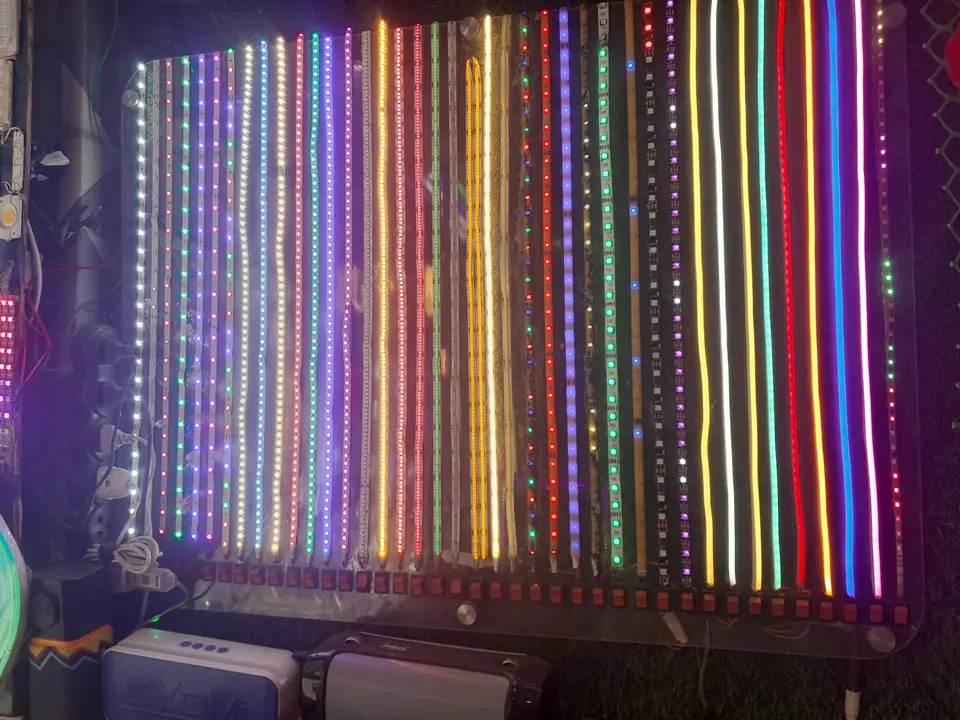
Doel van de veroudering en experimentele omgeving Beschrijving Test Doel: Met toenemende LED-stripfabrikanten en intensiverende prijsconcurrentie, zijn de meeste 2835 chips in de huidige markt LED-strips 0,2 W. Sommige klanten voor kleuren-LED-strips kunnen kiezen voor 0,1 W chips om de kosten te verlagen wanneer een lagere helderheid acceptabel is. Deze test vergelijkt 0,1W en 0,2 W...
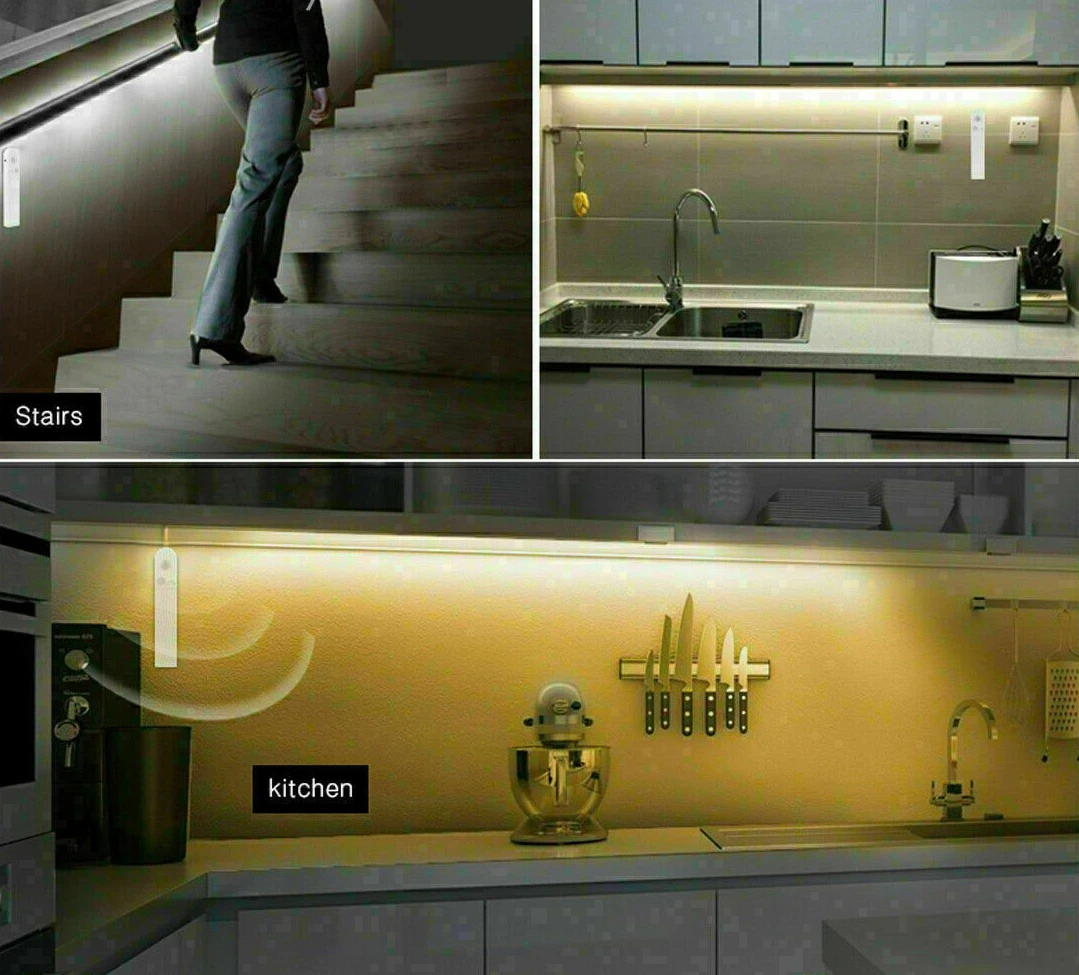
Lichtontwerp is verder geëvolueerd dan traditionele plug-in-oplossingen, die innovatie omarmen die voldoen aan de moderne levensstijl. Op batterijen werkende LED-striplampen bieden een unieke mix van flexibiliteit en onafhankelijkheid, waardoor creatieve verlichtingsoplossingen mogelijk zijn zonder vaste bedrading. Deze shift opent nieuwe mogelijkheden voor het verbeteren van zowel de binnensfeer als de buitenlucht...
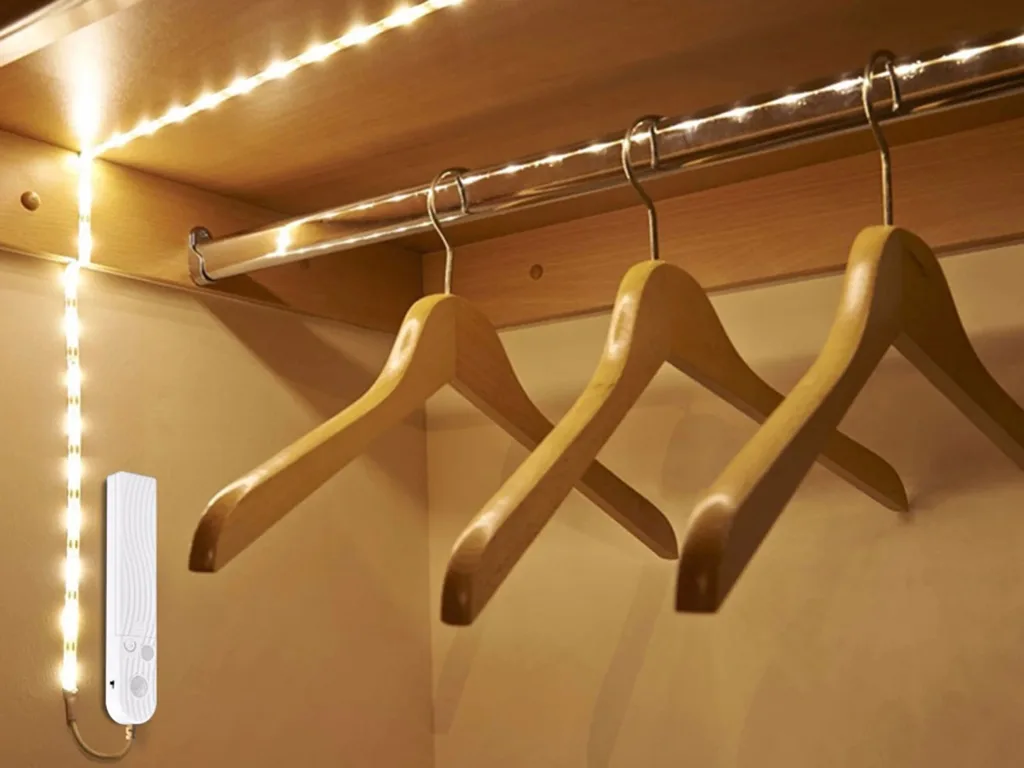
LED-striplampen zijn een flexibel en veelzijdig verlichtingsproduct dat verkrijgbaar is in verschillende maten, vormen, kleuren en stijlen. Veel LED-lichtstrips steken niet rechtstreeks in op 220V-voeding en hebben elektriciteit nodig om om te zetten en te lichten. Dus, moet je een ruimte verlichten die geen stopcontact heeft? Of het nu een gezellige hoek is, een buitenomgeving,...
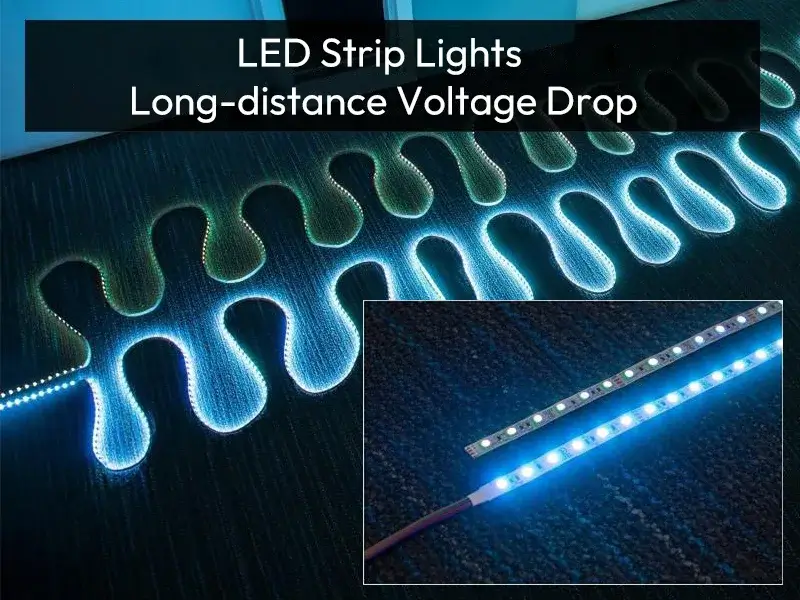
Bij langeafstands-lichtinstallaties is spanningsval het kernprobleem dat ongelijke helderheid en een verkorte levensduur veroorzaakt. Aangezien de stroom in laagspannings-LED-strips (12V/24V) afneemt bij toenemende afstand, heeft het spanningsverlies als gevolg van de draadweerstand een aanzienlijke invloed op de lichtprestaties aan het uiteinde. Zonder tussenkomst kan spanningsval...
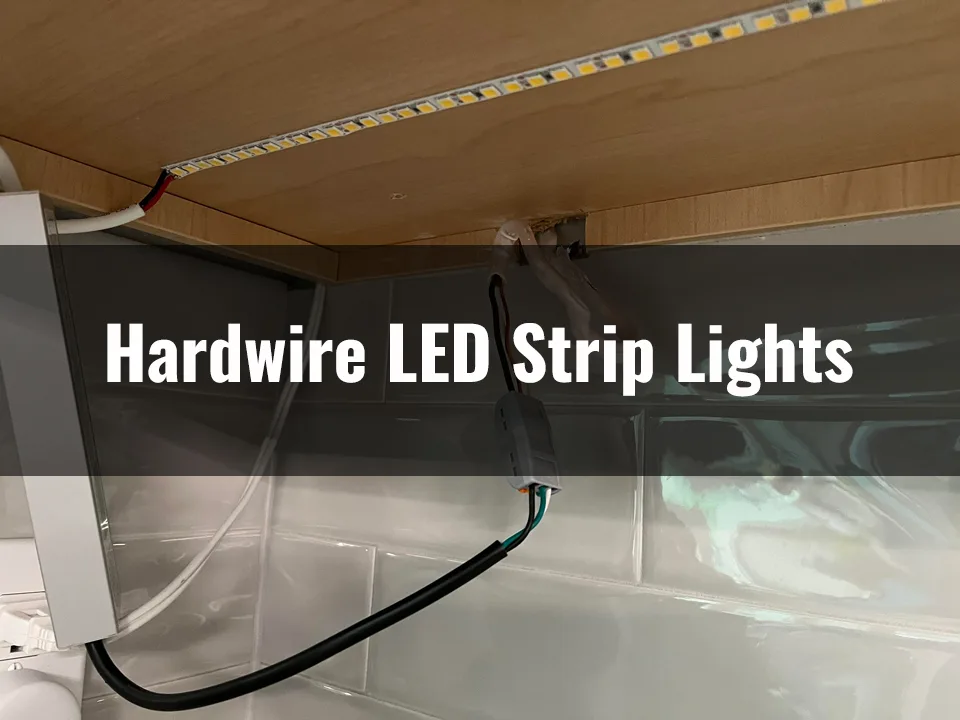
In de afgelopen jaren is LED-stripverlichting steeds populairder geworden vanwege de energie-efficiëntie, veelzijdigheid en lange levensduur.LED-strips kunnen worden gebruikt in verschillende toepassingen, variërend van taakverlichting tot accentverlichting en zijn verkrijgbaar in een breed scala aan verschillende kleuren en helderheidsniveaus. Over het algemeen hebben LED-striplampen veel toepassingen...
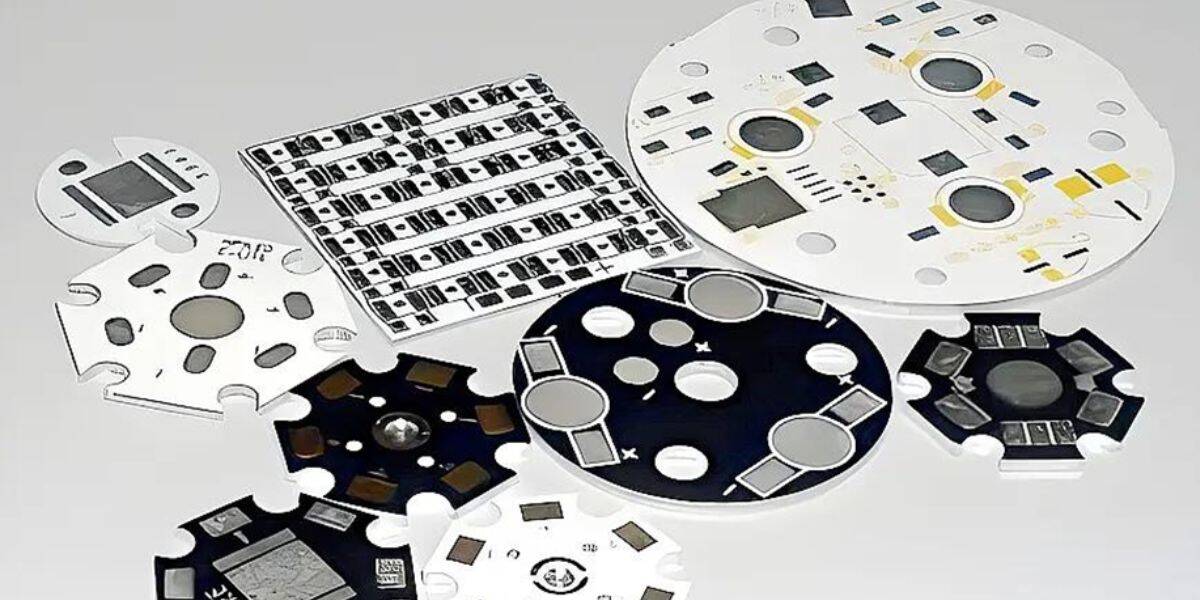
Naarmate de LED-technologie zich verder ontwikkelt, worden krachtige PCB-LED's nu op grote schaal gebruikt in verschillende toepassingen. Het wordt gebruikt in industriële verlichting, autokoplampen, straatlantaarns, stadionverlichting en commerciële armaturen met hoge bay. Deze LED's leveren superieure helderheid, energie-efficiëntie en levensduur in vergelijking met traditionele lichtbronnen. Ze ook...
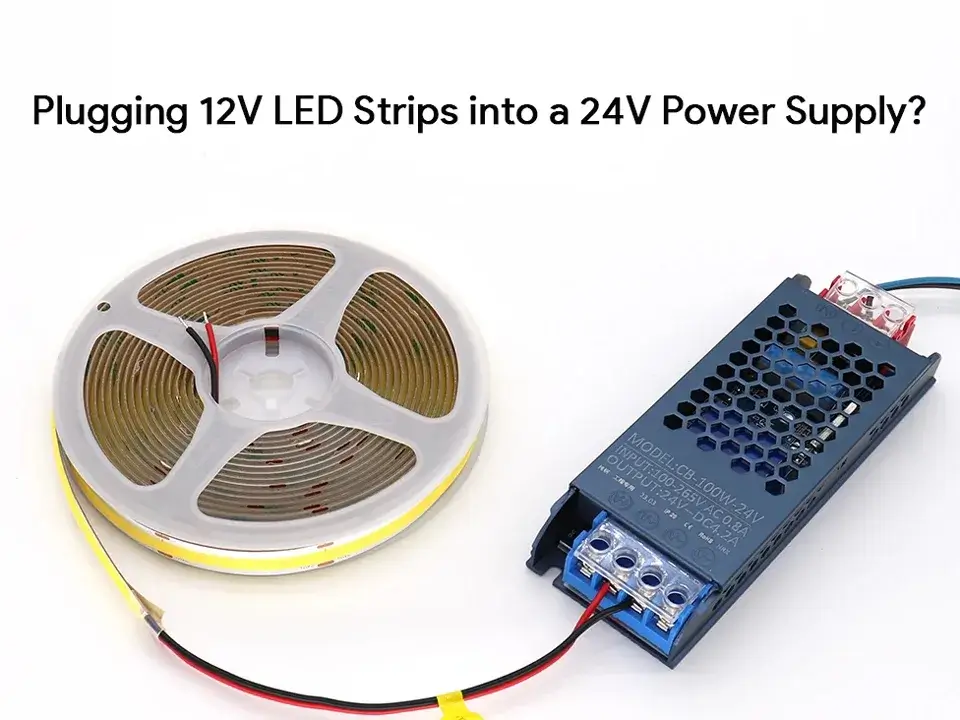
Bij daadwerkelijke verlichtingsprojecten, modelkamerconstructie of installaties ter plaatse is het niet ongebruikelijk dat 12V LED-strips worden aangesloten op een 24V-voeding vanwege inconsistente stroomconfiguraties. Hoewel dit misschien een simpele 'spanningsmismatch' lijkt, kan dit leiden tot ernstige problemen zoals doorgebrande LED's, oververhitting en roken, productstoringen en...
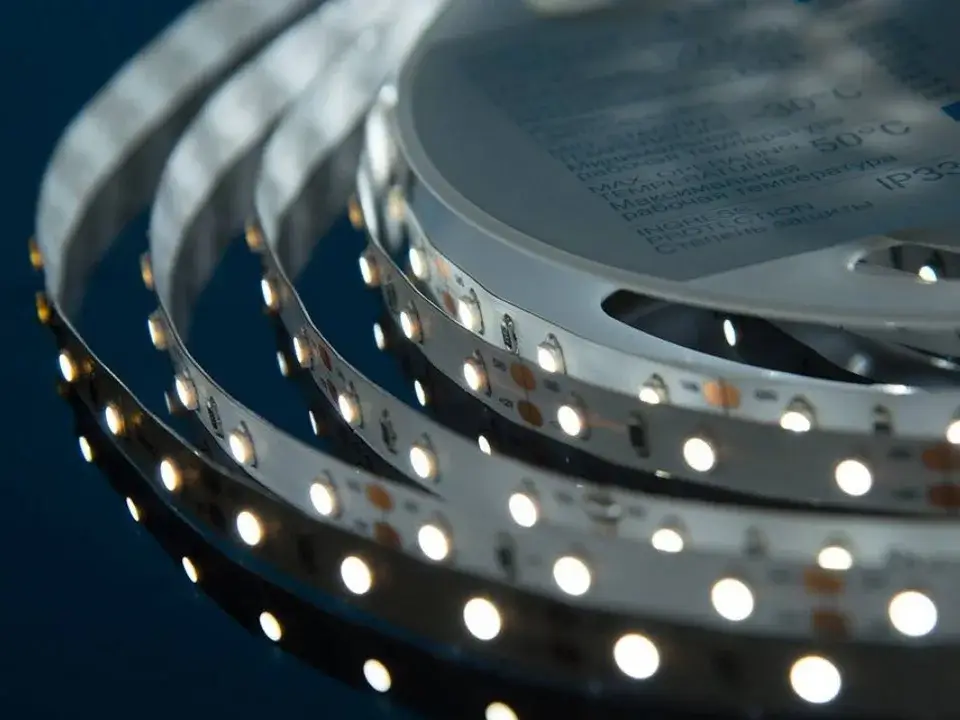
Door hun veelzijdigheid en hoge efficiëntie zijn LED-striplampen wijdverbreid populair geworden in residentiële, commerciële en industriële verlichtingsscenario's. Van sfeerverlichting tot functionele verlichting met hoge kleurweergave (CRI), ze zijn een populaire keuze geworden onder ontwerpers en ingenieurs. Echter, in praktisch gebruik, ondanks de vele...
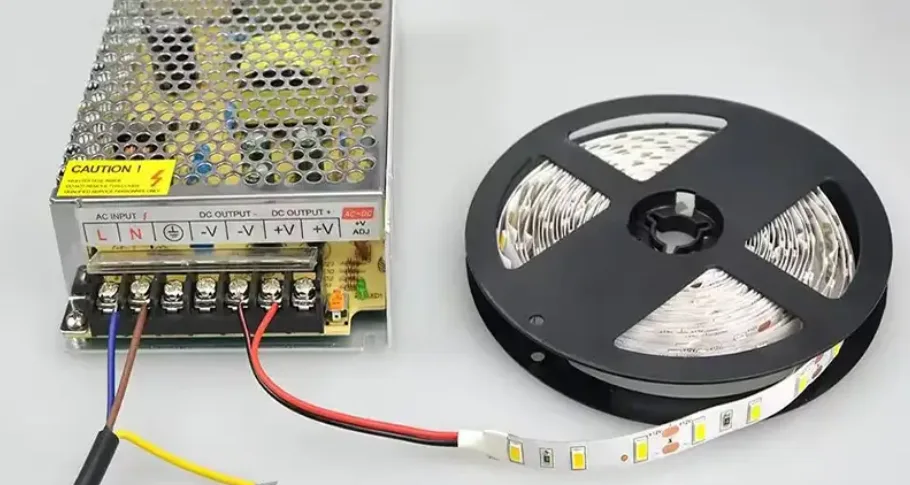
LED-striplampen zijn steeds populairder geworden voor zowel decoratieve als functionele verlichting vanwege hun flexibiliteit, energie-efficiëntie en installatiegemak. Om ze echter aan de slag te krijgen, is het essentieel om te weten hoe u ze op de juiste manier op een stroomvoorziening kunt aansluiten. Of je nu een doe-het-zelf-enthousiasteling bent of nieuw bent in LED-verlichting, begrip...
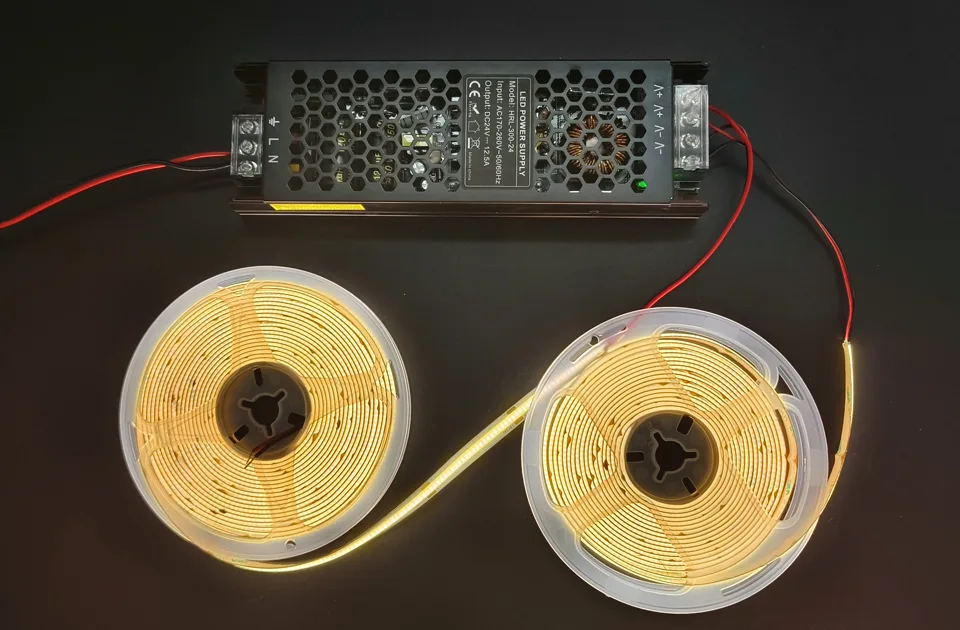
Wanneer u de LED-stripverlichting voor het eerst tegenkomt en verwacht dat ze goed functioneren, is een belangrijke stap om te bepalen hoe de LED-strip correct moet worden aangevoerd om de LED-strip goed te laten branden. Omdat LED-striplichten en LED-voedingen uit verschillende bronnen worden gekocht, zijn er verschillen in hoe ze zijn ingesteld. Dit artikel zal de details...
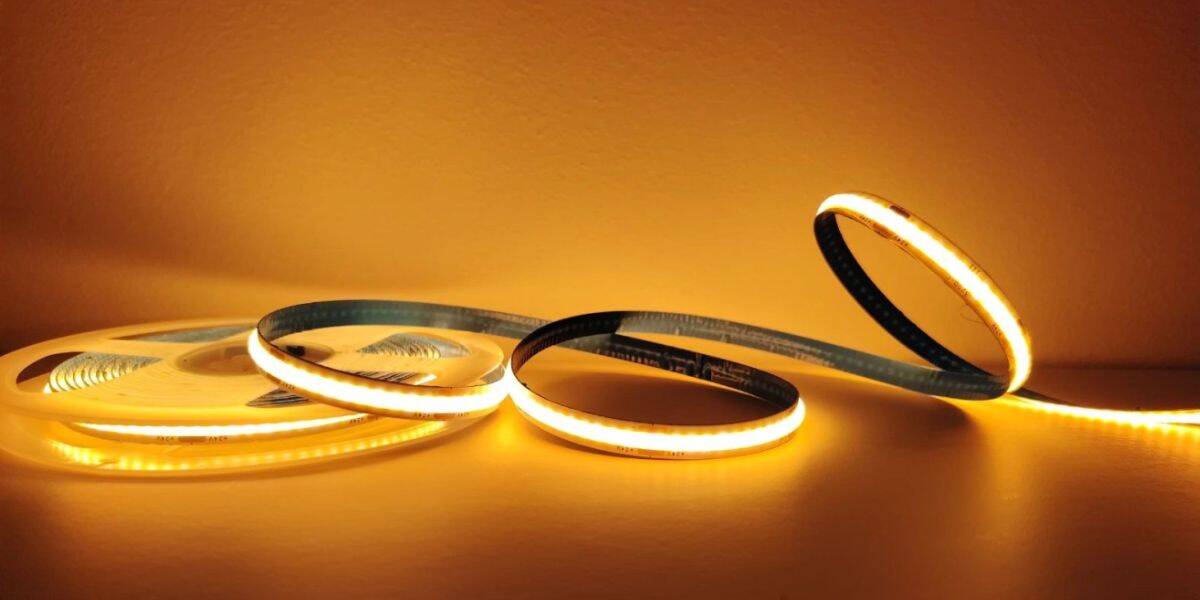
24V LED-striplampen zijn LED-stripsystemen met constante spanning die zijn ontworpen om te werken op een nominale 24 volt DC, meestal aangedreven door externe LED-drivers die spanning regelen in plaats van stroom. Vergeleken met onderspanningssystemen met constante spanning zoals 12V of 5V LED-strips, leveren 24V-systemen dezelfde optische output met aanzienlijk lagere elektrische...
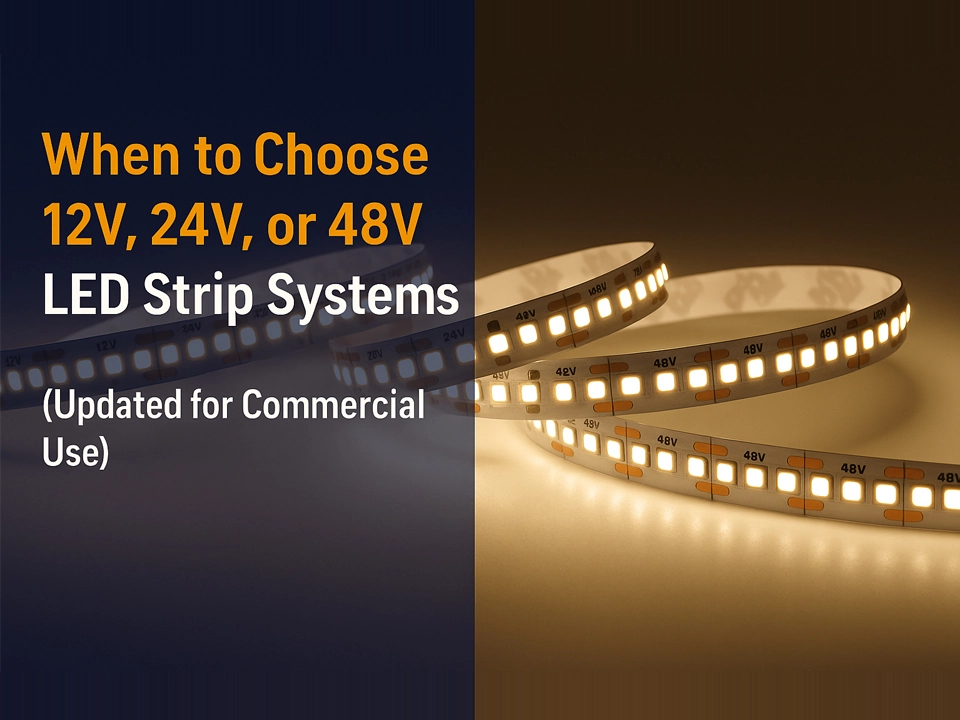
Inleiding In LED-stripverlichtingsinstallaties wordt spanningselectie vaak onderschat, maar het heeft direct invloed op de consistentie van de helderheid, energie-efficiëntie en onderhoudskosten op lange termijn. Veel installateurs hebben frustrerende situaties meegemaakt: ledstrips die halverwege een run dimmen, of frequente stroomtoevoer die nodig is na installatie. In de meeste gevallen is...
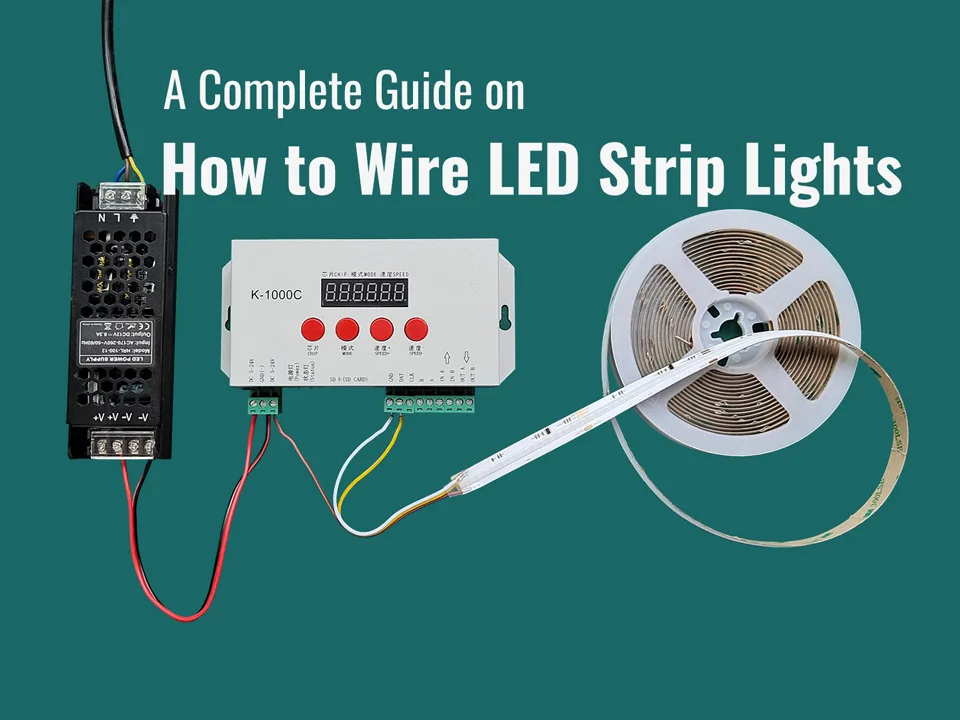
LED-striplampen zijn geschikt voor een breed scala aan toepassingsscenario's, die kunnen worden gebruikt voor hulpverlichting, decoratieve verlichting, taakverlichting, plantengroeiverlichting, speciale golflengte-LED-verlichting, enz. De inherente veiligheid, zachtheid en snijdbaarheid van LED-striplampen brengen ons veel gemak bij het gebruik en het beter genieten van de LED-striplampen....
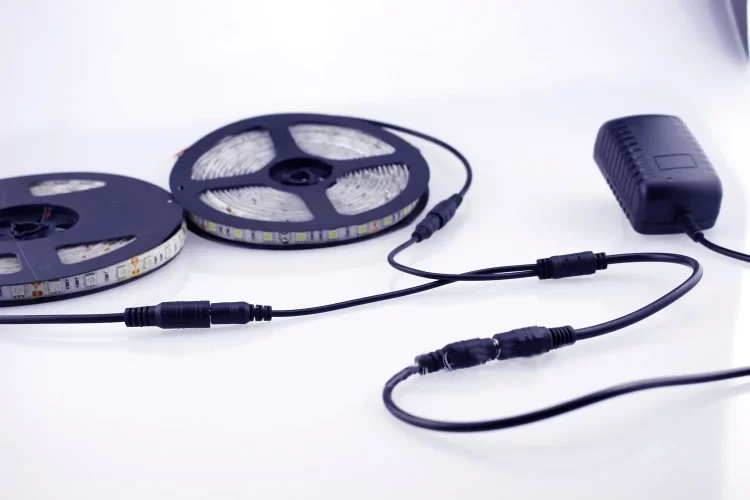
LED-striplampen zijn een van de beste uitvindingen op het gebied van verlichting. Je kunt ze gebruiken om je kunstwerken en huis te versieren, keukenbladen te verlichten en ze te gebruiken als trapverlichting of dakverlichting voor de feestdagen. Omdat ze in lange stroken komen, kun je ze op de gewenste lengte snijden of samen voor extra lengte samenvoegen. Zeker als je met grotere...
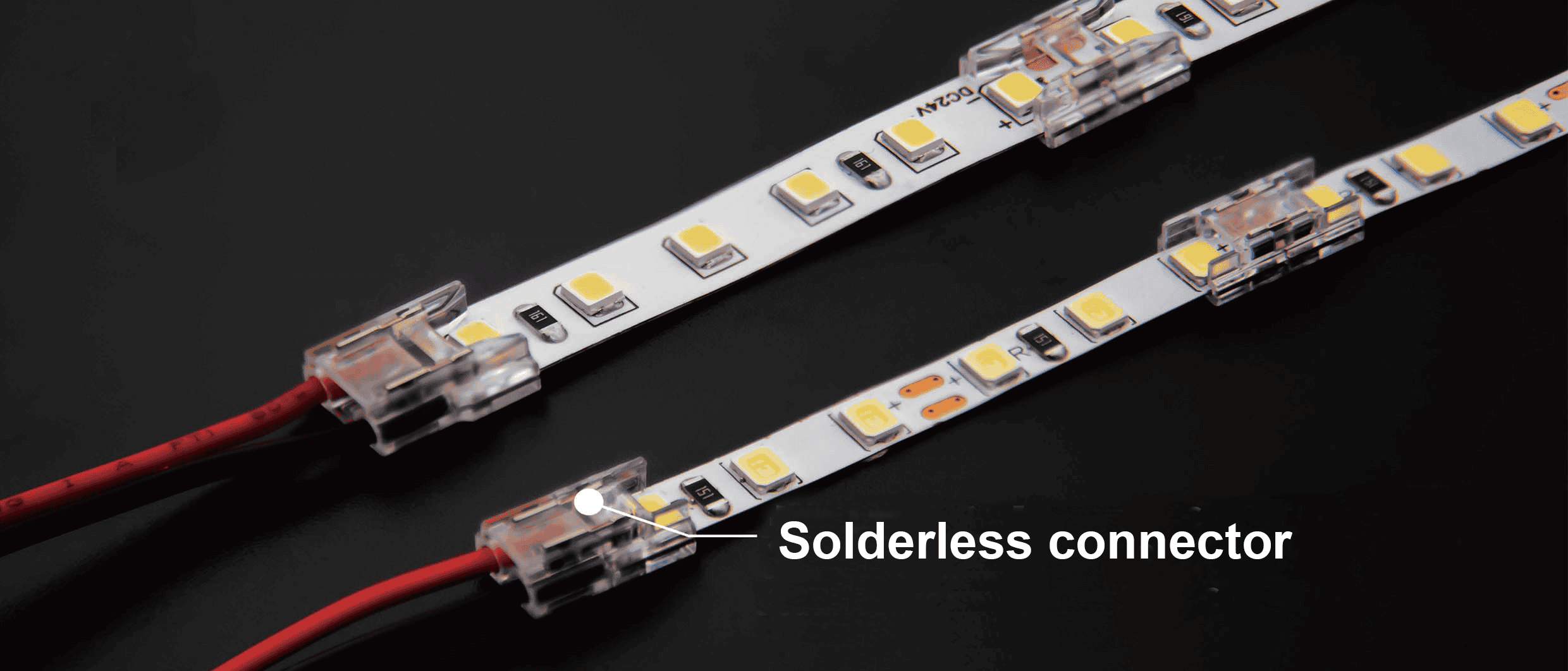
Zoals we weten, is de LED-strip flexibel, snijbaar, uitbreidbaar en dimbaar. Met zoveel functies wordt het veel gebruikt in verschillende toepassingen, zoals onder kastverlichting, bewegwijzering, lineaire verlichting, doe-het-zelf voor huisdecoratie, enz. Meestal moet het worden gesneden of verbruikt om aan uw behoeften te voldoen, aangezien het 5 meter per molen is, zelfs tot 100 meter. Als je...
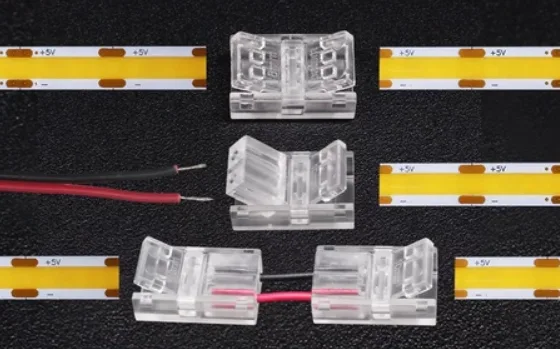
LED-lichtstrips zijn een veel voorkomende decoratieve verlichtingsarmatuur, vaak gebruikt voor binnen- en buitendecoratie. De verlichting en de sfeer. Binnen kan het worden gebruikt voor plafonds. Decoratie van muren, kolommen, meubels, enz. Buiten, het kan worden gebruikt voor architectuur. Bruggen, reclameborden en andere decoratie. Sommige LED-strips kunnen ook worden aangepast door...
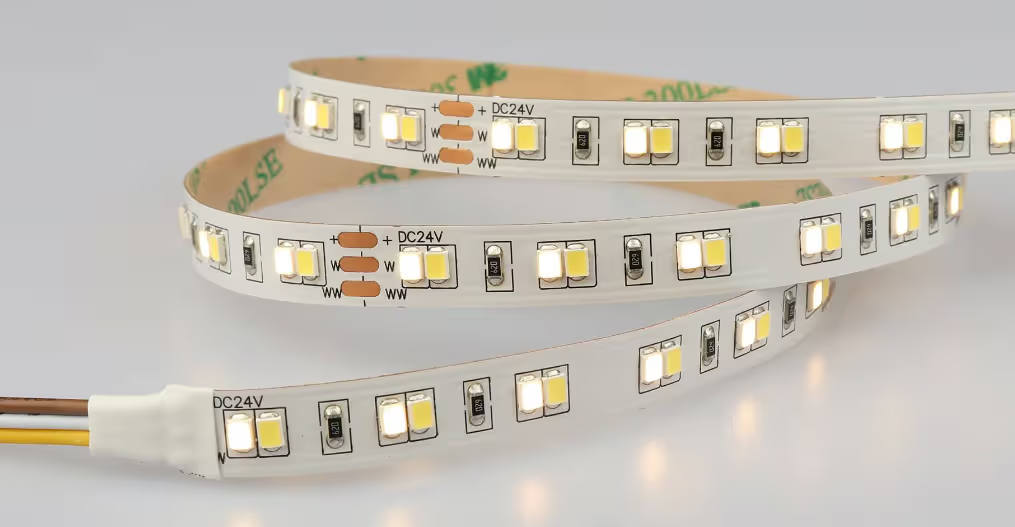
Vanwege de variabele kleur van de LED-strip, dimbaar, kan de kleurverandering worden geregeld, wordt deze vaak gebruikt in de decoratieve rol van woningverbetering. Bij RenSent zijn de soorten LED-lichtstrips op de markt over het algemeen: monochrome LED-strips, tweekleurige LED-strips, RGB-LED-strips ... laten we het hebben over hoe deze lichten zijn bedraad en bediend ....
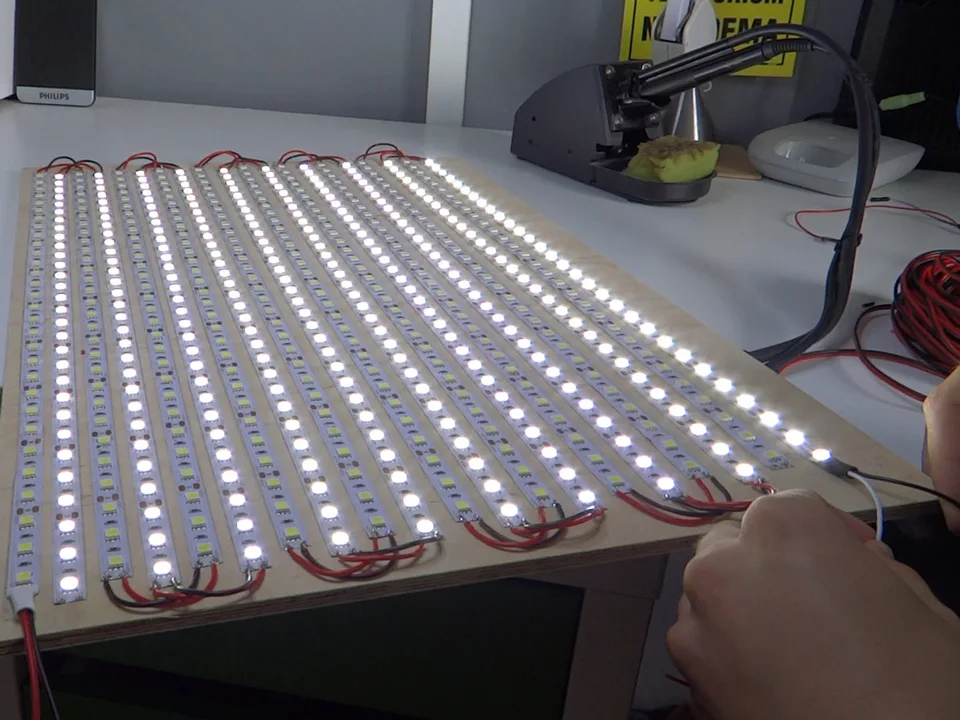
LED-striplampen hebben een revolutie teweeggebracht in de manier waarop we over LED-verlichting denken, en deze veelzijdige en energiezuinige LED-lineaire verlichtingsoplossingen zijn geschikt voor verschillende toepassingen. Een van de meest voorkomende vragen als het gaat om installatie, is echter hoe u de juiste bedrading kunt achterhalen. Moet u ervoor kiezen om LED-striplampen in serie te bekabelen...
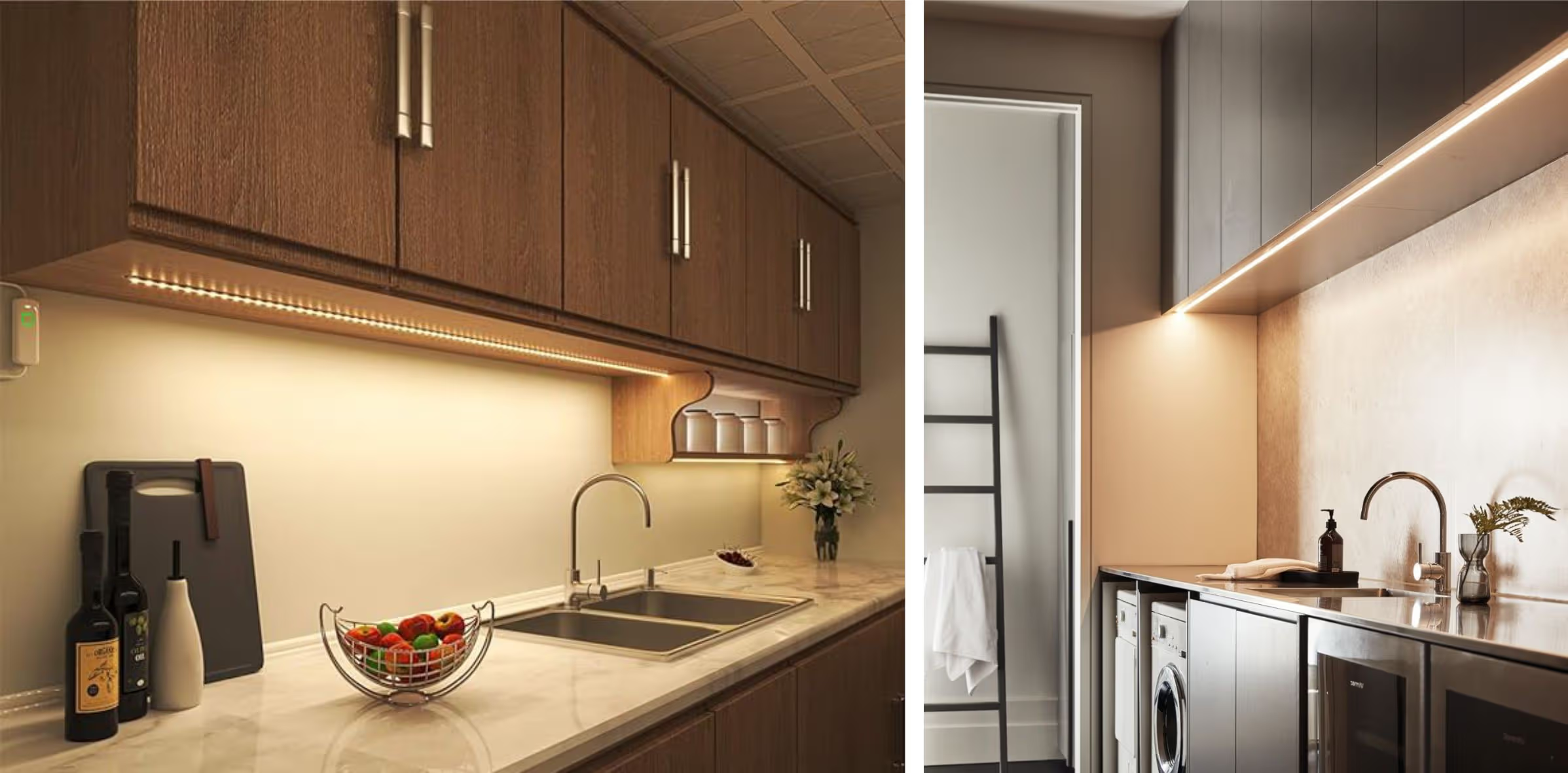
LED-striplicht is de meest populaire lichtbron, veel individuele kopers installeren het thuis, maar hun beperkte ervaring kan de installatie onvolmaakt maken. Hier zijn 7 veelvoorkomende mislukkingen en oplossingen voor u om ze te vermijden. 7 Veelvoorkomende LED-stripfalen en hoe ze te voorkomen Fail 1: Exposure LED's LED-strips geven hard licht af, vooral voor een lage chipdichtheid...
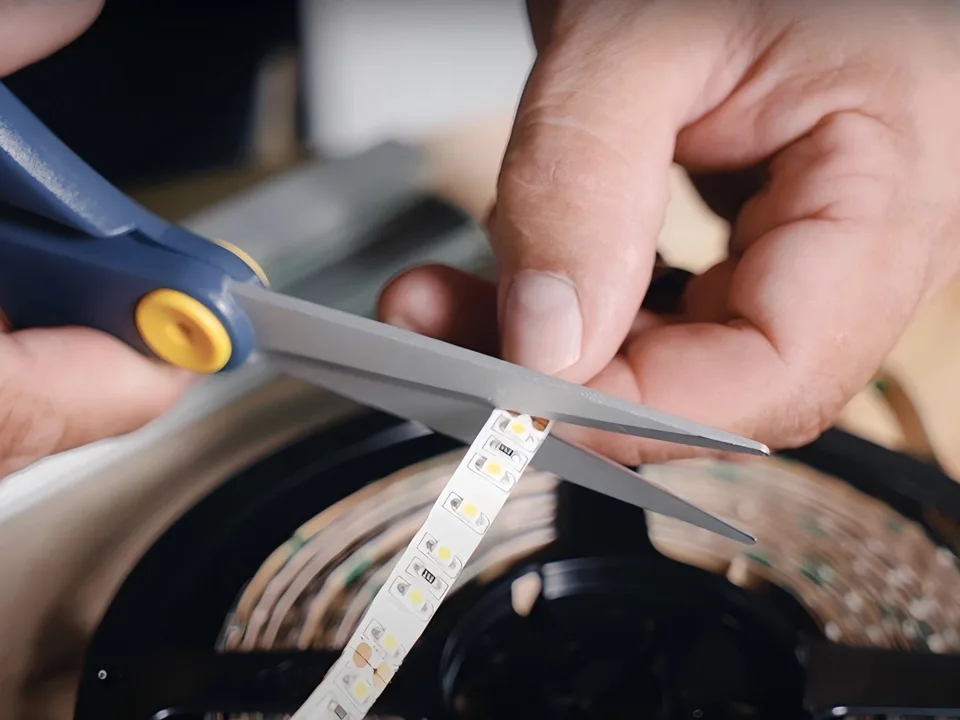
Veel klanten zullen ook vragen: Kan ik LED-striplampen snijden? Ja, de meeste LED-striplampen kunnen veilig op een aangepaste lengte worden gesneden. LED-strips zijn ontworpen met gemarkeerde snijpunten, meestal aangegeven door een schaarpictogram en koperen pads op de printplaat. Het snijden bij deze markeringen zal het circuit niet beschadigen. Om de LED-striplichten veilig te snijden: Schakel de stroomvoorziening uit. Zoek...

Het installeren van flowverlichting met een waterstroom-LED-strip is een praktisch, stapsgewijs proces wanneer de verwachtingen vanaf het begin correct worden ingesteld. De installatie zelf is eenvoudig: je plant het visuele stroompad, bereidt het oppervlak voor, monteert de strip stevig, sluit hem aan op een compatibele controller en stroombron, test en pas de helderheid aan...
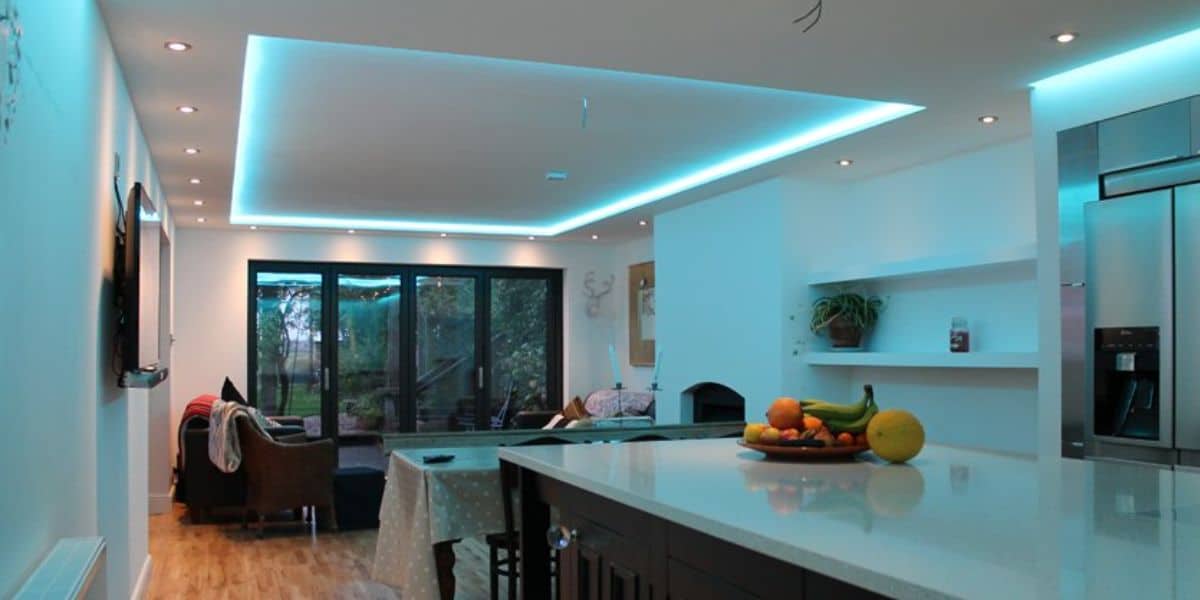
U kunt verborgen LED-striplampen in uw huis installeren door een systematisch 5-stappenproces te volgen: het plannen van het lichteffect, het selecteren van de juiste componenten, het voorbereiden en monteren van de LED-stripkanalen, het installeren en aansluiten van de LED-strips, en tot slot, het toevoegen van diffusers en afwerkingen voor een naadloze, professionele verborgen gloed. Verborgen...
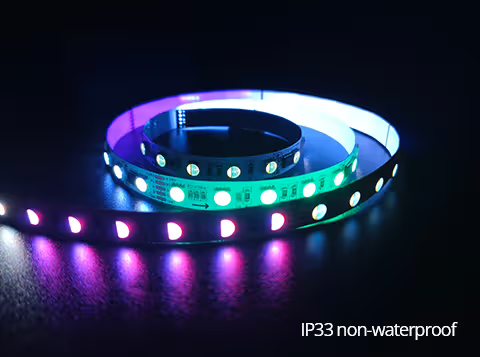
Waardoor komt de geïnstalleerde lichtstrip los? 1. Ontoereikende stripbevestiging: Als de 3M-lijm gedurende een langere periode door wind en regen op zijn plaats blijft, zal de viscositeit van de lijm afnemen, waardoor de LED-striplichten worden uitgeschakeld. 2.Plate positie en materiaalproblemen: LED-striplichten zullen ook uitgaan...
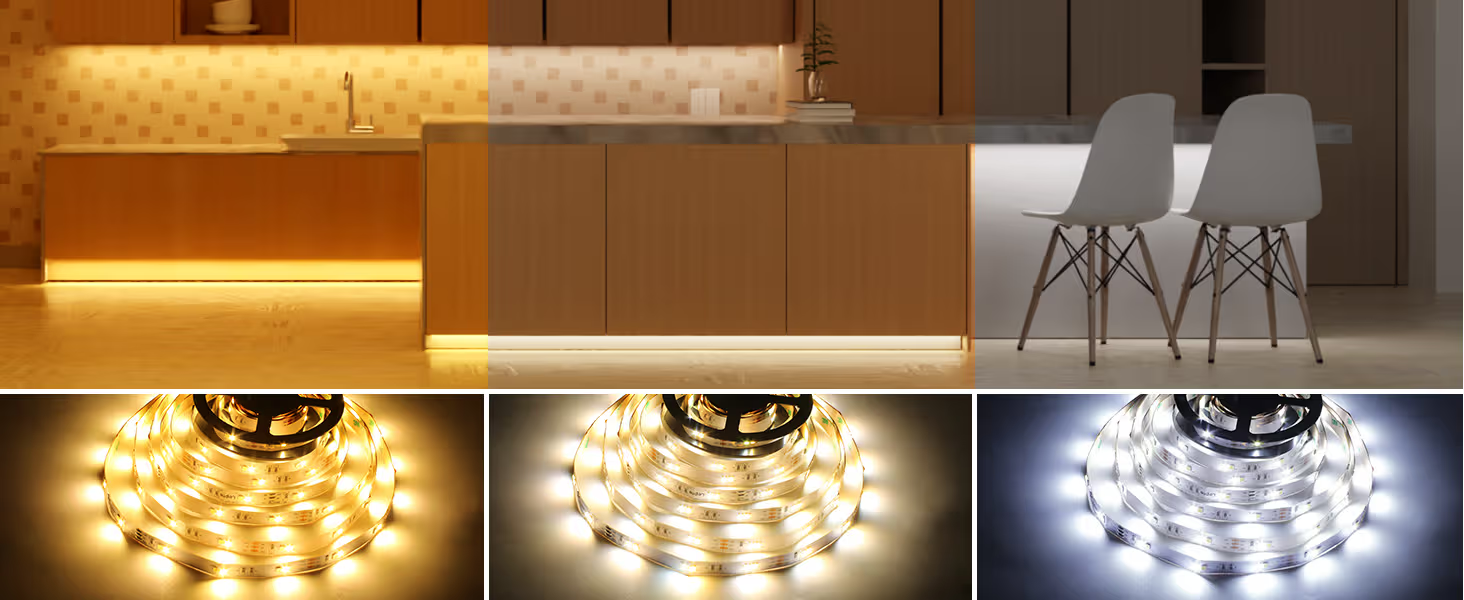
Onlangs zijn verschillende van onze klanten bij ons gekomen om problemen te melden met onjuist snijden en lichten die niet tijdens het installatieproces aangaan. Ik heb een speciale pagina geschreven om u te helpen de LED-lichtstrips te installeren en uw problemen op te lossen. Waarom is het cruciaal om de LED-striplampen correct te installeren? Als een lampje correct wordt geplaatst,...
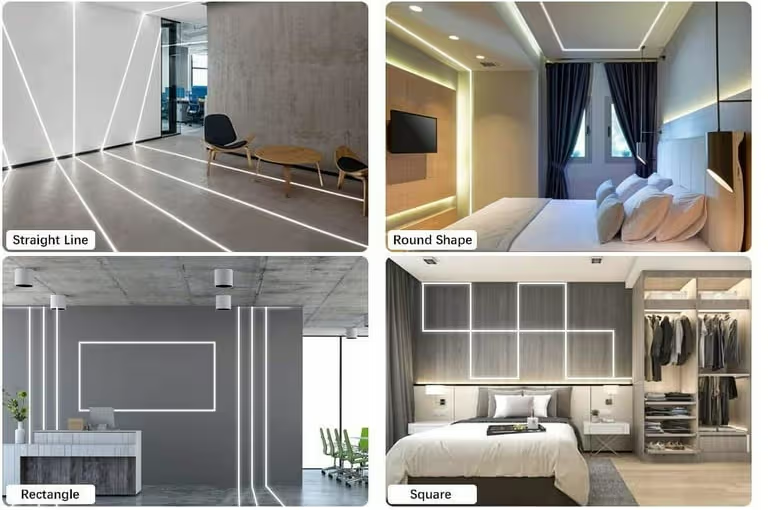
LED-aluminiumprofielen zijn een fantastische manier om zowel de stijl als de functionaliteit van uw verlichtingsopstelling te verbeteren. Ze beschermen niet alleen en verspreiden LED-strips, maar geven uw installatie ook een gepolijste uitstraling. Als je hier nieuw in bent, lijkt het installeren van ze misschien een beetje lastig, maar maak je geen zorgen! Hier is een eenvoudige stapsgewijze handleiding om je er doorheen te helpen. trap...
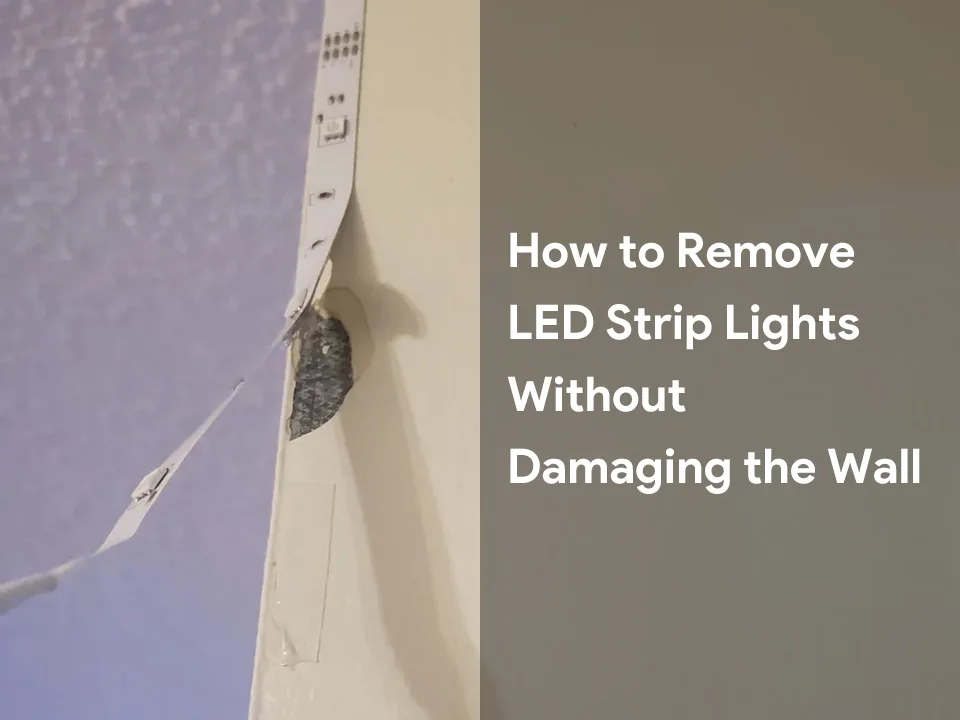
LED-striplampen worden veel gebruikt in huisdecoratie, commerciële ruimtes, hotelprojecten en vitrineverlichting vanwege hun eenvoudige installatie, sterke sfeer en hoge flexibiliteit. Wanneer u echter de bedrading moet vervangen, de verlichtingslay-out moet wijzigen of verhuizen, hoe u LED-striplichten veilig kunt verwijderen zonder de muur of verf te beschadigen, wordt ...
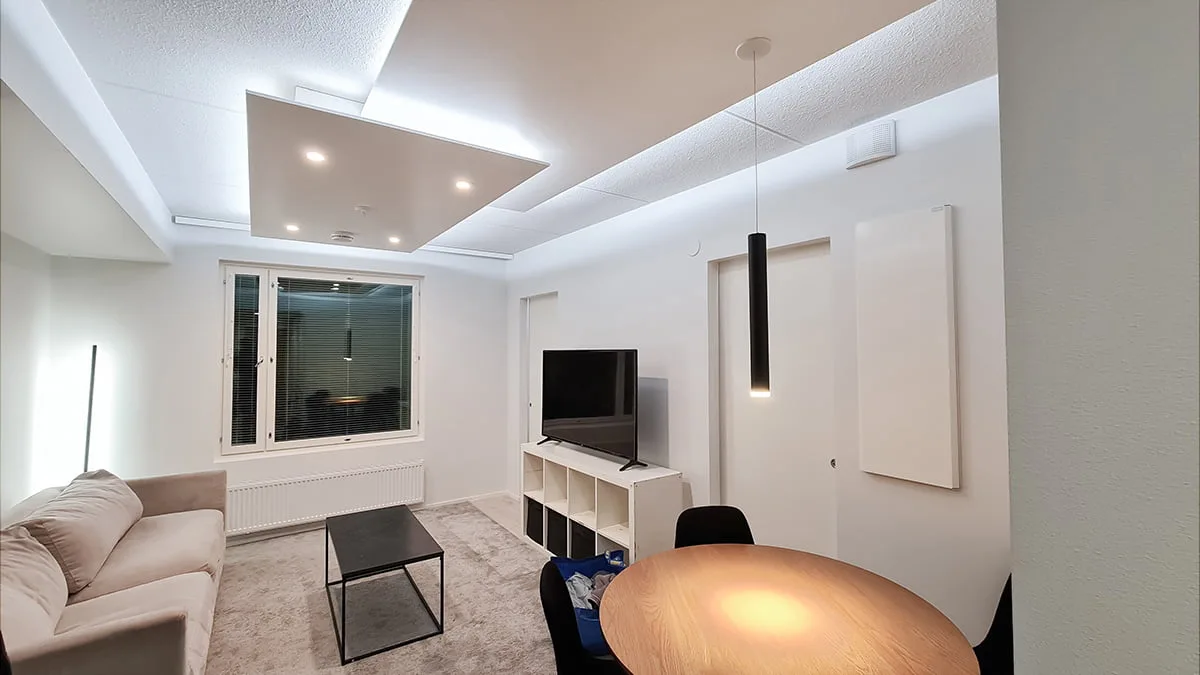
Indirecte verlichting is perfect voor architecturale en interieurprojecten. Deze armaturen zijn bedoeld om een ruimte te verlichten, zonder de lichtbron zelf te laten zien. Het licht schijnt niet rechtstreeks in de ruimte en reflecteert tegen muren en plafonds, wat resulteert in een zachte en diffuse gloed die de sfeer van de kamer verbetert. Het verbetert de sfeer,...
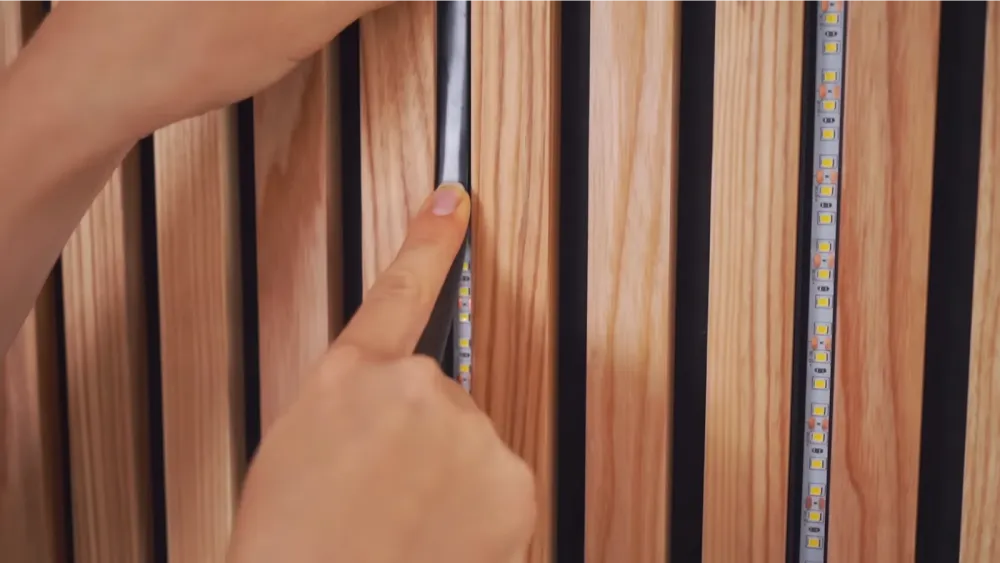
Het installeren van LED-lampen op een houten lattenwand is een fantastische manier om de sfeer van uw ruimte te verbeteren, met een moderne en stijlvolle toets. Of u nu de voorkeur geeft aan een gezellige warme gloed of levendige, kleurrijke lichten, dit doe-het-zelfvriendelijke project kan worden aangepast aan uw behoeften. Hier is een eenvoudige, stapsgewijze handleiding om u op weg te helpen! Wat je nodig hebt als je nieuw bent in huis...
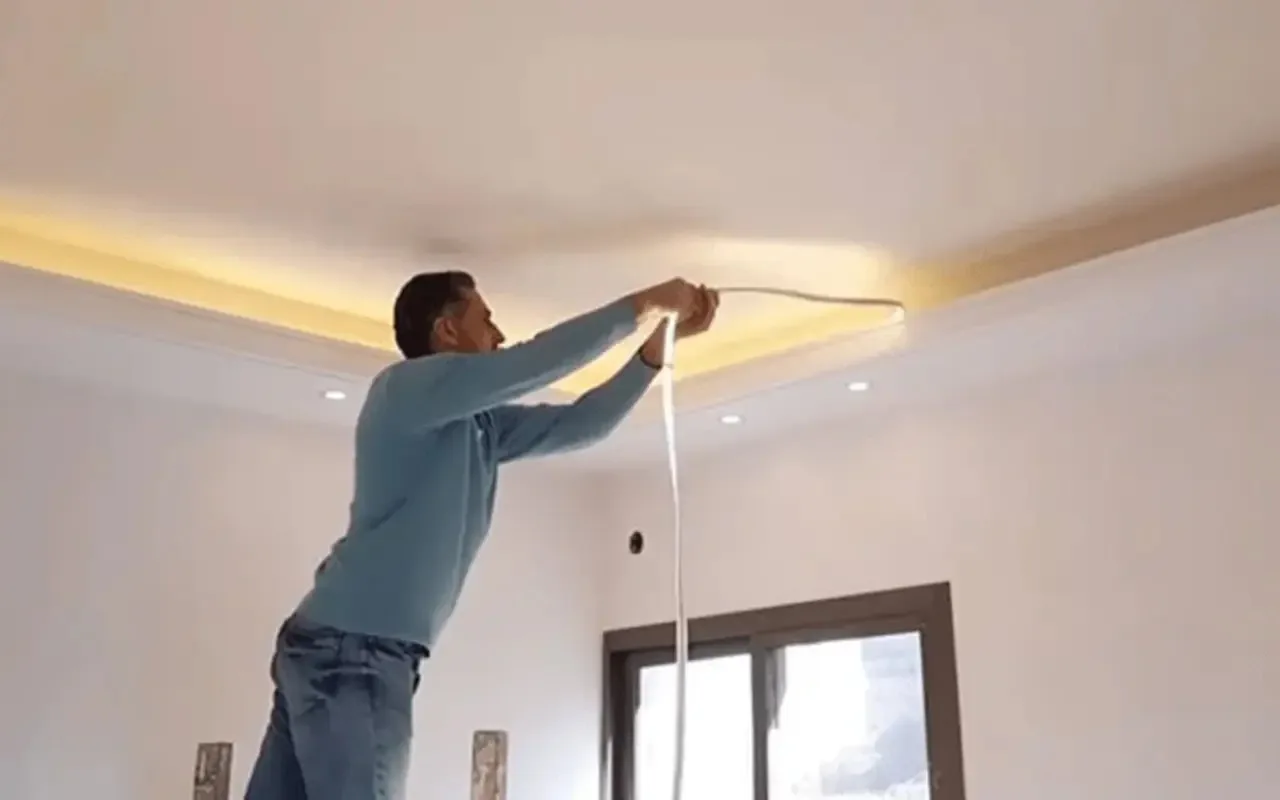
Het installeren van LED-striplampen aan het plafond kan een kamer transformeren door de sfeer te verbeteren, waardoor zowel functionele als decoratieve verlichting wordt geboden. Deze gids behandelt verschillende methoden voor het installeren van LED-strips op plafonds, waardoor u een professionele uitstraling krijgt. We bespreken geschikte types van de ledstrips, factoren om rekening mee te houden, zoals helderheid en ...
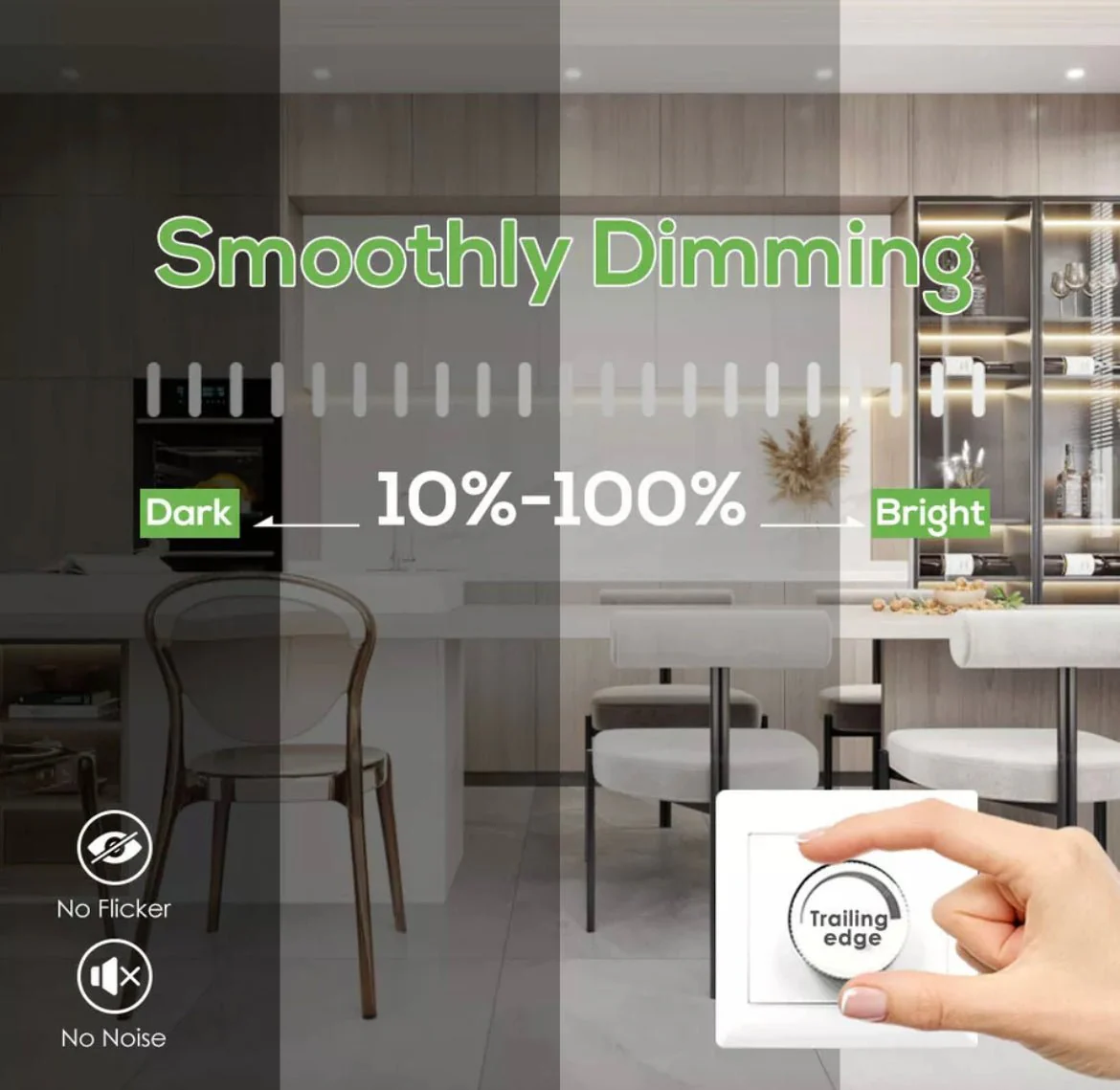
Moderne slimme verlichtingssystemen doen meer dan alleen lichten in- en uitschakelen - ze creëren aanpasbare omgevingen die comfort, efficiëntie en stijl verbeteren. Achter elke vloeiende helderheidsverandering ligt een dimprotocol, dat stilletjes de gebruikerservaring vormt. Een van de meest gebruikte in commerciële projecten zijn Dali en PWM, die elk unieke manieren bieden om...
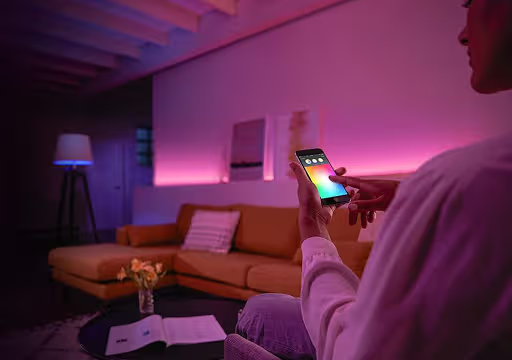
Met de ontwikkeling van technologie worden mobiele telefoons steeds belangrijker, naast dagelijkse gesprekken, ze kunnen ook worden gebruikt voor online winkelen, betalen, entertainment, slimme besturing van huishoudelijke apparaten, waaronder LED-lampen, enz. Veel klanten kochten onze strips met normale controller, naarmate de tijd vordert, verloren sommigen van hen de afstandsbediening,...
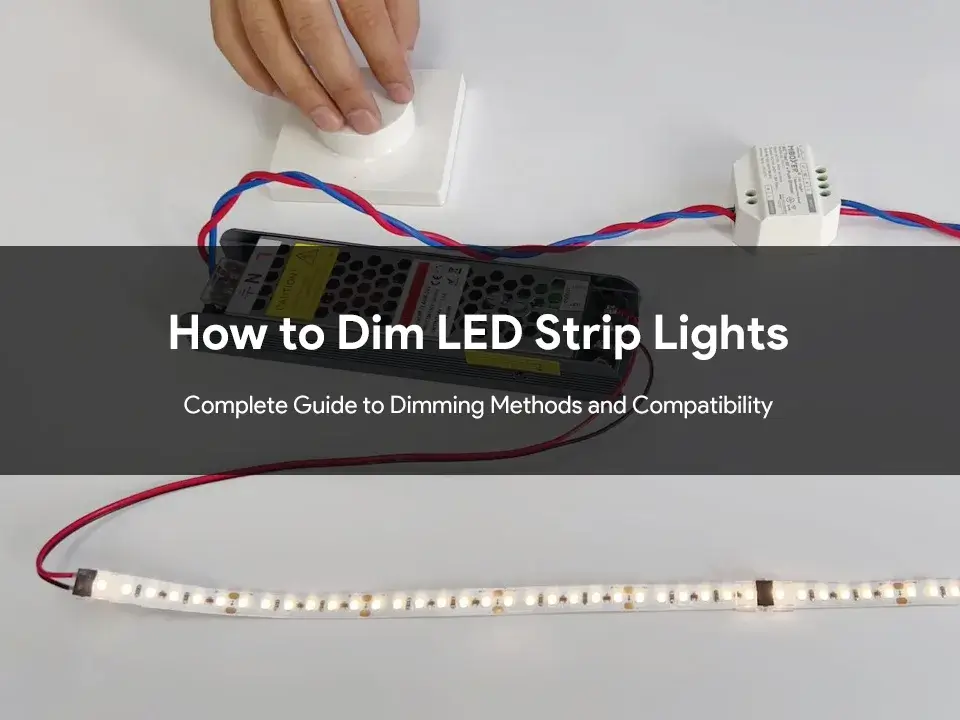
LED-striplampen worden veel gebruikt in moderne verlichtingssystemen zoals commerciële ruimtes, slimme huizen, winkeldisplays en architecturale verlichtingsprojecten. Het simpelweg "inschakelen" van LED-striplichten is echter niet langer voldoende. Het bereiken van nauwkeurige en soepele dimfunctionaliteit is de sleutel om te voldoen aan de diverse lichtregelingsvereisten van verschillende...
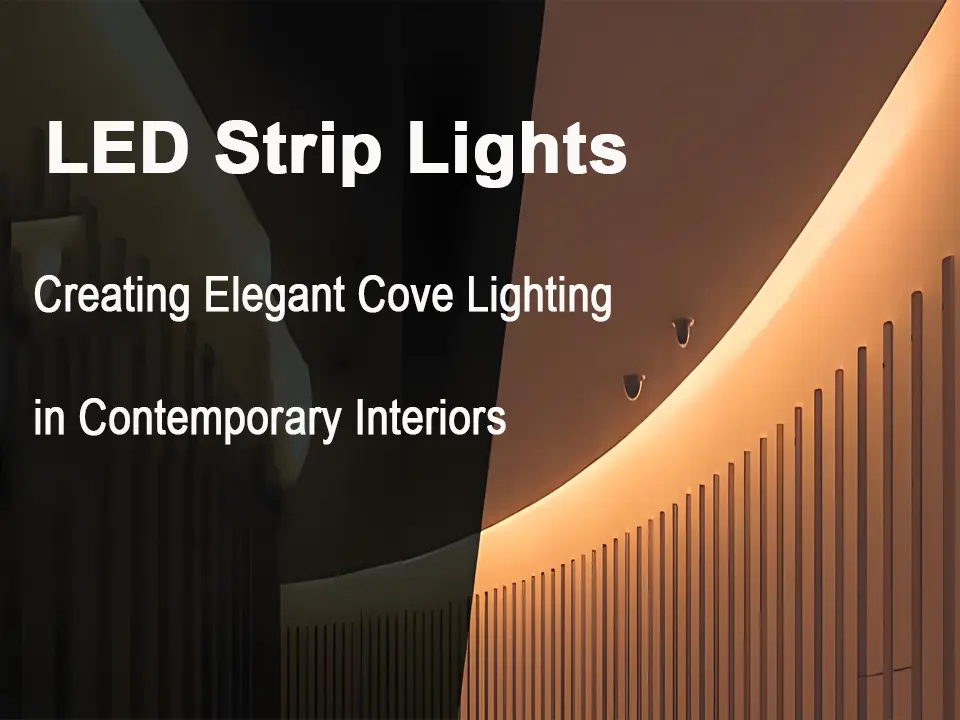
Cove Lighting is een van de meest populaire designelementen geworden in moderne interieurs en architecturale projecten. Door de lichtbron in een verzonken kanaal te verbergen, kunnen ontwerpers een zachte, indirecte gloed creëren die plafondcontouren benadrukt, de ruimtelijke diepte verbetert en een gastvrije sfeer levert. Onder alle verlichtingsopties, LED-striplichten...
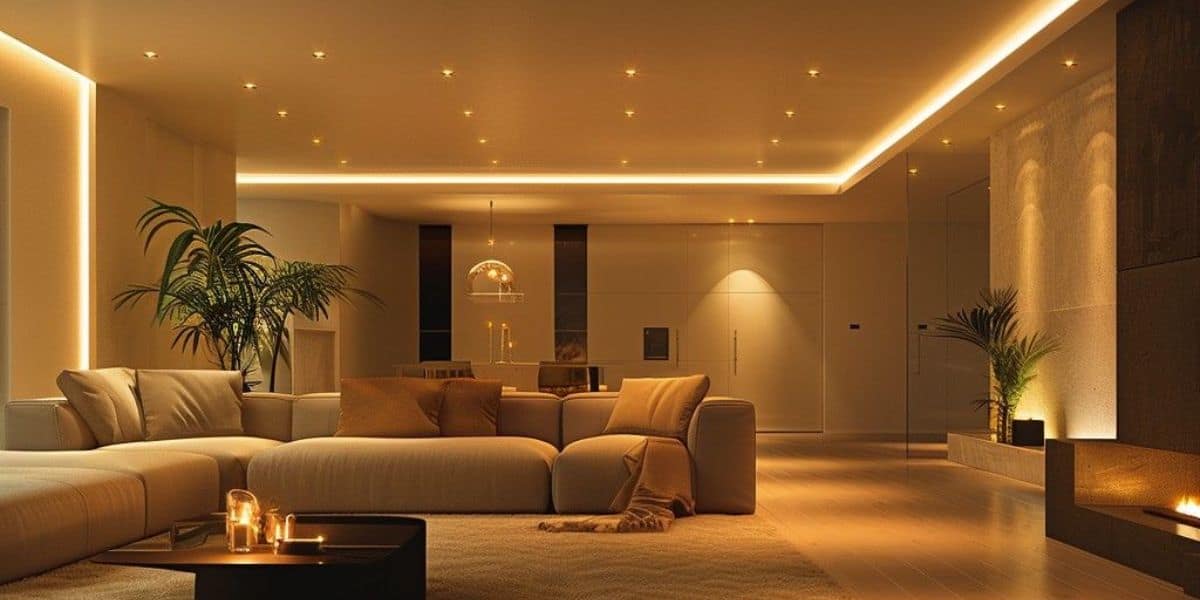
Het kiezen van de juiste Cove verlichtingsarmaturen voor uw plafond omvat een systematische evaluatie van drie kerncomponenten: de LED-strip voor lichtkwaliteit, het aluminium profiel voor structuur en diffusie, en de integratie van beide voor een onberispelijk eindeffect, waardoor uw inham zorgt voor een naadloze, professionele verlichting. Cove verlichting ziet er eenvoudig uit...
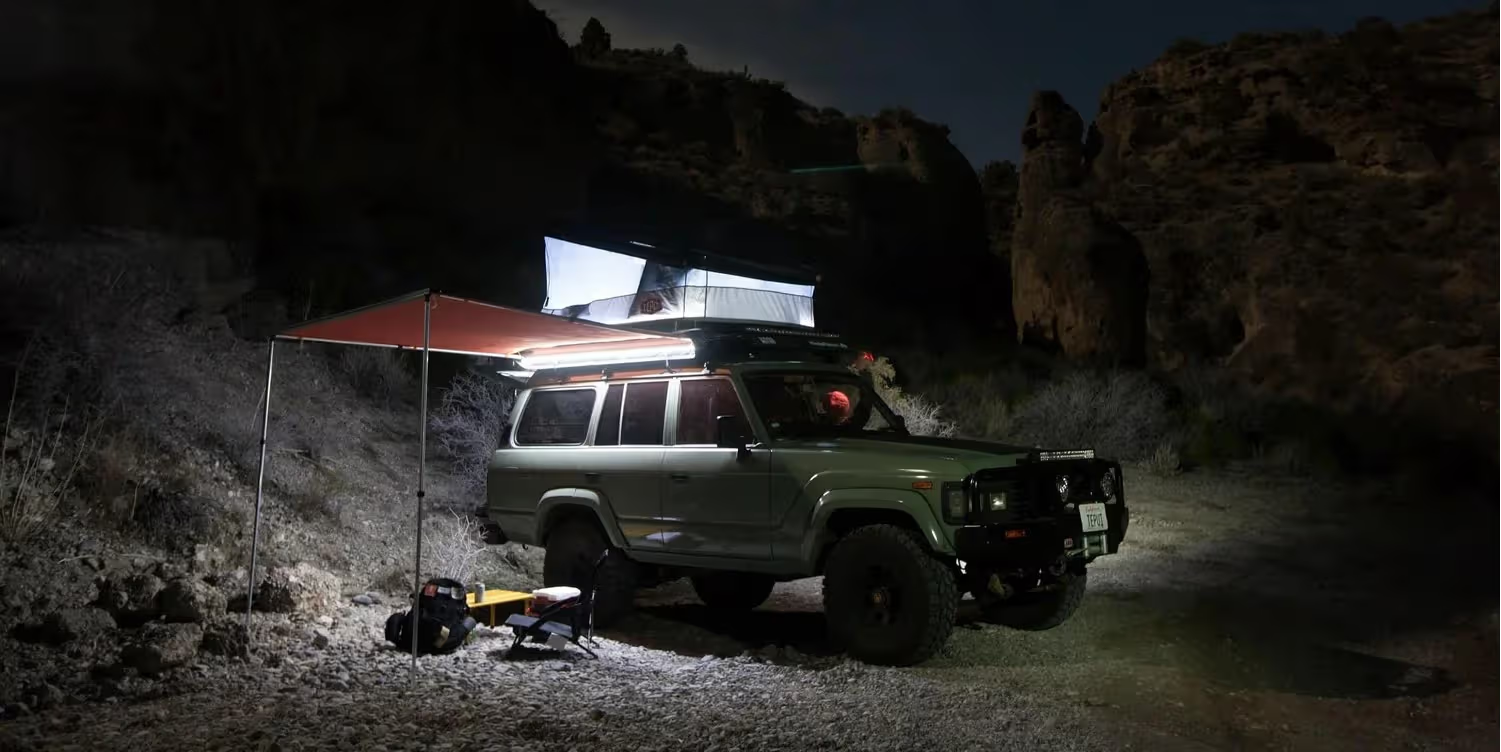
Door in een drukke stad te wonen, voelen mensen zich depressief, kamperen in het weekend is een geweldige manier om dicht bij de natuur te komen en depressies vrij te laten. Het wordt vaak gezien dat mensen LED-strip als kampeerlicht krijgen, het is helder en flexibel om het gewenste gebied te verlichten. Aan de andere kant kun je gemakkelijk batterijen verwisselen als deze leeg is. Hoe maak je je...
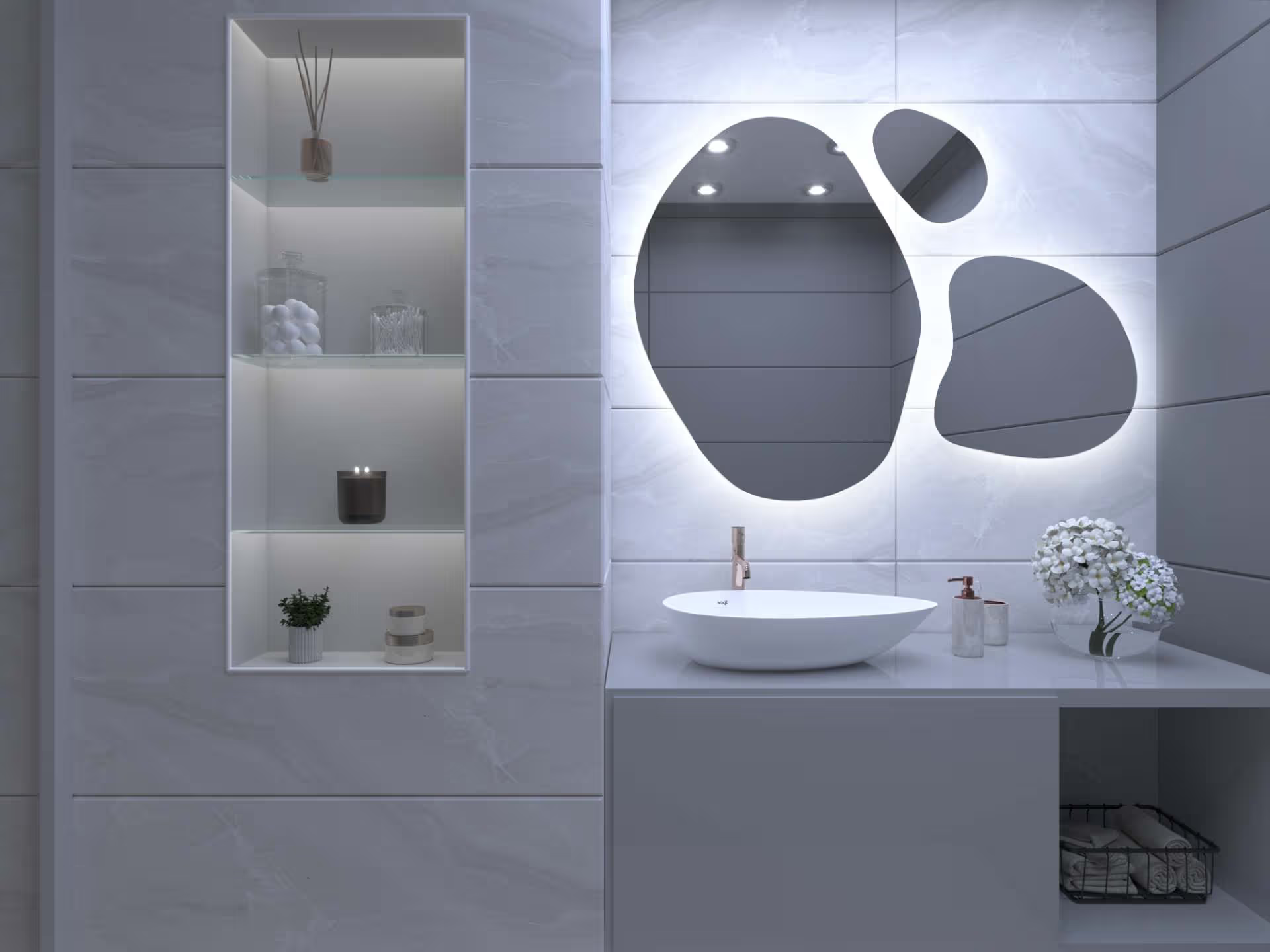
Als je een badkamerspiegel of make-upspiegel gaat kopen, zul je merken dat de meeste stijlvolle spiegels zijn ingesteld met ingebouwde LED-strips. Deze strips zorgen voor uniforme, zachte en voldoende lichten, verminderen schaduwen en reflecties, wat beter is voor verzorging en make-up. Hoe u een LED-strip aan een bestaande spiegel toevoegt, volg de onderstaande stappen. DIY maak je eigen led-licht...
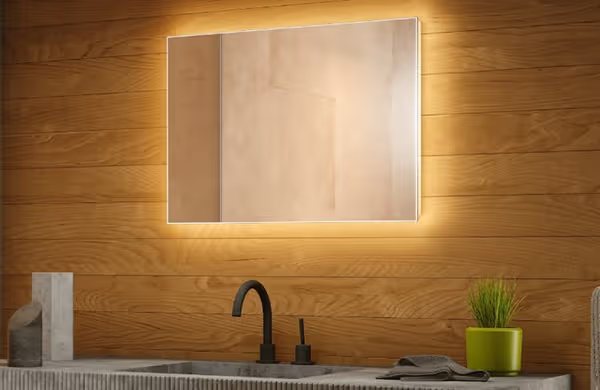
Verhoog de look van je spiegel met LED-striplampen! Of het nu gaat om functionele verlichting of decoratieve flair, het toevoegen van LED-strips aan uw spiegel is een eenvoudige en kosteneffectieve manier om uw ruimte op te fleuren. In deze gids leiden we u door het stapsgewijze proces van het maken van uw eigen doe-het-zelf-spiegel met LED-striplichten. Door de juiste materialen te kiezen...
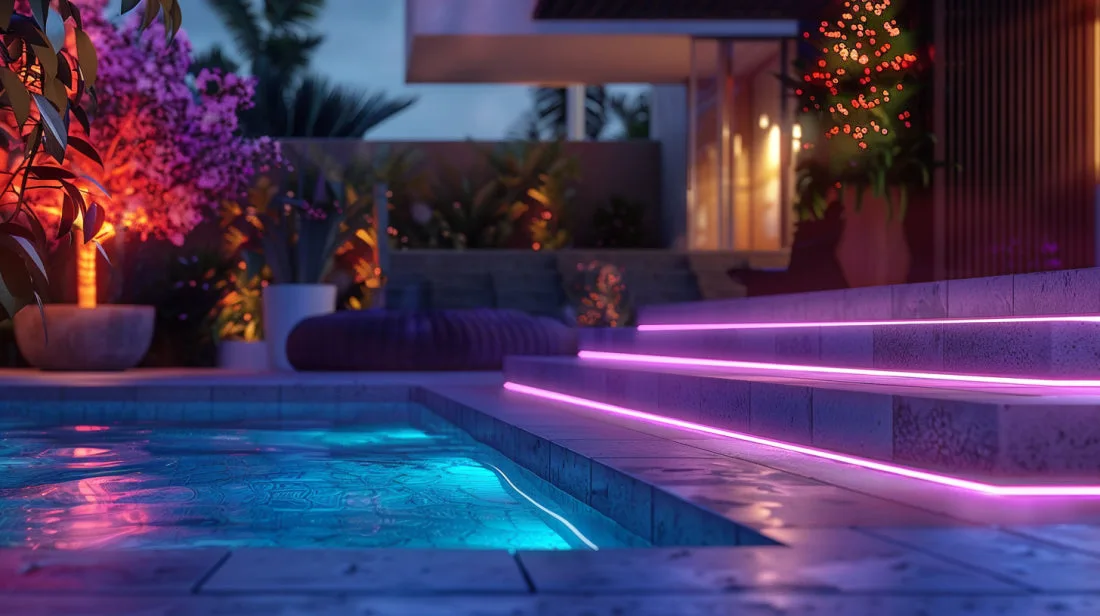
LED Neon Flex Lighting is snel een go-to-oplossing geworden voor outdoor-signage, architecturale accenten en creatieve installaties. Met zijn flexibiliteit, duurzaamheid en heldere, uniforme glans is het ideaal voor zowel commercieel als decoratief gebruik. Maar één cruciaal detail wordt vaak over het hoofd gezien: het selecteren van de juiste montageaccessoires. Kies de juiste montage...

Een overspanningsbeveiliging (SPD) "stop bliksem niet". Het kan een slag niet blokkeren of bliksemenergie elimineren. Wat het kan doen, is tijdelijke overspanning en omleidingsstroom naar een gecontroleerd pad beperken, waardoor de spanning op isolatie en elektronica wordt verminderd. Real-world prestaties zijn afhankelijk van een gecoördineerd beschermingssysteem: hechting / earthing-kwaliteit, correct...
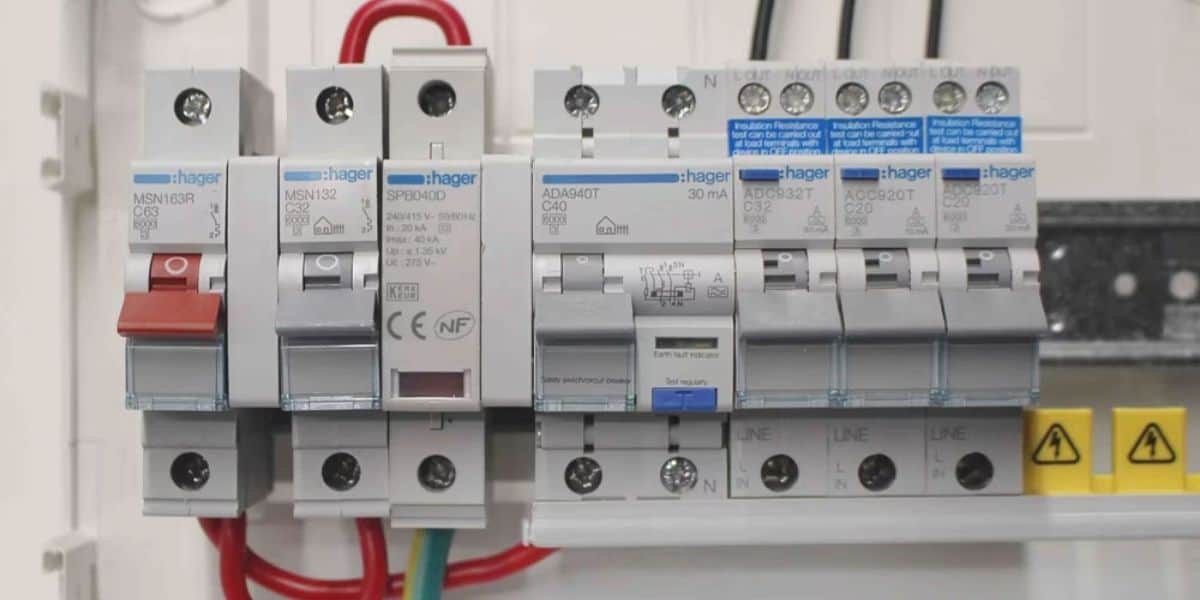
Commerciële faciliteiten hebben een strategie voor het beschermen van overspanning nodig die herhaalbaar, onderhoudbaar en gecoördineerd is over meerdere panelen en gevoelige belastingen. "Top" selectie hangt af van het kiezen van het juiste type 1 versus type 2 versus type 3-apparaat voor de installatiezone, en het verifiëren van de prestaties met behulp van UL 1449-classificaties en systeempassing (spanning, SCCR, aarding)....

Gedreven door wereldwijde energiebesparing, emissiereductie en slimme stadsontwikkeling, zijn LED-straatverlichting de reguliere keuze geworden voor stedelijke wegen, industrieterreinen, snelwegen en verlichting van openbare infrastructuur. Vergeleken met traditionele natrium hogedruk-natriumlampen en metaalhalogenidelampen, bieden LED-straatverlichting belangrijke voordelen...

Ja, overspanningsbeveiligingsapparaten slijten wel. Zelfs als er geen zichtbare schade is en het apparaat er nog steeds van stroom wordt weergegeven, worden de beschermende componenten bij elke surge-gebeurtenis afgebroken. Vervangingstijdstip is daarom niet alleen gebaseerd op het kalenderleeftijdstip. Het hangt af van cumulatieve elektrische stress, blootstellingsomstandigheden en systeemkriticiteit. Er wordt van uitgegaan dat de bescherming blijft...
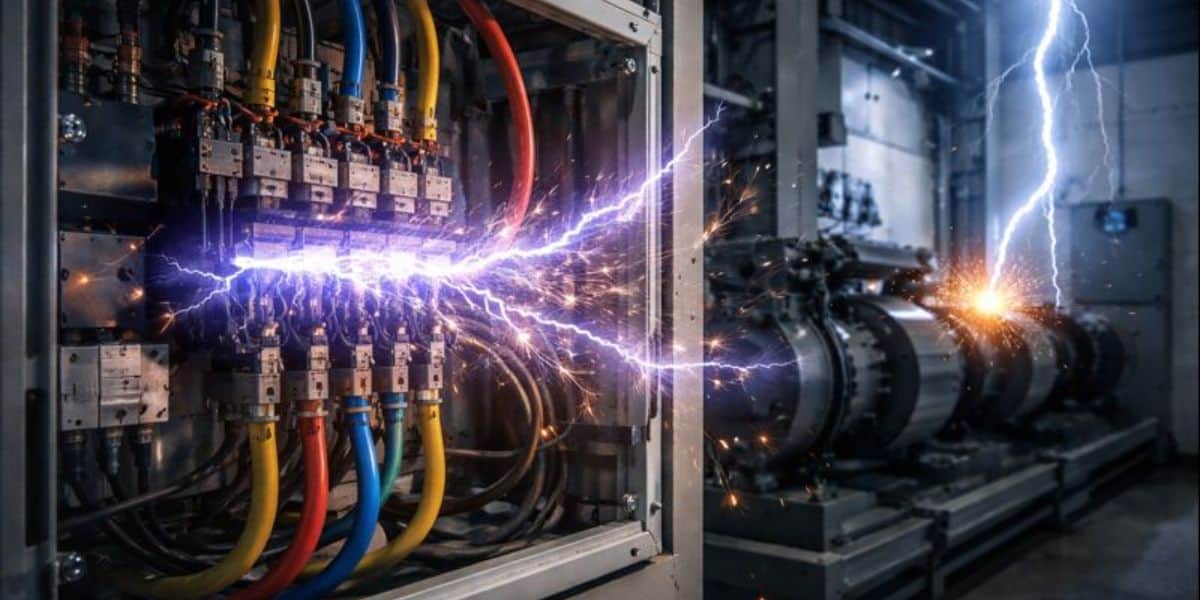
In een driefasensysteem werkt overspanningsbeveiliging door abnormale overspanning te detecteren, intern te schakelen van een hoge impedantietoestand naar een lage impedantietoestand, de overspanningsstroom naar het aardings- of bindingspad te leiden en de spanning te beperken die aangesloten apparatuur bereikt. Het "blokkeert" een golf niet. Het vermindert de piekspanning door de piek...
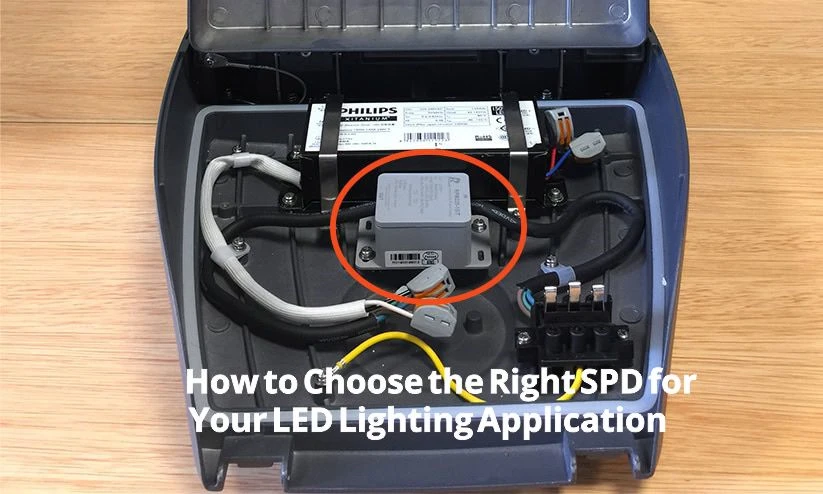
LED-verlichting is de ruggengraat van moderne verlichting geworden - van slimme straatlantaarns tot hoogbouwarmaturen in fabrieken. Toch schuilt achter hun efficiëntie en lange levensduur een verborgen kwetsbaarheid: elektrische pieken. Deze onvoorspelbare pieken, vaak veroorzaakt door blikseminslagen of schommelingen in het elektriciteitsnet, kunnen geruisloos beschadigen...
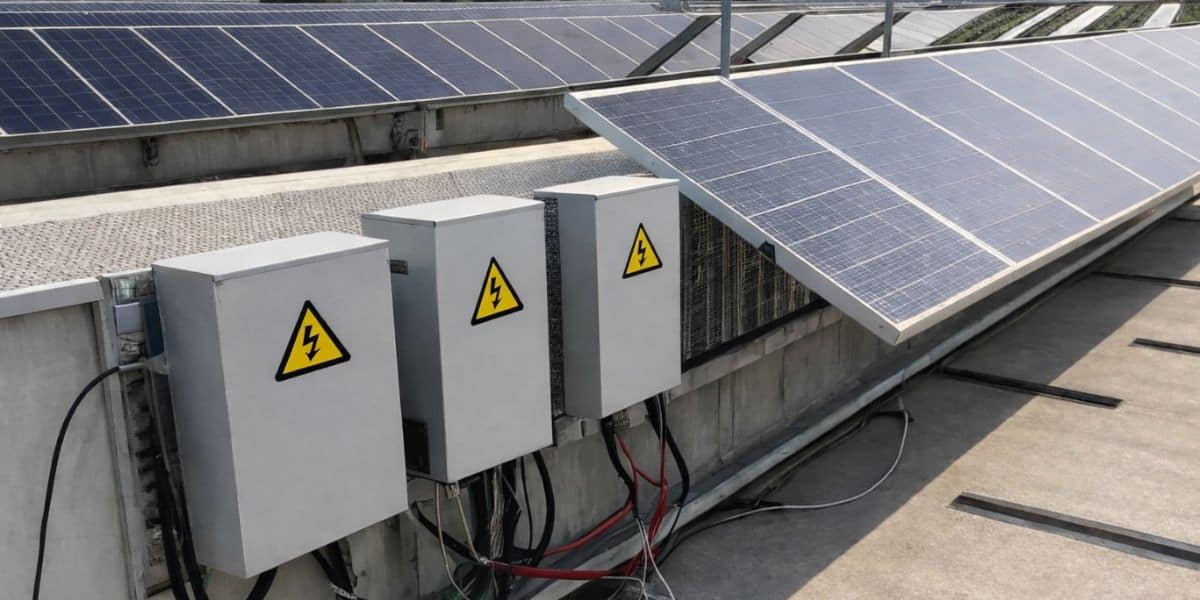
Laadsystemen voor elektrische voertuigen en zonne-PV-installaties hebben een ander overspanningsrisicoprofiel dan conventionele elektrische belastingen. Bidirectionele stroomstroom, frequente DC-AC-conversie en dichte vermogenselektronica maken deze systemen gevoelig voor zowel externe netstoringen als intern gegenereerde transiënten. Effectieve bescherming is afhankelijk van gecoördineerde,...
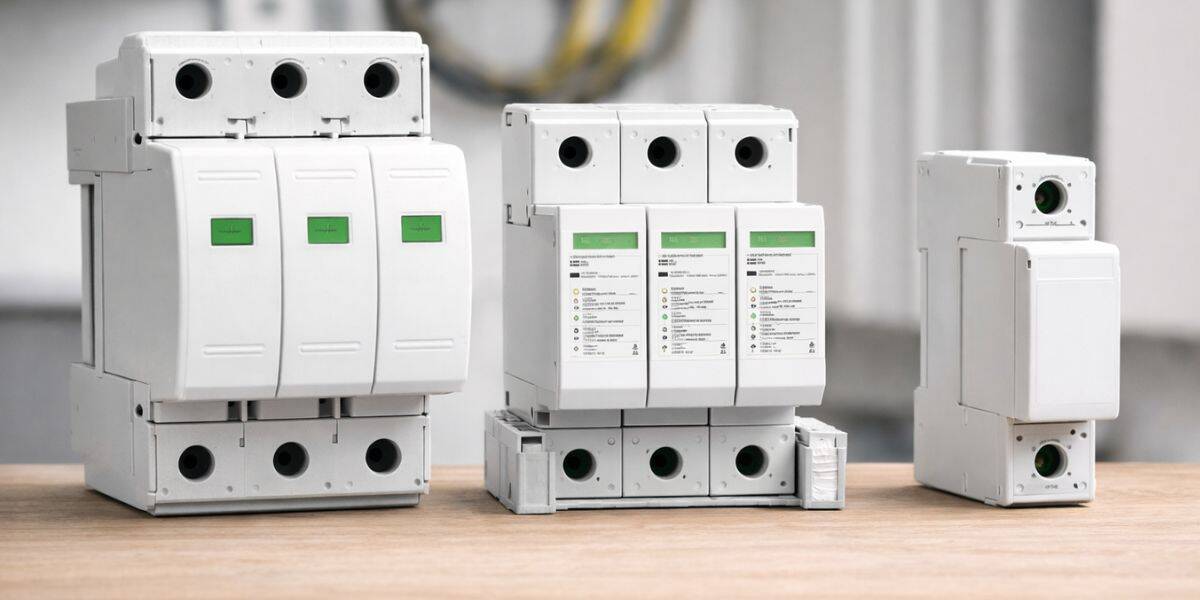
Surgebeveiligingsmiddelen (SPD's) worden geclassificeerd als type 1, type 2 en type 3 om weer te geven waar ze werken binnen een elektrisch systeem en hoe ze op die locatie overspanningsenergie beheren. Deze typen zijn niet uitwisselbaar. Elk is ontworpen voor een specifieke overspanningsomgeving en beschermingsfunctie, en ze presteren alleen correct wanneer ze worden toegepast als onderdeel ...
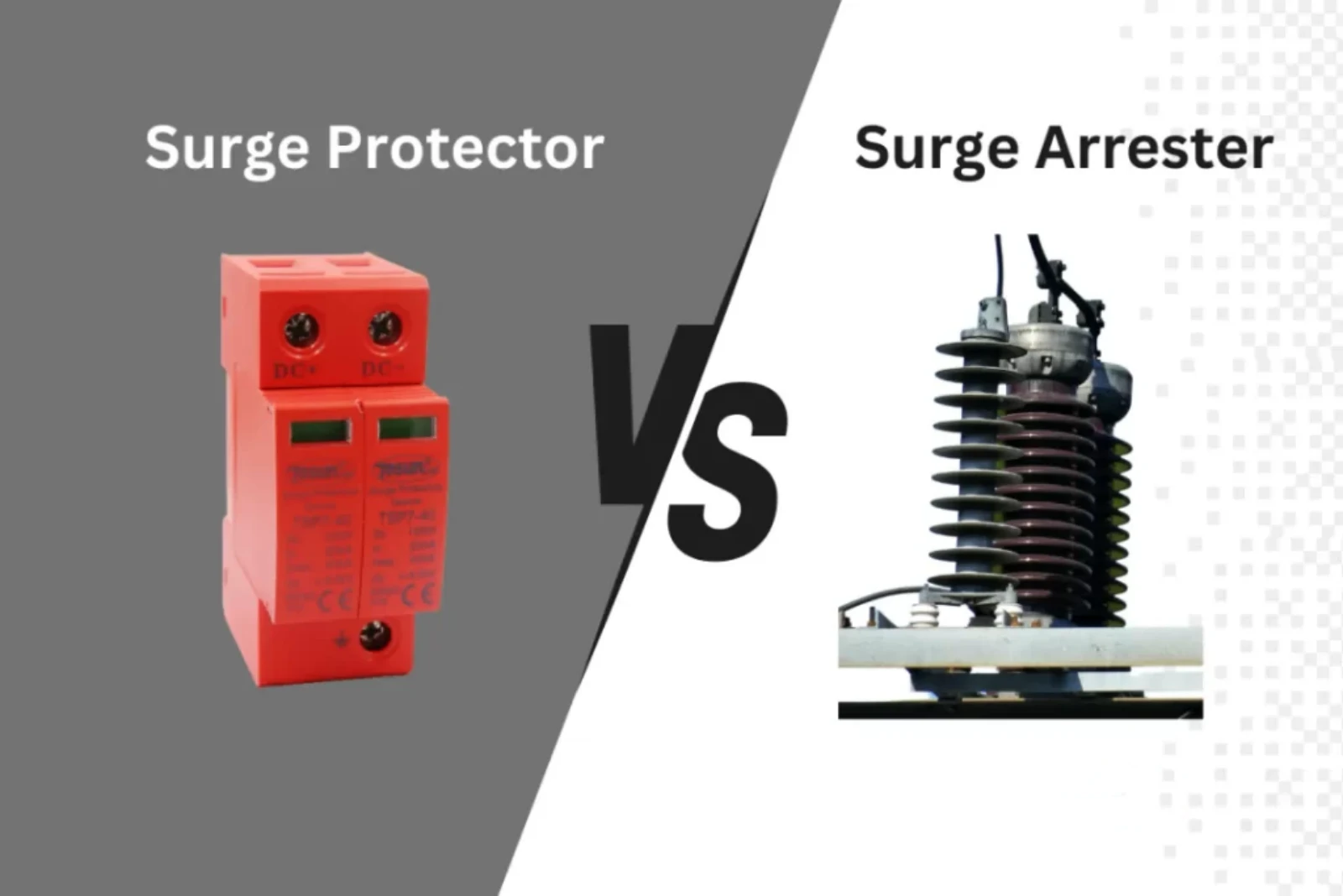
In de wereld van vandaag worden elektrische systemen steeds geavanceerder en gevoeliger. Zelfs een kleine stroomstoot kan ernstige schade veroorzaken, wat resulteert in kostbare uitvaltijd en defecte apparatuur. Daarom is overspanningsbeveiliging essentieel voor elke moderne installatie. Veel ingenieurs en kopers verwarren SPD's (surgeerbeveiligingsapparatuur) echter vaak met...
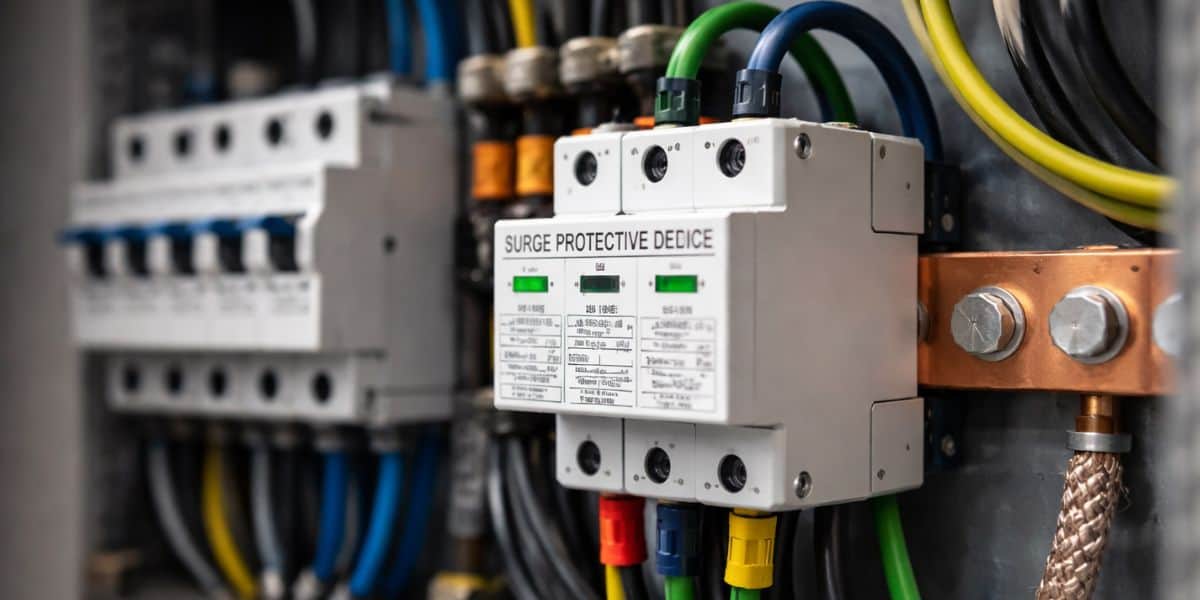
Bij het selecteren van een overspanningsbeveiliging bepalen drie parameters de echte prestaties: joule-classificatie, spanningsbeschermingsclassificatie (klemspanning) en naleving van UL 1449. Joules beschrijven hoeveel stroom piekenergie een apparaat in de loop van de tijd kan absorberen. Klemspanning definieert hoe hoog de spanning tijdens een piek kan stijgen. UL 1449 valideert hoe deze...
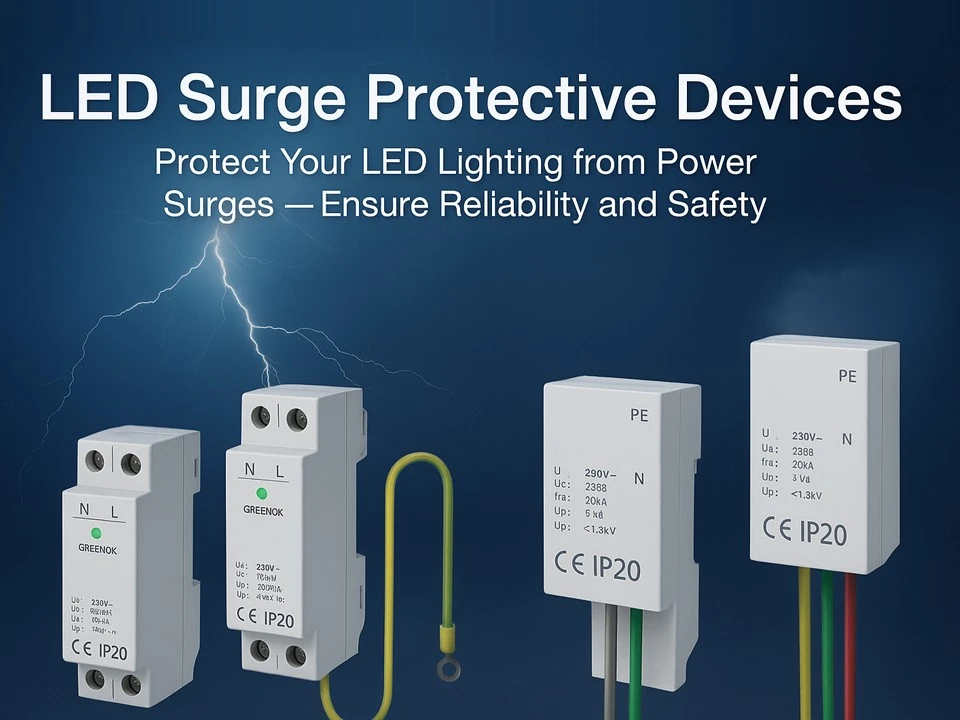
Heb je je ooit afgevraagd waarom je LED-lampen soms veel eerder uitvallen dan verwacht, ook al zijn ze gelabeld om 30.000 of zelfs 50.000 uur mee te gaan? Of waarom straatlantaarns of gevelverlichtingssystemen plotseling donker worden na een onweer? De waarheid is dat LED-technologie zeer efficiënt is, maar ook erg gevoelig voor stroompieken. Zelfs een korte elektrische...
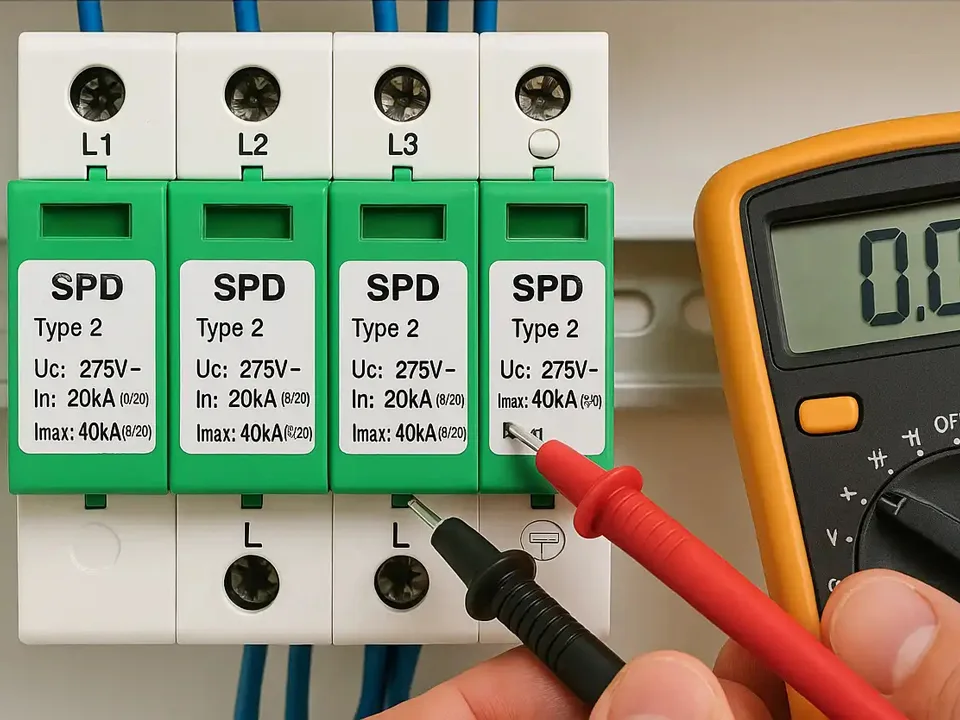
Tijdens het gebruik werken onmiddellijke hoge spanningen (surges) in LED-schakelvoedingen als onzichtbare "huidige moordenaars", die mogelijk plotseling ontstaan door blikseminslagen, netschakeling, motorstarts/stops en soortgelijke bewerkingen. Hoewel deze pieken slechts een fractie van een seconde duren (meestal milliseconden tot microseconden), hun piekspanningen...
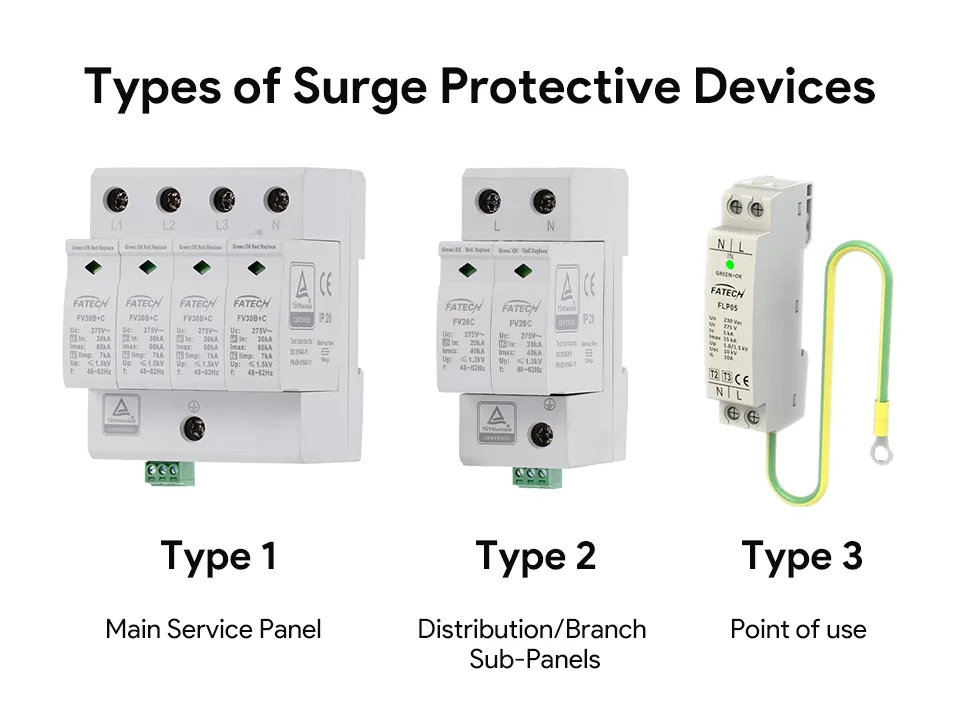
In de sterk geëlektrificeerde en gedigitaliseerde wereld van vandaag vertrouwt onze samenleving op fragiele elektronische apparaten - van smart-tv's en computers in huizen tot precisiecontrole-eenheden in industriële omgevingen. Toch schuilt een onzichtbare dreiging binnen het elektriciteitsnet: elektrische stroompieken. Deze kunnen binnen een miljoenste van een seconde enorme schade toebrengen. Overspanningsbeveiligingsapparatuur (SPDS)...
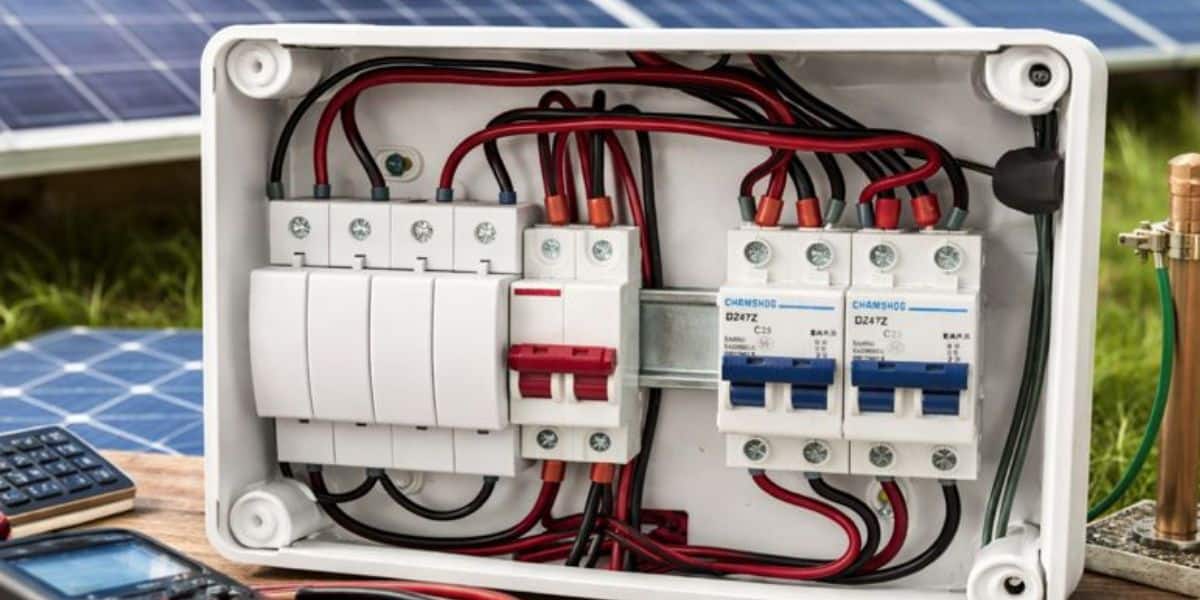
Voor de meeste zonnepaneleninstallaties is de beste aanpak gecoördineerde overspanningsbeveiliging: een DC SPD op de PV-array of omvormer DC-ingang, een AC SPD aan de omvormeruitgang of het distributiepaneel, en type 2 SPD's als primaire beschermingslaag. Type 3-apparaten worden alleen in de buurt van gevoelige eindpunten gebruikt. Dit betekent dat er geen enkele "beste" overspanningsbeveiliging is...
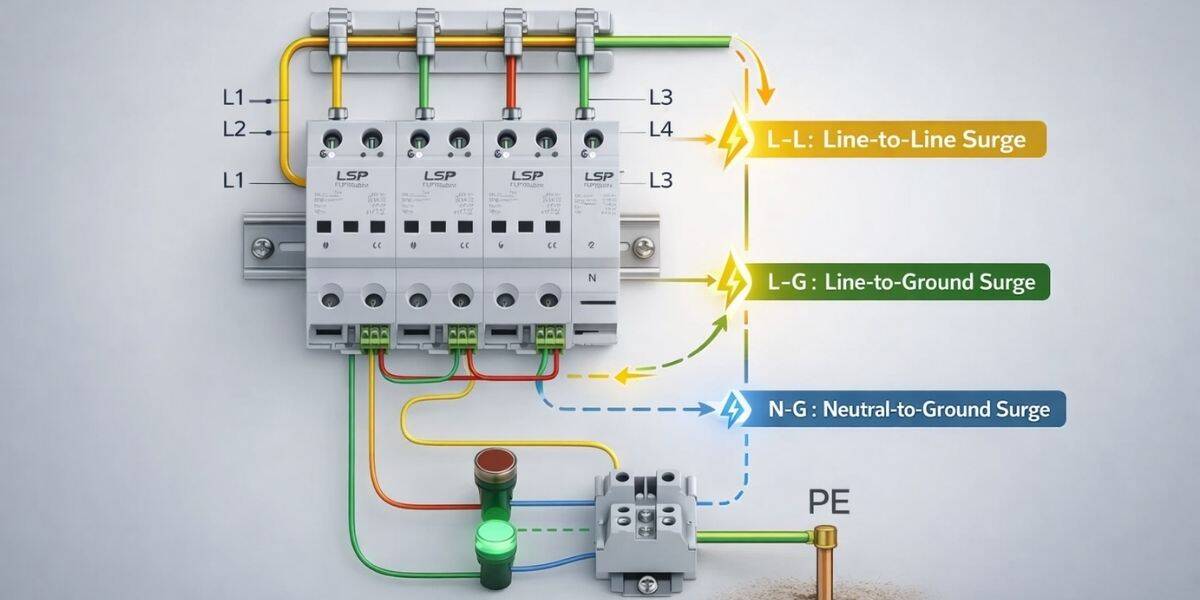
Het belangrijkste verschil is de scope en installatie: SPD's beschermen het elektrische systeem op paneelniveau (inclusief belangrijke 3-fasen overspanningsmodi zoals L-L en L-G), terwijl overspanningsbeveiligingen één apparaat op het eindpunt beschermen. In 3-fasensystemen is een overspanningsbeveiliging (SPD) meestal een bedrade, paneelgemonteerd apparaat dat is geïnstalleerd bij de ingang of distributie van...

Voor de meeste driefasige industriële panelen is de beste keuze meestal een type 2 overspanningsbeveiligingsapparaat dat op het paneel is geïnstalleerd (distributieniveau), gecoördineerd met stroomopwaartse bescherming en goede aarding. Een type 1-eenheid wordt de betere keuze bij de serviceingang wanneer de blootstelling aan de inkomende overspanning hoog is, terwijl type 3-apparaten voornamelijk voor gevoelige eindpunten zijn...