简体中文
简体中文  English
  Deutsch
  Español
  Français
  Italiano
  日本語
日本語  한국어
한국어  Polski
  Português
  Русский
  Türkçe
  Nederlands
  Tiếng Việt
  ไทย
ไทย 
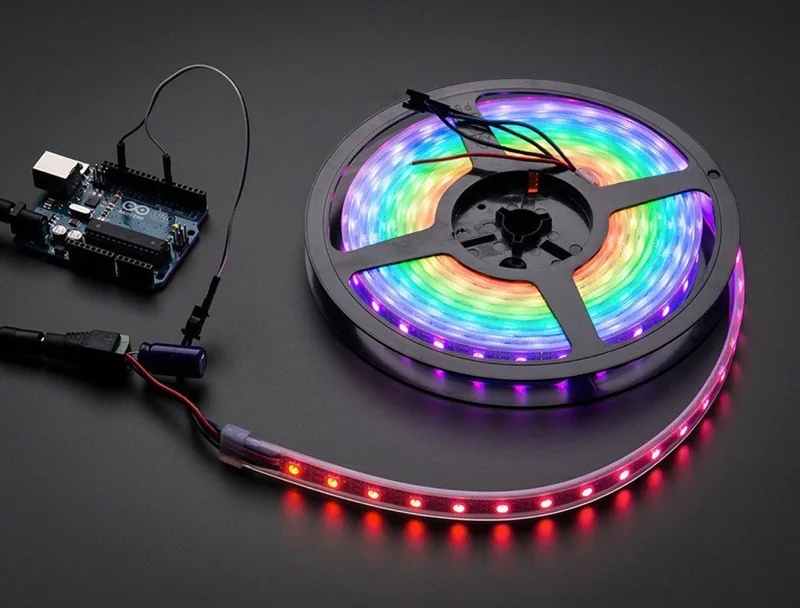
LED灯带灯因其能效、灵活性和可塑性以及各种应用场景而成为装饰和照明的热门选择。 但是,很多人可能会问:“没有插头,LED灯条能正常工作吗?” 其实,有了正确的安装方法和电源解决方案,完全可以安装...
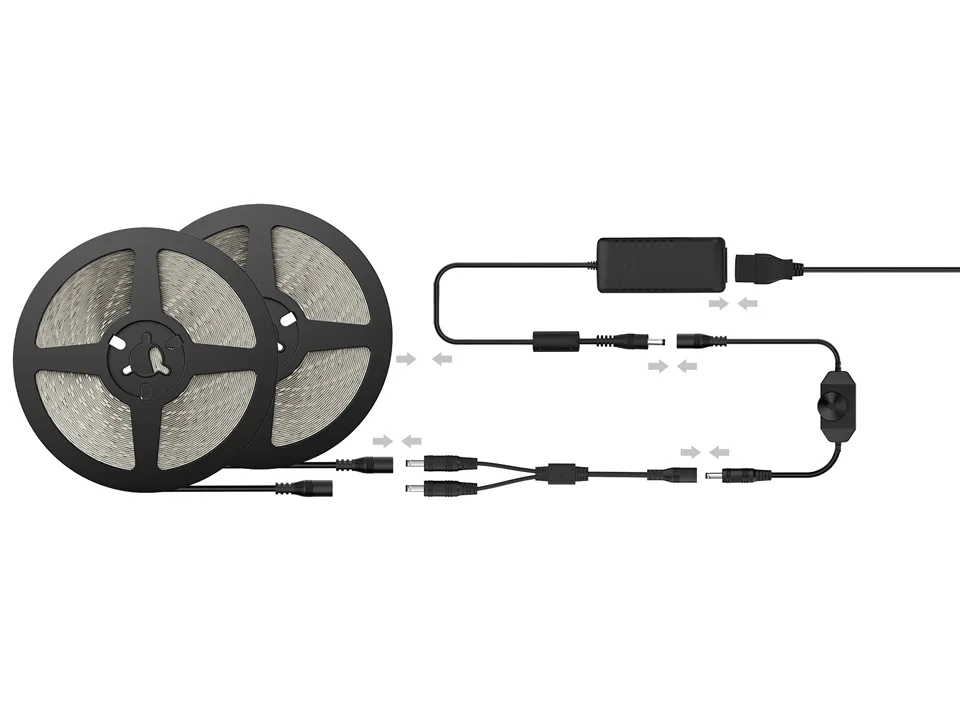
12V LED灯条是一种简单且经济实惠的方式,可以为您的空间增添重点照明。 这些柔性条,也称为LED色带灯,易于安装在许多表面上。 它们散发出柔和光滑的光线,可在小区域中安全使用。 低12V直流电能使它们节能,并有助于保持灯光的凉爽。 很多人都用它们...
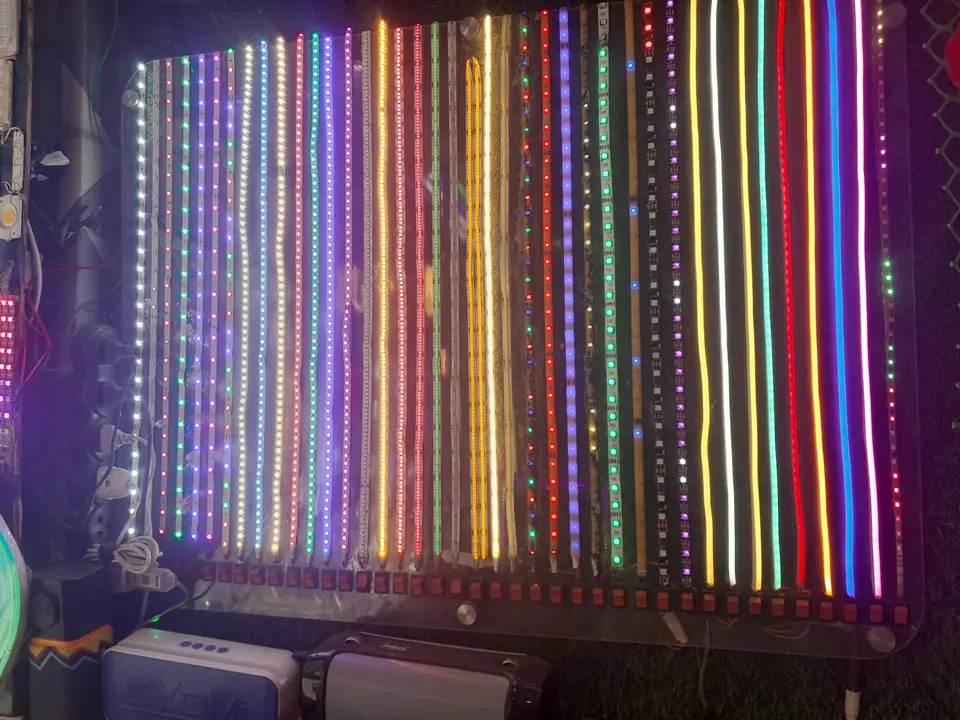
老化试验和实验环境的目的 说明 测试目的:随着LED灯带厂商的加剧和价格竞争的加剧,目前市场上LED灯条中的2835片为0.2W,部分彩色LED灯条的客户可能会选择0.1W芯片,以降低亮度可接受的成本。 该测试比较了0.1W和0.2W...
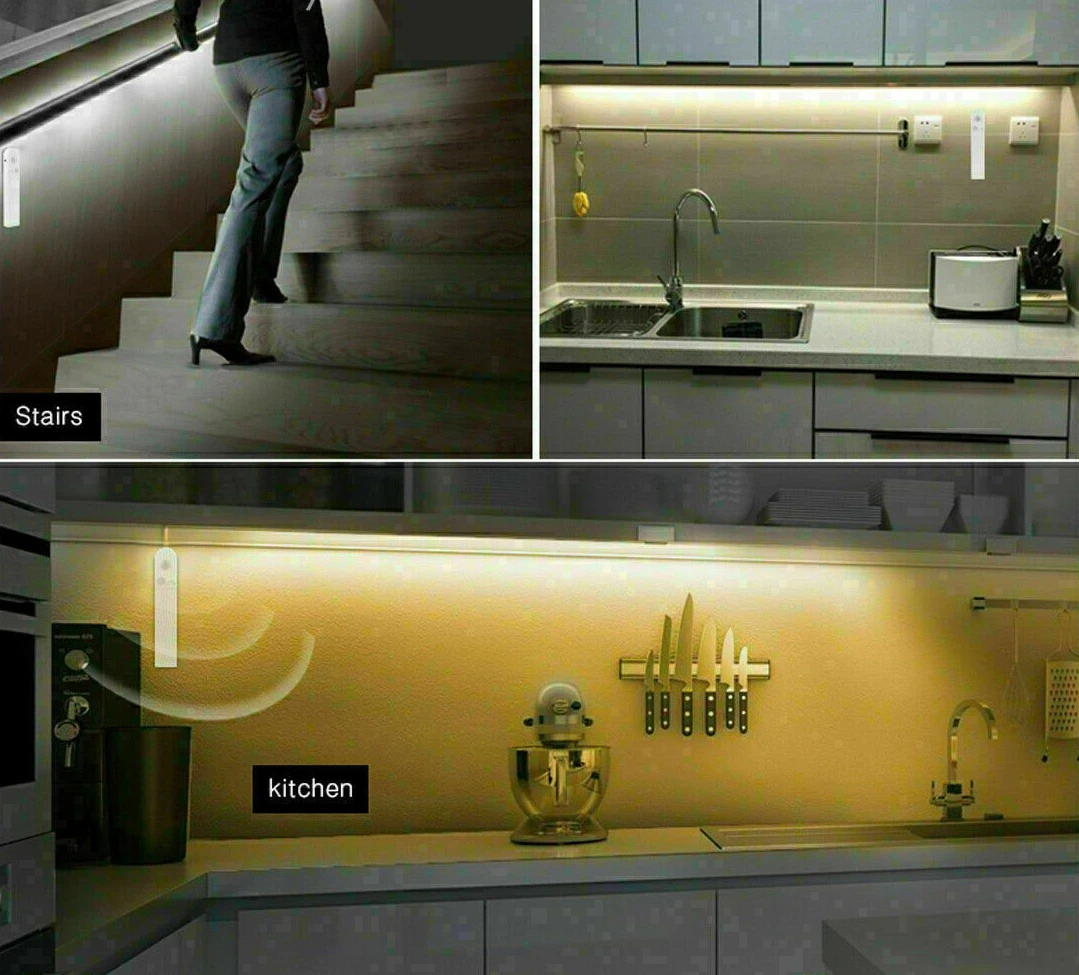
照明设计已经超越了传统的插件解决方案,采用了符合现代生活方式的创新。 电池供电的LED灯带灯具备独特的灵活性和独立性,无需固定布线即可实现创意照明解决方案。 这种转变为增强室内氛围和户外开辟了新的机会...
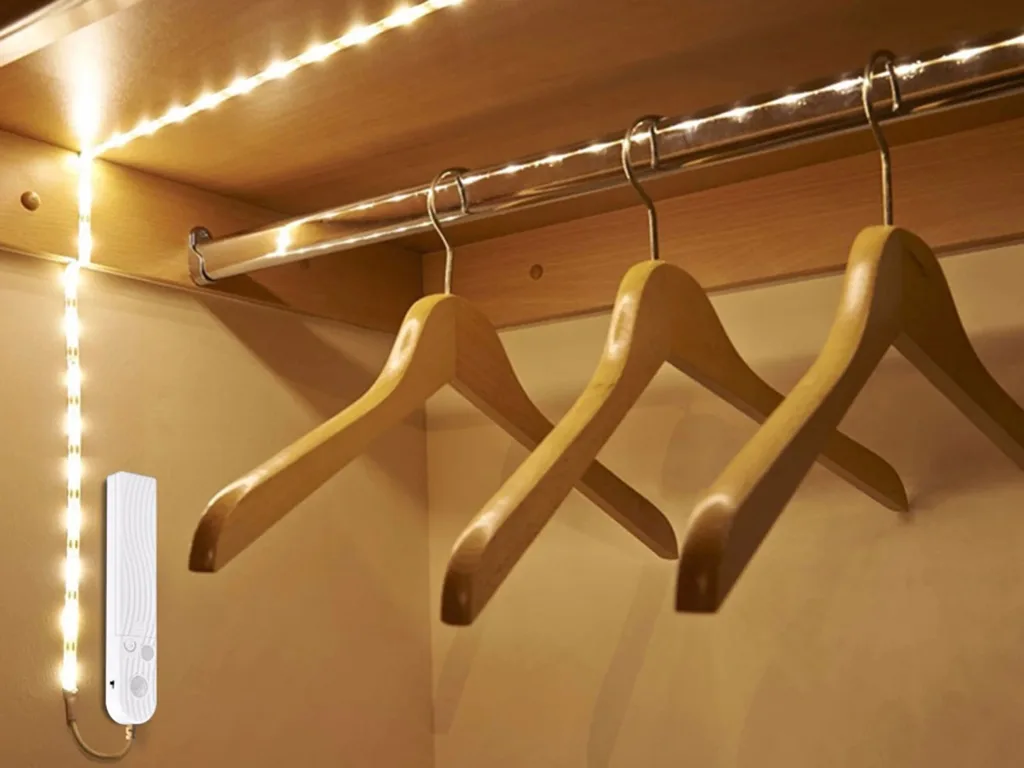
LED灯条是一种灵活且多功能的照明产品,有多种尺寸、形状、颜色和样式。 许多 LED 灯条不直接插入 220V 电源,需要电力进行转换和照明。 那么,您是否需要照亮一个没有插座的空间? 无论是舒适的角落,户外环境,...
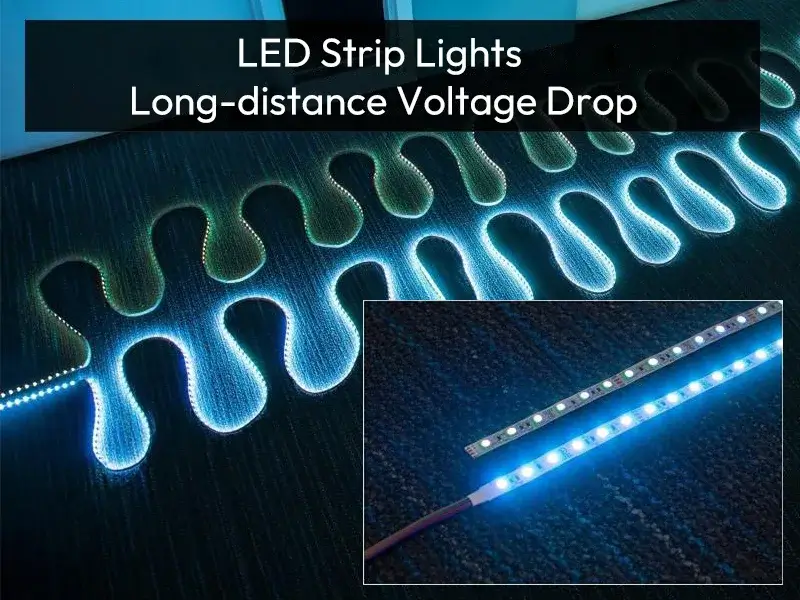
在长距离LED灯带安装中,电压降是导致亮度不均和寿命缩短的核心问题。 由于低压LED灯条(12V/24V)中的电流随着距离的增加而减小,因此电阻引起的电压损失会显着影响远端的照明性能。 不干预,电压下降可能会导致...
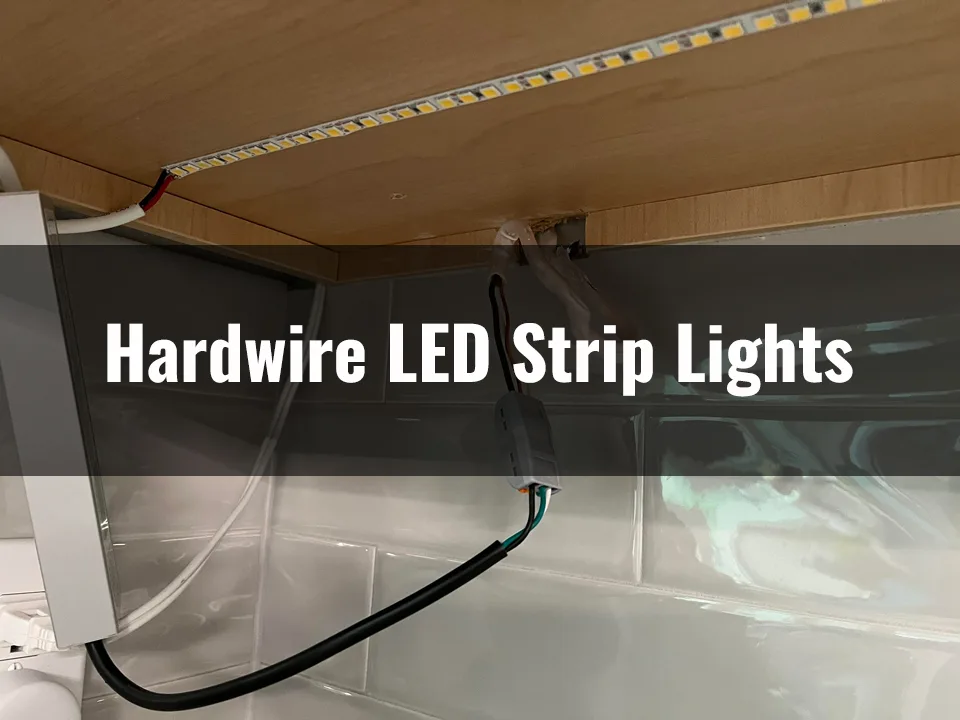
近年来,LED灯带灯因其能效、多功能性和长寿命而变得越来越流行。LED灯条可用于各种应用,从任务照明到强调照明,并有多种不同的颜色和亮度级别。 一般来说,LED灯具的应用很多。
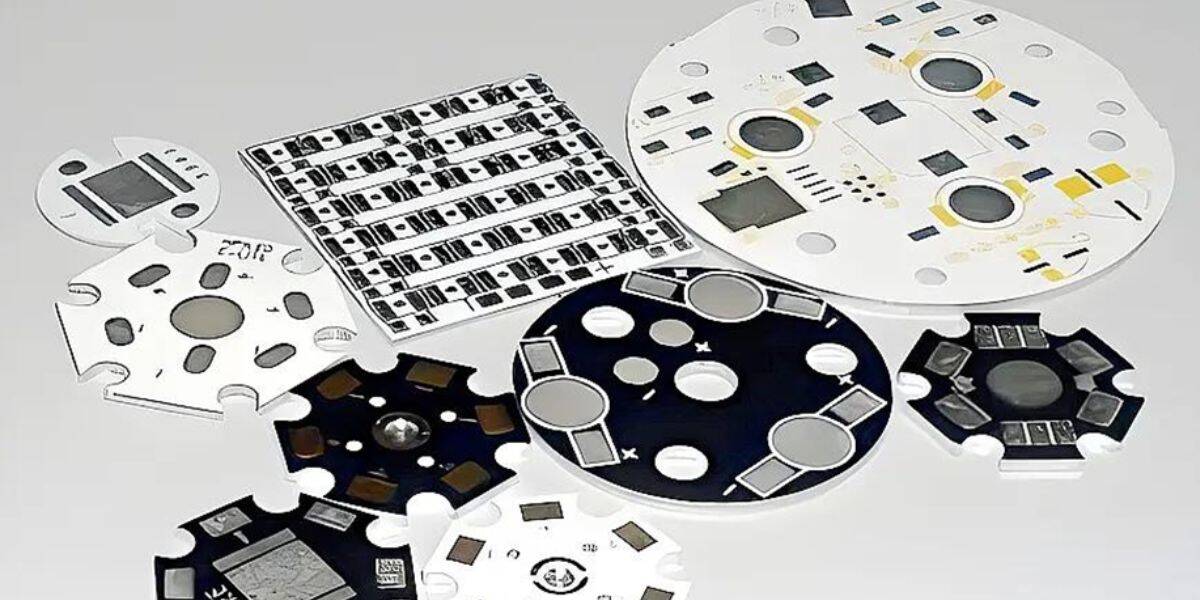
随着LED技术的不断进步,大功率PCB LED现在被广泛应用于多种应用中。 用于工业照明、汽车前照灯、路灯、体育场照明和高架商业用具。 与传统光源相比,这些LED提供了卓越的亮度、能源效率和寿命。 他们还...
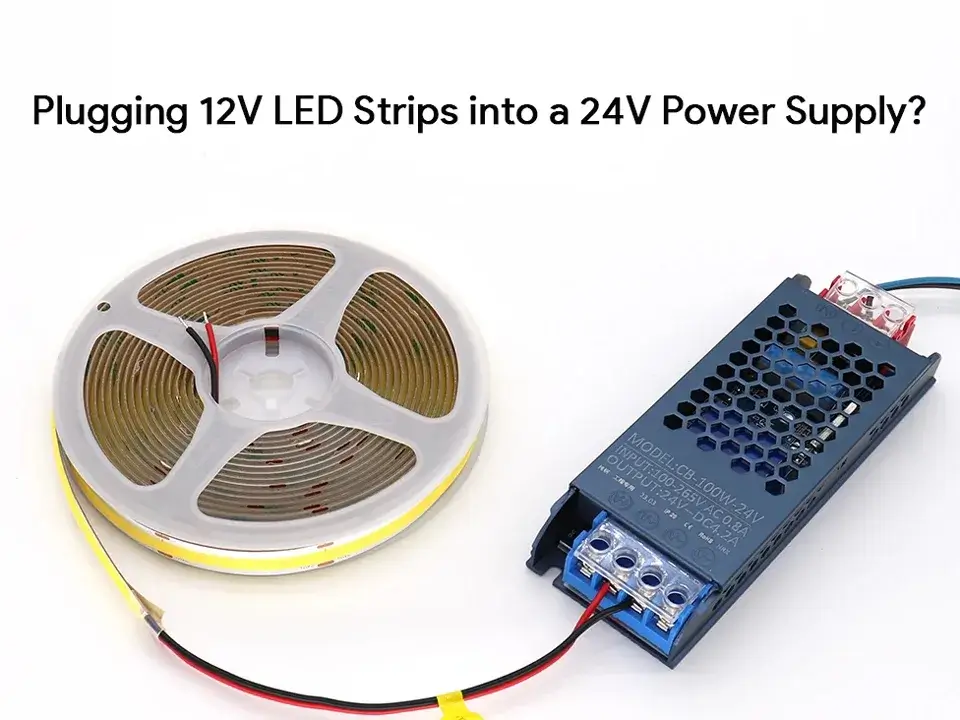
在实际照明项目、模型室施工或现场安装中,由于电源配置不一致,12V LED 灯条连接到 24V 电源的情况并不少见。 虽然这看起来像是一个简单的“电压不匹配”,但它可能会导致严重的问题,例如烧坏的LED、过热和吸烟、产品故障和...
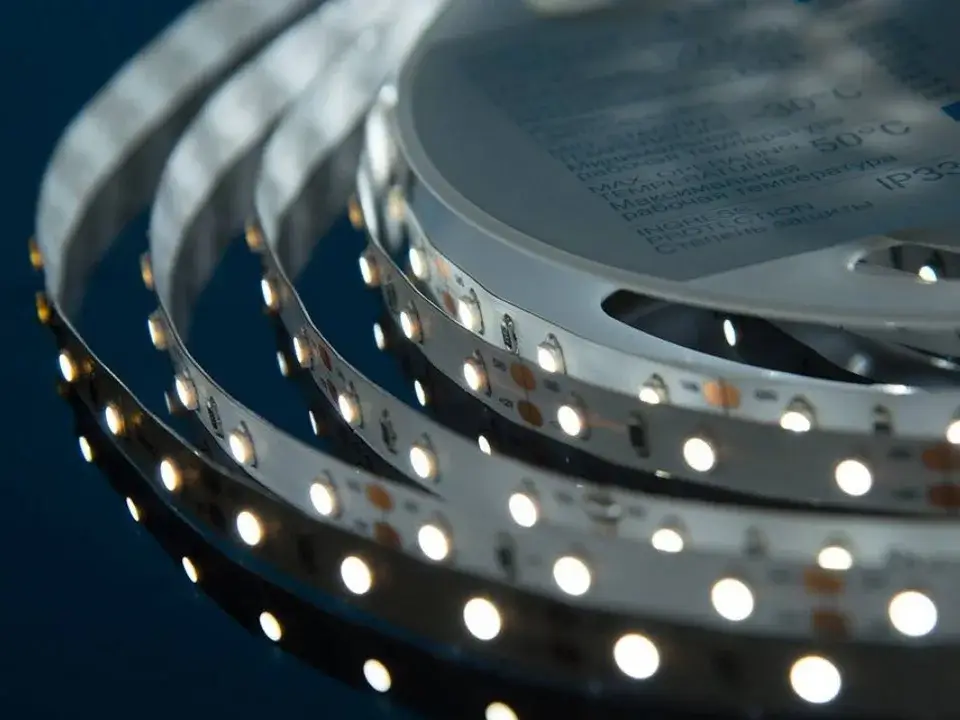
由于其多功能性和高效率,LED灯带在住宅、商业和工业照明场景中得到了广泛的普及。 从环境照明到高显色指数(CRI)功能照明,它们已成为设计师和工程师的热门选择。 然而,在实际使用中,尽管有许多...
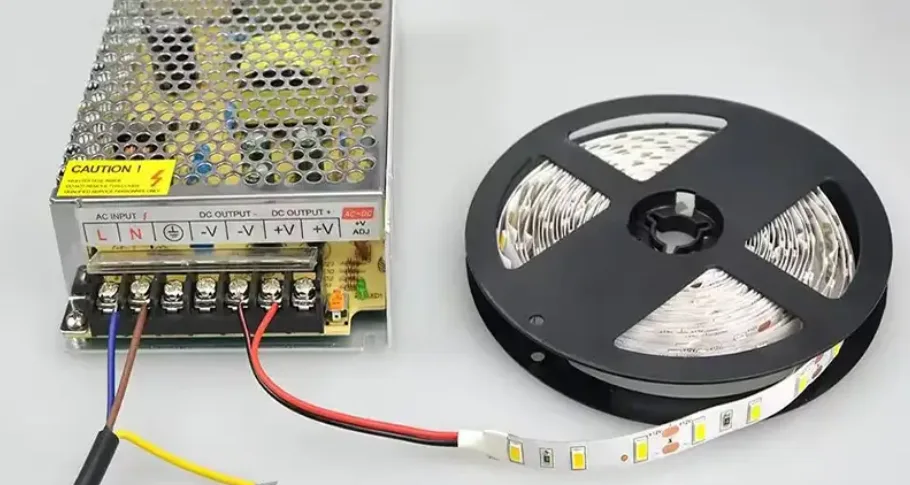
LED灯带灯因其灵活性、节能性和安装方便性而在装饰和功能照明方面变得越来越受欢迎。 但是,要让它们启动并运行,必须知道如何将它们正确连接到电源。 无论您是 DIY 爱好者还是 LED 照明的新手,理解...
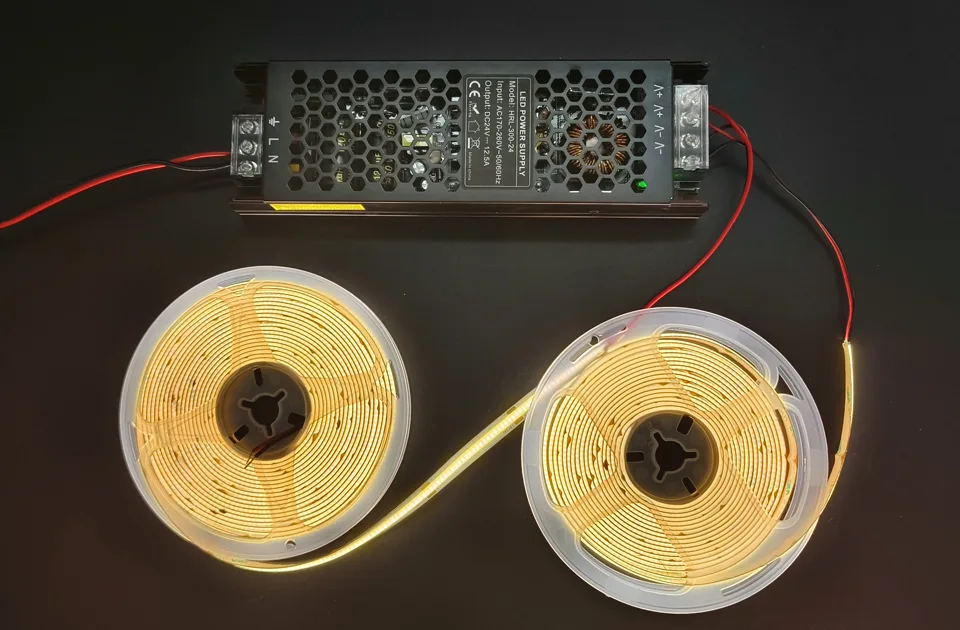
当第一次遇到 LED 灯带灯并期望它们正常工作时,关键步骤是确定如何为 LED 灯条提供适当的电源输入以正确照亮。 由于LED灯条和LED电源是从不同的电源购买的,因此它们的设置方式存在差异。 本文将详细介绍...
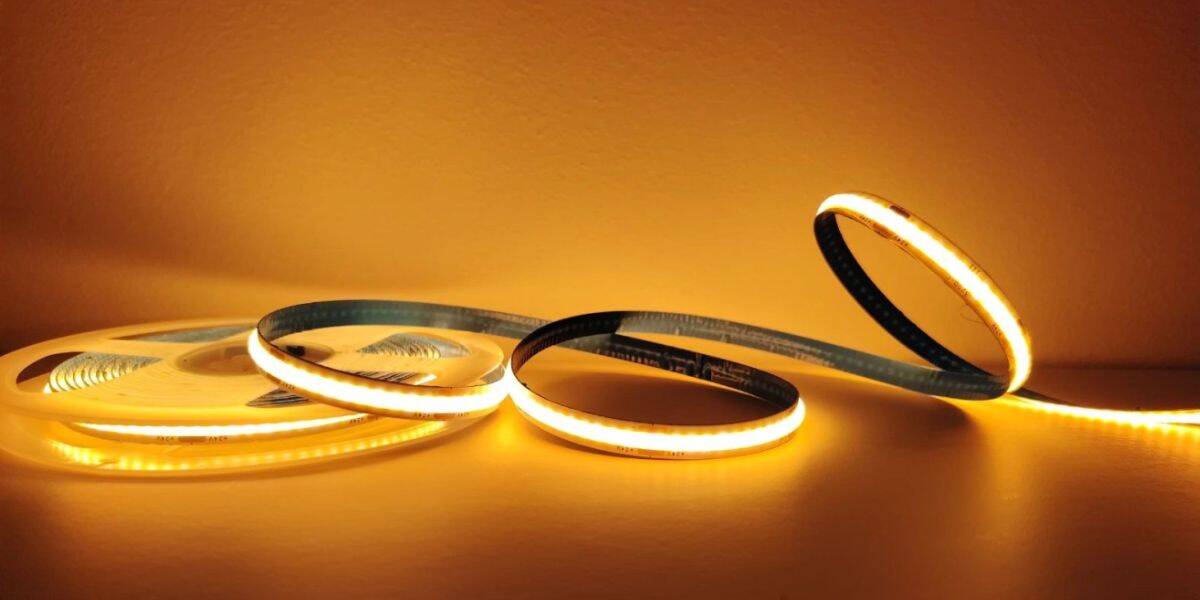
24V LED灯管是恒压LED灯带系统,设计用于以标称24伏直流电运行,通常由调节电压而不是电流的外部LED驱动器供电。 与12V或5V LED灯条等低压恒压系统相比,24V系统提供相同的光输出,电气显着降低。
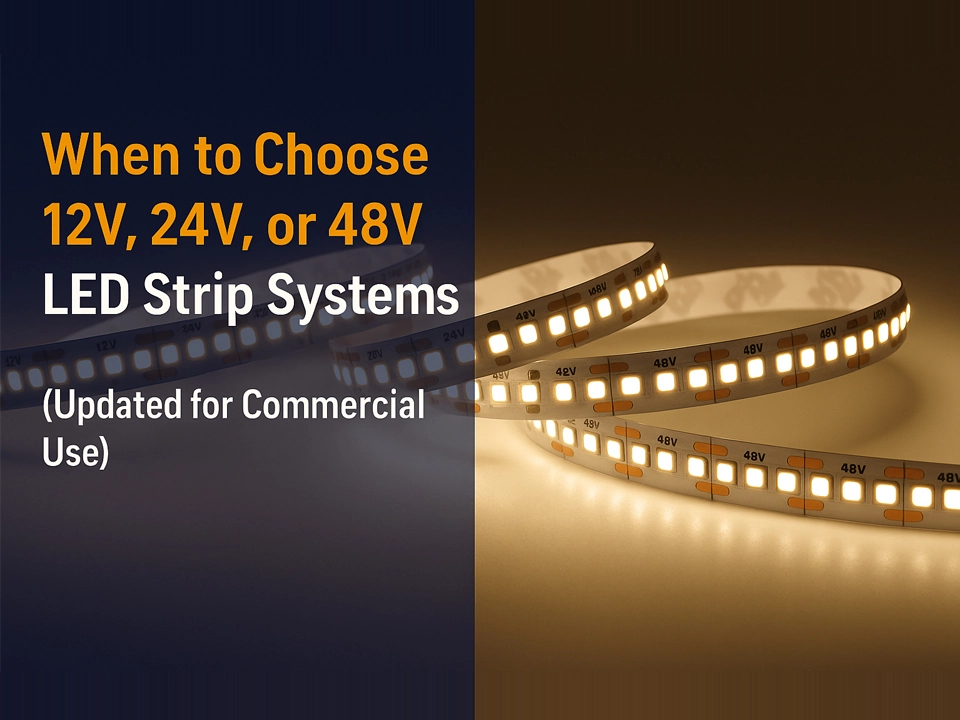
引言 在LED灯带照明装置中,电压选择常常被低估,但它直接影响亮度的一致性、能源效率和长期维护成本。 许多安装人员都经历过令人沮丧的情况——在运行中途调光的 LED 灯条,或者安装后需要频繁的供电。 在大多数情况下,...
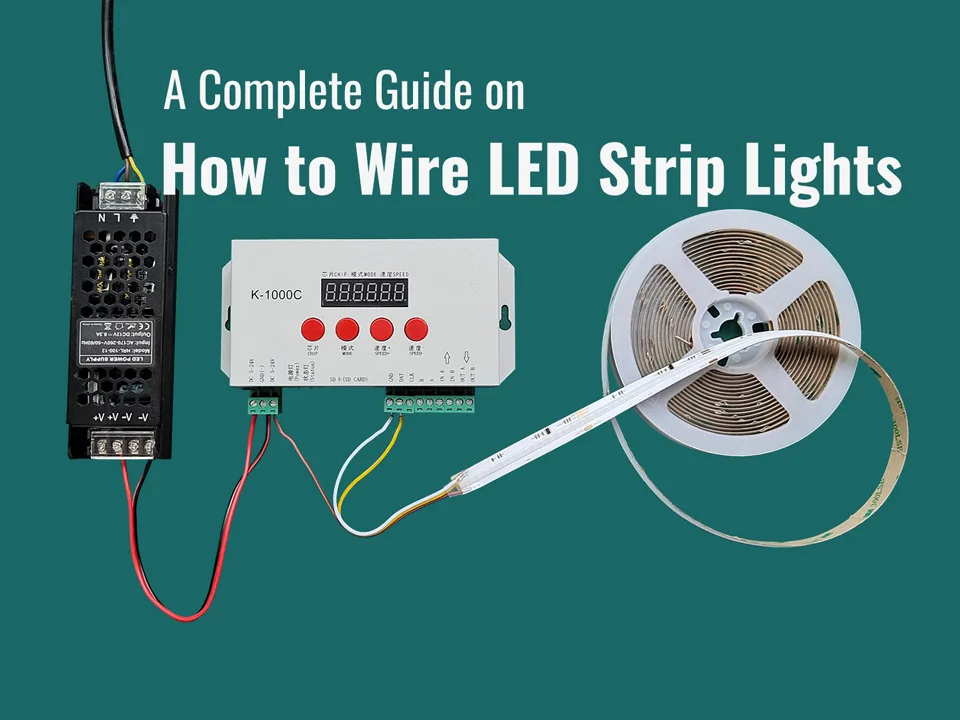
LED灯条适用于各种应用场景,可用于辅助照明、装饰照明、任务照明、植物生长照明、特殊波长LED照明等。 LED灯具固有的安全性、柔软性和可切割性,为我们使用和享受LED灯带灯带来了极大的便利性。
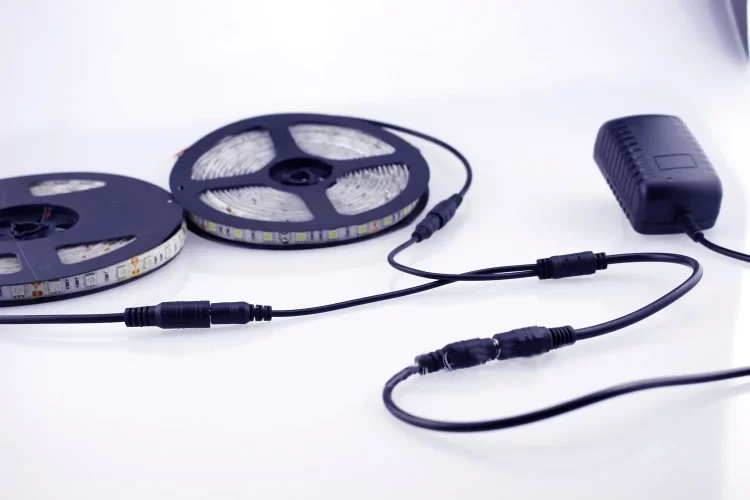
LED灯条是照明领域最好的发明之一。 您可以使用它们来装饰您的艺术品和家居,照亮厨房台面,并将它们用作楼梯照明或节日屋顶照明。 由于它们是长条的,因此您可以将它们切割成所需的长度或将它们连接在一起以获得额外的长度。 尤其是在处理较大的...
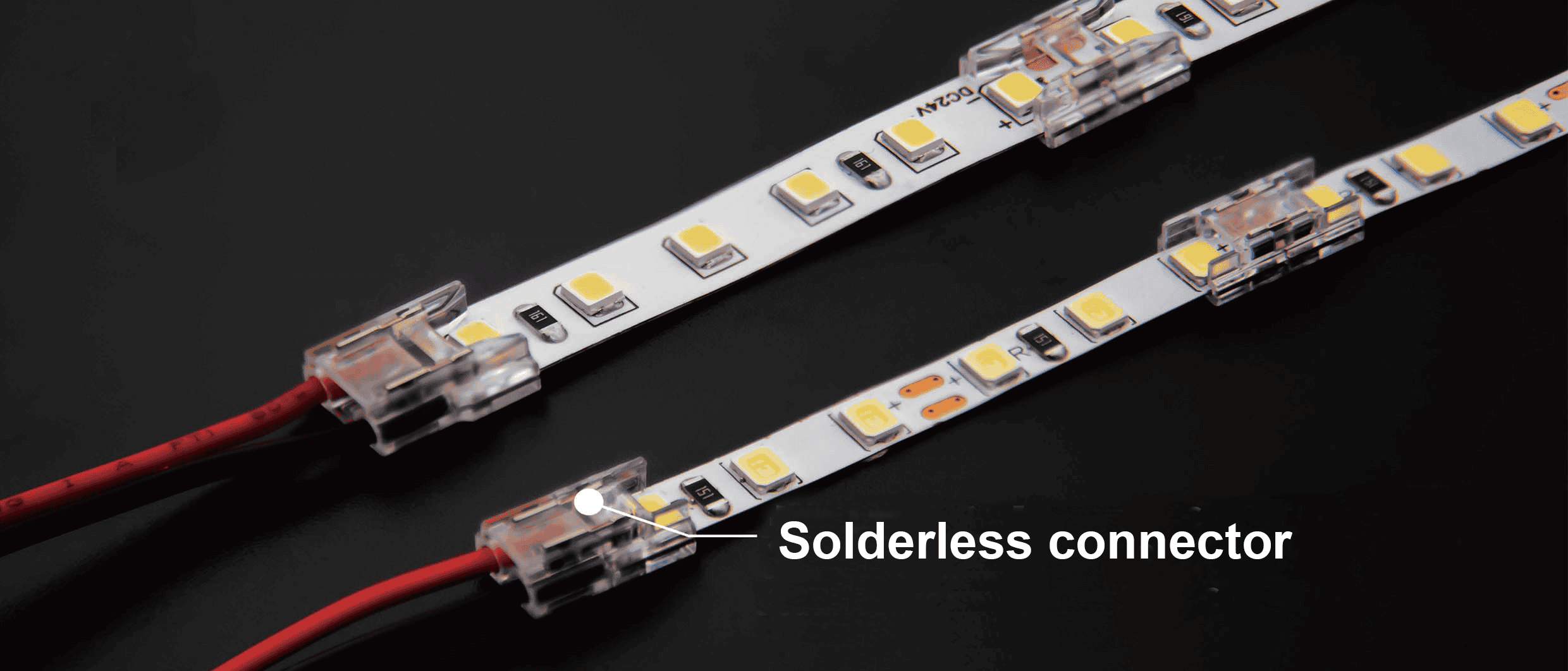
众所周知,LED 条是灵活的、可切割的、可扩展的和可调光的。 有这么多功能,它广泛用于不同的应用,例如橱柜照明、标牌照明、线性照明、用于家居装饰的 DIY 等。通常它必须被切割或消耗以满足您的需求,因为它每个卷轴的行程是 5 米,甚至高达 100 米。 如果你是...
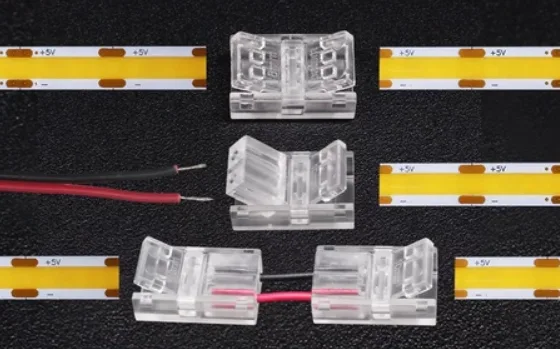
LED灯条是一种常见的装饰灯具,常用于室内和室外装饰。 灯光和气氛。 在室内,它可以用于天花板。 装饰墙壁、柱子、家具等;外面,可用于建筑。 桥梁、广告牌和其他装饰。 一些LED灯条也可以通过远程...
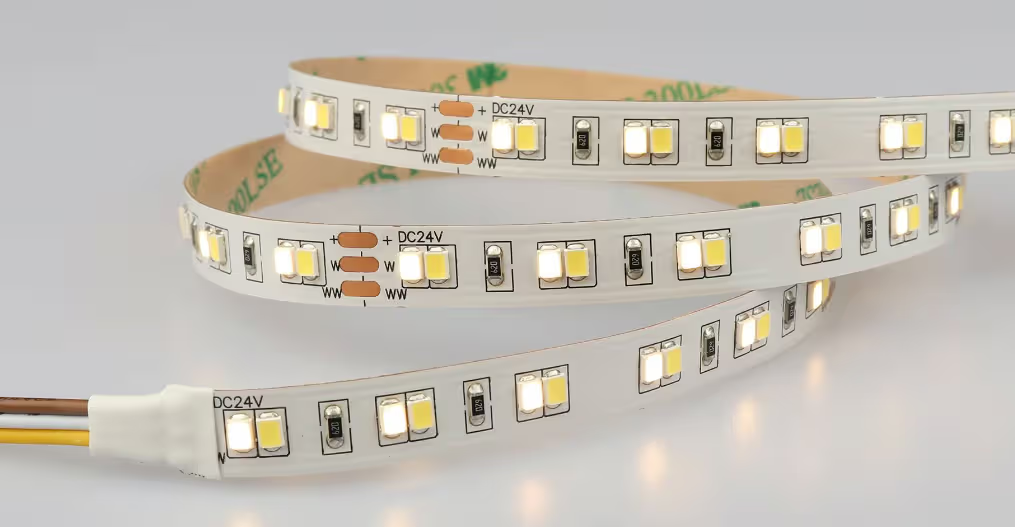
由于LED灯条的颜色可变,可调光,可以控制颜色的变化,它经常用于家居装修的装饰作用。 市场上的LED灯条的种类一般是:单色LED灯条、两色温度LED灯条、RGB LED灯条……让我们谈谈这些灯是如何连接和操作的……
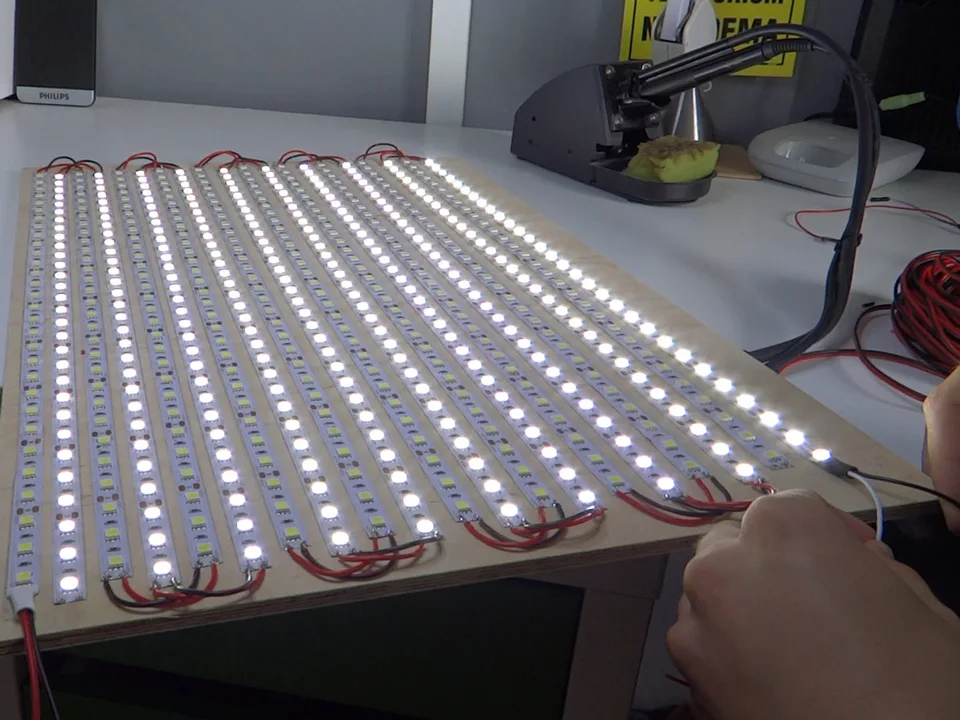
LED灯带灯革新了我们对LED照明的思考方式,这些多功能且节能的LED线性照明解决方案适用于各种应用。 然而,在安装方面,最常见的问题之一是如何找出正确的接线。 您是否应该选择串联LED灯条灯...
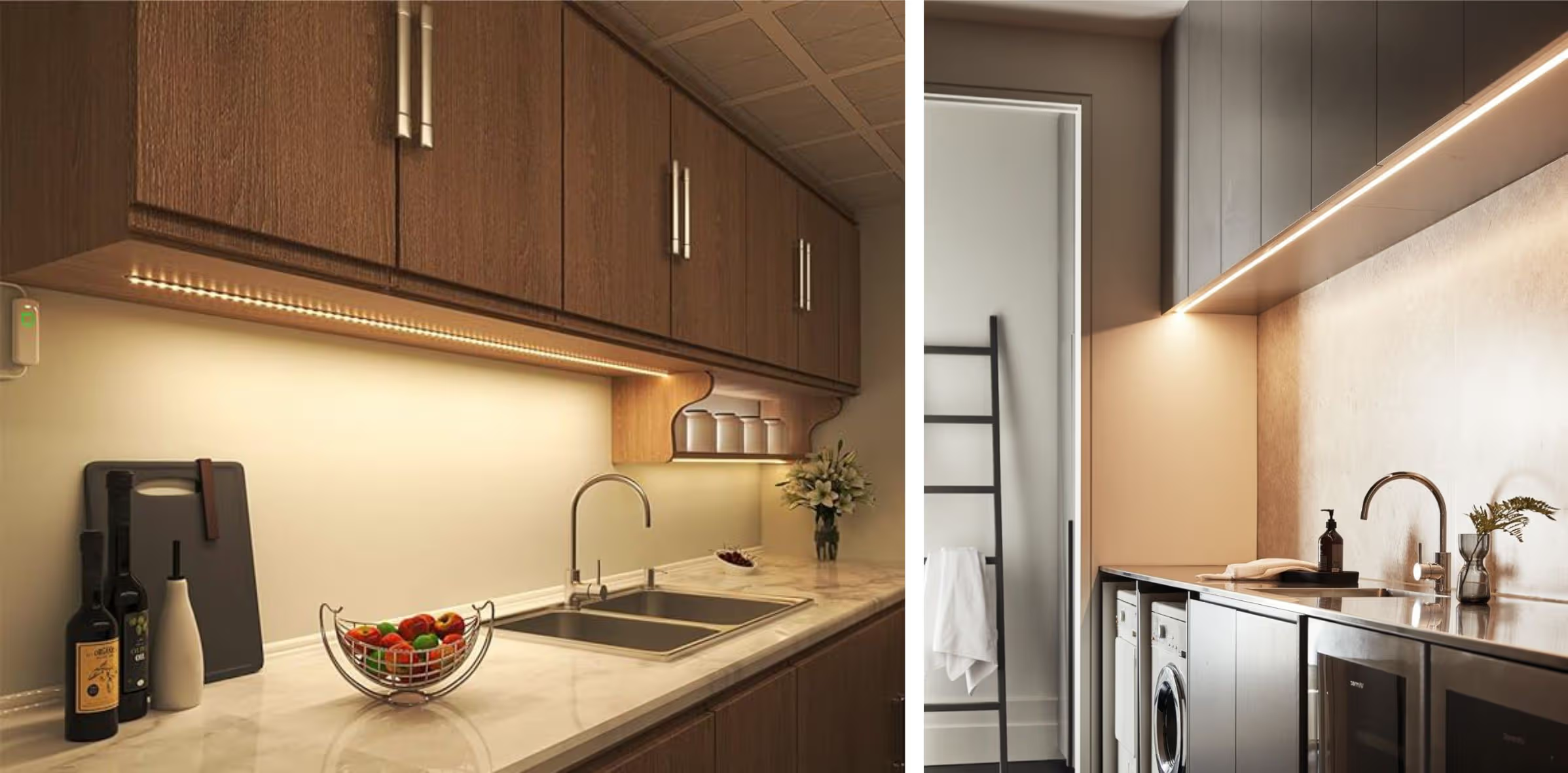
LED灯条是最受欢迎的光源,很多个体买家在家安装它,但他们有限的经验可能会导致安装不完美。 以下是 7 个常见故障和避免它们的解决方案。 7 常见的 LED 灯条失效以及如何避免它们失败 1:暴露的 LED 灯带发出刺眼的光线,特别是对于低芯片密度...
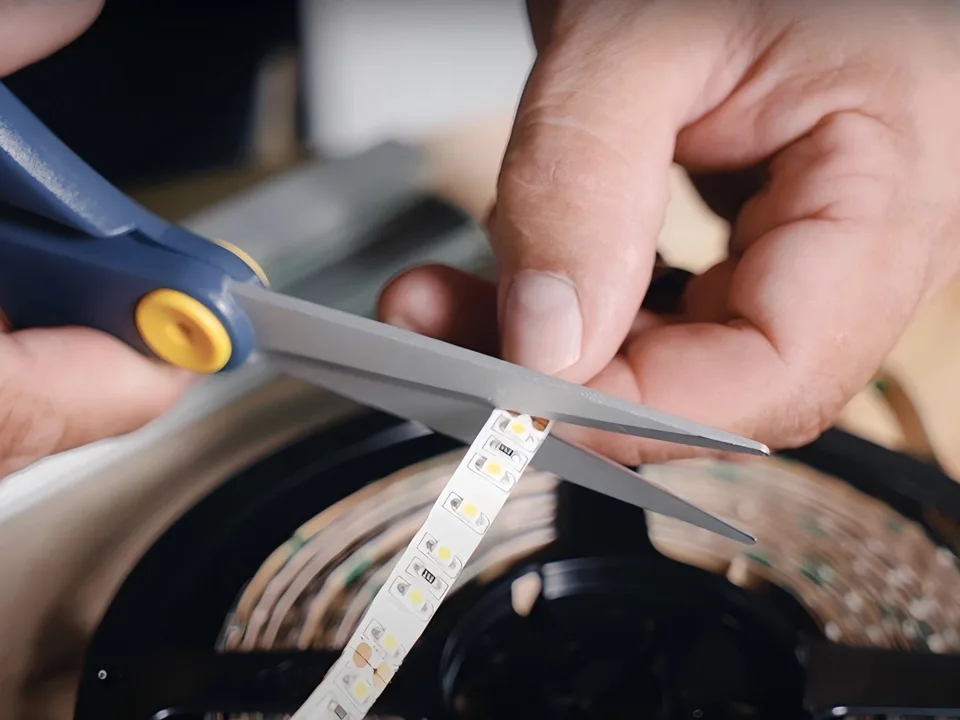
很多客户也会问:我可以切割LED灯条吗? 是的,大多数 LED 灯带灯都可以安全地切割成定制长度。 LED 灯条的设计切割点通常由 PCB 上的剪刀图标和铜焊盘指示。 在这些标记处切割不会损坏电路。 安全切割 LED 灯条: 关闭电源。 定位...

使用水流 LED 灯条安装流量照明是一个实用的逐步过程,当期望从一开始就正确设定时。 安装本身很简单:您计划视觉流路,准备表面,牢固安装条带,将其连接到兼容的控制器和电源,然后测试和调整亮度...
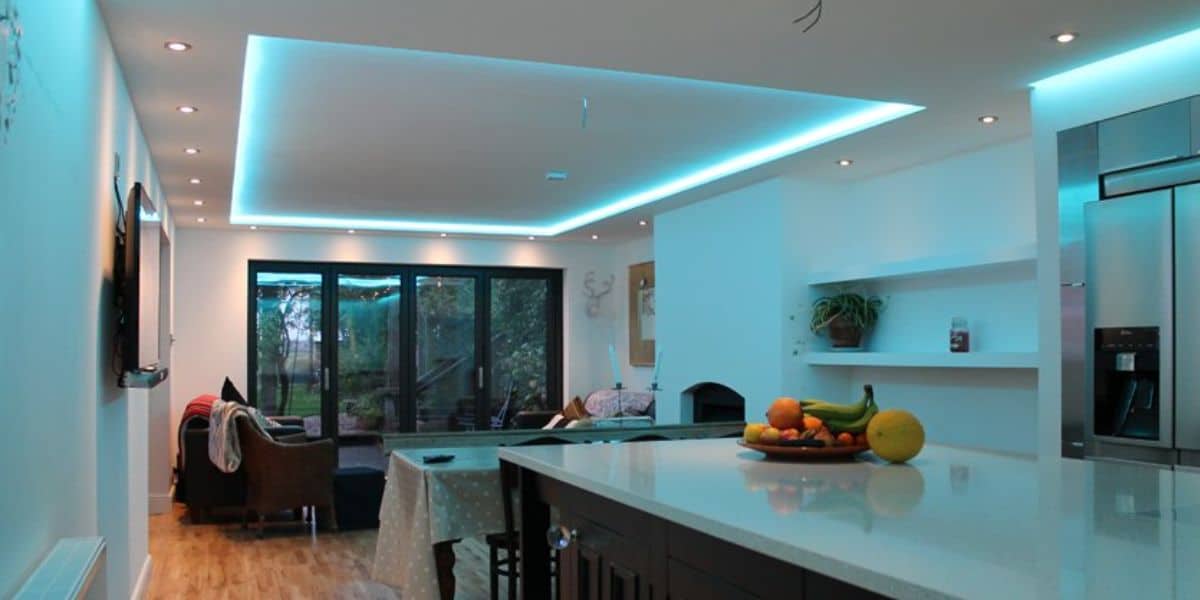
您可以通过以下系统的 5 步过程在您的家中安装隐藏式 LED 灯带灯:规划照明效果、选择正确的组件、准备和安装 LED 灯条通道、安装和连接 LED 灯条,最后添加扩散器和最后的润色,打造无缝的专业级隐藏发光。 隐藏...
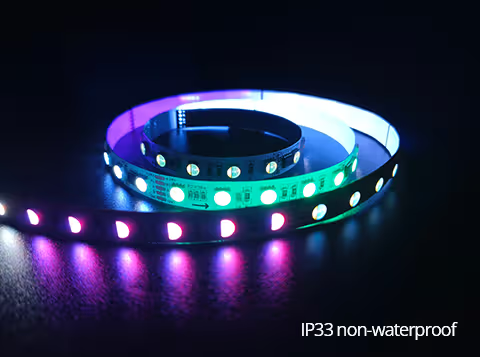
安装的灯带松动是什么原因? 1. 带不充分固定:安装LED灯带时,如果3M胶粘剂长时间因风雨而留在原地,胶水的粘度会降低,关闭LED灯带。 2.粘贴位置和材料问题:LED灯条也会熄灭...
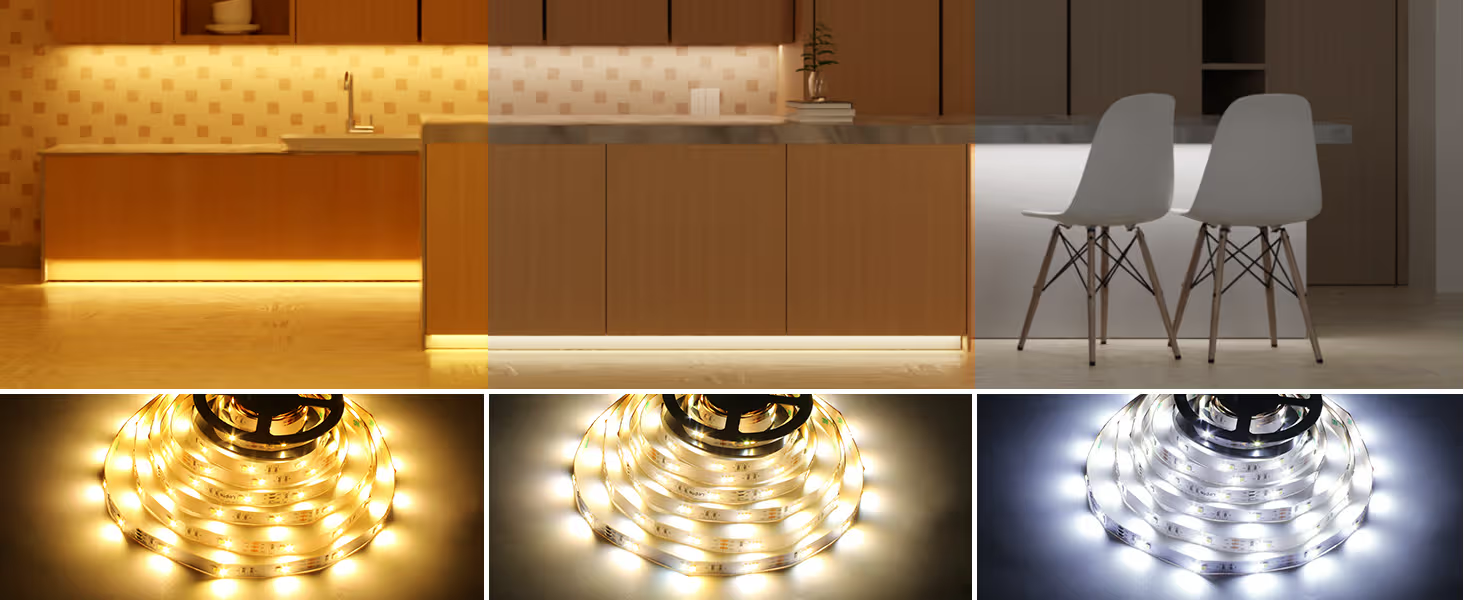
最近,我们的一些客户来找我们报告了在安装过程中无法打开的不正确的切割和灯的问题。 我写了一个特殊的页面来帮助您安装 LED 灯条并解决您的问题。 为什么正确安装LED灯带灯至关重要? 正确放置夹具时,...
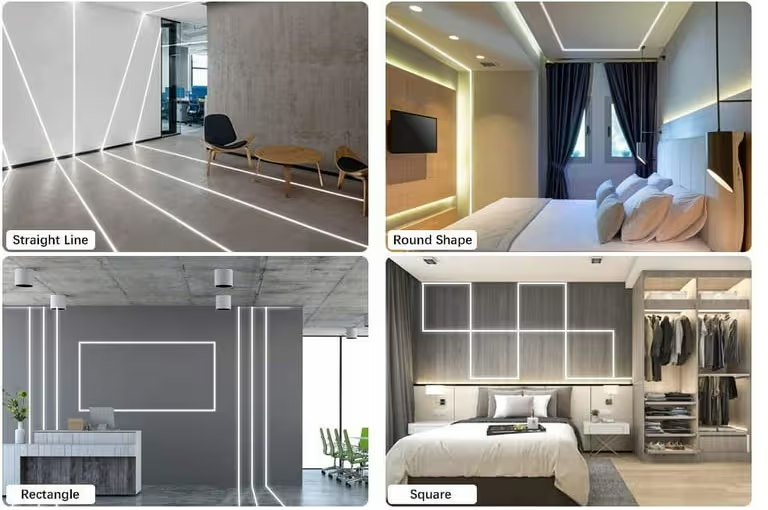
LED 铝型材是增强照明设置风格和功能的绝佳方式。 它们不仅可以保护和漫射LED灯条,还可以为您的安装带来抛光外观。 如果您是新手,安装它们可能看起来有点棘手,但不要担心! 这是一个简单的分步指南,可以让您完成它。 步进...
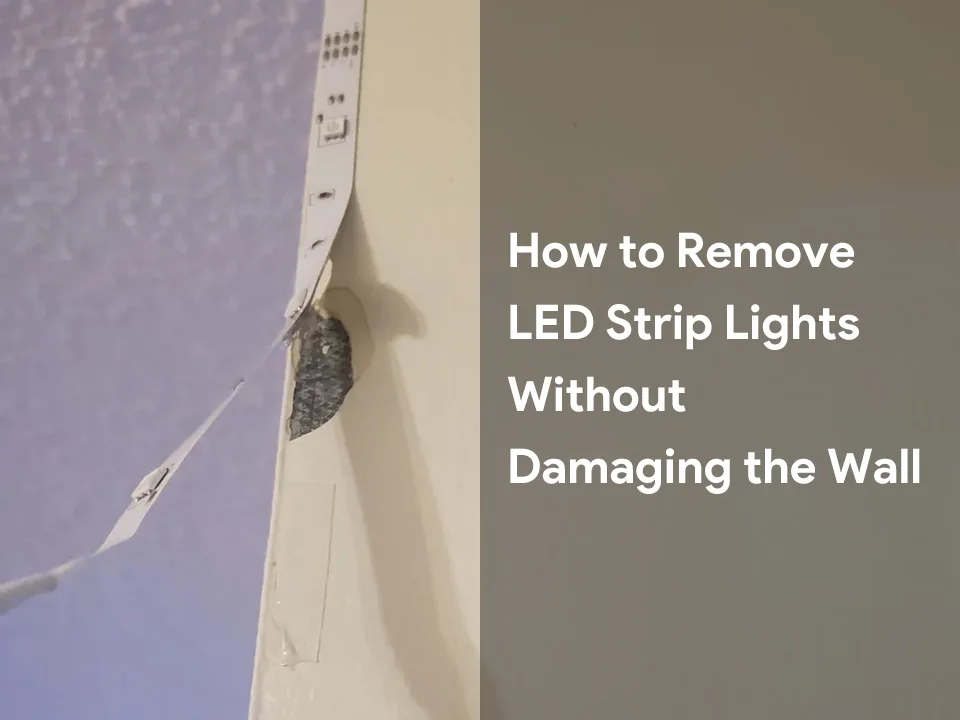
LED灯条由于安装简单、氛围强、灵活性高,广泛应用于家居装饰、商业空间、酒店项目和展示柜照明。 但是,当您需要更换布线、更改照明布局或重新定位时,如何安全地移除 LED 灯条,而不会损坏墙壁或油漆...
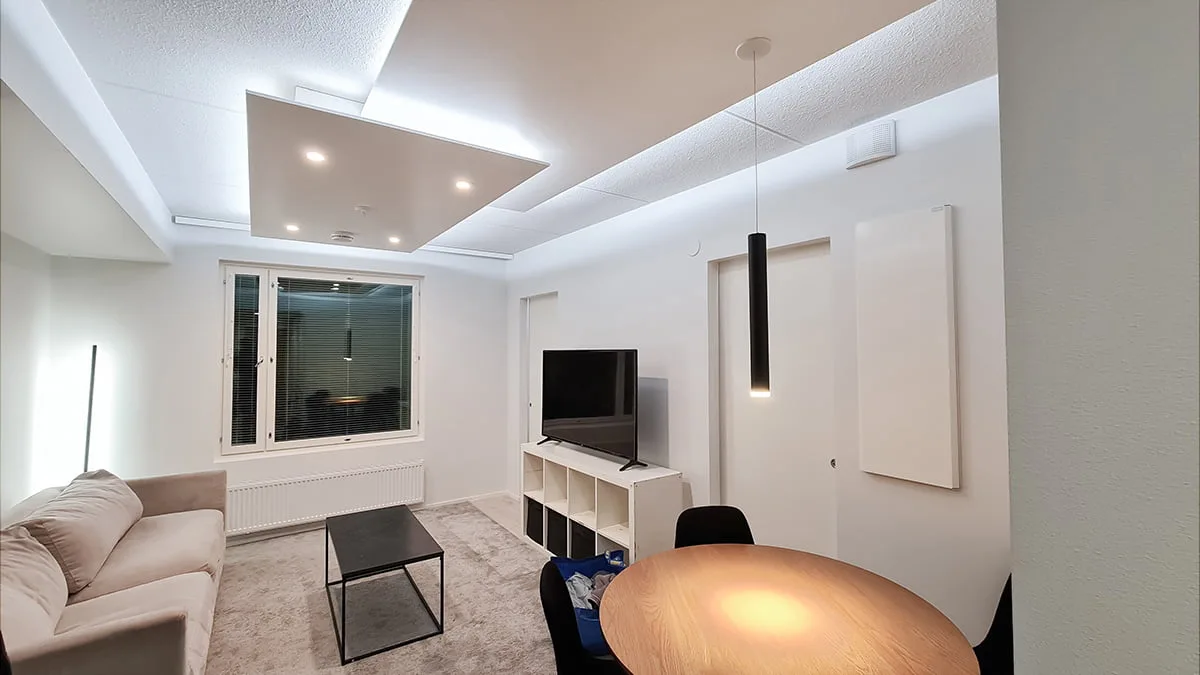
间接照明非常适合建筑和室内设计项目。 这些灯具旨在照亮空间,而不会显示光源本身。 光线不直接照射到空间,反射的墙壁和天花板,产生温和散射的光芒,增强了房间的氛围。 改善了气氛,...
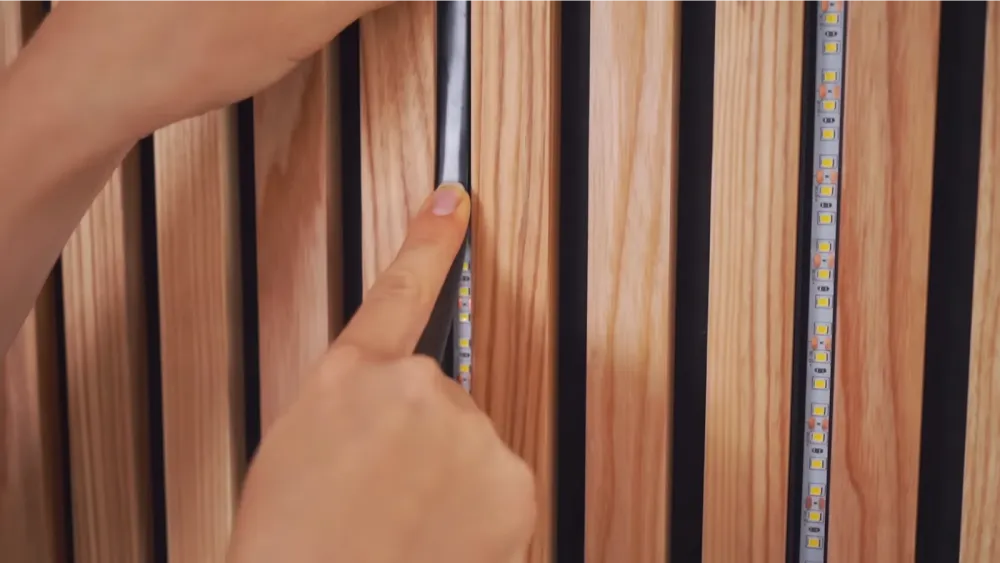
在木板条墙上安装 LED 灯是增强空间氛围的绝佳方式,增添了现代时尚的触感。 无论您喜欢舒适温暖的光泽还是充满活力的色彩缤纷的灯光,这个 DIY 友好的项目都可以根据您的需求进行定制。 这是一个简单的分步指南,让您开始! 如果你是新来的家,你需要什么...
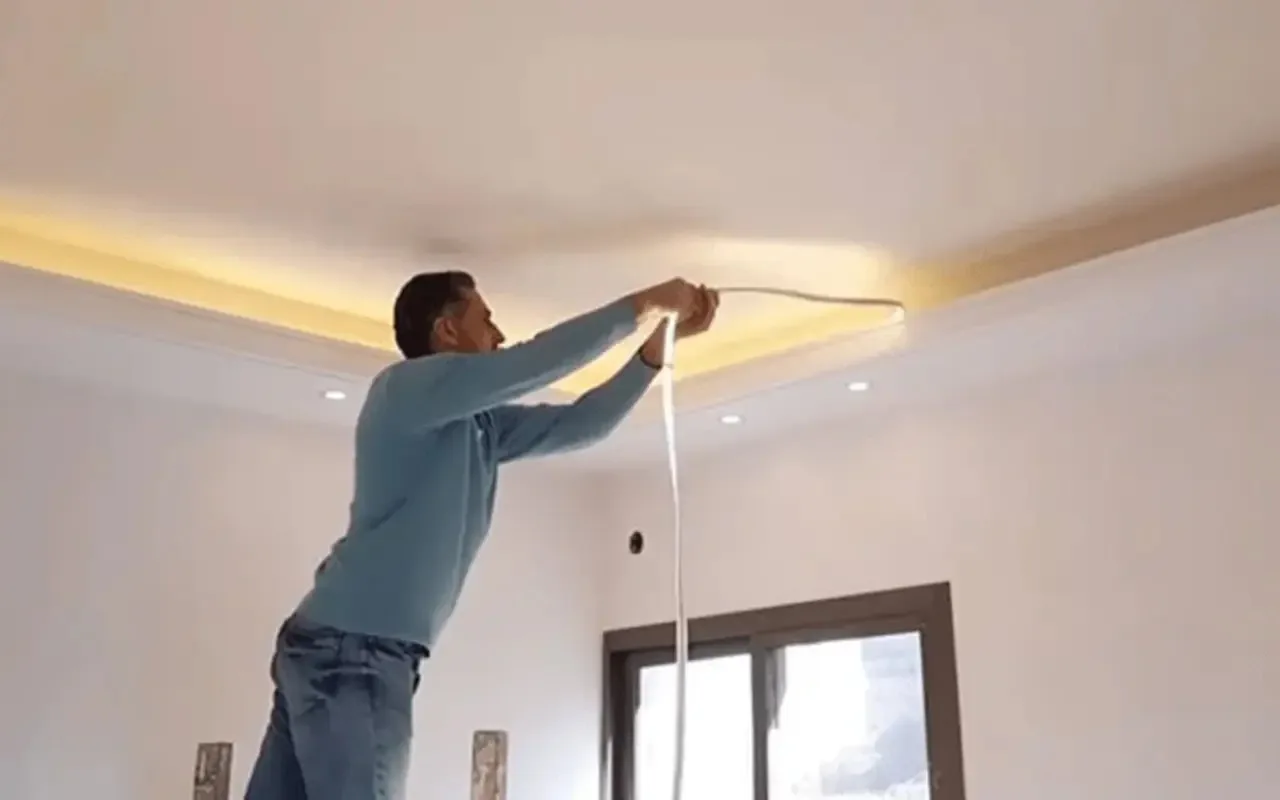
在天花板上安装 LED 灯条可以通过增强其氛围来改变房间,提供功能和装饰性照明。 本指南将介绍在天花板上安装 LED 灯条的各种方法,帮助您获得专业外观。 我们将讨论合适的LED灯带类型、要考虑的因素,例如亮度和...
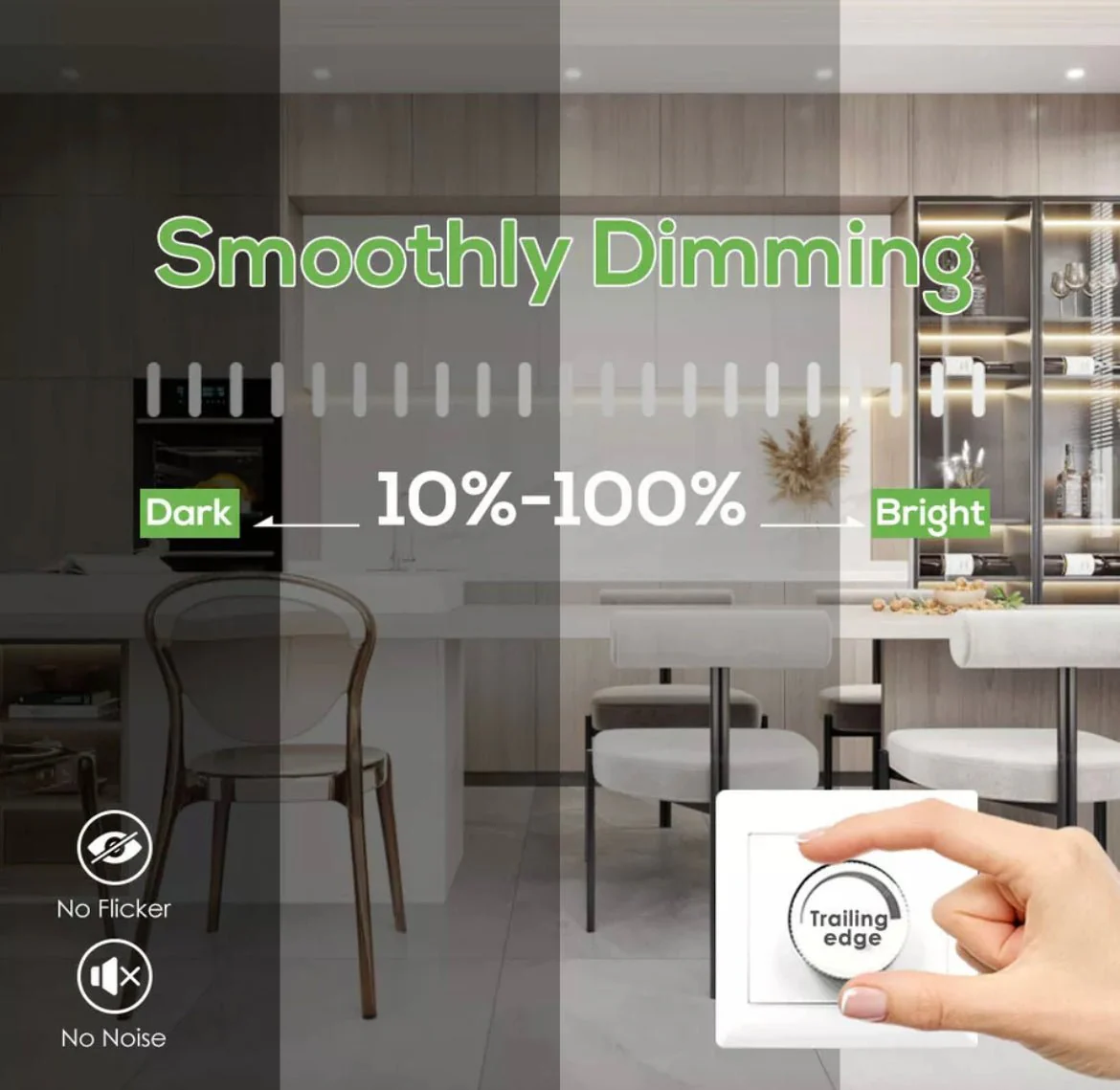
现代智能照明系统不仅仅是打开和关闭灯光——它们创造了适应性强的环境,增强了舒适度、效率和风格。 每一个平滑的亮度变化背后都是一个调光协议,悄悄地塑造了用户体验。 商业项目中使用最广泛的是Dali和PWM,每一个都提供独特的方式来...
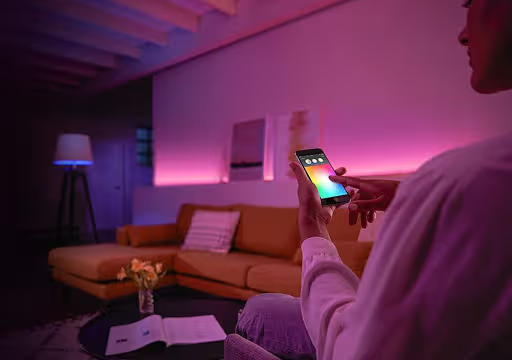
随着技术的发展,手机越来越重要,除了日常通话外,还可以用于网上购物、支付、娱乐、智能控制等LED灯具等。 许多客户用普通控制器购买了我们的条带,随着时间的推移,其中一些失去了遥控器,...
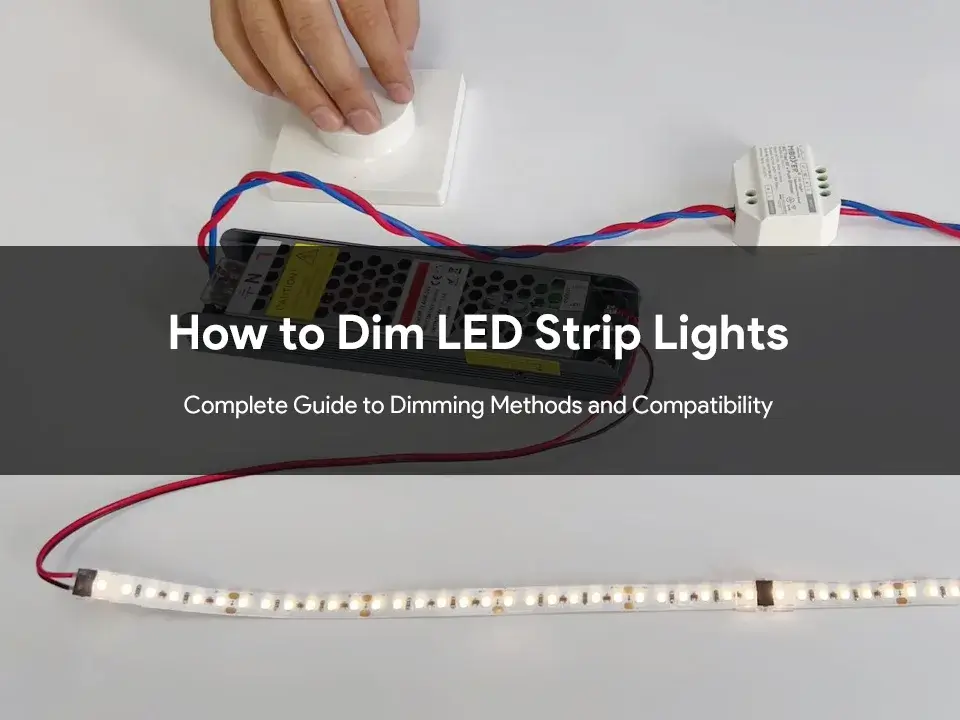
LED灯具广泛应用于商业空间、智能家居、零售展示和建筑照明项目等现代照明系统。 然而,仅仅“打开”LED灯条不再足够。 实现精确平滑的调光功能是满足各种照明控制要求的关键...
科夫照明已成为现代室内和建筑项目中最受欢迎的设计元素之一。 通过将光源隐藏在嵌入式通道中,设计师可以创造出柔和的间接光泽,突出天花板轮廓,增强空间深度,并提供温馨的氛围。 在所有照明选项中,LED灯条都站立...
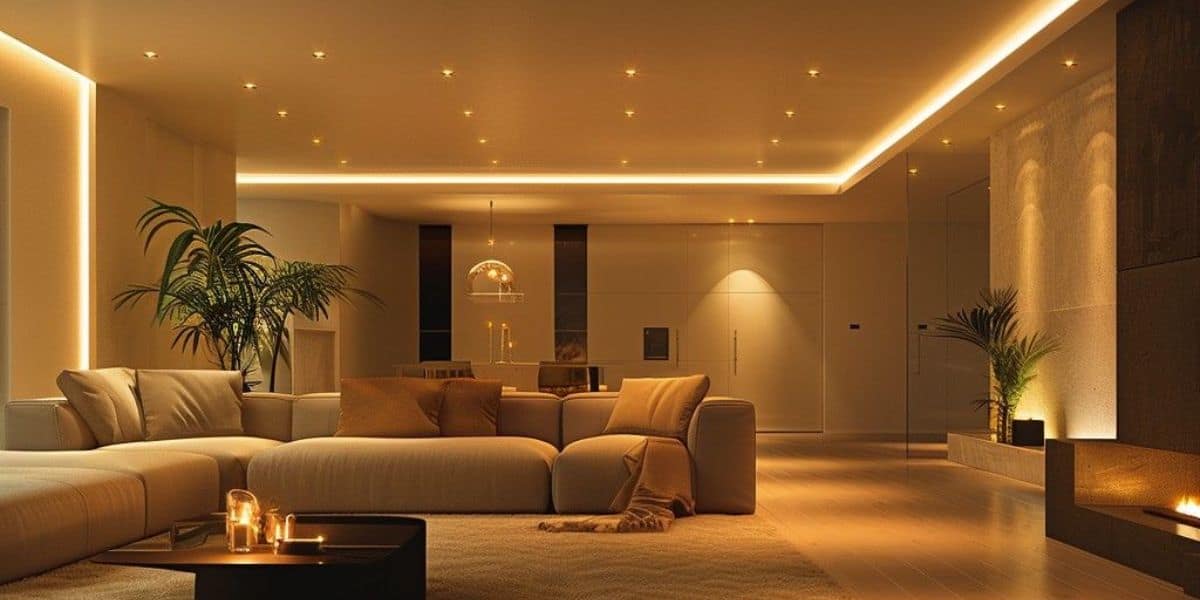
为您的天花板选择合适的Cove照明灯具涉及对三个核心组件进行系统评估:LED灯带,用于结构和扩散的铝型材,以及两者的集成,以获得完美的最终效果,确保您的Cove提供无缝的专业级照明。 海湾灯光看起来很简单...

生活在拥挤的城市会让人们感到沮丧,周末去露营是接近大自然并释放抑郁症的好方法。 人们经常看到人们将 LED 条作为露营灯,它明亮而灵活,可以点亮您想要的区域。 另一方面,您可以在耗尽时轻松更换电池。 如何DIY你的...
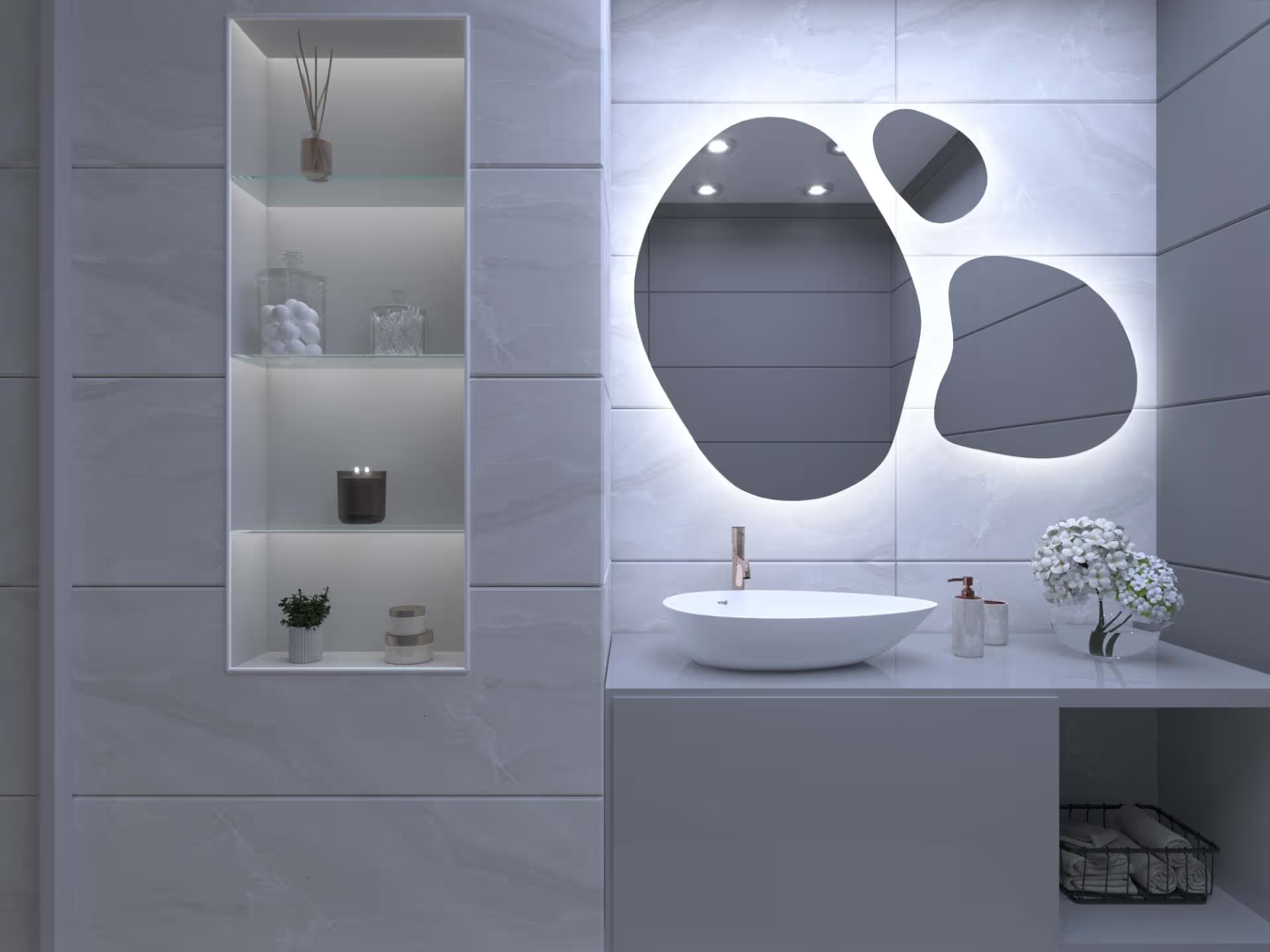
如果您要购买浴室镜子或化妆镜,您会发现大多数时尚的镜子都带有内置 LED 灯条。 这种条带提供均匀、柔和和充分的光线,减少阴影和反射,更适合美容和化妆。 如何将 LED 条添加到现有镜像中,请按照以下步骤操作。 DIY 让你自己的 LED 灯...
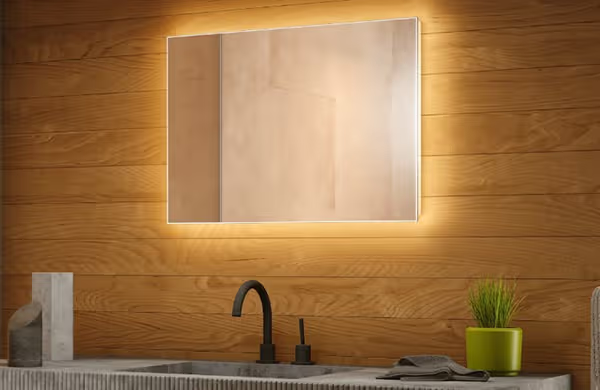
用LED灯带灯提升镜子的外观! 无论是功能照明还是装饰风格,在镜子中添加 LED 灯条都是一种简单且经济高效的方式来照亮您的空间。 在本指南中,我们将引导您逐步完成创建带有 LED 灯带灯的 DIY 镜子的步骤。 从选择合适的材料...
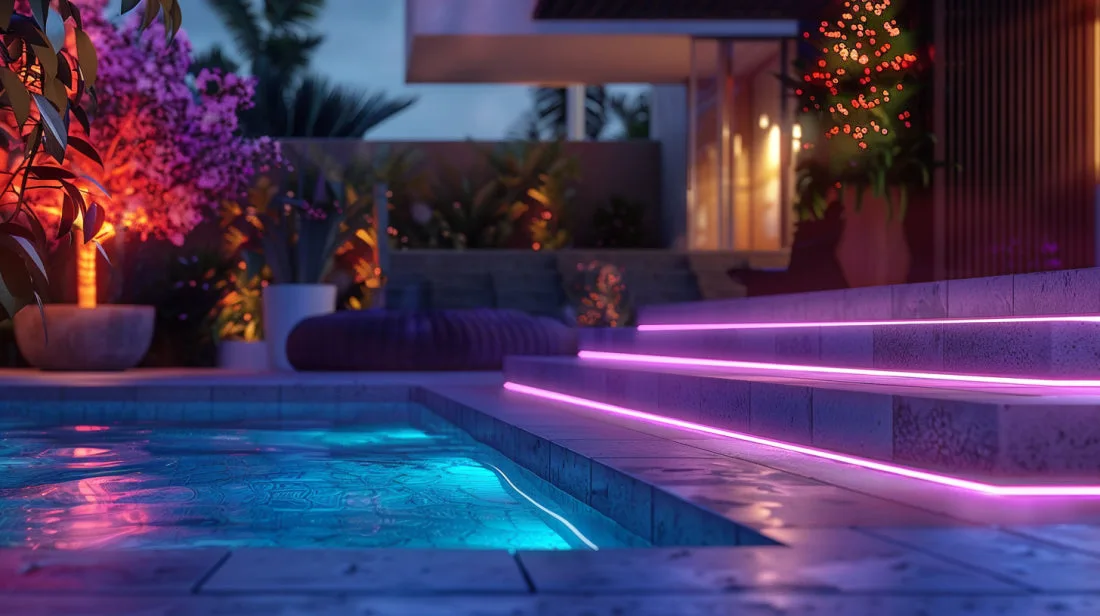
LED Neon Flex Lighting 已迅速成为户外标牌、建筑装饰和创意装置的首选解决方案。 凭借其灵活性、耐用性和明亮、均匀的光泽,它非常适合商业和装饰用途。 但一个关键的细节经常被忽视:选择正确的安装配件。 选择正确的安装...

浪涌保护装置(SPD)不会“停止闪电”。 它不能阻挡击打或消除雷电能量。 它可以做的是限制瞬态过电压并将浪涌电流转移到受控路径中,从而减少对绝缘和电子设备的压力。 实际性能取决于协调保护系统:粘合/接地质量,正确...
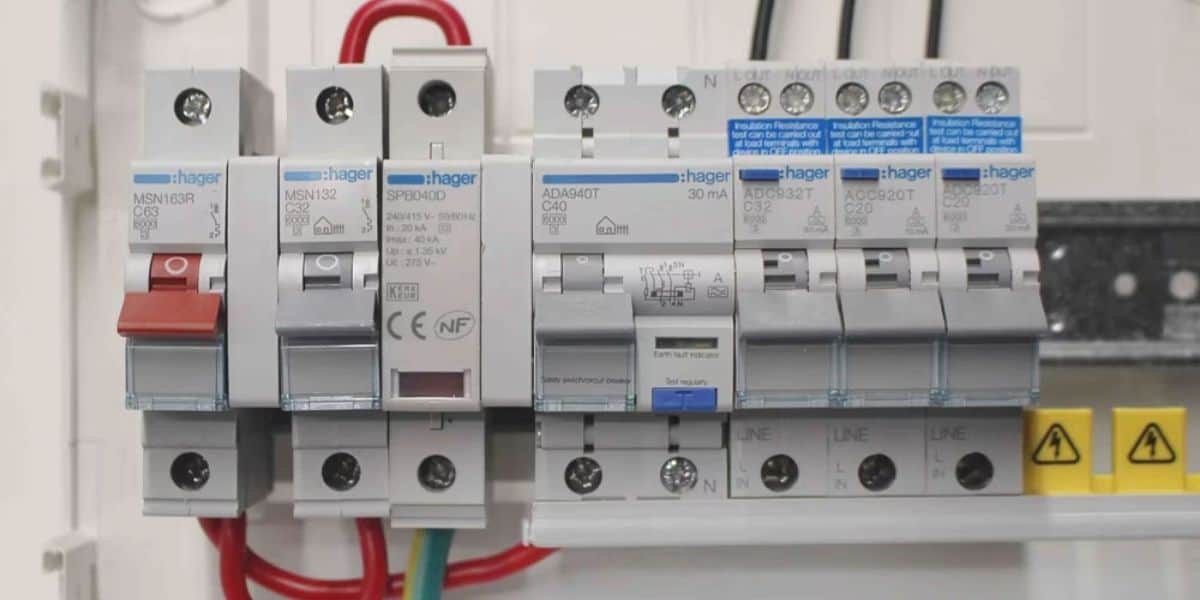
商业设施需要一种可重复、可维护和跨多个面板和敏感负载协调的浪涌保护设备策略。 “顶部”选择取决于为安装区选择正确的 1 型与 2 型与 3 型设备,并使用 UL 1449 额定值和系统拟合(电压、SCCR、接地)验证性能。

在全球节能、减排和智慧城市发展的推动下,LED 路灯已成为城市道路、工业园区、高速公路和公共基础设施照明的主流选择。 与传统的高压钠灯和金属卤化物灯相比,LED 路灯具有显着的优势……

是的,浪涌保护装置确实会磨损。 即使没有明显的损坏并且设备仍然显示为通电,其保护组件也会随着每次浪涌事件而退化。 因此,更换时间不仅仅基于日历年龄。 它取决于累积的电应力、暴露条件和系统的临界性。 假设保护仍然存在...
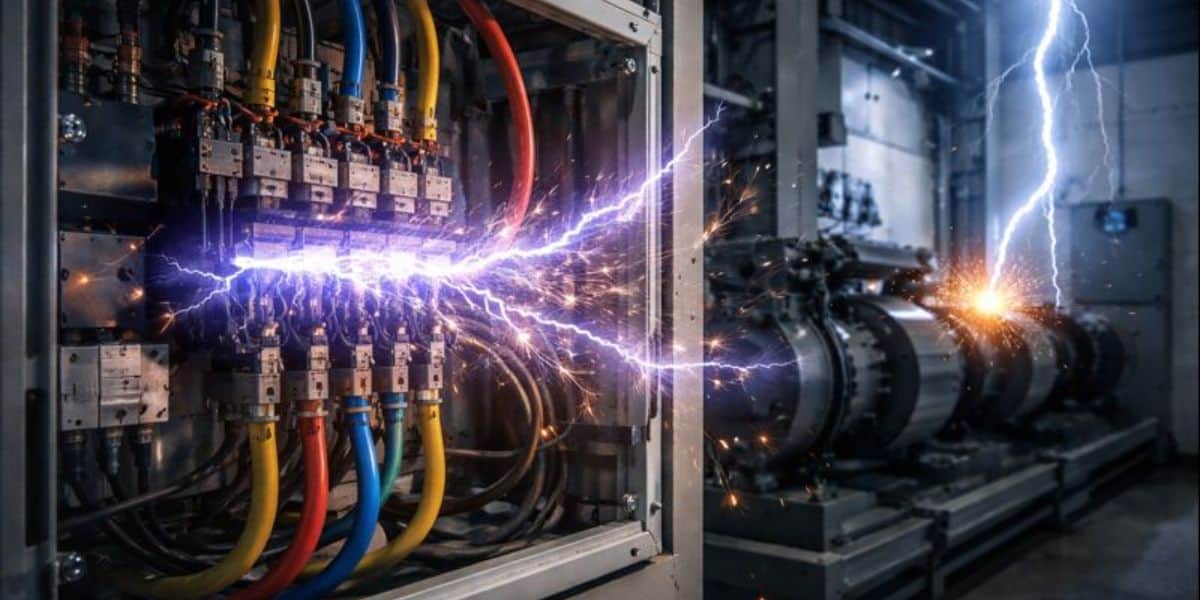
在三相系统中,浪涌保护通过感测异常过压、内部从高阻抗状态切换到低阻抗状态、将浪涌电流转移到接地或接合路径中来工作,并限制到达连接设备的电压。 它不会“阻挡”浪涌。 其通过产生浪涌来降低峰值电压...
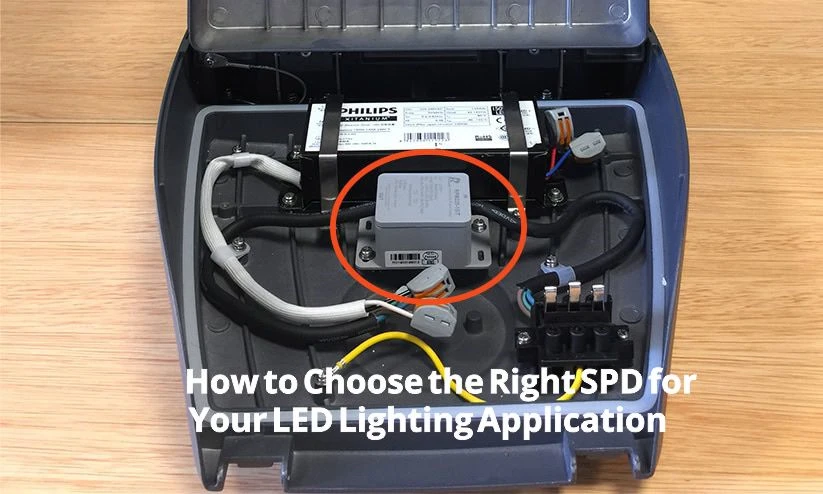
LED照明已成为现代照明的支柱——从智能路灯到工厂的高架灯具。 然而,它们的效率和长寿命背后隐藏着一个隐藏的漏洞:电涌。 这些不可预测的尖峰,通常由雷击或电网波动引起,会默默地损坏敏感的 LED 驱动器和...
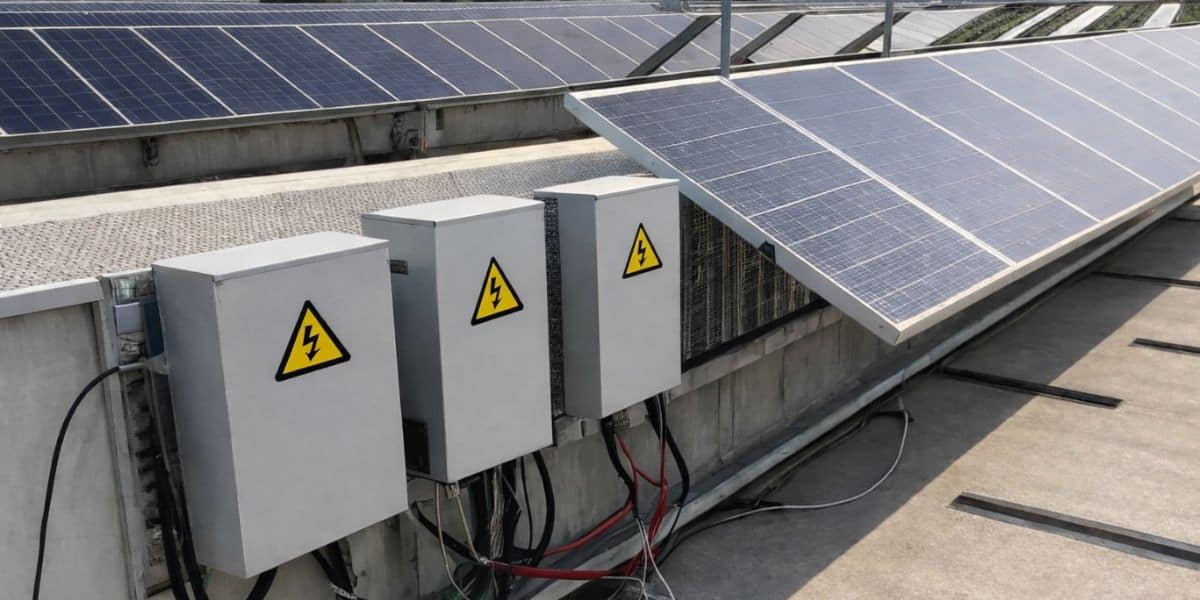
电动汽车充电系统和太阳能光伏装置面临的浪涌风险状况与传统的电气负载不同。 双向功率流、频繁的直流-交流转换和密集的电力电子使这些系统对外部电网干扰和内部产生的瞬态敏感。 有效的保护取决于协调、...
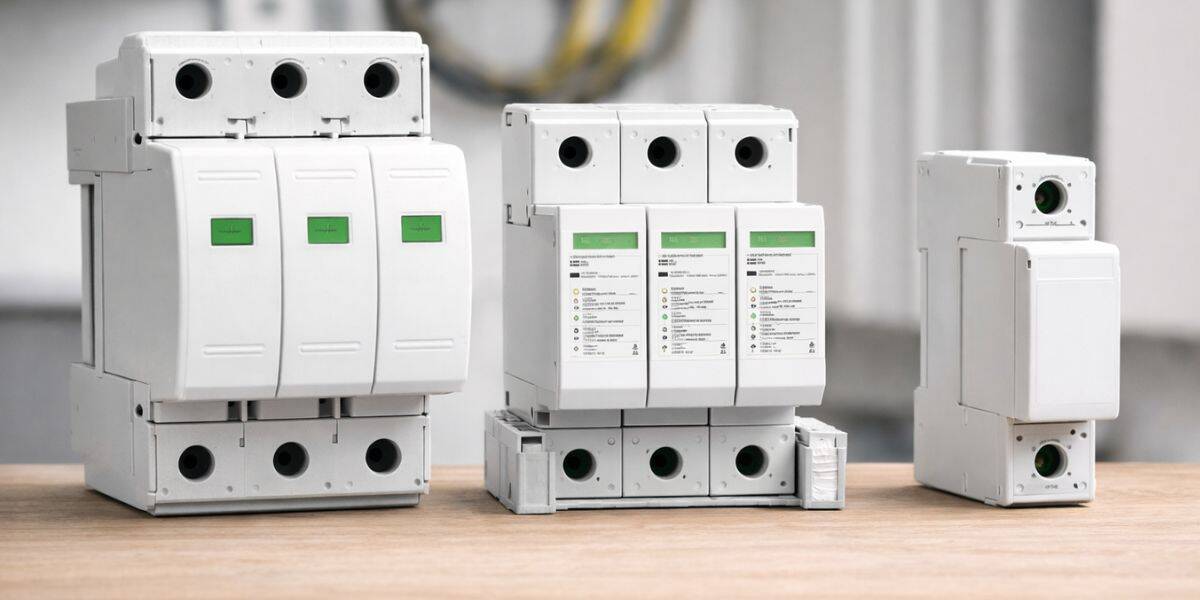
浪涌保护装置(SPD)分为1型、2型和3型,以反映它们在电气系统中的运行位置以及它们如何管理该位置的浪涌能量。 这些类型不可互换。 每种产品均专为特定的电涌环境和保护功能而设计,仅在作为一部分应用时才正确运行...
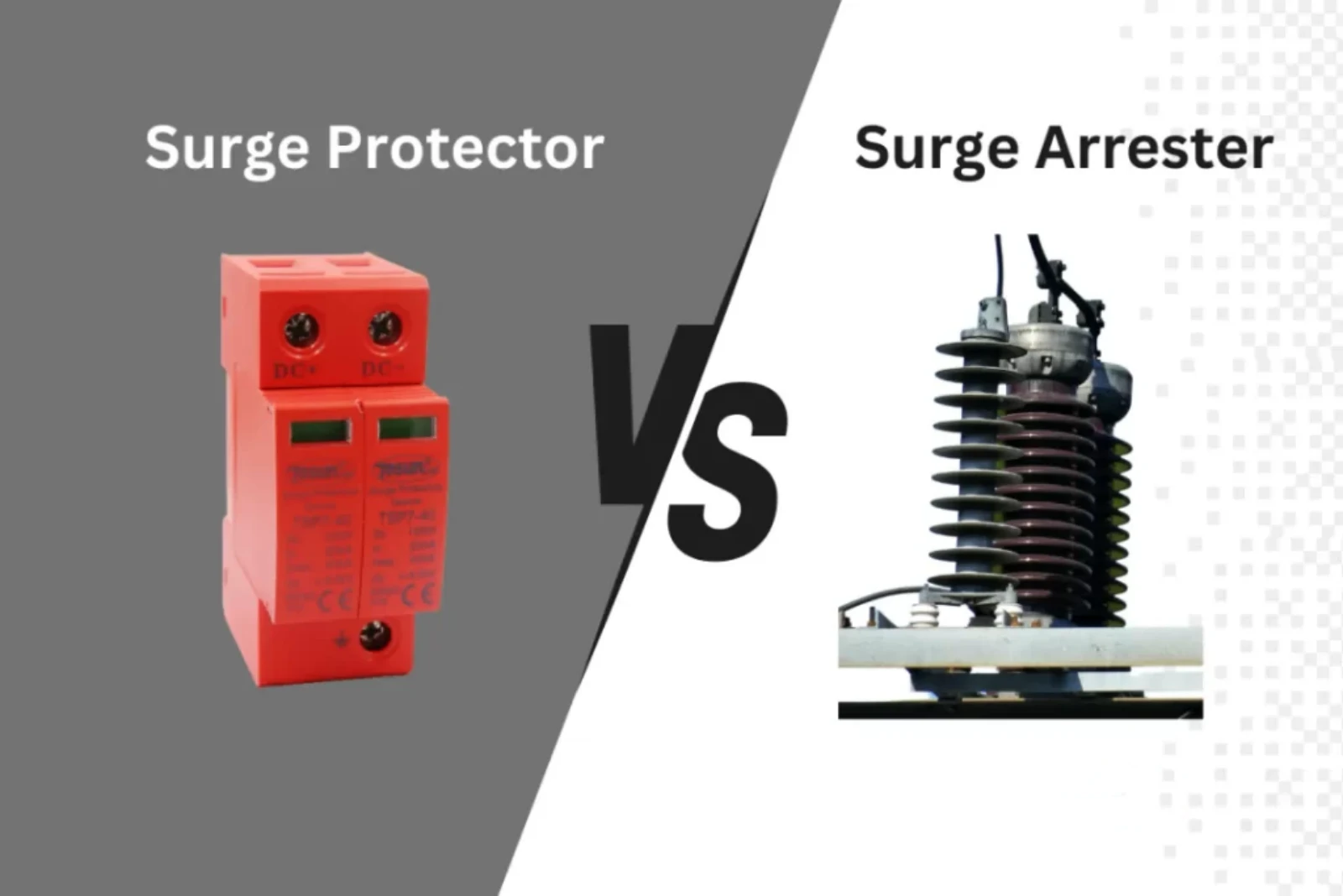
在当今世界,电气系统变得越来越复杂和敏感。 即使是小的电涌也可能造成严重的损坏,导致停机和设备故障。 这就是为什么浪涌保护对于任何现代安装都至关重要的原因。 然而,许多工程师和买家经常将SPD(浪涌保护设备)与...
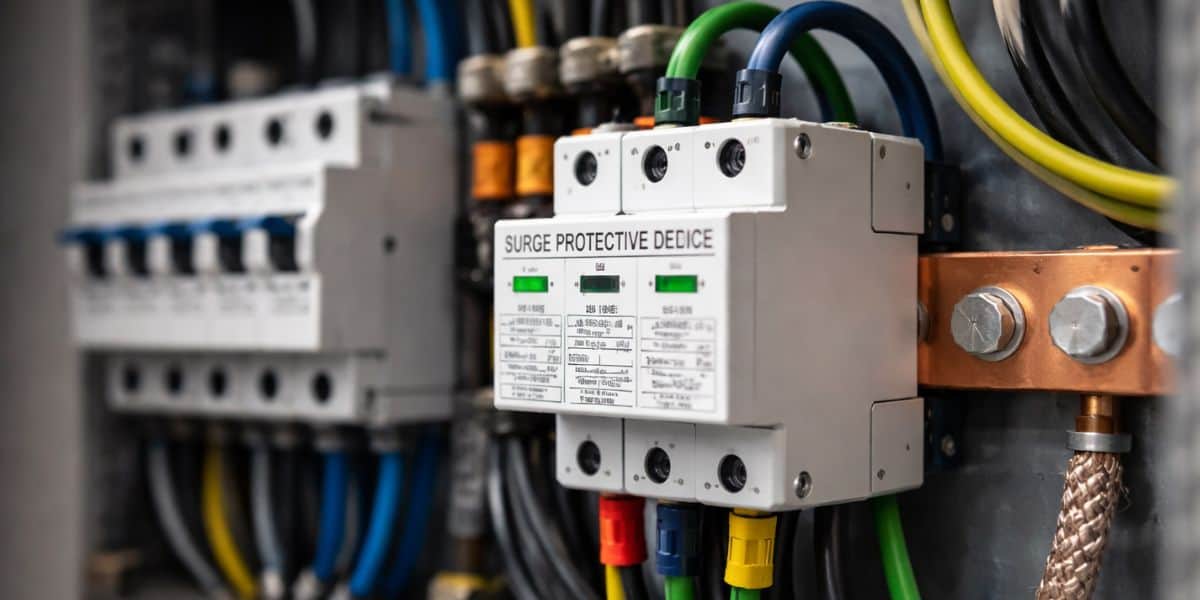
选择浪涌保护器时,三个参数决定了实际性能:焦耳额定值、电压保护额定值(钳位电压)和符合 UL 1449 的标准。 焦耳描述了设备可以随着时间的推移吸收多少浪涌能量。 钳位电压定义了在浪涌期间允许升高的电压的高高。 UL 1449 验证了这些...
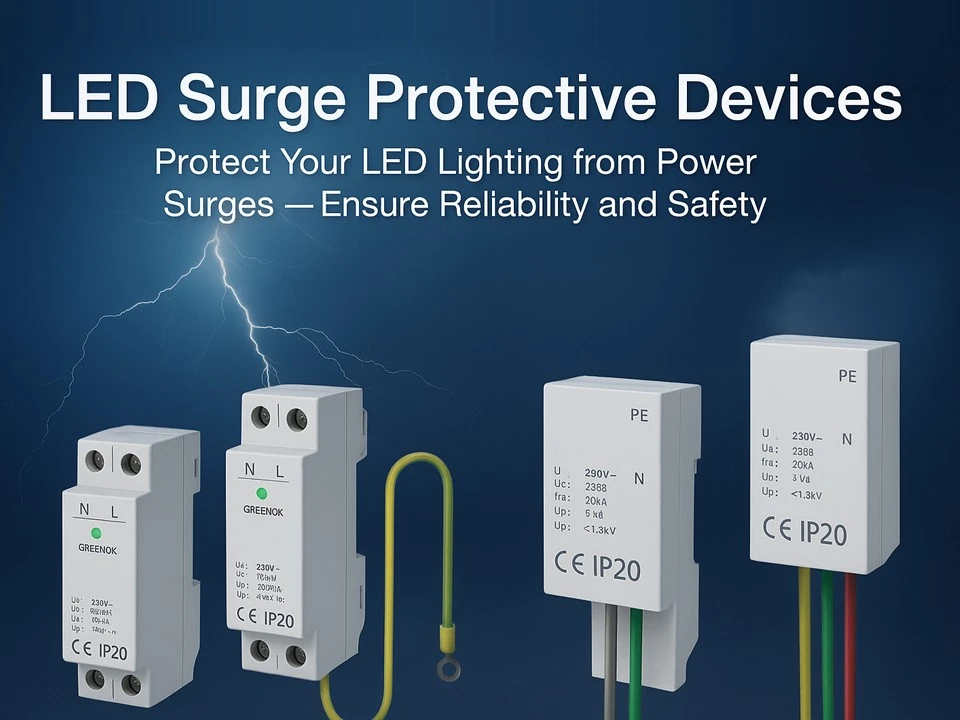
您是否想过为什么您的 LED 灯有时会比预期的更早故障,即使它们的标签持续时间为 30,000 甚至 50,000 小时? 或者为什么路灯或外墙照明系统会在雷暴后突然变暗? 事实是,LED技术高效,但对电涌非常敏感。 甚至是短电...
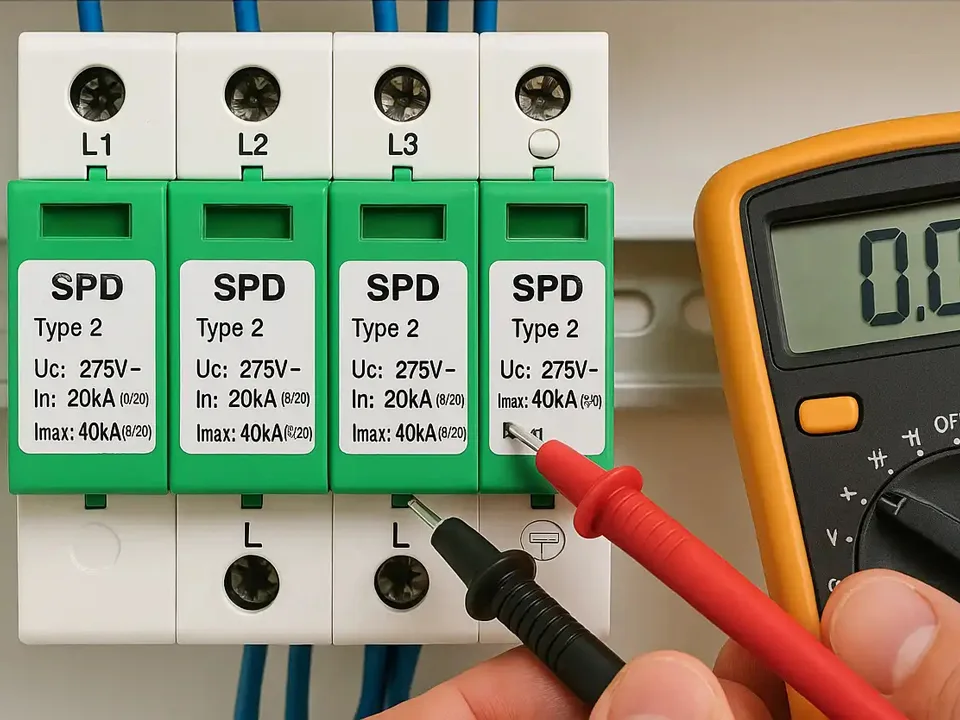
在运行过程中,LED开关电源中的瞬时高电压(浪涌)起到了不可见的“电流刺客”的作用,可能突然产生雷击、电网切换、电机启动/停止和类似操作。 虽然这些浪涌只持续一秒钟(通常是毫秒到微秒),但它们的峰值电压...
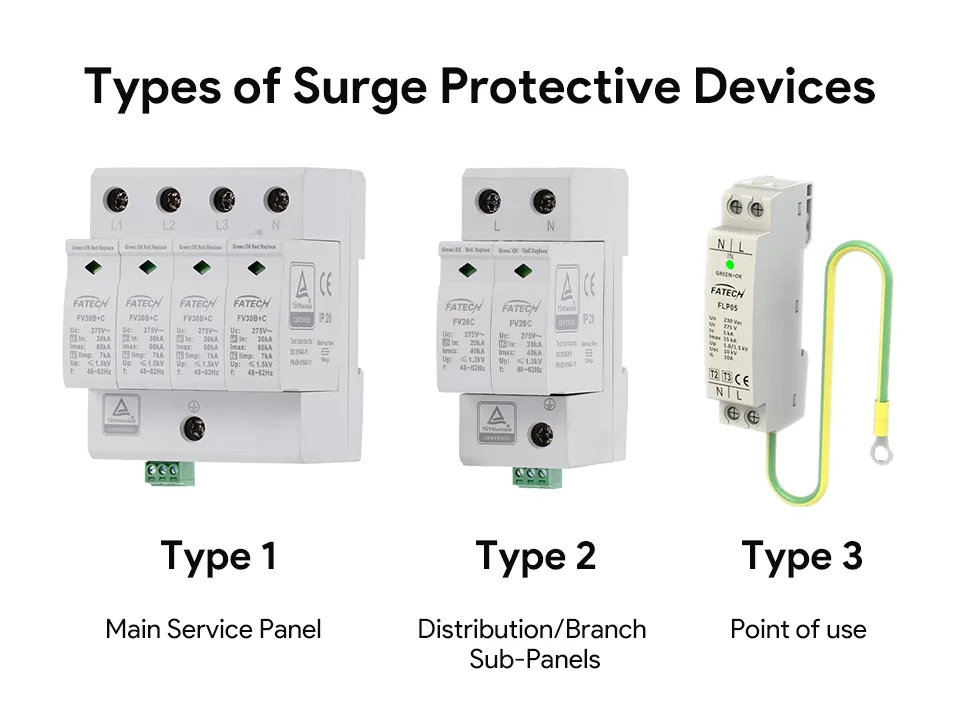
在当今高度电气化和数字化的世界中,我们的社会依赖于脆弱的电子设备——从家庭智能电视和电脑到工业环境中的精密控制单元。 然而,电网中潜伏着一种无形的威胁:电涌。 这些可以在百万分之一秒内造成巨大的损失。 浪涌保护设备 (SPD)...
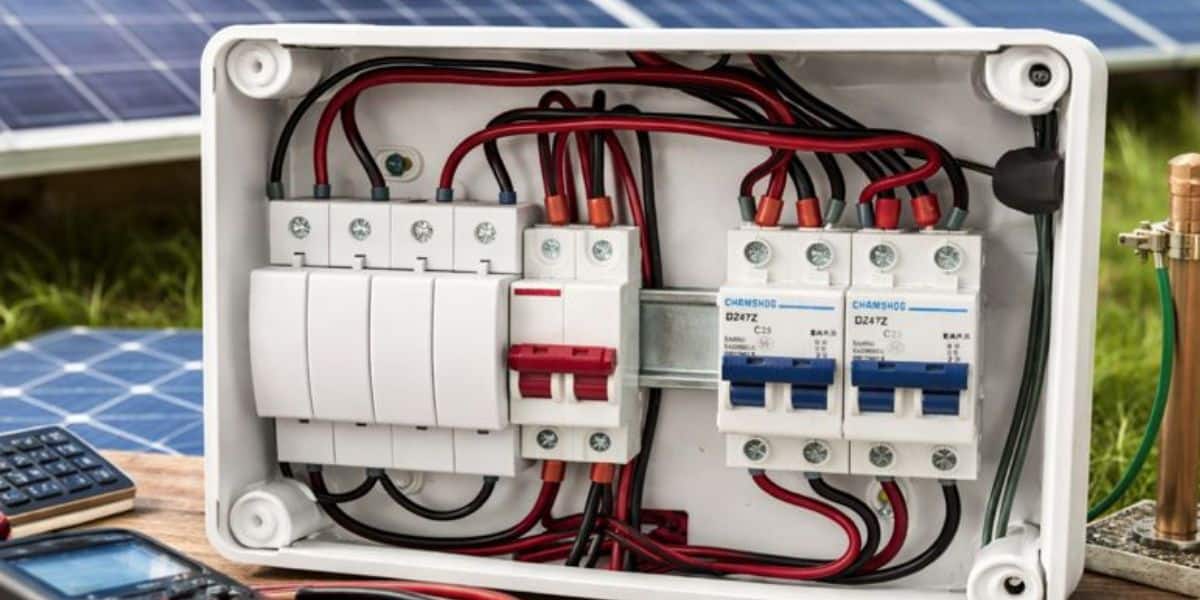
对于大多数太阳能电池板安装,最好的方法是协调电涌保护:光伏阵列或逆变器直流输入处的直流 SPD,逆变器输出或配电板处的 AC SPD,以及作为主要保护层的 2 型 SPD。 3 类设备仅在敏感端点附近使用。 这意味着没有一个“最好的”浪涌保护装置...
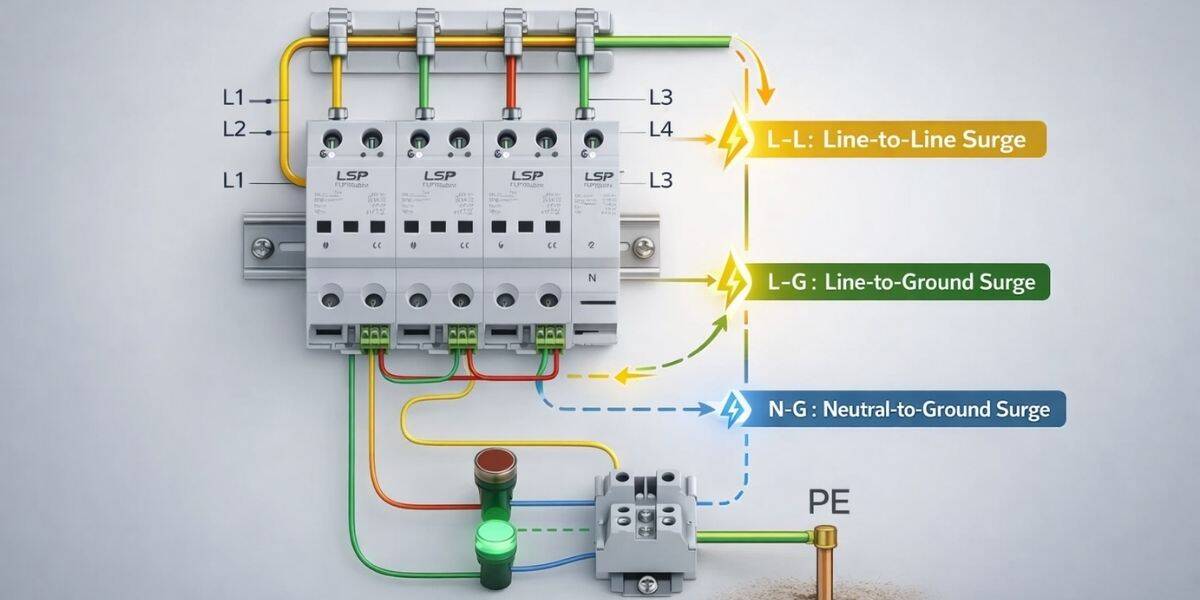
主要区别在于范围和安装:SPD 在面板级别(包括 L-L 和 L-G 等关键三相浪涌模式)保护电气系统,而电涌保护器则在端点保护一台设备。 在三相系统中,浪涌保护装置(SPD)通常是安装在服务入口或配电处的硬连线式面板安装式设备。

对于大多数三相工业面板,最好的选择通常是安装在面板(分布级别)的 2 型电涌保护装置,与上游保护和良好的接地相协调。 1 型设备在进入浪涌暴露高时成为服务入口的更好选择,而 3 型设备主要用于敏感端点...