ไทย
ไทย  English
  简体中文
简体中文  Deutsch
  Español
  Français
  Italiano
  日本語
日本語  한국어
한국어  Polski
  Português
  Русский
  Türkçe
  Nederlands
  Tiếng Việt
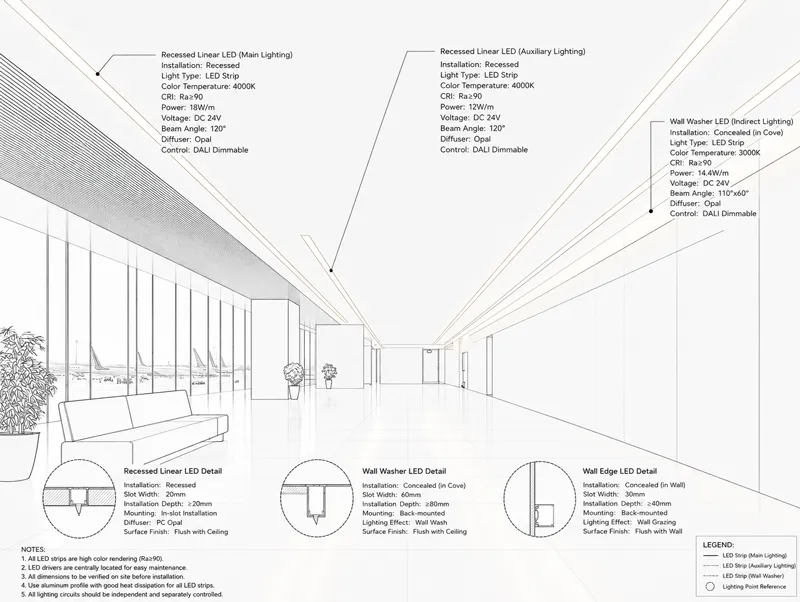
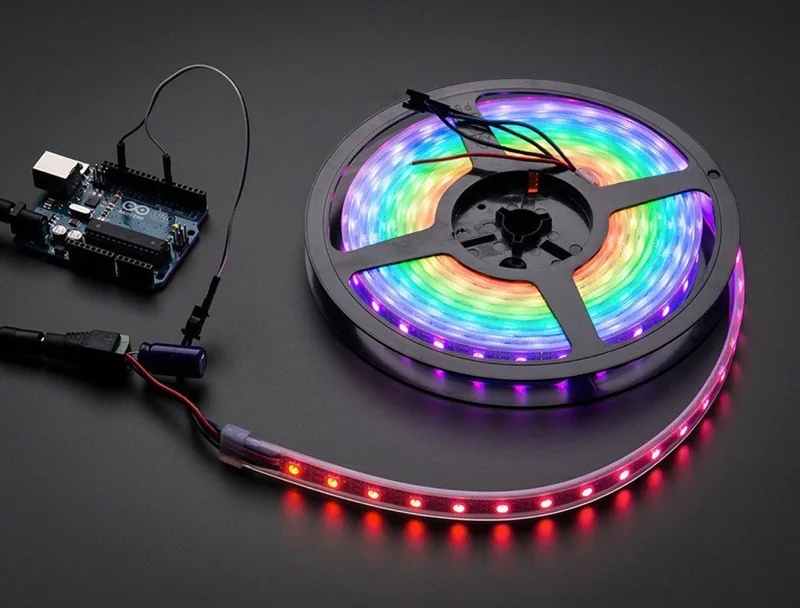
ไฟ LED แถบกลายเป็นตัวเลือกยอดนิยมสำหรับการตกแต่งและแสงเนื่องจากประสิทธิภาพการใช้พลังงาน ความยืดหยุ่นและความอ่อนตัว และสถานการณ์การใช้งานที่หลากหลาย อย่างไรก็ตาม หลายคนอาจถามว่า “ไฟ LED แถบทำงานได้อย่างถูกต้องโดยไม่ต้องใช้ปลั๊กหรือไม่” ในความเป็นจริงด้วยวิธีการติดตั้งที่เหมาะสมและโซลูชันพลังงานทำให้สามารถติดตั้งได้อย่างสมบูรณ์ ...
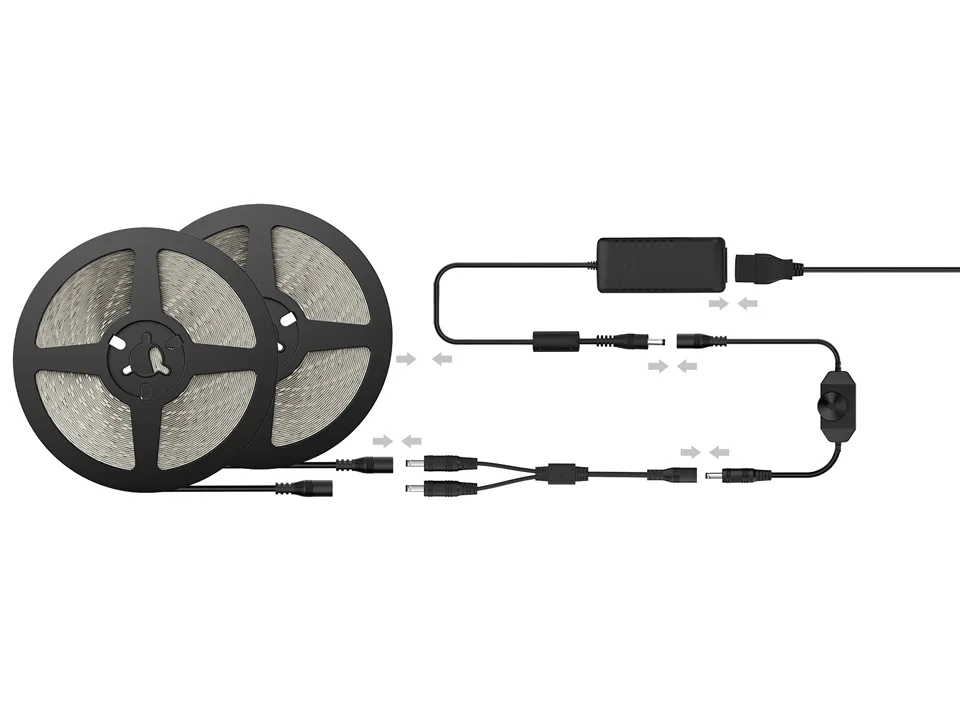
ไฟแถบ LED 12V เป็นวิธีที่ง่ายและราคาไม่แพงในการเพิ่มแสงเน้นเสียงให้กับพื้นที่ของคุณ แถบที่ยืดหยุ่นเหล่านี้หรือที่เรียกว่าไฟ LED ริบบิ้นนั้นติดตั้งได้ง่ายบนพื้นผิวหลายแบบ ให้แสงที่นุ่มนวลและนุ่มนวลและปลอดภัยต่อการใช้งานในพื้นที่ขนาดเล็ก พลังงาน DC 12V ต่ำทำให้ประหยัดพลังงานและช่วยให้ไฟเย็นลง หลายคนใช้มัน...
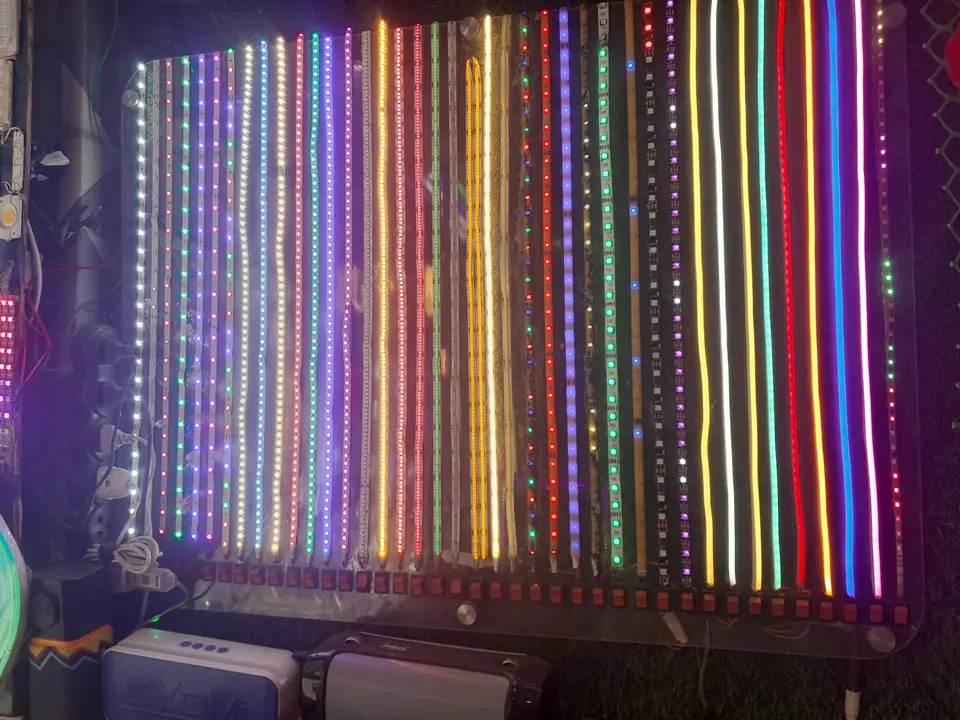
วัตถุประสงค์ของการทดสอบอายุและการทดลองสภาพแวดล้อมคำอธิบายวัตถุประสงค์: ด้วยการเพิ่มผู้ผลิตแถบ LED และการแข่งขันด้านราคาที่เข้มข้นขึ้น ชิป 2835 ส่วนใหญ่ในแถบ LED ในตลาดปัจจุบันคือ 0.2W ลูกค้าบางรายสำหรับแถบสี LED อาจเลือกใช้ชิป 0.1W เพื่อลดต้นทุนเมื่อความสว่างที่ต่ำลงเป็นที่ยอมรับได้ การทดสอบนี้เปรียบเทียบ 0.1W และ 0.2W...
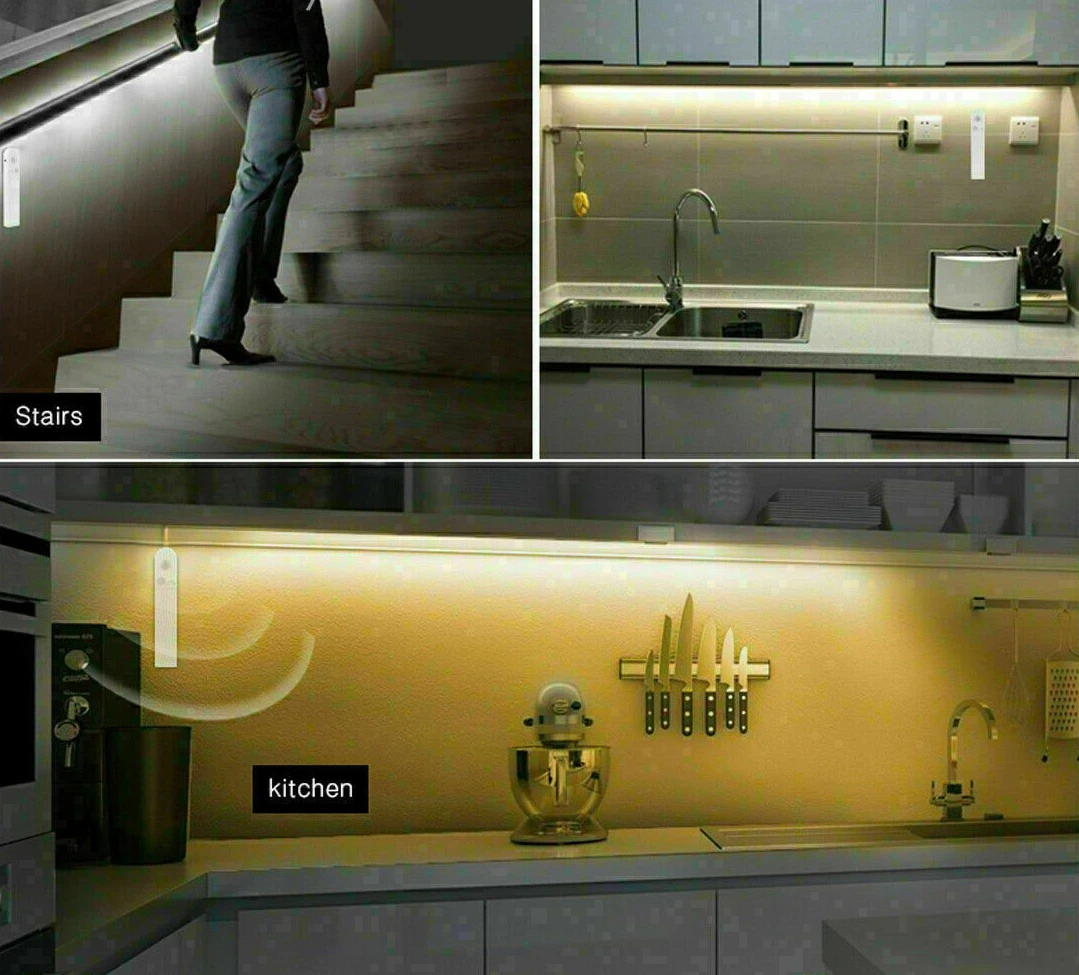
การออกแบบระบบแสงสว่างได้พัฒนาไปไกลกว่าโซลูชั่นปลั๊กอินแบบดั้งเดิม โอบรับนวัตกรรมที่ตอบโจทย์ไลฟ์สไตล์สมัยใหม่ ไฟ LED Strip ที่ใช้แบตเตอรี่มีความยืดหยุ่นและความเป็นอิสระที่ผสมผสานกันอย่างลงตัว ทำให้สามารถแก้ปัญหาแสงที่สร้างสรรค์ได้โดยไม่ต้องใช้สายไฟแบบตายตัว การเปลี่ยนแปลงนี้เปิดโอกาสใหม่ ๆ ในการเพิ่มบรรยากาศในร่มและกลางแจ้ง...
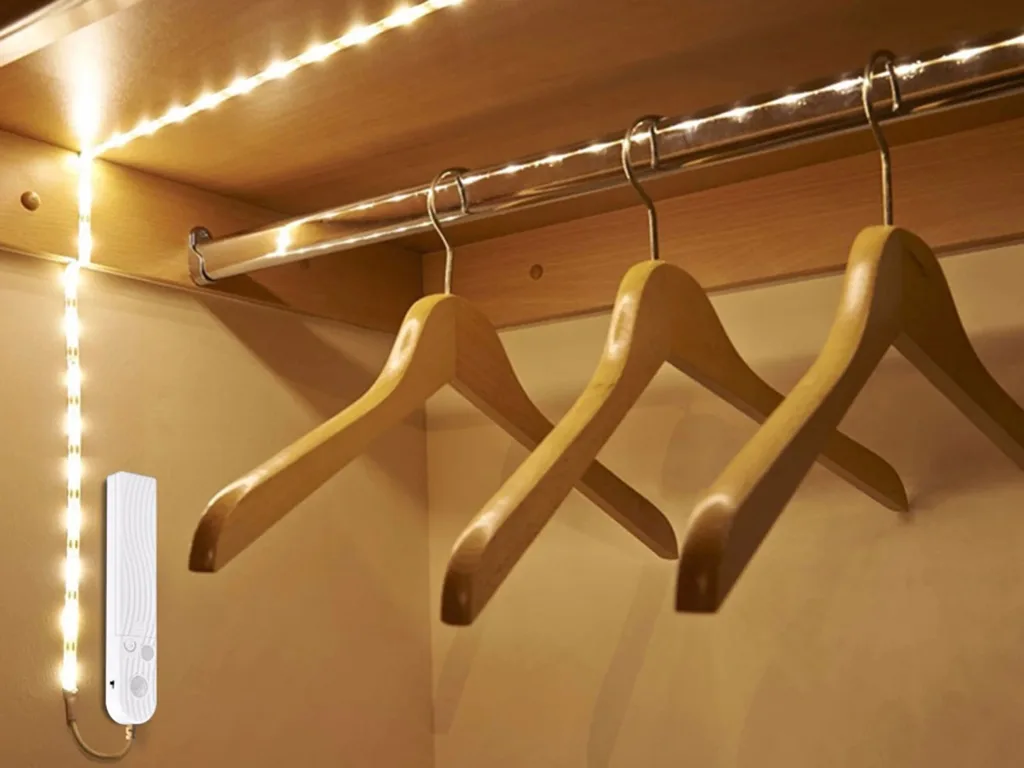
ไฟ LED Strip เป็นผลิตภัณฑ์ไฟส่องสว่างที่ยืดหยุ่นและใช้งานได้หลากหลายซึ่งมีให้เลือกหลายขนาด รูปทรง สี และสไตล์ แถบไฟ LED จำนวนมากไม่ได้เสียบปลั๊กไฟ 220V โดยตรงและต้องใช้ไฟฟ้าในการแปลงและแสง คุณจำเป็นต้องส่องสว่างพื้นที่ที่ไม่มีทางออกหรือไม่? ไม่ว่าจะเป็นมุมสบาย ๆ บรรยากาศกลางแจ้ง...
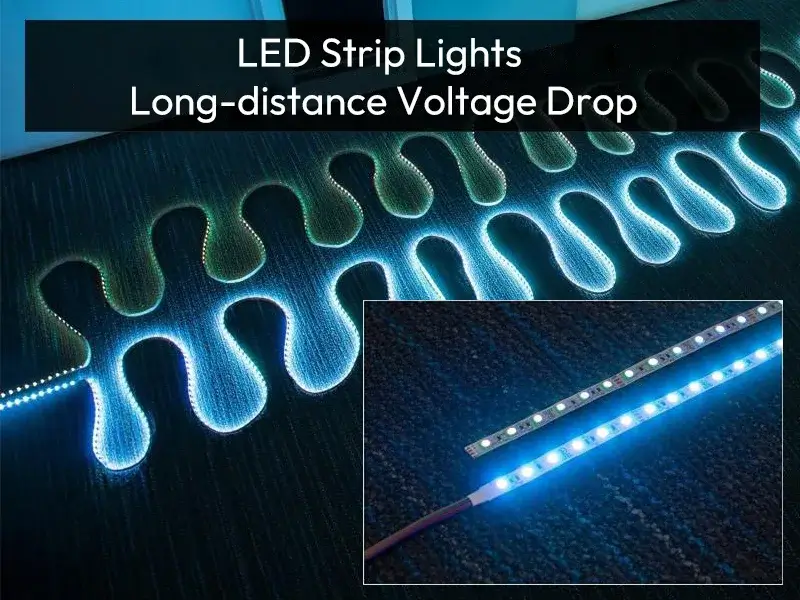
ในการติดตั้งไฟ LED แถบระยะไกล แรงดันตกเป็นปัญหาหลักที่ทำให้เกิดความสว่างที่ไม่สม่ำเสมอและอายุการใช้งานสั้นลง เนื่องจากกระแสไฟในแถบ LED แรงดันต่ำ (12V/24V) ลดลงตามระยะทางที่เพิ่มขึ้น การสูญเสียแรงดันไฟฟ้าเนื่องจากความต้านทานของสายไฟจะส่งผลต่อประสิทธิภาพของแสงที่ปลายสุดอย่างมีนัยสำคัญ หากปราศจากการแทรกแซง แรงดันตกอาจทำให้...
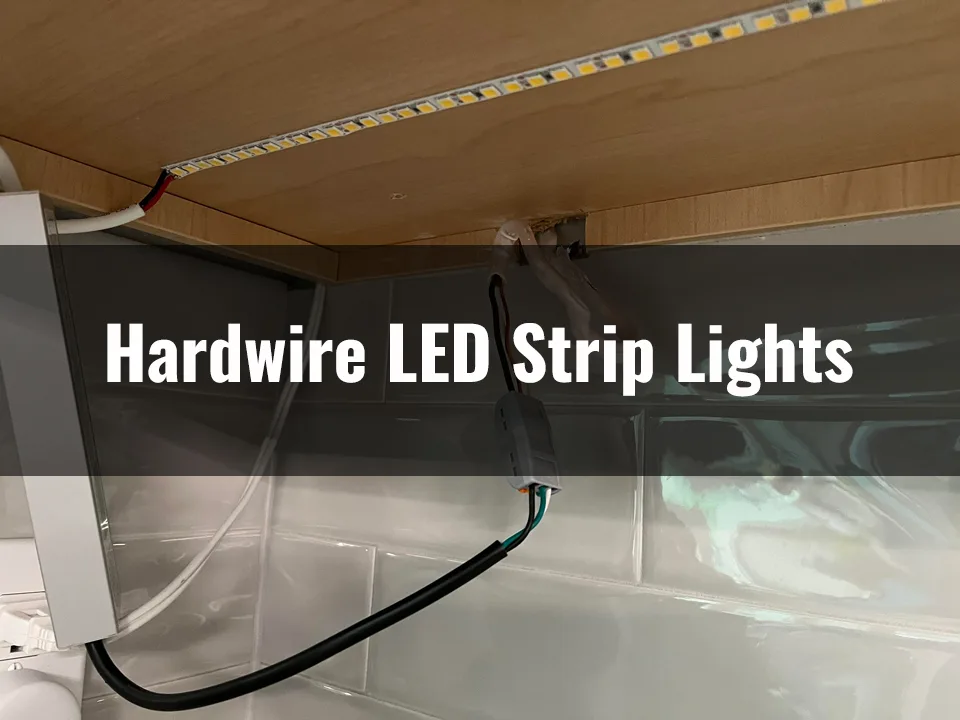
ในช่วงไม่กี่ปีที่ผ่านมา ไฟ LED แถบนั้นได้รับความนิยมมากขึ้นเนื่องจากประสิทธิภาพการใช้พลังงาน ความอเนกประสงค์ และอายุการใช้งานยาวนาน แถบ LED สามารถใช้ได้ในหลากหลายรูปแบบตั้งแต่งานแสงไปจนถึงแสงที่เน้นเสียง และมีให้เลือกหลายสีและความสว่างที่หลากหลาย โดยทั่วไปไฟแถบ LED มีหลายแอพพลิเคชั่น ...
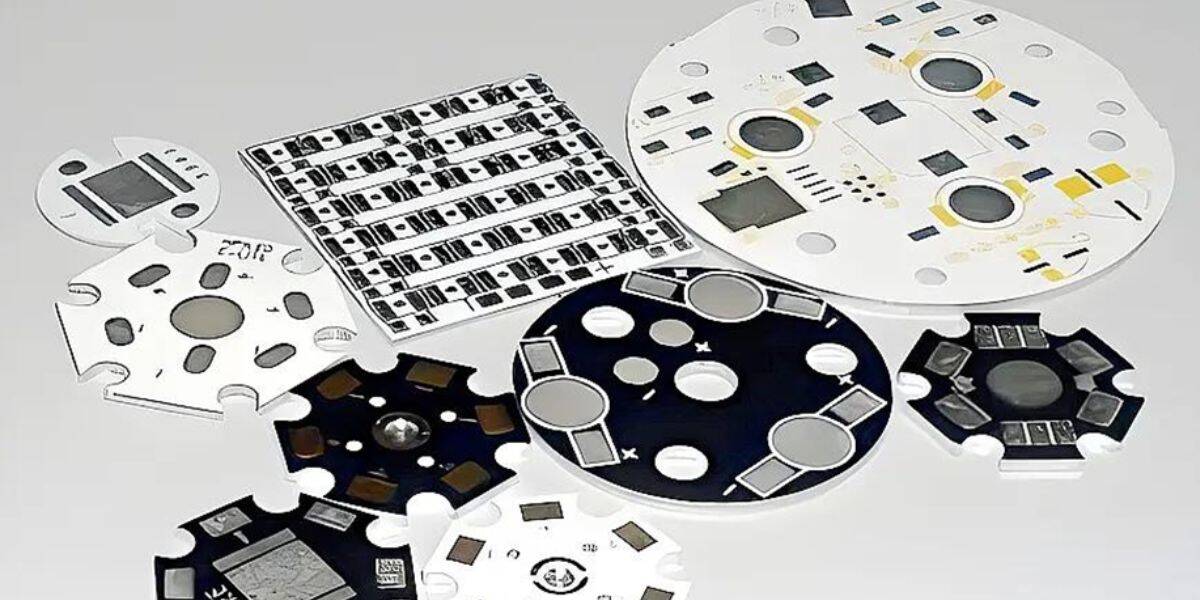
ในขณะที่เทคโนโลยี LED ยังคงก้าวหน้าอย่างต่อเนื่อง ไฟ LED PCB กำลังสูงจึงถูกนำมาใช้กันอย่างแพร่หลายในหลาย ๆ แอพพลิเคชั่น ใช้ในไฟอุตสาหกรรม ไฟหน้ารถยนต์ โคมไฟถนน ไฟสนาม และอุปกรณ์เชิงพาณิชย์แบบเบย์ ไฟ LED เหล่านี้ให้ความสว่างที่เหนือกว่า ประสิทธิภาพการใช้พลังงาน และอายุการใช้งานที่ยาวนานเมื่อเทียบกับแหล่งกำเนิดแสงแบบดั้งเดิม พวกเขายัง...
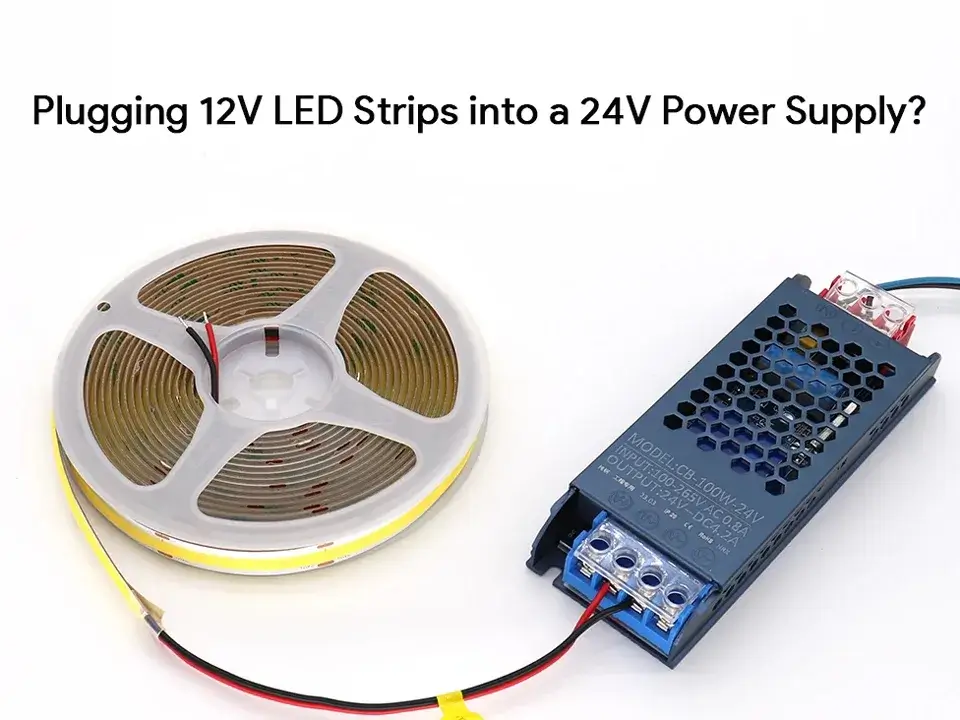
ในโครงการแสงสว่างจริง การสร้างห้องจำลอง หรือการติดตั้งในสถานที่ ไม่ใช่เรื่องแปลกที่แถบ LED 12V จะเชื่อมต่อกับแหล่งจ่ายไฟ 24V เนื่องจากการกำหนดค่าพลังงานที่ไม่สอดคล้องกัน แม้ว่าสิ่งนี้อาจดูเหมือนเป็น "แรงดันไฟฟ้าที่ไม่ตรงกัน" ง่ายๆ แต่ก็สามารถนำไปสู่ปัญหาร้ายแรง เช่น ไฟ LED ที่ดับไฟ ความร้อนสูงเกินไปและการสูบบุหรี่ ความล้มเหลวของผลิตภัณฑ์ และ...
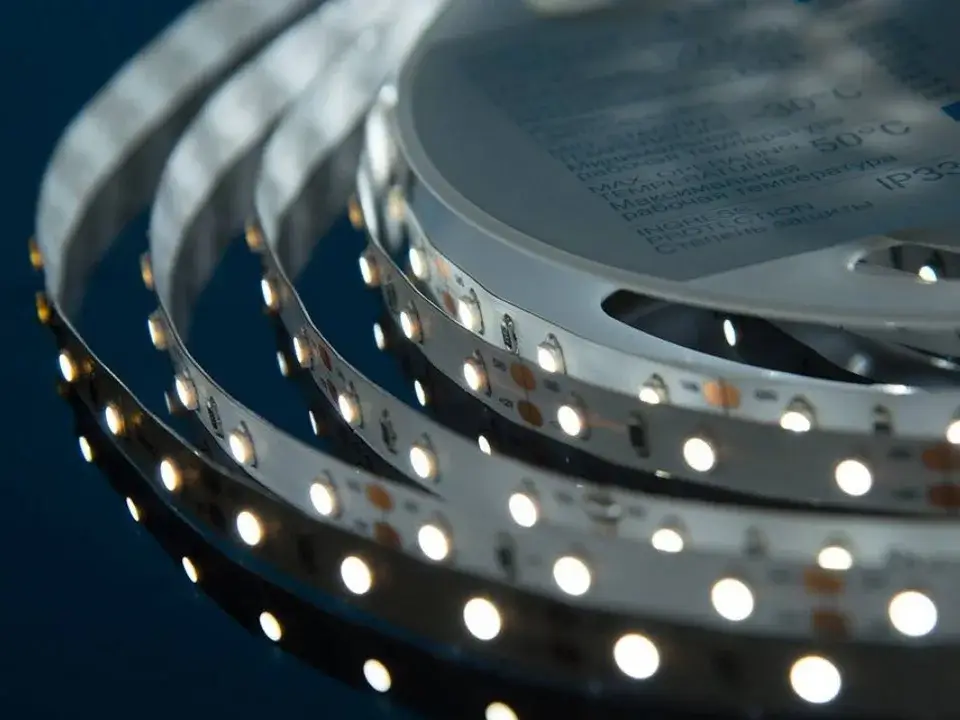
เนื่องจากความเก่งกาจและประสิทธิภาพสูง ไฟ LED แถบจึงได้รับความนิยมอย่างกว้างขวางในสถานการณ์ไฟที่อยู่อาศัย เชิงพาณิชย์ และอุตสาหกรรม ตั้งแต่แสงโดยรอบไปจนถึงแสงที่ใช้งานได้จริงของดัชนีการเรนเดอร์สีสูง (CRI) พวกเขาได้กลายเป็นตัวเลือกยอดนิยมในหมู่นักออกแบบและวิศวกร อย่างไรก็ตาม ในทางปฏิบัติ แม้มีมากมาย...
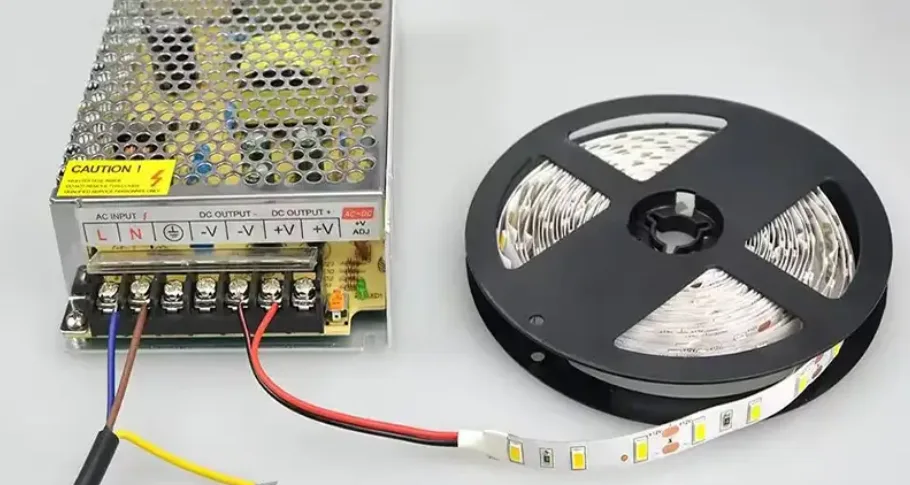
ไฟ LED แถบ LED ได้รับความนิยมมากขึ้นทั้งในด้านการตกแต่งและการทำงานเนื่องจากมีความยืดหยุ่น ประหยัดพลังงาน และติดตั้งได้ง่าย อย่างไรก็ตาม เพื่อให้ใช้งานได้จริง จำเป็นต้องทราบวิธีเชื่อมต่ออุปกรณ์เหล่านี้เข้ากับแหล่งจ่ายไฟอย่างเหมาะสม ไม่ว่าคุณจะชอบ DIY ไฟ LED เข้าใจ...
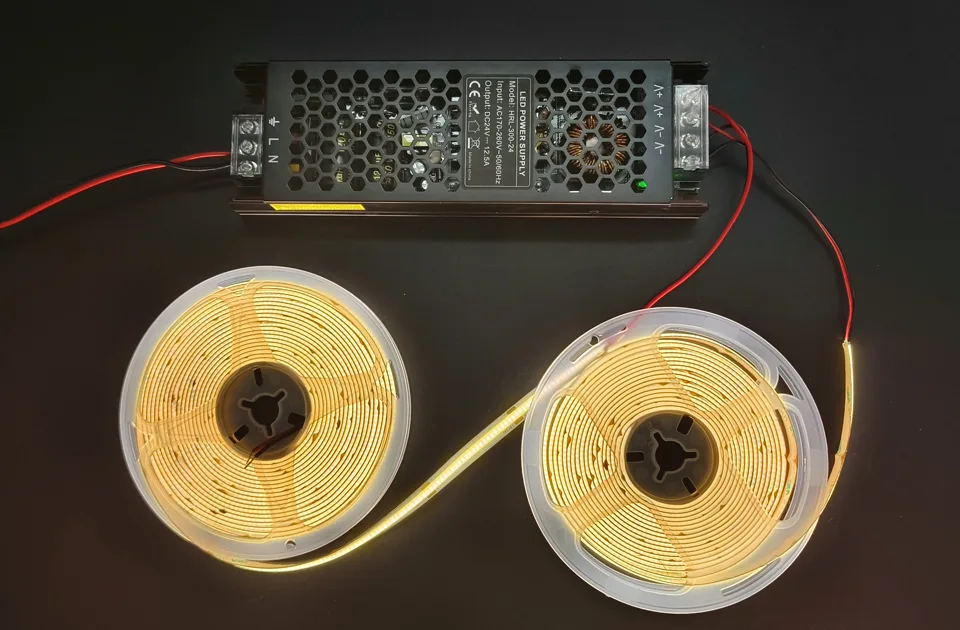
เมื่อพบไฟแถบ LED เป็นครั้งแรกและคาดหวังว่าไฟจะทำงานได้อย่างถูกต้อง ขั้นตอนสำคัญคือการระบุวิธีการป้อนพลังงานที่เหมาะสมสำหรับแถบ LED เพื่อให้สว่างอย่างเหมาะสม เนื่องจากไฟ LED แถบและแหล่งจ่ายไฟ LED ซื้อจากแหล่งต่างๆ จึงมีความแตกต่างกันในการตั้งค่า บทความนี้จะลงรายละเอียด...
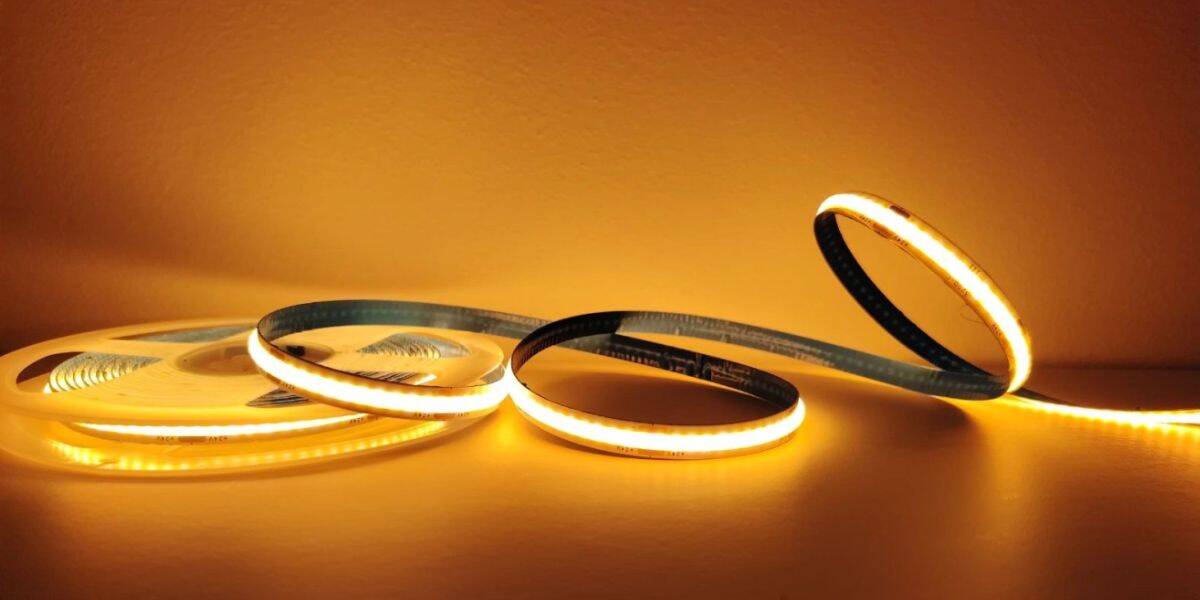
ไฟ LED แถบ 24V เป็นระบบแถบ LED แรงดันคงที่ที่ออกแบบมาเพื่อทำงานที่ DC 24 โวลต์ปกติ ซึ่งโดยทั่วไปจะขับเคลื่อนโดยไดรเวอร์ LED ภายนอกที่ควบคุมแรงดันไฟฟ้ามากกว่ากระแส เมื่อเทียบกับระบบแรงดันต่ำแรงดันต่ำเช่นแถบ LED 12V หรือ 5V ระบบ 24V ให้เอาต์พุตแบบออปติคัลเดียวกันกับไฟฟ้าที่ต่ำกว่าอย่างมีนัยสำคัญ...
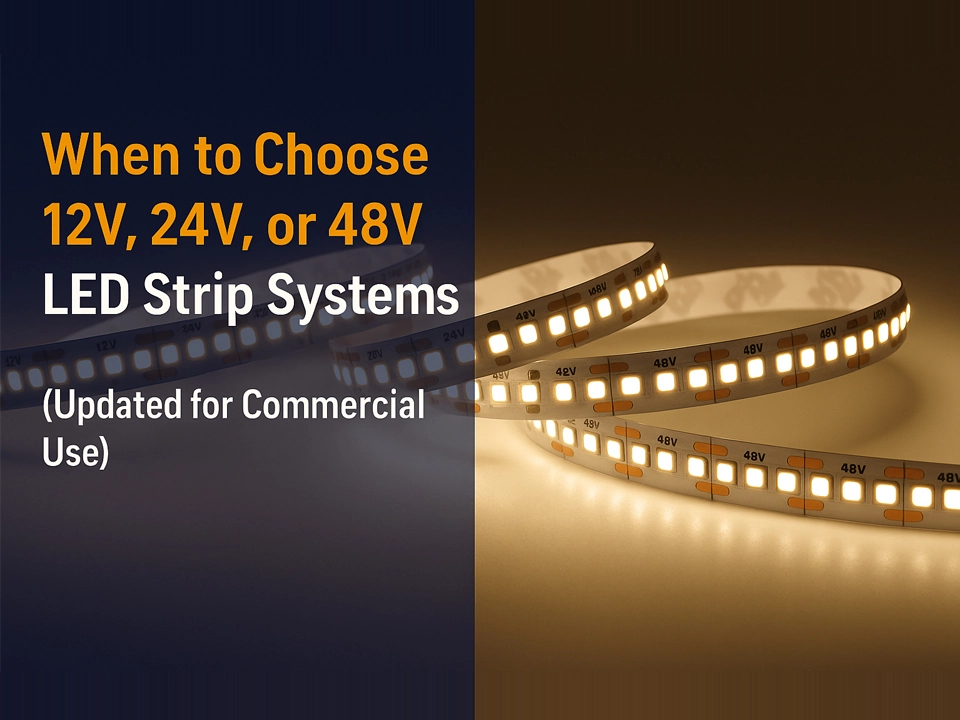
บทนำ ในการติดตั้งไฟ LED แถบ การเลือกแรงดันไฟฟ้ามักจะถูกประเมินต่ำไป แต่ส่งผลกระทบโดยตรงต่อความสม่ำเสมอของความสว่าง ประสิทธิภาพการใช้พลังงาน และค่าบำรุงรักษาในระยะยาว ผู้ติดตั้งหลายคนประสบกับสถานการณ์ที่น่าผิดหวัง—แถบ LED หรี่ลงครึ่งทางของการวิ่ง หรือจำเป็นต้องป้อนพลังงานบ่อยครั้งหลังการติดตั้ง ในกรณีส่วนใหญ่...
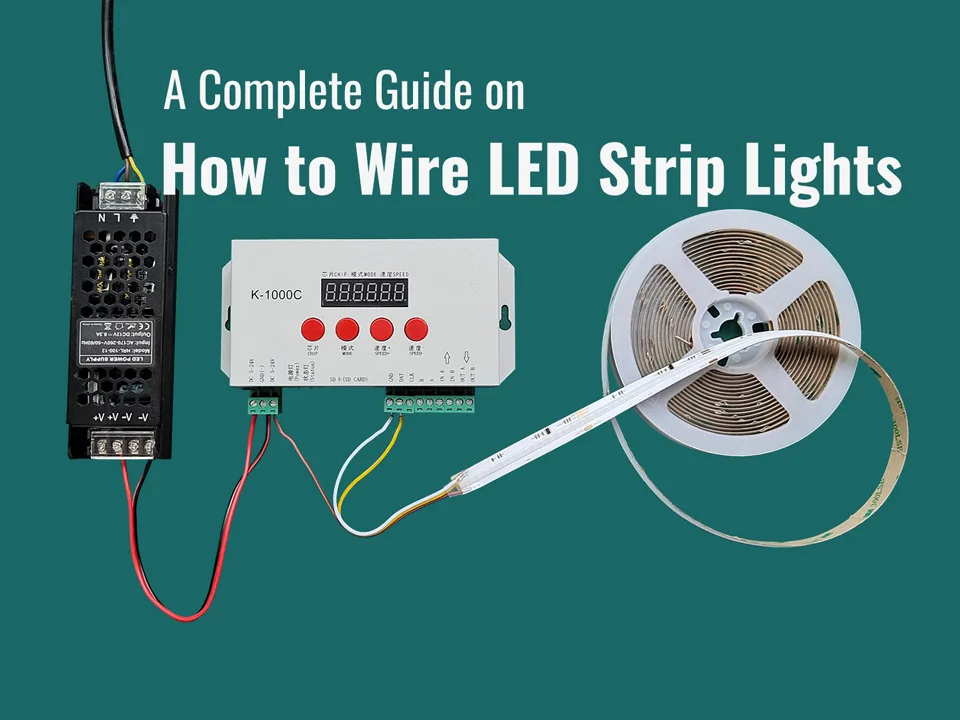
ไฟ LED แถบเหมาะสำหรับการใช้งานที่หลากหลายซึ่งสามารถใช้สำหรับแสงเสริม, ไฟตกแต่ง, ไฟส่องสว่างของโรงงาน, แสงการเจริญเติบโตของพืช, แสงไฟ LED ความยาวพิเศษ ฯลฯ ไฟแถบ LED ความปลอดภัยโดยธรรมชาติของ solves และความสามารถในการตัดทำให้เราสะดวกสบายในการใช้และเพลิดเพลินกับไฟแถบ LED ได้ดีขึ้น...
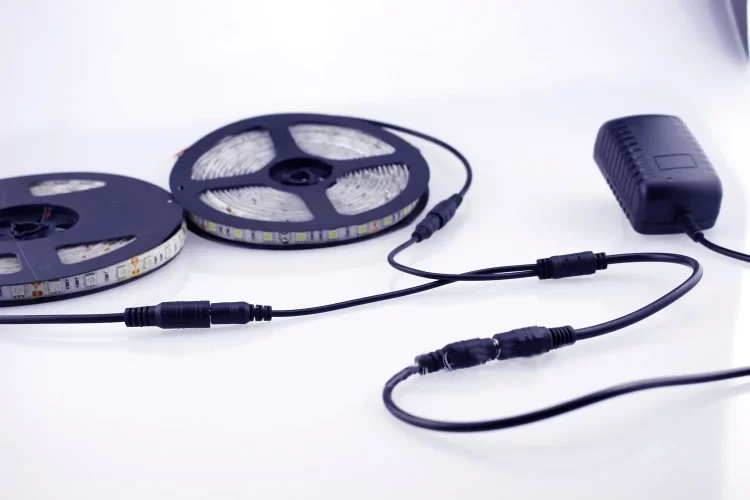
ไฟ LED แถบเป็นหนึ่งในสิ่งประดิษฐ์ที่ดีที่สุดในการจัดแสง คุณสามารถใช้มันเพื่อตกแต่งงานศิลปะและบ้านของคุณ ส่องสว่างเคาน์เตอร์ครัว และใช้เป็นไฟบันไดหรือไฟหลังคาสำหรับวันหยุด เนื่องจากมีแถบยาวคุณสามารถตัดให้ได้ความยาวที่ต้องการหรือรวมเข้าด้วยกันเพื่อเพิ่มความยาว โดยเฉพาะเมื่อต้องรับมือกับขนาดใหญ่...
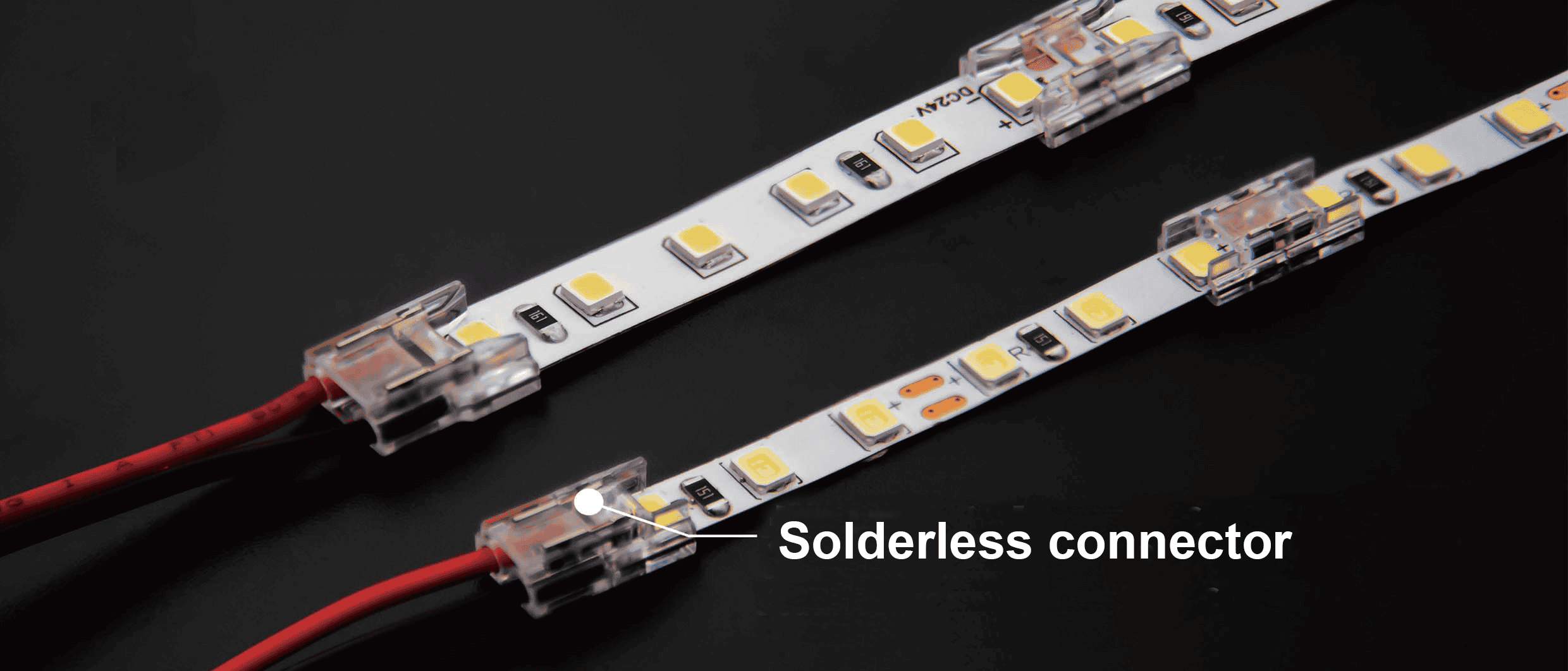
อย่างที่เราทราบกันดีว่าแถบ LED มีความยืดหยุ่น ตัดได้ ขยายได้ และหรี่แสงได้ ด้วยคุณสมบัติมากมายมันจึงถูกนำมาใช้กันอย่างแพร่หลายในการใช้งานที่แตกต่างกันเช่นภายใต้ไฟตู้ไฟป้ายไฟเชิงเส้น DIY สำหรับตกแต่งบ้าน ฯลฯ โดยปกติจะต้องตัดหรือใช้เพื่อให้ตรงกับความต้องการของคุณเนื่องจากเป็น 5 เมตรต่อม้วนแม้ไม่เกิน 100 เมตร ถ้าคุณเป็น...
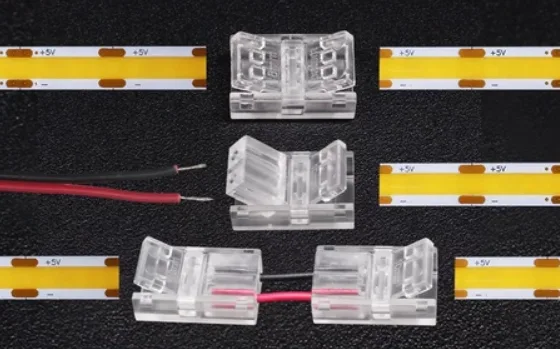
แถบไฟ LED เป็นโคมไฟตกแต่งทั่วไปซึ่งมักใช้สำหรับตกแต่งในร่มและกลางแจ้ง แสงและบรรยากาศ ภายในบ้านสามารถใช้กับเพดานได้ การตกแต่งผนัง เสา เฟอร์นิเจอร์ ฯลฯ ภายนอกสามารถใช้สำหรับสถาปัตยกรรม สะพาน ป้ายโฆษณา และการตกแต่งอื่นๆ แถบ LED บางรุ่นสามารถปรับได้ด้วยรีโมท...
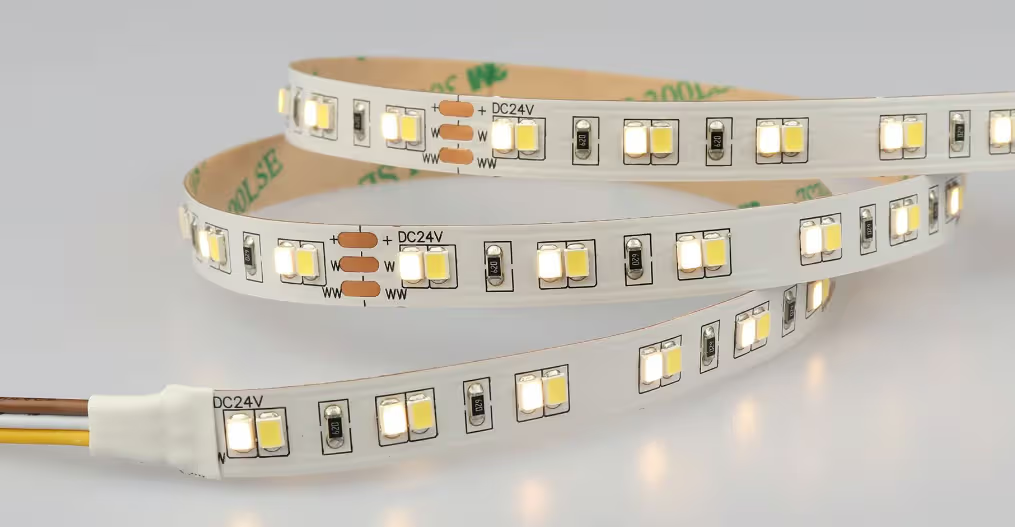
เนื่องจากสีที่แปรผันของแถบ LED หรี่แสงได้สามารถควบคุมการเปลี่ยนสีได้จึงมักใช้ในการตกแต่งบ้าน ที่ไม่พอใจ ประเภทของแถบไฟ LED ในตลาดโดยทั่วไป: แถบ LED แบบสีเดียว, แถบ LED อุณหภูมิสองสี, แถบ LED RGB…มาพูดถึงวิธีการต่อสายไฟและใช้งาน ... ...
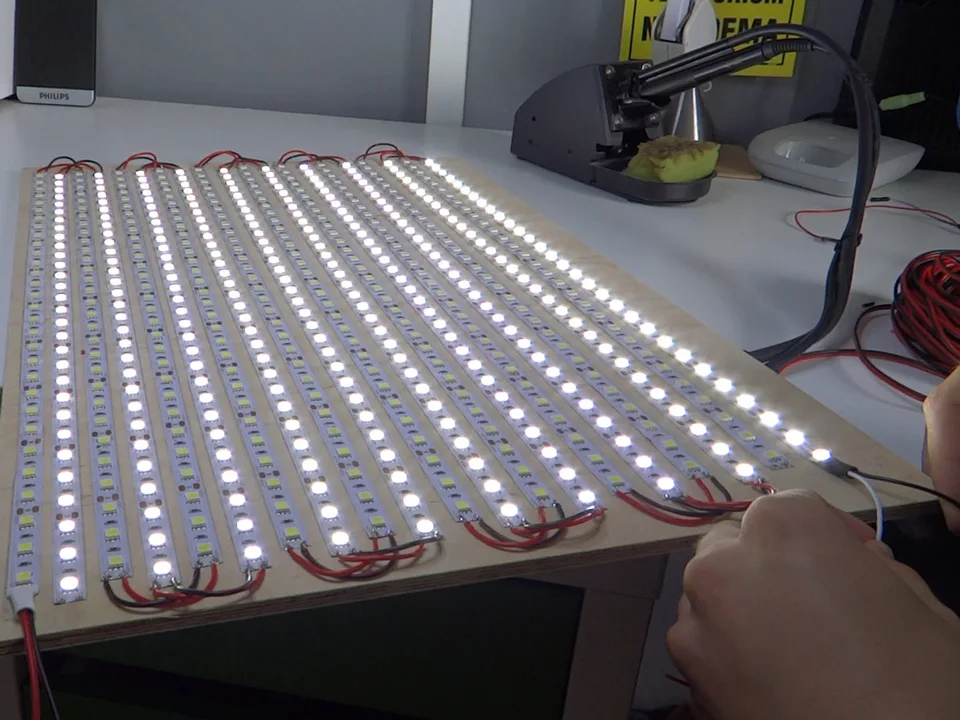
ไฟ LED แถบได้ปฏิวัติวิธีที่เราคิดเกี่ยวกับไฟ LED และโซลูชันแสงเชิงเส้น LED แบบอเนกประสงค์และประหยัดพลังงานเหล่านี้เหมาะสำหรับการใช้งานที่หลากหลาย อย่างไรก็ตาม หนึ่งในคำถามที่พบบ่อยที่สุดเมื่อต้องการติดตั้งคือวิธีการหาสายไฟที่ถูกต้อง หากคุณเลือกใช้ไฟ LED Strip แบบ series...
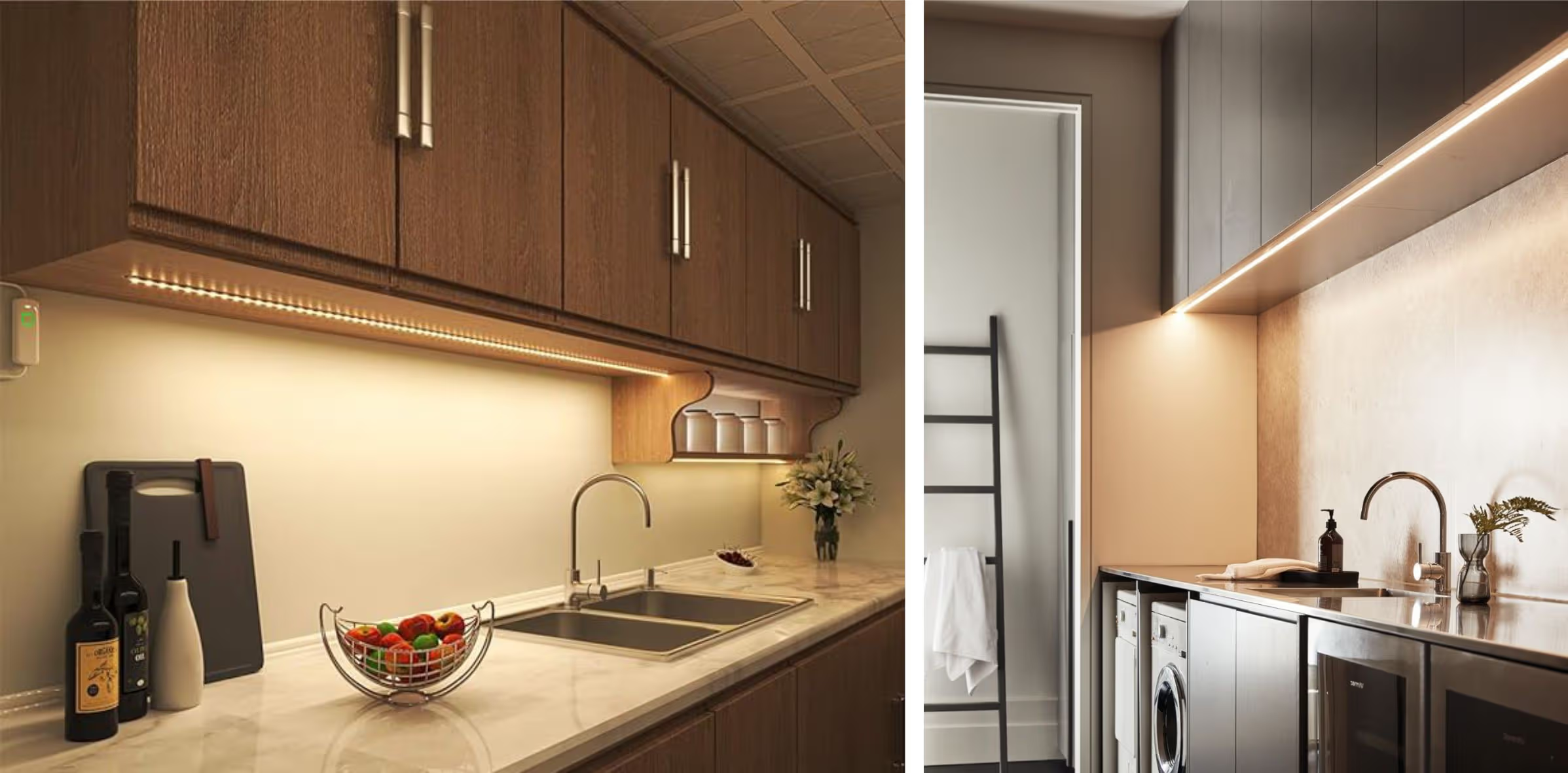
ไฟ LED Strip เป็นแหล่งกำเนิดแสงที่ได้รับความนิยมมากที่สุด ผู้ซื้อแต่ละรายติดตั้งที่บ้าน แต่ประสบการณ์ที่จำกัดอาจทำให้การติดตั้งไม่สมบูรณ์ ต่อไปนี้คือความล้มเหลวทั่วไป 7 ข้อและวิธีแก้ปัญหาสำหรับคุณในการหลีกเลี่ยง 7 แถบ LED ทั่วไปล้มเหลวและวิธีหลีกเลี่ยงล้มเหลว 1: แถบ LED แบบเปิดโล่งให้แสงที่รุนแรงโดยเฉพาะอย่างยิ่งสำหรับความหนาแน่นของชิปต่ำ...
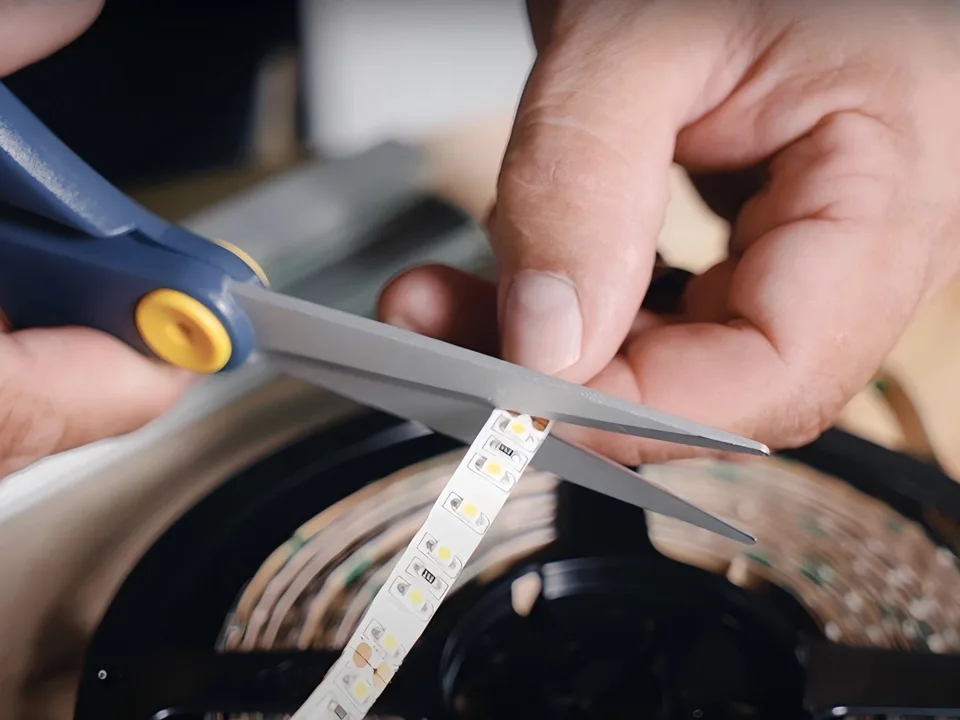
ลูกค้าหลายคนจะถามด้วยว่า: ฉันสามารถตัดไฟ LED แถบได้หรือไม่? ใช่ ไฟแถบ LED ส่วนใหญ่สามารถตัดได้อย่างปลอดภัยตามความยาวที่กำหนดเอง แถบ LED ได้รับการออกแบบโดยมีจุดตัดที่มีเครื่องหมาย ซึ่งมักจะระบุด้วยไอคอนกรรไกรและแผ่นทองแดงบน PCB การตัดที่เครื่องหมายเหล่านี้จะไม่ทำให้วงจรเสียหาย ในการตัดไฟ LED แถบอย่างปลอดภัย: ปิดแหล่งจ่ายไฟ ค้นหา...

การติดตั้งไฟส่องสว่างโดยใช้แถบ LED การไหลของน้ำเป็นกระบวนการทีละขั้นตอนที่ใช้งานได้จริงเมื่อตั้งค่าความคาดหวังอย่างถูกต้องตั้งแต่เริ่มต้น การติดตั้งนั้นตรงไปตรงมา: คุณวางแผนเส้นทางการไหลของภาพ เตรียมพื้นผิว ติดตั้งแถบอย่างแน่นหนา เชื่อมต่อกับคอนโทรลเลอร์และแหล่งพลังงานที่เข้ากันได้ จากนั้นทดสอบและปรับความสว่าง...
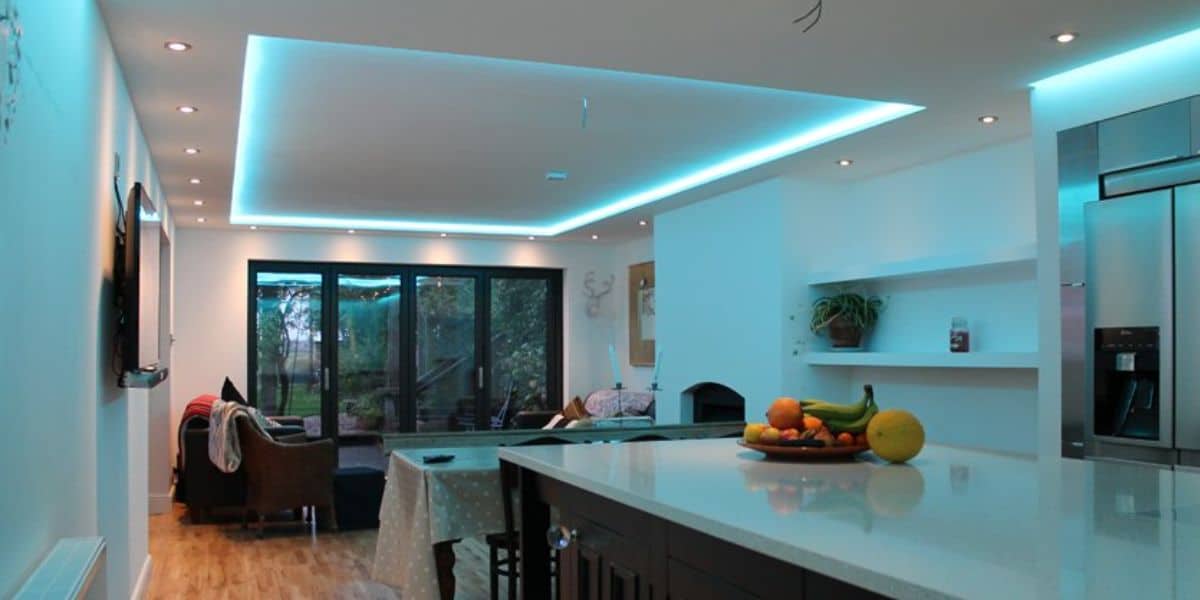
คุณสามารถติดตั้งไฟแถบ LED ที่ซ่อนอยู่ในบ้านของคุณได้โดยทำตามขั้นตอน 5 ขั้นตอนอย่างเป็นระบบ: การวางแผนเอฟเฟกต์แสง การเลือกส่วนประกอบที่เหมาะสม การเตรียมและติดตั้งช่องแถบ LED การติดตั้งและเชื่อมต่อแถบ LED และสุดท้ายเพิ่มตัวกระจายและการตกแต่งเพื่อการตกแต่งที่ราบรื่นและเป็นมืออาชีพ ซ่อนเร้น...
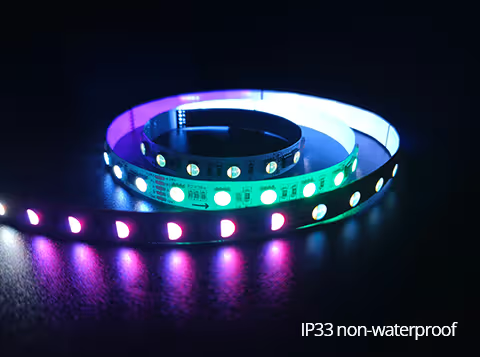
อะไรทำให้แถบไฟที่ติดตั้งมาหลวม? 1. การติดตั้งแถบไม่เพียงพอ: เมื่อติดตั้งไฟ LED แถบกาว 3M ทิ้งไว้เป็นเวลานานเนื่องจากลมและฝนความหนืดของกาวจะลดลงปิดไฟแถบ LED 2. วางตำแหน่งและปัญหาวัสดุ: ไฟแถบ LED จะหลุดออกมา...
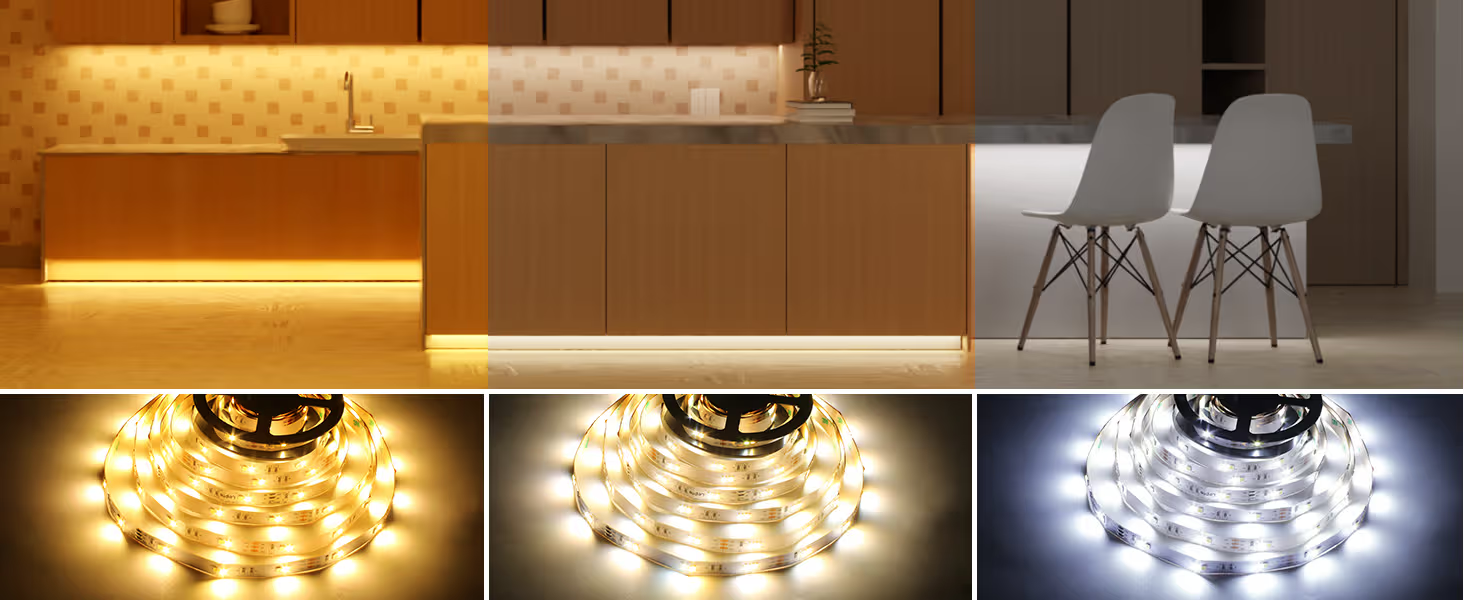
เมื่อเร็ว ๆ นี้ ลูกค้าของเราหลายคนมาหาเราเพื่อรายงานปัญหาเกี่ยวกับการตัดและไฟที่ไม่ถูกต้องซึ่งไม่ได้เปิดตลอดกระบวนการติดตั้ง ฉันได้เขียนหน้าพิเศษเพื่อช่วยคุณติดตั้งแถบไฟ LED และแก้ปัญหาของคุณ เหตุใดจึงต้องติดตั้งไฟแถบ LED อย่างถูกต้อง เมื่อติดตั้งอย่างถูกต้อง ...
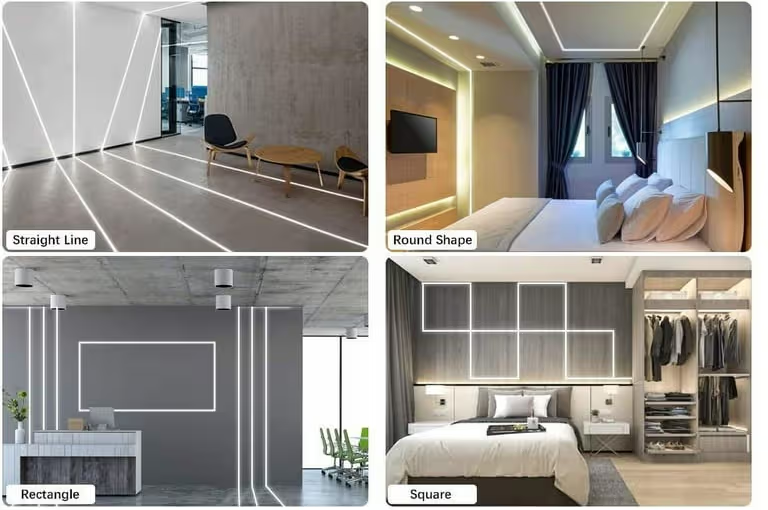
โปรไฟล์อลูมิเนียม LED เป็นวิธีที่ยอดเยี่ยมในการปรับปรุงทั้งสไตล์และฟังก์ชันการทำงานของการตั้งค่าแสงของคุณ พวกมันไม่เพียงแต่ปกป้องและกระจายแถบ LED แต่ยังทำให้การติดตั้งของคุณดูสวยงาม หากคุณยังใหม่กับสิ่งนี้ การติดตั้งอาจดูยุ่งยากเล็กน้อย แต่ไม่ต้องกังวล! ต่อไปนี้คือคำแนะนำทีละขั้นตอนง่ายๆ เพื่อให้คุณผ่านพ้นไปได้ ก้าว...
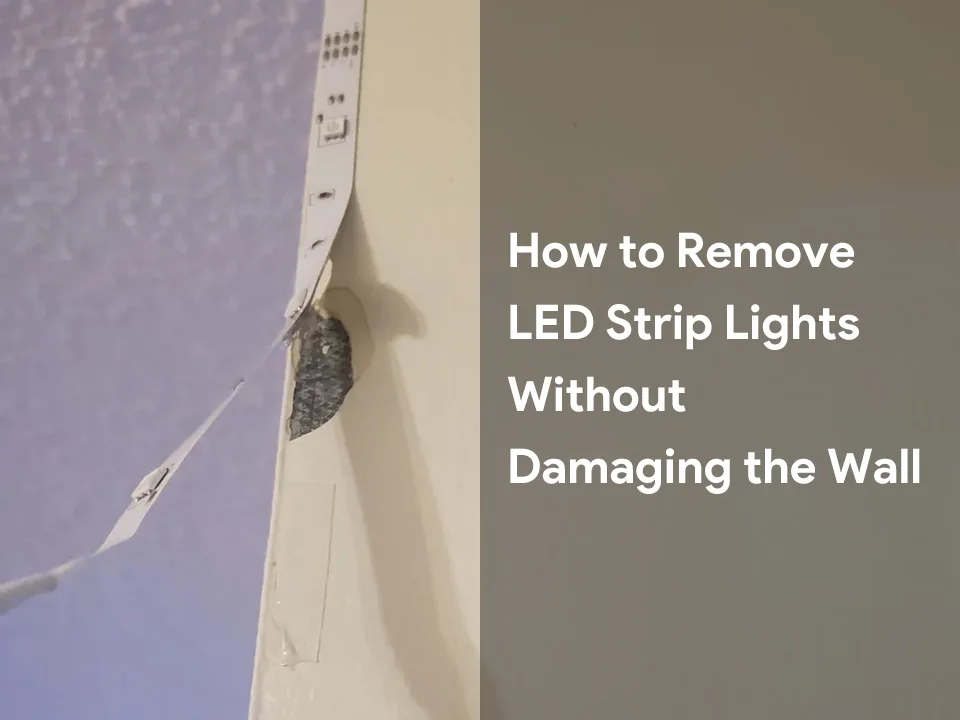
ไฟ LED แถบมีการใช้กันอย่างแพร่หลายในการตกแต่งบ้าน พื้นที่เชิงพาณิชย์ โครงการโรงแรม และไฟตู้โชว์ เนื่องจากติดตั้งง่าย บรรยากาศแข็งแรง และความยืดหยุ่นสูง อย่างไรก็ตาม เมื่อคุณต้องการเปลี่ยนสายไฟ เปลี่ยนรูปแบบแสง หรือย้ายตำแหน่ง วิธีการถอดไฟ LED แถบอย่างปลอดภัยโดยไม่ทำให้ผนังหรือสีเสียหาย...
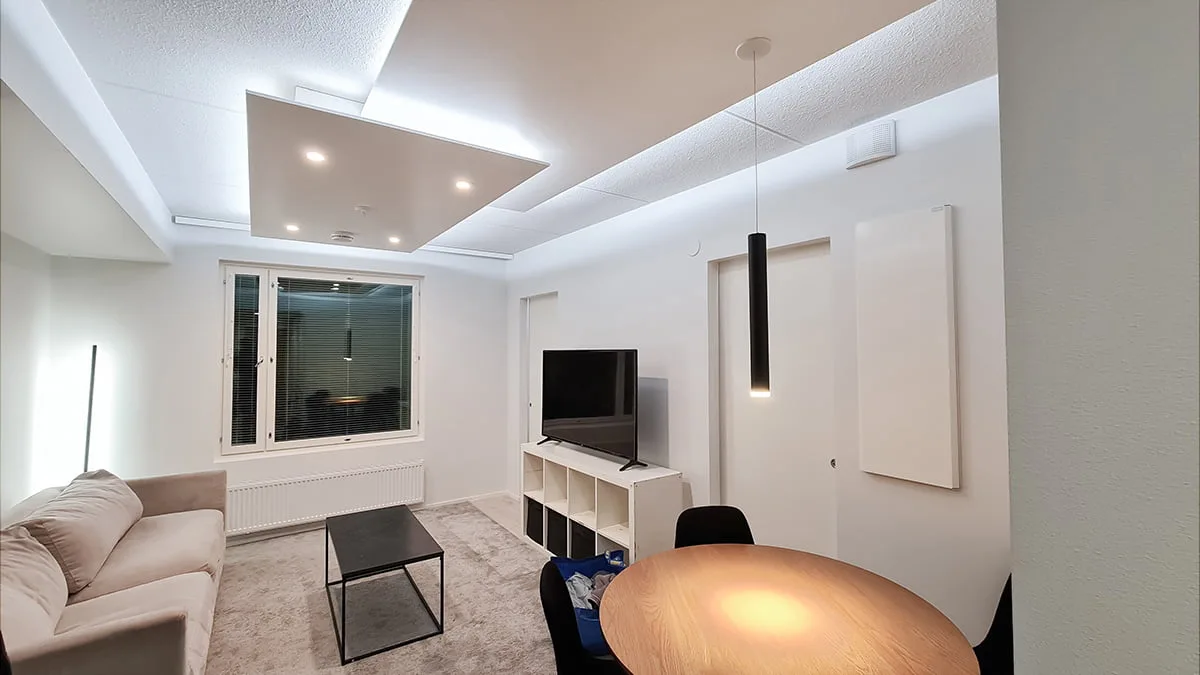
แสงทางอ้อมเหมาะสำหรับโครงการออกแบบสถาปัตยกรรมและตกแต่งภายใน อุปกรณ์ติดตั้งเหล่านี้มีเป้าหมายเพื่อให้แสงสว่างแก่พื้นที่ โดยไม่แสดงแหล่งกำเนิดแสง แสงไม่ส่องเข้ามาในพื้นที่โดยตรง แสงสะท้อนจากผนังและเพดาน ส่งผลให้มีแสงที่นุ่มนวลและกระจายตัว ซึ่งช่วยเพิ่มบรรยากาศของห้อง ช่วยเพิ่มบรรยากาศ...
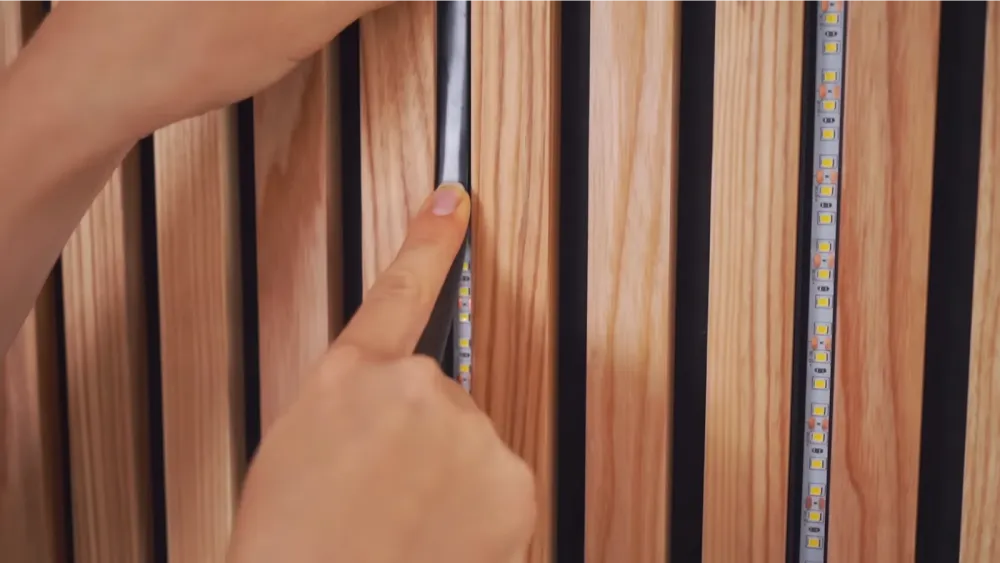
การติดตั้งไฟ LED บนผนังไม้ระแนงเป็นวิธีที่ยอดเยี่ยมในการปรับปรุงบรรยากาศของพื้นที่ของคุณ เพิ่มความทันสมัยและมีสไตล์ ไม่ว่าคุณจะชอบแสงที่อบอุ่นสบาย ๆ หรือแสงไฟที่สดใสและสีสันสดใส โครงการที่เป็นมิตรกับ DIY นี้สามารถปรับแต่งให้เหมาะกับความต้องการของคุณได้ นี่คือคำแนะนำทีละขั้นตอนที่ง่ายเพื่อเริ่มต้น! สิ่งที่คุณต้องการถ้าคุณยังใหม่กับบ้าน...
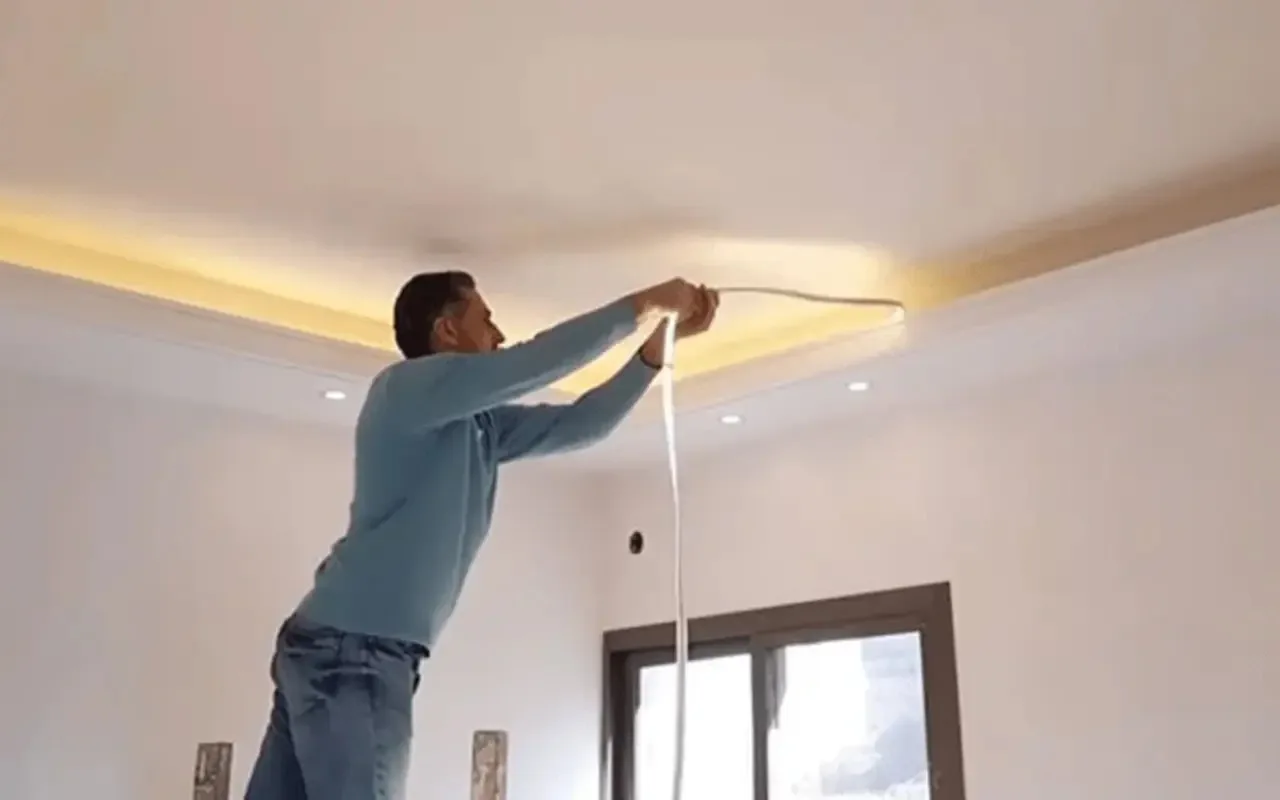
การติดตั้งไฟแถบ LED บนเพดานสามารถเปลี่ยนห้องได้โดยเพิ่มบรรยากาศให้ทั้งไฟส่องสว่างที่ใช้งานได้จริงและตกแต่ง คู่มือนี้จะครอบคลุมวิธีการต่างๆ ในการติดตั้งแถบ LED บนเพดาน ช่วยให้คุณดูเป็นมืออาชีพ เราจะพูดถึงประเภทแถบ LED ที่เหมาะสม ปัจจัยที่ต้องพิจารณา เช่น ความสว่าง และ...
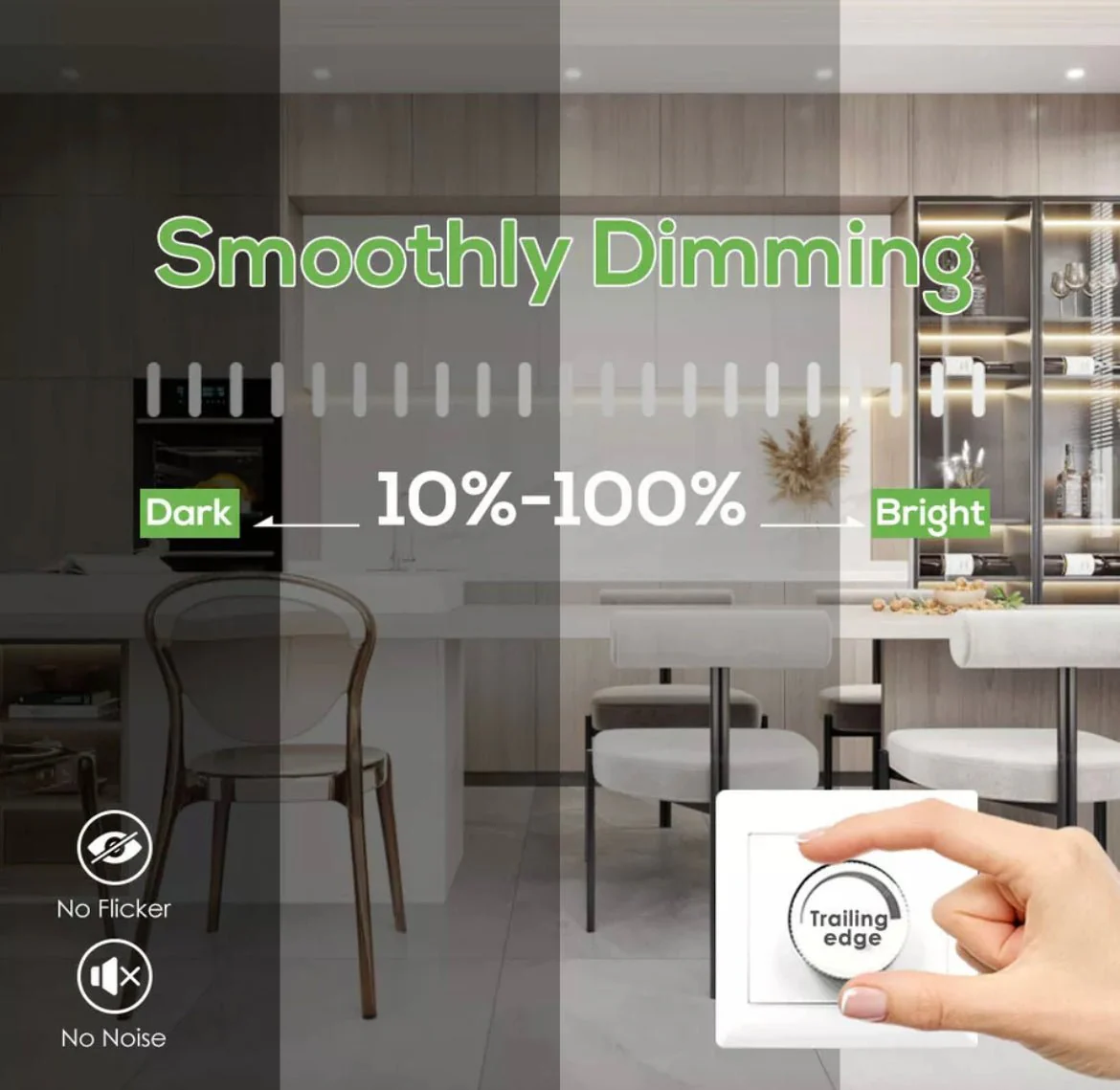
ระบบไฟส่องสว่างอัจฉริยะที่ทันสมัยทำมากกว่าแค่เปิดและปิดไฟ — สร้างสภาพแวดล้อมที่ปรับเปลี่ยนได้ซึ่งช่วยเพิ่มความสะดวกสบาย ประสิทธิภาพ และสไตล์ เบื้องหลังการเปลี่ยนแปลงความสว่างที่ราบรื่นทุกครั้งคือโปรโตคอลที่ลดแสงลง ซึ่งกำหนดประสบการณ์ผู้ใช้อย่างเงียบ ๆ ในบรรดาโครงการเชิงพาณิชย์ที่ใช้กันอย่างแพร่หลายมากที่สุดคือ DALI และ PWM ซึ่งแต่ละโครงการนำเสนอวิธีการที่ไม่ซ้ำกันใน...
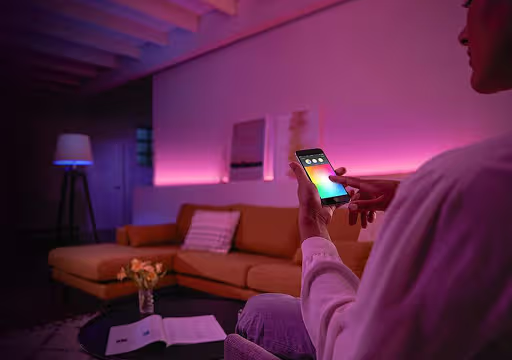
ด้วยการพัฒนาเทคโนโลยีทำให้โทรศัพท์มือถือมีความสำคัญมากขึ้นเรื่อย ๆ นอกเหนือจากการโทรทุกวันแล้วยังสามารถใช้สำหรับการช้อปปิ้งออนไลน์การชำระเงินความบันเทิงการควบคุมเครื่องใช้ในบ้านอย่างชาญฉลาดรวมถึงหลอดไฟ LED ฯลฯ ลูกค้าจำนวนมากซื้อแถบของเราด้วยคอนโทรลเลอร์ปกติ เมื่อเวลาผ่านไป บางตัวก็สูญเสียรีโมทคอนโทรล...
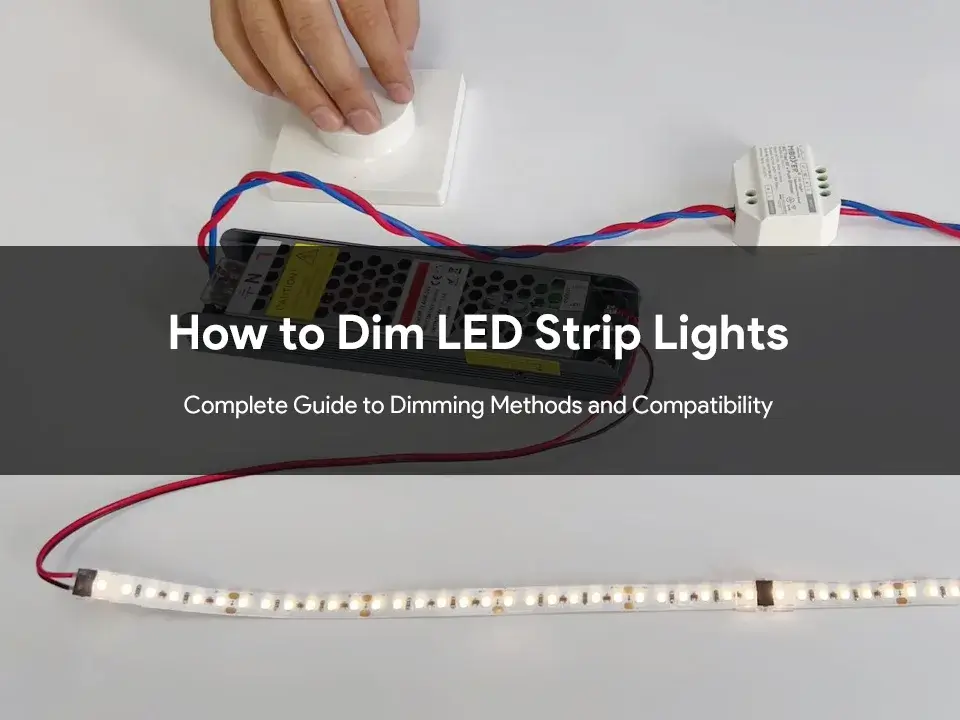
ไฟ LED แถบ LED ใช้กันอย่างแพร่หลายในระบบไฟส่องสว่างที่ทันสมัย เช่น พื้นที่เชิงพาณิชย์ บ้านอัจฉริยะ จอแสดงผลขายปลีก และโครงการไฟทางสถาปัตยกรรม อย่างไรก็ตาม เพียงแค่ "เปิด" ไฟแถบ LED ก็ไม่เพียงพออีกต่อไป การบรรลุฟังก์ชันการหรี่แสงที่แม่นยำและราบรื่นเป็นกุญแจสำคัญในการปฏิบัติตามข้อกำหนดการควบคุมแสงที่หลากหลายของ...
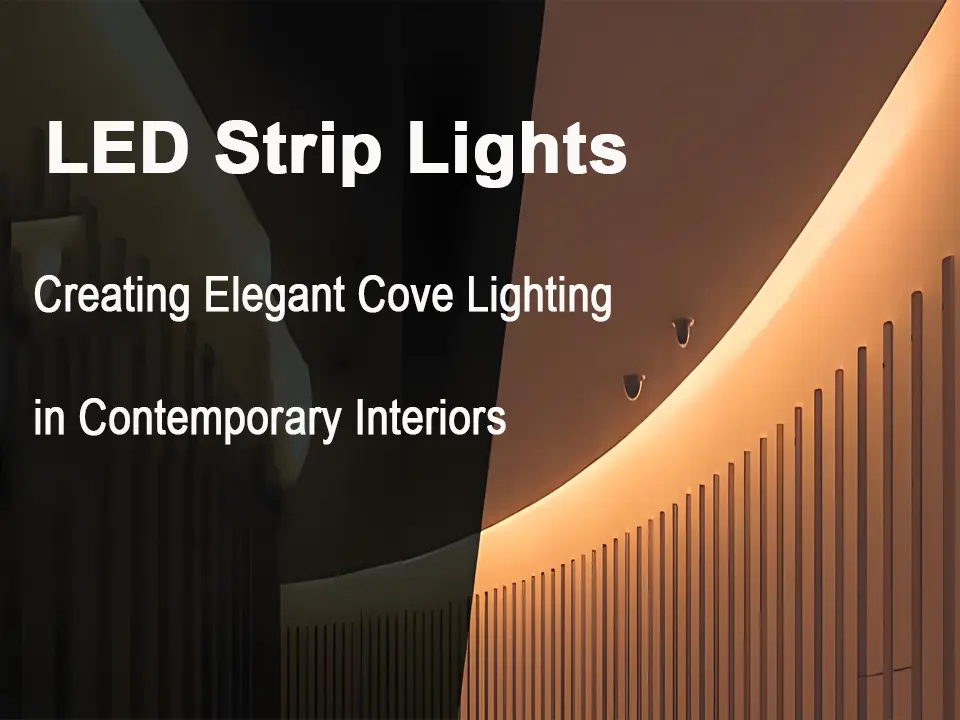
Cove Lighting ได้กลายเป็นหนึ่งในองค์ประกอบการออกแบบที่ได้รับความนิยมมากที่สุดในการตกแต่งภายในที่ทันสมัยและโครงการสถาปัตยกรรม ด้วยการซ่อนแหล่งกำเนิดแสงภายในช่องที่ปิดภาคเรียน นักออกแบบสามารถสร้างแสงที่นุ่มนวลและอ้อมที่เน้นรูปทรงเพดาน เพิ่มความลึกเชิงพื้นที่ และให้บรรยากาศที่อบอุ่น ในบรรดาตัวเลือกแสงทั้งหมด ไฟ LED แบบแถบ...
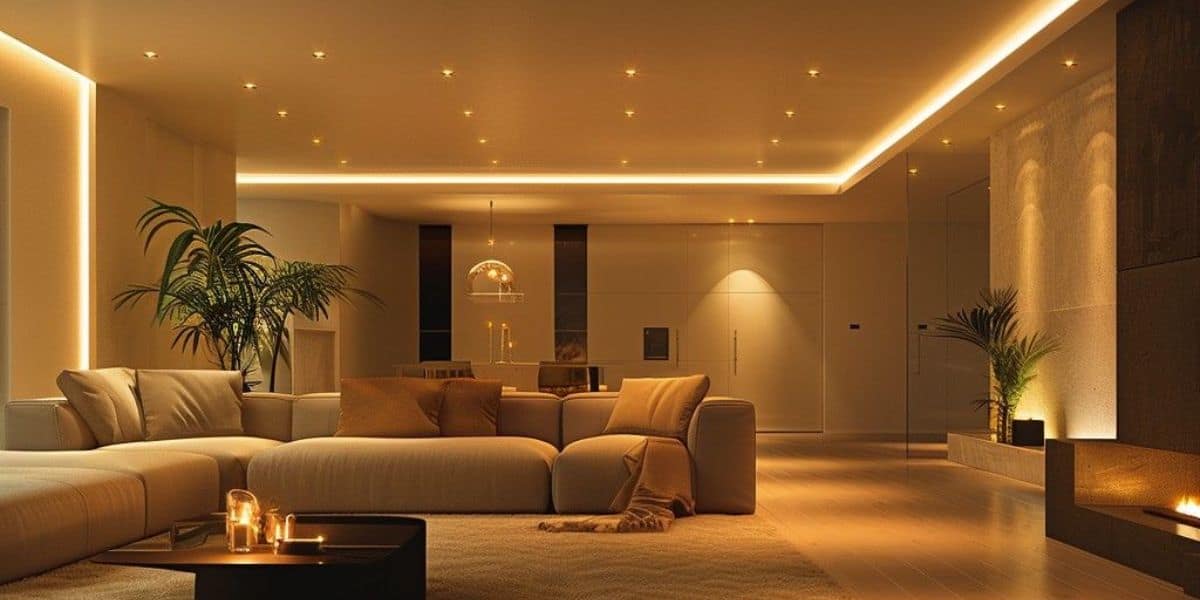
การเลือกอุปกรณ์ติดตั้งไฟ Cove ที่เหมาะสมสำหรับเพดานของคุณนั้นเกี่ยวข้องกับการประเมินองค์ประกอบหลักสามอย่างอย่างเป็นระบบ: แถบ LED สำหรับคุณภาพแสง, โปรไฟล์อลูมิเนียมสำหรับโครงสร้างและการแพร่กระจายและการรวมทั้งสองอย่างเข้าด้วยกันเพื่อผลลัพธ์สุดท้ายที่ไร้ที่ติเพื่อให้มั่นใจว่า Cove ของคุณให้แสงสว่างที่ราบรื่นและเป็นมืออาชีพ แสงสีดูเรียบง่าย...
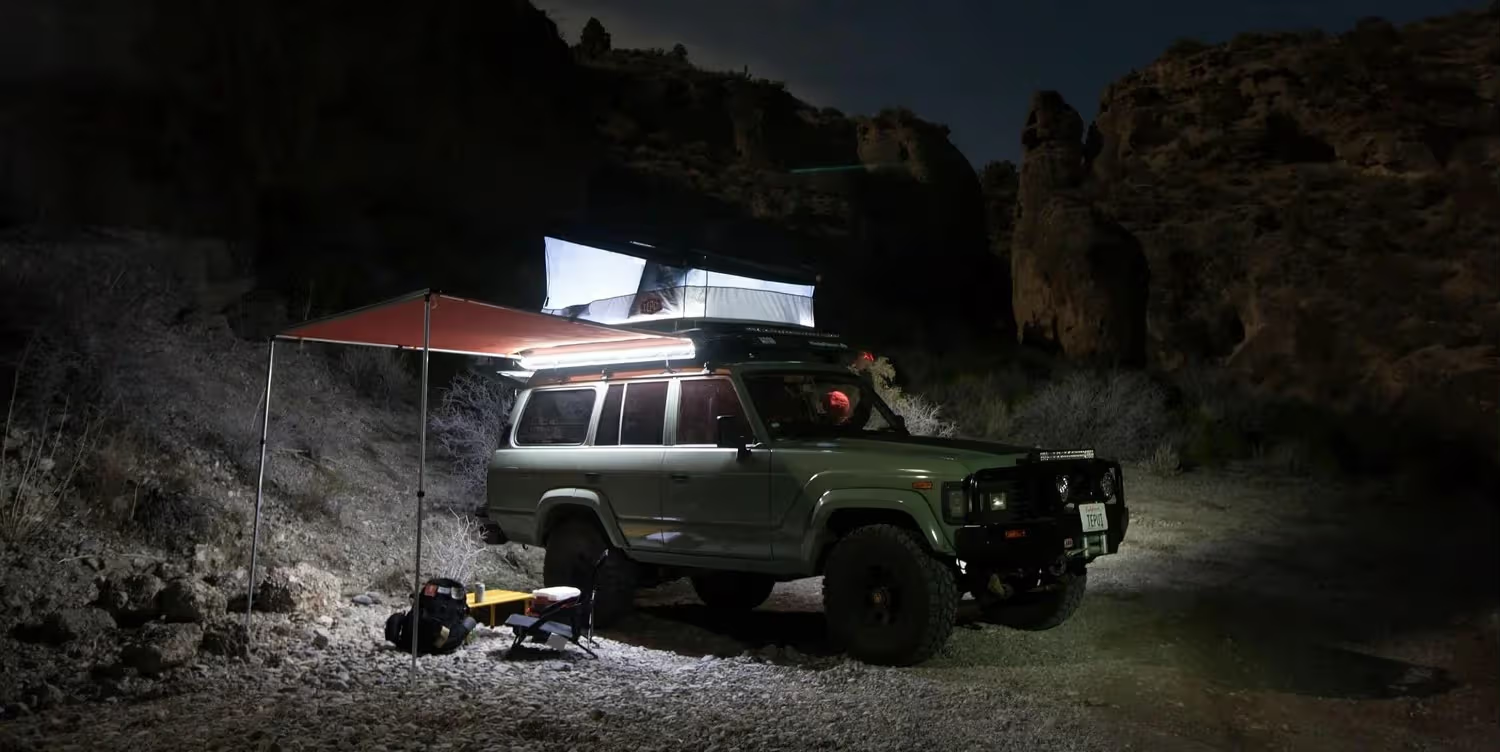
การใช้ชีวิตในเมืองที่มีผู้คนพลุกพล่านทำให้ผู้คนรู้สึกหดหู่ใจ การไปตั้งแคมป์ในช่วงสุดสัปดาห์เป็นวิธีที่ดีในการเข้าใกล้ธรรมชาติและคลายความซึมเศร้า มักพบว่าผู้คนได้รับแถบ LED เป็นไฟแคมป์ปิ้ง สว่างและยืดหยุ่นเพื่อทำให้พื้นที่ที่คุณต้องการสว่างขึ้น ในทางกลับกัน คุณสามารถเปลี่ยนแบตเตอรี่ได้อย่างง่ายดายเมื่อหมด วิธีทำ DIY ของคุณ...
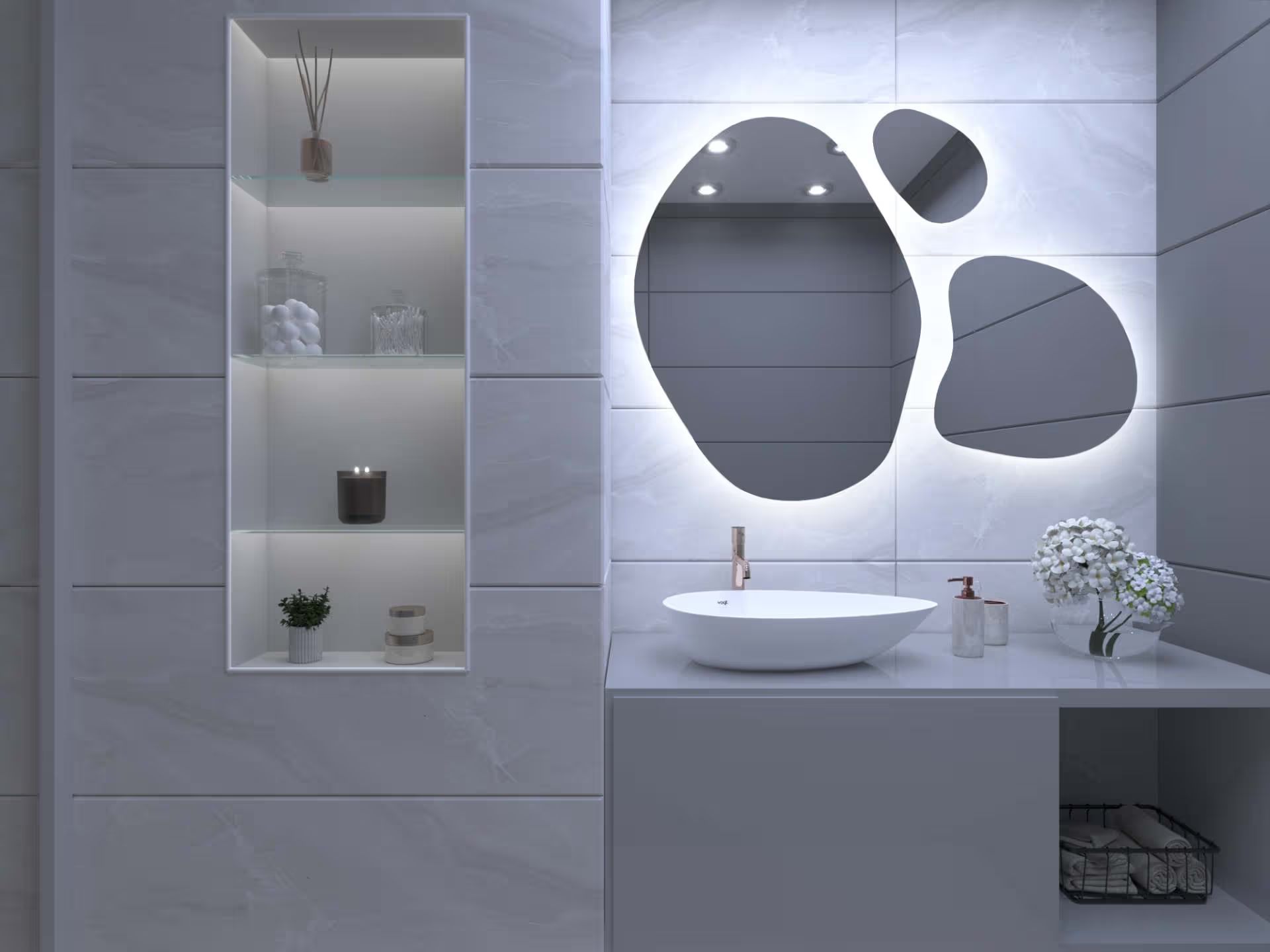
หากคุณกำลังจะซื้อกระจกห้องน้ำหรือกระจกแต่งหน้า คุณจะพบว่ากระจกที่มีสไตล์ส่วนใหญ่มีแถบ LED ในตัว แถบนี้ให้แสงที่สม่ำเสมอ นุ่มนวล และเพียงพอ ช่วยลดเงาและเงาสะท้อน ซึ่งดีกว่าสำหรับการกรูมมิ่งและการแต่งหน้า วิธีเพิ่มแถบ LED ลงในกระจกที่มีอยู่ ให้ทำตามขั้นตอนด้านล่าง DIY ให้คุณเป็นเจ้าของไฟ LED...
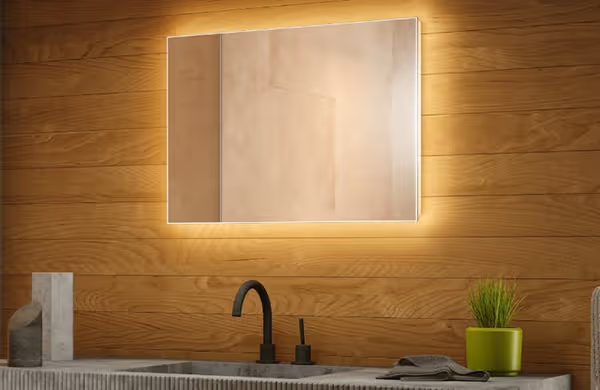
ยกระดับกระจกเงาของคุณด้วยไฟ LED! ไม่ว่าจะเป็นแสงเพื่อการใช้งานหรือการตกแต่งที่ตกแต่ง การเพิ่มแถบ LED ลงในกระจกเป็นวิธีที่ง่ายและคุ้มค่าในการทำให้พื้นที่ของคุณสว่างขึ้น ในคู่มือนี้ เราจะแนะนำคุณเกี่ยวกับกระบวนการทีละขั้นตอนในการสร้างกระจก DIY ของคุณเองด้วยไฟ LED แถบ จากการเลือกใช้วัสดุที่เหมาะสม...
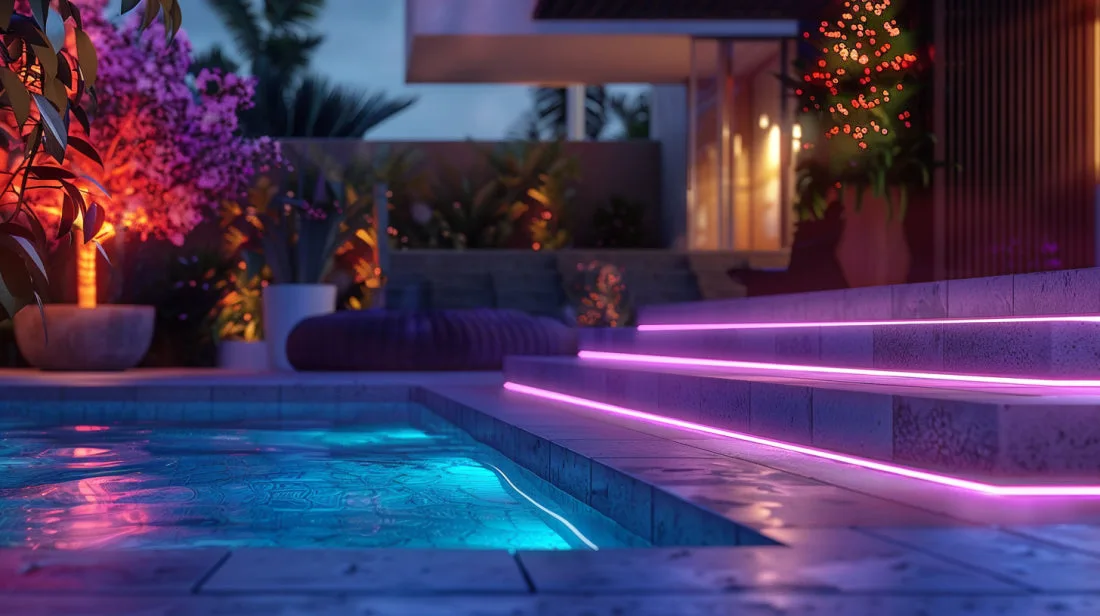
ไฟ LED นีออนแบบยืดหยุ่นได้กลายเป็นโซลูชันที่เหมาะสำหรับป้ายกลางแจ้ง เน้นสถาปัตยกรรม และการติดตั้งที่สร้างสรรค์ ด้วยความยืดหยุ่น ความทนทาน และแสงที่สว่างสม่ำเสมอ เหมาะอย่างยิ่งสำหรับการใช้งานเชิงพาณิชย์และการตกแต่ง แต่รายละเอียดที่สำคัญอย่างหนึ่งมักถูกมองข้าม: การเลือกอุปกรณ์เสริมสำหรับติดตั้งที่เหมาะสม การเลือกติดตั้งที่เหมาะสม...

อุปกรณ์ป้องกันไฟกระชาก (SPD) ไม่ได้ "หยุดฟ้าผ่า" ไม่สามารถปิดกั้นการนัดหยุดงานหรือกำจัดพลังงานฟ้าผ่าได้ สิ่งที่สามารถทำได้คือจำกัดแรงดันไฟเกินชั่วคราวและเปลี่ยนกระแสไฟกระชากไปยังเส้นทางที่มีการควบคุม ซึ่งช่วยลดความเครียดบนฉนวนและอุปกรณ์อิเล็กทรอนิกส์ ประสิทธิภาพในโลกแห่งความเป็นจริงขึ้นอยู่กับระบบป้องกันที่ประสานกัน: คุณภาพการยึดเกาะ/การยึดเกาะ ถูกต้อง...
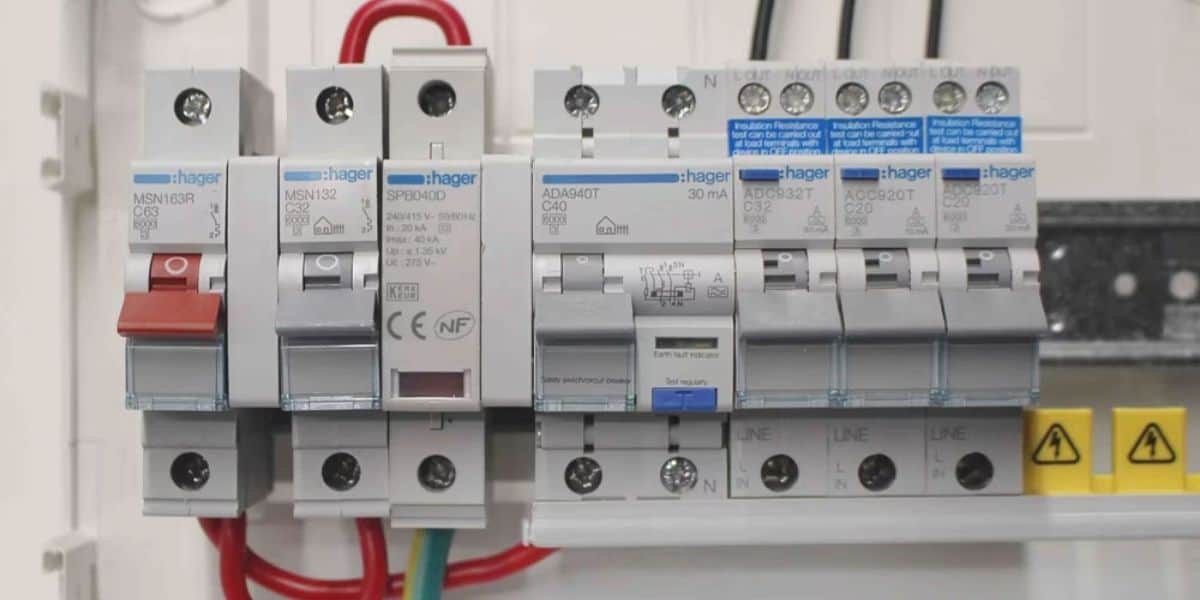
สิ่งอำนวยความสะดวกเชิงพาณิชย์จำเป็นต้องมีกลยุทธ์อุปกรณ์ป้องกันไฟกระชากที่สามารถทำซ้ำ บำรุงรักษาได้ และประสานงานกันในหลายแผงและโหลดที่ละเอียดอ่อน การเลือก "ด้านบน" ขึ้นอยู่กับการเลือกอุปกรณ์ประเภท 1 เทียบกับประเภท 2 เทียบกับประเภท 3 ที่ถูกต้องสำหรับโซนการติดตั้ง และการตรวจสอบประสิทธิภาพโดยใช้ UL 1449 Ratings และ System Fit (แรงดัน, SCCR, การต่อสายดิน) ...

ด้วยแรงผลักดันจากการอนุรักษ์พลังงานทั่วโลก การลดการปล่อยมลพิษ และการพัฒนาเมืองอัจฉริยะ ไฟถนน LED ได้กลายเป็นทางเลือกหลักสำหรับถนนในเมือง สวนอุตสาหกรรม ทางหลวง และไฟโครงสร้างพื้นฐานสาธารณะ เมื่อเทียบกับหลอดโซเดียมแรงดันสูงแบบดั้งเดิมและหลอดเมทัลฮาไลด์ ไฟถนน LED ให้ข้อได้เปรียบที่สำคัญ...

ใช่ อุปกรณ์ป้องกันไฟกระชากจะสึกหรอ แม้ว่าจะไม่มีความเสียหายที่มองเห็นได้และอุปกรณ์ยังคงทำงานอยู่ แต่ส่วนประกอบป้องกันจะลดลงตามเหตุการณ์ไฟกระชากทุกเหตุการณ์ ระยะเวลาในการทดแทนจึงไม่ขึ้นอยู่กับอายุตามปฏิทินเพียงอย่างเดียว ขึ้นอยู่กับความเค้นสะสม สภาวะการสัมผัส และวิกฤตของระบบ สมมุติว่ายังมีการป้องกัน...
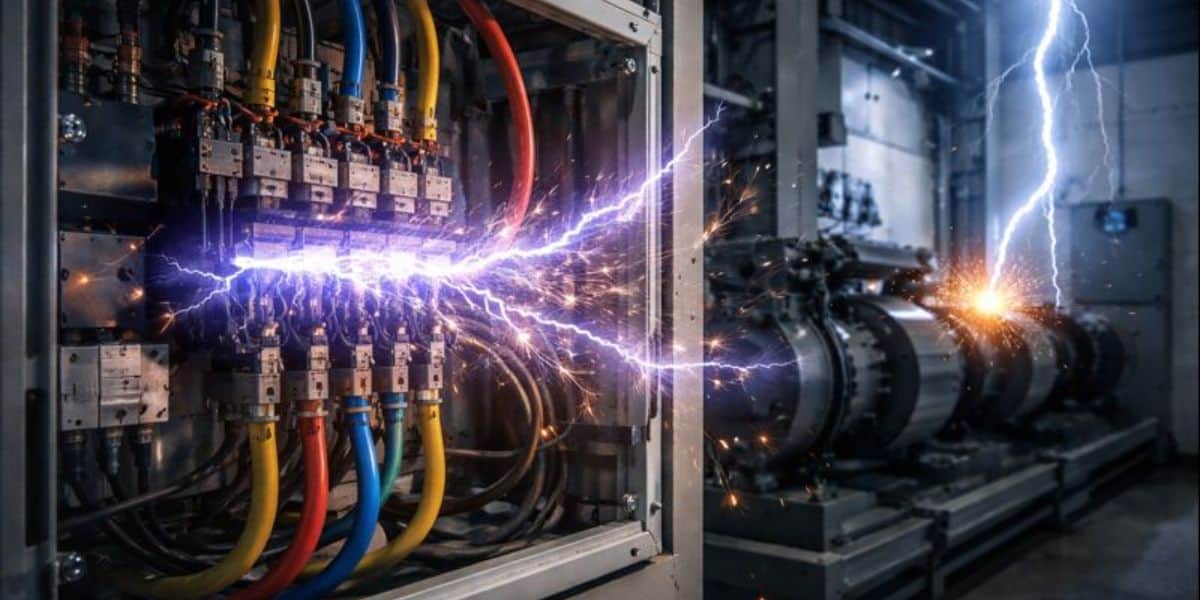
ในระบบ 3 เฟส การป้องกันไฟกระชากทำงานโดยตรวจจับแรงดันไฟเกินที่ผิดปกติ สลับภายในจากสถานะอิมพีแดนซ์สูงเป็นสถานะอิมพีแดนซ์ต่ำ เปลี่ยนกระแสไฟกระชากไปยังเส้นทางการต่อสายดินหรือพันธะ และจำกัดแรงดันไฟฟ้าที่เข้าถึงอุปกรณ์ที่เชื่อมต่อ ไม่ได้ "ปิดกั้น" กระชาก ลดแรงดันไฟสูงสุดโดยให้ไฟกระชาก...
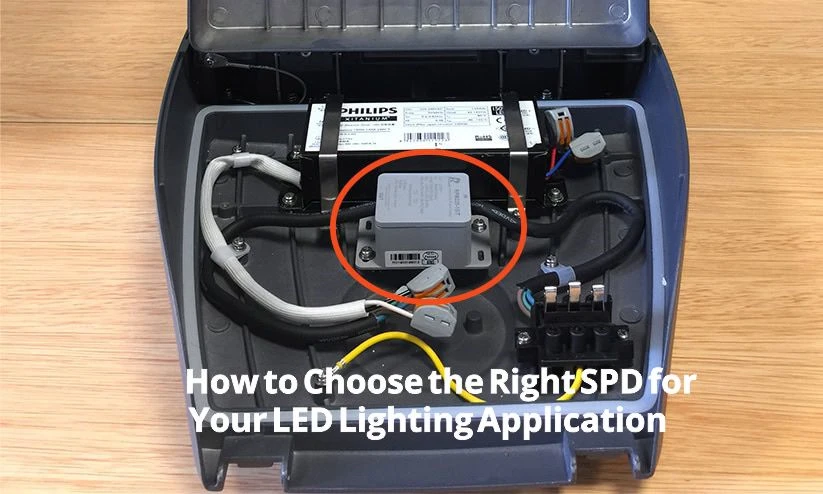
ไฟ LED ได้กลายเป็นแกนหลักของการส่องสว่างที่ทันสมัย ตั้งแต่ไฟถนนอัจฉริยะไปจนถึงอุปกรณ์ติดตั้งบนเบย์ในโรงงาน ทว่าเบื้องหลังประสิทธิภาพและอายุการใช้งานที่ยาวนานนั้นยังมีช่องโหว่ที่ซ่อนอยู่ นั่นคือไฟกระชาก หนามแหลมที่คาดเดาไม่ได้เหล่านี้ ซึ่งมักเกิดจากการกระแทกฟ้าผ่าหรือความผันผวนของโครงข่ายไฟฟ้า สามารถทำลายไดรเวอร์ LED ที่ไวต่อเสียงและ...
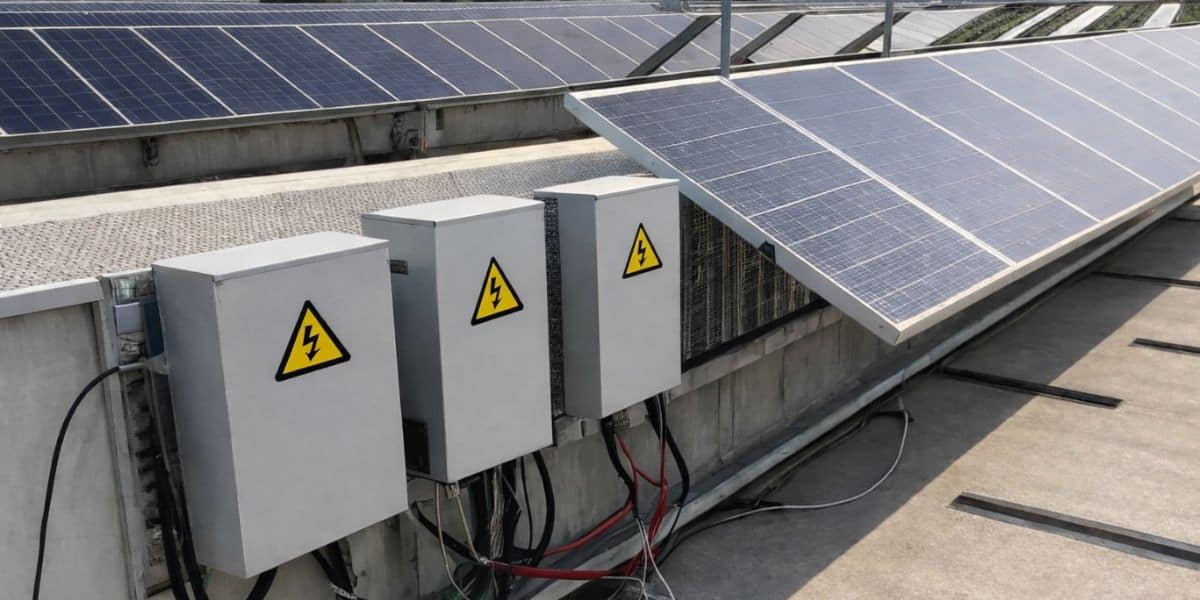
ระบบชาร์จรถยนต์ไฟฟ้าและการติดตั้งโซลาร์เซลล์แสงอาทิตย์ต้องเผชิญกับความเสี่ยงจากไฟกระชากที่แตกต่างจากโหลดไฟฟ้าทั่วไป การไหลของพลังงานแบบสองทิศทาง การแปลง DC–AC บ่อยครั้ง และอุปกรณ์อิเล็กทรอนิกส์กำลังหนาแน่นทำให้ระบบเหล่านี้ไวต่อการรบกวนของกริดภายนอกและชั่วคราวที่สร้างขึ้นภายใน การป้องกันที่มีประสิทธิภาพขึ้นอยู่กับการประสานงาน ...
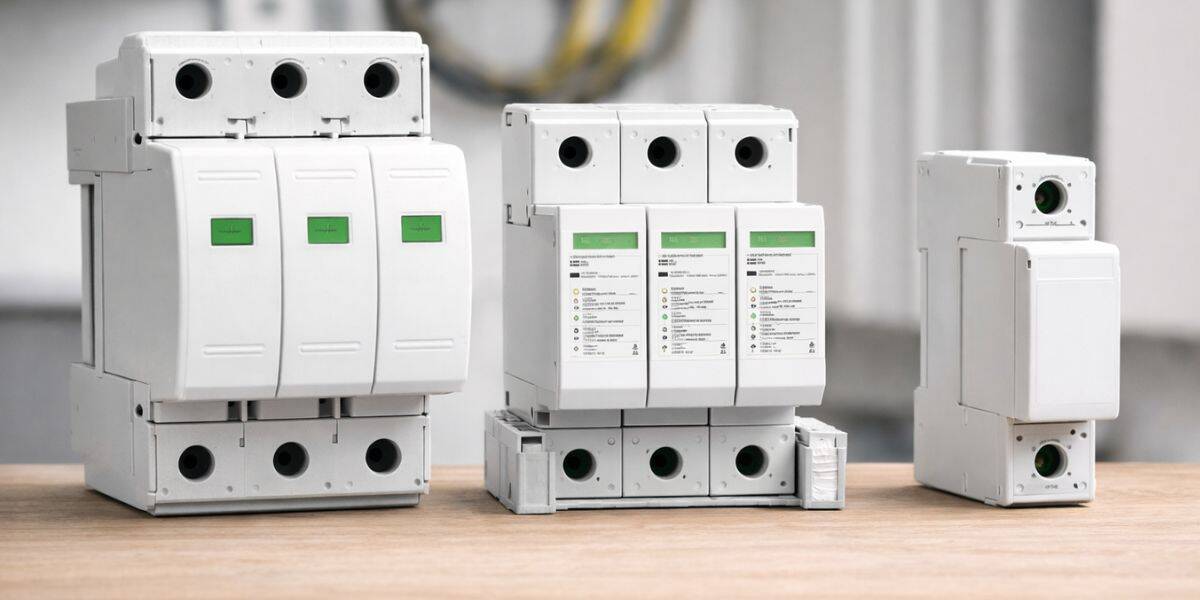
อุปกรณ์ป้องกันไฟกระชาก (SPD) จัดอยู่ในประเภทที่ 1 ประเภท 2 และประเภทที่ 3 เพื่อสะท้อนให้เห็นถึงตำแหน่งที่ใช้งานภายในระบบไฟฟ้าและวิธีจัดการพลังงานไฟกระชาก ณ ตำแหน่งนั้น ประเภทนี้ใช้แทนกันไม่ได้ แต่ละอันได้รับการออกแบบมาสำหรับสภาพแวดล้อมไฟกระชากและฟังก์ชันการป้องกันโดยเฉพาะ และทำงานได้อย่างถูกต้องเมื่อใช้เป็นชิ้นส่วน...
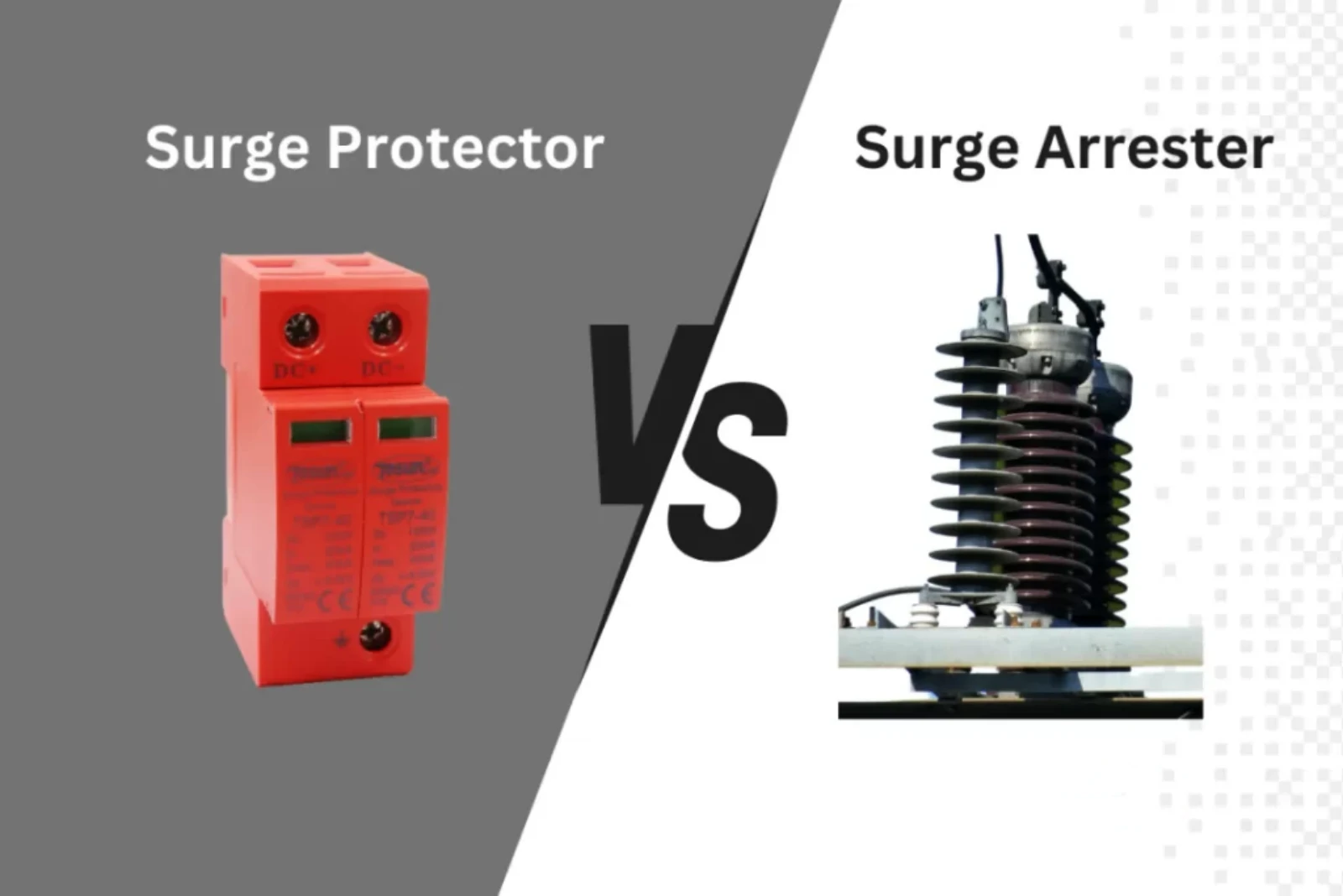
ในโลกปัจจุบัน ระบบไฟฟ้ามีความซับซ้อนและละเอียดอ่อนมากขึ้น แม้แต่ไฟกระชากเพียงเล็กน้อยก็อาจทำให้เกิดความเสียหายร้ายแรง ส่งผลให้เวลาหยุดทำงานและอุปกรณ์ล้มเหลว นั่นเป็นเหตุผลที่การป้องกันไฟกระชากเป็นสิ่งจำเป็นสำหรับการติดตั้งที่ทันสมัย อย่างไรก็ตาม วิศวกรและผู้ซื้อจำนวนมากมักสร้างความสับสนให้กับ SPD (อุปกรณ์ป้องกันไฟกระชาก) กับ...
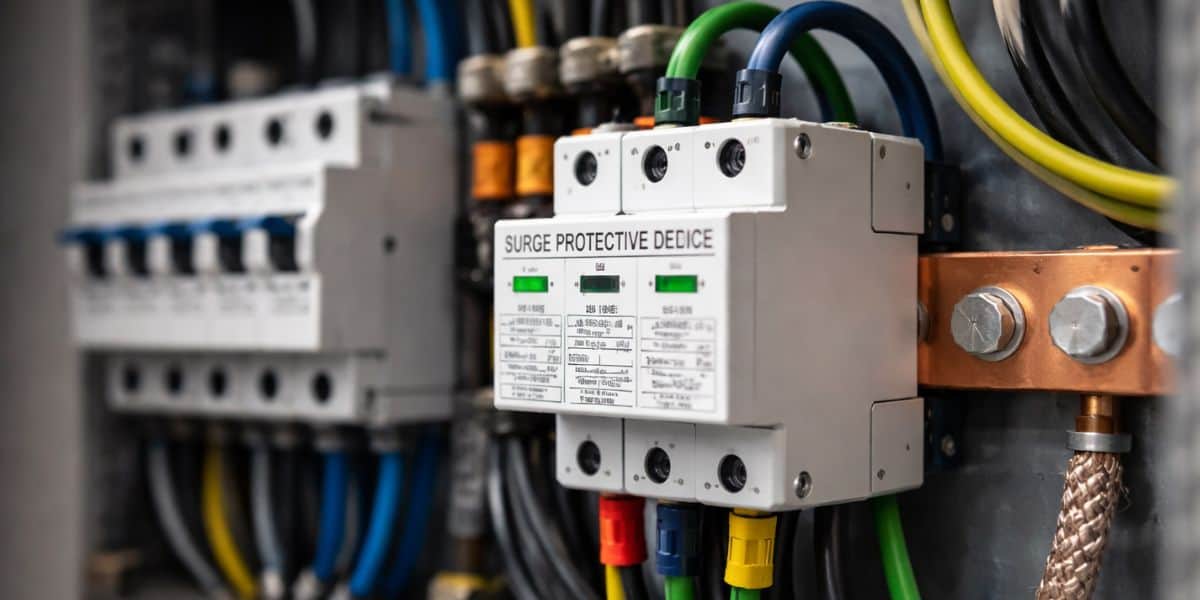
เมื่อเลือกอุปกรณ์ป้องกันไฟกระชาก พารามิเตอร์สามตัวจะกำหนดประสิทธิภาพที่แท้จริง: ระดับจูล ระดับการป้องกันแรงดันไฟฟ้า (แรงดันการหนีบ) และการปฏิบัติตาม UL 1449 Joules อธิบายว่าอุปกรณ์สามารถดูดซับพลังงานไฟกระชากได้มากเพียงใดเมื่อเวลาผ่านไป แรงดันการหนีบกำหนดว่าแรงดันไฟฟ้าจะเพิ่มขึ้นได้อย่างไรระหว่างที่ไฟกระชาก UL 1449 ตรวจสอบว่าสิ่งเหล่านี้...
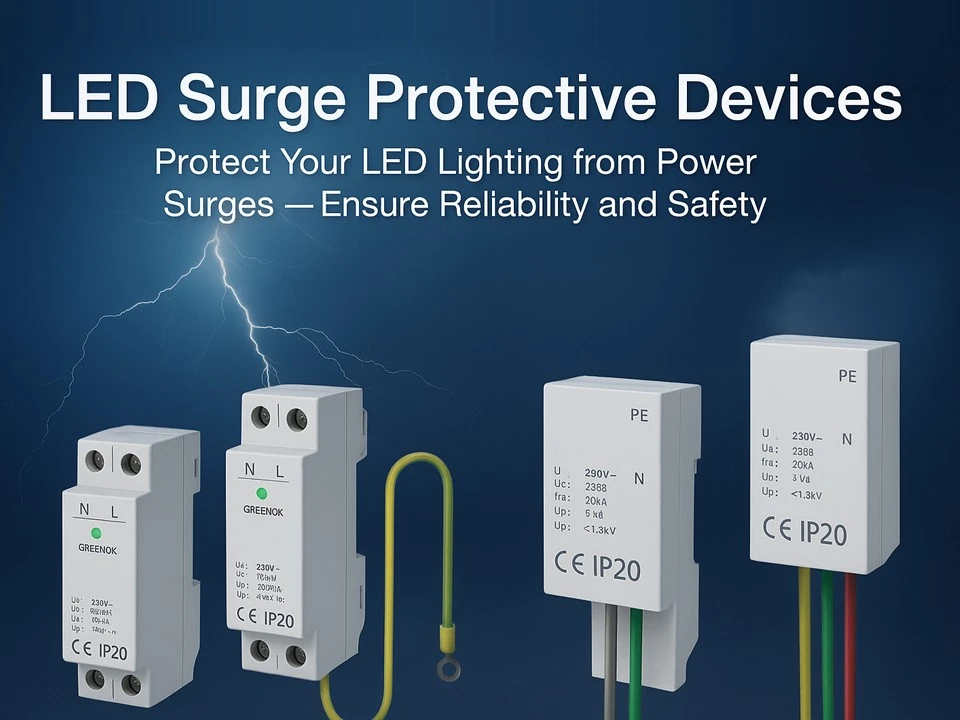
คุณเคยสงสัยหรือไม่ว่าทำไมบางครั้งไฟ LED ของคุณจึงล้มเหลวเร็วกว่าที่คาดไว้มาก แม้ว่าไฟ LED ของคุณจะมีอายุการใช้งาน 30,000 หรือ 50,000 ชั่วโมง? หรือเหตุใดไฟถนนหรือระบบไฟหน้ารถจึงมืดลงหลังจากพายุฝนฟ้าคะนอง? ความจริงก็คือ เทคโนโลยี LED มีประสิทธิภาพสูง แต่ก็มีความไวต่อไฟกระชากมากเช่นกัน แม้แต่ไฟฟ้าสั้น...
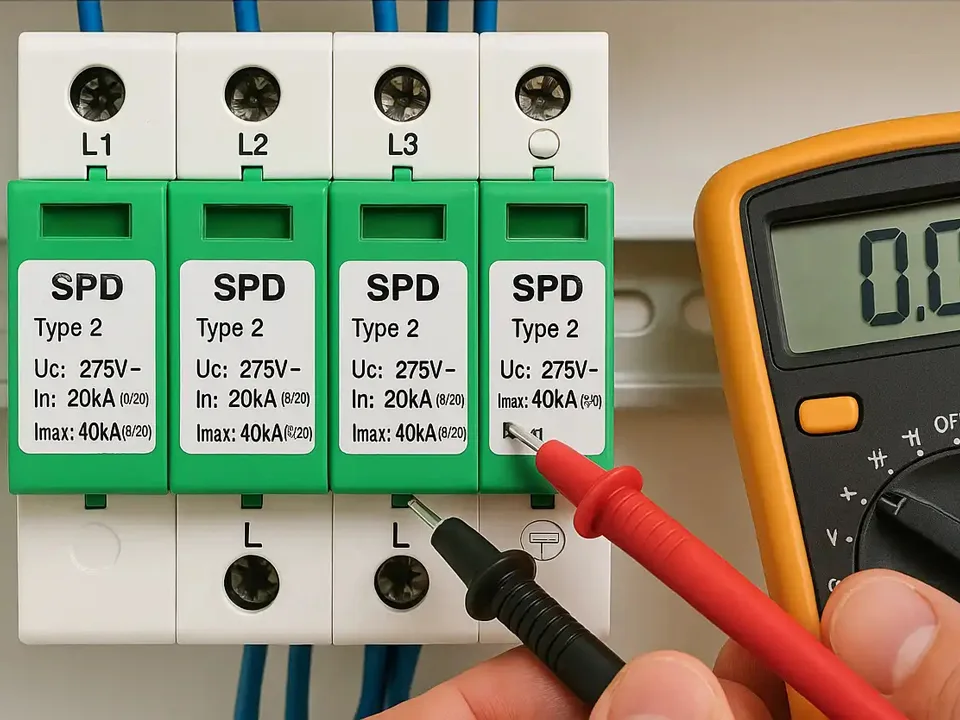
ระหว่างการทำงาน แรงดันไฟฟ้าสูงในทันที (ไฟกระชาก) ในแหล่งจ่ายไฟแบบสวิตชิ่ง LED ทำหน้าที่เหมือน "ตัวลอบกระแส" ที่มองไม่เห็นซึ่งอาจเกิดขึ้นอย่างกะทันหันจากฟ้าผ่า สวิตช์กริด สตาร์ท/หยุดมอเตอร์ และการทำงานที่คล้ายคลึงกัน แม้ว่าคลื่นเหล่านี้จะใช้เวลาเพียงเสี้ยววินาที (โดยทั่วไปคือมิลลิวินาทีถึงไมโครวินาที) แรงดันไฟฟ้าสูงสุดของพวกมัน...
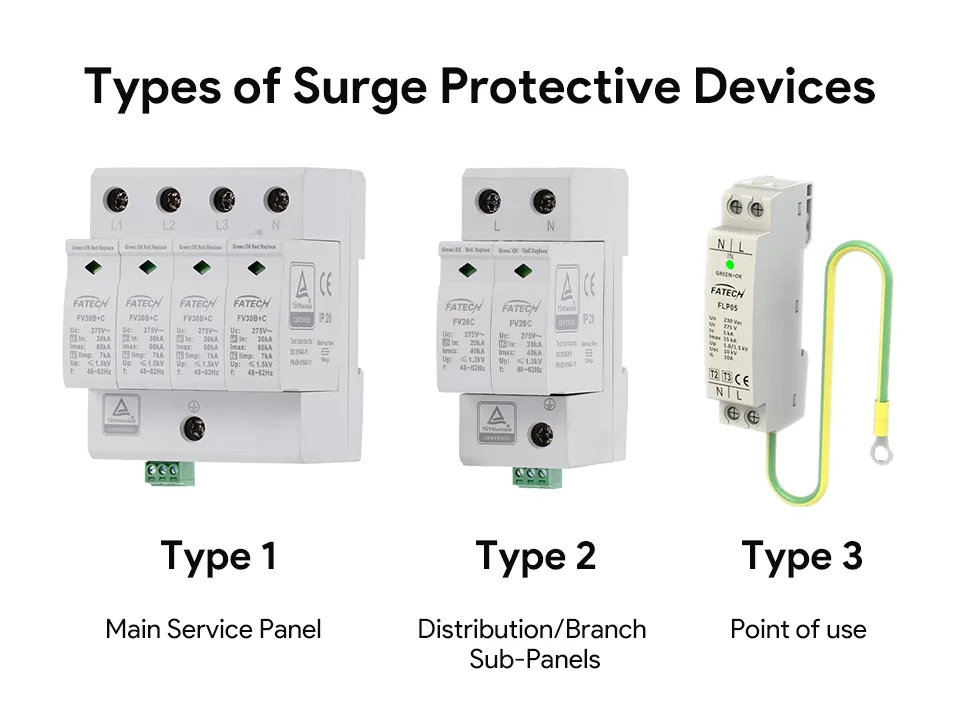
ในโลกที่มีไฟฟ้าใช้ไฟฟ้าสูงและแปลงเป็นดิจิทัลในปัจจุบัน สังคมของเราอาศัยอุปกรณ์อิเล็กทรอนิกส์ที่เปราะบาง ตั้งแต่สมาร์ททีวีและคอมพิวเตอร์ในบ้าน ไปจนถึงชุดควบคุมที่แม่นยำในสภาพแวดล้อมทางอุตสาหกรรม ทว่าภัยคุกคามที่มองไม่เห็นแฝงตัวอยู่ในโครงข่ายไฟฟ้า: กระแสไฟฟ้ากระชาก สิ่งเหล่านี้สามารถสร้างความเสียหายมหาศาลได้ภายในล้านของวินาที อุปกรณ์ป้องกันไฟกระชาก (SPD)...
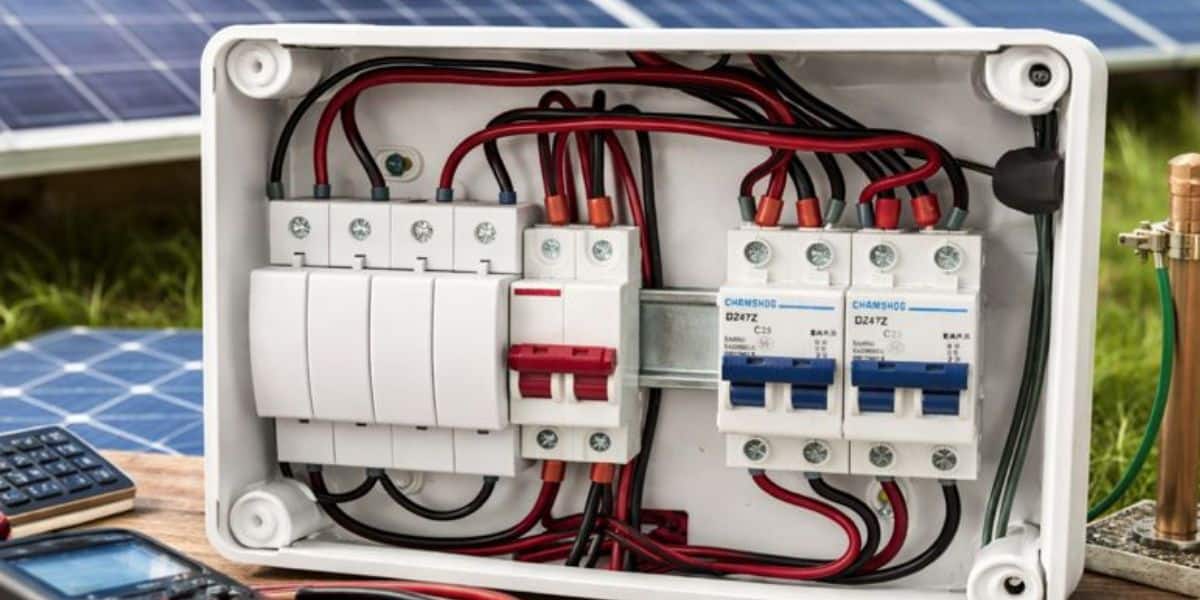
สำหรับการติดตั้งแผงโซลาร์เซลล์ส่วนใหญ่ วิธีที่ดีที่สุดคือการป้องกันไฟกระชากแบบประสานกัน: DC SPD ที่อาร์เรย์ PV หรืออินพุต DC อินเวอร์เตอร์, AC SPD ที่แผงเอาท์พุทหรือการกระจายอินเวอร์เตอร์ และ SPD ประเภท 2 เป็นเลเยอร์การป้องกันหลัก อุปกรณ์ประเภท 3 ใช้เฉพาะใกล้กับจุดสิ้นสุดที่ละเอียดอ่อนเท่านั้น ซึ่งหมายความว่าไม่มีอุปกรณ์ป้องกันไฟกระชากที่ "ดีที่สุด" เพียงเครื่องเดียว...
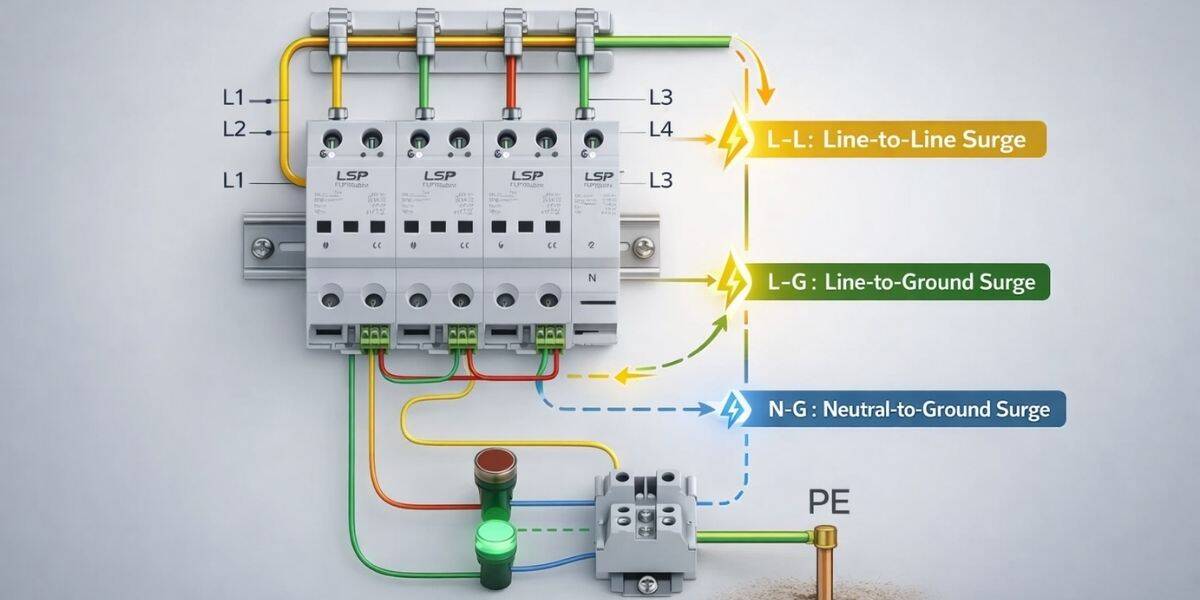
ความแตกต่างที่สำคัญคือขอบเขตและการติดตั้ง: SPDS ปกป้องระบบไฟฟ้าที่ระดับแผง (รวมถึงโหมดไฟกระชาก 3 เฟสที่สำคัญ เช่น L–L และ L–G) ในขณะที่ตัวป้องกันไฟกระชากปกป้องอุปกรณ์หนึ่งเครื่องที่จุดสิ้นสุด ในระบบ 3 เฟส อุปกรณ์ป้องกันไฟกระชาก (SPD) มักจะเป็นอุปกรณ์แบบเดินสายและติดตั้งบนแผงควบคุมที่ติดตั้งที่ทางเข้าหรือจำหน่าย...

สำหรับแผงอุตสาหกรรมสามเฟสส่วนใหญ่ ตัวเลือกที่ดีที่สุดคืออุปกรณ์ป้องกันไฟกระชากแบบที่ 2 ที่ติดตั้งที่แผง (ระดับการกระจาย) ซึ่งประสานงานกับการป้องกันต้นน้ำและการต่อสายดินที่ดี หน่วย Type 1 กลายเป็นตัวเลือกที่ดีกว่าที่ทางเข้าบริการเมื่อการเปิดรับสัญญาณไฟกระชากขาเข้าสูง ในขณะที่อุปกรณ์ประเภท 3 ส่วนใหญ่มีไว้สำหรับจุดสิ้นสุดที่ละเอียดอ่อน...