Русский
  English
  简体中文
简体中文  Deutsch
  Español
  Français
  Italiano
  日本語
日本語  한국어
한국어  Polski
  Português
  Türkçe
  Nederlands
  Tiếng Việt
  ไทย
ไทย 
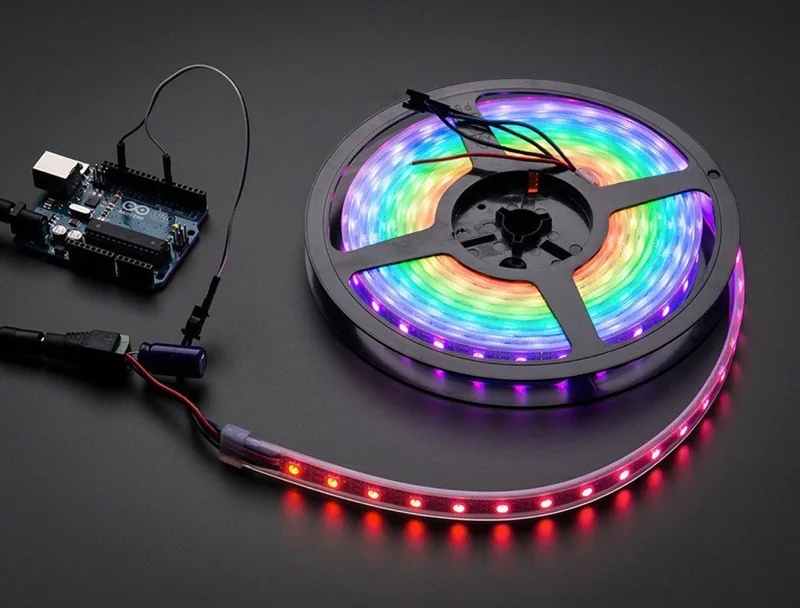
Светодиодные ленты стали популярным выбором для отделки и освещения благодаря своей энергоэффективности, гибкости и податливости, а также разнообразным сценариям применения. Однако многие люди могут спросить: «Может ли светодиодные ленты работать правильно без штекера?» Фактически, при правильном методе установки и энергетическом решении вполне возможно установить...
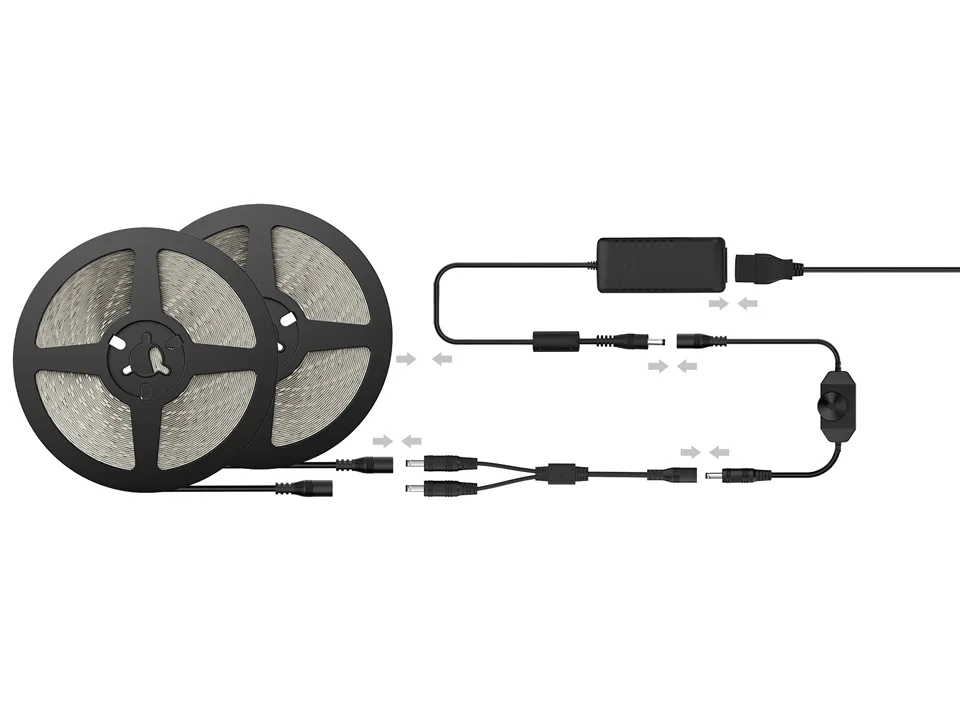
Светодиодные ленты 12 В — это простой и доступный способ добавить акцентное освещение в ваше пространство. Эти гибкие полосы, также известные как светодиодные ленты, легко устанавливаются на многих поверхностях. Они выделяют мягкий, гладкий свет и безопасны для использования на небольших участках. Низкая мощность 12 В постоянного тока делает их энергосберегающими и помогает поддерживать прохладу света. Многие ими пользуются...
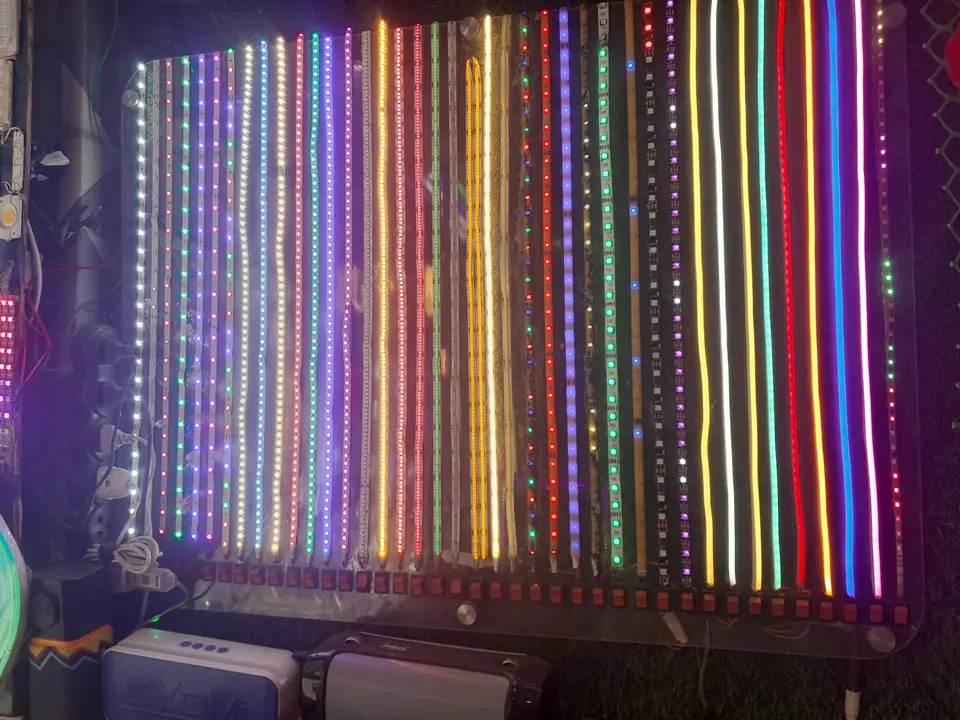
Цель тестирования и экспериментальной среды Описание Назначение теста: При увеличении количества светодиодных лент и повышении ценовой конкуренции большинство чипов 2835 в текущем рынке светодиодные ленты составляют 0,2 Вт. Некоторые клиенты для цветных светодиодных лент могут выбрать чипы 0,1 Вт, чтобы снизить затраты при приемлемой яркости. Этот тест сравнивает 0,1 Вт и 0,2 Вт...
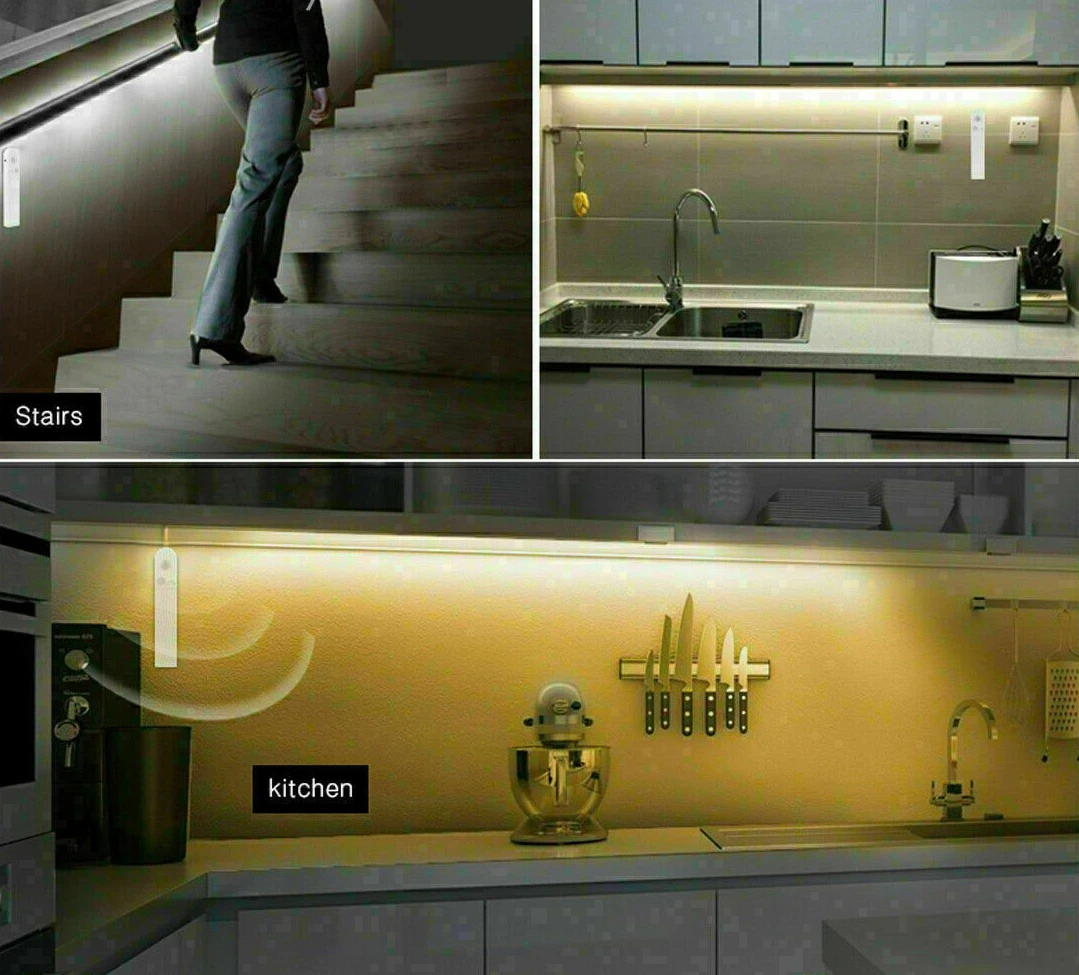
Дизайн освещения вышел за рамки традиционных плагинов, охватывая инновации, которые соответствуют современным стилям жизни. Светодиодные ленты с батарейным питанием предлагают уникальное сочетание гибкости и независимости, что позволяет создавать креативные световые решения без необходимости фиксированной проводки. Этот сдвиг открывает новые возможности для улучшения атмосферы в помещении и на открытом воздухе...
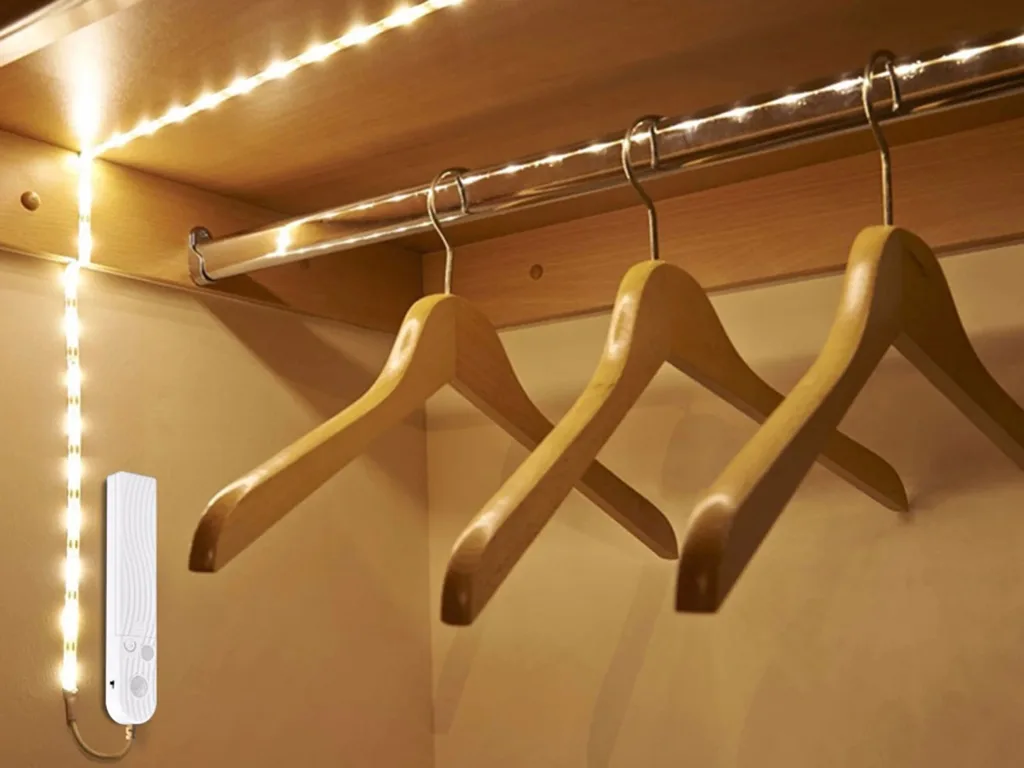
Светодиодные ленты - это гибкий и универсальный светильник, который доступен в различных размерах, формах, цветах и стилях. Многие светодиодные светильники не подключаются напрямую к мощности 220 В и требуют электричества для преобразования и освещения. Ну что, нужно осветить пространство, в котором нет выхода? Будь то уютный уголок, открытый уют...
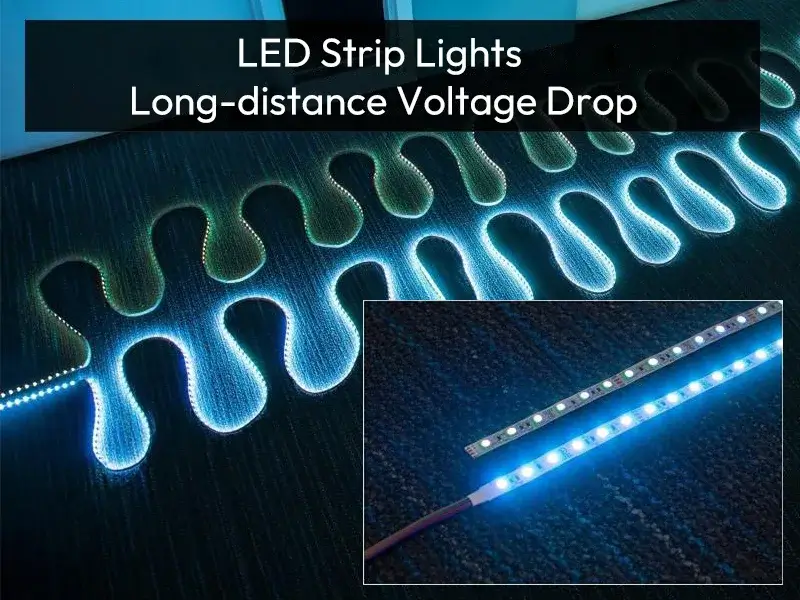
В дальних световых установках светодиодные ленты основная проблема, вызывающая неравномерность яркости и сокращение срока службы. Поскольку ток в низковольтных светодиодных лентах (12 В/24 В) уменьшается с увеличением расстояния, потери напряжения из-за сопротивления проволоке значительно влияют на характеристики освещения в дальнем конце. Без вмешательства падение напряжения может вызвать...
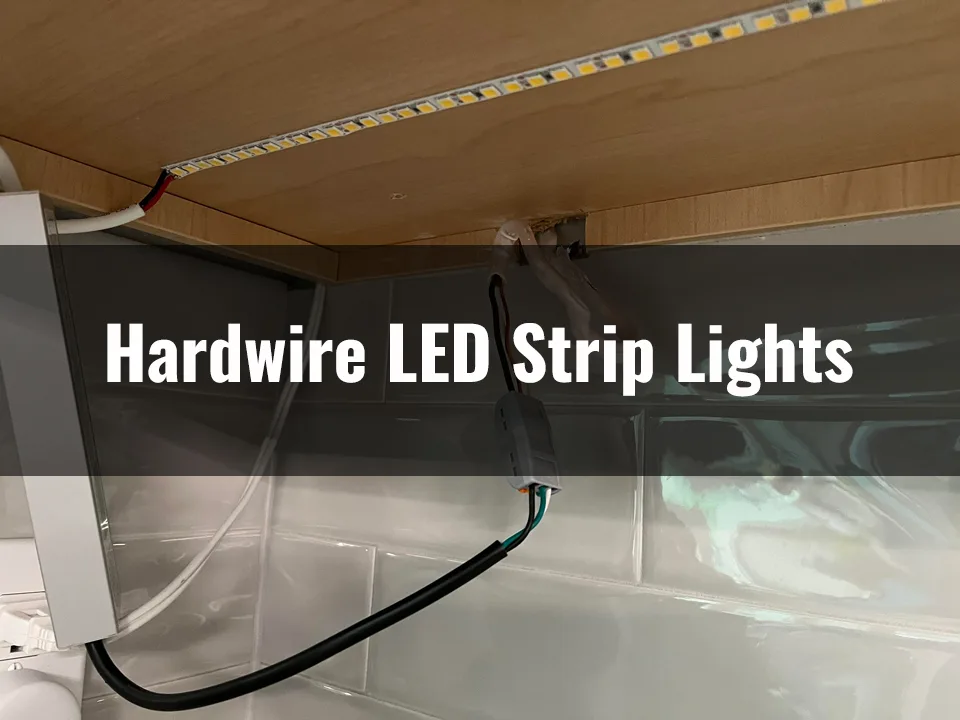
В последние годы светодиодное освещение полосы стало все более популярным благодаря своей энергоэффективности, универсальности и длительной продолжительности жизни. Светодиодные ленты могут использоваться в самых разных приложениях, от тренировочного освещения до акцентного освещения и доступны в широком диапазоне различных цветов и уровней яркости. В общем, светодиодные ленты имеют множество применений...
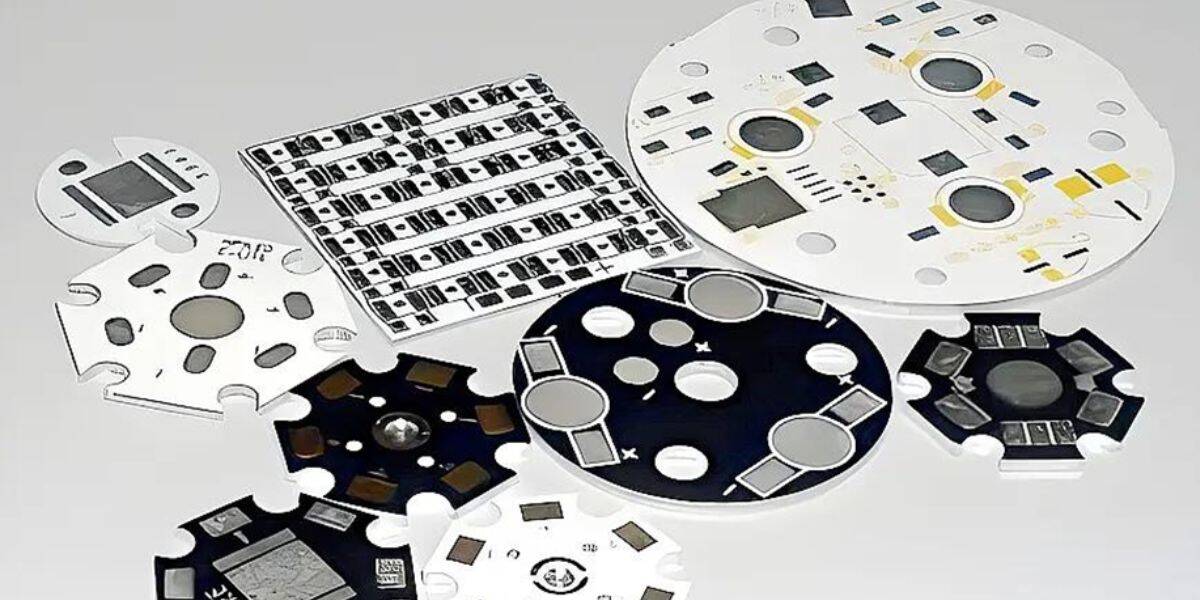
По мере того, как светодиодная технология продолжает развиваться, светодиоды PCB высокой мощности теперь широко используются в нескольких приложениях. Он используется в промышленном освещении, автомобильных фарах, уличных фонарях, освещении стадиона и торговых светильниках. Эти светодиоды обеспечивают превосходную яркость, энергоэффективность и долговечность по сравнению с традиционными источниками света. они тоже...
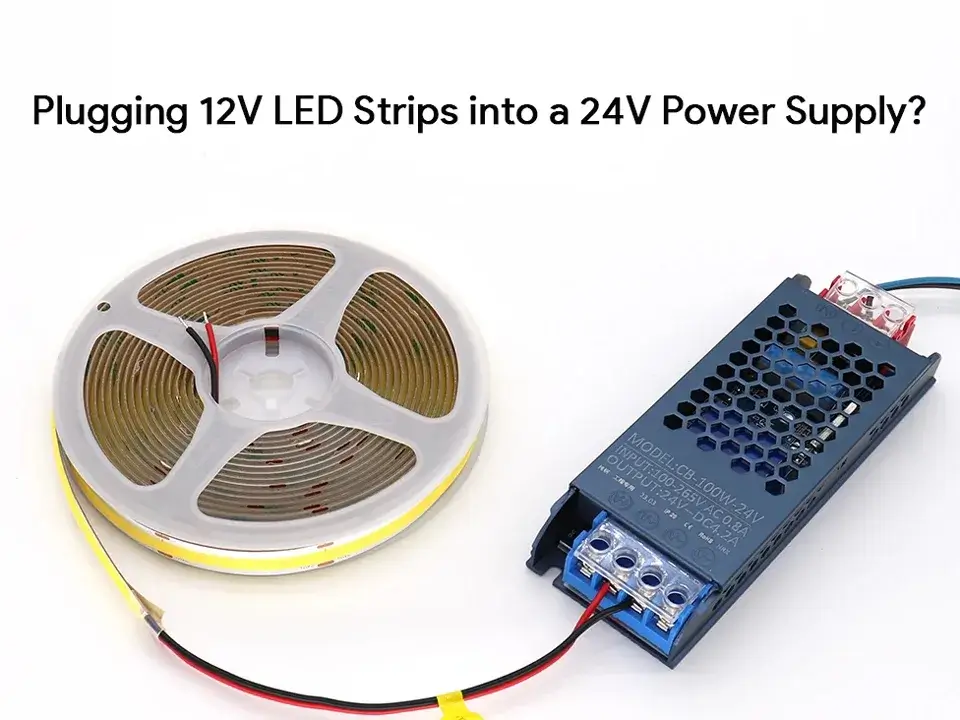
В реальных проектах освещения, строительных площадках модели или на месте установки нередко 12 В светодиодные ленты подключаются к источнику питания 24 В из-за несогласованных конфигураций питания. Хотя это может показаться простым «несоответствием напряжения», это может привести к серьезным проблемам, таким как сгоревшие светодиоды, перегрев и курение, отказ продукта и...
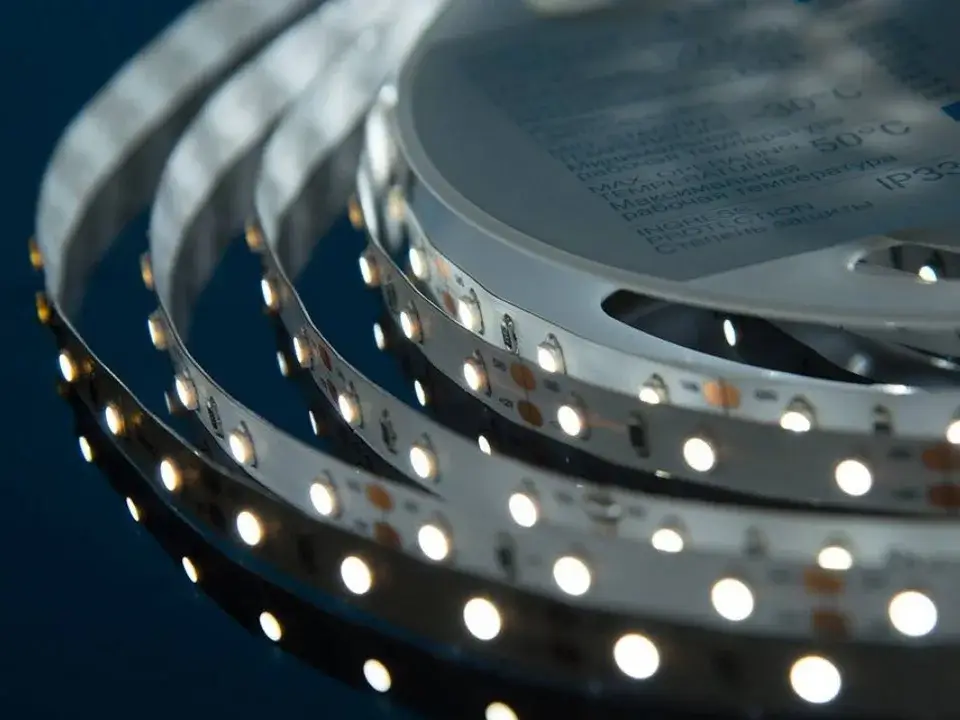
Благодаря своей универсальности и высокой эффективности светодиодные ленты на широкую популярность получили широкое распространение в сценариях жилых, коммерческих и промышленных светофоров. От освещения к внешнему виду до высокоцветного индекса цветопередачи (CRI) они стали популярным выбором среди дизайнеров и инженеров. Однако в практической эксплуатации, несмотря на многочисленные...
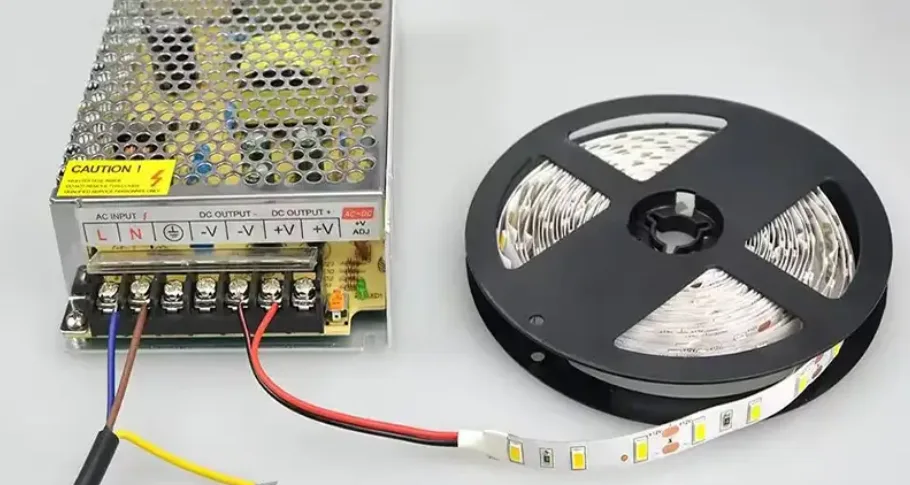
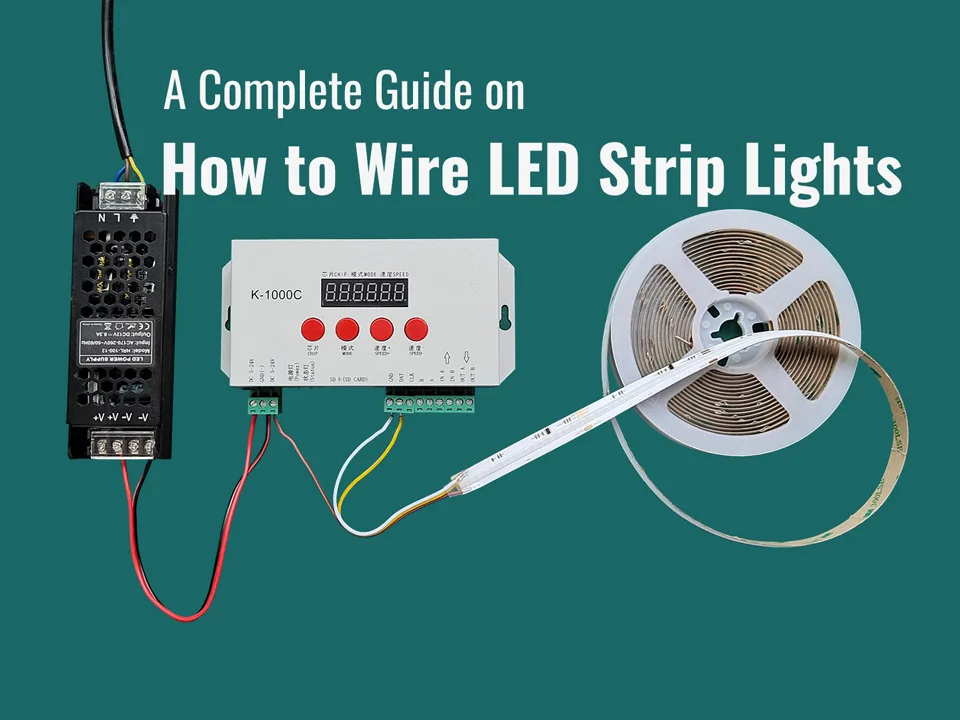
Светодиодные ленты становятся все более популярными как для декоративного, так и для функционального освещения благодаря своей гибкости, энергоэффективности и простоте установки. Однако, чтобы запустить их в работу, важно знать, как правильно подключить их к источнику питания. Являетесь ли вы энтузиастом DIY или новичком в светодиодном освещении, понимаете...
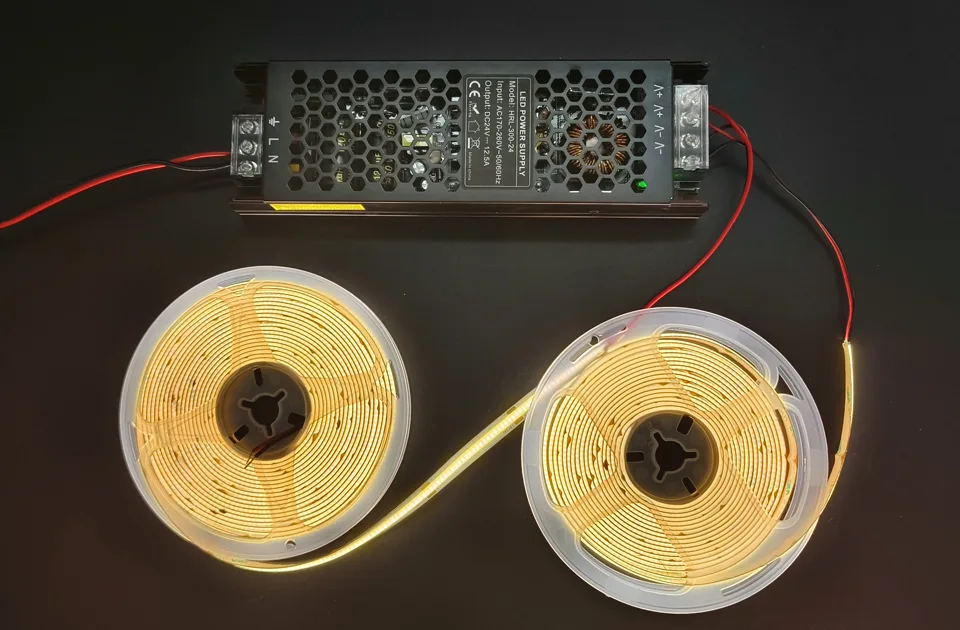
При первом столкновении со светодиодными лентами и ожидании их правильной работы, ключевым шагом является определение того, как обеспечить соответствующую входную мощность для правильной освещенности светодиодной ленты. Поскольку светодиодные ленты и светодиодные источники питания покупаются из разных источников, есть различия в их установке. В этой статье подробно описаны...
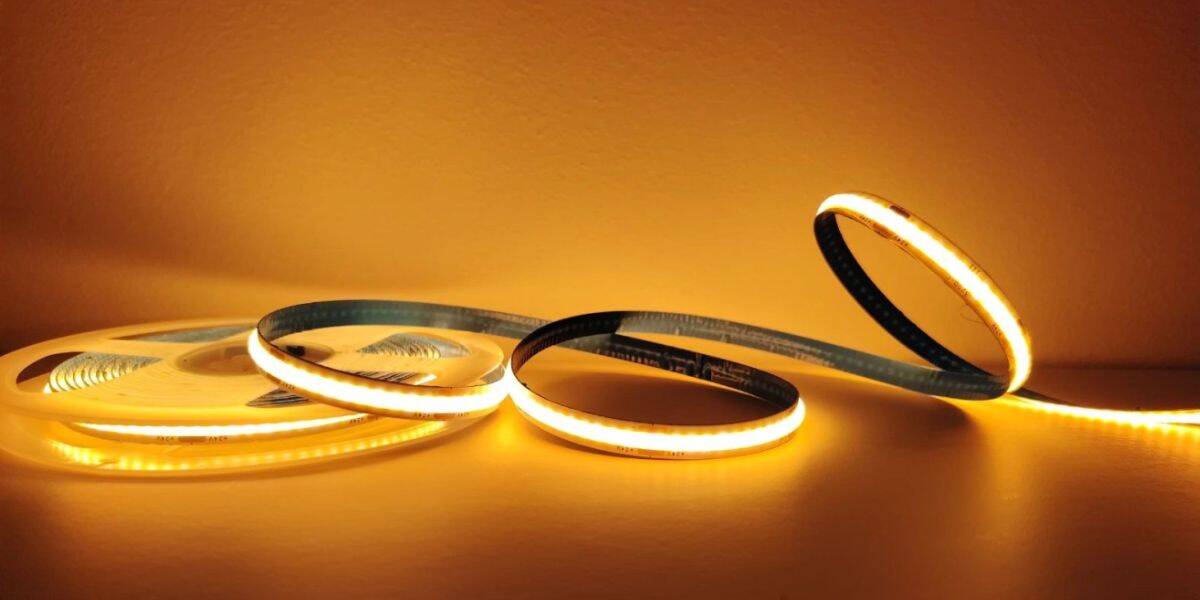
Светодиодные ленты 24 В представляют собой светодиодные ленты постоянного напряжения, предназначенные для работы на номинальном постоянном токе 24 В, обычно питаются от внешних светодиодных драйверов, которые регулируют напряжение, а не ток. По сравнению с системами с низким напряжением с низким напряжением, такими как светодиодные ленты 12 В или 5 В, системы 24 В обеспечивают одинаковую оптическую мощность со значительно более низкими электрическими...
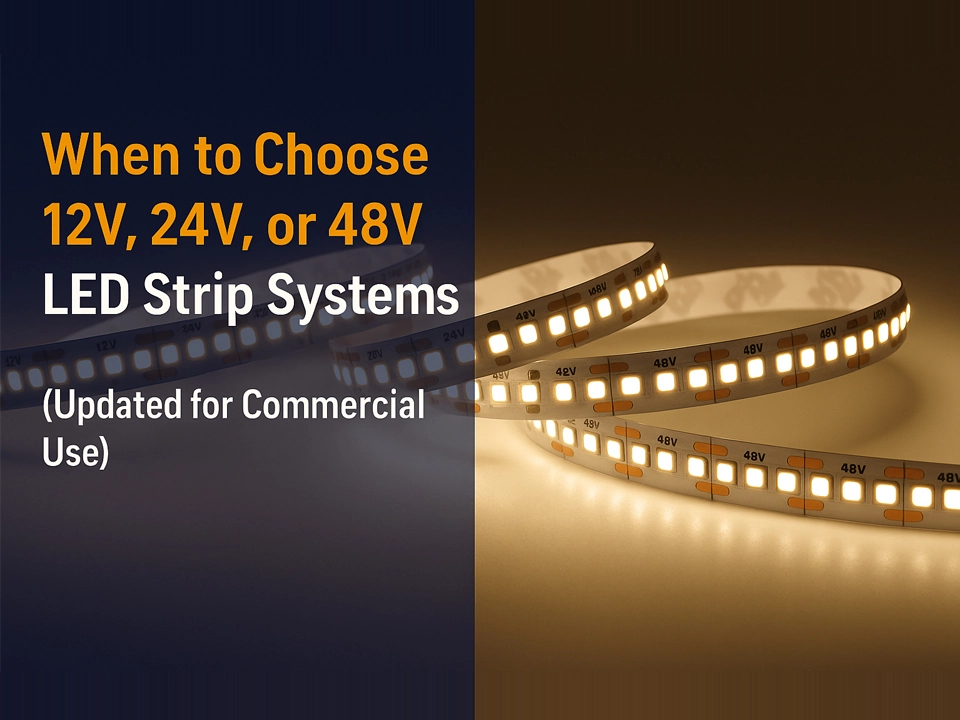
Введение В установках освещения светодиодной ленты выбор напряжения часто недооценивается, но он напрямую влияет на согласованность яркости, энергоэффективность и долгосрочные затраты на техническое обслуживание. Многие инсталляторы сталкивались с разочаровывающими ситуациями: светодиодные полосы затемняются в середине пробега, или частое питание, необходимое после установки. В большинстве случаев...
Светодиодные ленты подходят для широкого спектра сценариев применения, которые могут быть использованы для вспомогательного освещения, декоративного освещения, рабочего освещения, освещения для выращивания растений, светодиодного освещения с длиной волны и т. д. Светодиодные ленты обеспечивают безопасность, мягкость и резку.
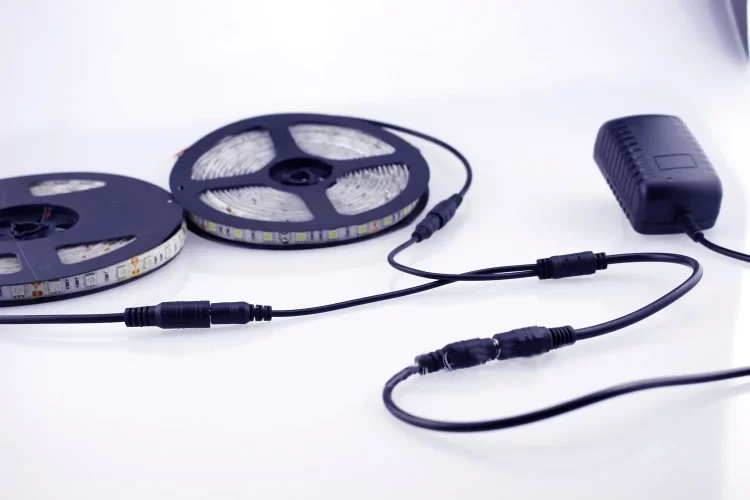
Светодиодные ленты являются одним из лучших изобретений в освещении. Вы можете использовать их для украшения ваших работ и дома, освещать столешницы на кухне и использовать их в качестве освещения лестницы или праздничного освещения крыши. Поскольку они бывают длинными полосками, их можно обрезать до нужной длины или соединить вместе для дополнительной длины. Особенно при работе с большими...
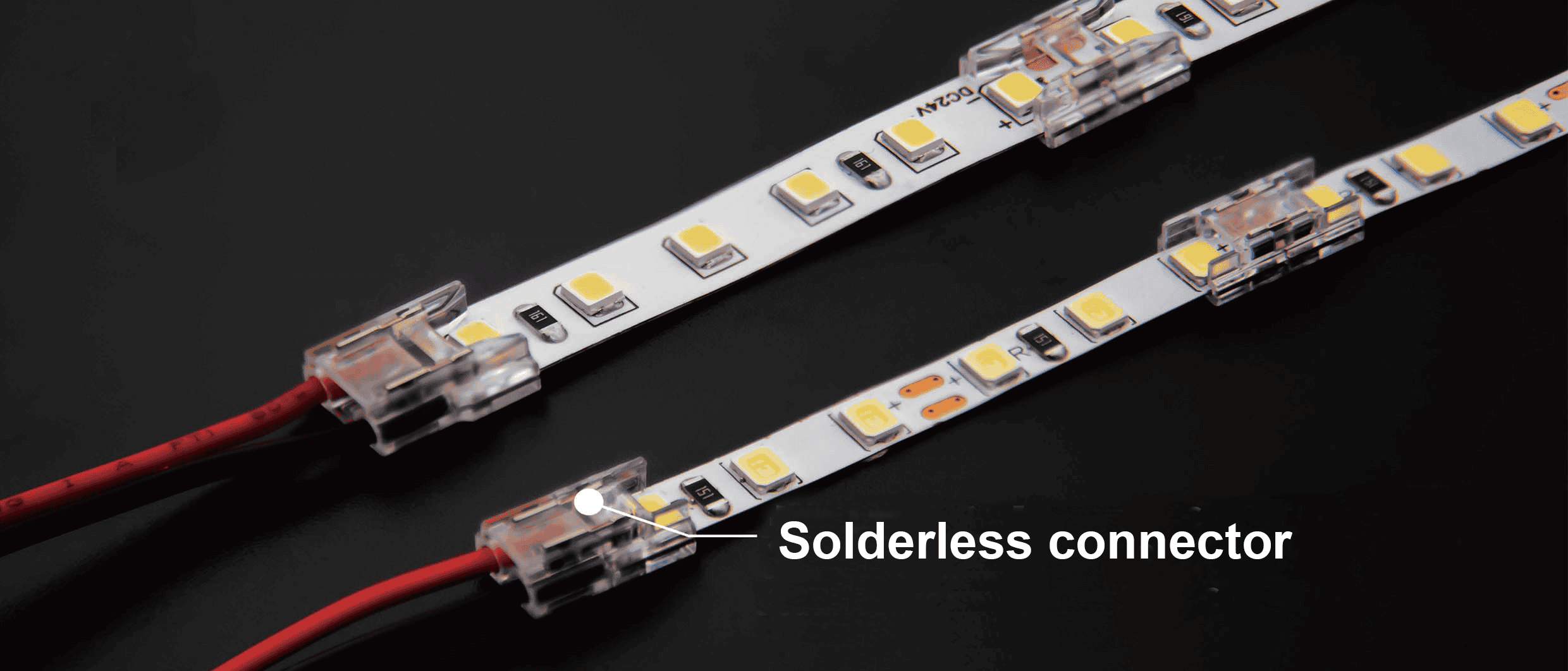
Как известно, светодиодная лента гибкая, режет, расширяемая и поддающаяся диммированию. Благодаря такому количеству функций он широко используется в различных приложениях, таких как освещение шкафа, освещение вывесок, линейное освещение, DIY для украшения дома и т. д. Обычно его необходимо вырезать или израсходовать, чтобы он соответствовал вашим потребностям, так как он составляет 5 метров на катушка, даже до 100 метров. Если вы...
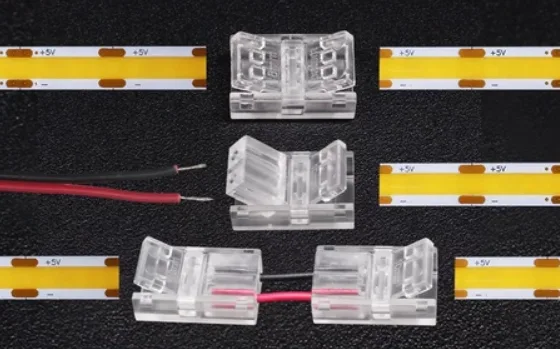
Светодиодные ленты являются обычным декоративным светильником, часто используемым для внутренней и наружной отделки. освещение и атмосфера. В помещении можно использовать для потолков. Декорирование стен, колонн, мебели и т.д., снаружи, его можно использовать для архитектуры. Мосты, рекламные щиты и другие украшения. Некоторые светодиодные ленты также могут быть отрегулированы с помощью пульта дистанционного управления...
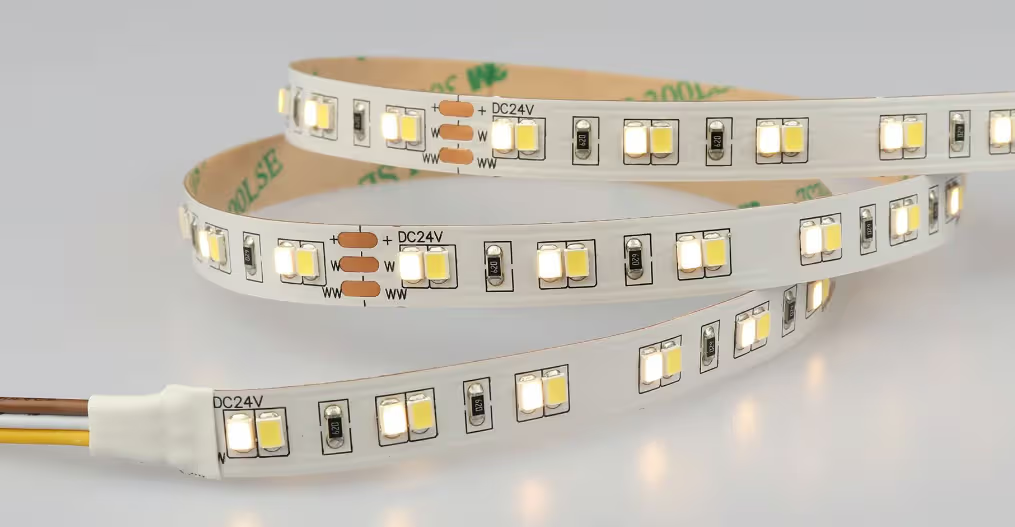
Из-за переменного цвета светодиодной ленты, диммируемого, может управлять изменением цвета, он часто используется в декоративной роли домашнего улучшения. В resent типы светодиодных лент на рынке, как правило, такие: монохромные светодиодные ленты, двухцветные светодиодные ленты, светодиодные ленты RGB… давайте поговорим о том, как эти лампы подключены и работают...
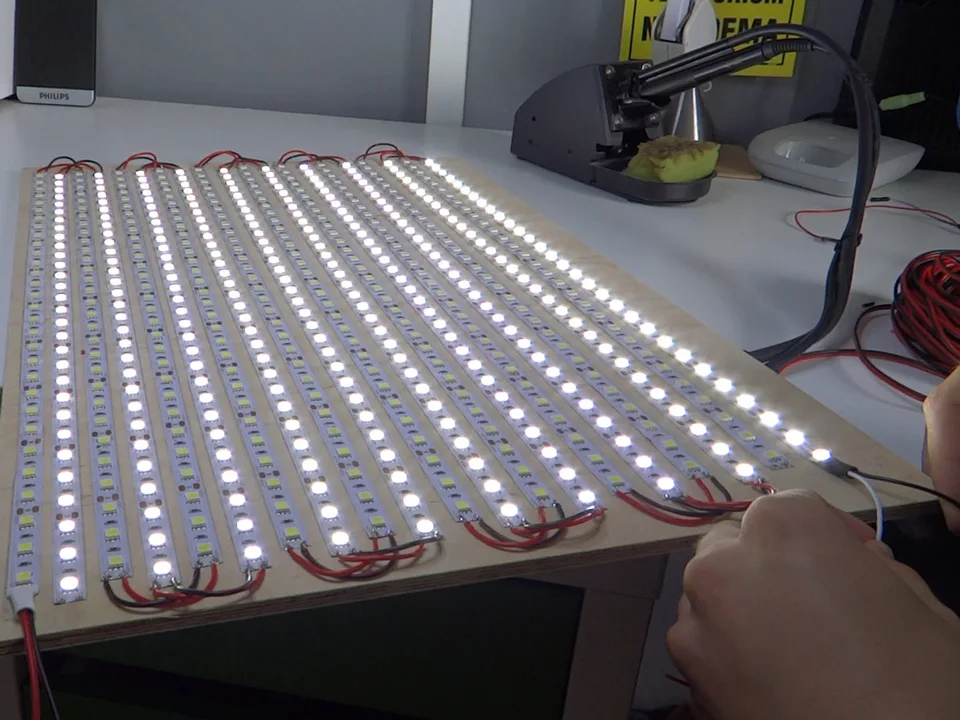
Светодиодные ленты произвели революцию в том, как мы думаем о светодиодном освещении, и эти универсальные и энергоэффективные светодиодные решения для линейного освещения подходят для различных применений. Однако, когда дело доходит до установки, один из самых распространенных вопросов — как правильно определить проводку. Если вы выберете подключение светодиодных лент, последовательно...
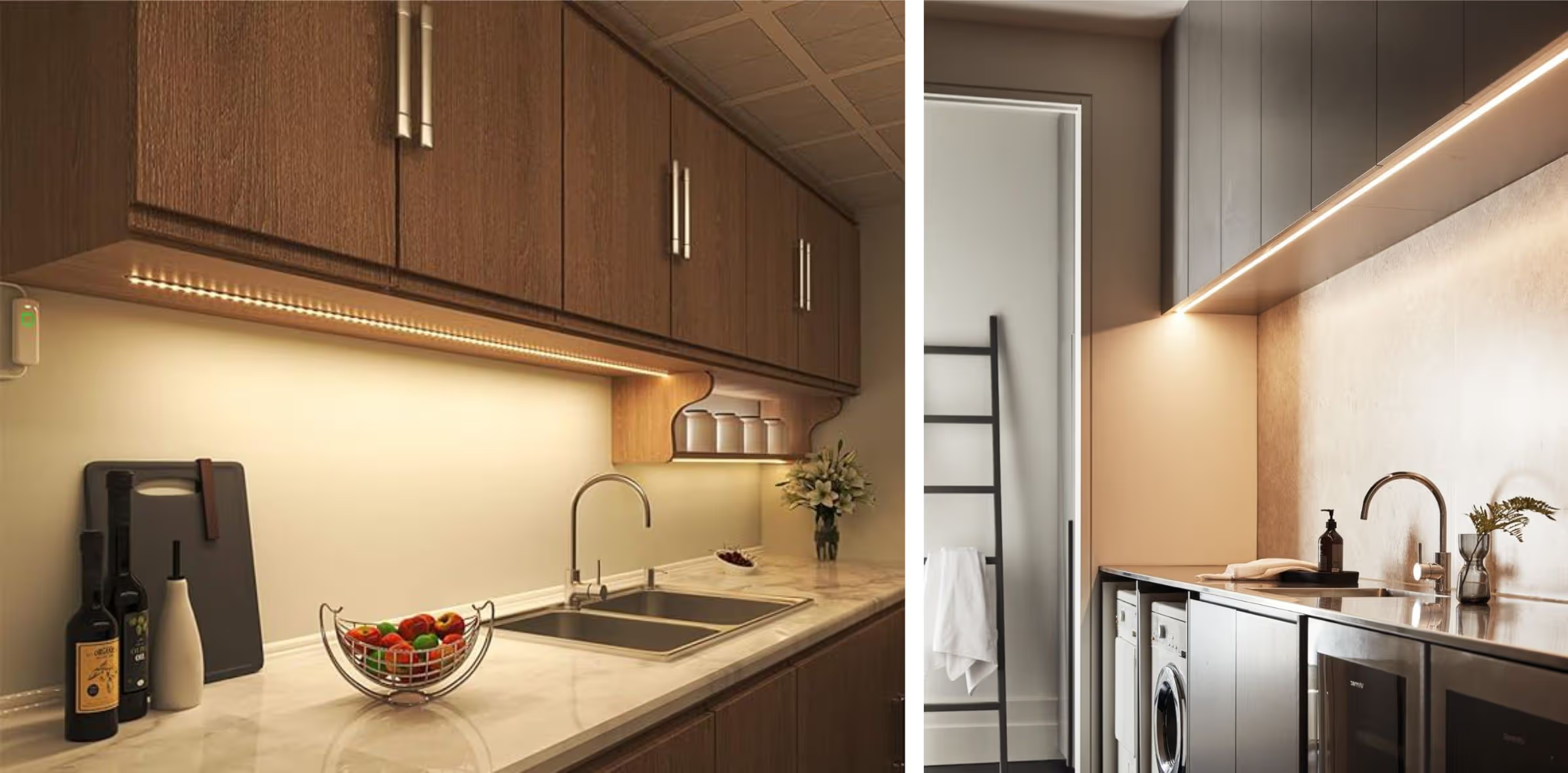
Светодиодная лента является наиболее популярным источником света, многие индивидуальные покупатели устанавливают его дома, но их ограниченный опыт может привести к несовершенной установке. Вот 7 распространенных ошибок и решений, которые помогут вам избежать их. 7 Обычные светодиодные ленты не работают, и как их избежать. Ошибка 1: Открытые светодиодные ленты LED-ленты дают резкий свет, особенно для низкой плотности чипа...
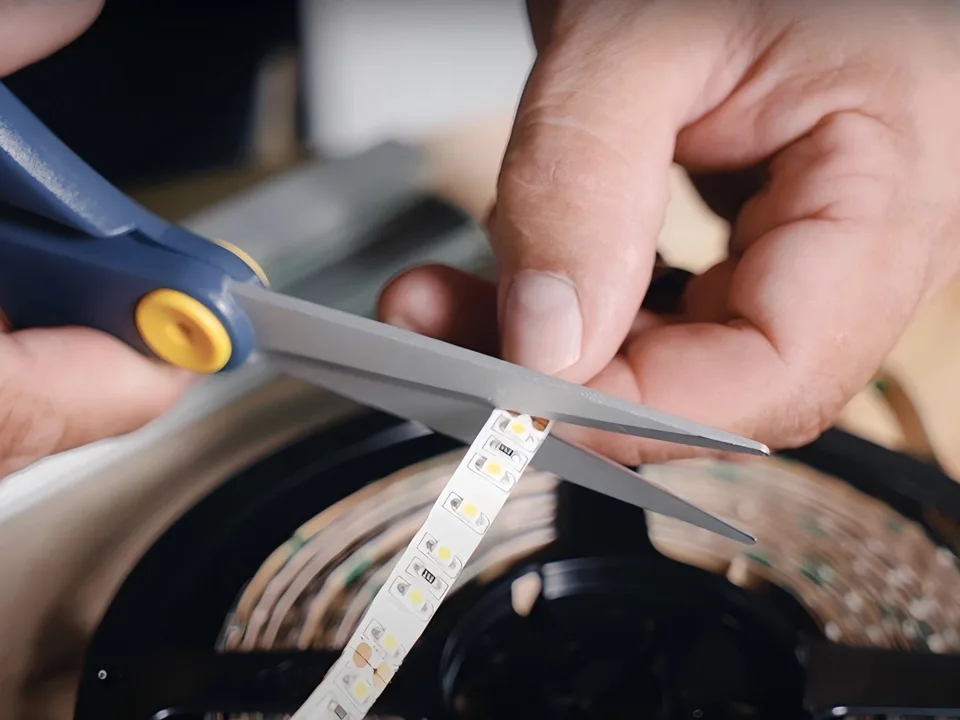
Многие клиенты также спросят: можно ли резать светодиодные ленты? Да, большинство светодиодных лент можно безопасно обрезать до индивидуальных размеров. Светодиодные ленты имеют маркированные точки среза, обычно обозначенные значком ножниц и медными площадками на печатной плате. Резка по этим отметкам не повредит цепь. Для безопасного резания светодиодных лент ленты: Выключите питание. Найдите...

Установка освещения потока с помощью светодиодной ленты с потоком воды — это практичный пошаговый процесс, когда ожидания установлены правильно с самого начала. Сама установка проста: вы планируете визуальный путь потока, готовите поверхность, надежно монтируете полосу, подключаете ее к совместимому контроллеру и источнику питания, затем тестируете и настраиваете яркость...
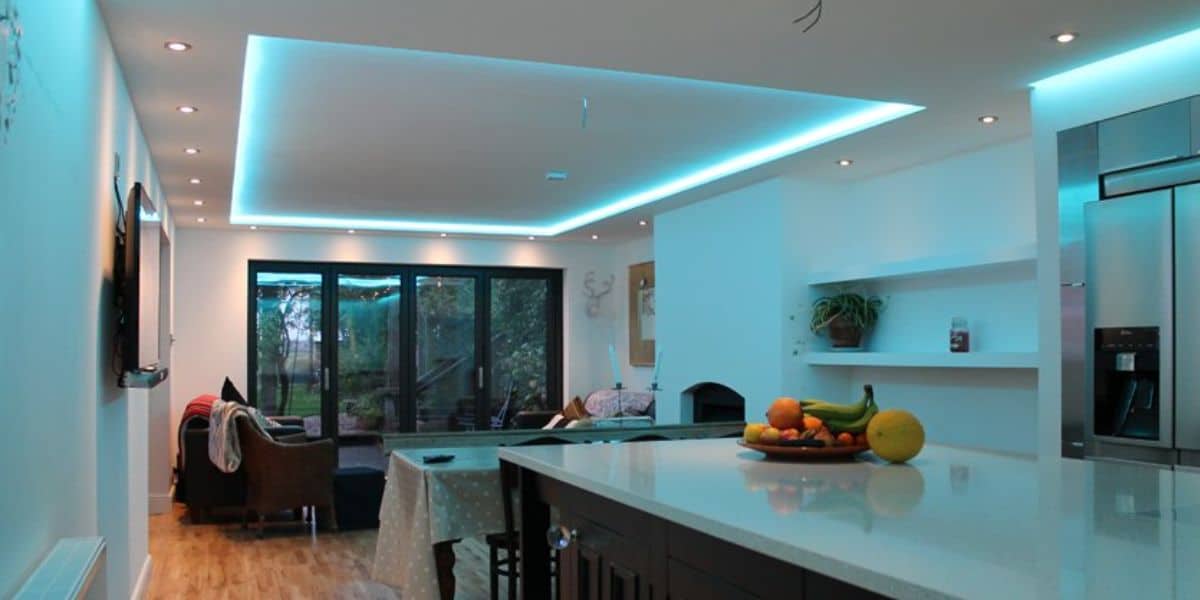
Вы можете установить в своем доме скрытые светодиодные ленты, выполнив систематический 5-этапный процесс: планирование светового эффекта, подбор правильных компонентов, подготовка и монтаж каналов светодиодной ленты, установка и подключение светодиодных лент и, наконец, добавление диффузоров и завершающих штрихов для обеспечения бесшовного скрытого свечения. Скрытый...
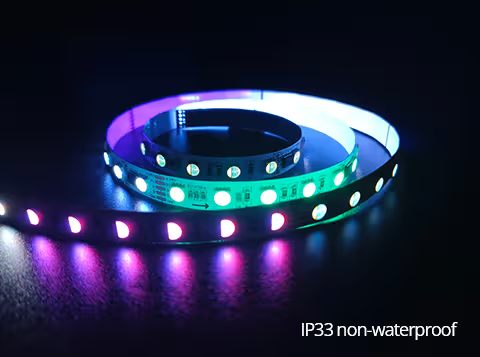
Что заставляет установленную световую полосу ослаблять? 1. Неадекватная фиксация полос: при установке светодиодных фонарей, если клей 3M остается на месте в течение длительного периода времени из-за ветра и дождя, вязкость клея уменьшается, выключая светодиодные ленты. 2. Положение и проблемы с материалом: светодиодные ленты также отключятся...
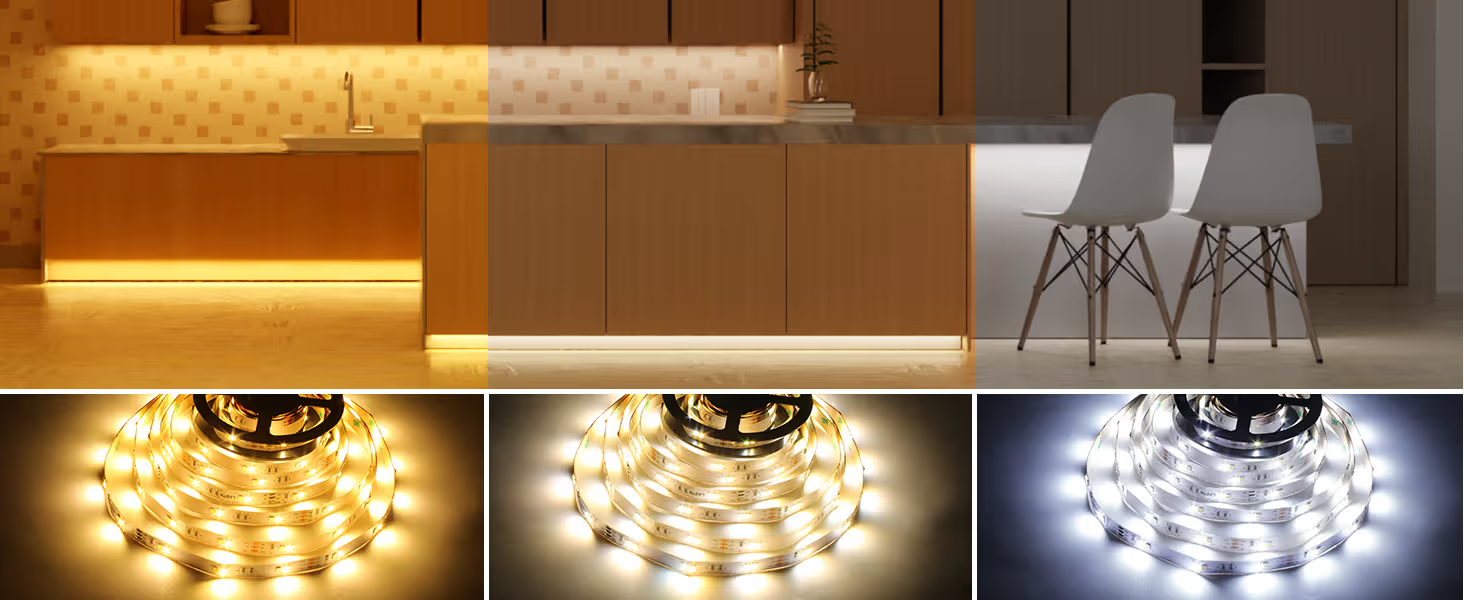
В последнее время несколько наших клиентов пришли к нам, чтобы сообщить о проблемах с некорректной резкой и лампами, которые не включаются в процессе установки. Я написал специальную страницу, чтобы помочь вам установить светодиодные светильники и решить ваши проблемы. Почему так важно правильно установить светодиодные ленты? Когда фиксатор правильно поставлен,...
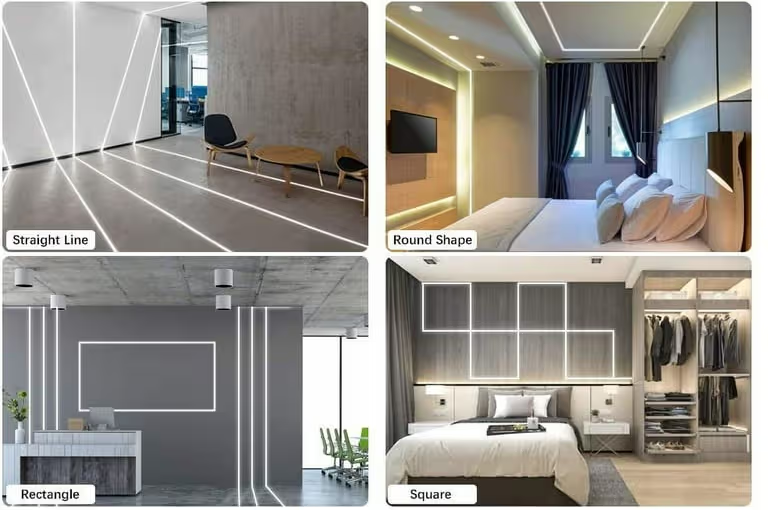
Светодиодные алюминиевые профили — отличный способ улучшить как стиль, так и функциональность вашей установки освещения. Они не только защищают и рассеивают светодиодные ленты, но и придают вашей установке полированный вид. Если вы новичок в этом, установка их может показаться немного сложной, но не волнуйтесь! Вот простое пошаговое руководство, чтобы пройти через это. шаг...
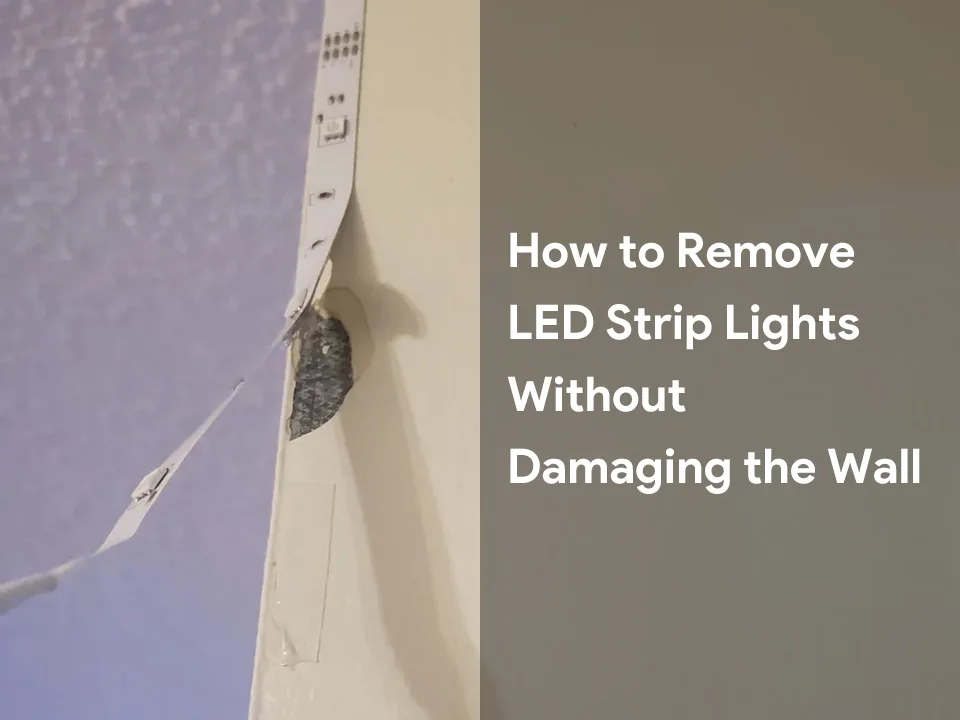
Светодиодные ленты широко используются в домашней отделке, коммерческих помещениях, проектах в гостиницах и освещении витрины благодаря легкой установке, сильной атмосфере и высокой гибкости. Однако, когда вам нужно заменить проводку, изменить компоновку освещения или переместить, как безопасно снять светодиодные ленты, не повредив стену или краску, которая станет...
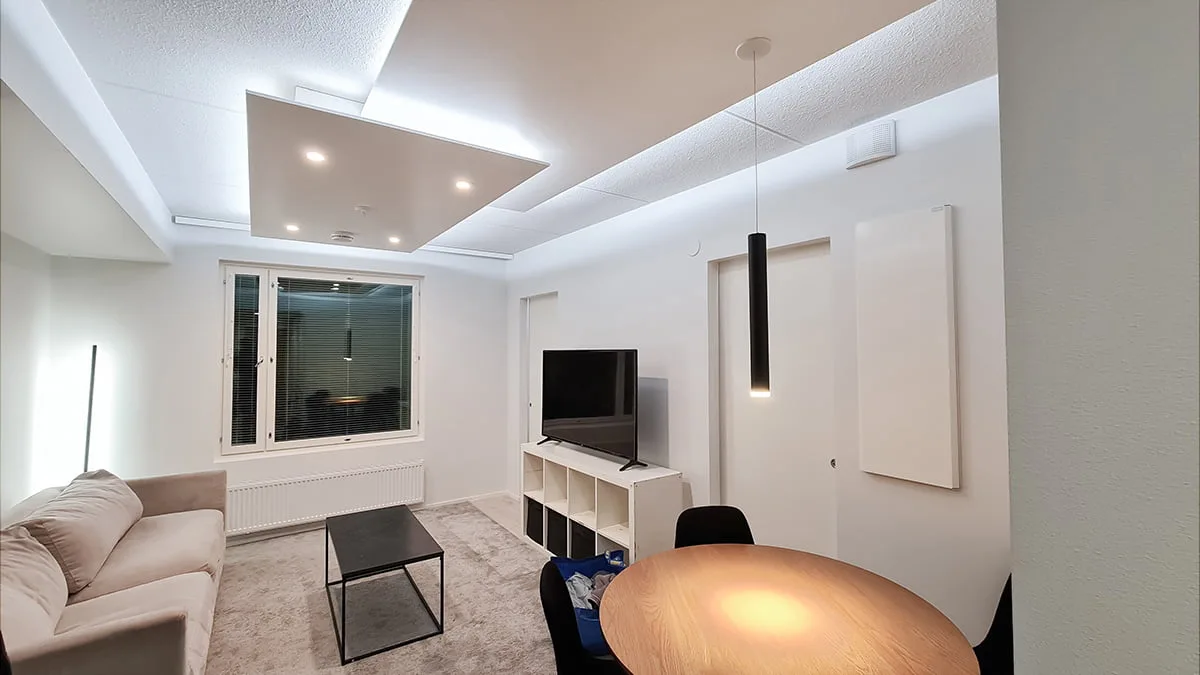
Непрямое освещение идеально подходит для архитектурных и дизайнерских проектов. Эти приспособления направлены на то, чтобы осветить пространство, не показывая сам источник света. Не светя прямо в пространство, свет отражается от стен и потолков, что приводит к мягкому и рассеянному сиянию, которое усиливает атмосферу комнаты. Это улучшает атмосферу,...
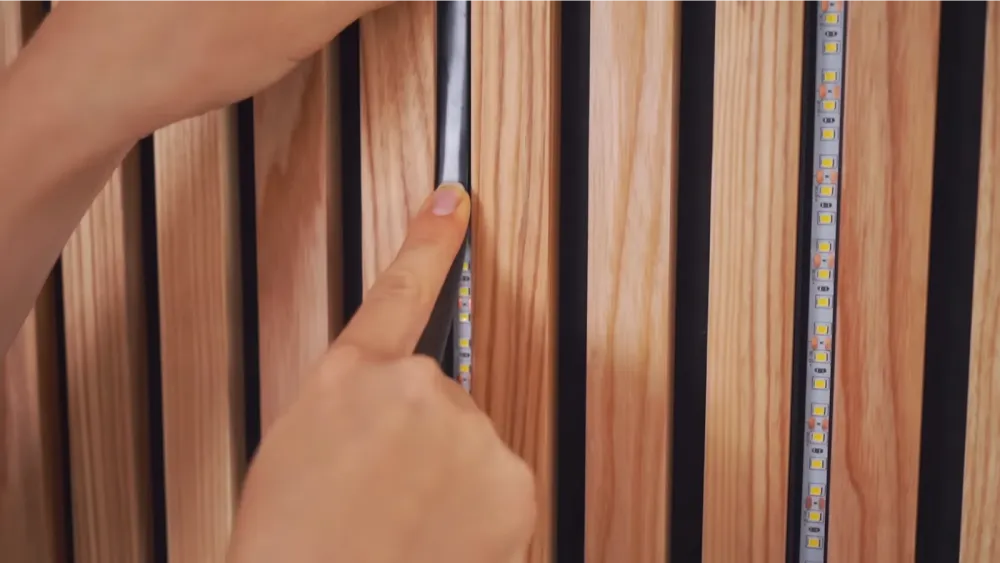
Установка светодиодных фонарей на деревянную стену — это фантастический способ улучшить атмосферу вашего пространства, добавив современное и стильное штрих. Независимо от того, предпочитаете ли вы уютное теплое свечение или яркие, красочные огни, этот проект, удобный для DIY, может быть адаптирован под ваши потребности. Вот простое пошаговое руководство, которое поможет вам начать работу! Что вам понадобится, если вы новенький в доме...
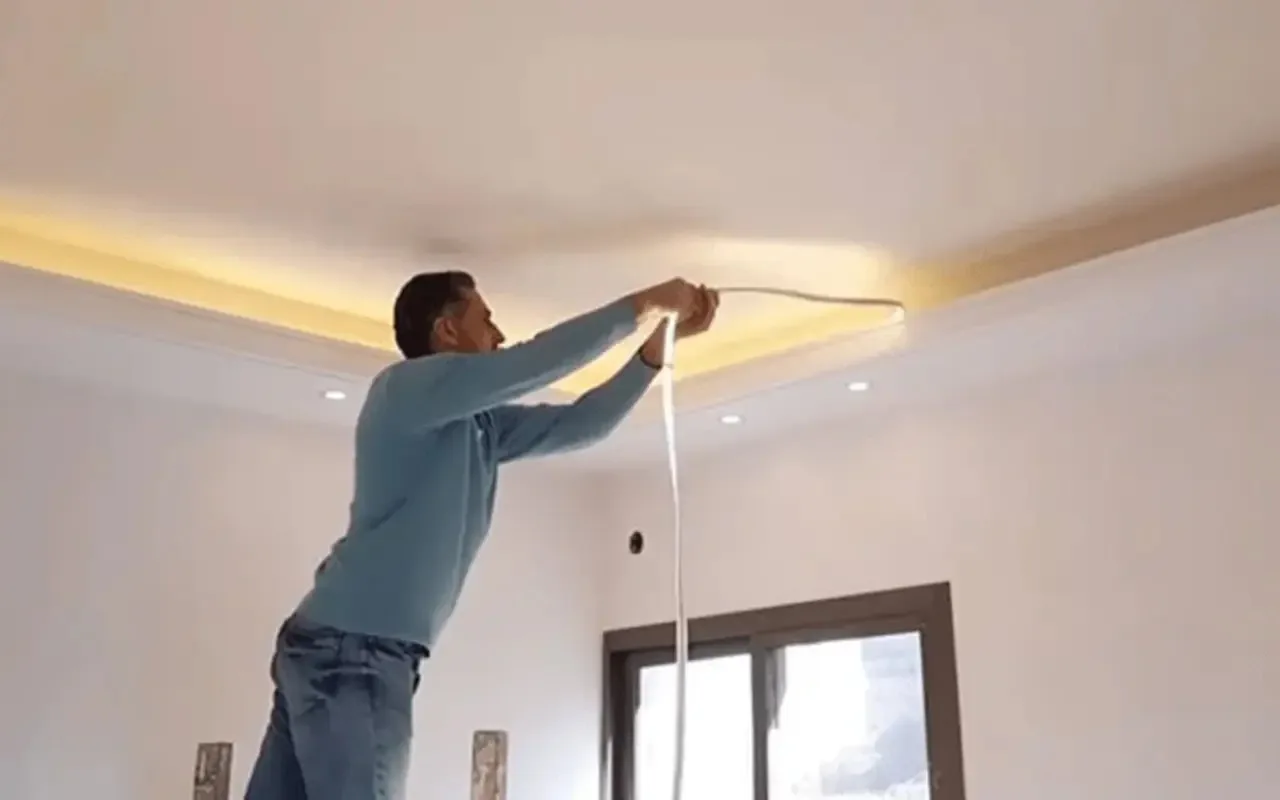
Установка светодиодных лент на потолке может преобразить комнату, улучшив ее атмосферу, обеспечивая как функциональное, так и декоративное освещение. В этом руководстве будут рассмотрены различные методы установки светодиодных лент на потолке, что поможет вам добиться профессионального вида. Мы обсудим подходящие светодиодные ленты, факторы, которые следует учитывать, такие как яркость и...
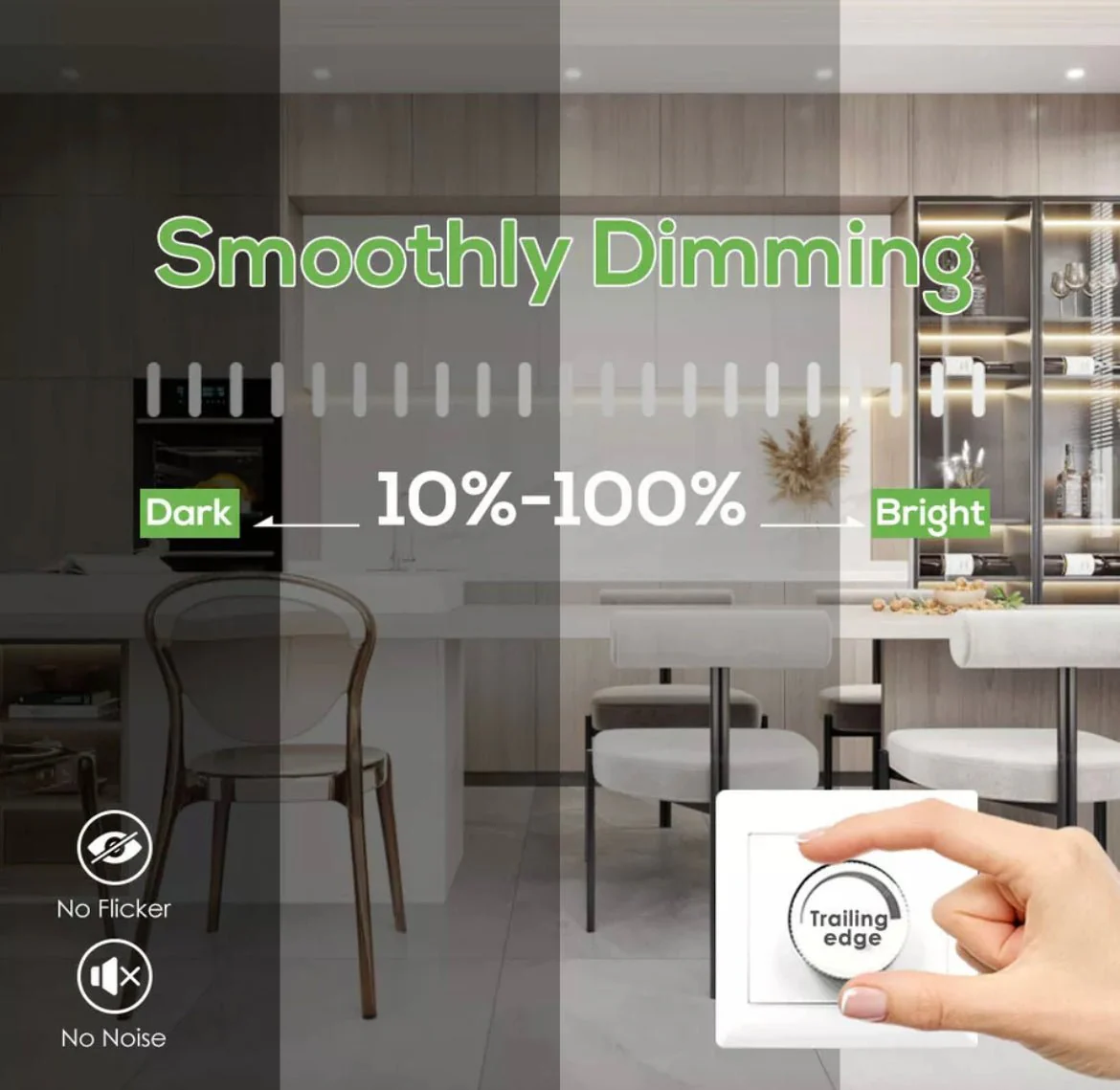
Современные системы интеллектуального освещения делают не только включение и выключение света, но и создают адаптируемую среду, повышающую комфорт, эффективность и стиль. За каждым плавным изменением яркости скрывается протокол затемнения, который тихо формирует пользовательский опыт. Среди наиболее широко используемых в коммерческих проектах - DALI и PWM, каждый из которых предлагает уникальные способы...
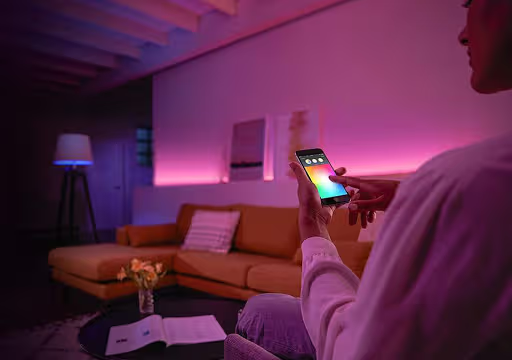
С развитием технологий мобильные телефоны становятся все более и более важными, помимо ежедневных звонков, их также можно использовать для онлайн-покупок, оплаты, развлечений, интеллектуального управления бытовой техникой, включая светодиодные лампы и т. д. Многие клиенты купили наши полосы с обычным контроллером, по времени, некоторые из них потеряли пульт дистанционного управления,...
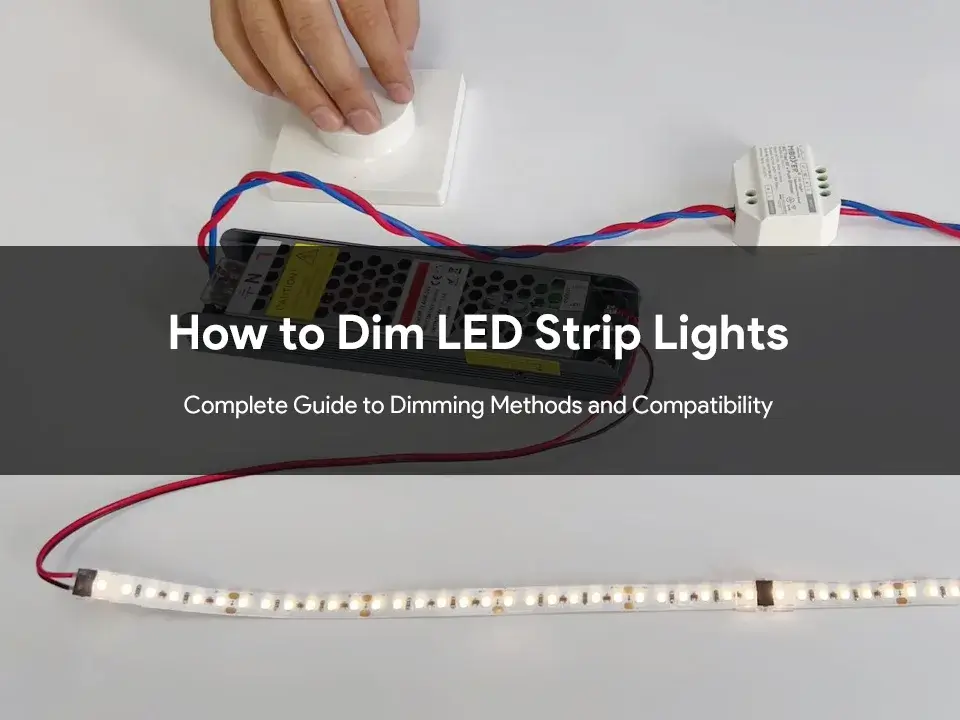
Светодиодные ленты широко используются в современных системах освещения, таких как коммерческие помещения, умные дома, розничные дисплеи и проекты архитектурного освещения. Однако простого «включения» светодиодных лент больше недостаточно. Достижение точного и плавного затемнения – ключ к соблюдению разнообразных требований управления освещением различных...
Освещение Cove стало одним из самых популярных элементов дизайна в современных интерьерах и архитектурных проектах. Скрывая источник света в утопленном канале, дизайнеры могут создавать мягкий, непрямой свет, подчеркивающий контуры потолка, улучшая пространственную глубину и создавая атмосферу уюта. Среди всех вариантов освещения подставка светодиодных лент...
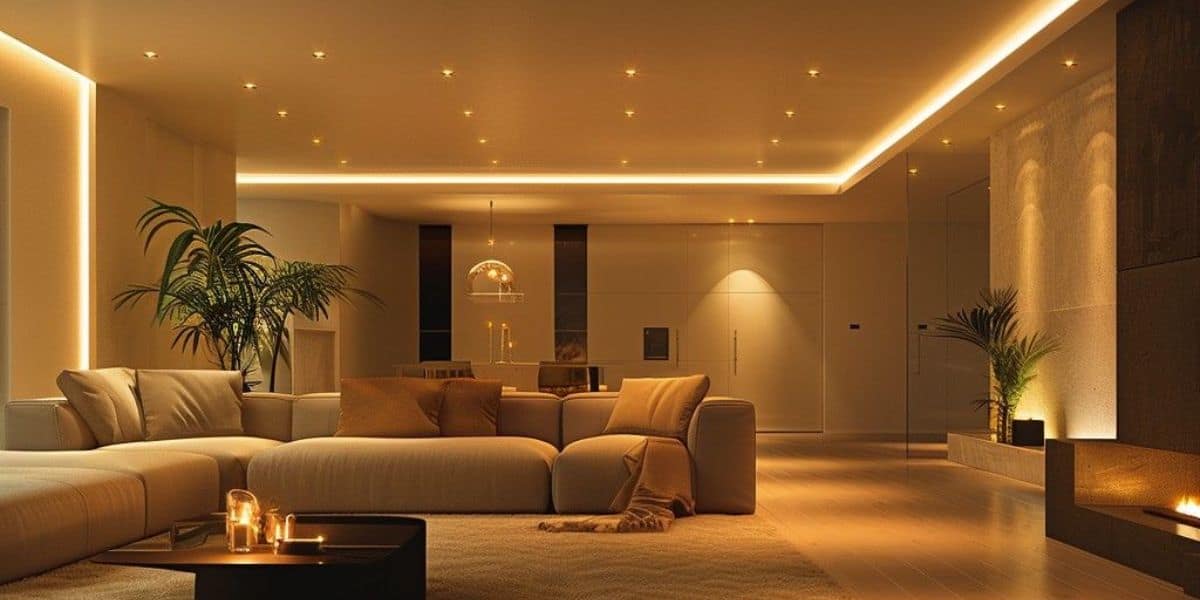
Выбор подходящих светильников Cove для вашего потолка включает в себя систематическую оценку трех основных компонентов: светодиодную ленту для качества света, алюминиевый профиль для структуры и диффузии, а также интеграцию как для безупречного конечного эффекта, гарантируя, что ваша бухта обеспечивает бесшовное освещение профессионального уровня. Освещение бухты выглядит просто...
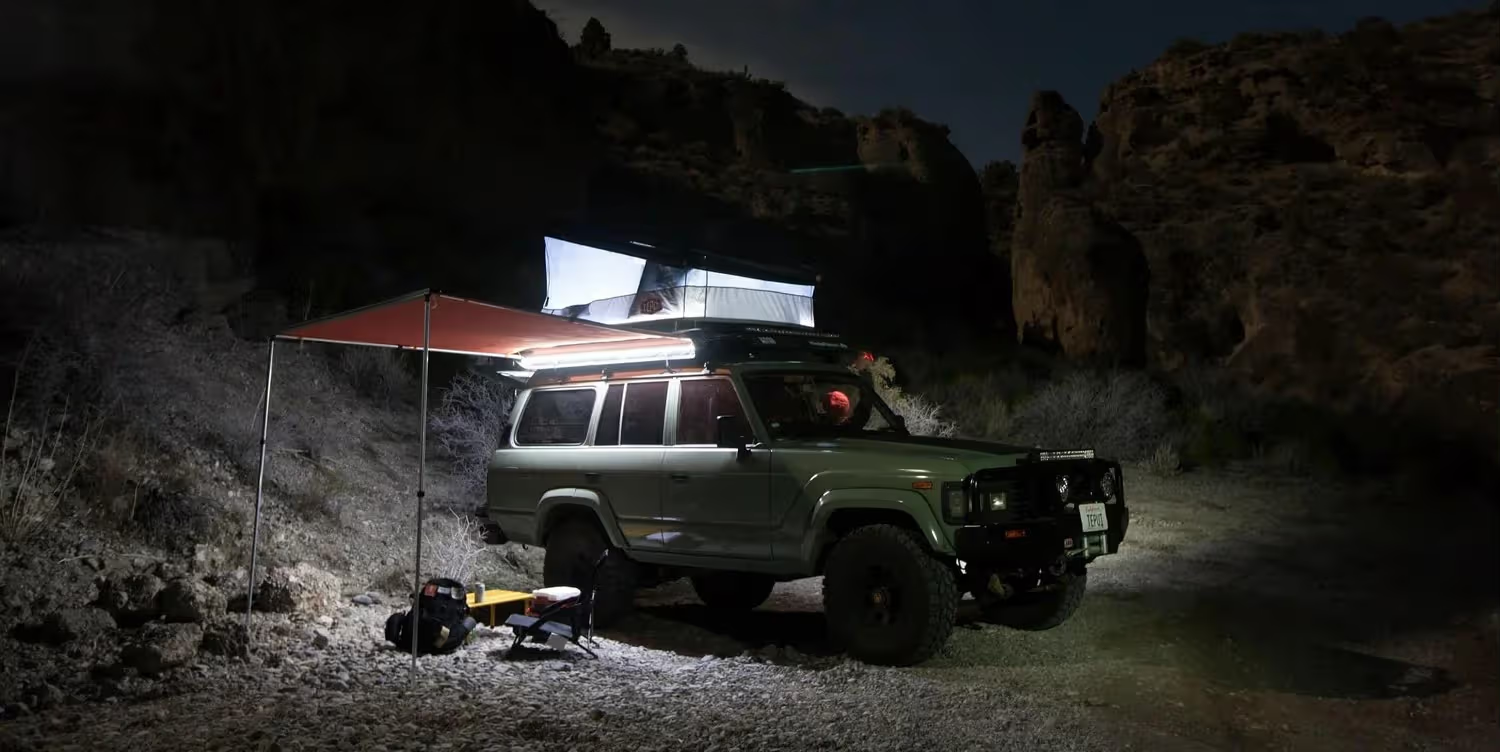
Жизнь в многолюдном городе заставляет людей чувствовать себя подавленными, походы в поход на выходных — отличный способ приблизиться к природе и высвободить депрессию. Часто можно увидеть, что люди получают светодиодную ленту в качестве кемпинга, он яркий и гибкий, чтобы осветить нужную область. С другой стороны, вы можете легко менять батарейки, когда она исчерпана. Как сделать своими руками...
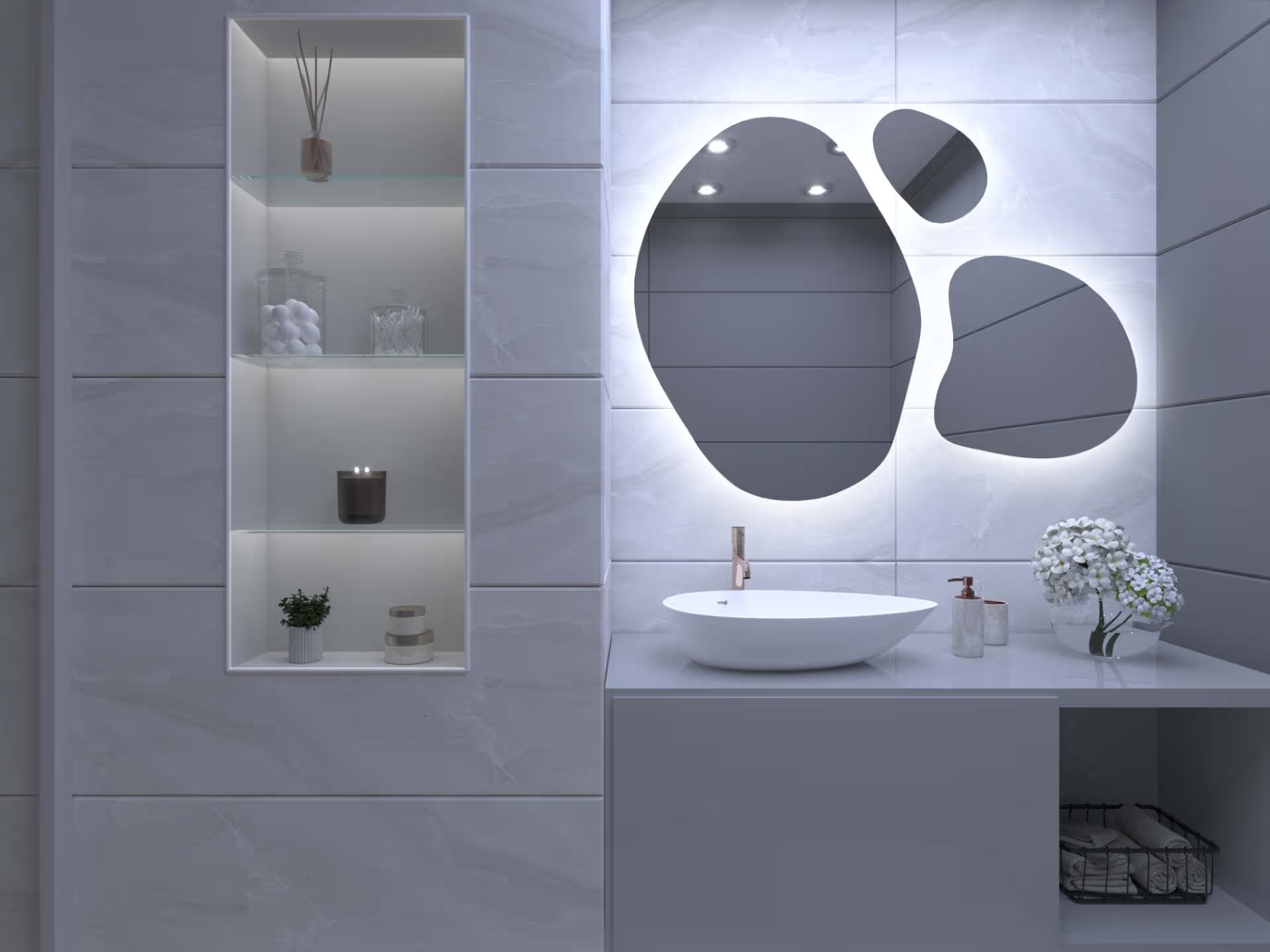
Если вы собираетесь купить зеркало для ванной или зеркало для макияжа, вы обнаружите, что большинство стильных зеркал со встроенными светодиодными лентами. Эти полоски обеспечивают однородные, мягкие и достаточные световые лучи, уменьшают тени и отражения, что лучше для ухода и макияжа. Как добавить светодиодную ленту к существующему зеркалу, выполните следующие действия. Сделай сам светодиодный светильник...
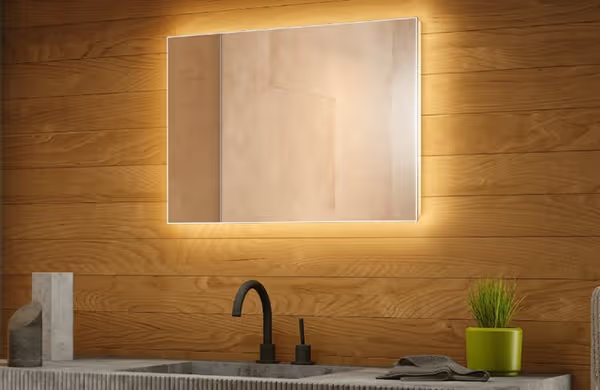
Поднимите внешний вид вашего зеркала с помощью светодиодных лент! Будь то функциональное освещение или декоративное чутье, добавление светодиодных лент к зеркалу — это простой и экономичный способ украсить ваше пространство. В этом руководстве мы расскажем вам пошаговый процесс создания собственного зеркала DIY со светодиодными лентами. От выбора правильного материала...
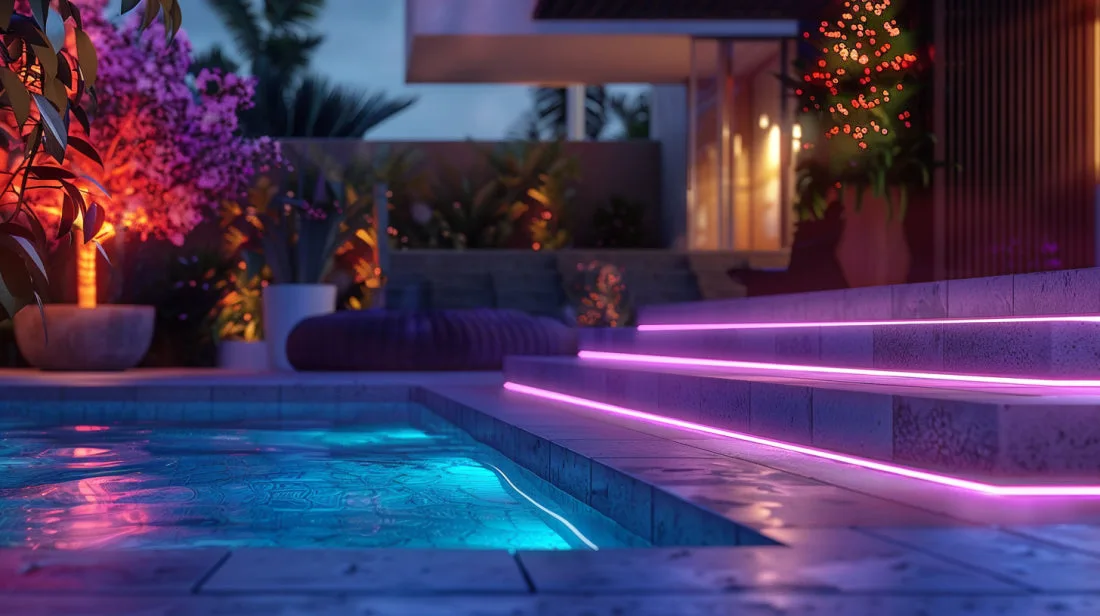
LED Neon Flex Lighting быстро стал популярным решением для наружных вывесок, архитектурных акцентов и творческих инсталляций. Благодаря своей гибкости, долговечности и яркому равномерному свечению он идеально подходит как для коммерческого, так и для декоративного использования. Но одна важная деталь часто упускается из виду: выбор правильного монтажа аксессуаров. Выбираем правильный монтаж...

Устройство защиты от перенапряжения (SPD) не «останавливает молнию». Он не может блокировать удар или устранить энергию молнии. Что он может сделать, так это ограничить переходное перенапряжение и отвести ток всплеска в управляемый путь, что снижает нагрузку на изоляцию и электронику. Реальные результаты зависит от системы скоординированной защиты: качество склеивания/заземления, правильное...
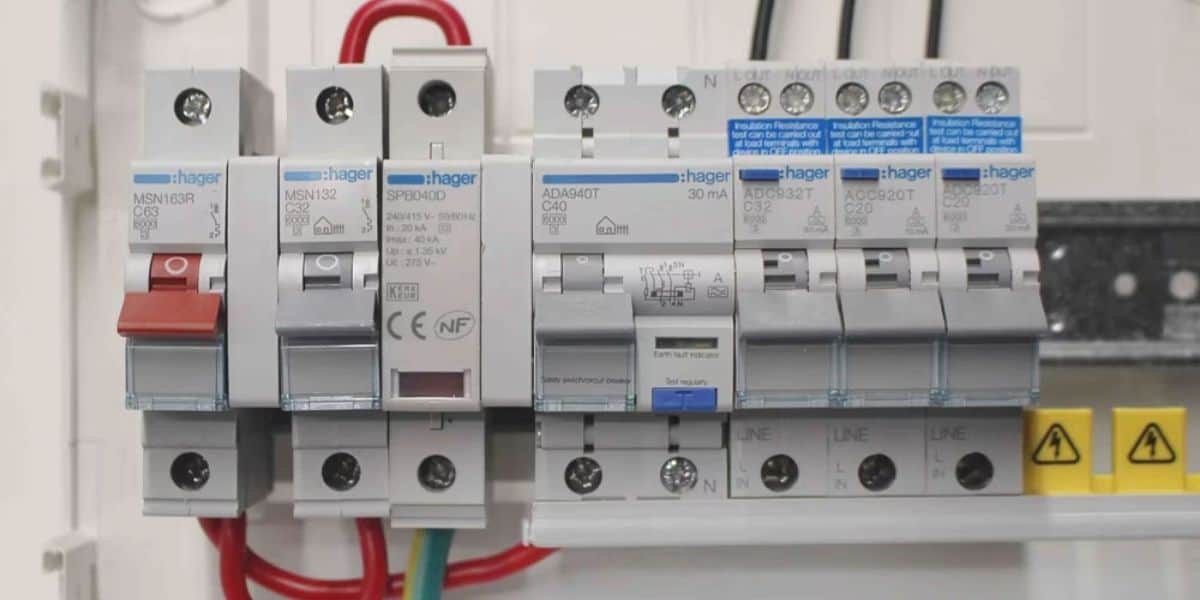
Коммерческим объектам нужна стратегия защиты от перенапряжения, которая повторяема, поддерживающе и скоординирована по нескольким панелям и чувствительным нагрузкам. Выбор «Вверху» зависит от выбора правильного типа 1 по сравнению с типом 2 против типа 3 для зоны установки и проверки производительности с использованием рейтингов UL 1449 и посадки системы (напряжение, SCCR, заземление)....

Благодаря глобальной экономии энергии, сокращению выбросов и развитию умного города светодиодные уличные фонари стали основным выбором для городских дорог, промышленных парков, шоссе и освещения общественной инфраструктуры. По сравнению с традиционными натриевыми лампами высокого давления и металлическими галогенными лампами светодиодные уличные фонари предлагают существенные преимущества...

Да, защитные устройства от перенапряжения изнашиваются. Даже если видимых повреждений нет и устройство все равно выглядит включенным, его защитные компоненты ухудшаются при каждом участке всплеска. Таким образом, время замены не зависит от только календарного возраста. Это зависит от кумулятивного электрического напряжения, условий воздействия и критичности системы. При условии, что защита осталась...
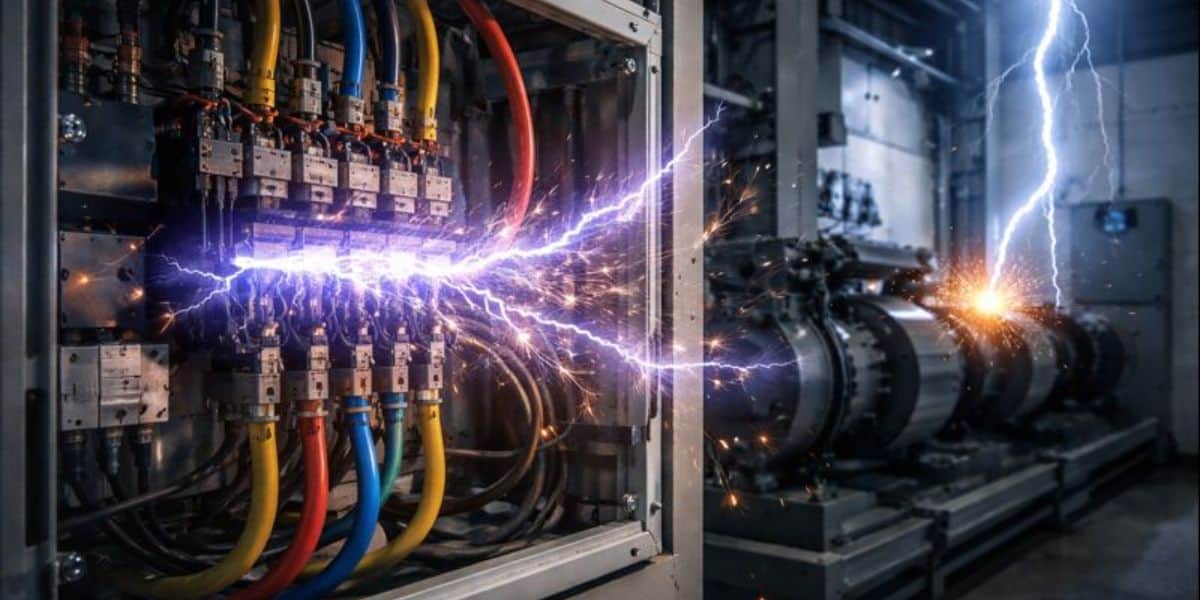
В трехфазной системе защита от перенапряжений работает путем восприятия аномального перенапряжений, внутренне переключаясь из состояния высокого импеданса в состояние низкого импеданса, отводя ток всплеска в тракт заземления или соединения, и ограничивая напряжение, поступающее на подсоединенное оборудование. Он не «закрывает» всплеск. Он снижает пиковое напряжение, давая всплеск...
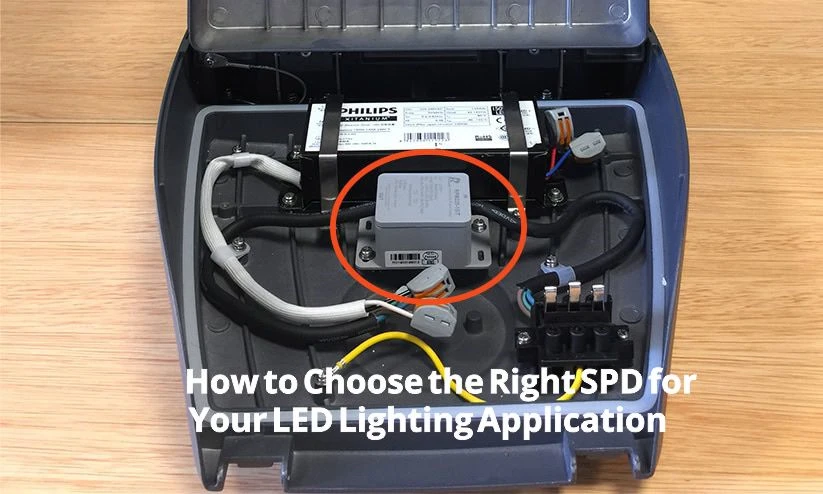
Светодиодное освещение стало основой современного освещения — от умных уличных фонарей до светильников на фабриках. Тем не менее, за их эффективностью и длительной жизнью скрывается скрытая уязвимость: электрические всплески. Эти непредсказуемые всплески, часто вызванные ударами молнии или колебаниями энергосети, могут бесшумно повредить светодиодные драйверы и...
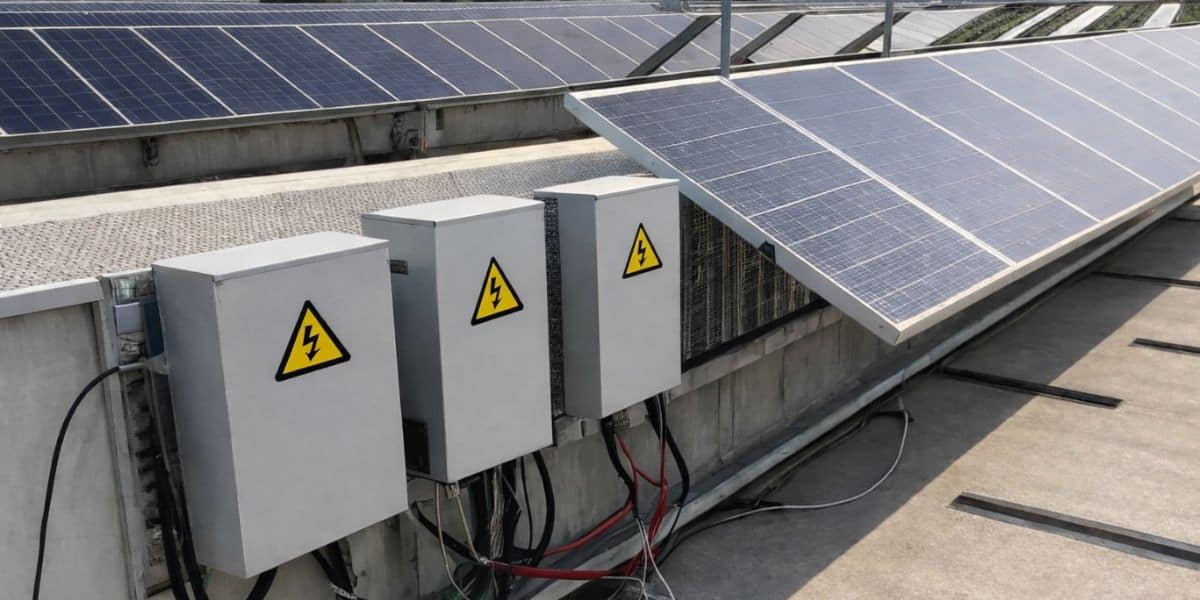
Системы зарядки электромобилей и установки солнечных фотоэлектрических систем сталкиваются с профилем риска перенапряжения, чем обычные электрические нагрузки. Двунаправленный поток мощности, частое преобразование постоянного тока и электроника плотной мощности делают эти системы чувствительными как к внешним возмущениям сети, так и к внутренним генерируемым переходным процессам. Эффективная защита зависит от скоординированной,...
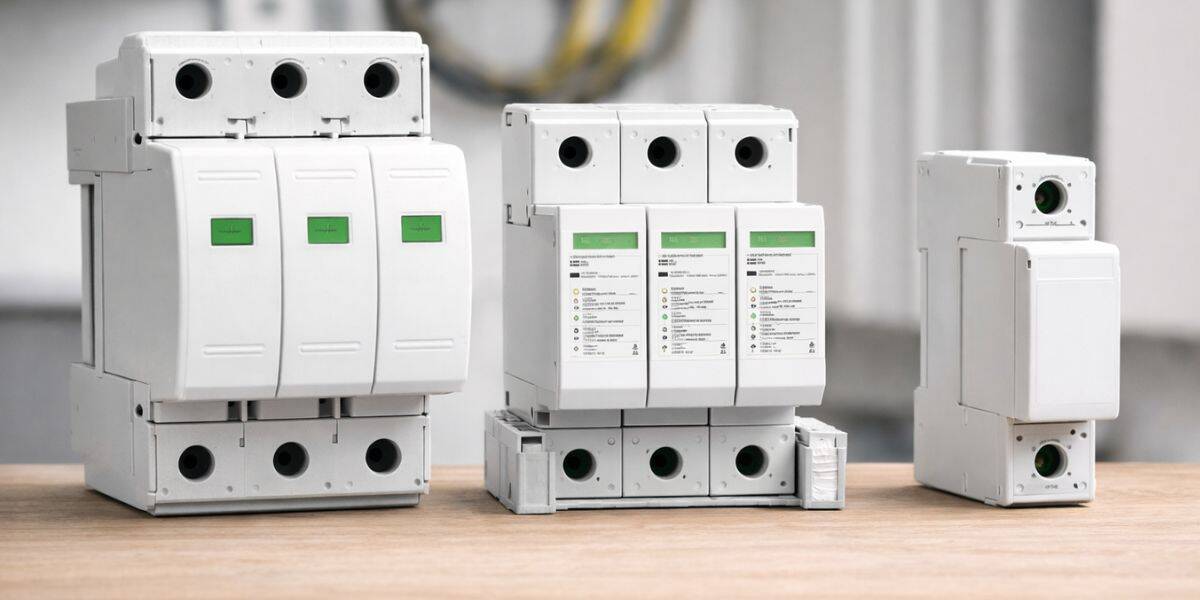
Устройства защиты от перенапряжения (SPD) классифицируются как тип 1, тип 2 и 3, чтобы отразить, где они работают в электрической системе и как они управляют энергией всплеск в этом месте. Эти типы не взаимозаменяемы. Каждый из них разработан для определенной функции перенапряжения и защиты, и они работают правильно только при применении как часть...
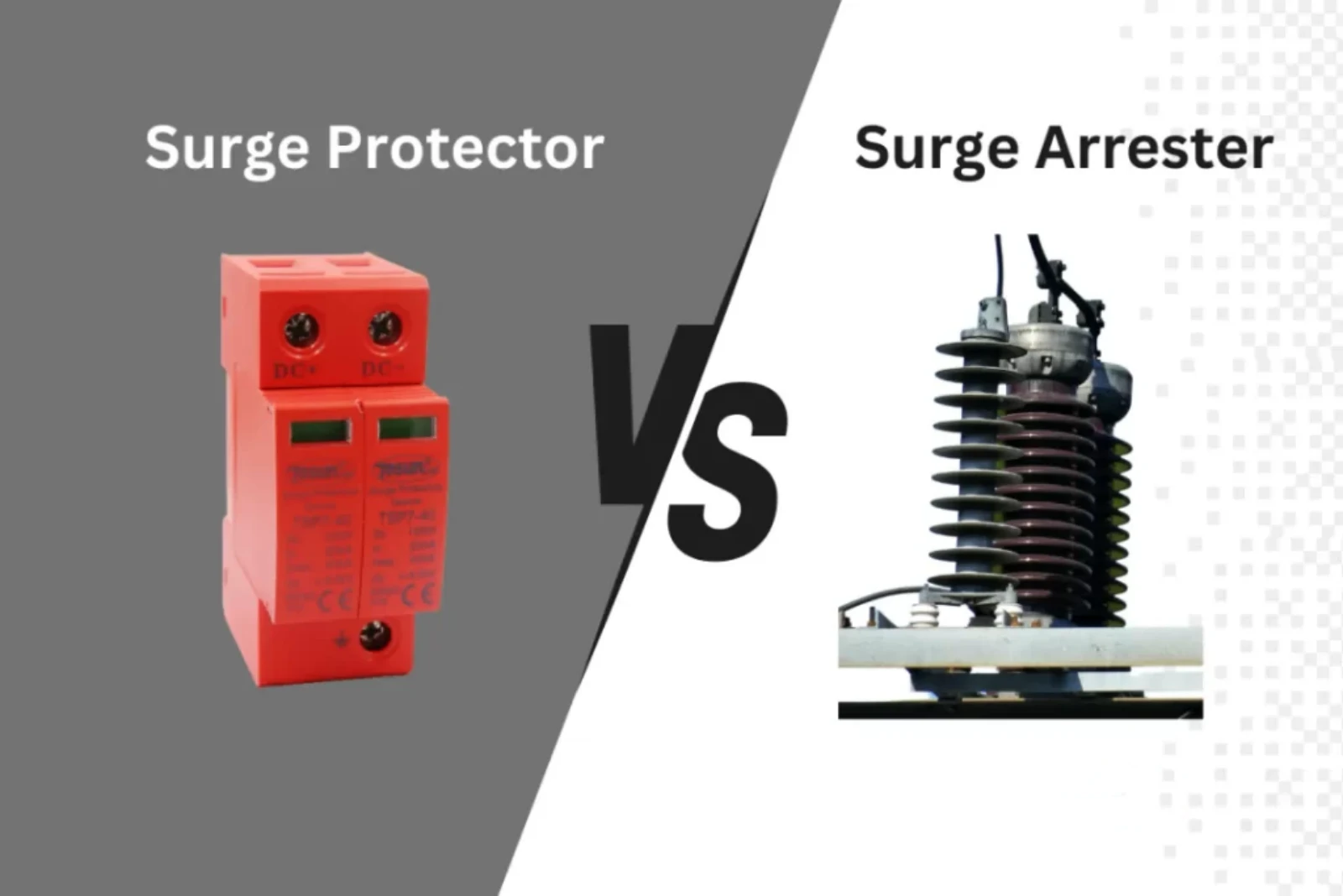
В современном мире электрические системы становятся все более изощренными и чувствительными. Даже небольшой скачок мощности может привести к серьезным повреждениям, что приведет к дорогостоящим простоям и выходу из строя оборудования. Вот почему защита от перенапряжений необходима для любой современной установки. Однако многие инженеры и покупатели часто путают СДПС (установки для защиты от перенапряжения) с...
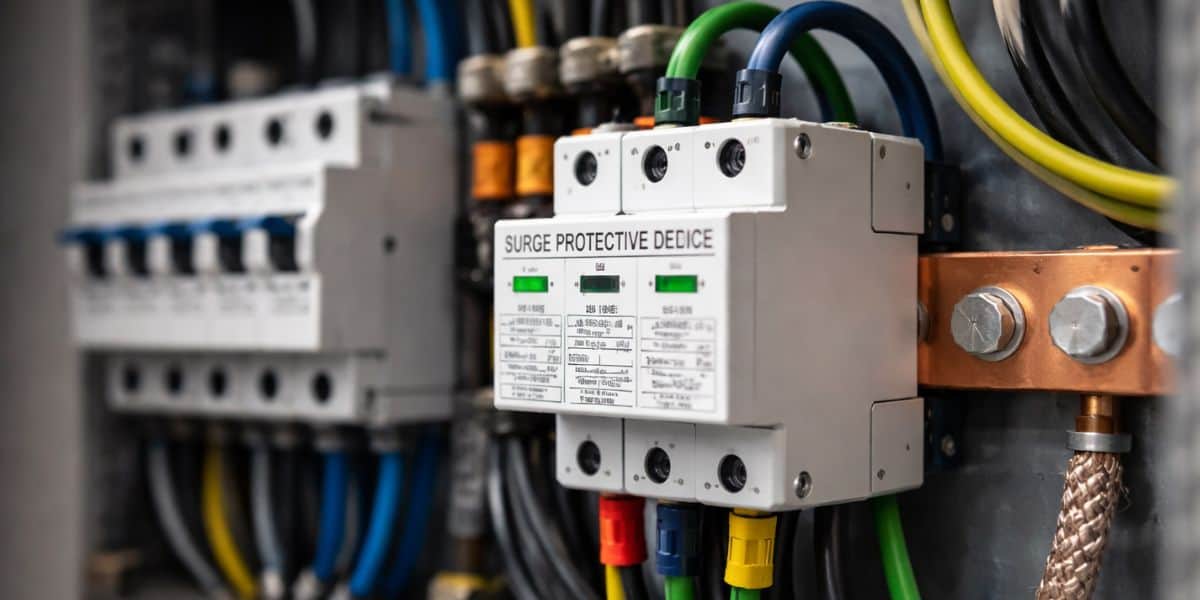
При выборе устройства защиты от перенапряжения три параметра определяют реальную производительность: джоулевое значение, номинальное напряжение (напряжение зажима) и соответствие UL 1449. Джойли описывают, сколько энергии всплеска может поглощать устройство с течением времени. Зажимное напряжение определяет, насколько высокое напряжение может повышаться во время всплеска. UL 1449 подтверждает, как эти...
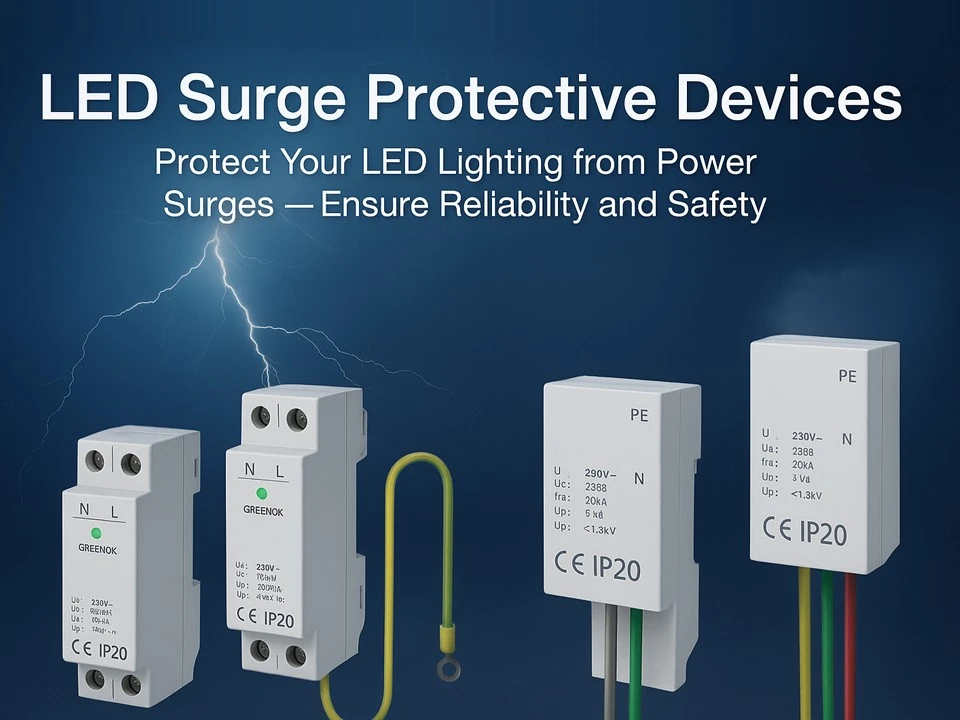
Вы когда-нибудь задумывались, почему ваши светодиодные фонари иногда выходят из строя намного раньше, чем ожидалось, хотя они маркированы так, чтобы они служили 30 000 или даже 50 000 часов? Или почему уличные фонари или системы освещения фасада могут внезапно потемнеть после грозы? Правда в том, что светодиодные технологии высокоэффективны, но также очень чувствительны к скачкам напряжения. Даже короткая электрика...
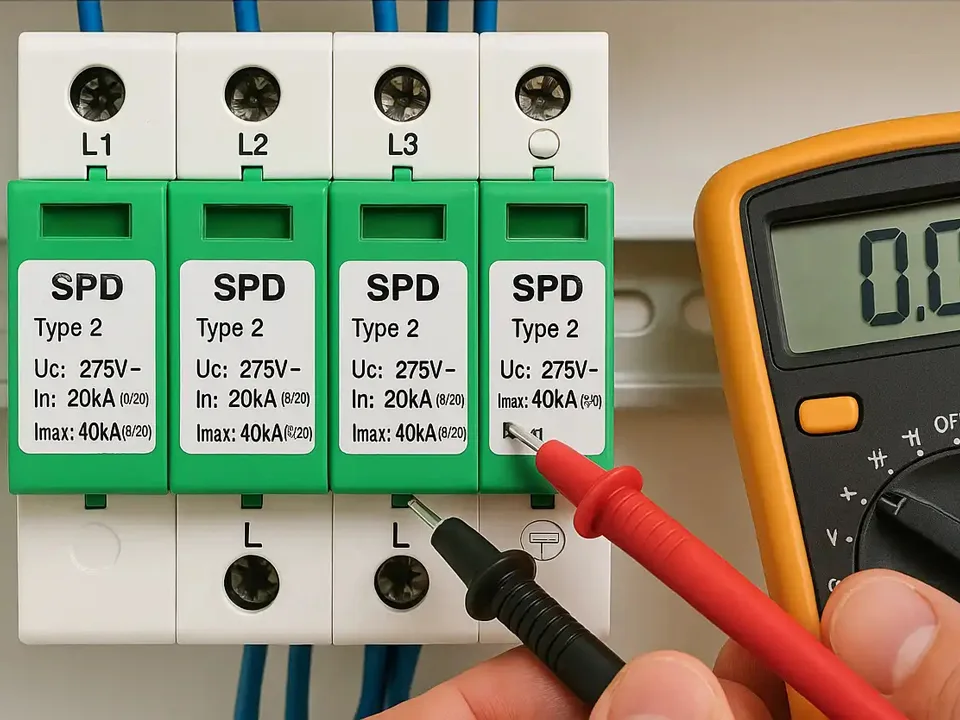
Во время работы мгновенные высокие напряжения (всплески) в источниках питания LED действуют как невидимые «текущие убийцы», потенциально возникающие из-за ударов молнии, переключения электричества, остановки/остановки двигателя и подобных операций. Хотя эти всплески длятся всего лишь доли секунды (как правило, миллисекунды до микросекунд), их пиковые напряжения...
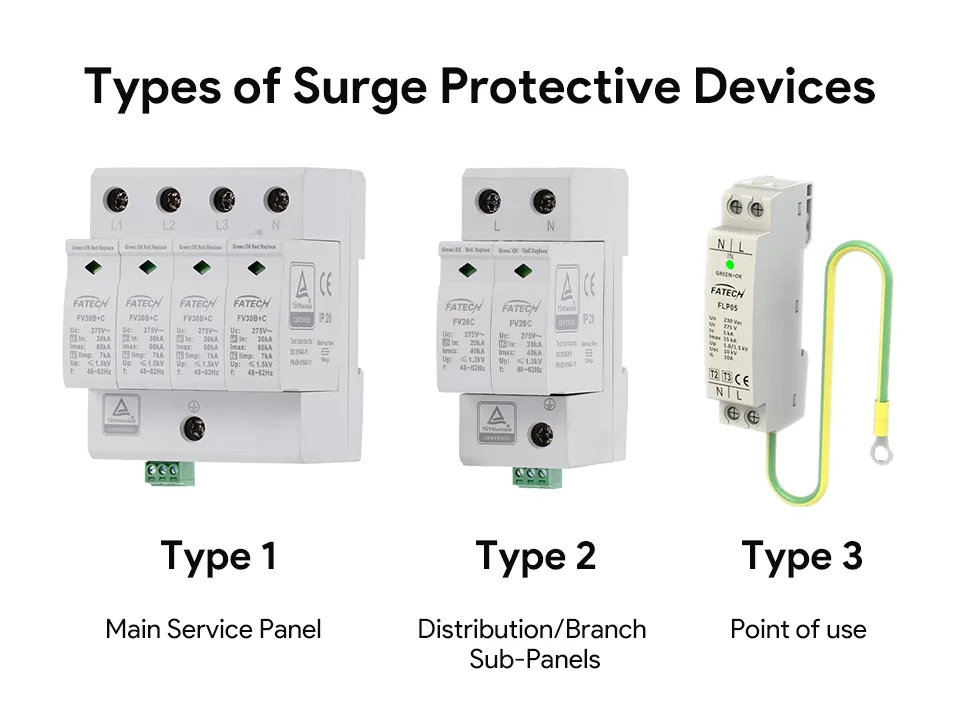
В современном высокоэлектрифицированном и оцифрованном мире наше общество опирается на хрупкие электронные устройства — от смарт-телевизоров и компьютеров в домах до точных блоков управления в промышленных условиях. Тем не менее, в энергосистеме таится невидимая угроза: электрические скачки. Они могут нанести огромный урон в течение миллионных долей секунды. Устройства защиты от перенапряжения (SPDS)...
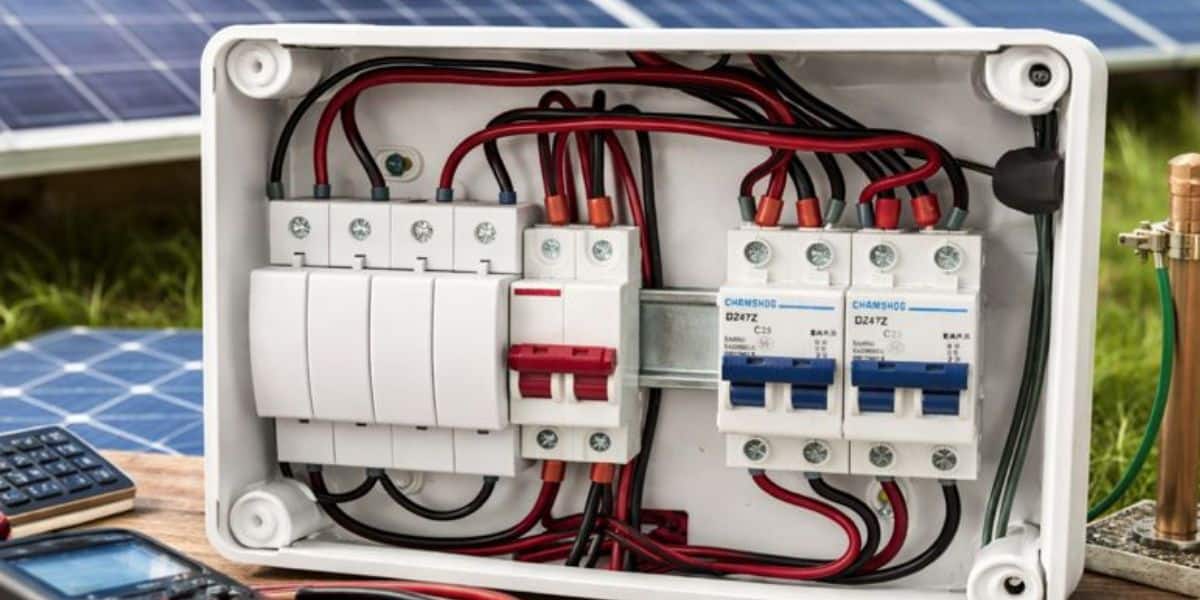
Для большинства установок солнечных батарей лучшим подходом является координированная защита от перенапряжения: SPD постоянного тока на PV-массиве или входе инвертора постоянного тока, SPD переменного тока на выходе инвертора или распределительном щите и тип 2 SPD в качестве основного защитного уровня. Устройства типа 3 используются только вблизи чувствительных конечных точек. Это означает, что нет единого «лучшего» устройства защиты от перенапряжения...
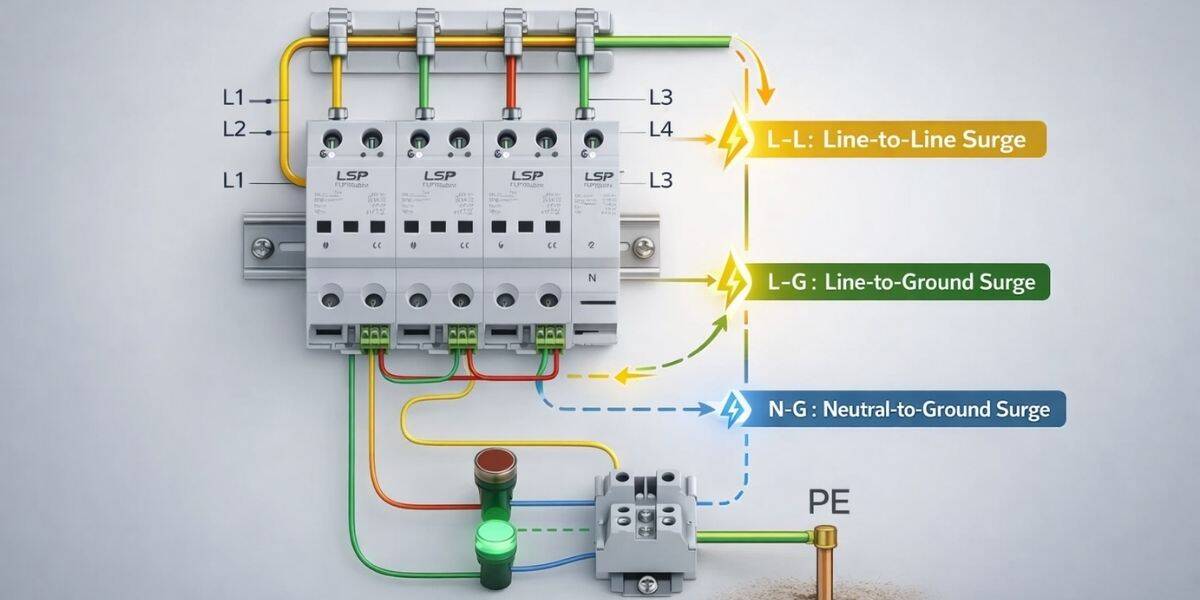
Основное отличие заключается в объеме и установке: SPDS защищают электрическую систему на уровне панели (включая 3-фазные режимы всплеска, такие как L-L и L–G), а защитные устройства перенапряжения защищают одно устройство на конечной точке. В 3-фазных системах устройство защиты от перенапряжения (SPD) обычно представляет собой жесткое, установленное на панели устройство, установленное на служебном входе или в распределение...

Для большинства трехфазных промышленных панелей лучшим выбором обычно является устройство защиты от перенапряжений типа 2, установленное на панели (уровень распределения), согласованное с защитой выше по течению и хорошей заземлицей. Устройство типа 1 становится лучшим выбором при обслуживании входа, когда высокая экспозиция при всплывающем излучении высока, в то время как устройства типа 3 предназначены в основном для чувствительных конечных точек...