English
  简体中文
简体中文  Deutsch
  Español
  Français
  Italiano
  日本語
日本語  한국어
한국어  Polski
  Português
  Русский
  Türkçe
  Nederlands
  Tiếng Việt
  ไทย
ไทย 
LED neon lights are widely used in architectural lighting, commercial decoration, and signage projects due to their flexibility and vibrant visual impact. However, when the actual dimensions of the neon differ significantly from the nominal specifications, it can create serious installation challenges. This issue becomes even more critical in projects where clients prepare installation slots strictly based on the specified dimensions. A mismatch of just a few millimeters may lead to poor fitting, visible gaps, or even structural incompatibility. For this reason, extrusion tolerance—the dimensional variation inherent in the extrusion process—plays a crucial role in ensuring product consistency and seamless installation in professional LED neon applications.

Why Do LED Neon Lights Have Dimensional Tolerances?
Material Properties
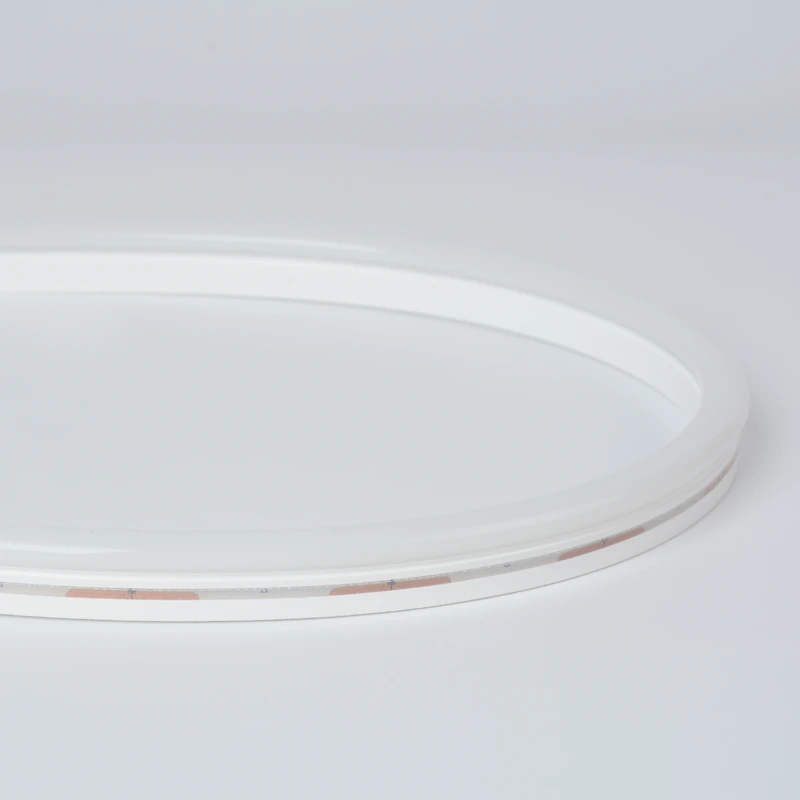
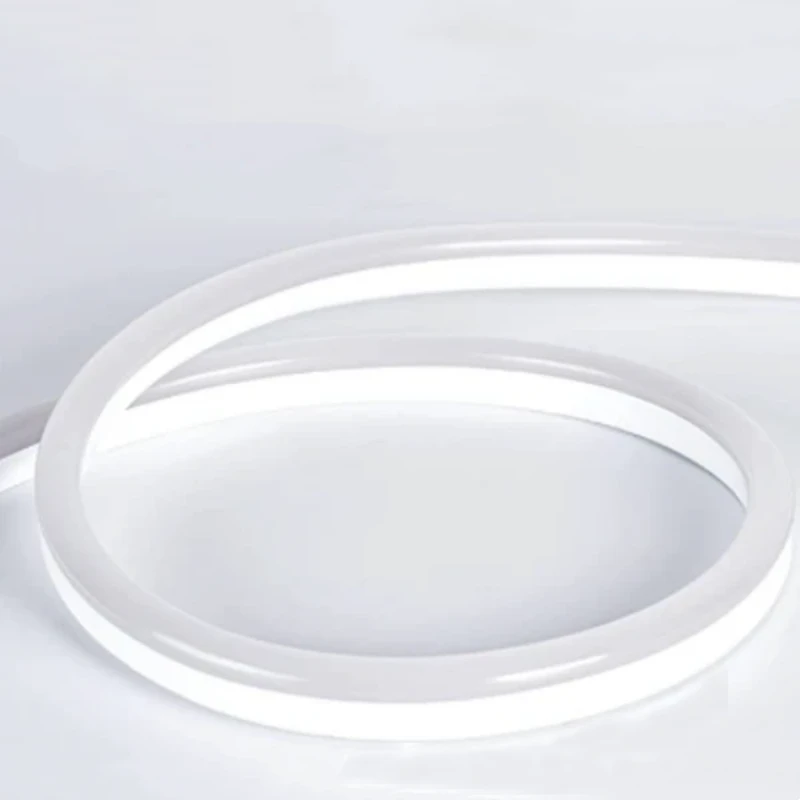
The most fundamental factor influencing dimensional tolerance in LED neon lights is the raw material. Flexible neon profiles are typically made of silicone or PVC, both of which are subject to thermal expansion and contraction. Even slight temperature changes during production or later in application can cause variations in the width, height, or curvature of the extrusion. Differences in material hardness or formulation between batches may also lead to inconsistent dimensions, making material stability a critical element in tolerance control.
Extrusion Process Control
The extrusion process itself is another major source of dimensional variation. Precision depends heavily on the accuracy of the extrusion mold, as well as the consistency of temperature, pressure, and extrusion speed. For instance, if cooling conditions are unstable—such as inconsistent water cooling or air flow—the profile may shrink or deform unevenly. These small deviations can accumulate, resulting in a final product that falls outside the specified tolerance range.
Production Batch Variability
Even with the same mold and material, dimensional tolerance can vary between production batches. Factors such as machine calibration, operator adjustments, and environmental conditions like humidity can subtly influence the outcome. Over large production volumes, these variations can directly affect the compatibility of LED neon with mounting channels and accessories.
Price and Cost Pressure
Another often overlooked factor is pricing. In highly competitive markets, some low-cost suppliers may compromise on material quality or reduce production steps to cut costs. Using cheaper silicone, recycled PVC, or less precise extrusion equipment inevitably increases dimensional variation. While the upfront price may be attractive, the long-term risk of poor fitting, reduced lifespan, and higher maintenance costs makes such compromises costly for professional projects.
Common Tolerance Ranges for LED Neon Extrusion
Industry Tolerance Standards
In the LED neon industry, extrusion tolerance is usually defined within a small margin to ensure reliable fitting and uniform appearance. Most manufacturers adopt a dimensional tolerance between ±0.3 mm and ±1.0 mm, depending on the size and shape of the profile. While there is no single global standard, these ranges are generally accepted across professional projects in architectural and signage applications.
Differences Between Light Emission Types
Tolerance requirements may also vary with different emission structures. Front-emitting neon often has stricter control since the visible surface directly impacts lighting uniformity, while side-emitting neon and top-bending types allow slightly wider tolerance due to structural flexibility. Larger coverage profiles, such as 270° or 360° emitting neon, require closer monitoring during extrusion because dimensional shifts affect both light distribution and installation stability.
Typical Tolerance Ranges by Neon Size and Type
| LED Neon Type | Common Size (W×H or Dia.) | Typical Extrusion Tolerance |
| Mini Neon (Slim) | 4×8 mm | ±0.3 mm |
| Mini Side-Emitting Neon | 6×12 mm | ±0.4 mm |
| Standard Front-Emitting | 8×16 mm | ±0.5 mm |
| Standard Side-Emitting | 10×20 mm | ±0.5 mm |
| Top-Bending Neon | 12×20 mm | ±0.5 mm |
| Wide Front-Emitting Neon | 12×25 mm | ±0.6 mm |
| 270° Round Neon | Ø16 mm | ±0.6 mm |
| Large 270° Neon | Ø20 mm | ±0.8 mm |
| 360° Flexible Neon (Small) | Ø15 mm | ±0.5 mm |
| 360° Flexible Neon (Large) | Ø25 mm | ±1.0 mm |
How Dimensional Tolerance Affects Neon Applications
1. Installation Challenges
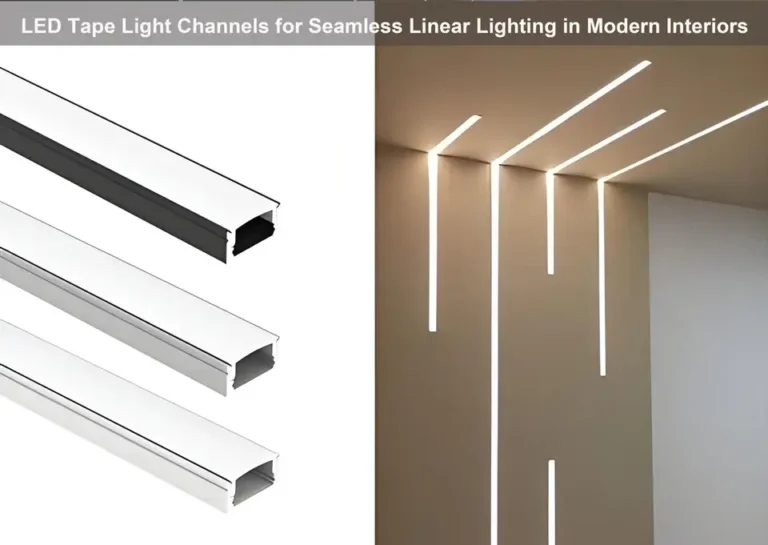
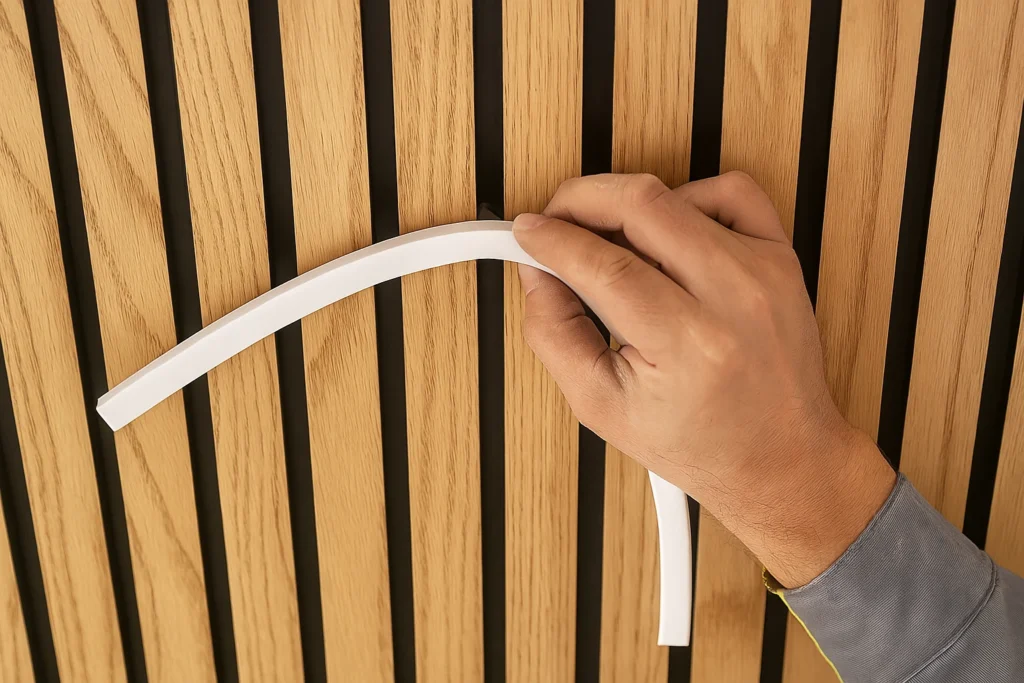
When the extrusion tolerance of LED neon lights is not well controlled, installation becomes problematic. Even slight dimensional variations may cause the profile to be too tight or too loose inside aluminum channels or mounting slots. This often leads to visible gaps, uneven alignment, or increased labor during on-site fitting. For large-scale architectural projects, consistent dimensions are essential to achieve seamless installation and reduce rework.
2. Impact on Light Uniformity
Extrusion tolerance also affects the uniformity of light output. Variations in the thickness of the silicone or PVC encapsulation can cause inconsistent diffusion, resulting in areas that appear brighter or dimmer. In front-emitting neon, this uneven light distribution becomes especially noticeable, reducing the overall visual quality of the installation.
3. Waterproof Rating and Reliability
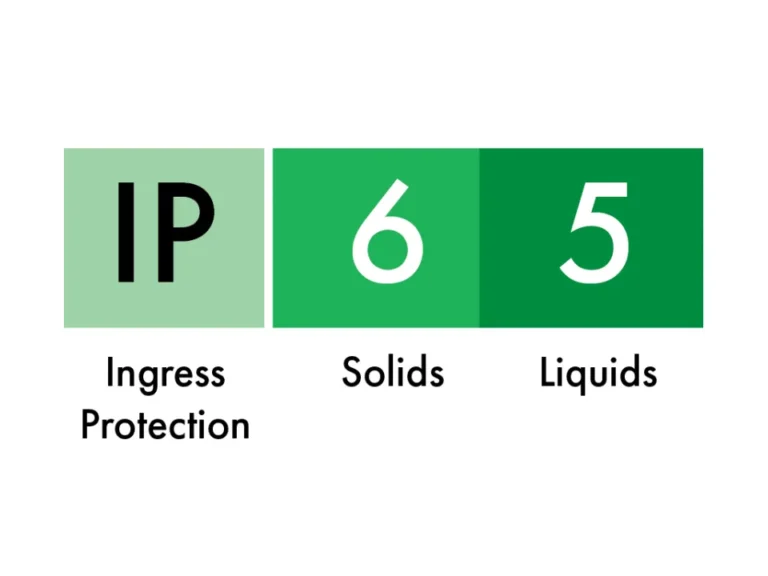
Tolerance issues further influence the waterproofing and long-term reliability of LED neon products. If the profile dimensions deviate from the specified range, sealing around end caps, connectors, or joints may not be fully effective. This compromises the IP rating and increases the risk of water ingress, which can shorten the product’s service life and cause failures in outdoor applications.
How to Control and Solve Tolerance Issues in LED Neon Lights
1. Manufacturing Process Optimization
The first step in reducing extrusion tolerance is precise control of the manufacturing process. High-precision molds, stable extrusion speed, and proper temperature regulation all play a vital role in maintaining consistent dimensions. Regular maintenance and calibration of extrusion equipment further ensure accuracy.
2. Quality Control Measures
Strict quality control is equally important. Manufacturers should implement in-line monitoring during extrusion and conduct final dimensional inspections on finished LED neon lights. Recording tolerance data helps detect trends and prevent defective batches from reaching customers.
3. Project Design and Installation Considerations
From a project perspective, designers and installers can minimize risks by allowing for tolerance margins in slot sizes, aluminum channels, and accessories. Planning with extrusion variations in mind ensures smoother on-site installation and reduces unexpected adjustments.
4. Choosing a Reliable Supplier
Finally, selecting a supplier with proven expertise in LED neon extrusion tolerance is critical. Professional manufacturers with advanced equipment, certification, and a strong quality system provide more stable products, giving project owners confidence in long-term performance.

Conclusion: Ensuring Consistency in Professional LED Neon Projects
Dimensional tolerance is an unavoidable factor in LED neon light manufacturing, but with the right materials, strict extrusion control, and professional quality management, it can be effectively minimized. For architects, designers, and contractors, working with a reliable supplier is the key to ensuring smooth installation and long-term performance.
At SignliteLED, we use high-grade fumed silicone in all our neon extrusion, ensuring stable dimensions that fully meet industry tolerance standards. If your project requires unique sizes or tighter tolerances, our team can provide customized solutions to match your exact specifications. Contact us today to discuss your requirements and secure high-quality LED neon lights tailored for professional applications.
Related Posts