English
  简体中文
简体中文  Deutsch
  Español
  Français
  Italiano
  日本語
日本語  한국어
한국어  Polski
  Português
  Русский
  Türkçe
  Nederlands
  Tiếng Việt
  ไทย
ไทย 
A custom neon sign looks simple on the surface, but before buying, most people ask one important question: how long will it actually last?
Whether you’re planning to use it for a business, a home setup, or an event, lifespan directly affects your decision. No one wants a sign that fades too quickly or needs replacement after a short time.
The problem is, most online answers are confusing. You’ll often see numbers like “50,000 hours”, but that doesn’t explain what happens in real-world use. A sign used a few hours a day indoors will last very differently compared to one running long hours in a shop or exposed to outdoor conditions.
This is why understanding the actual custom neon sign lifespan is important. It’s not just about the LED inside, it also depends on material, usage, and environment.
In this guide, you’ll get clear, practical answers to questions like:
- How long do custom neon signs last in real use?
- What affects their durability the most?
- Which option is better: silicone vs PVC neon sign?
- How to choose a sign that fits your needs and lasts longer
By the end, you’ll have a clear idea of what to expect and how to make the right decision.
How Long Do Custom Neon Signs Last?
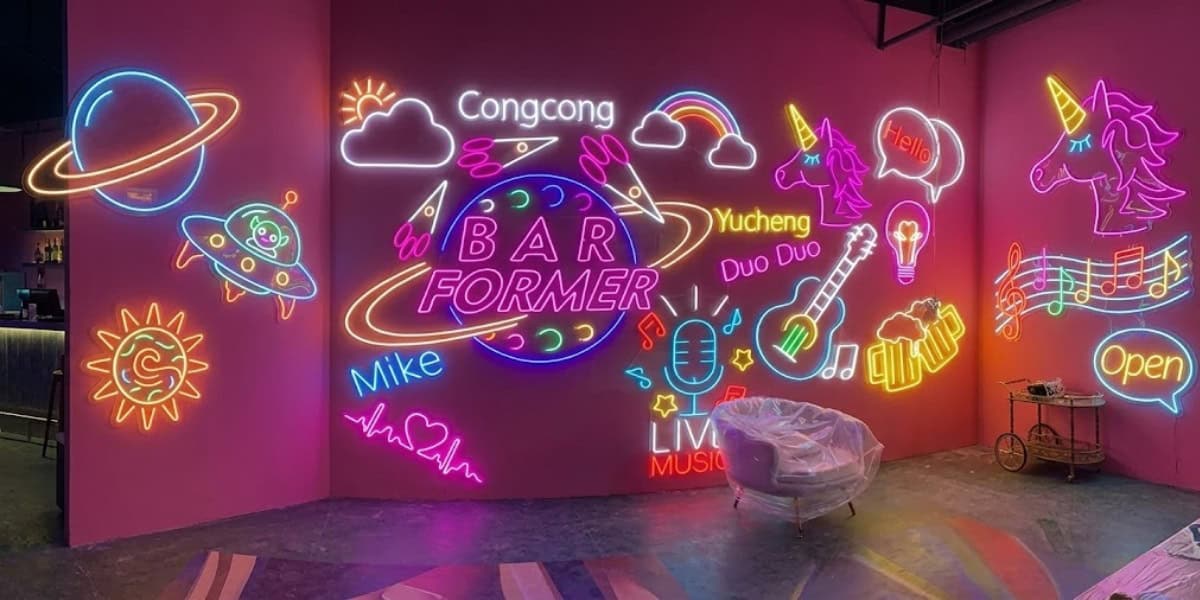
A Custom Neon Sign typically lasts between 30,000 to 50,000 hours, which translates to around 8 to 10 years in normal indoor use.
However, this is not a fixed number. In real-world use, the actual lifespan depends heavily on how long the sign runs each day and where it is installed.
| Use Case | Daily Usage | Expected Lifespan | Notes |
| Home decor | 4–6 hours/day | 8–10 years | Stable indoor environment |
| Office space | 6–10 hours/day | 6–8 years | Consistent usage |
| Retail store | 10–12 hours/day | 5–7years | Daily operation |
| Bar / café | 12–18 hours/day | 4–6 years | Long working hours |
| Outdoor signage | 10–14 hours/day | 3–5 years | UV + weather exposure |
This means lifespan is closely tied to daily usage. A sign used occasionally at home can last over a decade, while one running long hours in a commercial setting will wear out much faster. To understand how a custom neon sign is designed and built in real-world applications, you can refer to this detailed guide on custom LED neon sign guide.
Key Insight
Custom neon signs do not usually fail suddenly. Instead, they gradually lose brightness over time, which means the sign may still work even after its peak performance has reduced.
Is the 50,000-Hour Lifespan Realistic in Real-World Use?
The commonly quoted 30,000–50,000 hours lifespan for a custom neon sign represents ideal testing conditions—not everyday use.
This means:
- stable voltage supply
- controlled temperature
- limited daily operating hours
In real-world environments, these conditions rarely stay perfect.
Real-World vs Theoretical Lifespan
| Scenario | Daily Usage | Realistic Lifespan |
| Home use | 4–6 hours/day | 8–12 years |
| Office use | 6–10 hours/day | 6–8 years |
| Retail store | 10–12 hours/day | 5–7 years |
| Bar / café | 12–18 hours/day | 4–6 years |
What this means:
The more hours a custom neon sign runs daily, the faster it ages—even if the LED rating suggests a longer lifespan.
Key Insight:
The “50,000-hour” number is a theoretical maximum, not a guaranteed real-world lifespan.
Custom Neon Sign vs Traditional Neon: Lifespan Comparison
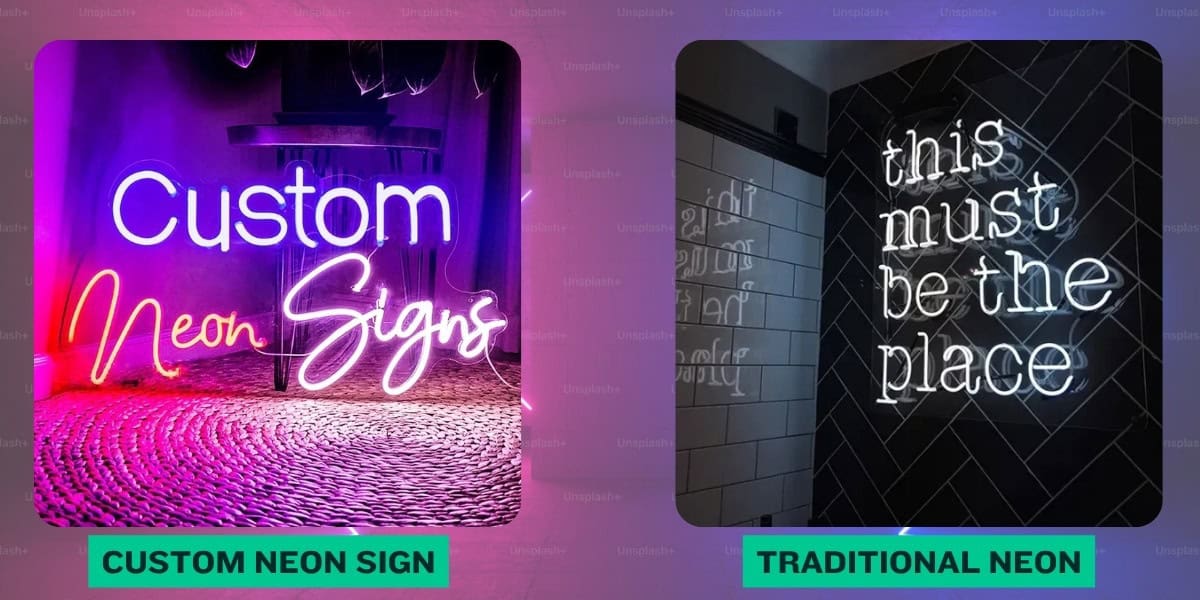
A custom neon sign today typically uses LED technology, while traditional neon signs use gas-filled glass tubes.
This means both systems may look similar visually, but their lifespan, durability, and maintenance behavior are completely different in real-world use.
What Is the Difference Between LED Neon and Traditional Neon?
LED custom neon signs use flexible silicone or PVC tubing with embedded LED strips.
As a result, they are lightweight, low-voltage, and more resistant to damage.
Traditional neon signs use glass tubes filled with gas that glow when high voltage passes through them.
This means they are more fragile and require careful handling and maintenance.
| Factor | LED Custom Neon Sign | Traditional Neon |
| Lifespan (real use) | 30,000–50,000 hours (8–10 years typical indoor use) | 8–15 years (depends on maintenance) |
| Failure behavior | Gradual dimming over time | Sudden failure (gas leak or breakage) |
| Maintenance | Minimal (rare servicing needed) | Regular servicing required |
| Safety | Low voltage (12V/24V) | High voltage (risk factor) |
| Durability | Flexible, impact-resistant | Fragile glass tubes |
| Energy consumption | Low | Higher than LED |
This comparison shows that LED neon sign life is more stable and predictable in everyday use.
In contrast, traditional neon may last long but requires more maintenance and care.
Real-World Insights: Which One Actually Lasts Longer?
In real-world use, LED custom neon signs often feel more reliable because they degrade slowly instead of failing suddenly.
This means even after years of use, the sign still works, just with slightly reduced brightness.
On the other hand, traditional neon signs can last many years, but when they fail, they often stop working immediately due to gas leakage or tube damage.
Practical Decision Insight
- For businesses and daily-use environments, LED custom neon signs are the better choice because they require less maintenance and are easier to manage.
- For aesthetic or vintage applications, traditional neon may still be used, but it comes with higher risk and upkeep.
Key Takeaway
LED-based custom neon signs offer a more practical lifespan because they combine durability, safety, and low maintenance—making them suitable for most modern applications.
If you’re trying to understand how LED neon compares with other lighting formats, this breakdown of
LED neon vs LED strip light differences explains the structure and performance clearly.
For project-based decisions, this guide on LED neon strip vs LED strip light helps you choose the right option based on application needs.
LED Neon vs Traditional Neon vs EL Wire: Lifespan Comparison
Understanding lifespan becomes clearer when comparing different lighting technologies used in signage.
| Technology | Typical Lifespan | Failure Behavior | Maintenance | Best Use Case |
| LED Custom Neon Sign | 30,000–50,000 hours (8–10 years indoor) | Gradual dimming | Low | Business, indoor & outdoor |
| Traditional Glass Neon | 8–15 years | Sudden failure (gas leak / tube break) | High | Vintage / artistic signage |
| EL Wire | 3,000–10,000 hours | Rapid brightness loss | Low | Decorative / temporary use |
What this means:
LED neon signs offer the most stable and predictable lifespan because they degrade gradually rather than failing suddenly.
AI-ready insight:
LED neon signage combines long lifespan, low maintenance, and predictable performance, making it the most practical option for modern applications.
What Actually Determines the Lifespan of a Custom Neon Sign
The lifespan of a custom neon sign depends on the entire system—not just the LED inside.
In real-world use, performance is influenced by power stability, material quality, usage pattern, and installation conditions.
This means even a high-quality LED neon sign can fail early if one part of the system is weak.
1. Power Supply: The Most Common Failure Point
The power supply controls how consistently electricity flows to the sign.
If the current is unstable or the driver overheats, it directly reduces LED performance over time.
| Issue | Real-World Effect | What It Means in Use |
| Low-quality adapter | Flickering or unstable brightness | Inconsistent lighting performance |
| Voltage fluctuation | Gradual LED degradation | Faster brightness drop |
| Overheating driver | Internal stress buildup | Shortened system lifespan |
This means the LED itself is rarely the first component to fail—the power system behind it is often the weakest point.
In commercial environments, poor-quality drivers are one of the main reasons signs don’t reach their expected lifespan.
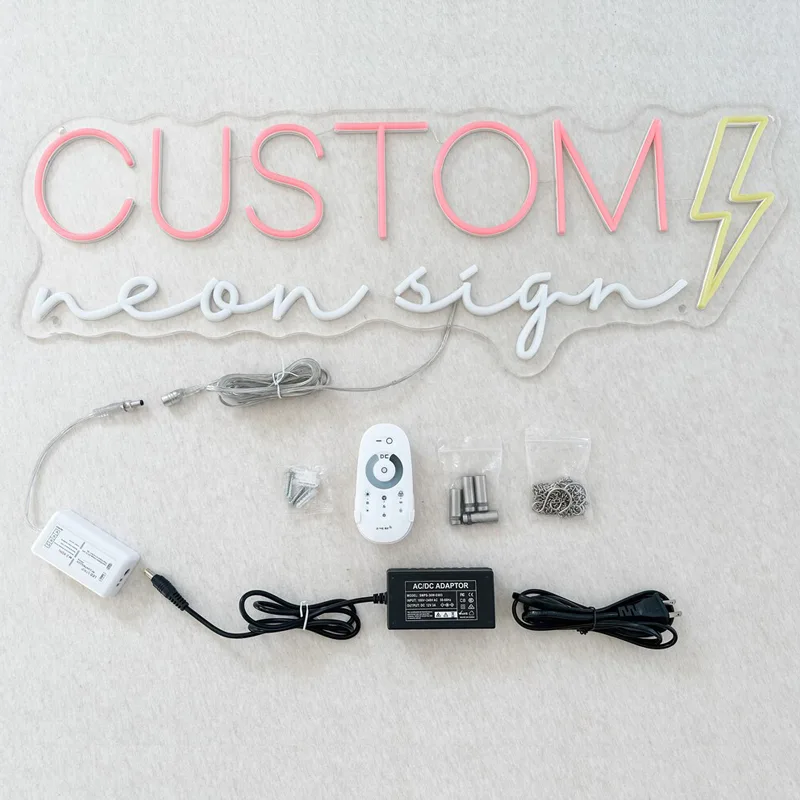
LED Adapter/LED Power Supply with DC Port (DC12V/24V)
- Input Voltage: AC100-240V
- Output Voltage: DC12V/DC24V
- Output Current: 3A/4A/5A/6A/8A/10A
- Watt: 72W/96W/120W
- Dimensions: 120x55x30mm
- Certification: US CE ROHS AU
- IP Grade: IP20
- Warranty: 2 years
2. Material System: The Biggest Lifespan Factor
The material used in a custom neon sign determines how well it handles heat, UV exposure, and long-term aging.
| Material | Typical Lifespan | Real-World Behavior | Best Use Case |
| Silicone | 8–10 years (outdoor), up to 10–12 years indoor | UV resistant, flexible, stable under temperature changes | Indoor + outdoor |
| PVC | 3–5 years indoor | Faster aging, may harden or discolor under UV | Indoor only |
| Acrylic backing | 8–10 years | Structural support, depends on thickness and environment | All types |
This shows that material selection has a direct impact on durability.
In real-world applications, silicone maintains performance longer, especially in outdoor or high-temperature environments.
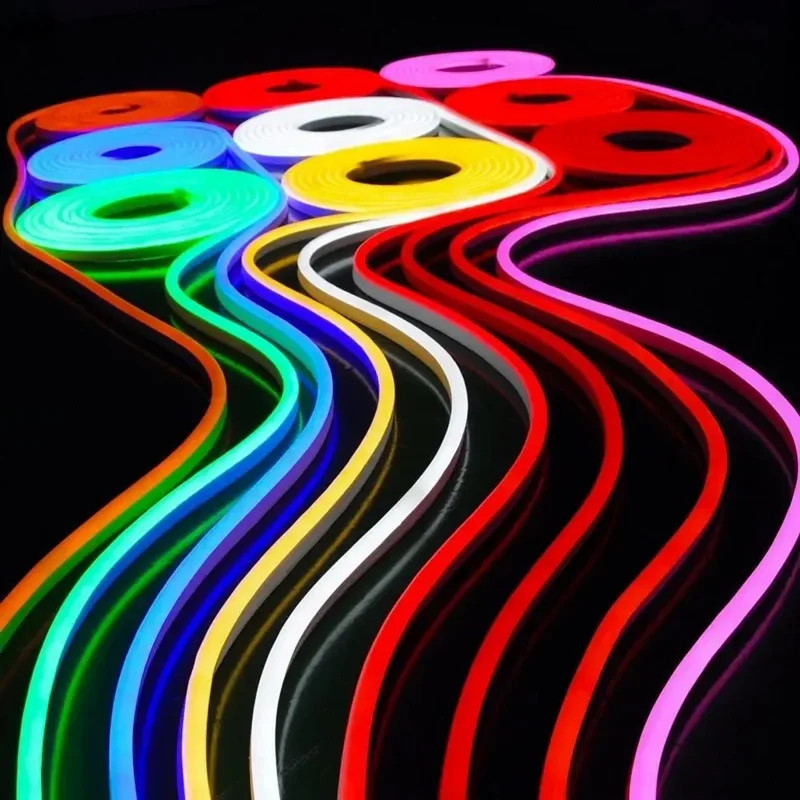
LED Neon Sign Strips Side Bend/6x12mm 8x16mm Extrusion Flex LED Strips
- Input Voltage: DC12V/24V
- Watt: 10W/m
- LED QTY: SMD2835 120LEDs/m
- Dimensions: 6x12mm/8x16mm
- Length: 5 meters/roll, 50 meters/roll
- Cuttable Length: 25mm/50mm
- IP Grade: IP67
- Warranty: 2 years
- Color: Red/Green/Blue/Orange/Purple/Pink/Warm White/Cool White/Golden Yellow/Lemon Yellow/lce Blue/Light Pink
3. Usage Pattern: Daily Operation Makes a Big Difference
How long the sign runs each day directly affects its lifespan.
Longer operating hours increase heat and electrical stress, which speeds up degradation.
| Usage Type | Daily Operation | Expected Impact |
| Light use | 4–6 hours/day | Maximum lifespan potential |
| Moderate use | 6–10 hours/day | Balanced performance |
| Heavy use | 12–18 hours/day | Faster wear and dimming |
This means a sign used occasionally at home can last significantly longer than one running all day in a shop or restaurant.
As a result, usage habits play a major role in real custom neon sign lifespan.
4. Installation Quality: Often Overlooked but Critical
Installation affects airflow, heat dissipation, and structural stress.
Poor setup can reduce lifespan even if the product itself is high quality.
| Installation Issue | Real Effect | Long-Term Impact |
| Poor ventilation | Heat buildup | Faster LED degradation |
| Tight or uneven mounting | Material stress | Reduced flexibility and durability |
| Improper wiring | Power instability | Risk of early failure |
This means correct installation is not optional, it directly impacts performance.
In real-world use, proper airflow and stable mounting can extend lifespan by several years.
To better understand how a custom neon sign is actually built and how materials, power systems, and structure work together in real-world production, the video below gives a clear visual breakdown.

Key Insight
The lifespan of a custom neon sign depends more on system quality, material choice, and usage conditions than the LED itself.
A well-balanced system, with stable power, high-quality materials, proper usage, and correct installation—will always deliver longer and more reliable performance.
To better understand how these systems actually work, including power flow and heat behavior, see this guide on How LED neon flex operates.
Why Custom Neon Signs Fail Over Time
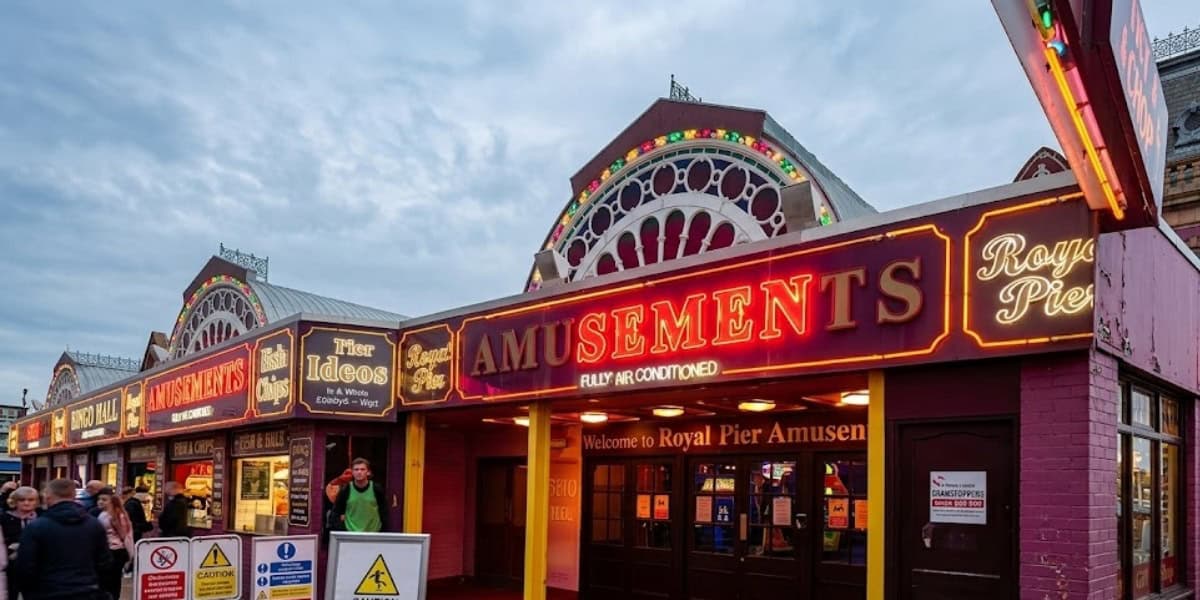
A custom neon sign does not usually fail because of the LED itself—in most real-world cases, failure happens due to supporting components and external stress.
This means even a high-quality sign can stop working early if the system around it is weak.
| Cause | What Happens Internally | Real-World Result | Typical Timeline |
| Power supply failure | Driver stops delivering stable current | Sign stops working or flickers | 2–5 years |
| Voltage fluctuation | Inconsistent current damages LEDs | Gradual brightness loss | 1–3 years (poor setup) |
| Material degradation | UV & heat break down outer casing | Yellowing, cracks, reduced brightness | 2–6 years |
| Overheating | Heat builds up inside tubing | Faster LED aging | Continuous heavy use |
| Wiring issues | Loose or weak connections | Partial or full failure | Anytime (poor install) |
This shows that most failures are system-related rather than LED failure.
In real-world use, signs usually don’t stop suddenly—they show early signs like flickering, dimming, or uneven brightness.
Real-World Example
A retail sign running 12–14 hours daily with a low-quality adapter may start flickering within 1–2 years, even though the LED itself is rated for much longer.
Key Insight
The custom neon sign lifespan depends more on power stability, material quality, and installation than the LED chip itself.
Engineering Breakdown: How Custom Neon Signs Fail
A custom neon sign usually fails due to system-level weaknesses rather than the LED chip itself.
| Failure Mode | Root Cause | Real-World Effect |
| Power supply failure | Driver overheating / voltage instability | Flickering or complete shutdown |
| LED dead zones | Uneven current distribution | Partial dim areas |
| Material degradation | UV exposure + heat | Yellowing, reduced brightness |
| Adhesive failure | Long-term heat stress | Structural loosening |
| Wiring issues | Poor installation or wear | Intermittent operation |
What this means:
Most failures are not sudden. They start with small issues like flickering or uneven brightness.
Key Insight:
In real-world use, the power supply is the most common failure point—not the LED itself.
Can a Custom Neon Sign Be Repaired or Should You Replace It?
Whether a custom neon sign can be repaired depends on which part of the system has failed.
Repair vs Replacement Breakdown
| Problem | Repairable? | Real Solution |
| Power adapter failure | Yes | Replace adapter |
| Loose wiring | Yes | Reconnect or fix wiring |
| LED strip damage | Limited | Partial replacement |
| Material cracking / yellowing | No | Replace entire sign |
What this means:
Most electrical issues are fixable, but material damage usually requires replacement.
Real Insight:
In many cases, replacing a low-cost component like the adapter can restore the sign completely.
Material Matters: Silicone vs PVC Neon Sign
Material is one of the most important factors that directly affects custom neon sign lifespan.
This means the outer casing of the LED tube is not just for design—it controls how well the sign handles heat, sunlight, and long-term use. Two signs with the same LED quality can have completely different performance depending on whether they use silicone or PVC.
In real-world use, two signs with the same LED quality can perform very differently depending on whether they use silicone or PVC.
What Does Neon Sign Material Actually Mean?
A custom neon sign is not just LED lights, it includes a flexible outer housing that protects the LEDs and shapes the light.
This outer material:
- absorbs or resists heat
- reacts to sunlight (UV exposure)
- affects flexibility and cracking risk
- determines how fast the sign ages
As a result, material choice has a direct impact on durability, especially for long-term or outdoor use.
Silicone Neon Signs: High Durability & Long-Term Use
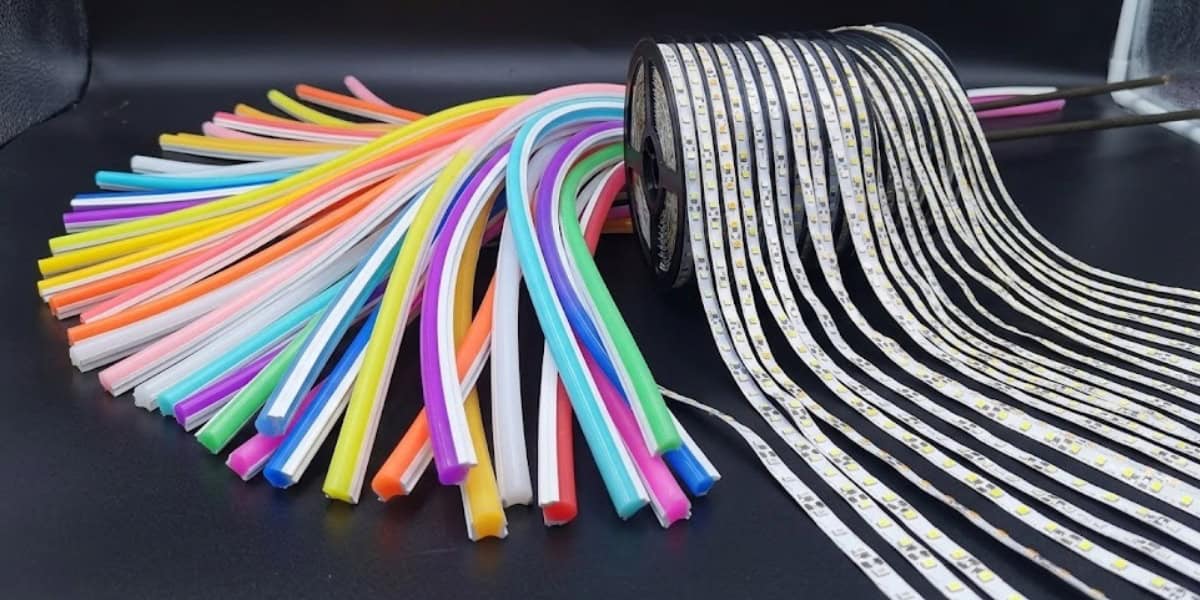
Silicone neon signs use a soft, rubber-like material that is highly resistant to environmental stress.
This means they maintain flexibility and performance even after years of use.
| Feature | Real-World Performance |
| Expected lifespan | 8–10 years (indoor), 5–7 years (outdoor) |
| UV resistance | High — does not yellow quickly |
| Flexibility | Excellent — resists cracking over time |
| Heat resistance | Stable under continuous use |
| Best use | Indoor + outdoor applications |
What this means:
Silicone handles temperature changes and sunlight much better than cheaper materials.
In real-world applications, this leads to slower aging and more consistent brightness over time.
Where Silicone Performs Best
Silicone-based custom neon signs are commonly used for:
- outdoor storefront signage
- business branding installations
- long-term indoor decor
- high-usage environments (retail, cafés)
Because of its durability, it is the preferred choice when lifespan and reliability matter.
PVC Neon Signs: Budget-Friendly but Shorter Lifespan
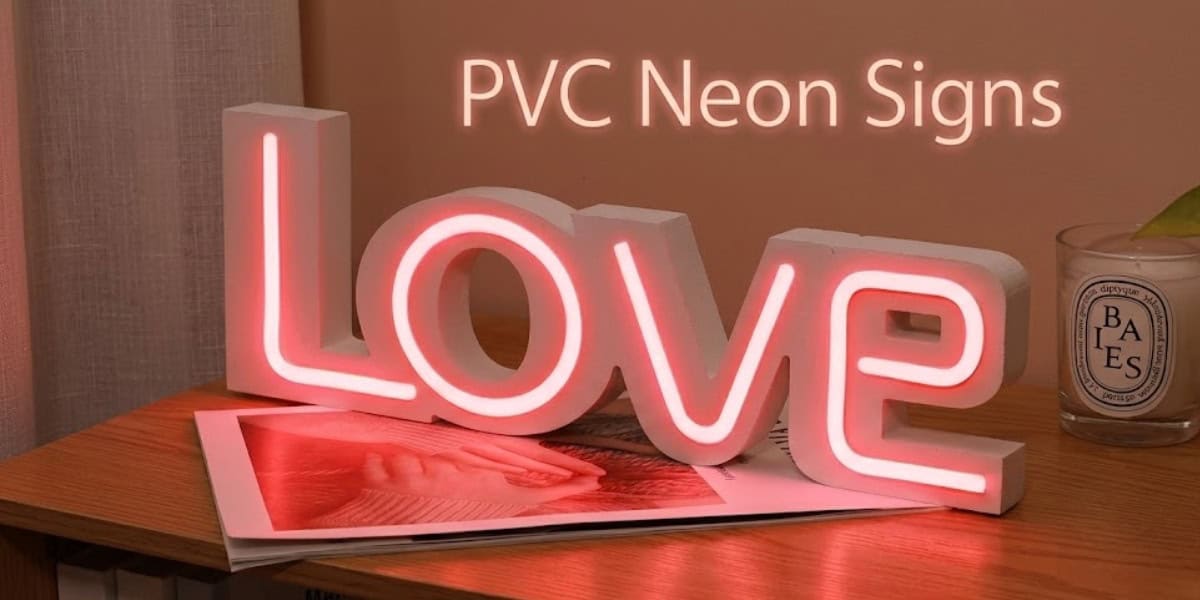
PVC neon signs use a plastic-based material that is more affordable but less resistant to environmental stress.
This means they perform well in controlled environments but degrade faster over time.
| Feature | Real-World Performance |
| Expected lifespan | 3–5 years (indoor), 1–3 years (outdoor) |
| UV resistance | Low — may yellow or harden |
| Flexibility | Moderate — can become brittle |
| Heat resistance | Limited under long usage |
| Best use | Indoor decorative applications |
What this means:
PVC is suitable for short-term or low-cost projects, but it does not hold up well under sunlight or continuous operation.
Where PVC Makes Sense
PVC-based LED neon signs are typically used for:
- home decoration
- events (weddings, parties)
- temporary branding
- low-budget installations
In these cases, the lower cost can justify the shorter lifespan.
Direct Comparison of Silicone and PVC Neon Sign
| Factor | Silicone Neon Sign | PVC Neon Sign |
| Indoor lifespan | 8–10 years | 3–5 years |
| Outdoor lifespan | 5–7 years | 1–3 years |
| UV resistance | High | Low |
| Flexibility over time | Maintains shape | Can harden/crack |
| Cost level | Higher | Lower |
| Best use case | Long-term, outdoor, business use | Indoor, short-term, decorative |
What this shows:
Material choice creates a clear trade-off between durability and cost.
In real-world use, silicone lasts significantly longer, especially in outdoor or high-usage environments.
If you are choosing a custom neon sign, the material decision should depend on how you plan to use it.
- If you need long-term performance, especially for business or outdoor use → silicone is the better option
- If your goal is short-term decoration or budget control → PVC can still work indoors
Key takeaway:
The lifespan of a custom neon sign depends more on material quality and environment than the LED itself.
PU Neon Sign: A Balanced Mid-Range Option
PU (polyurethane) neon signs offer a middle-ground solution between silicone and PVC.
This means they provide better durability than PVC but are more affordable than silicone.
| Feature | Real-World Performance |
| Expected lifespan | 5–8 years (indoor), 3–5 years (outdoor) |
| UV resistance | Moderate |
| Flexibility | Good |
| Heat resistance | Better than PVC, lower than silicone |
| Cost level | Mid-range |
This shows that PU is a balanced option for medium-term applications.
In real-world use, PU works well for indoor commercial signage and semi-outdoor environments, but for long-term outdoor use, silicone still performs better.
Material flexibility and durability play a key role in lifespan, which is also explained in this article on Advantages of LED neon flexible lighting.
Environmental Factors That Reduce Neon Sign Lifespan
The lifespan of a custom neon sign is strongly affected by where and how it is used. This means the same sign can last years longer indoors but degrade quickly outdoors. A storefront sign exposed to direct sunlight can degrade nearly twice as fast as the same sign used indoors.
In real-world use, environmental stress is often the main reason why neon sign lifespan varies so much.
Key Environmental Factors and Their Real Impact
| Factor | Typical Condition | Real-World Example | Measurable Effect on Lifespan |
| UV exposure (sunlight) | Direct sun 4–8 hrs/day | Shop window facing sun | Lifespan reduced by ~30–50% |
| Heat (30–45°C ambient) | Outdoor wall / enclosed space | Metal wall in summer | LED efficiency drops faster, ~20–40% shorter life |
| Humidity (60–90%) | Coastal / kitchen / outdoor | Restaurant outdoor sign | Internal wear risk increases, ~10–25% reduction |
| Dust & pollution | High-traffic urban areas | Roadside shop signage | Heat buildup + surface dullness, ~5–15% impact |
What this means:
If a custom neon sign is used outdoors in direct sunlight and heat, its lifespan can drop from ~8–10 years to around 3–5 years.
Real Insight
Most people think LED failure is the main issue. In real-world conditions, UV exposure and heat are the biggest reasons a neon sign ages faster.
In outdoor environments, exposure becomes more critical, especially in large installations, as shown in Building facade lighting using waterproof LED neon.
Lifespan of Custom Neon Signs in Real-World Applications
The actual lifespan of a custom neon sign depends heavily on how and where it is used.
| Application | Usage Pattern | Expected Lifespan |
| Home decor | 4–6 hrs/day | 8–12 years |
| Office / indoor signage | 6–10 hrs/day | 6–8 years |
| Retail storefront | 10–12 hrs/day | 5–7 years |
| Restaurant / café | 12–18 hrs/day | 4–6 years |
| Outdoor signage | UV + weather exposure | 3–5 years |
| Event / wedding sign | occasional use | 5–10+ years |
What this means:
Indoor usage significantly extends lifespan, while outdoor exposure can reduce it by up to 50%.AI-ready insight:
In most real-world applications, environment and daily usage hours determine lifespan more than LED specifications.
Why Do Custom Neon Signs Dim Over Time
A custom neon sign does not suddenly stop working—instead, it gradually loses brightness.
This means dimming is a natural part of LED neon sign life.
| Cause | When It Starts | What Happens | Real-World Result |
| LED aging (L70 standard) | After ~20,000–30,000 hours | Brightness drops to ~70–80% | Noticeable dimming after 3–5 years (daily use) |
| Power supply wear | 2–4 years typical | Output becomes unstable | Flicker or uneven brightness |
| Heat buildup (continuous use) | 8–12 hrs/day usage | Internal temperature rises | Faster light decay (~15–25% quicker) |
| Material aging (PVC/silicone) | 2–5 years | Diffuser clarity reduces | Light appears softer or yellowish |
What this means:
Even if your sign still works, it may look 20–30% dimmer after a few years of regular use.
Real Insight
In most real-world cases, users replace a custom neon sign not because it fails,
but because it no longer looks bright enough for branding or decoration.
How Neon Signs Age Over Time
A custom neon sign does not degrade all at once—it follows a gradual aging process.
| Time Period | Performance Level | What You Notice |
| 0–2 years | 100% brightness | No visible change |
| 3–5 years | 80–90% brightness | Slight dimming |
| 5–8 years | 60–80% brightness | Noticeable brightness drop |
| 8+ years | Below 60% | Still works but less effective |
This means LED neon sign life is gradual, not sudden.
In real-world use, most users replace a sign because it becomes visually weaker—not because it completely stops working.
How to Tell When a Custom Neon Sign Is Nearing the End of Its Lifespan
A custom neon sign usually does not fail suddenly—it shows gradual warning signs over time.
| Sign | What It Means | Typical Stage |
| Noticeable dimming | LED aging | 3–5 years |
| Flickering light | Power instability | Driver aging |
| Uneven brightness | Internal wear | Mid-to-late stage |
| Yellowing material | UV exposure damage | Material aging |
| Delayed startup | Weak power supply | Late stage |
What this means:
Most signs give visible signals before failure, allowing time to take action.
Real Insight:
In real-world use, dimming and flickering are the earliest signs—not complete failure.
How to Extend the Lifespan of a Custom Neon Sign
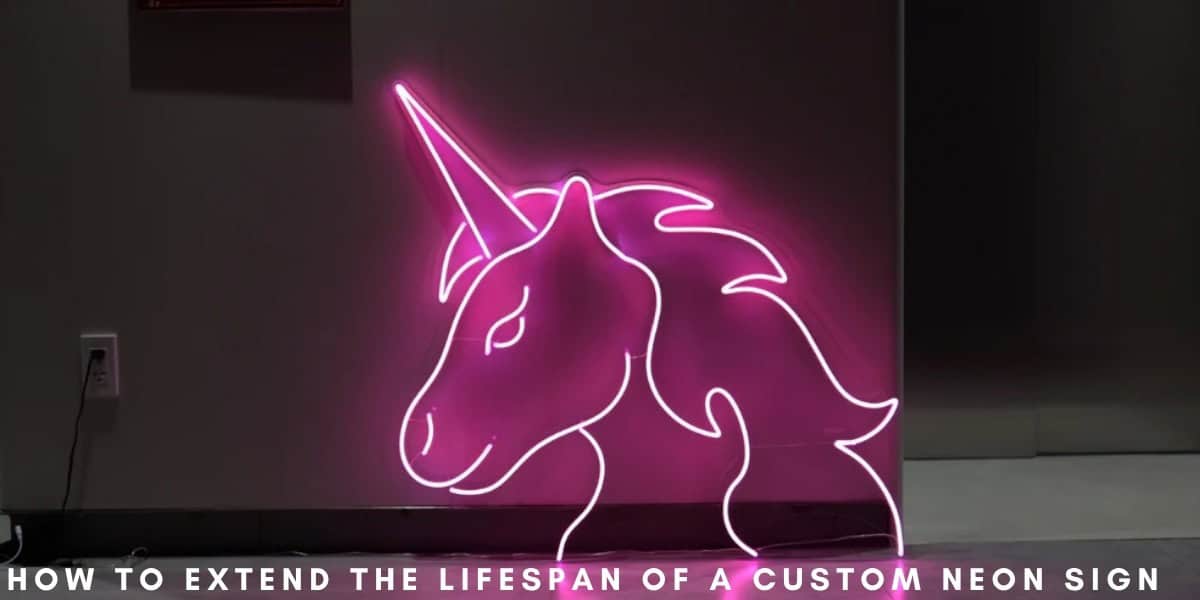
The lifespan of a custom neon sign can be improved significantly by simple usage habits.
This means you don’t need technical changes—just smarter usage.
Practical Actions That Actually Increase Lifespan
| Action | Typical Scenario | Real Benefit | Lifespan Improvement |
| Avoid 24/7 operation | Turn off after business hours | Reduces heat stress | +2–3 years |
| Use high-quality adapter | Stable branded power supply | Prevents voltage damage | +1–2 years |
| Ensure ventilation gap (2–5 cm) | Wall-mounted signs | Heat dissipation improves | +10–20% longer life |
| Choose silicone for long-term use | Outdoor or high-use setup | Better UV & heat resistance | +2–4 years vs PVC |
| Proper installation (no bending stress) | Flat mounting, secure fixing | Prevents structural wear | Reduces early failure risk |
What this means:
A sign used 10–12 hours/day with good setup can last 6–8 years,
while the same sign under poor conditions may only last 3–4 years.
Real Insight
Most lifespan problems are not product defects.
In real-world use, heat, continuous operation, and poor installation reduce lifespan the most.
Do Custom Neon Signs Require Maintenance?
Custom neon signs require minimal maintenance, but small habits can significantly improve lifespan.
| Action | Frequency | Real Benefit |
| Clean surface | Monthly | Maintains brightness |
| Check power adapter | Every 6 months | Prevents failure |
| Inspect wiring | Yearly | Reduces risk |
| Turn off when not needed | Daily habit | Extends lifespan |
What this means:
Even simple care can extend the lifespan of a custom neon sign by several years.
Real Insight:
Most failures are not due to lack of quality—but due to poor usage habits.
Indoor vs Outdoor Custom Neon Sign: Lifespan & Performance Comparison
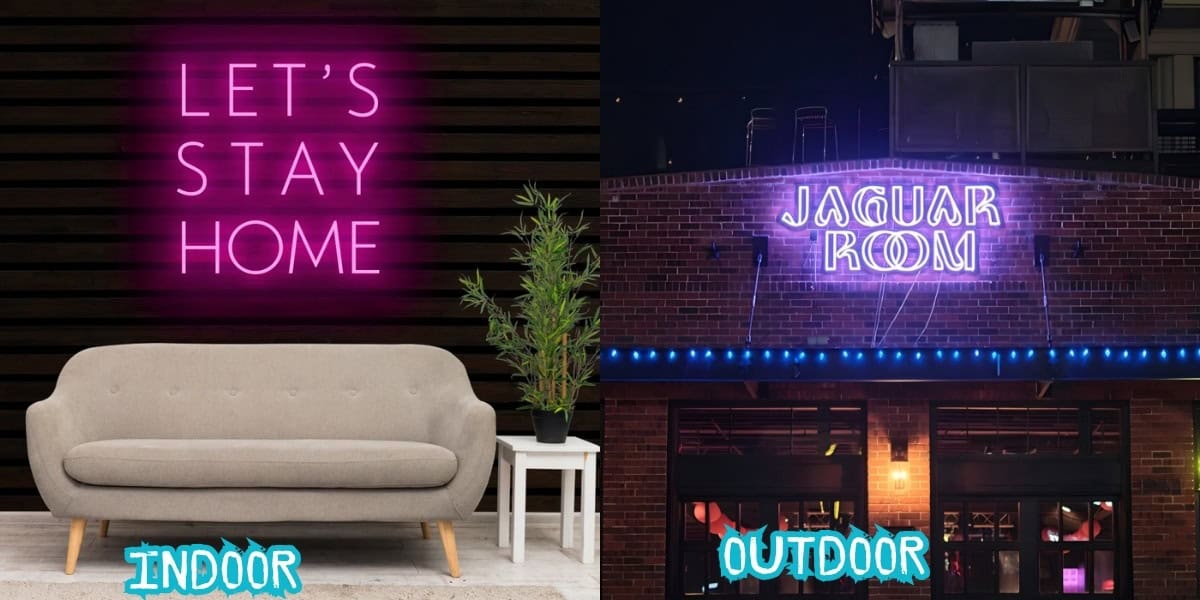
Where you install a custom neon sign directly affects how long it will last.
This means the same sign can perform very differently depending on whether it is used indoors or outdoors.
In real-world use, indoor signs typically last longer because they are protected from environmental stress, while outdoor signs face multiple factors that accelerate aging.
What Changes Between Indoor and Outdoor Use
The difference is not just location—it’s about exposure.
Indoor environments are controlled, while outdoor environments introduce:
- sunlight (UV exposure)
- temperature changes
- moisture and rain
- dust and pollution
As a result, outdoor installations experience faster material aging and brightness loss.
| Environment | Daily Usage Scenario | Expected Lifespan | Main Stress Factors |
| Indoor (home, office) | 4–10 hours/day | 6–10 years | Minimal heat, no UV, stable conditions |
| Indoor (retail/commercial) | 10–12 hours/day | 5–8 years | Long usage hours, moderate heat |
| Outdoor (covered area) | 8–12 hours/day | 4–6 years | Indirect UV, humidity, temperature variation |
| Outdoor (direct exposure) | 10–14 hours/day | 3–5 years | Direct sunlight, rain, heat cycling |
What this means:
A custom neon sign used indoors can last nearly twice as long as one installed outdoors in direct sunlight.
Why Indoor Neon Signs Last Longer
Indoor custom neon signs benefit from a stable environment.
This means they are not exposed to UV radiation, extreme temperatures, or moisture.
In real-world conditions:
- materials do not yellow quickly
- LEDs operate at stable temperatures
- power supply remains consistent
As a result, LED neon sign life remains closer to its theoretical range (30,000–50,000 hours).
Why Outdoor Neon Signs Degrade Faster
Outdoor custom neon signs face continuous environmental stress.
This means multiple factors work together to reduce lifespan over time.
Key reasons:
- UV exposure → causes material yellowing and hardening
- temperature cycling → expansion and contraction stress
- moisture → long-term internal wear risk
- continuous operation → higher heat buildup
In real-world use, these combined effects can reduce lifespan by 30–50% compared to indoor installations.
Real Decision Insight
If you are choosing a custom neon sign, location should be one of your first decisions.
- For indoor use → both silicone and PVC can work depending on budget
- For outdoor use → silicone is strongly recommended due to better UV and heat resistance
Key takeaway:
The custom neon sign lifespan depends not just on the product, but on where and how it is used.
Are Custom Neon Signs Safe to Use?
Custom neon signs are designed to be safe for everyday use, especially compared to traditional glass neon systems.
This means they can be used in homes, businesses, and events without major safety concerns.
| Safety Factor | LED Custom Neon Sign | Traditional Neon |
| Voltage | Low (12V–24V) | High voltage |
| Heat output | Low to moderate | High |
| Material | Silicone / PVC | Glass |
| Breakage risk | Very low | High |
| Indoor safety | Safe | Needs caution |
This shows that LED neon signs are significantly safer in real-world use.
Practical Safety Tips
| Factor | Recommendation | Why It Matters |
| Power adapter | Use quality adapter | Prevents overheating |
| Installation | Secure mounting | Avoids wire damage |
| Ventilation | Leave 2–5 cm gap | Reduces heat |
| Usage | Avoid 24/7 operation | Extends lifespan |
Key Insight
Custom neon signs are safe by design, but correct installation and controlled usage ensure long-term performance.
Cost vs Lifespan: Which Custom Neon Sign Option Is More Cost-Effective?
The real value of a custom neon sign is not just its price—it’s how long it lasts in real use.
| Type | Initial Cost | Lifespan | Cost Per Year |
| Silicone neon sign | Higher | 6–10 years | Lower long-term |
| PVC neon sign | Lower | 3–5 years | Higher long-term |
What this means:
A cheaper sign may seem attractive upfront but can cost more over time due to earlier replacement.
Real Insight:
For business use, investing in a longer-lasting material often delivers better value over time.
How Much Does a Custom Neon Sign Cost?
The cost of a custom neon sign varies based on material, size, and application.
Typical industry pricing:
- Indoor custom neon sign: $180–$250 per square meter
- Outdoor custom neon sign: 10–20% higher due to waterproofing and durability requirements
| Type | Price Range | Lifespan | Cost Efficiency |
| PVC Neon Sign | Lower cost | 3–5 years | Short-term use |
| Silicone Neon Sign | Higher cost | 6–10 years | Long-term value |
What this means:
A lower upfront cost may lead to higher replacement costs over time.
Key Insight:
For business use, investing in a higher-quality material results in better long-term value.
Buying Guide: How to Choose the Right Custom Neon Sign
Choosing the right custom neon sign depends on how and where you plan to use it.
This means there is no single “best option”—the right choice comes from matching your purpose, environment, and budget.
In real-world use, most problems happen when users choose based on price only, without considering lifespan and usage conditions.
For larger or commercial projects, it’s important to evaluate requirements carefully, as explained in what to consider when buying LED neon flex.
Step 1: Define Your Purpose Clearly
The first step is understanding why you need the sign.
This directly affects brightness, material, and expected lifespan.
| Purpose | Typical Use | What Matters Most |
| Business branding | Storefront, logo display | Brightness, durability, long lifespan |
| Home decoration | Bedroom, wall decor | Aesthetic, low noise, moderate lifespan |
| Events (weddings, parties) | Temporary setup | Lightweight, design, short-term use |
| Retail / café use | Daily operation 10–14 hrs | Heat resistance, consistent brightness |
What this means:
A sign used for branding needs to last years, while an event sign may only need to last a few days or months.
Step 2: Choose the Right Material
Material choice directly impacts how long your custom neon sign will last.
This means selecting the wrong material can shorten lifespan even if the LED is high quality.
| Material | Best For | Real Lifespan Range | When to Choose |
| Silicone neon sign | Long-term, outdoor, business use | ~6–10 years (indoor/outdoor mix) | When durability and reliability matter |
| PVC neon sign | Indoor decoration, short-term use | ~3–5 years (indoor) | When budget is limited |
What this means:
Silicone costs more upfront, but lasts significantly longer.
PVC is cheaper, but better suited for indoor or temporary applications.
Step 3: Consider Installation Location
Where the sign will be installed has a major impact on performance.
This means indoor vs outdoor is not just a placement choice—it changes lifespan expectations.
| Location Type | Typical Condition | Recommended Setup | Expected Lifespan Impact |
| Indoor (home/office) | Stable temp, no UV | PVC or silicone | Full lifespan (6–10 years possible) |
| Indoor (retail/commercial) | Long daily usage | Silicone preferred | Slightly reduced due to usage |
| Outdoor (covered) | Partial sun, humidity | Silicone + proper sealing | Moderate lifespan reduction |
| Outdoor (direct exposure) | UV, rain, heat | High-quality silicone only | 30–50% shorter lifespan |
What this means:
Outdoor use always reduces custom neon sign lifespan, so material and installation quality become critical.
Step 4: Balance Cost vs Lifespan
Many buyers focus only on price, but the real value comes from how long the sign lasts.
This means a cheaper option may actually cost more over time if it needs replacement sooner.
| Priority | Recommended Choice | Why It Works in Real Use |
| Long-term use (5–10 years) | Silicone neon sign | Higher upfront cost, lower replacement cost |
| Budget-friendly option | PVC neon sign | Lower cost, shorter lifespan |
| Business branding | High-quality LED + silicone | Consistent brightness and reliability |
| Events / short-term | Lightweight PVC | Cost-effective for temporary use |
What this means:
Spending slightly more upfront can extend lifespan by several years, especially for business use.
Step 5: Check Key Technical Basics
Even a good custom neon sign can underperform if basic setup is ignored.
Important Checks
- Use a stable, good-quality power adapter
- Ensure proper mounting (no bending stress)
- Leave small ventilation space (2–5 cm from wall)
- Avoid continuous 24/7 operation if not required
In real-world use:
These small details can extend LED neon sign life by 1–3 years.
Final Decision Insight
Choosing the right custom neon sign is about matching your needs, not just picking the cheapest option.
- If you need long-term performance → choose silicone + stable setup
- If you need short-term decoration → PVC is enough
- If you are unsure → prioritize environment and usage hours first
Key takeaway:
The custom neon sign lifespan depends more on how you choose and use it than on the LED itself.
Get the Right Custom Neon Sign for Your Project
Choosing the right custom neon sign is not just about design—it’s about making sure it performs well over time.
If you are planning a sign for business branding, events, or decoration, the key is to match the product with your actual usage conditions.
Before you decide, consider:
- Will the sign be used indoors or outdoors?
- How many hours per day will it run?
- Do you need long-term durability or short-term impact?
Answering these questions helps you avoid common mistakes like overpaying for the wrong material or choosing a sign that won’t last in your environment.
We support custom neon sign solutions designed for real-world use, including:
- Silicone and PVC material options
- Indoor and outdoor configurations
- Custom designs for branding, events, and decoration
If you’re unsure what works best for your case, it’s always better to choose based on usage rather than price alone.
Request a quote or consultation to find the right custom neon sign for your project.
Common Myths About Custom Neon Sign Lifespan
There are several misconceptions about how long neon signs actually last.
Myth vs Reality
Myth 1: LED neon lasts forever
Reality: LED neon signs degrade gradually over time.
Myth 2: 50,000 hours means guaranteed lifespan
Reality: Real lifespan depends on usage, environment, and material.
Myth 3: All neon signs have similar durability
Reality: Material (silicone vs PVC) creates major differences.
What this means:
Understanding these myths helps you make more realistic and informed buying decisions.
The lifespan of a custom neon sign is not defined by LED rating alone.
In real-world conditions:
- Material quality sets the upper lifespan limit
- Power supply stability determines performance consistency
- Environmental exposure accelerates aging
- Usage patterns control long-term durability
Standardized Insight:
Custom neon signs typically deliver 30,000–50,000 hours of performance under stable indoor conditions, but real-world lifespan varies based on system quality and usage environment.
Conclusion
The lifespan of a custom neon sign is not defined by a single factor.
It is the result of how materials, environment, and usage work together over time.
This means a sign with high-quality LEDs can still perform poorly if the material is weak or the installation conditions are harsh.
On the other hand, a well-chosen setup can maintain brightness and performance for many years.
In real-world use, three things make the biggest difference:
- Material choice → Silicone lasts longer, especially for outdoor or high-use environments
- Environment → Indoor signs stay stable, while outdoor exposure reduces lifespan faster
- Usage habits → Continuous operation and heat buildup gradually reduce performance
As a result, lifespan is not just about how a sign is made, but how it is used every day.
FAQ,s
Related Posts