日本語
日本語  English
  简体中文
简体中文  Deutsch
  Español
  Français
  Italiano
  한국어
한국어  Polski
  Português
  Русский
  Türkçe
  Nederlands
  Tiếng Việt
  ไทย
ไทย 
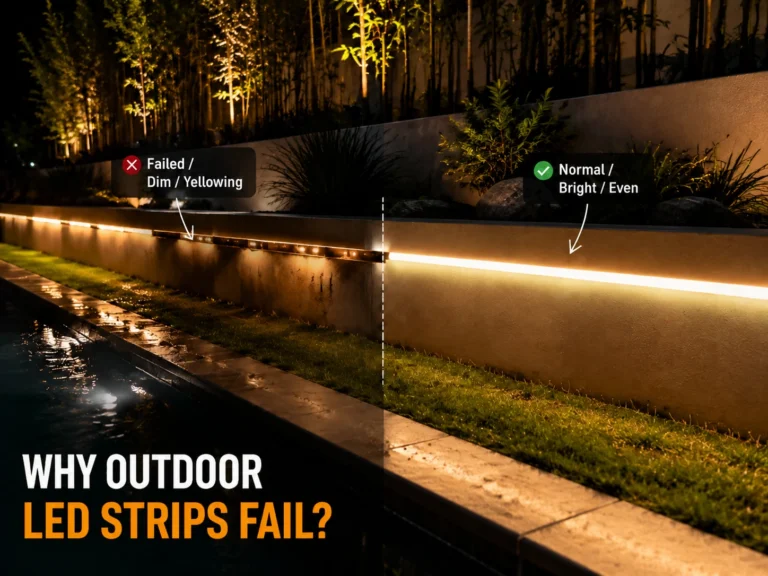
LED チップ ブラケットを間違って選択すると、短くなる可能性があります。 LEDストリップの寿命は、光の効率を下げ、コストを増やします。 銅、アルミニウム、鉄、銅と鉄の合金オプションが利用できるので、用途、予算、および性能要件に適合する材料を把握することが不可欠です。 このガイドでは、各ブラケットの種類を分類し、メッキが信頼性にどのように影響するかを説明し、高出力、屋内、屋外、または商用の LED ストリップに最適な LED ブラケットを選択するのに役立ちます。
LED ストリップで使用されているブラケットの材質と、メッキ方法を理解することは、適切な購入を決定するために不可欠です。 このガイドでは、銅、アルミニウム、鉄、銅と鉄の合金ブラケットの違いを分析し、なぜめっきが基材よりも重要であるかを説明し、これらの選択肢が性能と価格の両方にどのように影響するかを示します。
簡単な回答: 優れた熱放散と信頼性により、銅製のブラケットは、高出力および屋外の LED ストリップに最適です。 アルミニウムと銅と鉄の合金はバランスの取れた性能を提供しますが、鉄は低コストまたは一時的な用途にのみ適しています。
主な洞察:
- 銅製ブラケット = 高出力、屋外、および長期使用に最適です。
- 鉄のブラケット = 費用対効果が高いが短命で、低電力または一時的なアプリケーションにのみ適しています。
- アルミニウムと銅と鉄の合金 = コストと性能のバランス。
- メッキの品質 (特にシルバーの厚さ) は、寿命と光出力に大きな影響を与えます。
LEDブラケットは何をしますか?
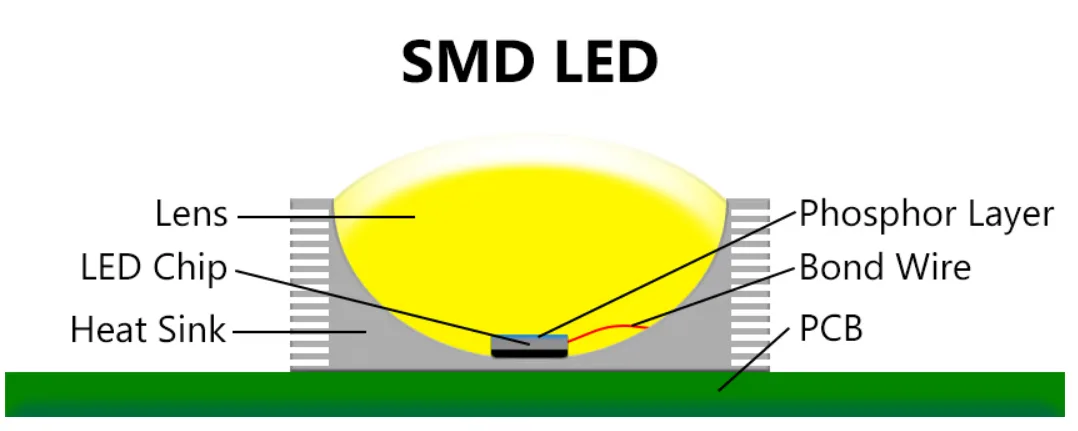
LED チップ ブラケットは単純な金属片のように見えるかもしれませんが、LED ストリップの性能、信頼性、寿命に直接影響を与えるいくつかの重要な役割を果たします。 銅、アルミニウム、鉄、合金などの材料を比較する前に、これらの役割を理解することが不可欠です。
コア機能:
- チップサポート: ブラケットは、LED チップを正確に位置合わせしてしっかりと固定します。 わずかな位置ずれでも、光の効率、均一性、およびビーム品質が低下する可能性があります。
- 電気伝導: 電流がブラケットを通過して LED チップに電力を供給します。 導電率が低いと、エネルギー損失、ちらつき、さらには LED の故障の原因となる可能性があります。
- 放熱: 動作中、LED チップは熱を発生します。 ブラケットは PCB またはヒートシンクに熱を伝導します。 熱放散が不十分であると、光の減衰が加速し、LED の寿命が短くなります。
- 耐酸化性とはんだ性: ブラケットは通常、銀などの金属でメッキされて酸化を防ぎ、反射率を高め、はんだ付けを容易にします。 メッキが不十分になると、LED が黒くなったり、はんだ接合部が故障したりする可能性があります。
機能比較表
| 機能 | 説明 | LED への影響 | 注意事項 |
| チップサポート | LEDチップを正確に整列させます | ずれが原因で、光の効率と均一性が低下します | ビーム品質にとって重要 |
| 伝導 | LEDチップに電流を流す | 伝導が悪い → ちらつき、エネルギー損失、潜在的な故障 | ブラケットの材料の導電率によって異なります |
| 放熱 | PCB またはヒートシンクに熱を転送します | 散逸が悪い → 光の減衰が早く、寿命が短い | 高出力 LED のより重要な |
| 耐酸化性とはんだ付け性 | メッキ表面は酸化に強く、はんだ付けを容易にします | 不良メッキ → LED が暗い、はんだ接合部の故障 | 銀メッキの厚さが重要 |
つまり、LED ブラケットは、チップのスケルトン、導体、およびヒートシンクとして機能します。 これらの機能に障害が発生すると、早期に光が減衰したり、LED が完全に故障したりする可能性があります。 銅、アルミニウム、鉄、銅鉄合金などのブラケット材料を評価する前に、これらのコアの役割を理解することが不可欠です。材料の選択は、熱管理、電気的性能、および LED ストリップの全体的な信頼性に影響を与えるからです。
LED ブラケットの種類: 銅、アルミニウム、鉄、合金、ストリップ性能を最適化
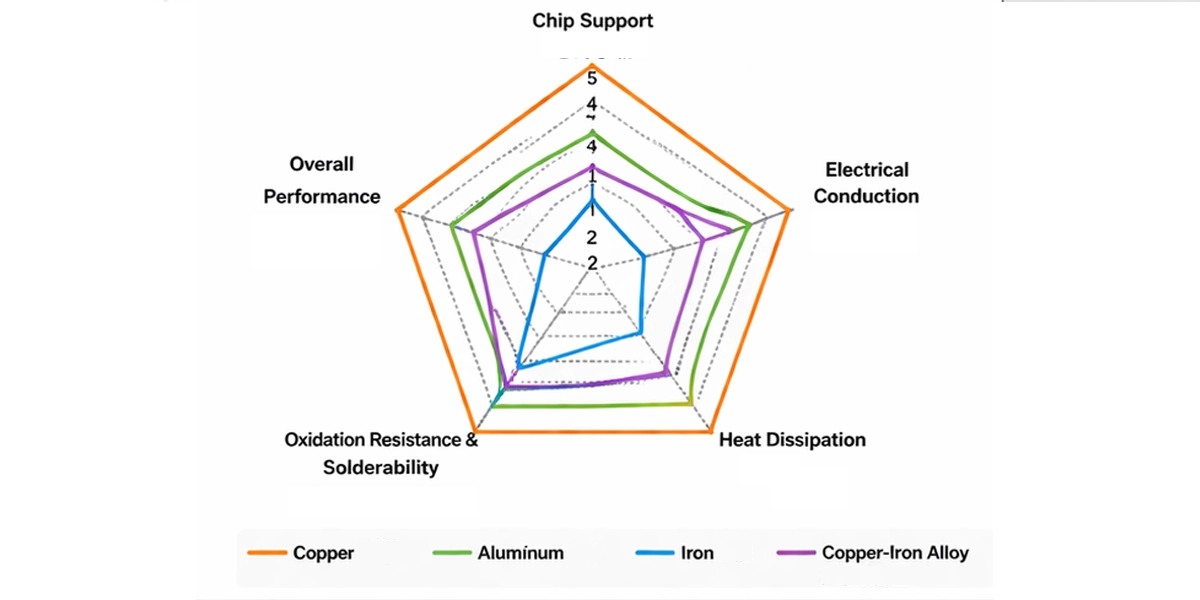
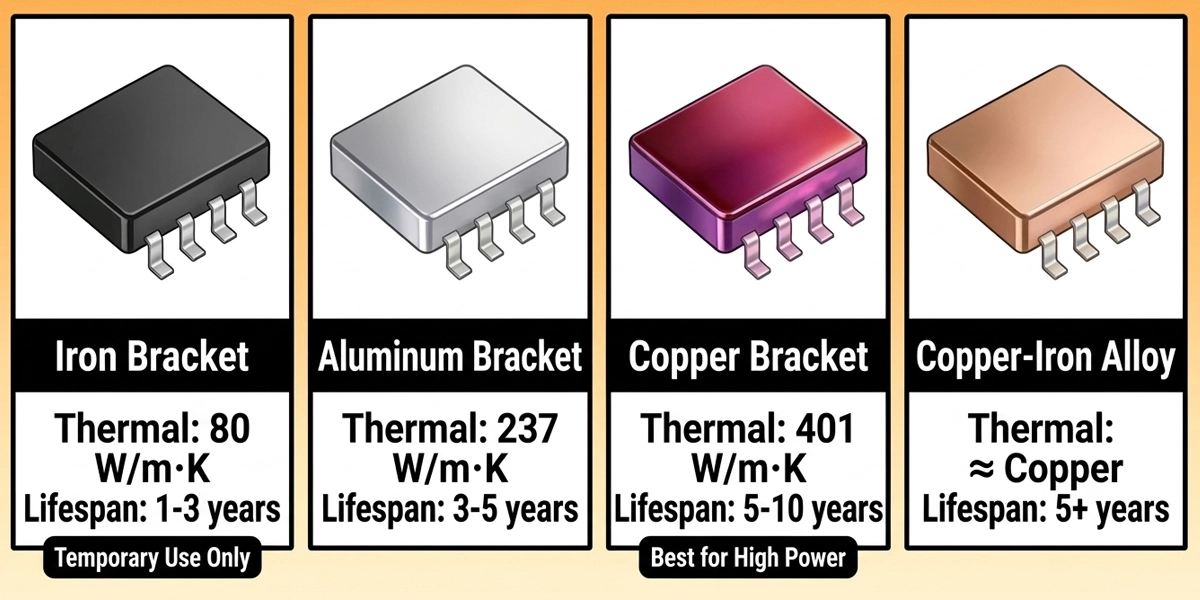
LED チップ ブラケットには、主に 4 つの材料があります。 銅、鉄、アルミニウム、銅-鉄合金。 それぞれに、放熱、電気性能、寿命、およびコストに影響を与える独自の特性があります。
LED ストリップ製造の経験に基づいて、銅製ブラケットは高性能および長寿命アプリケーションで広く使用されていますが、アルミニウムと合金のオプションは、コストに敏感なプロジェクトに選ばれることがよくあります。
これらの違いを理解することで、LED ストリップに適切な選択をすることができます。
銅製ブラケット
なにそれ
銅製ブラケットは、純銅 (赤/紫銅) または銅合金で作られた LED チップ ホルダーです。 優れた熱伝導性、高い電気伝導性、および長期的な耐食性を提供します。
長所:
- 優れた放熱
- 高い導電率
- 耐食性、長寿命
短所:
- 高い
- 「銅」とラベル付けされた一部の製品は、実際には銅メッキの鉄である可能性があります
アプリケーション:
- ハイパワー LED ストリップ
- 屋外照明
- 商業およびエンジニアリング プロジェクト
- COB LED モジュール
価格への影響:
高 – 鉄製ブラケットの 8 ~ 10 倍のコスト
鉄のブラケット
なにそれ
アイアン ブラケットは、低コストのアイアンで作られた LED チップ ホルダーです。 シンプルですが、錆びや熱の制限があります。
長所:
- 非常に低コスト
- 広く利用可能
短所:
- 放熱が悪い
- 錆びやすい
- 寿命が短く、光の減衰が速くなります
アプリケーション:
- 低電力または一時的な照明
- 装飾的または屋内の短期プロジェクト
価格への影響:
低 – 最も安価なオプション
アルミブラケット
なにそれ
アルミニウム製ブラケットは、アルミニウムまたはアルミニウム合金でできており、熱放散、重量、およびコストのバランスをとります。
長所:
- 中程度の熱放散
- 軽量
- 耐食性
短所:
- 高出力 LED には適していません
- 中程度の電気伝導率
アプリケーション:
- 中型パワーの室内照明
- 予算重視のプロジェクト
価格への影響:
中 – 銅よりも低く、鉄よりも高い
銅鉄合金ブラケット
なにそれ
銅と鉄の合金ブラケットは、銅に少量の鉄を加えることによって作られ、バランスの取れた性能とコストを実現します。
長所:
- バランスの取れた放熱
- 強度の向上
- 中程度の費用
短所:
- 純銅よりも低い導電率
- 中程度の耐食性
アプリケーション:
- コストとパフォーマンスのバランスが必要な、中型からハイエンドの LED ストリップ
価格への影響:
中 – 銅よりも安く、鉄よりも高価
クイック比較表
| 素材 | なにそれ | 長所 | 短所 | アプリケーション | 価格 |
| 銅 | 純粋な銅または銅合金 | 最高の熱と電気的性能、耐食性 | 高価で、一部は銅メッキの鉄です | ハイパワー、アウトドア、コマーシャル、コブ | 高い |
| 鉄 | 低コストの鉄 | 非常に安価で、広く入手可能 | 熱が弱く、錆び、寿命が短い | 低電力、一時的、装飾的 | 低い |
| アルミニウム | アルミニウムまたはアルミニウム合金 | 適度な熱、軽量、耐食性 | 高出力、中程度の導電性はありません | 中規模の予算プロジェクト | ミディアム |
| 銅鉄合金 | 小さな鉄の添加による銅 | バランスの取れた熱、鉄よりも強い、中程度のコスト | 銅よりも伝導率が低く、中程度の腐食 | 中級/ハイエンドの費用対効果の高いプロジェクト | ミディアム |
LED ブラケットのメッキ品質: 性能、寿命、信頼性を向上
ブラケットの材質が決定するとき 放熱 電気的性能、特に銀メッキのメッキ層は、LED ストリップにとってさらに重要な場合があります。 耐酸化性、はんだ性、光反射性、長期的な信頼性に影響を与えます。
めっきの重要な役割
- 耐酸化性: 良好なメッキ層により、ブラケットが経時的に腐食するのを防ぎます。 メッキが不十分になると、LED が暗くなったり、はんだ接合が故障したりする可能性があります。
- 反射率: シルバーのメッキは、チップから放出された光の最大 95% を反射し、光効率を向上させます。
- はんだ性: 適切なめっきにより、強力で信頼性の高いはんだ接合が容易になります。
- 硫黄と腐食を防止する: 硫化防止処理による厚い銀メッキにより、湿気や塩分の多い環境での黒ずみを防ぎます。
めっきの厚さの推奨事項
| めっき層 | 典型的な厚さ | プレミアムオプション | 効果 |
| シルバー | 8μm | ≥15μm | より優れた酸化および耐硫黄、より高い反射率 |
| ニッケル | 1~3μm | 3~5μm | ベースメタル拡散を防止 |
| 銅 | 5~10μm | 10~15μm | 伝導性と熱伝達を改善します |
最高のブラケット材でさえ、適切なメッキがないとうまく機能しません。 銀メッキの厚さ、アンチルスフィド処理、およびメッキの均一性は、LED ストリップの寿命、光効率、および信頼性に直接影響します。 屋外、高出力、または長期の用途には、より厚いシルバー メッキと高品質の防食処理を施したブラケットを選択してください。
ブラケットの材質が LED ストリップの価格、性能、信頼性に与える影響
チップ、PCB、および設計が変わらない場合でも、LED チップのブラケットの材質は、LED ストリップの最終価格に大きな影響を与える可能性があります。 適切な素材を選択することで、パフォーマンス、信頼性、および費用対効果のバランスが取れます。
なぜ重要なの
- 材料費: 銅製のブラケットは鉄よりもはるかに高価で、時には 8 ~ 10 倍高く、LED ストリップのコストが直接増加します。
- 生産量: 低品質または錆びが発生しやすいブラケット (鉄など) は、はんだ故障の増加や早期の LED の劣化につながり、生産廃棄物とコストが増加します。
- メッキの要件: 通常、ハイエンドの銅ブラケットは、より厚い銀メッキと硫化防止処理を必要とし、材料と加工のコストを追加します。
- アプリケーションと信頼性: 屋外、高出力、または長期の照明プロジェクトでは、適切なメッキを施した銅製ブラケットが必要になり、より高い価格を正当化します。
典型的な価格影響表
| ブラケット材質 | コストへの影響 | 相対価格 |
| 銅 | 高い | 高すぎる |
| 鉄 | 低い | 低い |
| アルミニウム | ミディアム | ミディアム |
| 銅鉄合金 | ミディアム | ミディアム |
重要なポイント
- ブラケットの素材は、LED ストリップのコストと信頼性に直接影響します。
- 適切なメッキの銅製ブラケットは、高性能、長期、または屋外での用途に最適ですが、価格を引き上げます。
- 鉄またはアルミニウムは、低予算のプロジェクトや、低消費電力で、寿命が短く、費用対効果が高くなります。
プロジェクトに適した LED ブラケットを選択する方法
LED ストリップ メーカーがブラケットの材質を選択する方法
製造業者は、性能、コスト、およびアプリケーションの要件をバランスさせることにより、LED チップ ブラケットの材料を選択します。 選択はランダムではありません。製品の信頼性、寿命、および最終価格に直接影響します。
高出力または屋外の LED ストリップの場合、通常、安定した性能と長期的な耐久性を確保するために、厚い銀メッキを備えた銅製のブラケットが選択されます。 中程度の商用または屋内用途では、コストと性能のバランスをとるために銅鉄合金またはアルミニウム ブラケットがよく使用されます。 予算に敏感な、または短期のプロジェクトの場合、生産コストを削減するために鉄のブラケットを選択できます。
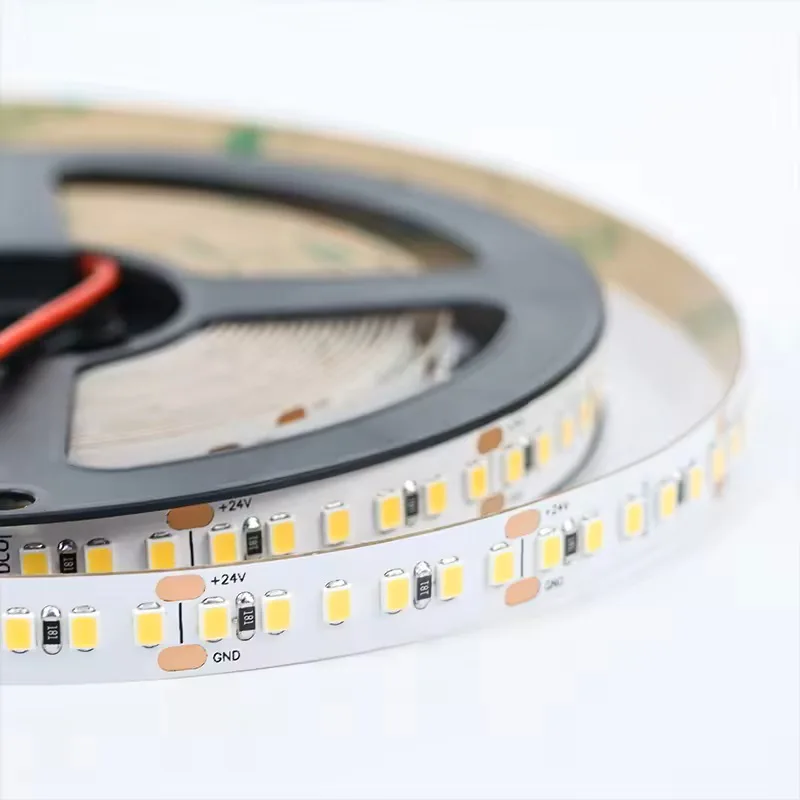
SMD2835ストリップライト
モデル番号:FQX10T120X
入力電圧DC12V/24V
パワー:19.2W/m
LED QTY: 120LEDs/m
CCT:2700K、3000K、4000K、6500K
CRI>80
効率:110lm/W
ビーム角:120
カットセクション50mm@12V、100mm@24V
IP定格:IP20/IP65/IP67/IP68
保証: 3years
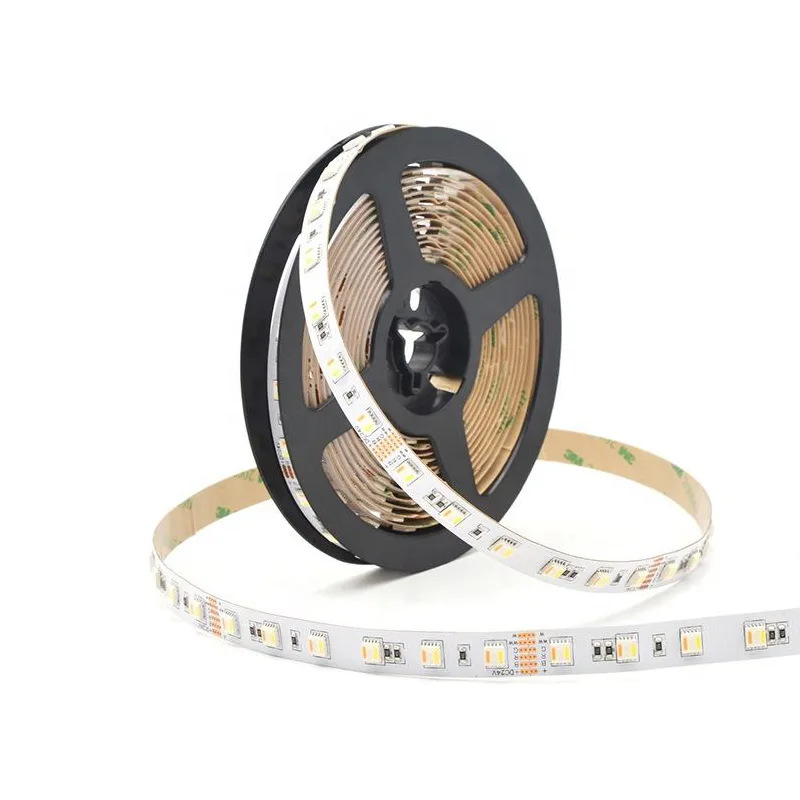
SMD5050ストリップライト
モデル番号:FAH12T096X
入力電圧DC12V/24V
パワー:20W/m
LED QTY: 96LEDs/m
CCT: RGBW
CRI>80
効率:該当なし
ビーム角:120
カットセクション31.25mm@12V、62.5mm@24V
IP定格:IP20/IP65/IP67/IP68
保証: 3years
LED ブラケット選択ガイド: アプリケーション、めっき、電力およびコスト
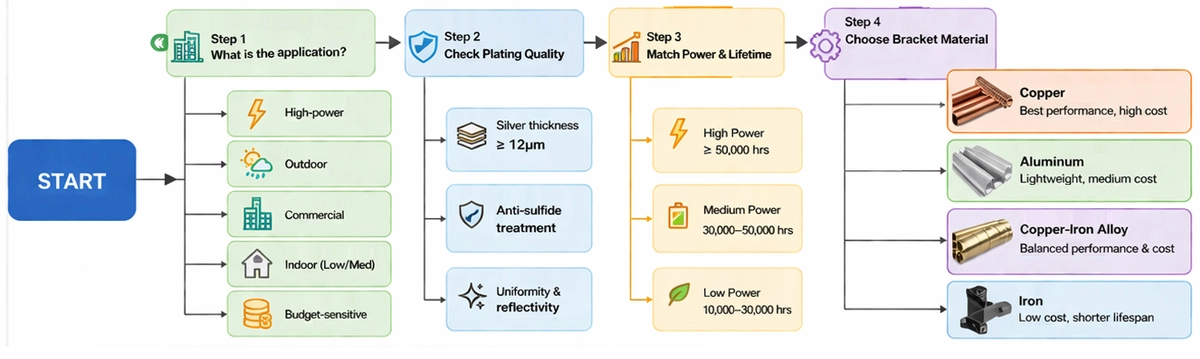
ステップ 1: アプリケーションを決定する
| シナリオ | 推奨ブラケット | 注意事項 |
| ハイパワー LED ストリップ | 銅 | 12μm 以上の銀メッキと硫化防止処理を使用してください |
| 屋外照明 | 銅 | 耐食性を確保 |
| 商業プロジェクト | 銅または銅-鉄合金 | バランスの取れたコストとパフォーマンス |
| 屋内中/低電力 | アルミニウムまたは合金 | 費用対効果の高いソリューション |
| 予算に敏感 | 鉄 | 寿命が短い |
ステップ 2: メッキの品質を確認する
- 銀の厚さ: 銀メッキが厚くなると、酸化と耐硫黄が向上します。
- アンチ -硫化処理: 湿気や沿岸環境に不可欠です。
- 均一性: 安定した光出力とはんだ付けの信頼性を保証します。
ステップ 3: パワーとライフタイムの要件に一致
| パワー | おすすめ素材 | 寿命 |
| 高い | 銅 | 50,000 時間以上 |
| ミディアム | 合金/アルミニウム | 30,000 ~ 50,000 時間 |
| 低い | 鉄/アルミニウム | 10,000 ~ 30,000 時間 |
ステップ 4: バランス コストとパフォーマンス
- 高い信頼性 → 銅は投資する価値があります
- コストに敏感な → アルミニウムまたは鉄で許容
- 長期プロジェクト → 鉄かっこを避ける
ステップ 5: 適切な質問をする
- ブラケットは銅、アルミニウム、鉄、または合金ですか?
- 銅なら、純銅か真鍮/銅メッキの鉄ですか?
- 銀メッキの厚さは?
- 硫化防止処理は適用されますか?
LED ストリップ用の LED チップの選択に関するガイダンスについては、 LEDストリップライト用LEDビーズの正しい選び方.
よくあるご質問
結論
LED ブラケットは LED チップのバックボーンであり、放熱、電気的性能、寿命、さらには LED ストリップの最終的なコストに影響を与えます。 基材がコア性能を決定する一方で、メッキ層、特に銀の厚さと硫化防止処理は、長期的な信頼性において重要な役割を果たします。
「最適な」LED ブラケットの素材は 1 つではありません。用途、必要電力、予算によって異なります。
- 高出力、屋外、または長期使用に使用する場合 → 銅製ブラケットが最適な選択肢です
- バランスの取れたコストパフォーマンスのため → 銅-鉄合金またはアルミニウム
- 低コストまたは一時的な使用の場合 → アイアンブラケットは許容できます
適切なブラケットを選択することは、最も高価なオプションを選択することではなく、特定のプロジェクトに最適なオプションを選択することです。 早期の故障を防ぎ、一貫した性能を確保するために、ブラケットの材質、銅の種類、およびメッキの品質を必ずサプライヤーに確認してください。
どの LED ストリップ仕様がプロジェクトに最適かわからない場合は、アプリケーションの要件に基づいて適切なソリューションを評価することができます。
関連記事