한국어
한국어  English
  简体中文
简体中文  Deutsch
  Español
  Français
  Italiano
  日本語
日本語  Polski
  Português
  Русский
  Türkçe
  Nederlands
  Tiếng Việt
  ไทย
ไทย 
코워킹 스페이스는 에코 컨트롤(흡수), 방음(조정/개인 정보), 사운드 마스킹(배경 소음 제어)을 결합하여 노이즈를 가장 잘 줄입니다. 이 세 가지 전략을 레이어링하면 전체 공간에서 더 나은 집중력, 더 적은 산만함, 더 명확한 호출을 얻을 수 있습니다.
이 기사에서는 코워킹 공간을 위한 최고의 소음 감소 솔루션, 가장 잘 작동하는 권장 제품, 그리고 최대 음향 편안함과 생산성을 위해 배치할 위치에 대해 설명합니다.
빠른 개요(최상의 솔루션)
빠르고 안정적인 결과를 얻으려면 먼저 다음 솔루션을 사용하여 시작하십시오.
- 음향 벽 패널 + 에코를 줄이기 위한 천장 배플/구름
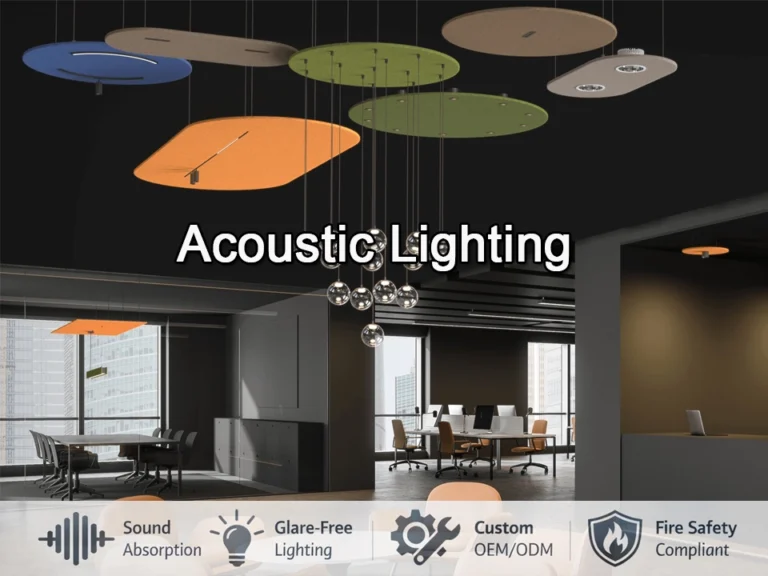
- 음향 조명 (이중 목적: 조명 + 흡음)
- 개인 정보 보호 및 음성 제어를 위한 책상 칸막이/펫 펠트 스크린
- 전화가 많은 회원을 위한 전화 부스/미팅 포드
- 부드러운 가구 + 러그로 거친 반사를 줄입니다.
- 음성 산만함을 줄이기 위한 사운드 마스킹 시스템
- 깊은 초점이 필요한 개인을 위한 노이즈 캔슬링 헤드폰
코워킹 스페이스가 시끄러운 이유
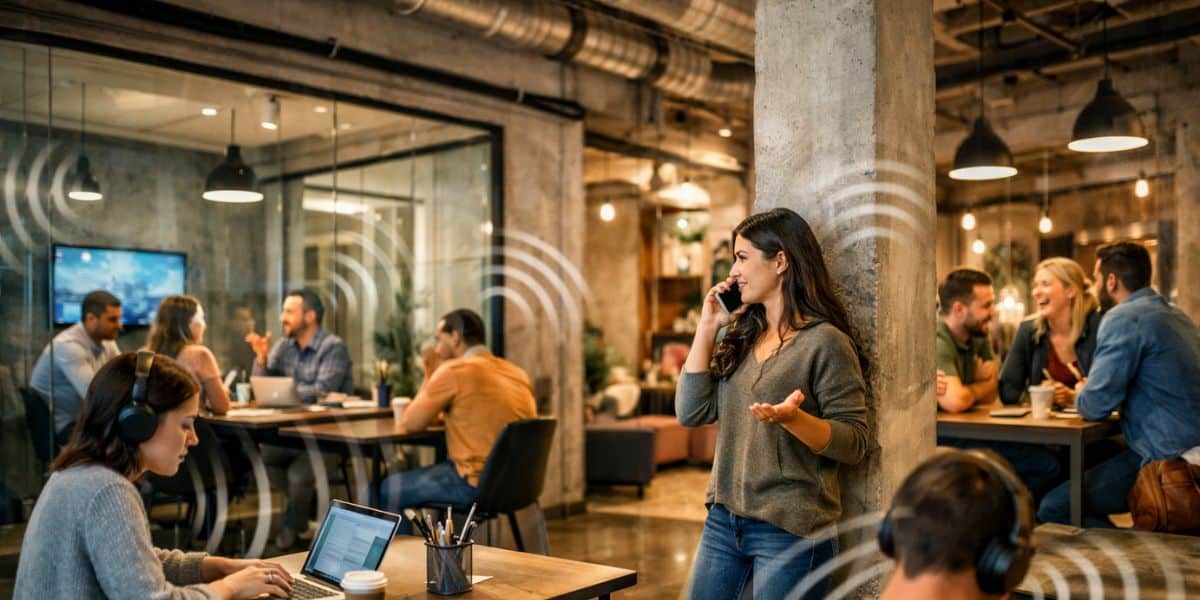
코워킹 스페이스는 협업, 유연성 및 개방성을 위해 설계되었습니다. 단점은 소리가 쉽게 이동한다는 것입니다.
일반적으로 노이즈 문제의 원인은 다음과 같습니다.
개방형 레이아웃은 음성을 증폭시킵니다. 대화는 특히 장벽이 없을 때 한 곳에 머물지 않습니다.
단단한 표면은 에코를 만듭니다. 유리벽, 콘크리트 바닥, 노출된 천장 및 화이트보드는 소리를 튕깁니다.
전화와 회의는 지속적인 음성 소음을 추가합니다. 화상 통화를 하는 사람이 몇 명도 방 전체가 "바쁘다"고 느낄 수 있습니다.
진짜 문제는 볼륨뿐만 아니라 산만입니다. 대부분의 코워킹 회원은 소리뿐만 아니라 이해할 수 있는 말에 대해 불평합니다.
따라서 "침묵"을 쫓는 대신 목표는 간단합니다. 에코를 줄이고 소리가 너무 멀리 이동하는 것을 방지하고 말을 방해하지 않도록 합니다.
코워킹 스페이스를 위한 최고의 소음 감소 솔루션
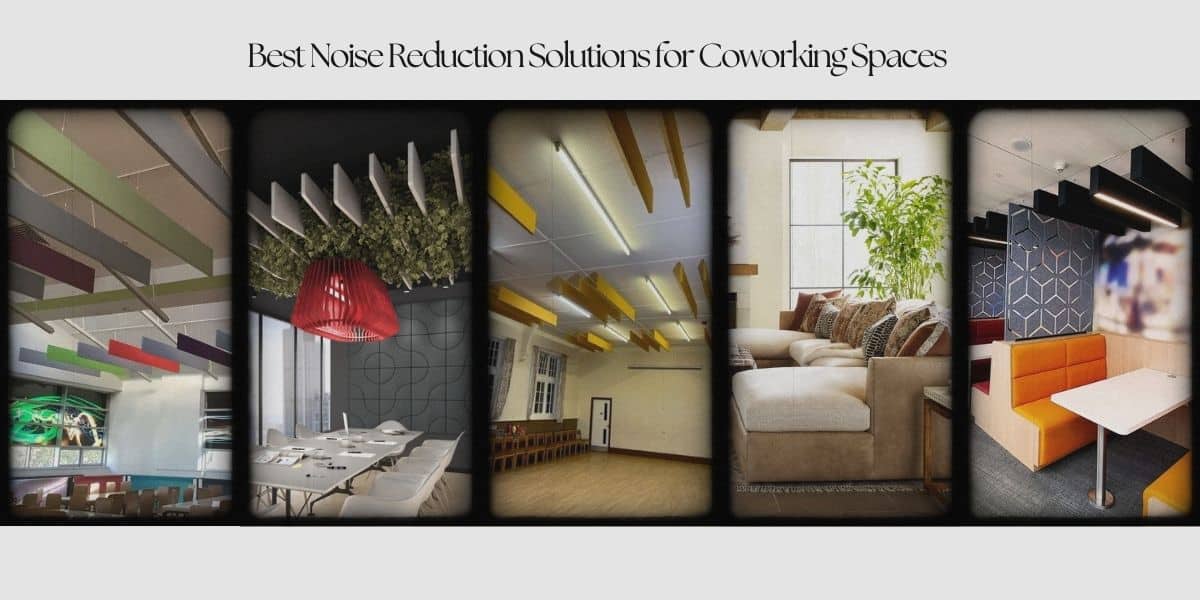
다음은 코워킹 스페이스에 가장 효과적인 노이즈 감소 범주입니다. 각각은 다른 방식으로 도움이 되며 최상의 설정은 여러 범주를 결합합니다.
a) 음향 표면 처리(에코 감소)
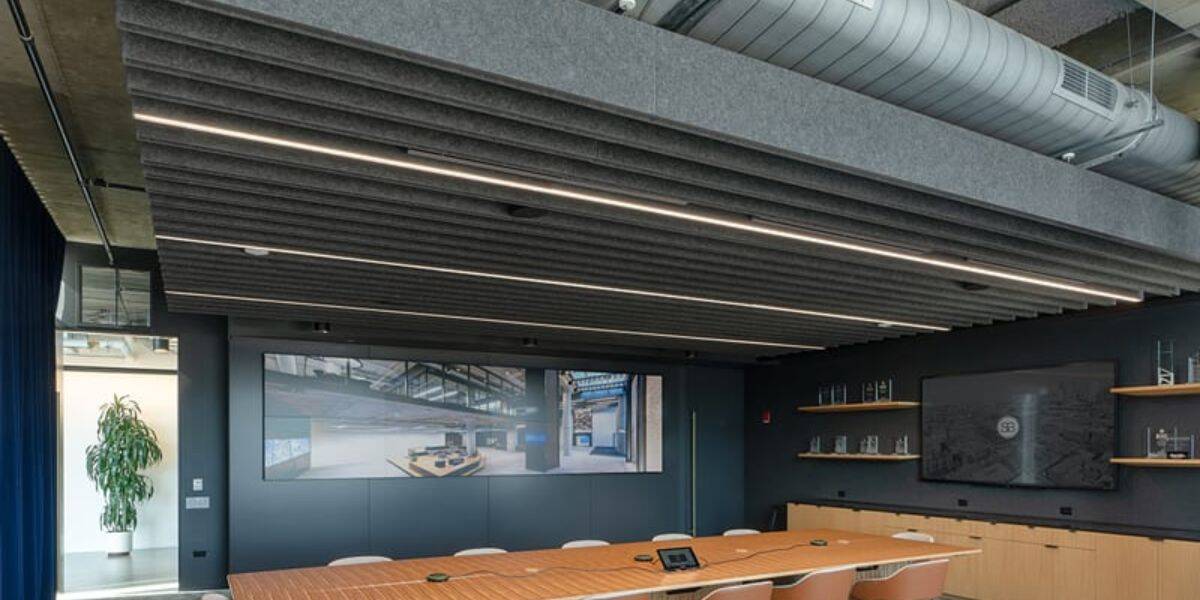
음향 표면 처리는 더 조용한 코워킹 공간의 기초입니다. 그들은 벽처럼 소음을 "차단"하지 않지만 잔향을 줄여 공간이 더 조용하고 대화가 모든 곳에서 튀지 않습니다.
에코가 감소하면 다음을 알 수 있습니다.
개방된 지역에서 덜 "울림"
더 명확한 회의실 오디오
지속적인 배경 잡담으로 인한 피로 감소
추천 제품(에코 컨트롤)
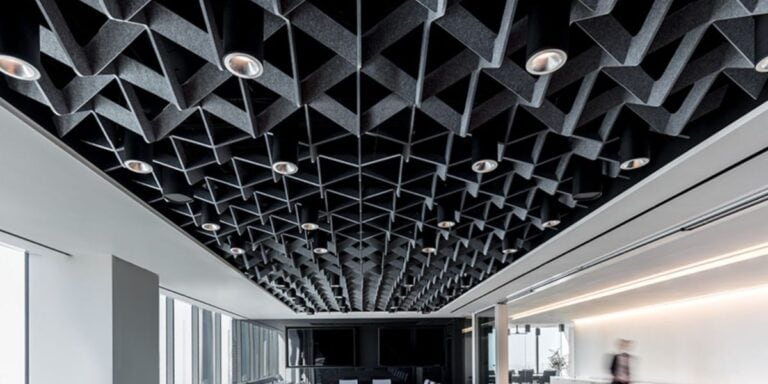
음향 벽 패널
큰 평평한 벽(특히 책상과 복도 근처)에서 반사를 줄이는 데 적합합니다.
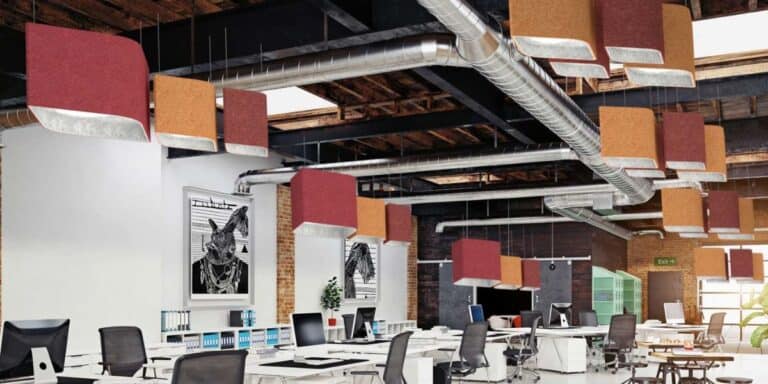
천장 배플
큰 열린 영역에서 에코를 줄이는 수직 행잉 패널.
천장 구름
위에서 들리는 소리를 흡수하는 수평 천장 장착 패널.
음향 조명 패널
한 제품에 흡수 + 조명을 결합한 스마트 옵션으로 천장이 가장 큰 반사 표면일 때 특히 유용합니다.
최고의 배치 팁(간단한 + 유효)
임의의 "빈 벽"뿐만 아니라 열린 책상 공간 근처의 벽에 패널을 설치하십시오.
천장이 많은 말을 반영하기 때문에 공유 작업 영역 위의 천장을 처리하십시오.
소리가 들리는 복도와 통로 근처에 흡수를 추가하십시오.
한 표면만 하는 대신 벽 + 천장 처리를 혼합하여 사용하십시오.
가장 불만이 많은 영역(보통 오픈 데스크 + 콜 존)에 먼저 집중하십시오.
에코를 일찍 수정하면 나중에 추가하는 다른 모든 것이 더 잘 작동합니다.
b) 음향 조명(이중 목적 소음 + 광원 솔루션)
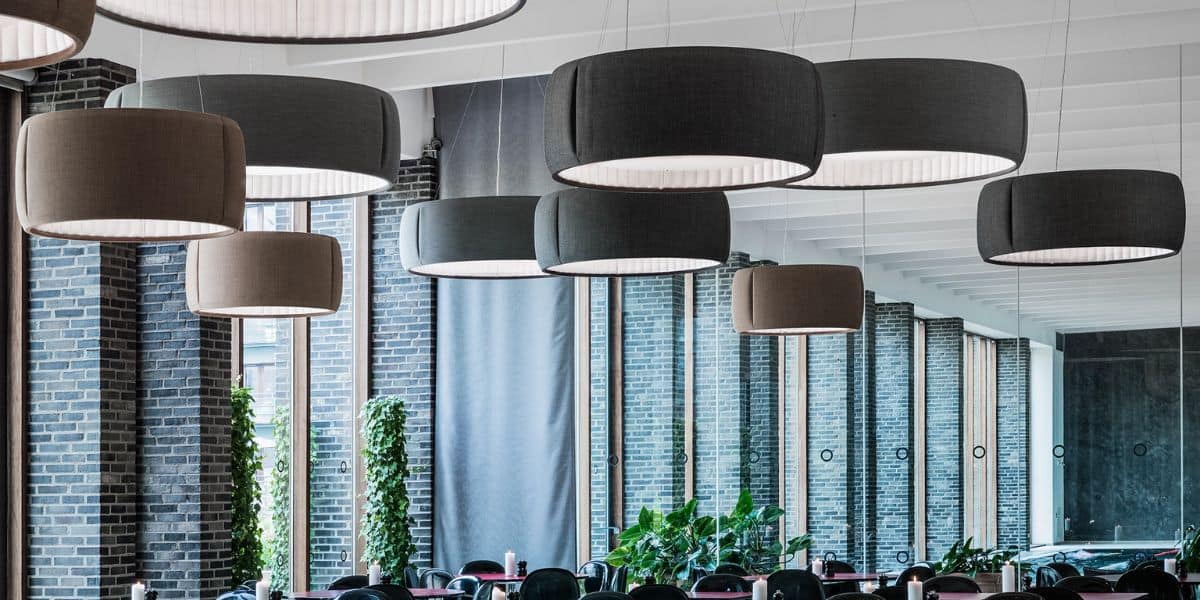
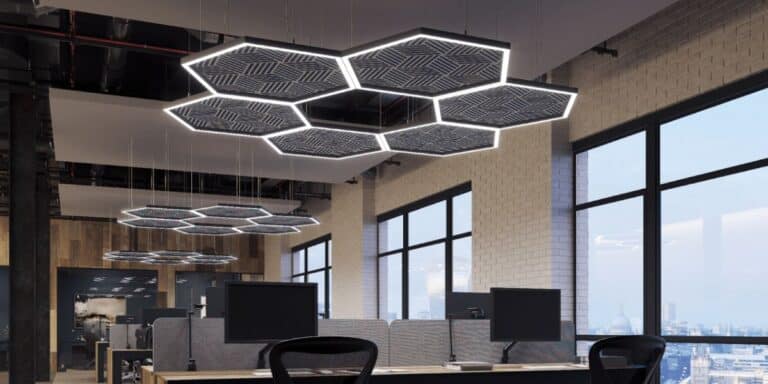
음향 조명 가혹한 음향과 열악한 조명 분포라는 두 가지 주요 편안함 문제를 동시에 개선하기 때문에 현대 코워킹 공간을 위한 가장 실용적인 업그레이드 중 하나입니다.
표준 조명을 설치한 다음 나중에 별도의 음향 패널을 추가하는 대신 음향 조명을 사용하면 한 단계에서 두 가지를 모두 수행할 수 있습니다.
코워킹 스페이스에서 음향 조명이 잘 작동하는 이유
대부분의 코워킹 공간에는 천장이 많은 디자인이 있습니다. 개방형 천장, 노출된 덕트 및 많은 단단한 재료입니다. 천장을 주요 사운드 반사 표면으로 만듭니다.
음향 조명은 다음을 통해 도움을 줍니다.
위에서부터 음성 반사 흡수
개방형 환경의 "버즈" 줄이기
공용 책상 공간에서 편안함 개선
협업 영역에서 보다 명확한 통화 지원
배플이나 구름으로 천장을 완전히 덮을 수 없거나 원하지 않을 때 특히 도움이 됩니다.
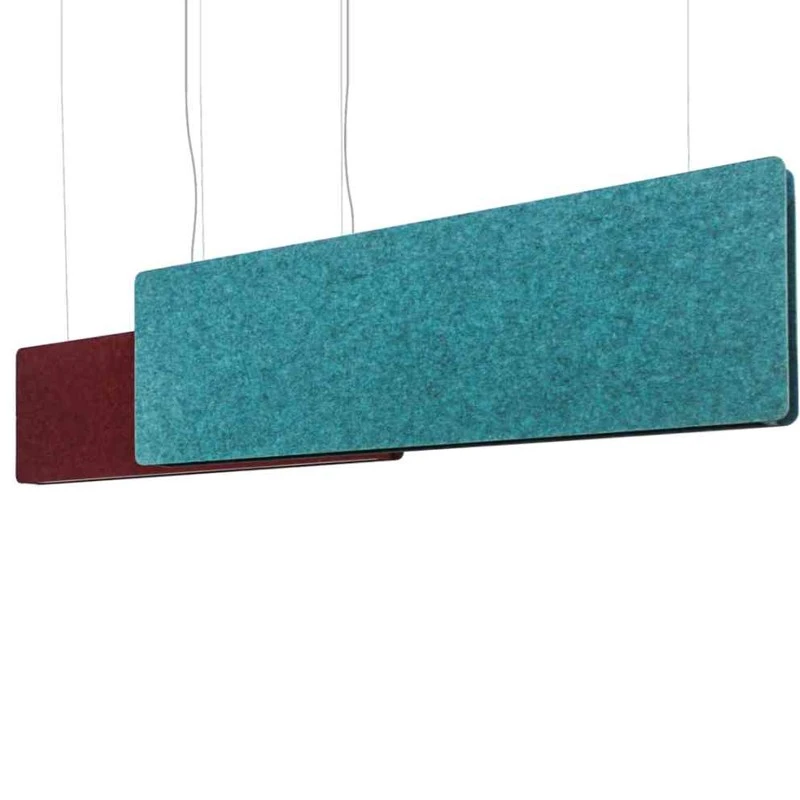
음향 LED 반사경 선형 조명
- 입력 전압: AC110-120V / AC220-240V, 50-60Hz
- 폭: 36mm/58mm/80mm
- 높이: 400mm
- 길이: 1218mm / 1288mm
- LED 칩: SMD2835
- UGR: <19
- PF: >0.90
- CRI: >90ra
- 광속: 100LM/W
- 빔 각도: 34°
- CCT: 3000K / 4000K / 6000K
- 전원: 20W/40W/60W
- 보증: 5년
- 음향 패널:
- 색상 옵션: 빨강/녹색/파랑/회색(48개 이상의 색상 옵션)
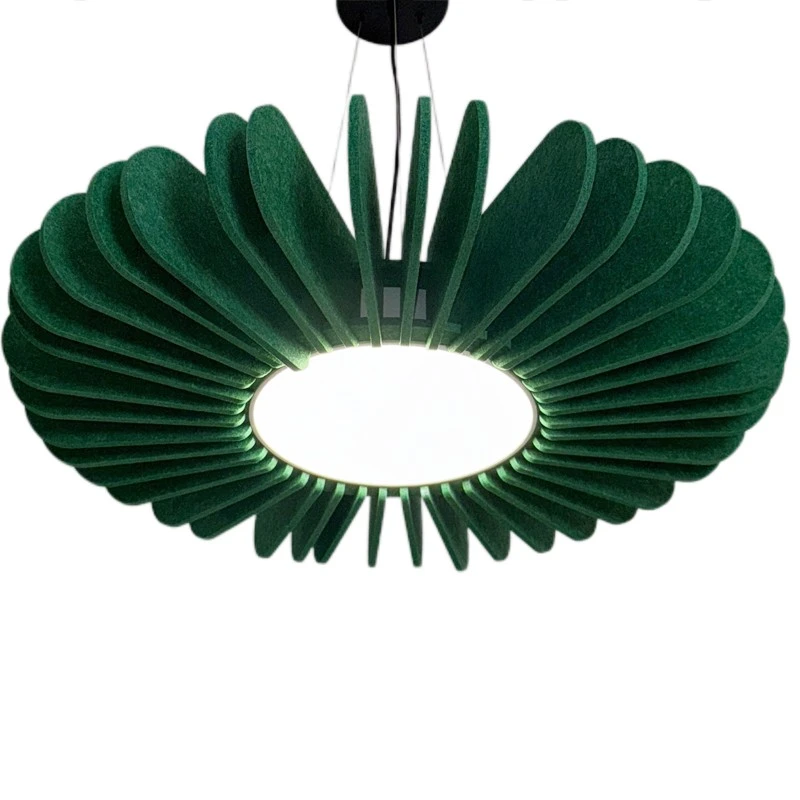
초박형 슬림 라운드 어쿠스틱 LED 펜던트 라이트
- 입력 전압: AC100–277V / AC220–240V, 50–60Hz
- 하우징 크기: 120mm
- 방출 방향: 아래로
- D*H 사이즈: 500 × 80mm
- CCT: 3000K / 4000K / 6000K
- 전원: 15W
- 광속: 100–110 lm/w
- CRI: > 90 RA
- PF: > 0.90
- 플리커 무료: 예
- 빔 각도: 120°
- IP 등급: IP20
- 보증: 5년
- 어쿠스틱 패널 색상 옵션: 빨강/녹색/파랑/회색(48색 이상 옵션)
권장 음향 조명 제품
음향 펜던트 조명
이들은 긴 책상, 벤치 좌석 및 공용 테이블 위에 잘 작동합니다.
펠트 조명 및 비품
펠트가 자연스럽게 흡수를 지원하고 현대적인 인테리어에 따뜻함을 더해주기 때문에 인기 있는 옵션입니다.
음향 설비
이 용어는 일반적으로 흡음 재료와 형태로 제작된 조명 제품을 말합니다.
음향 조명을 배치하는 위치(가장 효과적인 장소)
코워킹 스페이스의 경우 제품 라벨보다 배치가 더 중요합니다. 여기에서 시작:
- 공용 데스크 위
이것은 일반적으로 가장 시끄러운 영역과 가장 큰 생산성 영역입니다. - 라운지 존 위
부드러운 좌석이 도움이 되지만 천장 반사는 여전히 소음을 유발합니다. - 위의 협업 테이블
이 표는 특히 피크 시간에 "핫스팟"을 생성합니다.
좋은 규칙: 사람들이 30분 이상 거기에 앉아 있다면 그 위의 천장을 처리할 가치가 있습니다.
c) 건축 및 개인 정보 보호 솔루션(블록 사운드 트래블)
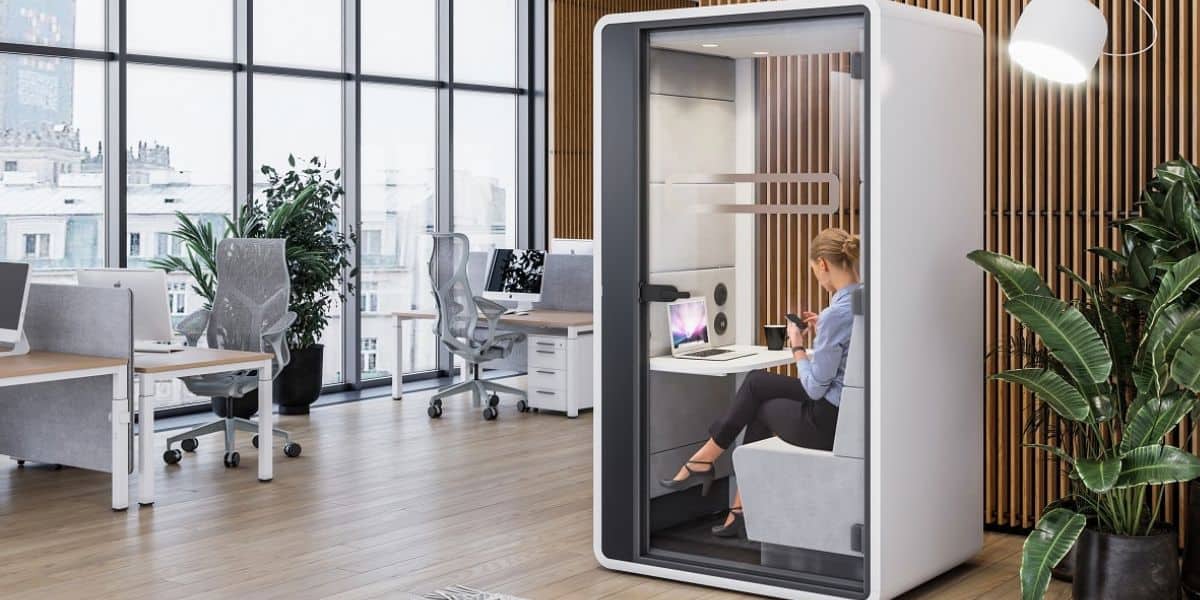
에코를 줄이면 다음 단계는 소리가 영역 사이에 퍼지는 것을 막는 것입니다. 여기에서 개인 정보 보호 솔루션과 공간 계획이 큰 차이를 만듭니다.
추천 제품(소음 + 구역 설정)
전화를 위한 전화 부스
화상 회의가 자주 있는 코워킹 공간에서 꼭 필요한 아이템입니다.
회의 포드
다른 사람을 방해하지 않고 빠른 협업이 필요한 2-4명에게 적합합니다.
개인 정보 보호 파티션
통로 또는 라운지 공간에서 열린 책상을 분리하는 데 유용합니다.
책상 칸막이 (펫 펠트)
가장 비용 효율적인 업그레이드 중 하나입니다. Pet Felt는 인접한 좌석 사이의 직접적인 말투를 줄이는 데 도움이 됩니다.
실제로 작동하는 배치 전략
전화 부스를 통화가 많은 지역 근처에 두되 조용한 지역 내에는 직접 두지 마십시오.
사교 공간과 카페 좌석에서 떨어진 맑은 조용한 공간을 만드십시오.
파티션을 사용하여 좌석이 있는 작업 영역에서 "이동 경로"를 분리합니다.
멤버가 대면하거나 나란히 앉는 줄에 책상 분할기를 추가합니다.
작은 구역 변경이라도 말이 "공유"가 낮아지기 때문에 불만을 빠르게 줄일 수 있습니다.
d) 부드러운 재료 및 가구 업그레이드
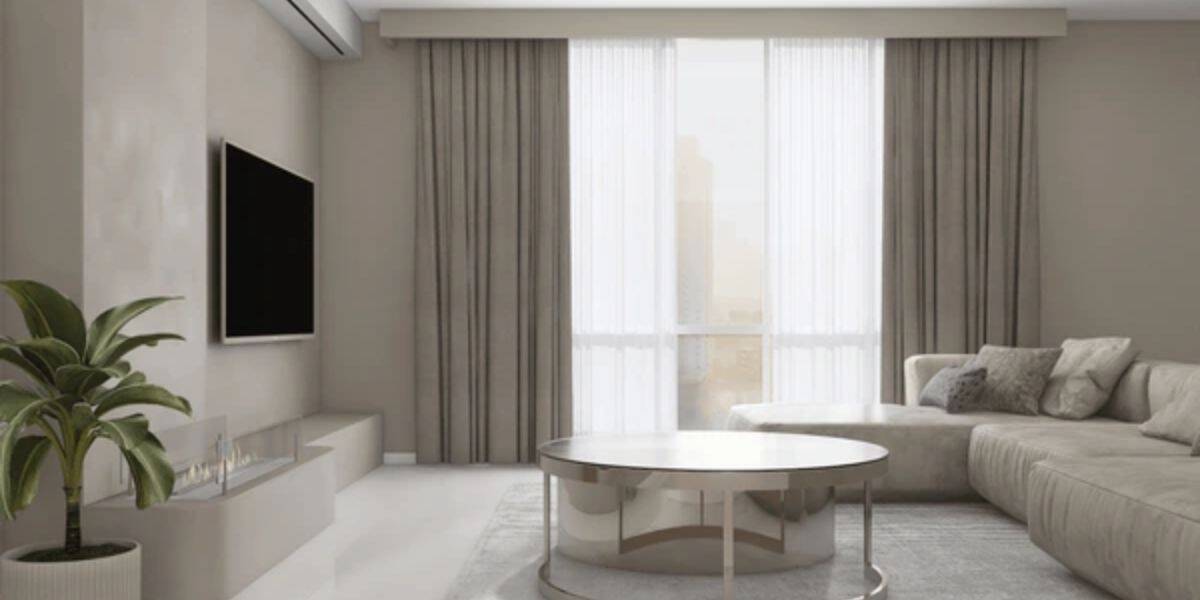
모든 코워킹 공간이 즉시 건설이나 대형 설치를 할 수 있는 것은 아닙니다. 좋은 소식은 부드러운 재료가 거칠기를 줄이고 편안함을 빠르게 향상시킬 수 있다는 것입니다.
추천 제품(쉽게 업그레이드)
러그/카펫 타일
열린 공간과 라운지 공간에서 소리를 부드럽게 하는 가장 빠른 방법 중 하나입니다.
막
소리가 강하게 반사되는 유리 벽과 창문에 도움이 됩니다.
살이 포동 포동하게 찐 좌석
부드러운 좌석은 단단한 의자와 벤치보다 더 많은 소리를 흡수합니다.
펠트 데코 요소
벽 장식, 분리기 및 펠트 기반 디자인 기능은 반사를 줄이는 데 도움이 됩니다.
소프트 업그레이드는 선명도를 감소시킵니다. 회원들은 "더 조용하다"고 말할 수는 없지만 집중하기가 더 쉬울 것입니다.
e) 능동적인 사운드 관리
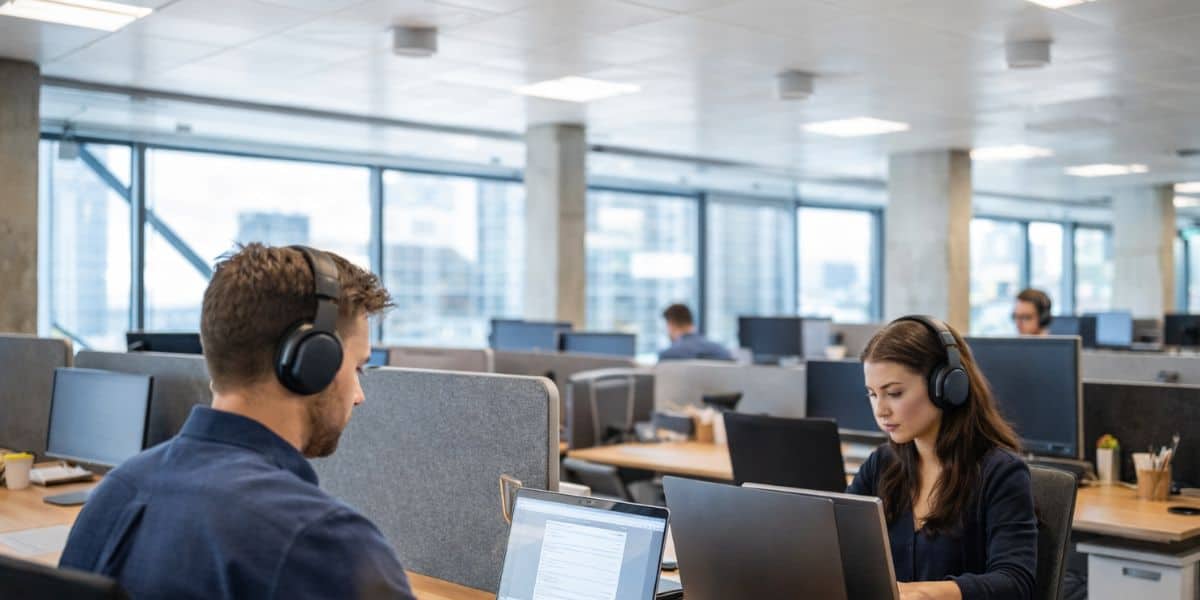
에코를 제어하고 구역 설정을 개선한 후 사운드 마스킹을 사용하면 전체 공간에서 음성 산만함을 줄이는 데 도움이 됩니다.
사운드 마스킹은 노이즈를 제거하지 않습니다. 그것은 사람들이 깊은 작업 중에 실제로 원하는 것을 말하는 말을 덜 눈에 띄게 만듭니다.
추천 제품
사운드 마스킹 시스템(오픈 데스크 및 긴 복도에 적합)
화이트/핑크 노이즈 솔루션(소규모 지역에 대한 빠른 수정)
노이즈 캔슬링 헤드폰(개별 솔루션)
이것은 이미 echo를 처리했을 때 가장 잘 작동합니다. 그렇지 않으면 지저분한 음향 환경에 더 많은 "사운드"를 추가할 수 있습니다.
코워킹 스페이스를 위한 소음 감소 솔루션(가장 잘 작동하는 것 + 사용처)
| 솔루션/제품 | ...에 최선을 다하다 | 해결하는 소음 문제 | 배치 팁 | 음표 |
| 음향 벽 패널 | 오픈 데스크, 복도, 회의실 | 에코 + 음성 반사 | 작업 구역에 가장 가까운 벽에 배치 | 훌륭한 첫 번째 업그레이드 |
| 천장 배플/구름 | 넓은 개방 공간 | 열린 천장의 높은 에코 | 공용 책상과 통로 위에 걸려 | 큰 방에서 강한 영향 |
| 음향 조명 | 빛 + 흡수가 필요한 열린 공간 | 천장 반사 + 말을 산만하게 하는 | 책상 및 협업 구역 설치 | 이중 목적 업그레이드 |
| 책상 칸막이 (펫 펠트) | 벤치 좌석, 공용 테이블 | 직접 음성 전달 | 워크스테이션 간 추가 | 예산 친화적인 개인 정보 보호 |
| 전화 부스 | 통화가 많은 코워킹 스페이스 | 통화 소음 확산 | 콜 존 근처에 두십시오 | 높은 만족 |
| 러그/부드러운 가구 | 라운지, 카페존, 리셉션 | 가혹한 반사 + 발자국 | 좌석 클러스터에 사용 | 간편한 컴포트 부스트 |
| 사운드 마스킹 | 오픈 플랜 책상 | 거리를 가로질러 말을 방해하는 말 | 넓은 지역에서 고르게 사용 | 흡수 후 최고 |
코워킹 존별 권장 설정
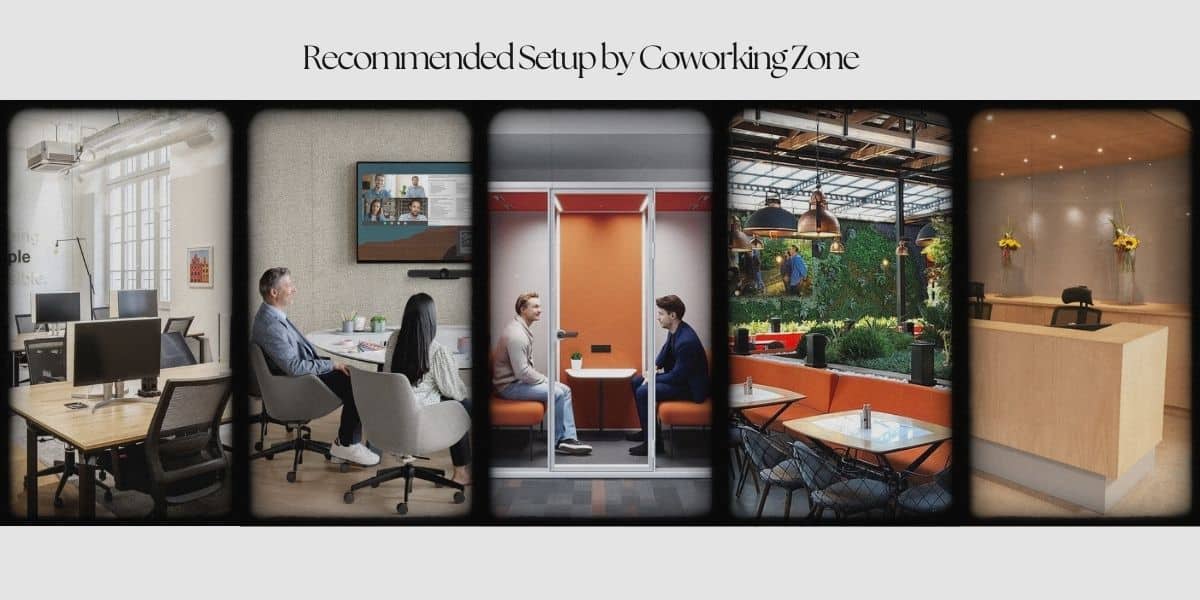
1) 오픈 데스크 공간(주 생산성 구역)
최고의 솔루션: 천장 구름/배플, 음향 조명, 책상 분배기
팁: 가장 큰 반사 표면이기 때문에 천장을 먼저 처리하십시오.
2) 회의실(전화, 협업, 프레젠테이션)
최고의 솔루션: 벽 패널 + 테이블 위의 천장 구름 + 커튼(유리인 경우)
팁: 눈에 띄는 선명도를 위해 적어도 두 개의 표면(벽 + 천장)을 처리하십시오.
3) 전화 통화 영역(고병 고충 영역)
최고의 솔루션: 전화 부스/포드 + 인근 벽면 패널
팁: 부스는 사람들이 실제로 사용할 수 있을 만큼 충분히 가깝습니다.
4) 라운지 / 카페존 (혼돈 없는 사회 에너지)
최고의 솔루션: 러그 + 부드러운 좌석 + 음향 조명
팁: 소리가 조용한 지역으로 흘러내리지 않도록 위의 좌석 클러스터를 처리하십시오.
5) 리셉션(첫인상이 중요)
최고의 솔루션: 책상 뒤의 벽 패널 + 부드러운 좌석 + 파티션
팁: 진입 소음이 작업 영역으로 이동하지 않도록 완충 구역을 추가하십시오.
피해야 할 일반적인 실수
장식만 추가하지만 천장 에코는 무시합니다.
전화 부스를 구입하지만 개방 영역 리버브를 수정하지 않음
음성 영역에서 멀리 떨어진 패널 배치 불량
하나의 제품이 모든 것을 해결하기를 기대합니다
최고의 결과는 레이어링에서 나옵니다 흡수 + 구역화 + 마스킹.
결론
코워킹 스페이스의 최상의 노이즈 감소는 계층화된 접근 방식에서 나옵니다. 에코를 줄이고 스마트 구역 설정으로 사운드 이동을 차단하고 필요할 때 사운드 마스킹을 추가합니다.
음향 조명 특히 개방형 책상 공간에서 동일한 설치 공간에서 편안함과 조명을 모두 향상시키기 때문에 가장 스마트한 업그레이드 중 하나입니다.
가장 중요한 것은 배치가 단순히 제품을 사는 것보다 더 중요하다는 것입니다. 올바른 영역에 올바른 솔루션을 설치하면 더 나은 초점, 산만함, 사람들이 실제로 일하고 싶어하는 코워킹 스페이스를 얻을 수 있습니다.
자주 묻는 질문
관련 게시물