2011년부터 간판 및 LED 스트립 조명 공장

2011년부터 간판 및 LED 스트립 조명 공장

SPD Types Explained: Type 1 vs. Type 2 vs. Type 3

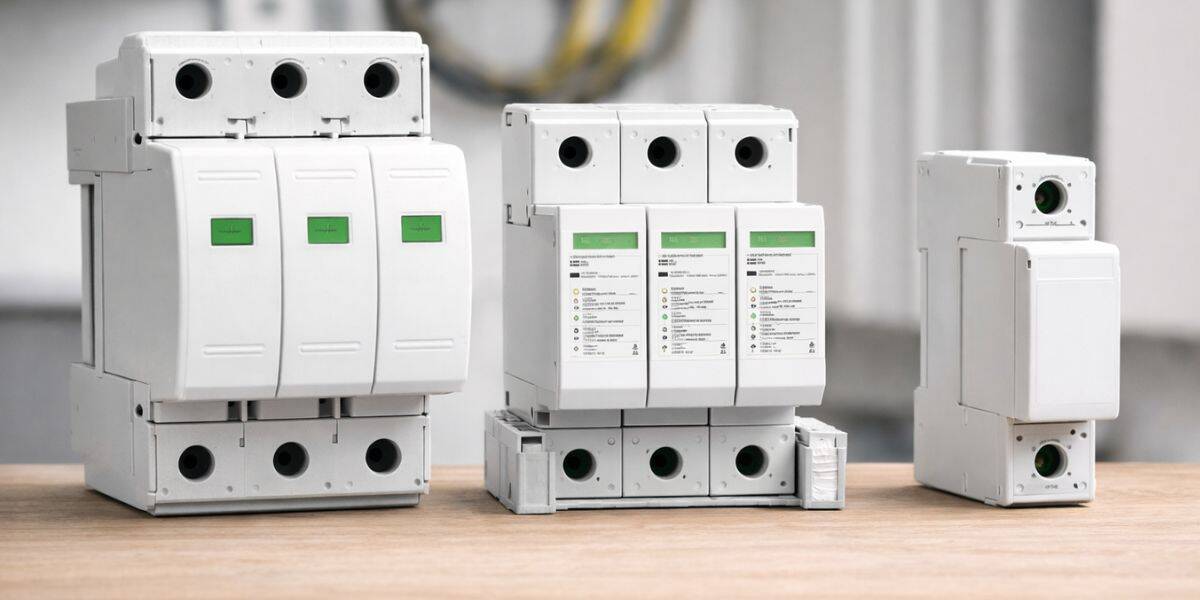
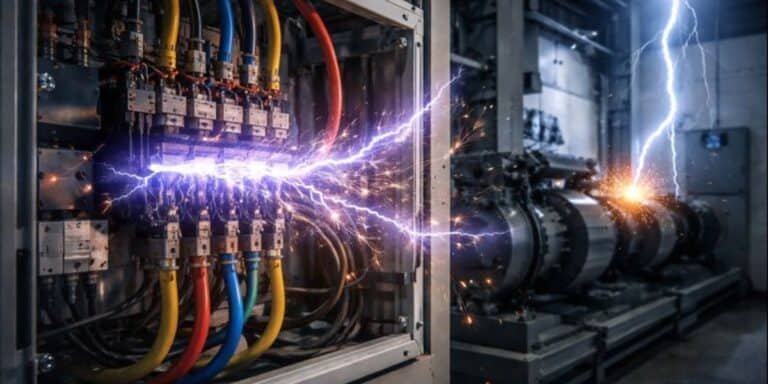
Surge Protective Devices (SPDs) are classified as Type 1, Type 2, and Type 3 to reflect where they operate within an electrical system and how they manage surge energy at that location. These types are not interchangeable. Each is engineered for a specific surge environment and protection function, and they only perform correctly when applied as part of a coordinated system.

This article is a comparative technical guide. It does not reintroduce surge protection fundamentals. Instead, it focuses on how Type 1, Type 2, and Type 3 SPDs differ in role, capability, and system interaction, and how engineers determine correct placement in real electrical installations.

Comparison Framework: How SPD Types Are Differentiated

surge protective device

SPD classification is not based on product size, price, or perceived robustness. It is based on installation position and expected surge exposure.

As surge energy travels through an electrical system, its characteristics change:

  • Surge current magnitude decreases
  • Waveform shape evolves
  • Residual voltage remains hazardous to sensitive equipment

Because of this behavior, surge protection is divided into zones. Each SPD type is designed to operate within a specific zone, where it can manage surge stress without being overstressed or underperforming.

The comparison between Type 1, Type 2, and Type 3 SPDs should always consider:

  • Installation location
  • Expected surge energy level
  • Primary protection function
  • Dependency on other SPD types

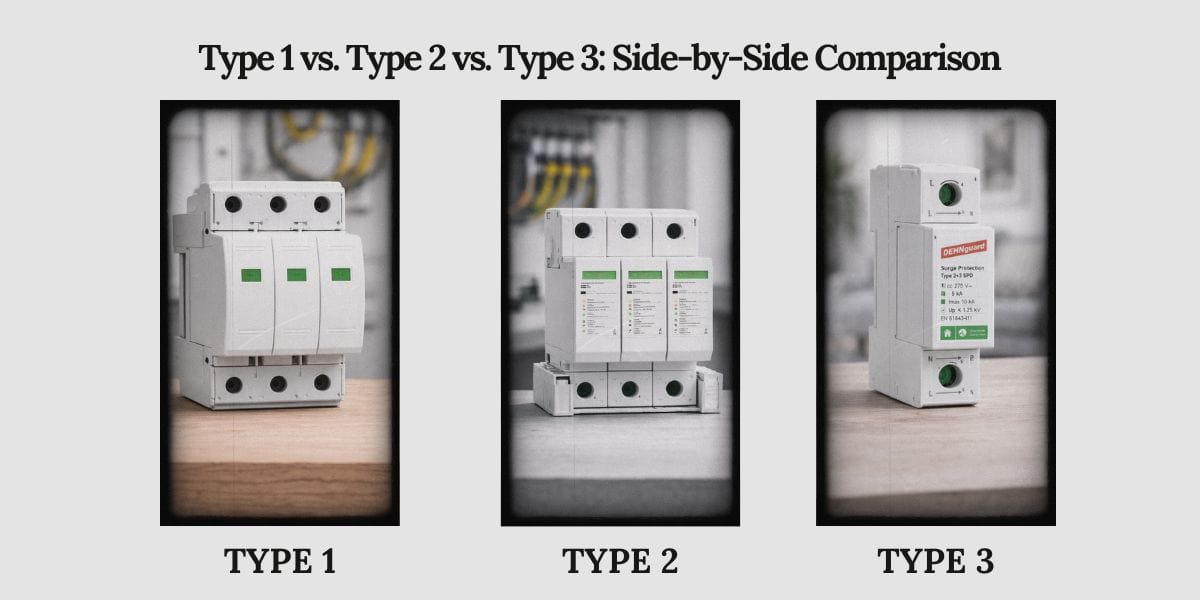
Type 1 vs. Type 2 vs. Type 3: Side-by-Side Comparison

surge protective device

매개변수유형 1 SPD유형 2 SPD유형 3 SPD
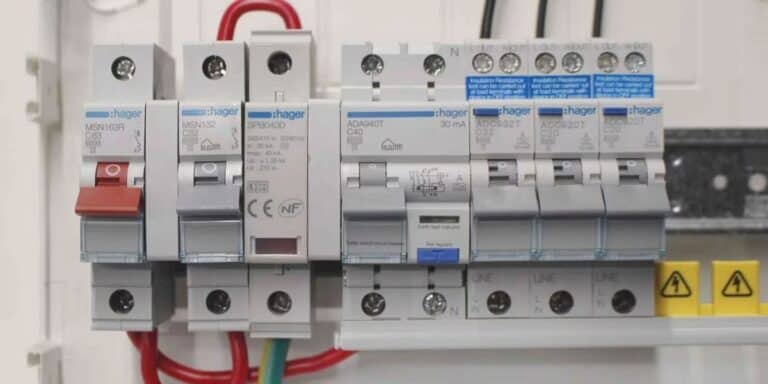
Typical installation locationService entrance, line side of main disconnectDistribution panels, load side of disconnectNear sensitive equipment
Surge exposure level매우 높은Medium to high낮음
Primary functionDivert incoming surge currentClamp residual and switching surgesFine voltage limitation
Surge current handling매우 높은보통에서 높음낮음
Voltage clamping precision낮음Medium높음
Standalone suitability아니요제한된아니요
Dependency on other SPDsRequires Type 2 downstreamOften paired with Type 1 and Type 3Requires upstream Type 1 or Type 2
Typical risk if misappliedInadequate equipment protectionOverstress and reduced lifespanCatastrophic failure

This comparison highlights a key principle: SPD types are defined by function and placement, not by performance ranking.

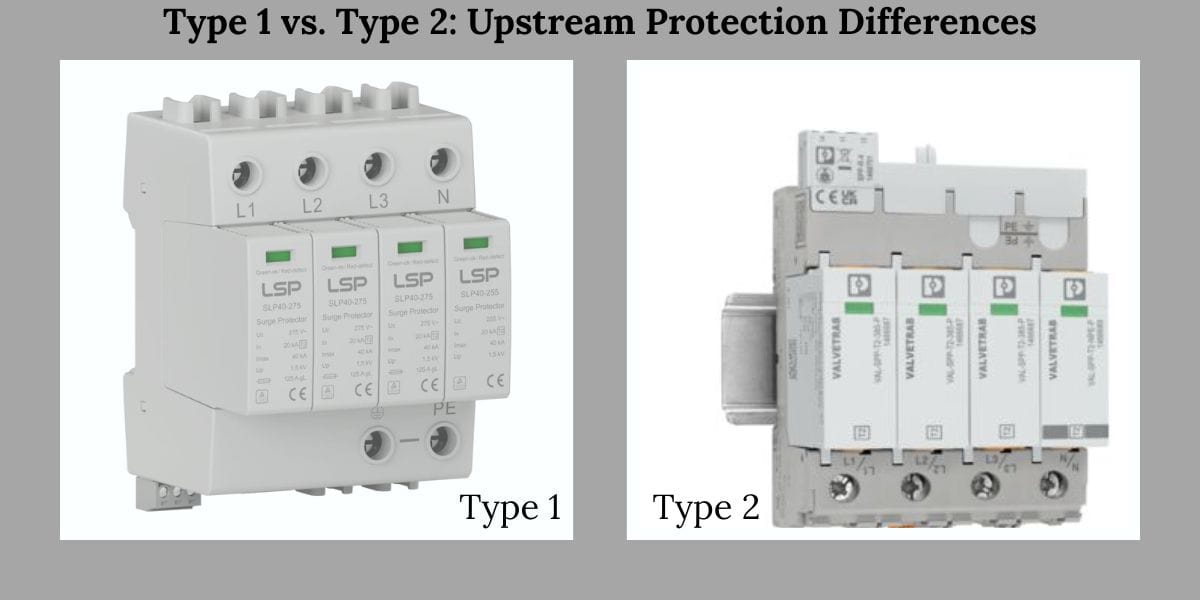
Type 1 vs. Type 2: Upstream Protection Differences

surge protective device

Installation context

Type 1 SPDs are installed at the service entrance, where external surge exposure is highest. Type 2 SPDs are installed downstream, within the internal distribution system.

This positional difference fundamentally changes what each device is expected to handle.

Surge energy profile

  • Type 1 SPDs encounter high-energy impulses associated with lightning-related events entering from the utility network.
  • Type 2 SPDs encounter residual lightning energy and frequent internally generated switching transients.

Because Type 2 devices are not designed for the highest energy impulses, they cannot replace Type 1 protection at the service entrance.

Functional distinction

  • Type 1 focuses on surge current diversion
  • Type 2 focuses on voltage limitation and repetitive surge control

Installing only Type 2 protection in high-exposure environments shifts excessive stress onto devices that are not designed for it, leading to premature degradation.

Type 2 vs. Type 3: Distribution vs. Equipment-Level Protection

Installation proximity

Type 2 SPDs protect distribution networks, while Type 3 SPDs protect individual equipment or circuits. The distance between the SPD and the protected load is a critical differentiator.

Residual voltage control

After upstream protection, residual transient voltage can still exceed the impulse withstand capability of sensitive electronics. Type 3 SPDs provide fine voltage refinement at the point of use.

Energy handling limitation

Type 3 SPDs are not designed to absorb surge energy. If exposed directly to high-energy events, they can fail rapidly. This is why they must never be used without upstream protection.

The comparison between Type 2 and Type 3 is not about which is “better,” but about where precision replaces energy handling.

Why No Single SPD Type Is Enough

Surge protection is not additive. Installing multiple devices of the same type does not provide layered protection.

Each SPD type operates optimally only within its intended stress range:

  • Type 1 reduces incoming surge energy
  • Type 2 manages remaining overvoltage
  • Type 3 limits final residual voltage

Attempting to perform all these functions with a single device results in compromised protection, shortened service life, or both.

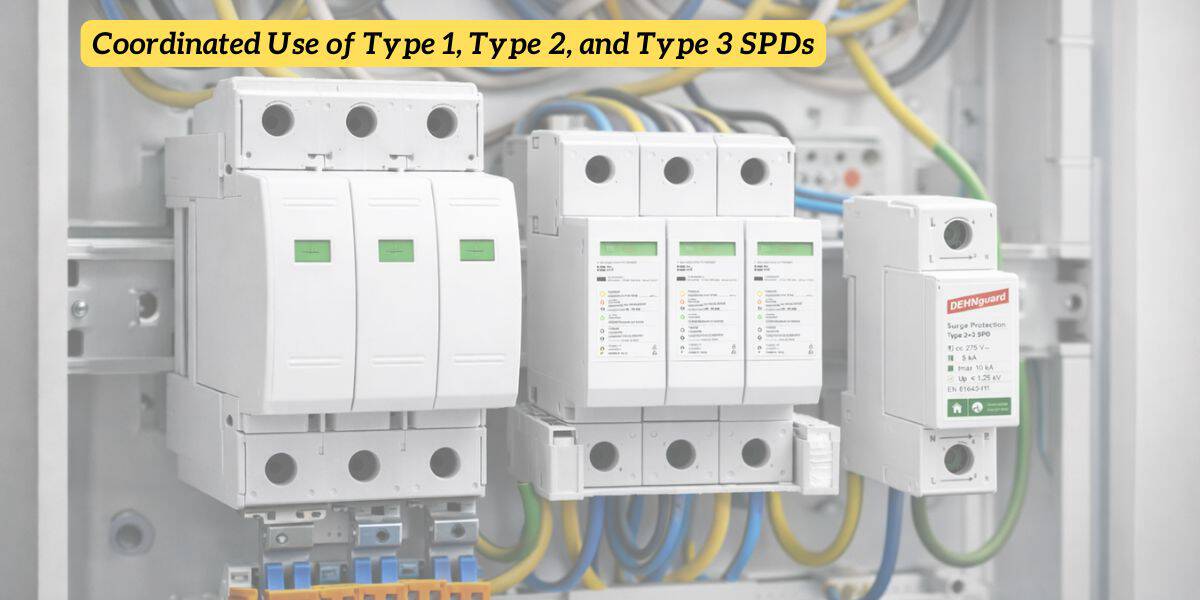
Coordinated Use of Type 1, Type 2, and Type 3 SPDs

surge protective device

How coordination works

A coordinated surge protection system mirrors the way surge energy propagates:

  1. 유형 1 diverts high-energy impulses at system entry
  2. 유형 2 clamps remaining surges within the distribution system
  3. 유형 3 protects sensitive loads from residual voltage

Each stage reduces stress on the next.

Why coordination matters more than quantity

Improper coordination can cause:

  • Uneven energy sharing
  • Localized overheating
  • Unpredictable failure behavior

Correct placement and impedance separation matter more than installing additional devices.

Application-Based Comparison Scenarios

Service entrance with external exposure

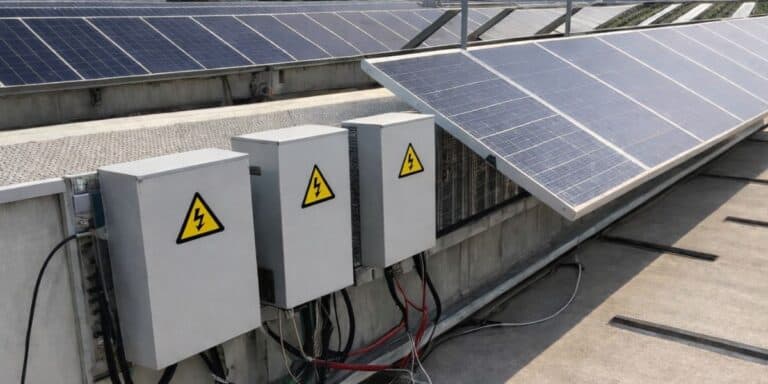
Facilities with overhead utility lines or outdoor electrical infrastructure require Type 1 protection at the service entrance, followed by Type 2 protection downstream.

Commercial and industrial distribution systems

Switching operations dominate surge activity. Type 2 SPDs provide the primary protection role, often coordinated with upstream Type 1 devices.

Sensitive electronic systems

Automation controllers, instrumentation, and communication interfaces require Type 3 protection, but only when upstream surge energy has already been reduced.

Single-phase vs. three-phase systems

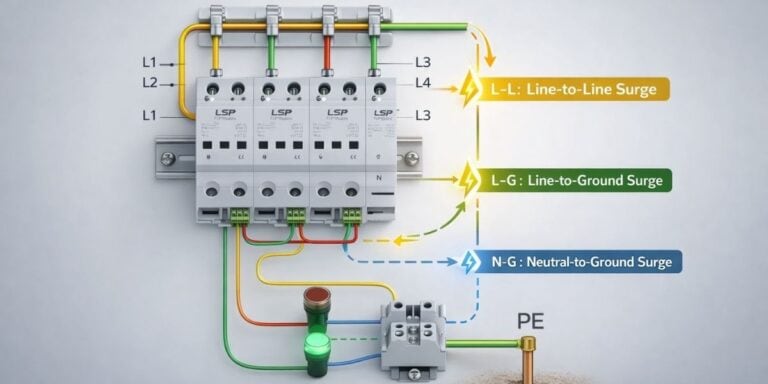
A 3 phase surge protective device must manage phase-to-phase and phase-to-ground transients consistently. SPD type selection must align with system configuration, not just voltage rating.

Common Comparison Mistakes Engineers Make

  • Assuming Type 3 devices can operate standalone
  • Oversizing one SPD instead of coordinating multiple types
  • Installing multiple Type 2 devices without considering impedance
  • Treating SPD types as performance tiers rather than functional roles

These errors reduce protection effectiveness and increase maintenance risk.

Standards Context

Standards such as UL 1449 and IEC 61643 define test conditions and classification criteria for SPD types. They support consistent comparison, but they do not replace system-level engineering judgment regarding placement and coordination.

결론

Type 1, Type 2, and Type 3 surge protective devices serve distinct and complementary roles within an electrical system. Their differences are defined by installation location, surge exposure, and protection function, not by product class or marketing position.

Effective surge protection depends on coordination, not oversizing or redundancy. When each SPD type is applied where it performs best, surge energy is progressively controlled, equipment stress is reduced, and long-term system reliability improves.

자주 묻는 질문

PCB 제조 및 조립에 최고의 가치를 제공하는 회사PCB 제조 및 조립에 최고의 가치를 제공하는 회사
PCB 제조 및 조립에 가장 가치 있는 회사는 어디입니까?
LED 라이트 보드는 LED 발광 장치, 저항기, 커패시터, 드라이버 IC 및 기타 요소를 PCB 기판에 통합하는 핵심 구성 요소입니다. 기존의 전자 회로와 달리 LED 라이트 보드는 열 성능, 전류 운반 용량 및 장기 안정성에 특히 중점을 둡니다. 이 모든 제품은 PCB 설계 및 제조에 크게 의존합니다.
실내 조명과 실외 조명용 COB LED 스트립 - 차이점은 무엇입니까?
COB LED 스트립 조명은 균일한 광 출력과 깨끗한 선형 외관으로 인해 실내 및 실외 응용 분야에서 점점 더 인기 있는 솔루션이 되었습니다. 그러나 모든 COB LED 스트립이 설치 환경이 변경되면 동일한 방식으로 작동하도록 설계된 것은 아닙니다. 습기 노출, 온도 변화 등의 요인이 ...
LED 스트립의 전압 강하에 대한 종합적인 테스트 보고서LED 스트립의 전압 강하에 대한 종합적인 테스트 보고서
LED 스트립의 전압 강하에 대한 종합적인 테스트 보고서
LED 스트립은 장식 및 조명에 널리 사용되지만 전압 강하 문제로 인해 끝 부분에서 상당한 밝기 감소가 발생하는 경우가 많습니다. 이 보고서는 엔지니어링 부서에서 개발한 제품 테스트 데이터를 기반으로 전압 강하 특성을 평가하고 생산 및 설치 지침을 제공하는 것을 목표로 합니다. 시험 목표 명제 의약품 이 시험 보고서, 완료...
LED 테이프 조명 대 LED 스트립 조명: 차이점은 무엇입니까?
선형 조명과 관련하여 LED 테이프 조명 및 LED 스트립 조명과 같은 용어는 종종 서로 바꿔서 사용됩니다. 둘 다 컴팩트한 형태로 밝고 에너지 효율적인 조명을 제공하는 유연한 조명 솔루션을 나타냅니다. 그러나 구조, 성능 및 설치 방법 측면에서 미묘한 차이가 있습니다. 이것들을 이해하고...
중국 대 베트남 LED 스트립 제조 비용 — 2025 업데이트
미국이 중국 수출에 추가 관세를 부과한 이후 많은 LED 스트립 제조업체가 토지 비용을 줄이고 경쟁력을 유지하기 위해 생산의 일부를 베트남으로 옮겼습니다. 2025년에는 중국과 베트남 시설이 글로벌 공급망에서 중요한 역할을 하면서 이러한 추세가 더욱 두드러졌습니다....
24V LED 조명 스트립24V LED 조명 스트립
LED 스트립 조명을 더 밝게 만들려면 어떻게 해야 할까요?
LED 라이트 스트립의 밝기는 어떻게 증가하나요? 이제 LED 조명 스트립의 밝기를 높이는 방법에 대해 논의해 보겠습니다. 먼저 네 가지 요소가 있습니다: 1. 조광기를 장착합니다: 예를 들어 12V LED 조명 스트립의 조명을 0V에서 12V로 낮추거나...

공유하다:

페이스북
지저귀다
핀터레스트
링크드인
구독하다
알림
guest
0 댓글
가장 오래된
최신 가장 많이 투표된
인라인 피드백
모든 댓글 보기

SignliteLED 블로그 검색

카테고리

위로

지금 견적을 받으세요