English
  简体中文
简体中文  Deutsch
  Español
  Français
  Italiano
  日本語
日本語  한국어
한국어  Polski
  Português
  Русский
  Türkçe
  Nederlands
  Tiếng Việt
  ไทย
ไทย 
In 2026, RoHS compliance has become a core manufacturing requirement for LED PCBs rather than a post-production checklist. Regulatory enforcement is tighter, documentation expectations are higher, and supply chain accountability is expanding across borders. LED PCBs face greater scrutiny than standard boards because of their material complexity, thermal demands, and long operational lifespans, making compliance directly tied to reliability, market access, and manufacturing risk.
What RoHS Compliance Means for LED PCB Manufacturing in 2026
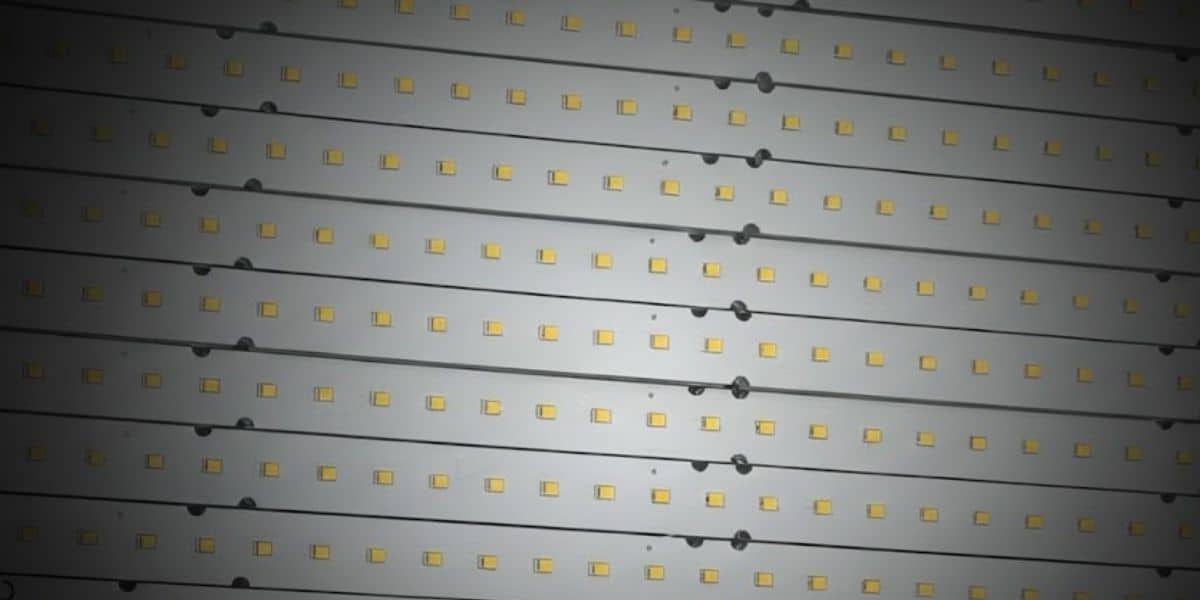
RoHS compliance in 2026 is no longer limited to confirming that restricted substances are absent from a finished product. For manufacturers involved in custom pcb manufacturing, it now applies across the entire production workflow, from raw material sourcing to final assembly records.
At a practical level, RoHS governs how materials are selected, how processes are controlled, and how compliance evidence is maintained. For LED PCBs, this scope is broader because LEDs combine electrical, thermal, and optical functions on a single board.
Why LED PCBs Are More Affected Than Standard Boards
LED PCBs operate under higher thermal stress and longer duty cycles than many conventional electronics. This increases sensitivity to material changes imposed by RoHS restrictions. Small deviations in solder alloys, surface finishes, or dielectric materials can affect heat dissipation and LED lifespan.
Key reasons LED PCBs face higher impact include:
- Higher junction temperatures that amplify material weaknesses
- Dense component layouts that stress solder joints
- Long service life expectations where minor defects accumulate over time
Because of this, RoHS compliance failures in LED applications tend to surface as reliability issues rather than immediate functional failures.
Restricted Substances and LED Sensitivity
RoHS restricts substances such as lead, mercury, cadmium, hexavalent chromium, and certain brominated flame retardants. While these substances were historically used to improve solderability, durability, or flame resistance, their removal changes manufacturing behavior.
LED assemblies are particularly sensitive because:
- Lead-free solders have higher melting points, increasing thermal exposure
- Alternative flame retardants can alter thermal conductivity
- Material substitutions may affect optical stability or color consistency
Component Compliance vs Process Compliance
A common misunderstanding in pcb board custom production is assuming that compliant components automatically result in a compliant product. In 2026, this assumption creates risk.
- Component compliance means each part meets substance restrictions.
- Process compliance means manufacturing steps do not reintroduce restricted substances or compromise material integrity.
Both are required. A compliant LED package can still fail RoHS expectations if soldering materials, flux residues, or rework processes are not controlled.
Key Regulatory Updates Affecting LED PCB Manufacturing in 2026
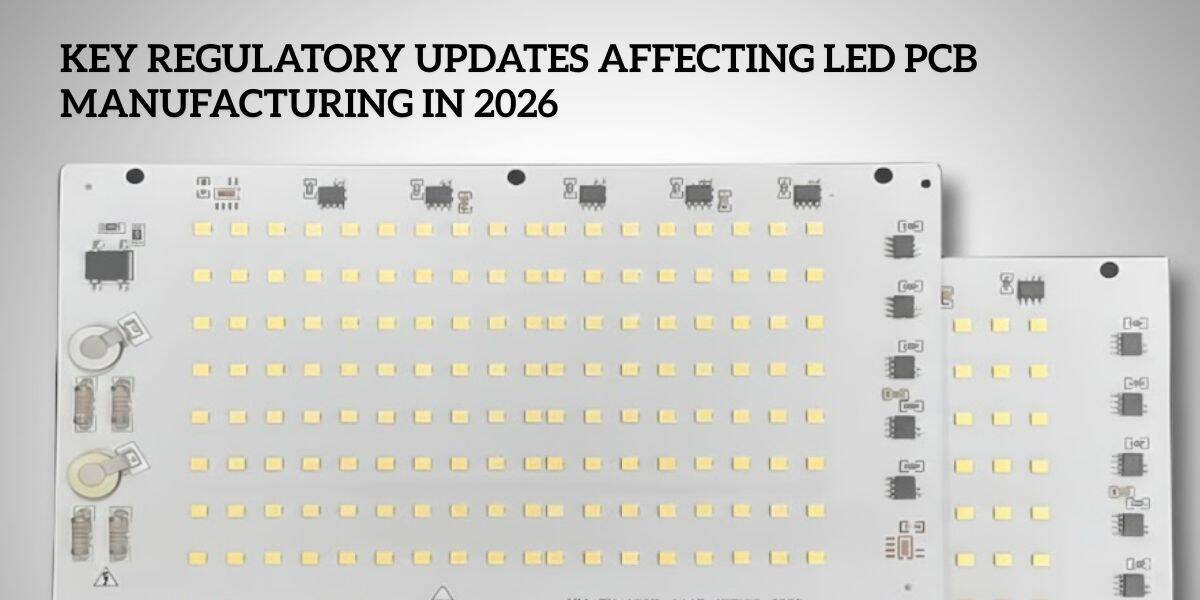
Regulatory enforcement in 2026 emphasizes verification rather than declarations. Authorities increasingly expect manufacturers to demonstrate how compliance is achieved and maintained.
EU RoHS Enforcement Tightening
EU market surveillance has shifted toward deeper audits of technical documentation. Manufacturers exporting LED products must be prepared to show:
- Clear material traceability
- Supplier declarations linked to specific batches
- Process controls that prevent contamination
Random sampling and post-market checks are becoming more common, particularly for lighting products used in public infrastructure and commercial environments.
Supply Chain Accountability
Responsibility for compliance no longer stops at component sourcing. Manufacturers involved in custom pcb fabrication are expected to understand upstream material origins and downstream assembly risks.
This includes:
- Verifying laminate, solder mask, and surface finish suppliers
- Tracking changes in component formulations
- Managing compliance across subcontracted processes
A weak link anywhere in the supply chain can compromise market access.
Documentation and Traceability Expectations
In 2026, compliance documentation is expected to be structured, searchable, and current. Static declarations updated infrequently are viewed as insufficient.
Traceability expectations now include:
- Lot-level BOM records
- Change logs for materials and suppliers
- Alignment between production records and compliance files
Market Access Risks for Non-Compliant Manufacturers
Failure to meet these expectations can result in shipment holds, forced recalls, or exclusion from regulated markets. For LED PCBs, this risk is amplified because lighting products are often subject to additional safety and environmental scrutiny.
Manufacturing Requirements for RoHS-Compliant LED PCBs
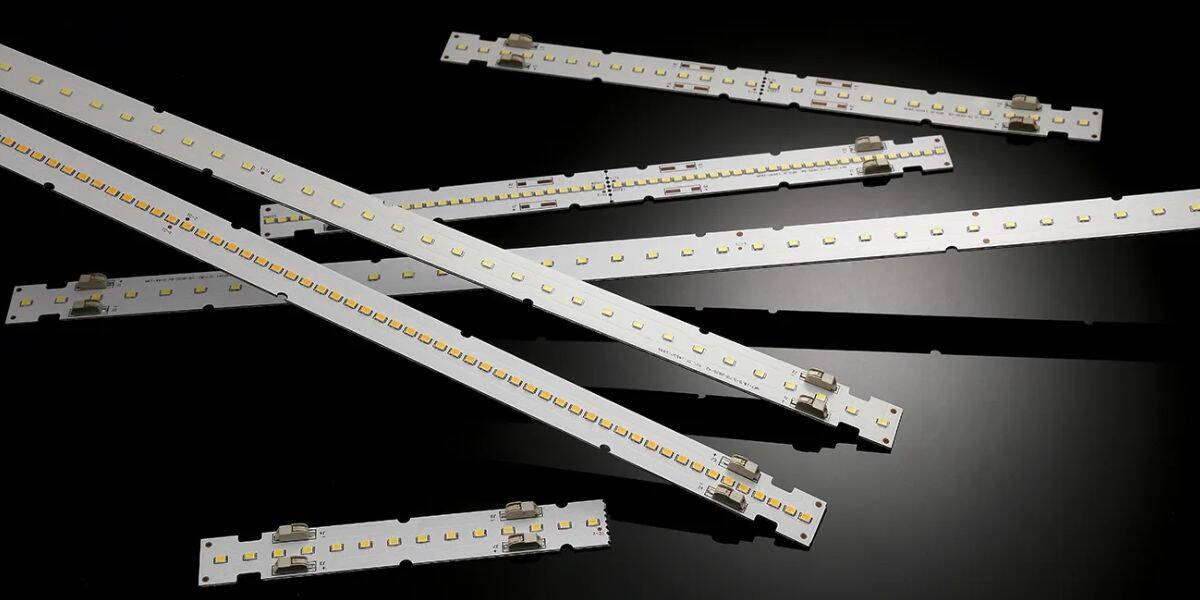
Meeting RoHS requirements in LED PCB manufacturing requires changes at the production level, not just in documentation.
Material Selection Constraints
RoHS limits reduce material choices for laminates, solder masks, and thermal interface materials. Manufacturers must balance compliance with performance, especially in high-power LED designs.
Common considerations include:
- Selecting laminates with compliant flame retardants
- Ensuring solder masks withstand higher lead-free reflow temperatures
- Verifying thermal pads and adhesives meet substance restrictions
Material substitutions often require process requalification.
Soldering and Surface Finish Impact
Lead-free soldering affects both assembly reliability and thermal exposure. Higher reflow temperatures can stress LEDs and PCB materials.
Surface finish choices such as ENIG, immersion silver, or OSP must be evaluated for:
- Compatibility with LED packages
- Long-term stability under thermal cycling
- Interaction with compliant solder alloys
These decisions directly influence yield and field reliability.
Process Control Expectations
Process variability increases compliance risk. In 2026, manufacturers are expected to demonstrate consistent control over:
- Reflow profiles
- Cleaning processes
- Rework and repair methods
Uncontrolled rework is a frequent source of contamination and non-compliance.
Supplier Qualification Importance
Supplier qualification now extends beyond price and capacity. Manufacturers must confirm that suppliers maintain stable, compliant formulations and notify of changes.
This is especially critical for custom pcb board projects where materials may be tailored to specific thermal or mechanical requirements.
Material and Process Challenges Unique to LED PCBs
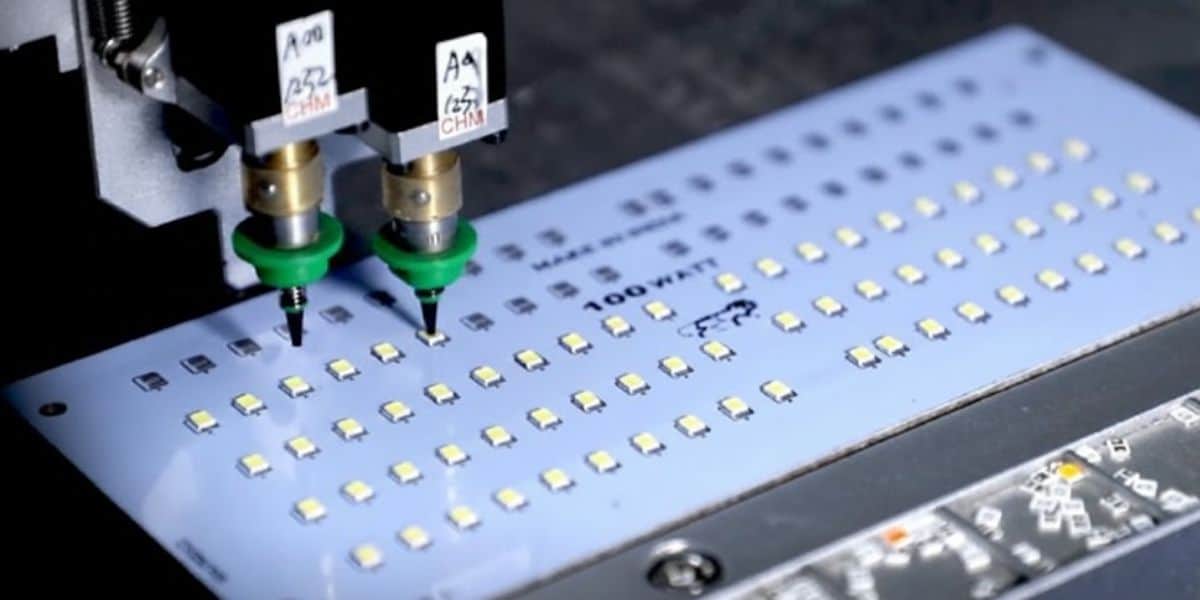
LED PCBs combine challenges not typically seen in standard electronics, making RoHS compliance more complex.
Thermal Materials vs RoHS Restrictions
High-power LEDs rely on efficient heat transfer. Some historically effective thermal materials contained restricted substances. Compliant alternatives may have different mechanical or aging characteristics.
Manufacturers must validate:
- Long-term thermal stability
- Adhesion under thermal cycling
- Interaction with solder joints
Surface Finishes and Compliance Balance
Certain finishes perform well electrically but may introduce corrosion or migration risks if not properly controlled. In LED applications, these risks can manifest as gradual lumen depreciation or color shift.
Balancing compliance and performance requires careful process tuning rather than default material selection.
LED Reliability Risks if Compliance Is Mishandled
Improper compliance handling can lead to:
- Early solder joint fatigue
- Delamination due to thermal stress
- Optical degradation from material interactions
These failures often appear months or years after deployment, increasing warranty and reputational risk.
Why Shortcuts Cause Long-Term Failures
Shortcuts such as undocumented material substitutions or incomplete cleaning may not cause immediate defects. However, under continuous thermal load, small inconsistencies accumulate.
In LED systems expected to operate tens of thousands of hours, these shortcuts translate directly into reduced lifespan.
Documentation, Traceability, and Compliance Verification
In 2026, documentation is treated as part of the manufacturing process itself.
Why Documentation Matters in 2026
Documentation is the primary evidence that compliance is systematic rather than accidental. For manufacturers, it provides internal control as much as external proof.
Good documentation helps:
- Identify root causes of failures
- Manage supplier changes
- Respond quickly to audits
BOM Traceability
Each BOM entry should be traceable to a compliant supplier declaration. This includes passive components, connectors, and materials that may seem insignificant but still fall under RoHS scope.
Supplier Declarations
Declarations must be current and specific. Generic statements without material identifiers are increasingly questioned during audits.
Audit Readiness
Audit readiness means being able to demonstrate compliance without disrupting production. This requires alignment between engineering, procurement, and manufacturing records.
Common RoHS Compliance Risks in LED PCB Manufacturing
Understanding common risks helps prevent costly corrections.
Partial Compliance Misunderstandings
Assuming that compliance at one stage covers the entire process leads to gaps. Compliance must be continuous from material receipt to final shipment.
Component Substitution Risks
Last-minute substitutions, even for equivalent parts, can introduce non-compliant materials or untested interactions.
Incomplete Documentation
Missing or outdated records weaken compliance claims, even if the physical product is compliant.
Manufacturing Process Gaps
Uncontrolled cleaning agents, rework solder, or shared equipment can reintroduce restricted substances.
How Compliance Impacts Lead Time, Cost, and Planning
RoHS compliance directly influences manufacturing economics.
Why Compliance Affects Timelines
Additional validation, supplier checks, and documentation extend preparation phases. For custom pcb manufacturing projects, this must be accounted for early.
Cost vs Risk Tradeoffs
Compliant materials and controlled processes may increase unit cost, but they reduce risk of rework, recalls, and market access issues.
Planning Changes for 2026 Manufacturing
Manufacturers are adjusting planning models to include compliance lead time as a standard variable rather than an exception.
Preparing LED PCB Manufacturing for 2026 Compliance Standards
Preparation is about building resilience, not reacting to audits.
Process Readiness
Processes should be designed to prevent non-compliance rather than detect it after the fact.
Design-for-Compliance Mindset
Engineers are increasingly considering compliance constraints during design, reducing downstream adjustments.
Supplier Coordination
Close coordination ensures that changes are communicated early and validated properly.
Long-Term Manufacturing Stability
Stable, compliant processes support consistent quality and predictable delivery, which are critical in LED applications with long service expectations.
RoHS Compliance Impact on LED PCB Manufacturing
| Compliance Area | Manufacturing Impact | Risk If Ignored |
| Material Selection | Limits laminate, solder, and finish options | Thermal failure, audit rejection |
| Soldering Process | Higher reflow temperatures and tighter control | Joint fatigue, LED damage |
| Supplier Control | Requires verified declarations and change tracking | Hidden non-compliance |
| Documentation | Ongoing record maintenance | Market access restrictions |
| Process Traceability | Lot-level tracking and audits | Recall and liability exposure |
Conclusion
RoHS compliance in LED PCB manufacturing is a disciplined production approach, not a paperwork exercise. In 2026, compliance affects material choices, process control, documentation, and long-term reliability. Manufacturers that treat compliance as an integrated manufacturing function are better positioned to manage risk, maintain market access, and deliver stable LED performance over extended lifecycles.
FAQs
Related Posts