Nederlands
  English
  简体中文
简体中文  Deutsch
  Español
  Français
  Italiano
  日本語
日本語  한국어
한국어  Polski
  Português
  Русский
  Türkçe
  Tiếng Việt
  ไทย
ไทย 
Bulkaankopen Een LED-lichtblad is niet alleen een sourcing-beslissing. Het is een gestructureerde risicobeoordeling die van invloed is op de consistentie van verlichting, blootstelling aan naleving, schaalbaarheid van de productie en de operationele betrouwbaarheid op lange termijn. Bij B2B-inkoop moet de juiste leverancier meetbare technische controle, gedocumenteerde certificering, herhaalbare productieprocessen en afdwingbare commerciële voorwaarden demonstreren.
Een betrouwbare leverancier moet minimaal een gecontroleerde LED-binning (3 SDCM voor uniforme installaties), gevalideerde thermische prestaties worden ondersteund door LM-80- en TM-21-gegevens, stabiele 24V-systeemarchitectuur voor grootformaattoepassingen en gedocumenteerde L70-levensduur van meer dan 50.000 uur onder gedefinieerde testomstandigheden bewijzen. Zonder dit documentatieniveau introduceren bulkorders prestatie- en contractrisico.
In dit artikel wordt uitgelegd hoe grootkopers een B2B LED-bladlicht Leverancier vanuit een technisch, operationeel en commercieel due diligence-perspectief om onzekerheid te verminderen voordat zich verbindt tot grootschalige inkoop.
Productkwaliteit en technische consistentie

Bij bulkaankopen wordt kwaliteit niet gedefinieerd door een enkel goedgekeurd monster. Het wordt gedefinieerd door herhaalbaarheid tussen batches, productiecycli en leveringscontracten voor de lange termijn. Bij het inkopen van een LED-licht plaatpaneel of grote hoeveelheden LED-licht plaatpanelen, moeten inkoopteams controleren of de leverancier gestructureerde kwaliteitscontroleprocessen heeft die op schaal consistentie garanderen.
De volgende elementen moeten zorgvuldig worden onderzocht:
- Consistentie van LED-bin-bedien
Controleer hoe de leverancier de helderheid en de kleurbakselectie beheert. In grote uniforme verlichtingsverlichting voor ledlichtplaten kan inconsistentie in de bak resulteren in zichtbare paneelvariatie tussen installaties. Vraag gedocumenteerde bin-bereikbeleidsregels en batch-tracatierecords aan. Voor architecturale of retailinstallaties in commerciële kwaliteit is acceptabele chromaticiteitstolerantie doorgaans ≤3 SDCM om de visuele continuïteit over panelen te behouden, terwijl bredere toleranties het risico op zichtbare kleurvariatie in gefaseerde implementaties vergroten. - Thermisch ontwerp stabiliteit
Lay-outs met hoge dichtheid, zoals een hoge helderheid LED-lichtblad meer warmte genereren. Bekijk thermische simulatiegegevens, testrapporten voor temperatuurstijging en materiaalspecificaties. Slecht thermisch beheer vermindert de levensduur en veroorzaakt vroege lumenafschrijving. De claims van de commerciële levenslange levensduur moeten verwijzen naar LM-80-testgegevens met TM-21-projectiemethodologie in plaats van alleen te vertrouwen op nominale uurverklaringen, aangezien niet-ondersteunde levensduurclaims het vervangingsrisico op lange termijn verhogen. - PCB-kwaliteits- en materiaalnormen
Bevestig PCB-dikte, kopergewicht, substraattype en kwaliteitscontroles van leveranciers van grondstoffen. Dunne of inconsistente boards kunnen kromtrekken of falen onder langdurige belasting. - Optische uniformiteitscontrole
Voor projecten die een uniforme verlichting LED-lichtblad vereisen, beoordeelt u fotometrische rapporten. Controleer lichtverdelingskaarten in plaats van te vertrouwen op beschrijvende claims. Uniformiteitsafwijking tussen productiebatches is een veelvoorkomend risico op grote orde. - Prestatievalidatievoorbeelden
Goedkeuren van monsters van de eigenlijke productielijn, niet met de hand geselecteerd technische monsters. Vraag idealiter preproductiemonsters aan die zijn getrokken uit hetzelfde batchproces dat de bulkorder zal dienen.
Het negeren van gestructureerde kwaliteitsverificatie kan leiden tot een mismatch van de helderheid bij gefaseerde inkoop. In retail-, architectonische of merkomgevingen kan inconsistente verlichting kostbare herbewerking of vervanging vereisen. Bij implementaties met meerdere sites kunnen zelfs kleine afwijkingen de visuele consistentie op verschillende locaties in gevaar brengen.
Certificering en nalevingsverificatie
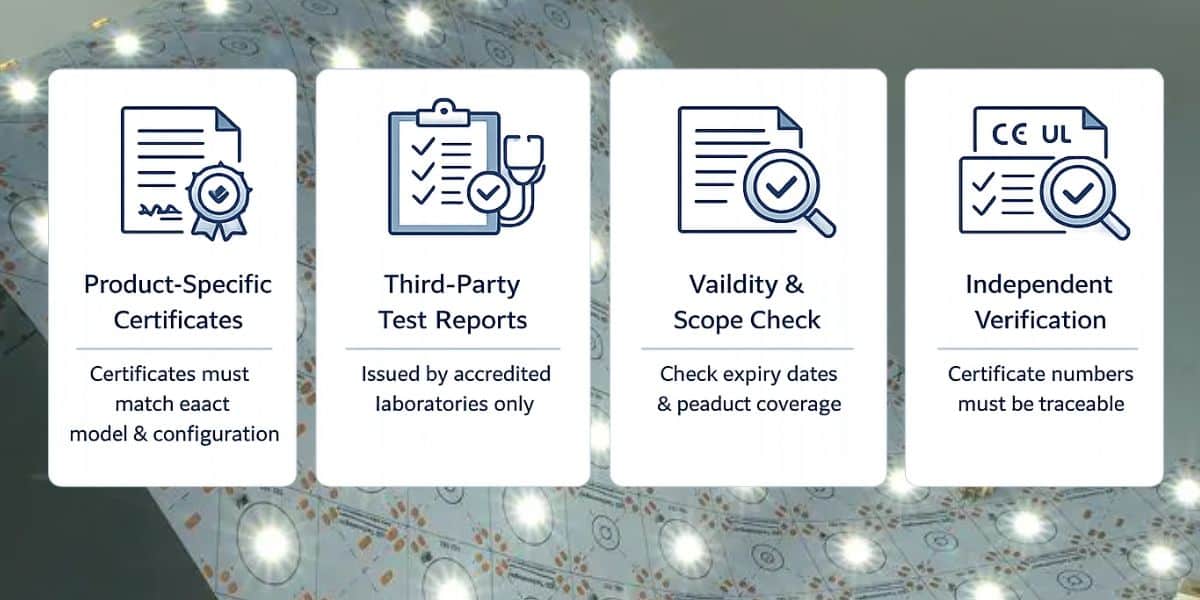
Certificering wordt vaak behandeld als een checklist-item, maar bij de inkoop van B2B moet het onafhankelijk worden gevalideerd. Claims met betrekking tot CE, UL, RoHS of andere regionale naleving moeten worden geverifieerd door middel van certificaatnummers, uitgifte-instanties en testrapporten.
Kopers moeten:
- Verzoek kopieën van geldige testrapporten, niet alleen certificaatlogo's.
- Bevestig dat rapporten overeenkomen met het exacte productmodel en de configuratie.
- Controleer de vervaldatums en de uitgifte van laboratoria.
- Controleer of wijzigingen, zoals dimbare en RGBW LED-lichtvellen varianten, onder dezelfde certificering vallen.
Niet-gevalideerde naleving kan leiden tot vertragingen bij invoer, afwijzingen van de douane of blootstelling aan aansprakelijkheid. Als een leverancier de componenten of materialen van de bestuurder zonder hercertificering wijzigt, draagt de koper het risico van naleving.
Voor projecten met betrekking tot overheids- of commercieel vastgoedcontracten kan tijdens audits ook nalevingsdocumentatie vereist zijn. Inkoopteams moeten een gedocumenteerd bestand met geverifieerde certificeringen bijhouden in plaats van te vertrouwen op marketingmateriaal van leveranciers.
Productiecapaciteit & productiecontrole
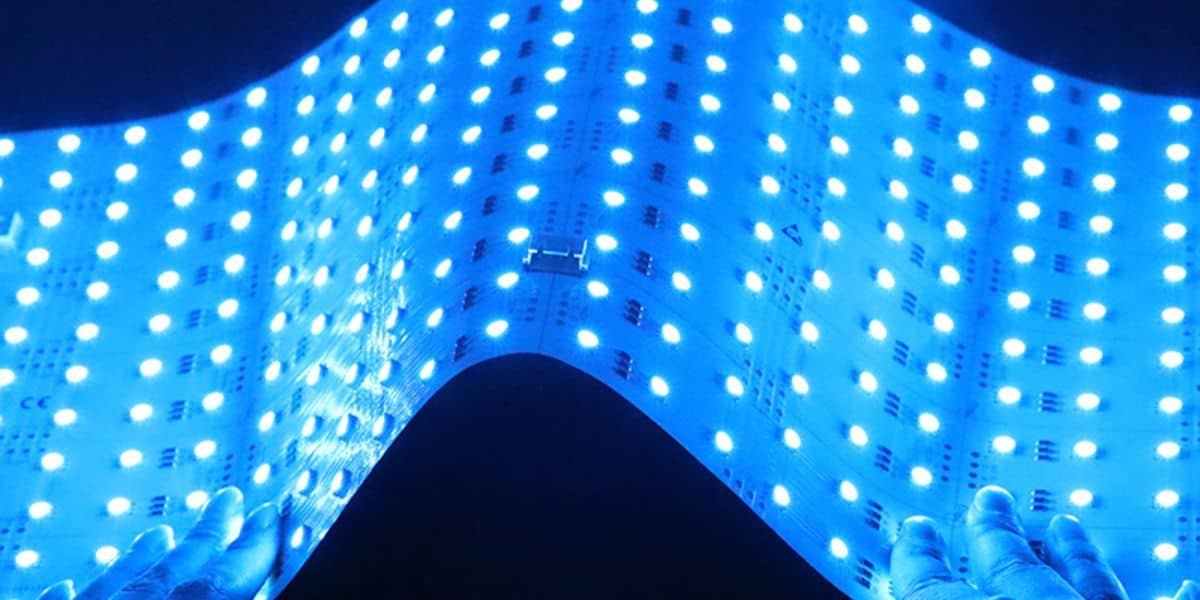
Bulk inkoop vereist vertrouwen in de productie-infrastructuur van de leverancier. een betrouwbare Flexibel LED-lichtblad Leverancier moet transparantie bieden in productieprocessen, apparatuur en interne kwaliteitscontroles.
Belangrijke evaluatiegebieden zijn onder meer:
- SMT (Surface Mount Technology) capaciteit en automatiseringsniveau.
- In-line inspectiesystemen zoals AOI (Automated Optical Inspection).
- Inbrandtestprotocollen en duur.
- Batchnummering en traceerbaarheidssystemen.
- gedocumenteerde kwaliteitscontroleprocedures.
Productiecontrole is van belang omdat kwaliteitsdrift vaak geleidelijk plaatsvindt. Zonder gestructureerde inspectiecontrolepunten kunnen variaties in soldeerkwaliteit, LED-plaatsing of huidige regulering mogelijk niet vroeg worden gedetecteerd.
Batchconsistentie over grote orders is van cruciaal belang. Als een inkoopplan bijvoorbeeld gespreide leveringen gedurende zes maanden omvat, moet de consistentie van de helderheid worden gehandhaafd over elk productiekavel. Vraag documentatie aan die laat zien hoe de leverancier de procescontrole beheert om drift te voorkomen.
Kopers moeten ook beoordelen of technische teams zijn ingebed in de productie of uitbesteed. Geïntegreerd technisch toezicht vermindert de communicatiekloof tussen ontwerpaanpassingen en productie-uitvoering.

Optische lens LED-bladen
- Grootte (L x B x H ): 500mmx250mmx8mm
- LED-type: 2835 SMD
- LED-hoeveelheid: 98pcs
- Werkspanning: DC 24V
- Vermogen: 20W
- CCT: 2700K/ 3000K/4000K/6000K/6500K
- Lichtstroom: 1800lm
- CRI: > 90Ra
- Stralingshoek: 180°
- Snij maat: 1 LED
- IP-klasse: IP20 niet waterdicht
- Levensduur: >35.000 uur
- Garantie: 3 jaar
Capaciteit, doorlooptijd en logistieke stabiliteit

De productiekwaliteit alleen is onvoldoende als de continuïteit van het aanbod niet kan worden gegarandeerd. Een B2B-leverancier moet de gedocumenteerde productiecapaciteit aantonen die is afgestemd op de geprojecteerde ordervolumes.
Inkoopteams moeten vragen:
- Maandelijkse maximale productiecapaciteit.
- historische uitvoervolumes.
- Levertijdsdocumentatie voor standaard en op maat gemaakte producten.
- Sourcingstrategieën voor grondstoffen.
Capaciteitsverificatie is met name belangrijk voor LED-lichtplaten met hoge helderheid waarvoor mogelijk gespecialiseerde componenten nodig zijn. Als LED-chips of driver-IC's worden afgenomen bij afzonderlijke leveranciers zonder bufferinventaris, worden onderbrekingen van de levering waarschijnlijk.
De betrouwbaarheid van de doorlooptijd heeft ook invloed op de projectplanning. Vertragingen in één batch kunnen gefaseerde installaties op meerdere locaties verstoren. Kopers moeten beoordelen of de leverancier veiligheidsvoorraad aanhoudt of strikt op basis van build-to-order opereert.
Logistiek stabiliteit reikt verder dan de fabrieksoutput. Bevestig ervaring met internationale verzenddocumentatie, exportverpakkingsnormen en protocollen voor schadepreventie. Bulkzendingen moeten aankomen zonder optische schade aan het oppervlak of PCB-kromtrekken.
Maatwerk & Engineering Ondersteuning
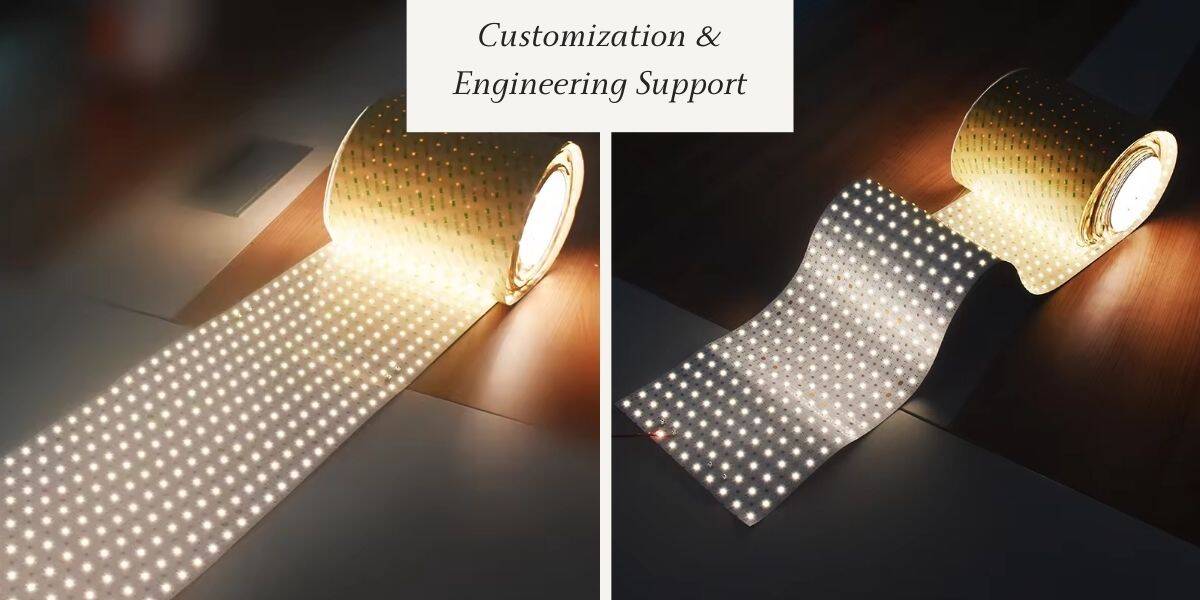
Veel B2B-projecten vereisen aanpassingen van de specificaties, waaronder variatie in grootte, aangepaste spanningsinvoer of geavanceerde besturingscompatibiliteit, zoals dimbaar en RGBW LED-licht configuraties van bladen.
Aanpassingscapaciteit moet worden geëvalueerd vanuit een technisch perspectief, niet alleen vanuit een verkoopperspectief. Vragen om te overwegen zijn onder meer:
- Biedt de leverancier R&D in eigen huis aan?
- Worden technische tekeningen geleverd vóór de productie?
- Kunnen fotometrische simulaties worden gedeeld?
- Is er gedocumenteerde validatietest voor gewijzigde versies?
Bij het werven van een gespecialiseerde LED-lichtreflectorplaatconfiguratie die is geïntegreerd in een grotere verlichtingseenheid, moeten mechanische toleranties en optische prestaties bijvoorbeeld nauwkeurig aansluiten bij de systeemvereisten.
Onvoldoende technische ondersteuning kan leiden tot prestatiemismatch tussen goedkeuring van monsters en productie-uitkomsten. Inkoopteams moeten bevestigen dat elke aanpassing wordt weerspiegeld in gecontroleerde productiedocumentatie in plaats van in informele e-mailovereenkomsten.
Financiële stabiliteit en betrouwbaarheid op lange termijn
Leverancier levensduur is van belang in meerjarige leveringsovereenkomsten. Bulkkopers moeten financiële basisdue diligence uitvoeren om de operationele stabiliteit te beoordelen.
De gebieden die u kunt beoordelen zijn onder meer:
- jaren in bedrijf.
- Geschiedenis exporteren.
- Verificatie van bedrijfsregistratie.
- Kredietreferenties, indien mogelijk.
Een financieel onstabiele leverancier vormt risico tijdens garantieclaims of herhaalde inkoopcycli. Als een leverancier de exploitatie stopt of het eigendom herstructureert, worden garantiehandhaving en batchcontinuïteit onzeker.
Langdurige relatiestabiliteit op lange termijn ondersteunt ook gefaseerde inkoop. Als uitbreiding naar extra locaties gepland is, moet dezelfde leverancier in de loop van de tijd identieke productspecificaties handhaven. Plotselinge vervangingen van componenten als gevolg van financiële druk kunnen inconsistentie introduceren.
Commerciële voorwaarden, garantie en ondersteuning na verkoop

Commerciële duidelijkheid is net zo belangrijk als technische prestaties. Garantievoorwaarden moeten worden gedocumenteerd met duidelijke definities van dekkingsbereik, uitsluitingen en claimprocedures.
Inkoopteams moeten onderscheid maken tussen garantieduur en garantieafdwingbaarheid. Een garantie van vijf jaar zonder gedocumenteerd claimprotocol kan minder bescherming bieden dan een kortere maar duidelijk gestructureerde garantie.
onderzoeken:
- Of de garantie de afschrijvingsdrempels van lumen dekt.
- Voorwaarden voor vervanging versus reparatie.
- verantwoordelijkheid voor vrachtkosten.
- Vereiste documentatie voor claims.
Ondersteuning na verkoop moet ook technische assistentie, traceerbaarheid van batch voor retouren en toezeggingen van de responstijd omvatten.
Vage garantietaal verhoogt de financiële blootstelling. Als bijvoorbeeld inconsistentie in helderheid verschijnt in een grote uniforme verlichting van LED-lichtbladen, moet de verantwoordelijkheid duidelijk in contractuele termen worden gedefinieerd.
Rode vlaggen bij het evalueren van een leverancier
Bepaalde waarschuwingssignalen duiden op verhoogd inkooprisico en moeten grondig worden onderzocht:
- Niet-verifieerbare certificeringen
Als certificaatnummers niet onafhankelijk kunnen worden gevalideerd of rapporten niet overeenkomen met de productspecificatie, is het nalevingsrisico hoog. - Geen batchtestrecords
Het ontbreken van gedocumenteerde QC-rapporten suggereert een gebrek aan procesbeheersing. - vage garantietaal
Duidelijke bewoordingen met betrekking tot dekking of uitsluitingen duiden op mogelijk geschilrisico. - Inconsistente communicatie
Technische antwoorden die variëren tussen verkoop- en engineeringteams suggereren interne verkeerde uitlijning. - Onrealistische prijzen zonder documentatie
Prijzen die aanzienlijk onder de markt zijn, zonder transparante kostenverdeling, kunnen wijzen op gecompromitteerde materialen of inconsistente LED-sourcing van LED's.
Het negeren van deze signalen kan leiden tot verstoring van de levering, kwaliteitsgeschillen of contractuele verliesblootstelling.
Leverancier evaluatiekader
| Evaluatiegebied | Wat te verifiëren? | Waarom het belangrijk is | risico indien genegeerd |
| Productkwaliteit | LED-bakregeling (≤3 SDCM), thermische testgegevens (LM-80 / TM-21), PCB-materiaalspecificaties | Zorgt voor consistente prestaties in verschillende batches | Zichtbare helderheid mismatch, voortijdig falen |
| Certificering | Geldige testrapporten met modelnummers en labdetails | Beschermt naleving van regelgeving | Importafwijzing, juridische blootstelling |
| Productiecontrole | QC-documentatie, AOI-inspectierecords, traceerbaarheidslogboeken van batch | Houdt herhaalbaarheid in stand | Procesdrift en inconsistente output |
| Capaciteit & logistiek | Gedocumenteerde maandelijkse output, doorlooptijdrecords, grondstof inkoopstrategie | Ondersteunt projecttijdlijnen | Vertragingen en gefaseerde uitrol |
| Commerciële voorwaarden | Schriftelijke garantieomvang, documentatie voor claimproces, aansprakelijkheidsvoorwaarden | Vermindert geschillenrisico | Onherstelbaar financieel verlies |
Deze gestructureerde beoordelingsaanpak stelt inkoopteams in staat om leveranciers objectief te beoordelen in plaats van te vertrouwen op marketingmateriaal.
Conclusie
Het selecteren van een B2B-leverancier voor bulk-LED-lichtbladaankopen is een strategische beslissing die verder gaat dan prijsvergelijking. Het vereist een gestructureerde evaluatie van de productiediscipline, kwaliteitsconsistentie, certificeringsvaliditeit en commerciële verantwoordelijkheid.
Langdurige betrouwbaarheid, transparantie en schaalbaarheid van gefaseerde implementaties moeten voorrang hebben op kostenvoordelen op korte termijn. Batchconsistentie, geverifieerde naleving en afdwingbare garantievoorwaarden zijn geen optionele beveiligingen, maar kerncomponenten van inkooprisicobeheer.
Organisaties die leveranciersevaluatie benaderen met een gedocumenteerd raamwerk verminderen de operationele onzekerheid en beschermen de projectresultaten. Bij grootvolume sourcing is gedisciplineerde beoordeling het verschil tussen voorspelbare prestaties en vermijdbare blootstelling.
Veelgestelde vragen
Gerelateerde berichten