Nederlands
  English
  简体中文
简体中文  Deutsch
  Español
  Français
  Italiano
  日本語
日本語  한국어
한국어  Polski
  Português
  Русский
  Türkçe
  Tiếng Việt
  ไทย
ไทย 
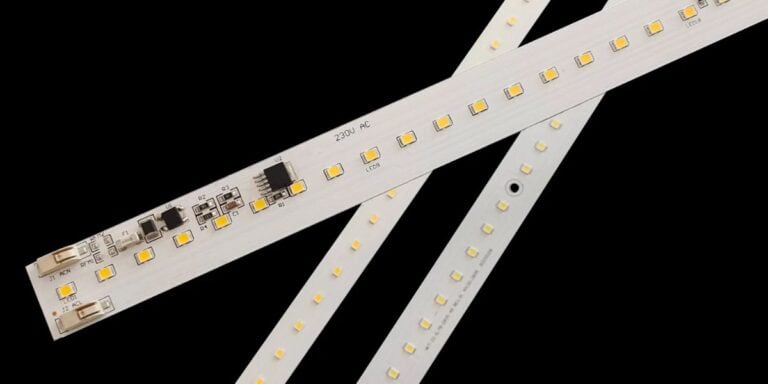
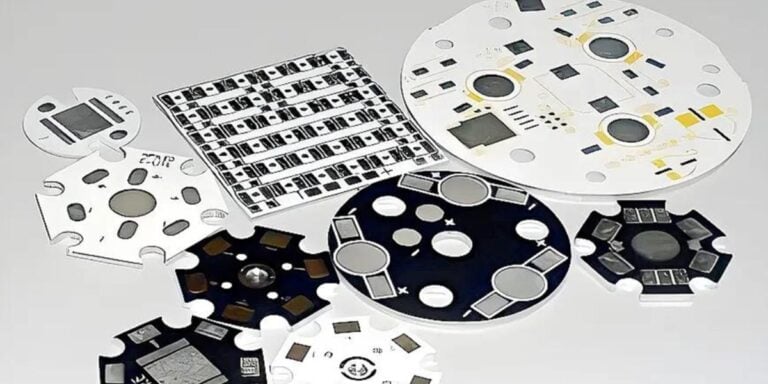
De LED-verlichtingsindustrie heeft moderne verlichting getransformeerd in residentiële, commerciële, industriële en automobieltoepassingen. LED's zijn de voorkeur voor een hoge energie-efficiëntie, een lange levensduur en een compact formaat. Hun prestaties zijn echter sterk afhankelijk van PCB-ontwerp, SMT-assemblagekwaliteit en soldeer gezamenlijke betrouwbaarheid. Zelfs kleine montagedefecten kunnen leiden tot flikkering, kleurinconsistentie, hotspotvorming of voortijdige storing.
Deze gids verkent
- Strategieën voor het verbeteren van PCB LED-betrouwbaarheid
- Gericht op SMT-best practices, soldeer gezamenlijke optimalisatie en thermisch beheer.
- Help fabrikanten om hoogwaardige en duurzame LED-systemen te bereiken.
Veelvoorkomende betrouwbaarheidsuitdagingen in PCB-LED's
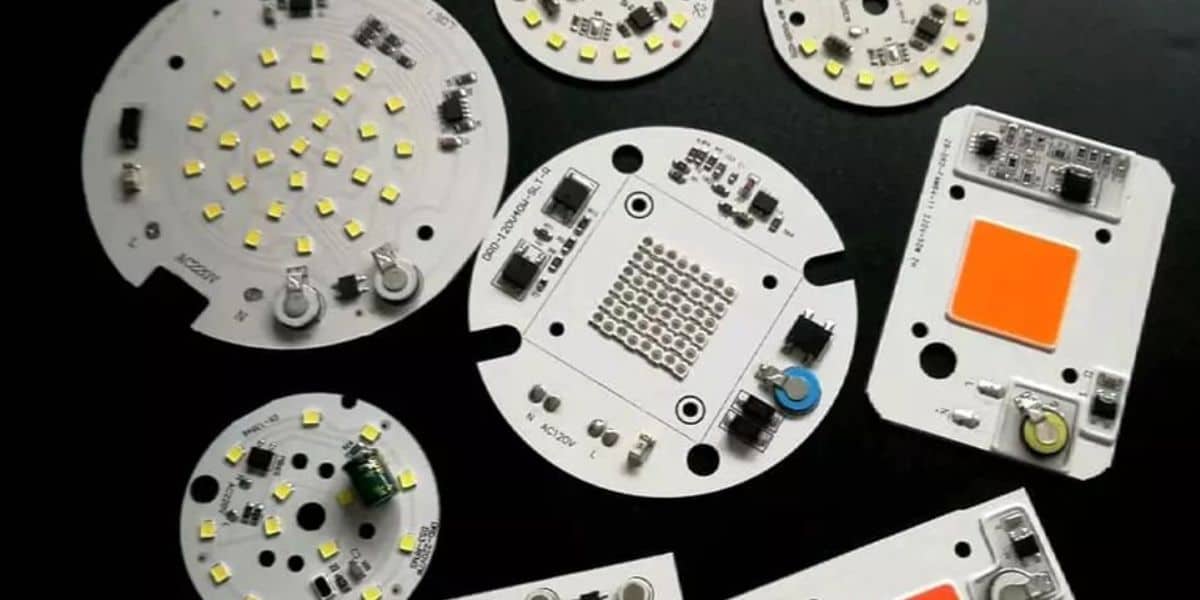
LED's zijn zeer gevoelig voor thermische, elektrische en mechanische spanningen. Slecht ontwerp of montage kan de prestaties en levensduur in gevaar brengen. Typische uitdagingen zijn onder meer:
- Gebarsten of open soldeerverbindingen die leiden tot intermitterende verbindingen.
- Thermische spanning die PCB-kromtrekken en degradatie van componenten veroorzaakt.
- Elektromigratie beschadigt kopersporen onder hoge stroomdichtheid.
- Mechanische stress door hanteren, transport of thermisch fietsen.
- Verkeerd uitgelijnde LED's resulterend in ongelijke lichtopbrengst of zichtbare hotspots.
Tabel 1: Impact van PCB- en SMT-problemen op LED-betrouwbaarheid
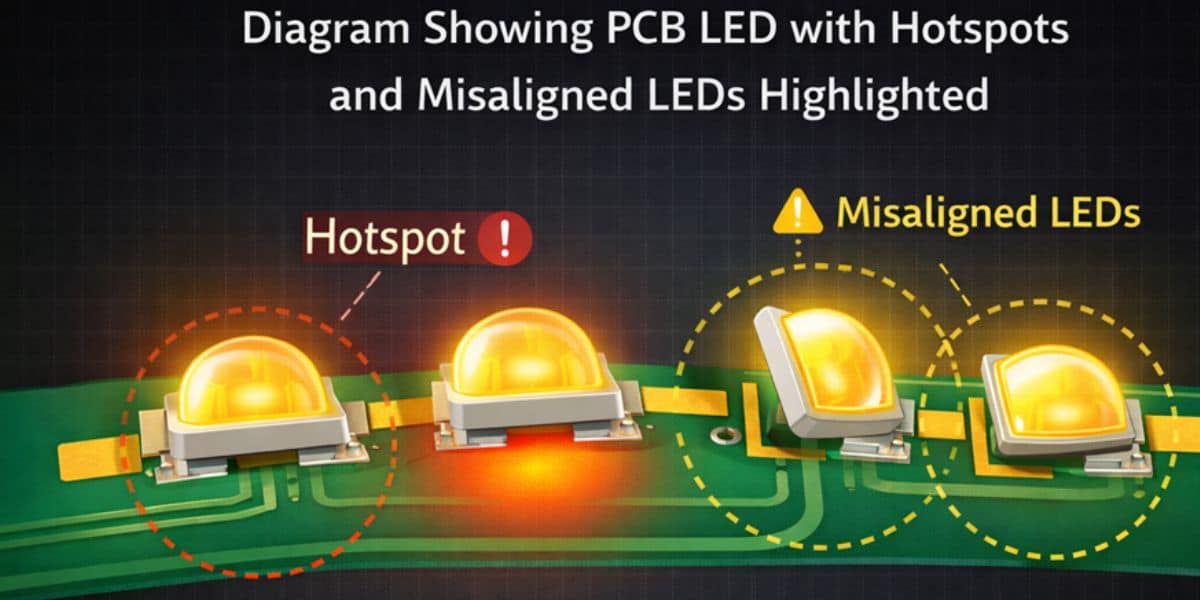
| uitgaven | aanrichten | Effect op LED-systeem |
| Gebarsten soldeerverbindingen | Thermische cycli, mechanische spanning | Flikkering, open circuits |
| Verkeerd uitgelijnde LED's | Pick-and-place-fouten | Ongelijkmatige lichtverdeling |
| Thermische hotspots | Slechte warmteafvoer | Lumen afschrijving, vroege mislukking |
| electromigratie | Hoge stroomdichtheid, dunne sporen | Traceer schade, storing in de loop van de tijd |
| Soldeerleegtes | Onjuiste plakafzetting | Verminderde thermische/elektrische geleidbaarheid |
Overwegingen voor de oppervlaktemontagetechnologie (SMT)
SMT maakt nauwkeurige LED-plaatsing, kleinere vormfactoren en verbeterde elektrische prestaties mogelijk. Slechte SMT-praktijken verminderen echter de betrouwbaarheid.
1: PCB-ontwerp voor SMT
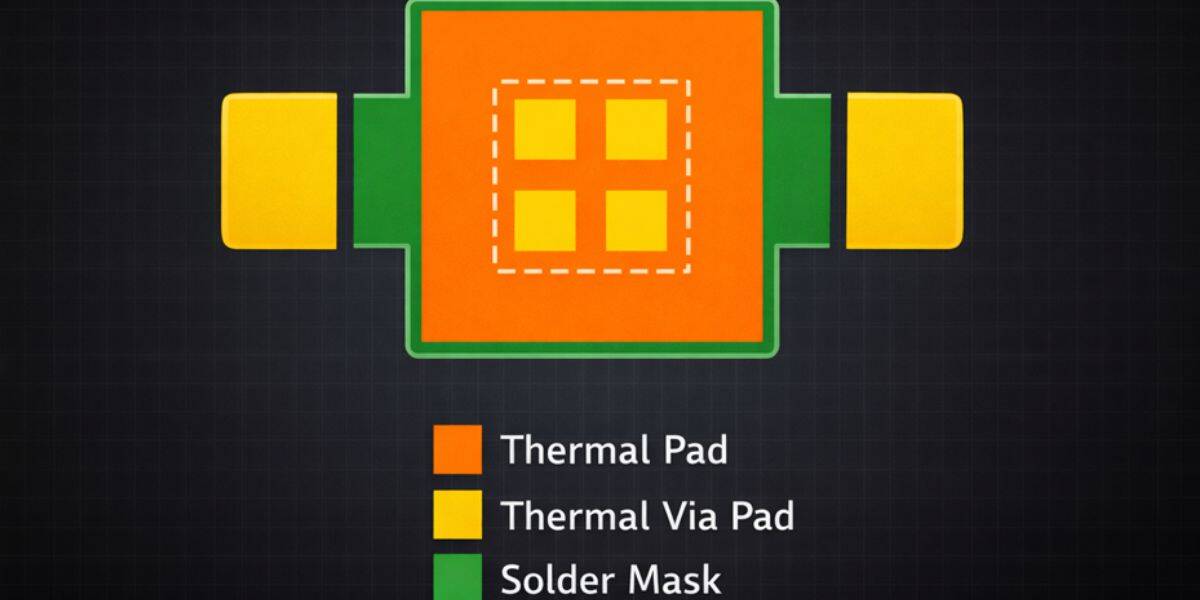
Een goed ontworpen PCB-lay-out ondersteunt de betrouwbaarheid:
| Ontwerpelement | Beste oefening |
| Maat en vorm van de pad | Zorg voor een goede soldeerbevochtiging en voorkom overbrugging |
| Thermische pads | Verbeter de warmteafvoer voor krachtige LED's |
| soldeermasker ontwerp | Voorkom soldeer morsen en behoud nauwkeurigheid van de plaatsing |
| Spoorbreedte & koper | Behoud een lage weerstand en behandel de stroom efficiënt |
2: Pick-and-Place nauwkeurigheid
Een goede plaatsing is van cruciaal belang voor uniforme verlichting:
- De selectie van de spuitmond, de plaatsingssnelheid en de druk moeten worden geoptimaliseerd.
- Verkeerde uitlijning kan optische inconsistenties en mechanische spanning veroorzaken.
- Regelmatige kalibratie vermindert plaatsingsfouten en herbewerking.
3: Soldeerpasta applicatie
Soldeerpasta kwaliteit en toepassing zijn essentieel:
- Laag lege, hoogwaardige pasta zorgt voor een consistente bevochtiging.
- Precisiestencils voorkomen onvoldoende of overmatig soldeer.
- Fluxgehalte moet geschikt zijn om oxidatie te voorkomen.
Soldeer gezamenlijke betrouwbaarheid
Soldeerverbindingen vormen de mechanische en elektrische verbinding tussen LED's en PCB's. Slecht solderen is een primaire storingsoorzaak.
1: soldeerlegering selectie
- SAC305 (SNAGCU) is de loodvrije standaard.
- Laagsmeltende legeringen verminderen thermische spanning tijdens het terugstromen.
- Legering moet compatibel zijn met PCB-afwerkingen (Enig, Hasl, OSP).
2 : Optimalisatie van reflowprofiel
De reflowtemperatuur moet worden geregeld:
- Voorverwarmen, weken en piektemperaturen moeten overeenkomen met de aanbevelingen van de fabrikant.
- Vermijd oververhitting van LED's of pads om thermische schokken te voorkomen.
- Gecontroleerde koeling vermindert het scheuren van risico's.
3: Soldeerverbindingsgeometrie
Een goede gewrichtsvorm verbetert de sterkte en geleidbaarheid:
- De filethoogte moet het kussen zonder overtollig soldeer bedekken.
- Gladde, concave filets verminderen de vorming van holtes.
- De coplanariteit zorgt voor een stabiel elektrisch contact.
4: Inspectie en kwaliteitscontrole
- Geautomatiseerde optische inspectie (AOI) detecteert zichtbare defecten.
- Röntgeninspectie identificeert verborgen leegtes in thermische pads.
- Regelmatige procesaudits zorgen voor een constante kwaliteit.
Tabel 2: Aanbevolen soldeerfiletspecificaties voor LED's
| LED-type | Filethoogte (mm) | gezamenlijke hoek | vastleggen |
| 0,2-0,5 W LED's | 0,2-0,3 | 45–60° | Standaard opbouw-led |
| 1-3 W LED's | 0,3-0,5 | 45–70° | High-power LED's vereisen thermische ondersteuning |
| >5 W LED's | 0,4–0,6 | 60-75° | Gebruik thermische vias en metal-core PCB |
Thermisch beheer voor SMT-LED's
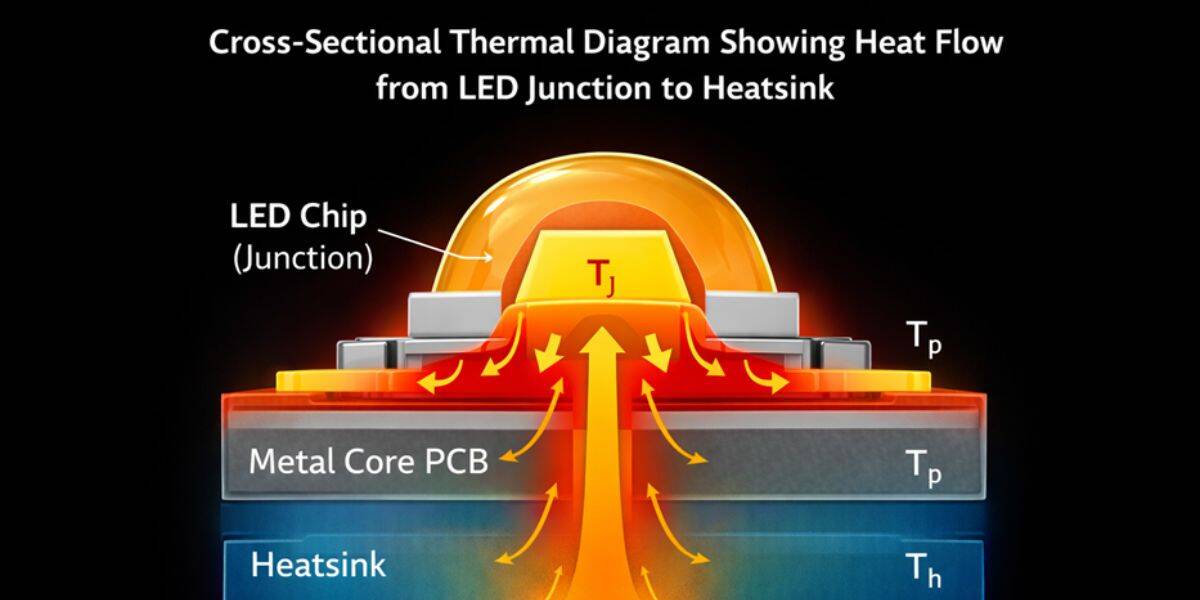
Warmte is het meest Kritische factor voor LED-betrouwbaarheid. Hoge temperaturen versnellen de afschrijving van lumen en verminderen de levensduur.
Belangrijkste strategieën:
- Aluminium-kern PCB's verbeteren de warmteafvoer.
- Thermische via's onder LED's brengen warmte over naar grotere koperen vlakken.
- Heatsinks en TIMS zijn essentieel voor krachtige toepassingen.
- Correcte LED-afstand voorkomt hotspots en zorgt voor een uniforme temperatuurverdeling.
Veelvoorkomende SMT- en soldeerproblemen
| uitgaven | aanrichten | Oplossing |
| grafmonument | Ongelijke oppervlaktespanning tijdens reflow | Pas het volume en het profiel van de soldeerpasta aan |
| soldeerbruggen | Overtollige soldeer, verkeerd uitgelijnde pads | Verminder de afzetting van de pasta, verbeter stencil |
| koude soldeerverbindingen | Slechte bevochtiging, lage temperatuur | Optimaliseer het reflowprofiel en soldeertype |
| geroeileerd | opgesloten lucht of flux | Gebruik low-onide pasta, goede reflow |
Best practices voor betrouwbare PCB LED-assemblage
Ontwerp voor maakbaarheid (DFM): lijn pads, sporen en thermische paden uit met SMT-mogelijkheden.
- Gebruik hoogwaardige soldeerpasta: Laag void, consistente legering met de juiste flux.
- Gecontroleerd reflowprofiel: Voorkom oververhitting en snelle koeling.
- Inspectie: AOI, röntgenfoto's en handmatige controles.
- Behandeling: Minimaliseer mechanische belasting tijdens transport en montage.
- Thermisch ontwerp: Metal-core PCB's, thermische via's en koellichamen.
- Gestandaardiseerde processen: Documentatie zorgt voor herhaalbaarheid.
Casestudy: krachtige LED-module
Een industriële LED-module met hoge bay ondervond frequente soldeergewrichtsstoringen als gevolg van thermisch fietsen.
Verbeteringen doorgevoerd:
- Overgeschakeld naar aluminium-kern PCB's.
- Geoptimaliseerde soldeerpasta depositie.
- Gecontroleerde reflow-profielen.
- Thermische via's toegevoegd onder LED's.
Resultaten:
- 30% vermindering van soldeergewrichtsdefecten.
- Verbeterd lumenonderhoud na 5.000 bedrijfsuren.
Opkomende trends in PCB LED-assemblage
- Soldeerlegeringen bij lage temperatuur verminderen thermische spanning.
- Loodvrij solderen zorgt voor naleving van de regelgeving zonder de betrouwbaarheid te verminderen.
- AI-geassisteerde inspectie detecteert defecten sneller dan traditionele methoden.
- Geavanceerde PCB-materialen met een hoge thermische geleidbaarheid verbeteren de warmteafvoer.
- 3D thermische simulaties voorspellen hotspots vóór productie.
Extra tips voor fabrikanten
- Gebruik stencilontwerpsoftware voor nauwkeurige afzetting van soldeerpasta.
- Voer thermische simulaties uit om hotspots vóór de productie te voorkomen.
- Kalibreer regelmatig pick-and-place-machines.
- Behoud de gecontroleerde vochtigheid en temperatuur in montagegebieden.
- Gebruik beschermende coatings voor omgevingen met een hoge luchtvochtigheid.
Conclusie
PCB LED-betrouwbaarheid is afhankelijk van de SMT-assemblagekwaliteit, de integriteit van de soldeerverbinding en thermisch beheer. Een goed ontwerp, soldeer en procesbeheersing voorkomen storingen, verbeteren de prestaties en verlengen de levensduur van de LED. Fabrikanten die geoptimaliseerde lay-outs, soldeerwerk van hoge kwaliteit en geavanceerde thermische strategieën implementeren, bereiken betrouwbare, duurzame LED-systemen met een consistente lichtopbrengst.
Voor hoogwaardige, duurzame LED-oplossingen, vertrouw Signlitetled voor vakkundig ontworpen PCB LED-assemblages. We richten ons op SMT-optimalisatie, nauwkeurig solderen en geavanceerd thermisch beheer om betrouwbare verlichting te leveren.
Neem vandaag nog contact op met SignLitele Om uw productkwaliteit te verbeteren, storingen te verminderen en superieure LED-prestaties te garanderen.
FAQs
Gerelateerde berichten