Nederlands
  English
  简体中文
简体中文  Deutsch
  Español
  Français
  Italiano
  日本語
日本語  한국어
한국어  Polski
  Português
  Русский
  Türkçe
  Tiếng Việt
  ไทย
ไทย 
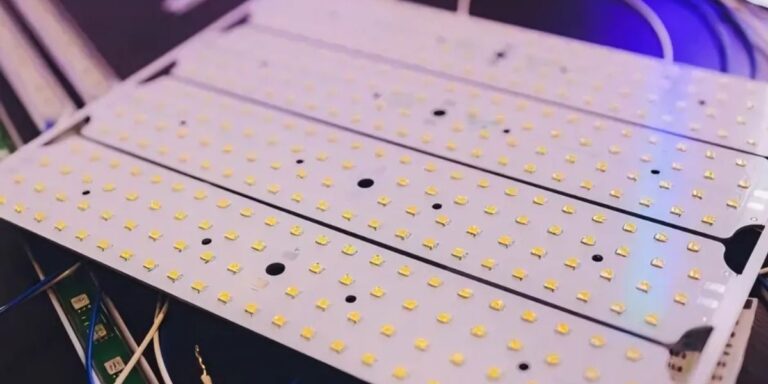
3-5 dagen snelle prototyping in LED-PCB-assemblage verwijst naar het produceren van een functioneel LED-PCB-monster met beperkte hoeveelheid in een gecomprimeerd fabricagevenster. Het betekent niet dat je stappen overslaat of onvolledige ontwerpen overhaast. De doorloopsnelheid is afhankelijk van de ontwerpgereedheid, de bevestigde beschikbaarheid van componenten en een duidelijk gedefinieerde montagebereik. Wanneer deze omstandigheden op één lijn liggen, zijn versnelde prototype-builds haalbaar zonder het onderliggende productieproces te veranderen.
Wat "3-5 dagen snelle prototyping" betekent in LED-PCB-assemblage
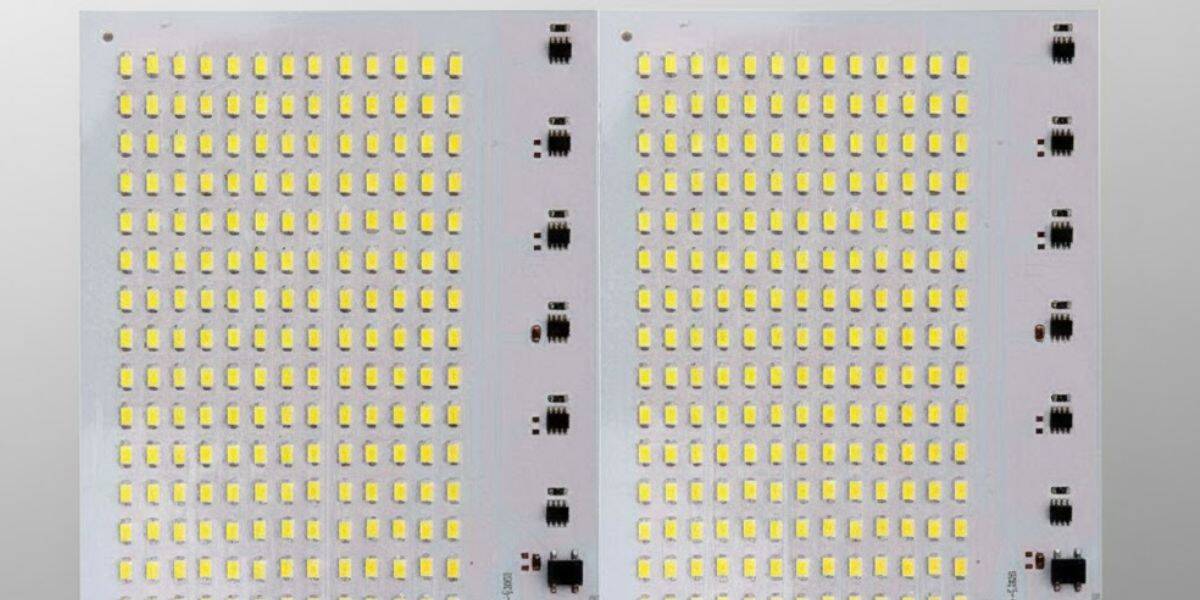
Snelle prototyping beschrijft een gecontroleerde snelkoppeling door standaard doorlooptijden, geen snelkoppeling door technische discipline. De output is een prototype, geen productieklare batch. Het doel is validatie, niet volume.
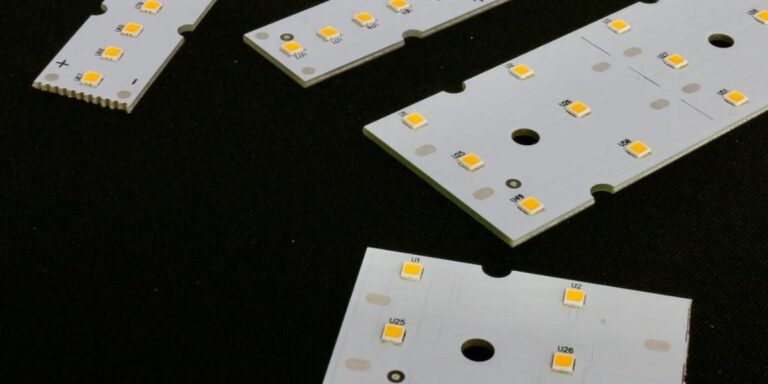
LED-PCB-assemblage heeft strengere beperkingen dan veel andere bordtypen. Thermische paden, nauwkeurigheid van de plaatsing van LED's en de huidige consistentie zijn onmiddellijk van belang, zelfs in het prototypestadium. Daarom richt Fast Prototyping zich op boards die al maakbaar zijn, geen ontwerpen die nog worden onderzocht.
In de praktijk omvat 3-5 dagen fast prototyping meestal de fabricage van kale boards, plaatsing van beschikbare LED- en drivercomponenten, en basisfunctionele verificatie. Het sluit procestuning, uitgebreide inbranding en cosmetische optimalisatie uit die tot latere stadia behoren.
Typische workflow achter snelle LED-PCB-prototyping
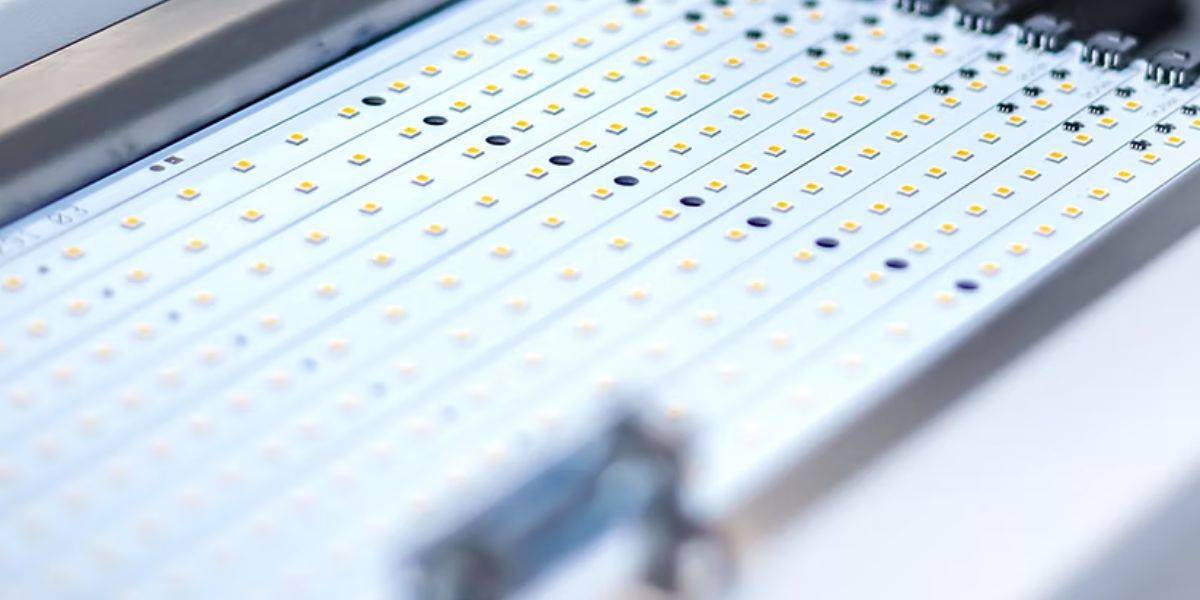
Snelle doorlooptijd is alleen mogelijk wanneer de workflow voorspelbaar blijft. Het proces verandert niet, maar prioriteiten wel.
Design Readiness is de eerste poort. Bestanden moeten definitief zijn, intern beoordeeld en vrij van open vragen. Er is geen tijdsbuffer voor verduidelijking cycli.
Componentsourcing volgt de realiteit, niet intentie. Alleen onderdelen die op voorraad zijn, goedgekeurd en al gekwalificeerd voor montage kunnen worden gebruikt. Vervangingen vertragen alles.
Assemblageprioritering vindt plaats op het planningsniveau. Prototype-taken worden in bestaande lijnen tussen productieruns geplaatst of toegewezen aan speciale snelle afslagcapaciteit.
Het testen van de reikwijdte is opzettelijk beperkt. Het doel is de bevestiging dat het bord functioneert zoals ontworpen, niet van volledige betrouwbaarheidskarakterisering.
Snelheid wordt bereikt door onzekerheid te verminderen, niet door de fysica te comprimeren.
Factoren die 3-5 dagen doorloop mogelijk maken
1. Ontwerp volledigheid en maakbaarheid
Een compleet ontwerp is de sterkste voorspeller van snelle levering. Gerbers, pick-and-place-gegevens en BOM's moeten zonder interpretatie worden uitgelijnd. LED-borden die al standaard voetafdrukken, afstandsregels en thermische strategieën volgen, bewegen snel.
- Kleine lay-outfouten veroorzaken vaak het resetten van volledige schema's
- DFM-duidelijkheid is belangrijker dan ontwerpnieuwigheid
2. Beschikbaarheid van componenten voor LED-assemblages
LED-componenten zijn niet uitwisselbaar op het laatste moment. Optische bakken, spanningsklassen en pakkettypen beperken de flexibiliteit. Fast prototyping is afhankelijk van componenten die al zijn opgeslagen of lokaal zijn geproduceerd.
- Leds met lange doorlopend LED's verwijderen elke kans op 3-5 dagen builds
- Beschikbaarheid van de bestuurder wordt vaak het bottleneck
3. Assemblagelijnconfiguratie voor LED-kaarten
Niet alle SMT-lijnen zijn even geschikt voor LED-werk. boards die een speciale behandeling vereisen, een hoog kopergewicht of een thermische interface die vertraagt. Reeds al geconfigureerde lijnen voor LED-plaatsing maken snellere overgangen tussen taken mogelijk.
4. Test- en inspectielimieten
Snelle prototypes ondergaan een gerichte inspectie. Elektrische controles en basisfunctionaliteitsvalidatie zijn typisch. Uitgebreide veroudering, fotometrische meting of milieutests worden uitgesteld. Deze beperking is opzettelijk en noodzakelijk om tijdlijnen te beschermen.
Wanneer 3-5 dagen LED-PCB-prototyping realistisch is - en wanneer dat niet het geval is
Snelle prototyping is realistisch voor eenvoudige tot matig complexe LED-PCB-ontwerpen die bekende architecturen hergebruiken. Lineaire LED-modules, basisdriverintegraties en lay-outs met één board passen goed binnen versnelde tijdlijnen.
Het wordt onrealistisch wanneer ontwerpen meerdere LED-typen, nieuwe thermische structuren of onbewezen lay-outs introduceren. Elke toegevoegde variabele verhoogt de coördinatie-inspanning en het risico.
Gemiste tijdlijnen komen meestal voort uit verwachtingslacunes. Ingenieurs verwachten snelheid ondanks onopgeloste ontwerpdetails. Inkoop verwacht snelheid ondanks onzekere levering van componenten. Productie kan alleen zo snel gaan als de ingangen toestaan.
Het begrijpen van deze grenzen voorkomt frustratie aan alle kanten.
Rol van LED-specifieke montage-overwegingen
PCB LED-assemblage introduceert beperkingen die zelfs in het prototype stadium van invloed zijn op de snelheid. De nauwkeurigheid van de plaatsing van de LED heeft een directe invloed op de optische prestaties en kan niet terloops worden behandeld. Herwerking is beperkt zodra LED's zijn gemonteerd.
Thermische paden moeten continu en opzettelijk zijn. Slechte thermische interfaces onthullen zich snel tijdens de eerste inschakeling, waardoor vaak verdere tests worden stopgezet.
Gedrag op systeemniveau is vroegtijdig. Zelfs prototypes moeten de warmtespreiding, de huidige balans en mechanische uitlijning beheren. Deze realiteiten verklaren waarom LED Fast Prototyping volwassen ontwerpen beloont en verkennende ontwerpen bestraffen.
Hoe Fast Prototyping Ondersteuning van de Beslissingen van de Montage van de PCB Ass
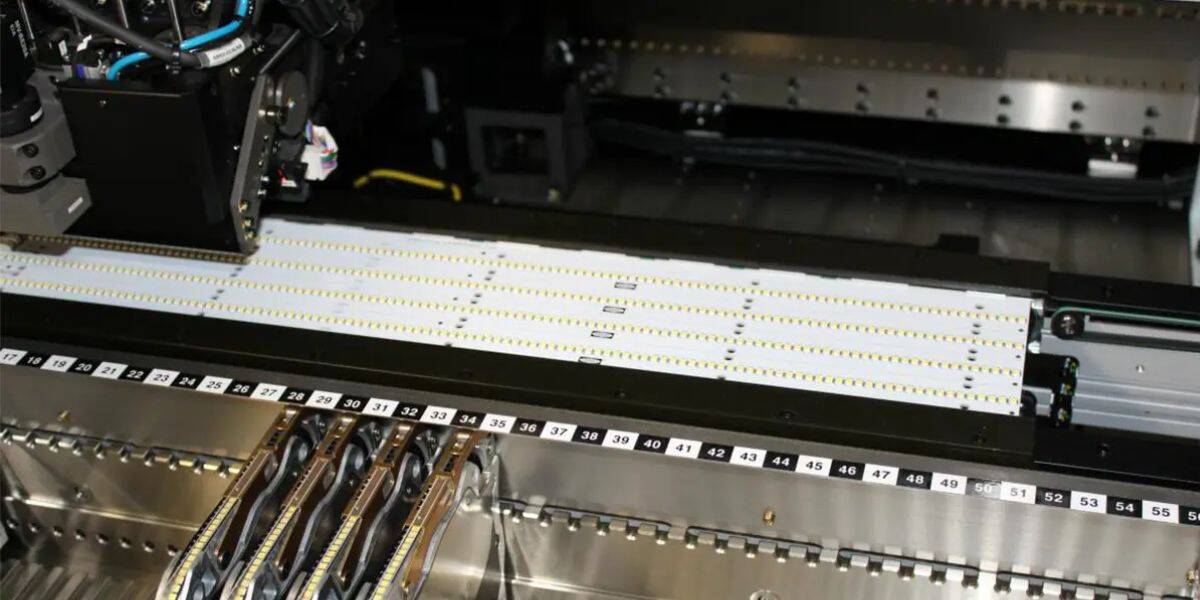
Er zijn snelle prototypes om onzekerheid vóór betrokkenheid te verminderen. Ingenieurs gebruiken ze om lay-outaannames te verifiëren, elektrisch gedrag te bevestigen en de thermische respons onder reële omstandigheden te observeren.
Vanuit een beslissingsstandpunt, Aangepaste PCB-assemb Planning profiteert van vroege signalen. Een prototype kan bevestigen dat een ontwerp klaar is om te schalen of onthullen dat een herziening vereist is vóór volume-investering.
Ook inkoopteams profiteren. Vroege builds leggen risico's voor sourcing bloot en helpen valideren of geplande componenten realistische schema's ondersteunen.
Snel prototyping gaat niet alleen over snelheid. Het gaat om een geïnformeerde besluitvorming.
Hoe snel prototyping in maat PCB-fabricagepijplijnen past
Snelle prototyping neemt een smalle maar kritieke positie in in de bredere fabricagestroom op maat.
| opvoeren | Doel | Snelheid verwachting |
| prototype | Functionele validatie | Snel, beperkt bereik |
| ratificatie | Ontwerpverfijning | standaard- |
| herziening | Probleemcorrectie | veranderlijke groot |
| aanslag | Stabiele productie | Geplande doorlooptijden |
Snelle prototyping eindigt zodra het ontwerpvertrouwen is vastgesteld. Standaard fabricage begint wanneer consistentie, opbrengst en herhaalbaarheid prioriteiten worden.
Proberen om snelle methoden om te zetten in productie, creëert kwaliteits- en planningsrisico's.
Veelvoorkomende misverstanden over snelle PCB-prototyping
Een veelgehoorde overtuiging is dat snel betekent dat het lage kwaliteit betekent. In werkelijkheid hangt kwaliteit af van ontwerpdiscipline, niet van schemalengte. Snelle prototypes voldoen aan gedefinieerde controles, maar vermijd onnodige.
Een ander misverstand is dat elk ontwerp in aanmerking komt. Snelle doorlooptijden zijn voorstander van ontwerpen die al stabiel zijn. Concepten in een vroeg stadium passen zelden.
Een derde veronderstelling is dat prototypes het eindproduct vertegenwoordigen. Prototypes beantwoorden vragen. Ze definiëren zelf geen productiegereedheid.
Door deze punten te verduidelijken, wordt niet-uitgelijnde verwachtingen voorkomen.
Conclusie
3-5 dagen snelle prototyping in LED-PCB-assemblage betekent het produceren van een functioneel LED-PCB-prototype binnen een gecomprimeerd maar gecontroleerd tijdsbestek. Het hangt af van de ontwerpgereedheid, de beschikbaarheid van componenten en de beperkte montageruimte. Het is geen belofte van snelheid voor elk project, noch een vervanging voor standaard productieprocessen. Bij correct gebruik biedt Fast Prototyping vroeg technisch inzicht en ondersteunt het betere beslissingen over de productie van PCB's op maat.
FAQs
Gerelateerde berichten