Nederlands
  English
  简体中文
简体中文  Deutsch
  Español
  Français
  Italiano
  日本語
日本語  한국어
한국어  Polski
  Português
  Русский
  Türkçe
  Tiếng Việt
  ไทย
ไทย 
In 2026 is RoHS-compliance een kernproductievereiste geworden voor LED-PCB's in plaats van een checklist voor postproductie. De handhaving van de regelgeving is strakker, de documentatieverwachtingen zijn hoger en de verantwoordelijkheid voor de toeleveringsketen breidt zich over de grenzen heen uit. LED-PCB's worden meer onderzocht dan standaard boards vanwege hun materiële complexiteit, thermische eisen en lange operationele levensduur, waardoor naleving direct verband houdt met betrouwbaarheid, markttoegang en productierisico.
Wat RoHS-naleving betekent voor de productie van LED PCB's in 2026
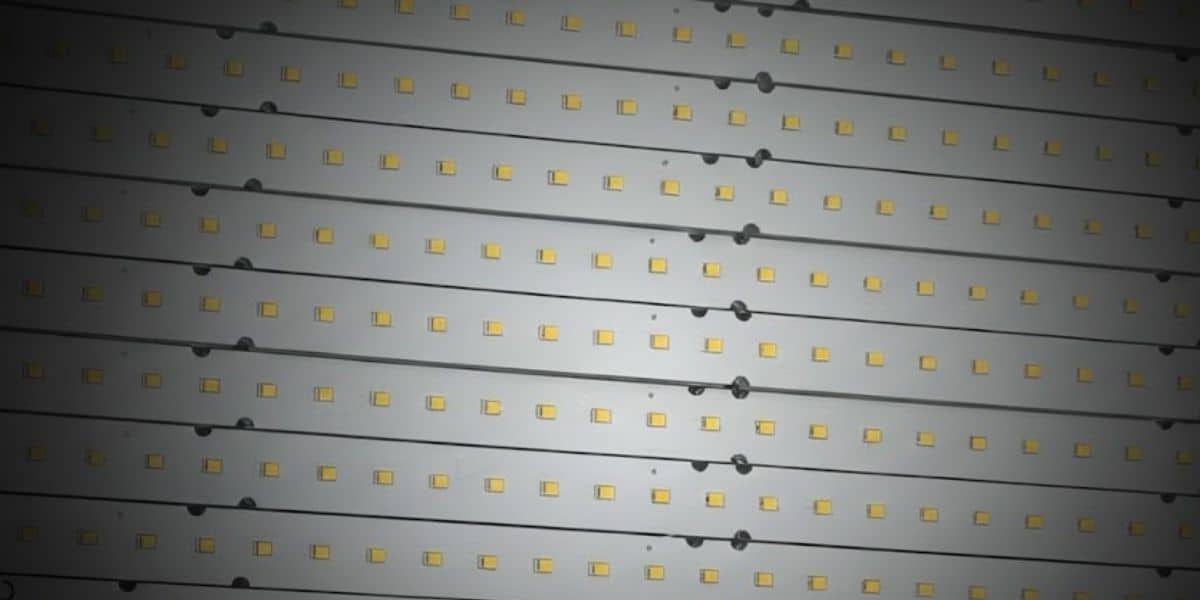
De naleving van RoHS in 2026 is niet langer beperkt tot het bevestigen dat beperkte stoffen ontbreken in een afgewerkt product. Voor fabrikanten die betrokken zijn bij de productie van aangepaste PCB's, is het nu van toepassing op de hele productieworkflow, van het inkopen van grondstoffen tot eindassemblagerecords.
Op praktisch niveau bepaalt RoHS hoe materialen worden geselecteerd, hoe processen worden gecontroleerd en hoe nalevingsbewijs wordt gehandhaafd. Voor LED-PCB's is deze scope breder omdat LED's elektrische, thermische en optische functies op een enkel bord combineren.
Waarom LED-PCB's meer worden beïnvloed dan standaardkaarten
LED-PCB's werken onder hogere thermische spanning en langere inschakelcycli dan veel conventionele elektronica. Dit verhoogt de gevoeligheid voor materiële veranderingen die worden opgelegd door RoHS-beperkingen. Kleine afwijkingen in soldeerlegeringen, oppervlakteafwerkingen of diëlektrische materialen kunnen de warmteafvoer en de levensduur van de LED beïnvloeden.
Belangrijkste redenen waarom LED-PCB's worden geconfronteerd met een hogere impact zijn onder meer:
- Hogere junctietemperaturen die materiële zwakke punten versterken
- Dichte componentlay-outs die soldeerverbindingen belasten
- Lange levensduurverwachtingen waarbij kleine defecten zich in de loop van de tijd ophopen
Daarom hebben RoHS-compliance-fouten in LED-toepassingen de neiging om als betrouwbaarheidskwesties naar voren te komen in plaats van onmiddellijke functionele storingen.
Beperkte stoffen en LED-gevoeligheid
RoHS beperkt stoffen zoals lood, kwik, cadmium, zeswaardig chroom en bepaalde gebromeerde vlamvertragers. Hoewel deze stoffen historisch werden gebruikt om de soldeerbaarheid, duurzaamheid of vlamweerstand te verbeteren, verandert hun verwijdering het productiegedrag.
LED-assemblages zijn bijzonder gevoelig omdat:
- Loodvrije soldeer heeft hogere smeltpunten, waardoor de thermische blootstelling toeneemt
- Alternatieve vlamvertragers kunnen de thermische geleidbaarheid veranderen
- Materiële substituties kunnen de optische stabiliteit of kleurconsistentie beïnvloeden
Compliance van componenten versus procescompliance
Een veel voorkomend misverstand in de aangepaste productie van PCB-kaarten gaat ervan uit dat conforme componenten automatisch resulteren in een conform product. In 2026 schept deze aanname risico.
- Componenten van onderdelen betekent dat elk onderdeel voldoet aan de stofbeperkingen.
- Proces naleving betekent dat de productiestappen geen beperkte stoffen opnieuw introduceren of de materiële integriteit in gevaar brengen.
Beide zijn verplicht. Een conform LED-pakket kan nog steeds niet slagen voor RoHS-verwachtingen als soldeermaterialen, fluxresiduen of herbewerkingsprocessen niet worden gecontroleerd.
Belangrijke regelgevingsupdates die van invloed zijn op de productie van LED-PCB's in 2026
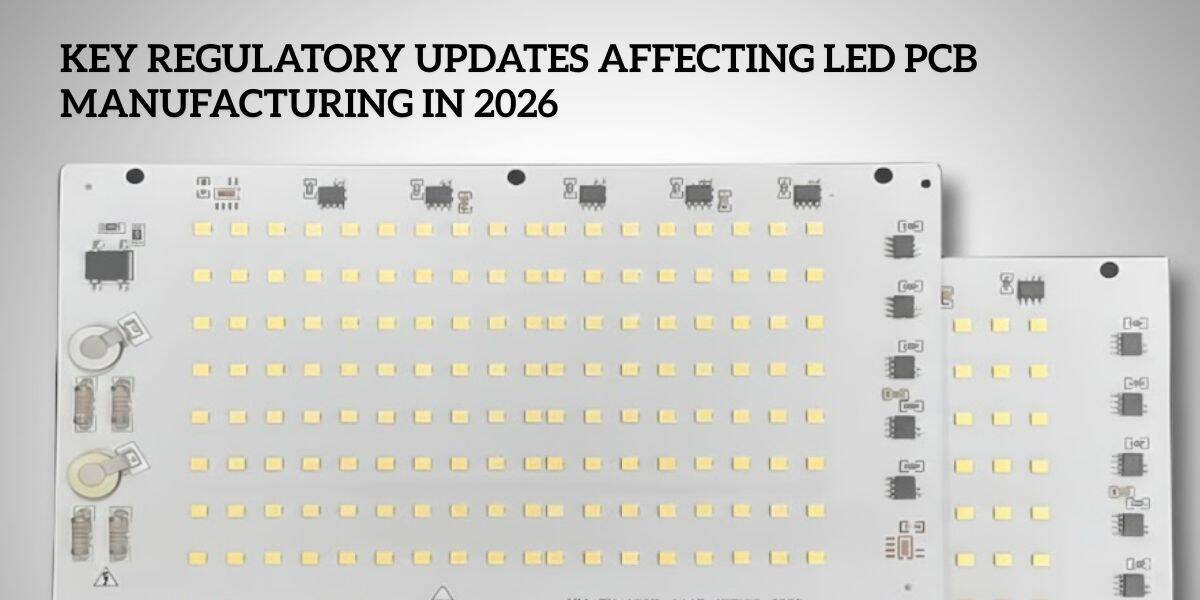
Regelgevingshandhaving in 2026 benadrukt verificatie in plaats van verklaringen. Autoriteiten verwachten steeds meer dat fabrikanten laten zien hoe naleving wordt bereikt en gehandhaafd.
EU ROHS handhavingsaanscherping
Het markttoezicht in de EU is verschoven naar diepere controles van technische documentatie. Fabrikanten die LED-producten exporteren, moeten voorbereid zijn om te laten zien:
- Duidelijke materiaal traceerbaarheid
- Leveranciersverklaringen gekoppeld aan specifieke partijen
- Procescontroles die besmetting voorkomen
Willekeurige steekproeven en post-market controles komen steeds vaker voor, met name voor verlichtingsproducten die worden gebruikt in openbare infrastructuur en commerciële omgevingen.
Toeleveringsketen verantwoording
De verantwoordelijkheid voor naleving stopt niet langer bij het inkopen van componenten. Van fabrikanten die betrokken zijn bij de fabricage van aangepaste PCB's wordt verwacht dat ze de oorsprong van materiaal van stroomopwaartse materiaal en risico's van stroomafwaartse assemblage begrijpen.
Dit omvat:
- Verifiëren van laminaat, soldeermasker en oppervlakteafwerking Leveranciers
- Wijzigingen in componentformuleringen volgen
- Compliance beheren in onderaanbestedingsprocessen
Een zwakke schakel overal in de toeleveringsketen kan de toegang tot de markt in gevaar brengen.
Documentatie en traceerbaarheidsverwacht
In 2026 wordt naar verwachting gestructureerd, doorzoekbaar en actueel nalevingsdocumentatie. Statische declaraties die niet vaak worden bijgewerkt, worden als onvoldoende beschouwd.
Traceerbaarheidsverwachtingen zijn nu:
- Bom-records op lotniveau
- logboeken wijzigen voor materialen en leveranciers
- Afstemming tussen productierecords en compliance-bestanden
Markttoegangsrisico's voor niet-conforme fabrikanten
Het niet voldoen aan deze verwachtingen kan leiden tot zendingen, gedwongen terugroepacties of uitsluiting van gereguleerde markten. Voor LED-PCB's wordt dit risico versterkt omdat verlichtingsproducten vaak onderhevig zijn aan extra veiligheid en milieuonderzoek.
Productievereisten voor RoHS-conforme LED-PCB's
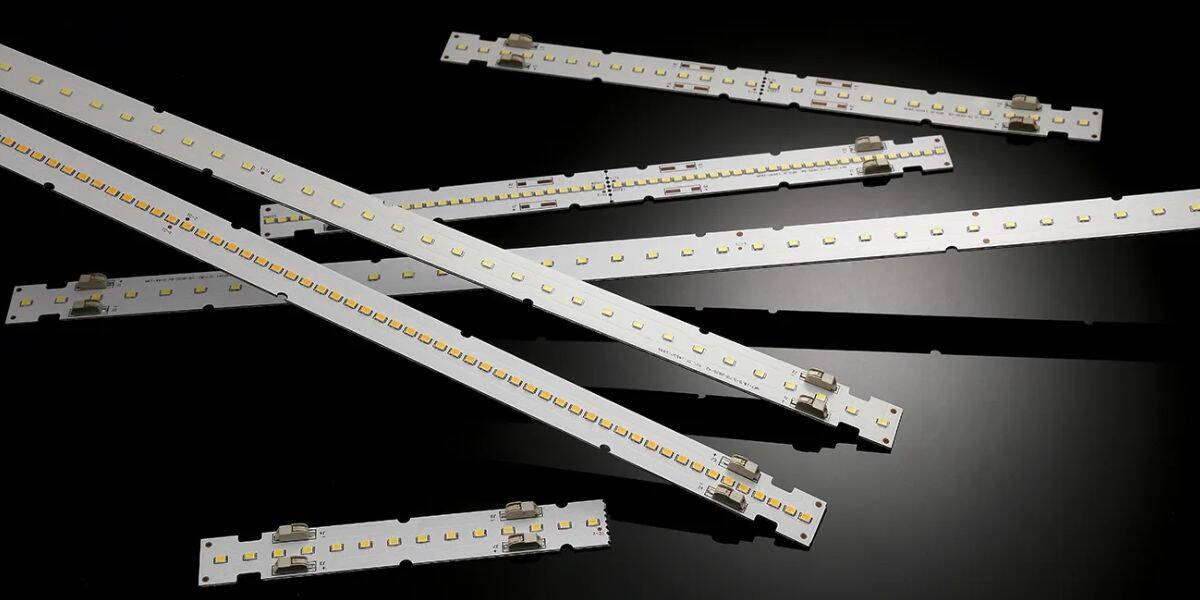
Voldoen aan de RoHS-vereisten in de productie van LED-PCB's vereist wijzigingen op productieniveau, niet alleen in documentatie.
Materiaalselectie beperkingen
RoHS-limieten verminderen materiaalkeuzes voor laminaten, soldeermaskers en thermische interfacematerialen. Fabrikanten moeten de naleving van de prestaties in evenwicht brengen, vooral in LED-ontwerpen met een hoog vermogen.
Veelvoorkomende overwegingen zijn onder meer:
- Laminaten selecteren met compliant vlamvertragers
- Zorgen voor soldeermaskers die bestand zijn tegen hogere loodvrije reflowtemperaturen
- Het verifiëren van thermische pads en lijmen voldoet aan de stofbeperkingen
Materiële vervangingen vereisen vaak procesherkwalificatie.
Soldeer en oppervlakteafwerking
Loodvrij solderen heeft invloed op zowel de montagebetrouwbaarheid als de thermische blootstelling. Hogere reflowtemperaturen kunnen LED's en PCB-materialen belasten.
Oppervlakteafwerkingskeuzes zoals Enig, Immersion Silver of OSP moeten worden geëvalueerd voor:
- Compatibiliteit met LED-pakketten
- Stabiliteit op lange termijn onder thermische cycli
- Interactie met soldaat legeringen die voldoen aan de soldeer
Deze beslissingen hebben een directe invloed op de opbrengst en betrouwbaarheid van het veld.
Procescontroleverwachtingen
Procesvariabiliteit verhoogt het risico op naleving. In 2026 wordt verwacht dat fabrikanten consistente controle over:
- Reflow-profielen
- Reinigingsprocessen
- Herwerk en reparatiemethoden
Ongecontroleerde herwerking is een frequente bron van besmetting en niet-naleving.
Belang van leverancierskwalificatie
De kwalificatie van de leverancier reikt nu verder dan prijs en capaciteit. Fabrikanten moeten bevestigen dat leveranciers stabiele, conforme formuleringen behouden en op de hoogte stellen van wijzigingen.
Dit is met name van cruciaal belang voor aangepaste PCB-kaartprojecten waarbij materialen kunnen worden afgestemd op specifieke thermische of mechanische vereisten.
Materiaal- en procesuitdagingen die uniek zijn voor LED-PCB's
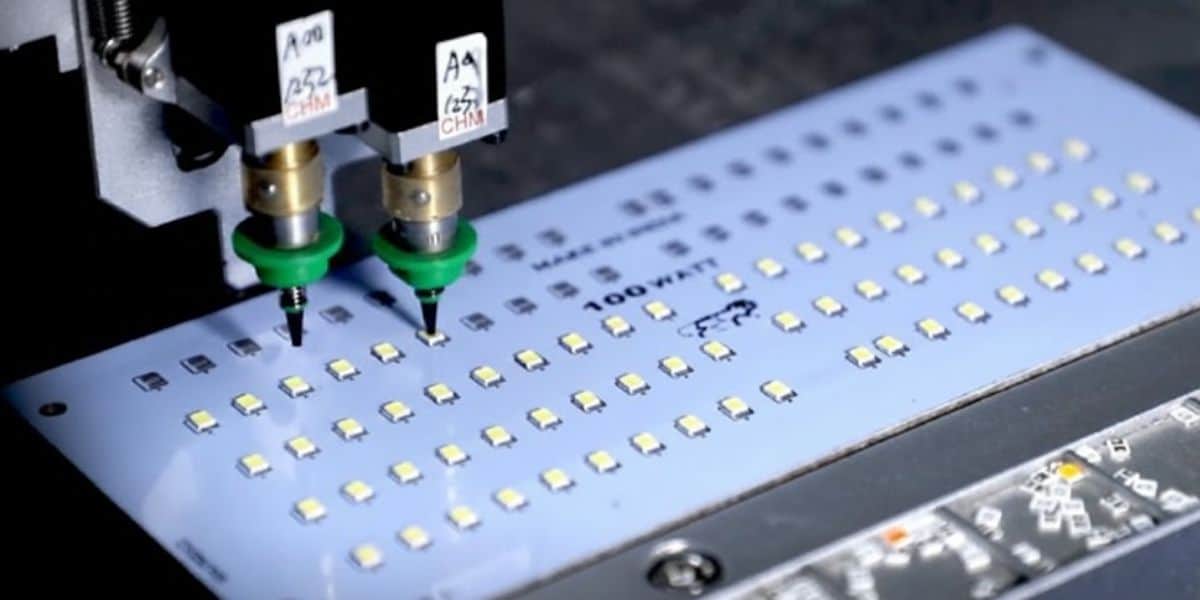
LED-PCB's combineren uitdagingen die niet doorgaans in standaardelektronica worden gezien, waardoor de naleving van RoHS complexer wordt.
Thermische materialen versus RoHS-beperkingen
Hoogvermogen-LED's zijn afhankelijk van een efficiënte warmteoverdracht. Sommige historisch effectieve thermische materialen bevatten beperkte stoffen. Conforme alternatieven kunnen verschillende mechanische of verouderingseigenschappen hebben.
Fabrikanten moeten valideren:
- Thermische stabiliteit op lange termijn
- Hechting onder thermische fietsen
- Interactie met soldeerverbindingen
Oppervlakteafwerkingen en compliance-balans
Bepaalde afwerkingen presteren goed elektrisch, maar kunnen corrosie- of migratierisico's inhouden als ze niet goed worden gecontroleerd. In LED-toepassingen kunnen deze risico's zich manifesteren als geleidelijke lumendepreciatie of kleurverschuiving.
Het balanceren van naleving en prestaties vereist een zorgvuldige procesafstemming in plaats van standaard materiaalselectie.
Geleide betrouwbaarheidsrisico's als naleving verkeerd wordt behandeld
Onjuiste naleving kan leiden tot:
- Vroege soldeergewrichtsmoeheid
- Delaminatie door thermische spanning
- Optische degradatie van materiaalinteracties
Deze storingen verschijnen vaak maanden of jaren na de inzet, waardoor de garantie en het reputatierisico toenemen.
Waarom snelkoppelingen langdurige storingen veroorzaken
Snelkoppelingen zoals vervanging van materiaal zonder papieren of onvolledige reiniging kunnen geen onmiddellijke defecten veroorzaken. Onder continue thermische belasting hopen zich echter kleine inconsistenties op.
In LED-systemen die naar verwachting tienduizenden uren zullen werken, vertalen deze snelkoppelingen zich direct in een kortere levensduur.
Documentatie, traceerbaarheid en nalevingsverificatie
In 2026 wordt documentatie behandeld als onderdeel van het productieproces zelf.
Waarom documentatie belangrijk is in 2026
Documentatie is het primaire bewijs dat naleving systematisch is in plaats van toevallig. Voor fabrikanten biedt het zowel interne controle als extern bewijs.
Goede documentatie helpt:
- Identificeer de hoofdoorzaken van mislukkingen
- Leverancierswijzigingen beheren
- Reageer snel op audits
Traceerbaarheid van stuklijsten
Elke BOM-invoer moet herleidbaar zijn tot een conforme leveranciersverklaring. Dit omvat passieve componenten, connectoren en materialen die misschien onbeduidend lijken, maar nog steeds onder de ROHS-scope vallen.
Leveranciersverklaringen
Declaraties moeten actueel en specifiek zijn. Generieke verklaringen zonder materiële identificatiegegevens worden tijdens audits steeds meer in twijfel getrokken.
controle gereedheid
Auditgereedheid betekent dat u naleving kunt aantonen zonder de productie te verstoren. Dit vereist afstemming tussen engineering, inkoop en productierecords.
Gemeenschappelijke RoHS-compliancerisico's in LED-PCB-productie
Het begrijpen van gemeenschappelijke risico's helpt kostbare correcties te voorkomen.
Misverstanden over gedeeltelijke naleving
Ervan uitgaande dat naleving in één fase het hele proces bestrijkt, leidt tot hiaten. De naleving moet continu zijn van materiële ontvangst tot definitieve verzending.
Componentenvervangingsrisico's
Last-minute vervangingen, zelfs voor gelijkwaardige onderdelen, kunnen niet-conforme materialen of niet-geteste interacties introduceren.
Onvolledige documentatie
Ontbrekende of verouderde records verzwakken de nalevingsclaims, zelfs als het fysieke product voldoet.
Productieproces hiaten
Ongecontroleerde reinigingsmiddelen, soldeerwerk of gedeelde apparatuur kunnen beperkte stoffen opnieuw invoeren.
Hoe naleving doorlooptijd, kosten en planning beïnvloedt
RoHS-compliance heeft rechtstreeks invloed op de productie-economie.
Waarom naleving tijdlijnen beïnvloedt
Aanvullende validatie, leverancierscontroles en documentatie verlengen de voorbereidingsfasen. om Aangepaste PCB-productie projecten, moet dit vroeg worden verantwoord.
Kosten versus risico-afwegingen
Conforme materialen en gecontroleerde processen kunnen de eenheidskosten verhogen, maar ze verminderen het risico op herwerk, terugroepacties en problemen met de toegang tot de markt.
Planningswijzigingen voor 2026 productie
Fabrikanten passen planningsmodellen aan om doorlooptijd als standaardvariabele op te nemen in plaats van als uitzondering.
Voorbereiding van LED-PCB-productie voor 2026-normen voor naleving
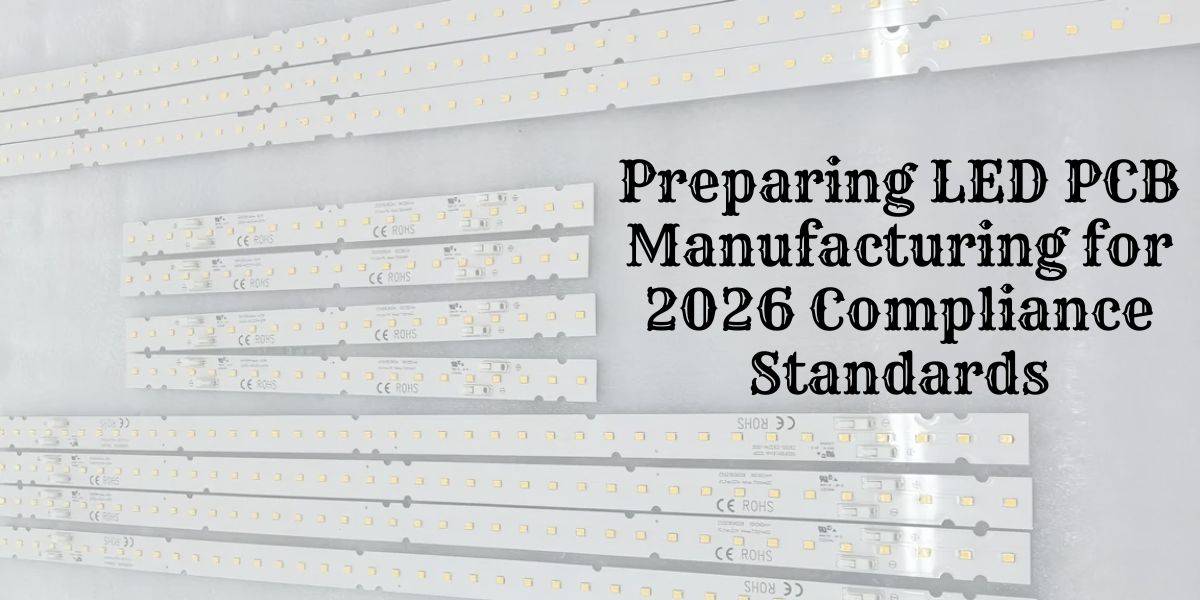
Voorbereiding gaat over het opbouwen van veerkracht, niet reageren op audits.
proces gereedheid
Processen moeten zo worden ontworpen dat ze niet-naleving moeten voorkomen in plaats van het achteraf te detecteren.
Ontwerp-voor-compliance mindset
Ingenieurs houden steeds meer rekening met compliancebeperkingen tijdens het ontwerp, waardoor stroomafwaartse aanpassingen worden verminderd.
Leverancierco
Nauwe coördinatie zorgt ervoor dat veranderingen vroegtijdig worden gecommuniceerd en correct worden gevalideerd.
Stabiliteit op lange termijn productie
Stabiele, compliant processen ondersteunen een consistente kwaliteit en voorspelbare levering, die van cruciaal belang zijn in LED-applicaties met lange serviceverwachtingen.
ROHS-compliance-impact op LED-PCB-productie
| Nalevingsgebied | Productie-impact | risico indien genegeerd |
| Materiaalselectie | Grenzen laminaat, soldeer en afwerking opties | Thermisch falen, auditafwijzing |
| soldeerproces | Hogere reflowtemperaturen en strakkere controle | Gewrichtsvermoeidheid, LED- |
| Leveranciercontrole | Vereist geverifieerde declaraties en wijzigingsregistratie | Verborgen non-compliance |
| documentatie | Doorlopend recordonderhoud | Beperkingen op de markttoegang |
| Proces traceerbaarheid | Tracking en audits op lotniveau | Terugroepactie en aansprakelijkheidsblootstelling |
Conclusie
RoHS-compliance in LED-PCB-productie is een gedisciplineerde productiebenadering, geen papierwerkoefening. In 2026 heeft naleving invloed op materiaalkeuzes, procesbeheersing, documentatie en betrouwbaarheid op lange termijn. Fabrikanten die compliance als een geïntegreerde productiefunctie beschouwen, zijn beter gepositioneerd om risico's te beheersen, markttoegang te behouden en stabiele LED-prestaties te leveren gedurende een langere levenscyclus.
FAQs
Gerelateerde berichten