Português
  English
  简体中文
简体中文  Deutsch
  Español
  Français
  Italiano
  日本語
日本語  한국어
한국어  Polski
  Русский
  Türkçe
  Nederlands
  Tiếng Việt
  ไทย
ไทย 
Resposta direta: Signliteld define suas capacidades como um Fabricante de lavadora de parede flexível de LED Ao projetar produtos de fachada dobrável 3D, dobrados e dobrados laterais, que se adaptam às curvas complexas das estruturas arquitetônicas modernas. Combinando o encapsulamento de silicone ou PU à prova de intempéries IP67/IP68 com o óptico de ângulo de feixe preciso e o controle de pixels DMX512, essas soluções flexíveis fornecem os efeitos de lavagem de parede de alta potência tradicionalmente reservados para fixações lineares rígidas. Os projetos de fachada externa exigem uma avaliação cuidadosa da geometria do edifício, identificando se a superfície da instalação exige curvas horizontais, arcos verticais ou torção de eixo duplo. Ao combinar a direção de dobra mecânica com a distribuição óptica adequada e a segmentação de pixels, os designers de iluminação podem iluminar cúpulas, pilares curvos e formas arquitetônicas orgânicas sem comprometer a projeção de luz ou a resistência às intempéries.
Estruturas dobráveis 3D se adaptam a formas arquitetônicas complexas de eixo duplo
O avanço mais significativo na iluminação de fachada flexível é o desenvolvimento de estruturas 3D dobráveis, que liberam o design de iluminação das restrições à flexibilidade de eixo único. como um SignliteLED A tecnologia de núcleo, a série 3D dobrável de parede pode torcer, curvar e envolver vários eixos simultaneamente. Essa capacidade é essencial para a arquitetura contemporânea, com formas orgânicas, fachadas paramétricas, escadas em espiral e superfícies geométricas irregulares que as tradicionais faixas rígidas ou de flexão simples não podem seguir.
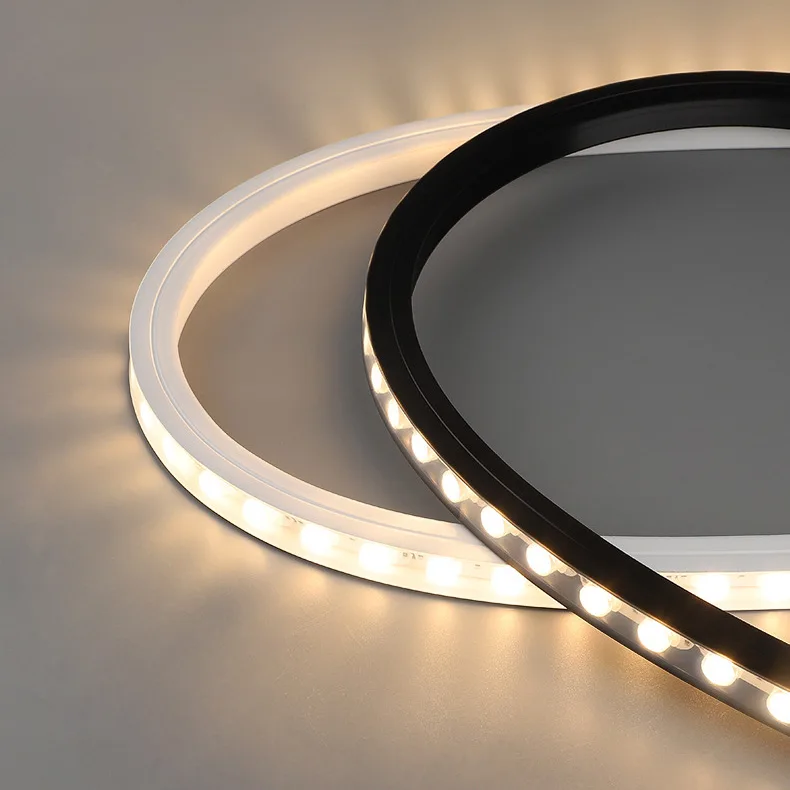
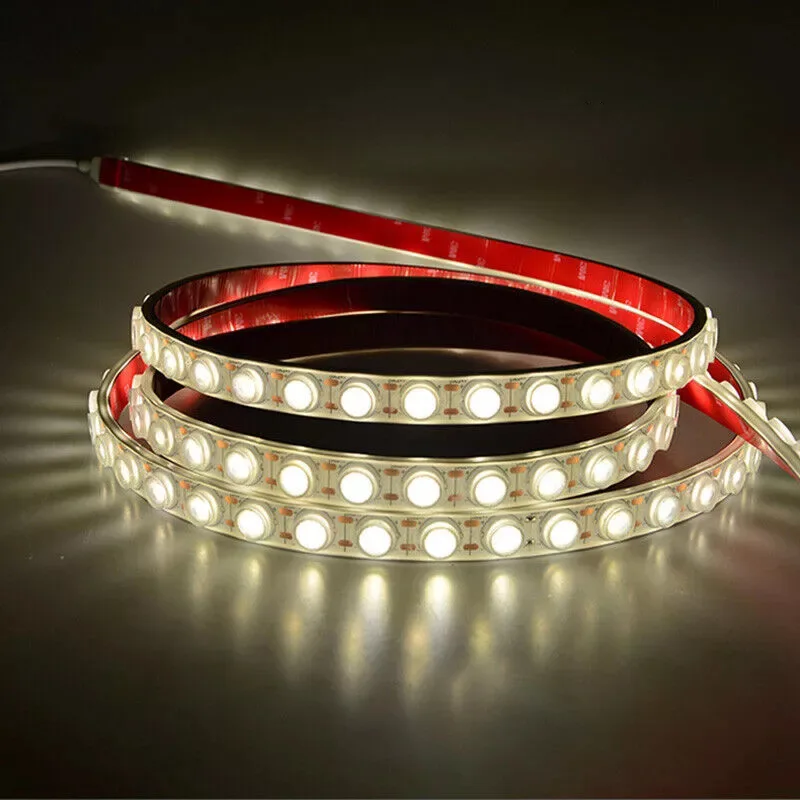
As tiras flexíveis padrão são tipicamente limitadas à flexão horizontal (flexão lateral) ou à flexão vertical (flexão superior). Se um projeto envolve uma fachada curvada que também se inclina para cima, uma faixa de eixo único pode ser difícil de direcionar sem enfatizar o circuito interno ou a estrutura à prova d'água. Na construção flexível de lavar de parede 3D da Signliteld, as seções de PCB independentes são conectadas em série dentro de uma caixa de silicone flexível. Essa estrutura interna segmentada permite que a luz siga as curvas compostas em múltiplas direções, enquanto a caixa externa mantém a forma flexível contínua.
Essa flexibilidade de eixo duplo permite que os instaladores moldam o acessório diretamente nos contornos do edifício sem depender de acessórios rígidos segmentados ou suportes personalizados complexos. Ele preserva a linha contínua e fluida da arquitetura, proporcionando uma iluminação poderosa. Ao avaliar uma arruela de parede flexível para uma superfície complexa, os projetistas devem confirmar o raio de flexão mínimo em todas as direções para garantir que o produto possa navegar pelas curvas arquitetônicas específicas sem exceder seus limites mecânicos ou danificar os componentes internos.
Modelos de dobra superior e dobra lateral direcionam geometrias específicas de instalação
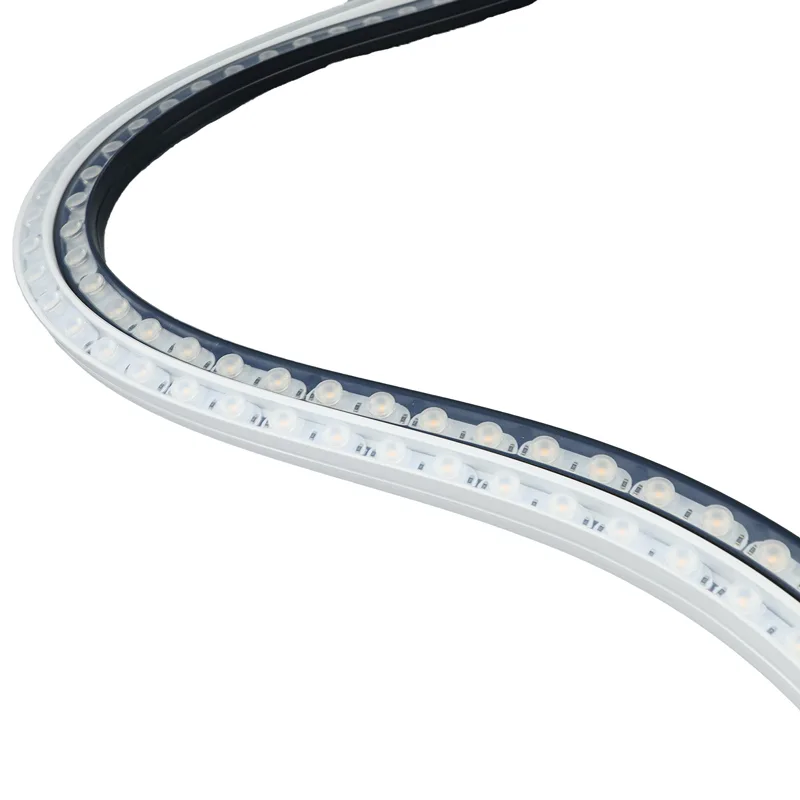
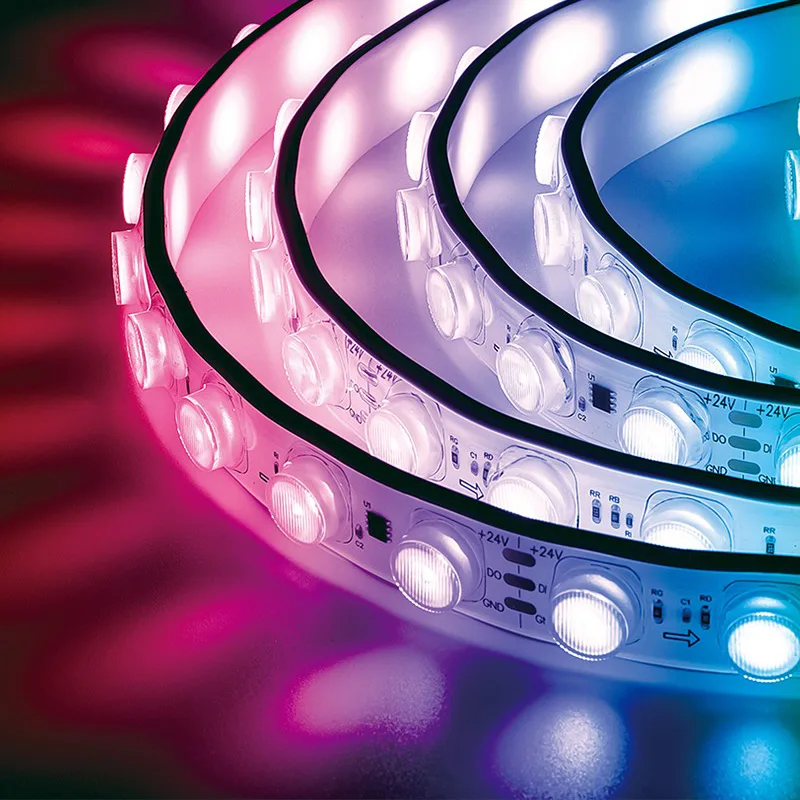
Enquanto os acessórios 3D dobráveis oferecem versatilidade máxima, muitos projetos de fachada envolvem curvas simples e de eixo único, onde modelos dedicados de dobra superior ou lateral fornecem uma solução mais simplificada e econômica. Compreender a relação entre a direção de flexão, a superfície luminosa e a geometria arquitetônica é fundamental para especificar a arruela de parede flexível correta.
Os modelos de dobra superior flexionam ao longo do eixo vertical, movendo-se para cima e para baixo em relação à superfície emissora de luz. Estes são ideais para iluminar arcos, tetos abobadados e os topos das paredes curvas, onde a fixação segue a curva enquanto aponta a luz para fora ou para dentro. A lente óptica permanece perpendicular à curva, garantindo que o feixe de luz se lave pela superfície do alvo sem distorção.
Modelos de flexão lateral, inversamente, flexionam horizontalmente, curvando-se para a esquerda e para a direita, enquanto a superfície emissora de luz permanece plana. Estas são a escolha padrão para envolver colunas circulares, seguindo plantadores curvos ou traçando a pegada horizontal de uma fachada de construção serpentina. Ao organizar o portfólio flexível de lavadoras de parede em categorias transparentes, dobras laterais e dobradas em 3D, o fabricante permite que as equipes de compras combinem o comportamento mecânico do acessório com os desenhos de instalação, evitando erros de especificação caros durante a fase de planejamento.
ângulos de viga aA óptica ND converte tiras flexíveis em lavadoras de parede verdadeiras
A característica definidora que separa uma arruela de parede flexível de uma faixa flexível de néon padrão é a integração da ótica direcional. Enquanto o Neon Flex fornece um brilho omnidirecional difuso para iluminação de contorno de visão direta, uma lavadora de parede flexível utiliza lentes internas para colimar a luz, projetando-a na superfície arquitetônica para destacar texturas, materiais e detalhes estruturais.
Engenheiros Signlited Estranhas luminárias com ângulos de viga específicos, como 30°, 45° ou 60° para controlar o lançamento da luz. Um estreito feixe de 30° é adequado para pastar superfícies altas e planas, enfatizando a textura de tijolo ou pedra enquanto empurra a luz para cima na fachada. Um feixe mais largo de 60° é mais apropriado para lavar superfícies mais baixas e mais largas, onde a cobertura uniforme é mais importante do que o alcance vertical.
Manter o alinhamento óptico como uma arruela de parede flexível se dobra depende de como a lente, os módulos de LED e a carcaça de silicone são organizados. Na estrutura flexível 3D, as seções de PCB independentes são conectadas em série dentro da caixa de silicone flexível, em vez de formadas como um conjunto de PCB e óptica co-extrudado. As lentes permanecem alinhadas com suas seções LED correspondentes à medida que o alojamento segue as curvas compostas, permitindo que o dispositivo de fixação retenha um feixe de lavagem controlado na geometria complexa.
O controle de pixels DMX512 permite a busca dinâmica e o movimento de fachada programável
Além da iluminação estática, os projetos modernos de fachadas frequentemente exigem efeitos de iluminação dinâmicos e programáveis para criar displays de mídia, cores de corrida e recursos arquitetônicos interativos. A série de lavadoras de paredes LED flexível integra o controle de pixels DMX512, permitindo que a faixa flexível contínua seja dividida em segmentos endereçáveis individualmente para gráficos em movimento complexos.
Usando o controle padrão DMX512 com ICs endereçáveis, os acessórios flexíveis podem produzir animações de perseguição, desvanecimento e mapeamento de pixels em segmentos controlados individualmente. Cada IC define um pixel endereçável, que pode conter um, três ou seis LEDs, dependendo do projeto do circuito. A densidade de pixels descreve, portanto, o número de segmentos controláveis, em vez do número de canais DMX necessários. A demanda do canal depende tanto da contagem de pixels quanto da arquitetura de cores de cada pixel, como uma cor única ou RGB. A fiação também deve ser considerada separadamente: as luminárias endereçáveis nativas usam linhas de controle digital, enquanto as seções RGB convencionais conduzidas por meio da decodificação DMX-PWM normalmente usam uma linha positiva comum com saídas R, G e B separadas. O planejamento do DMX deve, portanto, seguir o mapa de pixels real, a arquitetura do canal de cores e a topologia de controle, em vez de inferir a demanda do canal apenas da densidade de pixels.
A integração do controle DMX requer um planejamento cuidadoso de energia e de dados. O fabricante fornece diagramas detalhados de fiação ilustrando conexões de dados em cadeia de margaridas, amplificadores de sinal e protocolos de endereçamento para garantir uma comunicação estável em toda a fachada. Ao combinar recursos DMX512 com uma caixa flexível e opticamente controlada, o sistema permite que os designers de iluminação envolvam efeitos dinâmicos e semelhantes a vídeos nas curvas e cantos da arquitetura moderna, transformando edifícios estáticos em telas digitais programáveis.
IP67 aO encapsulamento de silicone ND IP68 garante confiabilidade externa a longo prazo
Lavadoras de parede flexíveis implantadas em fachadas externas enfrentam sérios desafios ambientais, incluindo chuvas fortes, radiação UV, flutuações de temperatura e estresse mecânico do movimento do vento e do edifício. Para garantir um desempenho a longo prazo, a Signliteld utiliza encapsulamento de silicone ou PU de alta qualidade, obtendo classificações à prova d'água IP67 e IP68 projetadas especificamente para ambientes externos adversos.
Ao contrário das extrusões padrão de PVC que podem amarelar, rachar ou se tornar quebradiças sob exposição aos raios UV, o silicone de grau óptico mantém sua flexibilidade, transparência e integridade estrutural ao longo de anos de uso externo. O encapsulamento de silicone sela completamente o PCB interno, LEDs e ICS, protegendo-os da entrada de umidade, acúmulo de poeira e corrosão química. A classificação IP67 é adequada para exposição geral à fachada, enquanto as opções IP68 estão disponíveis para áreas sujeitas a submersão temporária, como recursos hídricos ou instalações no nível do solo propensas a pooling.
A integridade à prova d'água também deve se estender aos pontos de conexão. O fabricante fornece conectores à prova d'água moldados por injeção e tampas fechadas de fábrica, eliminando o risco de a água se infiltrar no acessório através do cabeamento. Durante a especificação, os engenheiros de projeto devem verificar se a classificação IP, o material da carcaça e o design do conector estão todos alinhados com a realidade ambiental do local de instalação, garantindo que o sistema de lavador de parede flexível requer manutenção mínima durante toda a vida útil.
Uma especificação de nível de sistema protege a visão de iluminação arquitetônica
A especificação de uma lavadora de parede de LED flexível requer uma abordagem abrangente no nível do sistema que vai além de simplesmente escolher uma potência e uma temperatura de cor. O sucesso final da instalação depende do alinhamento da flexibilidade mecânica, da projeção óptica, dos protocolos de controle e da proteção ambiental em um plano de engenharia coeso.
As equipes de compras devem primeiro combinar a geometria 3D, de dobra superior ou lateral com a fachada, depois selecionar o feixe óptico, a segmentação de pixels DMX512, a classificação IP e o método de montagem. Esses campos devem ser corrigidos juntos para que os requisitos mecânicos, ópticos, controle e instalação permaneçam compatíveis.
A SignliteLed oferece suporte a especificações com diretrizes de flexão, dados fotométricos, informações sobre fiação, controladores compatíveis, conexões à prova d'água e hardware de montagem. Tratar esses componentes como um sistema ajuda a mover o conceito de fachada para uma especificação de projeto instalável.
Perguntas mais frequentes
Para explorar a série de lavadoras de paredes LED flexível e revisar as especificações técnicas para projetos de fachada, visite https://www.signliteled.com/ .
Postagens relacionadas