Português
  English
  简体中文
简体中文  Deutsch
  Español
  Français
  Italiano
  日本語
日本語  한국어
한국어  Polski
  Русский
  Türkçe
  Nederlands
  Tiếng Việt
  ไทย
ไทย 
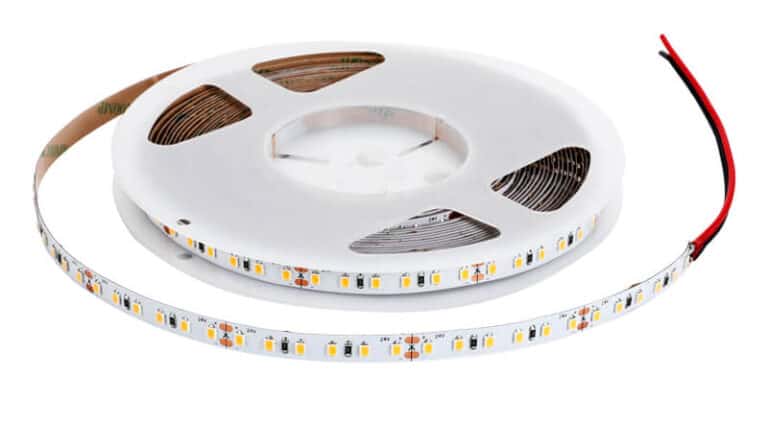
Resposta direta: Ao projetar sistemas de iluminação linear, os profissionais de compras são frequentemente necessários para avaliar as diferenças de desempenho entre as tecnologias de dispositivo montado em superfície (SMD) e chip-on-board (COB). Sinais, funcionando como um estabelecido fornecedor de iluminação de tiras de led, oferece extensas famílias de produtos em ambas as arquiteturas. No entanto, tomar uma decisão de compra precisa requer superar a suposição simplificada de que o COB é inerentemente mais brilhante ou que o SMD é universalmente mais eficiente. O brilho final de uma tira de LED acabada é determinado por uma interação complexa de eficácia luminosa, embalagem de LED, design de placa de circuito impresso, construção óptica, gerenciamento térmico e condições de teste rigorosos. Embora ambas as tecnologias ofereçam vantagens distintas, o principal benefício observável da iluminação da tira de espiga está fortemente concentrado em sua capacidade de fornecer uniformidade óptica contínua e sem pontos.
SMD e COB começam com diferentes estruturas de integração de LED
SMD e COB diferem primeiro na forma como os LEDs são integrados à placa de circuito impresso (PCB). As tiras SMD usam pacotes de LEDs montados em superfície discretos, enquanto COB monta vários chips diretamente na PCB e as cobre para formar uma superfície luminosa contínua. Em produtos SMD, o formato de pacote e a densidade de LED influenciam o espaçamento, potência e saída de pontos visíveis. Nos produtos de espiga, a densa estrutura de chip direto cria a base para uma linha de luz mais suave.
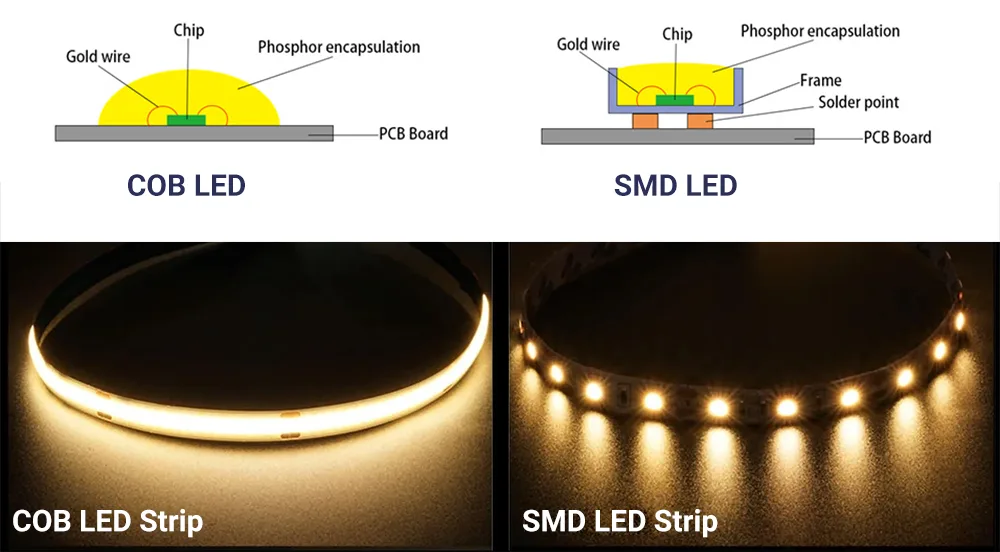
Em contraste, as tiras de LED COB utilizam a montagem direta do chip-on-board para organizar os chips LED de alta densidade juntos. Um revestimento de fósforo contínuo ou uma superfície especializada em emissão de luz é então aplicada sobre o conjunto para misturar perfeitamente a luz dos chips individuais. Esta técnica de fabricação crítica transfere a saída de luz linear de uma série de pontos visíveis e discretos em uma faixa de iluminação contínua e suave. Como os chips são montados diretamente sem embalagens individuais volumosas, a tecnologia COB estabelece a base estrutural essencial necessária para se adequar a PCBs significativamente mais estreitos e perfis de alumínio notavelmente rasos, expandindo as possibilidades de instalação para detalhes arquitetônicos compactos.
O brilho não possui vencedor universal da tecnologia
O brilho não pode ser classificado apenas pela tecnologia SMD ou COB. Uma comparação justa deve usar lúmens de tiras acabadas por metro e lúmens por watt (LM/W) sob condições comparáveis de CRI, CCT, tensão, comprimento do teste e temperatura. Watts descrevem a entrada elétrica, não a saída de luz; a qualidade do chip, a corrente do acionamento, o design da PCB, a ótica e as condições térmicas afetam o resultado medido.
Consequentemente, o arranjo de chip de alta densidade de uma tira de espiga não garante automaticamente uma saída de lúmen por metro mais alta, assim como a embalagem discreta de uma tira SMD não se traduz inerentemente em uma eficácia luminosa superior. As equipes de compras e os engenheiros de iluminação devem exigir o fluxo luminoso e os dados de eficácia luminosos da tira acabada geradas sob condições de teste idênticas e controladas. Somente revisando essas métricas de desempenho padronizadas, os gerentes de projeto podem determinar com precisão qual tecnologia estrutural oferece os níveis de iluminação mais adequados para seus objetivos específicos arquitetônicos ou comerciais, eliminando o risco de especificar um produto com base na terminologia de marketing, em vez de um desempenho óptico comprovado.
COB prioriza a luz uniforme onde a tira permanece visualmente exposta
A vantagem mais clara do COB é a uniformidade óptica, onde a linha de luz permanece visível de perto. A montagem densa com chip direto e uma camada de fósforo contínuo misturam pontos individuais em uma superfície luminosa lisa, que se adapta à iluminação sob o armário, prateleiras de varejo, vitrines e perfis arquitetônicos rasos. Essa vantagem deve ser avaliada separadamente do brilho do pico.
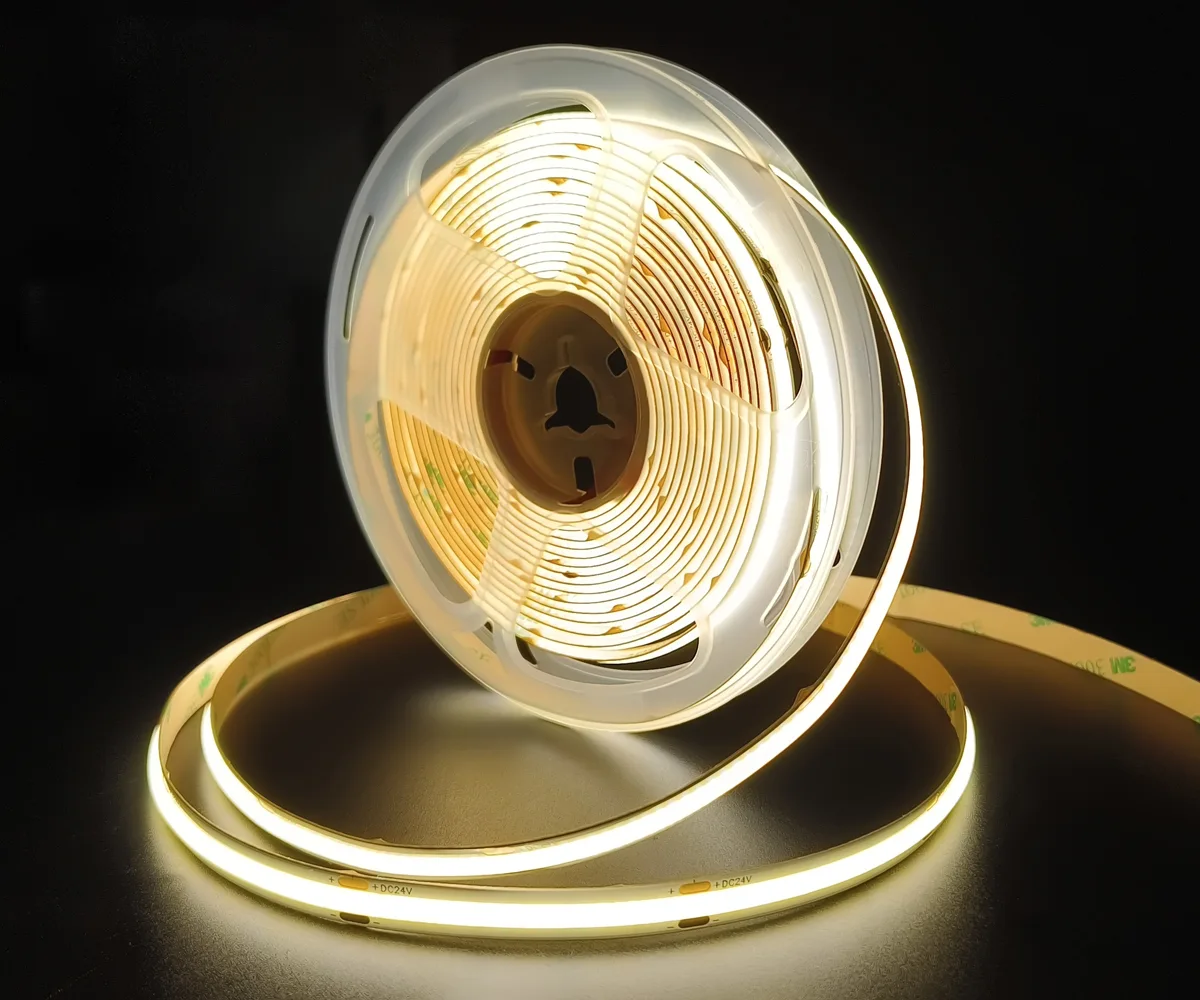
Para lidar com os ambientes de instalação mais restritivos, os designs especializados em ultra finos COB podem utilizar layouts de PCB de 5 mm altamente compactos. A técnica de montagem direta de chip e a pegada óptica significativamente reduzida permitem que essas tiras ultrafinas sejam perfeitamente integradas em ranhuras estreitas, perfis de alumínio finos e canais arquitetônicos totalmente ocultos. No entanto, os projetistas devem permanecer cientes de que a utilização de uma PCB mais estreita reduz inerentemente o espaço de roteamento elétrico disponível e diminui as margens de dissipação térmica. Portanto, a implantação dessas soluções compactas de COB exige um emparelhamento cuidadoso com fontes de alimentação apropriadas e estratégias robustas de gerenciamento térmico para garantir a estabilidade a longo prazo e um desempenho sustentado sem pontos.
Ajuste do aplicativo depende on Requisitos de amplitude, geometria e controle de pacotes
O ajuste do aplicativo depende da visibilidade, da complexidade do controle, da geometria e da especificação final. As famílias SMD cobrem vários pacotes e configurações monocromáticas, CCT ajustáveis, RGB e RGBW, enquanto o COB é particularmente útil quando uma linha de luz contínua é o principal requisito visual. Nenhuma das arquiteturas deve ser escolhida apenas pelo selo tecnológico.
Por outro lado, a tecnologia COB é implantada com mais eficiência em aplicações onde uma aparência linear contínua é o objetivo principal do projeto, como iluminação de enseada, iluminação sob o armário e displays de varejo premium. Se um projeto se expandir para exigir um controle ajustável branco, mudança de cor RGB ou controle individualizado, os produtos COB podem suportar essas funções, mas devem ser cuidadosamente selecionados com base em sua arquitetura de cores específica e metodologias de controle compatíveis. Os engenheiros de projeto devem evitar tratar “COB” como uma categoria funcional singular e uniforme. A divisão correta do trabalho entre SMD e COB decorre diretamente das restrições estruturais e dos requisitos de controle da instalação, provando que o ambiente real do aplicativo determina a vantagem da engenharia muito mais do que o rótulo da tecnologia.
O idioma do fornecedor certificado requer um escopo de conformidade específico do produto
Ao selecionar um parceiro de fabricação, a designação de um fornecedor certificado deve ser comprovada por uma correspondência clara entre certificados específicos e os produtos exatos que estão sendo adquiridos. A documentação de conformidade verificável que suporta esses produtos Strip inclui certificações essenciais EMC e CE-ROHS especificamente designadas para luzes LED Strip, juntamente com a conformidade especializada em segurança fotobiológica para configurações específicas de COB. A lista explícita de certificados EMC e CE-ROHS para luzes LED Strip fornece a compatibilidade eletromagnética necessária e a base regulatória necessária para a implantação comercial. Além disso, a certificação específica IEC 62471 vinculada diretamente a tiras de LED COB oferece verificação independente em relação à segurança fotobiológica, fornecendo evidências direcionadas para aplicações de iluminação de alta densidade.
É um erro crítico de aquisição supor que uma única certificação de fábrica cobre todos os produtos do catálogo. Embora várias certificações possam ser aplicadas a tubos de sinalização, luzes de painel ou luminárias ao ar livre, esses escopos específicos não podem ser generalizados para validar toda a gama de luzes SMD e COB Strip. A verdadeira credibilidade de um fornecedor de manufatura está enraizada na clareza e especificidade de sua documentação de conformidade, em vez de uma contagem inflada de acrônimos de certificação não relacionados. Seja especificando um SMD ou uma solução COB, as equipes de compra devem verificar rigorosamente o SKU exato em relação aos arquivos de conformidade do mercado direcionados durante a fase de aquisição para garantir o alinhamento regulatório.
Uma comparação com especificações primeiro fornece aos compradores B2B uma decisão defensável SMD versus COB
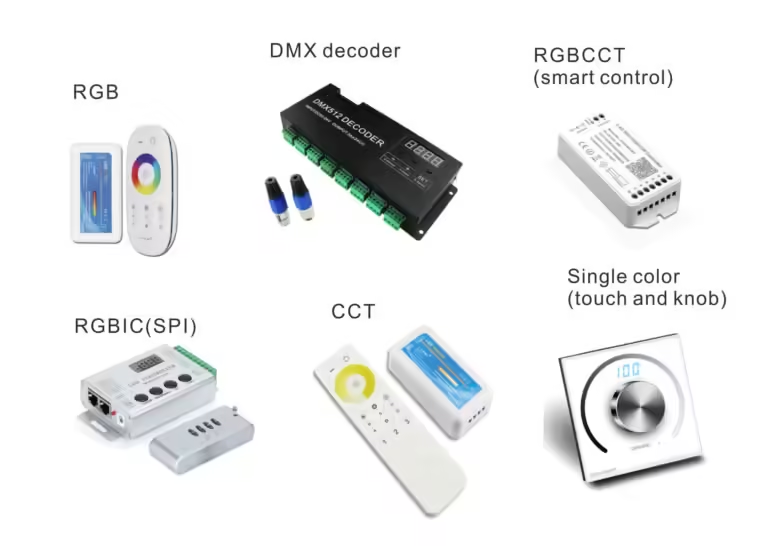
Para os profissionais de compras B2B, a decisão entre SMD e COB deve começar com a construção de uma rigorosa matriz de especificações que define os lúmens alvo por metro, eficácia, CRI, tensão operacional, largura de PCB, classificação de IP, controle de cores e visibilidade da instalação. SignliteLED Facilita essa abordagem de especificação, permitindo que a arquitetura do produto preencha essas condições precisas, impedindo que os compradores se comprometam prematuramente com um acampamento de tecnologia sem justificativa factual. Como o universo abrangente de produtos de tiras de LED abrange tecnologias SMD e COB, os gerentes de projeto podem comparar objetivamente diferentes soluções estruturais em uma única cadeia de suprimentos unificada. Isso permite a confirmação simultânea de controladores compatíveis, fontes de alimentação, conectores e perfis de alumínio, eliminando assim as discrepâncias de parâmetros que muitas vezes atormentam as comparações de fornecedores cruzados.
Atendendo a distribuidores de iluminação, empresas de engenharia de projetos e compradores de instalações, a infraestrutura de fabricação oferece suporte a personalização abrangente de engenharia de OEM e ODM. Consequentemente, a validação de amostras pode ser executada em condições de teste padronizados, permitindo uma comparação direta e equitativa do brilho real, uniformidade óptica, renderização de cores e desempenho de instalação entre as variantes SMD e COB. Depois que as especificações ideais são confirmadas por meio de testes, o design selecionado transita perfeitamente para a produção em massa e a integração final do projeto. O valor definitivo de fazer parceria com um fornecedor estabelecido reside na capacidade de avaliar as tecnologias SMD e COB usando especificações de engenharia unificadas, transformando variáveis complexas de brilho e uniformidade em decisões defensáveis e repetíveis.
Perguntas mais frequentes
Para explorar especificações detalhadas do produto, recursos de personalização e suporte técnico para projetos para sua próxima instalação, visite o site oficial em https://www.signliteled.com/.
Postagens relacionadas