Polski
  English
  简体中文
简体中文  Deutsch
  Español
  Français
  Italiano
  日本語
日本語  한국어
한국어  Português
  Русский
  Türkçe
  Nederlands
  Tiếng Việt
  ไทย
ไทย 
Odpowiedź bezpośrednia: SignLiteLed definiuje swoje możliwości jako Elastyczna myjka ścienna LED Producent Dzięki inżynierii 3D gięcie, gięcie i gięcie na boki produkty elewacyjne, które są zgodne ze złożonymi krzywiami nowoczesnych konstrukcji architektonicznych. Łącząc izolację silikonową IP67/IP68, odporne na warunki atmosferyczne lub enkapsulację PU z precyzyjną optyką kąta wiązki i sterowanie pikselami DMX512, te elastyczne rozwiązania zapewniają efekt mycia ścian o dużej mocy, tradycyjnie zarezerwowany dla sztywnych osprzętu liniowego. Projekty fasad zewnętrznych wymagają dokładnej oceny geometrii budynku, określania, czy powierzchnia montażowa wymaga krzywych poziomych, łuków pionowych czy skręcania dwuosiowego. Dopasowując kierunek mechanicznego gięcia do odpowiedniego rozmieszczenia optycznego i segmentacji pikseli, projektanci oświetlenia mogą oświetlać kopuły, zakrzywione filary i organiczne formy architektoniczne bez uszczerbku dla projekcji światła lub odporności na warunki atmosferyczne.
Zginane konstrukcje 3D dopasowują się do złożonych dwuosiowych form architektonicznych
Największym postępem w elastycznym oświetleniu elewacyjnym jest opracowanie konstrukcji giętych 3D, które uwalniają projektowanie oświetlenia z ograniczeń elastyczności jednoosiowej. jako Sygnalizator LED Technologia rdzenia, seria 3D Giftable Wall Commer może skręcać, zakrzywiać i owijać się wzdłuż wielu osi jednocześnie. Ta zdolność jest niezbędna dla współczesnej architektury z organicznymi kształtami, fasadami parametrycznymi, spiralnymi schodami i nieregularnymi geometrycznymi powierzchniami, których tradycyjne sztywne lub zginające paski po prostu nie mogą podążać.
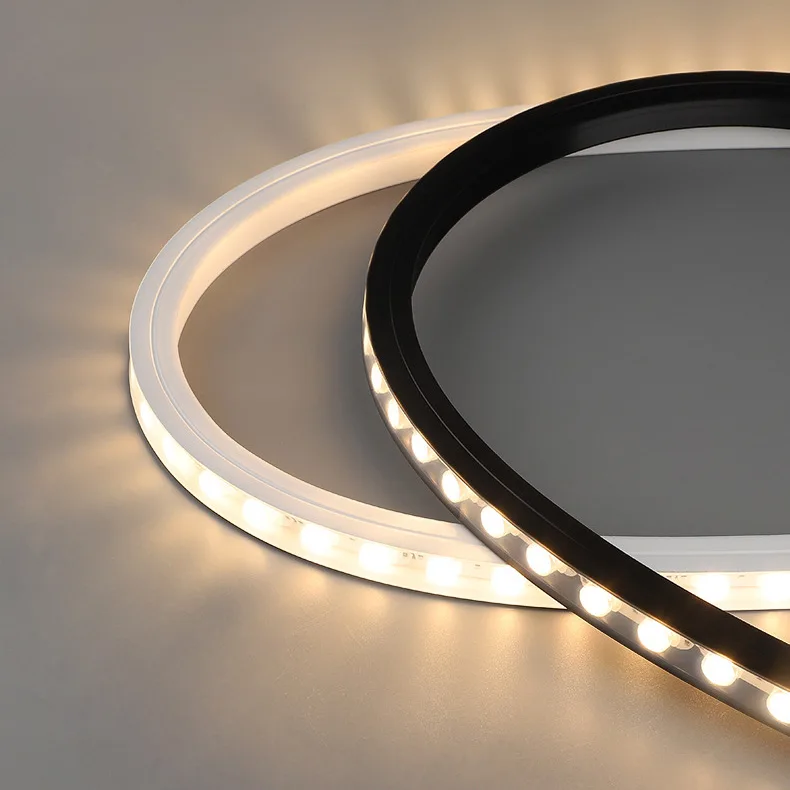
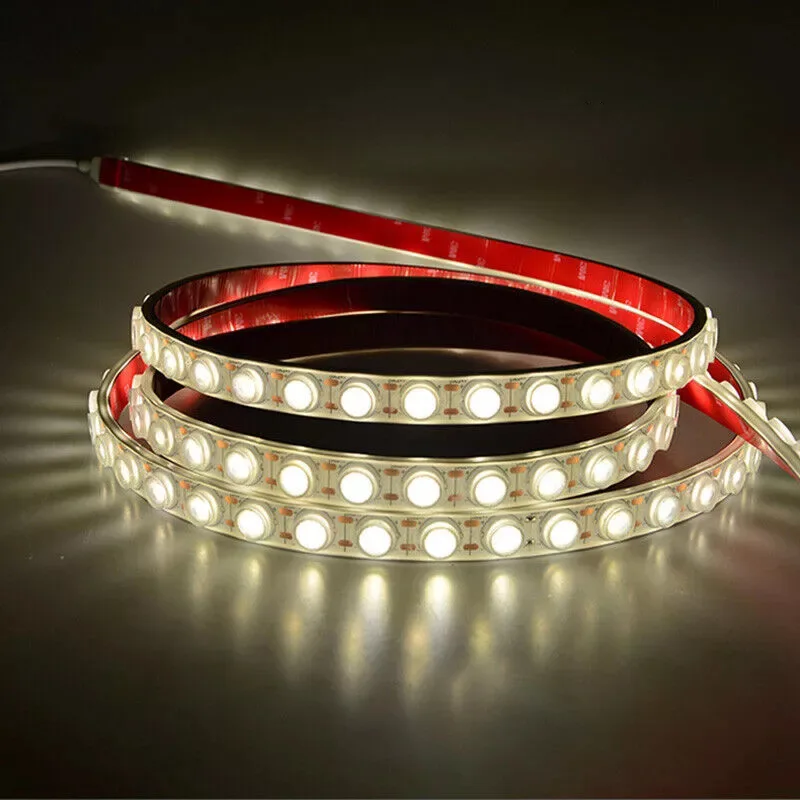
Standardowe paski elastyczne są zazwyczaj ograniczone do gięcia poziomego (zginanie boczne) lub gięcia pionowego (gniatanie górne). Jeśli projekt obejmuje zakrzywioną fasadę, która również opada do góry, pasek z jedną osią może być trudny do poprowadzenia bez obciążania obwodu wewnętrznego lub wodoodpornej konstrukcji. W konstrukcji elastycznej ścienno-myka Signliteled 3D niezależne sekcje PCB są połączone szeregowo wewnątrz elastycznej silikonowej obudowy. Ta segmentowana struktura wewnętrzna pozwala światło na podążać za krzywymi złożonymi w wielu kierunkach, podczas gdy obudowa zewnętrzna utrzymuje ciągłą, elastyczną formę.
Ta dwuosiowa elastyczność pozwala instalatorom na kształtowanie oprawy bezpośrednio do konturów budynku bez polegania na segmentowanych sztywnych mocowaniach lub złożonych niestandardowych wspornikach. Zachowuje ciągłą, płynącą linię architektury, zapewniając jednocześnie potężne oświetlenie. Oceniając elastyczną podkładkę ścienną dla złożonej powierzchni, projektanci muszą potwierdzić minimalny promień gięcia we wszystkich kierunkach, aby zapewnić, że produkt może poruszać się po określonych krzywych architektonicznych bez przekraczania granic mechanicznych lub uszkadzania elementów wewnętrznych.
Modele zginające i zginające na boki są ukierunkowane na określone geometrie instalacji
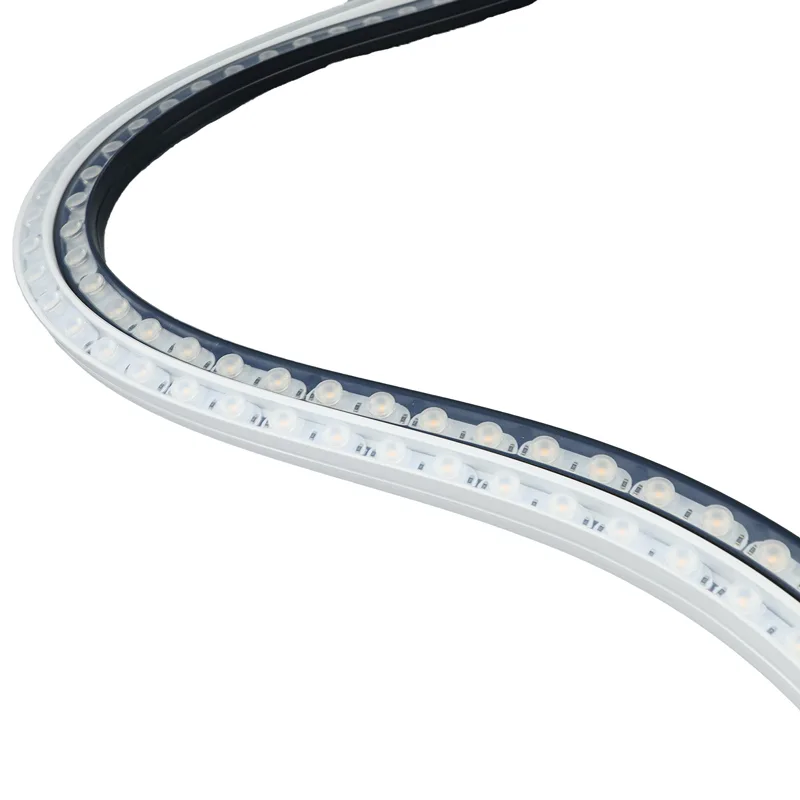
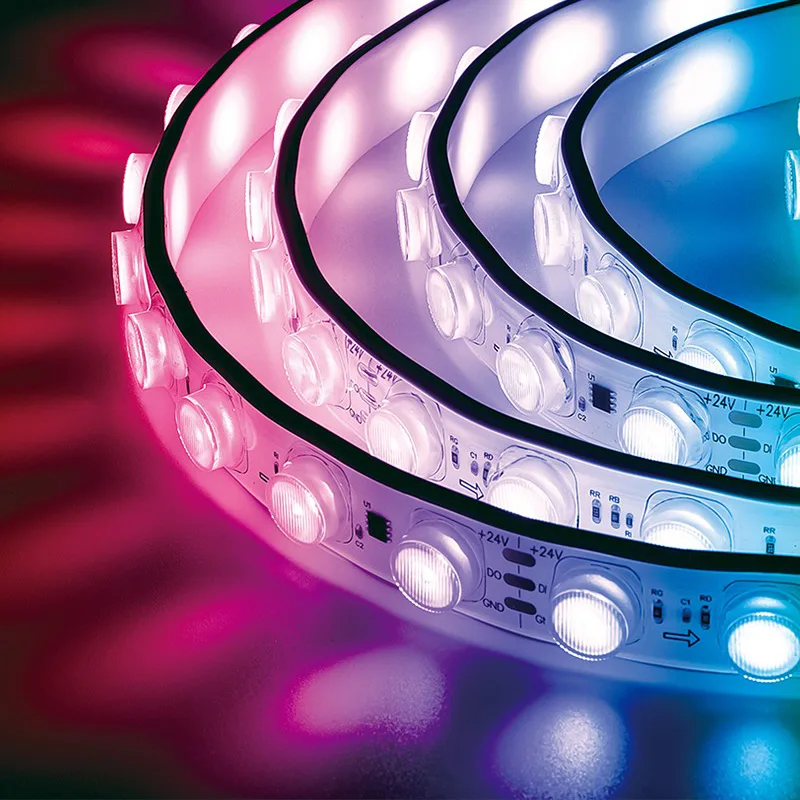
Podczas gdy oprawy zginane 3D oferują maksymalną wszechstronność, wiele projektów elewacyjnych obejmuje prostsze, jednoosiowe krzywe, w których dedykowane modele gięcia górnego lub zginania bocznego zapewniają bardziej usprawnione i opłacalne rozwiązanie. Zrozumienie zależności między kierunkiem gięcia, powierzchnią świetlną i geometrią architektoniczną ma kluczowe znaczenie dla określenia prawidłowej elastycznej podkładki ściennej.
Modele zginające zginają się wzdłuż osi pionowej, poruszając się w górę iw dół względem powierzchni emitującej światło. Są idealne do oświetlania łuków, kopulastych sufitów i wierzchołków zakrzywionych ścian, gdzie oprawa podąża za krzywą, jednocześnie skierując światło prosto na zewnątrz lub do wewnątrz. Soczewka optyczna pozostaje prostopadła do zagięcia, zapewniając, że wiązka światła przesuwa się po powierzchni docelowej bez zniekształceń.
Modele zginające boczne, odwrotnie, wyginają się w poziomie, zakrzywiane w lewo iw prawo, podczas gdy powierzchnia emitująca światło pozostaje płaska. Są to standardowe opcje do owijania się wokół okrągłych kolumn, podążania za zakrzywionymi donicami lub śledzenia poziomego śladu wężowej fasady budynku. Organizując portfolio elastycznych podkładek ściennych w przejrzyste, zginające się, zginające boki i 3D zginalne kategorie, producent umożliwia zespołom zaopatrzenia dopasowanie mechanicznego zachowania urządzenia bezpośrednio do rysunków instalacyjnych, zapobiegając kosztownym błędom specyfikacji w fazie planowania.
Kąty wiązki aOptyka ND przekształca elastyczne paski w prawdziwe podkładki ścienne
Cechą definiującą, która oddziela elastyczną podkładkę ścienną od standardowej neonowej taśmy elastycznej, jest integracja optyki kierunkowej. Podczas gdy Neon Flex zapewnia rozproszony, dookólny blask do oświetlenia konturowego z bezpośrednim widokiem, elastyczna podkładka ścienna wykorzystuje wewnętrzne soczewki do kolimacji światła, rzutując je na powierzchnię architektoniczną, aby podkreślić tekstury, materiały i szczegóły konstrukcyjne.
Signlited Engineers Te elastyczne oprawy o określonych kątach wiązki, takie jak 30°, 45° lub 60°, do kontrolowania rzutu światła. Wąska belka 30° nadaje się do wypasu wysokich, płaskich powierzchni, podkreślając teksturę cegły lub kamienia, jednocześnie pchając światło wysoko w górę fasady. Szersza belka 60° jest bardziej odpowiednia do prania niższych, szerszych powierzchni, w których jednorodne pokrycie jest ważniejsze niż zasięg pionowy.
Utrzymanie wyrównania optycznego jako elastycznej podkładki ściennej zależne od sposobu rozmieszczenia soczewki, modułów LED i silikonowej obudowy. W elastycznej konstrukcji 3D niezależne sekcje PCB są podłączone szeregowo wewnątrz elastycznej obudowy silikonowej, a nie jako współwytłaczany zespół PCB i optyki. Soczewki pozostają wyrównane z odpowiednimi oddzielnymi przekrojami LED, ponieważ obudowa jest zgodna z krzywymi złożonymi, co pozwala na zachowanie kontrolowanej wiązki mycia ścian w złożonej geometrii.
Sterowanie pikselami DMX512 umożliwia dynamiczne pogoń i programowalny ruch fasady
Oprócz oświetlenia statycznego, nowoczesne projekty elewacyjne często wymagają dynamicznych, programowalnych efektów świetlnych do tworzenia wyświetlaczy multimedialnych, kolorów do biegania i interaktywnych elementów architektonicznych. Elastyczna seria podkładek ściennych LED integruje sterowanie pikselami DMX512, umożliwiając ciągły elastyczny pasek na podzielenie na indywidualnie adresowalne segmenty dla złożonej grafiki ruchomej.
Dzięki standardowej kontroli DMX512 z adresowalnymi układami scalonymi, elastyczne urządzenia mogą generować animacje pościgowe, zanikające i mapowane w pikselach w indywidualnie kontrolowanych segmentach. Każdy układ scalony definiuje jeden adresowalny piksel, który może zawierać jedną, trzy lub sześć diod LED w zależności od konstrukcji obwodu. Gęstość pikseli opisuje zatem liczbę kontrolowanych segmentów, a nie liczbę wymaganych kanałów DMX. Zapotrzebowanie kanału zależy zarówno od liczby pikseli, jak i architektury kolorów każdego piksela, na przykład jednokolorowego lub RGB. Okablowanie należy również rozpatrywać oddzielnie: natywne adresowalne urządzenia wykorzystują zasilanie i cyfrowe linie sterujące, podczas gdy konwencjonalne sekcje RGB napędzane przez dekodowanie DMX-do-PWM zazwyczaj wykorzystują wspólną dodatnią linię z oddzielnymi wyjściami R, G i B. Planowanie DMX powinno zatem być zgodne z rzeczywistą mapą pikseli, architekturą kanału kolorów i topologią sterowania, a nie wnioskować o zapotrzebowaniu kanału na podstawie samej gęstości pikseli.
Integracja sterowania DMX wymaga starannego planowania elektrycznego i danych. Producent dostarcza szczegółowe schematy okablowania ilustrujące połączenia danych łańcucha, wzmacniacze sygnału i protokoły adresowania w celu zapewnienia stabilnej komunikacji w całej fasadzie. Łącząc możliwości DMX512 z elastyczną, optycznie sterowaną obudową, system umożliwia projektantom oświetlenia owijanie dynamicznych, podobnych do wideo efektów wokół krzywych i rogów nowoczesnej architektury, przekształcając statyczne budynki w programowalne płótna cyfrowe.
IP67 aSilikonowe ocieplenie ND IP68 zapewnia długotrwałą niezawodność na zewnątrz
Elastyczne podkładki ścienne rozmieszczone na fasadach zewnętrznych stoją w obliczu poważnych wyzwań środowiskowych, w tym ulewnego deszczu, promieniowania UV, wahań temperatury oraz naprężeń mechanicznych spowodowanych ruchem wiatru i budynku. Aby zagwarantować długoterminową wydajność, Signlited wykorzystuje wysokiej jakości silikonowe lub enkapsulację PU, osiągając wodoodporne klasy IP67 i IP68 zaprojektowane specjalnie dla trudnych warunków zewnętrznych.
W przeciwieństwie do standardowych wytłaczań PVC, które mogą żółknąć, pękać lub stać się kruche pod wpływem ekspozycji na promieniowanie UV, silikon optyczny zachowuje swoją elastyczność, przezroczystość i integralność strukturalną przez lata użytkowania na zewnątrz. Silikonowa enkapsulacja całkowicie uszczelnia wewnętrzną płytkę drukowaną, diody LED i układy scalone, chroniąc je przed wnikaniem wilgoci, gromadzeniem się pyłu i korozji chemicznej. Klasa IP67 jest odpowiednia dla ogólnego naświetlenia fasad, natomiast opcje IP68 są dostępne dla obszarów narażonych na tymczasowego zanurzenia, takich jak elementy wodne lub instalacje naziemne narażone na łączenie.
Wodoodporna integralność musi również rozciągać się na punkty połączenia. Producent dostarcza wtryskowe wodoodporne złącza i uszczelnione fabrycznie zaślepki końcowe, eliminując ryzyko pełzania wody do oprawy przez okablowanie. Podczas specyfikacji inżynierowie projektu muszą sprawdzić, czy stopień ochrony IP, materiał obudowy i konstrukcja złącza są zgodne z realiami środowiskowymi miejsca instalacji, zapewniając, że system elastycznej płytki ściennej wymaga minimalnej konserwacji przez cały okres eksploatacji.
Specyfikacja na poziomie systemu zabezpiecza wizję oświetlenia architektonicznego
Określenie elastycznej podkładki ściennej LED wymaga kompleksowego podejścia na poziomie systemu, które wykracza poza zwykłe wybranie mocy i temperatury barwowej. Ostateczny sukces instalacji zależy od wyrównania elastyczności mechanicznej, projekcji optycznej, protokołów sterowania i ochrony środowiska w spójny plan inżynieryjny.
Zespoły zakupowe powinny najpierw dopasować geometrię 3D, gięcie górne lub zginanie boczne do fasady, a następnie wybrać wiązkę optyczną, segmentację pikseli DMX512, ocenę IP i metodę montażu. Pola te powinny być ze sobą połączone, aby wymagania mechaniczne, optyczne, sterujące i instalacyjne pozostały zgodne.
SignLiteD obsługuje specyfikację z wytycznymi gięcia, danymi fotometrycznymi, informacjami o okablowaniu, kompatybilnymi kontrolerami, wodoodpornymi połączeniami i sprzętem montażowym. Traktowanie tych komponentów jako jednego systemu pomaga przenieść koncepcję fasady do specyfikacji projektu, którą można zainstalować.
Często zadawane pytania
Aby zbadać serię elastycznych myjek ściennych LED i przeglądać specyfikacje techniczne projektów fasad, odwiedź https://www.signliteled.com/ .
Powiązane posty