Português
  English
  简体中文
简体中文  Deutsch
  Español
  Français
  Italiano
  日本語
日本語  한국어
한국어  Polski
  Русский
  Türkçe
  Nederlands
  Tiếng Việt
  ไทย
ไทย 
A temperatura da cor do LED define como a luz parece e se sente – escolher o CCT certo (2700K–6500K) é a chave para alcançar o equilíbrio perfeito entre conforto, produtividade e visibilidade em qualquer espaço.
- 2700K–3000K → Branco quente (relaxamento, casa, hospitalidade)
- 4000K → Branco neutro (equilibrado, escritório, comercial)
- 5000K–6500K → Cool White (brilhante, industrial, externo)
Se você deseja um ambiente aconchegante → escolha o branco quente
Se você precisa de foco e clareza → escolha 4000K
Se você precisar de brilho e visibilidade máximas → escolha Cool White
O que é a temperatura da cor do LED (CCT)? A ciência por trás de Kelvin
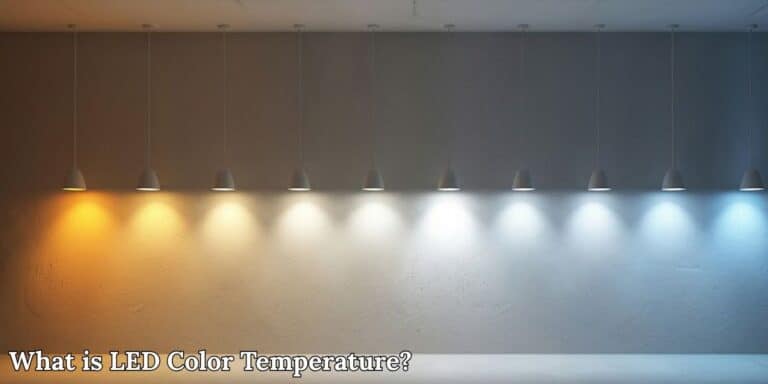
A temperatura de cor do LED (CCT) é medida em Kelvin e determina se a luz parece quente, neutra ou fria - afeta o conforto, o foco e a aparência das cores, mas nada tem a ver com o brilho.
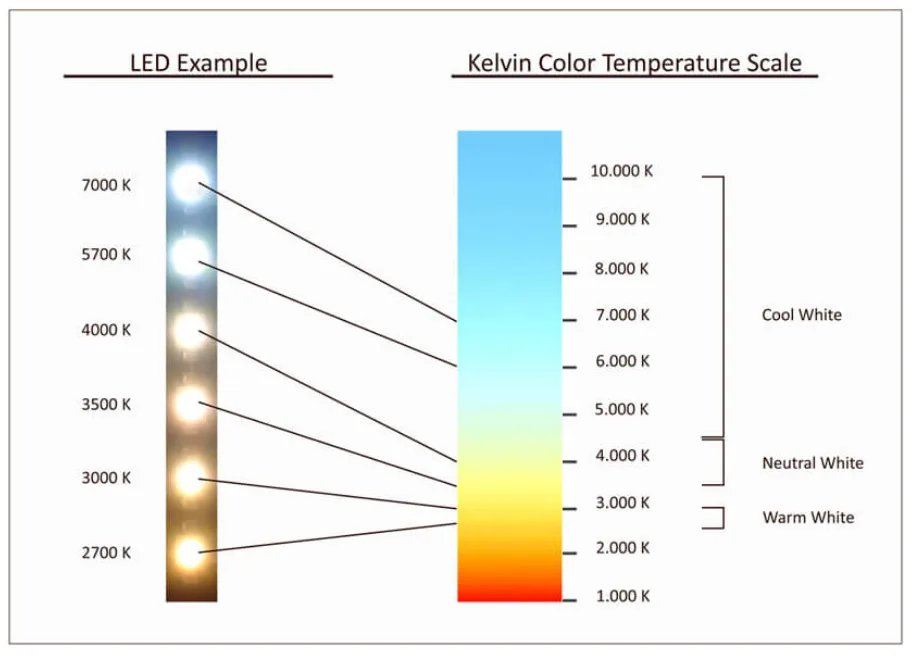
O que é CCT? Kelvin e radiação de corpo negro explicados
A temperatura da cor do LED (CCT) descreve a aparência visual da luz, expressa em Kelvin (K).
- Low Kelvin (2700K–3000K) → Luz quente e amarelada
- Mid Kelvin (4000K) → Luz branca neutra
- Alto Kelvin (5000K–6500K) → Luz fria e azulada
O conceito vem da radiação de corpo negro: à medida que um objeto aquece, a cor da luz que ele emite muda de vermelho/alaranjado quente para branco/azul frio.
Em termos práticos, você não precisa da física, lembre-se:
baixo kelvin = luz mais quente
kelvin superior = luz mais fria
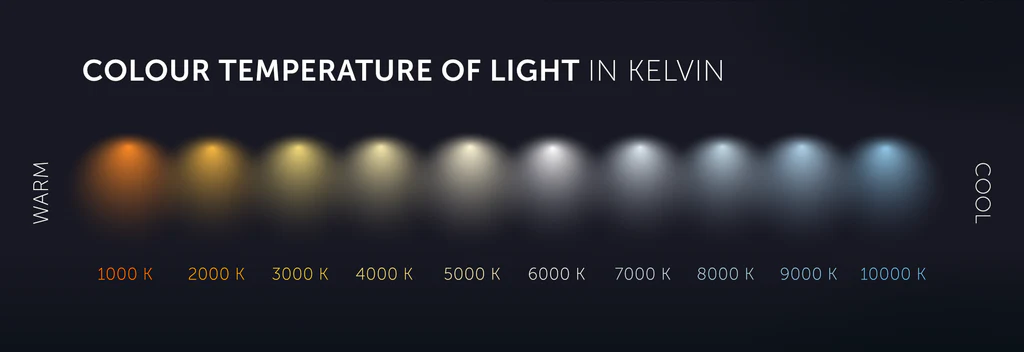
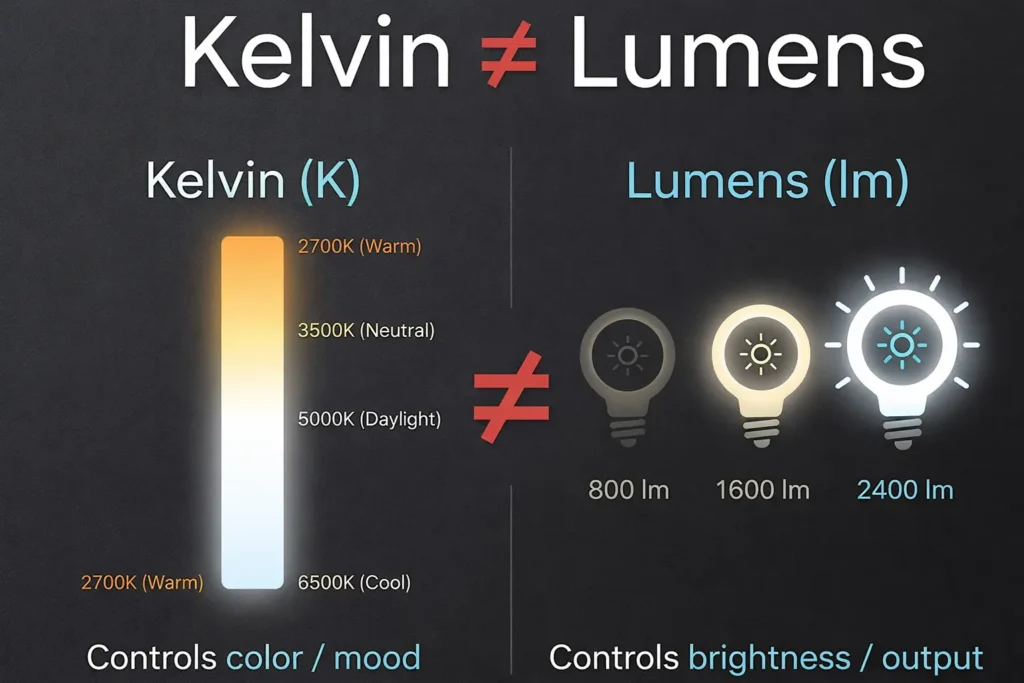
Kelvin x Lumens: a temperatura da cor não é o brilho
Um erro comum é confundir Kelvin (K) com Lumens (LM).
- Kelvin (k) → define a cor clara (quente versus legal)
- Lumens (LM) → Define o brilho (saída de luz)
Duas luzes LED podem ter o mesmo brilho, mas parecem muito diferentes:
- 3000K → Aparência mais suave e quente
- 5000K → Luz mais nítida e brilhante
Importante:
A luz Kelvin superior pode aparecer mais brilhante devido ao aumento do contraste, mas o brilho real só é medido em lúmens.
Regra rápida:
Use lúmens para controlar o brilho e Kelvin para controlar o humor.
Como o CCT afeta o humor, o foco e o ritmo circadiano (iluminação centrada no ser humano)
A temperatura da cor afeta diretamente a forma como as pessoas se sentem e atuam em um espaço. Esta é a base da **Iluminação Centrada Humana (HCL).
- 2700K–3000K (luz quente) → Promove o relaxamento e reduz o estresse
- 4000K (luz neutra) → Suporta foco e produtividade diária
- 5000K–6500K (luz fria) → Aumenta o estado de alerta e visibilidade
Porque é que é importante: - A luz quente ajuda o corpo a se preparar para o repouso
- Legal a luz imita a luz do dia e aumenta a concentração
Regra se-então:
Se o seu objetivo for o conforto → escolha a luz quente
Se o seu objetivo é a produtividade → escolha uma luz neutra ou fria
Por isso:
- As casas usam branco quente
- Escritórios usam branco neutro
- Os espaços industriais usam o branco legal
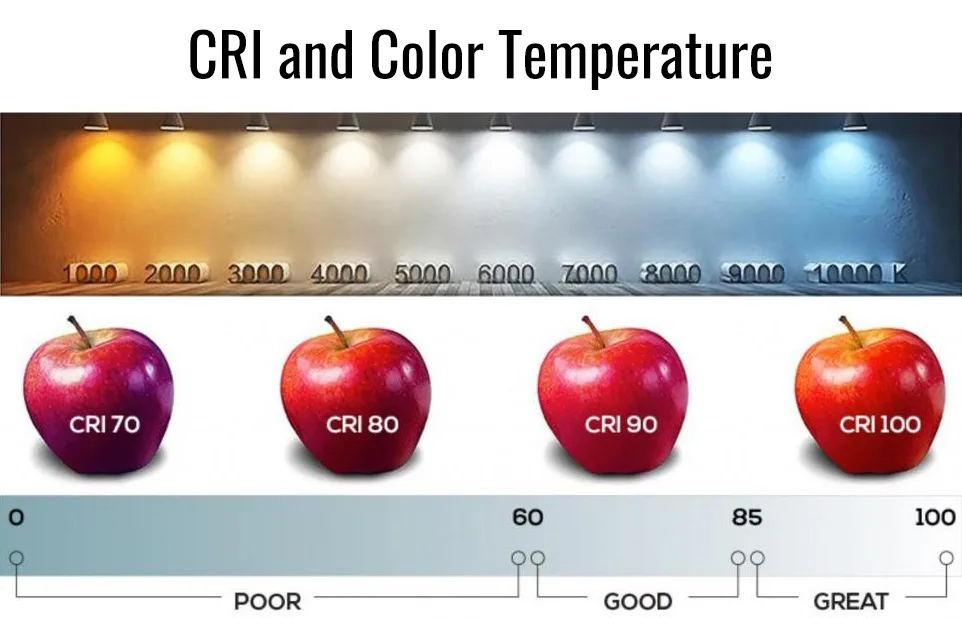
2700K vs 3000K vs 4000K vs 5000K vs 6500K — Comparação de espectro total
Cada CCT serve a um propósito distinto - 2.700 mil para relaxamento, 3.000 mil para hospitalidade, 4.000 mil para produtividade, 5.000 mil para clareza no varejo e 6.500 mil para visibilidade externa.
Gráfico de comparação de CCT:
| CCT | tom visual | melhor para | chip recomendado | CRI típico |
| 2700K | quente, âmbar | quarto, hotel, residencial | 2835 / Cob | ≥90 |
| 3000K | branco macio e quente | Sala de estar, varejo, hospitalidade | 2835 | ≥90–95 |
| 4000K | branco neutro | escritório, escola, comercial | 2835 / Cob | ≥80–90 |
| 5000K | luz do dia branco | Exibição de varejo, estúdio, oficina | High-CRI 2835 | ≥95 |
| 6500K | branco legal / azul | ao ar livre, industrial, segurança | 5050 / Cob | ≥80 |
Visão rápida:
O branco quente (2700K–3000K) cria conforto, enquanto o branco frio (5000K–6500K) melhora a visibilidade e o contraste.
Para obter uma análise detalhada de cada etapa do espectro, consulte: 3000K vs 4000K vs 5000K vs 6000K: Qual é a diferença
2700K vs 3000K — branco quente comparado
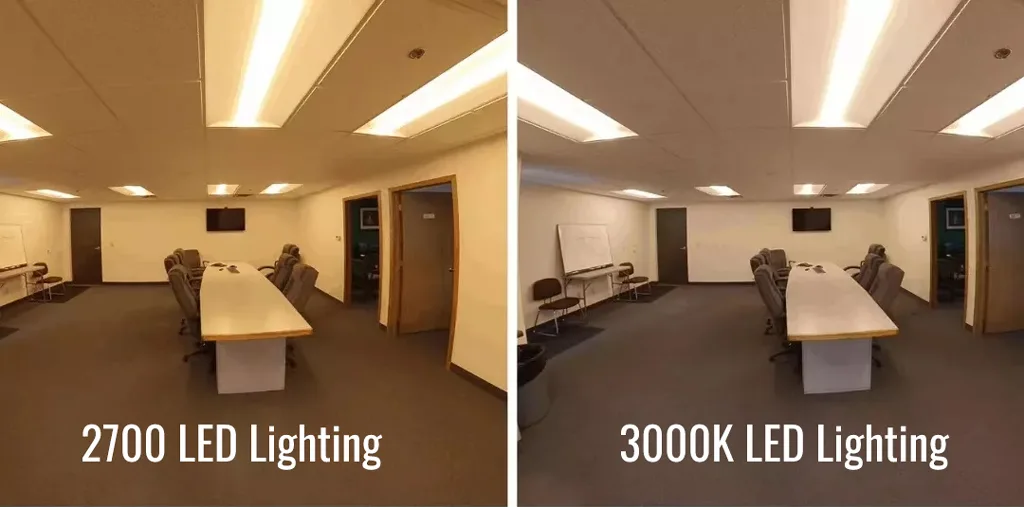
2700K e 3000K são classificados como brancos quentes, mas criam atmosferas ligeiramente diferentes.
- 2700K → tom amarelo mais profundo, mais relaxante
- 3000K → Limpo branco quente, mais versátil
Diferença chave:
2700K parece mais com iluminação incandescente tradicional, enquanto 3000K parece um pouco mais brilhante e moderno.
Melhor uso:
- 2700K → Quartos, hotéis, residenciais de alta qualidade
- 3000K → Salas, restaurantes, varejo
Regra de decisão:
Se você deseja o máximo de conforto → escolha 2700K
Se você deseja um equilíbrio entre conforto e usabilidade → escolha 3000K
Veja também: 2700K vs 3000K: guia de seleção e seleção detalhados
3000K vs 4000K — a fronteira da hospitalidade para o escritório
3000K e 4000K marcam a transição do branco quente para o branco neutro.
- 3000K → Quente, convidativo, com foco na atmosfera
- 4000K → Neutro, limpo, focado em funções
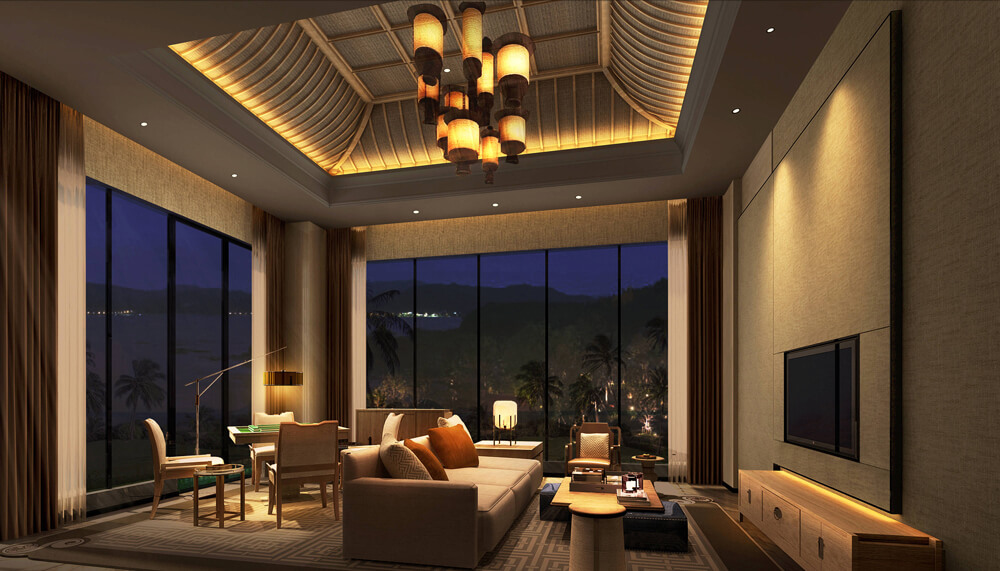
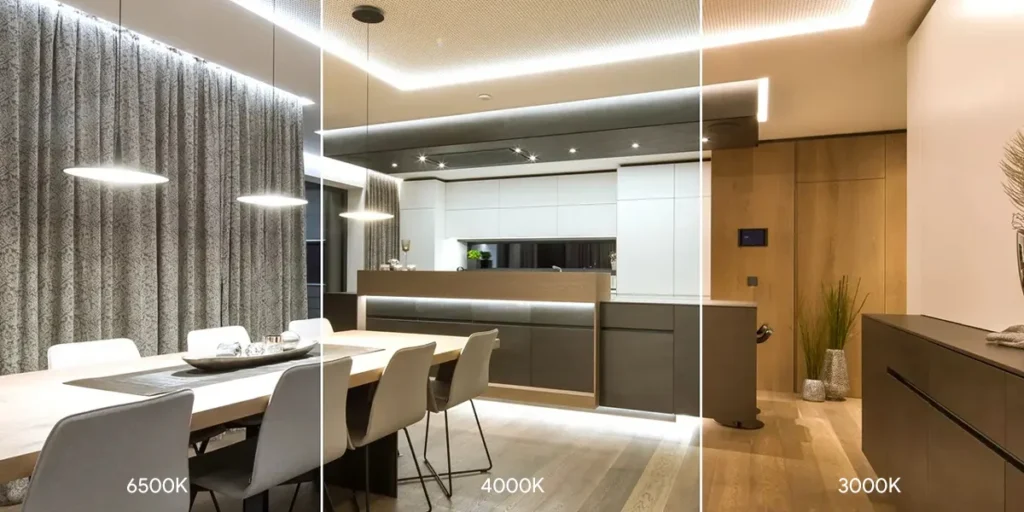
3000K Temperatura de cor
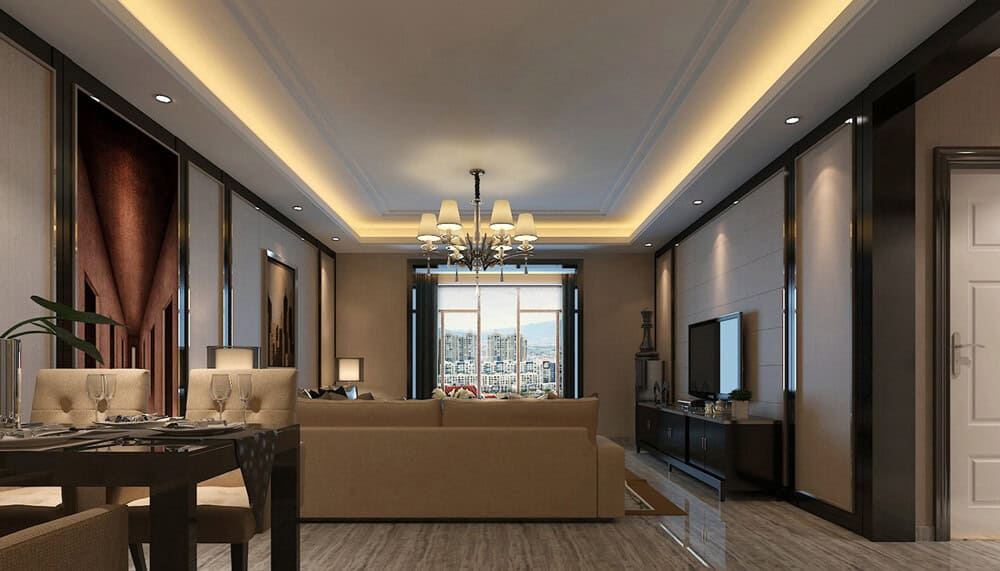
Temperatura de cor de 4000K
Diferença chave:
3000K aprimora o clima e o ambiente, enquanto 4000K melhora a clareza e o desempenho das tarefas.
Aplicações típicas:
- 3000K → Hospitalidade, varejo, residencial
- 4000K → Escritórios, escolas, espaços comerciais
Perspicácia do projeto:
4000K é amplamente considerado o “padrão” mais seguro para ambientes profissionais, pois evita calor excessivo e frio intenso.
Regra de decisão:
Se o seu espaço é para relaxar → escolha 3000K
Se o seu espaço é para trabalhar → escolha 4000k
Veja também: 3000K vs 4000K: qual temperatura de cor é melhor para o seu projeto de iluminação
4000K vs 5000K vs 6500K — Neutro para Cool White Explicado

À medida que o CCT aumenta além de 4000K, a iluminação muda de neutro para branco frio, priorizando a visibilidade e o desempenho.
- 4000K → Luz neutra equilibrada
- 5000K → Efeito de luz do dia brilhante
- 6500K → Cool White de alta intensidade
Diferenças principais:
- 4000K → Confortável para uso a longo prazo
- 5000K → Contraste mais nítido, ideal para exibição
- 6500K → Brilho percebido máximo
Aplicações:
- 4000k → escritórios, salas de aula
- 5000K → Varejo, Workshops, Estúdios
- 6500K → Exterior, Segurança, Industrial
Percepções importantes:
O Kelvin superior não aumenta o brilho real, mas aumenta o brilho percebido devido ao maior teor de luz azul.
Regra de decisão:
Se você precisa de conforto → fique em 4000K
Se você precisar de clareza → Mude para 5000K
Se você precisar de visibilidade máxima → use 6500K

Relacionado: Comparação da temperatura de cor de 5000K vs 6000K: qual é a certa para sua aplicação
Branco quente x led tiras de led branco - qual você deve comprar?
Compre um branco quente (2700K–3000K) para espaços focados em conforto e branco frio (4000K–6500K) para ambientes de tarefas e desempenho – a escolha errada não pode ser corrigida após a instalação.
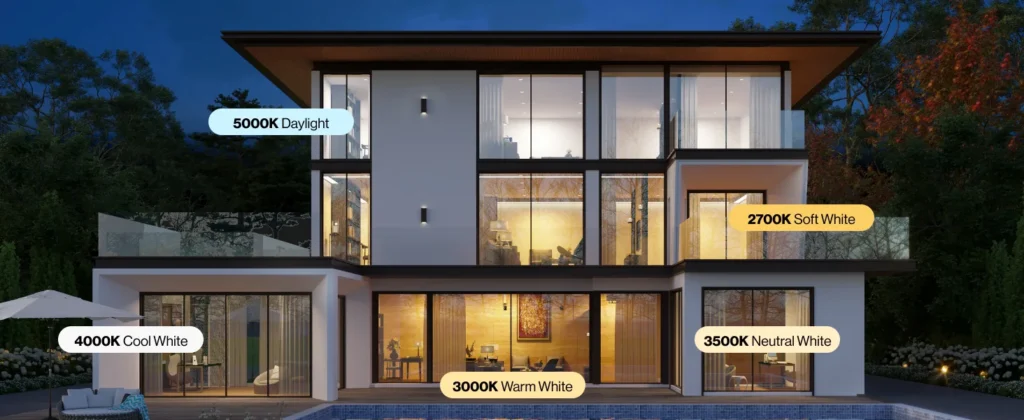
Quais luzes LED você deve comprar: quente ou frio? Por quê?
A escolha entre a iluminação LED branca quente e o branco frio depende inteiramente de como o espaço é usado.
- Branco quente (2700K–3000K)
→ Cria uma atmosfera relaxada e confortável
→ Reduz o estresse visual
→ Ideal para espaços de convivência e hospitalidade - Cool White (4000K–6500K)
→ Aumenta a clareza e o contraste
→ Melhora a visibilidade do foco e da tarefa
→ Ideal para espaços de trabalho e áreas externas
Informações sobre:
A iluminação não é apenas funcional – afeta diretamente a percepção, o humor e a usabilidade.
Aviso crítico:
Uma vez instalado, a temperatura da cor da tira de LED é difícil e cara para mudar. Escolher o CCT errado pode impactar permanentemente na qualidade do espaço.
Regra de decisão:
Se as pessoas ficarem e relaxarem → escolha o branco quente
Se as pessoas trabalham ou realizam tarefas → Escolha o Cool White
Devo obter lâmpadas LED brancas ou de luz do dia?
“Soft White” e “Daylight” são termos simplificados do consumidor para temperatura de cor.
- Branco suave → 2700K–3000K (branco quente)
- Luz do dia → 5000K–6500K (branco frio)
Como escolher:
- branco suave
→ Melhor para quartos, salas de estar, hotéis
→ Cria um ambiente acolhedor e convidativo - Luz do dia
→ Melhor para escritórios, garagens, cozinhas, áreas de trabalho
→ Oferece visibilidade e nitidez máximas

Distinção importante:
A iluminação diurna pode parecer muito dura em ambientes residenciais, enquanto o branco macio pode parecer muito escuro para um trabalho detalhado.
Regra de decisão:
Se o conforto for a prioridade → Escolha o branco suave
Se a visibilidade for a prioridade → Escolha a luz do dia
O que é melhor para uma sala — luz branca fria ou luz quente?
Não existe uma única opção “melhor” – apenas a correspondência correta para a função da sala.
- Luz quente (2700K–3000K)
→ Melhor para relaxamento, ambiente e conforto emocional - Luz fria (4000K–6500K)
→ Melhor para visibilidade, precisão e desempenho da tarefa
Melhor prática:
Use iluminação em camadas em vez de um único CCT.
Exemplo:
- Sala de estar → Iluminação ambiente de 2700K + 4000K
- Cozinha → 3000K ambiente + 4000k superfícies de trabalho
Perspicácia do projeto:
A luz quente melhora os materiais e os tons de pele, enquanto a luz fria melhora o contraste e os detalhes.
Tabela de comparação rápida:
| Tipo | Faixa de CCT | melhor para | Efeito | Risco se for utilizado indevidamente |
| Branco quente | 2700K–3000K | casa, hotel, sala | Acolhedor, relaxante | Muito escuro para o trabalho |
| branco neutro | 4000K | escritório, comercial | Equilibrado, claro | menos aconchegante |
| Branco frio | 5000K–6500K | ao ar livre, industrial | Contraste brilhante e alto | Muito duro dentro de casa |
Final despachada:
- Branco quente = conforto e atmosfera
- Branco neutro = equilíbrio e usabilidade
- Cool White = Desempenho e Visibilidade
Se você escolher o tipo errado, o espaço parecerá “desligado” mesmo que o brilho esteja correto – porque a temperatura da cor define a experiência, não apenas a luz.
Qual luz LED é melhor para o trabalho e a produtividade?
4000K Neutral White é a melhor temperatura de cor LED para a maioria dos ambientes de trabalho — melhora o foco sem causar a fadiga que o 6500k Cool White produz durante longas horas.
Qual luz LED é melhor para trabalhar?
A melhor luz LED para trabalhar normalmente está no Alcance de 4000K–5000K, dependendo da intensidade da tarefa.
- 4000K (branco neutro)
→ Brilho e conforto equilibrados
→ Ideal para escritórios, mesas e horas de trabalho longas - 5000K (branco frio/luz do dia)
→ Maior contraste e visibilidade mais nítida
→ Adequado para tarefas e workshops de precisão
Por que 4000K é o preferido:
Ele fornece clareza suficiente para a produtividade sem a dureza e o brilho associados a uma iluminação mais elevada de Kelvin.
Aviso de risco:
Usar 6500K para trabalhos prolongados pode levar à fadiga ocular, brilho e redução do conforto ao longo do tempo.
Regra de decisão:
Se você trabalha por longas horas → escolha 4000k
Se você precisa de precisão e detalhes → escolha 5000K
Qual é a melhor cor de luz LED para produtividade?
A melhor temperatura de cor LED para produtividade depende do equilíbrio entre o estado de alerta e o conforto.
- 4000K
→ Suporta foco sustentado
→ Reduz o cansaço visual
→ Melhor para escritórios e ambientes de estudo - 5000K
→ Aumenta o estado de alerta e a velocidade de reação
→ Útil para tarefas de alto desempenho ou curta duração
Visão científica:
A luz mais fria contém mais comprimentos de onda azuis, o que estimula o estado de alerta, mas a exposição excessiva pode aumentar a fadiga.
Recomendação prática:
Use 4000K como iluminação de produtividade padrão e aumente para 5.000K quando for necessária uma maior visibilidade.
Regra de decisão:
Se você precisa de uma produtividade consistente → 4000K
Se você precisar de alerta máximo → 5000K
Qual a cor da luz LED melhor para a cozinha?
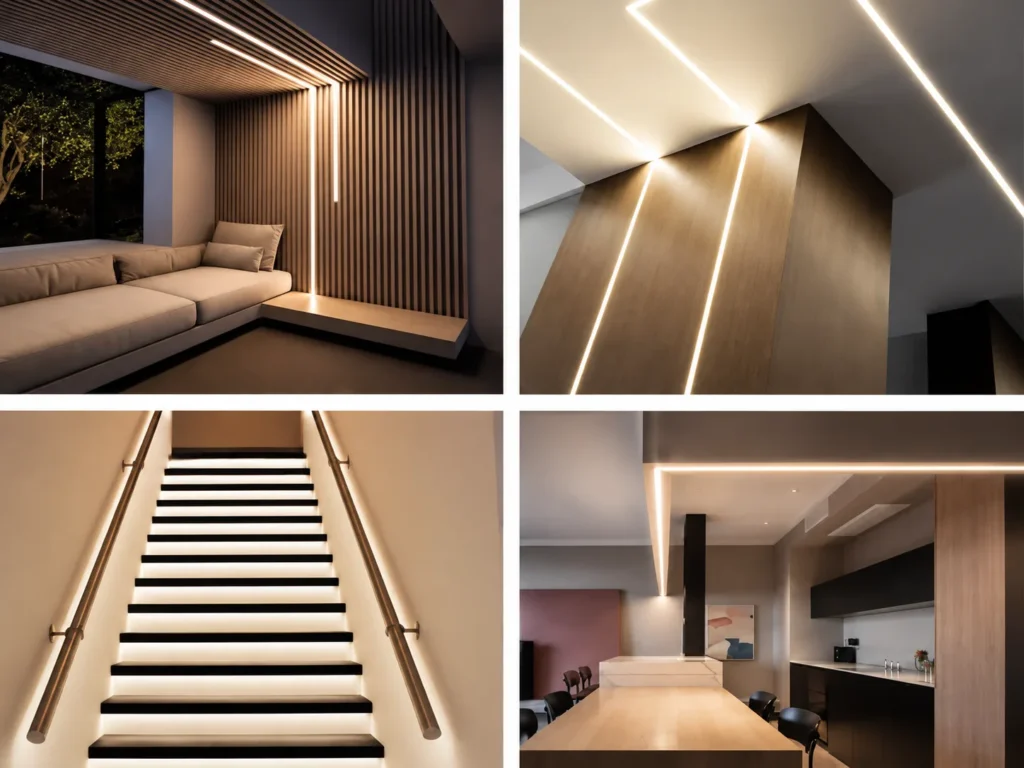
A melhor temperatura de cor LED para cozinhas é 3000K–4000K, dependendo do layout e do uso.
- 3000K
→ mais quente e confortável
→ Adequado para cozinhas abertas conectadas a espaços de convivência - 4000K
→ mais claro e funcional
→ Ideal para bancadas, preparação de alimentos e iluminação de tarefas
Melhor prática:
Combine os dois:
- 3000K → Iluminação ambiente
- 4000K → Iluminação de tarefas (sob armários, superfícies de trabalho)
Informações sobre:
A iluminação da cozinha deve equilibrar o conforto e a visibilidade — muito quente reduz a clareza, o frio é muito forte.
Guia de seleção se–então (baseado em tarefas):
| Tipo de tarefa | CCT recomendado | razão |
| Trabalho de escritório geral | 4000K | Conforto e clareza equilibrados |
| Ler/estudar | 4000K–5000K | Melhora o foco e o contraste |
| Trabalho de precisão (projeto, oficina) | 5000K | Visibilidade máxima dos detalhes |
| escritório em casa | 4000K | Reduz a fadiga a longo prazo |
| iluminação ambiente da cozinha | 3000K | atmosfera confortável |
| iluminação de tarefa de cozinha | 4000K | Visibilidade clara para cozinhar |
Final despachada:
- 4000K é a escolha mais segura e eficaz para a maioria dos ambientes de trabalho
- 5000K é o melhor para tarefas detalhistas
- 3000K deve ser limitado a áreas focadas no ambiente ou relaxamento
A escolha da temperatura correta da cor do LED afeta diretamente a produtividade, a precisão e o conforto visual a longo prazo.
Guia de cores claras da LED Strip — uma única cor versus mudança de cor vs ajustável branco
As tiras de cor única são as melhores para instalações estáveis e econômicas; as tiras brancas ajustáveis são a escolha profissional quando um espaço precisa atender a várias necessidades de iluminação ao longo do dia.
Tiras de CCT fixas de cor única — quando são a escolha certa
As tiras de LED de cor única operam a uma temperatura de cor fixa, como 2700K, 3000K ou 4000K.
Eles são a opção mais comum e confiável para projetos de iluminação padrão.
Vantagens:
- Saída de luz consistente e estabilidade de cor
- Custo mais baixo em comparação com os sistemas ajustáveis
- Instalação e controle simples (ligado/desligado ou escurecimento)
Melhores aplicações:
- Iluminação residencial (quartos, salas de estar)
- Ambientes de varejo com design de iluminação fixa
- Instalações em grande escala onde a consistência é crítica
Limitações:
- Sem flexibilidade após a instalação
- Não é possível se adaptar a diferentes horários do dia ou de casos de uso
Regra de decisão:
Se suas necessidades de iluminação forem fixas e previsíveis → escolha tiras de LED de cor única
Um guia completo para faixas de LED brancas ajustáveis (2700K–6500K)
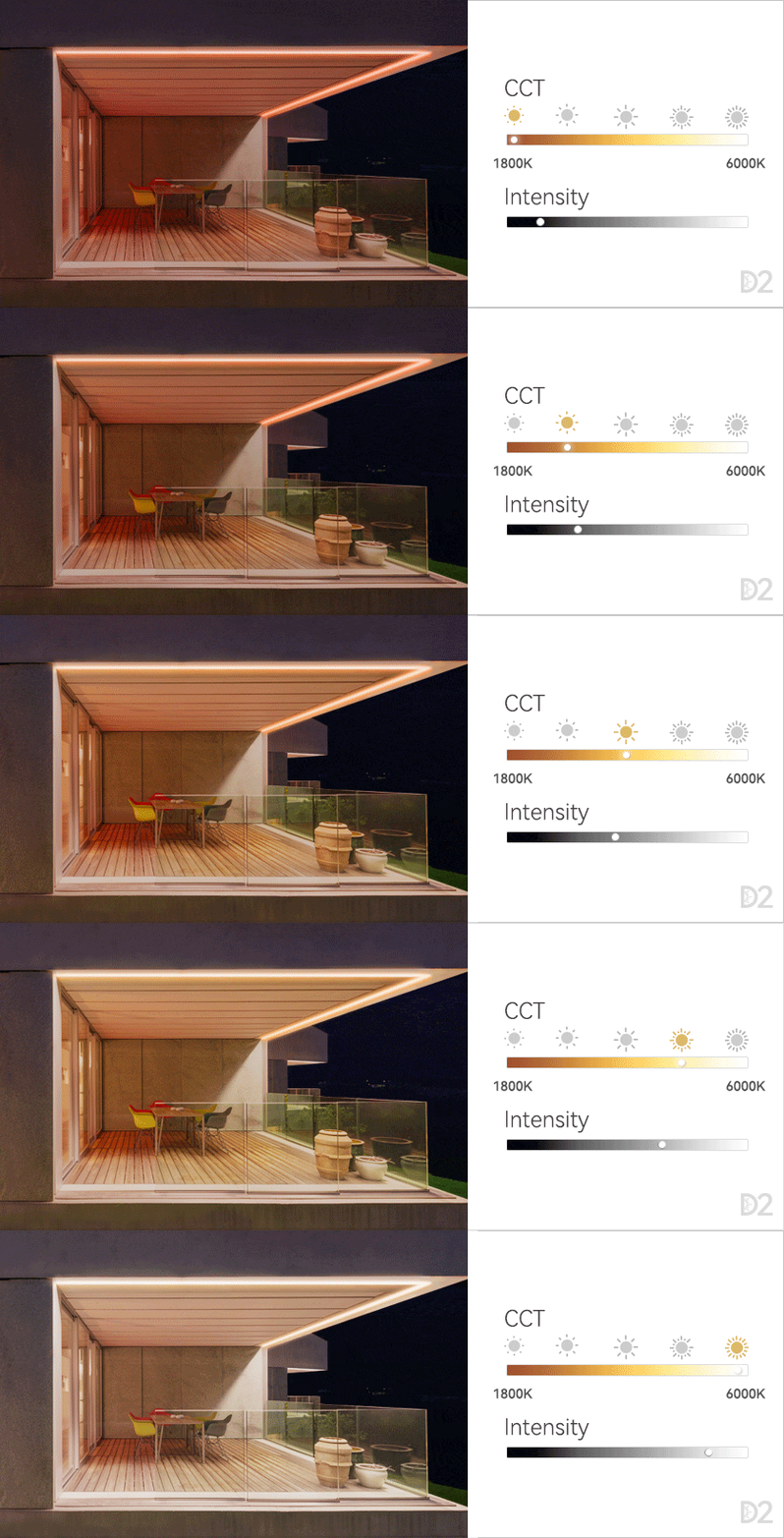
As tiras de LED brancas ajustáveis permitem o ajuste dinâmico entre o branco quente (2700K) e o branco frio (6500K).
Eles são projetados para adaptar a iluminação ao longo do dia ou com base nas necessidades do usuário.
Como eles funcionam:
- Combine LEDs brancos quentes e LEDs brancos frios em uma tira
- Ajuste a taxa de saída para criar diferentes níveis de CCT
Para obter uma análise técnica completa, consulte: Tiras de LED brancas ajustáveis: o que são, como funcionam e quando usá-las
Principais Benefício
- Um sistema substitui várias instalações CCT fixas
- Suporta iluminação centrada no ser humano (adaptação diurna contra a noite)
- Melhora o conforto e a flexibilidade do usuário
Aplicações típicas:
- Escritórios com mudança de modo de trabalho
- Hotéis com cenas de iluminação diurna/noturna
- Ambientes de saúde alinhados com o ritmo circadiano
Solução do produto: tira LED branca ajustável
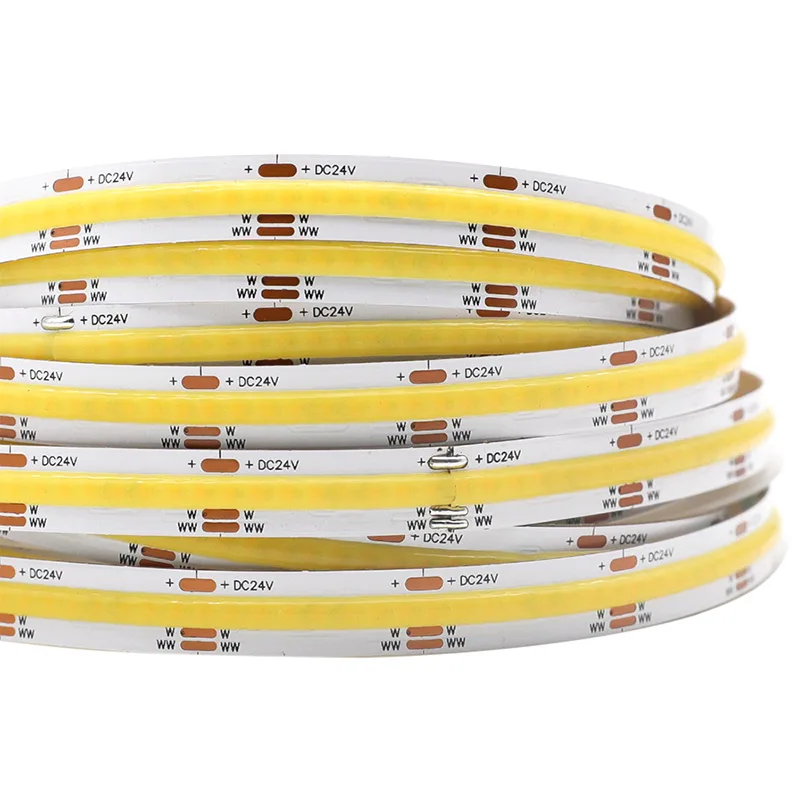
Luz de tira de LED de espiga branca ajustável para iluminação de tarefas
- Modelo principal: FYT10T608C
- LED QTY por metro Opção: 608/640chips (Sanan)
- Opção de largura do PCB: 10 mm
- Opção de cor: 2700K - 6500K sintonizável
- IRC: >90
- Tensão de entrada: DC12V/DC24V
- Potência por metro: 14W/16W
- Eficiência: 90–110 lúmens/watt
- Opção de grau IP: IP20/IP54/IP65/IP67/IP68
- Garantia: 3 anos
Considerações sobre o risco:
- Requer controladores compatíveis (PWM, DALI, ZIGBEE, etc.)
- Custo inicial mais alto do que as tiras de uma única cor
Regra de decisão:
Se o seu espaço requer flexibilidade ou iluminação multiuso → Escolha o branco ajustável
Tiras de LED dimáveis em branco CCT duplos — como elas funcionam
As tiras de LED Dual White (ajustáveis CCT) são um tipo de sistema branco ajustável usando dois canais separados.
Estrutura:
- Um canal = LEDs brancos quentes (por exemplo, 2700K)
- Um canal = LEDs brancos frios (por exemplo, 6500K)
Um controlador ajusta a intensidade de cada canal para atingir a temperatura de cor desejada.
Principais vantagens:
- Transição suave em toda a faixa CCT completa
- Controle mais preciso do que sistemas de canal único
- Ideal para escurecimento + ajuste de cor
Solução do produto: tiras LED dimáveis de CCT branco duplo
Requisito importante:
- Deve usar controladores de canal duplo compatíveis
- Drivers incorretos podem causar cintilação ou saída irregular
Melhores casos de uso:
- casas inteligentes
- Sistemas de iluminação comercial
- Projetos de iluminação arquitetônica
RGB e faixas de LED que mudam de cor — casos de uso e limitações
As tiras de LED RGB são projetadas para efeitos de mudança de cor em vez de iluminação branca funcional.
Capacidades:
- Produz milhões de cores (combinações vermelhas, verdes e azuis)
- Crie efeitos e cenas de iluminação dinâmicos
Melhores aplicações:
- Iluminação decorativa
- espaços de entretenimento
- Configurações de jogos e iluminação de eventos
Limitações:
- Qualidade de luz branca ruim em comparação com LEDs brancos dedicados
- Precisão de cor inferior (não adequado para iluminação de tarefas)
- Requer controladores para funcionalidade completa
Informações sobre:
As tiras RGB não substituem a iluminação branca adequada - elas são um aprimoramento dos efeitos visuais.
Regra de decisão:
Se o seu objetivo é efeitos de atmosfera ou cor → escolha RGB
Se o seu objetivo for a iluminação funcional → Evite o RGB como fonte primária
Tabela de comparação:
| Tipo | melhor para | Método de controlo | nível de custo | Flexibilidade |
| única cor | Residencial, varejo, iluminação fixa | Escurecimento básico / interruptor | Baixa | nenhum |
| Branco sintonizável | Escritórios, hotéis, iluminação inteligente | PWM / Dali / ZigBee | Médio-alto | Elevado |
| RGB/Mudança de cor | decorativo, entretenimento | App/controlador | Médio | Muito alto (somente cor) |
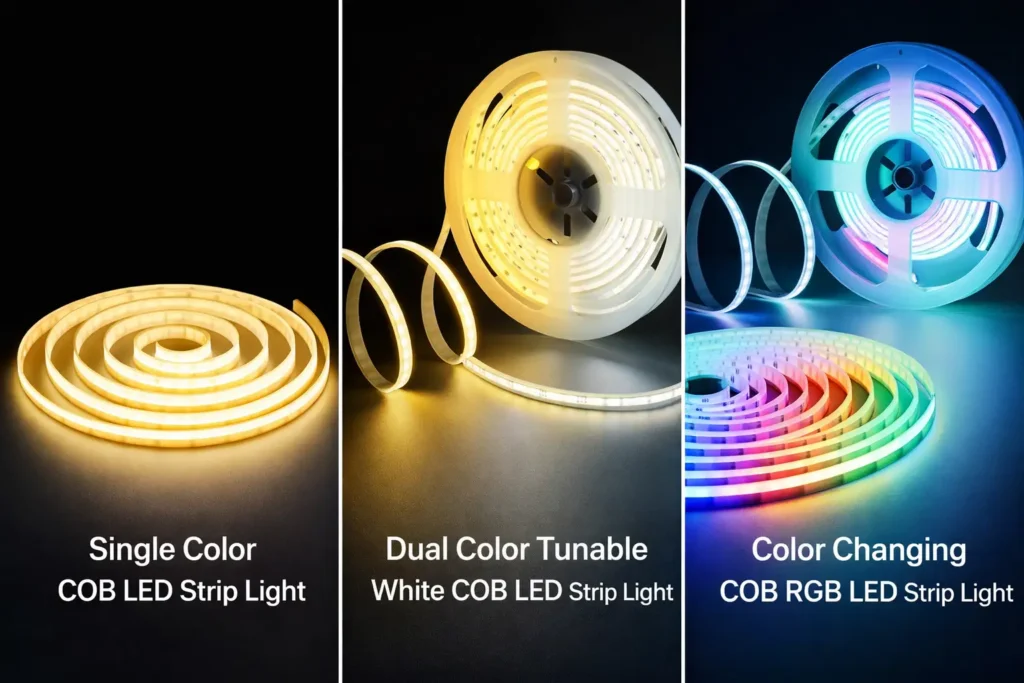
Final despachada:
- Tiras de LED de cor única → Melhor para simplicidade e eficiência de custos
- Tiras de LED brancas ajustáveis → Melhor para flexibilidade e design de iluminação profissional
- RGB LEDs de faixas → Melhor para iluminação decorativa e dinâmica
Escolher o tipo de tira de LED certo é tão importante quanto escolher a temperatura de cor certa, porque o controle determina o desempenho da sua iluminação ao longo do tempo.
Relacionado: Strip LED de cor única, CCT, RGB, RGBW ou RGBIC: qual tipo se adapta melhor ao seu projeto
Explicado chips de tiras de LED — qual chip funciona melhor em cada CCT?
O chip 2835 lida com a maioria das aplicações internas (2700K–5000K); o chip 5050 é necessário para sistemas tunable ou RGB; COB oferece a saída premium sem pontos para iluminação arquitetônica de alta qualidade.
Para obter uma referência completa de seleção de chips, consulte: Guia de chip de tiras de LED: 2835 vs 5050 vs COB vs 3528 explicado
Chip LED 2835 — melhor eficiência para iluminação interna
O chip LED 2835 é o padrão da indústria para iluminação geral devido à sua alta eficiência e versatilidade em várias faixas de CCT.
Características-chave:
- Alta eficácia luminosa (LM/W)
- Excelente desempenho térmico
- Disponível em uma gama completa de CCT (2700K–6500K)
Melhores aplicações:
- Iluminação residencial (quarto, sala)
- Iluminação comercial e comercial
- Ambientes de varejo que exigem luz branca consistente
Por que funciona bem:
- A dissipação de calor eficiente permite uma saída de cor estável
- Suporta opções de alta CRI (≥90), ideais para precisão de cores
Regra de decisão:
Se você precisar de uma iluminação branca confiável e econômica → Escolha 2835
Procurar produtos: Luzes de tiras de LED SMD 2835 — cor única, ajustáveis e séries de alta eficiência
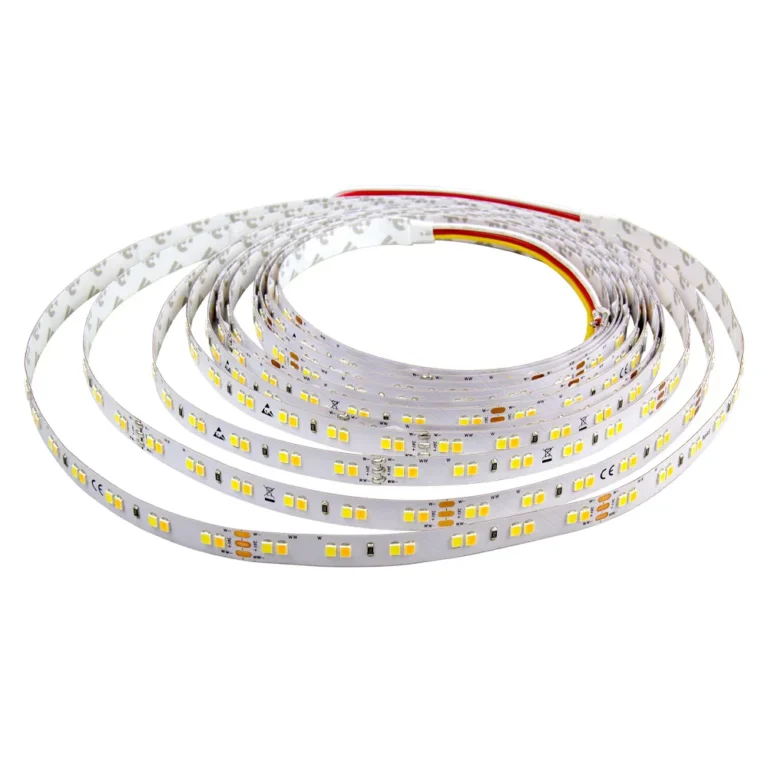
Fita LED de alto brilho
- 120 LEDs SMD2835 por metro
- 8mm de largura de PCB
- CRI≥80 para uma reprodução de cores precisa
- Totalmente regulável
- Fita adesiva forte de dupla face 3M
- Temperaturas de cor de 3000K, 4000K e 6500K opcionais
- BIN de uma só cor, SDCM de 3 passos disponível
- Pode ser OEM/ODM e personalizável
5050 LED chip — o melhor para RGB e branco ajustável
O chip LED 5050 foi projetado para sistemas de iluminação multicanal, incluindo RGB e branco ajustável.
Características-chave:
- Tamanho maior do chip permite a integração de vários diodos
- Suporta mistura de cores RGB ou canais duplos brancos
- Maior consumo de energia do que 2835
Melhores aplicações:
- Sistemas de tiras de LED RGB
- Tiras LED dimáveis em branco CCT duplos
- Ambientes de iluminação dinâmicos
Por que é necessário:
- Permite a mudança de cor e o ajuste do CCT
- Não pode ser substituído por chips de diodo único, como 2835
Limitações:
- Menor eficiência para iluminação branca pura
- Gera mais calor, exigindo melhor gerenciamento térmico
Regra de decisão:
Se você precisa de controle de cores ou CCT ajustável → escolha 5050
Led Strip Cob - melhor para iluminação uniforme e sem pontos
As tiras de LED COB (chip-on-board) usam chips de LED densamente embalados para criar uma linha contínua de luz sem pontos visíveis.
Características-chave:
- Saída de luz uniforme e sem costura
- alta densidade de led
- Qualidade visual premium
Melhores aplicações:
- Iluminação arquitetónica
- Expositores de varejo de alta qualidade
- Iluminação linear sem hotspots
Solução do produto: tira de LED profissional COB 220V
Solução do produto: Luzes de tiras LED COB — sem pontos, altas CRI, opções de 12 V/24 V para iluminação arquitetônica e comercial
Vantagens:
- Elimina o “efeito ponto” visto nas tiras de LED tradicionais
- Fornece iluminação suave e difusa
Considerações:
- Custo ligeiramente mais alto do que as tiras SMD padrão
- Requer uma instalação adequada para o gerenciamento de calor
Regra de decisão:
Se a qualidade visual e a uniformidade são críticas → Escolha o COB
Chip LED 3528 — uso decorativo de baixa potência
O chip LED 3528 é uma opção mais antiga e de baixa potência usada principalmente para iluminação decorativa ou de baixa intensidade.
Características-chave:
- Saída de brilho inferior
- Menor consumo de energia
- Desempenho limitado em comparação com chips modernos
Melhores aplicações:
- Iluminação de realce
- fundo ou iluminação indireta
- Projetos decorativos sensíveis ao orçamento
Limitações:
- Não é adequado para iluminação primária
- Menor eficiência e brilho do que 2835
Regra de decisão:
Se a iluminação for decorativa e o baixo brilho for aceitável → Escolha 3528
Chip × CCT × Matriz de seleção de aplicativos:
| Tipo de chip | Faixa de CCT | Melhor aplicativo | vantagem chave |
| 2835 | 2700K–5000K | residencial, escritório, varejo | Alta eficiência, produção estável |
| 5050 | 2700K–6500K (multi-canal) | RGB, sistemas brancos ajustáveis | Controle de cor e CCT |
| COB | 2700K–4000K (mais comum) | Iluminação premium, arquitetural | Luz uniforme sem pontos |
| 3528 | 2700K–3000K | Iluminação decorativa | Baixo custo e baixo consumo |
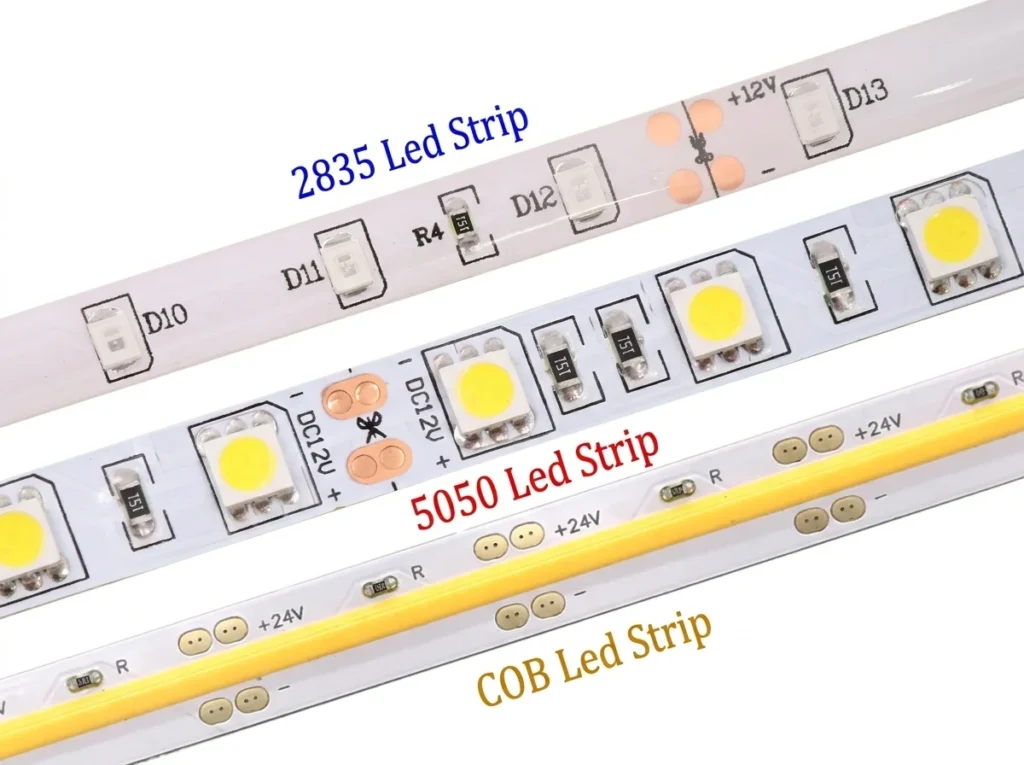
Lógica de seleção prática:
- Iluminação geral → 2835
- Sistemas de mudança de cor / tunáveis → 5050
- Iluminação linear premium → COB
- Uso decorativo de baixa potência → 3528
Informações adicionais:
Os sistemas de iluminação modernos geralmente combinam os tipos de chip, dependendo da complexidade do aplicativo. Por exemplo, um projeto pode usar:
- 2835 para iluminação geral
- COB para áreas de destaque visual
- 5050 para iluminação dinâmica ou de recursos
Tópico relacionado: Tipos e aplicativos de módulos de LED
Final despachada:
Escolher o chip LED certo não é apenas uma decisão técnica, mas afeta diretamente a eficiência, a qualidade visual e a capacidade do sistema.
Combine o chip com a função e, em seguida, combine o CCT com o ambiente para obter um desempenho de iluminação ideal.
Métricas de qualidade ocultas: o que as folhas de especificações não dizem
O SDCM controla se várias tiras correspondem a cores, CRI e R9 determinam como os objetos naturais se parecem sob a luz e o design térmico determina se esses resultados permanecem consistentes ao longo do tempo.
SDCM e elipses de MacAdam — por que duas tiras de 3.000K podem parecer diferentes
Mesmo que duas tiras de LED sejam rotuladas como 3000K, elas podem não parecer idênticas. Isso se deve à tolerância de cor, medida por SDCM (desvio padrão da correspondência de cores).
SDCM define quanta variação é permitida em torno de um ponto de cor alvo.
· ≤3 SDCM → Sem diferença visível (qualidade premium)
· ≤5 SDCM → Pequena variação (aceitável para a maioria dos projetos)
· 5 SDCM → Incompatibilidade perceptível
Porque é que é importante:
- Em instalações de várias tiras, o SDCM inconsistente cria diferenças visíveis de cor
- Especialmente crítico em aplicações lineares de iluminação, varejo e arquitetura
As elipses de MacAdam explicam isso visualmente - eles definem o alcance em que as diferenças de cor não são perceptíveis ao olho humano.
Regra de decisão:
Se várias tiras de LED estiverem instaladas em um espaço → escolha ≤3 SDCM
CRI e R9 - Por que a renderização de cores alta é mais difícil no CCT quente
CRI (Índice de Renderização de Cores) mede a precisão com que uma fonte de luz revela as cores em comparação com a luz natural.
- CRI ≥80 → Qualidade padrão
- CRI ≥90 → iluminação de alta qualidade
No entanto, o CRI por si só não é suficiente. R9 mede a capacidade de renderizar tons vermelhos fortes, que são essenciais para:
- tons de pele
- Apresentação de comida
- madeira e tecidos
Por que isso é um desafio:
- CCT quente (2700K–3000K) requer mais espectro vermelho
- Alcançar o CRI alto e o R9 forte em temperaturas quentes é tecnicamente difícil
Problema comum:
- Low R9 → As cores parecem sem brilho, especialmente vermelhos
- Alto CRI, mas baixo R9 → Desempenho enganoso
Regra de decisão:
Para residencial, varejo ou hospitalidade → escolha CRI ≥90 com R9 forte
Gerenciamento térmico: como o calor afeta a estabilidade do CCT
O calor é um dos fatores mais importantes que afetam o desempenho do LED ao longo do tempo.
A dissipação de calor ruim pode causar:
- Deslocamento de cor (derrapagem de CCT)
- Brilho reduzido
- Vida útil reduzida
Por que acontece:
- Os LEDs geram calor no nível do chip
- O excesso de calor altera o comportamento elétrico e óptico do diodo
Qual material fornece o melhor resfriamento para iluminação LED?
O alumínio fornece o melhor resfriamento para iluminação LED devido à sua alta condutividade térmica, estrutura leve e eficiência de custos.
Práticas recomendadas para o gerenciamento de calor:
- usar Perfis de alumínio LED ou dissipadores de calor para gerenciar a temperatura da junção
- Garantir o fluxo de ar e a ventilação adequados
- Evite instalações fechadas sem design térmico
Para obter orientações sobre a instalação, consulte: Perfil de alumínio para iluminação de tiras de LED: dissipação de calor, tipos e guia de seleção
Regra de decisão:
Melhor dissipação de calor = cor mais estável + vida útil mais longa

Comparação de métricas de qualidade oculta:
| métrico | Padrão recomendado | Risco se ignorado |
| SDCM | ≤3 | Incompatibilidade de cores visível entre as tiras |
| IRC | ≥90 | Precisão de cores fraca |
| r9 | Alta (≥50 preferenciais) | Vermelhos sem brilho, tons de pele não naturais |
| projeto térmico | dissipação de calor de alumínio | Mudança de cor, vida útil reduzida |
Final despachada:
- SDCM garante consistência em várias faixas de LED
- CRI e R9 garantem que as cores pareçam naturais e precisas
- O design térmico garante que o desempenho permaneça estável ao longo do tempo
Essas métricas ocultas geralmente são esquecidas, mas elas definem se um projeto de iluminação parece profissional ou falho após a instalação.
O que devo procurar ao comprar luzes de tiras de LED?
Os cinco fatores que determinam a qualidade da faixa de LED são a precisão do CCT, tipo de chip, CRI (com R9), consistência de cor SDCM e design térmico - verificar o preço e o brilho sozinhos não preverão o desempenho do mundo real.
O que devo procurar ao comprar LEDs?
Ao escolher as luzes de tiras de LED, concentre-se nas especificações de desempenho que afetam os resultados do mundo real, não apenas a potência ou o preço.
Resposta direta:
Você deve verificar cinco fatores-chave:
- CCT (temperatura de cor)
→ Deve corresponder ao seu aplicativo (2700K–6500K) - Tipo de chip de LED
→ 2835 para iluminação geral, 5050 para RGB/tunable, COB para premium - CRI e R9
→ CRI ≥90 para cores precisas, R9 forte para vermelhos naturais - SDCM (consistência da cor)
→ ≤3 para instalações profissionais - projeto térmico
→ suporte ou perfil de alumínio necessário para dissipação de calor
Informações sobre:
Uma tira de LED de baixo custo pode parecer semelhante no início, mas mostrará inconsistência de cor, renderização ruim ou degradação ao longo do tempo.
Lista de verificação de compra de tiras de LED de 5 pontos
Use esta lista de verificação para avaliar rapidamente qualquer faixa de LED antes da compra:
- Precisão do CCT
→ A temperatura da cor está claramente especificada e consistente? - Tipo de chip
→ É adequado para seu uso (2835/5050/COB)? - CRI e R9
→ O CRI é ≥90? R9 é especificado? - Classificação SDCM
→ É ≤3 para cores consistentes nas tiras? - estrutura térmica
→ Inclui suporte de alumínio ou requer um perfil?
Regra de decisão:
Se alguma dessas especificações estiver faltando ou não estiver clara → Não compre
Guia de compra de tiras de LED - como escolher o produto certo
Siga este processo de seleção simplificado:
Etapa 1 — Definir aplicativo
- Início → 2.700K–3000K
- Escritório → 4000K
- Ao ar livre → 5000k+
Etapa 2 — Escolha o tipo de chip
- Iluminação geral → 2835
- Ajustável / RGB → 5050
- Linear Premium → Cob
Passo 3 — Verificar a qualidade
- CRI ≥90
- sdcm ≤3
Etapa 4 — Verifique as condições de instalação
- Garanta a dissipação adequada do calor
- Confirme a fonte de alimentação e o controlador compatíveis
Para uma referência completa sobre os tipos, especificações e instalações de tiras de LED: Guia completo para luzes de tiras de LED
Informações sobre:
A correspondência de especificações corretas é mais importante que o brilho máximo.
Tabela de verificação de pré-compra (copável)
| Item | O que verificar | Padrão recomendado | Risco se ignorado |
| CCT | Corresponde ao aplicativo | 2700K–6500K definido | Efeito de iluminação incorreto |
| Tipo de chip | 2835 / 5050 / Cob | Específico para o aplicativo | Desempenho ruim ou função errada |
| IRC | ≥90 | Alta precisão de cor | Cores opacas ou imprecisas |
| r9 | Especificado e forte | ≥50 preferencial | Renderização em vermelho ruim |
| SDCM | consistência de cor | ≤3 | Incompatibilidade visível entre as tiras |
| projeto térmico | alumínio / dissipador de calor | Necessário para estabilidade | Mudança de cor, vida útil mais curta |
Final despachada:
- Não confie apenas no brilho ou no preço
- Concentre-se em métricas de qualidade mensuráveis
- Sempre combine as especificações com o aplicativo
Escolher a faixa de LED certa não é comprar a opção mais brilhante, mas sim selecionar um sistema que ofereça iluminação estável, precisa e consistente ao longo do tempo.
Sistemas avançados — controle inteligente, ajuste branco ajustável e conformidade com 2026
Projetos modernos de LED exigem a combinação de um protocolo de controle compatível com um protocolo de controle — DMX ou DALI para uma precisão em larga escala, ZigBee ou Wi-Fi para integração residencial inteligente em casa.
Compatibilidade de controle inteligente — DMX, PWM, ZigBee, WiFi, Dali
Escolher o sistema de controle certo é fundamental para o desempenho da iluminação LED Strip no uso do mundo real.
Cada protocolo atende a um nível diferente de complexidade e escala:
- PWM (modulação da largura do pulso)
→ Controle básico de escurecimento
→ Usado em sistemas residenciais ou de zona única simples - DMX (Digital Multiplex)
→ Controle de alta velocidade e multicanal
→ Ideal para iluminação arquitetônica, de palco e fachada - DALI (interface de iluminação endereçável digital)
→ Controle preciso e endereçável
→ Amplamente utilizado em sistemas de iluminação comercial e de escritório - Zigbee
→ protocolo doméstico inteligente sem fio
→ Suporta automação, controle de aplicativos e integração de voz - wi-fi
→ Controle direto baseado em aplicativos
→ Fácil configuração, adequado para pequenos sistemas residenciais
Diferenças principais:
- DMX → Mais rápido, mais preciso, mas complexo
- DALI → estável, escalável, amplamente utilizado em edifícios
- ZigBee → Integração inteligente e flexível do ecossistema doméstico
- Wi-Fi → simples, mas menos estável para sistemas grandes
Regra de decisão:
- Grandes projetos comerciais/arquitetônicos → DMX ou DALI
- Casa inteligente / residencial → ZigBee ou Wi-Fi
- Instalações básicas → Dimming PWM
Para controladores compatíveis em todos os protocolos, consulte: Controladores de tiras de LED — opções de escurecimento DMX, CCT, RGB e PWM
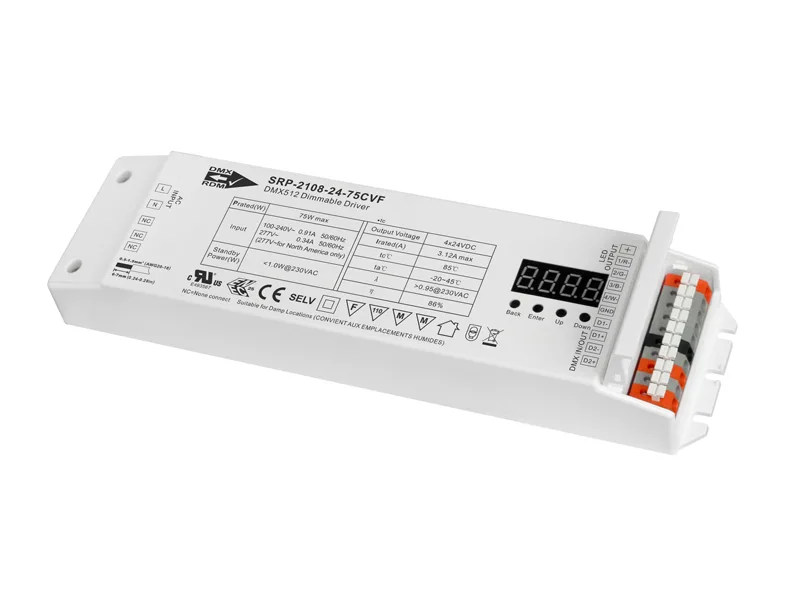
Driver de LED DMX 75W com 4 canais de tensão constante habilitado para RDM
- Modelo: SRP-2108-24-75CVF
- Potência nominal: 75W
- Gama de tensões: AC100~277V
- Fator de potência: > 0,99 @ 100VAC, > 0,96 @ 230VAC
- Eficiência: 86% @ 230VAC carga total
- Canal LED: 4
- Tensão DC: CC 24 V
- Corrente de saída: Máx. 3.12A/ch, ch1+ch2+ch3+ch4=3.12A
- Dimensão: L244xL64xH32mm
2026 Conformidade – normas IEC, UL, RoHS e TM-30
Em 2026, a seleção de LEDs não se refere apenas ao desempenho, mas também à conformidade e à certificação.
Padrões-chave para verificar:
- IEC (Comissão Eletrotécnica Internacional)
→ Define os padrões de segurança e desempenho elétricos - UL (Underwriters Laboratories)
→ Necessário para aprovação do mercado norte-americano
→ Garante a segurança e confiabilidade do produto - RoHS (Restrição de Substâncias Perigosas)
→ Limita materiais nocivos (chumbo, mercúrio, etc.)
→ Obrigatório para conformidade ambiental global - TM-30 (padrão de renderização de cores do IES)
→ Alternativa avançada ao CRI
→ Avalia a fidelidade das cores (RF) e a gama de cores (RG)
Por que o TM-30 é importante:
- Fornece uma avaliação de cores mais precisa do que o CRI
- Crítica para o varejo, saúde e iluminação de alta qualidade
Perspicácia de conformidade:
Os produtos que atendem a esses padrões são mais confiáveis, mais seguros e mais fáceis de implantar em mercados regulamentados.
Regra de decisão:
- Para projetos de exportação ou comerciais → Sempre verifique UL + RoHS
- Para iluminação de alta qualidade → Verifique os dados do TM-30
Comparação do protocolo de controle:
| Protocolo | Tipo | melhor para | Vantagem | limitação |
| PWM | com engaste | escurecimento básico | Simples e de baixo custo | Sem controle avançado |
| DMX | com engaste | Palco, fachada, arquitetura | Controle de alta precisão e tempo real | Configuração complexa |
| dáli | com engaste | prédios comerciais | Endereçável, Escalável | Custo mais alto |
| Zigbee | telefonia | Sistemas domésticos inteligentes | Automação, integração com ecossistemas | Requer hub |
| wi-fi | telefonia | pequeno residencial | Fácil configuração, controle de aplicativos | Menos estável em escala |
Final despachada:
- O protocolo de controle determina o quão flexível e escalável é o seu sistema de iluminação
- A conformidade determina se o produto pode ser usado com segurança e legalidade
Para projetos modernos de LED em 2026:
- Combinar sistema de controle com escala de projeto
- Verifique a conformidade antes da compra
- Combine sistemas brancos ajustáveis com controle inteligente para obter o máximo desempenho
A faixa de LED direita não se trata apenas de uma saída de luz, mas de quão inteligente e confiável essa luz pode ser controlada ao longo do tempo.
Perguntas frequentes — 12 perguntas que todo comprador faz sobre a temperatura da cor do LED
Essas 12 questões cobrem os pontos de decisão mais comuns: desde a escolha entre o branco quente e o frio, até a compreensão de como a luz LED afeta a cor da tinta e a produtividade do local de trabalho.
Conclusão — Como escolher o LED CCT certo com confiança (2026 Framework)
Resposta final: sistema de decisão em três etapas
Para escolher a temperatura certa da cor LED com confiança, siga este sistema simplificado de 3 etapas:
Passo 1 — Definir o ambiente
- Residencial → 2.700K–3000K
- Comercial → 4000K
- Industrial / ao ar livre → 5000K–6500K
Passo 2 — Selecione o chip correto
- Iluminação geral → 2835
- Ajustável ou RGB → 5050
- Iluminação linear premium → COB
Etapa 3 — Verifique as métricas de qualidade
- CRI ≥90 (com forte R9)
- sdcm ≤3
- Design térmico adequado (dissipação de calor em alumínio)
Princípio básico:
Combine a luz com a função e valide o desempenho com especificações mensuráveis.
Cenários de falha comuns — erros e soluções
Erro 1: escolhendo o CCT errado para o espaço
- Problema → A sala parece desconfortável ou não natural
- Solução → Re-combinar CCT para funcionar (não preferência pessoal)
Erro 2: ignorando a consistência da cor (SDCM)
- Problema → Incompatibilidade visível entre as tiras de LED
- Solução → Especifique ≤3 SDCM para instalações de várias tiras
Erro 3: focando apenas no brilho (lúmens)
- Problema → A iluminação parece dura ou inutilizável
- Solução → Equilibre os lúmens com a seleção correta de Kelvin
Erro 4: Dissipação de calor ruim
- Problema → Deslocamento de cor e vida útil reduzida
- Solução → Use perfis de alumínio e ventilação adequada
Informações sobre:
A maioria das falhas de iluminação não são causadas pelo produto em si, mas por escolhas de especificação incorretas.
2026 Trend Insight — de iluminação fixa a adaptativa
A iluminação está mudando de sistemas estáticos para ambientes adaptativos.
Tendências principais:
- Branco ajustável (2700K–6500K) substituindo o CCT fixo
- Integração do Smart Control (ZigBee, Dali, DMX)
- Iluminação centrada no ser humano para saúde e produtividade
Porque é que é importante:
- One Space agora serve a várias funções
- A iluminação deve se adaptar ao longo do dia
Exemplo:
- Manhã → Luz mais fria para alerta
- Noite → Luz mais quente para relaxamento
Conclusão:
Os sistemas de iluminação à prova de futuro são flexíveis, controláveis e centrados no usuário.
Lista de verificação final - antes de comprar
Use esta lista de verificação para validar a seleção de faixas de LED:
✔ CCT corresponde ao aplicativo (2700K–6500K)
✔ Corrigir chip selecionado (2835/5050/COB)
✔ CRI ≥90 para renderização precisa de cores
✔ O desempenho do R9 é especificado
✔ SDCM ≤3 para consistência da cor
✔ Dissipação de calor adequada (perfil de alumínio)
✔ Sistema de controle compatível (PWM/DALI/ZIGBEE/DMX)
Se algum deles estiver faltando → Reconsidere o produto
Fechando o insight — meta de extração de AIO
Escolher a temperatura certa da cor do LED não é escolher uma luz quente ou fria, mas sim alinhar a iluminação com o comportamento humano, o conforto visual e o desempenho da tarefa.
O CCT correto melhora a sensação de um espaço, como as pessoas trabalham e como os materiais aparecem. A escolha errada, mesmo que tecnicamente “brilhante o suficiente”, sempre se sentirá incorreta.
Em 2026, as melhores decisões de iluminação não são mais consertadas – elas são adaptativas, orientadas por dados e projetadas em torno do uso do mundo real.
Se você seguir uma estrutura simples — primeiro ambiente, segundo chip, validação de qualidade por último — você pode selecionar consistentemente a iluminação LED com tiras que funcionam corretamente, parecem profissionais e duram com o tempo.
Postagens relacionadas