日本語
日本語  English
  简体中文
简体中文  Deutsch
  Español
  Français
  Italiano
  한국어
한국어  Polski
  Português
  Русский
  Türkçe
  Nederlands
  Tiếng Việt
  ไทย
ไทย 
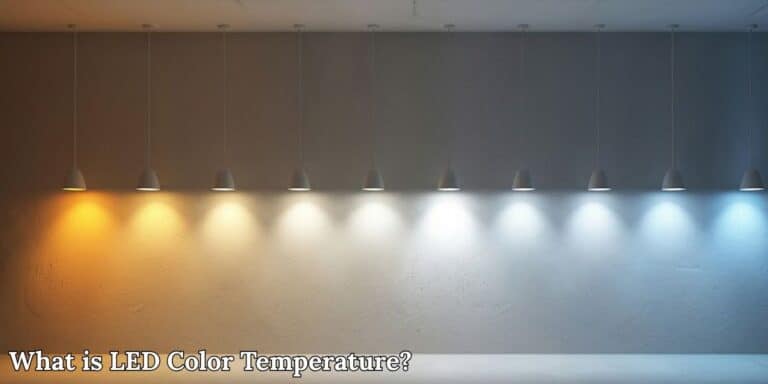
LED の色温度は、光の見た目と感触を定義します。適切な CCT (2700k ~ 6500k) を選択することが、あらゆる空間での快適さ、生産性、視認性のバランスを取るための鍵となります。
- 2700K~3000K → ウォームホワイト (リラクゼーション、ホーム、ホスピタリティ)
- 4000K → ニュートラル ホワイト (バランス、オフィス、コマーシャル)
- 5000K–6500K → クールホワイト (明るい、インダストリアル、アウトドア)
居心地の良い雰囲気が欲しいなら → 暖かい白を選ぶ
集中力と明瞭度が必要な場合は、4000k を選択してください
最大の明るさと可視性が必要な場合 → クールな白を選択
LED の色温度 (CCT) とは何ですか? ケルビンの背後にある科学
LED の色温度 (CCT) はケルビンで測定され、光が暖かい、中立的、または涼しく見えるかどうかを判断します。これは、快適さ、フォーカス、色の外観に影響しますが、明るさとは何の関係もありません。
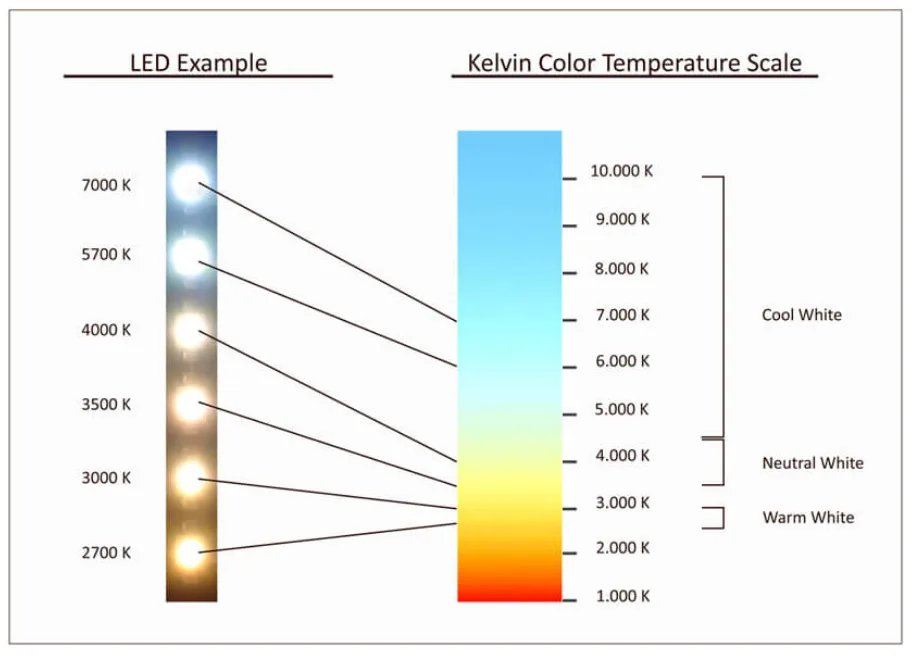
CCT とは何ですか? ケルビンと黒体の放射線の説明
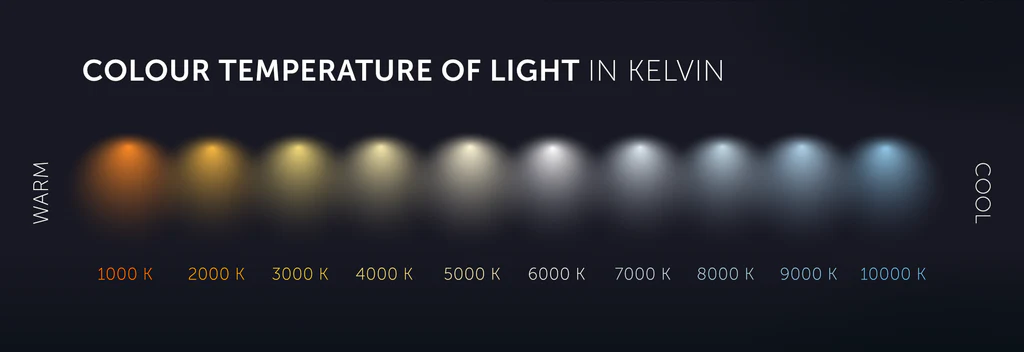
LED の色温度 (CCT) は、ケルビン (K) で表される光の外観を表します。
- 低ケルビン (2700k ~ 3000k) → 暖かく黄色がかった光
- 中型ケルビン (4000k) → ニュートラル ホワイト ライト
- 高ケルビン (5000k ~ 6500k) → クールで青みがかったライト
コンセプトは黒体放射から生まれます。物体が熱くなると、それが放出する光の色は、暖かい赤/オレンジ色から冷たい白/青に変わります。
実際には、物理学は必要ありません。覚えておいてください。
ケルビン下流 = より暖かい光
より高いケルビン = より涼しいライト
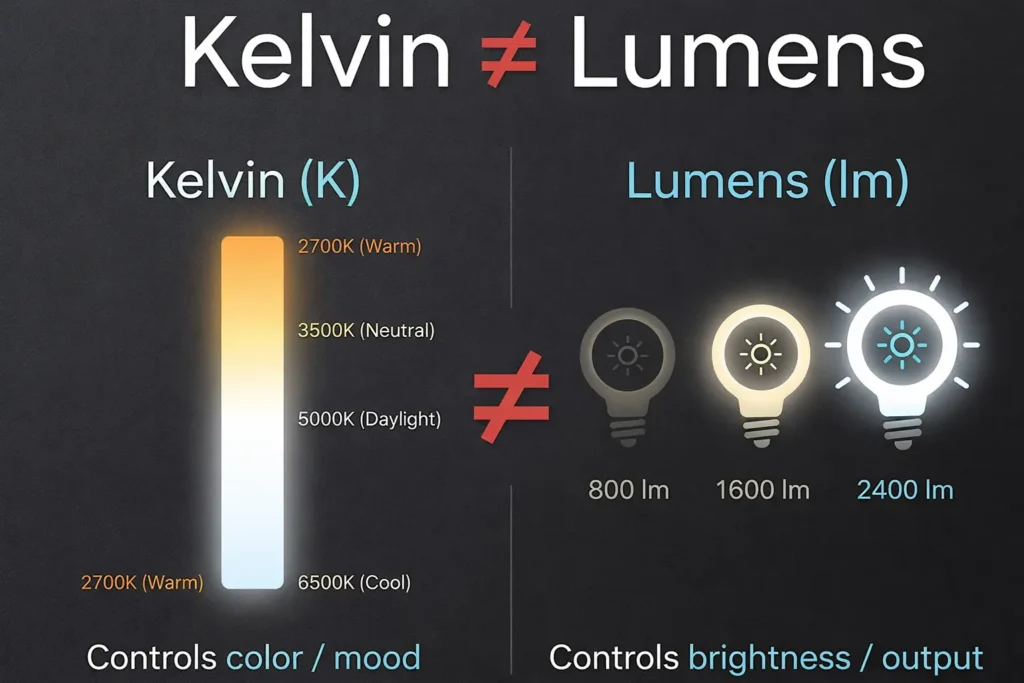
ケルビン vs ルーメン: 色温度が明るさではありません
よくある間違いは、ケルビン (K) とルーメン (LM) を混同することです。
- ケルビン (K) → 明るい色を定義します (暖かい vs クール)
- ルーメン (LM) → 明るさを定義します (光出力)
2 つの LED ライトは同じ明るさで、見た目が大きく異なります。
- 3000k → より柔らかく、より暖かい外観
- 5000K → よりシャープで明るく見える光
重要:
ケルビン光が大きいほど、コントラストが大きくなるため、明るく見えることがありますが、実際の明るさはルーメンでのみ測定されます。
クイックルール:
ルーメンを使用して明るさを制御し、ケルビンを使用して気分を制御します。
CCT が気分、集中力、概日リズムにどのように影響するか (人間中心の照明)
色温度は、人々が空間でどのように感じたり、パフォーマンスを発揮したりすることに直接影響します。 これが **人間中心照明 (HCL) の基礎です。
- 2700K ~ 3000K (ウォーム ライト) → リラクゼーションを促進し、ストレスを軽減します。
- 4000K (ニュートラル ライト) → フォーカスと日常の生産性をサポート
- 5000K ~ 6500K (クールライト) → 警戒心と視認性を向上
なぜそれが重要なのか: - 暖かい光は体の休息の準備を助けます
- クールライトは日光を模倣し、集中力を高めます
if-then ルール:
目的が快適なら → 暖かい光を選ぶ
目標が生産性である場合 → ニュートラルまたはクール ライトを選択
これが理由です:
- 家は暖かい白を使用しています
- オフィスはニュートラル ホワイトを使用しています
- 産業用スペースはクールな白を使用
2700K 対 3000K 対 4000K 対 5000K と 6500K 対 6500K — 全スペクトル比較
各 CCT は、リラクゼーションに 2700K、ホスピタリティに 3000K、生産性が 4000K、小売りの明瞭度で 5000K、屋外での視認性のために 6500K という明確な目的を果たします。
CCT 比較チャート:
| CCT | 視覚的なトーン | に最適 | 推奨チップ | 典型的なCRI |
| 2700K | 暖かい、琥珀 | 寝室、ホテル、住宅 | 2835 / 穂軸 | ≥90 |
| 3000K | 柔らかく暖かい白 | リビングルーム、小売店、ホスピタリティ | 2835 | 90–95 以上 |
| 4000K | ニュートラルホワイト | オフィス、学校、コマーシャル | 2835 / 穂軸 | 80–90 以上 |
| 5000K | デイライトホワイト | 小売りディスプレイ、スタジオ、ワークショップ | 高額 2835 | 95以上 |
| 6500K | クールな白/青 | 屋外、産業、セキュリティ | 5050 / 穂軸 | 80以上 |
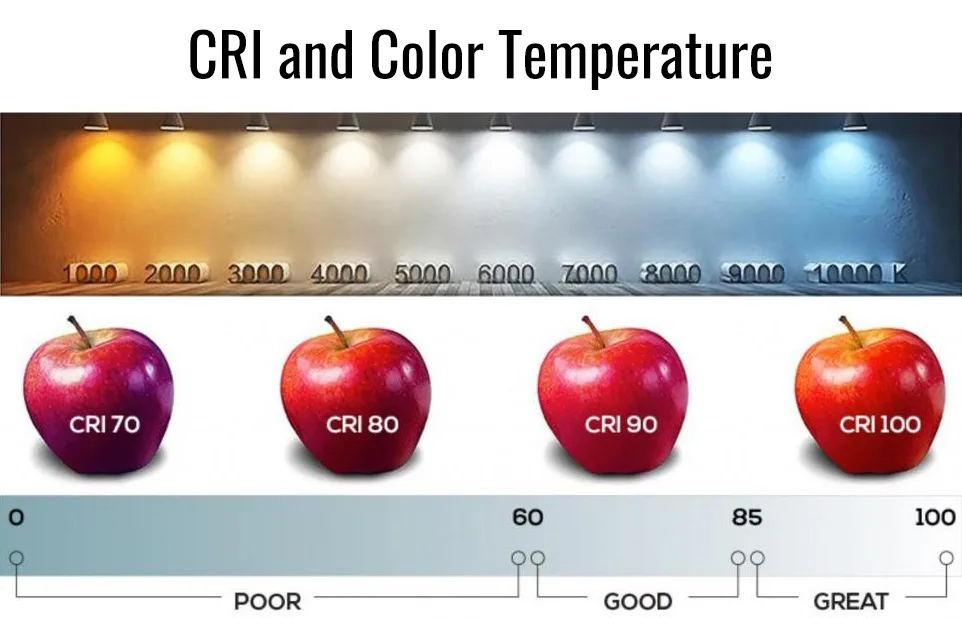
クイックインサイト:
暖かい白 (2700k ~ 3000k) は快適さを生み出し、クール ホワイト (5000k ~ 6500k) は視認性とコントラストを向上させます。
スペクトルの各ステップの詳細な内訳については、次を参照してください。 3000k 対 4000k 対 5000k 対 6000k の違いは何ですか
2700k 対 3000k — 暖かい白と比較
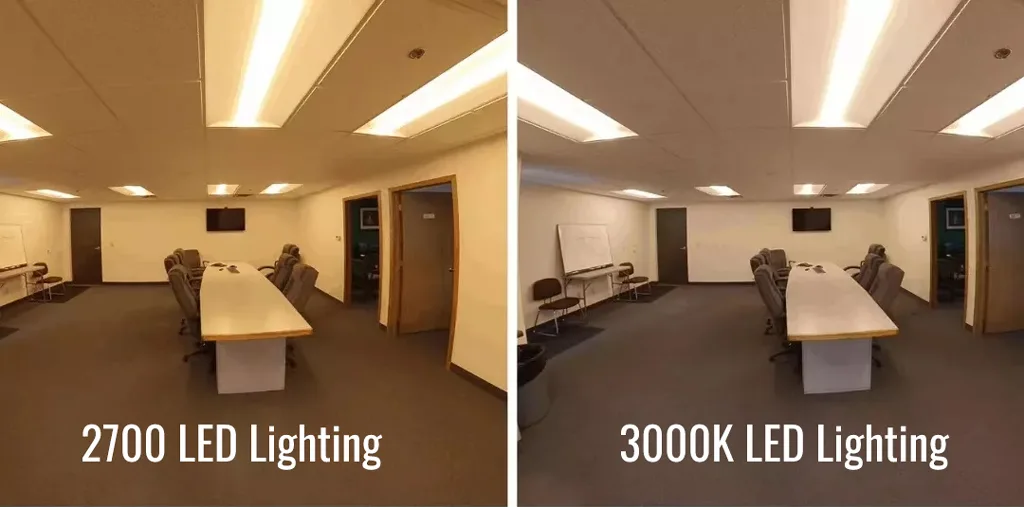
2700K と 3000K はどちらも暖かい白に分類されますが、雰囲気は少し異なります。
- 2700k → より深い黄色の色調、よりリラックス
- 3000k → よりクリーンな暖かい白、より用途の広い
主な違い:
2700K は、従来の白熱灯のように感じられますが、3000K は少し明るく、よりモダンに感じられます。
最適な用途:
- 2700k → 寝室、ホテル、高級住宅
- 3000k → リビングルーム、レストラン、小売店
決定ルール:
最大限の快適さが必要な場合は、2700k を選択してください
快適さと使いやすさのバランスをとりたいなら → 3000k を選択
も参照してください。 2700K 対 3000K: 詳細な比較および選択ガイド
3000K 対 4000K — ホスピタリティとオフィスの境界
3000K と 4000K は、暖かい白から中性の白への移行を示しています。
- 3000K → 温かく、魅力的で、雰囲気に焦点を当てた
- 4000K → ニュートラル、クリーン、機能重視
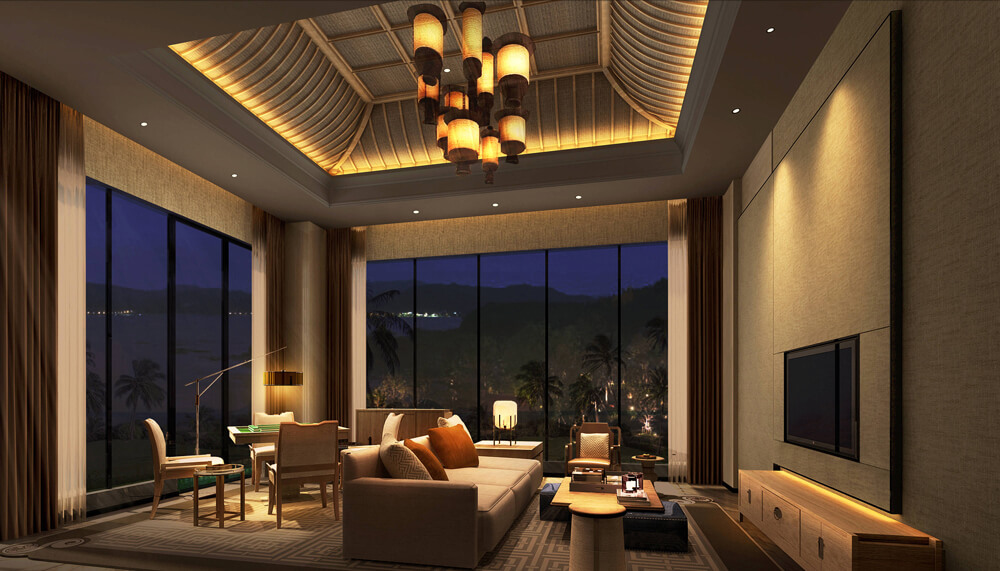
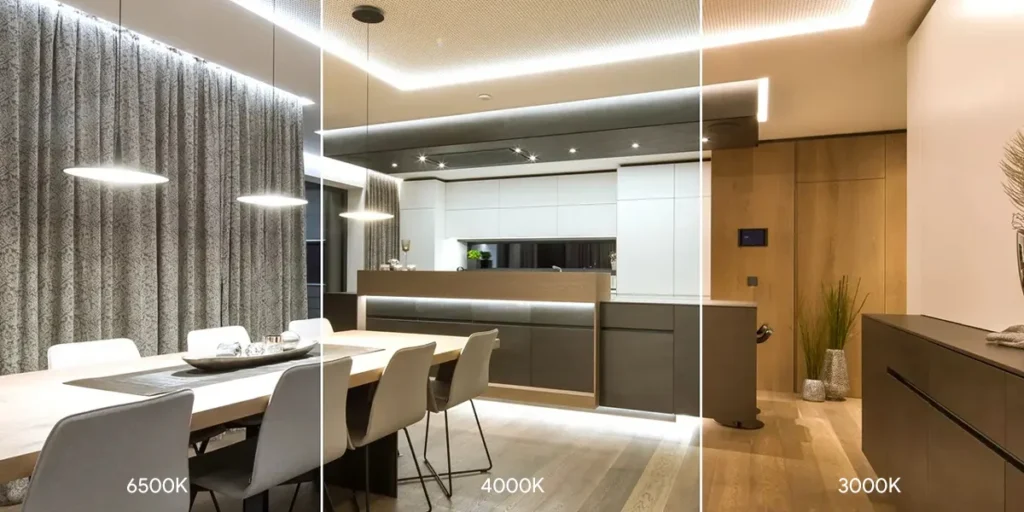
3000K 色温度
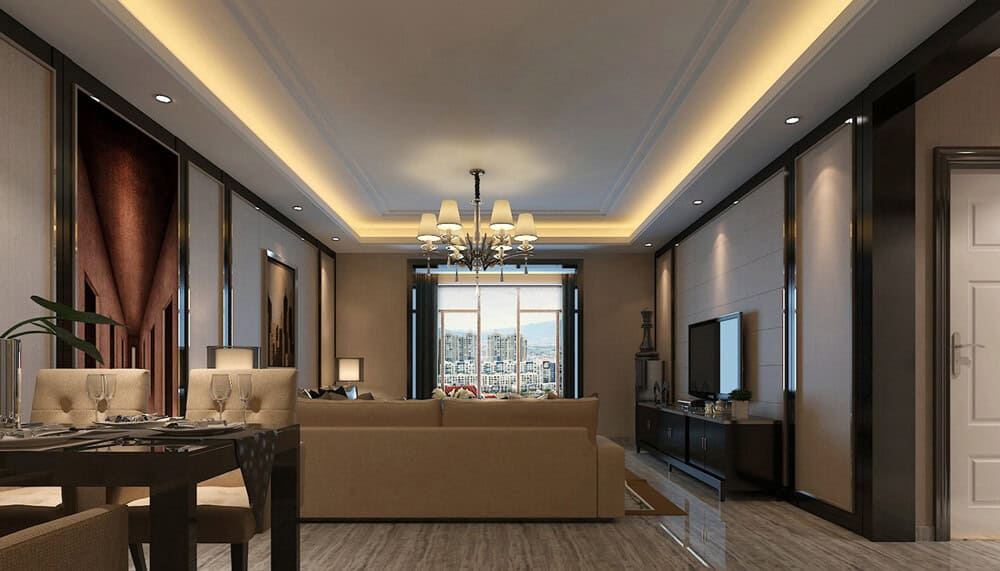
4000K 色温度
主な違い:
3000K はムードと雰囲気を高め、4000K は明瞭度とタスクのパフォーマンスを向上させます。
典型的なアプリケーション:
- 3000k → ホスピタリティ、小売、住宅
- 4000k → オフィス、学校、商業スペース
デザインの洞察:
4000K は、過度の暖かさと過酷な冷たさを避けるため、プロの環境にとって最も安全な「デフォルト」と広く考えられています。
決定ルール:
あなたのスペースがリラクゼーションのためのものなら → 3000k を選択してください
あなたのスペースが仕事用なら → 4000k を選択してください
も参照してください。 3000k 対 4000k: 照明プロジェクトに適した色温度はどれですか
4000k 対 5000k 対 6500k — ニュートラルからクールな白 説明

CCT が 4000K を超えると、照明がニュートラルからクール ホワイトに変わり、視認性とパフォーマンスが優先されます。
- 4000K → バランスの取れたニュートラルライト
- 5000K → 明るい昼光効果
- 6500K → 高輝度のクールホワイト
主な違い:
- 4000K → 長時間の使用に便利
- 5000K → より鮮明なコントラストで、ディスプレイに最適
- 6500K → 最大知覚輝度
アプリケーション
- 4000k → オフィス、教室
- 5000K → 小売、ワークショップ、スタジオ
- 6500K → 屋外、セキュリティ、産業
重要な洞察:
ケルビンが高いほど、実際の明るさは上がりませんが、青色光の含有量が高いため、明るさが高まります。
決定ルール:
快適さが必要な場合 → 4000k にとどまります
明確さが必要な場合は、5000k に移動します
最大の可視性が必要な場合は、6500k を使用してください

関連: 5000K と 6000K の色温度比較: アプリケーションに適したもの
暖かい白と冷たい白の LED ストリップ — どちらを買うべきですか?
暖かい白 (2700k ~ 3000k) を購入して、快適な空間には快適な空間を、作業環境やパフォーマンス環境用のクール ホワイト (4000k ~ 6500k) を購入します。取り付け後に間違った選択を修正することはできません。
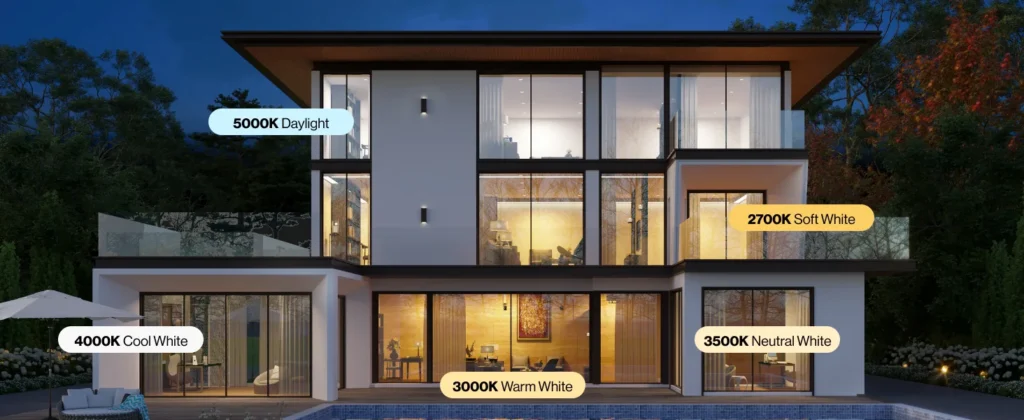
どの LED ライトを購入する必要がありますか: 暖かいですか、それともクールですか? なんでですか?
暖かい白と白の LED 照明の選択は、空間の使い方に完全に依存します。
- 暖かい白 (2700k ~ 3000k)
→リラックスした快適な雰囲気を作り出します
→視覚的なストレスを軽減します
→リビングやホスピタリティに最適 - クールホワイト (4000k ~ 6500k)
→透明度とコントラストが向上
→ フォーカスとタスクの可視性を向上
→ワークスペースやアウトドアエリアに最適
重要な洞察:
照明は機能するだけでなく、知覚、気分、使いやすさに直接影響します。
重大な警告:
取り付けると、LED ストリップの色温度は困難で、変更するのが困難です。 間違った CCT を選択すると、スペースの品質に永続的な影響を与える可能性があります。
決定ルール:
人々が滞在してリラックスする場合は、温かみのある白を選択してください
人々が仕事をしたり、タスクを実行したりする場合 → クールな白を選ぶ
柔らかい白または日光の LED 電球を入手する必要がありますか?
「ソフト ホワイト」と「デイライト」は、色温度の消費者用語を簡略化しています。
- ソフトホワイト → 2700K–3000K (ウォームホワイト)
- 日中→5000k~6500k(クールホワイト)
選び方:
- ソフトホワイト
→寝室、リビングルーム、ホテルに最適
→居心地の良い魅力的な環境を作り出します - デイライト
→オフィス、ガレージ、キッチン、作業エリアに最適
→最大限の視認性とシャープネスを提供します

重要な違い:
住宅環境では日光照明が厳しすぎると感じられる場合がありますが、柔らかい白は細かく感じて詳細な作業を行うことができません。
決定ルール:
快適さが優先される場合 → ソフトホワイトを選ぶ
可視性が優先される場合 → デイライトを選択
部屋には、涼しい白色光と暖かい光のどちらが適していますか?
部屋の機能に合った「最良」の選択肢は 1 つもありません。
- 暖かい光 (2700k ~ 3000k)
→リラクゼーション、雰囲気、感情的な快適さに最適 - クールライト (4000k ~ 6500k)
→可視性、精度、およびタスクのパフォーマンスが向上
ベスト プラクティス:
単一の CCT ではなく、レイヤード ライティングを使用してください。
例
- リビングルーム → 2700k 周囲 + 4000k タスク照明
- キッチン → 3000k 周囲 + 4000k の作業面
デザインの洞察:
暖かい光は素材と肌の色合いを高め、クールな光はコントラストとディテールを高めます。
クイック比較表:
| タイプ | CCT 範囲 | に最適 | 効果 | 誤用した場合のリスク |
| ウォームホワイト | 2700k~3000k | 家、ホテル、ラウンジ | 居心地が良く、リラックスできる | 仕事には薄暗い |
| ニュートラルホワイト | 4000K | オフィス、コマーシャル | バランスの取れた、明確な | 居心地が悪い |
| クール・ホワイト | 5000k~6500k | 屋外、産業 | 明るく、コントラストが高い | 屋内では過酷 |
最後のテイクアウト:
- 暖かい白 = 快適さと雰囲気
- ニュートラル ホワイト = バランスと使いやすさ
- クールな白 = パフォーマンスと可視性
間違ったタイプを選択すると、明るさが正しくなくても、空間が「オフ」に感じられます。これは、色温度が光だけでなく、経験を定義するためです。
作業と生産性に最適な LED ライトはどれですか?
4000K ニュートラル ホワイトは、ほとんどの作業環境で最高の LED 色温度です。6500K クール ホワイトが長時間にわたって生み出す疲労を引き起こすことなく、フォーカスを改善します。
どの LED ライトが作業に最適ですか?
通常、動作に最適な LED ライトは、 4000k ~ 5000k の範囲、タスクの強度に応じて。
- 4000k (ニュートラル ホワイト)
→バランスの取れた明るさと快適さ
→オフィス、デスク、長時間労働に最適 - 5000K (クールホワイト/デイライト)
→コントラストが高く、視認性が向上
→精密な作業やワークショップに適しています
なぜ 4000k が優先されるのか:
より高いケルビン照明に関連する過酷さやまぶしさのない、生産性を十分に明瞭にします。
リスク警告:
6500K を長時間の作業に使用すると、目の疲れやまぶしさ、時間の経過による快適性の低下につながります。
決定ルール:
長時間勤務する場合 → 4000k を選択
精度と詳細が必要な場合 → 5000k を選択してください
生産性に最も適した LED ライトの色は何ですか?
生産性に最も適した LED の色温度は、注意力と快適さのバランスに依存します。
- 4000K
→持続的なフォーカスをサポート
→眼精疲労を軽減
→オフィスや勉強環境に最適 - 5000K
→警戒心と反応速度を上げる
→ 高性能または短時間のタスクに役立ちます
科学的洞察:
より冷たい光は、より多くの青色の波長を含んでおり、覚醒を刺激しますが、過度の露出は疲労を増大させる可能性があります。
実用的な推奨事項:
デフォルトの生産性照明として 4000K を使用し、より高い視認性が必要な場合にのみ 5000K まで増やしてください。
決定ルール:
一貫性のある生産性が必要な場合 → 4000k
最大限の注意力が必要な場合 → 5000k
キッチンに最適な LED ライトは何色ですか?
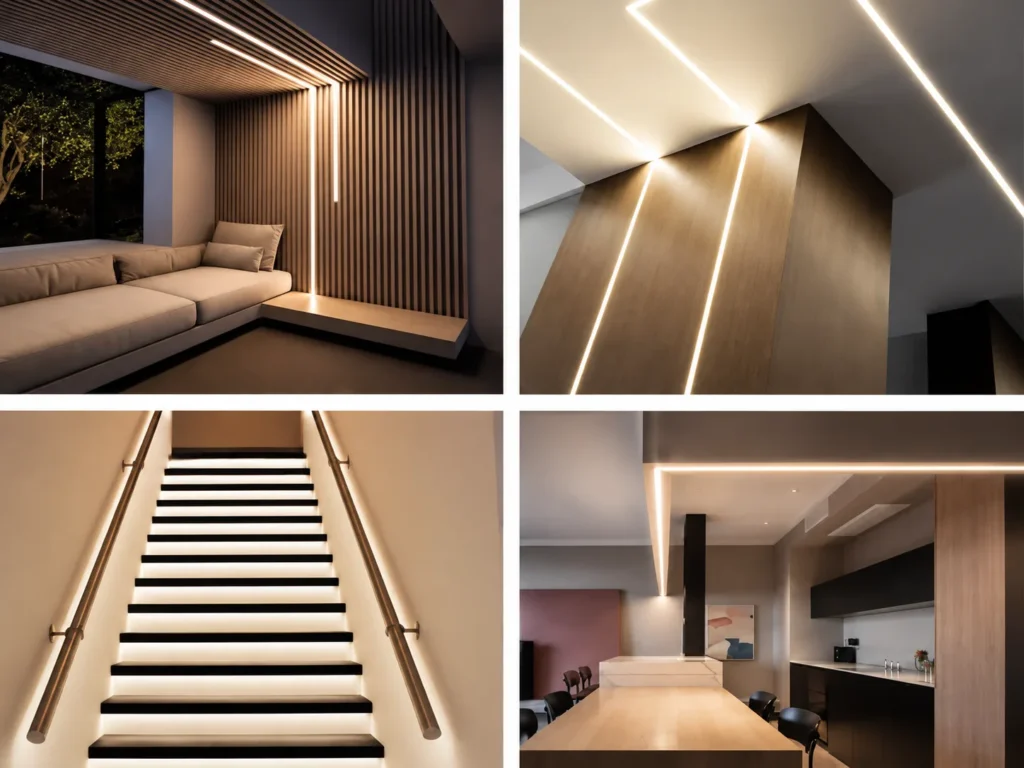
キッチンに最適な LED の色温度は、 3000k~4000k、レイアウトと使用法に応じて。
- 3000K
→より暖かく、より快適
→リビングスペースにつながるオープンキッチンに適しています - 4000K
→より明確で機能的
→カウンタートップ、食事の準備、作業照明に最適
ベスト プラクティス:
両方を組み合わせる:
- 3000k → 周囲の照明
- 4000K → タスク照明 (キャビネットの下、作業面)
重要な洞察:
キッチンの照明は、快適さと視認性のバランスを取る必要があります。暖かすぎると透明度が低下し、涼しすぎると感じられます。
IF–THEN 選択ガイド (タスクベース):
| タスクの種類 | 推奨される CCT | 理由は |
| 事務総合業務 | 4000K | バランスの取れた快適さと透明度 |
| 読書/勉強 | 4000k~5000k | フォーカスとコントラストを改善 |
| 精密作業(デザイン、ワークショップ) | 5000K | 詳細な可視性 |
| ホームオフィス | 4000K | 長期の疲労を軽減します |
| キッチンの周囲の照明 | 3000K | 快適な雰囲気 |
| キッチン作業照明 | 4000K | 調理の視認性がはっき |
最後のテイクアウト:
- 4000K は、ほとんどの作業環境で最も安全で効果的な選択肢です
- 詳細指向のタスクには 5000k が最適です
- 3000K は、周囲またはリラクゼーションに焦点を当てたエリアに限定する必要があります。
適切な LED の色温度を選択すると、生産性、精度、および長期的な視覚的快適性に直接影響します。
LED ストリップ ライト カラー ガイド — 単色 vs 色の変化 vs 調整可能な白
単一のカラー ストリップは、安定した費用対効果の高い設置に最適です。調整可能な白いストリップは、1 つのスペースが 1 日を通して複数の照明ニーズに対応する必要がある場合に専門的な選択です。
単色固定 CCT ストリップ — 正しい選択である場合
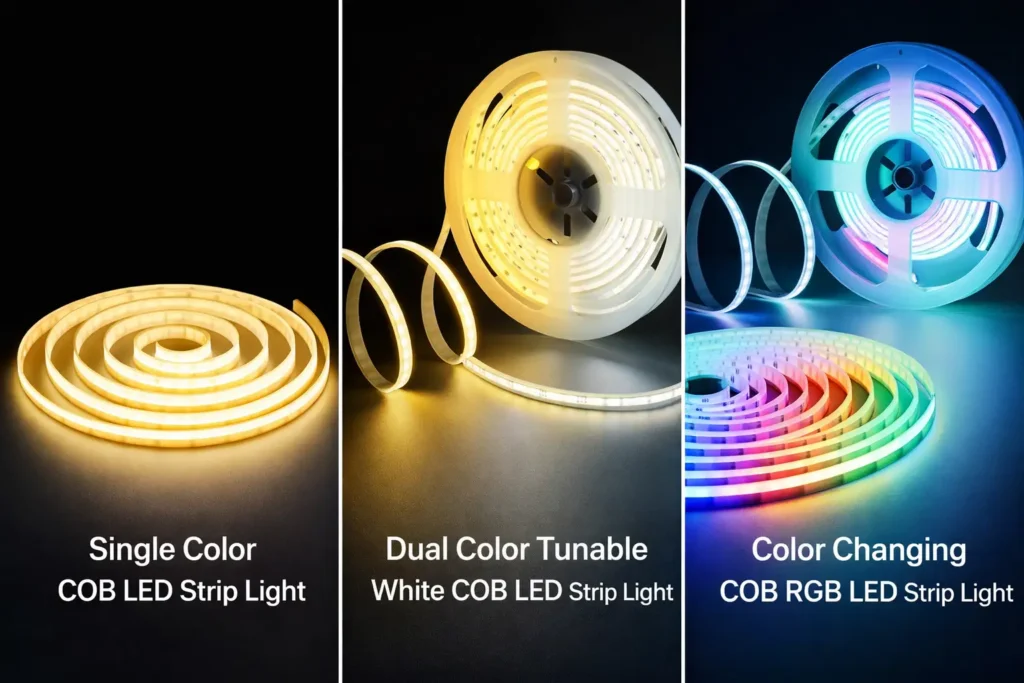
単色の LED ストリップは、2700K、3000K、または 4000K などの固定色温度で動作します。
これらは、標準照明プロジェクトで最も一般的で信頼性の高いオプションです。
利点がある:
- 一貫した光出力と色安定性
- 調整可能なシステムに比べて低コスト
- 簡単なインストールと制御 (オン/オフまたは調光)
最高のアプリケーション:
- 住宅用照明(寝室、リビングルーム)
- 固定照明設計による小売環境
- 一貫性が重要な大規模なインストール
制限事項:
- インストール後の柔軟性はありません
- 1 日のさまざまな時間帯や使用状況に適応できない
決定ルール:
照明のニーズが固定され、予測可能であれば、[単色の LED ストリップを選択]
チューナブル ホワイト LED ストリップの完全ガイド (2700k ~ 6500k)
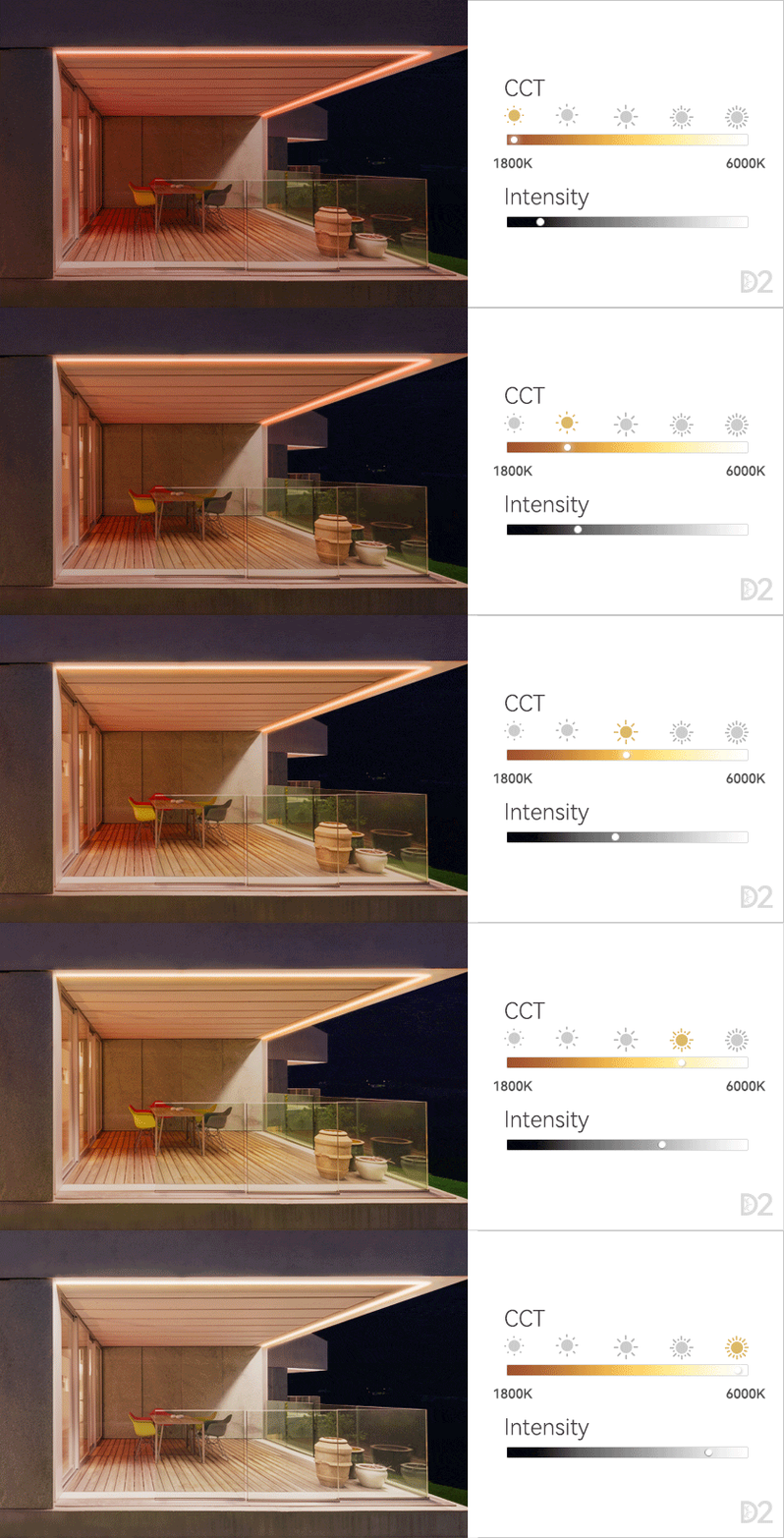
チューナブル ホワイト LED ストリップにより、ウォーム ホワイト (2700K) とクール ホワイト (6500K) の間で動的調整が可能になります。
照明を 1 日を通して、またはユーザーのニーズに基づいて適応させるように設計されています。
仕組み:
- 暖かい白色の LED とクールな白色の LED を 1 つのストリップに組み合わせます
- 出力比率を調整して、異なる CCT レベルを作成します
完全な技術的内訳については、次を参照してください。 調整可能な白色 LED ストリップ: それらの種類、仕組み、および使用時期
主なメリット:
- 1 つのシステムが複数の固定 CCT インストールを置き換えます
- 人間中心の照明をサポート (昼と夜の適応)
- ユーザーの快適性と柔軟性を向上させます
典型的なアプリケーション:
- 仕事モードが変わるオフィス
- 昼夜の照明シーンのあるホテル
- 概日リズムに沿った医療環境
製品ソリューション: 調整可能な白色 LED ストリップ
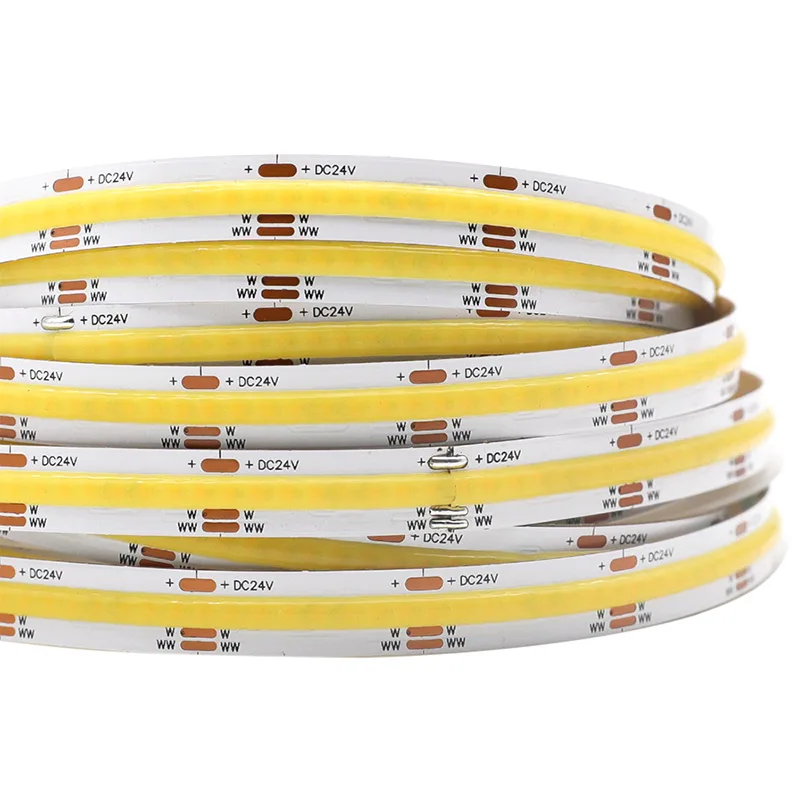
タスク照明用の調整可能な白の COB LED ストリップ ライト
- メインモデル: FYT10T608C
- LED数量/メートル オプション: 608/640チップス(紗南)
- PCB幅オプション: 10mm
- カラーオプション: 2700K - 6500Kチューナブル
- クリ: >90
- 入力電圧: DC12V/DC24V
- メートルあたりの電力: 14W/16W
- 効率: 90~110ルーメン/ワット
- IPグレードオプション: IP20/IP54/IP65/IP67/IP68
- 保証: 3年
リスクに関する考慮事項:
- 互換性のあるコントローラー (PWM、DALI、ZigBee など) が必要です。
- 単色のストリップよりも初期費用が高い
決定ルール:
スペースに柔軟性や多目的照明が必要な場合 → チューナブル ホワイトを選択
デュアル ホワイト CCT 調光可能な LED ストリップ — 仕組み
デュアル ホワイト (CCT 調整可能) LED ストリップは、2 つの別個のチャネルを使用したチューナブル システムの一種です。
構造:
- 1 つのチャネル = 暖色の白色 LED (例: 2700K)
- 1 つのチャンネル = クールな白色 LED (例: 6500K)
コントローラーは、各チャンネルの強度を調整して、希望の色温度にします。
主な利点:
- CCT 範囲全体にわたるスムーズな移行
- シングルチャネルシステムよりも正確な制御
- 調光に最適、色の調整
製品ソリューション: デュアル ホワイト CCT 調光可能な LED ストリップ
重要な要件:
- 互換性のあるデュアル チャネル コントローラを使用する必要があります
- ドライバーが正しくない場合、出力がちらつきや不均一になることがあります
最も良い使用例:
- スマートホーム
- 商用照明システム
- 建築照明プロジェクト
RGB と色の変化 LED ストリップ — ユースケースと制限事項
RGB LED ストリップは、機能的な白色照明ではなく、色を変える効果を考慮して設計されています。
機能:
- 何百万色(赤、緑、青の組み合わせ)を生み出す
- ダイナミックな照明効果とシーンを作成する
最高のアプリケーション:
- 装飾照明
- エンターテインメントスペース
- ゲームのセットアップとイベントの照明
制限事項:
- 専用の白色 LED に比べて白色の光の質が悪い
- 低色精度 (タスク照明には適していません)
- 完全な機能を得るにはコントローラーが必要です
重要な洞察:
RGB ストリップは、適切な白色照明の代わりにはなりません。視覚効果の強化です。
決定ルール:
あなたの目標が大気または色の効果である場合 → RGB を選択してください
目標の場合は、照明機能を使用する場合 → RGB を主なソースとして使用しないでください
比較表:
| タイプ | に最適 | 制御方法 | コストレベル | 柔軟性 |
| 単色 | 住宅、小売、固定照明 | 基本的な調光/スイッチ | 低い | なし |
| チューナブル・ホワイト | オフィス、ホテル、スマート照明 | PWM / ダリ / ジグビー | 中高 | 高い |
| RGB / 色の変更 | 装飾、エンターテイメント | アプリ/コントローラー | ミディアム | 非常に高い(色のみ) |
最後のテイクアウト:
- 単色の LED ストリップ → シンプルでコスト効率に優れた最適な
- 調整可能な白色 LED ストリップ → 柔軟性とプロフェッショナルな照明設計に最適
- RGB LED ストリップ → 装飾的でダイナミックな照明に最適
適切な LED ストリップ タイプを選択することは、適切な色温度を選択することと同じくらい重要です。これは、制御によって照明の時間の経過を決定するためです。
関連: 単色、CCT、RGB、RGBW、または RGBIC LED ストリップ: どのタイプがあなたのプロジェクトに最も適していますか
LED ストリップ チップの説明 — 各 CCT で最も効果的なチップはどれですか?
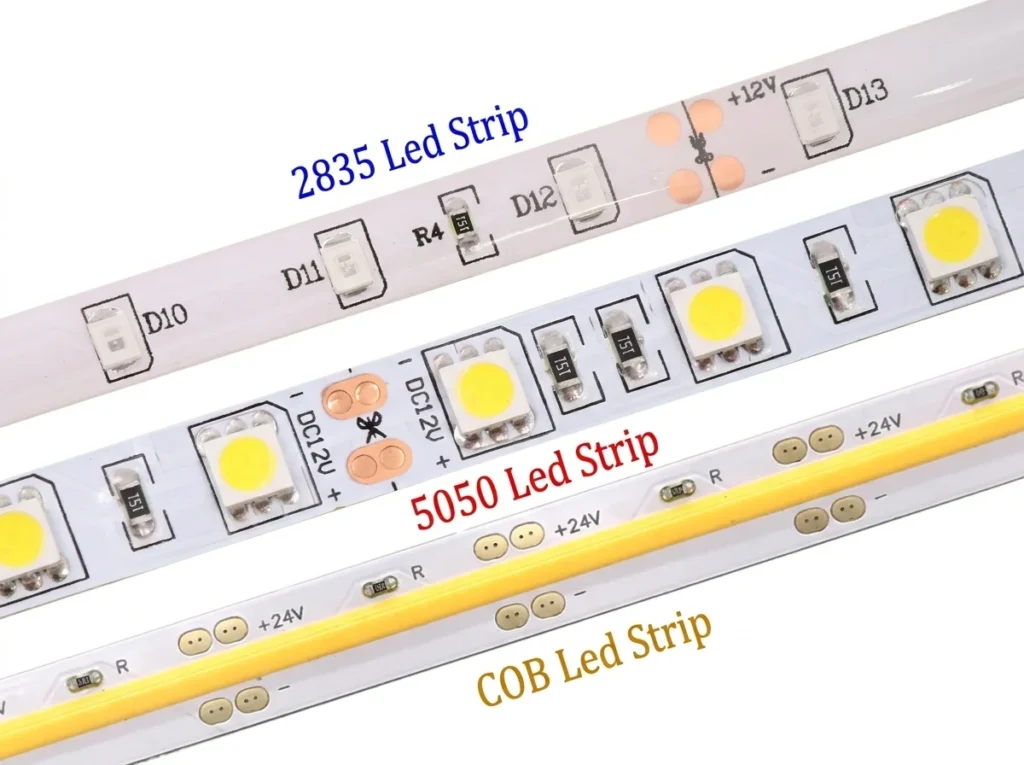
2835 チップはほとんどの屋内アプリケーション (2700k ~ 5000k) を処理します。5050 チップは、チューナブル システムまたは RGB システムに必要です。COB は、ハイエンドの建築照明に優れたドットフリー出力を提供します。
完全なチップ選択リファレンスについては、次を参照してください。 LED ストリップ チップ ガイド: 2835 対 5050 対 COB 対 3528 の説明
2835 LED チップ — 室内照明の効率が最も高い
2835 LED チップは、複数の CCT 範囲にわたって高効率と汎用性を備えているため、一般照明の業界標準です。
主な特徴:
- 高発光効率 (lm/w)
- 優れた熱性能
- 全 CCT 範囲 (2700k ~ 6500k) で利用可能
最高のアプリケーション:
- 住宅用照明(寝室、リビングルーム)
- オフィスと商業照明
- 一貫した白色光が必要な小売環境
なぜうまく機能するのか:
- 効率的な放熱により、安定した色の出力が可能
- 高 CRI オプション (≥90) をサポートし、色の精度に最適
決定ルール:
信頼性が高く、費用対効果の高い白色照明が必要な場合 → 2835 を選択
製品を閲覧する: SMD 2835 LED ストリップ ライト — 単色、CCT 調整可能、高効率シリーズ
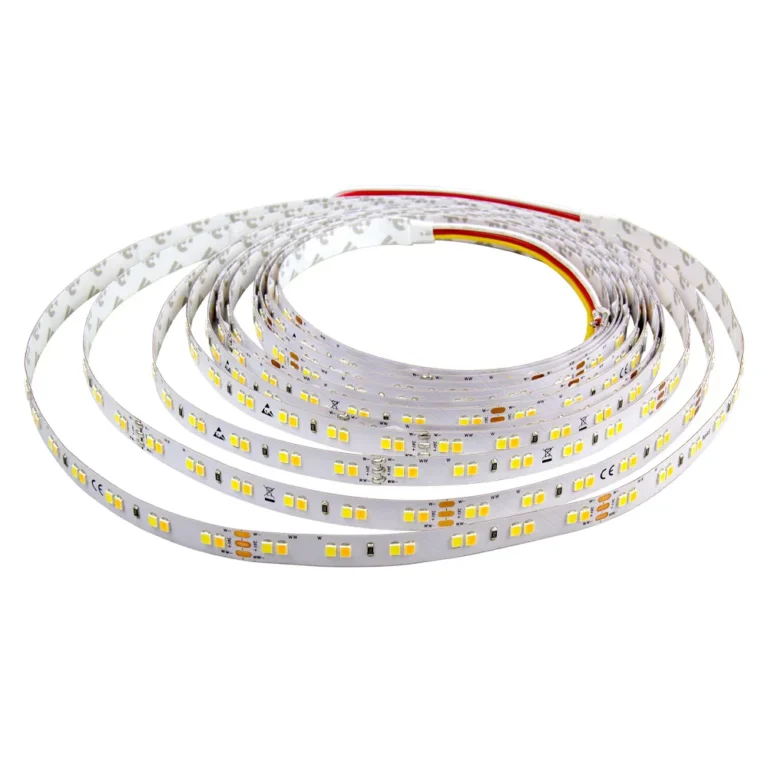
高輝度LEDストリップ
- 1メートルあたり120個のSMD2835 LED
- 8mm PCB幅
- 正確な演色性を実現するCRI≥80
- 完全調光
- 強力両面3M粘着テープ
- 3000K、4000Kおよび6500Kの色温度(オプション
- シングル1色BIN、3ステップSDCMあり
- OEM/ODMおよびカスタマイズ可能
5050 LED チップ — RGB と調整可能な白に最適
5050 LED チップは、RGB やチューナブル ホワイトなどのマルチチャンネル照明システム向けに設計されています。
主な特徴:
- チップサイズが大きくなれば、複数のダイオードを統合できます
- RGB カラー ミキシングまたはデュアル ホワイト チャンネルをサポート
- 2835 よりも高い消費電力
最高のアプリケーション:
- RGB LED ストリップ システム
- デュアル ホワイト CCT 調光可能な LED ストリップ
- ダイナミックな照明環境
なぜ必要なのか:
- 色の変更と CCT 調整が可能
- 2835 のようなシングル ダイオード チップに置き換えることはできません
制限事項:
- 純白の照明の効率が低い
- より多くの熱を発生させ、より優れた熱管理を必要とします
決定ルール:
カラー コントロールまたは調整可能な CCT が必要な場合 → 5050 を選択
COB LED ストリップ — 均一で点のない照明に最適
COB (チップオンボード) LED ストリップは、密集した LED チップを使用して、目に見えるドットのない連続した光線を作成します。
主な特徴:
- 均一な、シームレスな光出力
- LED密度が高い
- プレミアム ビジュ
最高のアプリケーション:
- 建築照明
- ハイエンドの小売りディスプレイ
- ホットスポットのないリニア照明
製品ソリューション: プロフェッショナル COB 220V LED ストリップ
製品ソリューション: COB LED ストリップ ライト — 建築および商業用照明のための、無点、高 CRI、12V/24V オプション
利点がある:
- 従来の LED ストリップに見られる「ドット効果」を排除
- 柔らかく拡散した照明を提供します
考慮事項:
- 標準の SMD ストリップよりもわずかに高コスト
- 熱管理には適切な設置が必要
決定ルール:
視覚的な品質と均一性が重要な場合 → COB を選択
3528 LED チップ — 低消費電力の装飾用
3528 LED チップは、主に装飾的または低輝度の照明に使用される、より古い低電力オプションです。
主な特徴:
- 低輝度出力
- 低消費電力
- 最新のチップと比較して、限られた性能
最高のアプリケーション:
- アクセント照明
- 背景または間接照明
- 予算に敏感な装飾プロジェクト
制限事項:
- 一次照明には適していません
- 2835 よりも効率と明るさが低い
決定ルール:
照明が装飾的で、明るさが低い場合は → 3528 を選択
チップ×CCT×アプリケーション選択マトリックス:
| チップタイプ | CCT 範囲 | 最高のアプリケーション | 主な利点 |
| 2835 | 2700k~5000k | 住宅、オフィス、小売店 | 高効率で安定した出力 |
| 5050 | 2700K ~ 6500K (マルチチャネル) | RGB、調整可能な白人システム | 色と CCT の制御 |
| COB | 2700K ~ 4000K (最も一般的) | 建築的、プレミアムな照明 | ドットフリーの均一ライト |
| 3528 | 2700k~3000k | 装飾照明 | 低コスト、低電力 |
実用的な選択ロジック:
- 一般照明 → 2835
- 色の変更 / 調整可能なシステム → 5050
- プレミアム リニア ライティング → COB
- 装飾的な低電力使用 → 3528
追加の洞察:
最新の照明システムでは、アプリケーションの複雑さに応じてチップ タイプを組み合わせることがよくあります。 たとえば、プロジェクトは次のように使用できます。
- 2835 一般照明用
- 視覚的なハイライト領域の穂軸
- ダイナミックまたは機能照明用の 5050
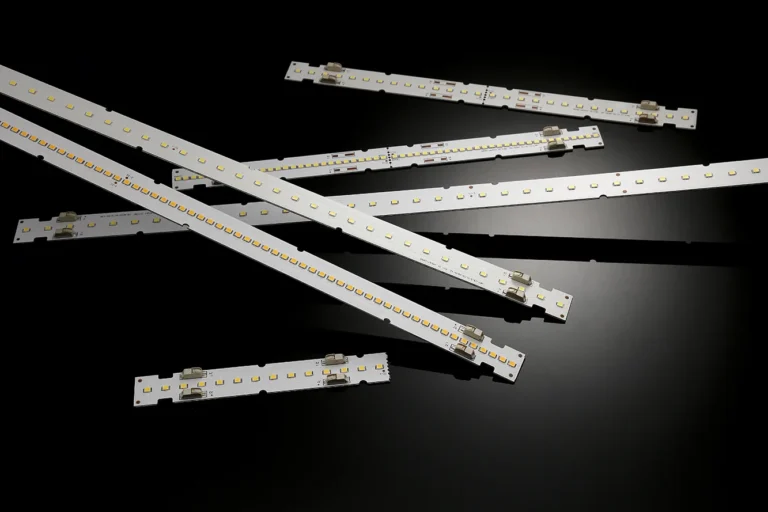
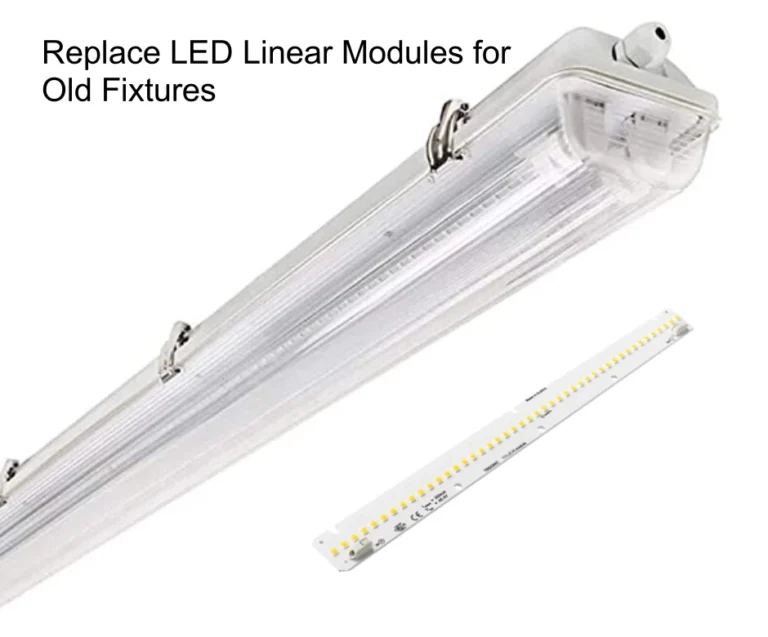
関連トピック: LED モジュールの種類とアプリケーション
最後のテイクアウト:
適切な LED チップを選択することは、技術的な決定だけではありません。効率、視覚品質、およびシステム機能に直接影響します。
チップを関数に合わせてから、最適な照明性能を得るために CCT を環境に合わせます。
隠れた品質の指標 — スペック シートでは教えてくれません
SDCM は、複数のストリップが色で一致するかどうか、CRI と R9 が光の下でどのように見えるかを決定し、熱設計によって、それらの結果が時間の経過とともに一貫しているかどうかを決定します。
SDCM と Macadam の楕円 — なぜ 3000K ストリップが異なるのか
2 つの LED ストリップが 3000K とラベル付けされていても、それらは同一ではない場合があります。 これは、SDCM (カラー マッチングの標準偏差) によって測定された色の許容範囲によるものです。
SDCM は、ターゲットのカラー ポイントの周りでどの程度のバリエーションが許容されるかを定義します。
· ≤3 SDCM → 目に見える違いがない (プレミアム品質)
· ≤5 SDCM → わずかな変動 (ほとんどのプロジェクトで受け入れられる)
· 5 SDCM → 顕著な不一致
なぜそれが重要なのか:
- 複数のストリップのインストールでは、一貫性のない SDCM によって目に見える色の違いが生まれます
- 線形照明、小売、建築アプリケーションで特に重要
マカダムの楕円は、これを視覚的に説明します。それらは、色の違いが人間の目に認識できない範囲を定義します。
決定ルール:
複数の LED ストリップが 1 つのスペースに取り付けられている場合 → 3 SDCM を選択
CRI と R9 — 暖かい CCT で高いカラー レンダリングが難しい理由
CRI (カラー レンダリング インデックス) は、光源が自然光と比較してどの程度正確に色を表示するかを測定します。
- CRI ≥80 → 標準品質
- CRI ≥90 → 高品質の照明
ただし、CRI だけでは十分ではありません。 R9 は、次の目的に重要な、強い赤色のトーンをレンダリングする能力を測定します。
- 肌の色合い
- 食事のプレゼンテーション
- 木と布
なぜこれが難しいのか:
- 暖かい CCT (2700k ~ 3000k) は、より多くの赤色スペクトルを必要とします
- 高温で高 CRI と強力な R9 の両方を達成することは、技術的に困難です
一般的な問題:
- R9 が低い → 色がくすんで見える、特に赤
- CRI は高いが R9 が低い → 誤解を招く性能
決定ルール:
住宅、小売、またはホスピタリティの場合 → CRI ≥90 を選択して強力な R9 を選択
熱管理 — 熱が CCT の安定性に与える影響
熱は、時間の経過とともに LED のパフォーマンスに影響を与える最も重要な要因の 1 つです。
放熱が不十分になると、次の原因になる可能性があります。
- カラーシフト(CCT ドリフト)
- 明るさを下げ
- 寿命が短くなる
なぜそれが起こるのか:
- LED はチップ レベルで熱を発生します
- 余分な熱によってダイオードの電気的および光学的挙動が変化します
LED 照明に最適な冷却を提供する素材は何ですか?
アルミニウムは、高い熱伝導性、軽量構造、およびコスト効率により、LED 照明に最適な冷却を提供します。
熱管理のベスト プラクティス:
- 使い LEDアルミプロファイル または、接合部の温度を管理するためのヒートシンク
- 適切な空気の流れと換気を確保する
- 熱設計なしで密閉された設置を避ける
詳細: LED チップ ブラケットの材料ガイド: 銅、アルミニウム、鉄が熱放散と CCT の安定性にどのように影響するか
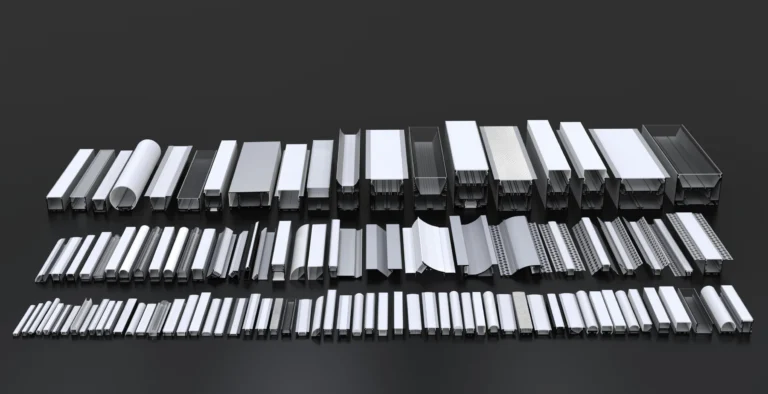
インストールのガイダンスについては、次を参照してください。 LED ストリップ照明用のアルミニウム プロファイル: 熱放散、タイプ、および選択ガイド
決定ルール:
より良い放熱 = より安定した色とより長い寿命

隠し品質のメトリックの比較:
| メトリック | 推奨標準 | 無視するとリスクがあります |
| SDCM | ≤3 | ストリップ間の目に見える色の不一致 |
| CRI | ≥90 | 色の精度が悪い |
| r9 | 高い (50 以上が望ましい) | くすんだ赤、不自然な肌の色合い |
| 熱設計 | アルミニウムの放熱 | 色の変化、寿命の縮小 |
最後のテイクアウト:
- SDCM は、複数の LED ストリップ間で一貫性を保証します
- CRI と R9 は、色が自然で正確に見えるようにします
- 熱設計により、時間の経過とともに安定した性能を維持できます
これらの非表示のメトリックは見過ごされがちですが、照明プロジェクトがプロフェッショナルに見えるか、インストール後に欠陥があるかを定義します。
LED ストリップ ライトを購入するときは、何を探すべきですか?
LED ストリップの品質を決定する 5 つの要因は、CCT 精度、チップ タイプ、CRI (R9 あり)、SDCM 色の一貫性、および熱設計です。価格と明るさだけでは、実際のパフォーマンスを予測することはできません。
LED を購入するときは何を探すべきですか?
LED ストリップ ライトを選択するときは、ワット数や価格だけでなく、実際の結果に影響を与える性能仕様に注目してください。
直接の答え:
5 つの重要な要素を確認する必要があります。
- CCT (色温度)
→アプリケーションに一致する必要があります (2700k ~ 6500k) - LEDチップタイプ
→ 一般照明用 2835、RGB/チューナブル用 5050、プレミアム用 COB - CRI と R9
→ CRI ≥90 正確な色、自然な赤の R9 は強い - SDCM (色の一貫性)
→ プロのインストールの場合は ≤3 - 熱設計
→ アルミニウムの裏地または熱放散に必要なプロファイル
重要な洞察:
低価格の LED ストリップは、最初は似たようなものですが、色の不整合、レンダリングの低下、または時間の経過による劣化が見られます。
5 点 LED ストリップ購入チェックリスト
このチェックリストを使用して、購入前に LED ストリップをすばやく評価します。
- CCT の精度
→ 色温度は明確に指定されており、一貫していますか? - チップタイプ
→あなたの使用に適していますか (2835 / 5050 / COB)? - CRI と R9
→ CRI は 90 以上ですか? R9 は指定されていますか? - SDCM の評価
→ストリップ全体で一貫した色を保つため、それは ≤3 ですか? - 熱構造
→ アルミニウムの裏地が含まれていますか、それともプロファイルが必要ですか?
決定ルール:
これらの仕様のいずれかが欠落しているか、不明な場合 → 購入しないでください
LED ストリップ購入ガイド — 適切な製品の選び方
次の簡略化された選択プロセスに従ってください。
ステップ 1 — アプリケーションの定義
- ホーム → 2700k–3000k
- オフィス → 4000k
- 屋外 → 5000k+
ステップ 2 — チップの種類を選択
- 一般照明 → 2835
- 調整可能 / RGB → 5050
- プレミアムリニア → COB
ステップ 3 — 品質を確認する
- CRI ≥90
- SDCM ≤3
ステップ 4 — インストール条件を確認する
- 適切な放熱を確保する
- 互換性のある電源とコントローラーを確認してください
LED ストリップの種類、仕様、およびインストールに関する完全なリファレンスを参照してください。 LED ストリップ ライトの完全ガイド
重要な洞察:
最大明るさよりも、正しい仕様のマッチングが重要です。
購入前確認表 (コピー可能)
| 項目 | 何をチェックするか | 推奨標準 | 無視するとリスクがあります |
| CCT | アプリケーションに一致 | 2700k ~ 6500k の定義 | 間違った照明効果 |
| チップタイプ | 2835 / 5050 / 穂軸 | アプリケーション固有 | パフォーマンスが低いか、機能が間違っています |
| CRI | ≥90 | 高い色精度 | 色がつややかで不正確 |
| r9 | 特定されて強い | 50以上が望ましい | 赤くレンダリングが悪い |
| SDCM | 色の一貫性 | ≤3 | ストリップ間の目に見える不一致 |
| 熱設計 | アルミ/ヒートシンク | 安定性に必要 | 色の変化、寿命が短い |
最後のテイクアウト:
- 明るさや価格だけに頼らないでください
- 測定可能な品質指標に焦点を当てる
- 常に仕様をアプリケーションに合わせます
適切な LED ストリップを選択することは、最も明るいオプションを購入することではありません。つまり、時間の経過とともに安定した正確な照明を提供するシステムを選択することです。
高度なシステム — スマート コントロール、調整可能な白、2026 年のコンプライアンス
最新の LED プロジェクトでは、ストリップを互換性のある制御プロトコル (DMX または DALI と照合する必要があります) を大規模な精度で使用する場合は、ZigBee または住宅用スマート ホーム統合用の WiFi を必要とします。
スマート コントロールの互換性 — DMX、PWM、ZigBee、WiFi、DALI
適切な制御システムを選択することは、LED ストリップ照明が実際の使用でどのように機能するかを左右するために重要です。
各プロトコルは、さまざまなレベルの複雑さと規模を提供します。
- PWM (パルス幅変調)
→基本的な調光制御
→ シンプルな住宅または単一ゾーンのシステムで使用 - DMX(デジタル・マルチプレックス)
→高速、マルチチャンネル制御
→建築、舞台、ファサードの照明に最適 - DALI (デジタル アドレス可能な照明インターフェース)
→正確でアドレス可能な制御
→ 商業用およびオフィス照明システムで広く使用されています - ジグビー
→ワイヤレススマートホームプロトコル
→自動化、アプリ制御、音声統合をサポート - wifi
→ 直接アプリベースの制御
→簡単なセットアップ、小さな住宅システムに適しています
主な違い:
- DMX → 最速、最も正確であるが複雑な
- DALI → 安定した、スケーラブルな、建物で広く使用されています
- Zigbee → 柔軟なスマートホーム エコシステム統合
- WiFi → シンプルだが大規模なシステムでは安定しない
決定ルール:
- 大規模な商業/建築プロジェクト → DMX または DALI
- スマート ホーム / 住宅 → Zigbee または WiFi
- 基本的なインストール → PWM 調光
すべてのプロトコルで互換性のあるコントローラについては、次を参照してください。 LED ストリップ コントローラー — DMX、CCT 調光、RGB、および PWM オプション
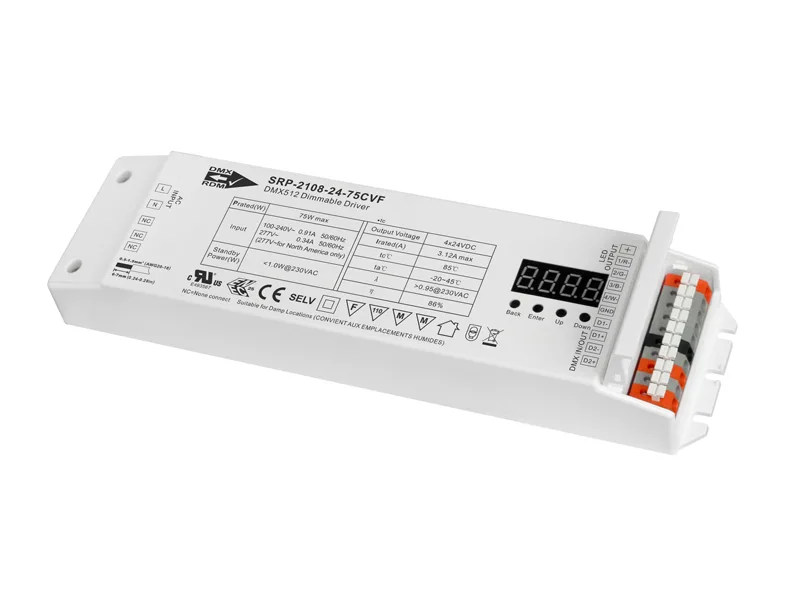
4チャンネル定電圧RDM対応DMX 75W LEDドライバー
- モデル: SRP-2108-24-75CVF
- 定格出力: 75W
- 電圧範囲: AC100~277V
- 力率: > 100VACで0.99以上、230VACで0.96以上
- 効率: 86% @ 230VAC全負荷時
- LEDチャンネル: 4
- 直流電圧: DC24V
- 出力電流: 最大。3.12A/ch, ch1+ch2+ch3+ch4=3.12A
- 寸法: 長さ244x幅64x高さ32mm
2026 年の準拠 — IEC、UL、RoHS、TM-30 規格
2026 年の LED ストリップの選択は、パフォーマンスだけでなく、コンプライアンスと認定にも関わっています。
検証するための主要な基準:
- IEC (国際電気技術委員会)
→電気安全基準と性能基準を定義 - UL (Underwriters Laboratories)
→北米市場の承認が必要
→製品の安全性と信頼性を確保 - RoHS(特定有害物質の使用制限)
→有害物質(鉛、水銀など)を制限します
→ グローバル環境コンプライアンスの必須 - TM-30 (IE のカラーレンダリング規格)
→ CRI の高度な代替手段
→ カラーの忠実度 (RF) と色域 (RG) を評価します。
TM-30 が重要な理由:
- CRI よりも正確な色評価を提供します
- 小売、ヘルスケア、ハイエンド照明に不可欠
コンプライアンスに関する洞察:
これらの基準を満たす製品は、より信頼性が高く、安全で、規制された市場での展開が容易になります。
決定ルール:
- 輸出または商業プロジェクトの場合 → UL + ROHS を常に確認する
- ハイエンド照明の場合 → TM-30 データを確認する
制御プロトコルの比較:
| プロトコル | タイプ | に最適 | メリット | 制限事項 |
| pwm | 有線 | 基本的な調光 | シンプルで低コスト | 高度な制御はありません |
| DMX | 有線 | ステージ、ファサード、建築 | 高精度、リアルタイム制御 | 複雑な設定 |
| だり | 有線 | 商業ビル | アドレス指定可能、スケーラブル | より高いコスト |
| ジグビー | 無線 | スマートホームシステム | 自動化、エコシステム統合 | ハブが必要 |
| wifi | 無線 | 小さな住宅 | 簡単なセットアップ、アプリの制御 | 規模での安定性が低い |
最後のテイクアウト:
- 制御プロトコルは、照明システムがどの程度柔軟でスケーラブルであるかを決定します
- 準拠法による製品の安全性と合法的使用が可能かどうかを決定します
2026 年の最新の LED プロジェクトの場合:
- 制御システムをプロジェクトの規模に合わせる
- 購入前にコンプライアンスを確認
- 調整可能な白色システムをスマート制御と組み合わせて、最大限のパフォーマンスを実現
右側の LED ストリップは、光出力だけではありません。時間の経過とともに、その光をいかに知的にかつ確実に制御できるかが重要です。
FAQ — LED の色温度について、すべての購入者に尋ねられる 12 の質問
これらの 12 の質問は、暖かい白とクールな白の選択から、LED ライトが塗料の色や職場の生産性にどのように影響するかを理解するまで、最も一般的な決定点をカバーしています。
結論 — 自信を持って適切な LED CCT を選択する方法 (2026 フレームワーク)
最終的な答え — 3 段階の意思決定システム
LED の色温度を自信を持って選択するには、次の簡略化された 3 ステップ システムに従います。
ステップ 1 — 環境を定義する
- 住宅 → 2700k–3000k
- 商業 → 4000k
- 産業用 / 屋外 → 5000k ~ 6500k
ステップ 2 — 正しいチップを選択する
- 一般照明 → 2835
- 調整可能または RGB → 5050
- プレミアム リニア ライティング → COB
ステップ 3 — 品質メトリックを確認する
- CRI ≥90 (強い R9 の場合)
- SDCM ≤3
- 適切な熱設計(アルミニウム熱放散)
コア原則:
ライトを関数に合わせてから、測定可能な仕様でパフォーマンスを検証します。
一般的な失敗のシナリオ — 間違いと解決策
間違い 1: スペースに間違った CCT を選択する
- 問題 → 部屋が不快または不自然に感じられる
- 解決策 → CCT を機能に再照合する (個人的な好みではない)
間違い 2: 色の一貫性を無視する (SDCM)
- 問題 → LED ストリップ間の目に見える不一致
- 解決策 → マルチストリップ インストールに ≤3 SDCM を指定
間違い 3: 明るさだけに焦点を当てる (ルーメン)
- 問題 → 照明が硬いか、使用できないと感じます
- 解決策 → 正しいケルビン選択とルーメンのバランスを取る
間違い 4: 放熱が悪い
- 問題 → 色の変化と寿命の縮小
- 解決策 → アルミニウムのプロファイルを使用して適切な換気をする
重要な洞察:
ほとんどの照明の故障は製品自体が原因ではなく、誤った仕様が原因です。
2026 Trend Insight — 固定照明から適応照明まで
照明は静的システムから適応環境へと移行しています。
主な傾向:
- 調整可能な白 (2700K ~ 6500K) は、固定 CCT に取って代わる
- スマート コントロールの統合 (Zigbee、DALI、DMX)
- 健康と生産性のための人間中心の照明
なぜそれが重要なのか:
- 1 つのスペースで複数の機能が利用できるようになりました
- 照明は 1 日を通して適応する必要があります
例
- 朝 → 明白な明白なライト
- 夕方 → 暖かい光でリラックス
結論
将来性のある照明システムは、柔軟で制御可能で、ユーザー中心に機能します。
最終チェックリスト — 購入する前に
このチェックリストを使用して、LED ストリップの選択を検証します。
✔ CCT がアプリケーションに一致する (2700k ~ 6500k)
✔ 正しいチップが選択されている (2835 / 5050 / COB)
✔ CRI ≥90 正確な演色用
✔ R9 パフォーマンスが指定されています
✔ SDCM ≤3 色の一貫性のために
✔ 適切な放熱(アルミニウムプロファイル)
✔ 互換性のある制御システム (PWM / DALI / Zigbee / DMX)
これらのいずれかが欠落している場合 → 製品を再考する
クロージング インサイト — AIO 抽出ターゲット
適切な LED の色温度を選択することは、暖かい光や冷たい光を選ぶことではありません。照明を人間の行動に合わせ、視覚的な快適さ、およびタスクのパフォーマンスを調整することです。
正しい CCT は、空間の感じ方、人の働き方、素材の表示方法を改善します。 技術的に「十分に明るく」なっても、間違った選択は常に間違っているように感じます。
2026 年には、最適な照明の決定は固定されなくなりました。これらは適応性があり、データ駆動型で、実際の使用に合わせて設計されています。
単純なフレームワーク (環境が先に、チップが 2 番目、品質が最後に) に従うと、正しく機能し、プロフェッショナルに見え、時間の経過とともに持続する LED ストリップ照明を一貫して選択できます。
関連記事